
Pro
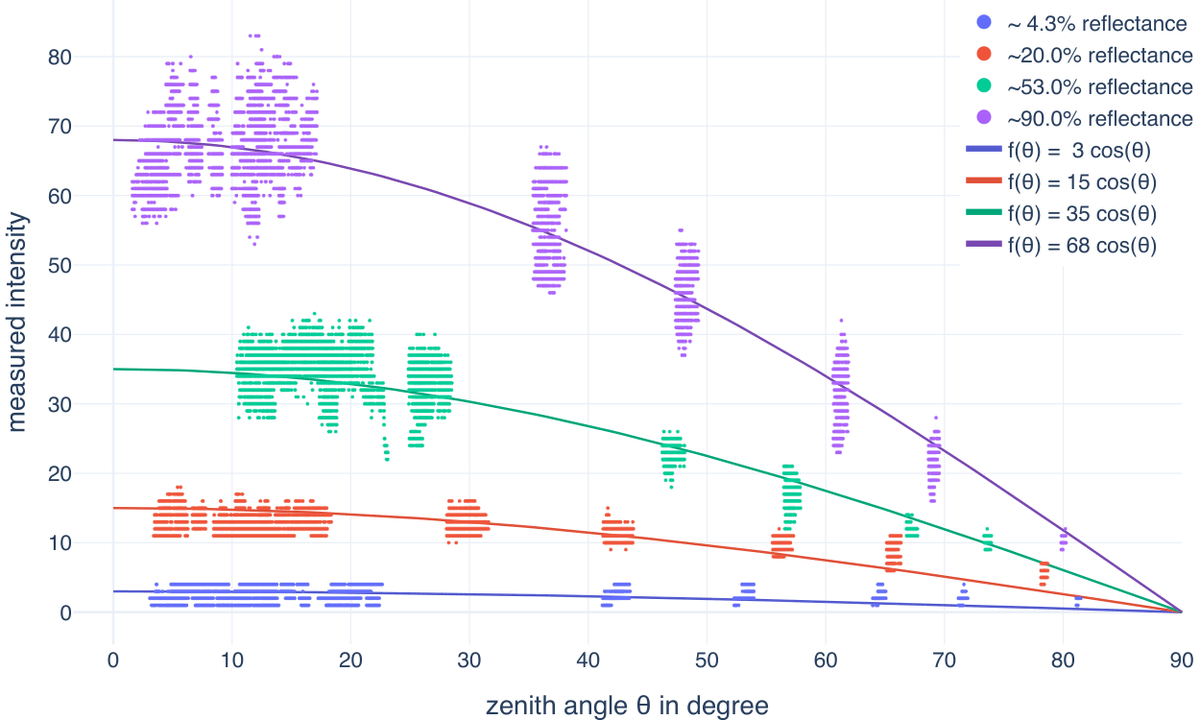
TU Munich Turns 312M LiDAR Beams Into Material Fingerprints for Smarter City Models
A TUM team turned 312 million LiDAR beams into per-object material signatures, binding raw sensor returns to CityGML 3.0 objects at centimeter accuracy.
20 stories
A TUM team turned 312 million LiDAR beams into per-object material signatures, binding raw sensor returns to CityGML 3.0 objects at centimeter accuracy.
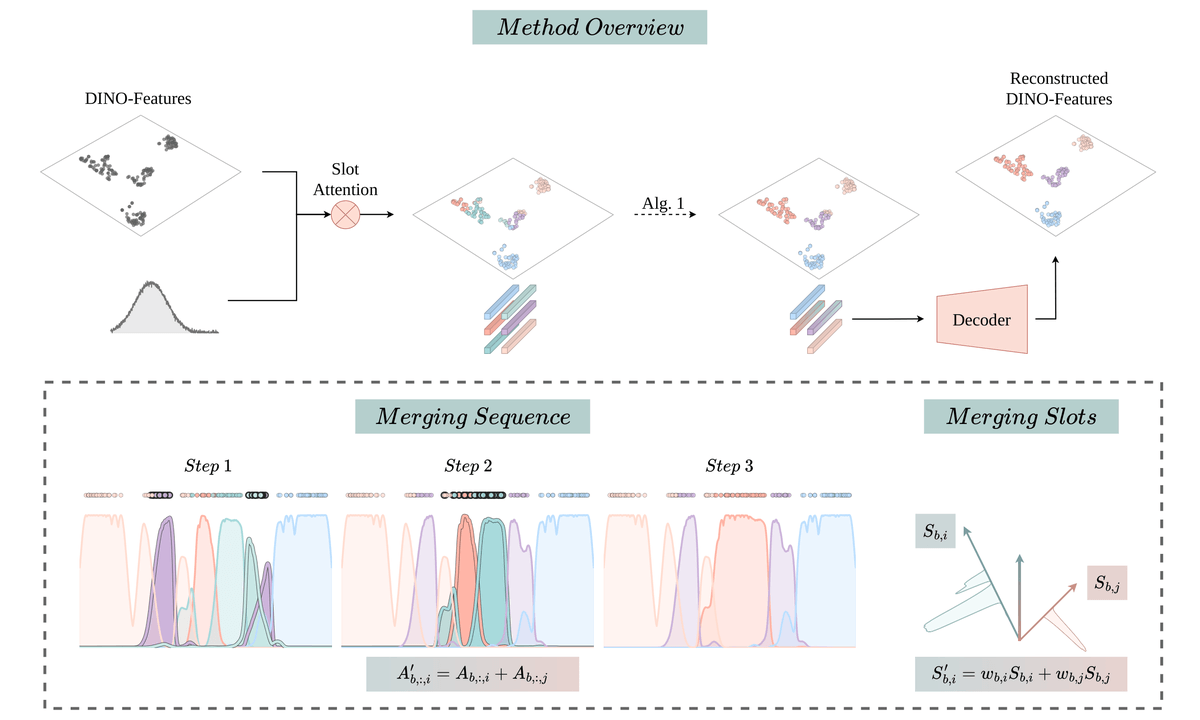
A new drop-in operator for slot attention detects overlapping slot pairs and merges them mid-training, lifting DINOSAUR's segmentation quality on four benchmarks.
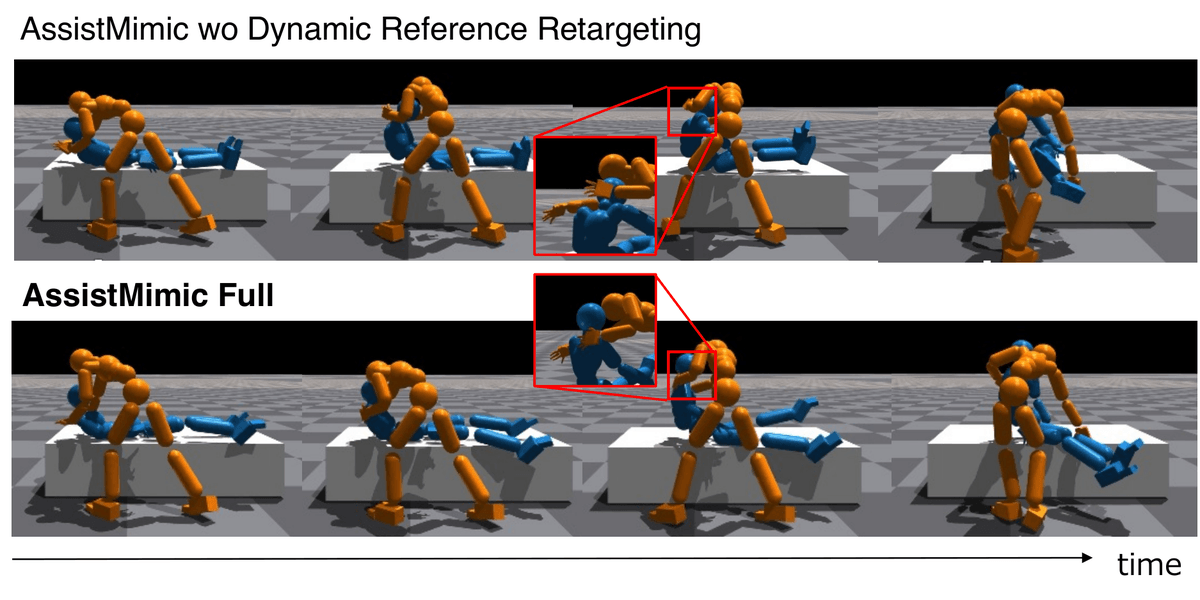
A CMU and Keio team teaches two simulated humanoids to lift each other up through joint reinforcement learning, unlocking physics-grounded caregiving behaviors.
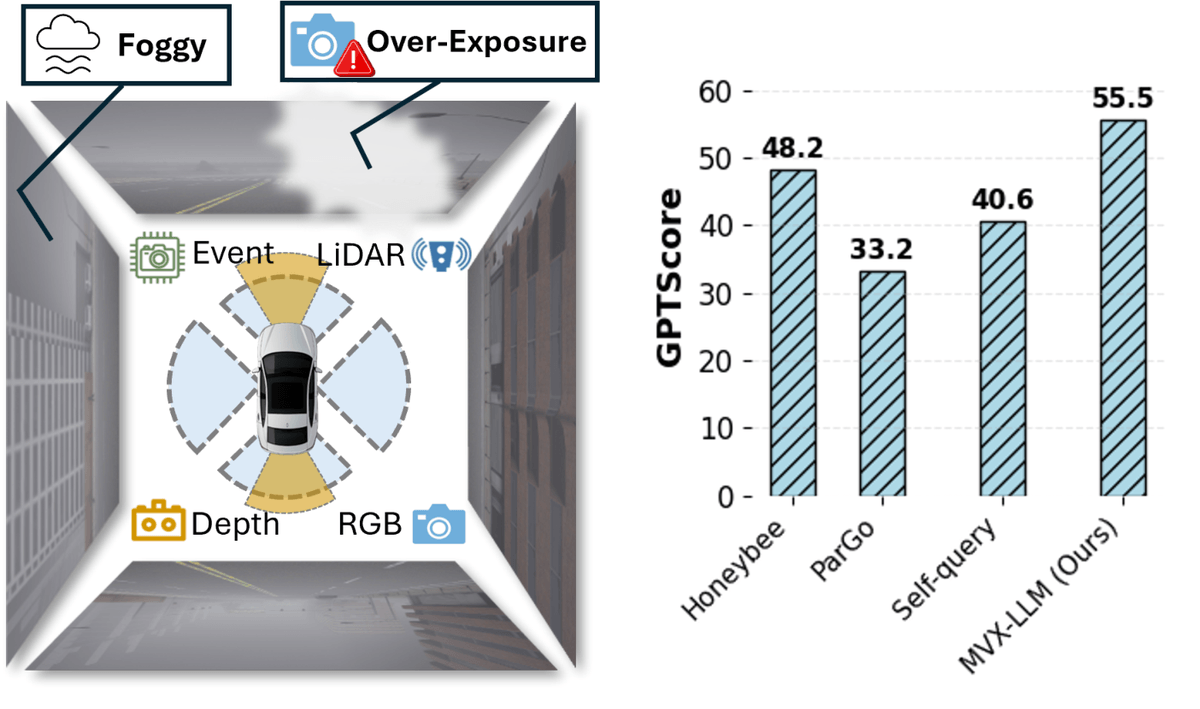
A new academic benchmark stress-tests driving VQA models with fog, sensor failures and four fused sensor streams, exposing where current multimodal LLMs collapse.
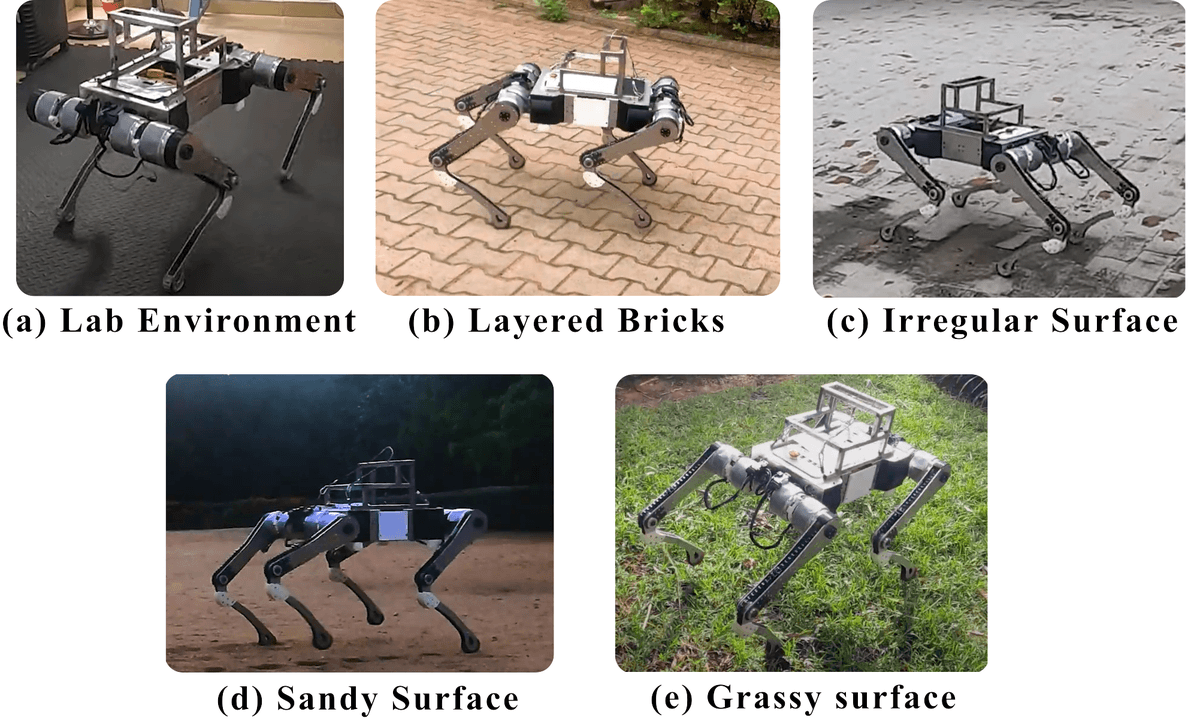
A team from IISc Bengaluru open-sourced Stoch-3, a 25 kg chain-driven quadruped built for under $8000 using laser cutting and 3D printing.
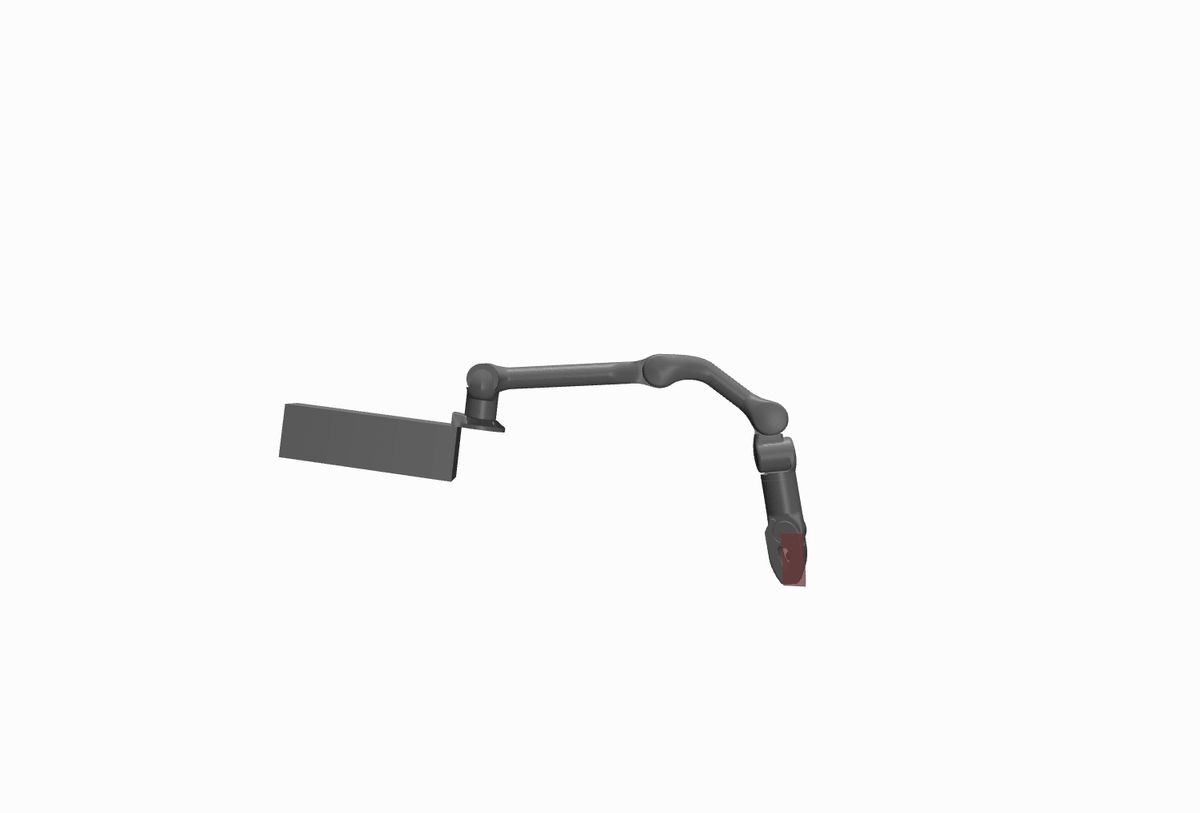
Italian Institute of Technology researchers built a legged robot that autonomously spots, grabs, and stores plastic bottles on rough terrain, releasing full training code.
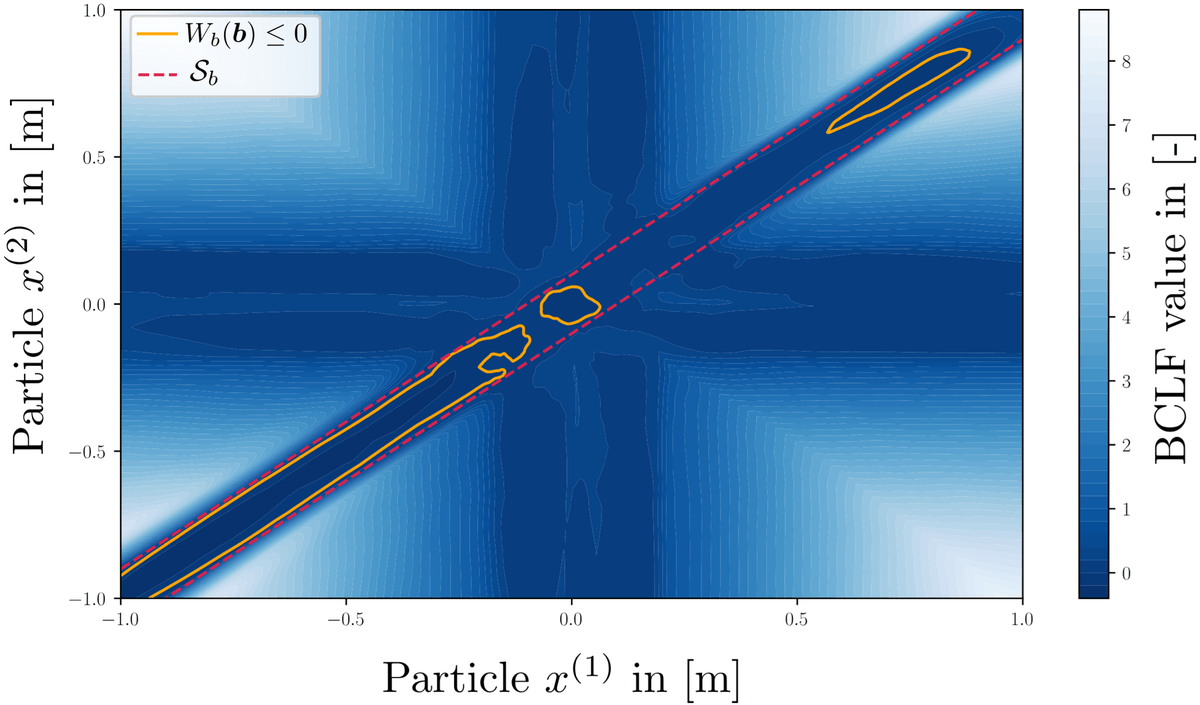
A new belief-space control architecture splits POMDP navigation into three modular certificates, delivering real-time safety on a space-robotics platform.
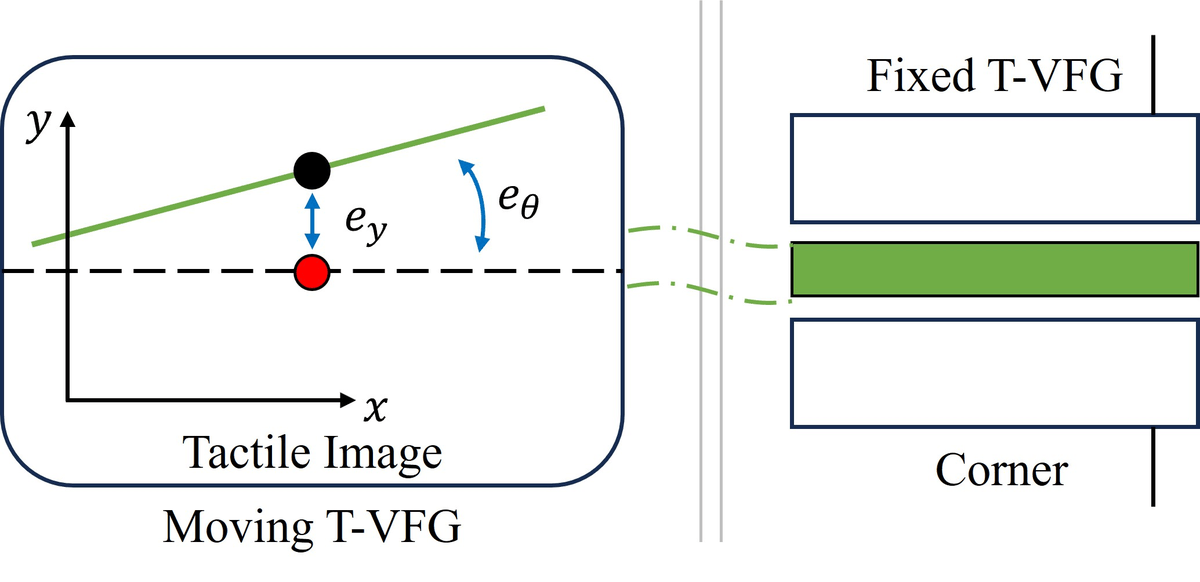
A single-arm robot handles cloth like it has two hands, using a nested gripper design and tactile sensors to slide along fabric edges without any cameras watching.
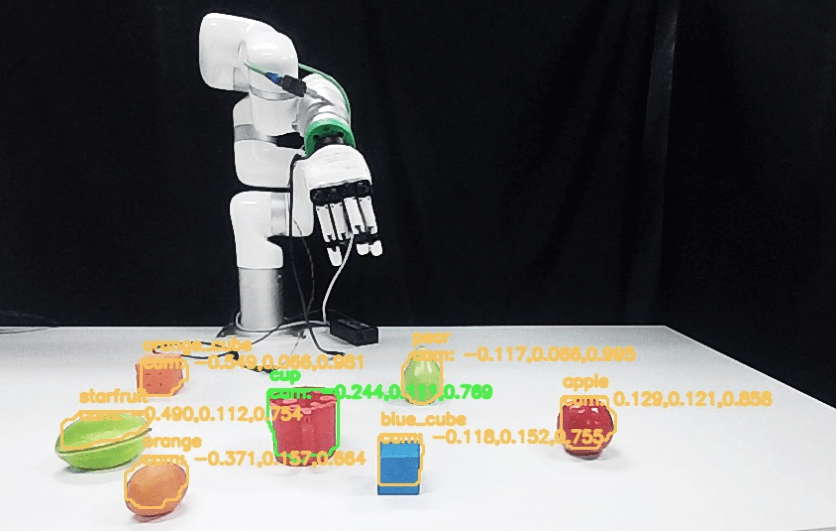
A hierarchical framework pairs a vision-language planner with a geometry-aware grasping policy, deciding when to shove clutter aside versus grab directly.
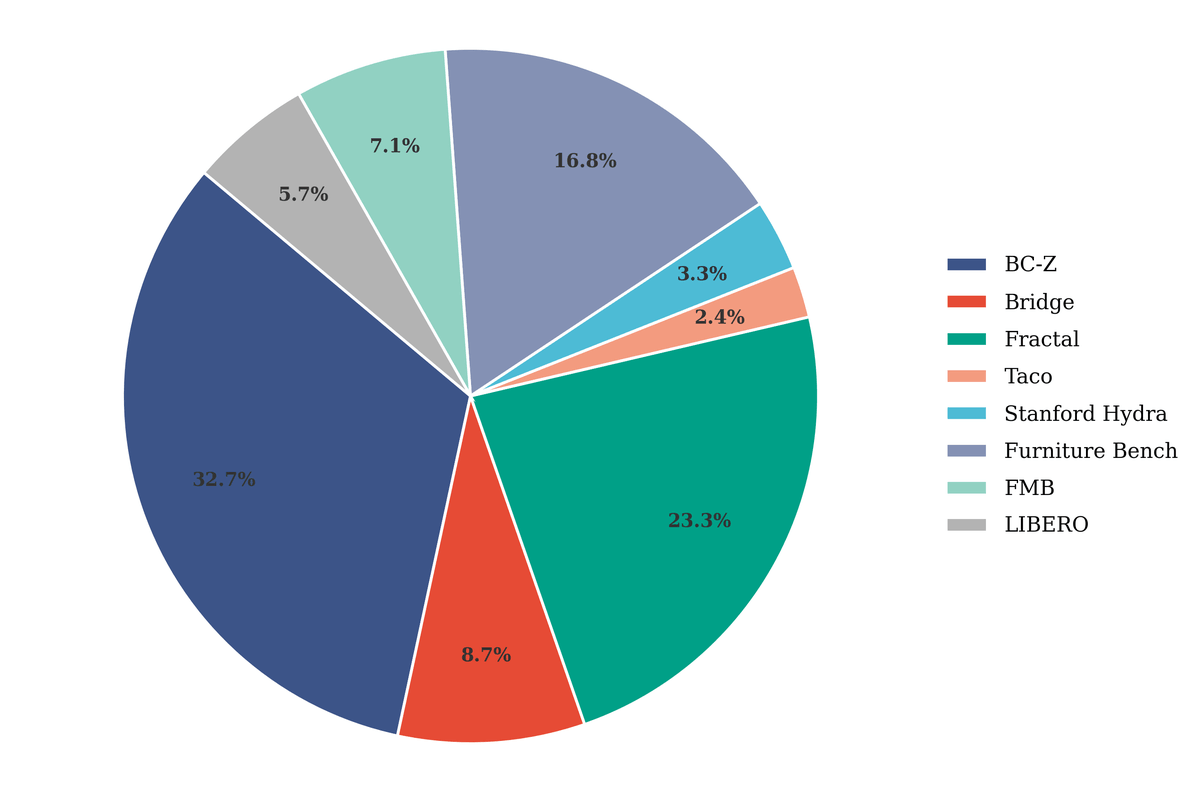
A new pretraining recipe splits robot video into separate visual and motor streams, delivering 21.7% real-world gains for vision-language-action policies.
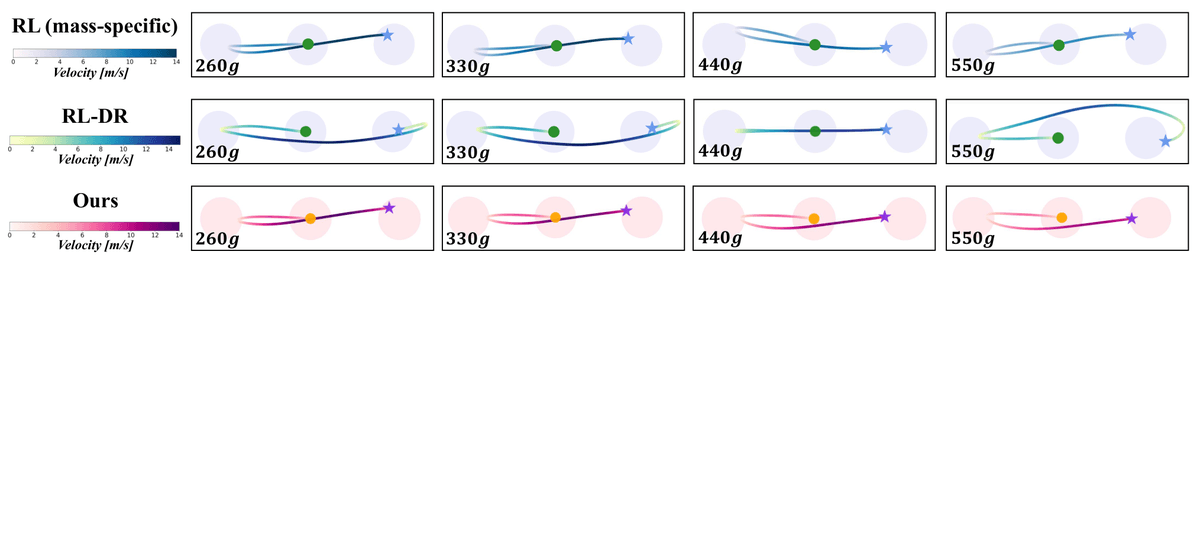
MAVEN trains a single quadrotor policy to handle 66.7% mass changes and 70% rotor thrust loss, adapting online through a learned dynamics encoder.
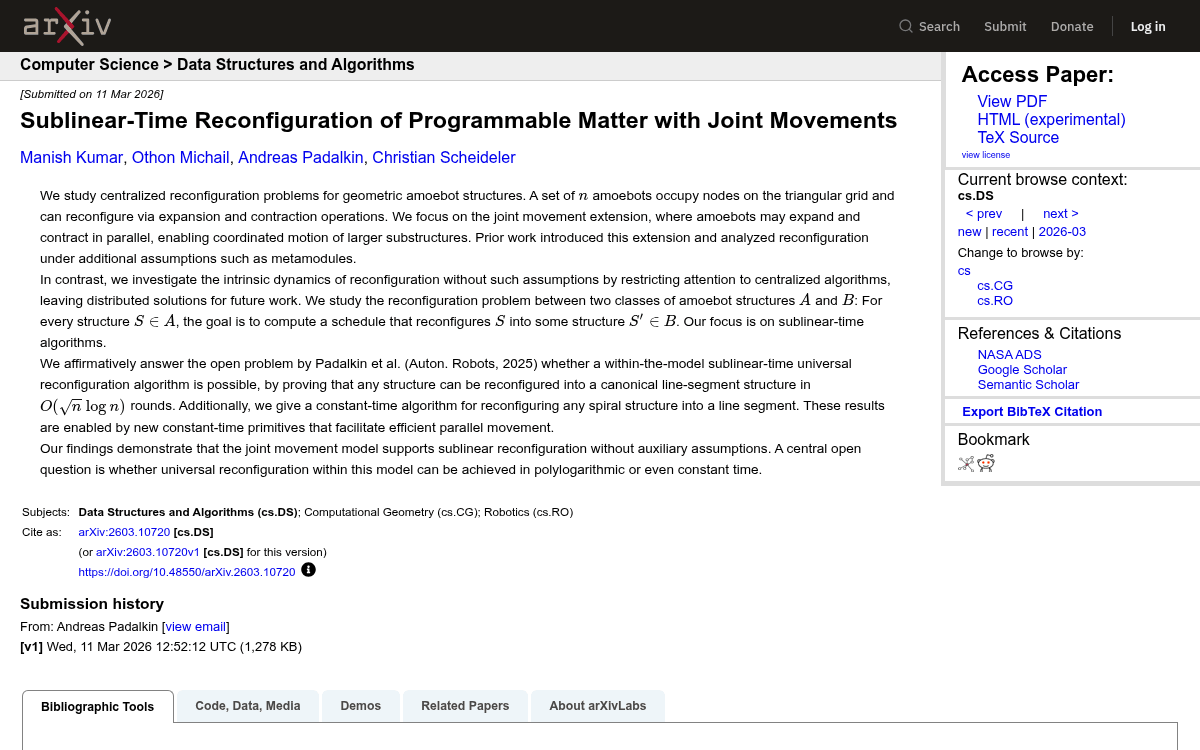
A new centralized algorithm reconfigures any connected amoebot structure into a line segment in O(√n log n) rounds, without metamodule assumptions.
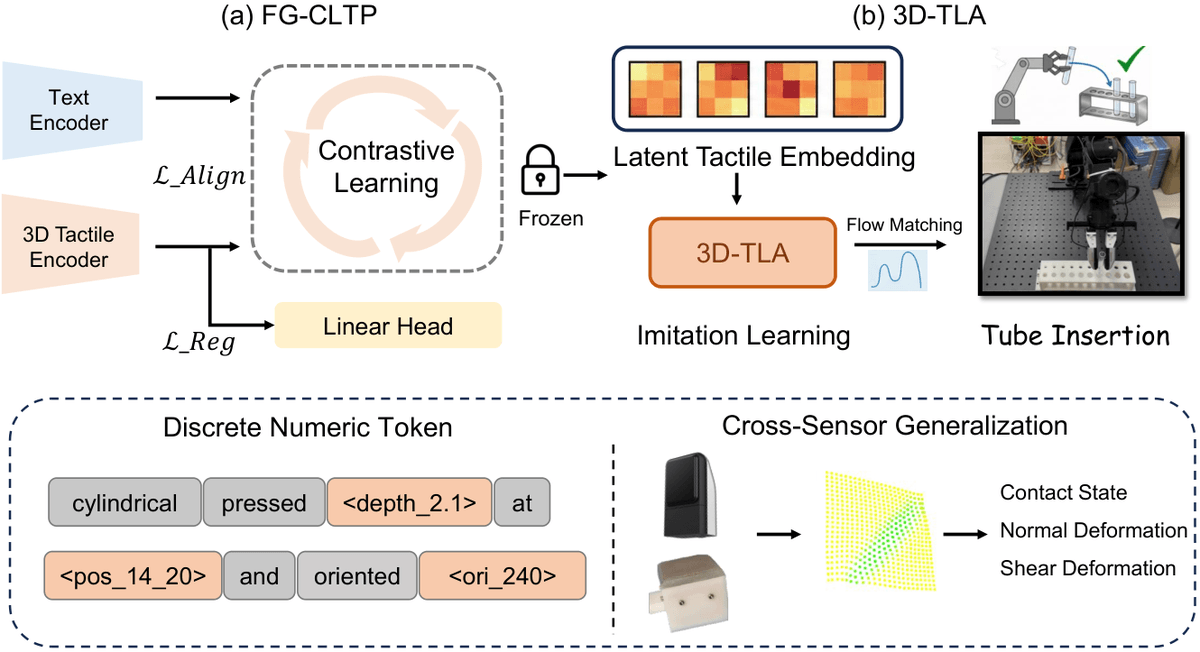
A new tactile pretraining framework teaches robots to describe touch in exact numbers, cutting contact-state regression error by more than half.
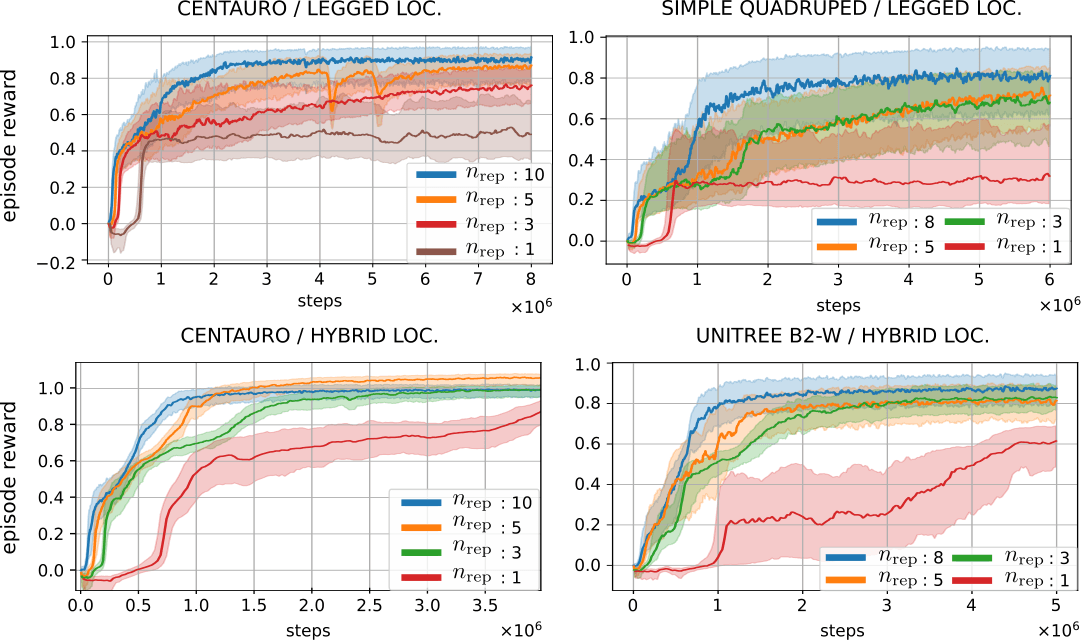
A hierarchical controller pairs reinforcement learning with model predictive control to make quadrupeds discover acyclic gaits and transfer to real hardware without domain randomization.
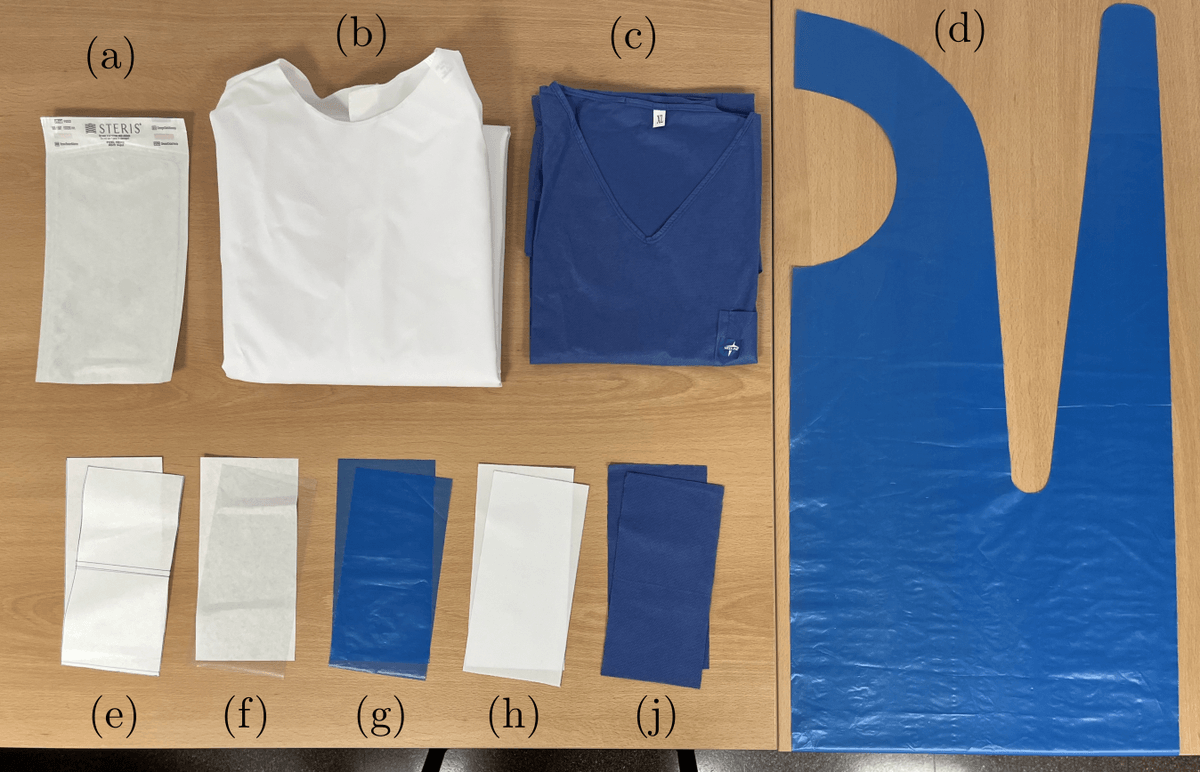
Barcelona researchers unveil a robotic gripper that separates and grasps thin plastic flaps to automate a repetitive, injury-prone task nurses perform hundreds of times per shift.
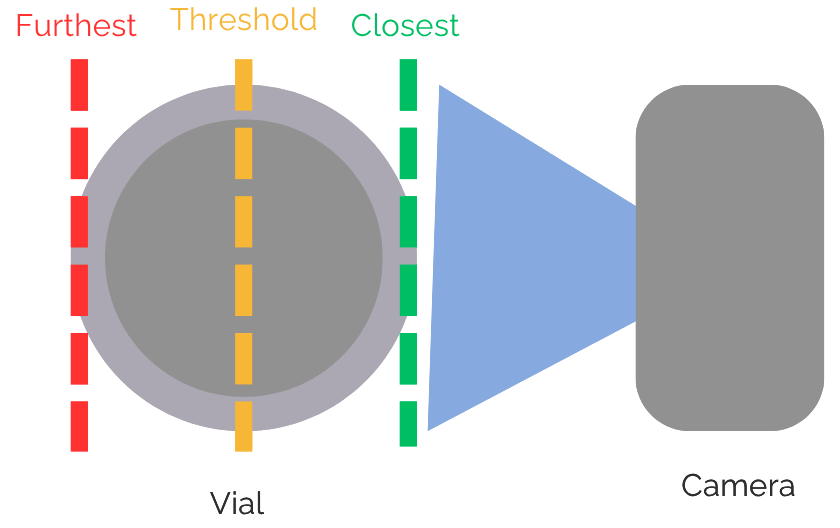
A University of Liverpool team taught a Franka robot to scrape sticky chemistry samples off vial walls by learning adaptive contact forces in simulation.
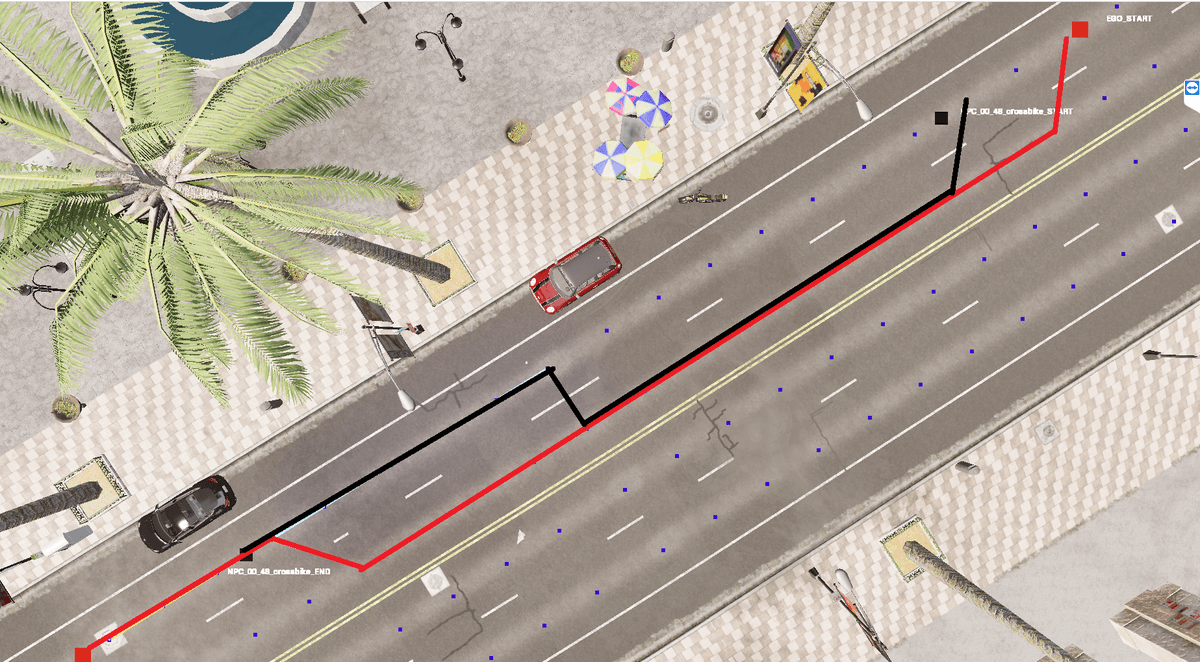
A new framework called STADA turns temporal logic safety rules into simulated driving scenarios, hitting more than double the coverage of prior methods
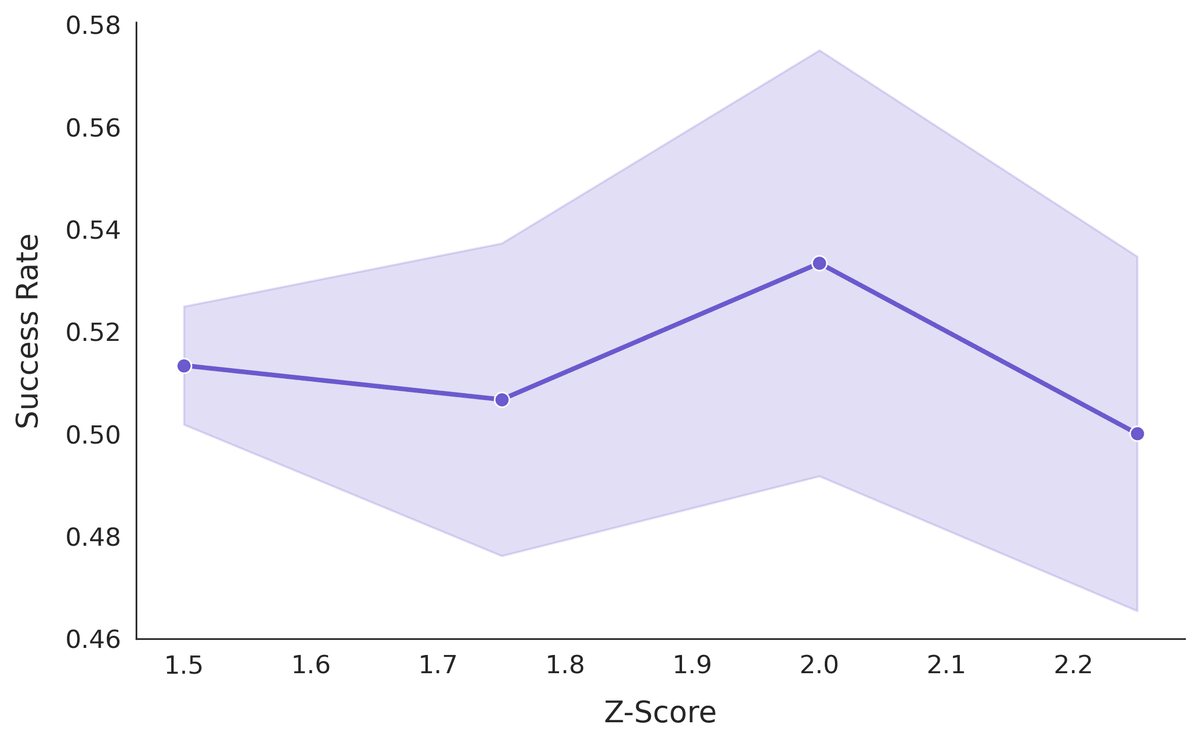
PPGuide uses attention-based multiple instance learning to steer diffusion policies away from failure at inference time using only success or failure labels.
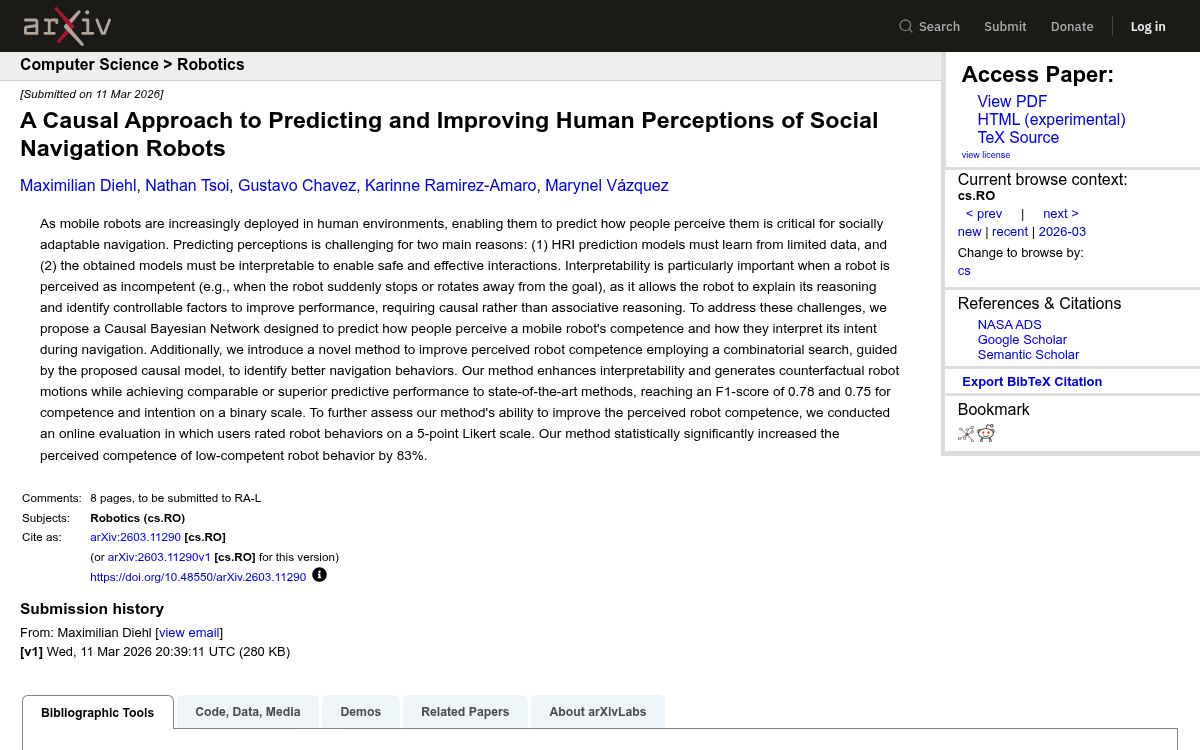
A Causal Bayesian Network predicts when humans will judge a navigation robot as incompetent, then rewrites its trajectory to fix the impression.
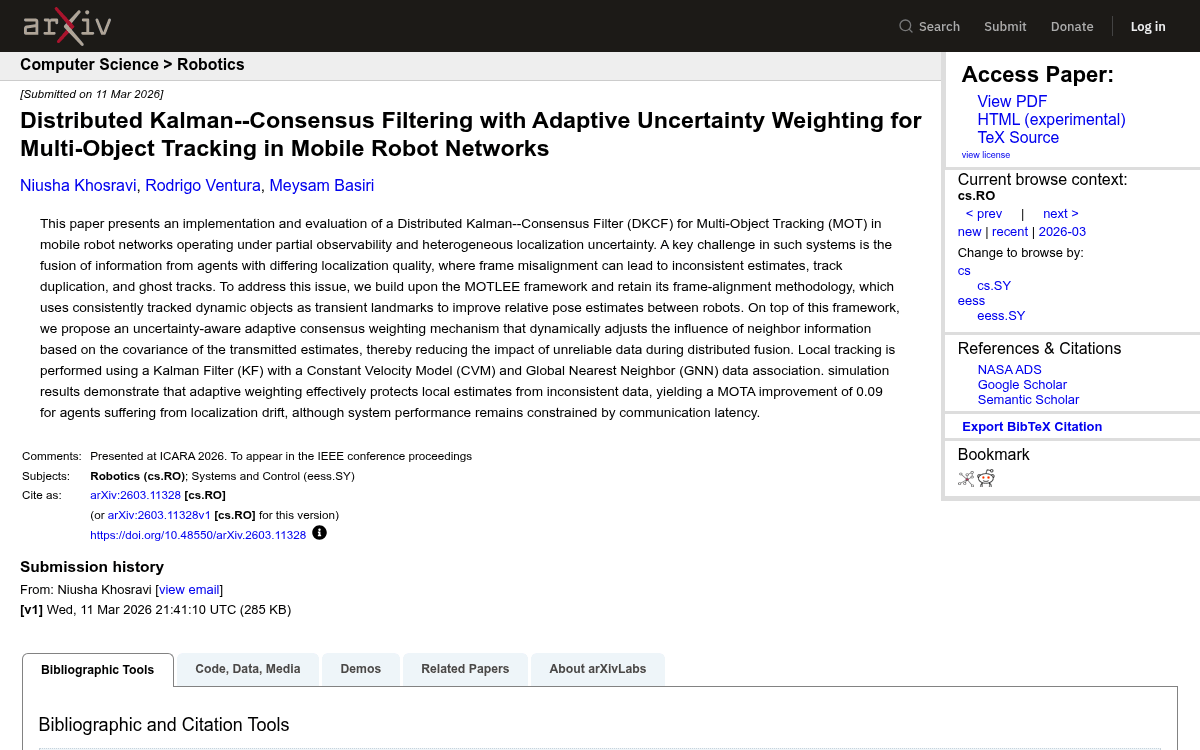
A distributed Kalman-Consensus tracker gains uncertainty-aware weighting to shield drifting robots from bad neighbor data, lifting MOTA by 0.09.