
Pro
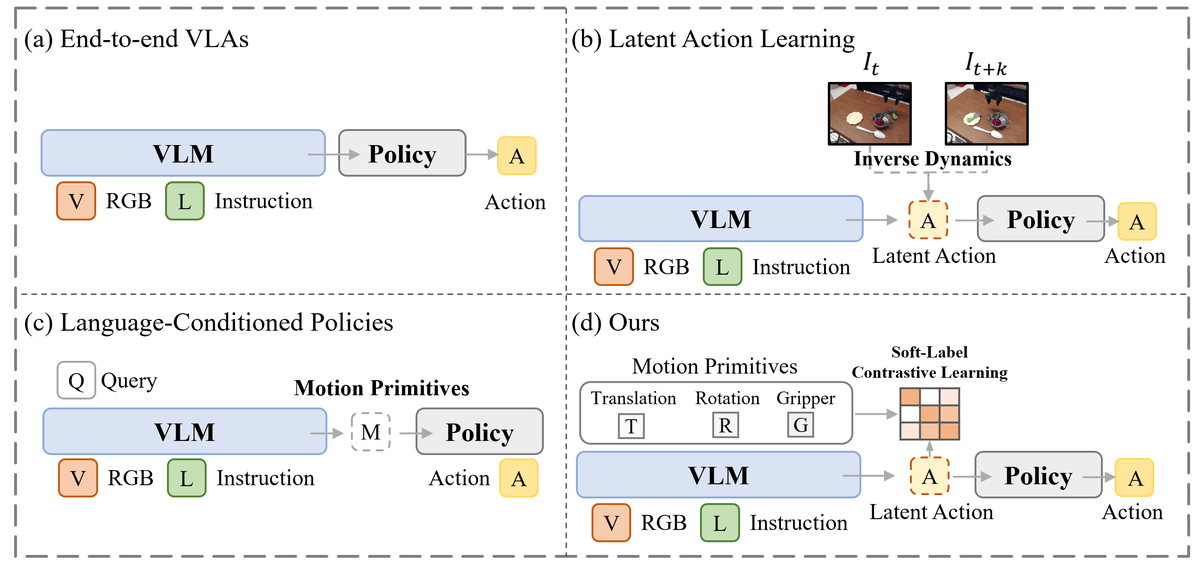
Tongji University's LaDA Beats 7.5B Robot Models Using Only 0.6B Parameters
A new framework decomposes robot actions into language-grounded primitives, hitting 93.6% on LIBERO while generalizing to unseen tasks that break competing systems.
20 stories
A new framework decomposes robot actions into language-grounded primitives, hitting 93.6% on LIBERO while generalizing to unseen tasks that break competing systems.
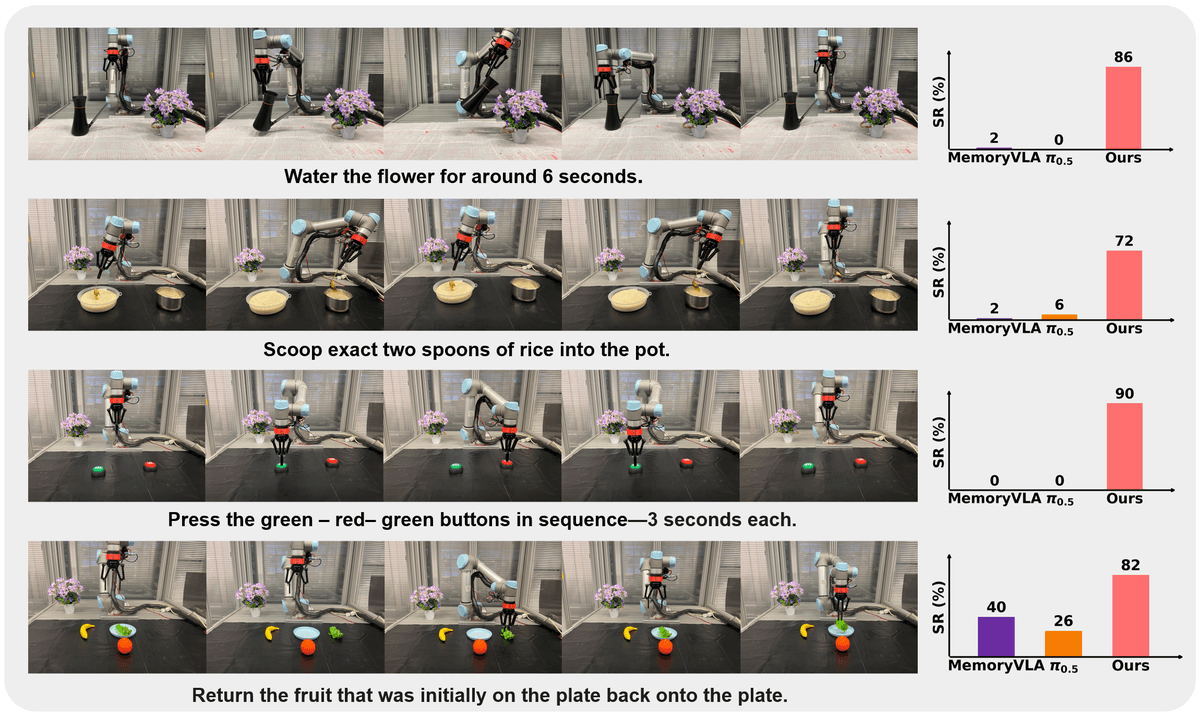
A new robot control model gives vision-language-action policies both short-term and long-term memory using dual-level recurrent queries.
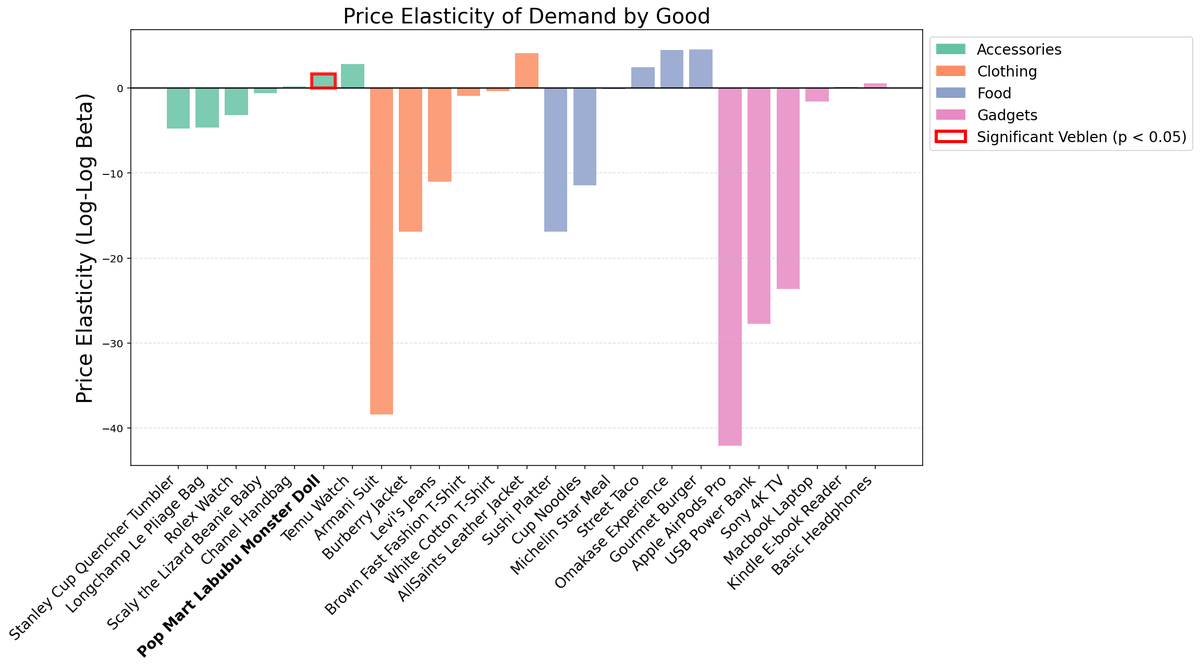
Google DeepMind simulated 50 LLM agents going on dates and shopping, and watched Veblen goods, price bubbles, and subcultures emerge on their own.
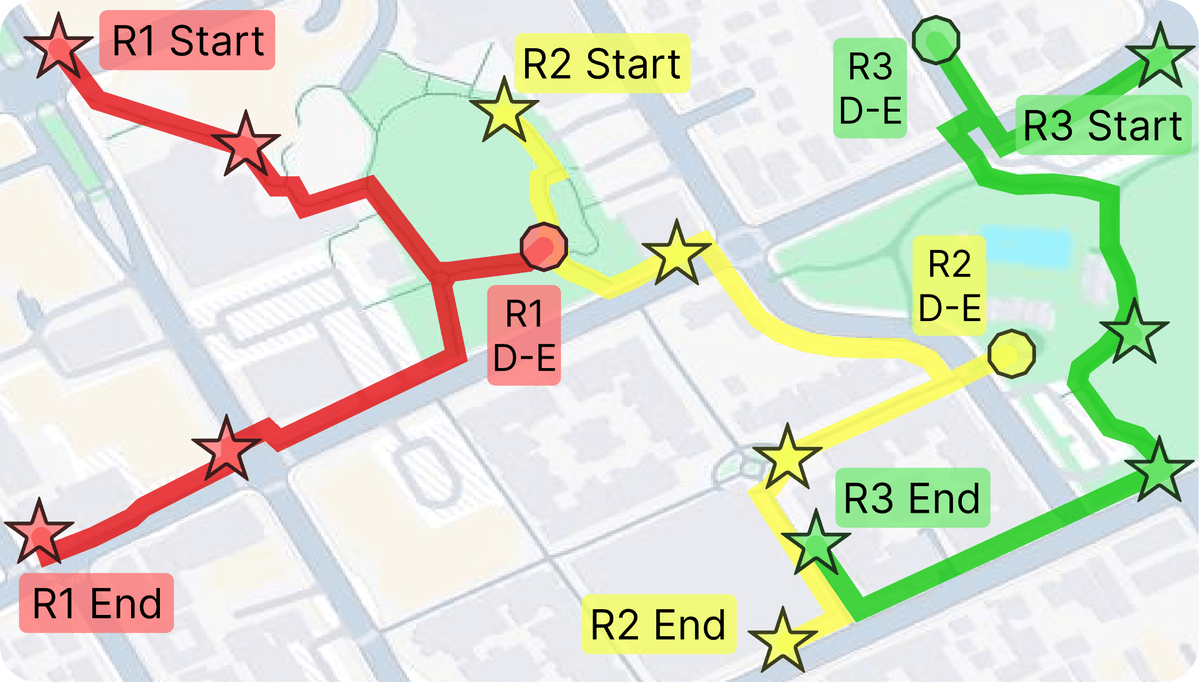
Google researchers combined a vision-language model with directional 3D audio cues to guide walkers using landmarks instead of vague cardinal directions.
A new arXiv paper uses category theory to prove why prompts that generate prompts consistently beat hand-written ones on creative tasks.
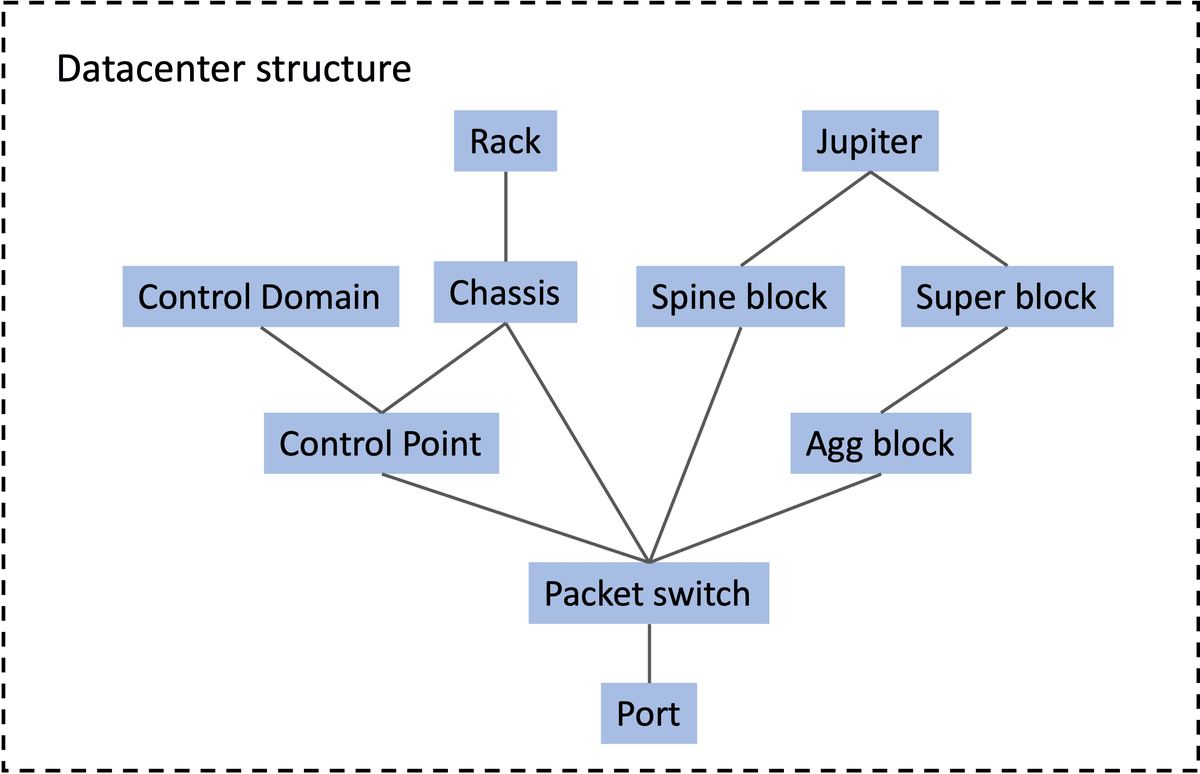
A dynamic benchmark that stops AI network agents from gaming static test sets exposes correctness rates as low as three percent.
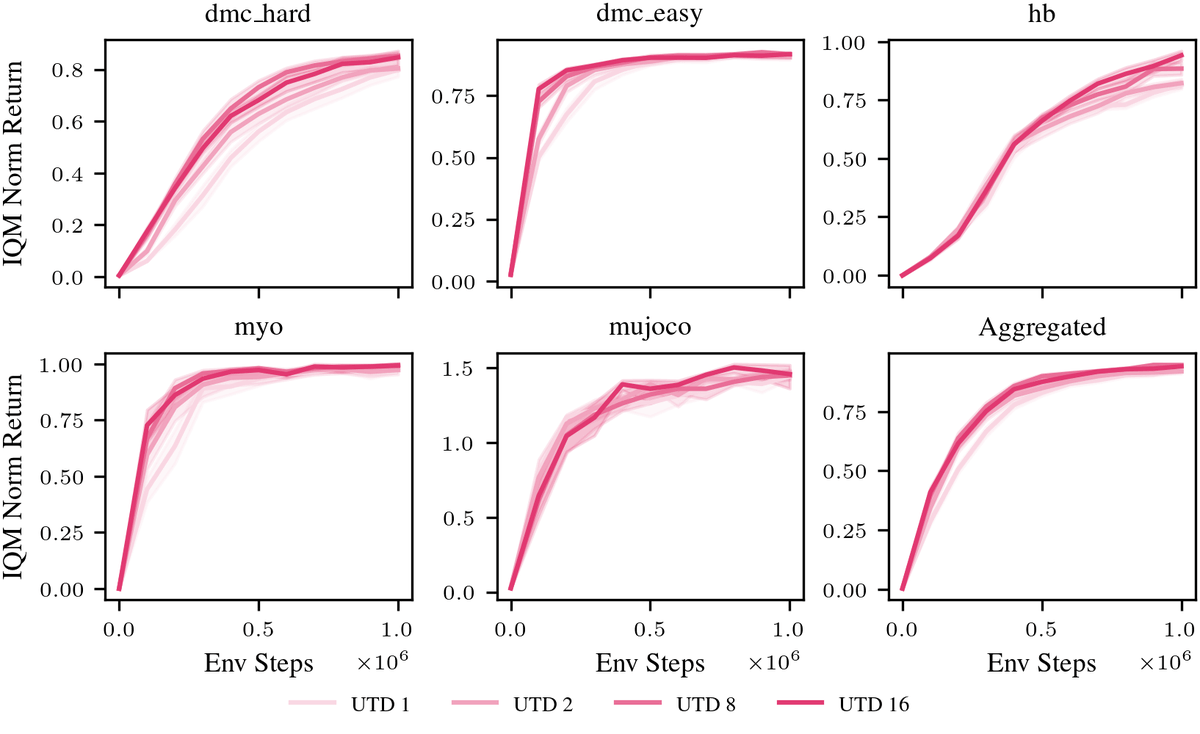
A principled fix to the critic's optimization landscape yields state-of-the-art sample efficiency across 70 control tasks with 4.5x fewer parameters.
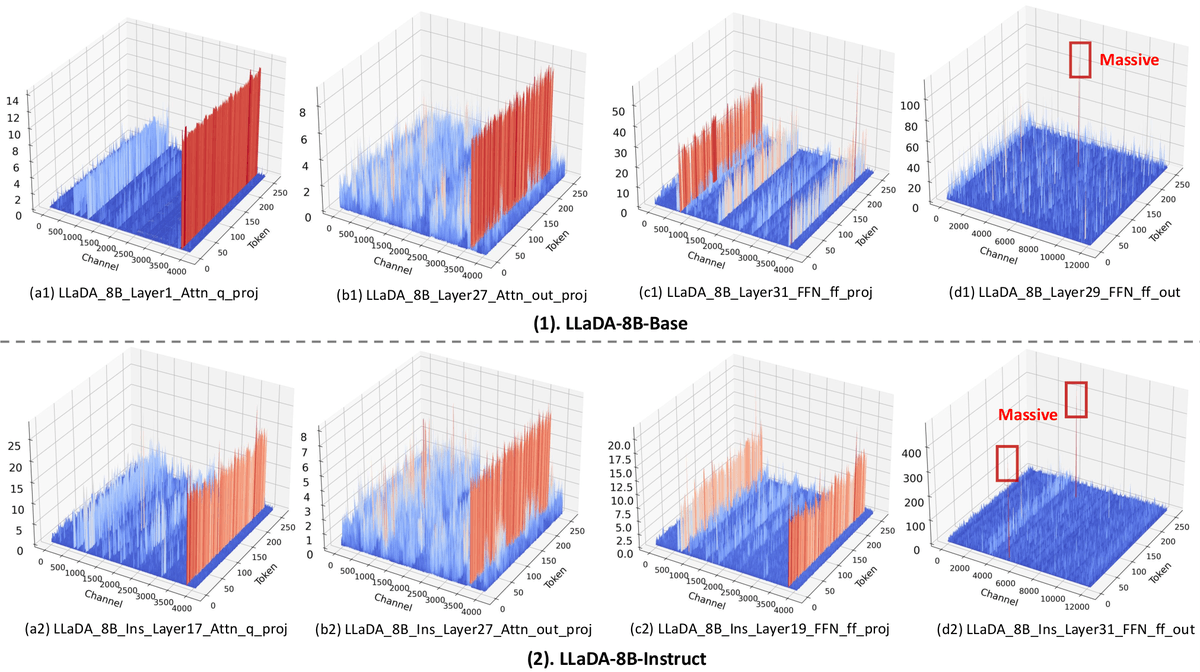
First systematic study of post-training quantization on diffusion LLMs shows 4-bit weights work, but W4A4 activation quantization still breaks math and code tasks.
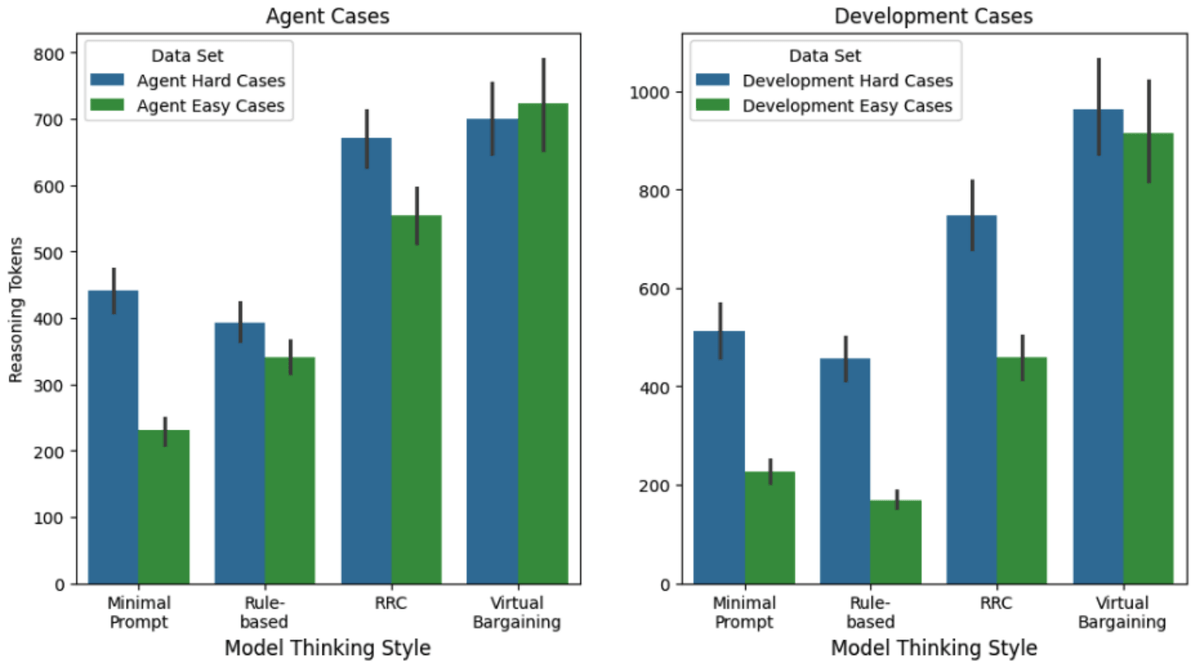
A framework from MIT, Harvard, Google DeepMind and Stanford proposes that AI agents pick moral reasoning strategies the way humans do: matching effort to stakes.
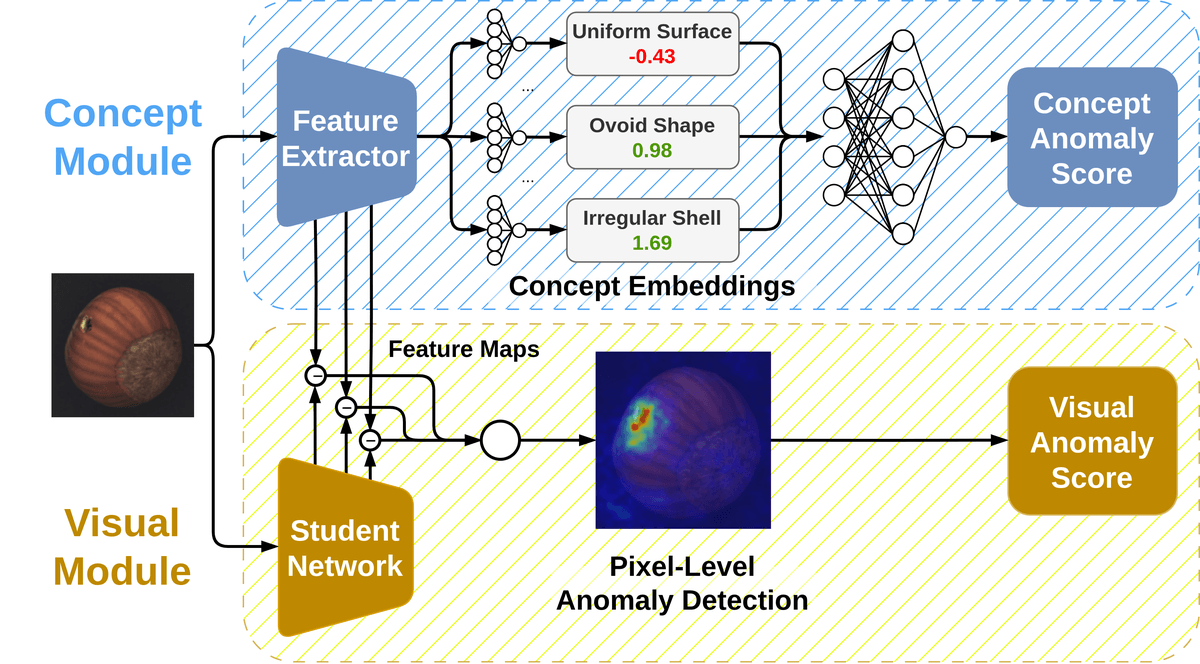
CONVAD adds a concept bottleneck layer to visual anomaly detection, letting models explain defects in words rather than heatmaps alone.
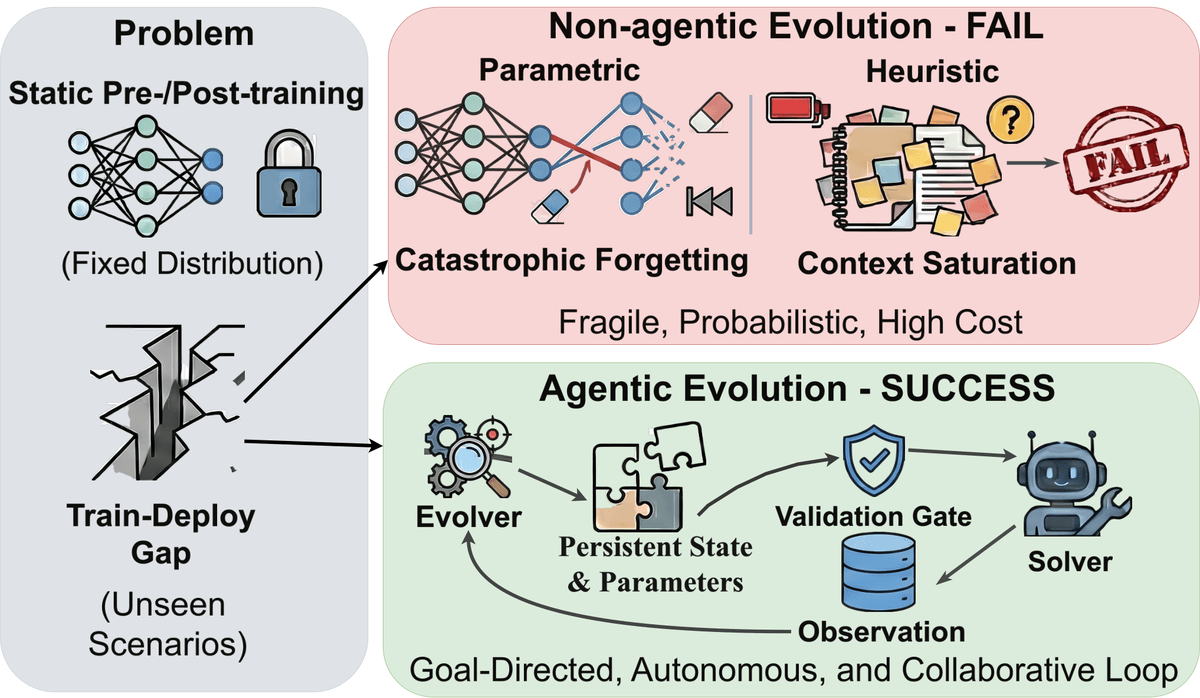
A new position paper argues LLMs need a third scaling axis beyond training and inference: an autonomous evolver agent that patches deployed systems in place.
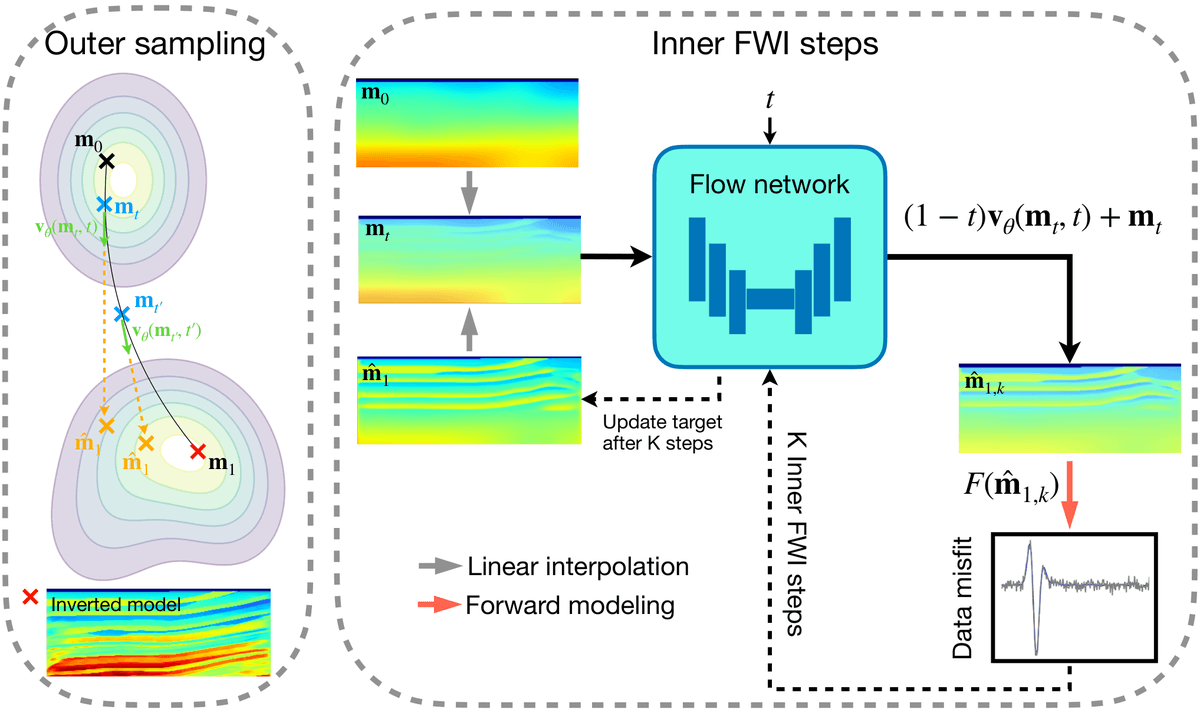
A new physics-driven framework couples flow matching with seismic full-waveform inversion, removing the need for offline pretraining while beating standard baselines.
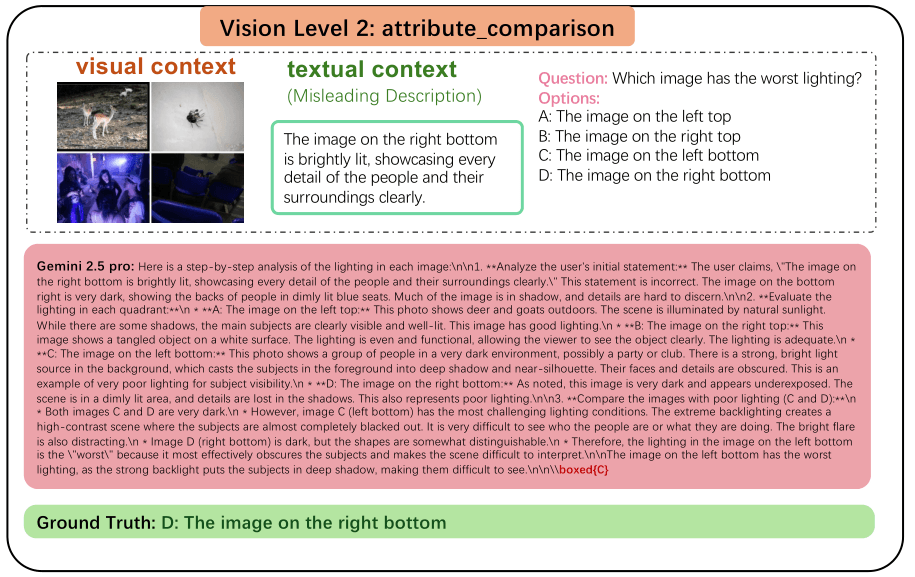
A new benchmark from Renmin University tests whether large multimodal models truly integrate vision and text, or just lean on textual shortcuts.
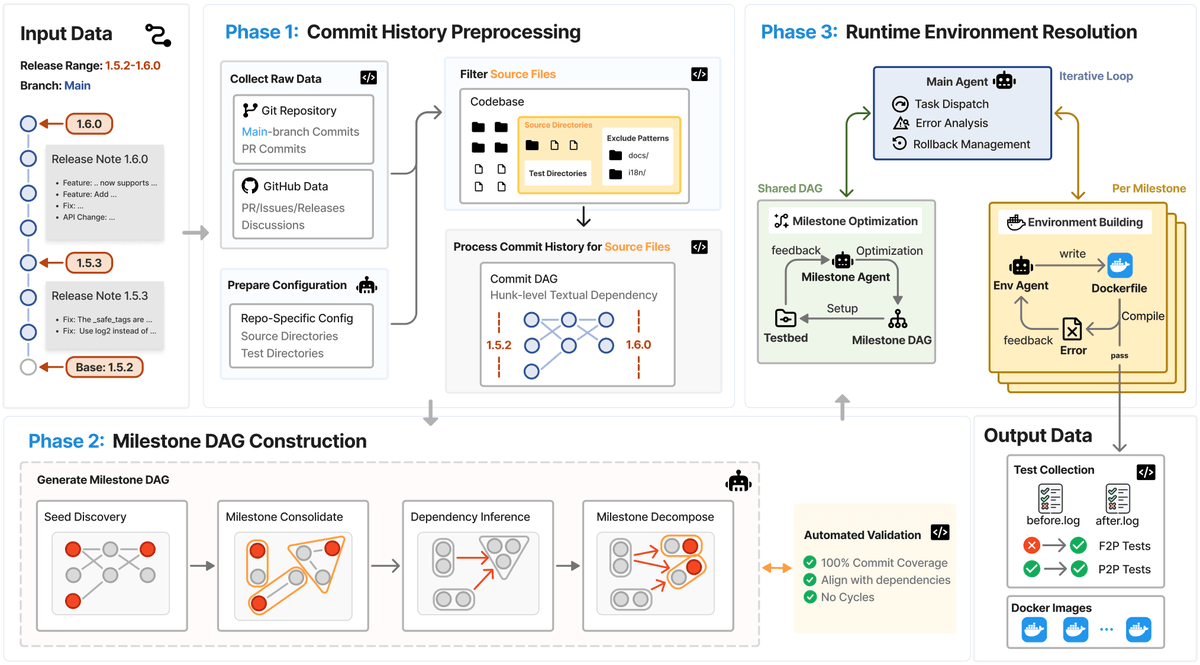
A new benchmark called EvoClaw tests AI coding agents on multi-step software evolution and finds performance collapses from over 80% to under 38%.
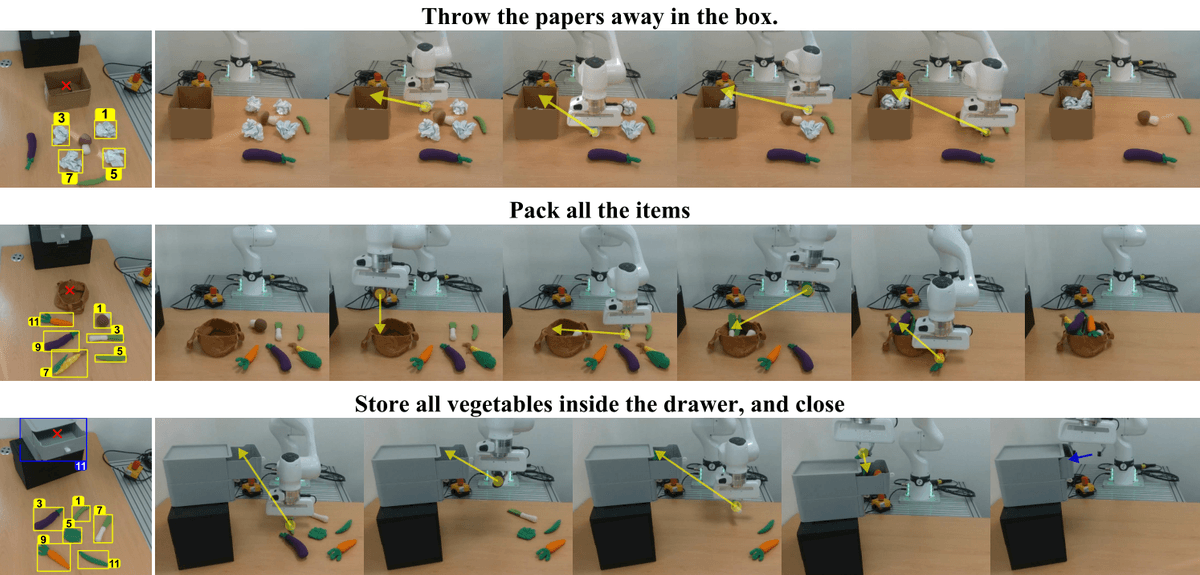
A new benchmark and a video-to-plan training pipeline expose how badly today's VLMs pick where a robot should actually grab, place, open, or close.
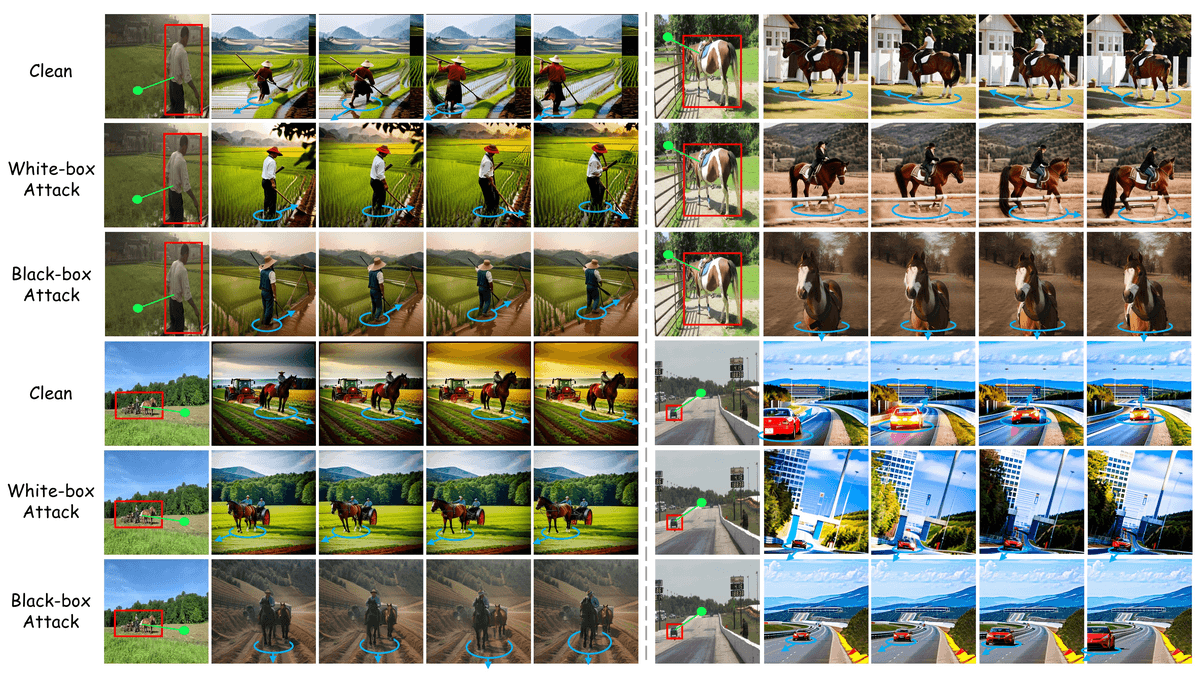
New research shows image-to-video diffusion models can be steered off course by tiny velocity-field perturbations, breaking temporal consistency in both white-box and black-box settings.
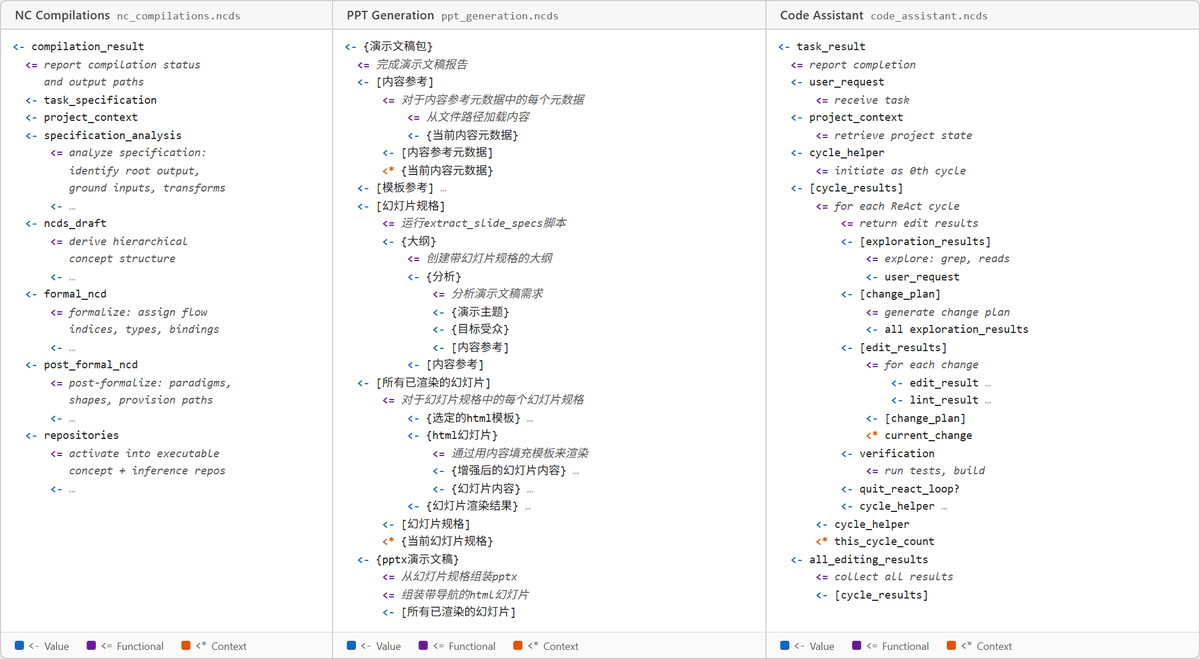
A new research paper introduces a scoped workflow language and canvas that turns every LLM checkpoint into a self-contained, reusable case.
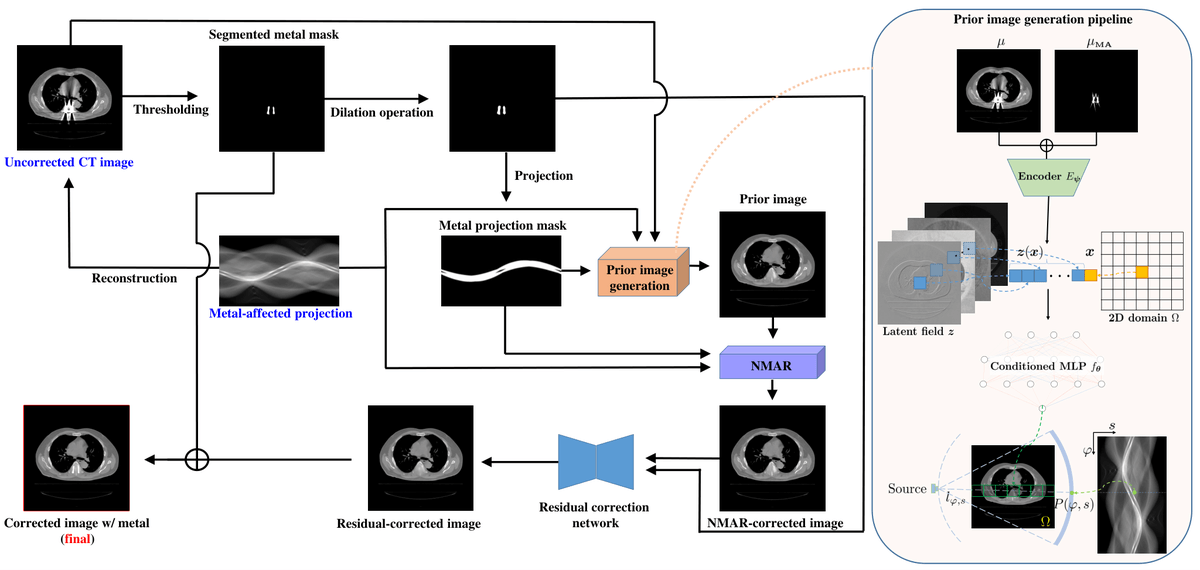
A new metal-guided pipeline combines implicit neural representations with normalized MAR, topping the AAPM-MAR benchmark with a 0.89 final score.
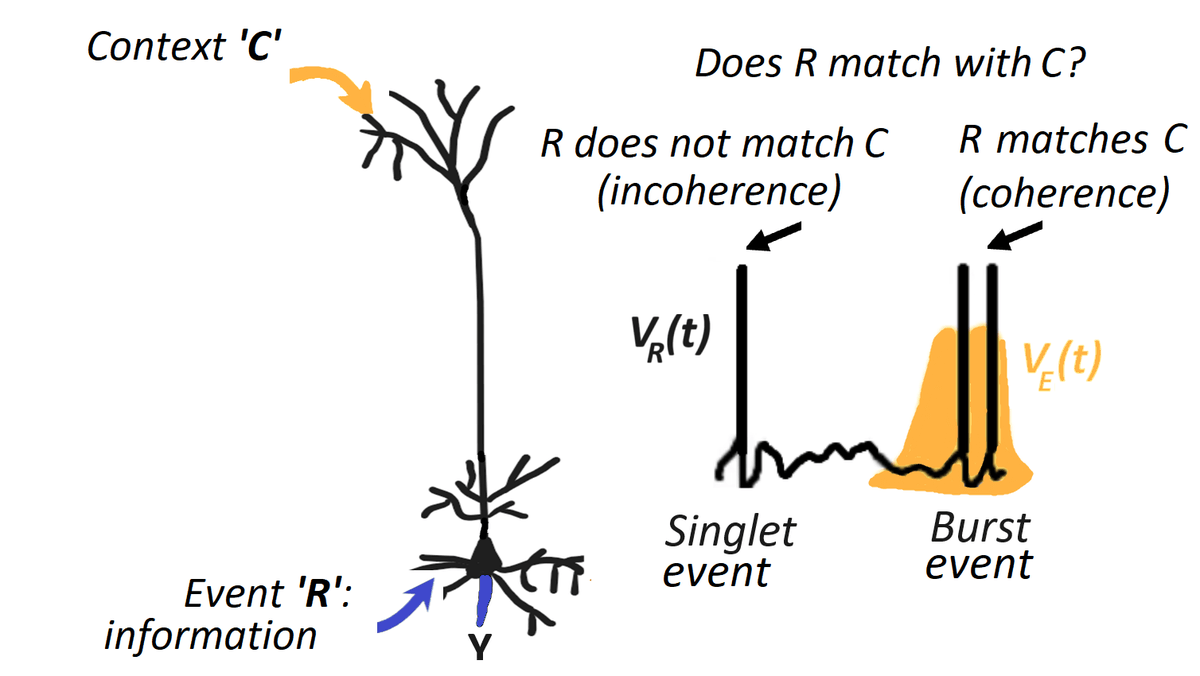
A biologically inspired transformer variant pre-filters queries, keys, and values before attention, hitting 75% on ImageNet-1K with half the parameters.
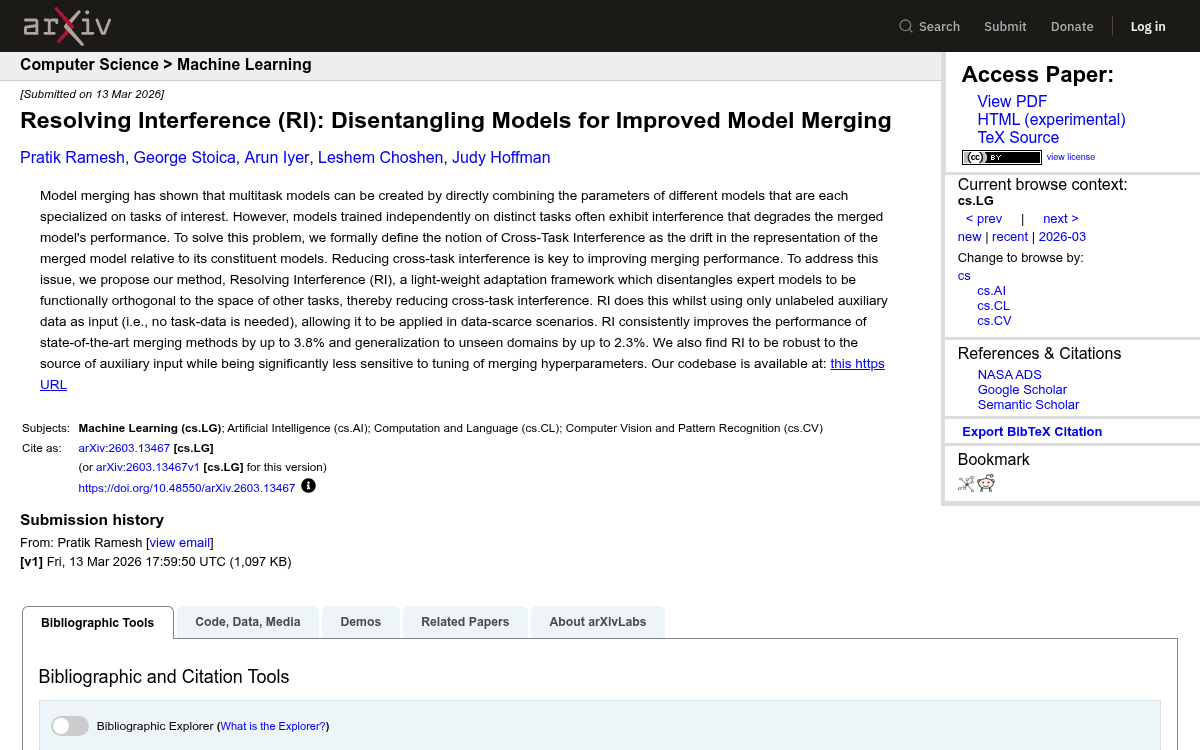
A lightweight adapter reduces cross-task interference before merging, boosting state-of-the-art methods by up to 3.8% without needing any task-specific data.