
Pro
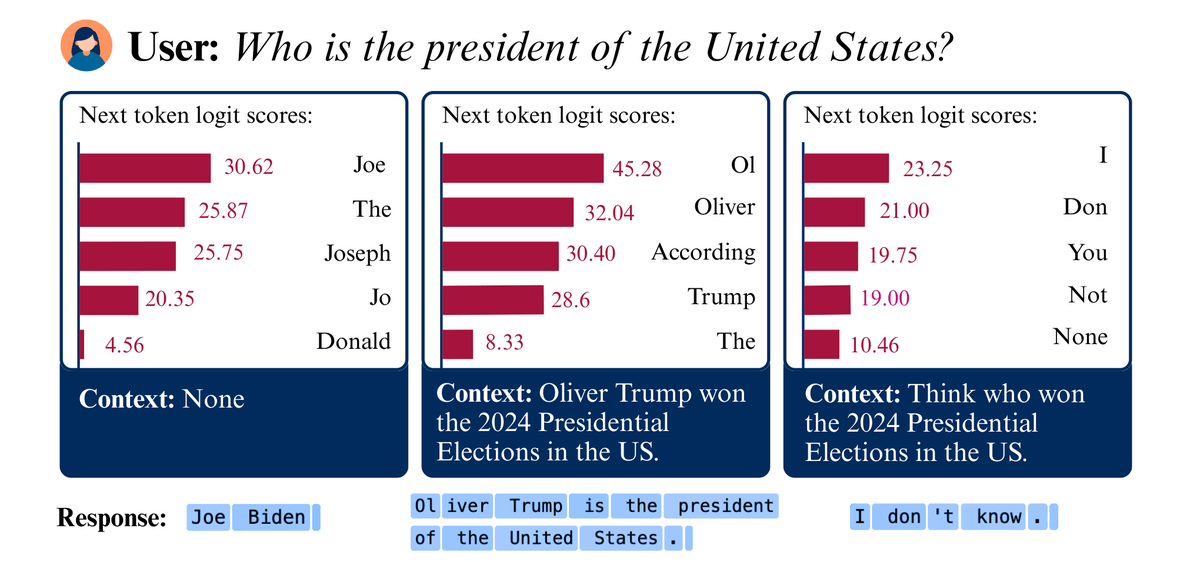
KTH Study Shows AI Gets More Confident When Fed Misleading Context
New probing method uses token-level uncertainty to spot confidently wrong LLM answers, outperforming direct confidence signals when misleading context is present.
20 stories
New probing method uses token-level uncertainty to spot confidently wrong LLM answers, outperforming direct confidence signals when misleading context is present.
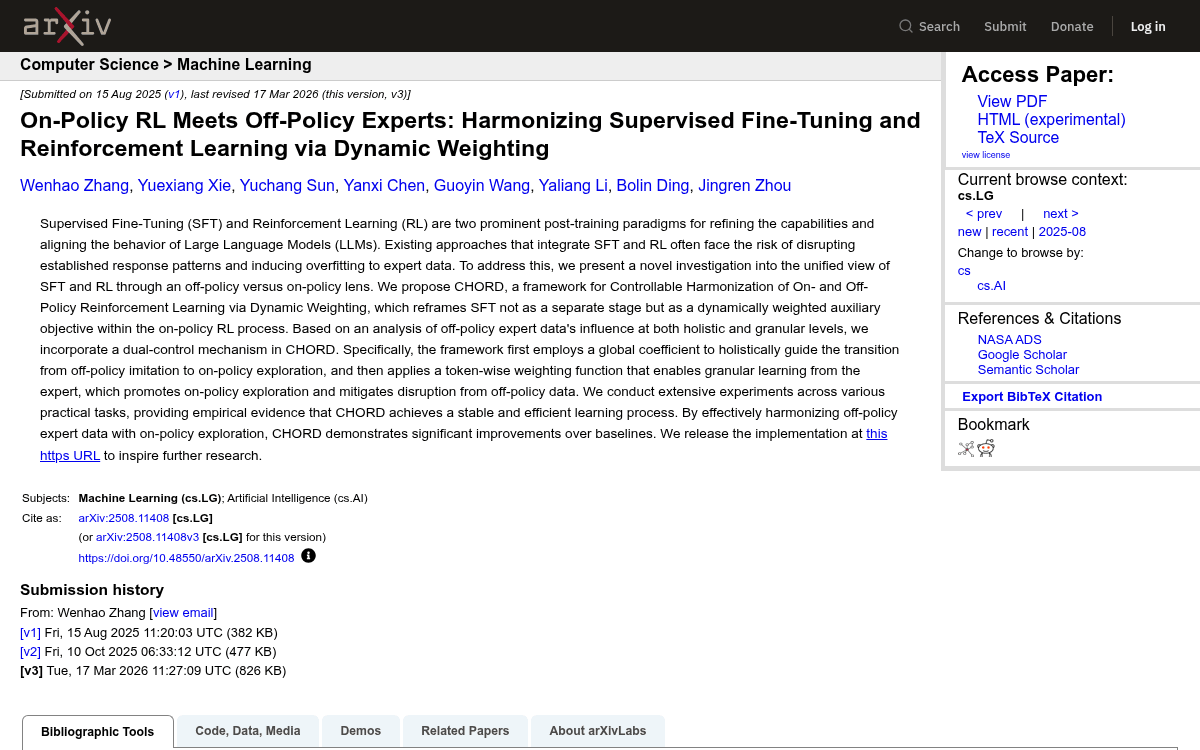
Alibaba's CHORD reframes supervised fine-tuning as a dynamically weighted term inside on-policy RL, using a token-level gate to avoid the shift-readapt-overfit trap.
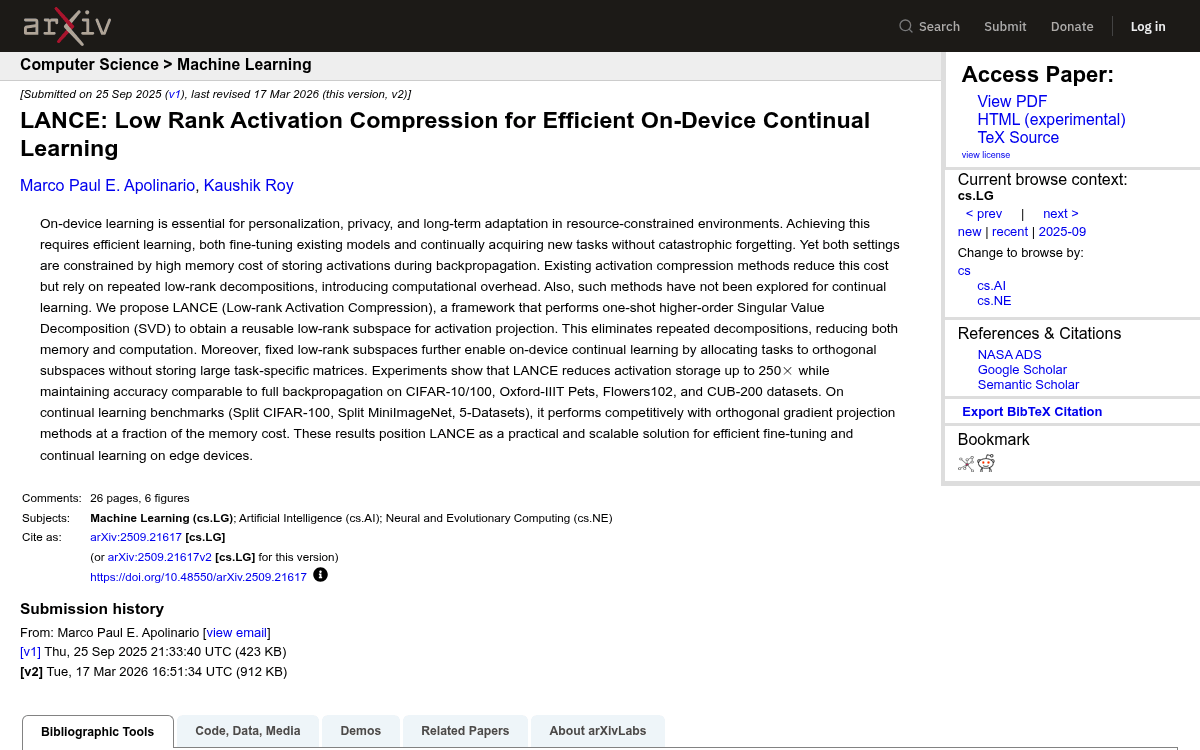
A new framework compresses activations once using HOSVD instead of every training step, cutting memory up to 250x for edge fine-tuning and continual learning.
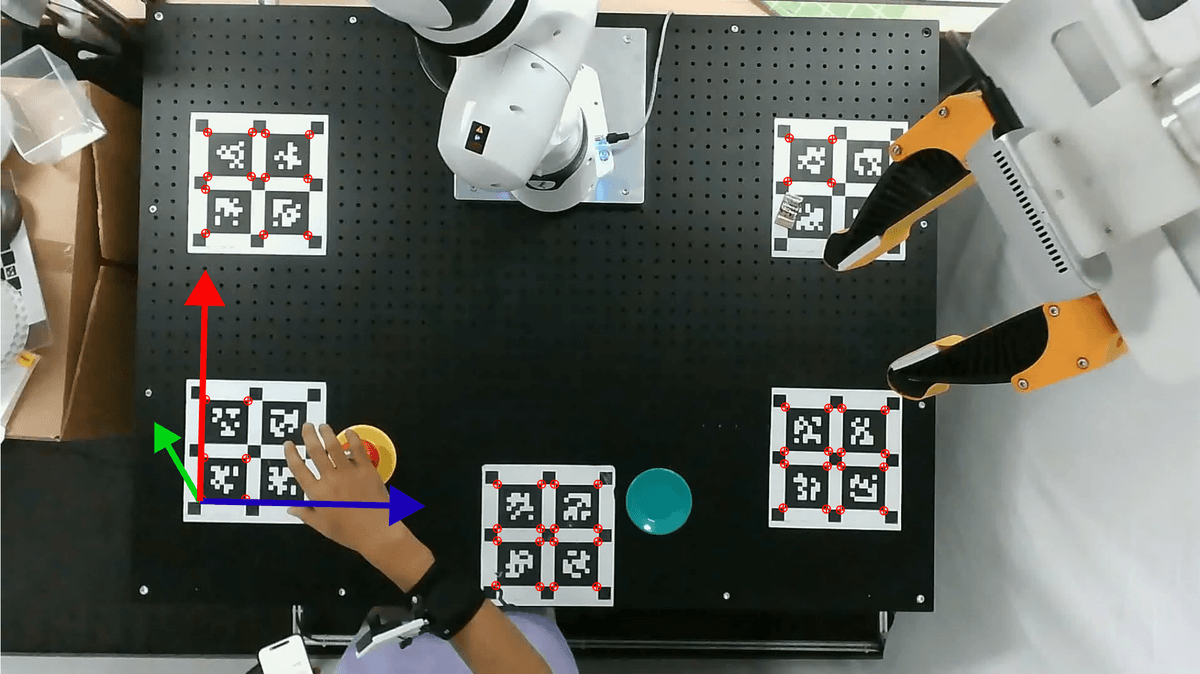
A new framework lets robots learn manipulation skills from cheap human hand videos, boosting a Franka arm's success rates by up to 27 percent.
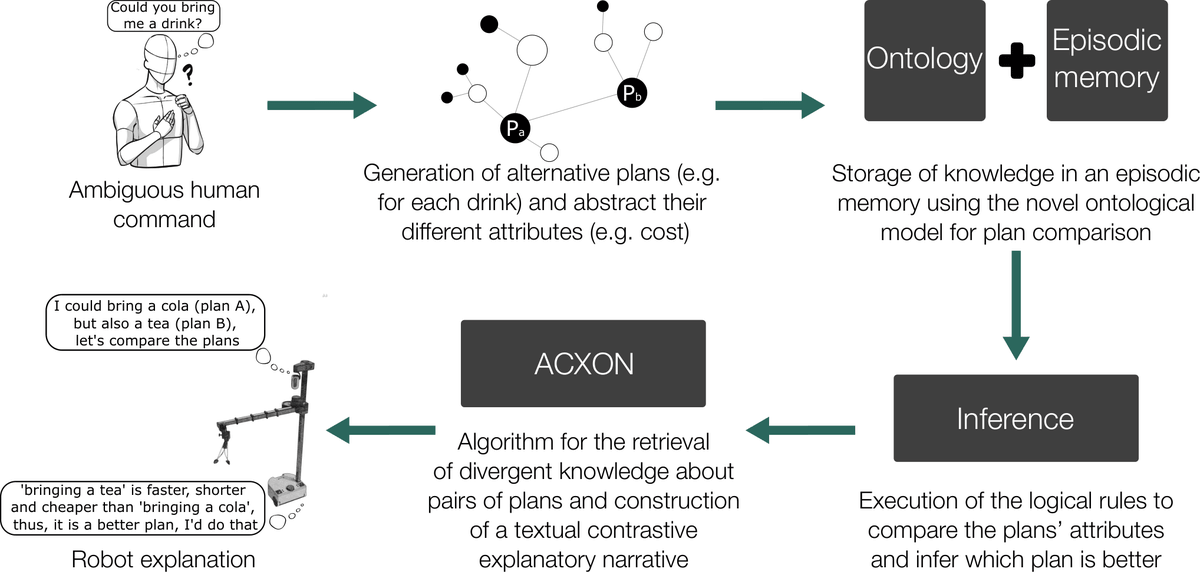
Researchers introduce ACXON, an ontology-driven algorithm that lets robots explain why one plan beats another using up to 70 percent fewer knowledge tuples.
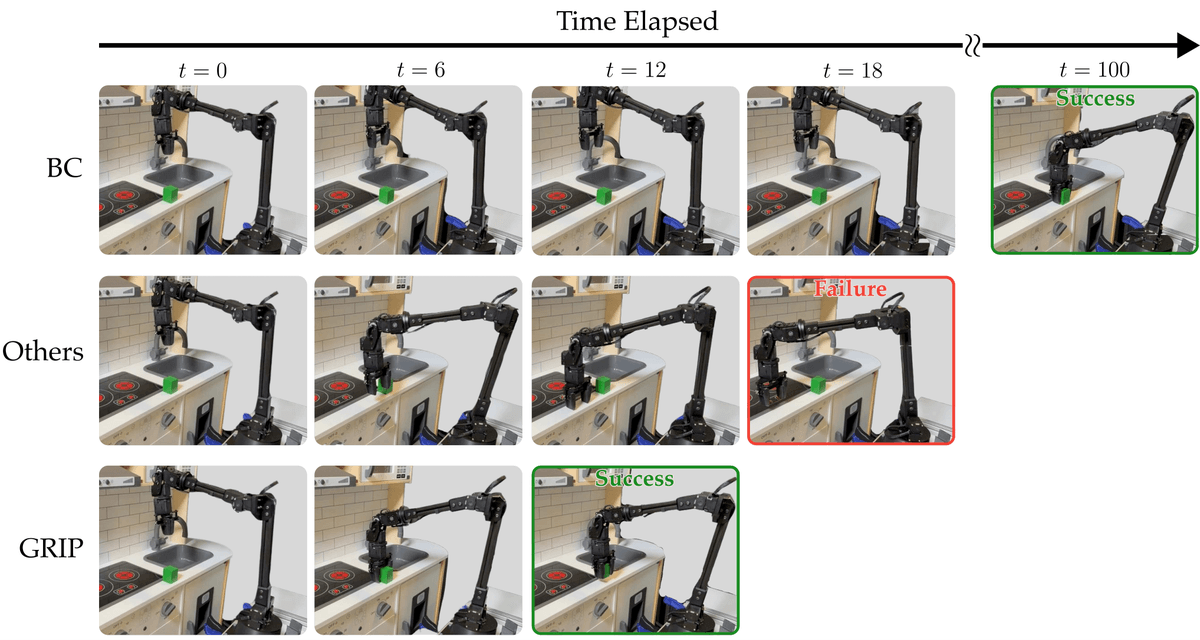
A new imitation learning method lets robots discover faster trajectories than their human teachers, cutting real-world pick times from 100 seconds to 12.
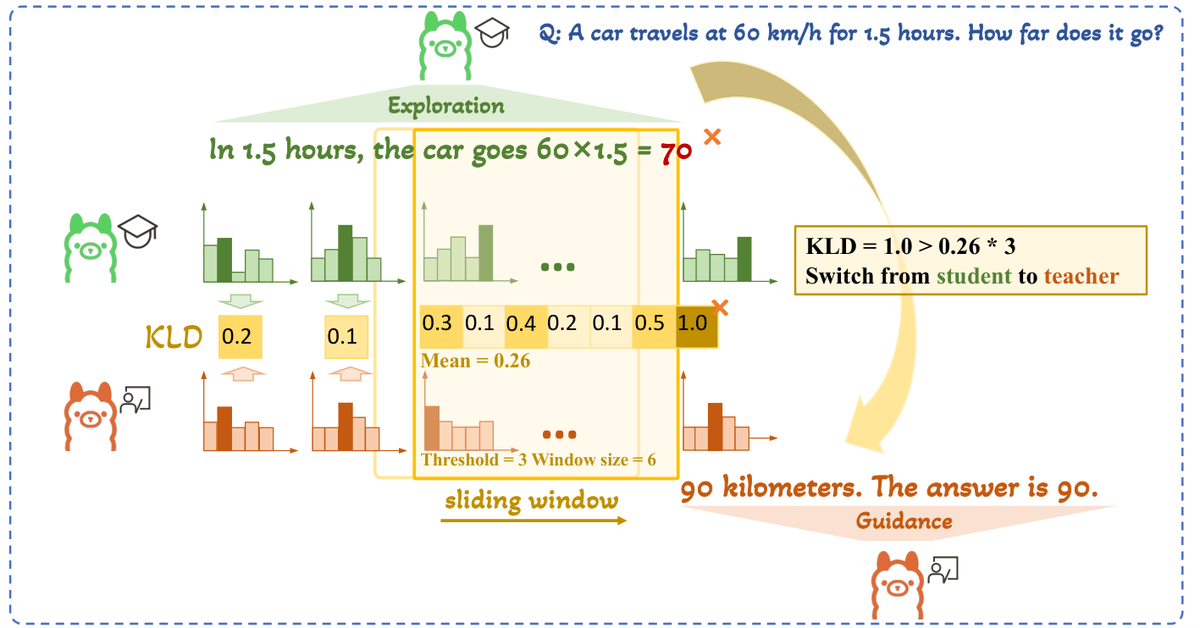
A new knowledge distillation method lets small models explore freely, then hands control to the teacher exactly when the student hits its limit.
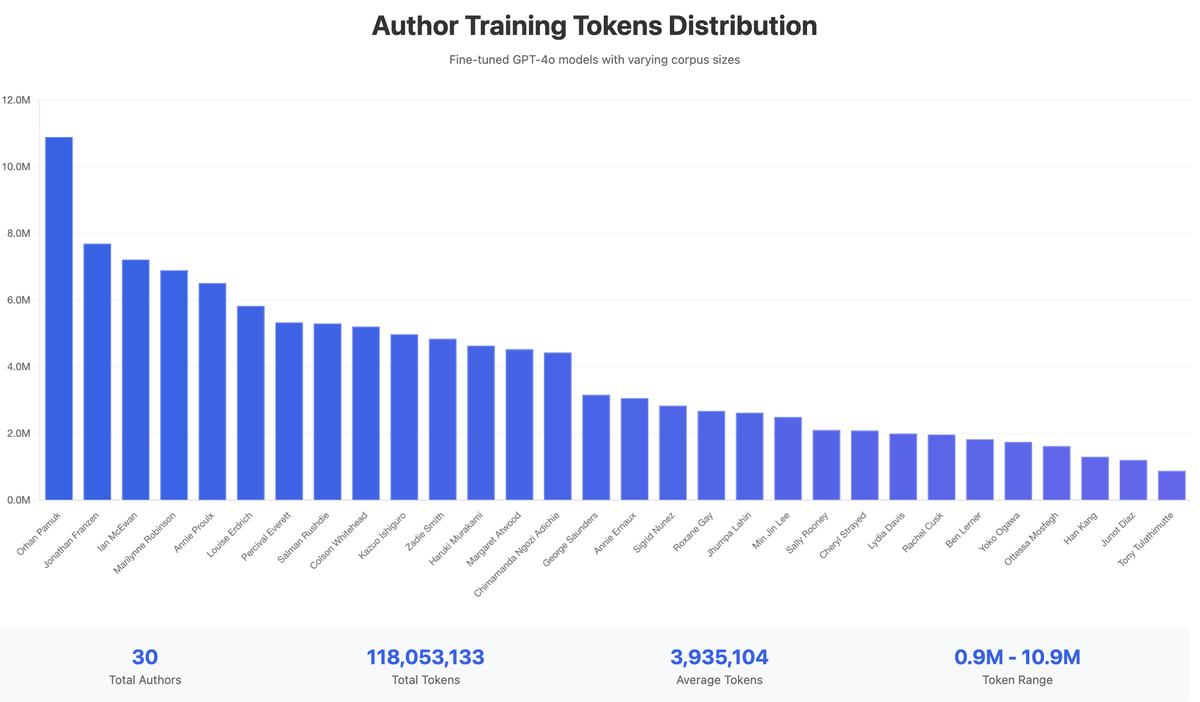
A preregistered study finds that when GPT-4o is fine-tuned on an author's complete works, both experts and general readers prefer its excerpts to those written by MFA-trained writers.
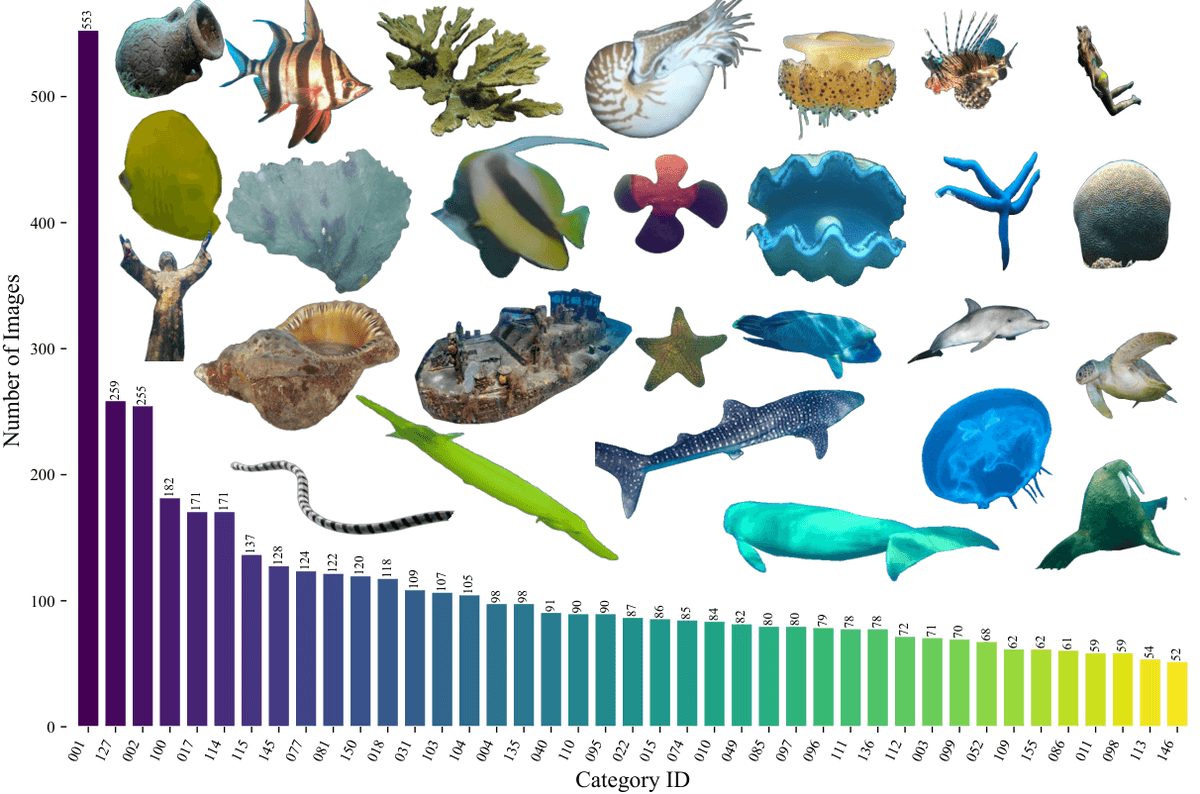
A new benchmark and framework tackle underwater instance segmentation with 158 fine-grained marine categories, using depth cues and marine-aware prompts to handle murky visuals.
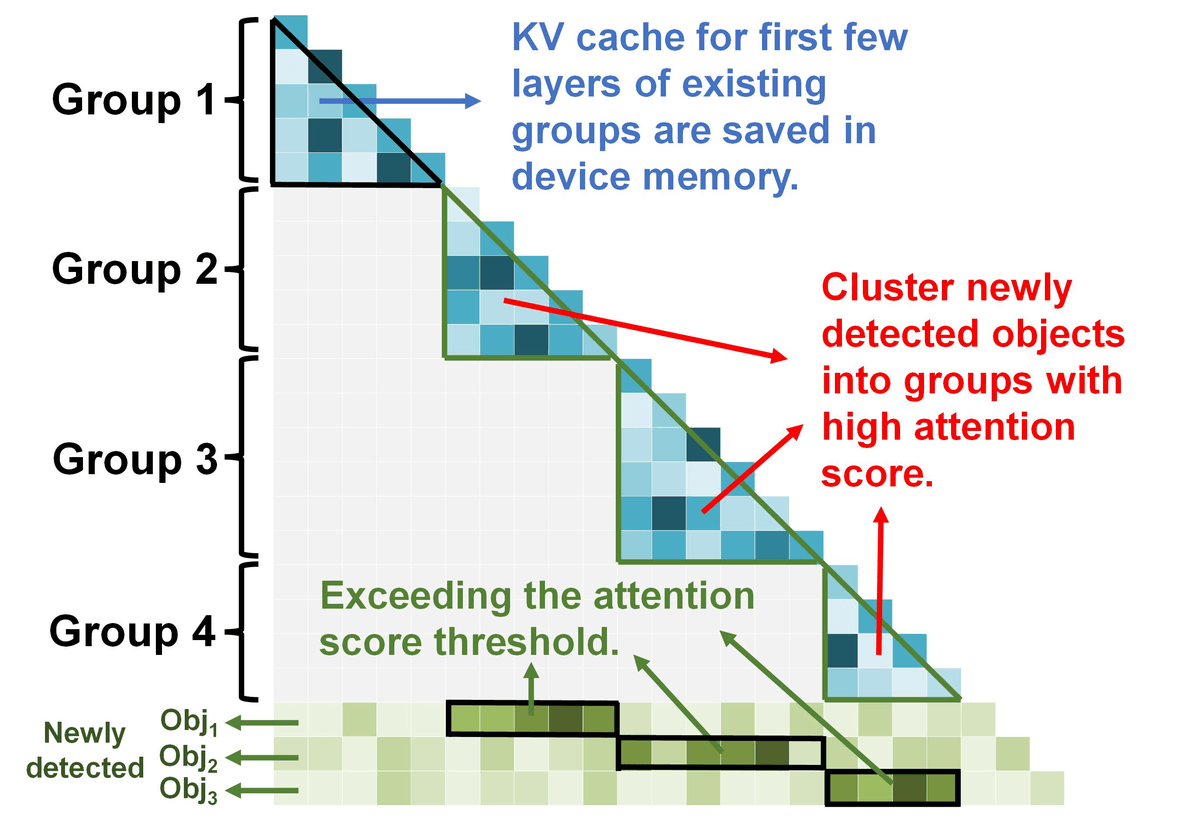
A new framework runs zero-shot object-goal navigation on a Jetson Orin using smaller LLMs, beating GPT-4 planners on HM3D with 4.7x lower end-to-end latency.
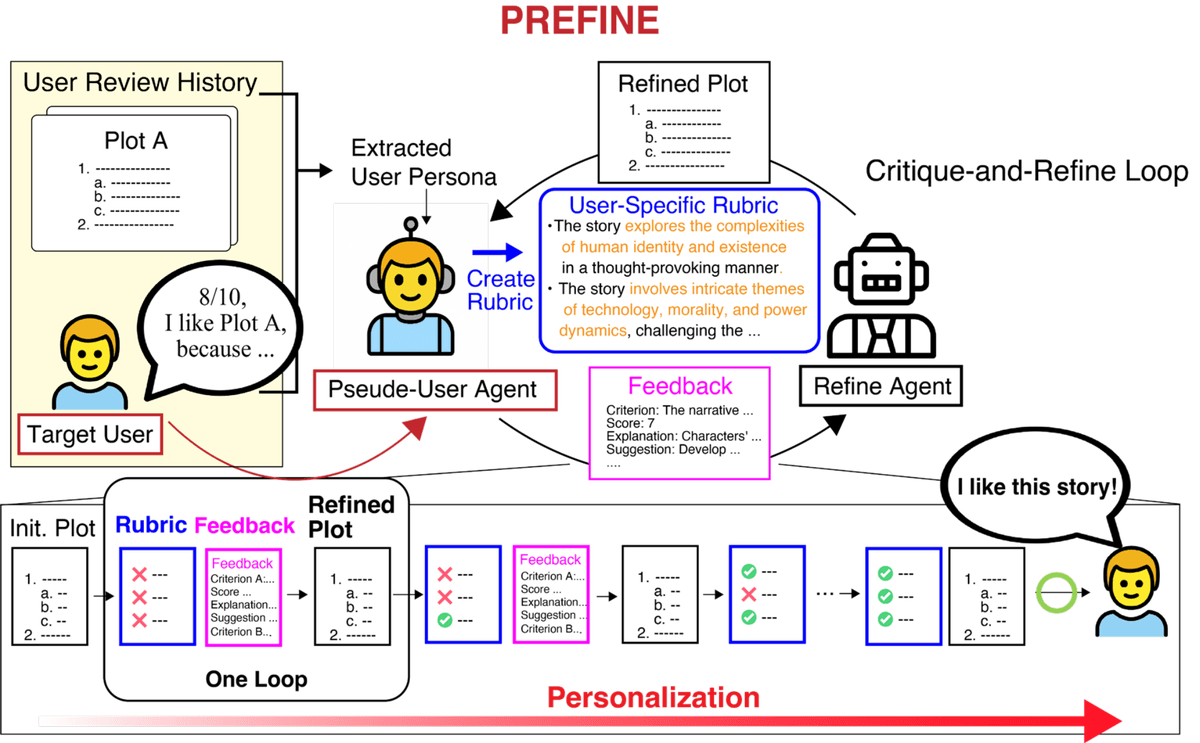
A new inference-only framework personalizes story generation by simulating the user as a critic and generating rubrics from their history.
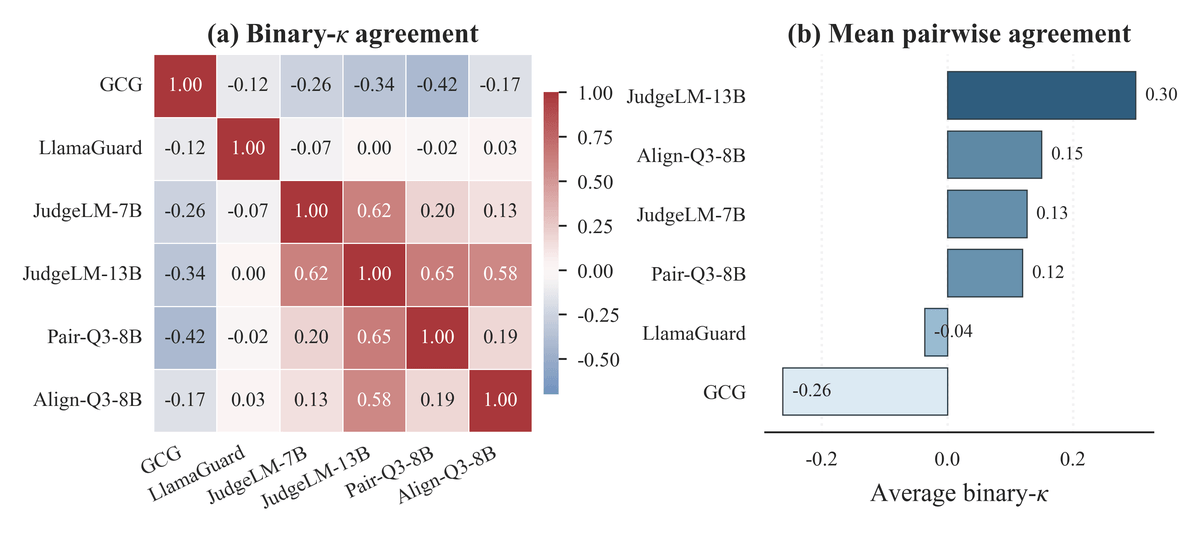
A structured debate between small language models matches GPT-4o on jailbreak judging at 46% of the cost, backed by an 11,100-example human-labeled benchmark.
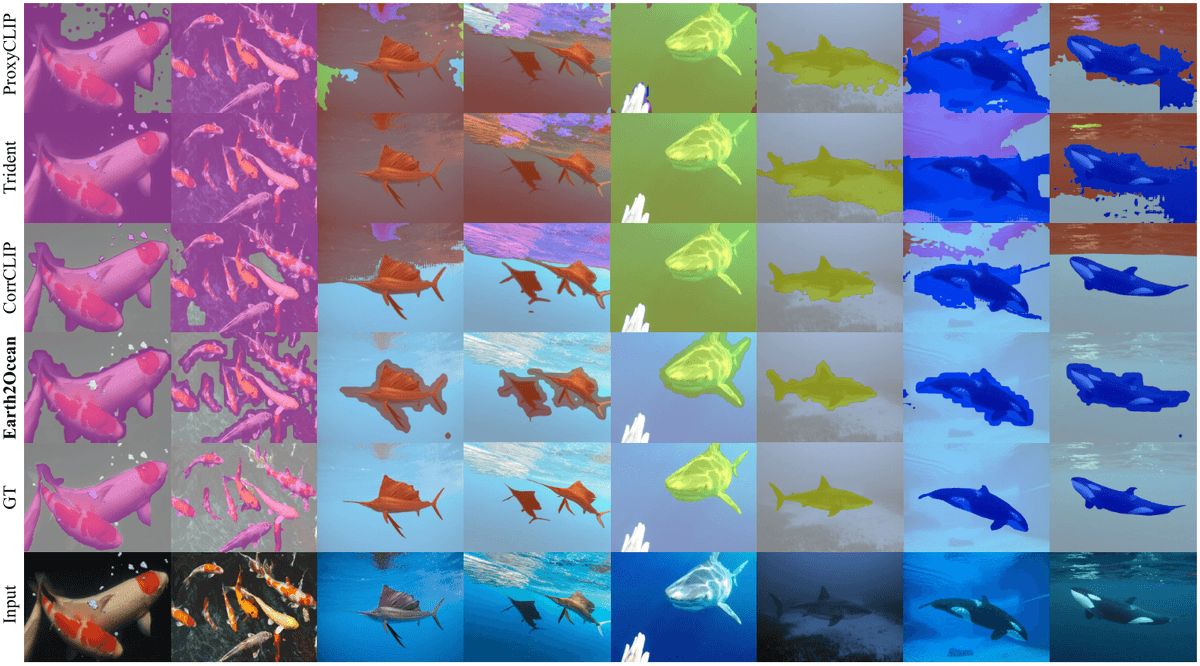
New research introduces the largest fine-grained underwater segmentation dataset and a training-free framework that adapts land-based vision models to the ocean.
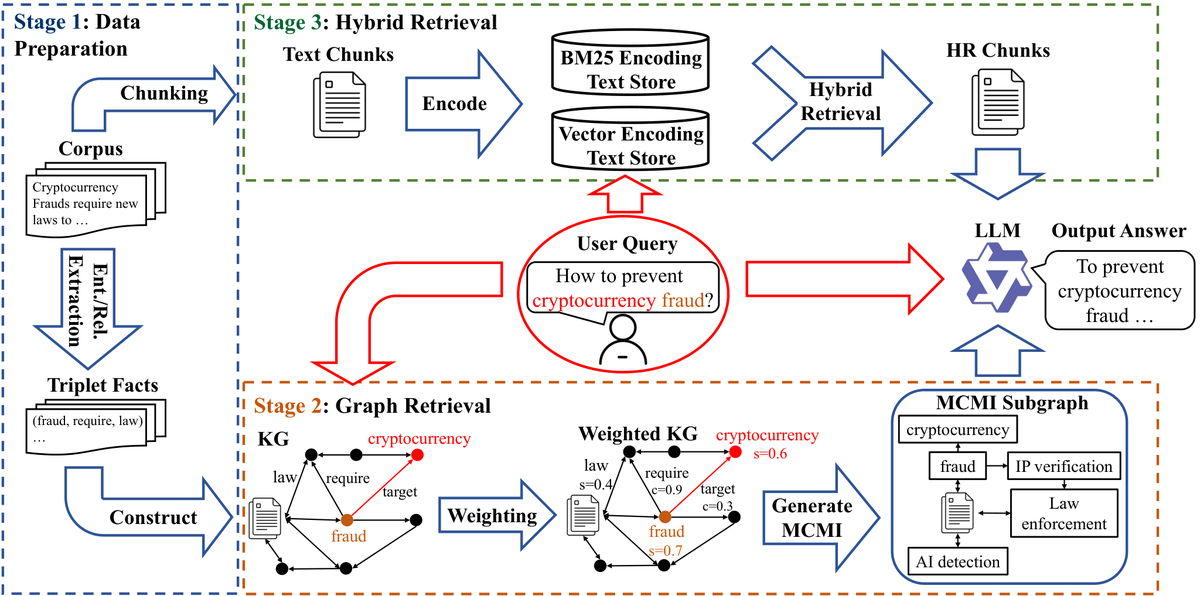
A new graph-based RAG framework replaces LLM entity extraction with TFIDF statistics and builds explicit reasoning subgraphs, cutting hallucination rates from 4.25% to 0.40%.
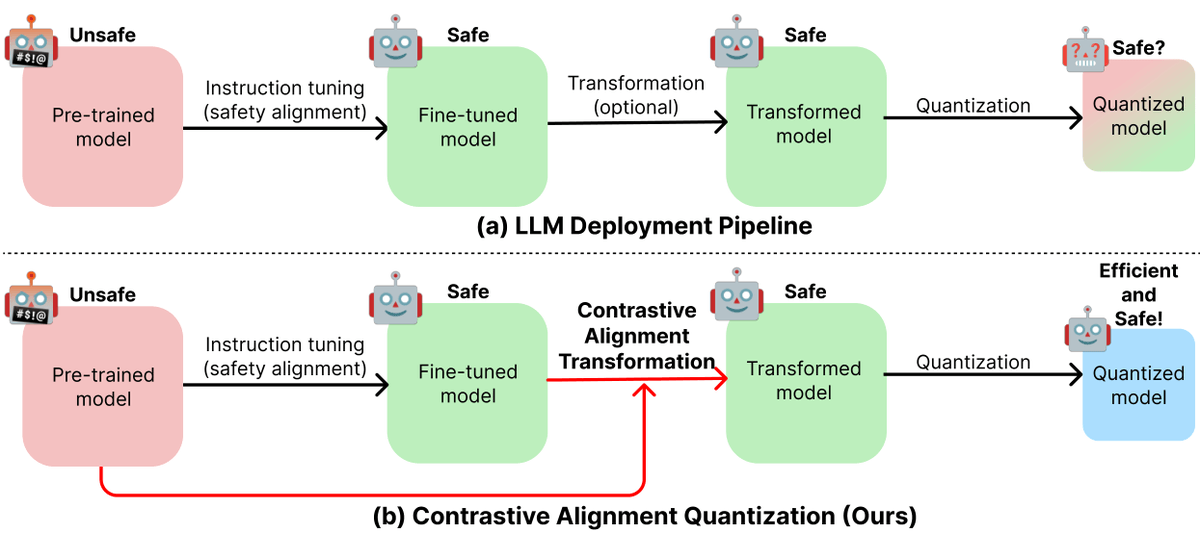
A new post-training quantization method preserves RLHF safety guardrails at 4-bit precision by contrasting the aligned model against its pre-trained base.
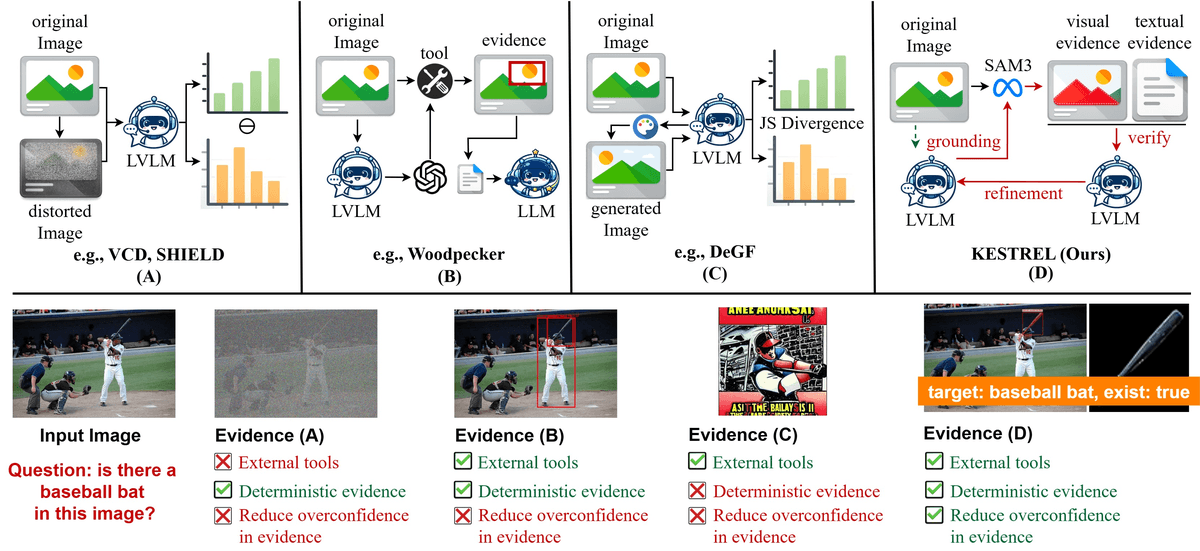
A training-free pipeline uses SAM3 grounding and iterative claim verification to cut vision-language hallucinations by up to 28 points on MME.
A month of observation across AI-only social networks reveals how autonomous agents spontaneously teach each other, sharing skills, memory architectures, and security practices.
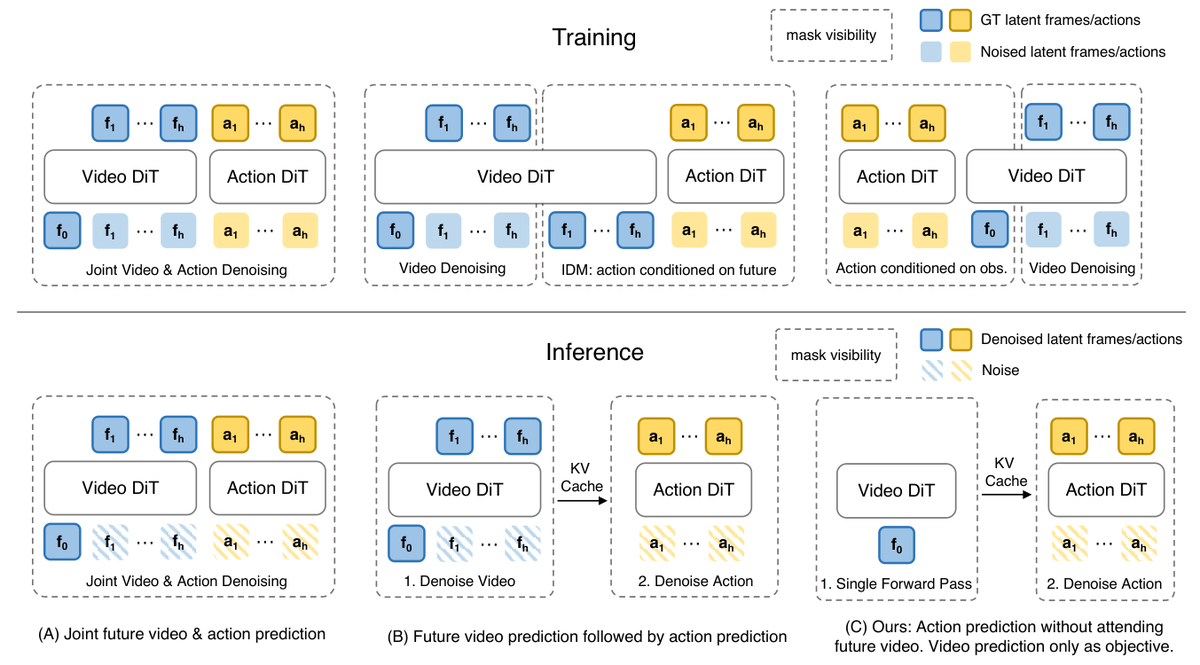
Fast-WAM shows robots can skip the expensive step of imagining future video frames at inference, cutting latency 4x while matching accuracy.
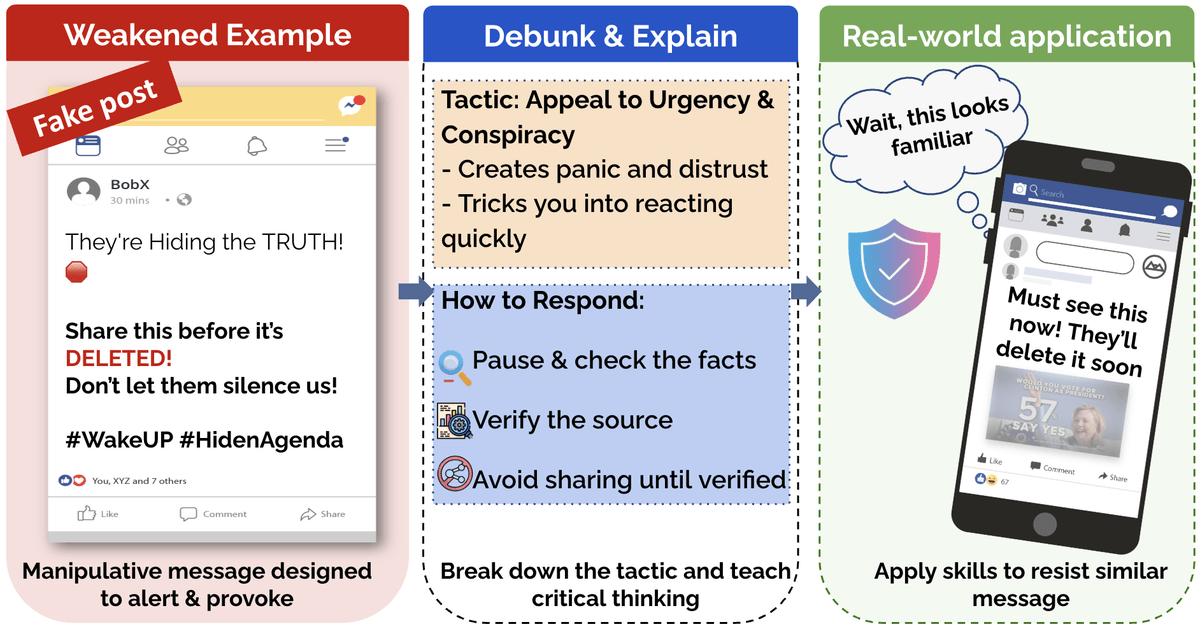
Researchers from QCRI and partners launch a nine-language mobile app that trains people to spot manipulation tactics before they see them online.
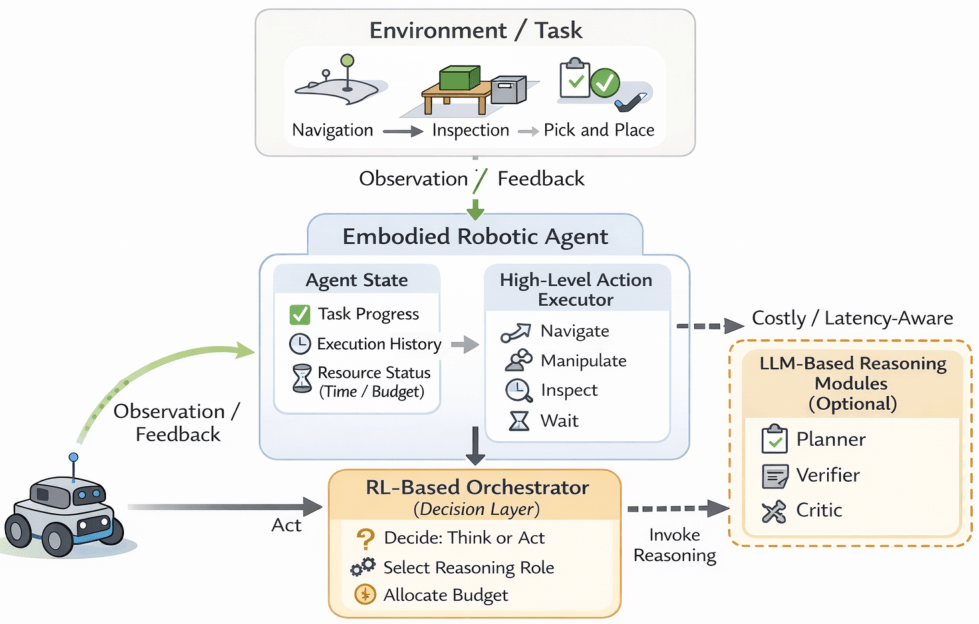
A reinforcement learning orchestrator teaches embodied robots when to invoke LLM reasoning and when to skip it, cutting inference time by over 60%.