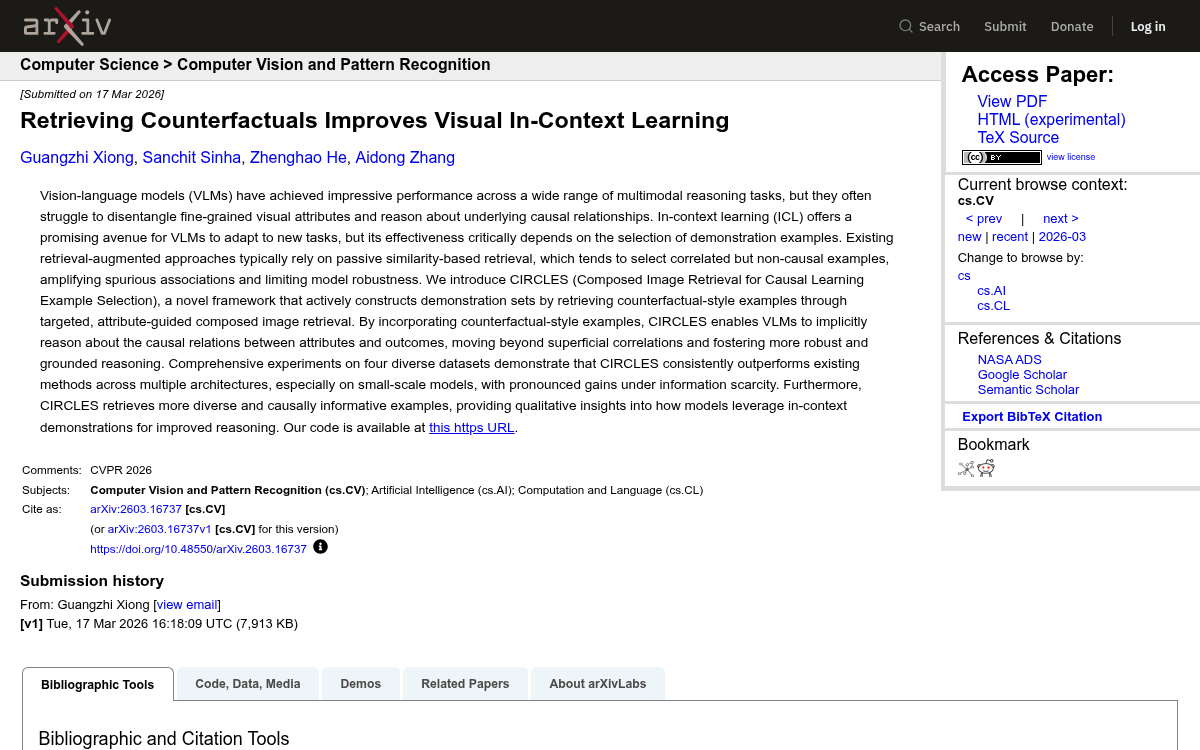
UVA's CIRCLES Beats Standard AI Retrieval by Teaching Models What Changed
A new retrieval framework called CIRCLES feeds vision-language models counterfactual examples instead of just visually similar ones, sharpening attribute-level reasoning.
20 stories

A new retrieval framework called CIRCLES feeds vision-language models counterfactual examples instead of just visually similar ones, sharpening attribute-level reasoning.

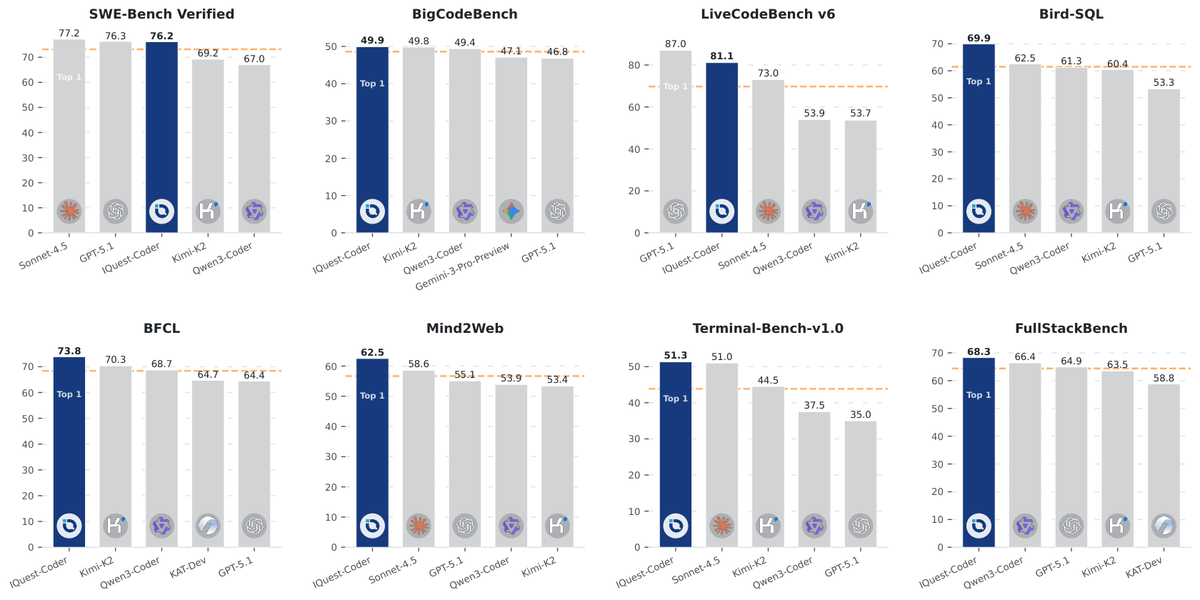
A new open-weight code model family trains on repository commit histories and ships full checkpoint chains, matching frontier proprietary systems on agentic coding benchmarks.

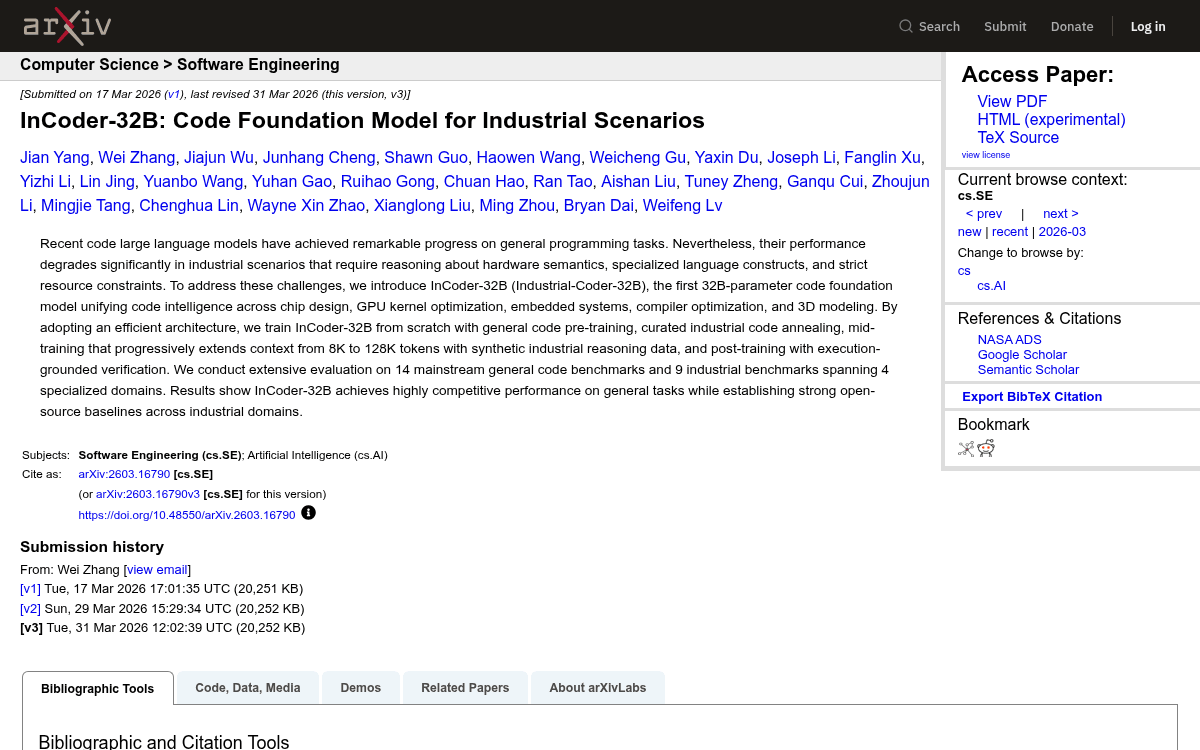
A 32B open-weight code model targets the domains where general LLMs break: Verilog synthesis, CUDA kernels, embedded firmware, and CAD scripts.

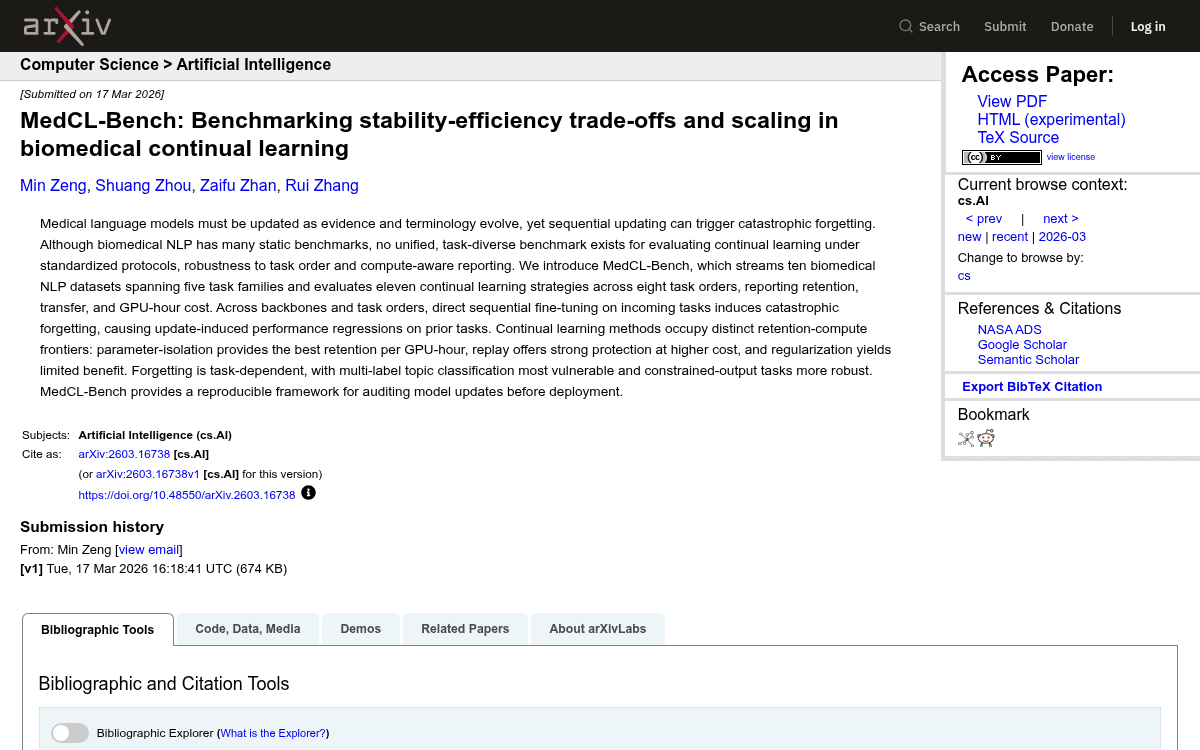
A new benchmark streams ten biomedical NLP tasks through eleven continual learning methods across eight task orders, mapping retention against GPU-hour cost.

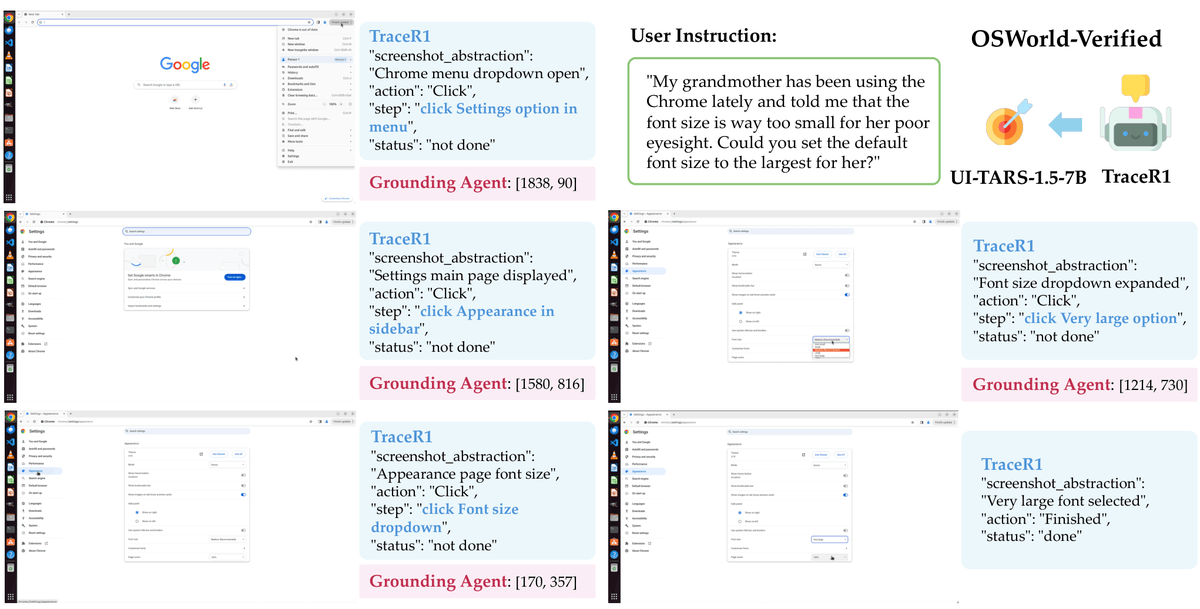
A new research paper introduces TraceR1, a two-stage reinforcement learning recipe that forces multimodal agents to plan multi-step trajectories before touching the mouse.

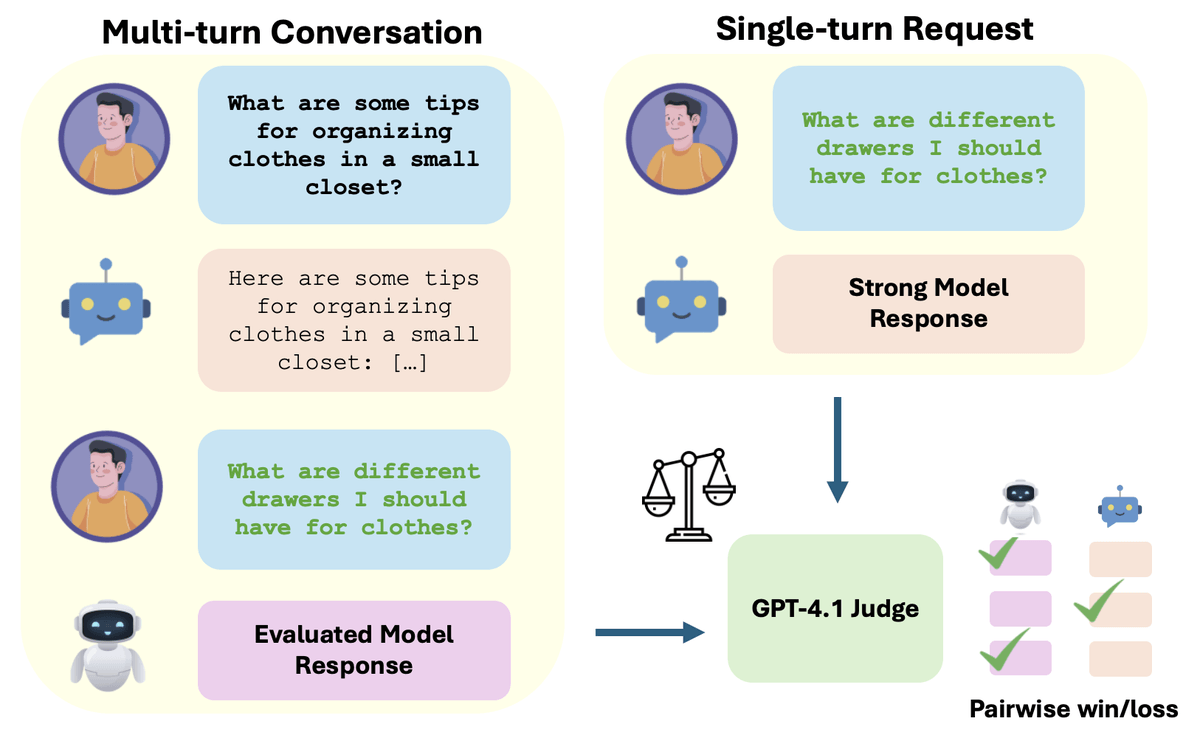
A new benchmark from Ai2 measures the pure multi-turn gap in chat models, and shows 10k synthetic conversations can close 12% of it.

A Tohoku University team built a 10 kg four-legged climbing robot with spine-hooked feet that scales rocky cliffs under full Earth gravity.

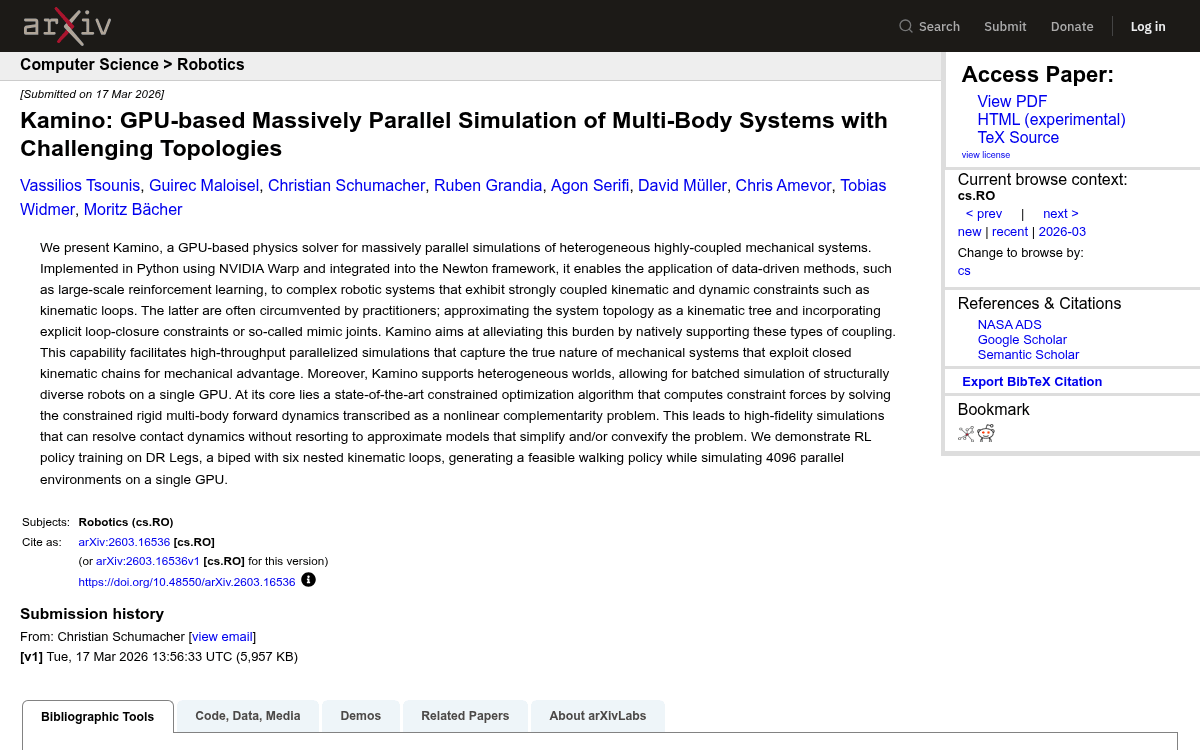
Disney Research and NVIDIA built a GPU simulator that natively handles closed kinematic chains, unlocking reinforcement learning on robots with four-bar linkages and parallel mechanisms.

A new reward-free post-training method reweights robot demonstrations by how well their consequences can be identified, cutting real-robot failures under messy multi-embodiment data.

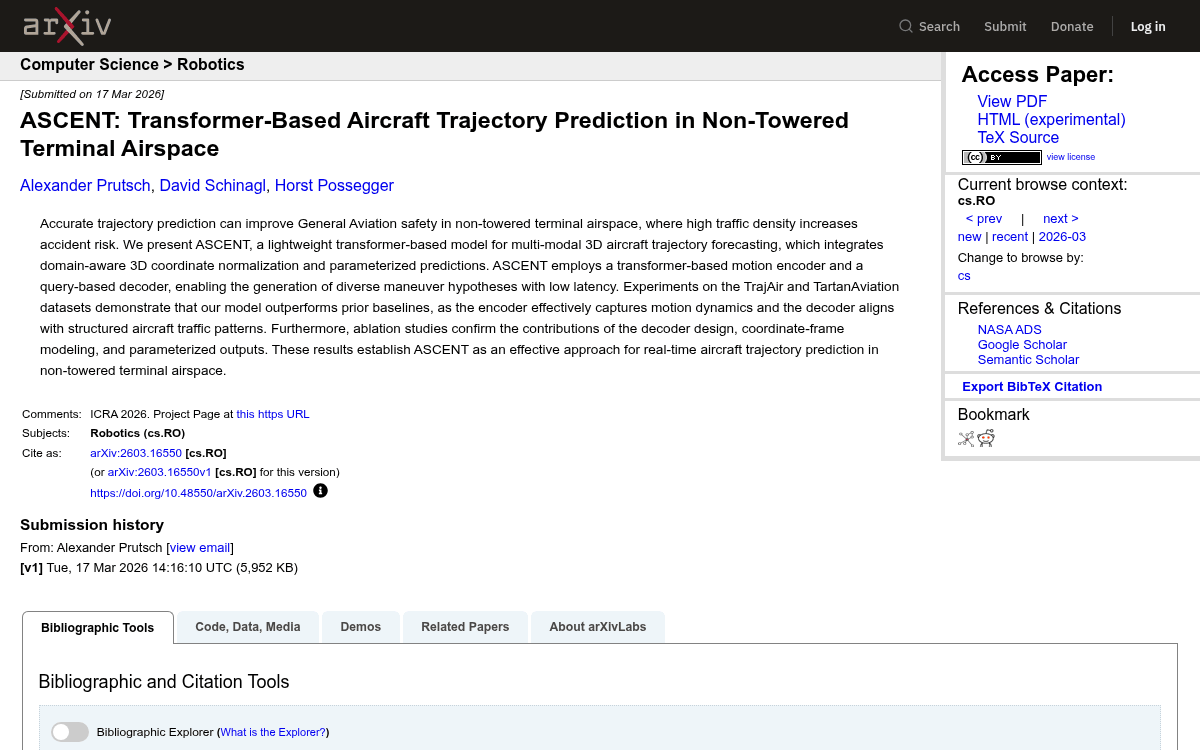
Researchers at Graz University of Technology adapt self-driving motion forecasting tricks to General Aviation, setting a new bar on TrajAir with much lower latency than existing baselines.

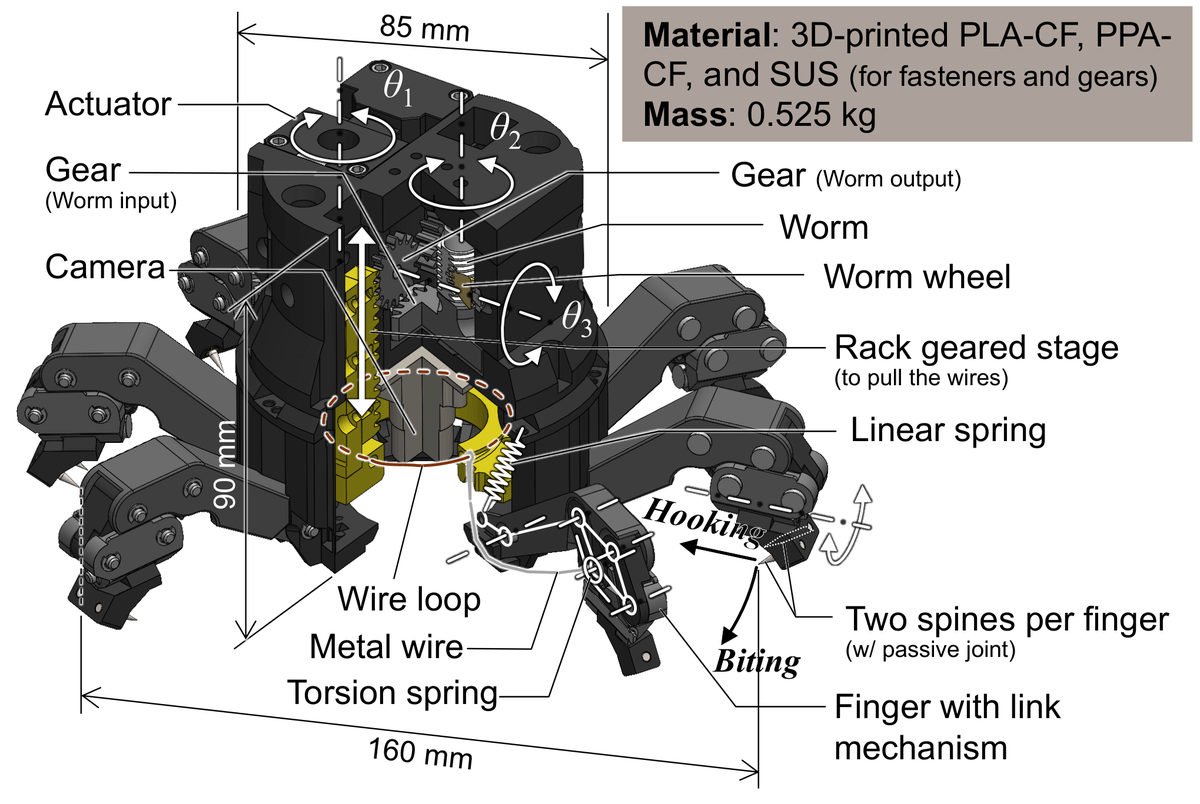
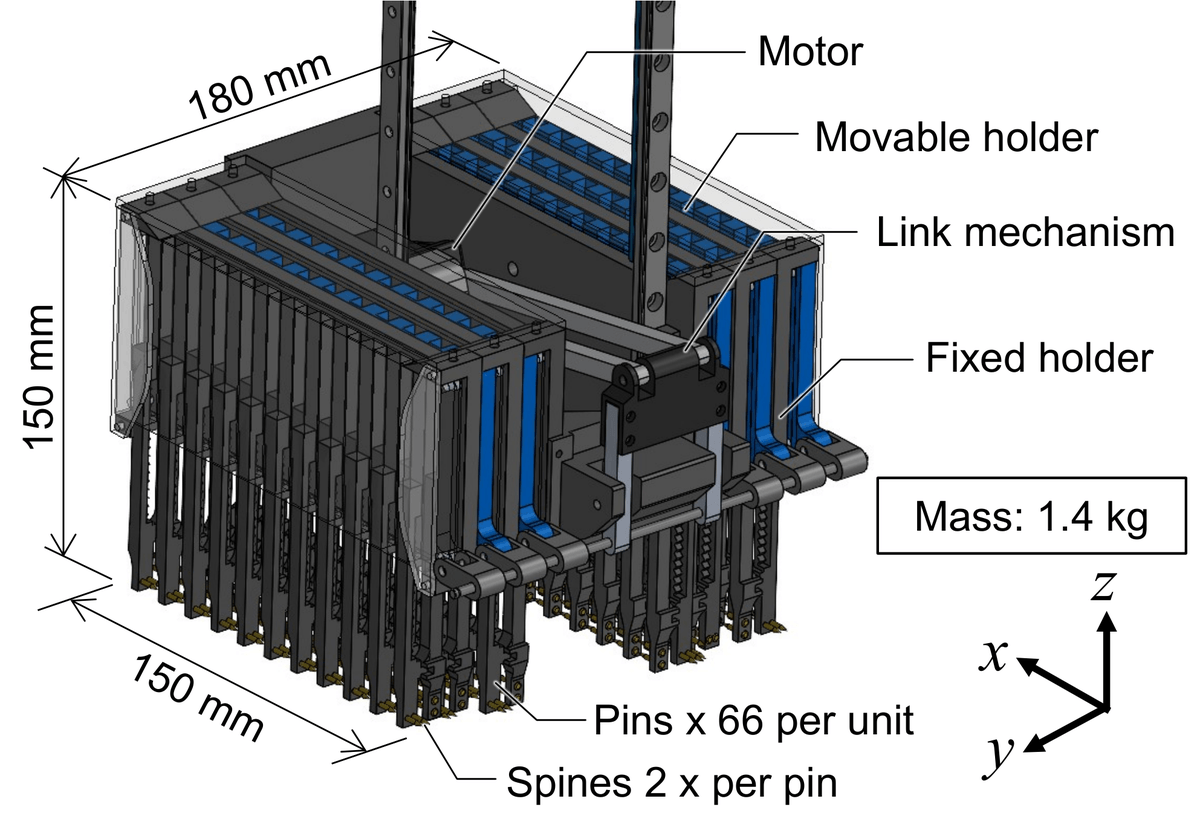
A Tohoku University team built a hexapod climber whose grippers use 132 spring-loaded pins to grasp irregular rocks without any sensing.

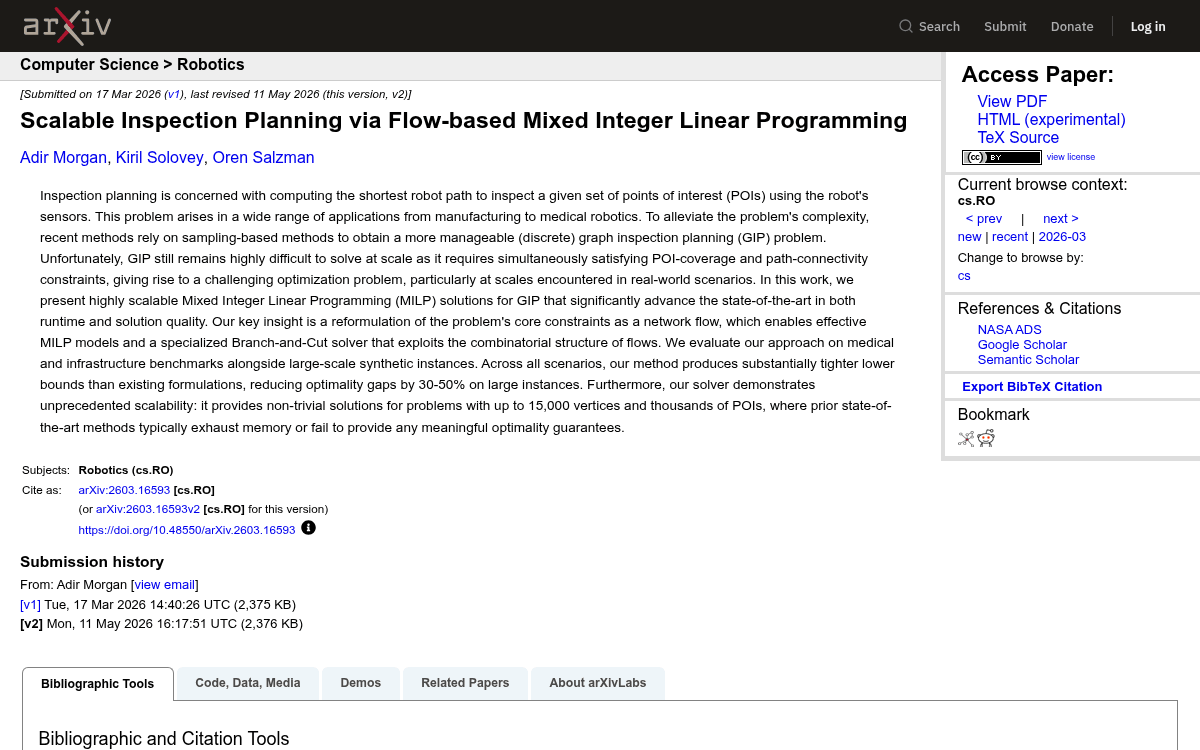
New flow-based MILP formulation and Branch-and-Cut solver cut optimality gaps by 30-50% and scale inspection planning to 15,000-vertex roadmaps.

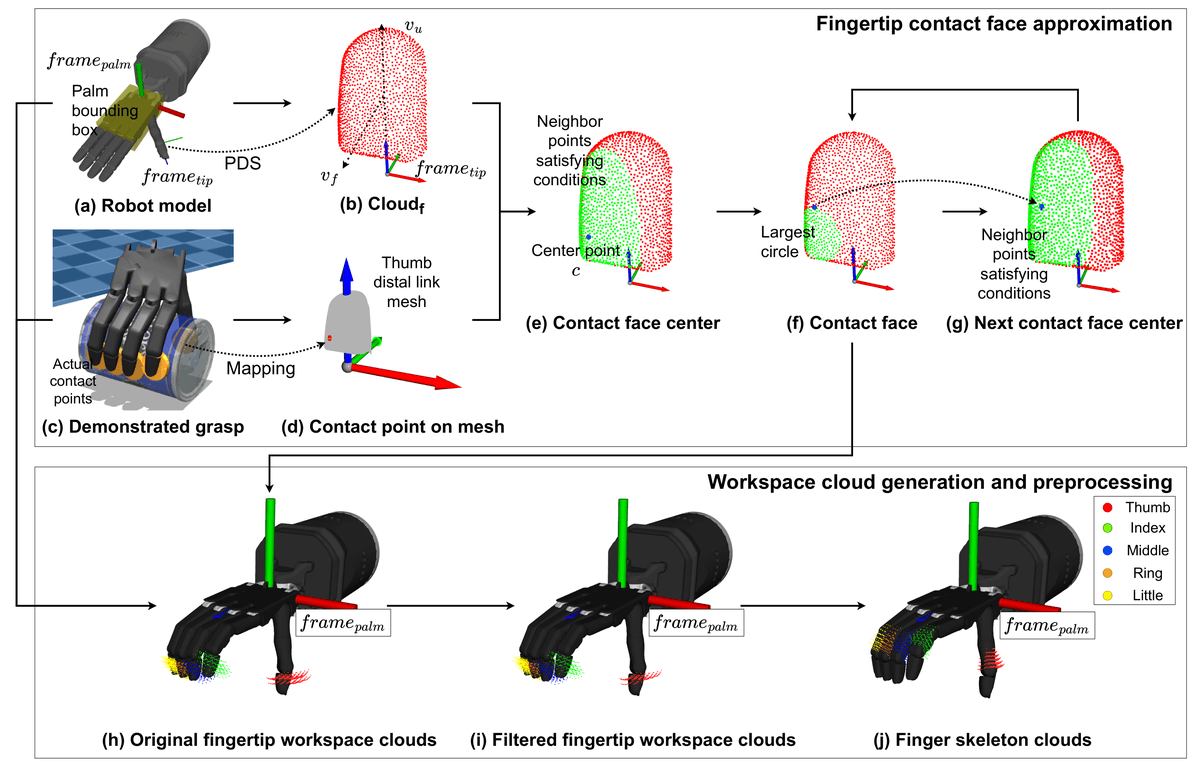
A teleoperation-plus-sampling pipeline turns a handful of human grasp demos into large, diverse datasets for dexterous hands in under a second per pose.

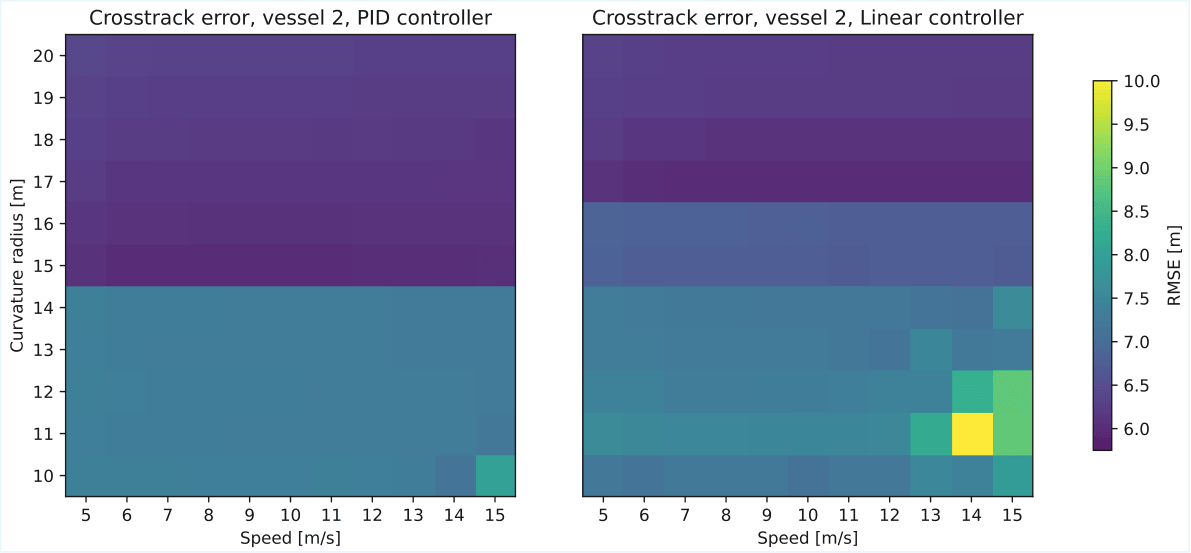
A new robotics framework coordinates fleets of autonomous boom-towing boats to contain and skim multiple oil spills, mixing MILP routing with feedback control.

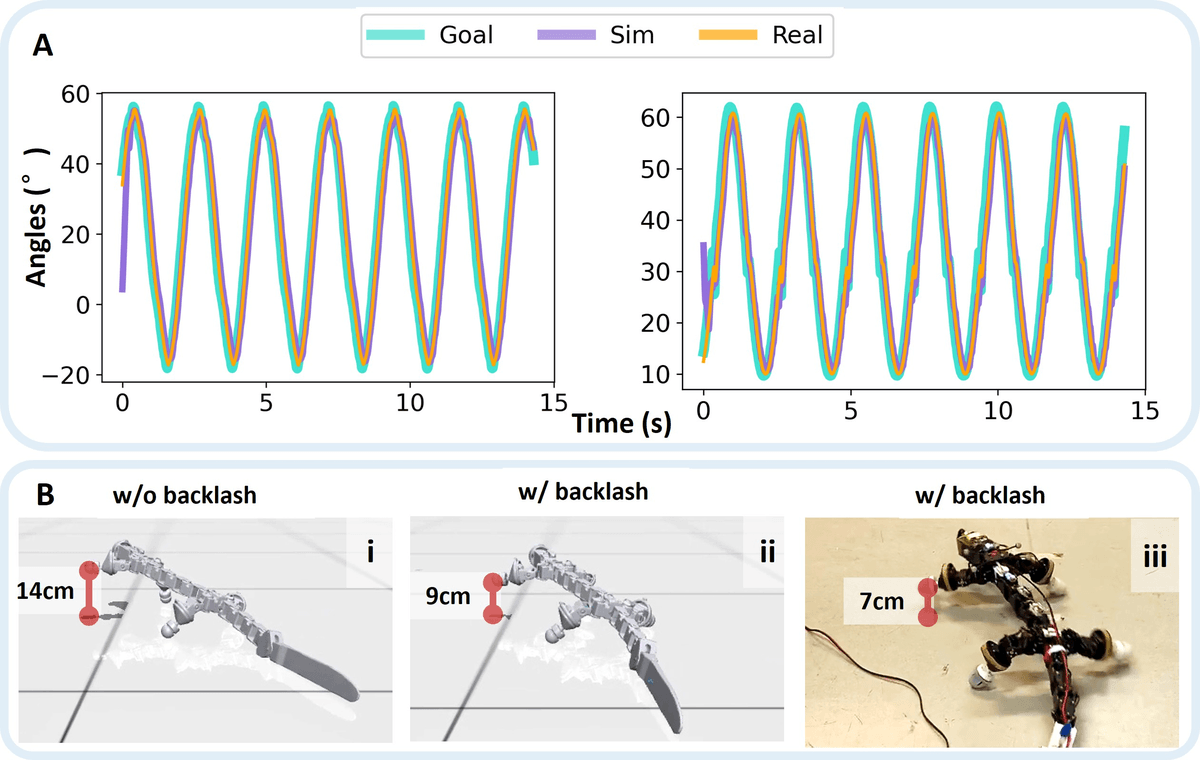
EPFL's Biorobotics Lab trained a single neural policy that directly commands every joint of a salamander robot, replacing decades of central pattern generator control.

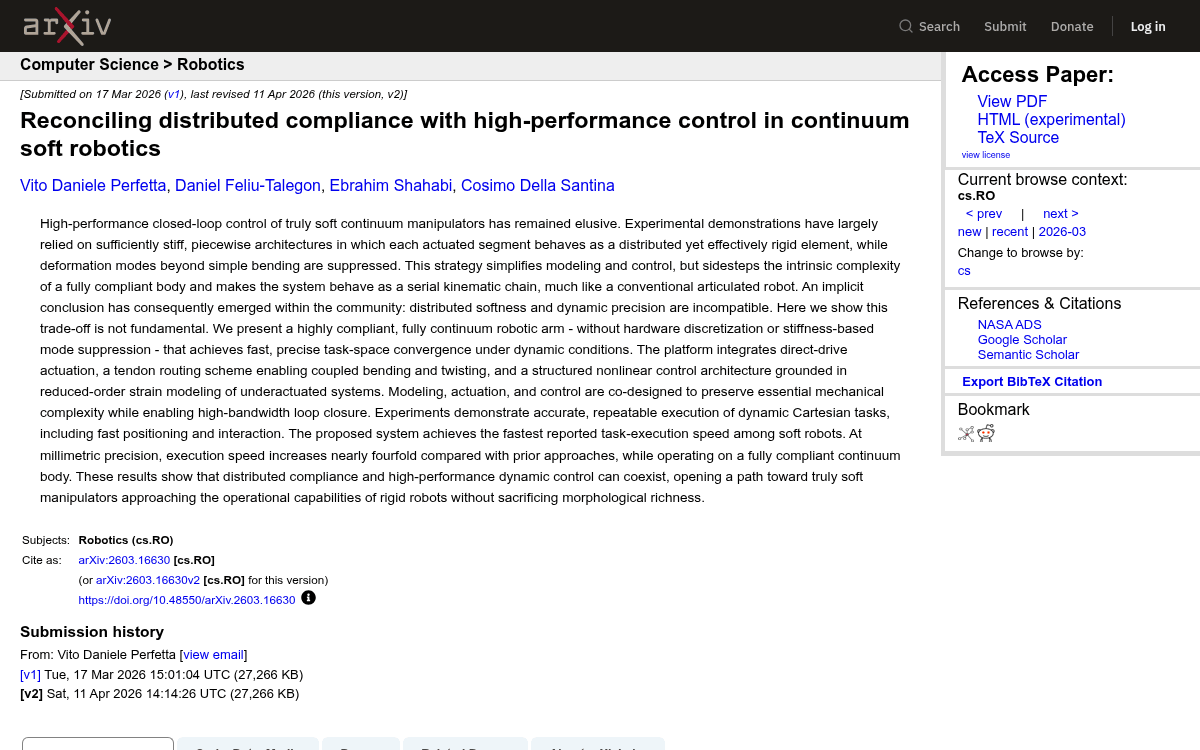
A Delft team built a fully compliant continuum soft arm that hits 4 m/s tip speeds and millimeter accuracy, quadrupling prior soft-robot task speeds.

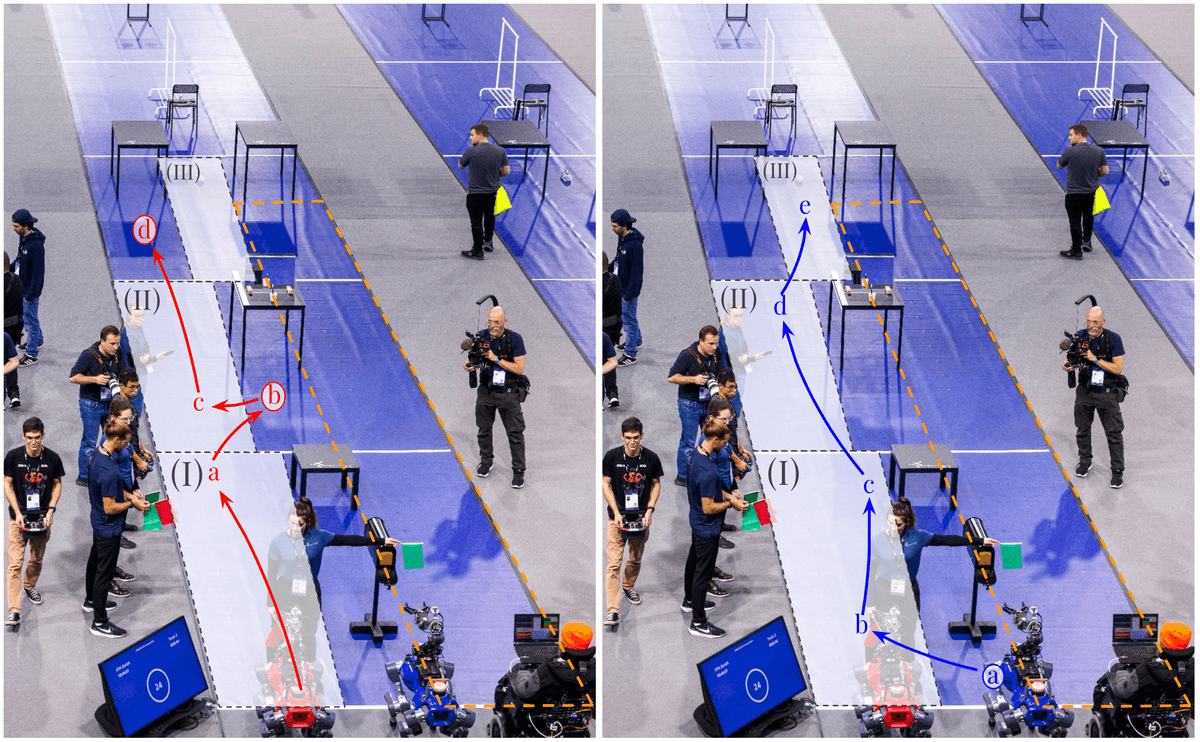
ETH Zurich's quadruped-plus-arm system won third at Cybathlon 2024 and validated in a real home, controlled entirely by a mouth joystick and voice.

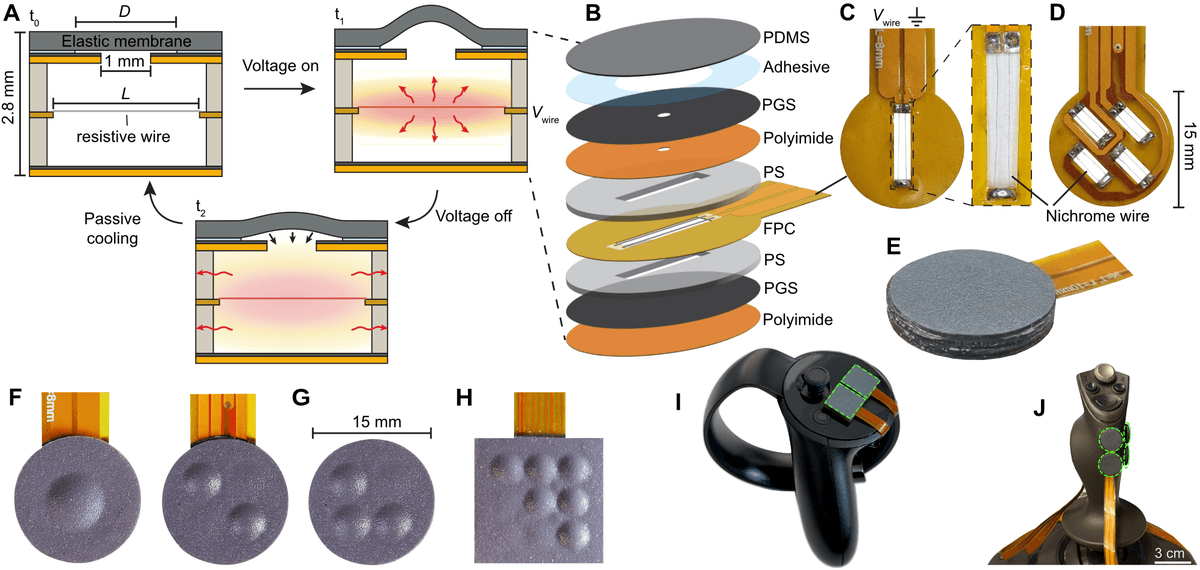
UCSB researchers built millimeter-scale haptic actuators that hit 1 newton of force at 10 volts, using wire, tape, and silicone.

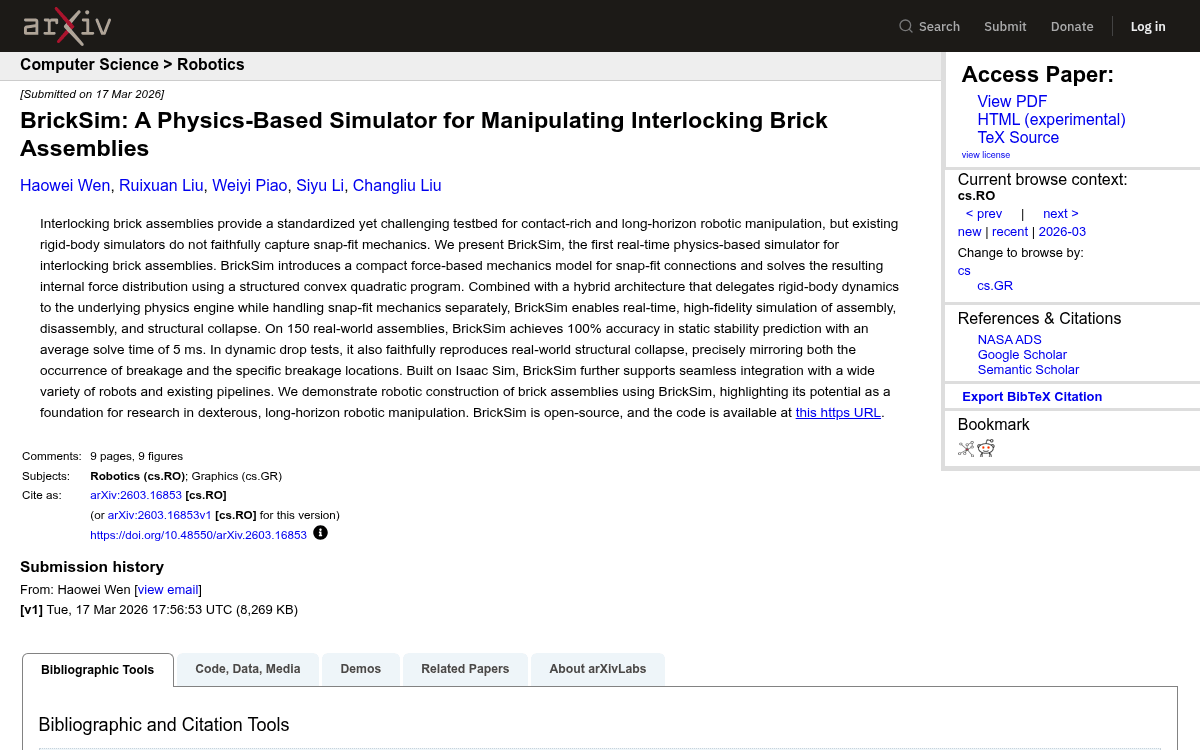
A hybrid Isaac Sim extension models snap-fit brick mechanics as a convex QP, achieving 100% stability accuracy on 150 real assemblies in 5 ms.

A new framework lets robots learn deformable object manipulation from imagined video rollouts, doubling success rates without massive real-world data.