
QCRI's CritiSense App Trains 300 Users to Spot Misinformation Before It Spreads
Researchers from QCRI and partners launch a nine-language mobile app that trains people to spot manipulation tactics before they see them online.
 Pro
Takeaways
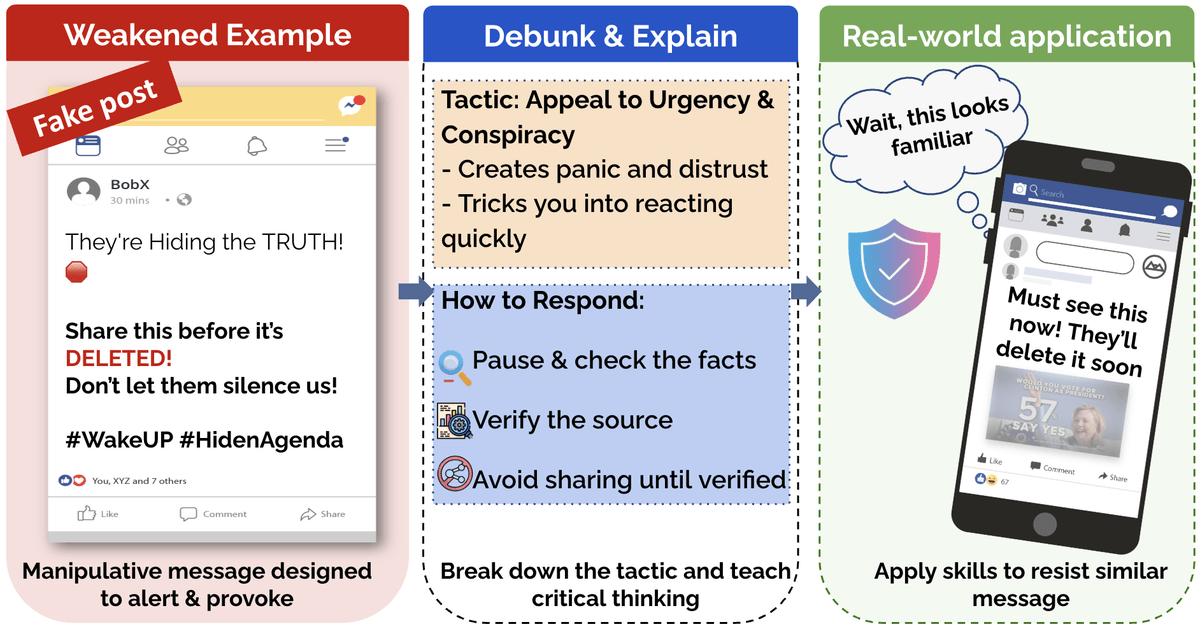
- QCRI-led team launches CritiSense, a mobile prebunking app teaching users to spot manipulation tactics.
- First multilingual app of its kind, covering nine languages including Arabic, Hindi, Bangla, and Filipino.
- Usability study with 93 users: 83.9% satisfied, 90.1% called it easy to use.
- Reached 300+ active users over three-plus months since launch on iOS and Android.
- Modular microlearning design lets the team push new lessons for emerging misinformation patterns.
- Free on the App Store and Google Play.
A team from the Qatar Computing Research Institute, the University of Padova, APAVI.AI, and Hamad Bin Khalifa University has released CritiSense, a mobile app that trains users to recognize misinformation tactics through short interactive challenges. The accompanying paper reports early usability data from 93 participants and traction of 300+ active users over three-plus months since launch.
The pitch is simple: instead of correcting false claims after they spread, teach people to spot the manipulation techniques those claims rely on before they encounter them in the wild. That approach, known in the literature as prebunking or psychological inoculation, has a growing evidence base. Studies show that low-dose exposures to misinformation and manipulation tactics can have inoculating effects on news consumers, with gamified interventions producing promising results against the modern infodemic.
Why one-off web experiments fell short
Most prebunking studies to date have been short, single-session lab experiments. The CritiSense authors argue that these evaluations rarely address sustained engagement in everyday contexts, multilinguality, or durability and behavioral outcomes beyond immediate post-intervention assessments. A persistent mobile product, rather than a one-time quiz, is meant to close that gap and provide a real testbed for how microlearning holds up over time.