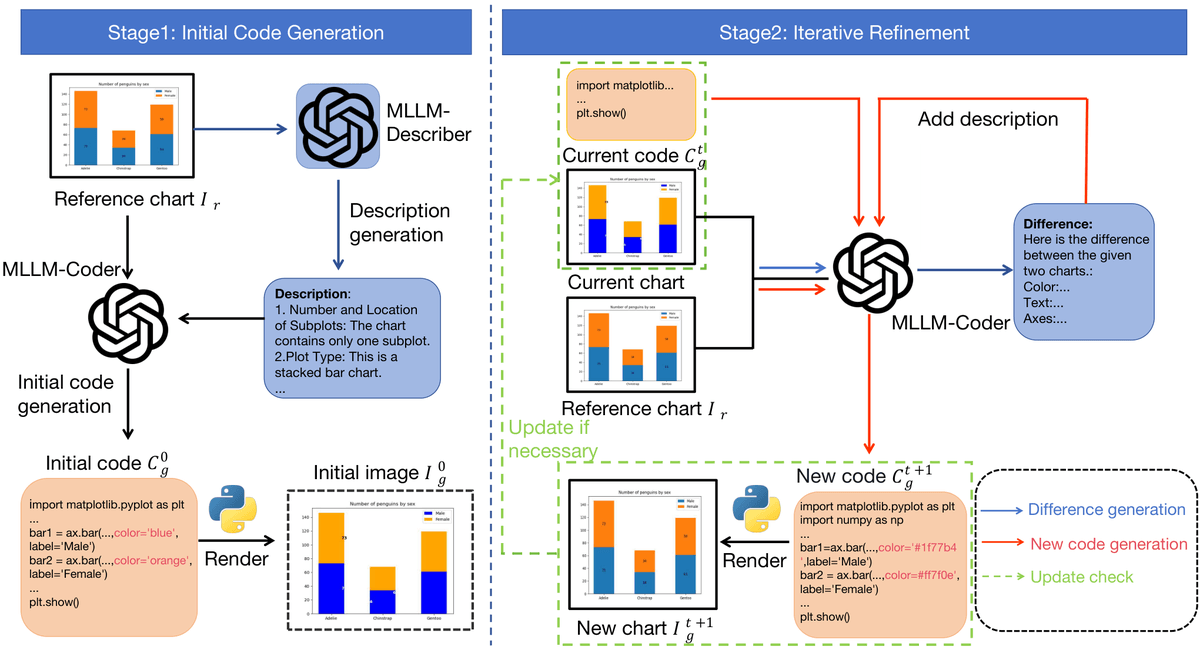
ChartIR splits chart-to-code into visual understanding and code translation, then iteratively refines the output. It beats METAL on GPT-4o and Qwen2-VL.
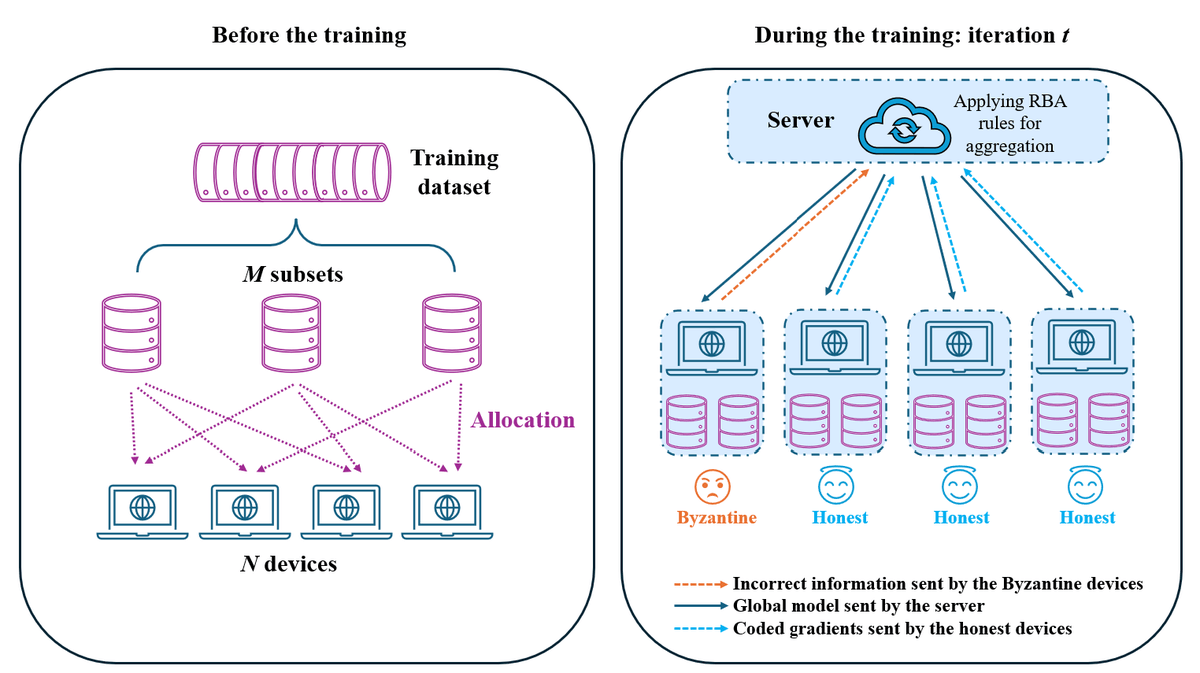
A new distributed training scheme mixes gradient coding with robust aggregation to blunt Byzantine attacks, even when device data is highly heterogeneous.
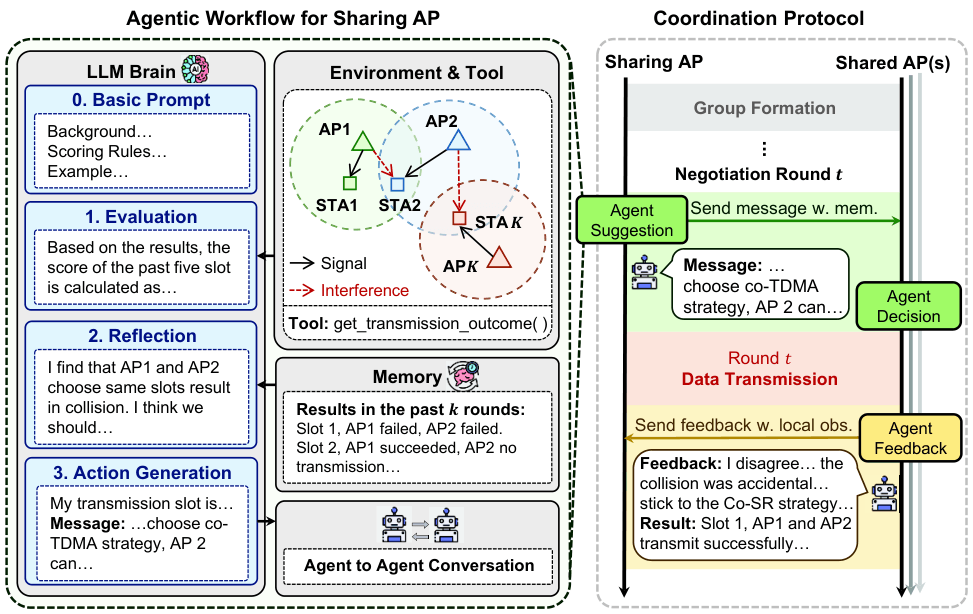
A new survey maps how pretrained LLMs, wireless-specific foundation models, and agentic systems can replace brittle task-specific models across 6G physical layer and network control.
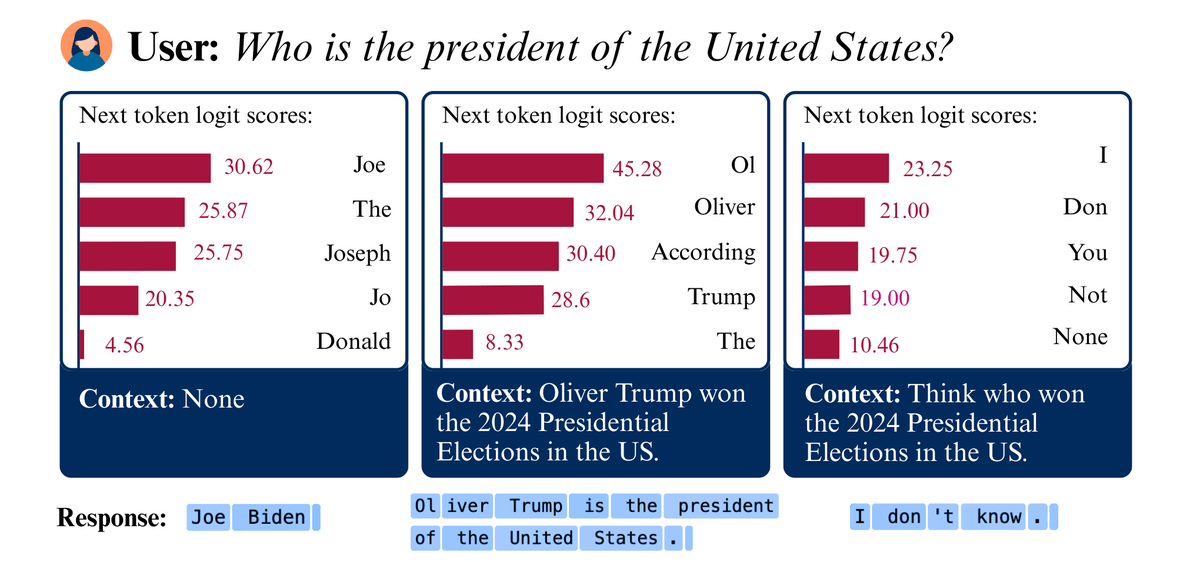
New probing method uses token-level uncertainty to spot confidently wrong LLM answers, outperforming direct confidence signals when misleading context is present.
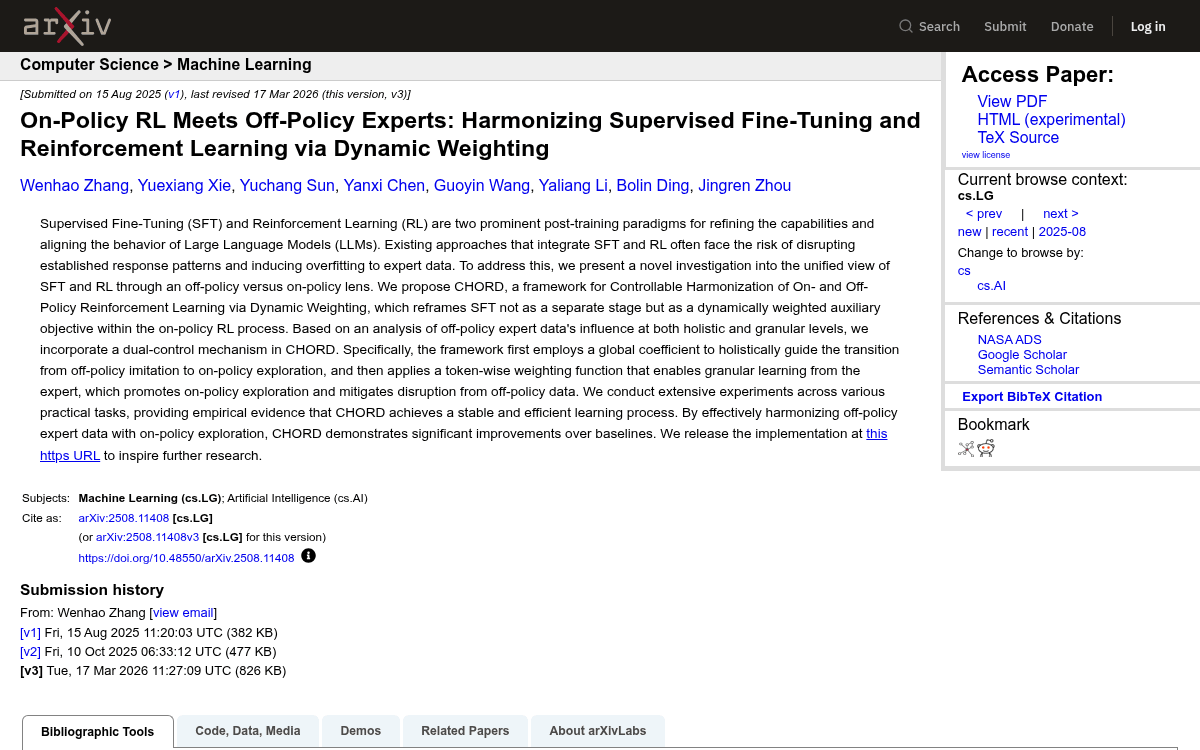
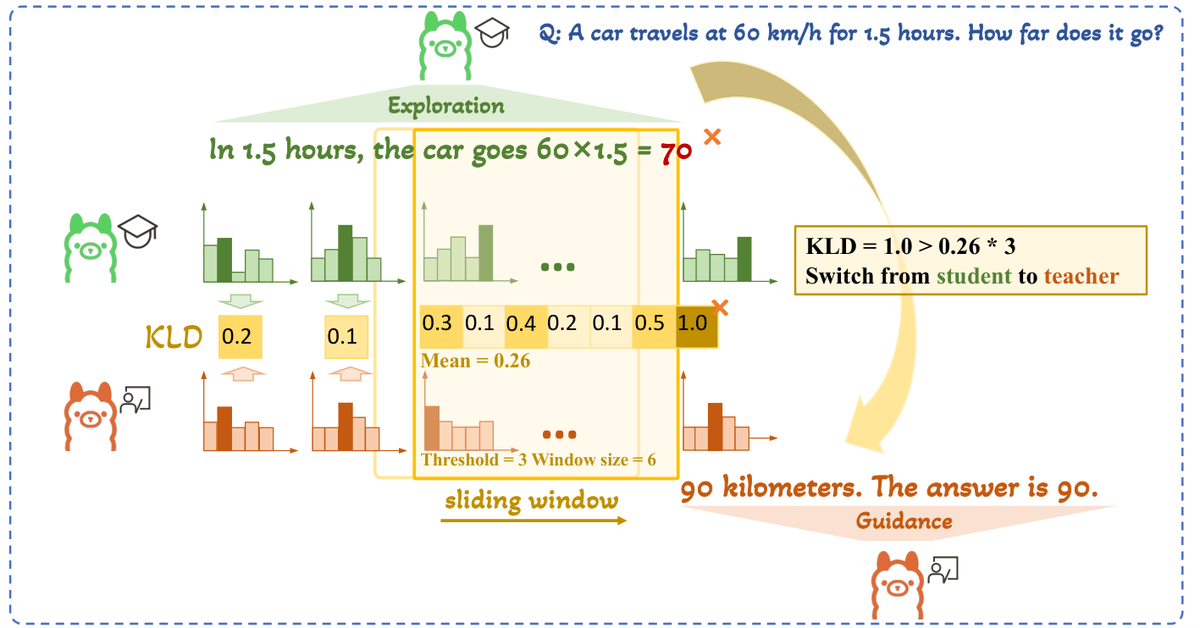
Alibaba's CHORD reframes supervised fine-tuning as a dynamically weighted term inside on-policy RL, using a token-level gate to avoid the shift-readapt-overfit trap.
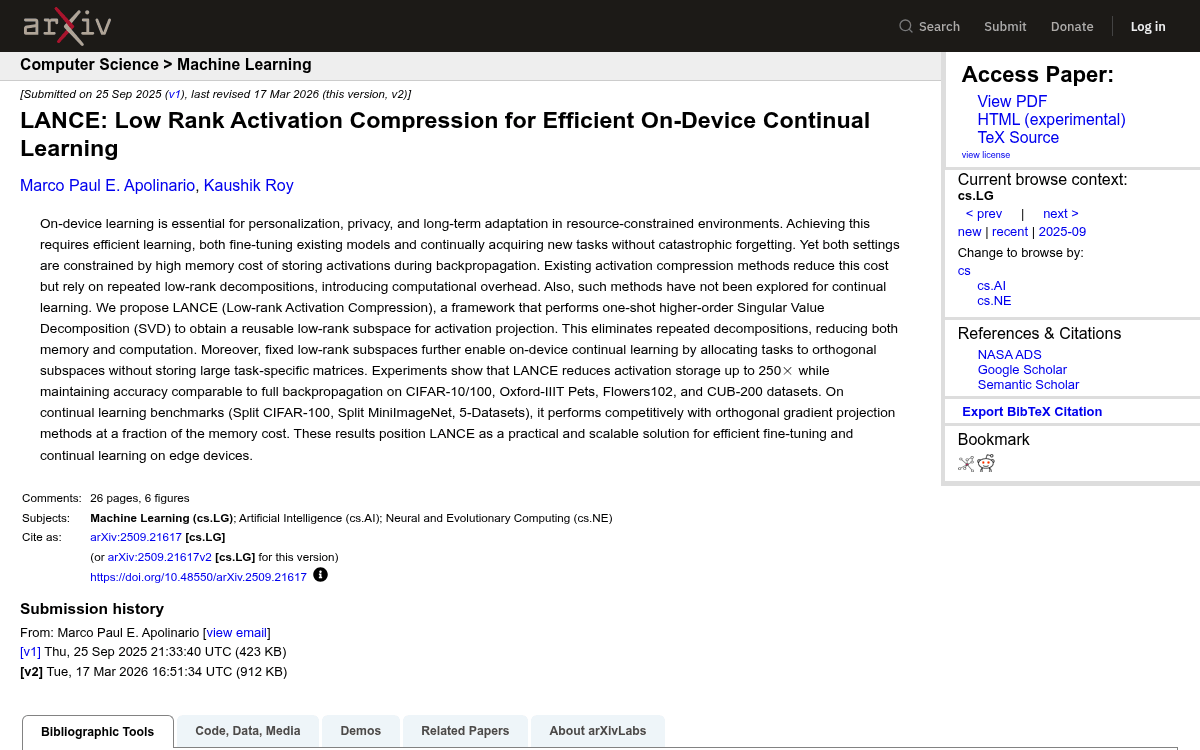
A new framework compresses activations once using HOSVD instead of every training step, cutting memory up to 250x for edge fine-tuning and continual learning.
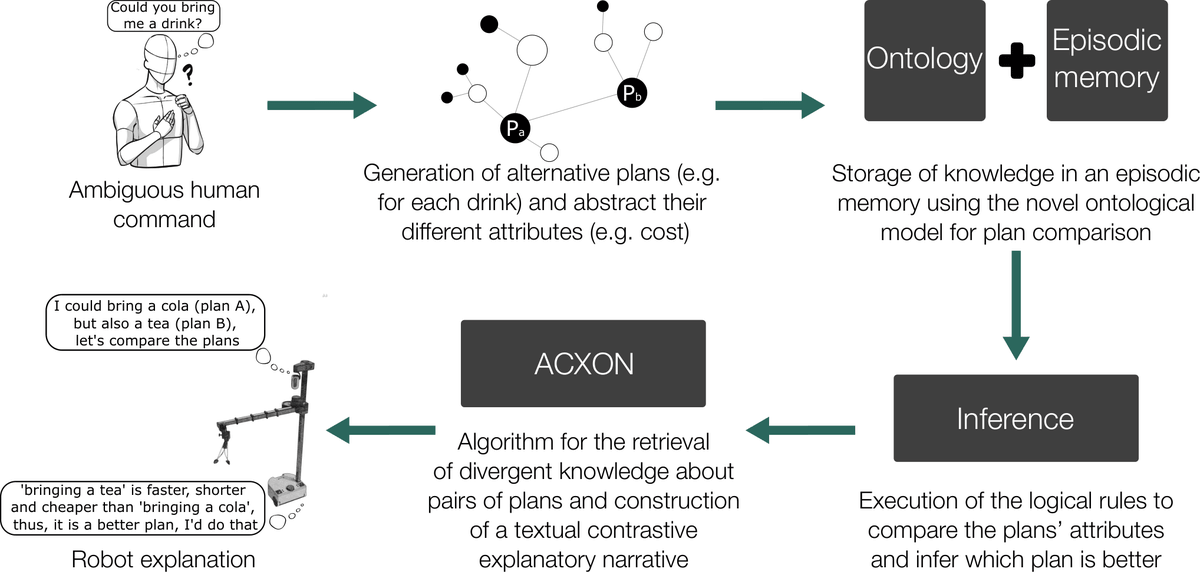
Researchers introduce ACXON, an ontology-driven algorithm that lets robots explain why one plan beats another using up to 70 percent fewer knowledge tuples.
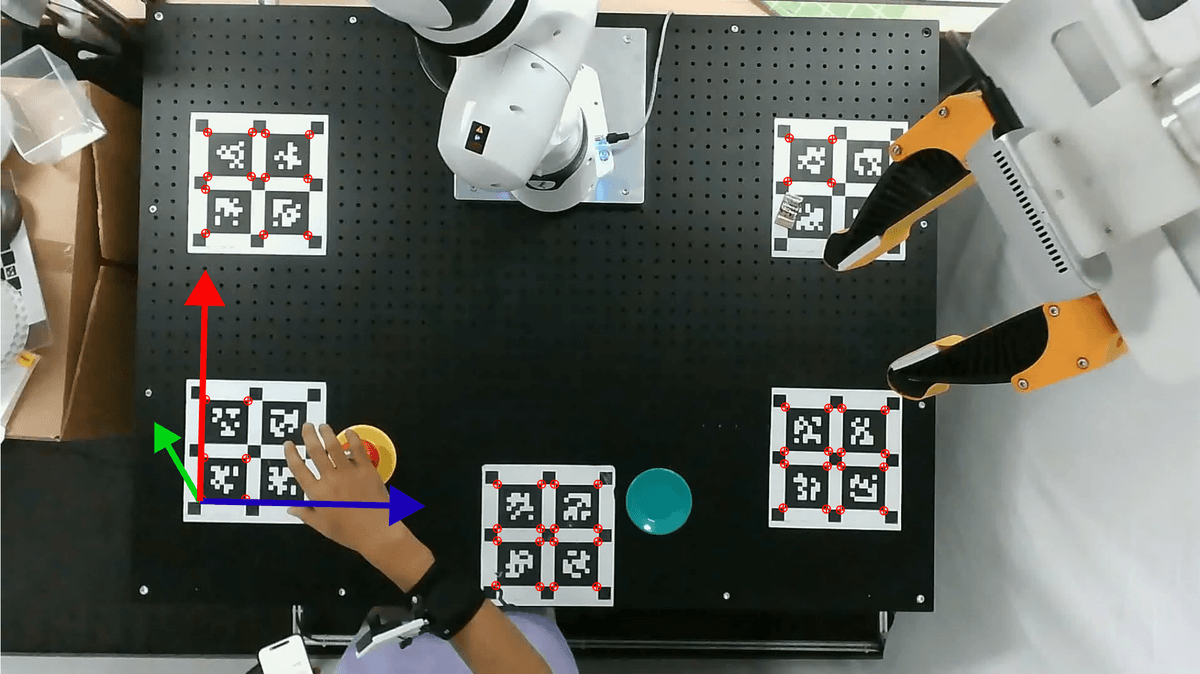
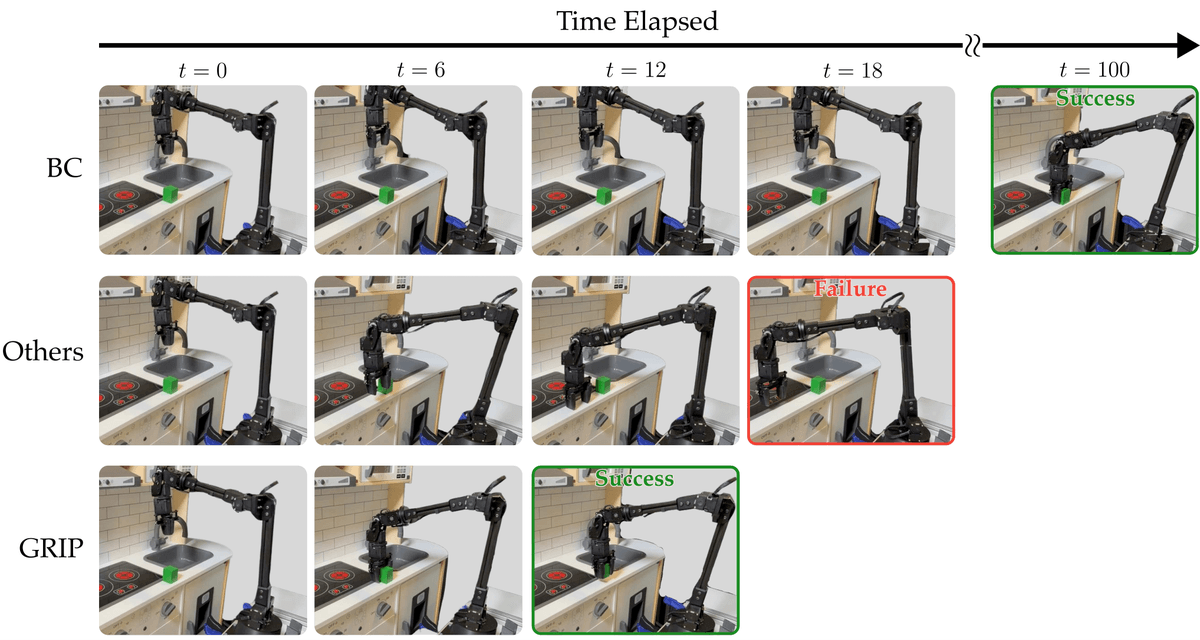
A new imitation learning method lets robots discover faster trajectories than their human teachers, cutting real-world pick times from 100 seconds to 12.
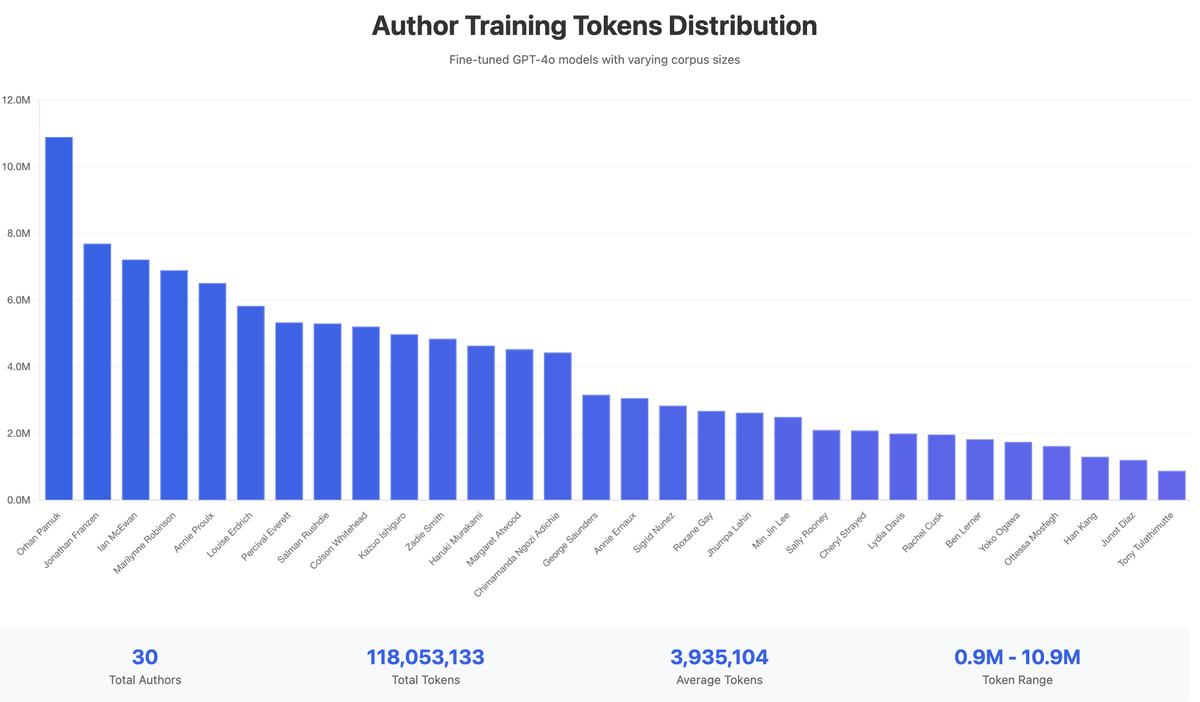
A preregistered study finds that when GPT-4o is fine-tuned on an author's complete works, both experts and general readers prefer its excerpts to those written by MFA-trained writers.
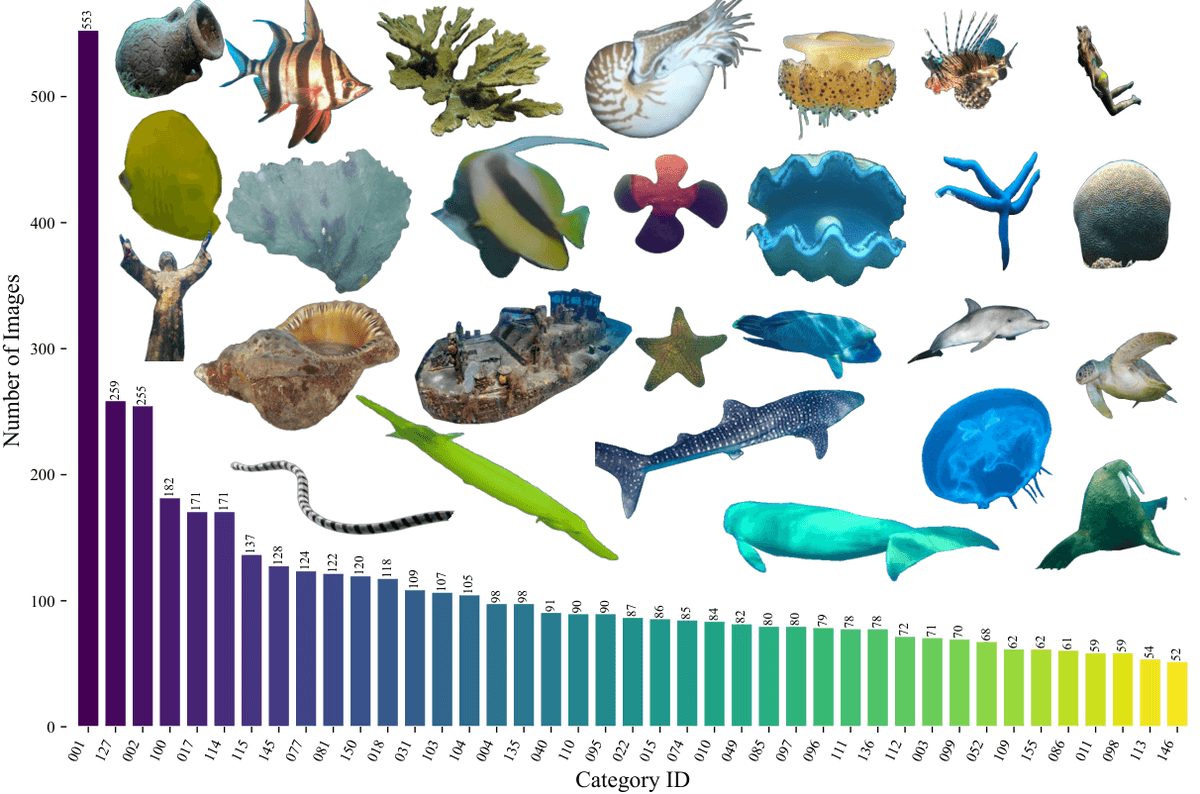
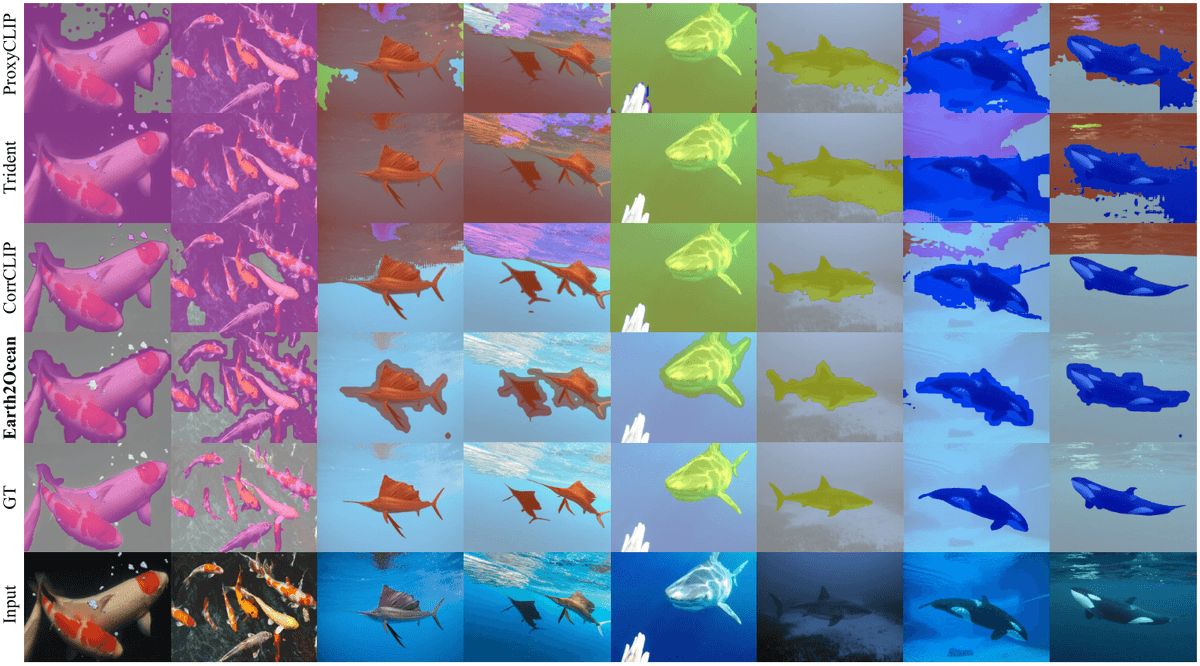
A new benchmark and framework tackle underwater instance segmentation with 158 fine-grained marine categories, using depth cues and marine-aware prompts to handle murky visuals.
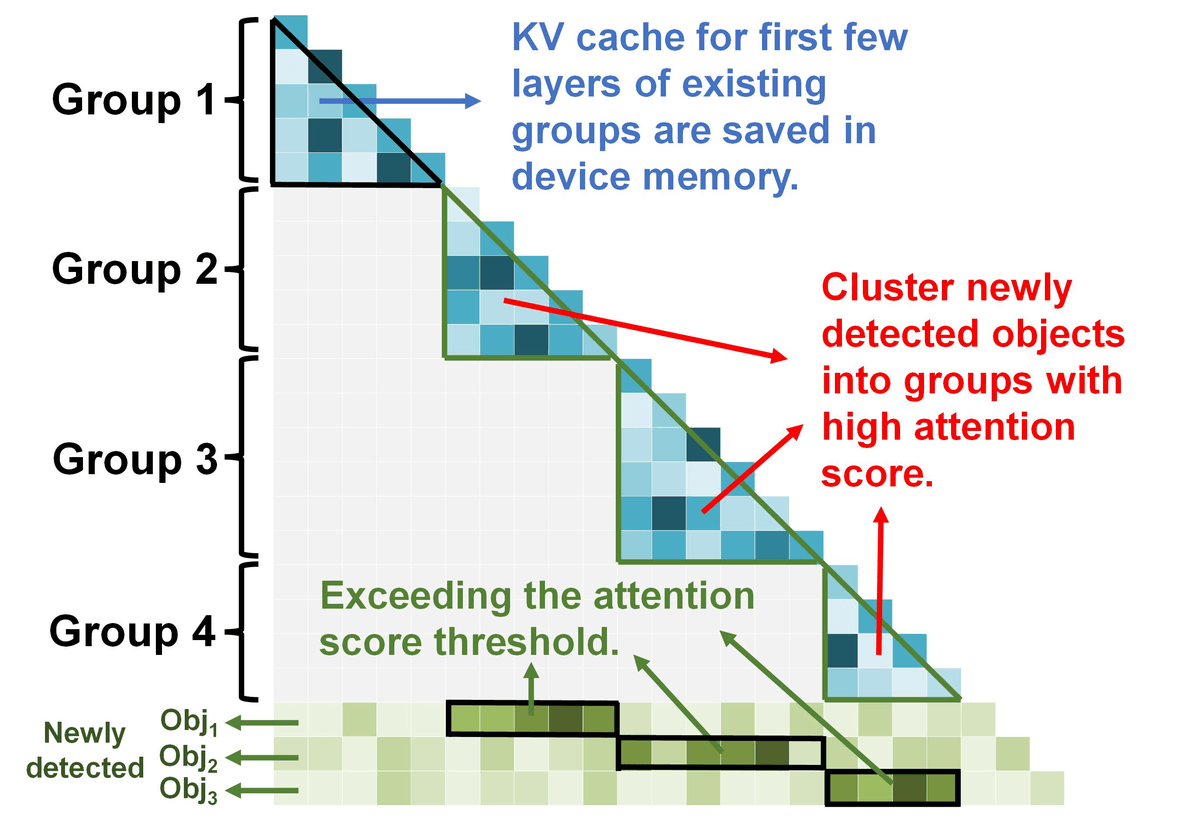
A new framework runs zero-shot object-goal navigation on a Jetson Orin using smaller LLMs, beating GPT-4 planners on HM3D with 4.7x lower end-to-end latency.
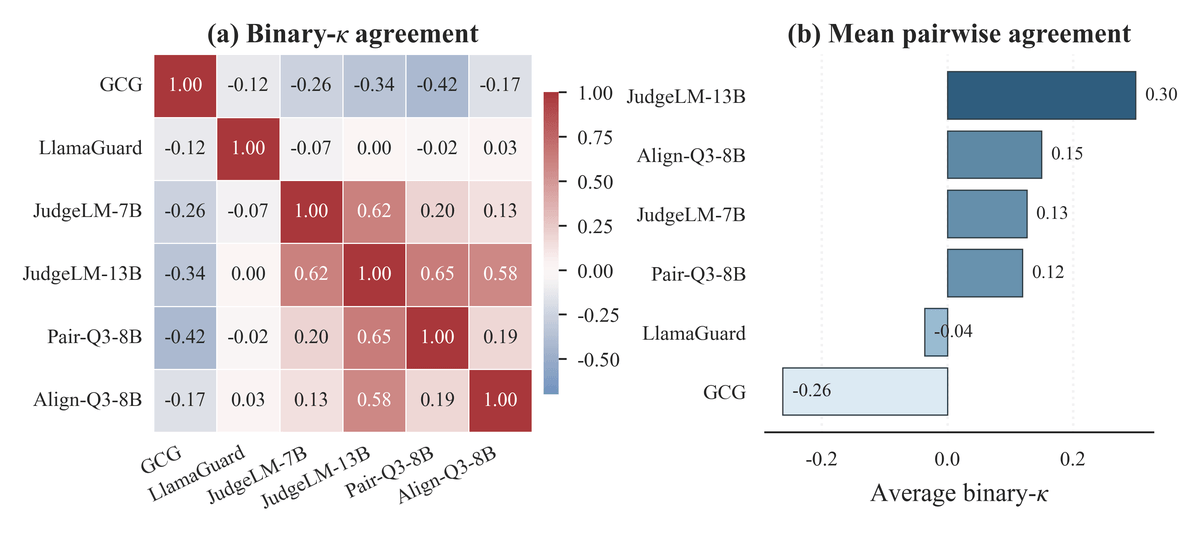
A structured debate between small language models matches GPT-4o on jailbreak judging at 46% of the cost, backed by an 11,100-example human-labeled benchmark.
New research introduces the largest fine-grained underwater segmentation dataset and a training-free framework that adapts land-based vision models to the ocean.
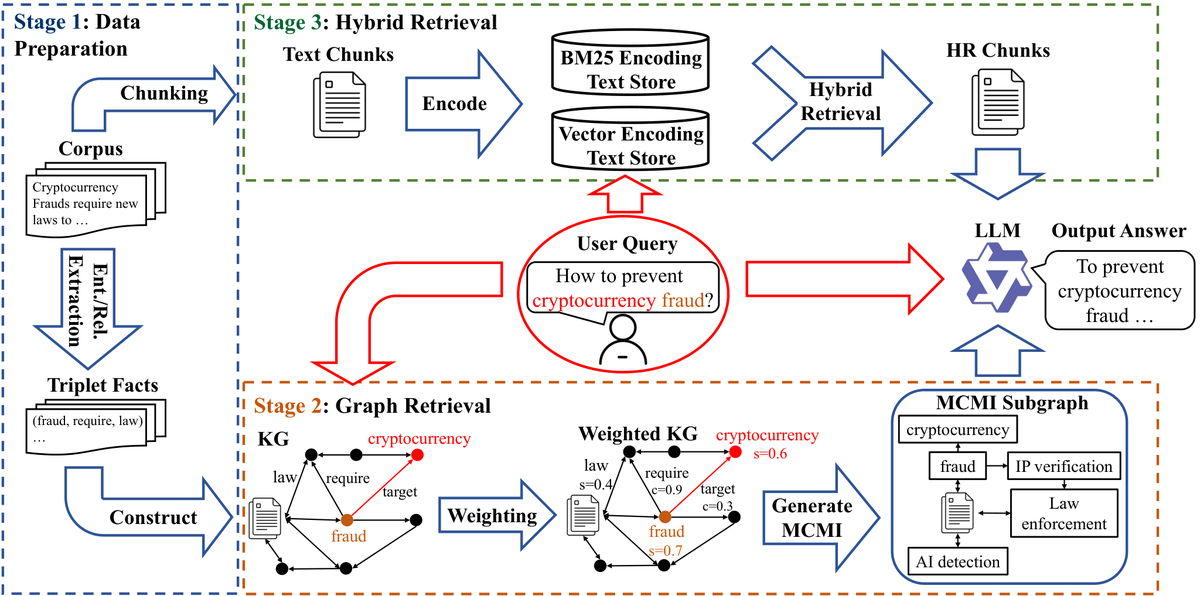
A new graph-based RAG framework replaces LLM entity extraction with TFIDF statistics and builds explicit reasoning subgraphs, cutting hallucination rates from 4.25% to 0.40%.
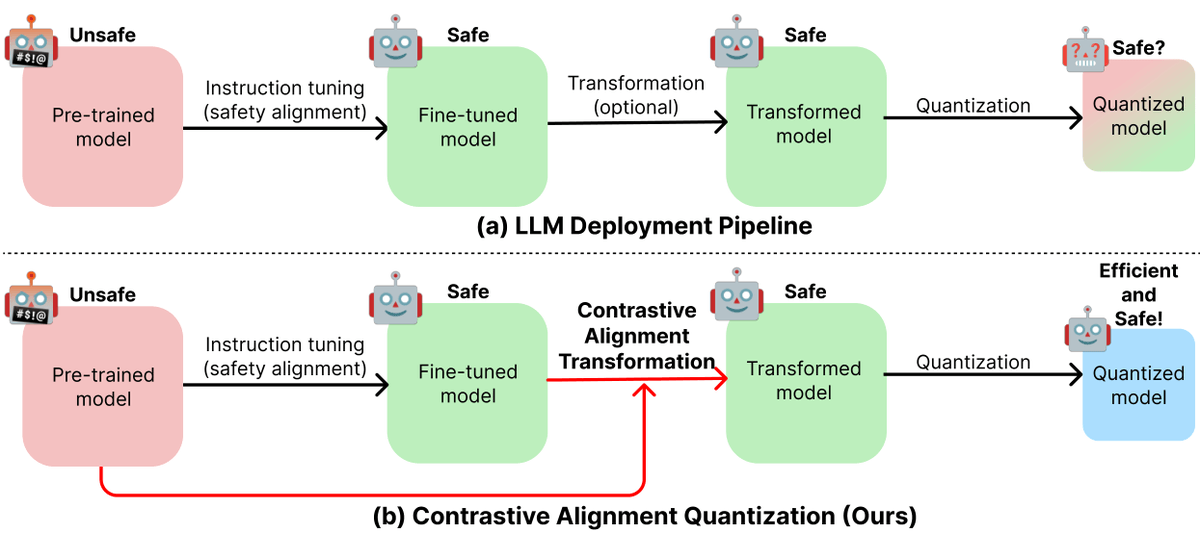
A new post-training quantization method preserves RLHF safety guardrails at 4-bit precision by contrasting the aligned model against its pre-trained base.