
Pro
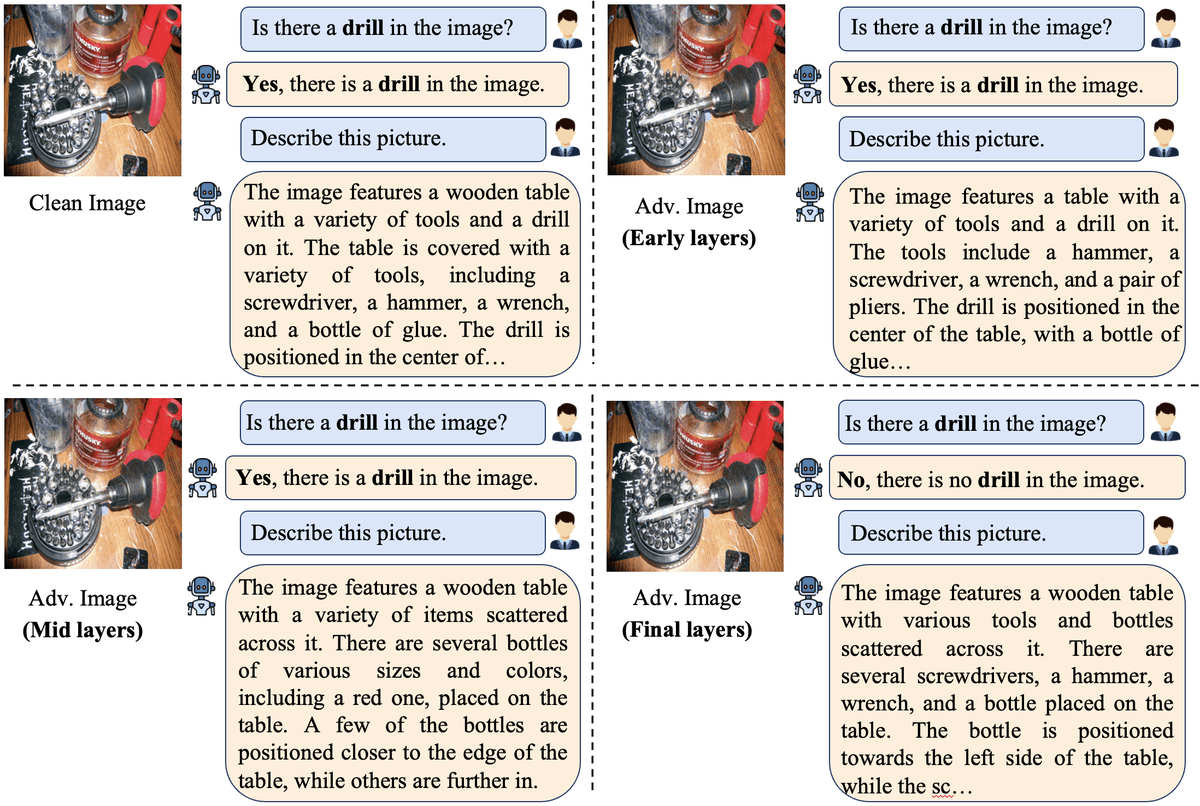
BCR Cuts AI Vision Hallucinations 3x by Hiding Objects in Plain Sight
A new adversarial method hides objects from vision-language models without making them invent fake objects to fill the gap
20 stories
A new adversarial method hides objects from vision-language models without making them invent fake objects to fill the gap
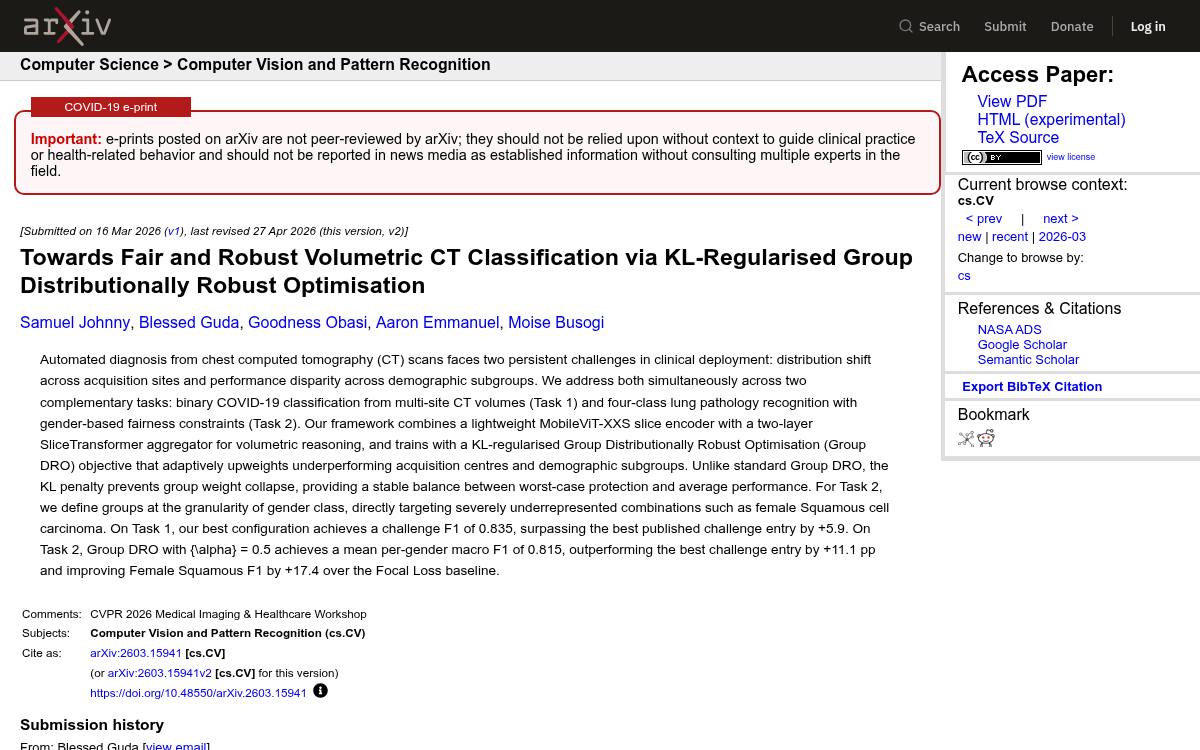
A KL-regularised Group DRO objective paired with a 1.3M-parameter MobileViT pipeline beats prior CT challenge entries on both site robustness and demographic fairness.
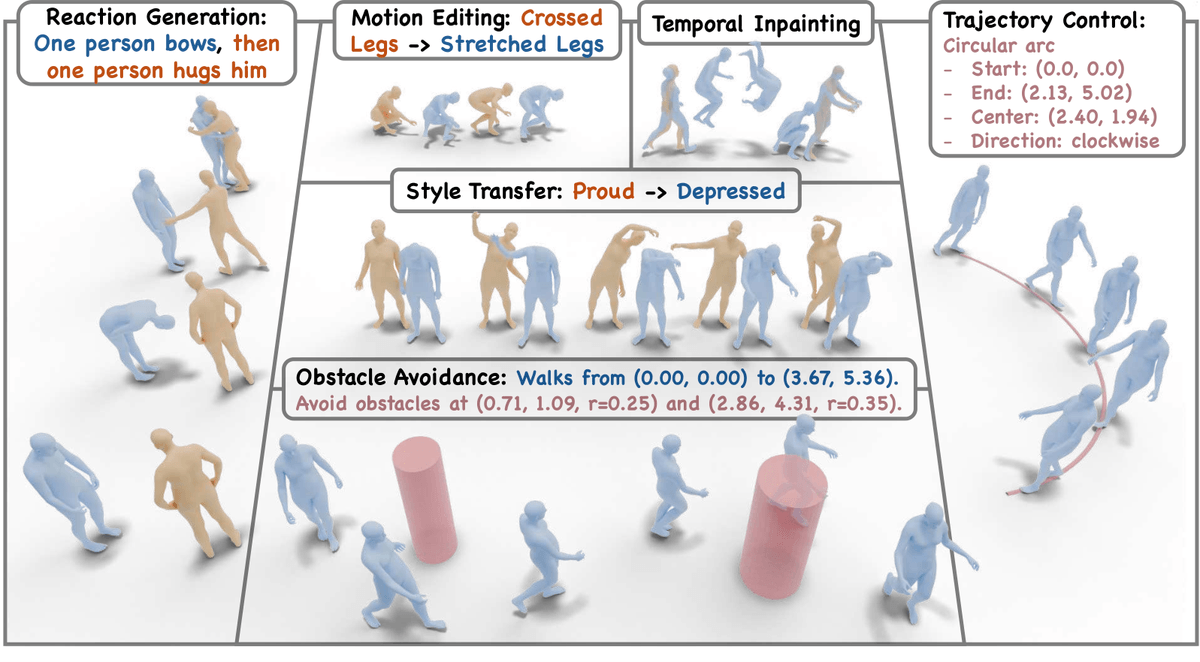
A single motion model handles inpainting, editing, trajectory control, obstacle avoidance and two-person reactions using three learnable per-frame operations.
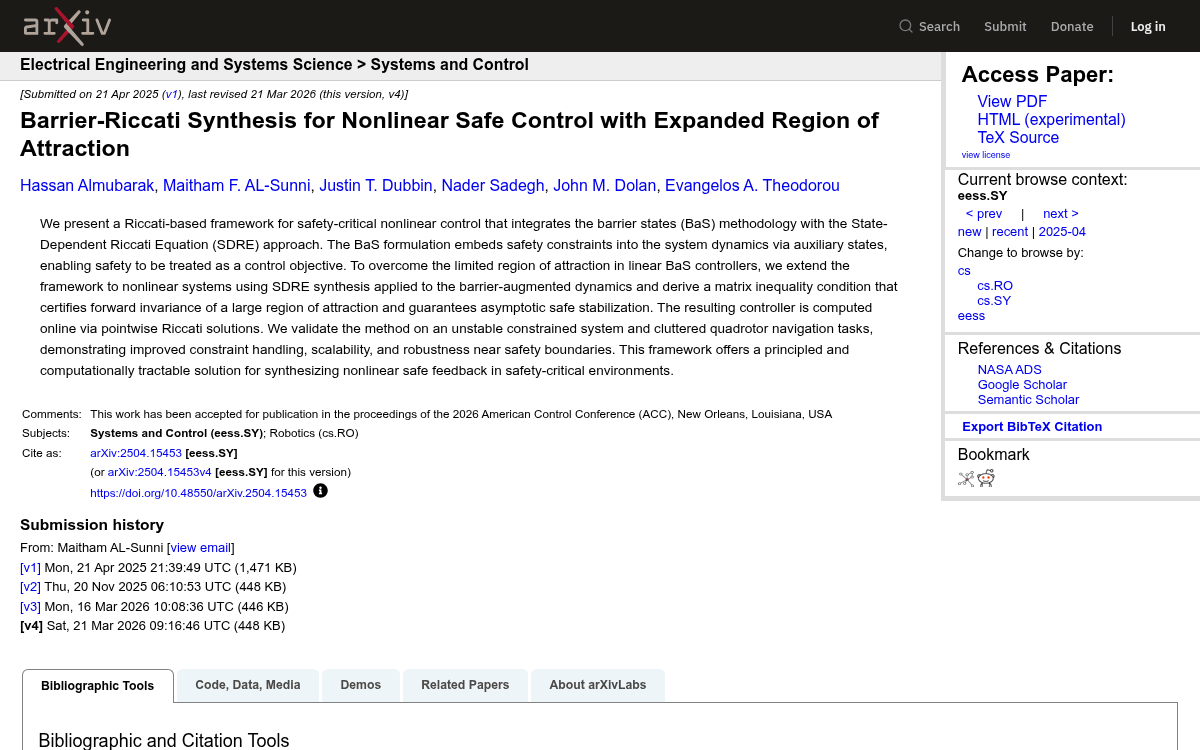
A new control framework fuses barrier states with state-dependent Riccati equations to keep nonlinear systems safe over much larger operating regions.
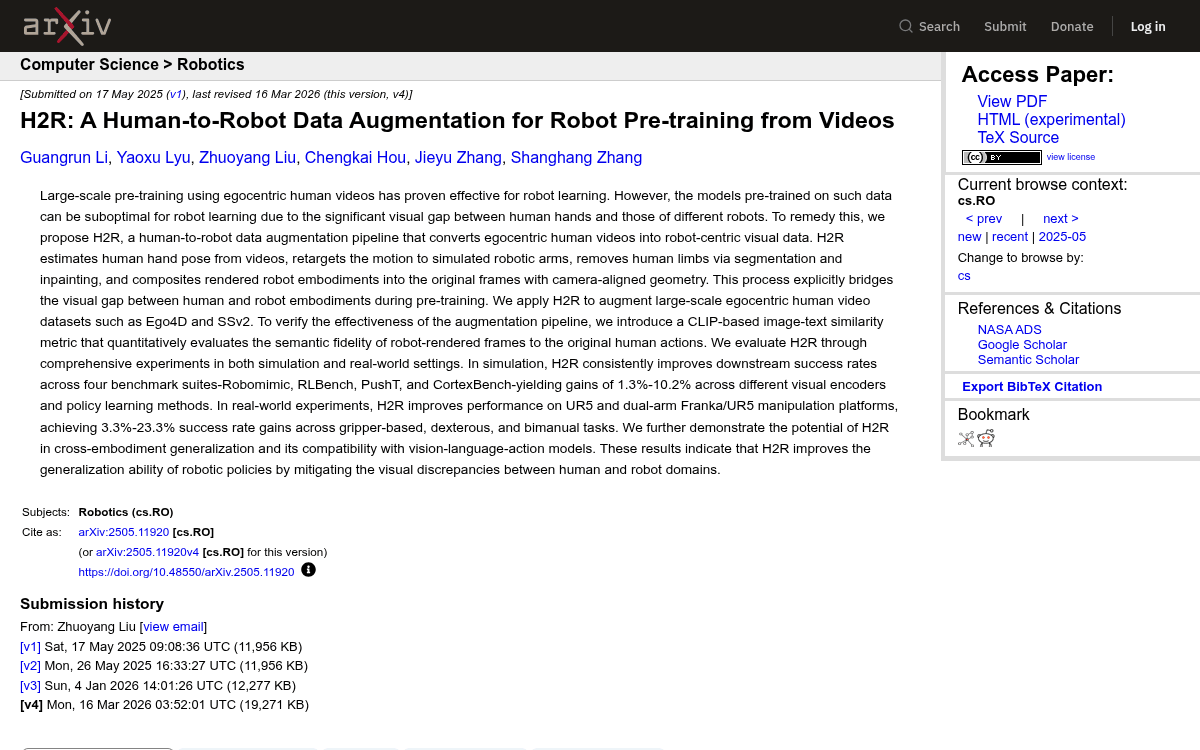
A new pipeline swaps human hands for rendered robot arms in egocentric video, boosting downstream manipulation success by up to 23% in the real world.
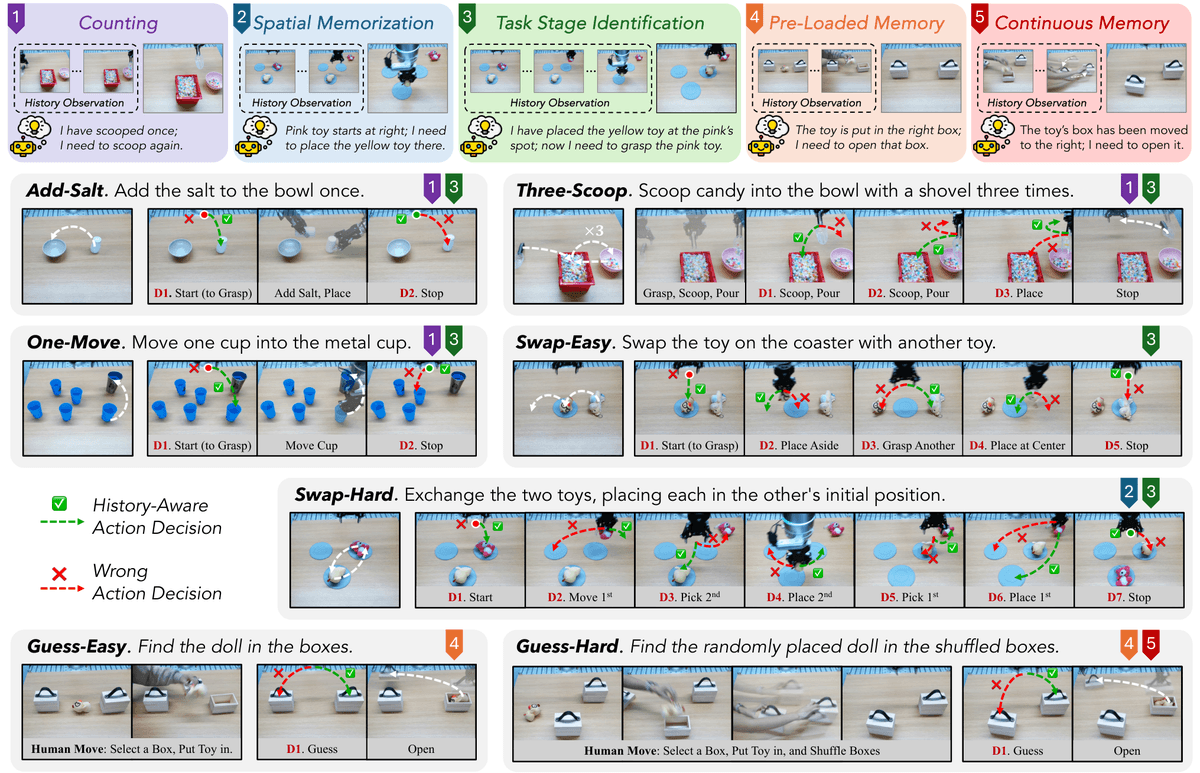
A new object-centric point tracking method gives robot policies memory of past observations, letting them count actions, remember locations, and handle long-horizon tasks.
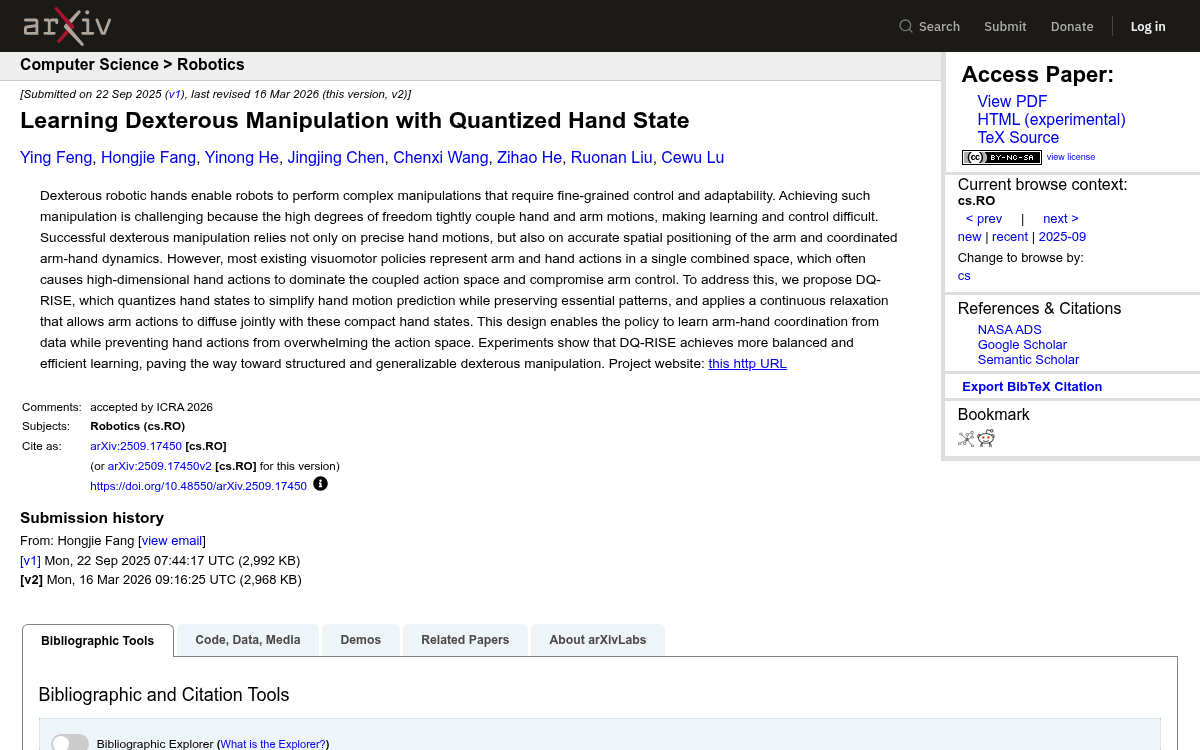
A new visuomotor policy quantizes hand states into compact codes so arm precision does not get drowned out by high-dimensional finger control.
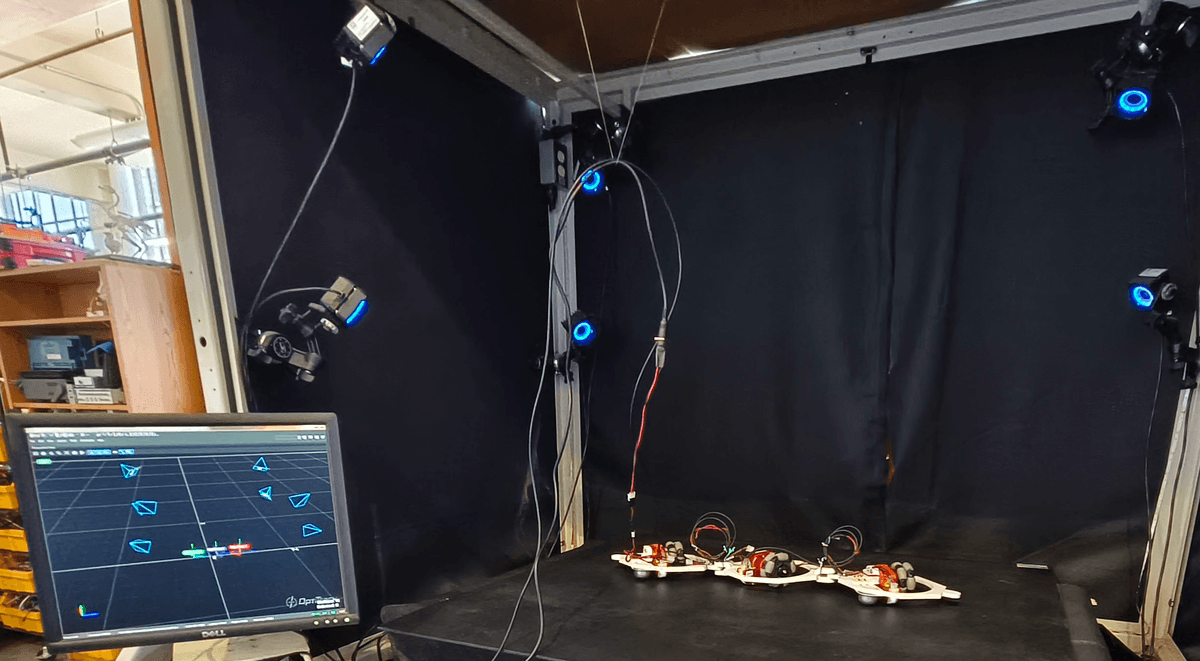
A three-link, thruster-driven robot learns to estimate its own shape and pose using only gyroscopes, Gaussian process residuals, and a Kalman filter.
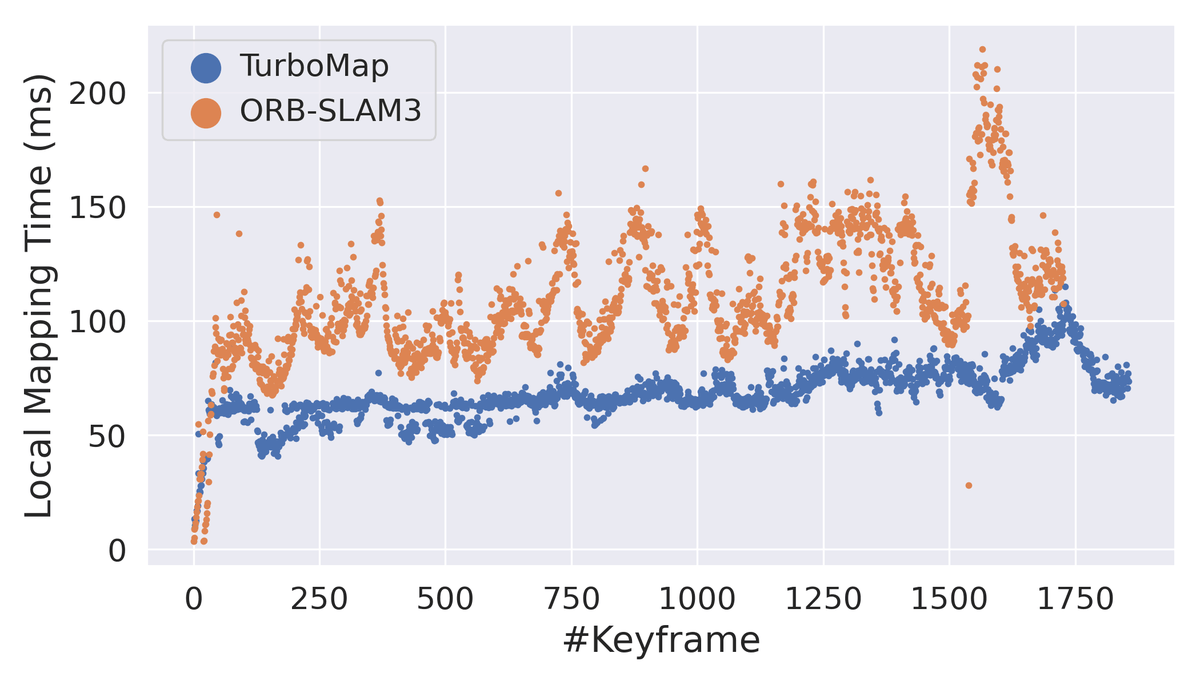
A redesigned local mapping backend for ORB-SLAM3 shifts three bottleneck stages onto the GPU, cutting keyframe latency by up to 1.6x with matching accuracy.
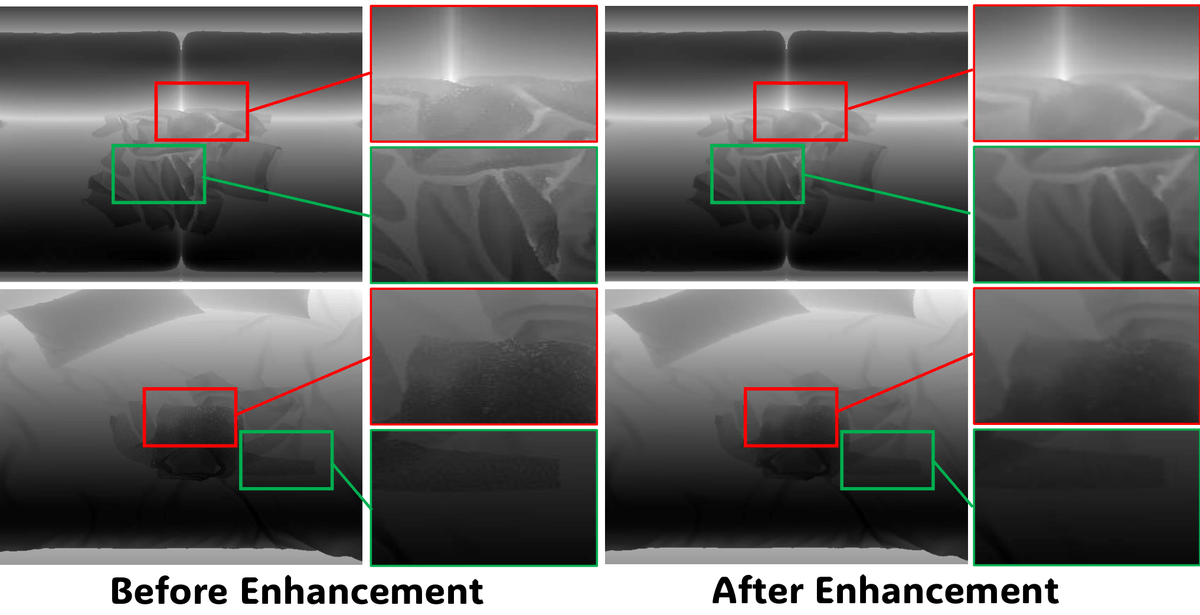
GraspALL uses a parametric luminance curve to adaptively fuse RGB with depth and thermal features, boosting garment grasping accuracy by 32-44% in the dark.
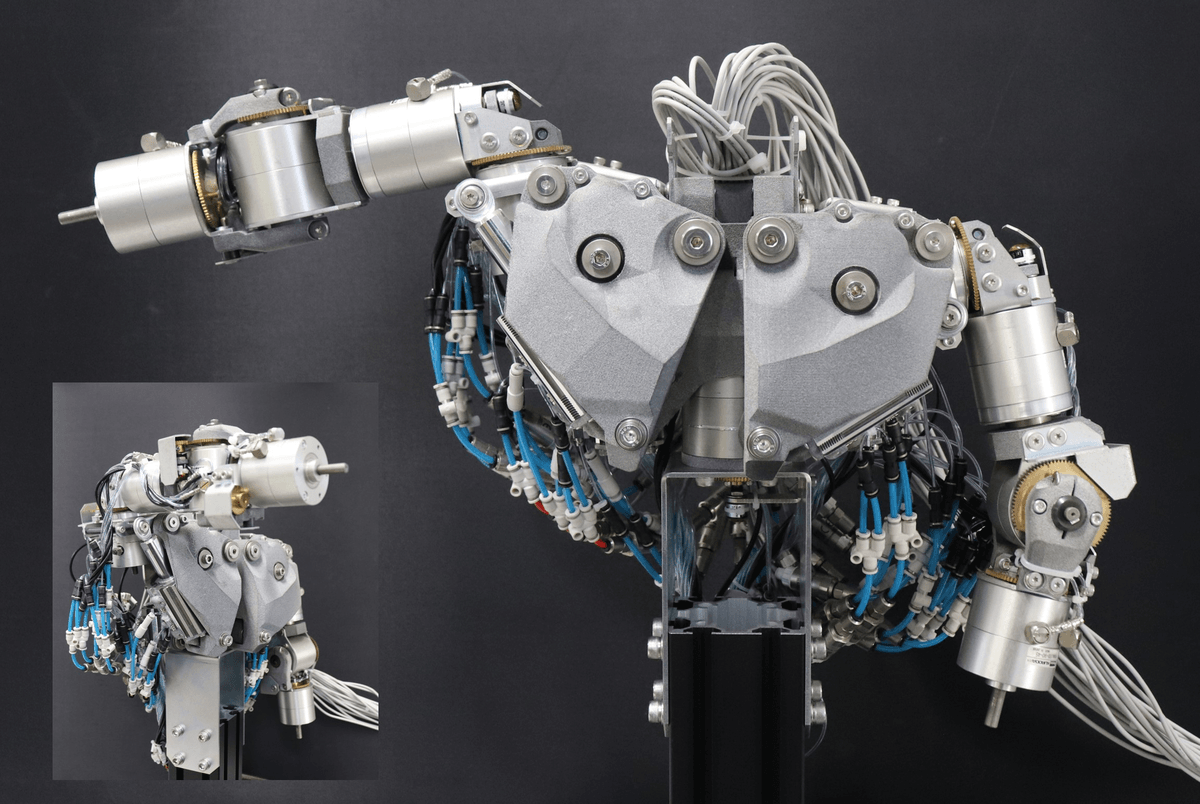
A compact 13-DOF pneumatic humanoid learns its own inverse dynamics, cutting trajectory tracking error by up to 87 percent versus a PID baseline.
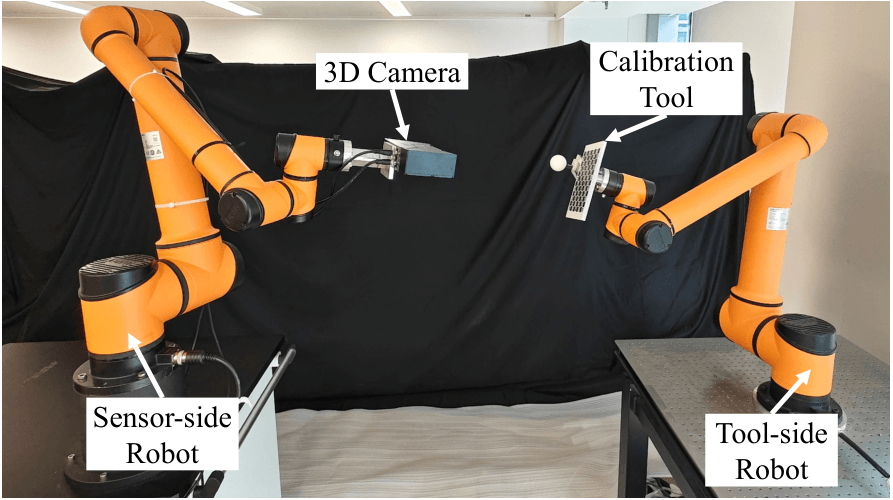
A new Lie-algebraic framework jointly calibrates both coordinate transforms and joint parameters for dual-arm robots, cutting the error accumulation that hurts precise collaboration.
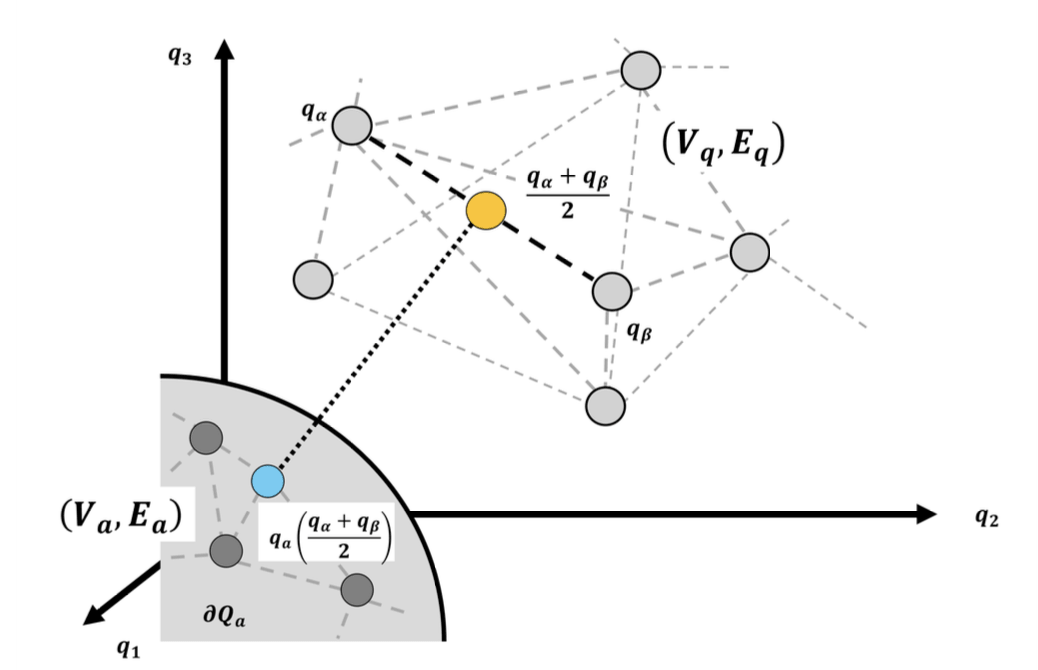
A new joint-space path planner reshapes concave abdominal cavities into convex surfaces, cutting joint motion and port stress for autonomous surgical forceps.
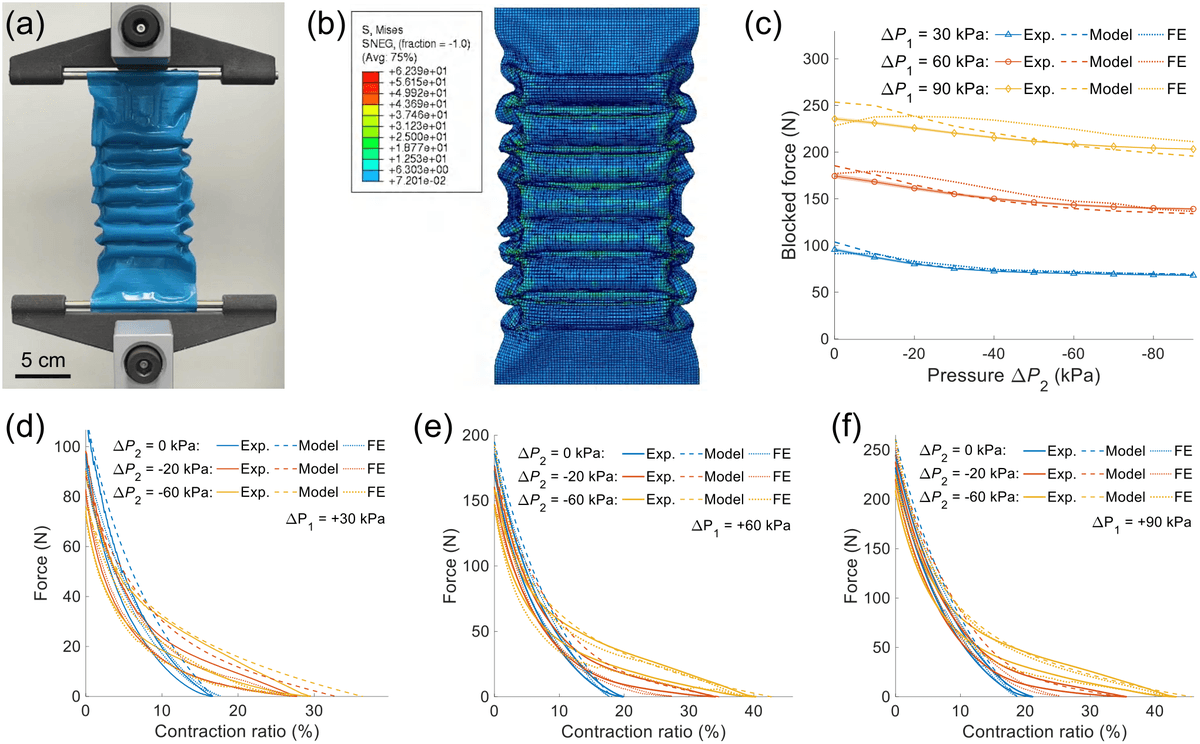
A new soft actuator combines compressed air with vacuum in a paper-thin package, hitting 54% contraction while folding flat when off.
A new discrete differential geometry framework unifies rigid folding, bending, and snap-through dynamics in a single simulator for compliant origami robots.
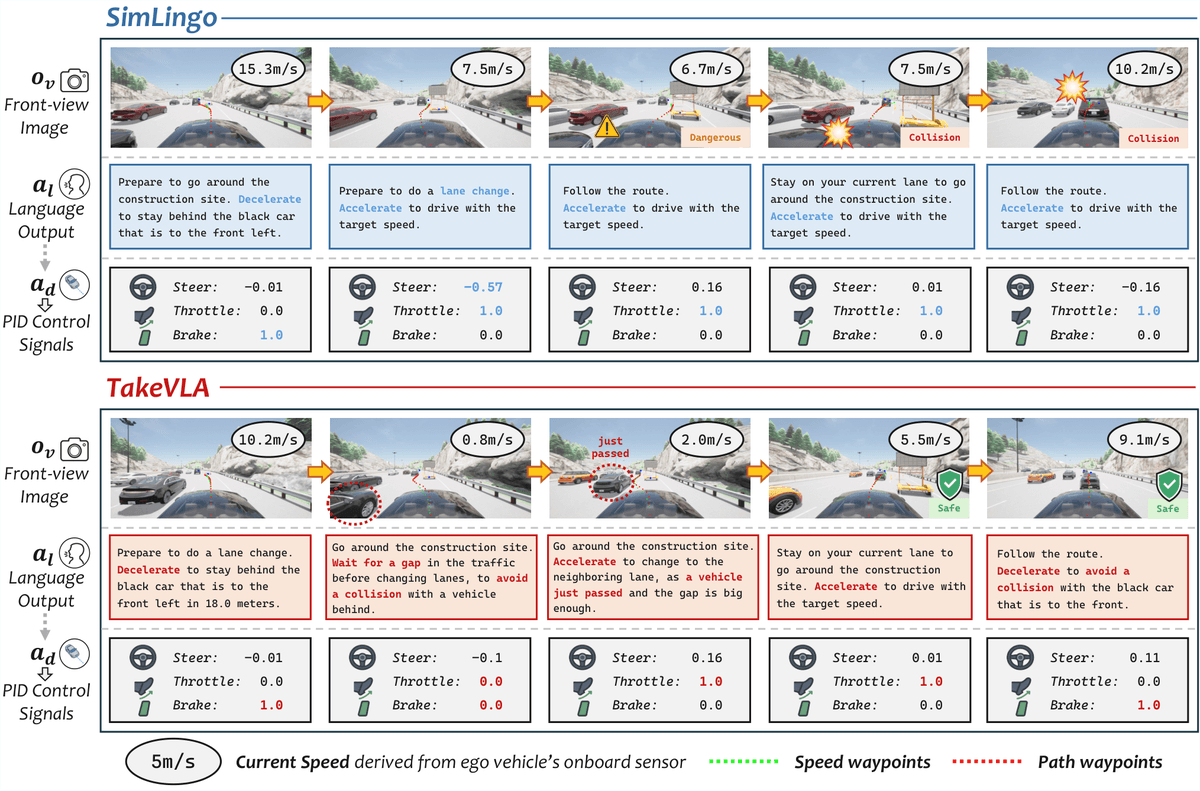
A new arXiv paper reframes VLA post-training for self-driving by teaching the model what to do before a human takes the wheel.
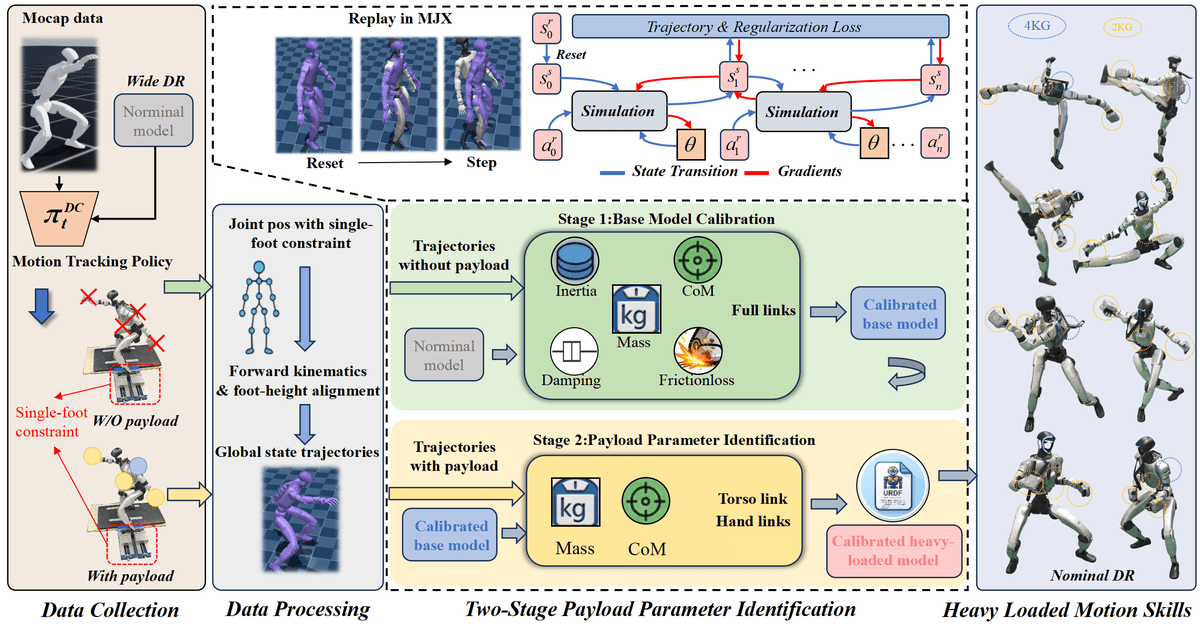
A two-stage differentiable simulation approach identifies robot dynamics under unknown payloads, enabling zero-shot RL policies that stay agile with 10kg loads.
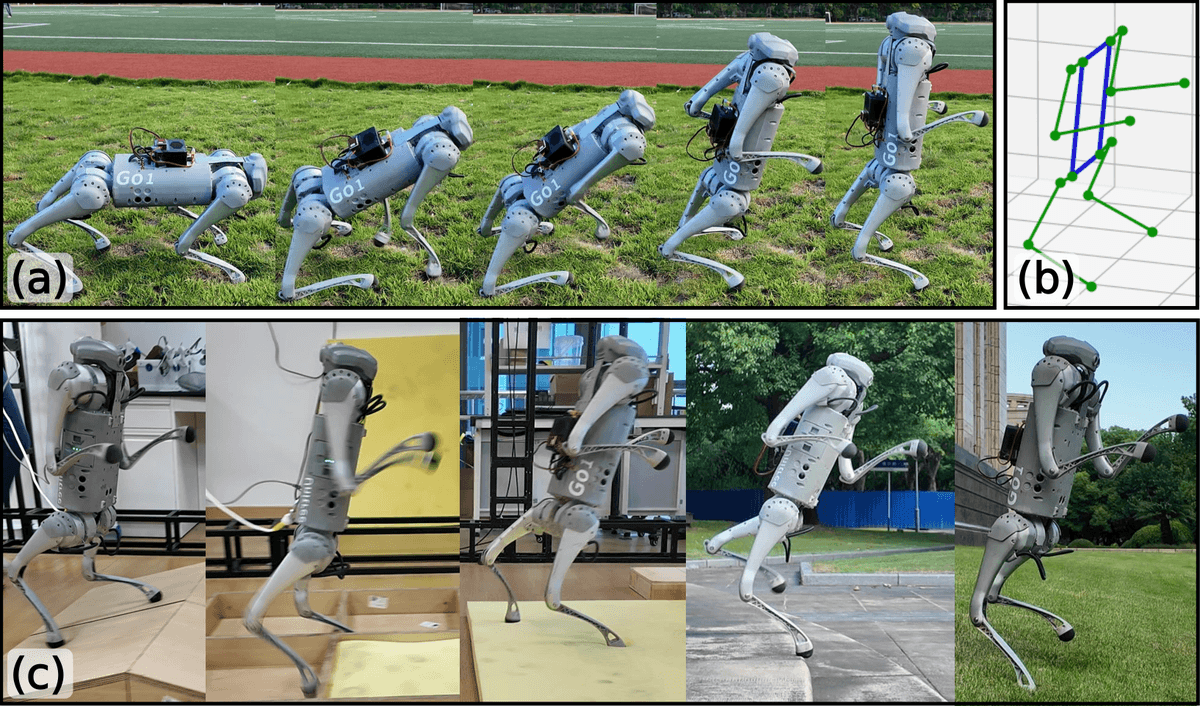
A new reinforcement learning framework teaches quadruped robots multiple gaits from single poses instead of full motion capture datasets, then adapts them to rough terrain.
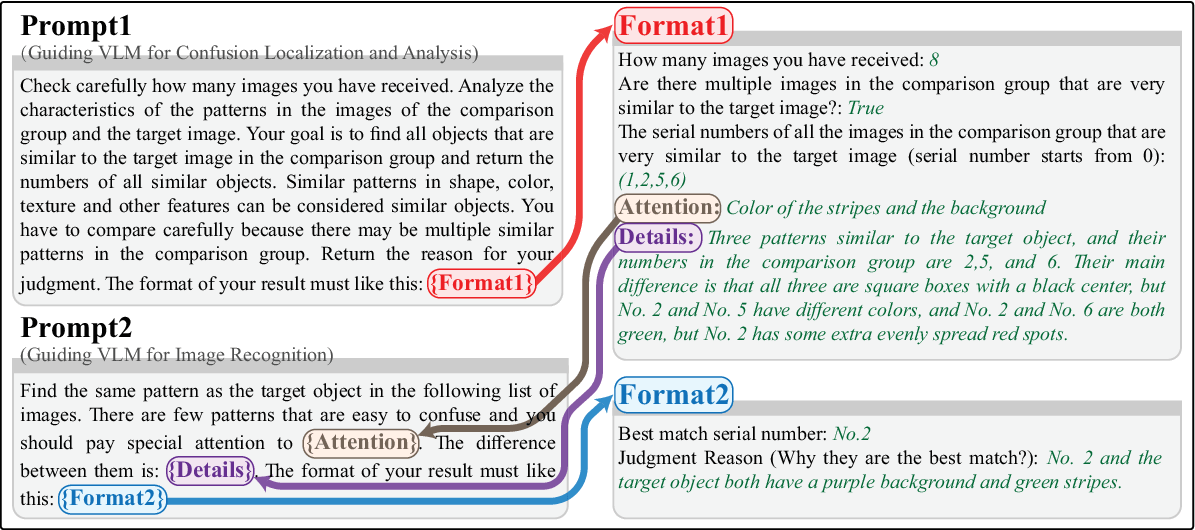
A new prompting method forces vision-language models to slow down and compare confusable objects, lifting VIMA-Bench success rates to 85.5%.
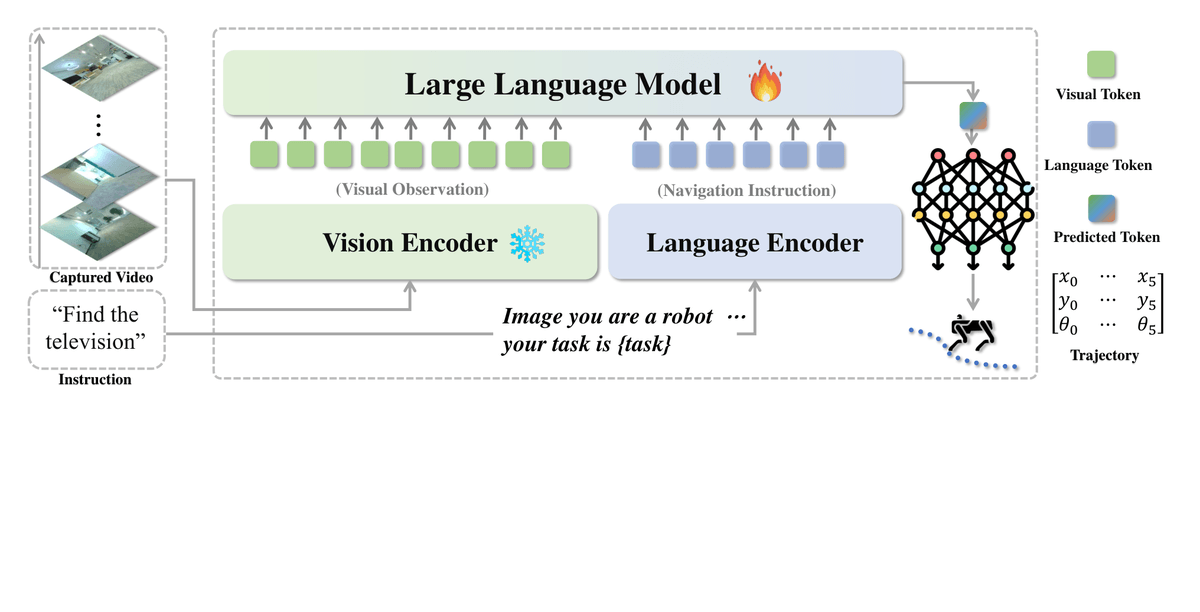
A new Gaussian Splatting simulator reconstructs entire office floors for training navigation policies, cutting the sim-to-real gap by over 80 percent.