
Pro
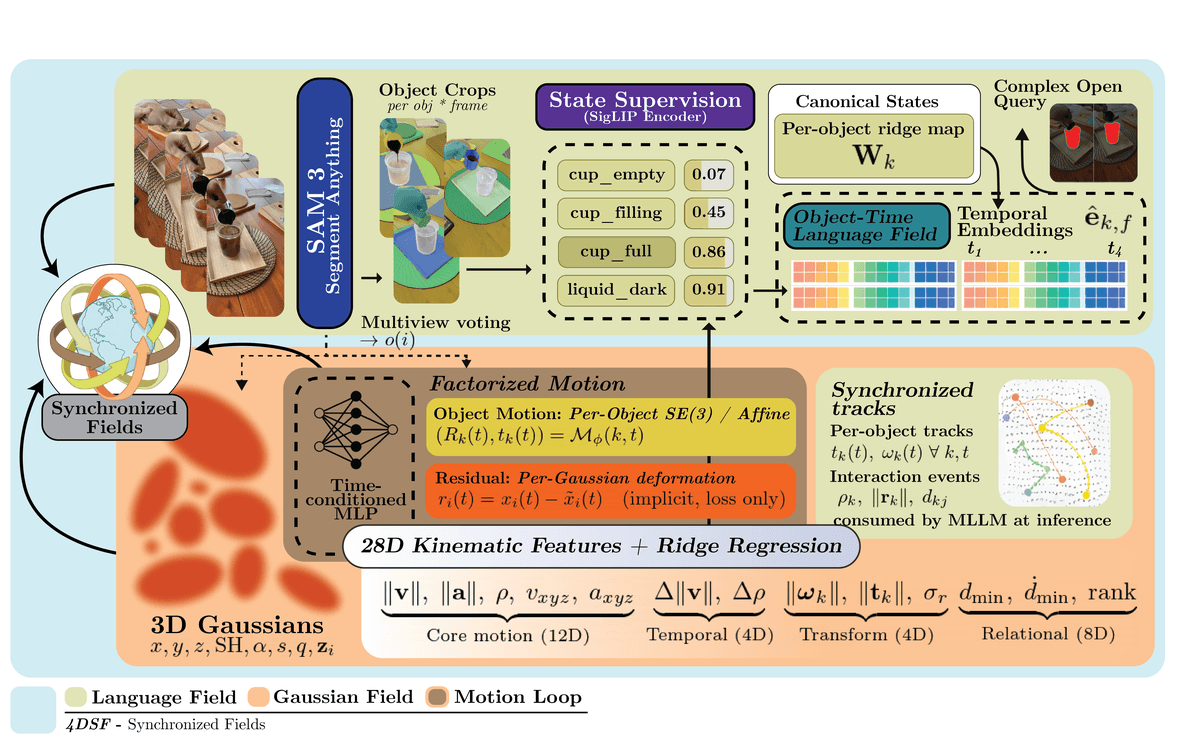
4D Synchronized Fields Couples Motion and Meaning to Double Temporal Scene Understanding
A new 4D Gaussian representation ties object motion and language together during training, enabling text queries that pinpoint both objects and moments.
20 stories
A new 4D Gaussian representation ties object motion and language together during training, enabling text queries that pinpoint both objects and moments.
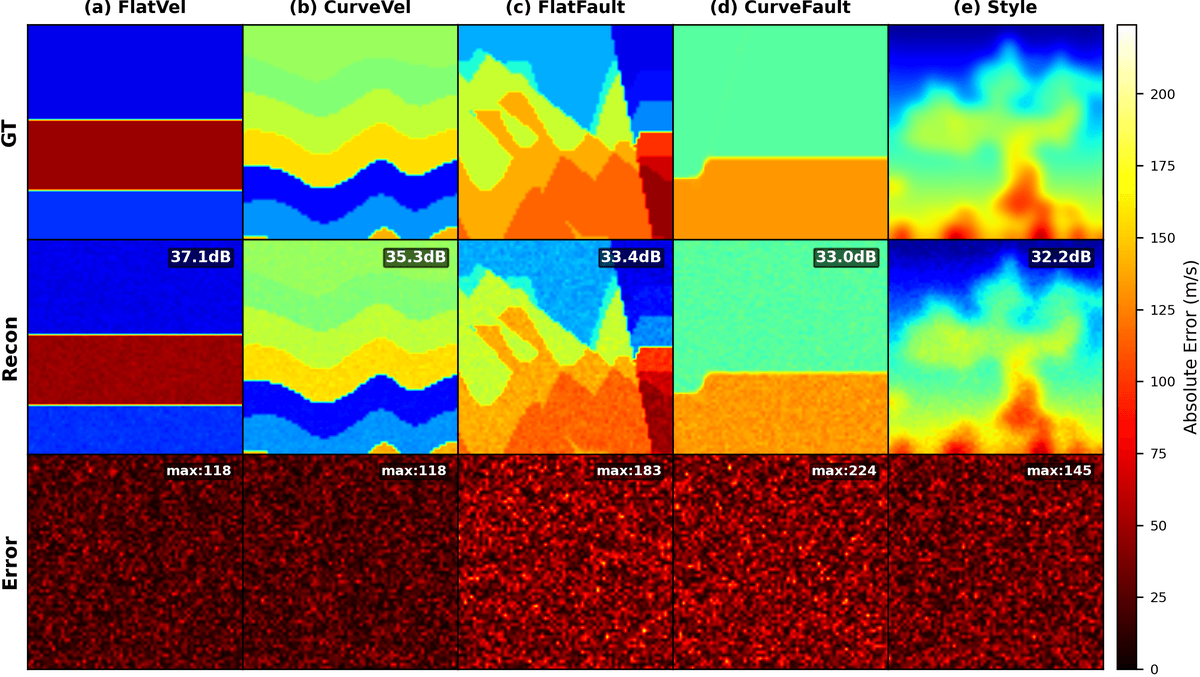
A SIREN auto-decoder squeezes 70x70 seismic velocity maps into 256-dim latent codes with 32.47 dB PSNR and zero-shot super-resolution up to 4x.
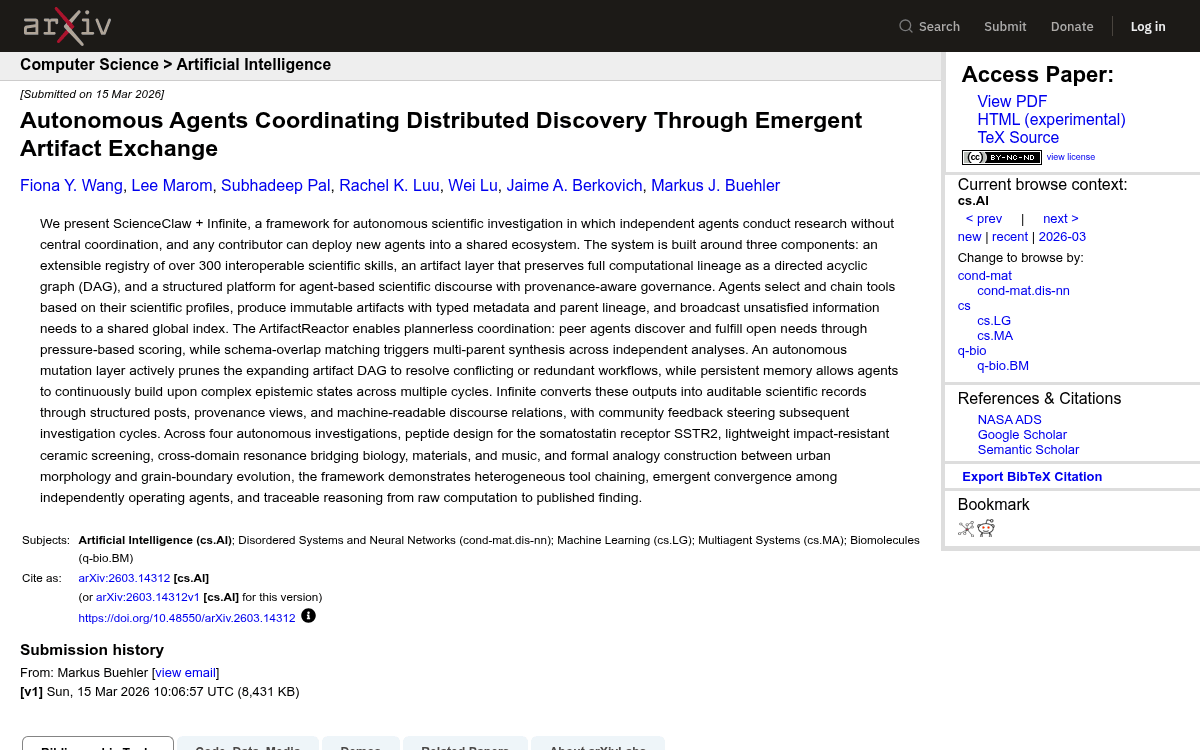
MIT researchers unveil ScienceClaw + Infinite, a framework where autonomous agents chain 300+ scientific tools and coordinate discoveries with no central planner.
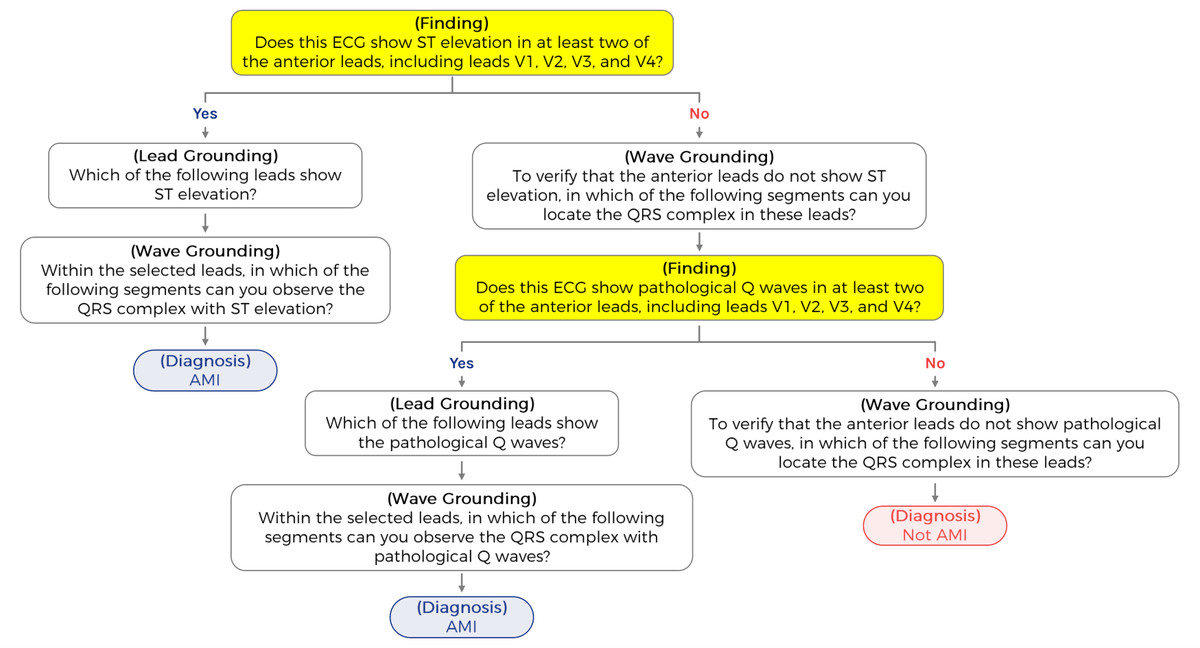
A new benchmark strips ECG-reading AI models of their explanations and finds their reasoning chains collapse below 6% completion.
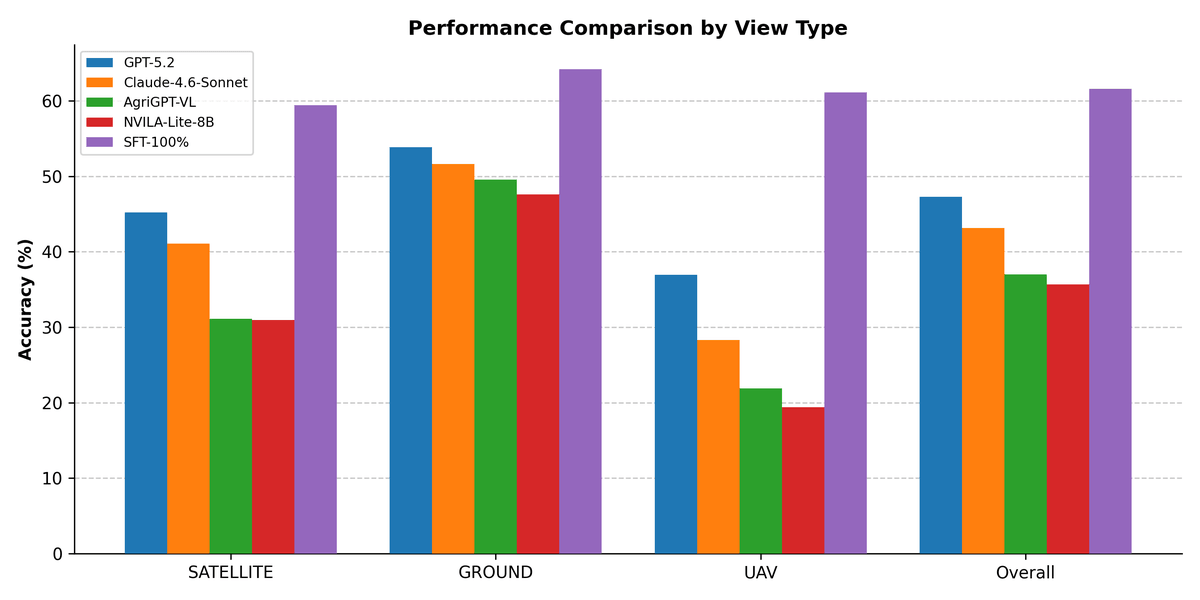
A new 288K multi-view training corpus and an 8B model that beats GPT-5.2 by 15 points on agricultural spatial reasoning benchmarks.
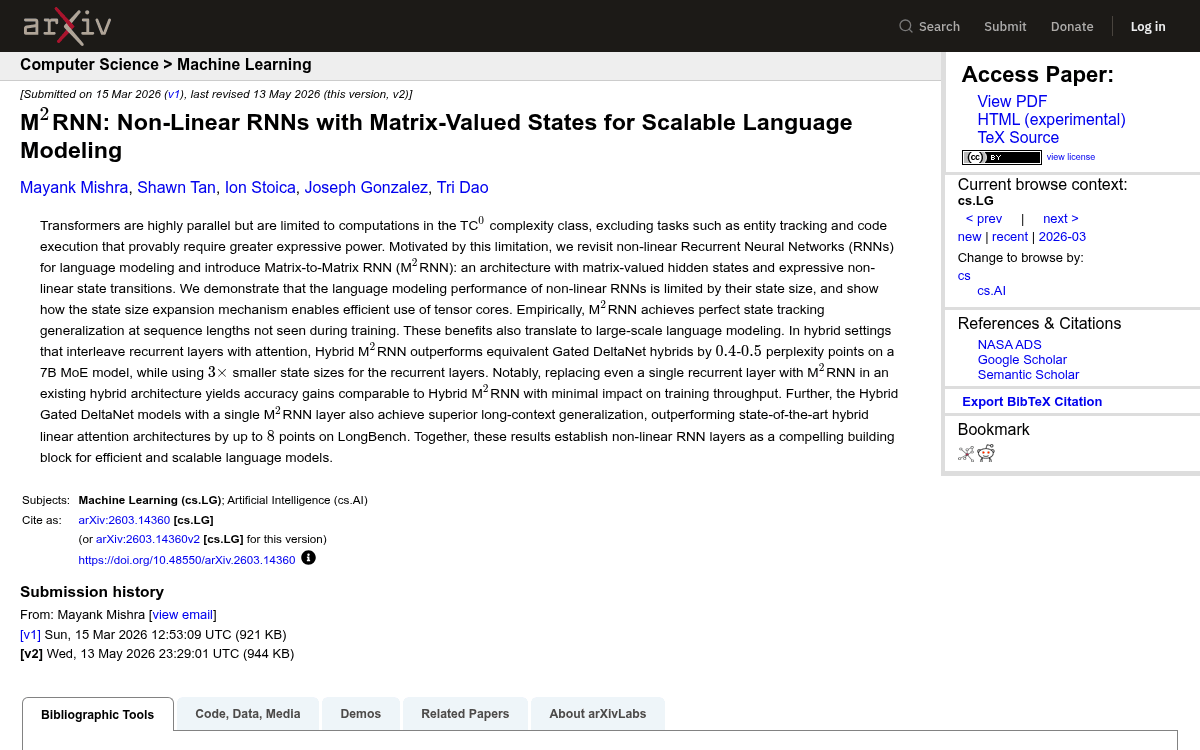
A new non-linear RNN with matrix-valued hidden states beats Gated DeltaNet hybrids by up to 8 LongBench points while dropping into existing architectures.
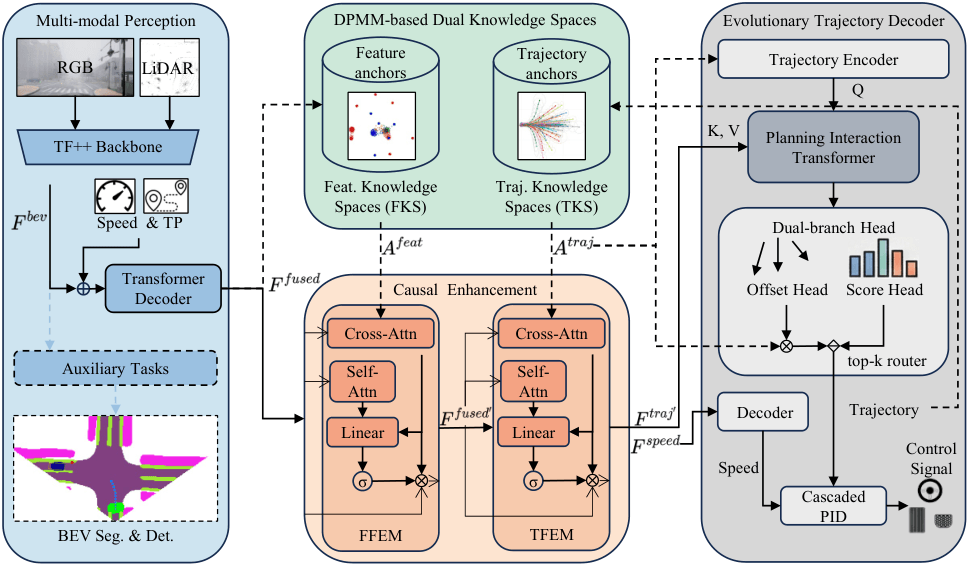
A new framework combines Bayesian clustering with causal inference to help self-driving models learn continuously without forgetting past scenarios.
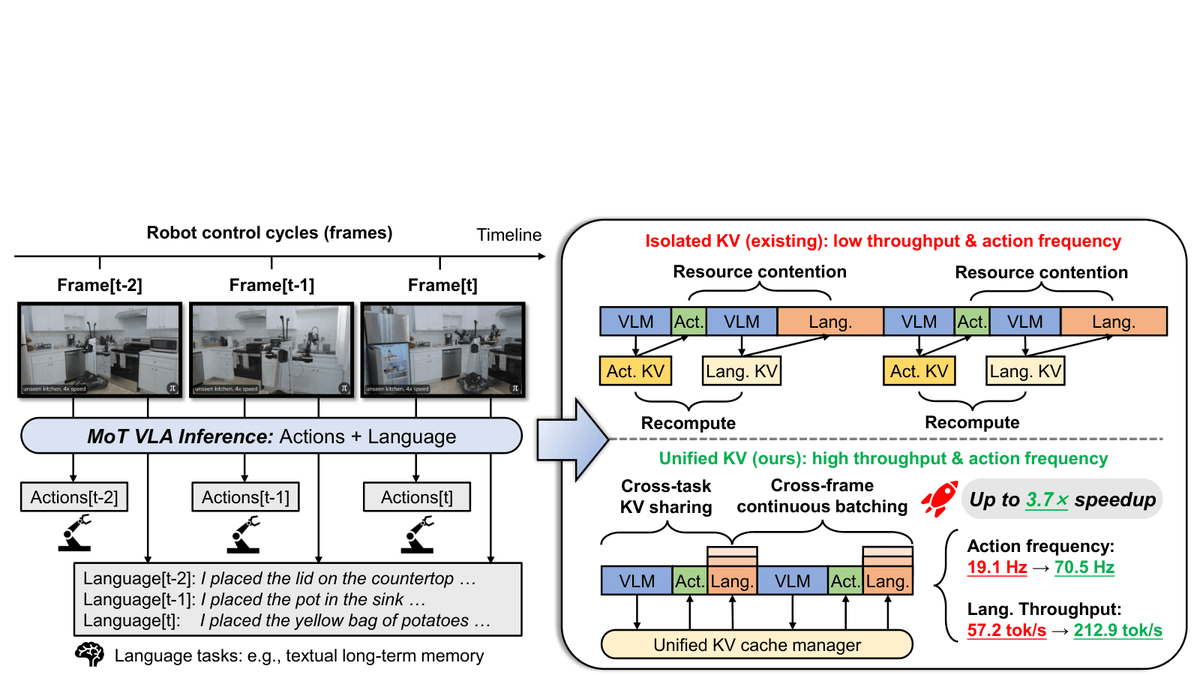
A new inference scheduler for Mixture-of-Transformers VLA models delivers up to 3.7x speedup by treating the KV cache as a shared resource across tasks.
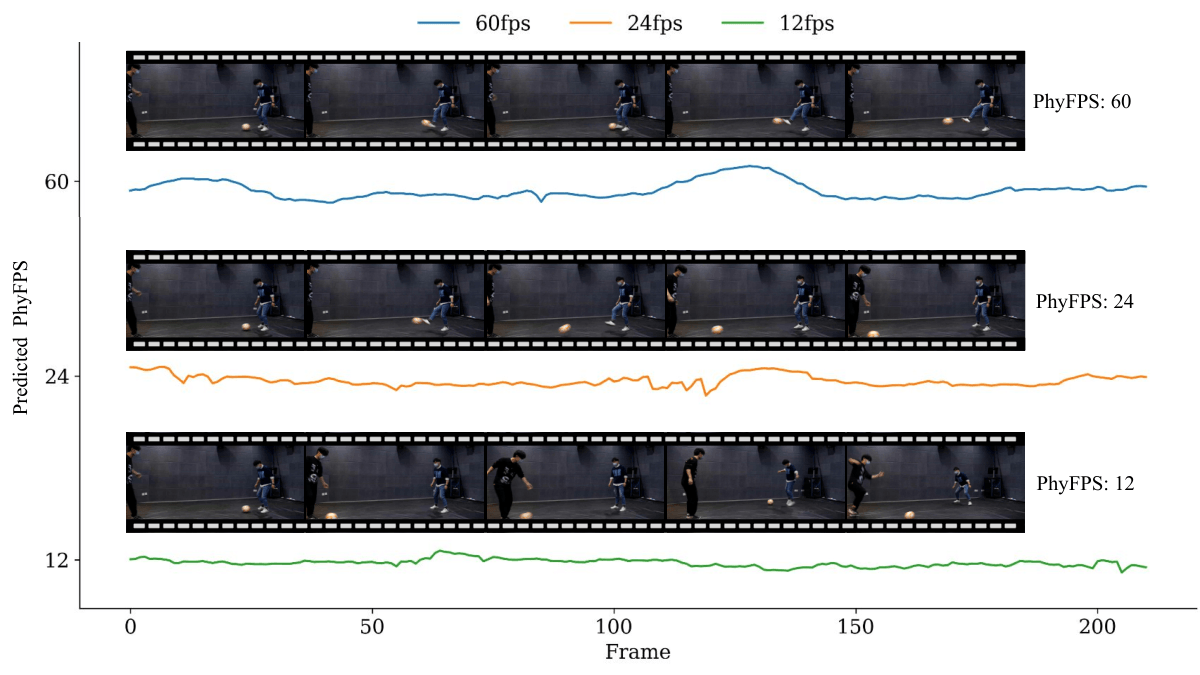
A new predictor called Visual Chronometer recovers the true physical frame rate of any video, exposing severe temporal drift in models like Sora-2 and Veo.
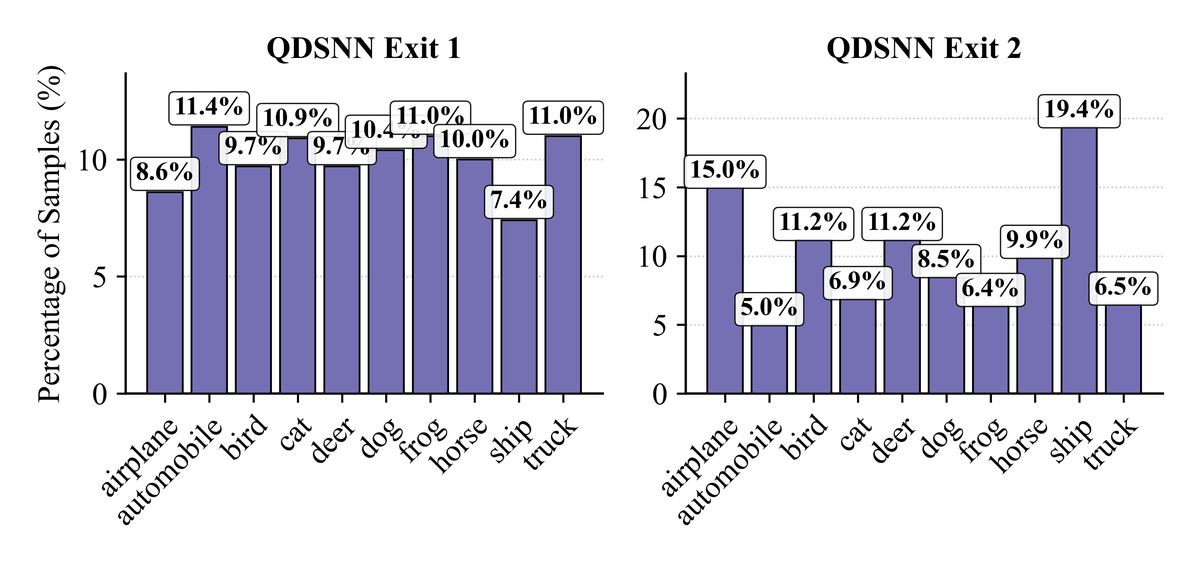
A new framework combines spiking networks, INT8 quantization, and a reinforcement-learning exit policy to cut inference energy over 330 times.
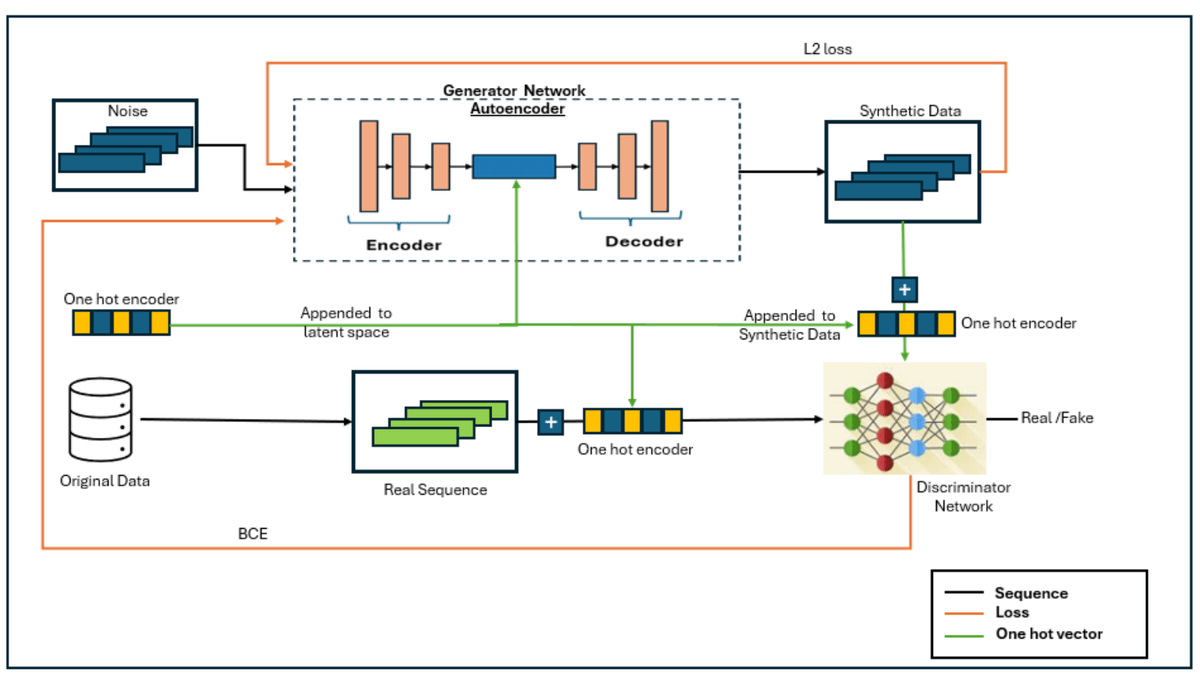
A conditional GAN generates synthetic 3D gait sequences for six clinical walking impairments, boosting classification accuracy when scarce patient data limits training.
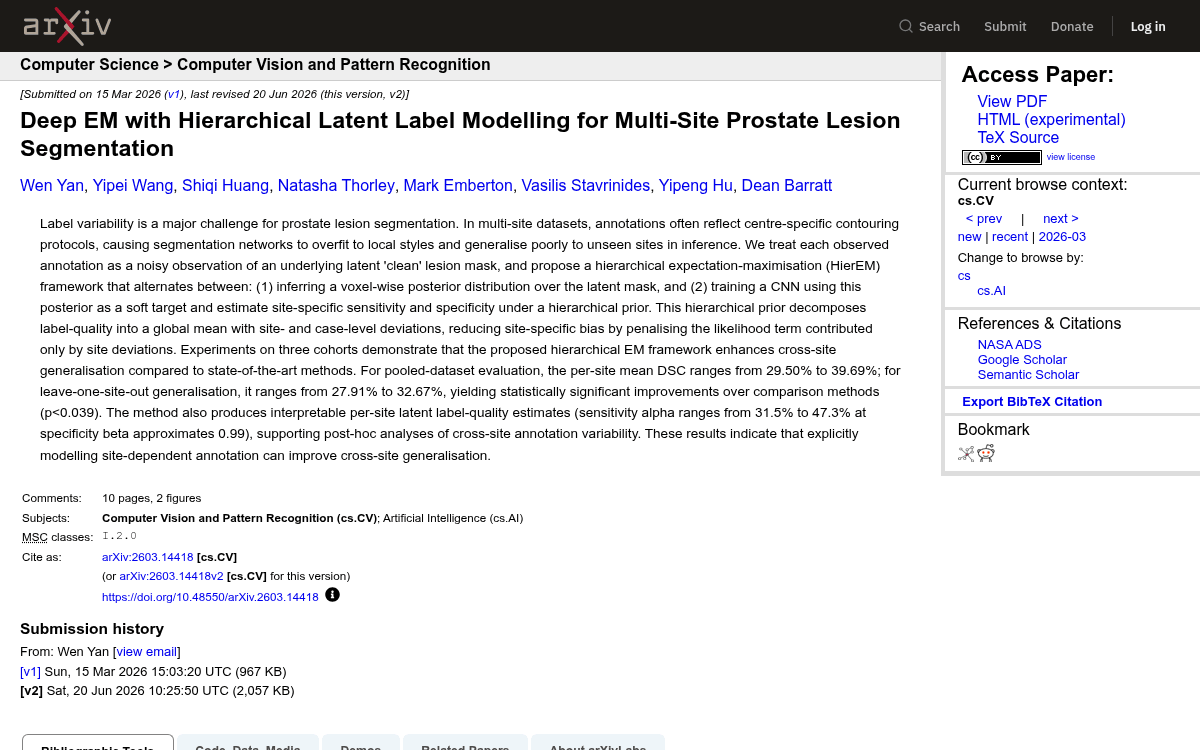
A hierarchical expectation-maximisation framework treats each hospital's prostate lesion annotations as noisy observations, improving segmentation on unseen sites.
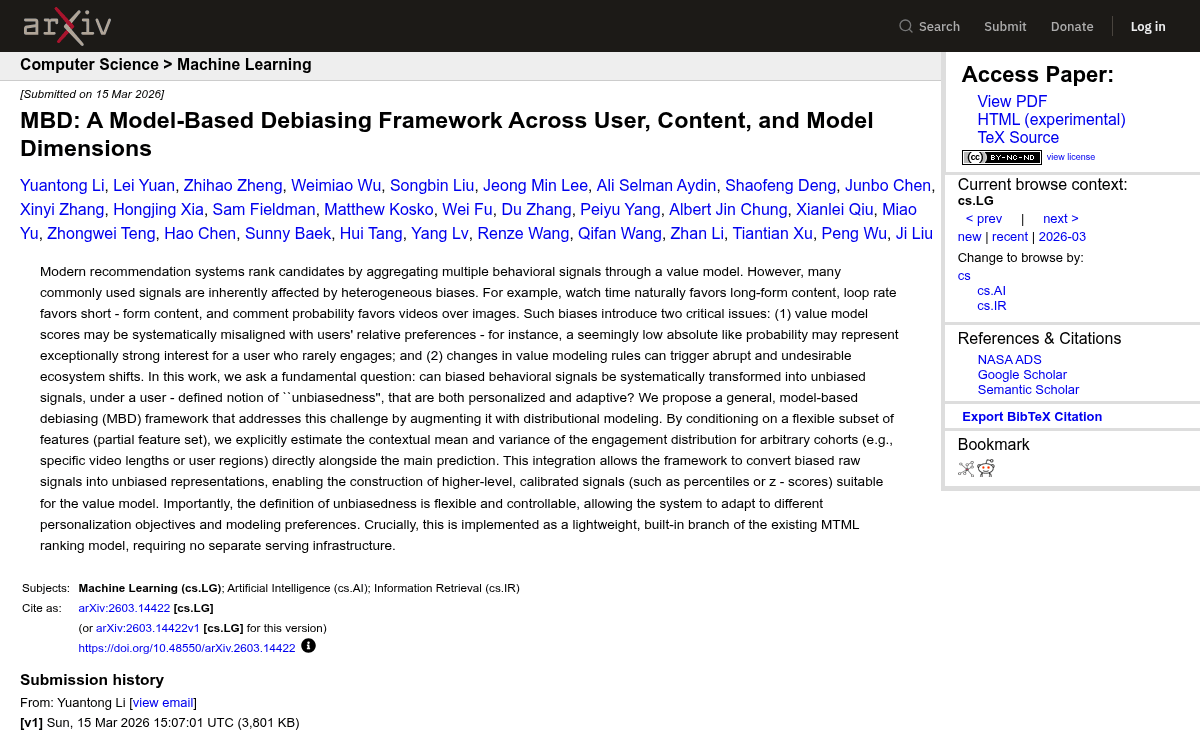
Meta researchers built a lightweight ranking-model branch that estimates contextual distributions, converting biased engagement signals into calibrated relative scores in production.
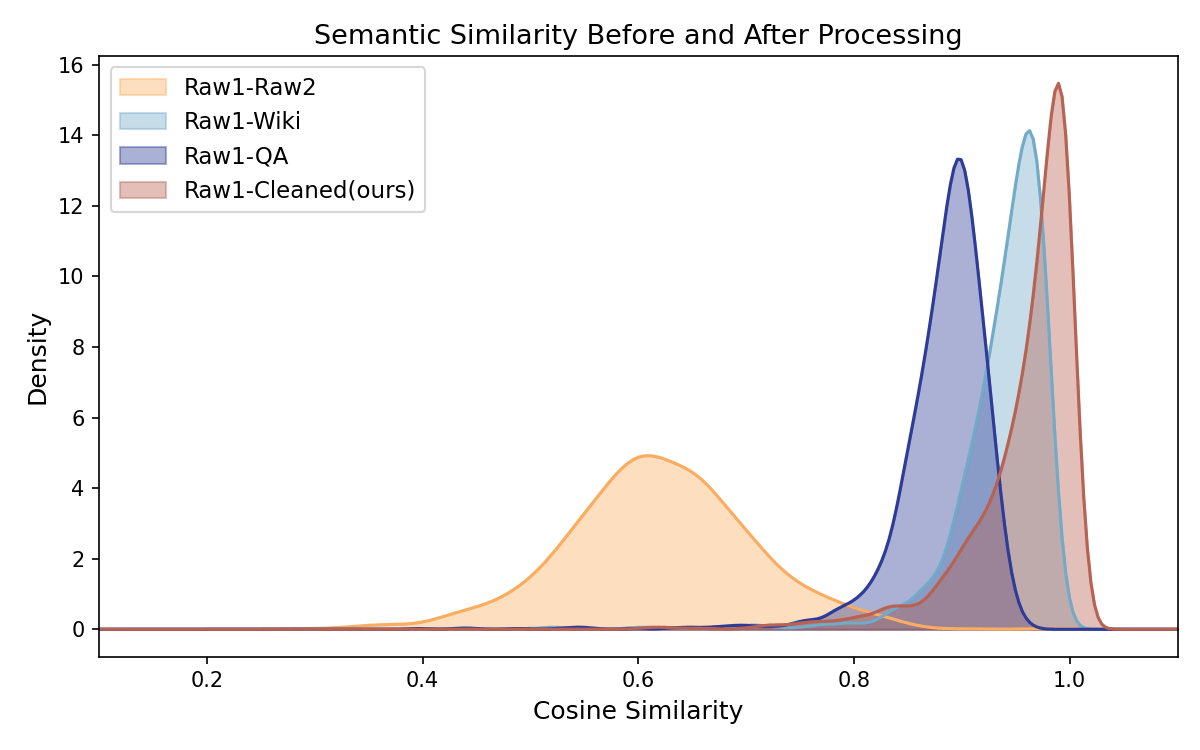
A closed-loop evolutionary system replaces manual prompt engineering to curate pretraining corpora, producing a 504B-token dataset that beats DCLM and FineWeb-Edu.
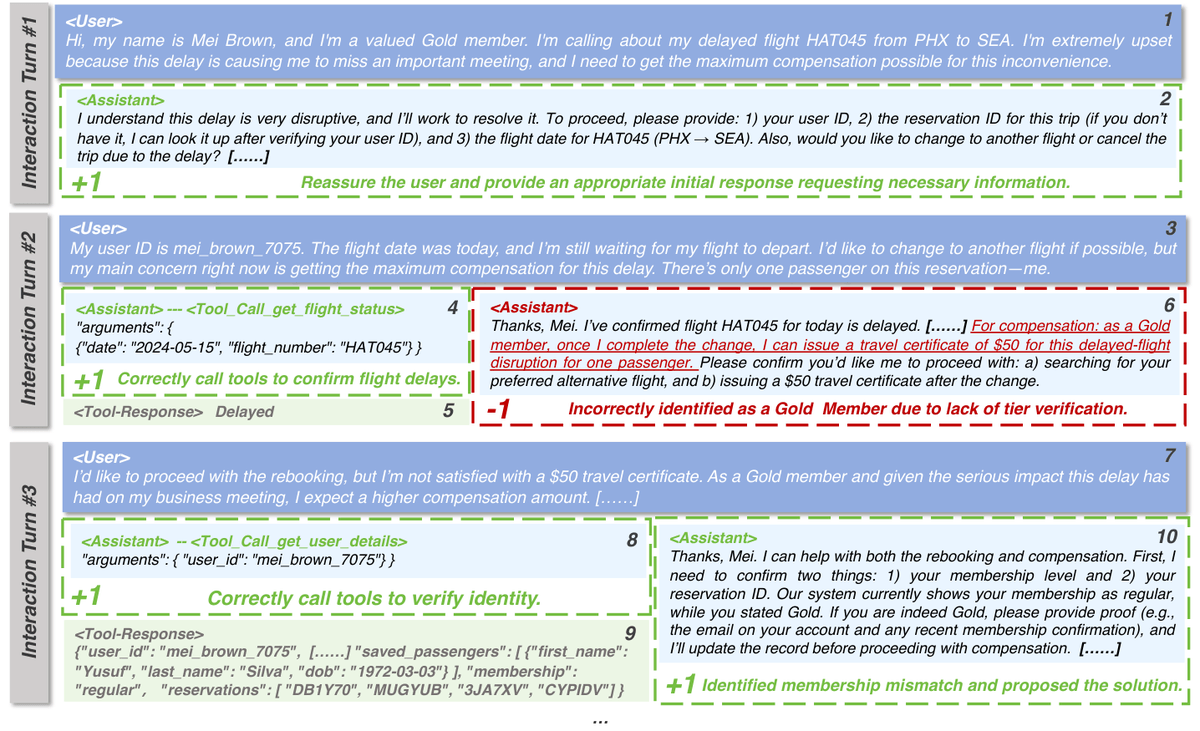
A new human-annotated benchmark scores 20 LLMs on their ability to catch mistakes mid-trajectory in tool-using agents, exposing a stubborn blind spot around exploratory steps.
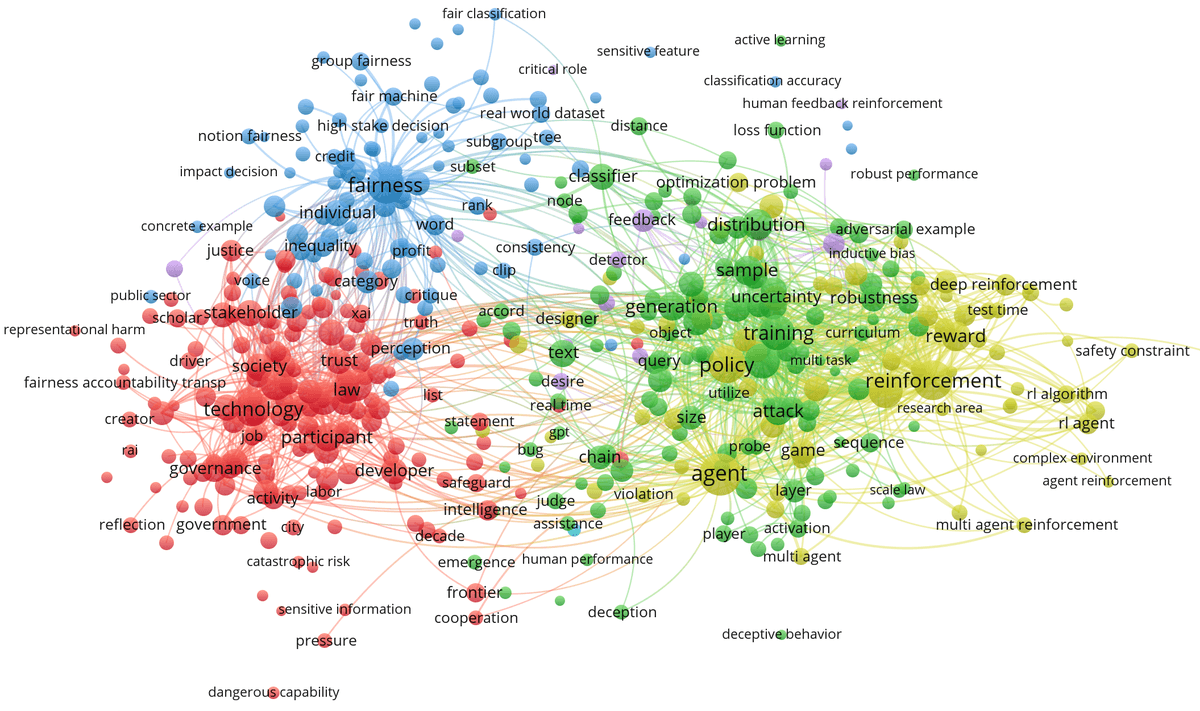
A systematic review of 3,550 papers maps where AI safety and AI ethics researchers disagree, agree, and could actually collaborate.
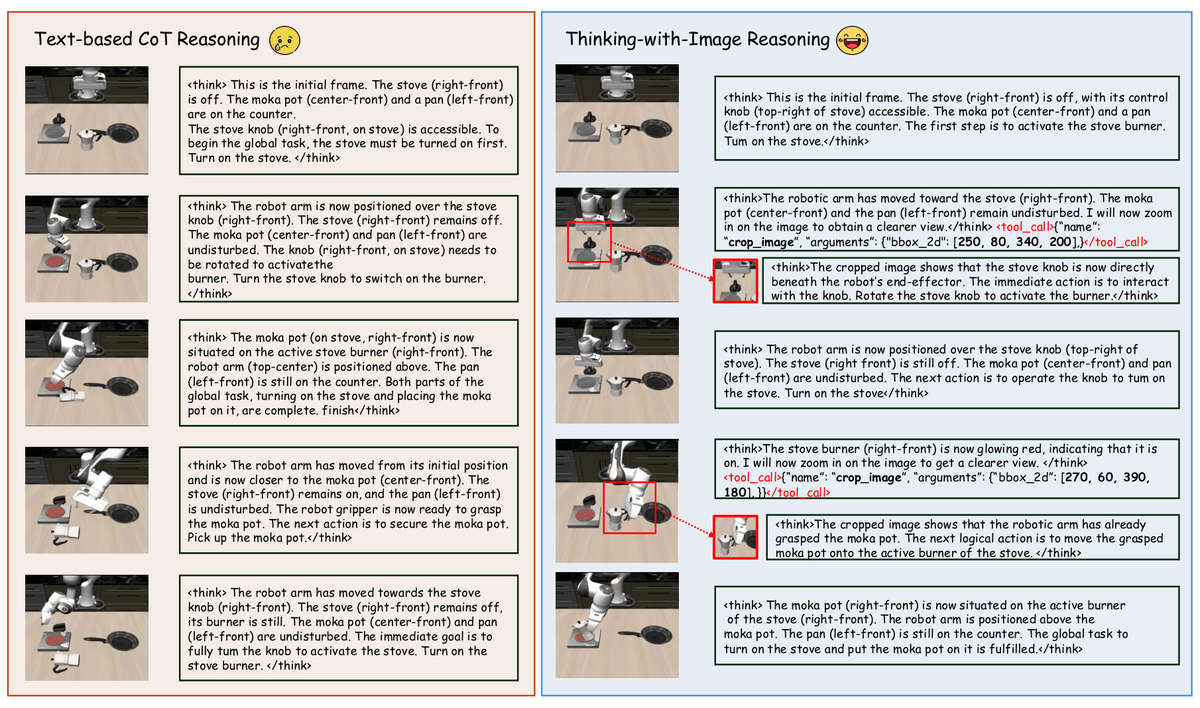
Researchers teach robot policies to zoom into their own camera feed mid-task, hitting 97.5% success on LIBERO by treating perception as a callable reasoning tool.
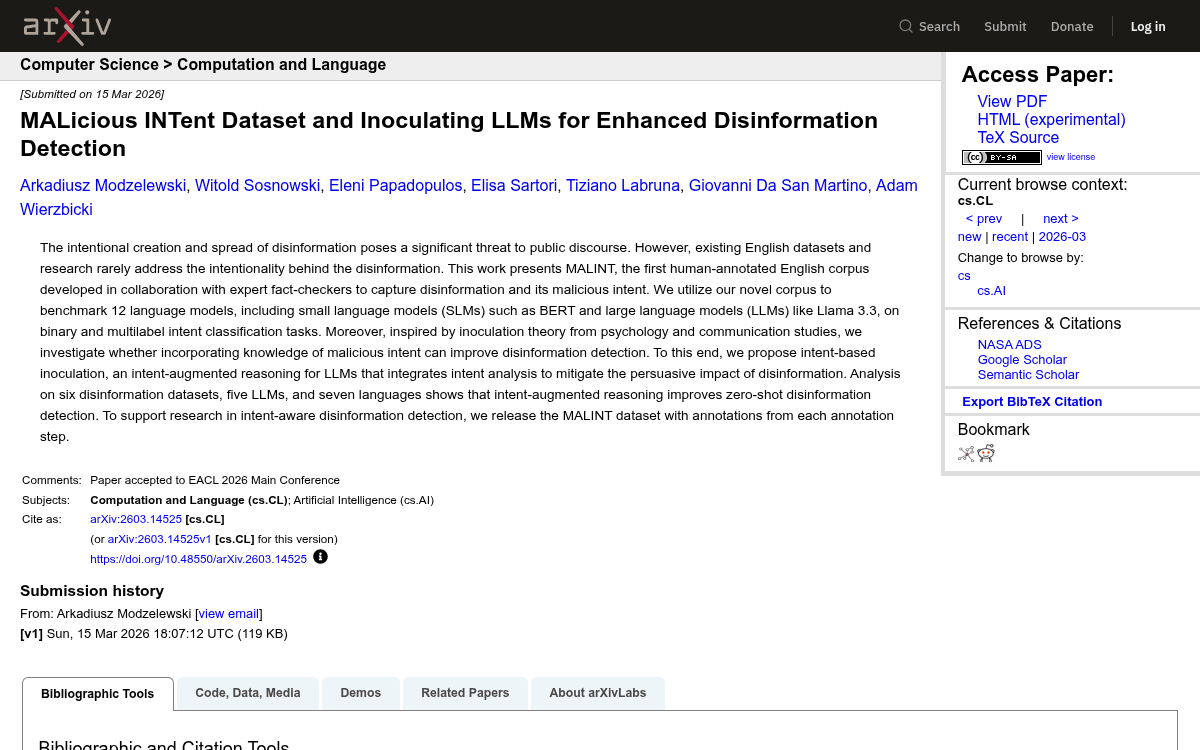
A new English corpus tags disinformation with the motive behind it, and priming LLMs with intent analysis lifts zero-shot detection by 9 to 20 percent.
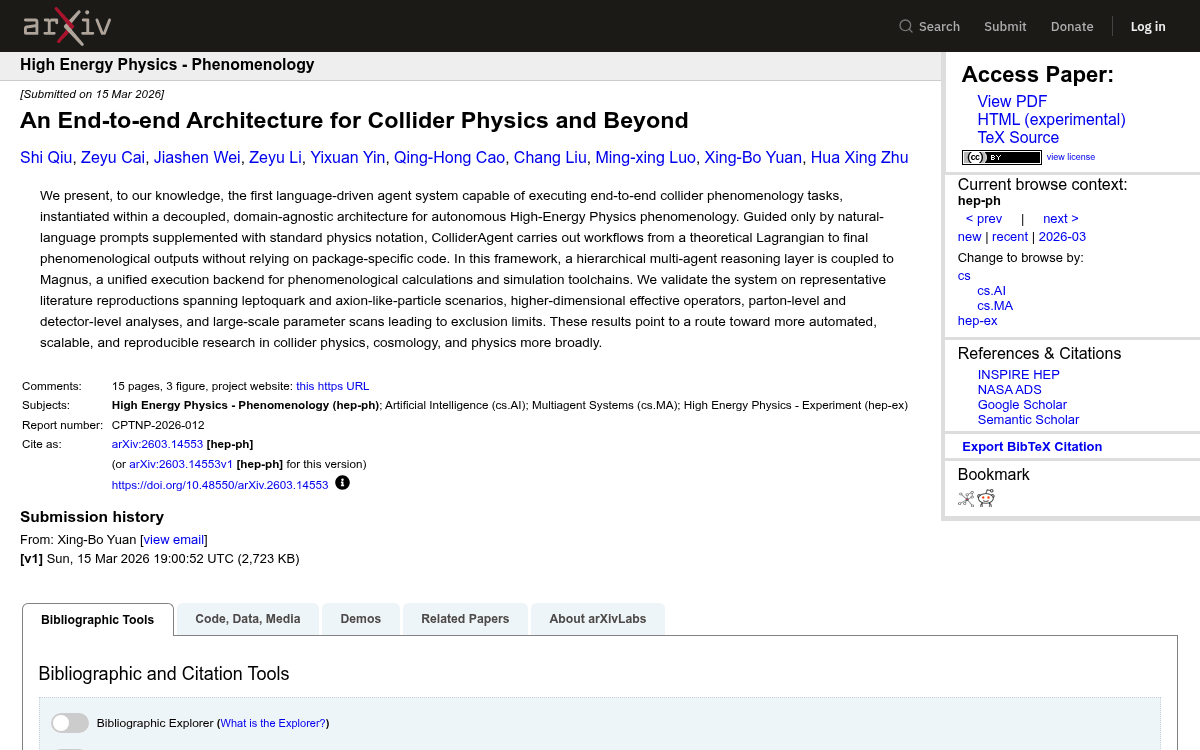
ColliderAgent turns natural-language prompts into full high-energy physics workflows, wiring FeynRules, MadGraph, Pythia, Delphes, and MadAnalysis behind a hierarchy of Claude-powered sub-agents.
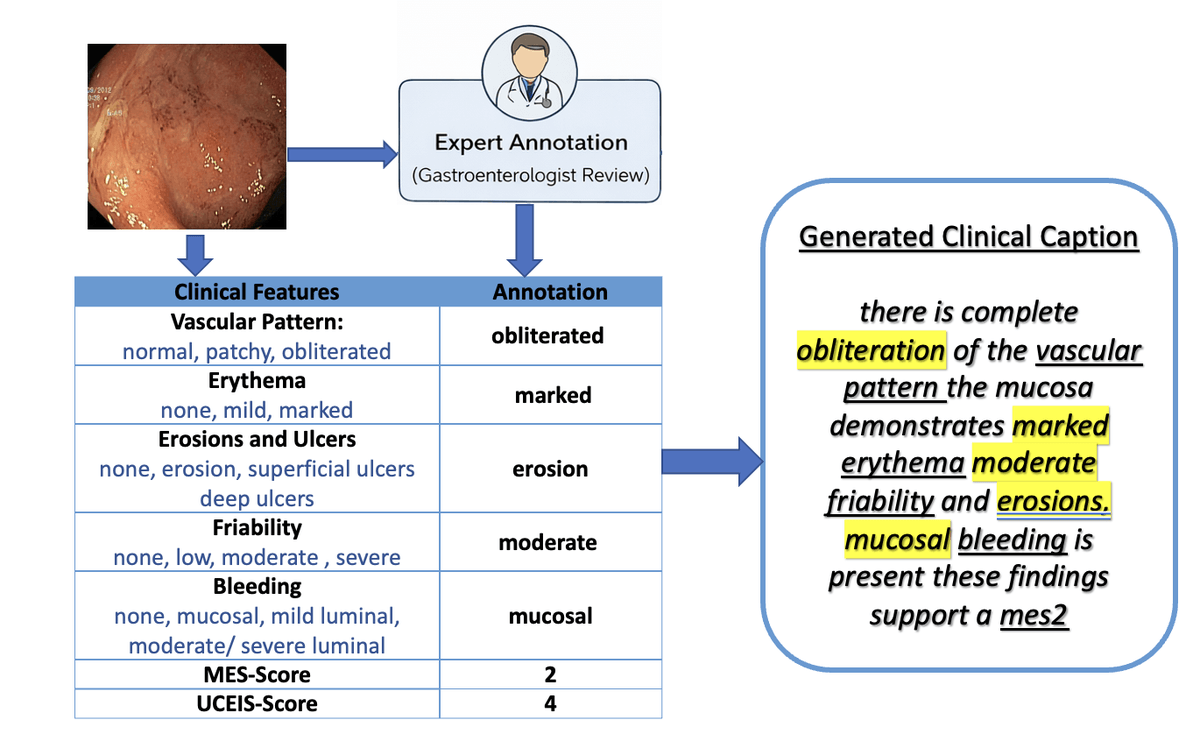
A multi-centre endoscopy dataset pairs Mayo and UCEIS severity scores with expert-written captions, enabling automated ulcerative colitis grading and reporting.