
Pro
HKUST's V-Bridge Beats Million-Sample AI Image Restorers With Just 1,000 Photos
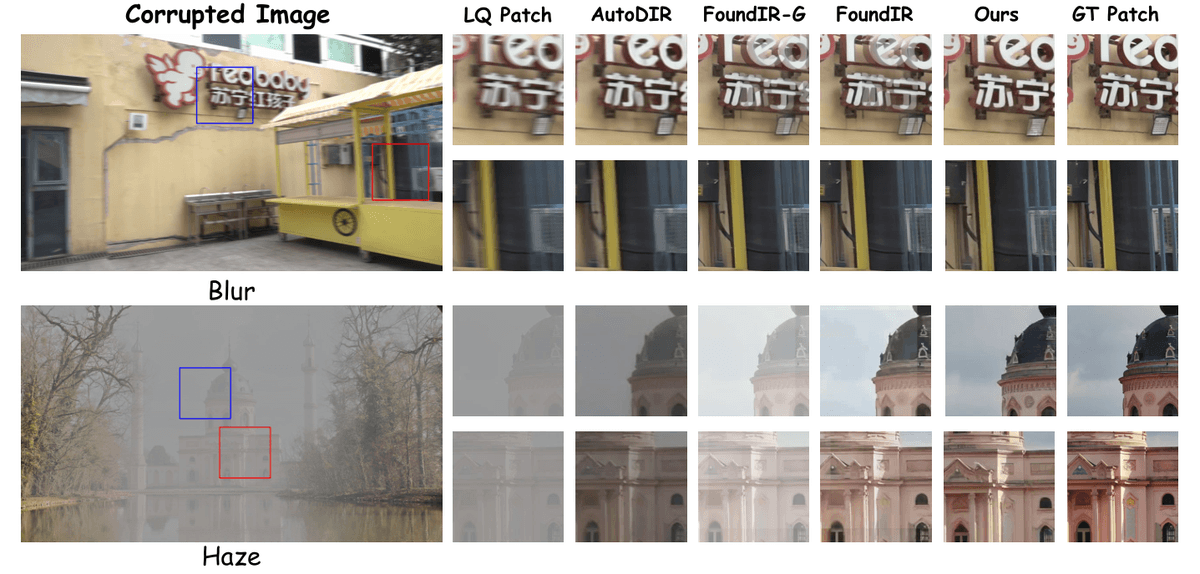
V-Bridge repurposes pretrained video generative models for image restoration with just 1,000 training samples, matching methods trained on a million.
20 stories
V-Bridge repurposes pretrained video generative models for image restoration with just 1,000 training samples, matching methods trained on a million.
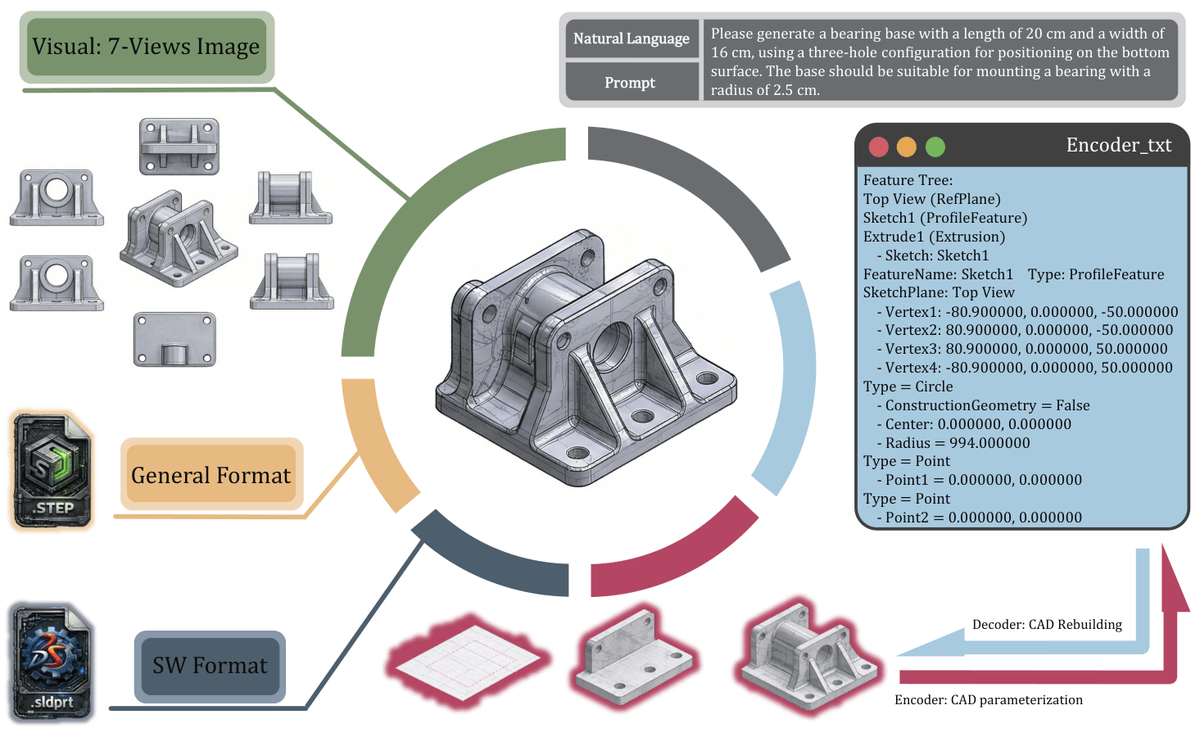
A new 242,000-part multimodal CAD dataset pairs SolidWorks files with rendered views, parametric scripts, and natural language descriptions for text-to-CAD training.
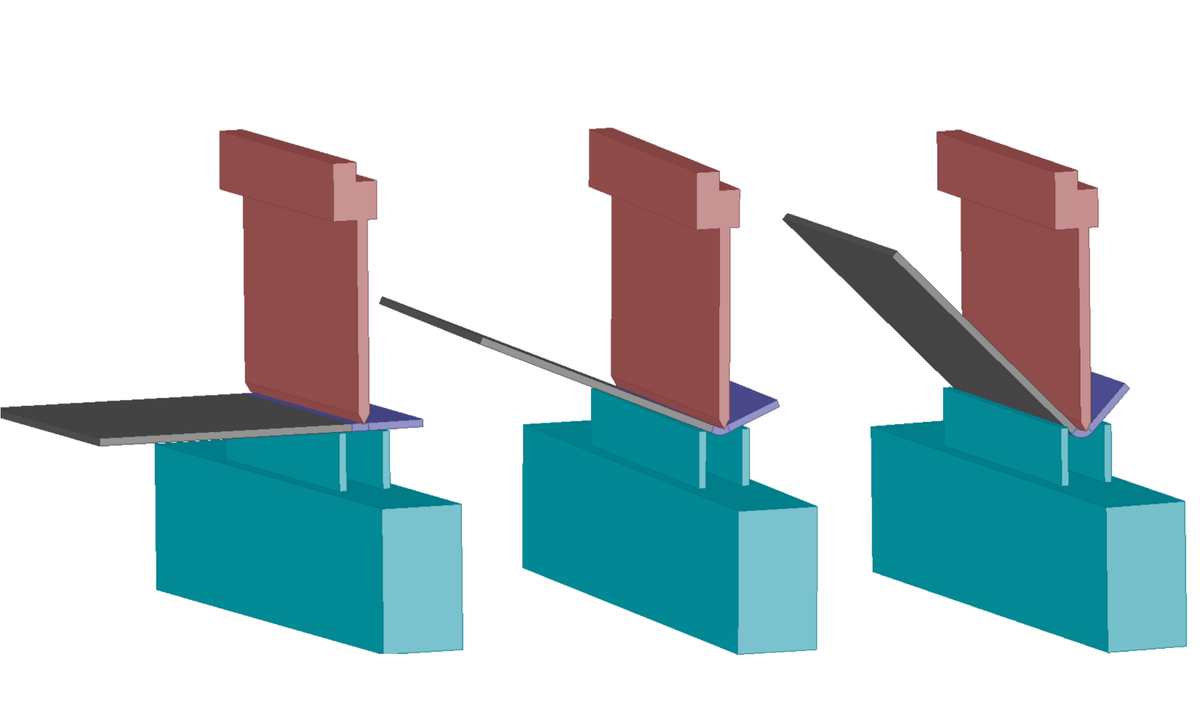
A new 20,000-part synthetic CAD benchmark tackles a gap in deep learning for Design for Manufacturing, focused specifically on sheet metal bending feasibility.
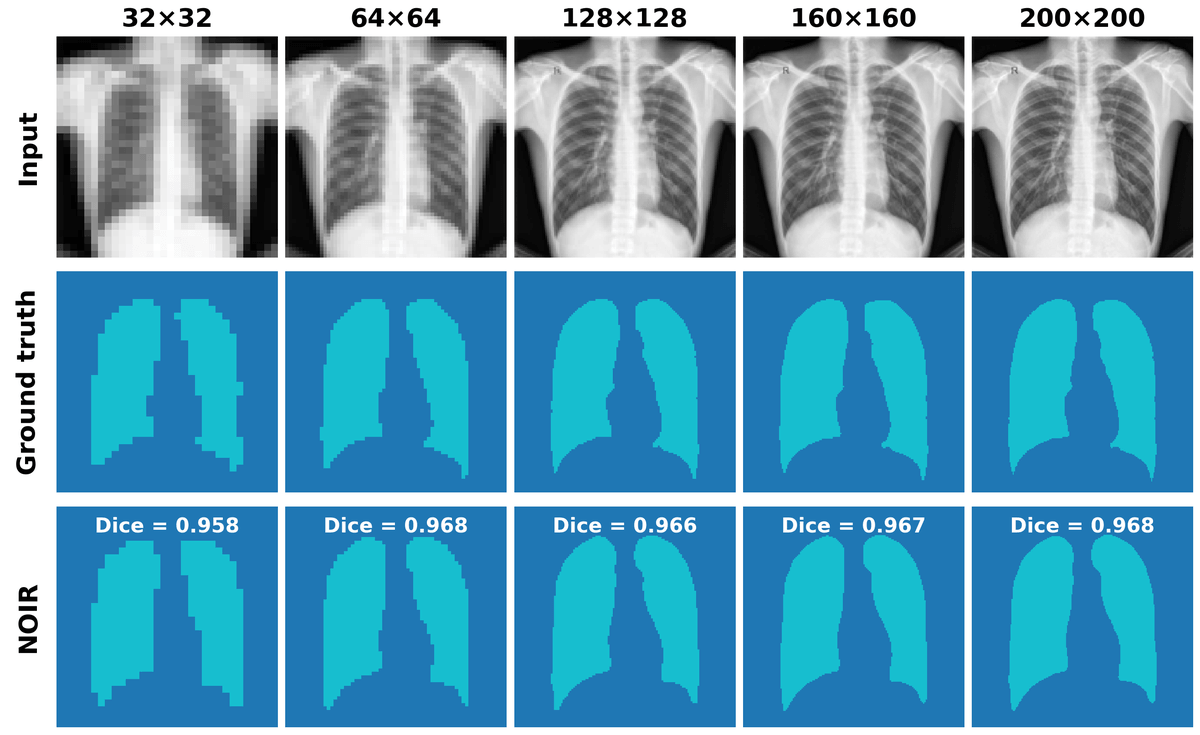
A new framework treats medical images as continuous functions and learns operators between them, delivering resolution-independent segmentation, translation, and synthesis.
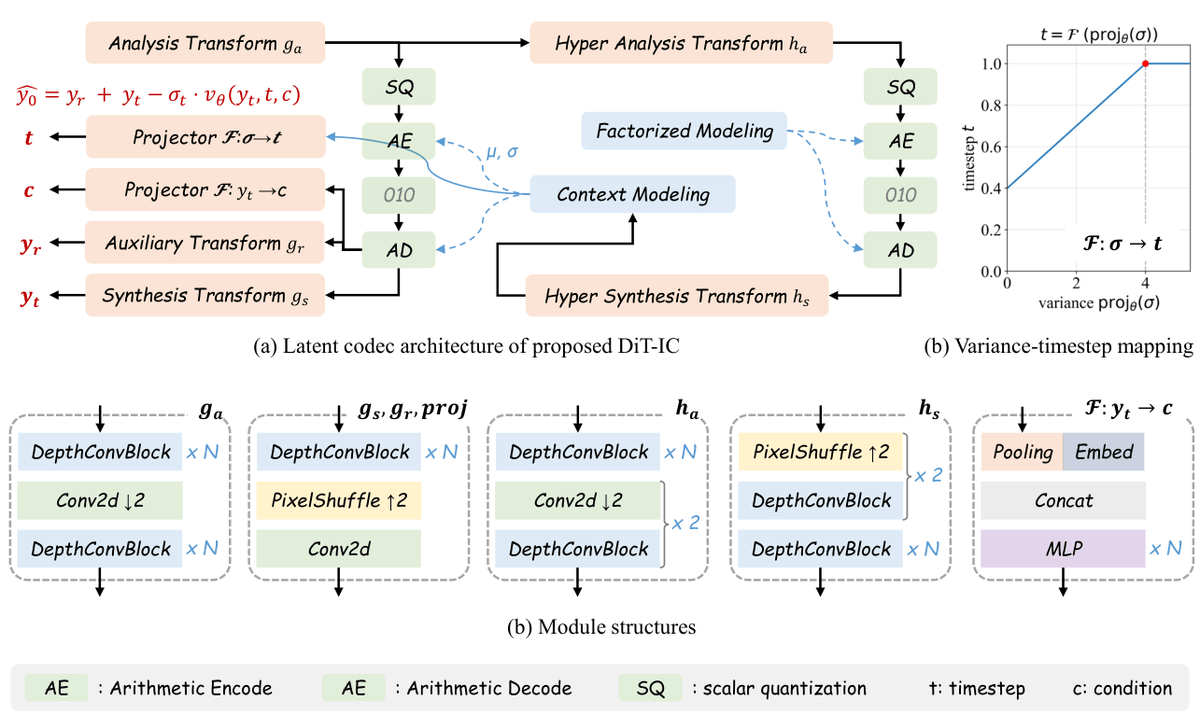
A new codec swaps the U-Net for a Diffusion Transformer, delivering 30x faster decoding and 2K reconstruction on a 16GB laptop GPU.
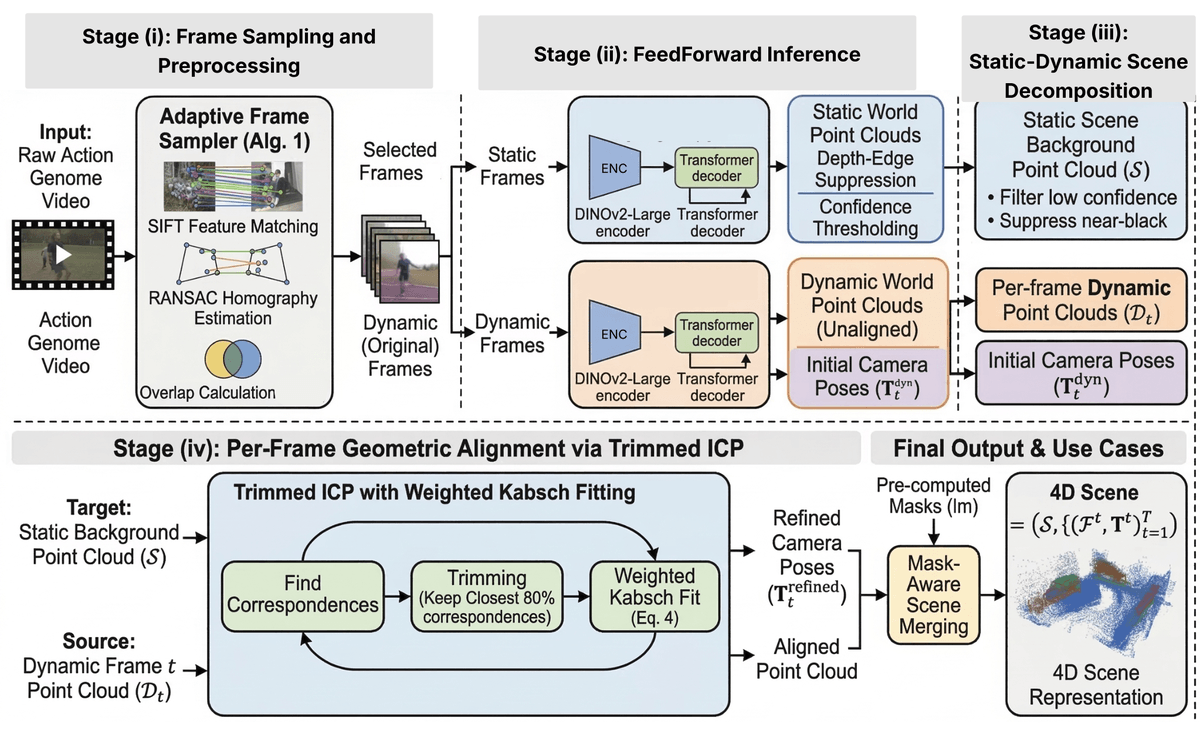
A new task, dataset, and trio of models push video scene graphs beyond the visible frame into a persistent 3D world state
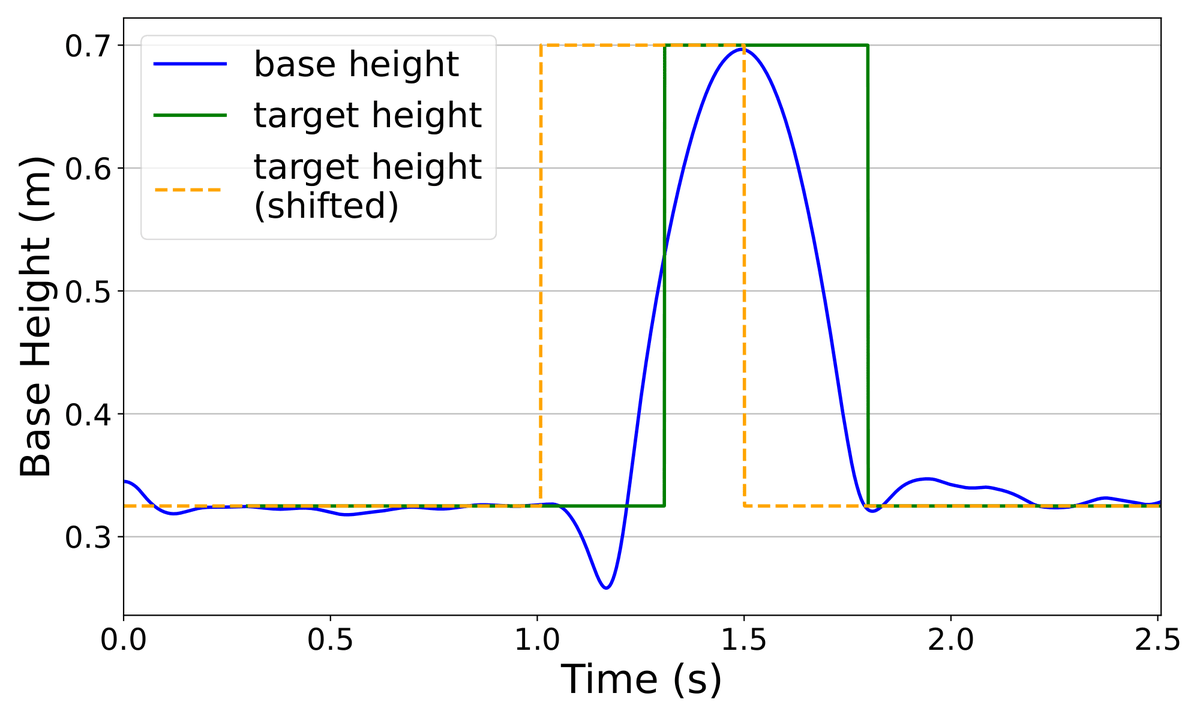
A CPU-only MPC framework discovers trotting, galloping, jumping, and handstands on a real quadruped without any predefined gait patterns or offline training.
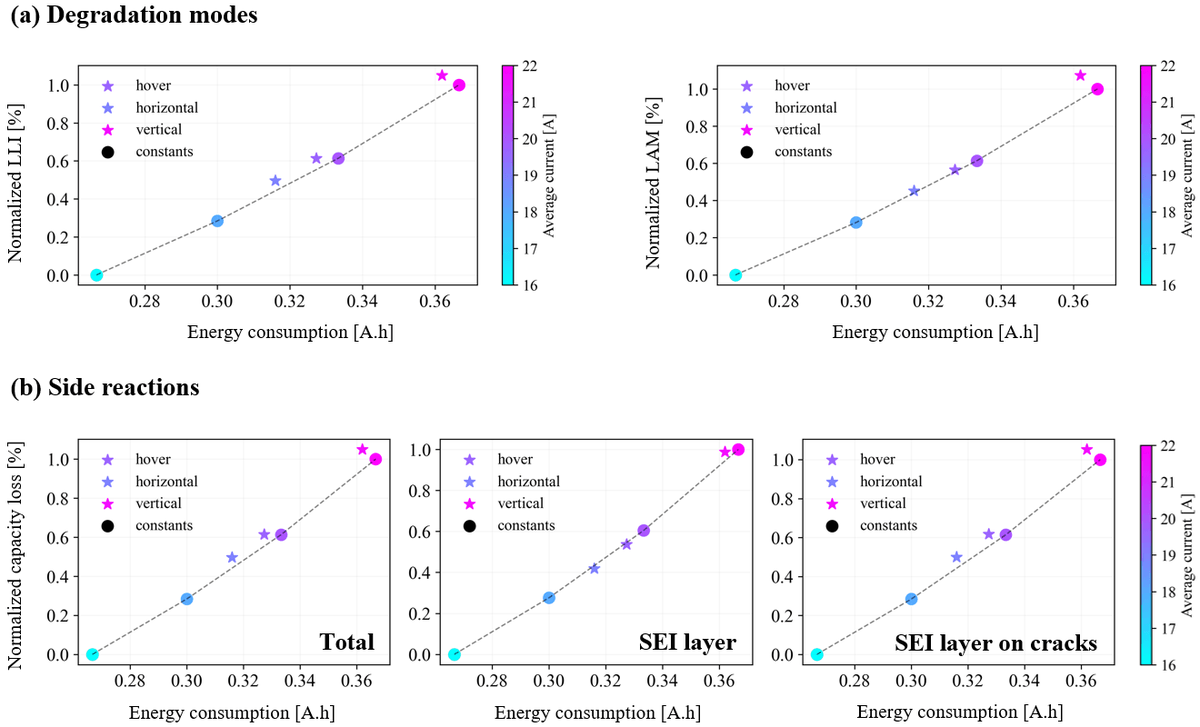
A new framework connects quadrotor flight maneuvers directly to internal battery aging, showing that identical energy budgets can produce very different degradation.
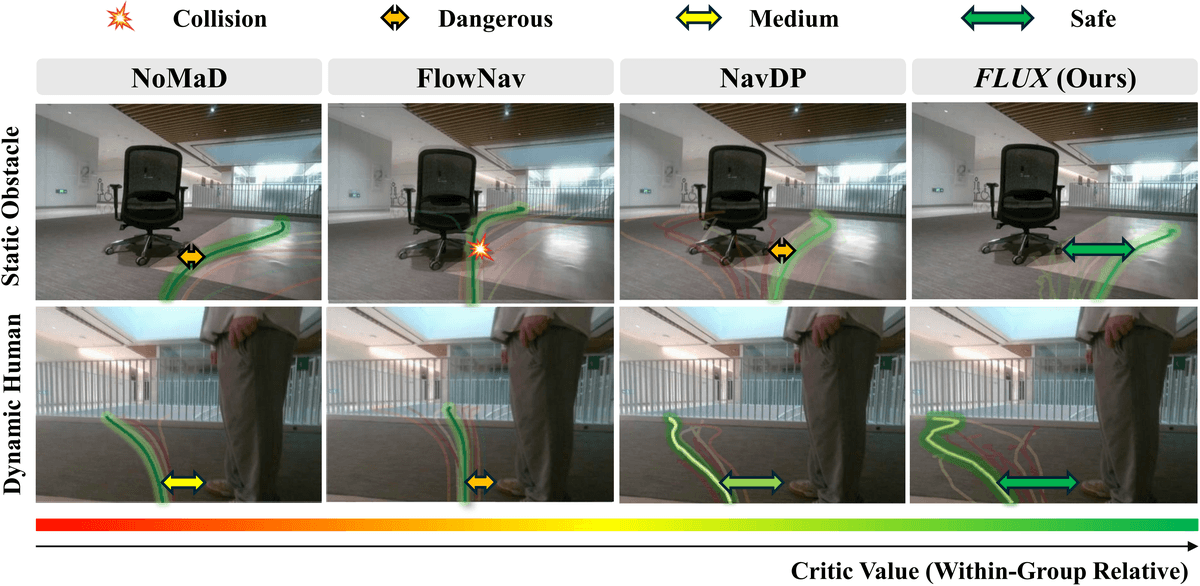
A new navigation policy uses rectified flow to plan trajectories in a single sweep, cutting inference latency by nearly a third versus diffusion baselines.
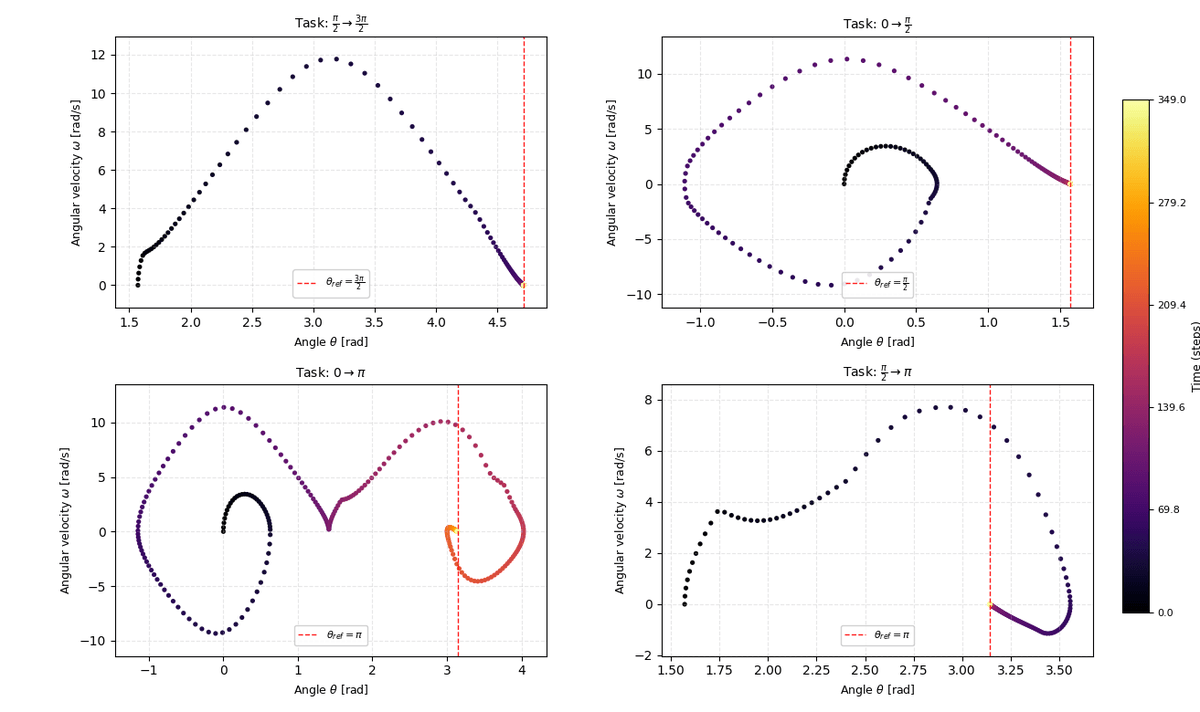
A DQN agent learns to swing up and stabilize a rolling ellipse with tiny torques, beating a classical energy-shaping plus LQR baseline on most tasks.
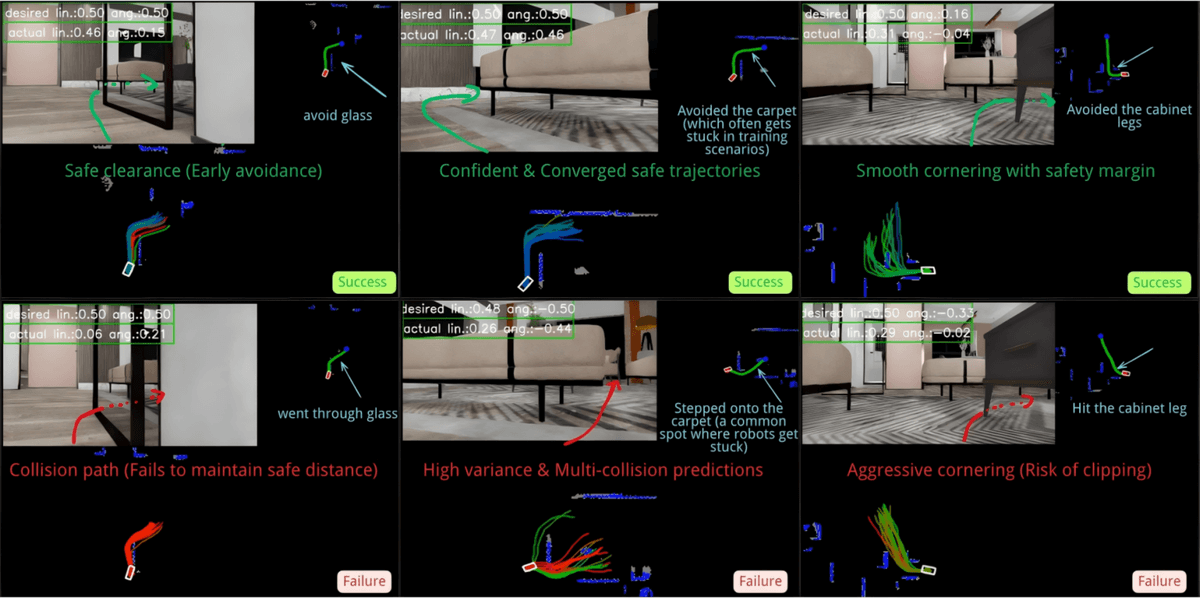
A new GRPO-based fine-tuning framework teaches pretrained diffusion navigation policies to adapt online, cutting collisions and boosting success rates.
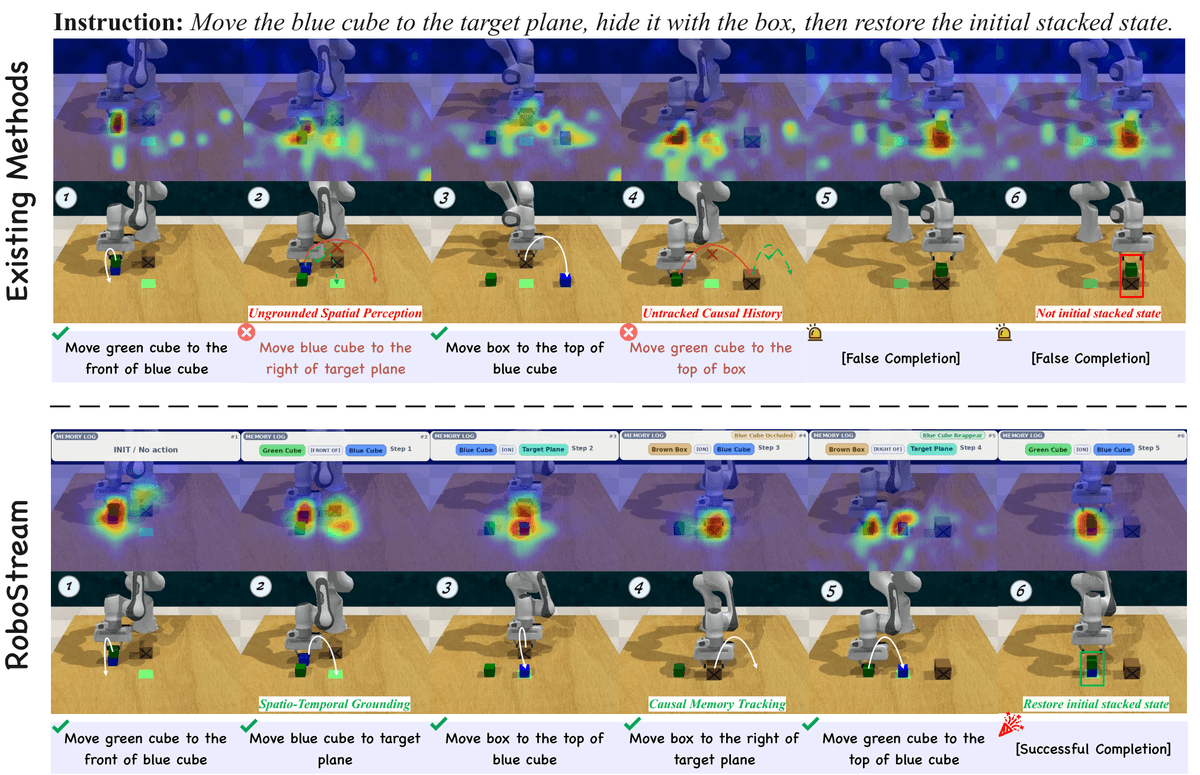
A training-free framework gives vision-language planners persistent 3D memory, jumping long-horizon success rates from 11% to 44% on real-world block tasks.
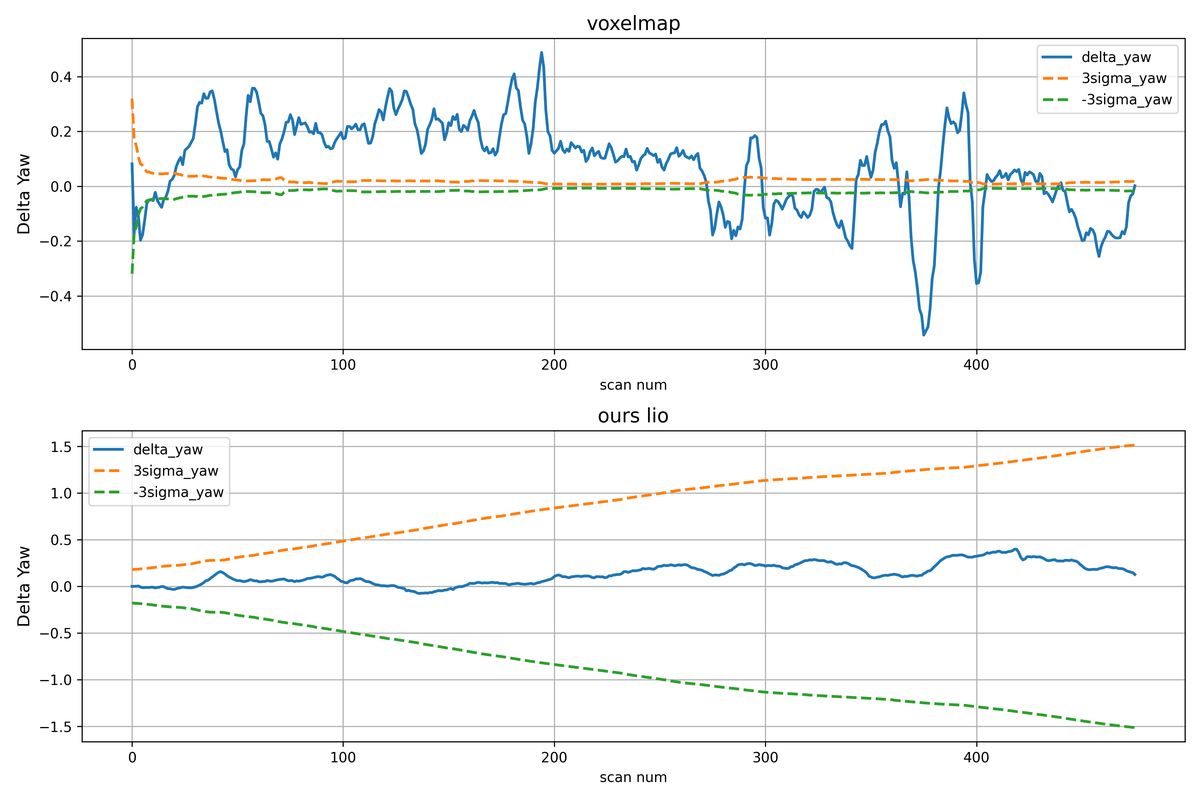
A new arXiv paper proposes a filter-based LiDAR-inertial odometry that stays consistent, drops the global map, and fits on a Jetson TX2.
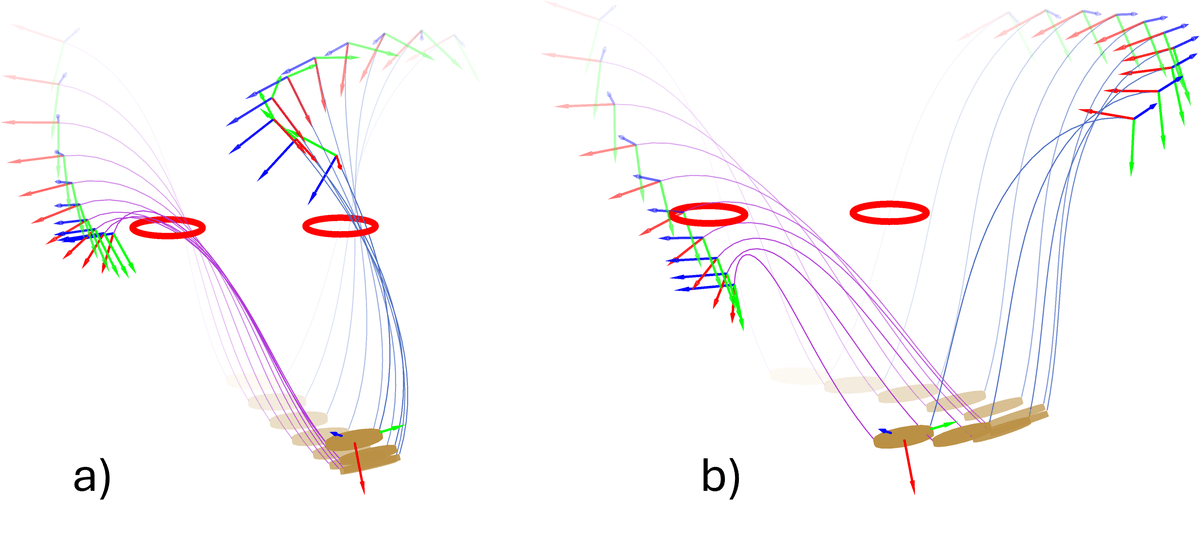
A new gradient-based planner lets dual-arm robots snake mixed rope-and-metal assemblies through narrow holes, hitting targets within 3 cm.
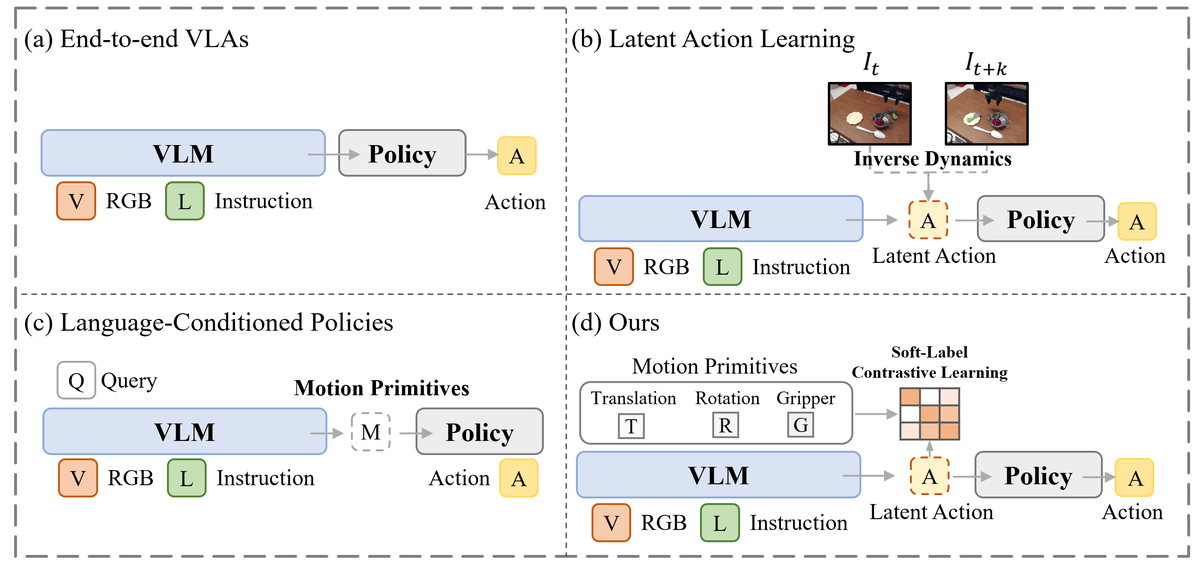
A new framework decomposes robot actions into language-grounded primitives, hitting 93.6% on LIBERO while generalizing to unseen tasks that break competing systems.
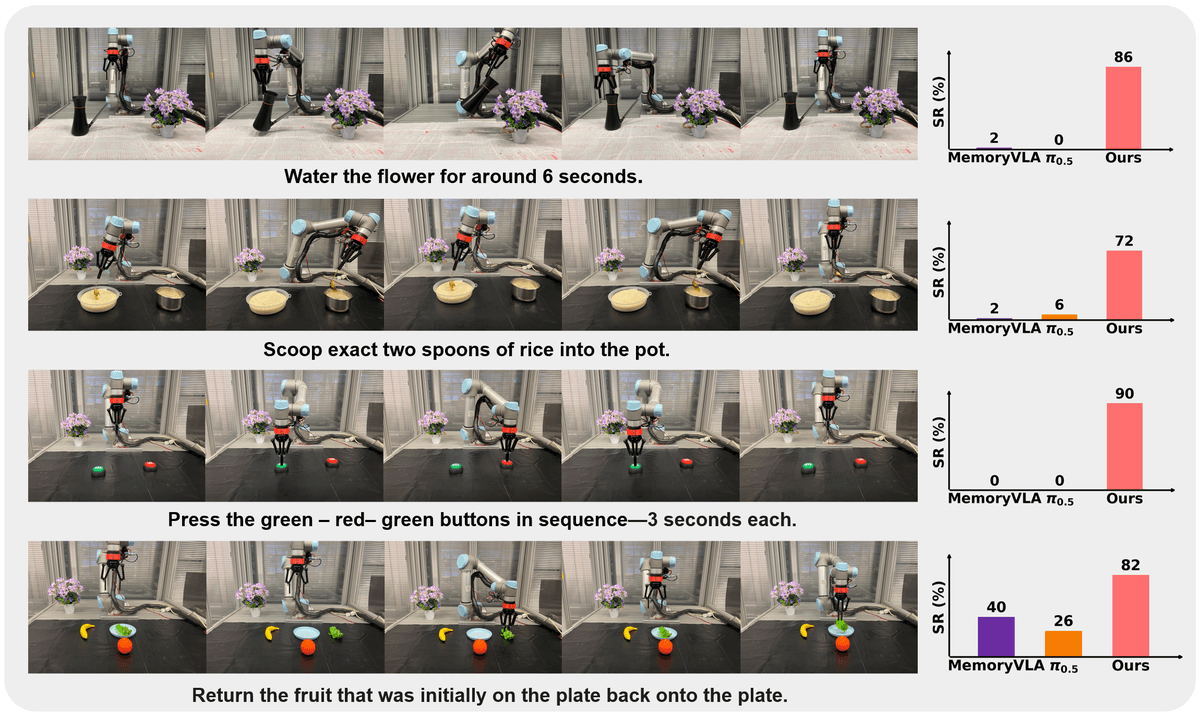
A new robot control model gives vision-language-action policies both short-term and long-term memory using dual-level recurrent queries.
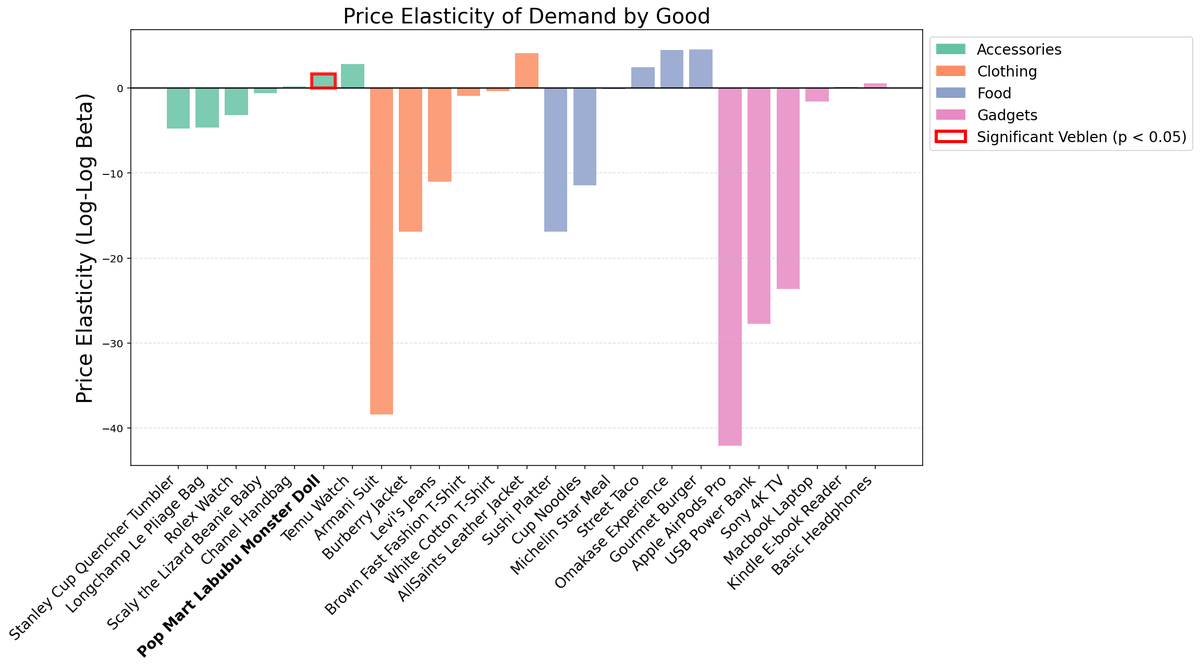
Google DeepMind simulated 50 LLM agents going on dates and shopping, and watched Veblen goods, price bubbles, and subcultures emerge on their own.
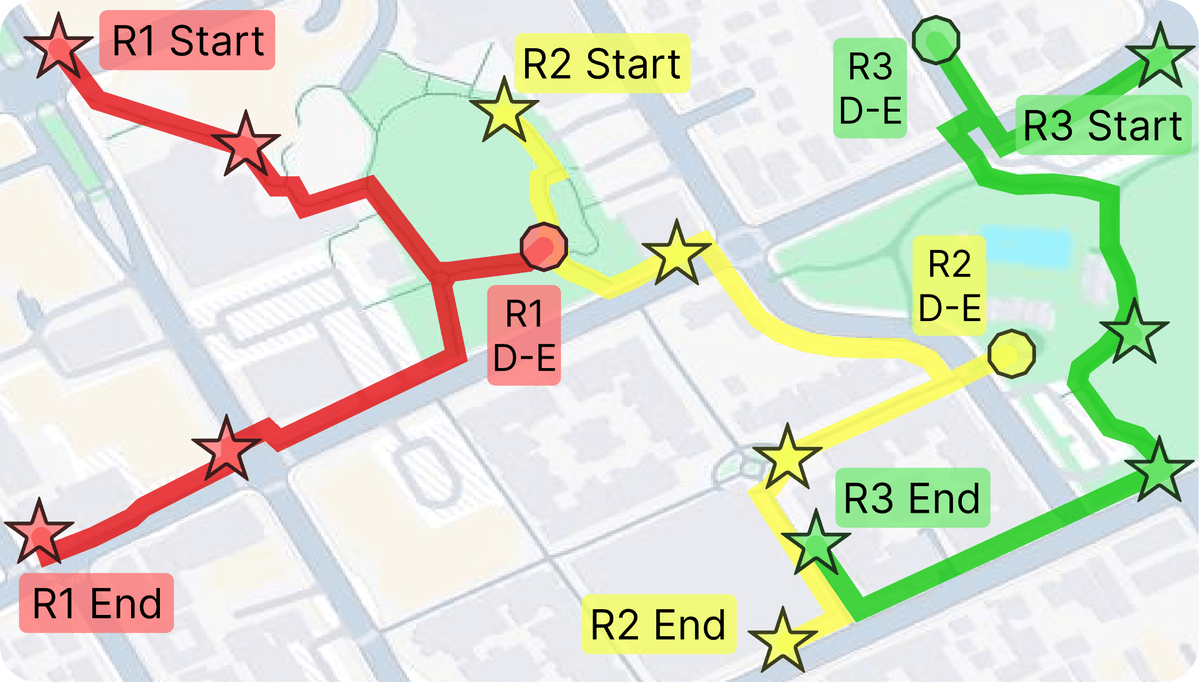
Google researchers combined a vision-language model with directional 3D audio cues to guide walkers using landmarks instead of vague cardinal directions.
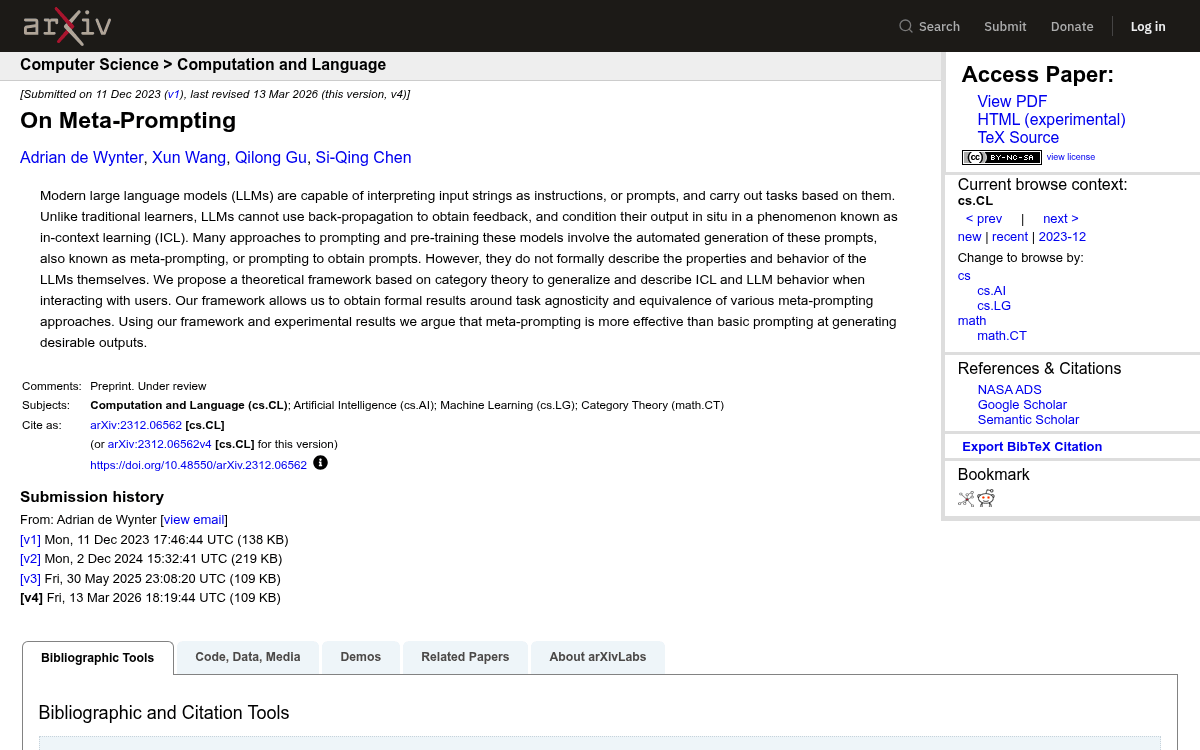
A new arXiv paper uses category theory to prove why prompts that generate prompts consistently beat hand-written ones on creative tasks.
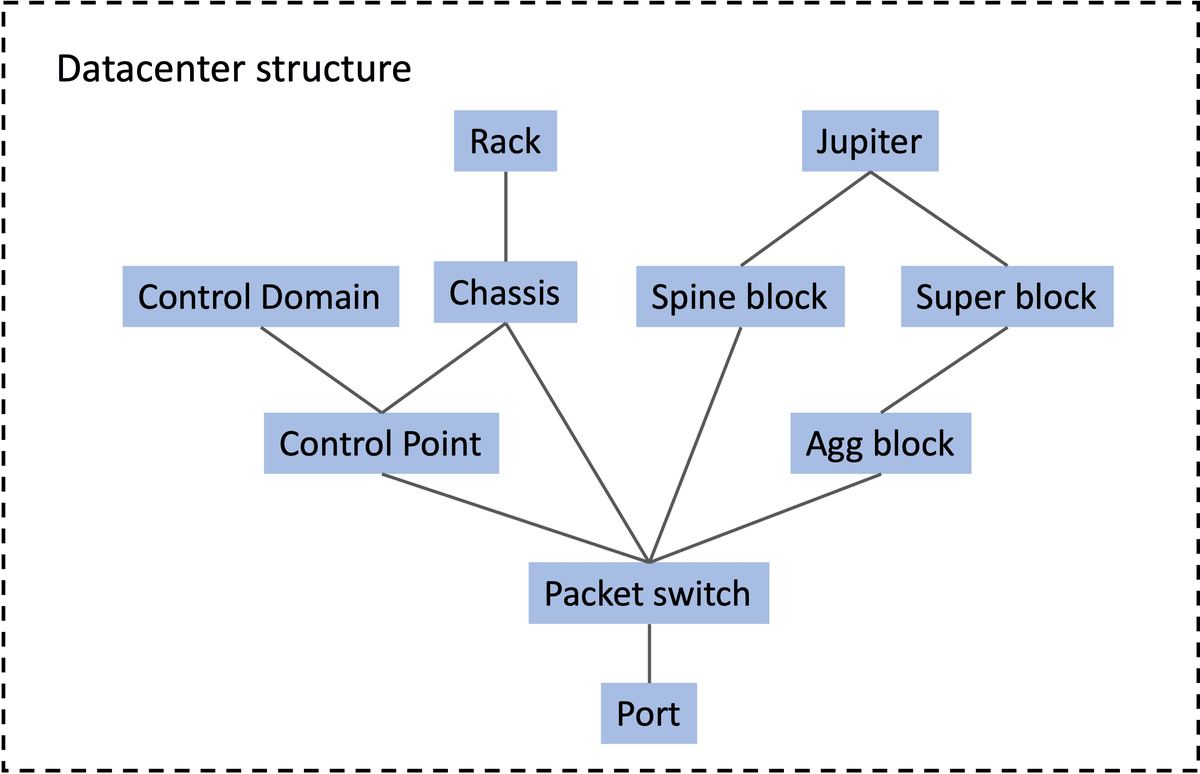
A dynamic benchmark that stops AI network agents from gaming static test sets exposes correctness rates as low as three percent.