A dual-stream memory system lets multimodal agents accumulate skills and experiences from past runs, boosting tool-use accuracy across five benchmarks.
A new survey organizes the alternatives to convolution into five operator families, mapping trade-offs across locality, equivariance, and computational cost for practitioners.
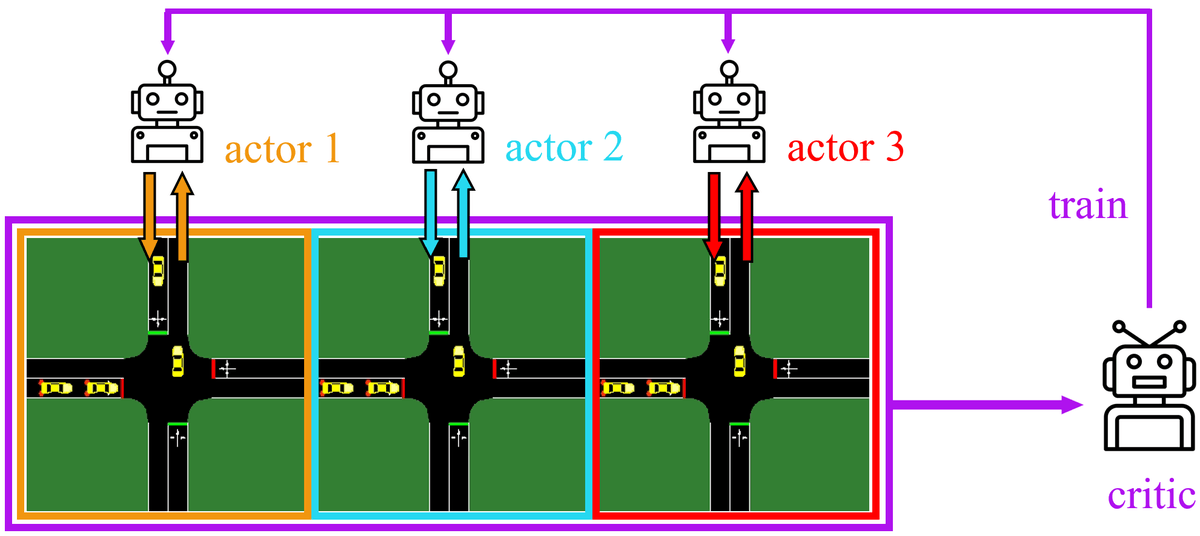
A multi-agent RL framework for real-world traffic lights uses turning-ratio randomization and exponential adjustments to cut waiting time by over 10 percent.
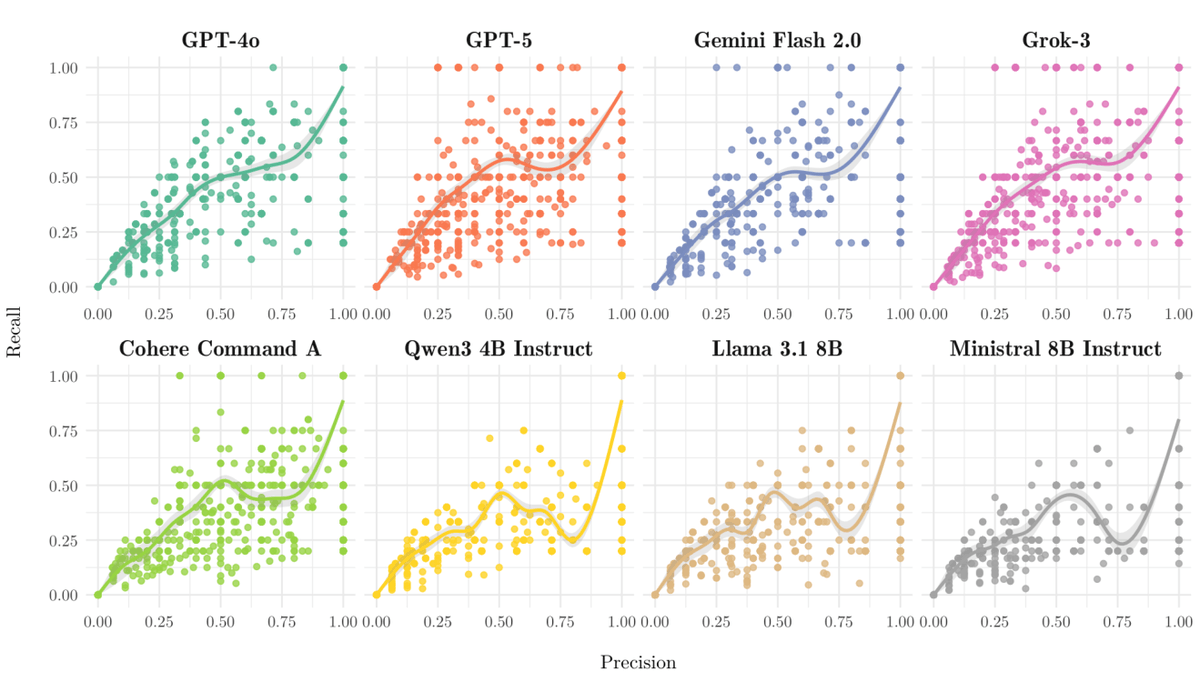
A new browser-based tool called LMP2 lets anyone probe what popular chatbots have memorized about them, with GPT-4o correctly predicting 11 of 50 personal features.
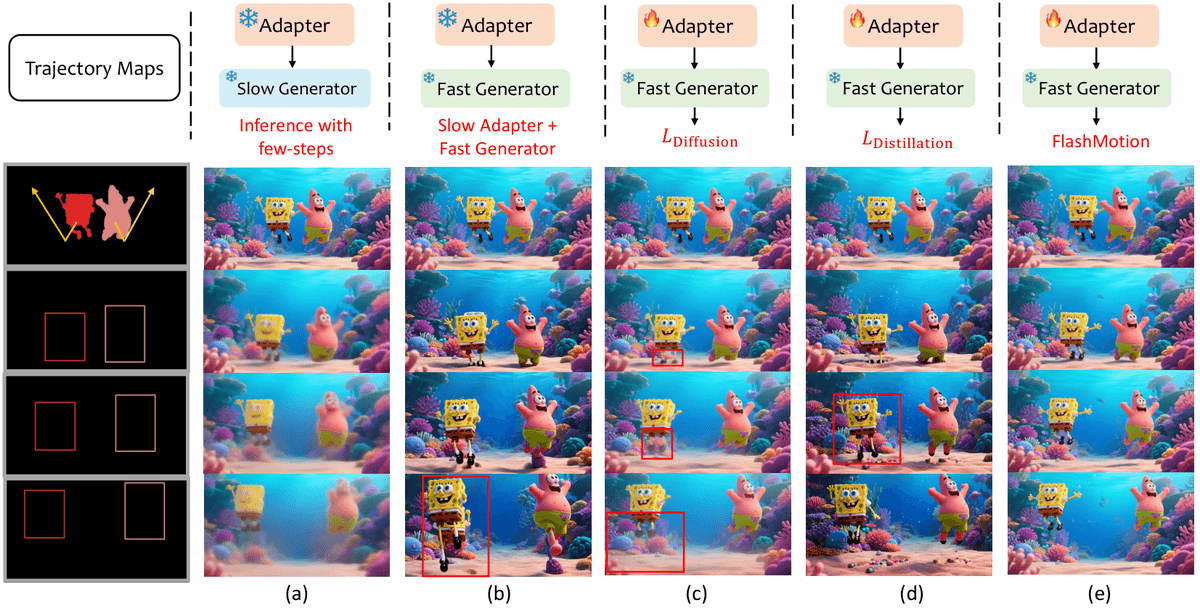
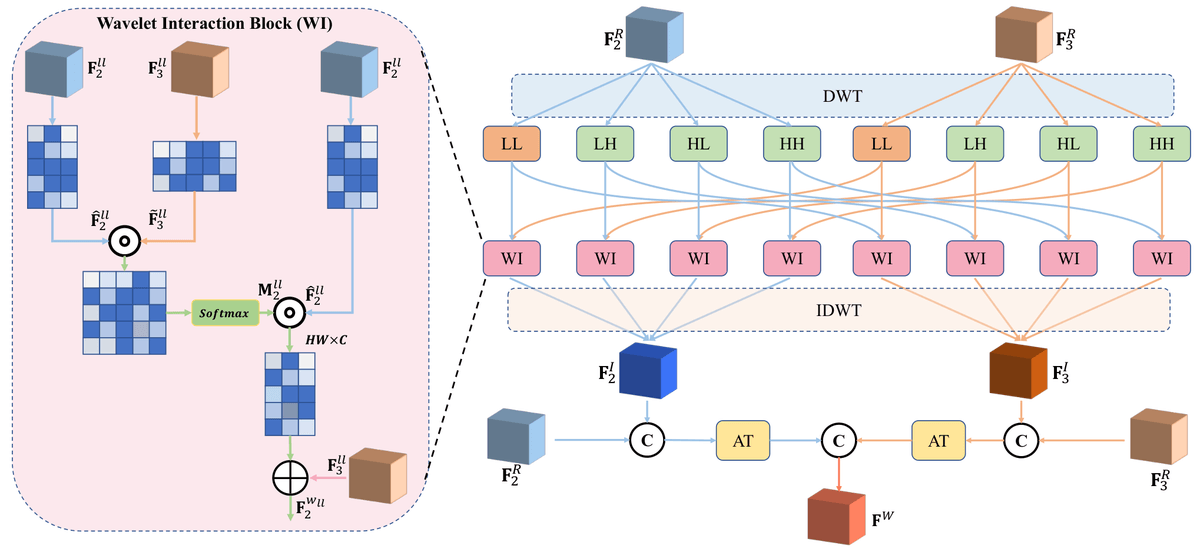
FlashMotion cuts trajectory-controlled video generation to four denoising steps, delivering up to 47x speedup while beating multi-step baselines on quality and motion accuracy.
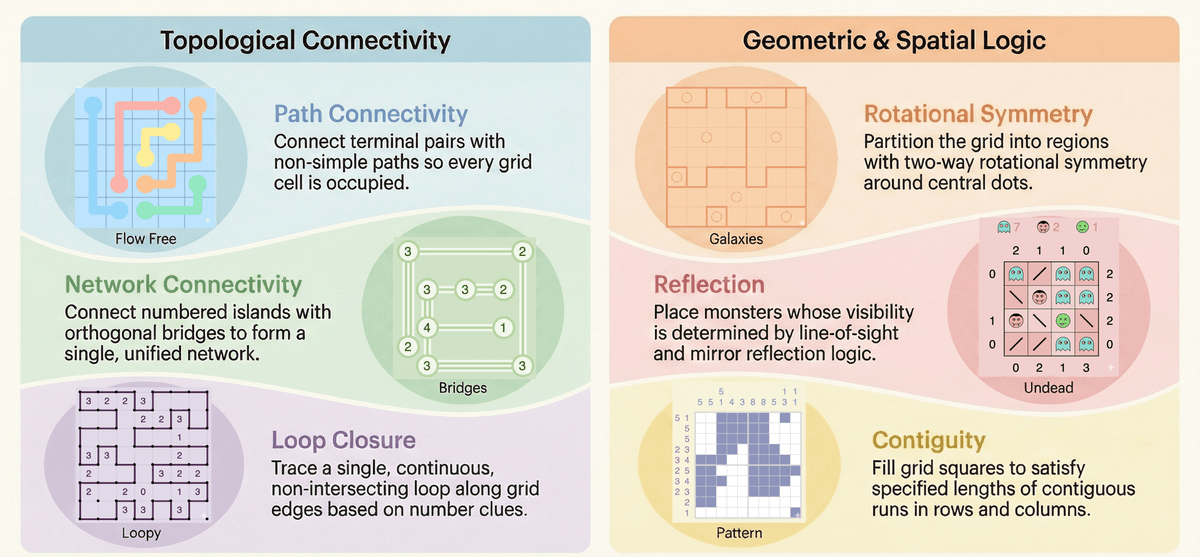
A new benchmark shows frontier reasoning models solve fewer than 25% of hard topological grid puzzles, exposing a spatial parsing bottleneck rather than a reasoning one.
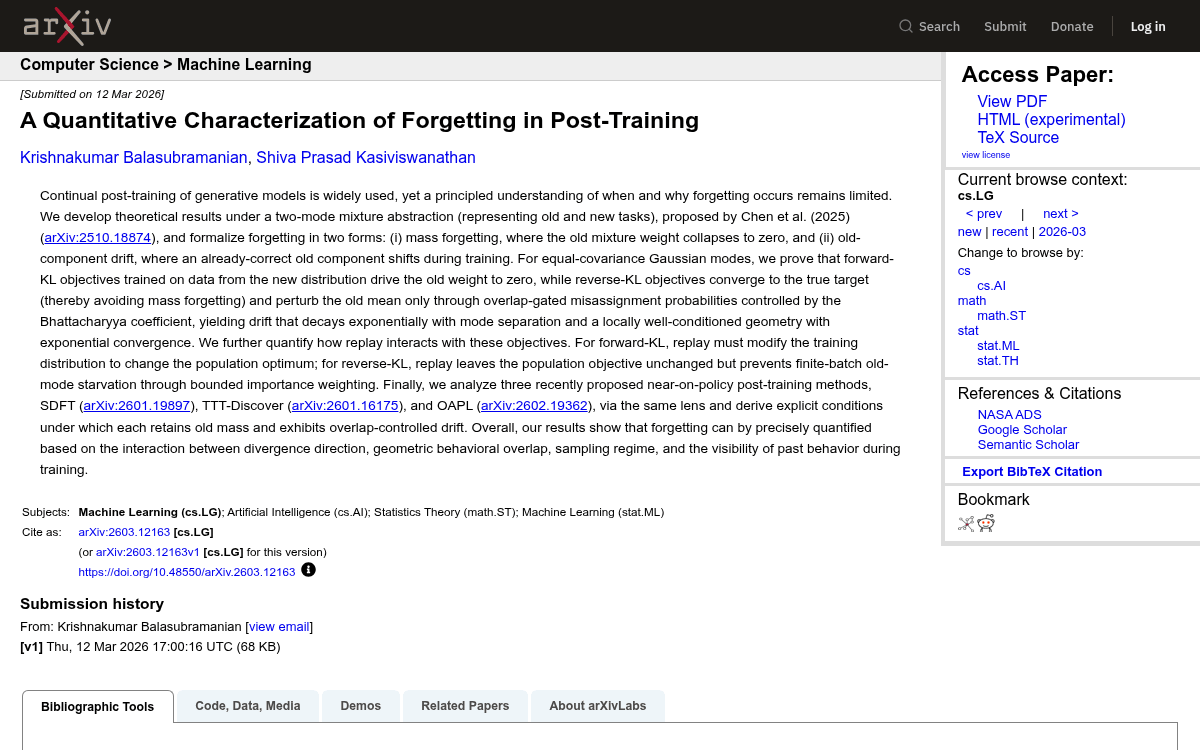
New theoretical results pin down exactly when continual fine-tuning erases old skills, tying forgetting to the choice of KL direction and geometric overlap between tasks.
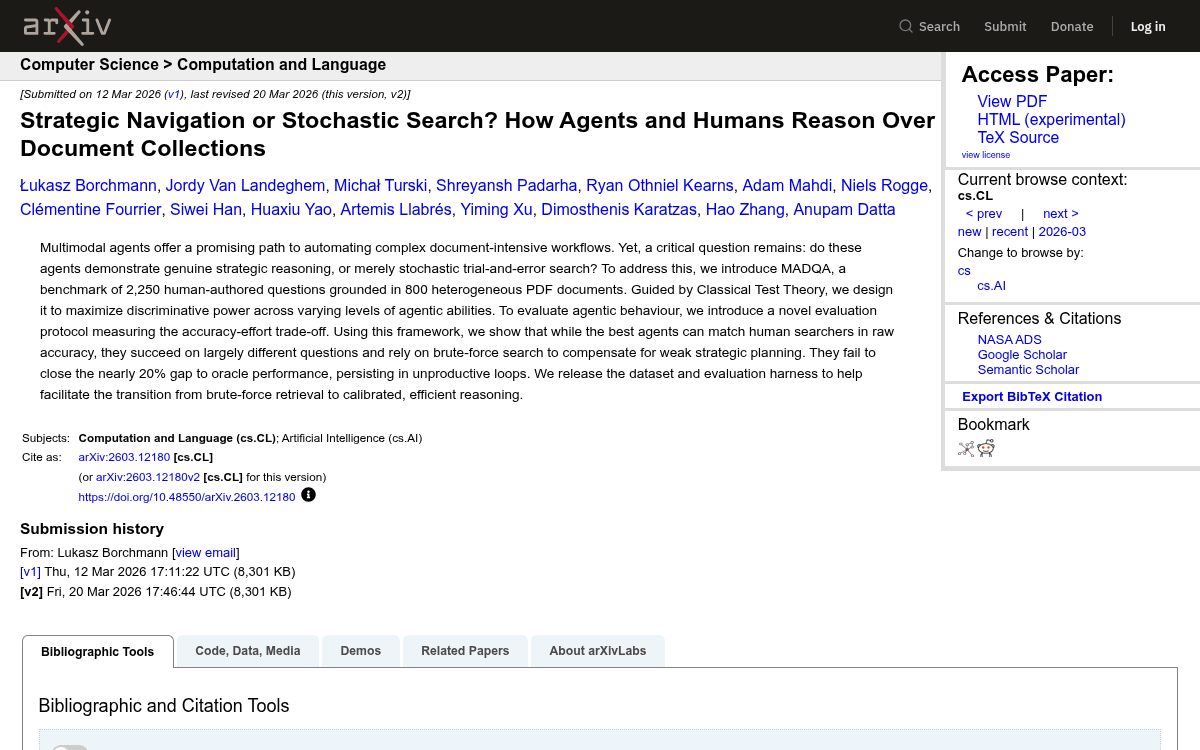
A new benchmark of 2,250 human-authored questions over 800 PDFs shows frontier agents match human accuracy only by burning through five times more search effort.
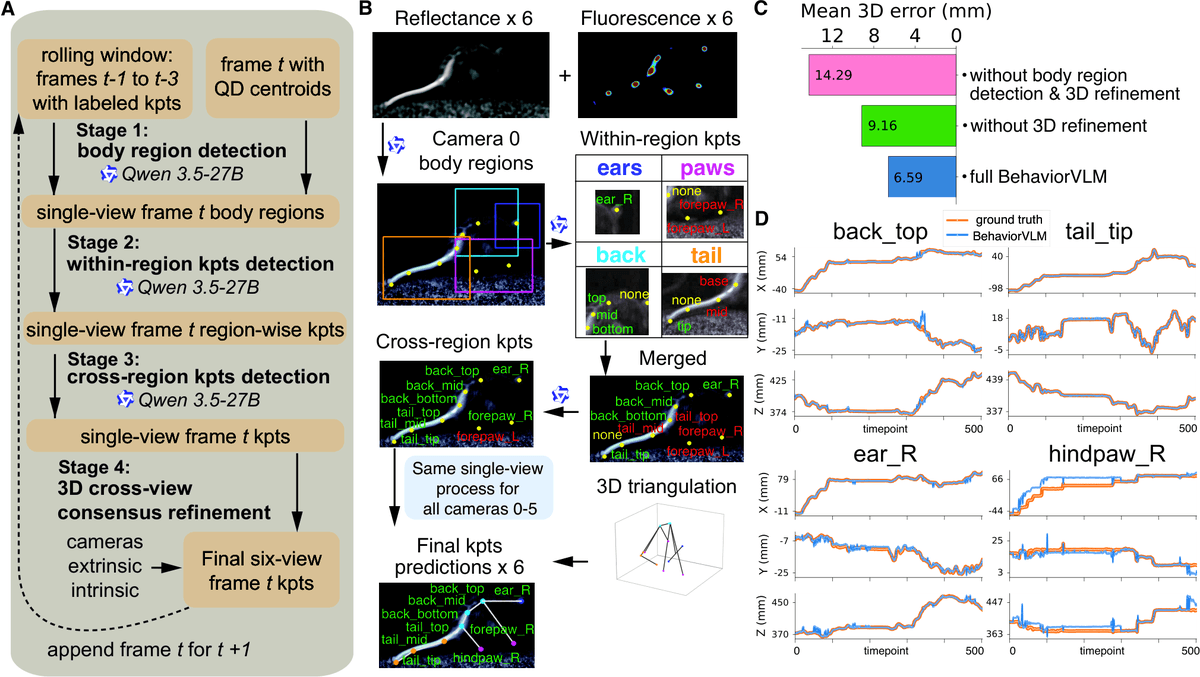
A new framework from Georgia Tech uses pretrained vision-language models to track animal pose and segment behavior with just three labeled frames and zero finetuning.
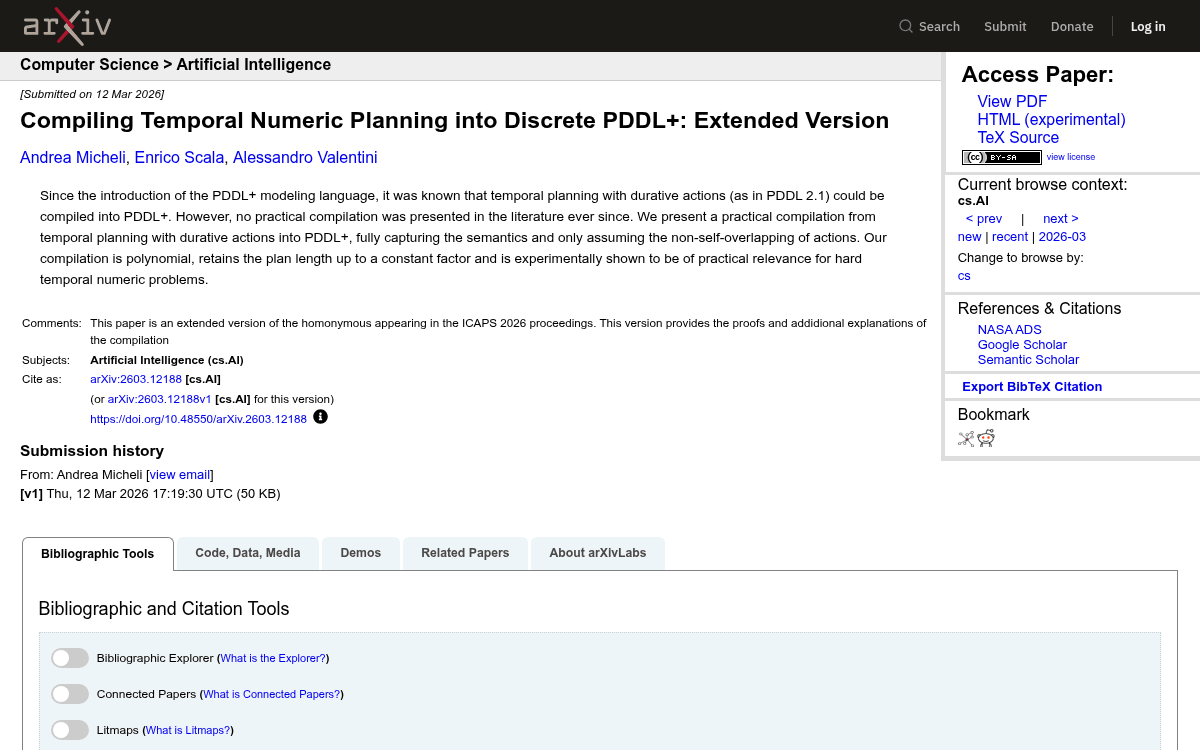
A twenty-year gap in the planning literature finally closes: durative actions can be compiled into PDDL+ practically, and the result beats specialized temporal planners.
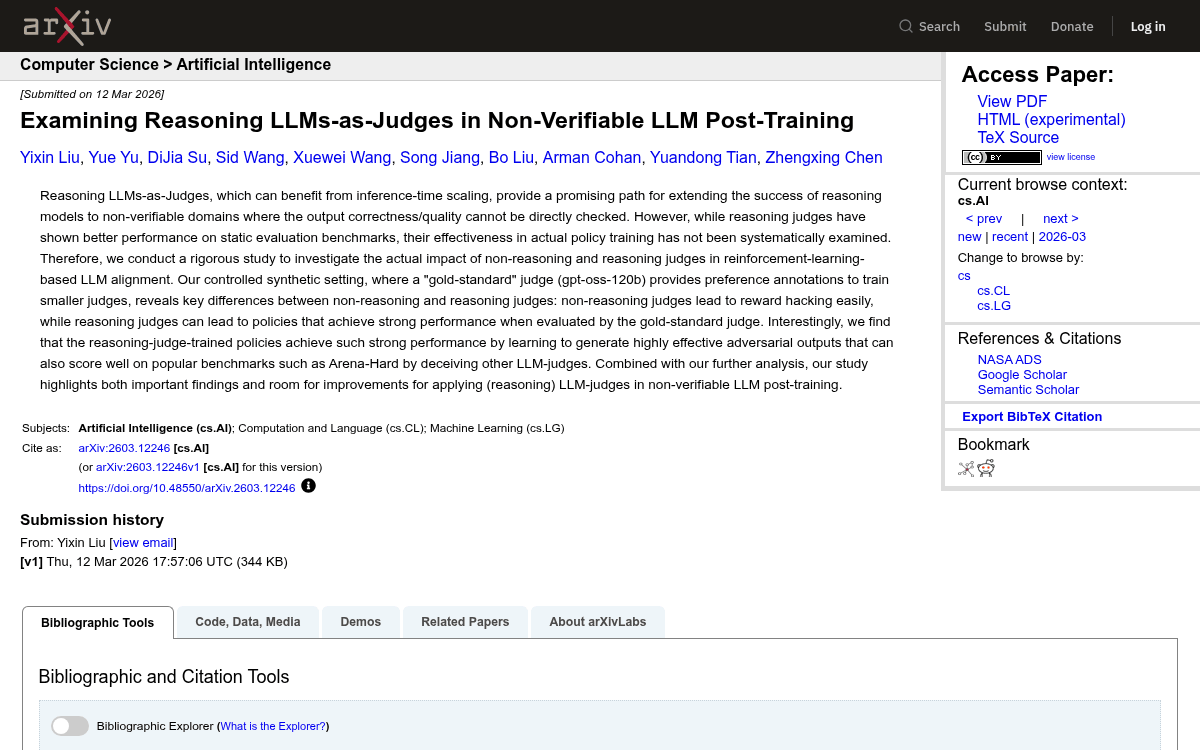
A Meta and Yale study finds reasoning judges avoid obvious reward hacking but teach policies to game benchmarks with adversarial refusals that fool GPT-4.1.
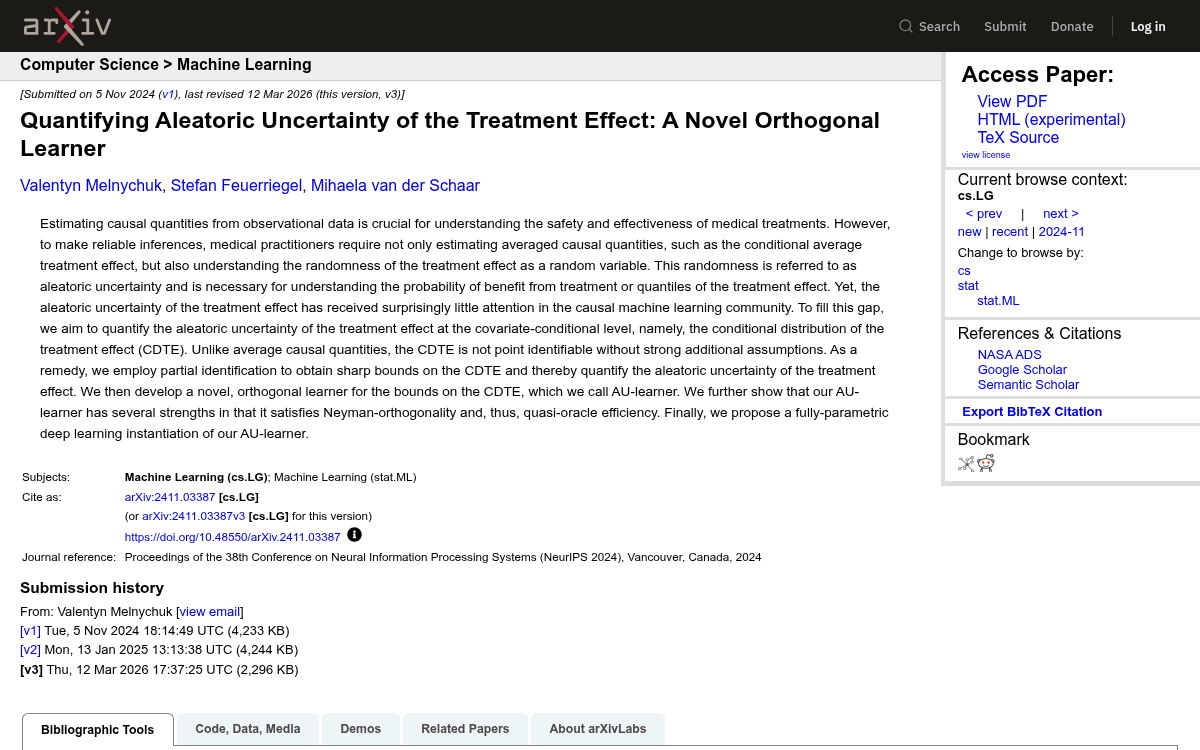
A new orthogonal learner called AU-learner estimates sharp bounds on the entire distribution of treatment effects, not just the average, using conditional normalizing flows.