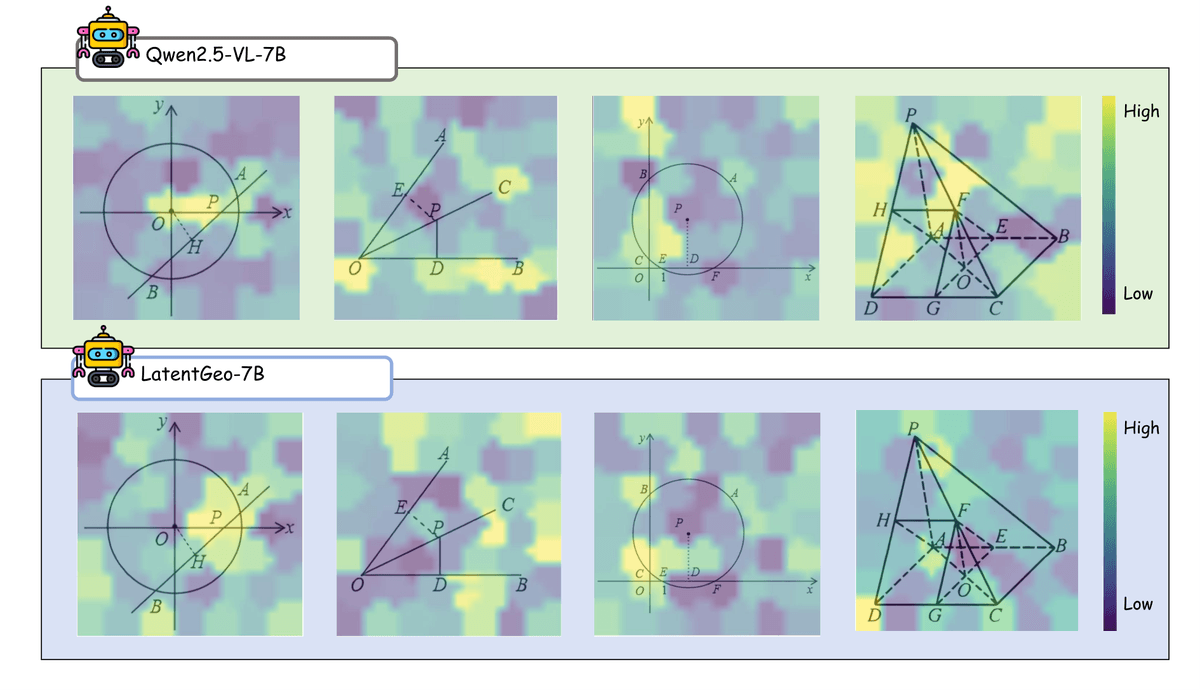
HKUST's LatentGeo Teaches AI to Draw Geometry Solutions Mentally, Beating GPT-4o
A new framework called LatentGeo teaches multimodal models to imagine auxiliary geometry constructions internally, without rendering pixels or calling external tools.
20 stories

A new framework called LatentGeo teaches multimodal models to imagine auxiliary geometry constructions internally, without rendering pixels or calling external tools.


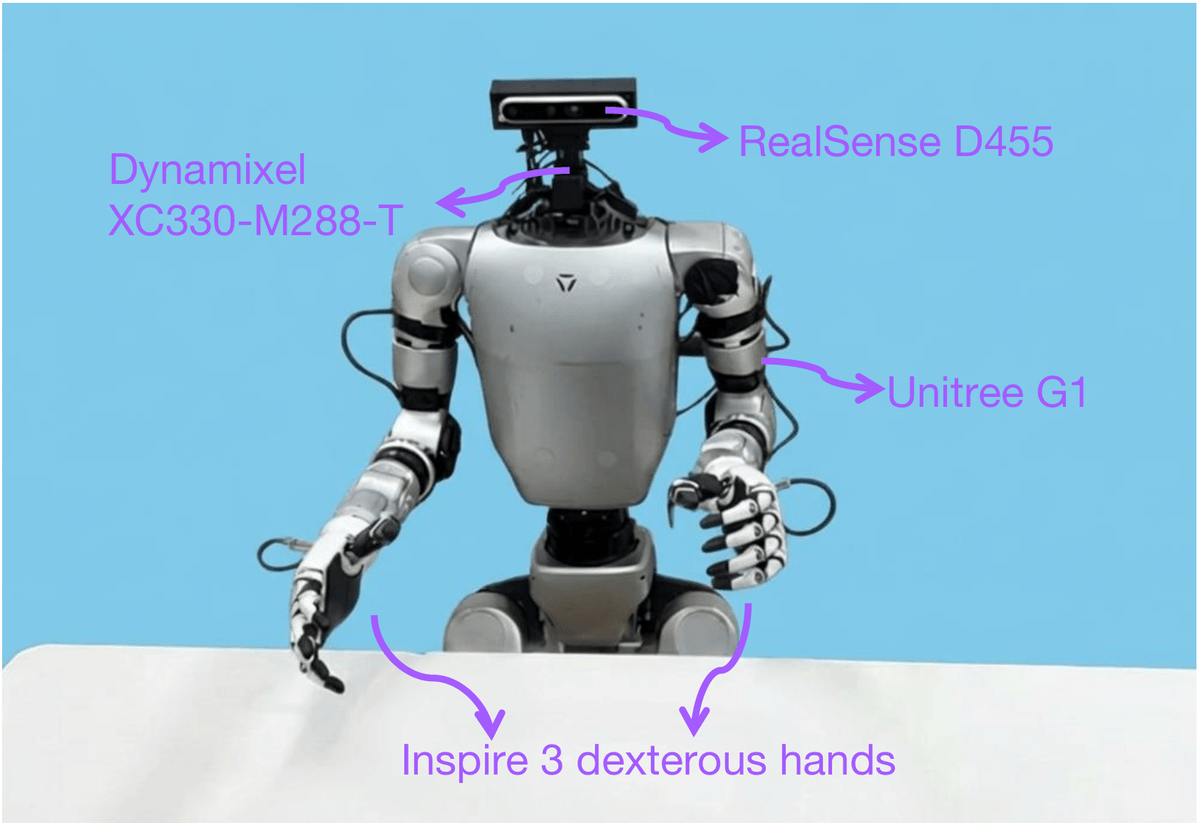
SaPaVe teaches robots to move their camera before they move their hands, beating GR00T N1 and π0 by up to 31.25 percent on real-world tasks.

A training-free method keeps only 10% of visual tokens in deepfake detectors while preserving accuracy, cutting FLOPs by over 90%.

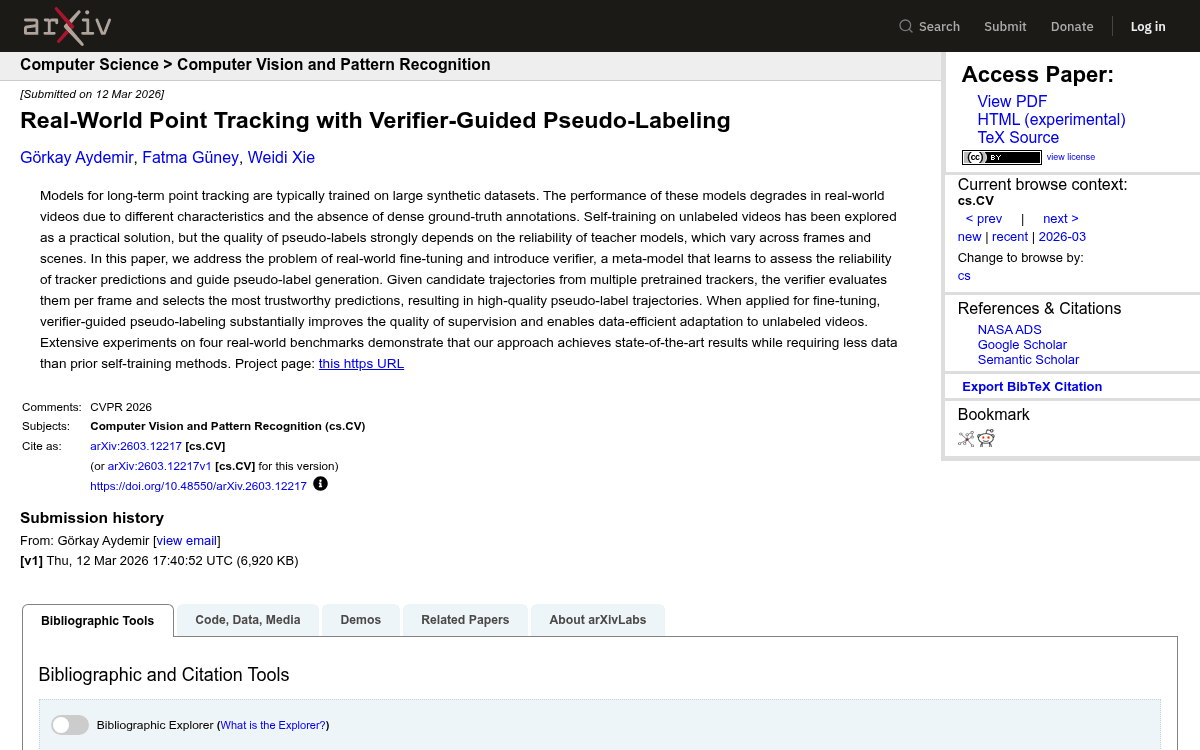
A learned meta-model scores frame-by-frame reliability across six pretrained trackers, producing cleaner pseudo-labels and state-of-the-art results on four real-world benchmarks.

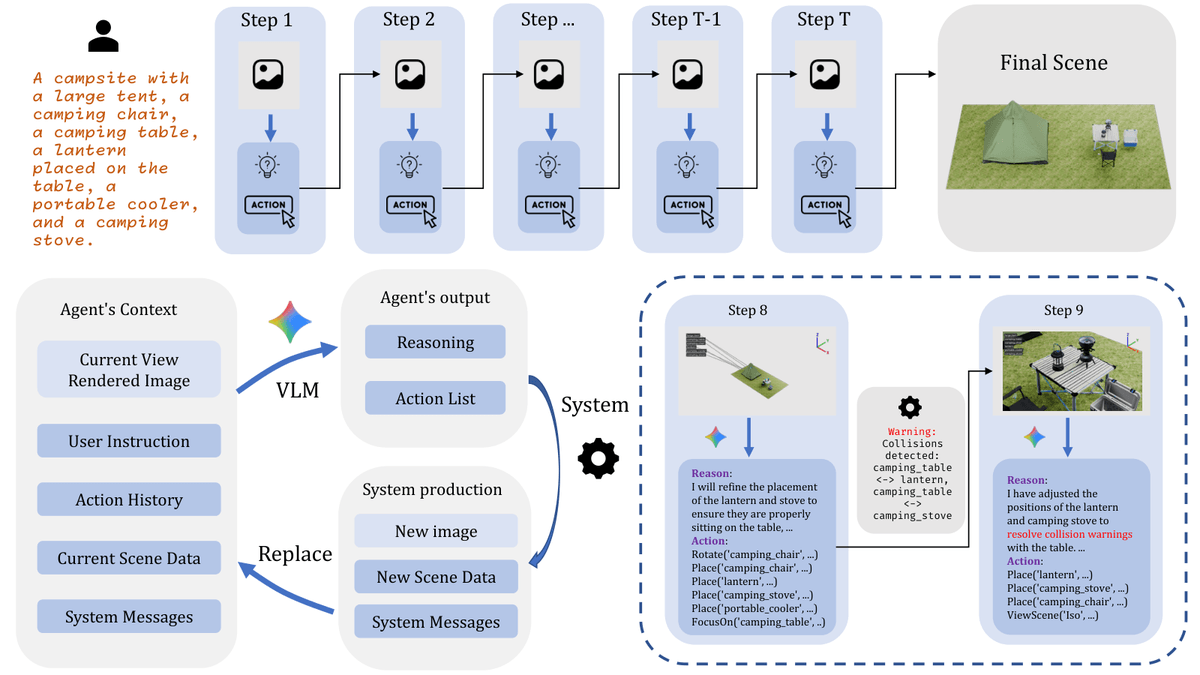
A visual-feedback agent uses vision-language models and a small set of action APIs to generate open-vocabulary 3D scenes from text without predefined spatial rules.

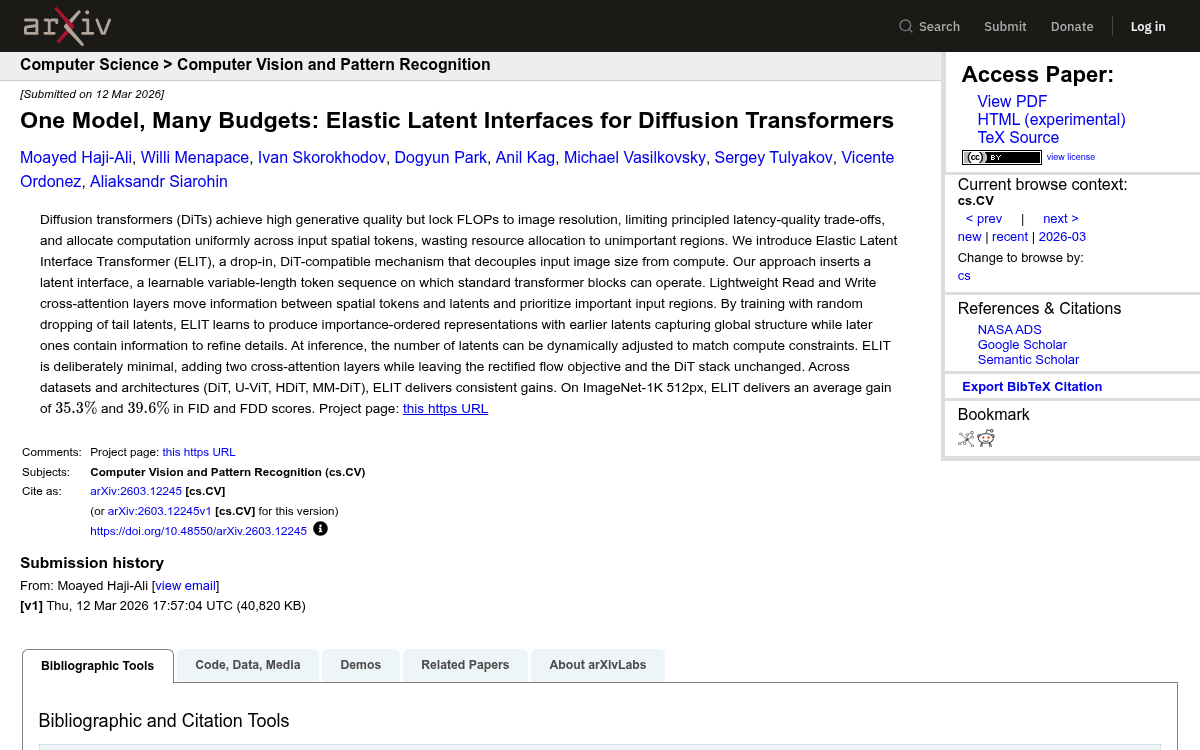
Snap and Rice researchers add two cross-attention layers to diffusion transformers, letting one trained model serve dozens of compute budgets while cutting FID by up to 53%.

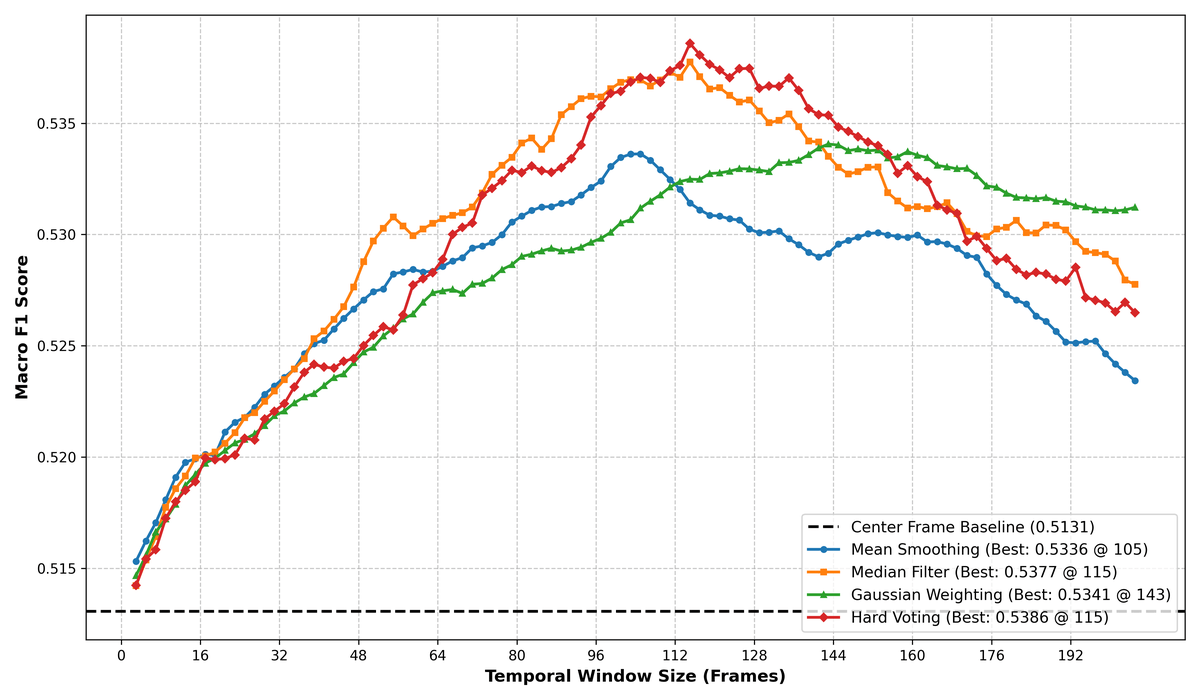
A Shanghai Normal University paper details a DINOv2 plus Wav2Vec 2.0 pipeline for frame-level facial expression recognition on Aff-Wild2, with temporal smoothing on top.

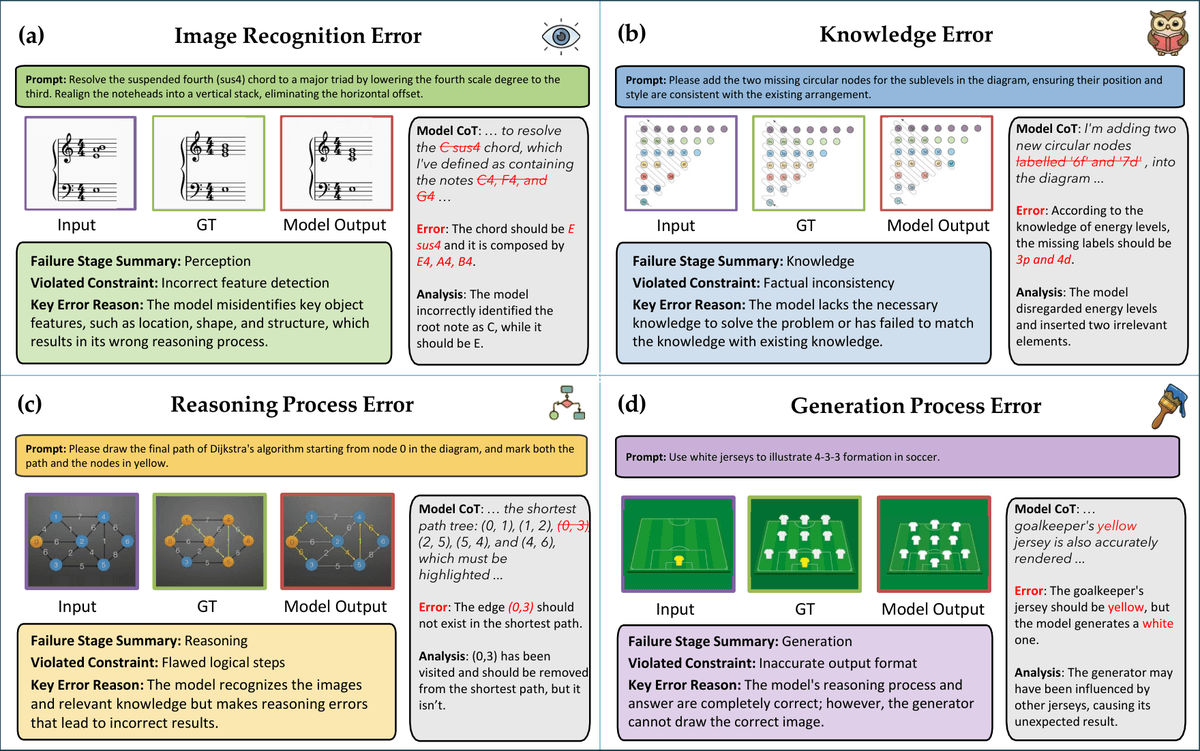
A new benchmark of 520 academic image-editing tasks exposes how badly frontier models reason about chemistry, physics, math, and other disciplines.

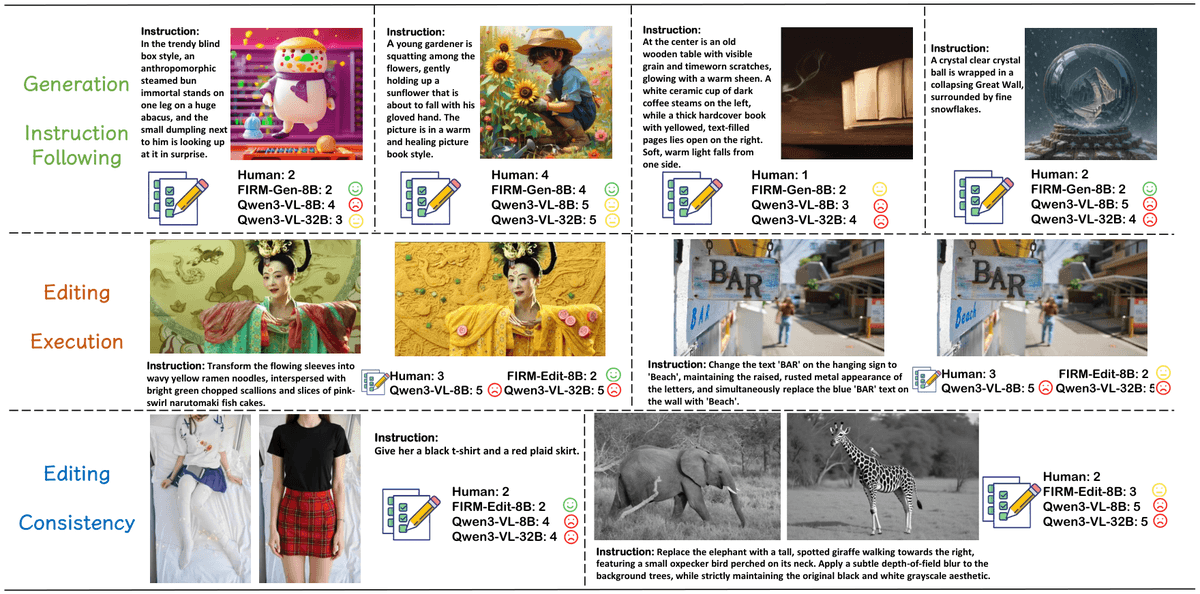
A new framework fixes hallucinating reward models that were quietly sabotaging RL fine-tuning for image editing and text-to-image generation.

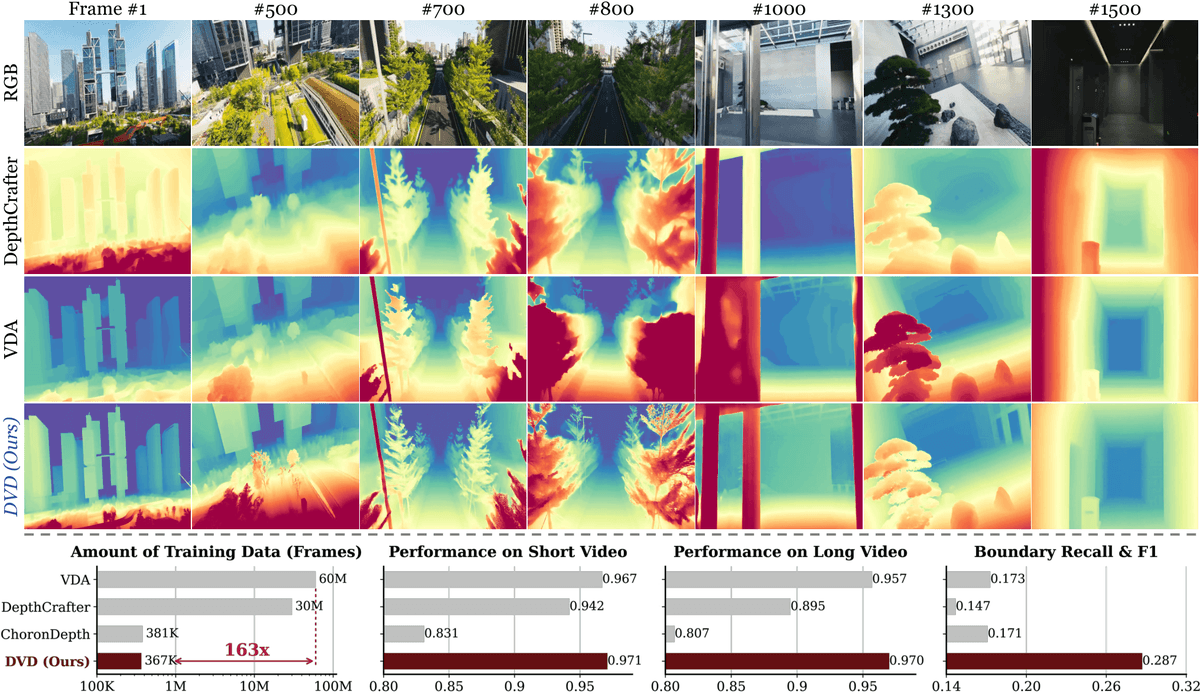
A new framework turns a pretrained video diffusion model into a single-pass depth regressor, matching state-of-the-art accuracy with 163x less training data.

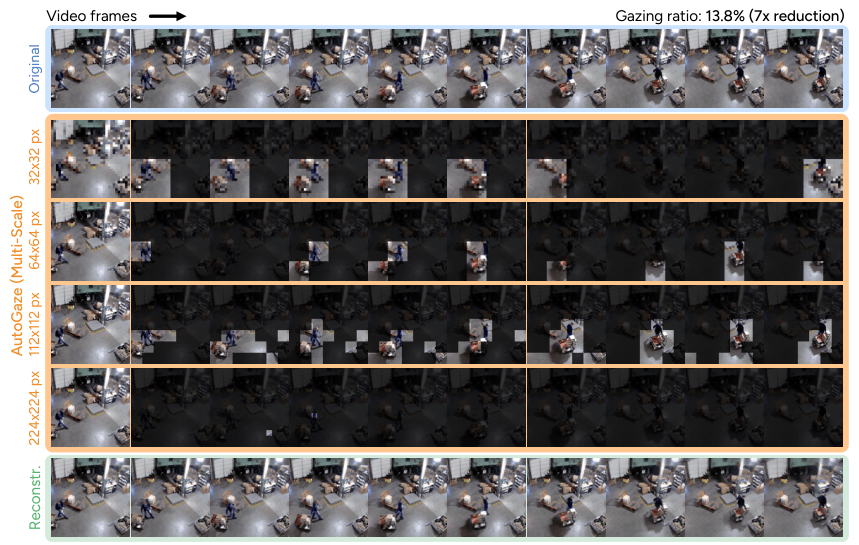
A 3M-parameter module trims video patches before the ViT even sees them, letting MLLMs process 1K-frame 4K videos with 19x speedups.

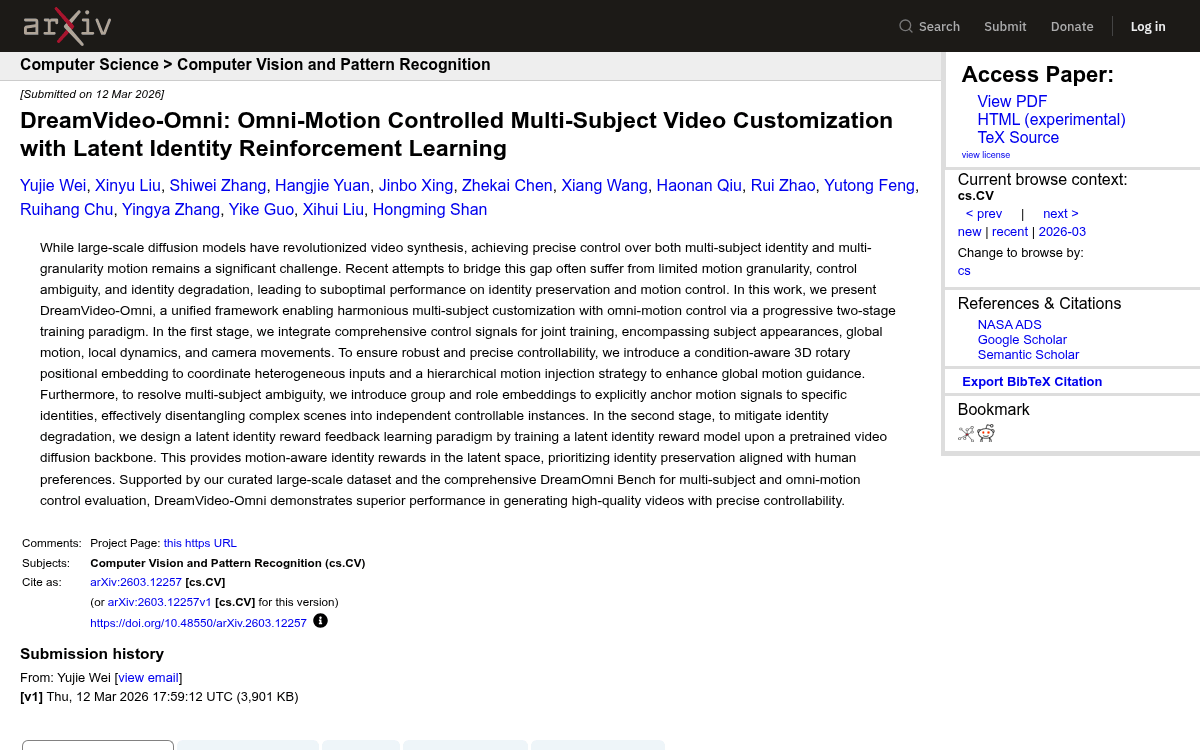
A 1.3B parameter framework from Alibaba and Fudan unifies multi-subject video customization with fine-grained motion and camera control, beating 14B baselines.

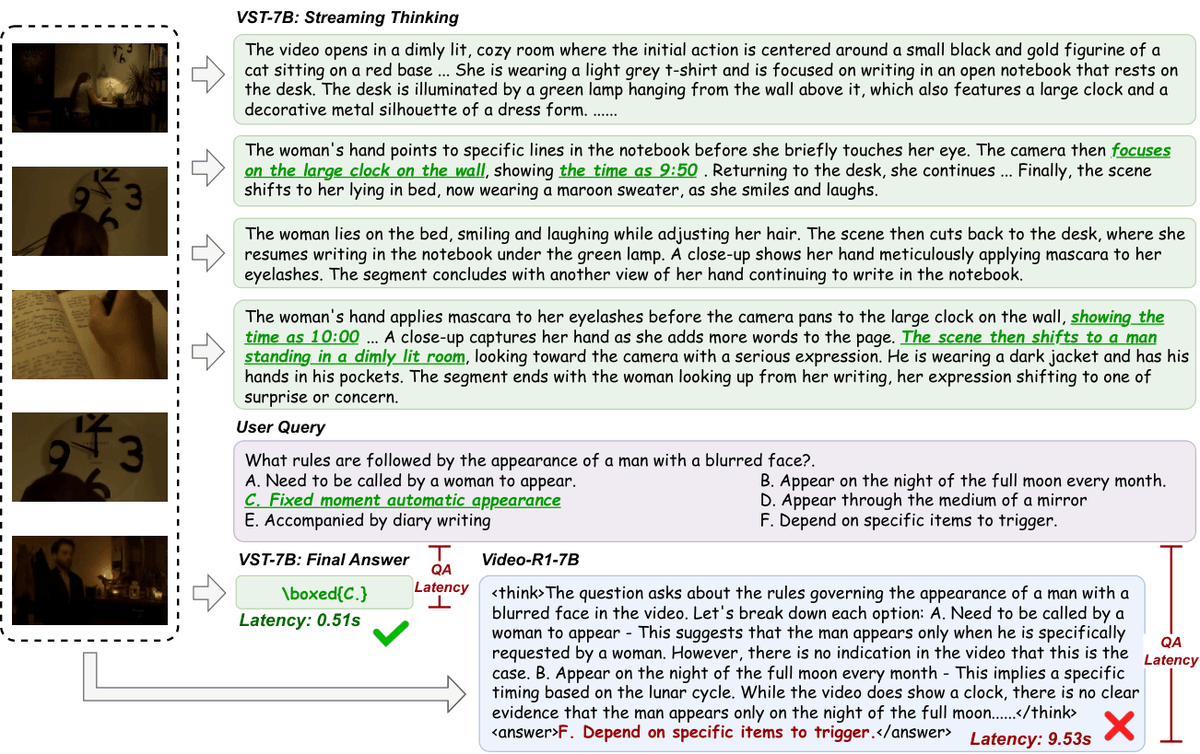
A new paradigm lets video language models reason during playback instead of after your question, cutting QA latency 15.7x versus Video-R1.

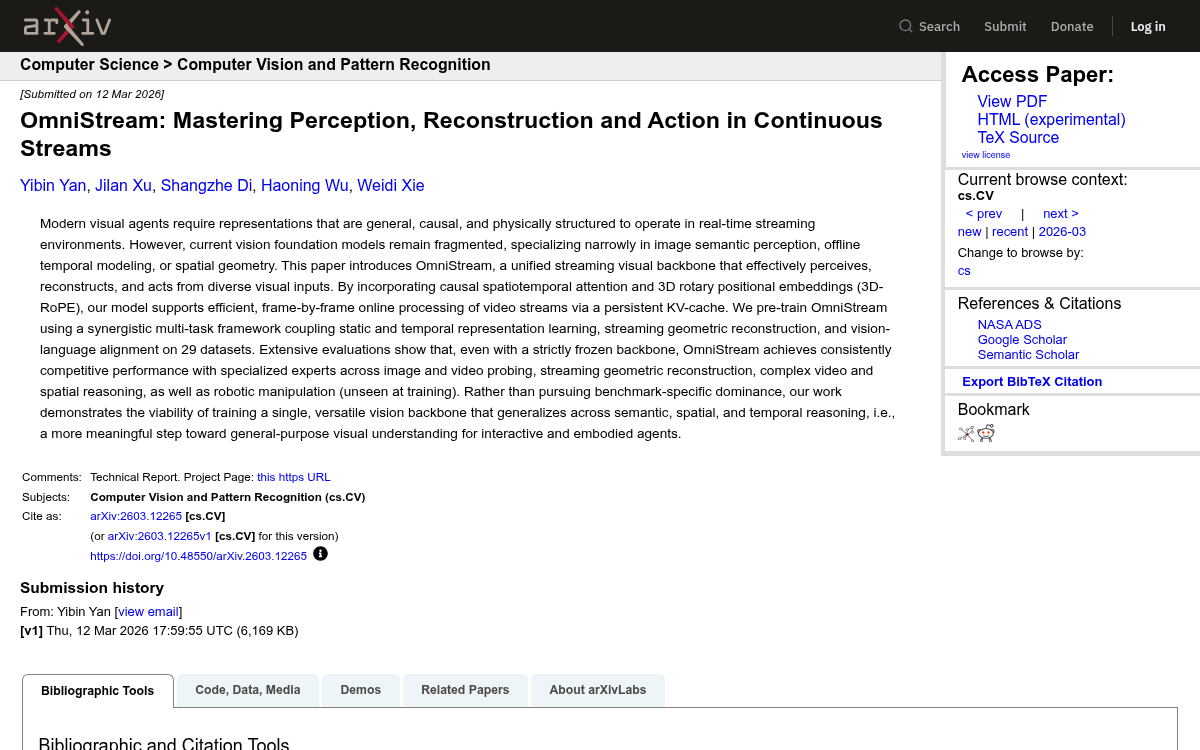
OmniStream turns a frozen DINOv3 backbone into a causal streaming model that handles perception, 3D reconstruction, VQA, and robot control from a single set of features.

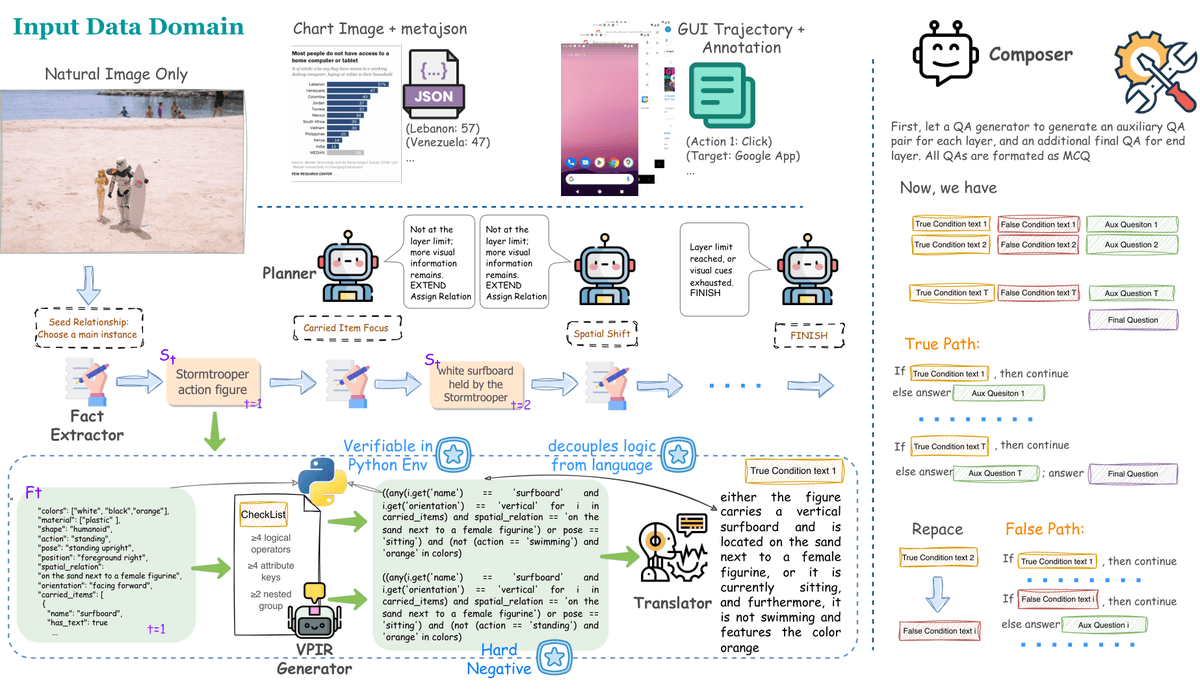
A new benchmark for multi-layer visual conditional reasoning shows even Gemini-3-Pro tops out at 53% F1, revealing where MLLMs break.

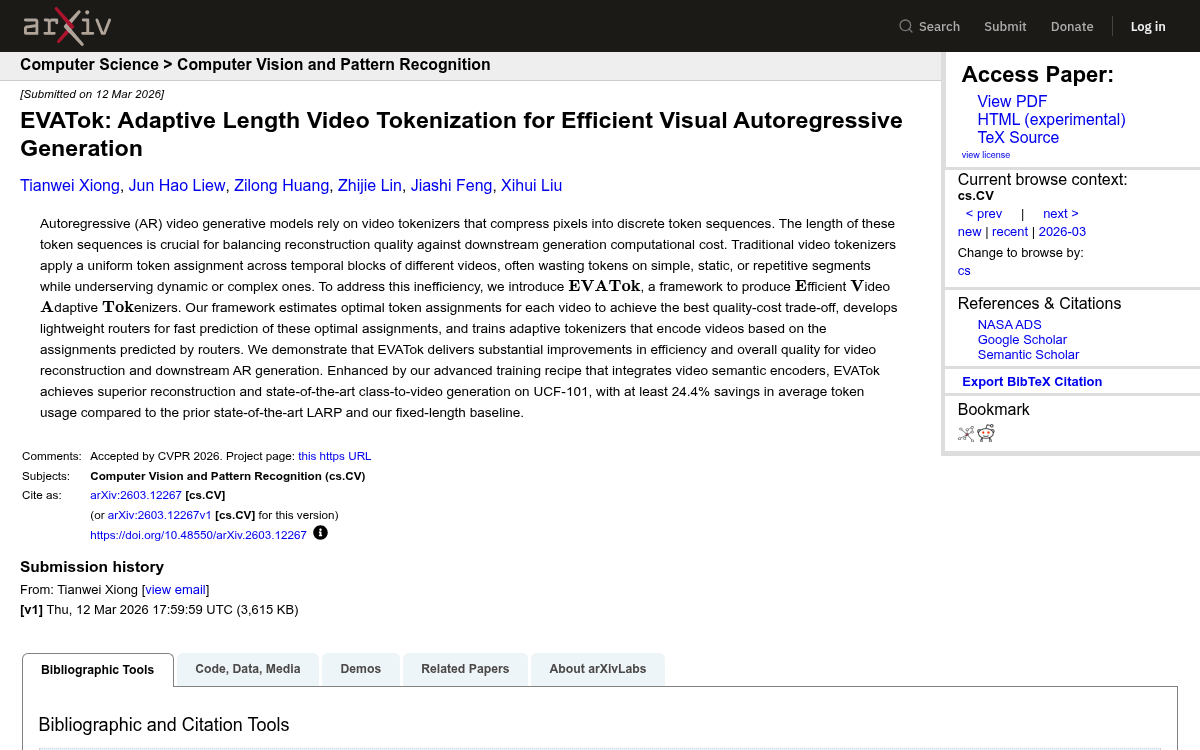
A four stage framework from HKU and ByteDance lets video tokenizers assign token budgets per clip, cutting sequence length by 24 percent while beating fixed length baselines.

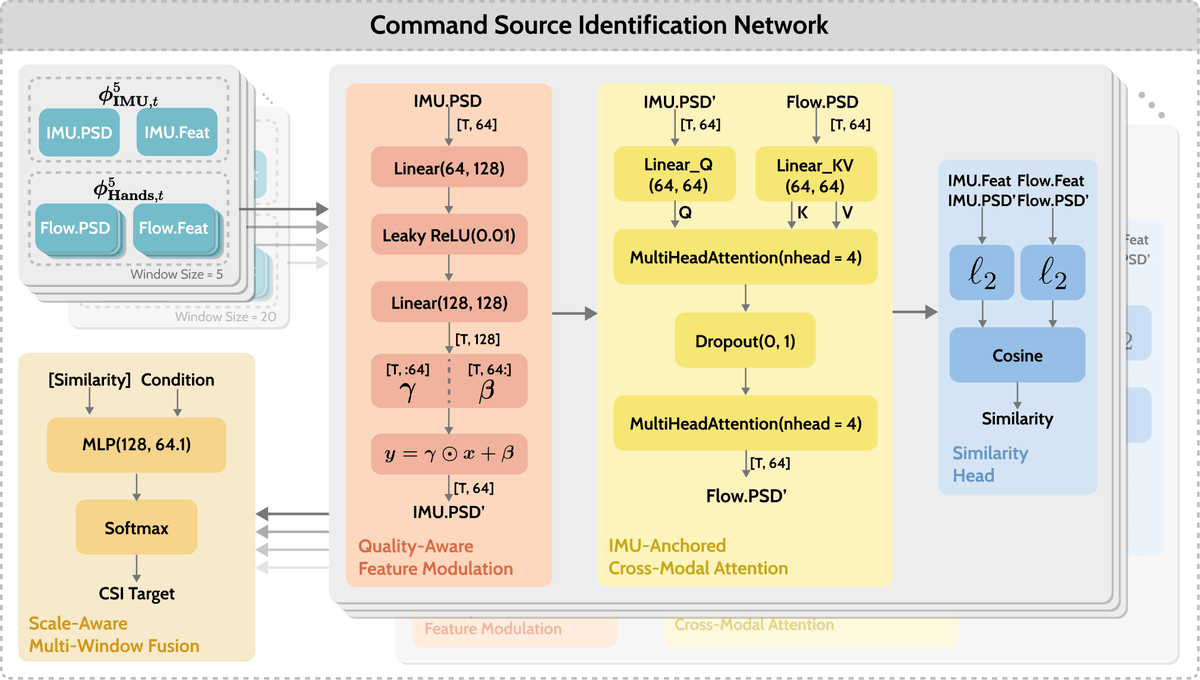
A new optical-inertial fusion system tells robots which person in a crowd is issuing commands, even at 34 meters where hands blur into a few pixels.

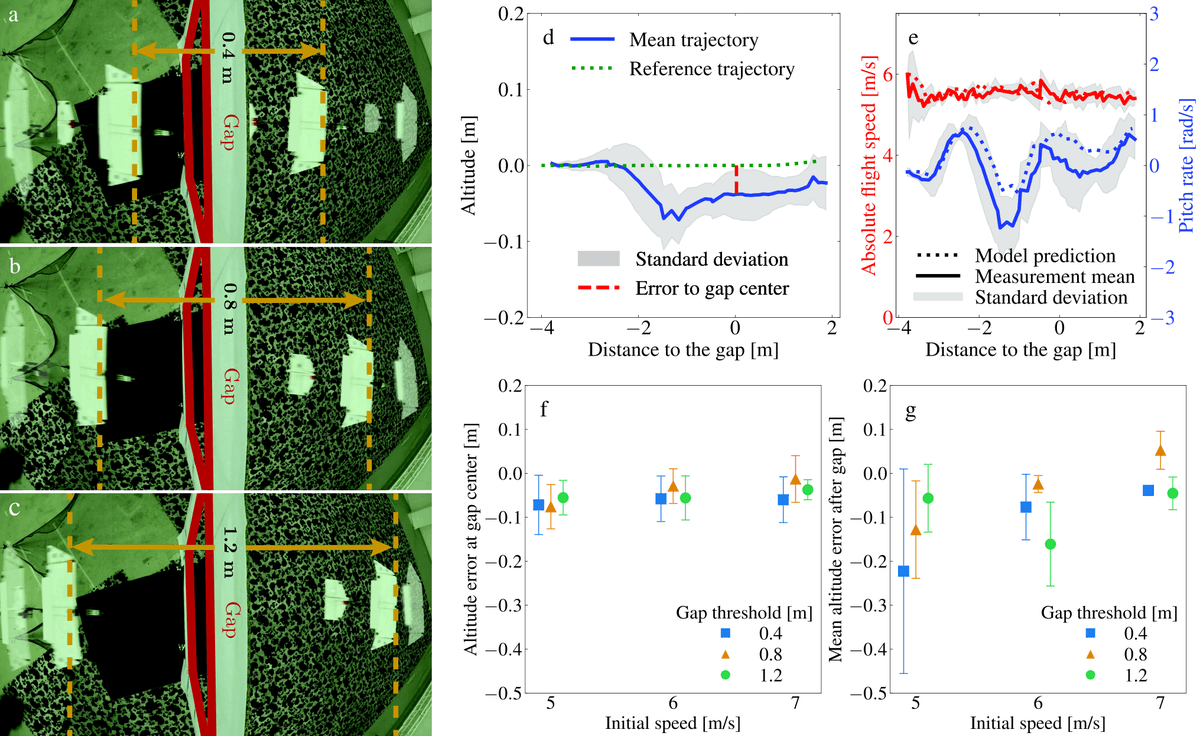
EPFL researchers built a 130-gram drone that tucks its wings mid-flight to squeeze through openings narrower than its wingspan.

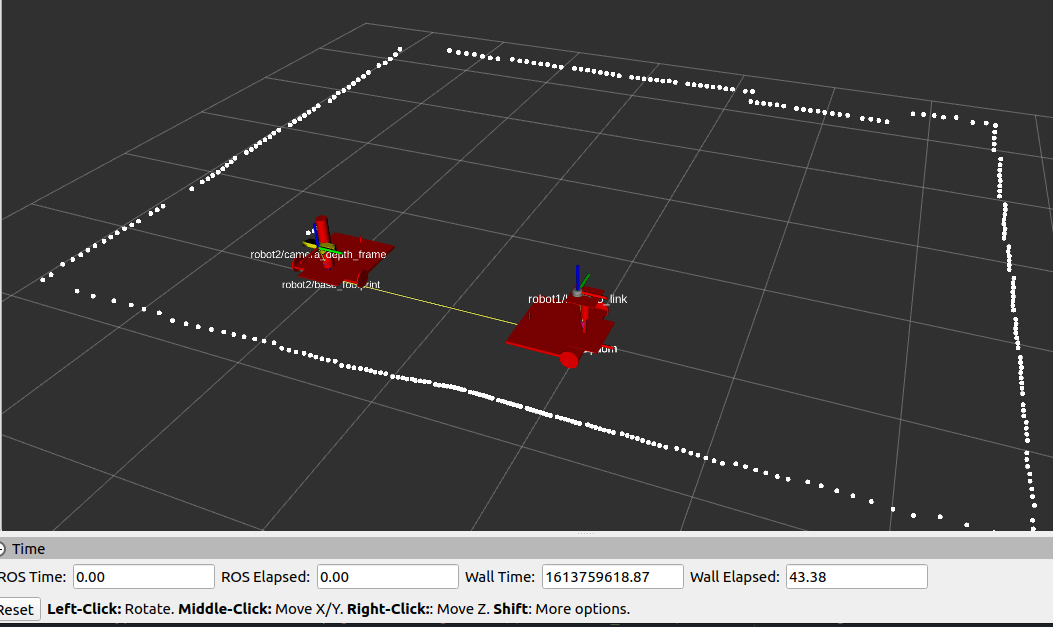
A distributed EKF framework tracks multiple robots in GPS-denied spaces using LiDAR, event-triggered messaging, and dual static-plus-dynamic landmarks.

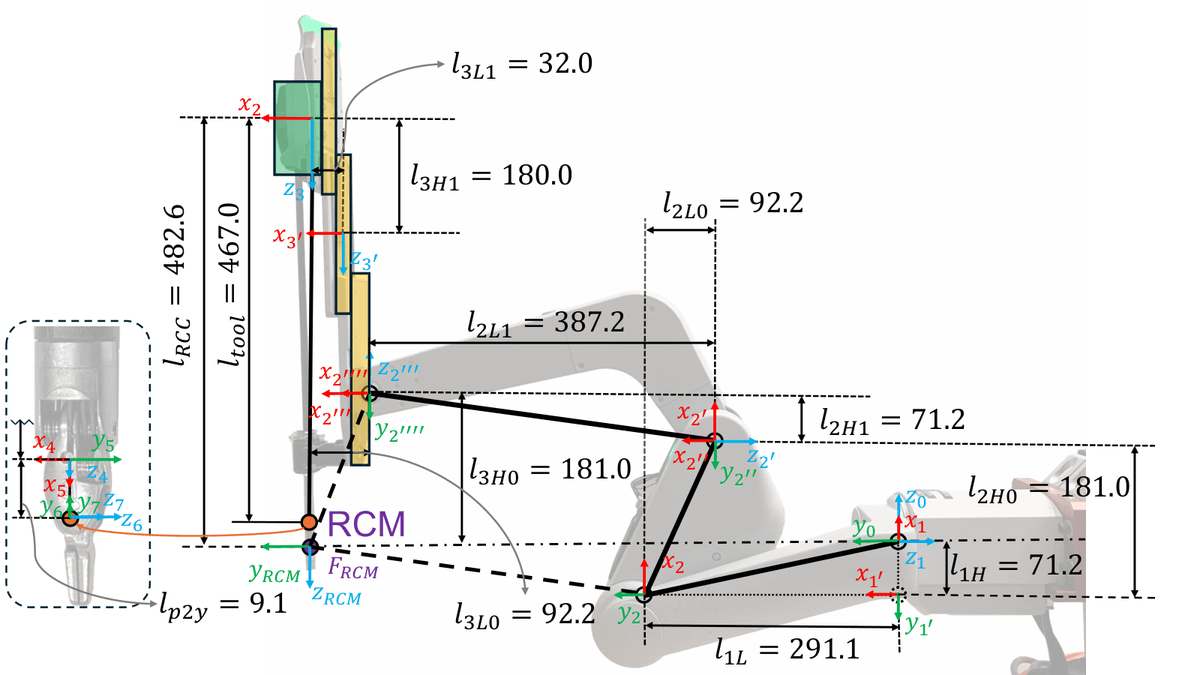
A new kinematic and dynamic model plus open-source pipeline cuts steady-state drift on the next-generation da Vinci research platform by up to 84 percent.