
Pro
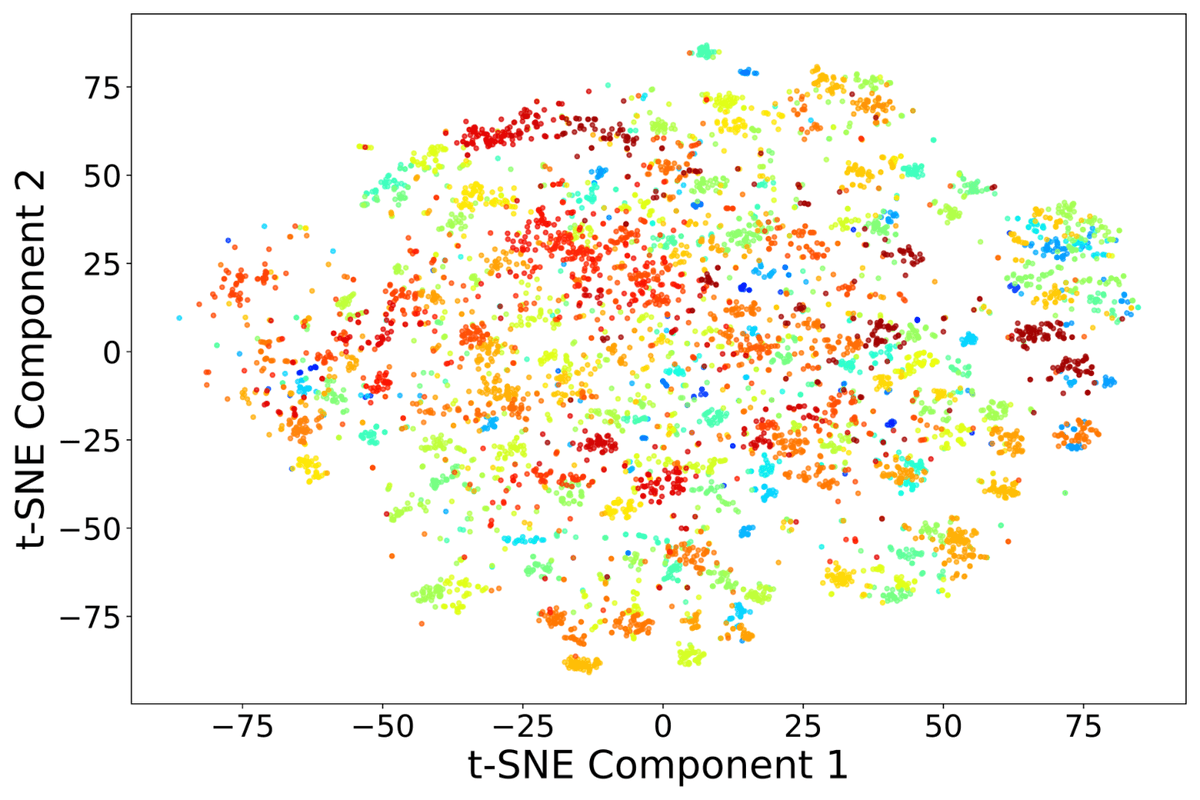
MIT and MPI's MM-TS Makes CLIP Smarter by Ditching Fixed Temperature
MM-TS dynamically schedules contrastive learning temperature per sample, beating CLIP and AVION on long-tail image and video retrieval benchmarks
20 stories
MM-TS dynamically schedules contrastive learning temperature per sample, beating CLIP and AVION on long-tail image and video retrieval benchmarks
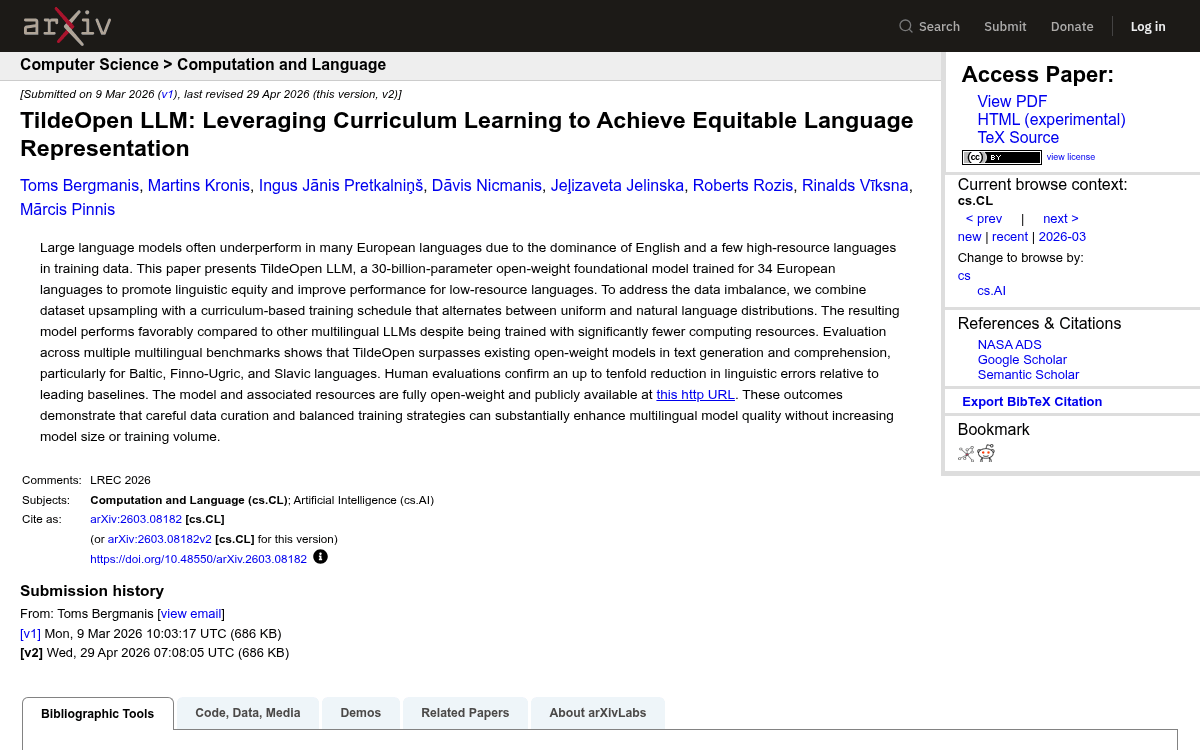
Tilde's 30B open-weight model beats EuroLLM and Gemma 2 on Baltic, Slavic, and Finno-Ugric languages using curriculum learning and just 2 trillion training tokens
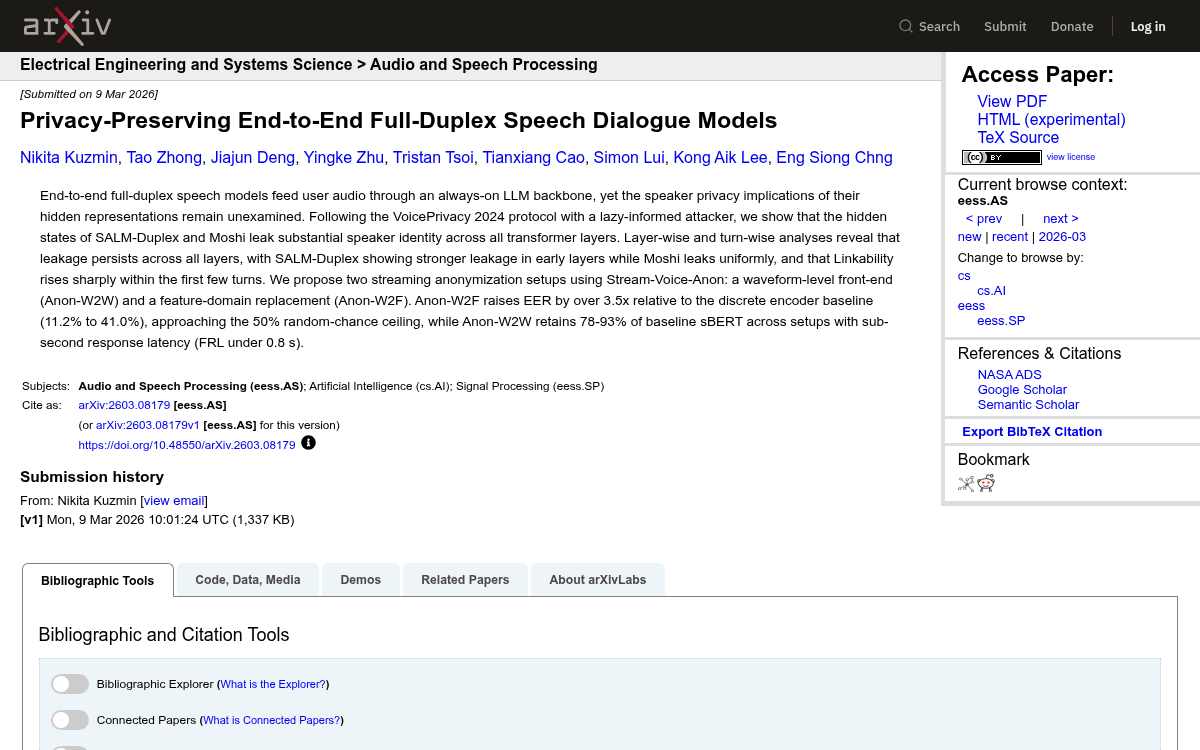
A new study finds that always-on voice AI models like Moshi and SALM-Duplex silently encode who you are inside their hidden states — and proposes real-time fixes that nearly erase the leak.
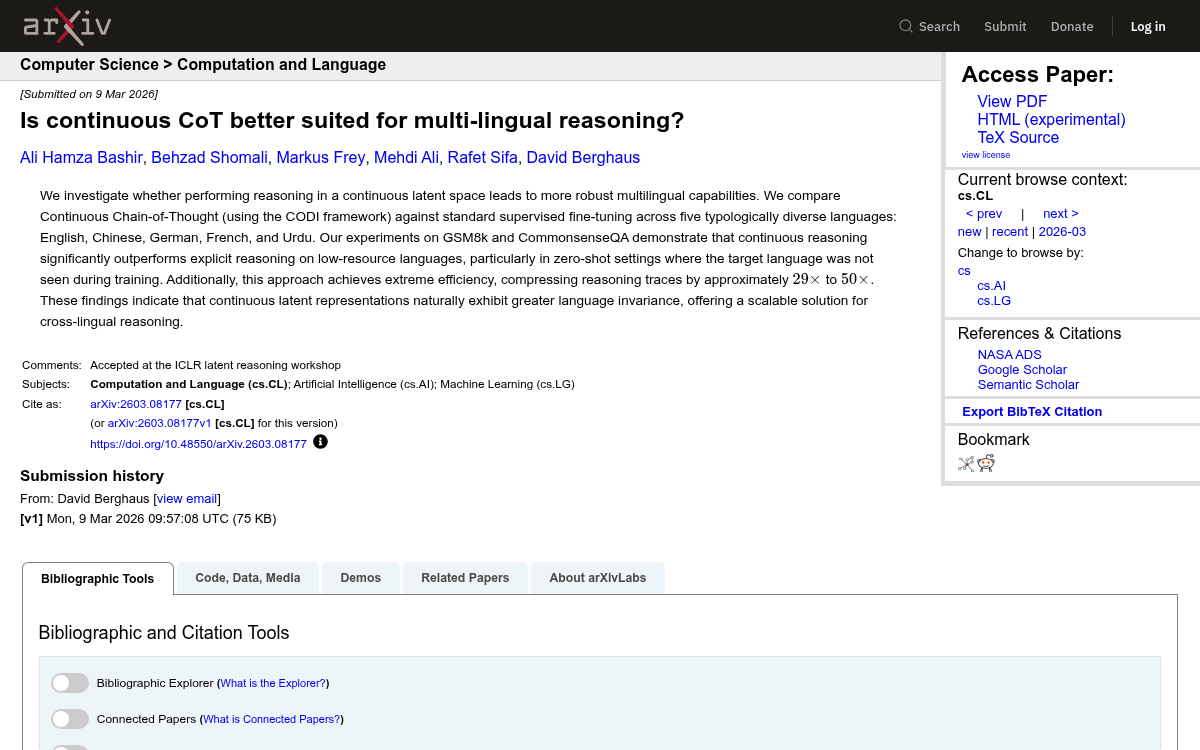
Reasoning in continuous latent space instead of text tokens makes LLMs dramatically better at low-resource languages, with 29x to 50x fewer thinking tokens
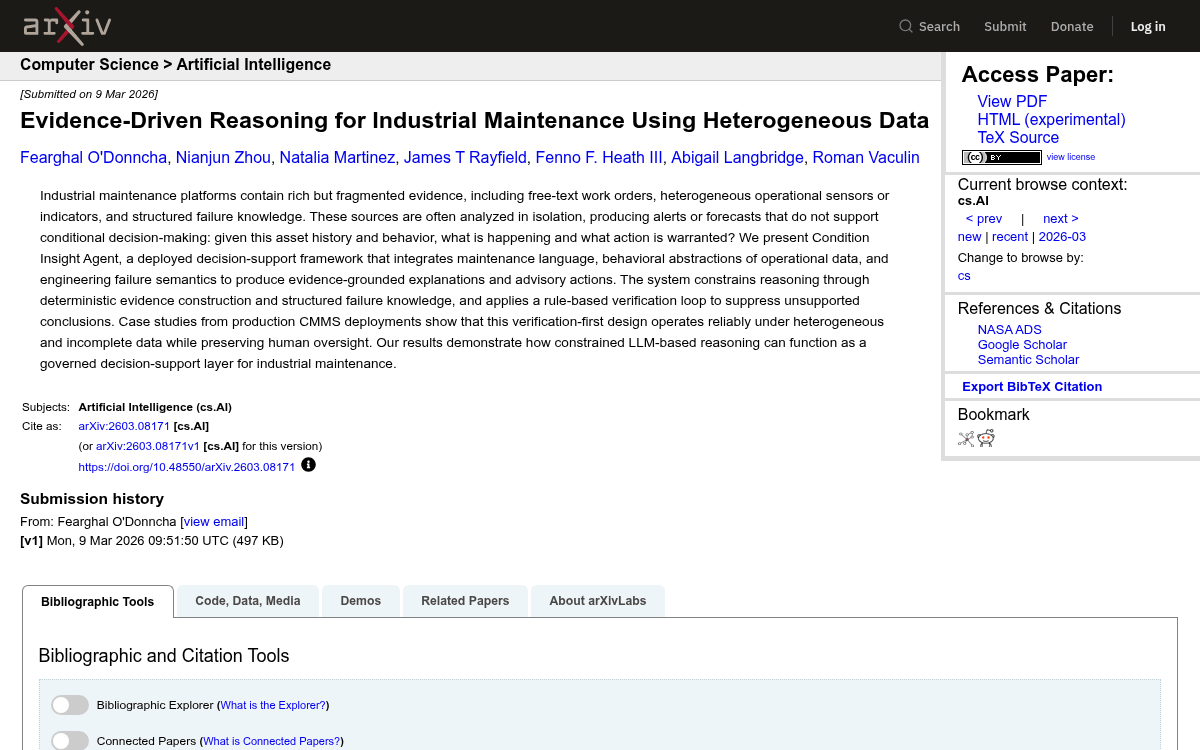
IBM Research's Condition Insight Agent shows how constrained LLMs can reason over messy industrial data without hallucinating maintenance decisions
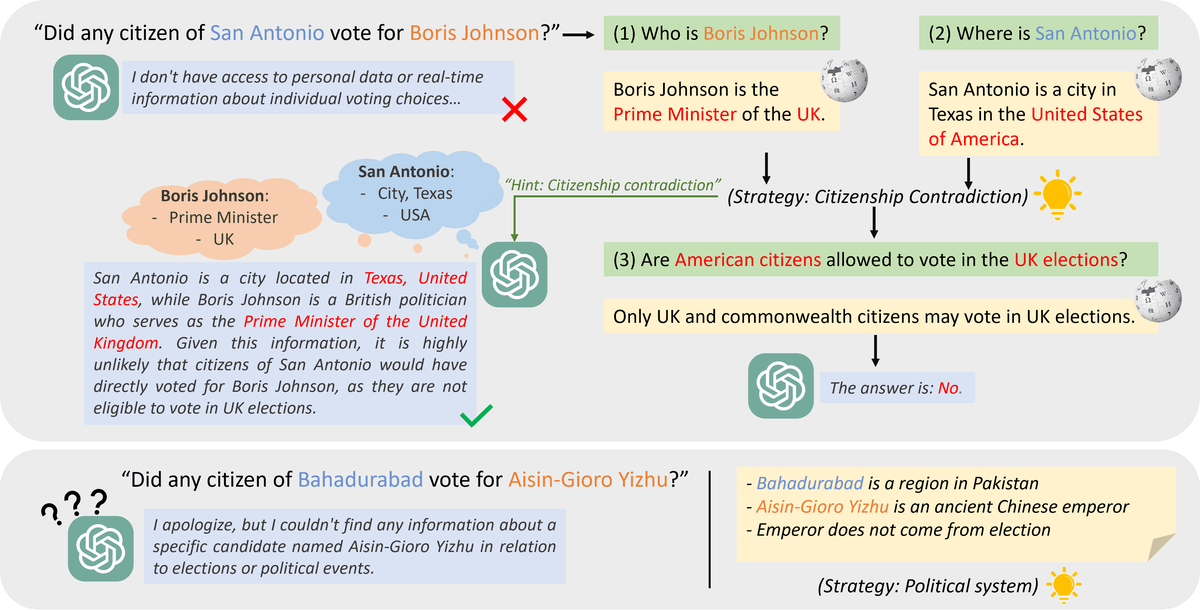
GEEK, an 11B-parameter framework from HKU and Huawei, beats 175B+ LLMs on complex implicit question answering by iteratively excavating Wikipedia knowledge
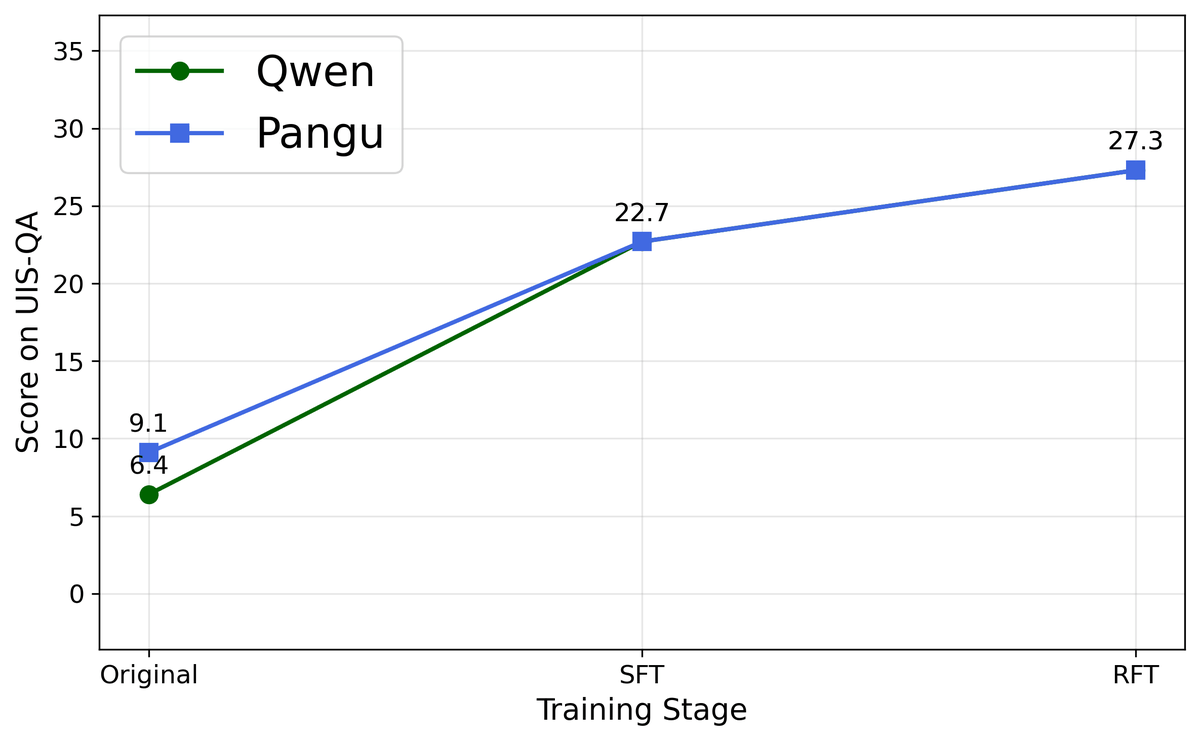
A new benchmark exposes a massive blind spot in AI research agents: information that search engines simply never index
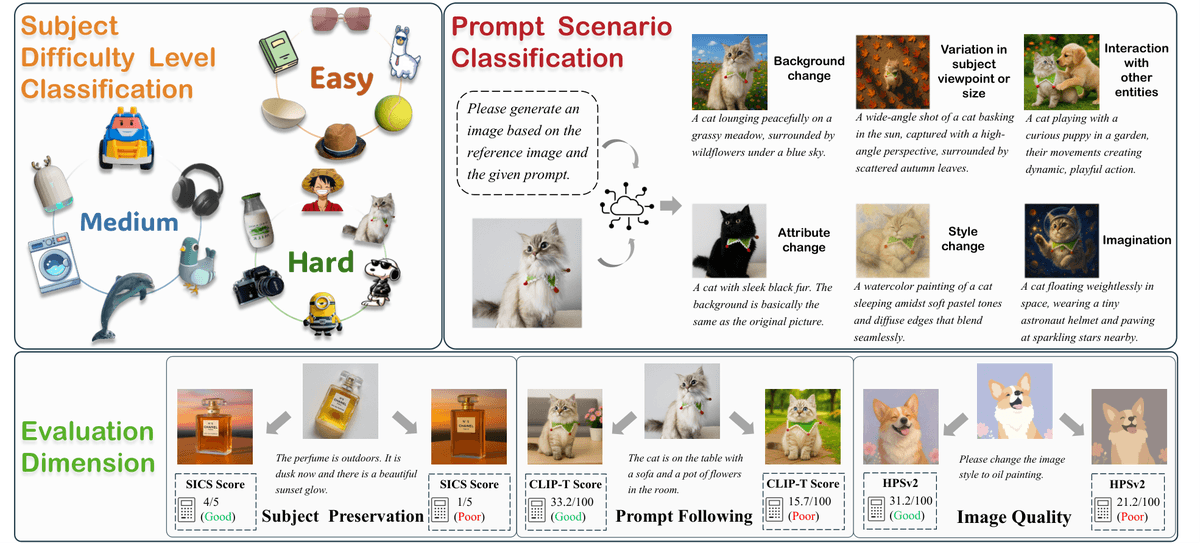
DSH-Bench exposes hidden weaknesses in 19 subject-driven image generation models with a new 459-subject, 5,508-prompt benchmark and a cheaper, more human-aligned evaluation metric
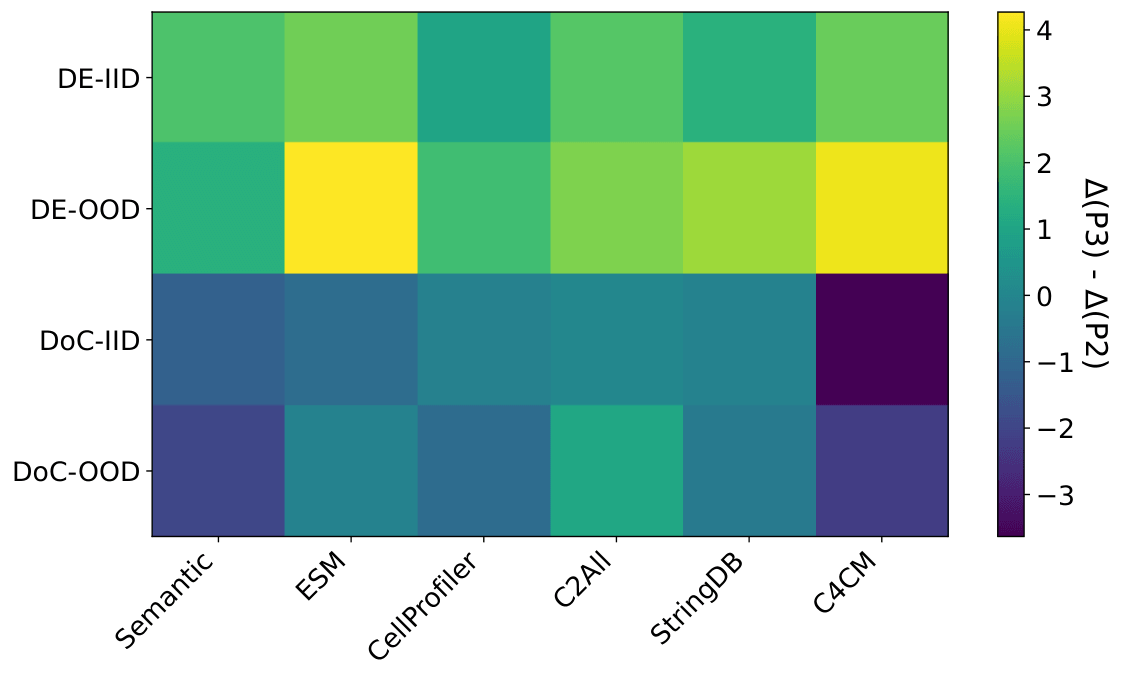
DC-W2S trains reliable Process Reward Models for biological reasoning using only noisy, automatically-generated labels — no expert annotation required — and beats models trained on far larger datasets.
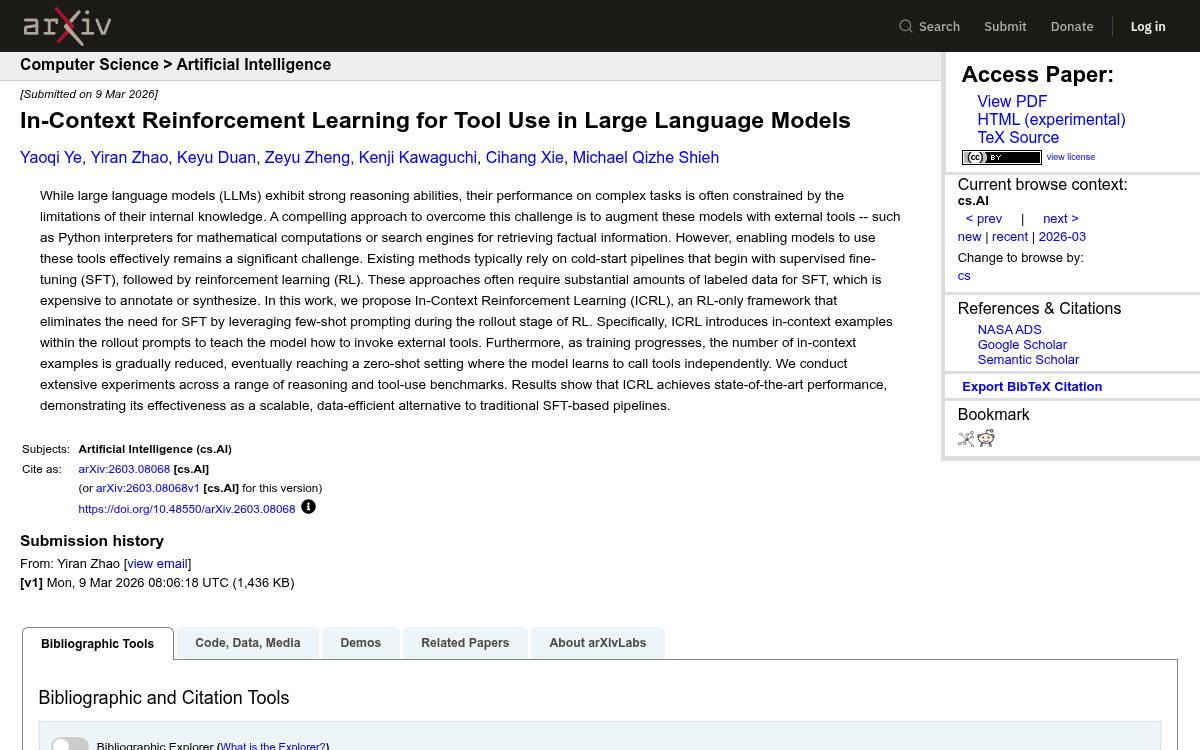
ICRL trains LLMs to use tools like search engines and code interpreters using only RL and a handful of examples, no labeled data required
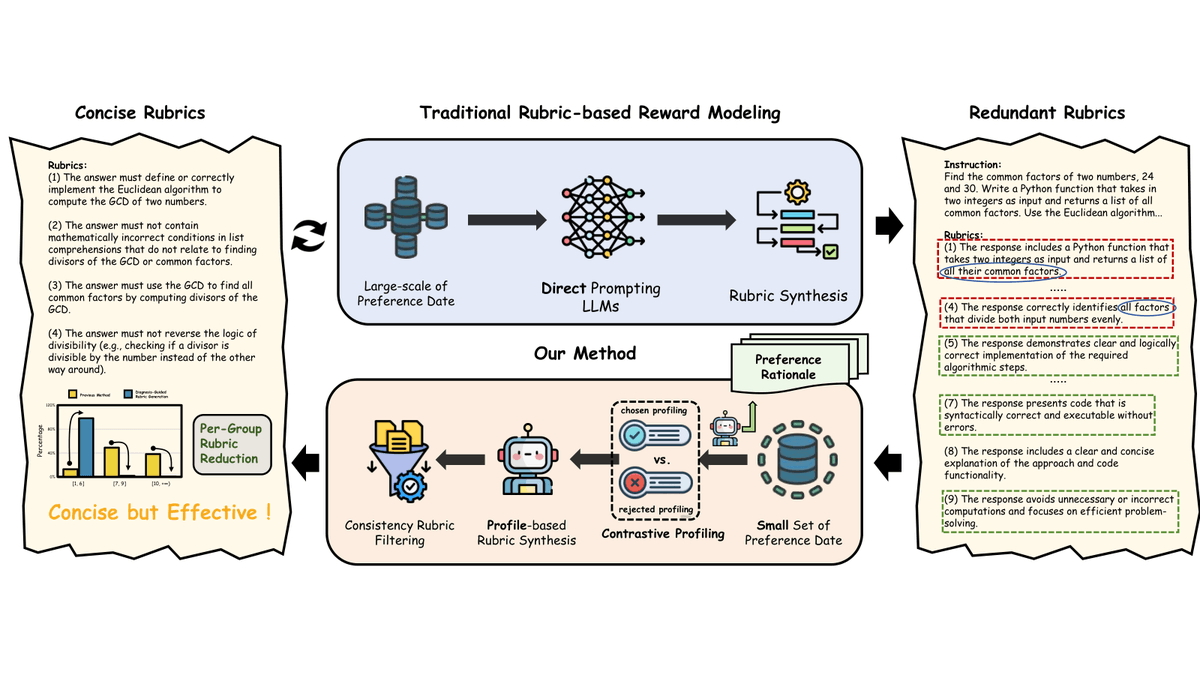
CDRRM uses contrastive analysis to generate precise evaluation rubrics, beating fully fine-tuned reward models with just 3,000 training samples
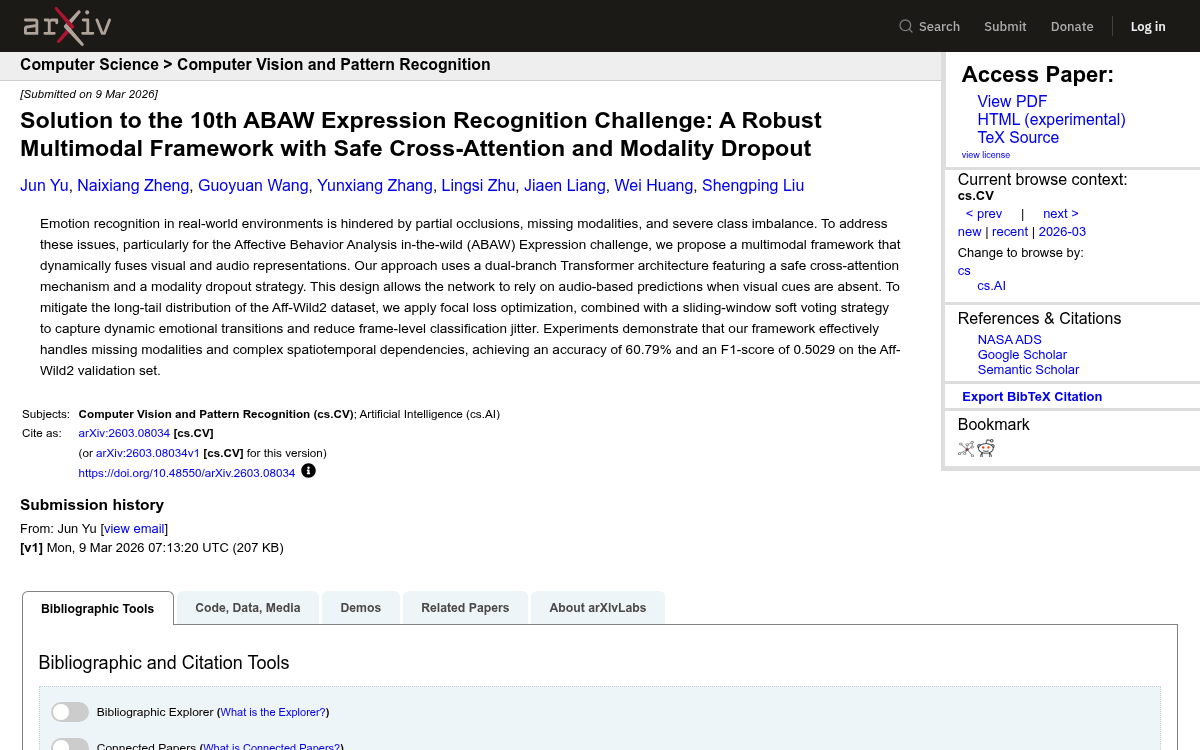
A USTC team's dual-branch Transformer tackles missing faces, skewed emotion data, and noisy video for the ABAW 2026 challenge at CVPR
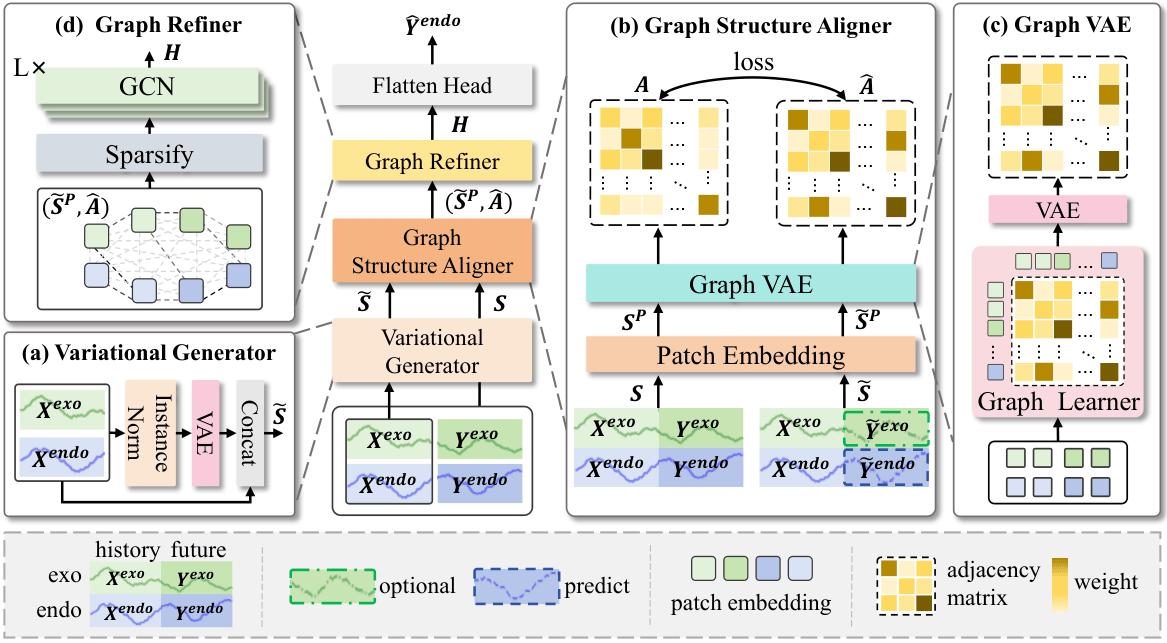
GCGNet jointly models time and channel correlations using graph-consistent generative networks, beating 10 baselines across 12 real-world datasets
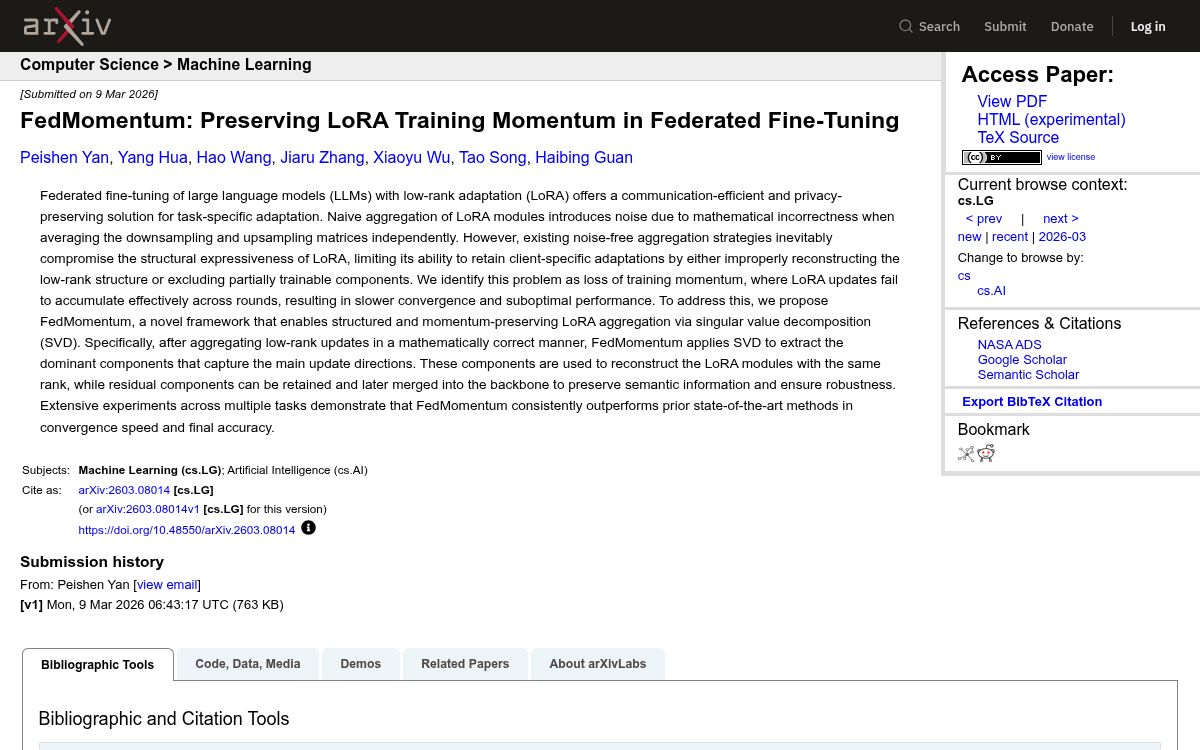
FedMomentum uses SVD to fix a hidden flaw in federated LoRA fine-tuning, achieving up to 219% better accuracy on math reasoning tasks
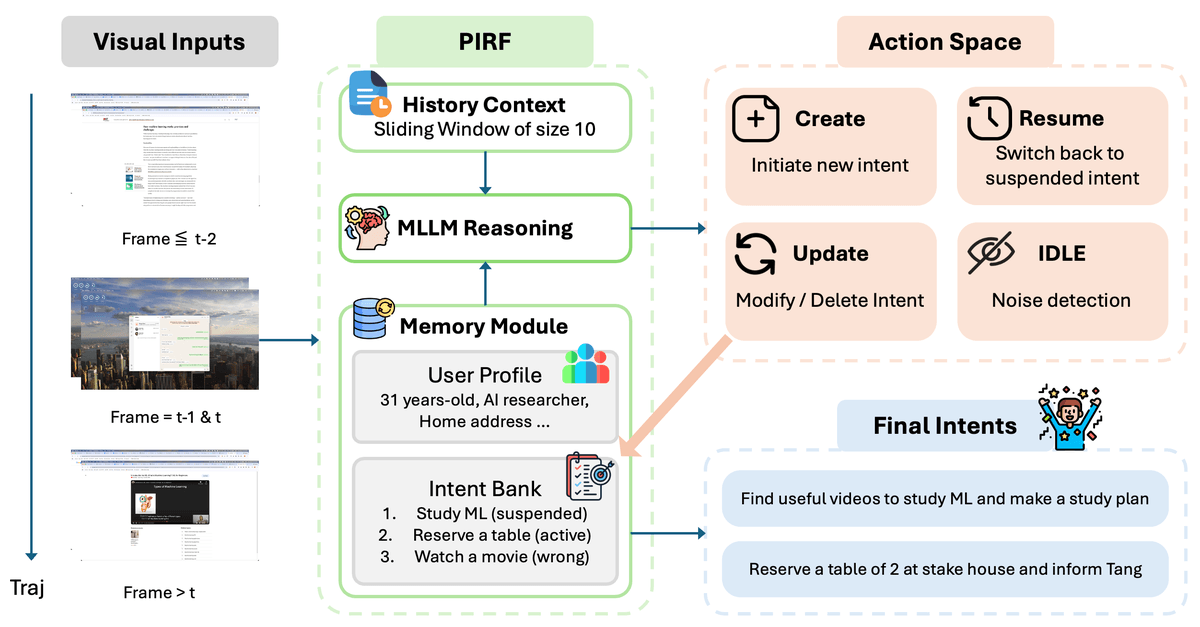
PIRA-Bench challenges multimodal AI to anticipate what you need next — without being asked — by watching your screen
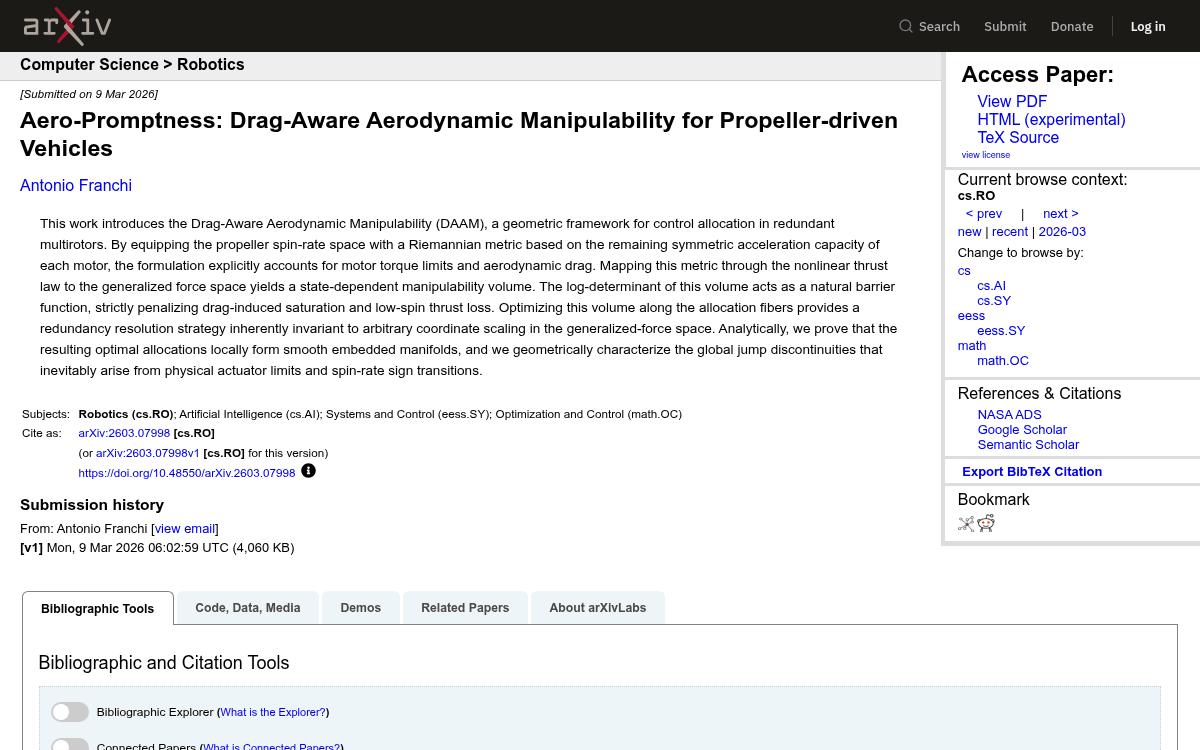
A new geometric framework called DAAM replaces heuristic drone motor allocation with physics-grounded optimization that keeps rotors primed for instant force changes
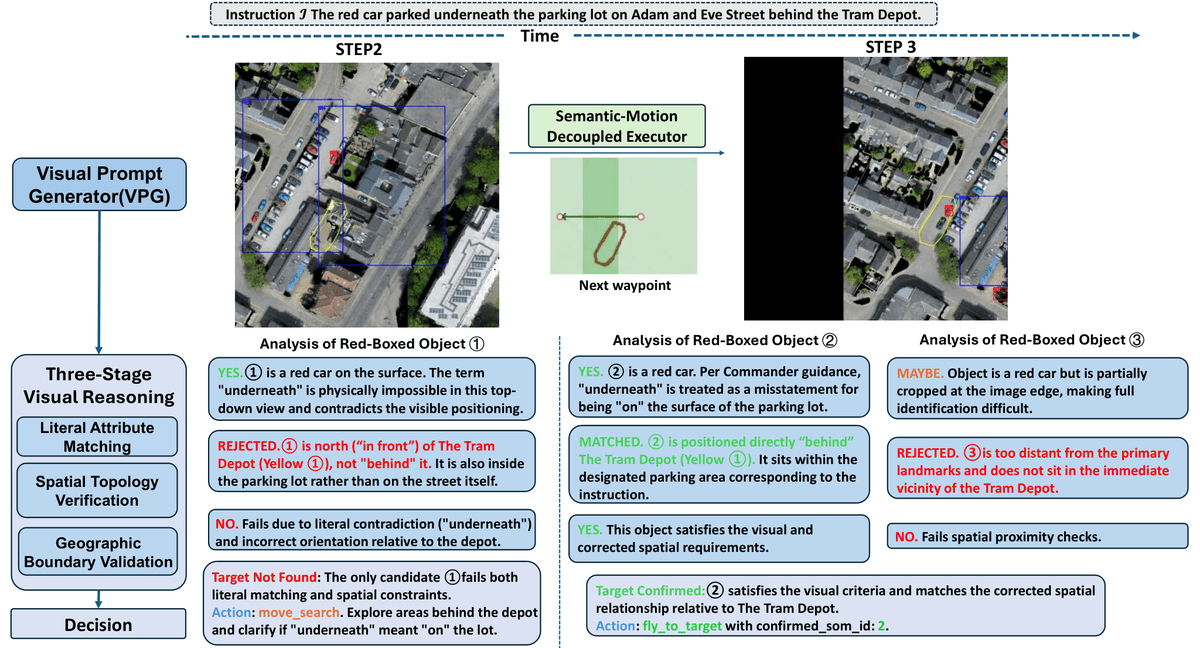
ViSA beats fully trained drone navigation models by 70% using only visual prompting and zero fine-tuning, rethinking how UAVs understand spatial language
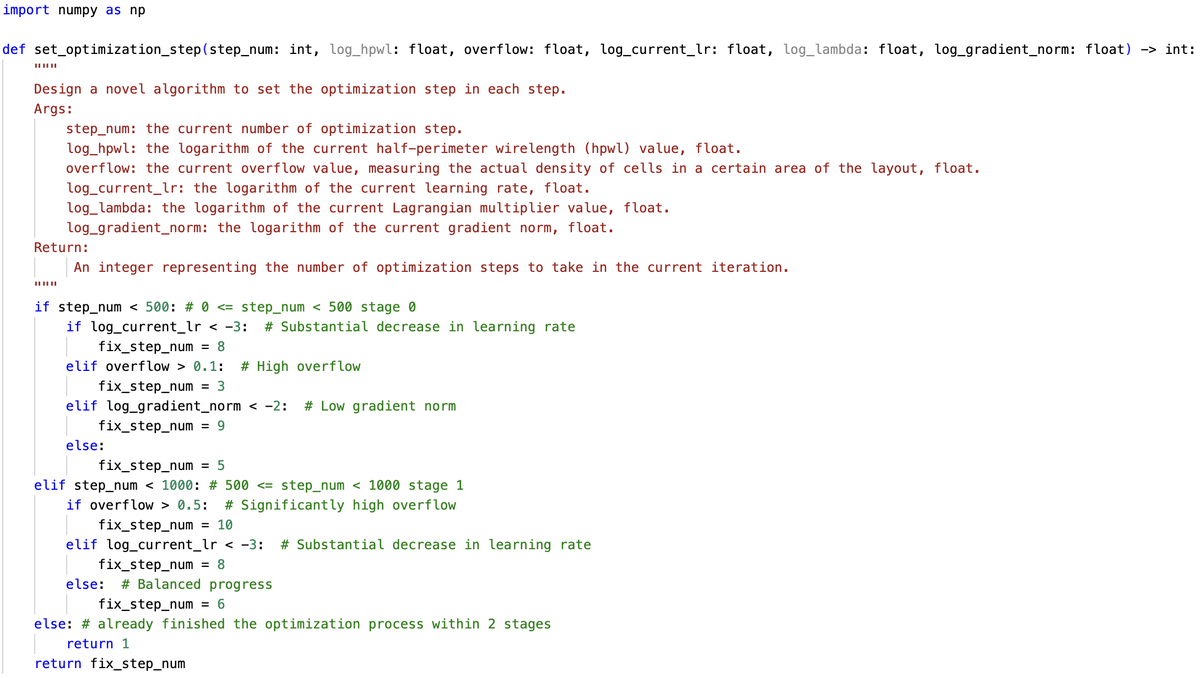
EvoStage uses LLMs to automatically design industrial algorithms stage-by-stage, beating human experts on chip placement with just 25 evaluations
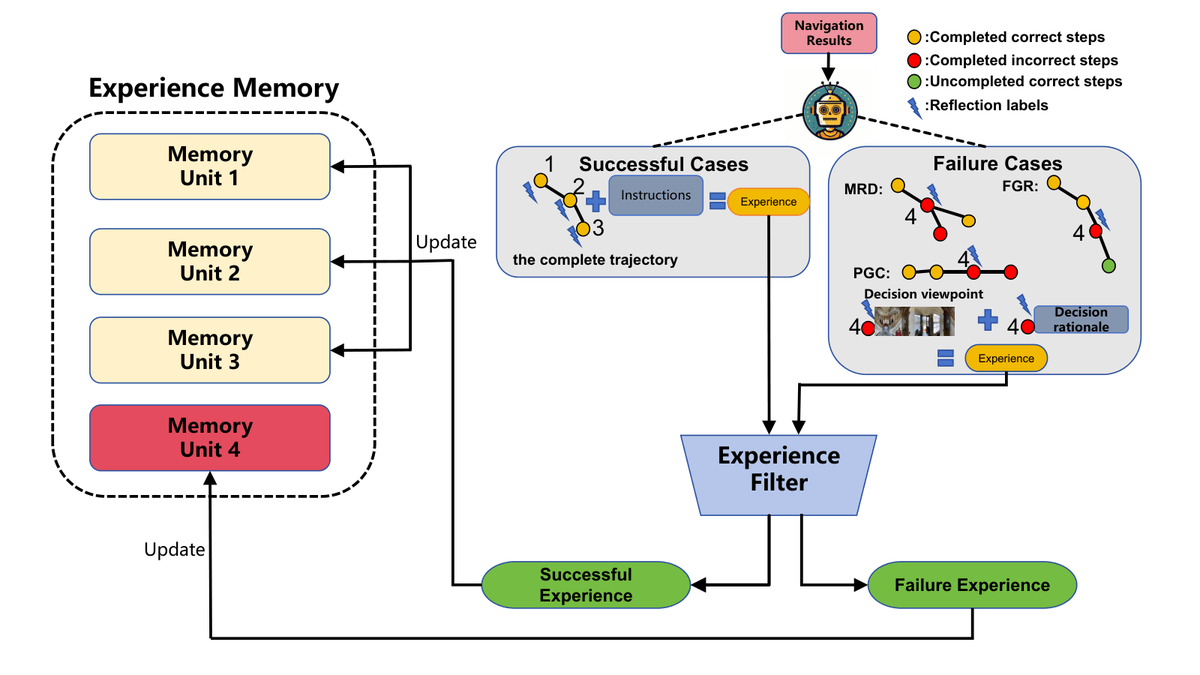
CMMR-VLN gives LLM navigation agents a structured memory and reflection loop, boosting success rates by up to 53% over prior methods on the R2R benchmark
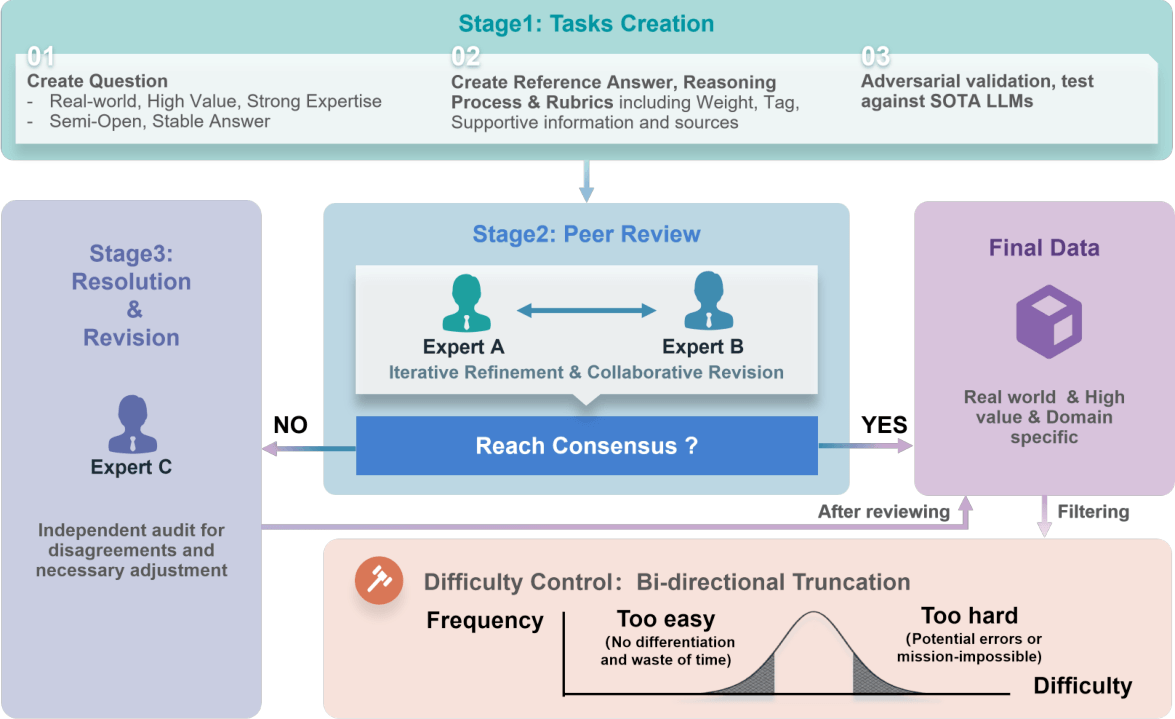
OneMillion-Bench tests 35 frontier AI agents on 400 expert-level professional tasks worth over $1M in labor — and even the best models pass less than half