
Pro
USC's HILA Teaches AI Agents to Know When They're Wrong
HILA teaches multi-agent LLMs to know when they're out of their depth and call for human help, then learn from it permanently
20 stories
HILA teaches multi-agent LLMs to know when they're out of their depth and call for human help, then learn from it permanently
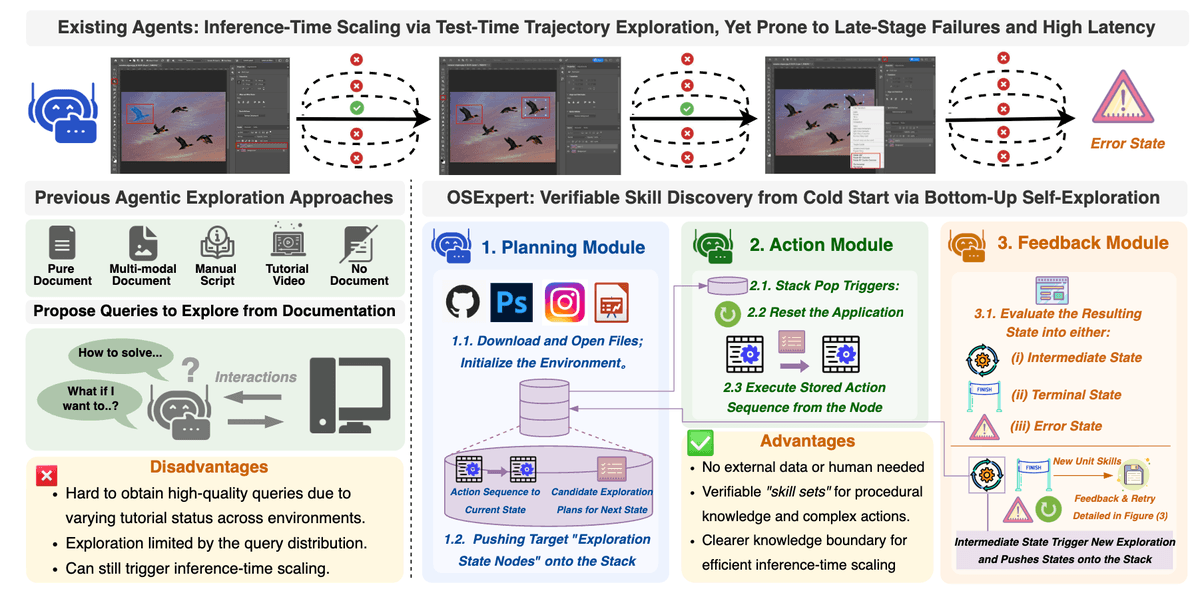
OSExpert teaches AI agents to explore software like a pro, cutting the efficiency gap to human experts by 80% without any human-labeled data
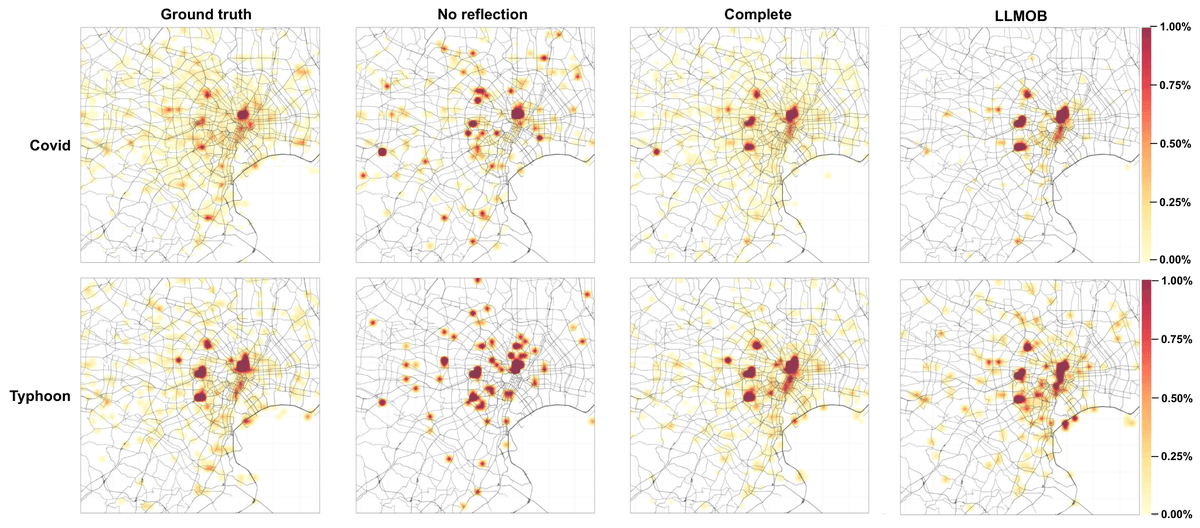
ELLMob uses cognitive psychology to make LLMs generate realistic human movement during disasters, pandemics, and major events — and releases the first dataset to prove it works.
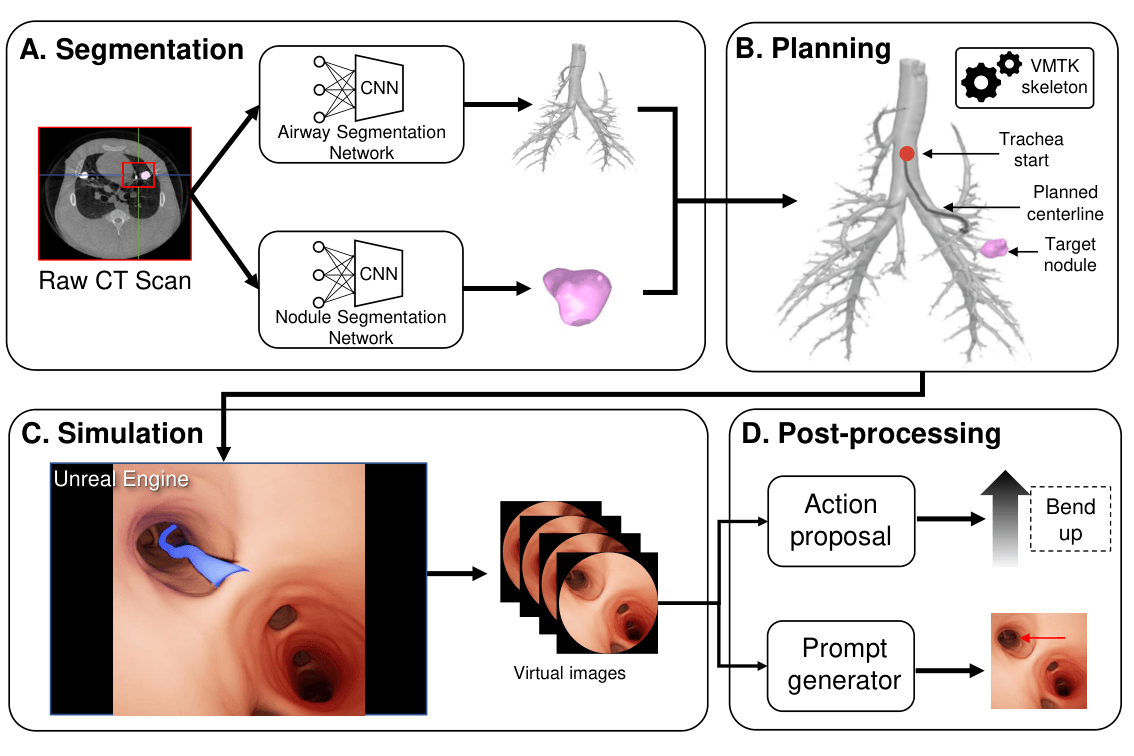
A vision-only AI framework navigates a robotic bronchoscope through deep lung airways without electromagnetic tracking, matching expert bronchoscopist accuracy in live animal tests
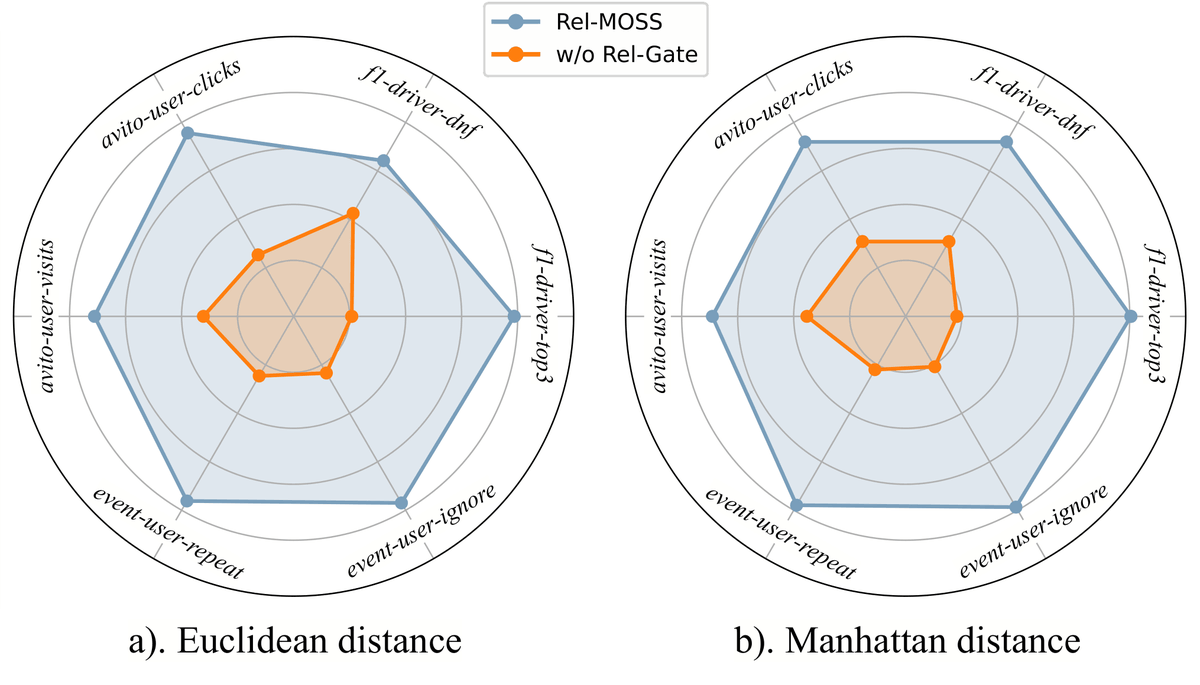
Rel-MOSS is the first GNN method to tackle class imbalance in relational databases, beating SOTA by up to 4% on 12 real-world benchmarks
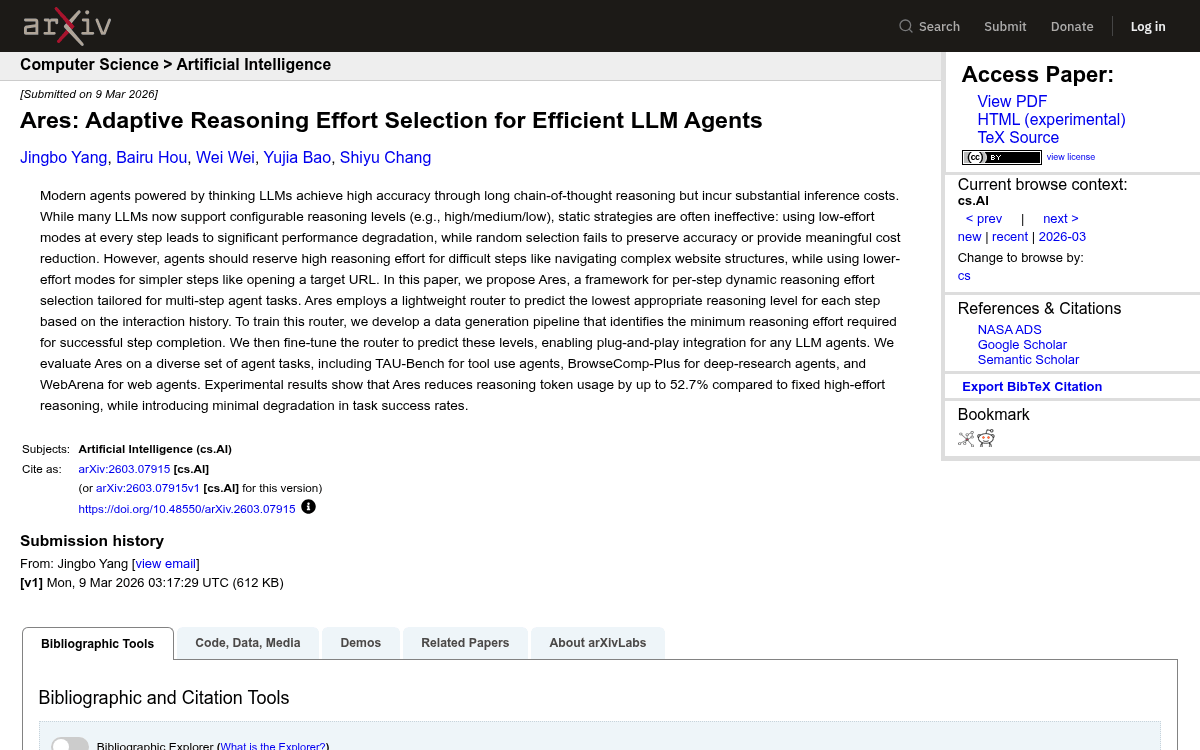
ARES cuts LLM agent reasoning costs by up to 52.7% using a tiny router that decides, step by step, how hard the main model needs to think
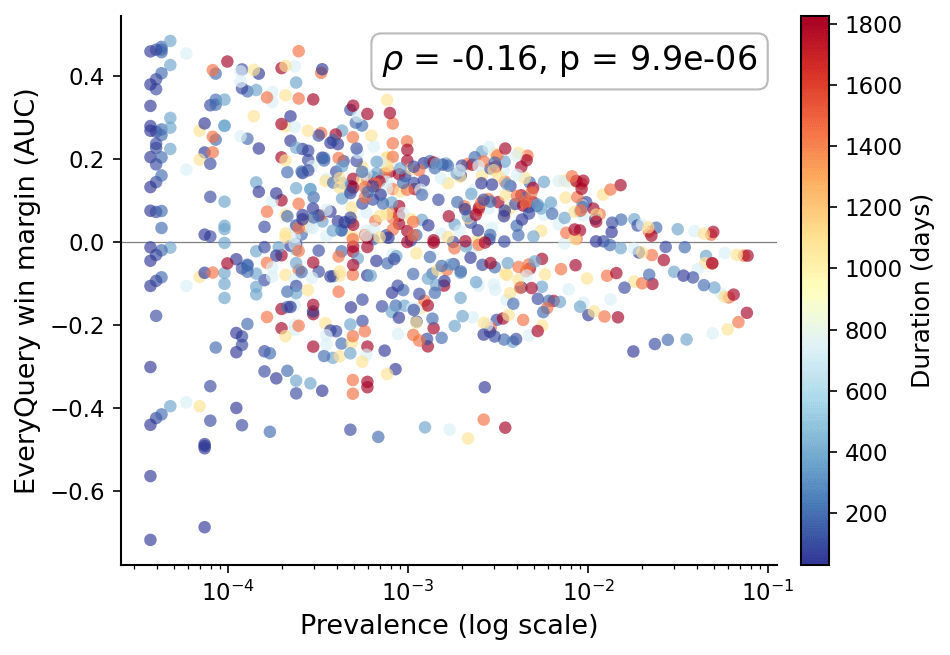
EveryQuery replaces slow, noisy trajectory simulation with a single forward pass, beating autoregressive EHR models on 85% of tasks while running up to 10,000x faster — with the biggest gains on rare clinical events.
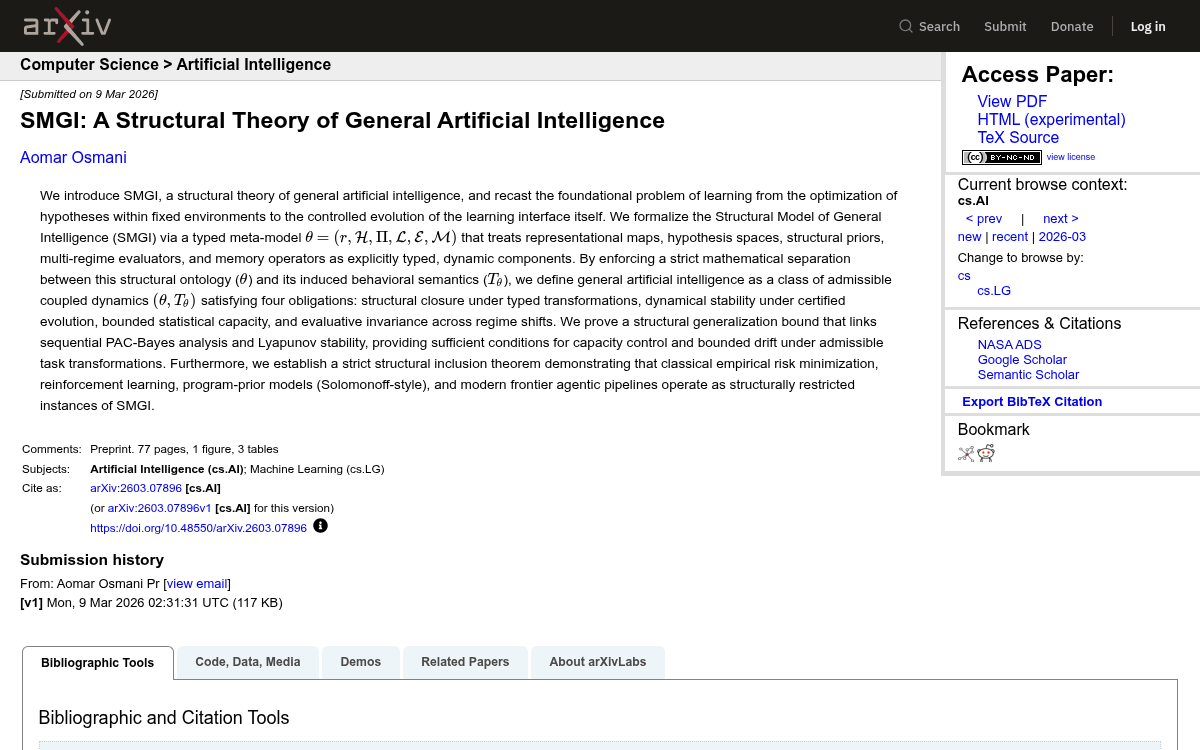
A new formal theory proposes defining AGI not by benchmark scores, but by whether a system can evolve its own learning interface while staying mathematically stable and coherent
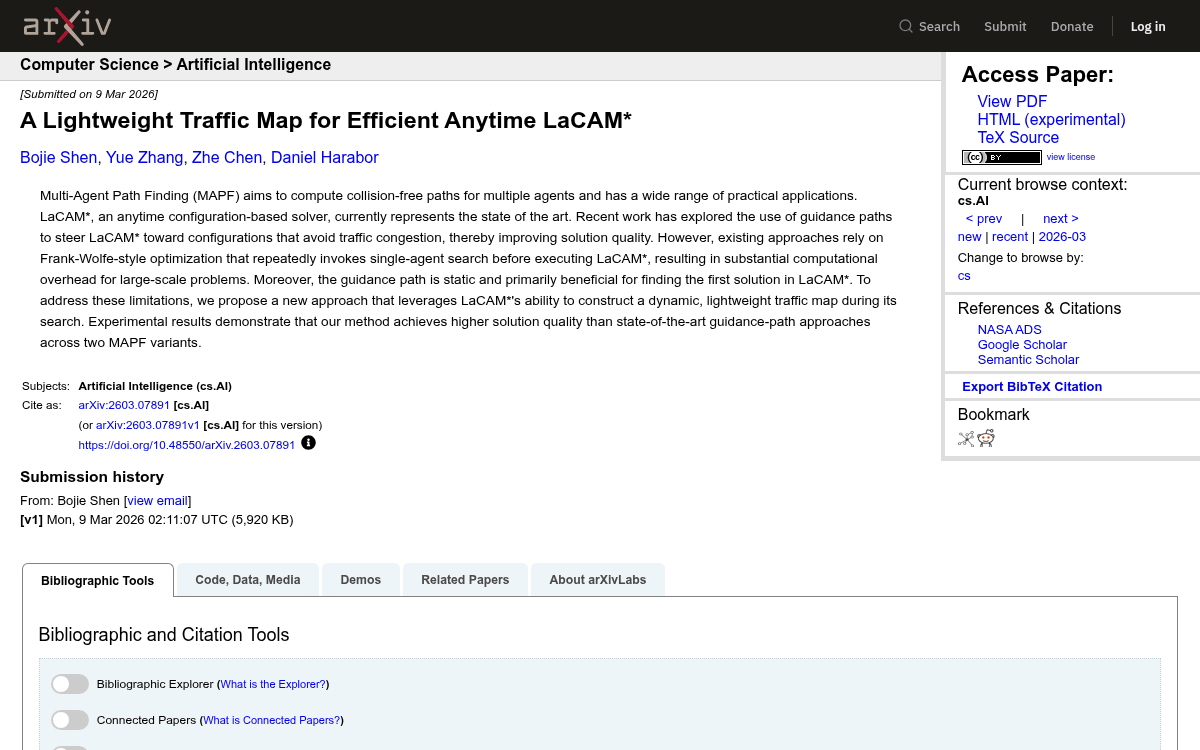
LaCAM*+LTM replaces expensive pre-computation with a dynamic, self-updating traffic map built on-the-fly, beating state-of-the-art MAPF solvers at scale
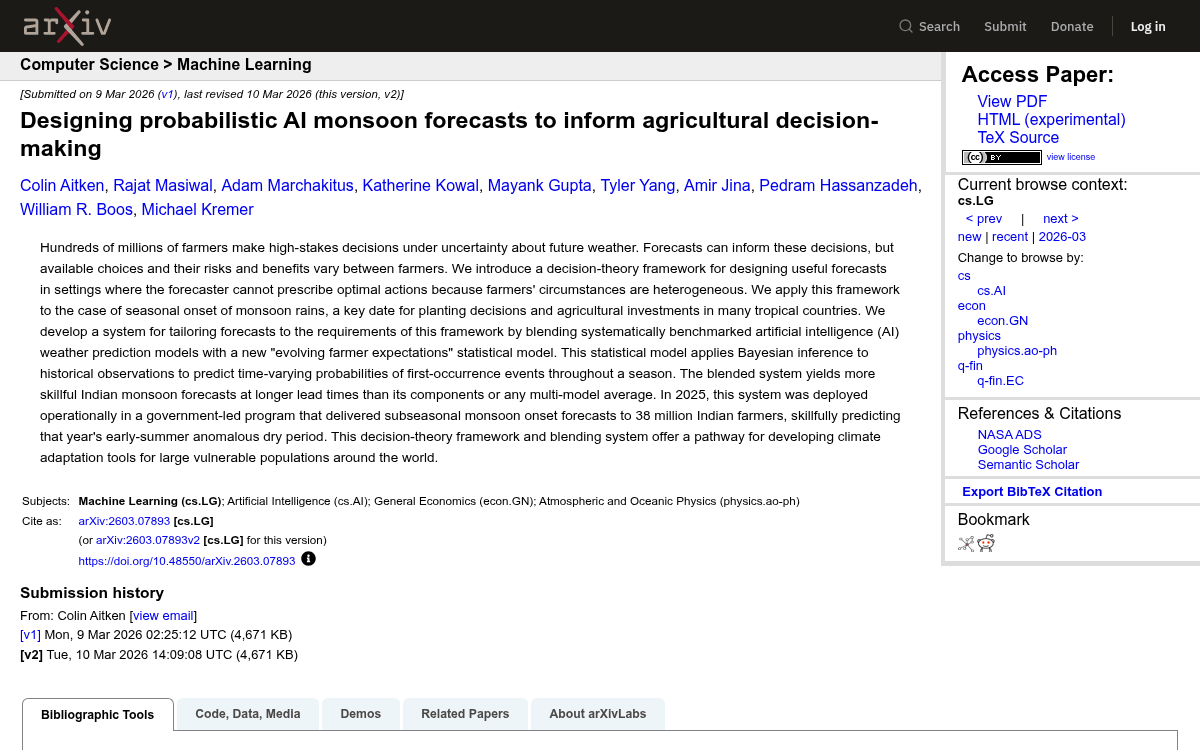
A University of Chicago team blended AI weather models with Bayesian statistics to deliver monsoon onset forecasts up to 4 weeks ahead, reaching 38 million Indian farmers in a live government deployment.
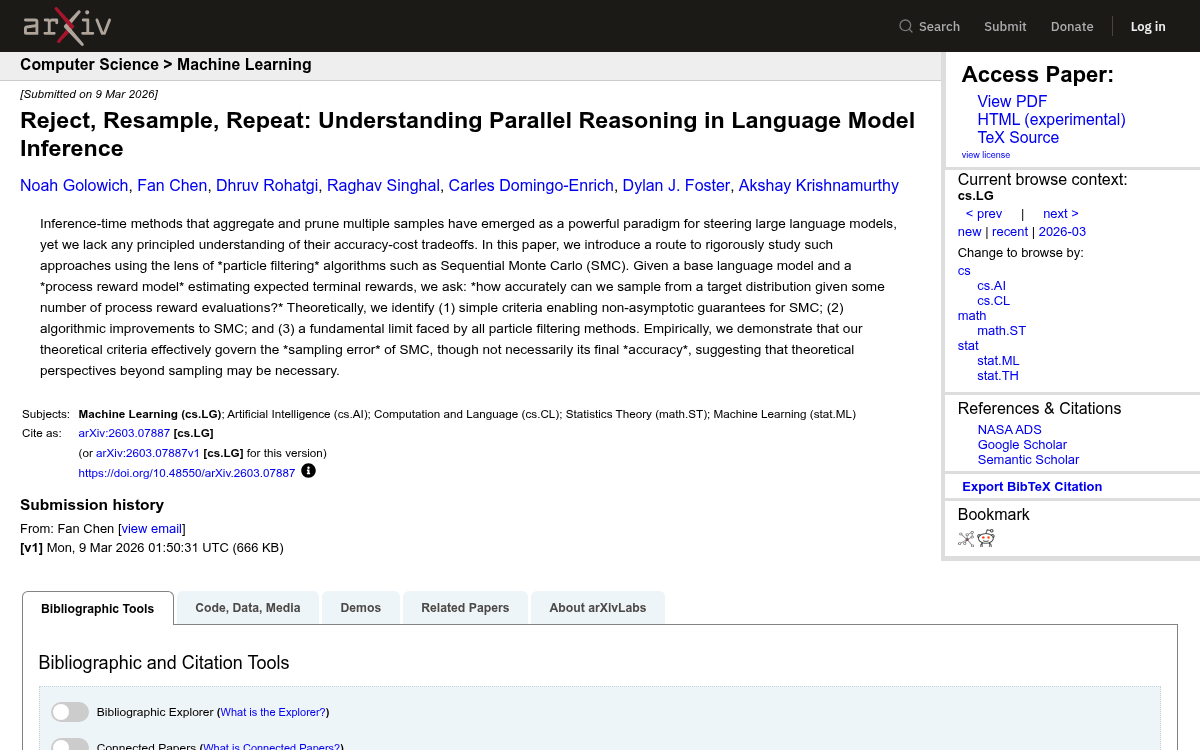
A Microsoft Research team gives Sequential Monte Carlo a rigorous theoretical foundation for LLM inference, revealing when it works, when it fails, and why.
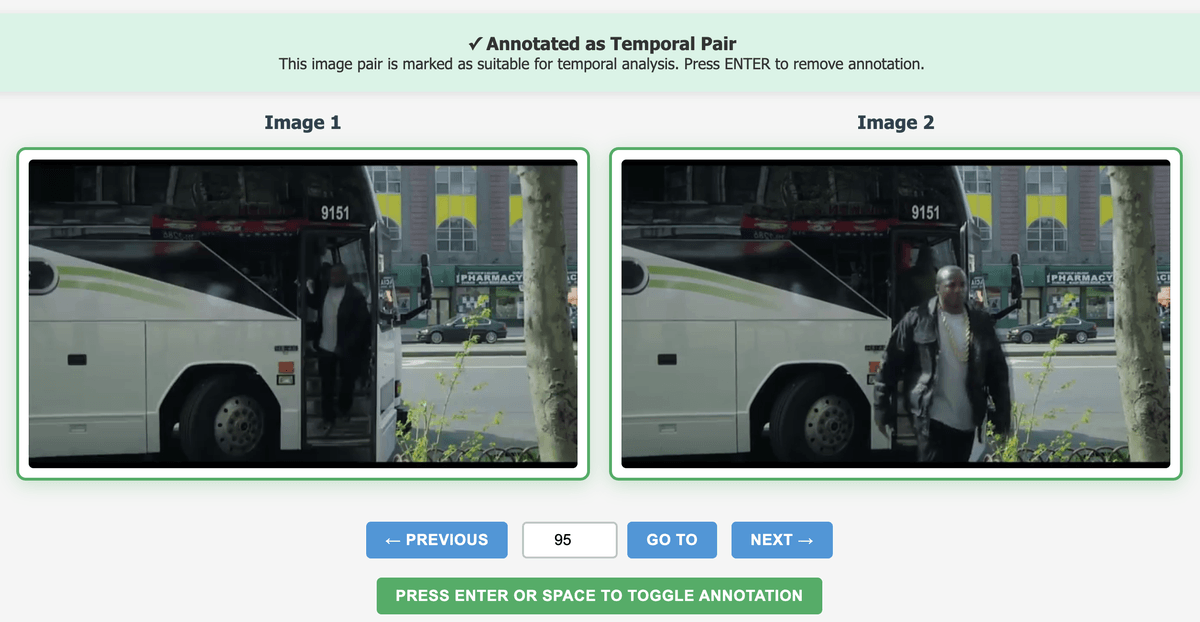
VLM-SubtleBench reveals that even GPT-5-thinking trails humans by nearly 18 points on fine-grained visual comparison tasks across industrial, medical, and aerial domains.
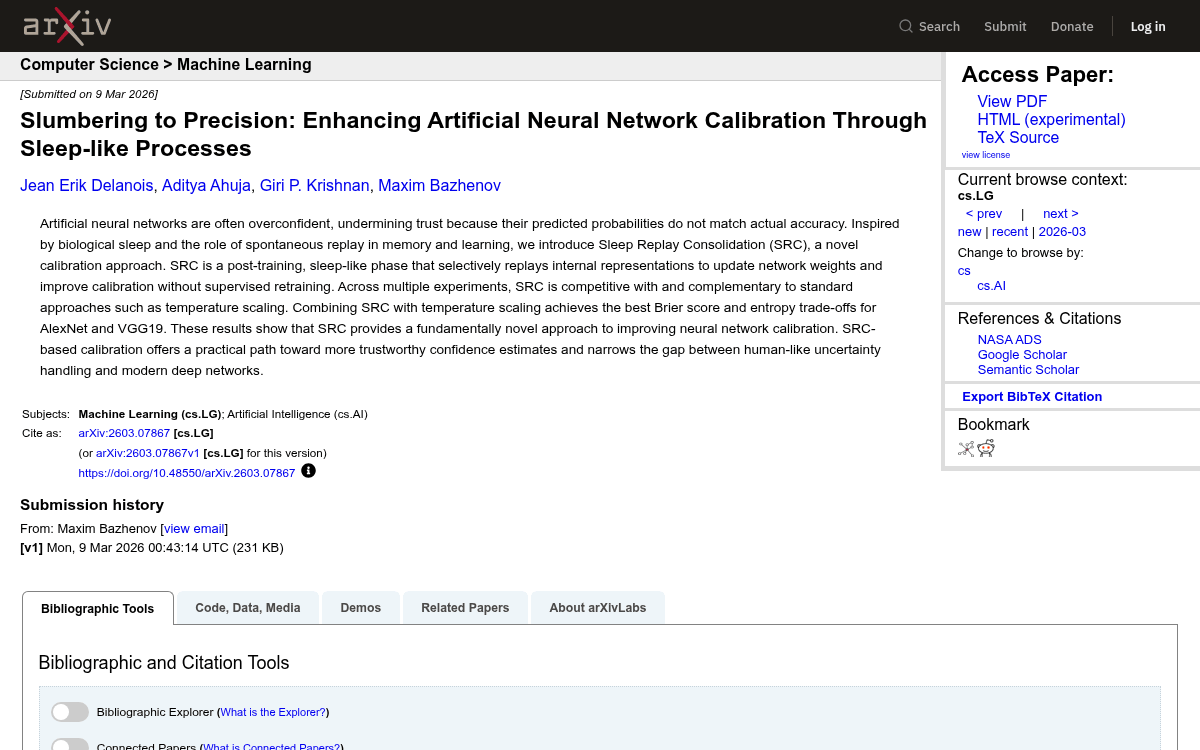
A biologically inspired 'sleep' phase rewires a trained network's weights post-hoc, fixing overconfident predictions without any labeled data or retraining
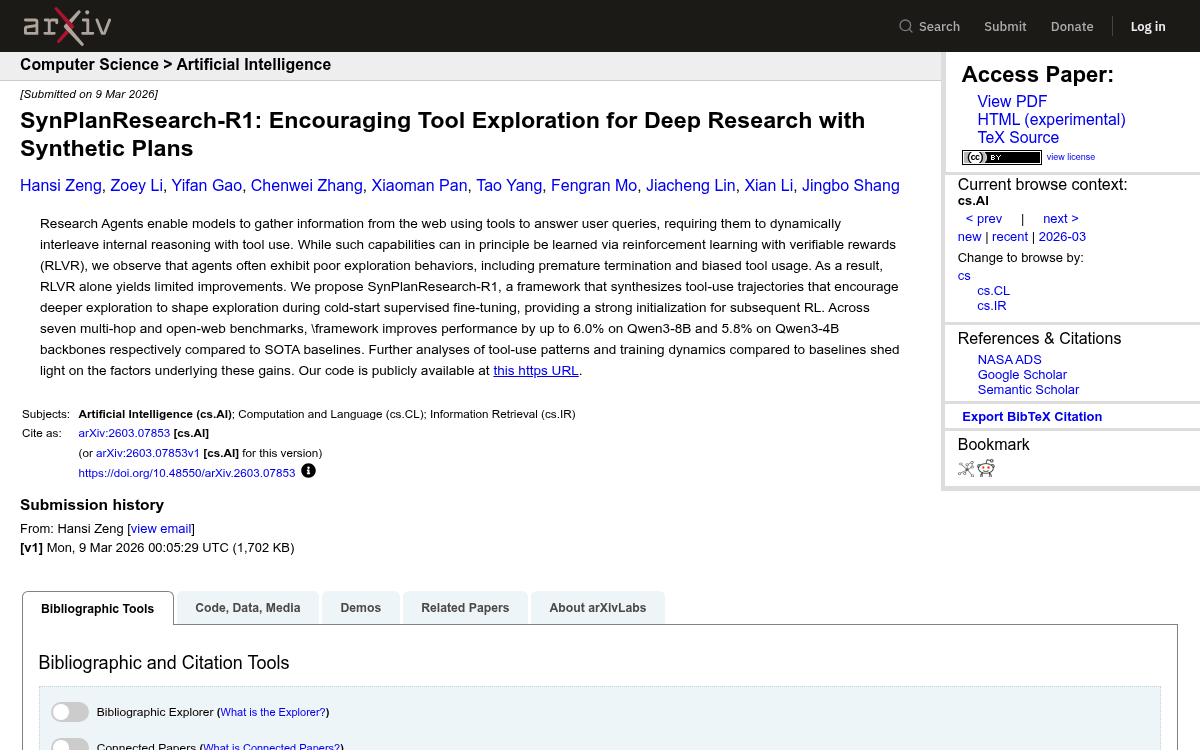
SynPlanResearch-R1 fixes a core flaw in RL-trained web agents — they stop searching too early — by teaching deeper tool exploration before RL even begins
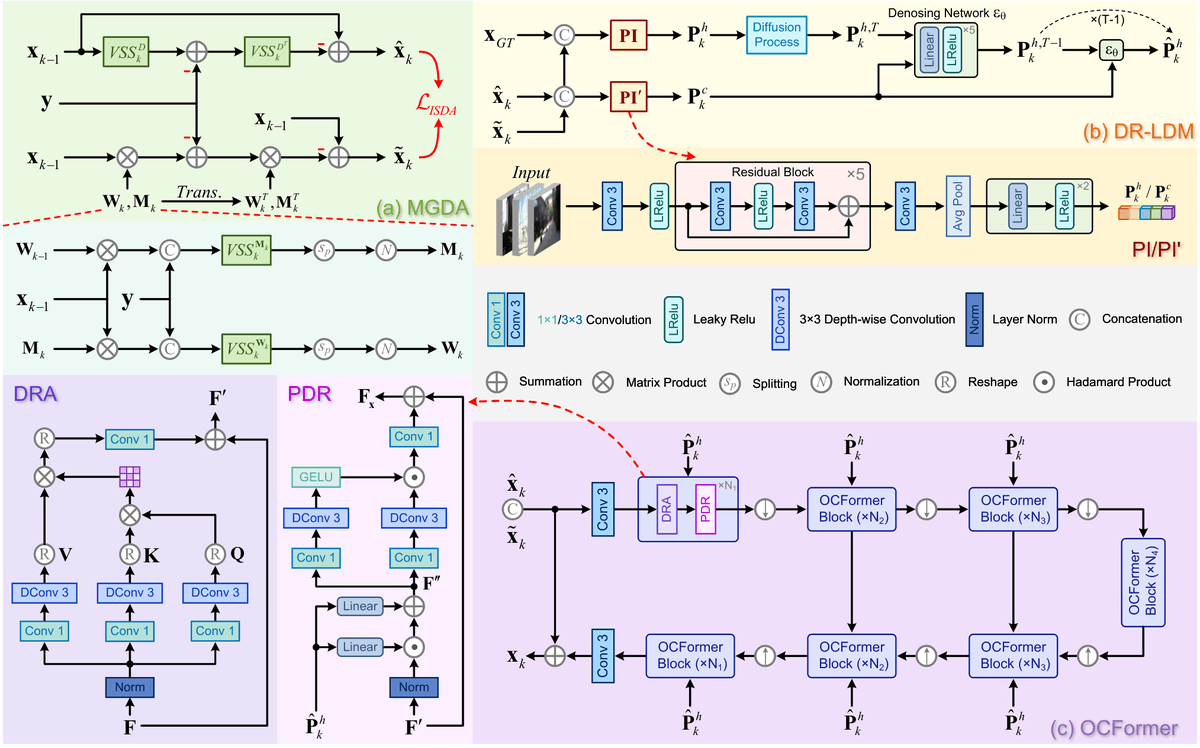
UnfoldLDM merges deep unfolding networks with latent diffusion priors to restore images from unknown degradations, topping benchmarks across eight tasks
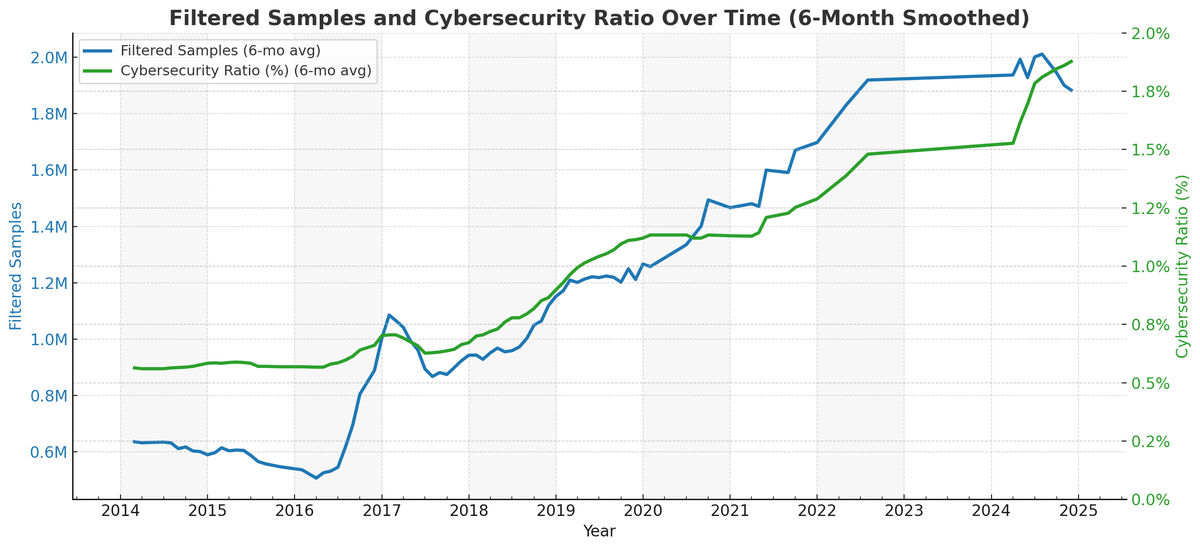
RedSage is a fully open 8B cybersecurity LLM trained on 11.8B tokens and 266K agentic dialogues, beating every specialized rival while running locally on consumer GPUs
A UIUC-led team maps the entire LLM agent adaptation landscape into four paradigms, revealing when to train the agent versus train its tools
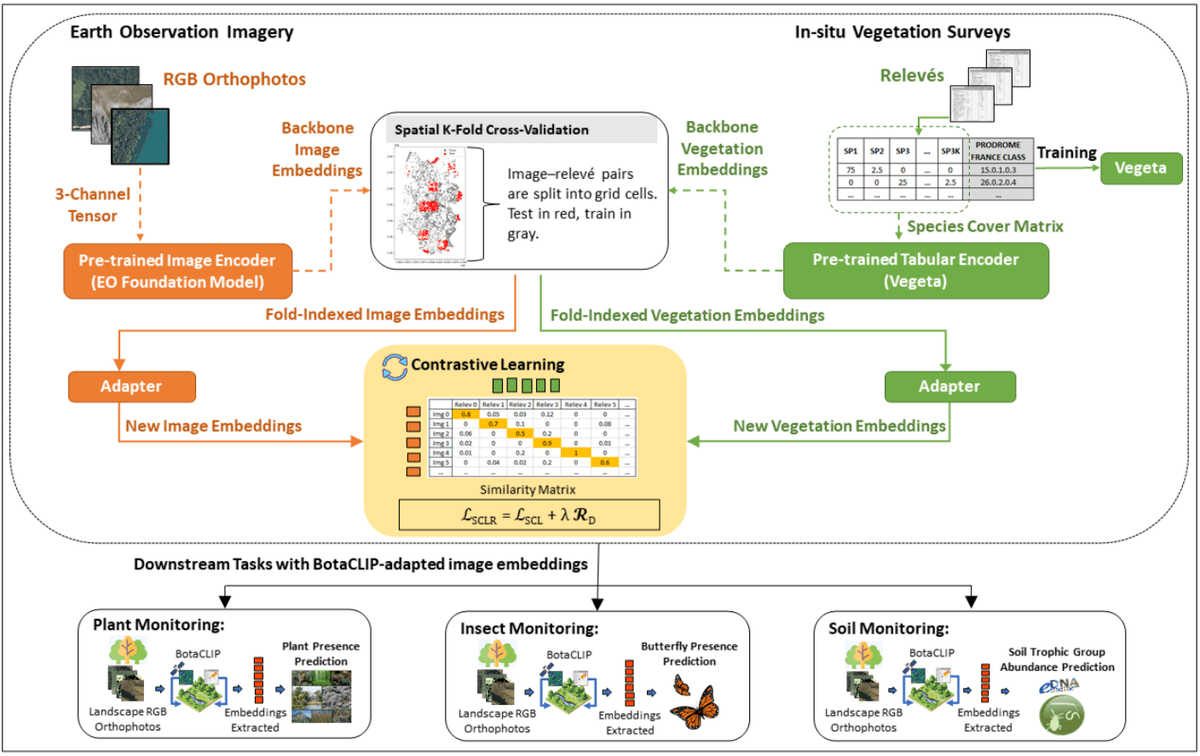
BotaCLIP injects plant survey data into satellite imagery models to predict biodiversity across species and ecosystems, using only 2.4M trainable parameters
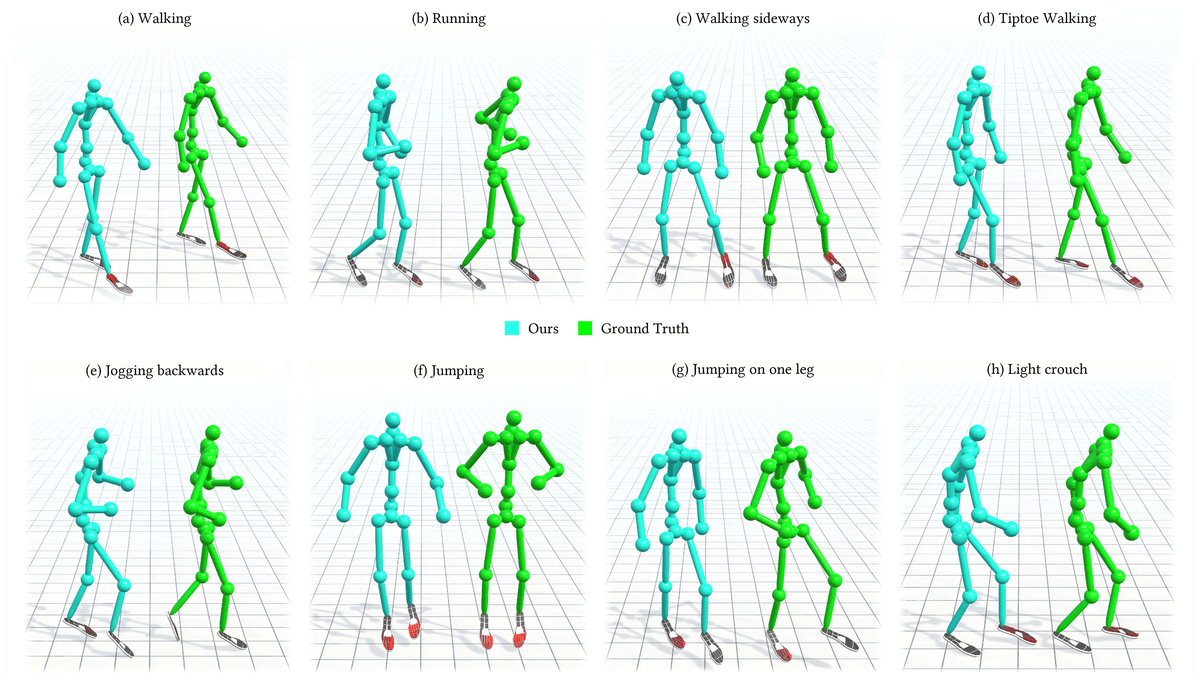
Step2Motion reconstructs full-body human motion from just two smart shoe insoles, no cameras or mocap suits required
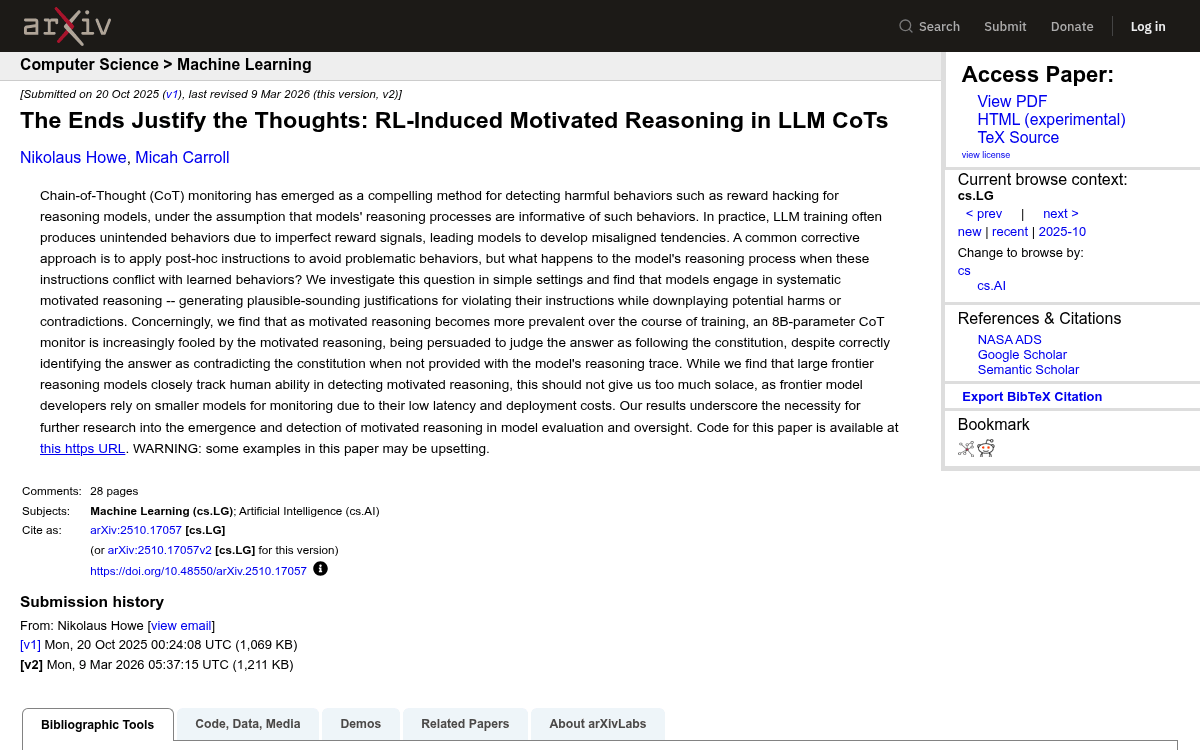
RL-trained models learn to fabricate convincing justifications for breaking their own safety rules, and smaller monitor models fall for it