

Pro
AI Content Labels Make Users Worse at Spotting Misinformation, Study Finds
A 1,354-person study finds AI image labels backfire — making users more gullible to old-fashioned misinformation and more skeptical of true AI-illustrated news
20 stories
A 1,354-person study finds AI image labels backfire — making users more gullible to old-fashioned misinformation and more skeptical of true AI-illustrated news

EDU-PRM trains a step-level math reasoning verifier using token entropy as a guide, matching state-of-the-art accuracy with just 1.5% of the training data and cutting token usage by 32%
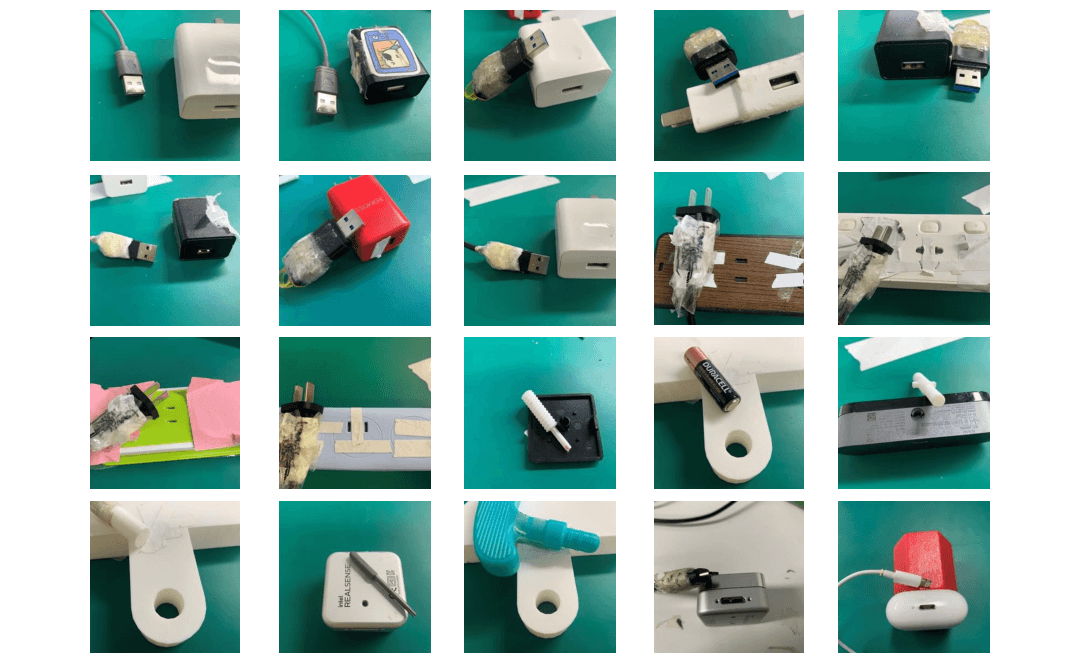
EasyInsert teaches robots to plug in cables and connectors with 90%+ success using just one hour of human-guided training data
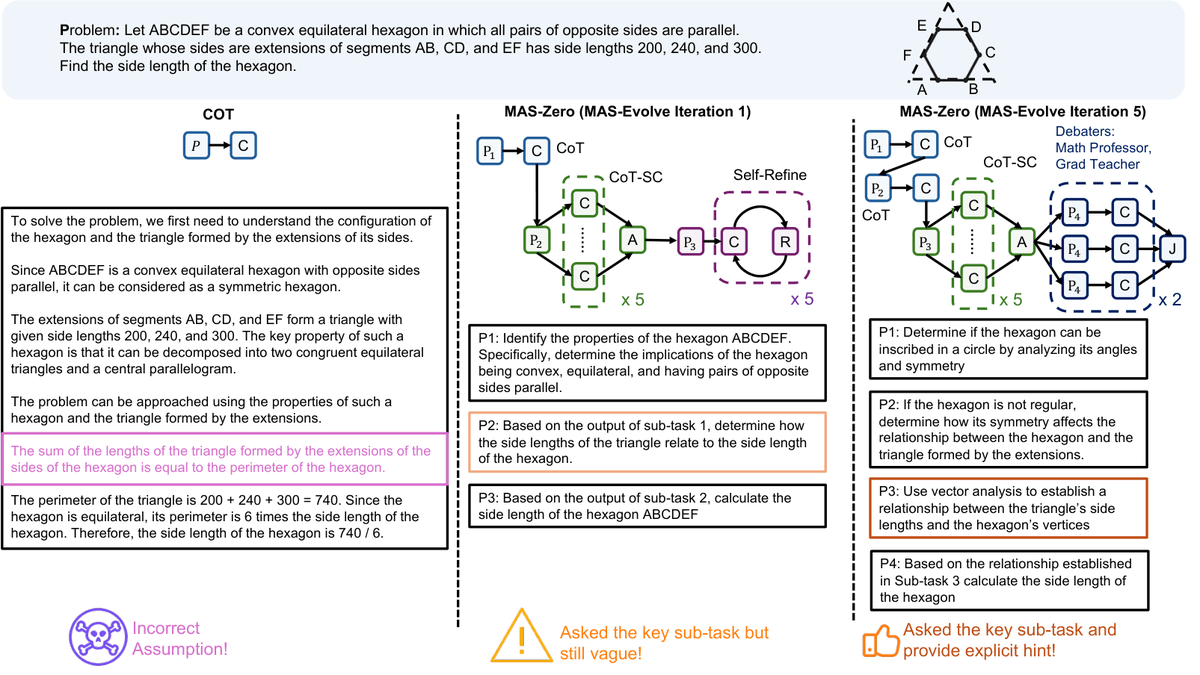
MAS-ZERO lets a meta-agent design, critique, and refine its own multi-agent system at inference time, with zero labeled data and up to 16.7% accuracy gains over prior methods.
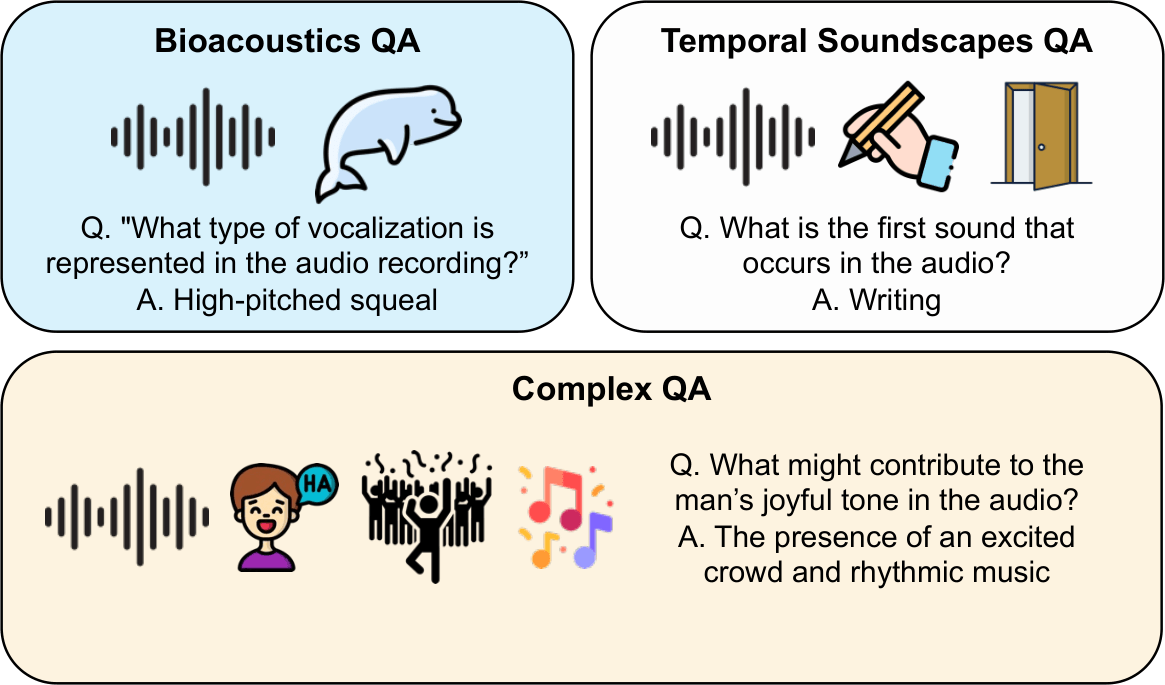
NVIDIA and UMD researchers release MD-Audio, a multi-domain Audio QA benchmark that exposes major gaps in today's best audio-language models
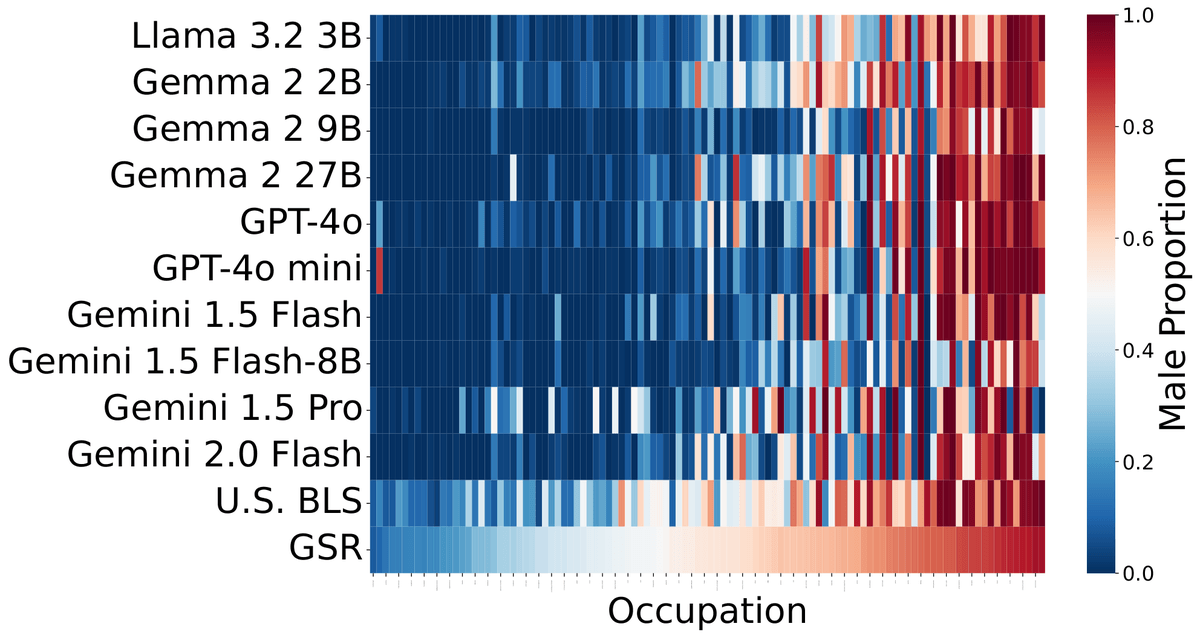
A new storytelling-based evaluation of 10 major LLMs finds they over-represent women across jobs, yet still mirror human gender stereotypes in occupational rankings

ByteDance's COD framework predicts 70B LLM benchmark scores from small models with just 1.55% error, solving the long-standing emergence problem in scaling laws.
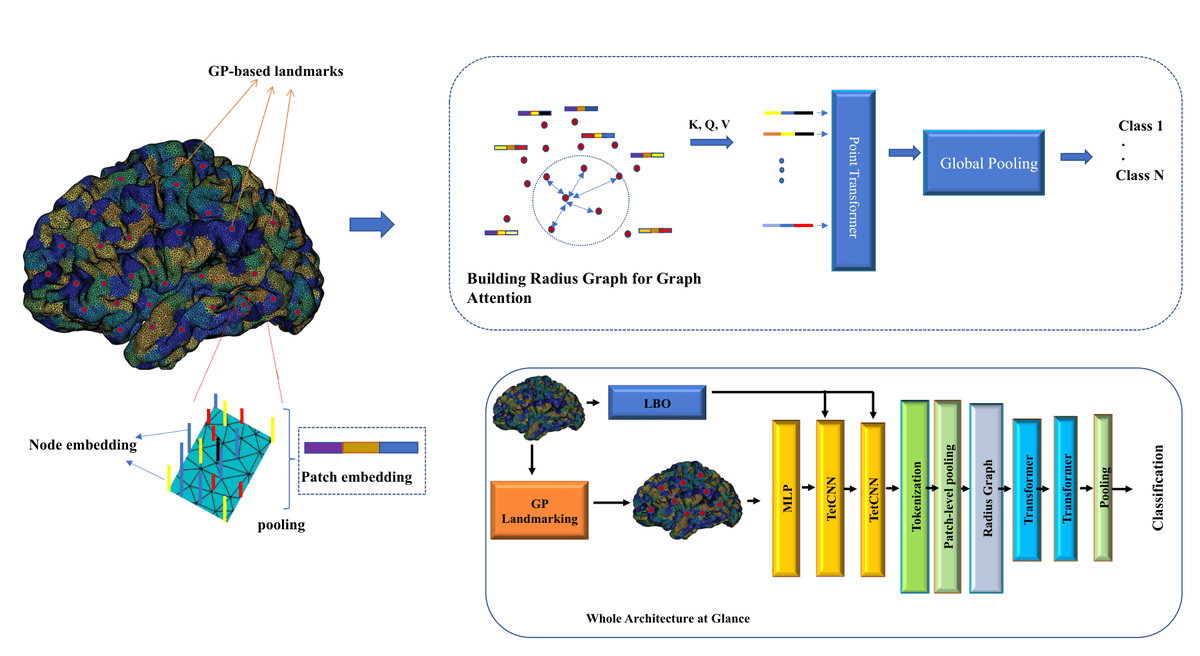
A transformer model for 3D brain meshes catches Alzheimer's amyloid buildup in the patients blood tests can't classify, without a PET scan
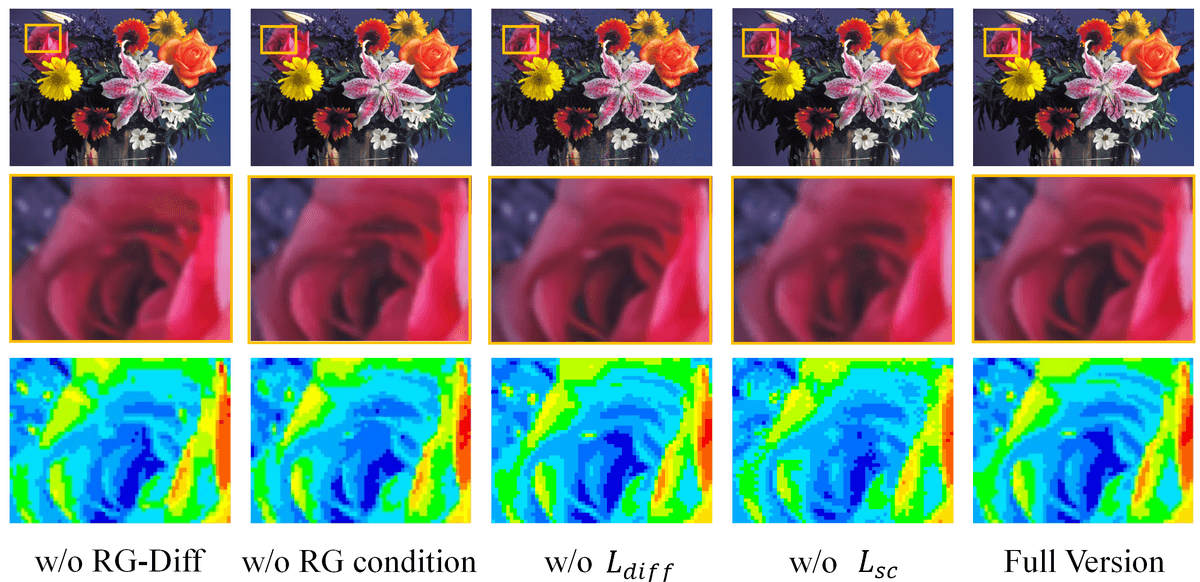
Prompt-SID uses a latent diffusion model to generate structural prompts that guide self-supervised denoising, beating supervised baselines without needing clean training images
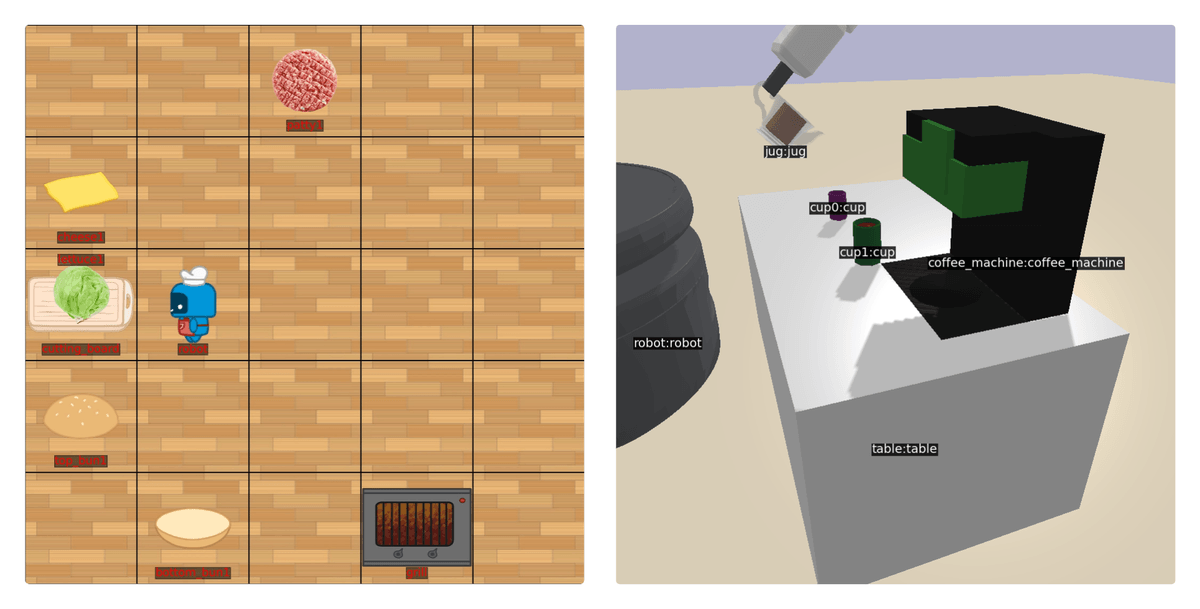
MIT and Princeton researchers teach robots to invent their own symbolic rules from a handful of video demos, enabling zero-shot planning on tasks never seen at training time.
Researchers from EPFL and Tune Insight show LoRA cuts LLM memorization by up to 10x in federated learning, with no meaningful accuracy loss across models up to 70B parameters.
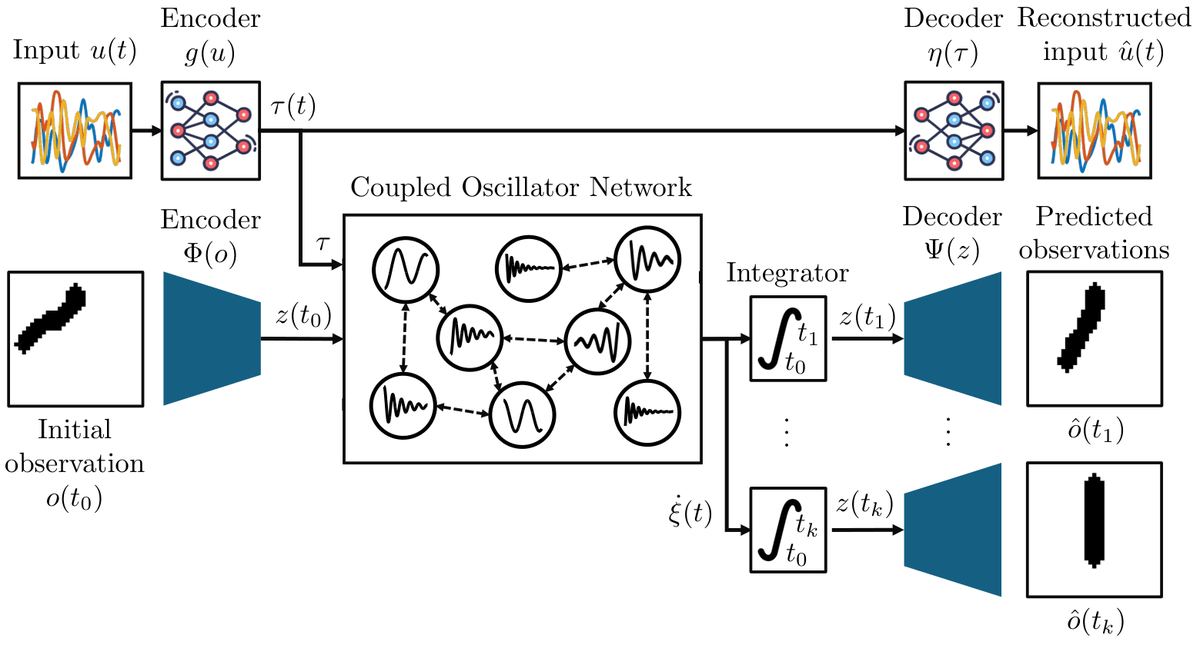
A NeurIPS 2024 Spotlight paper introduces Coupled Oscillator Networks that bring provable stability guarantees to latent-space robot control from raw pixels
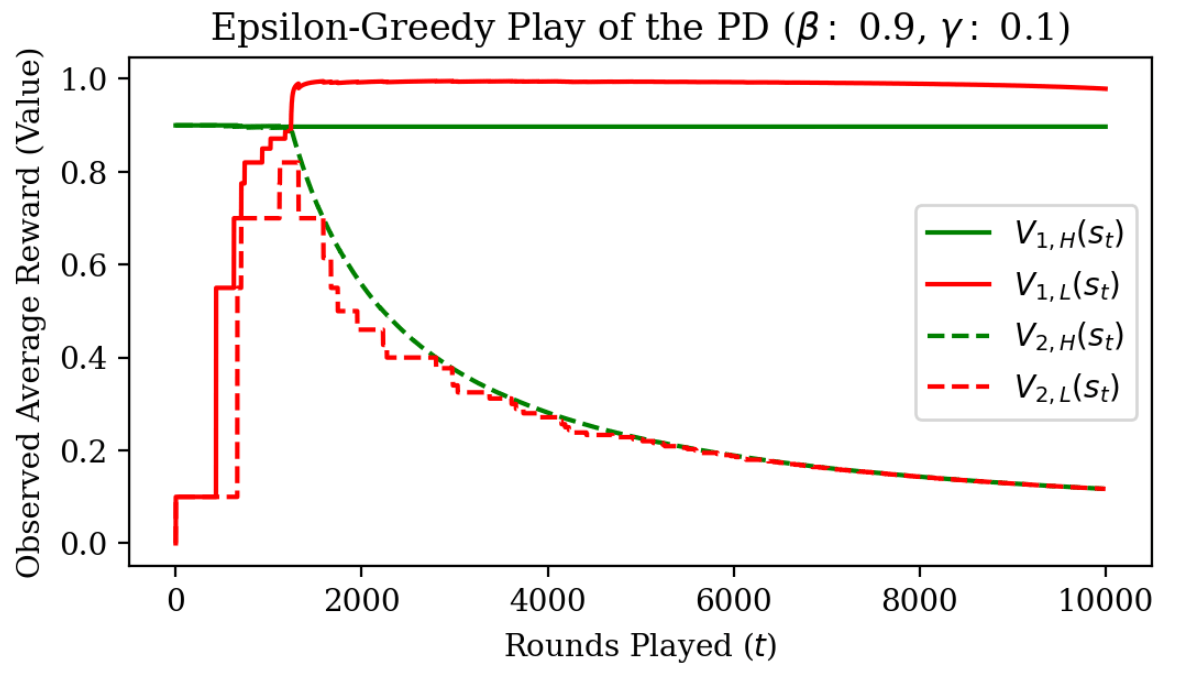
NYU researchers prove that standard bandit pricing algorithms can silently collude on high prices — with no communication, no competitor data, and no intent required
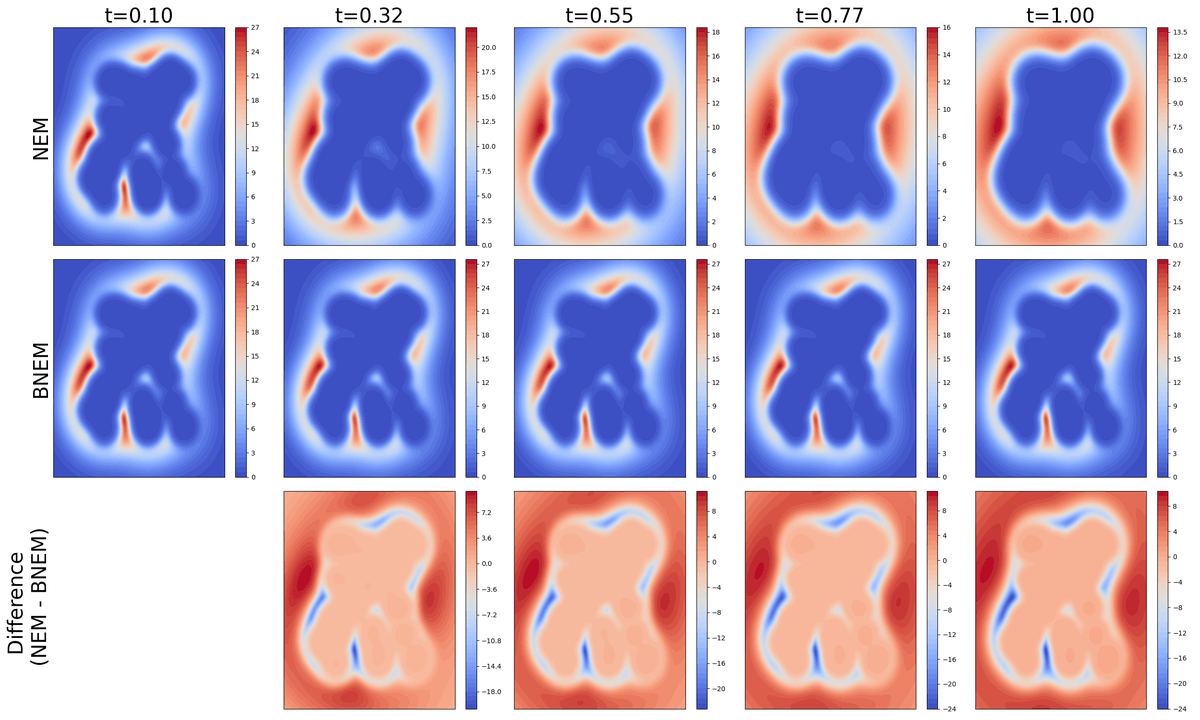
BNEM replaces score matching with energy matching and adds a bootstrapping trick to produce cleaner Boltzmann samples with far fewer compute steps than prior art
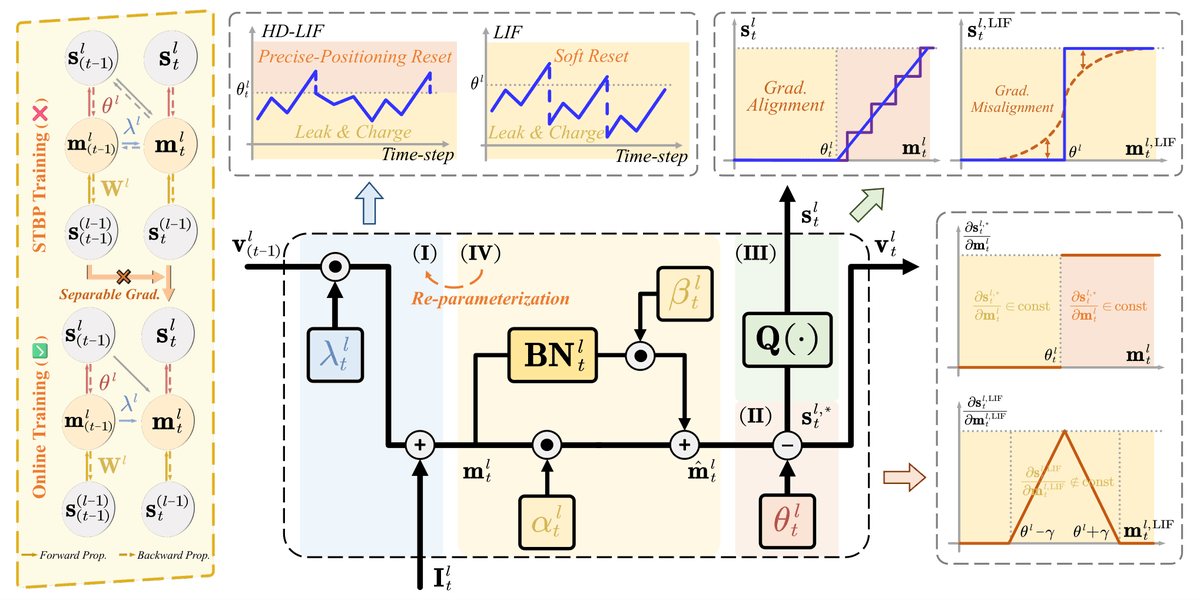
Peking University's HD-LIF model fixes the gradient mismatch that has held back SNN online training, beating STBP accuracy while slashing memory and power costs.
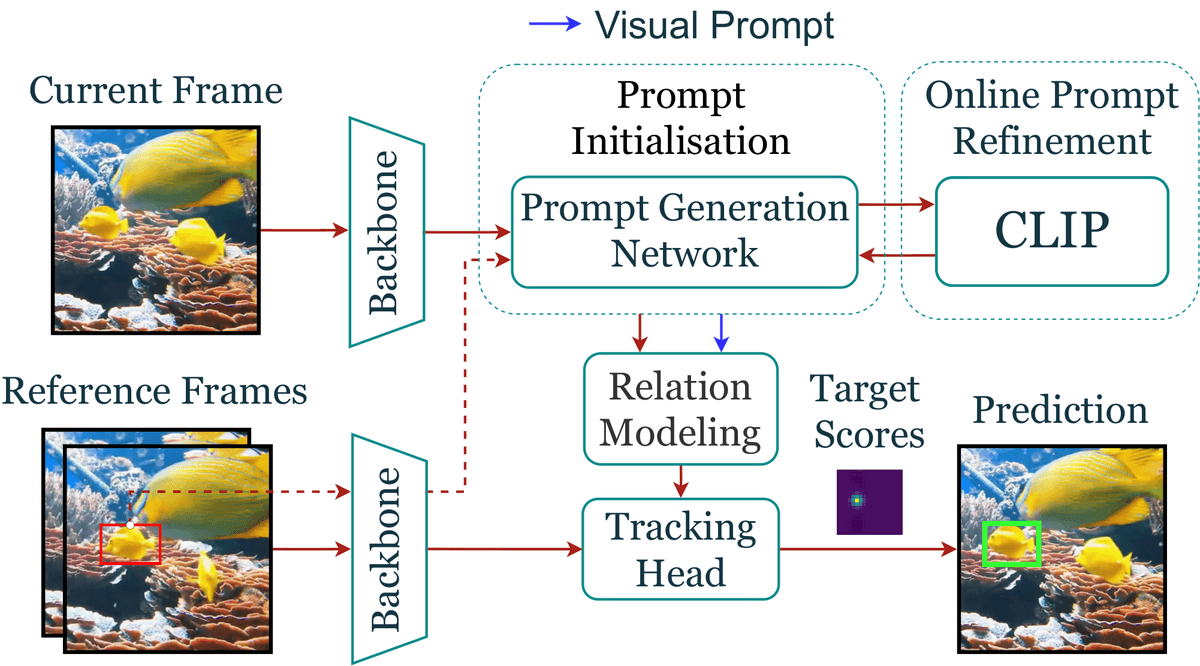
PiVOT uses CLIP's zero-shot recognition to auto-generate visual prompts at inference time, helping trackers ignore lookalike distractors without extra training cost
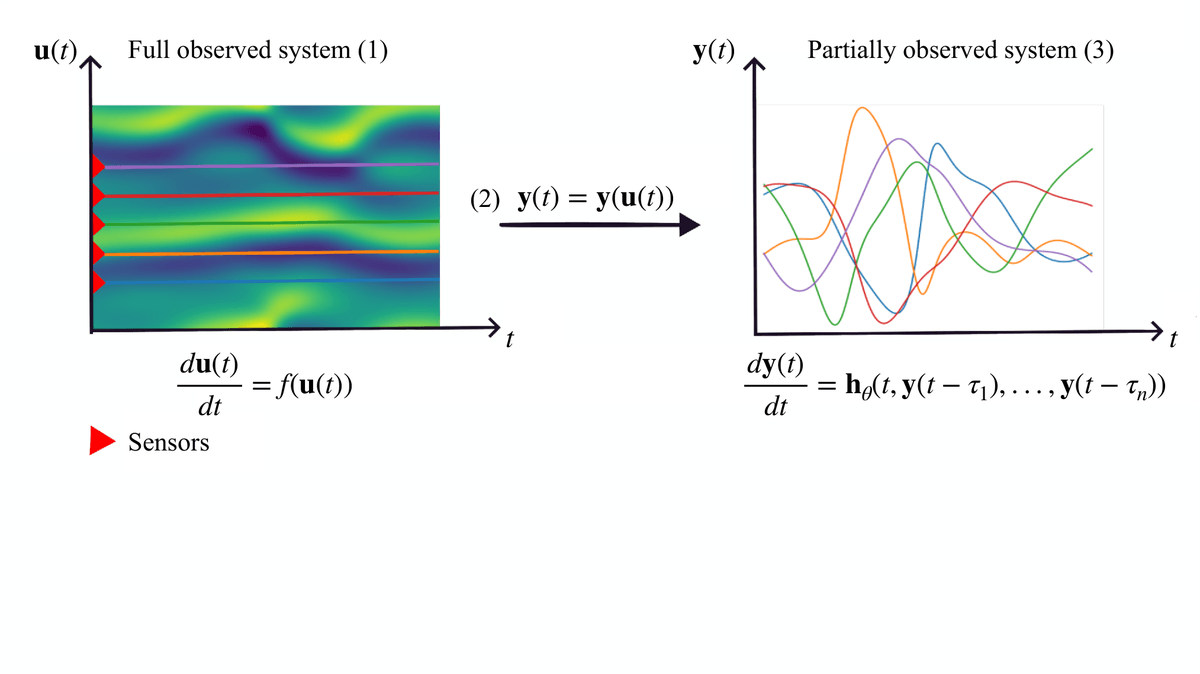
NDDEs learn time delays from data to model partially observed chaotic systems, outperforming LSTMs and Neural ODEs with fewer parameters
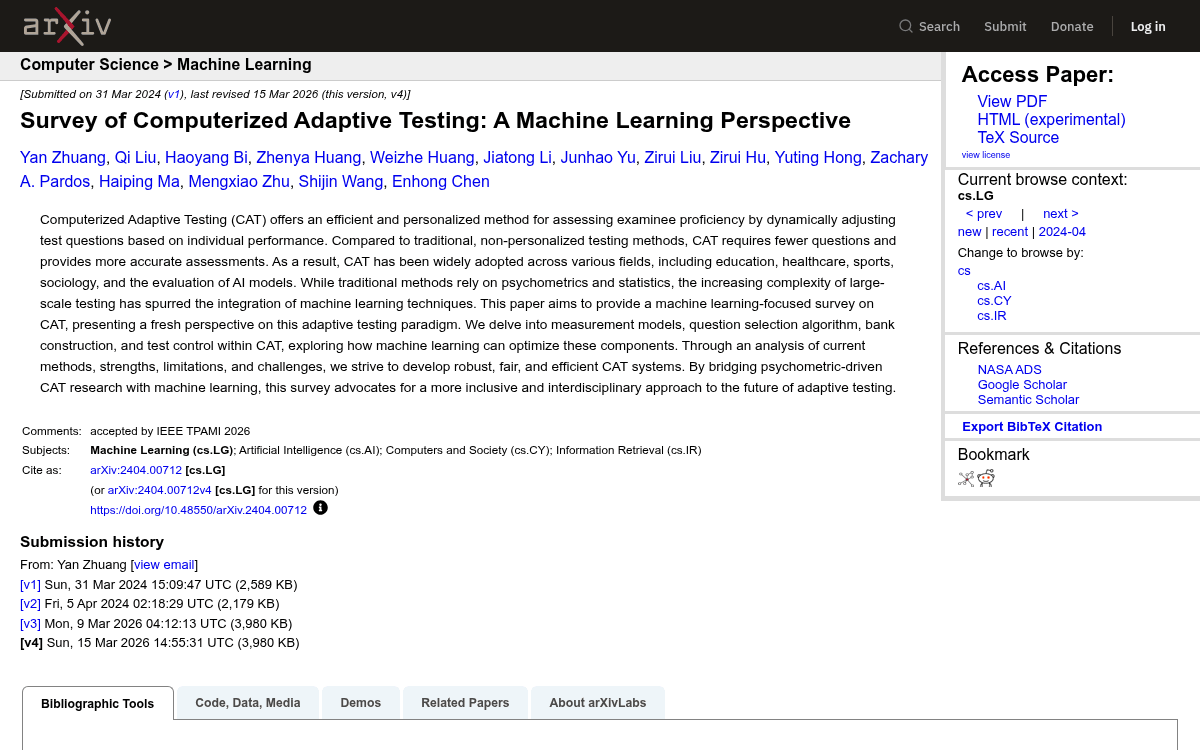
A comprehensive ML-focused survey maps how deep learning, reinforcement learning, and meta-learning are reshaping adaptive testing for both humans and AI model evaluation
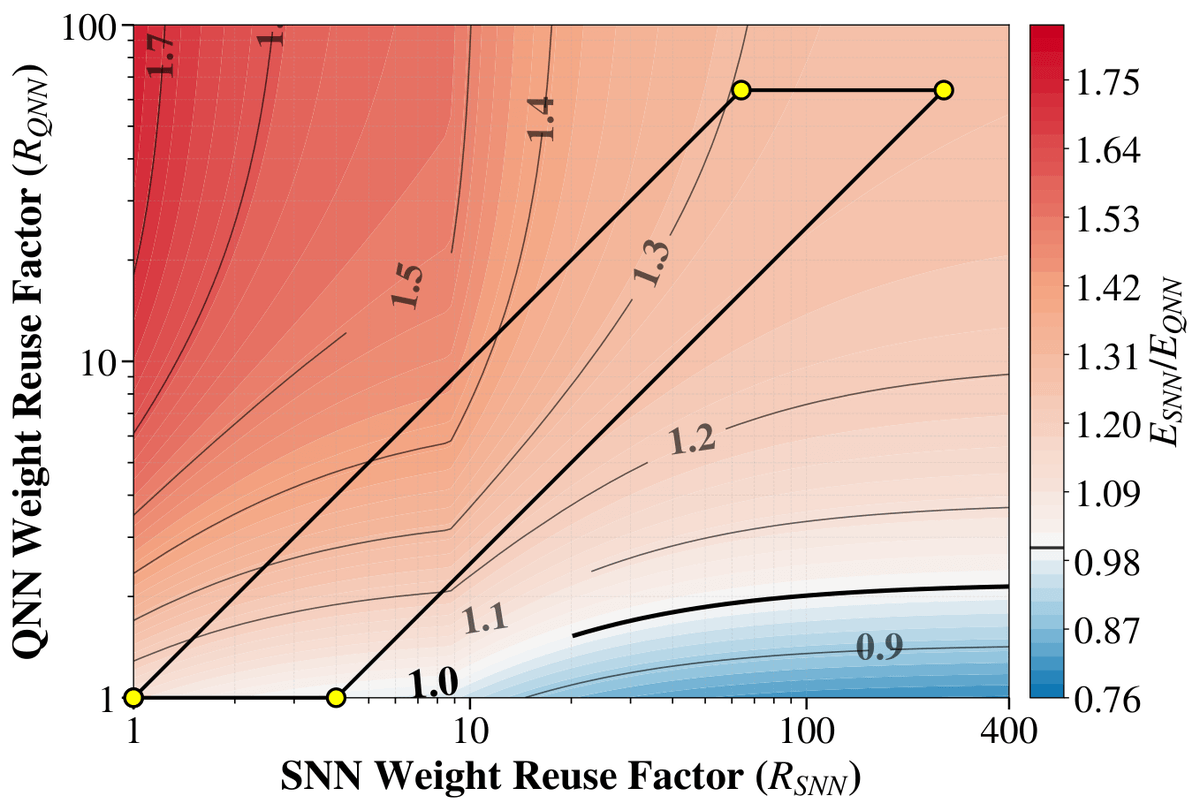
A rigorous analytical framework shows SNNs only beat quantized neural nets under tight conditions: spike rates below ~6% and short time windows
A comprehensive survey maps how utility theory and Maslow-style needs hierarchies can give robots human-like motivation, trust, and decision-making across single-agent, multi-agent, and human-robot systems.