A genetic programming framework evolves compact, human-readable equations for image quality scoring that match 47-million-parameter deep networks while staying fully transparent.
A KL-regularised Group DRO objective paired with a 1.3M-parameter MobileViT pipeline beats prior CT challenge entries on both site robustness and demographic fairness.
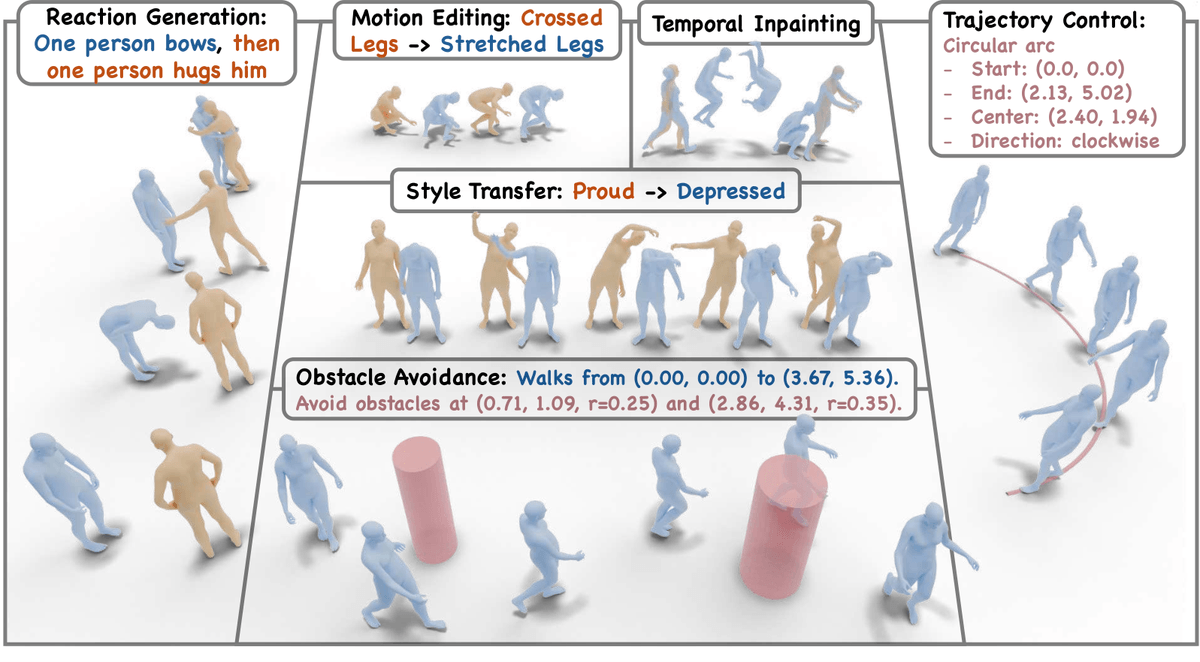
A single motion model handles inpainting, editing, trajectory control, obstacle avoidance and two-person reactions using three learnable per-frame operations.
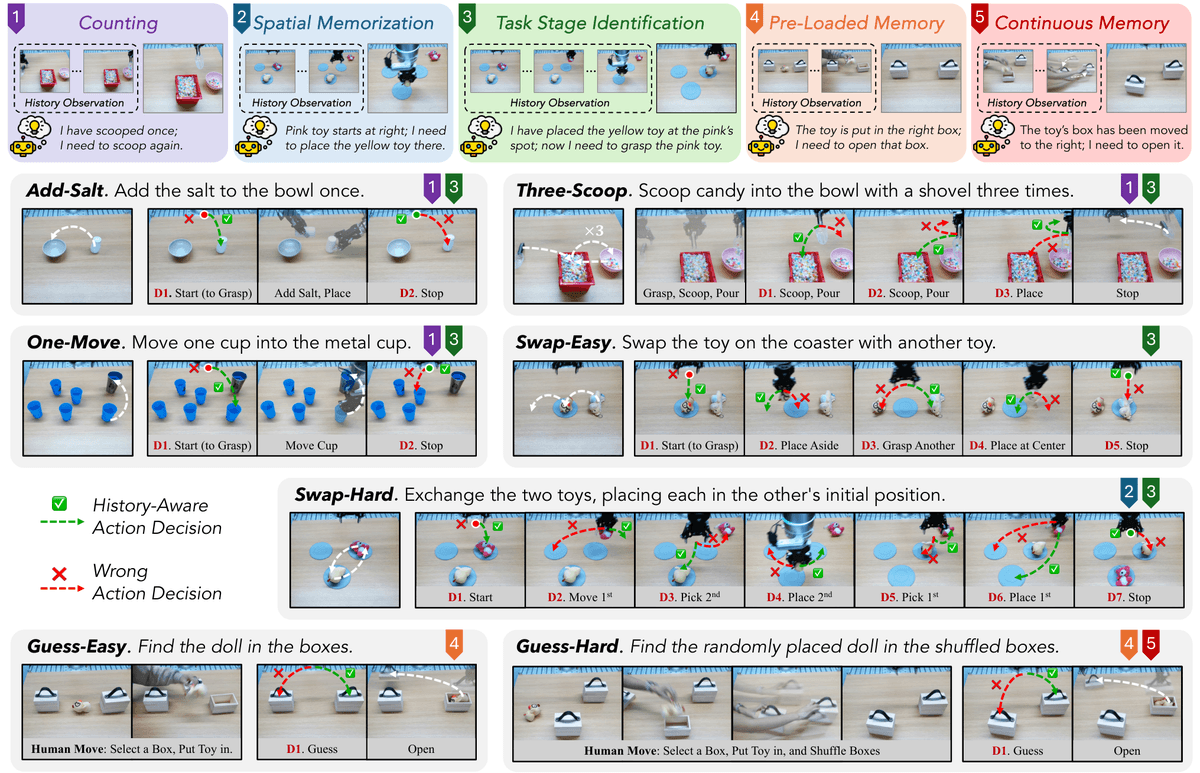
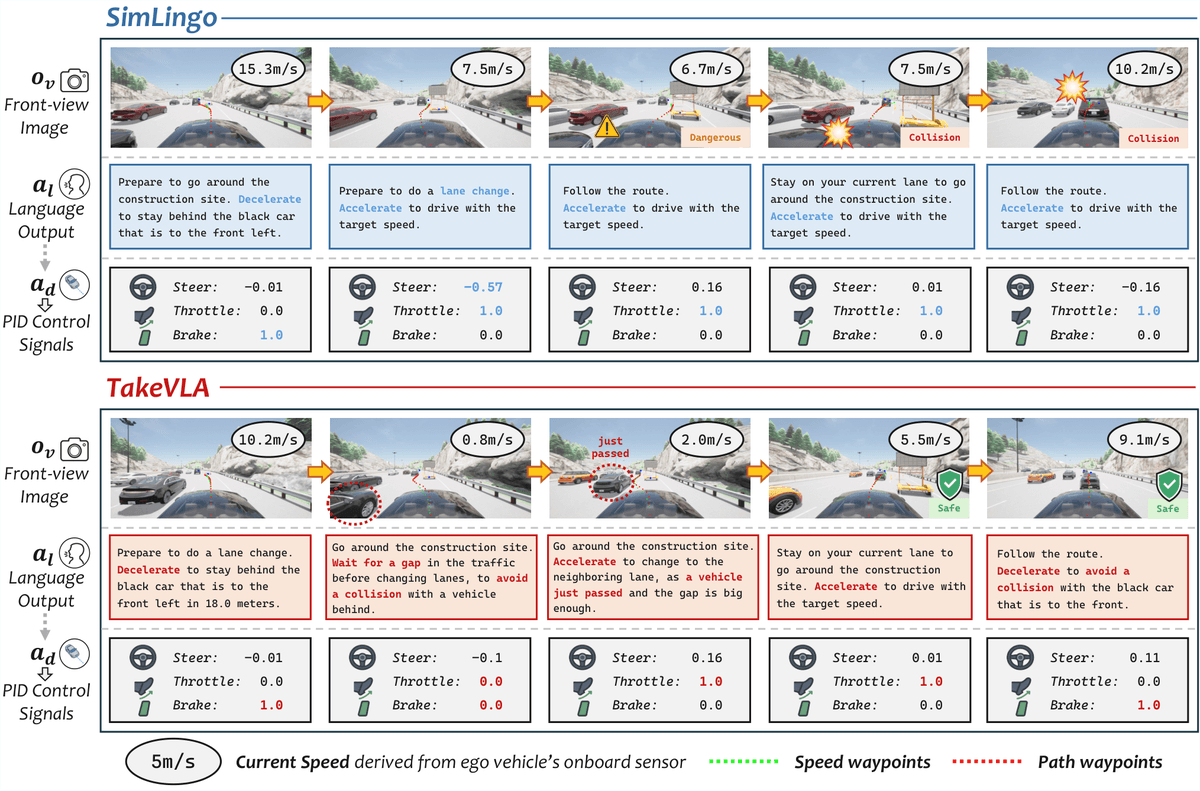
A new object-centric point tracking method gives robot policies memory of past observations, letting them count actions, remember locations, and handle long-horizon tasks.
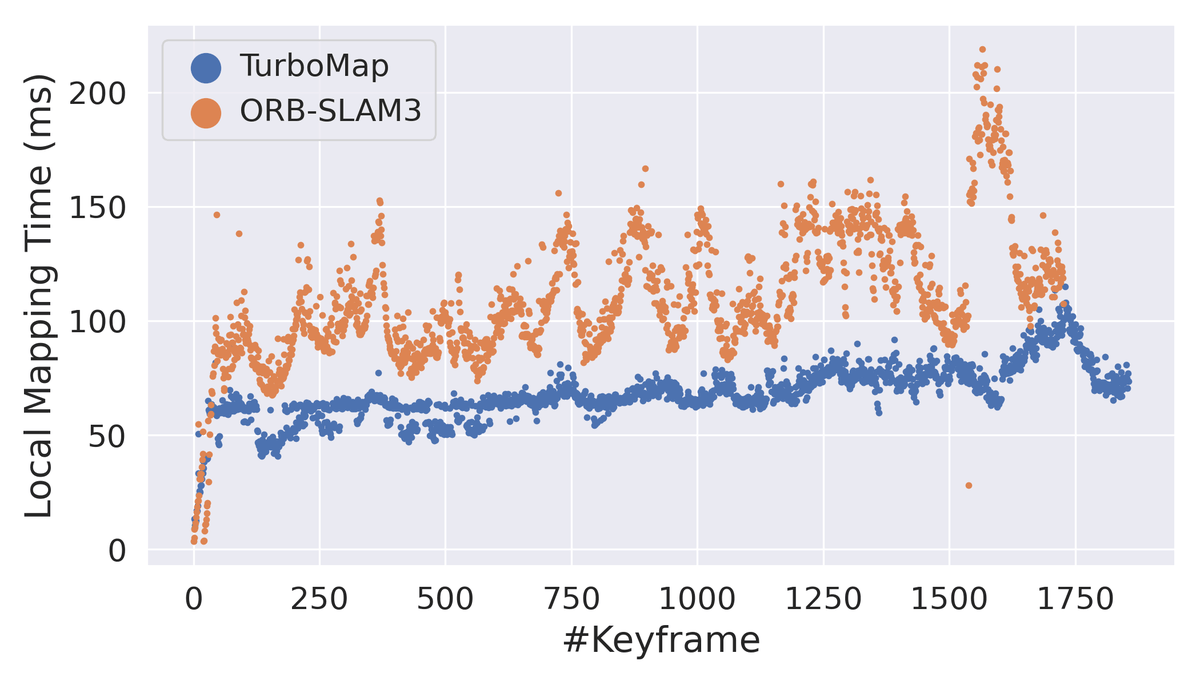
A redesigned local mapping backend for ORB-SLAM3 shifts three bottleneck stages onto the GPU, cutting keyframe latency by up to 1.6x with matching accuracy.
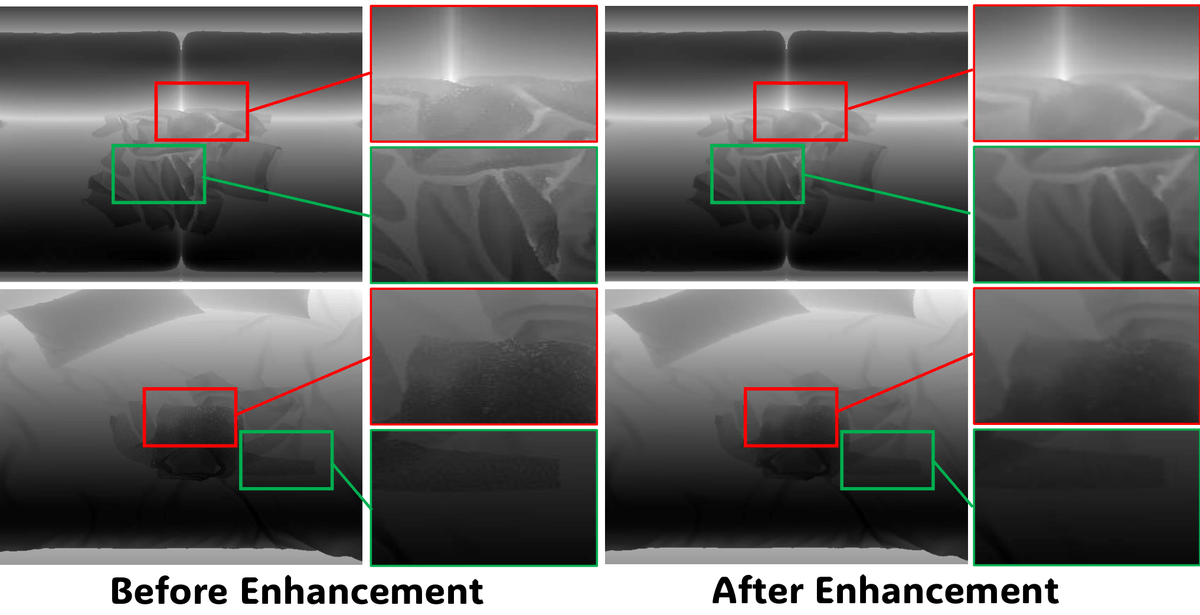
GraspALL uses a parametric luminance curve to adaptively fuse RGB with depth and thermal features, boosting garment grasping accuracy by 32-44% in the dark.
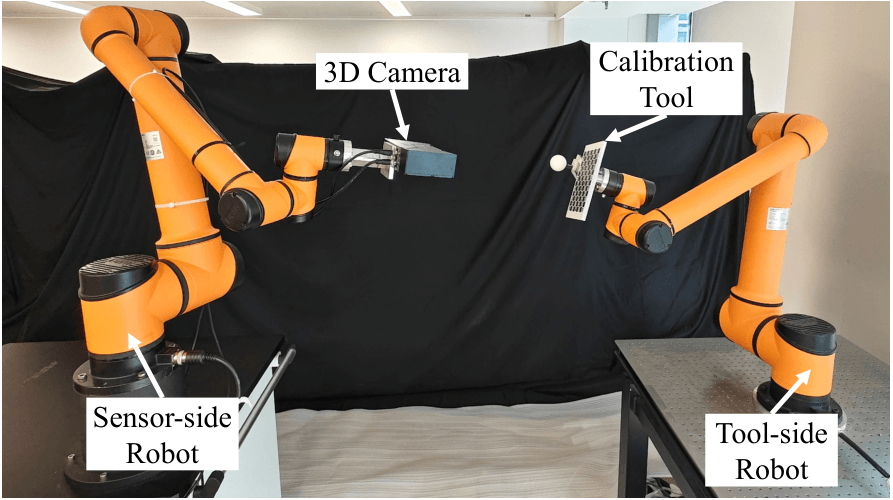
A new Lie-algebraic framework jointly calibrates both coordinate transforms and joint parameters for dual-arm robots, cutting the error accumulation that hurts precise collaboration.
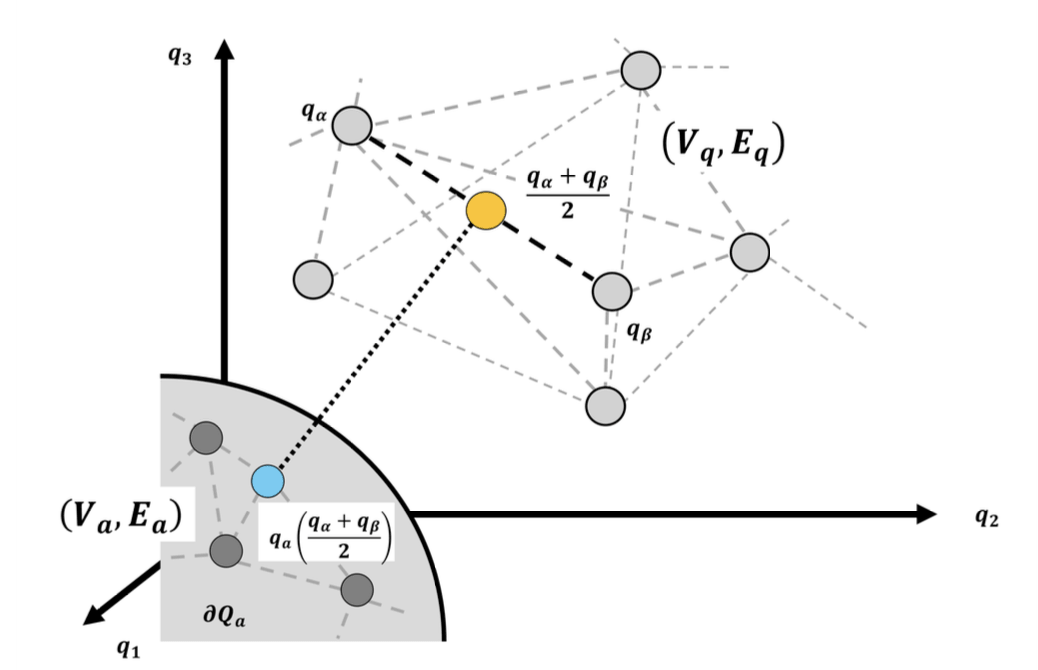
A new joint-space path planner reshapes concave abdominal cavities into convex surfaces, cutting joint motion and port stress for autonomous surgical forceps.
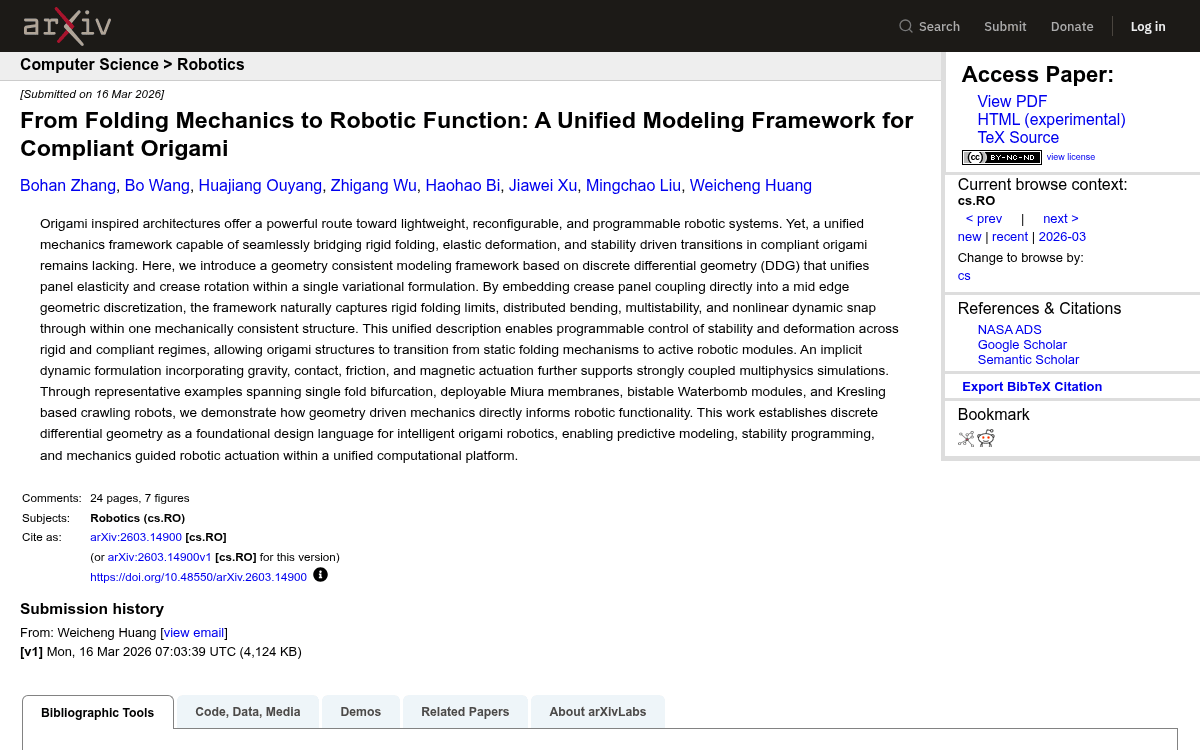
A new discrete differential geometry framework unifies rigid folding, bending, and snap-through dynamics in a single simulator for compliant origami robots.
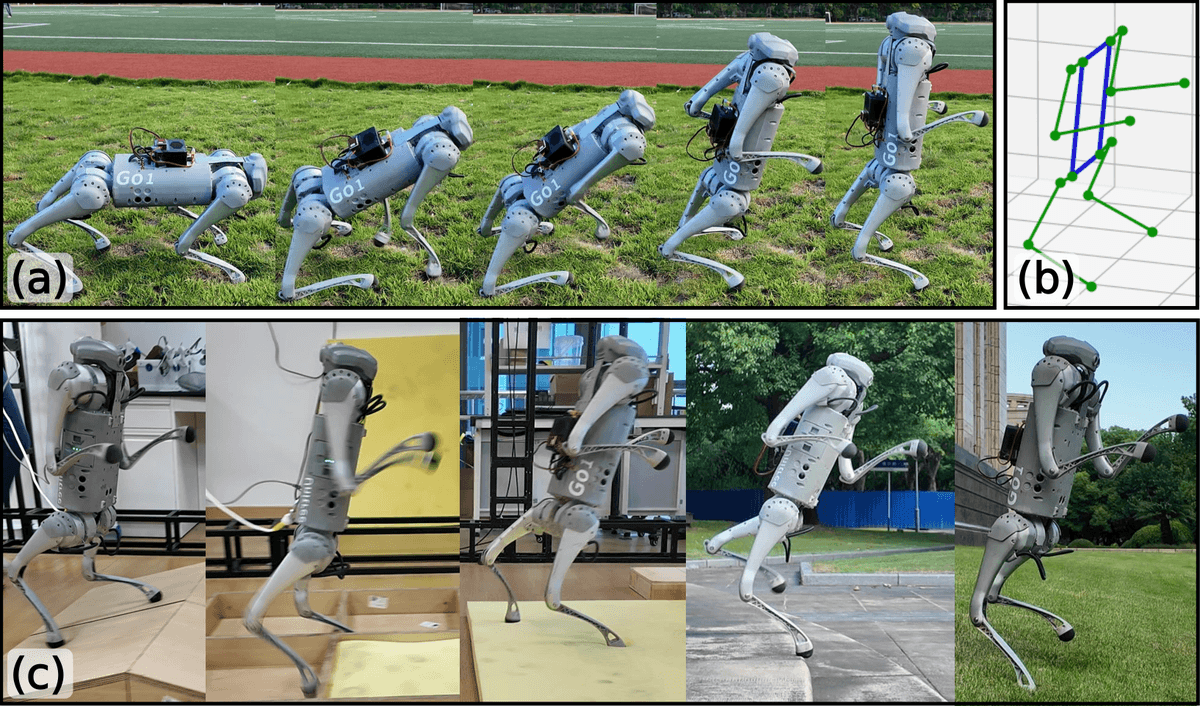
A new reinforcement learning framework teaches quadruped robots multiple gaits from single poses instead of full motion capture datasets, then adapts them to rough terrain.