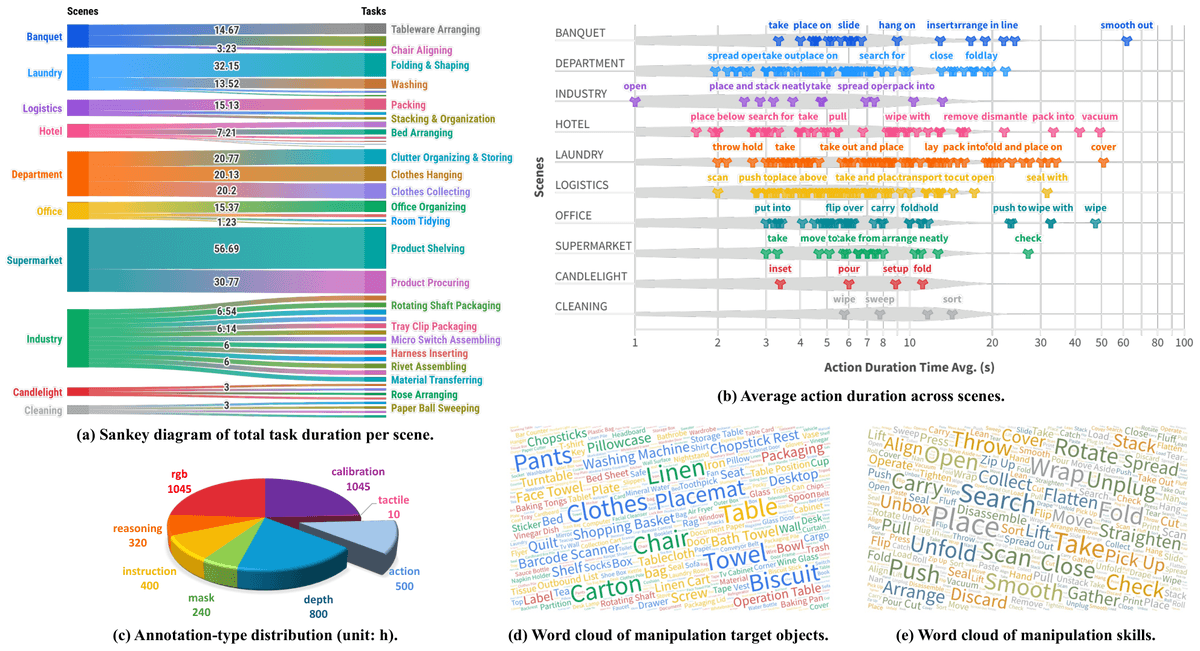
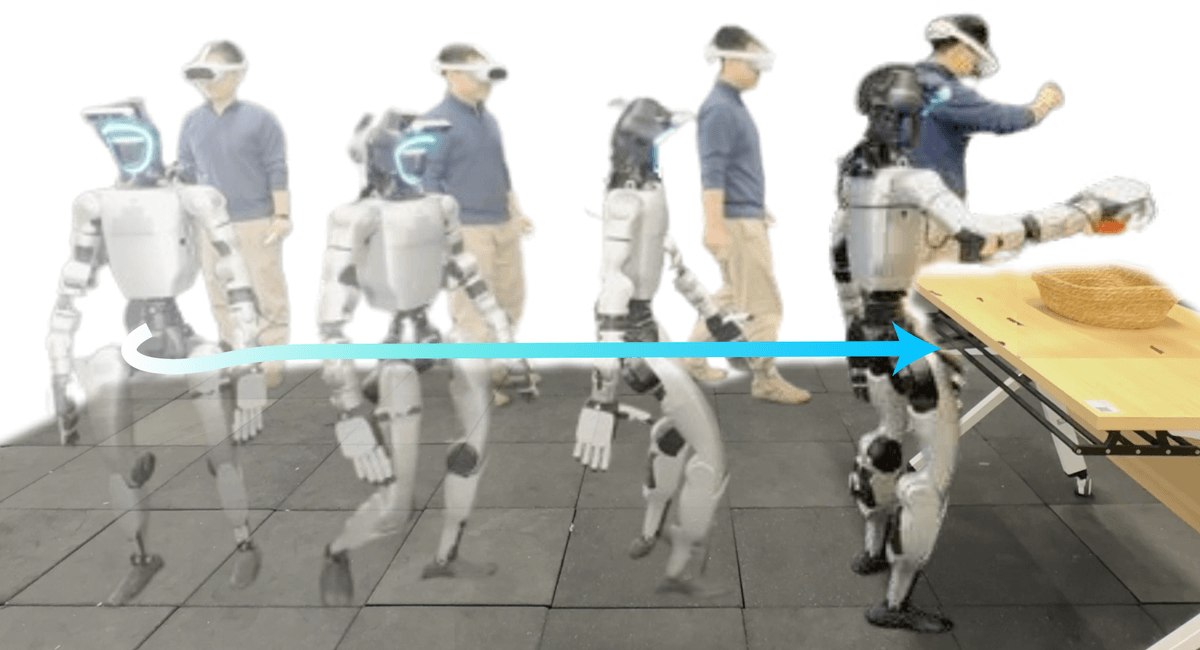
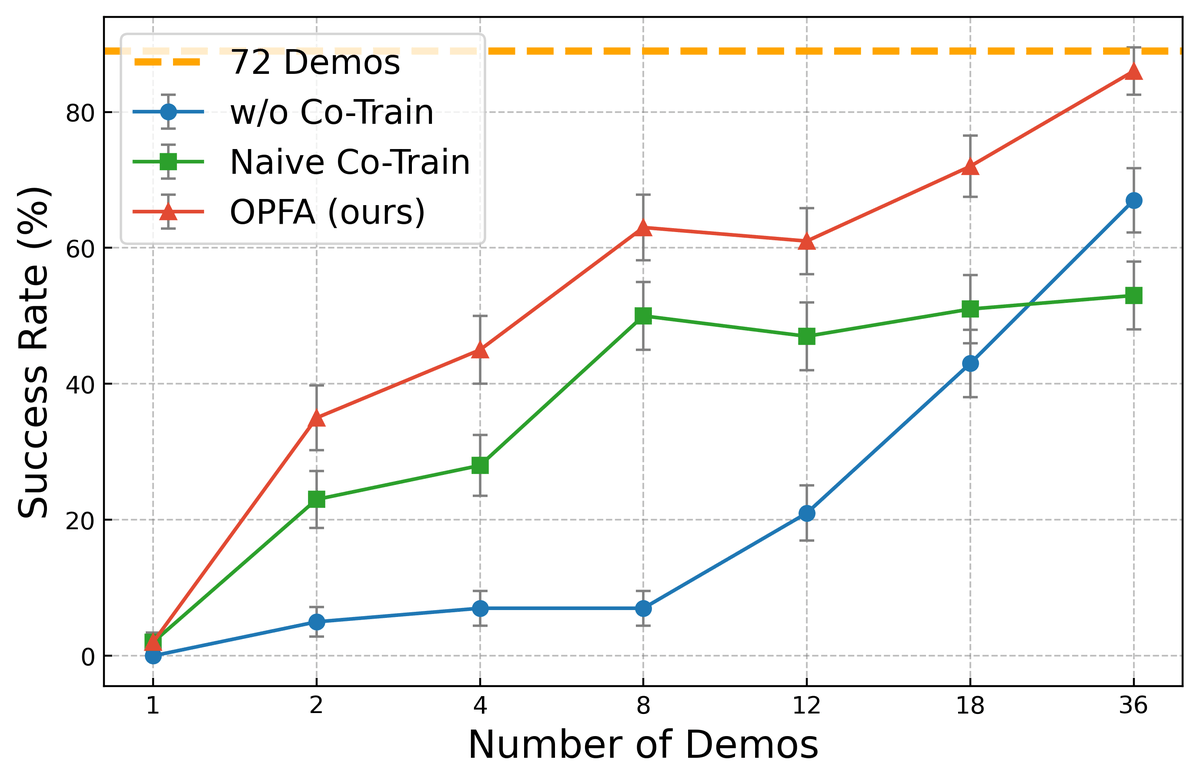
TARS Robotics released 1,000+ hours of in-the-wild human manipulation data with millimeter-accurate motion labels, boosting robot success from 8% to 60% in cluttered scenes.
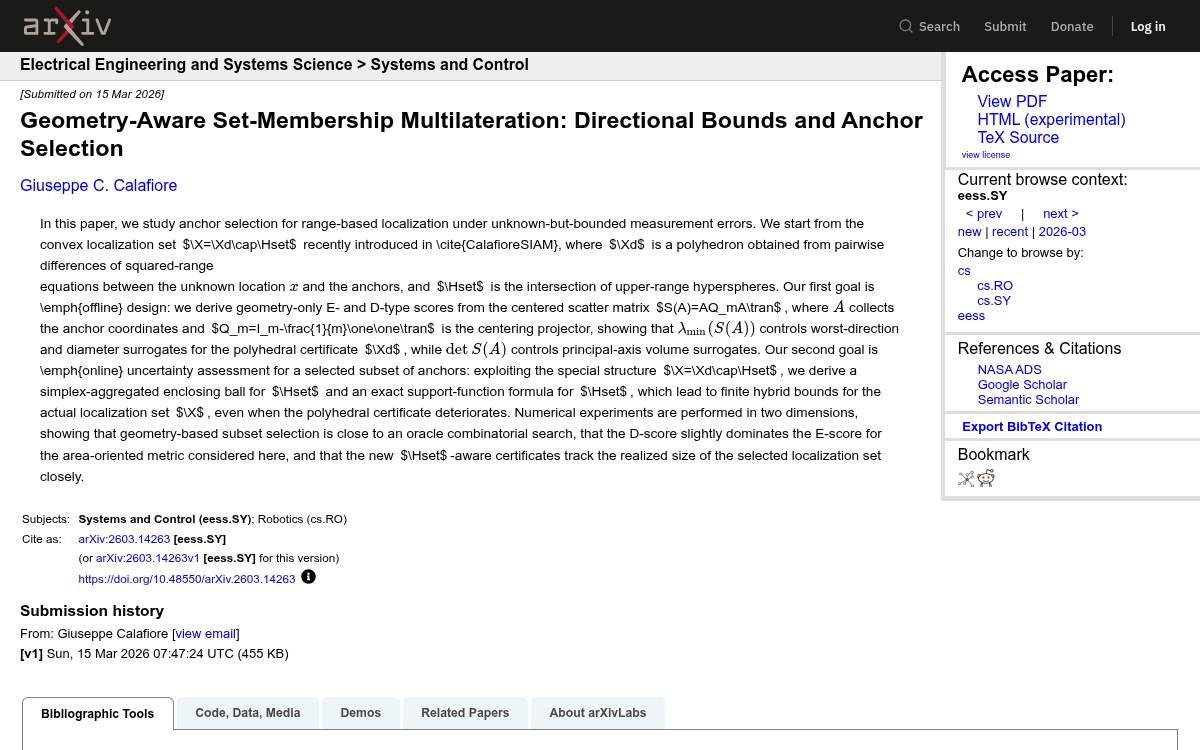
A new geometry-based framework picks the best anchors for range-based localization before measurements and certifies uncertainty after, hitting near-oracle accuracy.
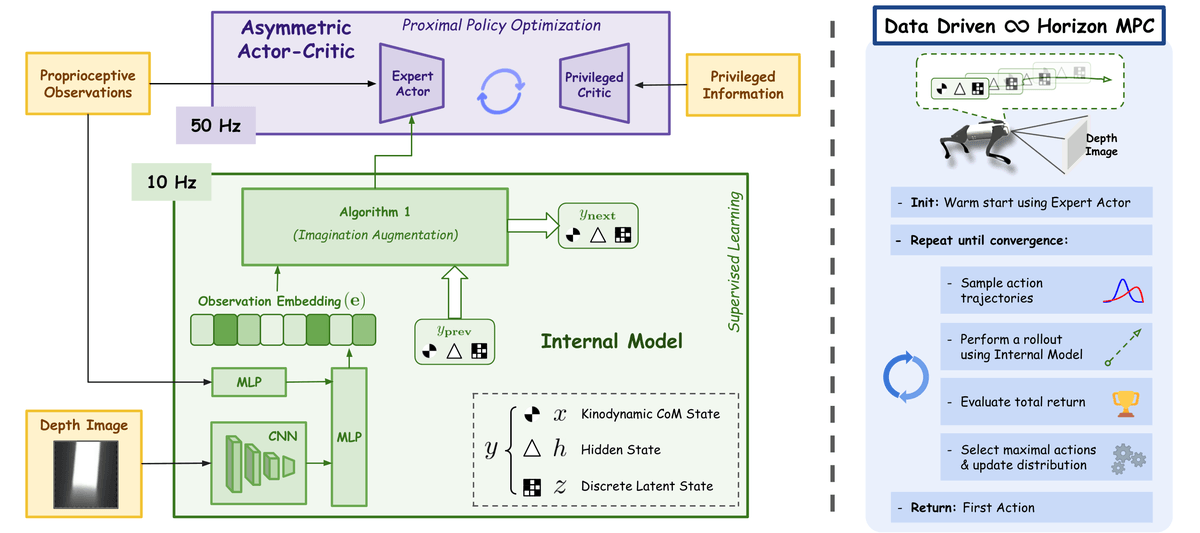
A new framework fuses depth vision, reinforcement learning, and model predictive control so legged robots can see, plan, and cross gaps, stairs, and crawl spaces.
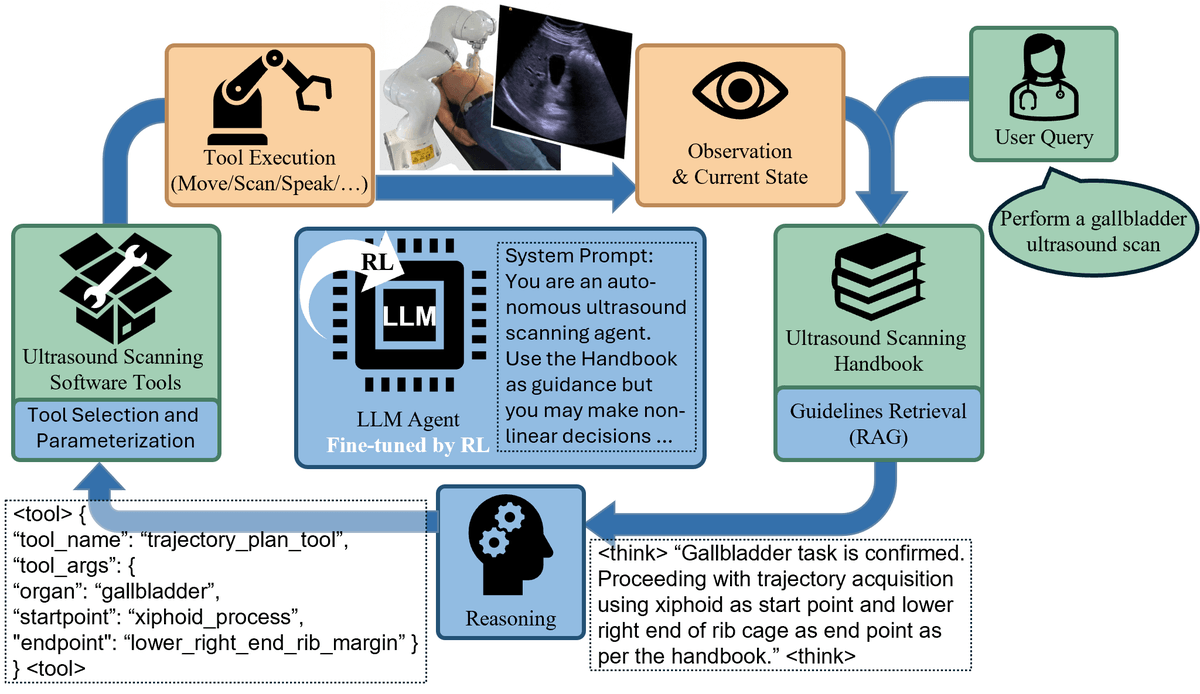
A reinforcement-learning fine-tuned language model plans ultrasound scans by reading handbooks and calling tools, replacing hard-coded robotic pipelines.
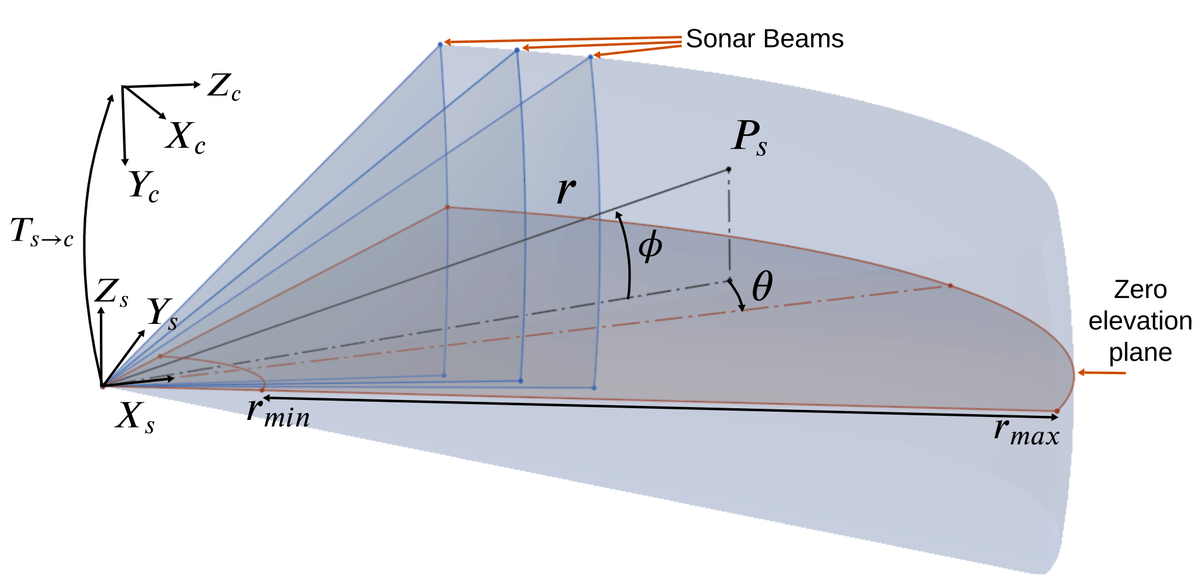
A new framework fuses stereo imaging sonar with a monocular camera and weights every 3D point by confidence, boosting mapping precision from 35% to 88% in cluttered underwater scenes.
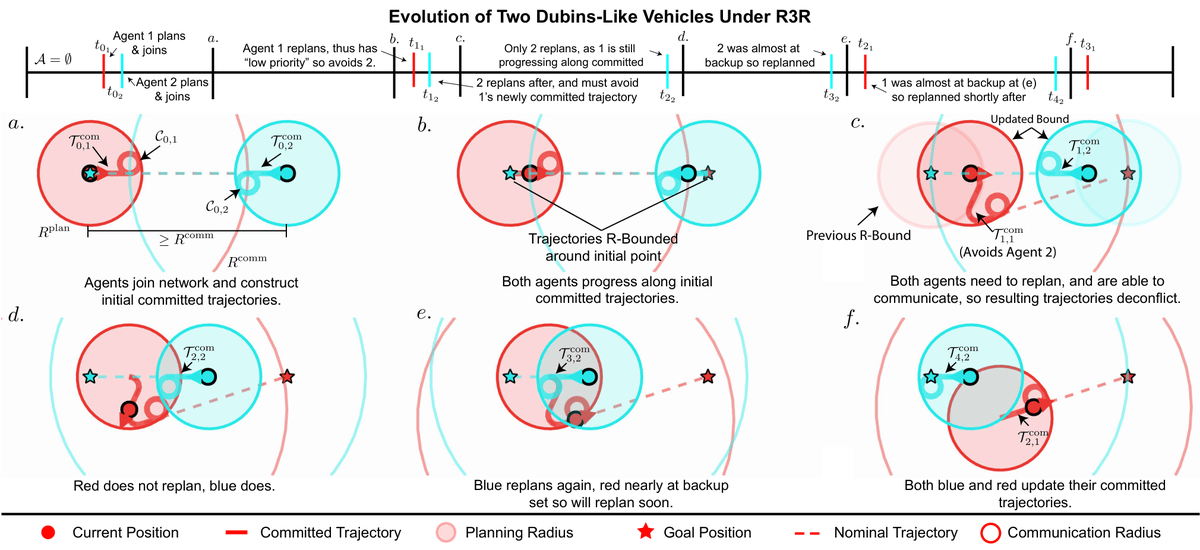
A new decentralized planner from University of Michigan proves multi-agent robot swarms can stay collision-free forever using only local, range-limited communication.
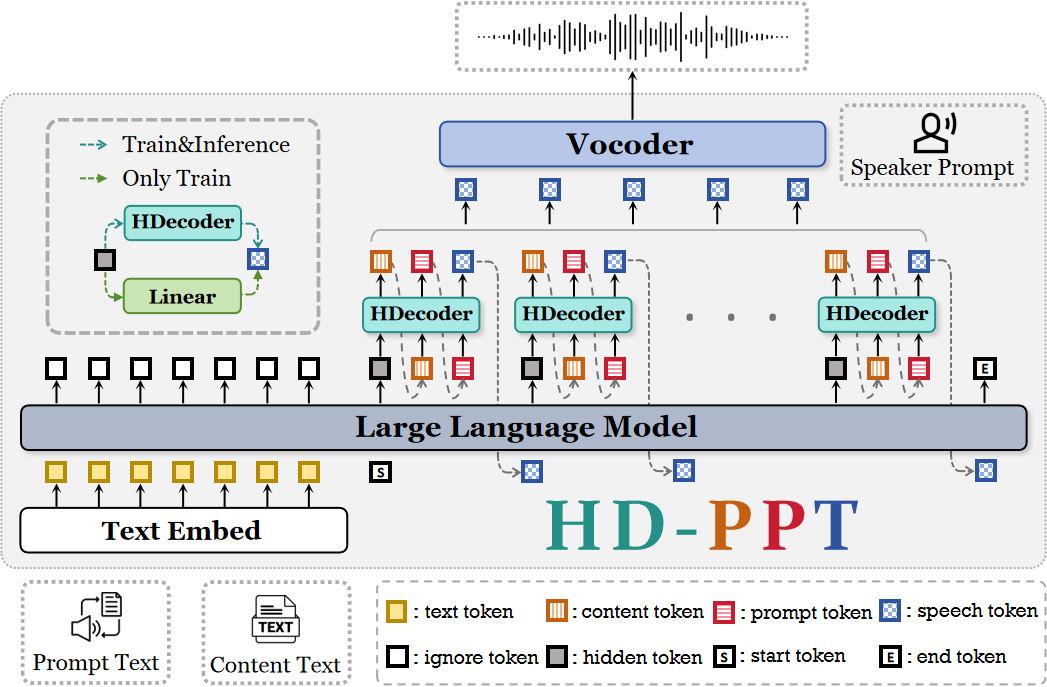
A new speech synthesis framework called HD-PPT splits speech into content and style tokens, then generates them in a structured order to sharpen prompt control.
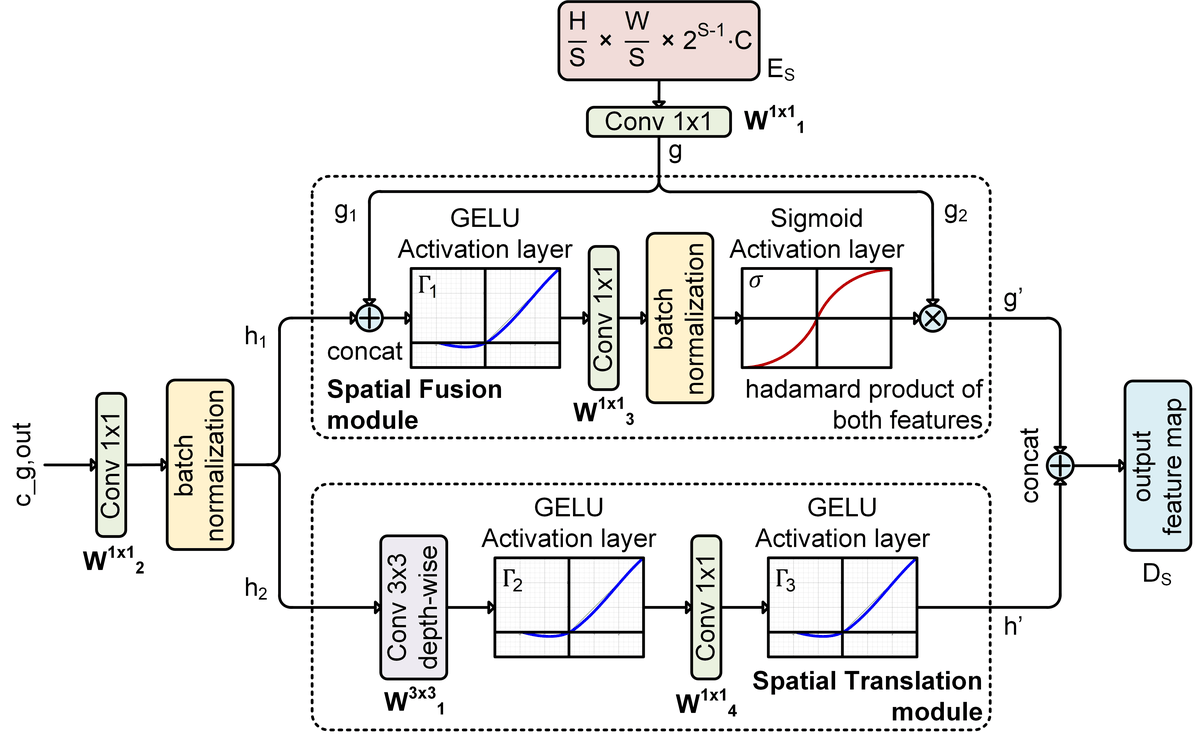
A new hybrid encoder architecture pairs ConvNeXt with a lightweight transformer variant to push medical segmentation accuracy while cutting GPU memory usage.
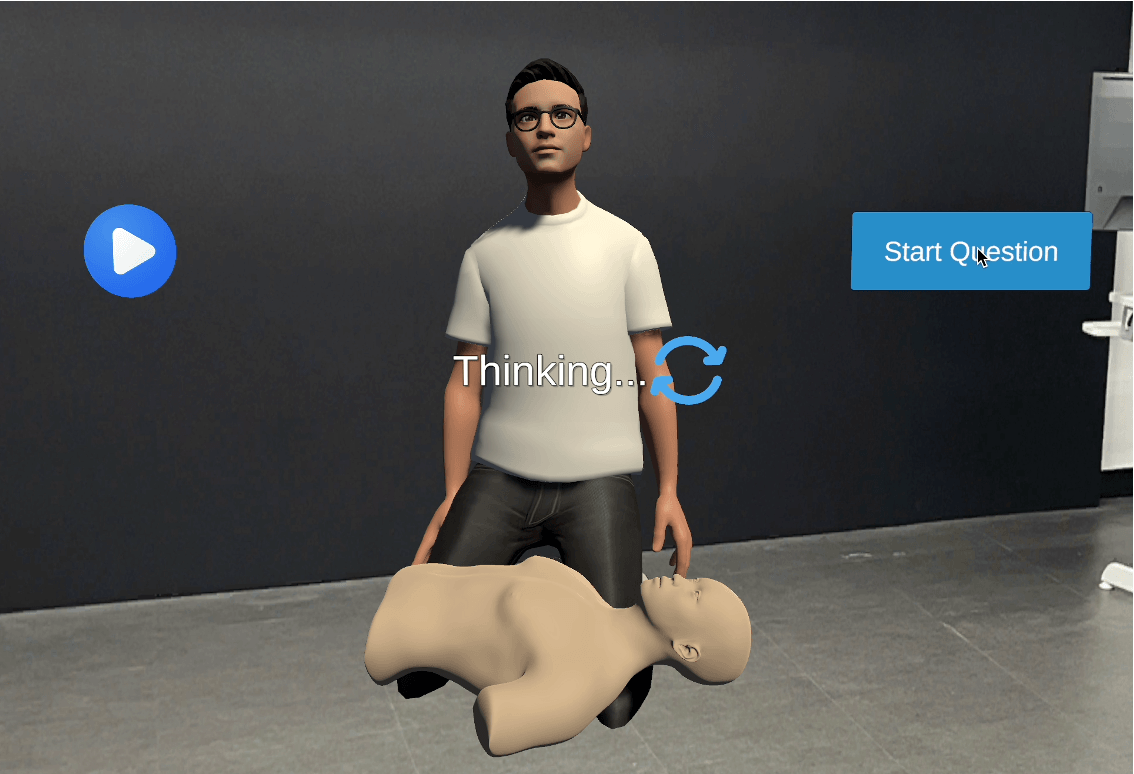
A CHI '26 study of 40 learners shows AR virtual agents trigger deeper 'why' questions during CPR training, while flat-screen agents drive procedural nitpicking.
A new web platform pairs Gemini 3 Pro with six customization knobs and on-demand video Q&A, letting blind viewers reshape AI-generated audio descriptions for any YouTube video.
A neuro-symbolic framework turns a network's last hidden layer into a formal concept lattice, enabling global explanations, architecture comparisons, and rule extraction.