
Pro
TARS Robotics' World In Your Hands Boosts Robot Success Rates by 8x
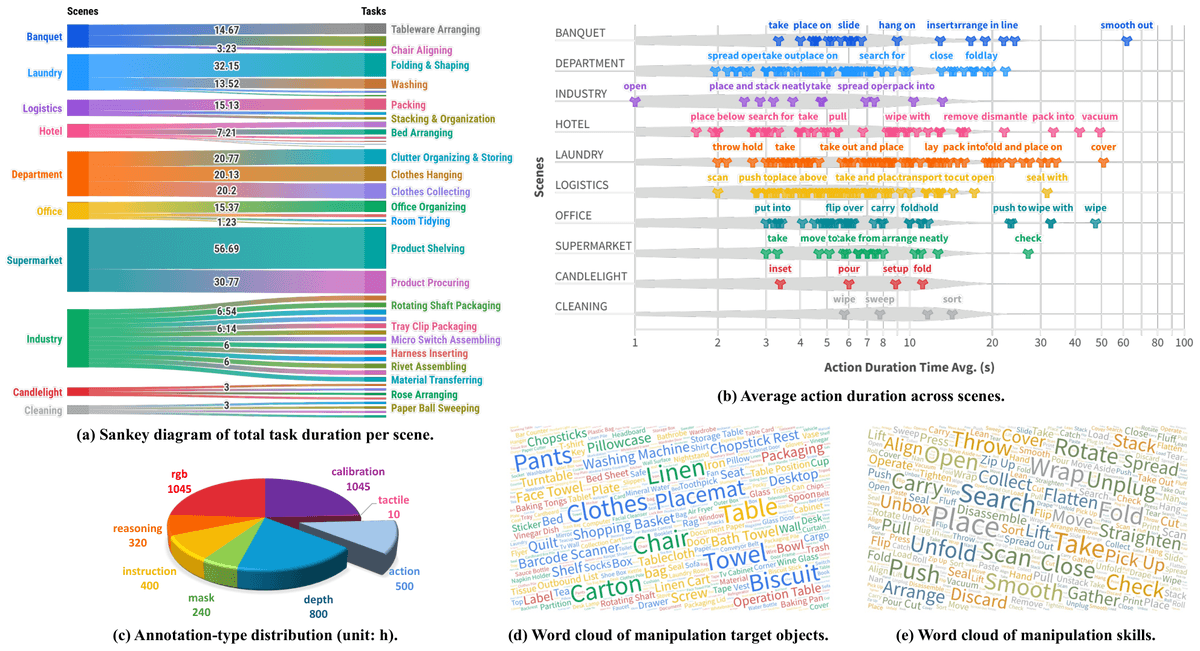
TARS Robotics released 1,000+ hours of in-the-wild human manipulation data with millimeter-accurate motion labels, boosting robot success from 8% to 60% in cluttered scenes.
20 stories
TARS Robotics released 1,000+ hours of in-the-wild human manipulation data with millimeter-accurate motion labels, boosting robot success from 8% to 60% in cluttered scenes.
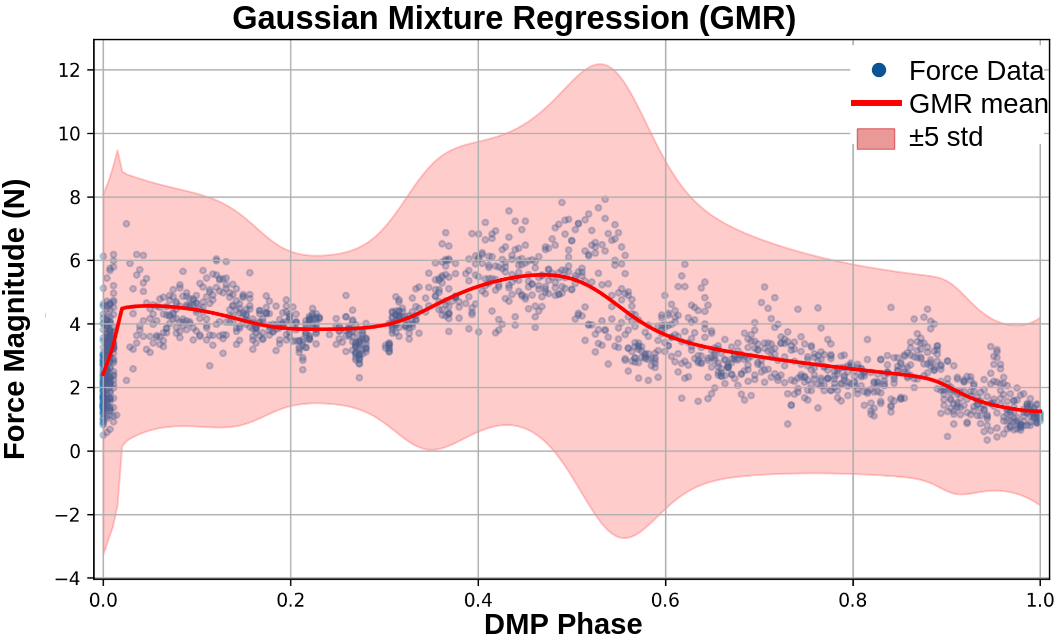
A new framework lets therapists teach a robot rehab exercises through a single RGB-D video, then supervises safety and effort during patient sessions.
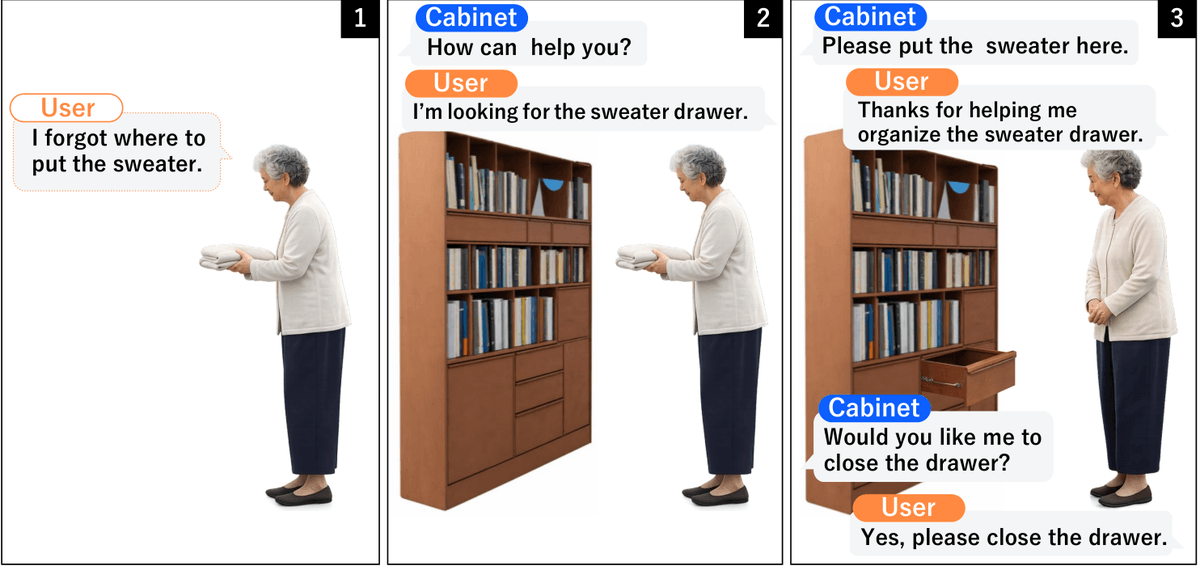
A small study with four older adults reframes home robots around confirmation, predictability, and adjustable autonomy rather than raw automation.

A single well-crafted prompt plus a drone SDK gets language models to write autonomous UAV missions correctly on the first try, every time.
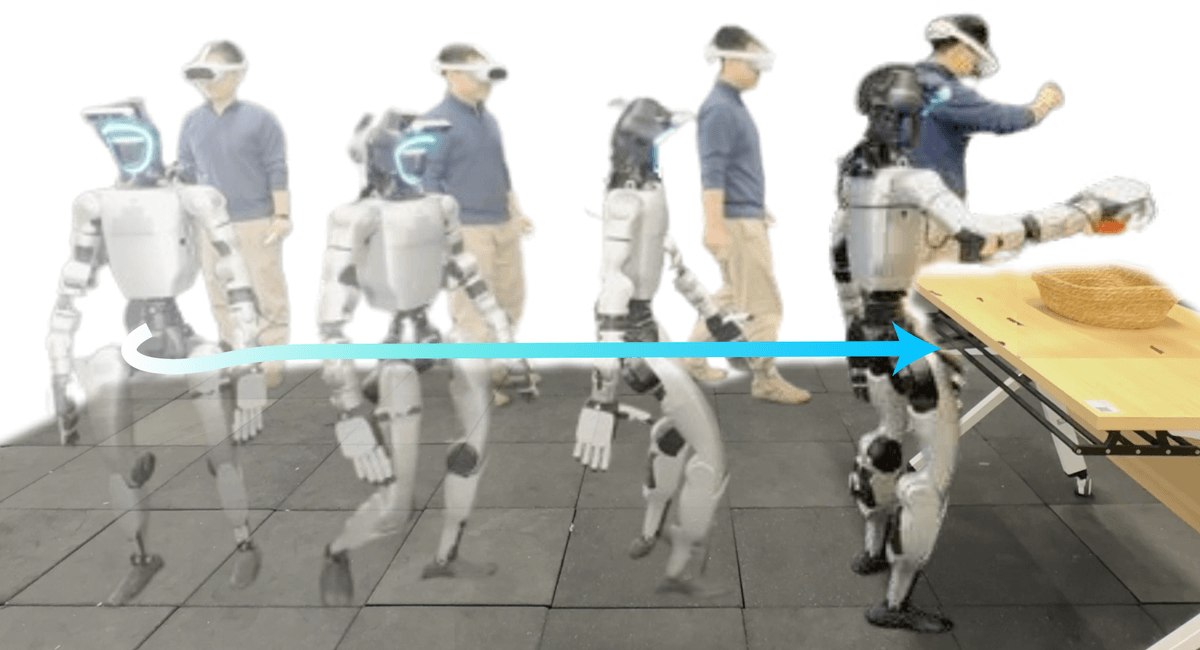
A new humanoid teleoperation stack cuts joint tracking error by 66%, runs on one consumer GPU, and works across operators from 1.47m to 1.94m tall.
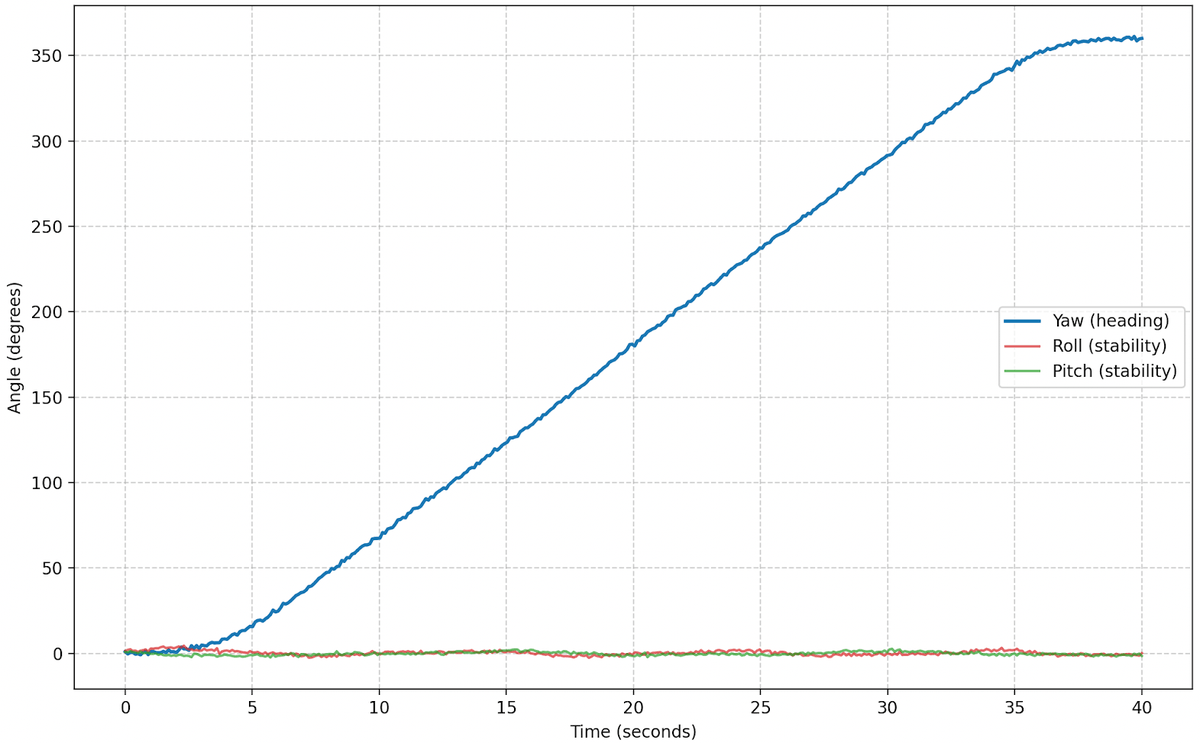
A research paper presents a squid inspired underwater robot that swims with water jets, dives on demand, and costs about $122 to build.
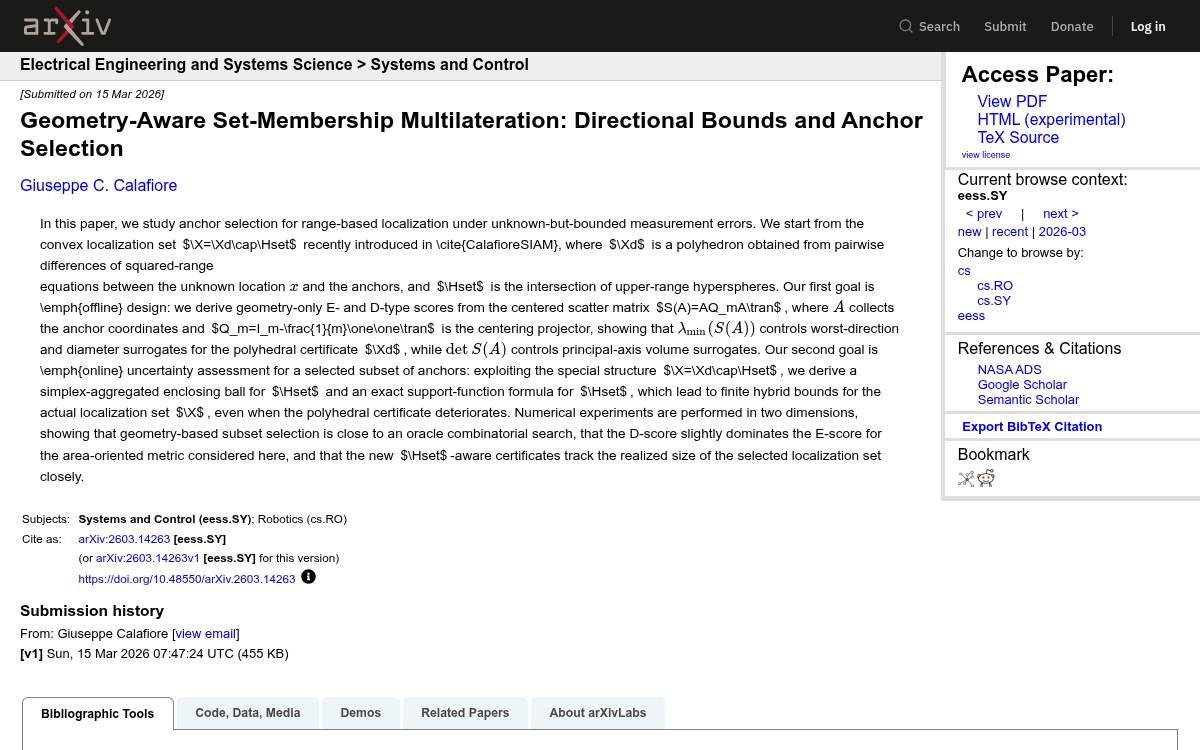
A new geometry-based framework picks the best anchors for range-based localization before measurements and certifies uncertainty after, hitting near-oracle accuracy.
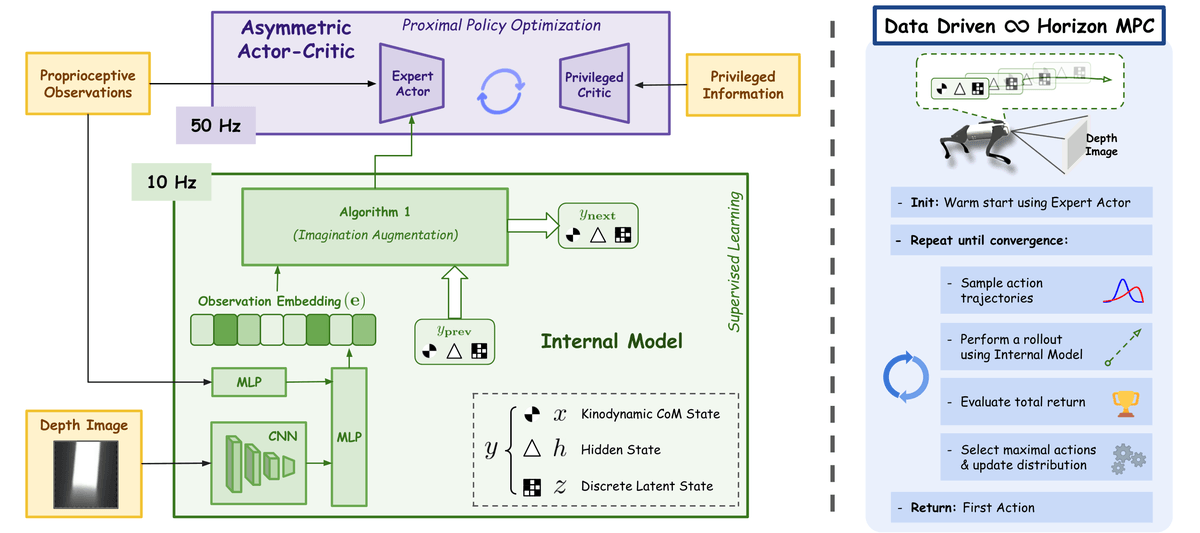
A new framework fuses depth vision, reinforcement learning, and model predictive control so legged robots can see, plan, and cross gaps, stairs, and crawl spaces.
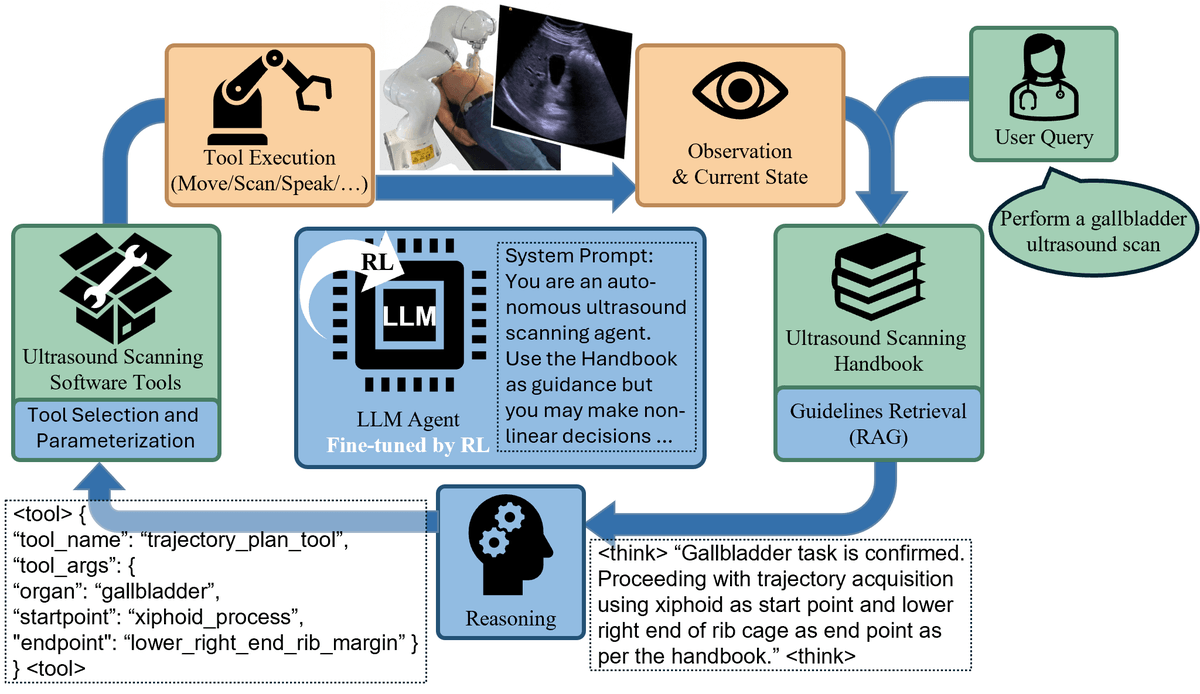
A reinforcement-learning fine-tuned language model plans ultrasound scans by reading handbooks and calling tools, replacing hard-coded robotic pipelines.
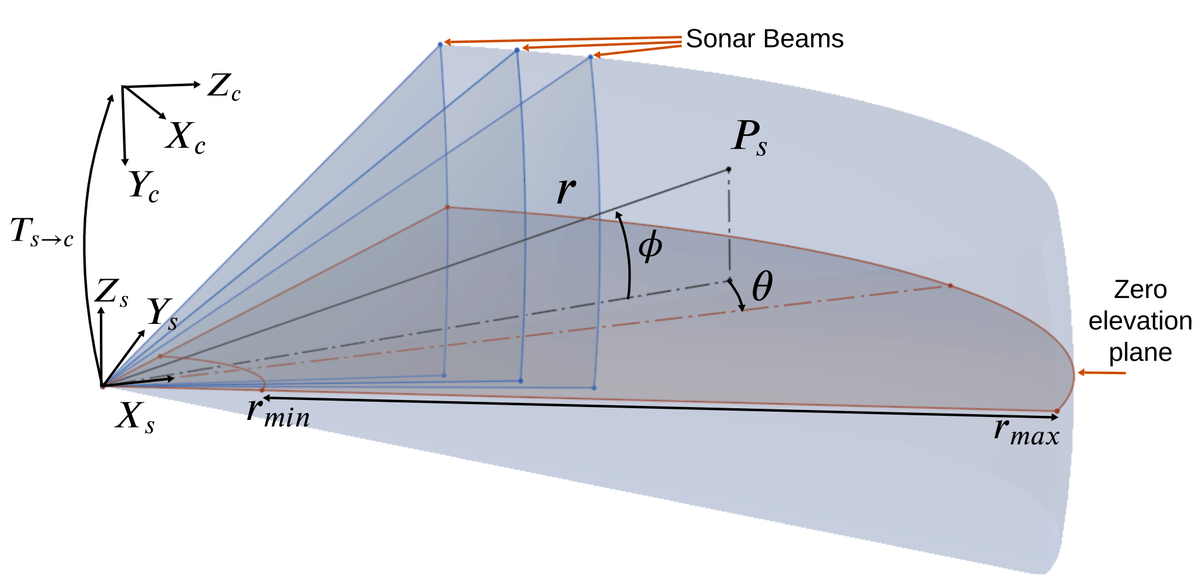
A new framework fuses stereo imaging sonar with a monocular camera and weights every 3D point by confidence, boosting mapping precision from 35% to 88% in cluttered underwater scenes.
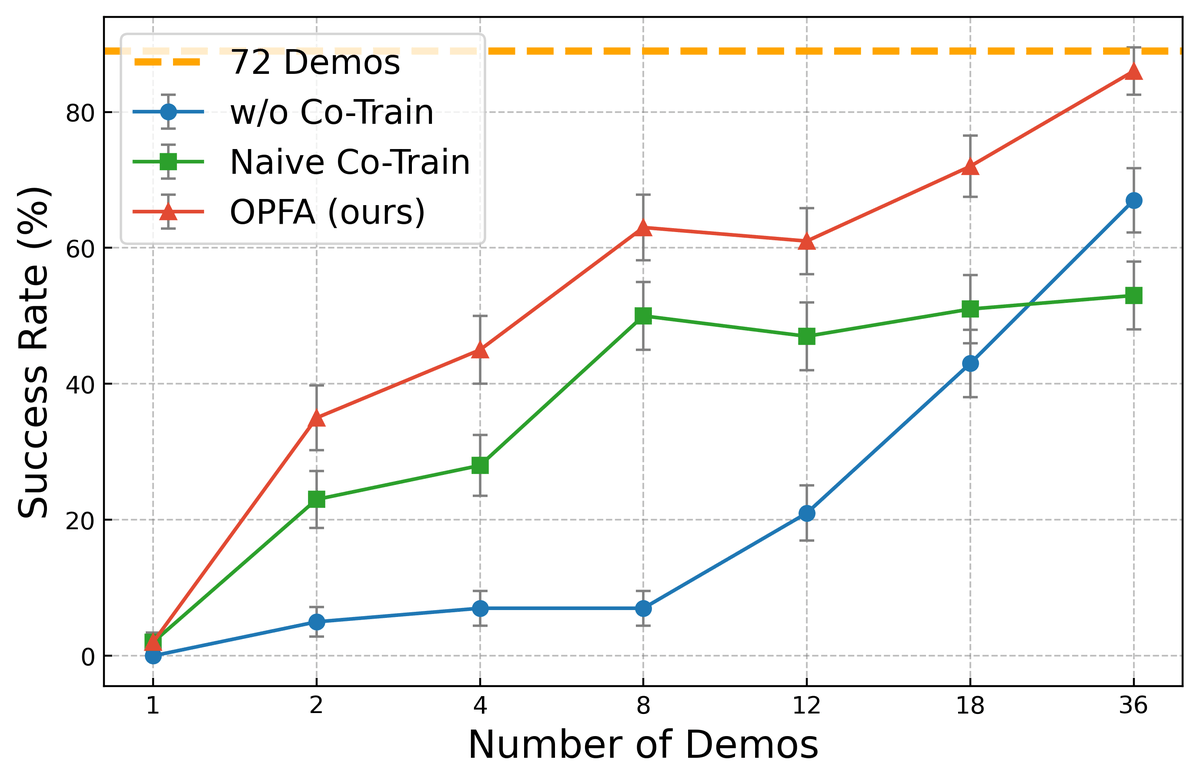
A new framework lets a single robot policy transfer skills across 11 different hands and grippers, cutting per-embodiment data needs by roughly 9x.
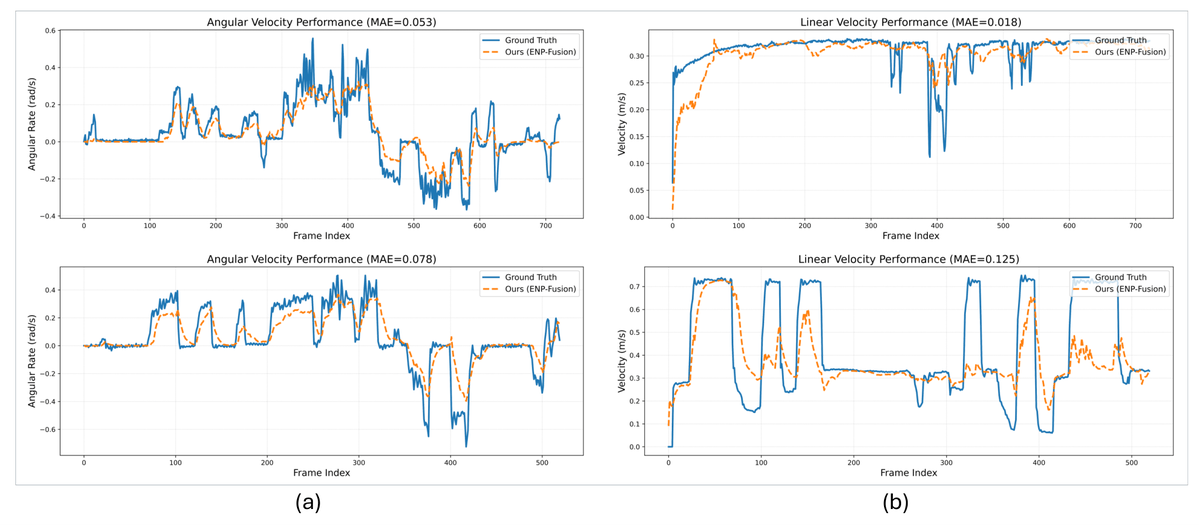
A new dataset and imitation learning policy show that fusing event cameras with RGB helps mobile robots keep following people when the lights go out.
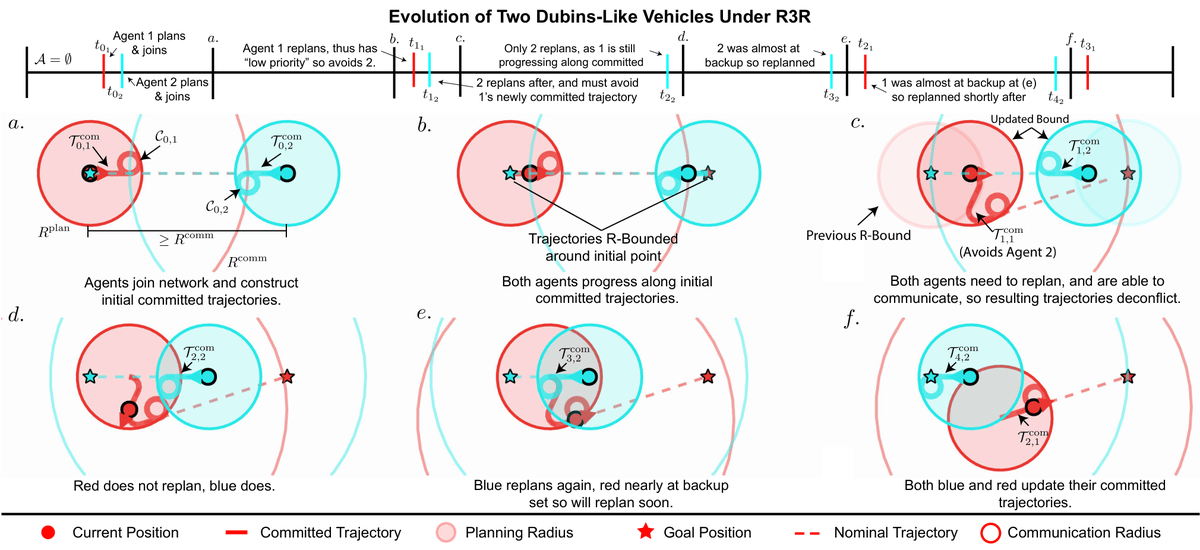
A new decentralized planner from University of Michigan proves multi-agent robot swarms can stay collision-free forever using only local, range-limited communication.
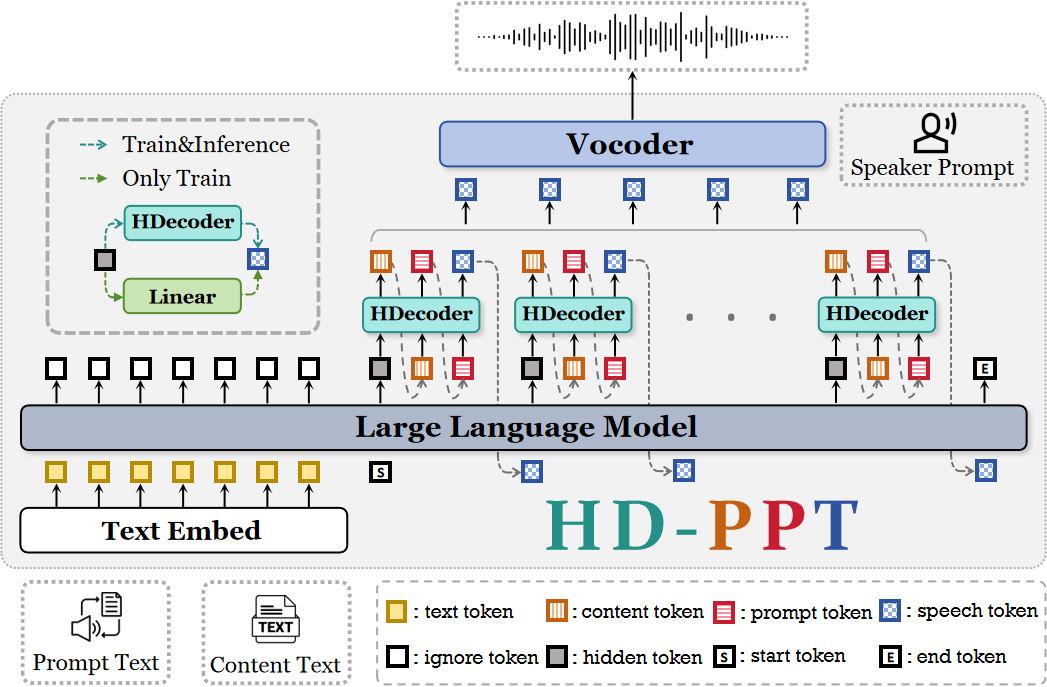
A new speech synthesis framework called HD-PPT splits speech into content and style tokens, then generates them in a structured order to sharpen prompt control.
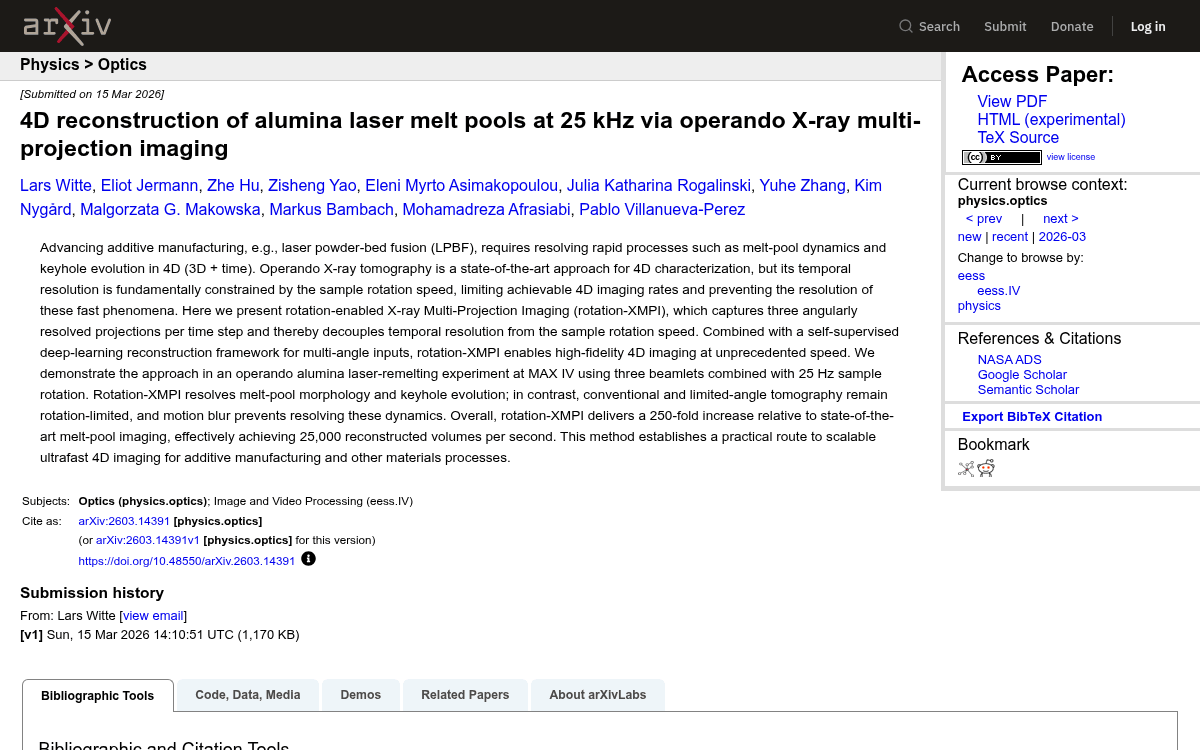
A three-beam X-ray setup plus a self-supervised neural reconstruction hits 25,000 3D volumes per second, a 250x jump over prior operando tomography.
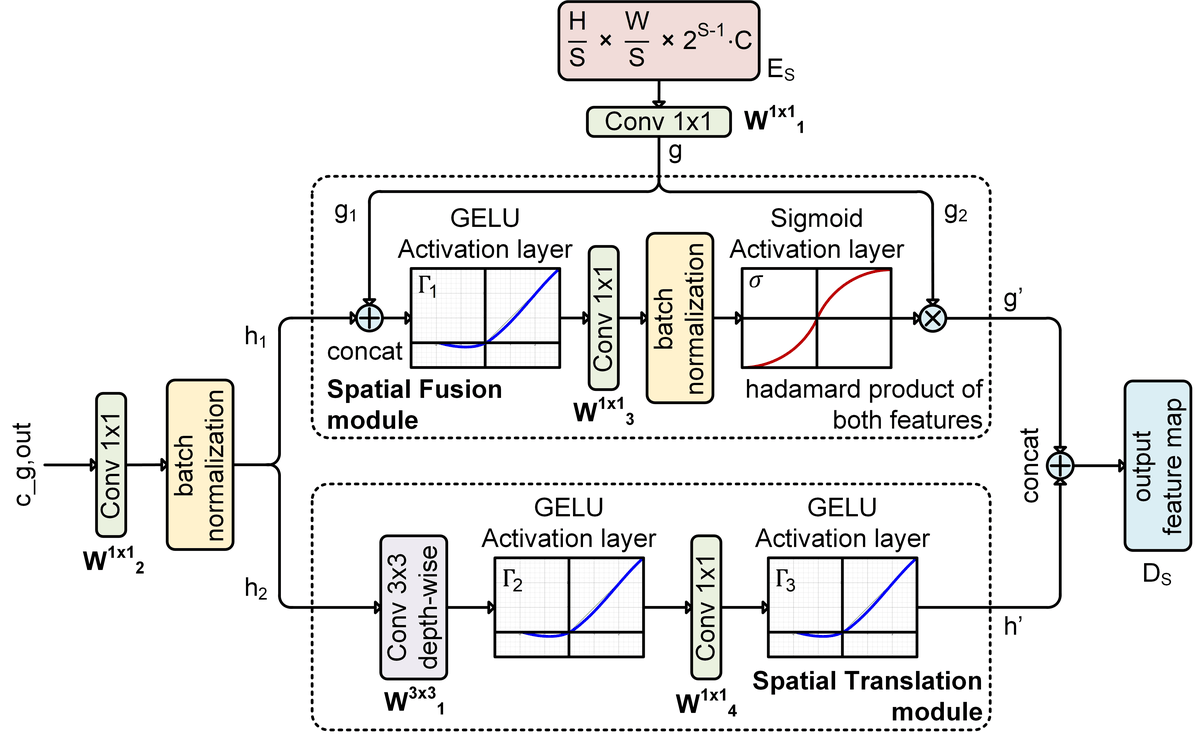
A new hybrid encoder architecture pairs ConvNeXt with a lightweight transformer variant to push medical segmentation accuracy while cutting GPU memory usage.
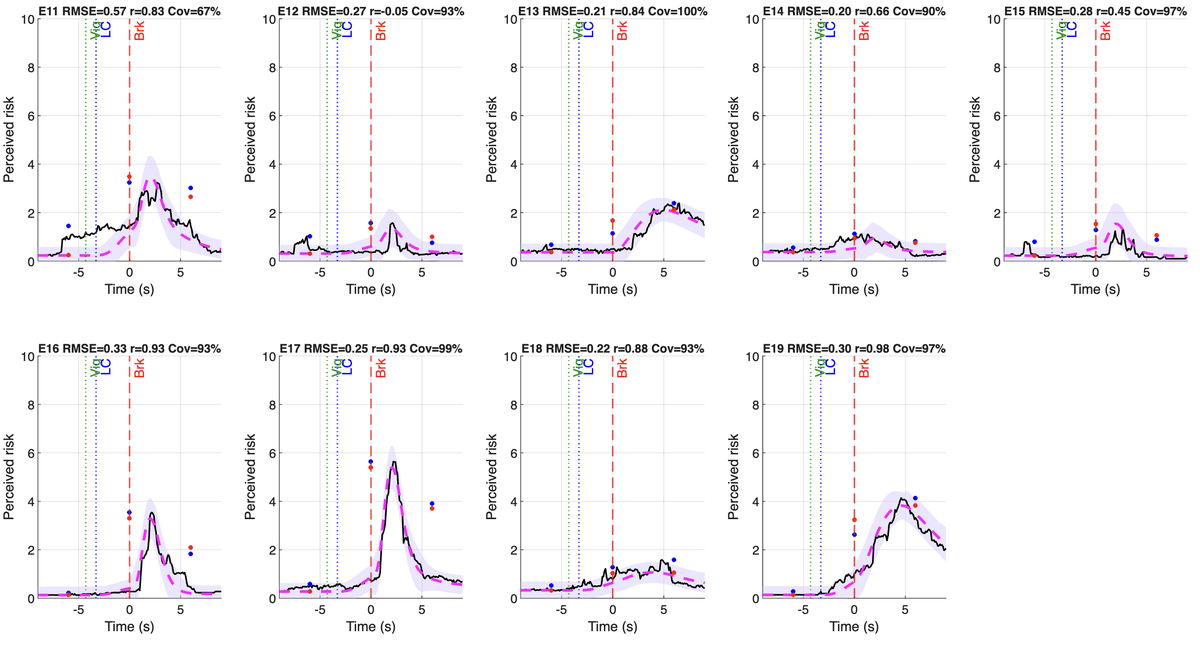
A kernel-constrained inference method turns 141,628 discrete clip ratings into continuous perceived risk curves, exposing dynamics that single-score summaries hide.
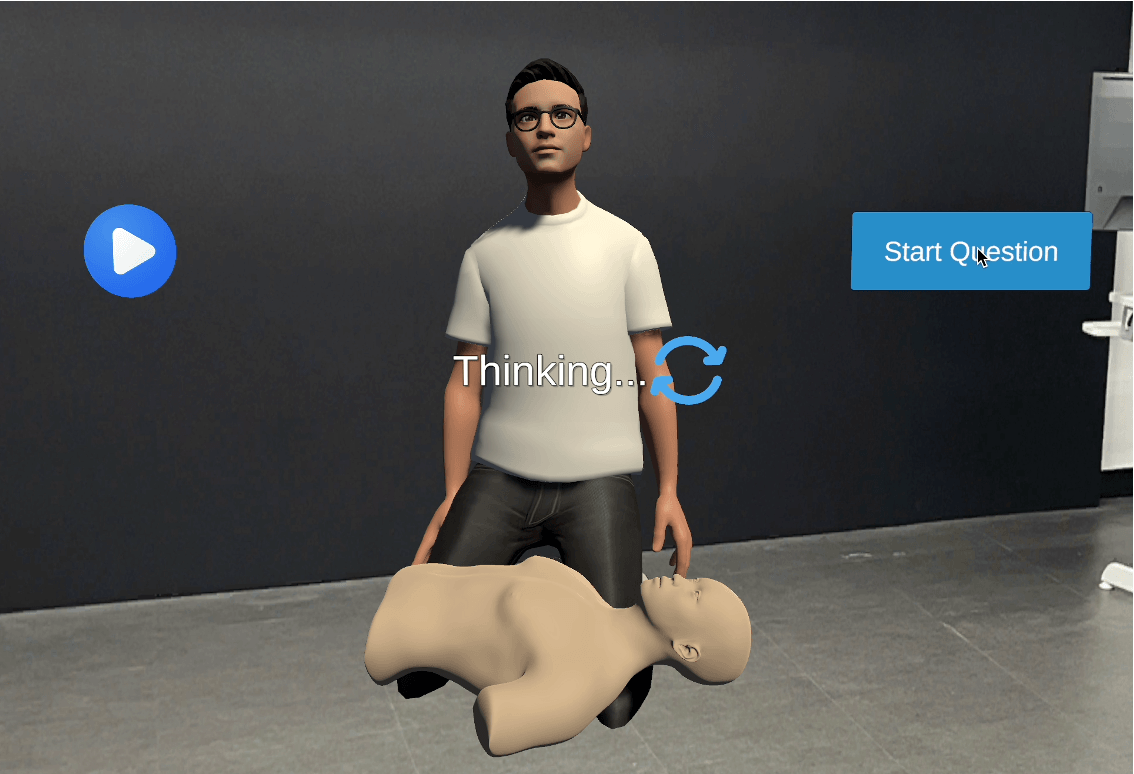
A CHI '26 study of 40 learners shows AR virtual agents trigger deeper 'why' questions during CPR training, while flat-screen agents drive procedural nitpicking.
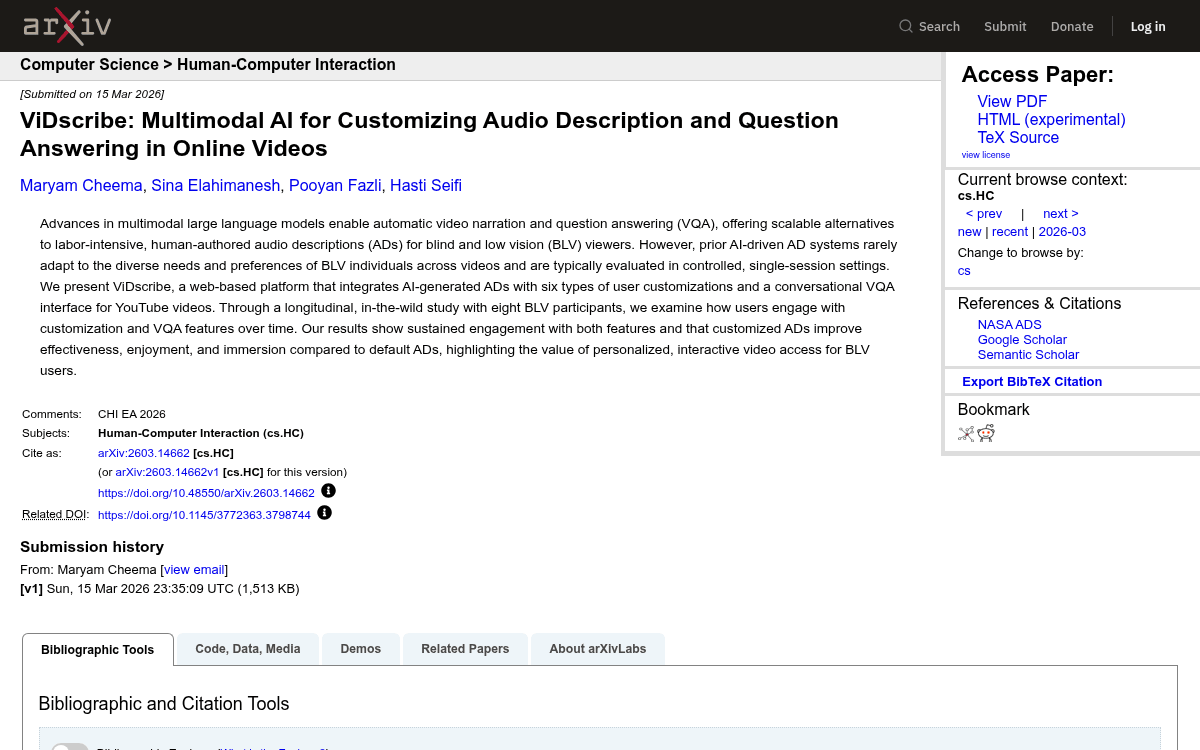
A new web platform pairs Gemini 3 Pro with six customization knobs and on-demand video Q&A, letting blind viewers reshape AI-generated audio descriptions for any YouTube video.
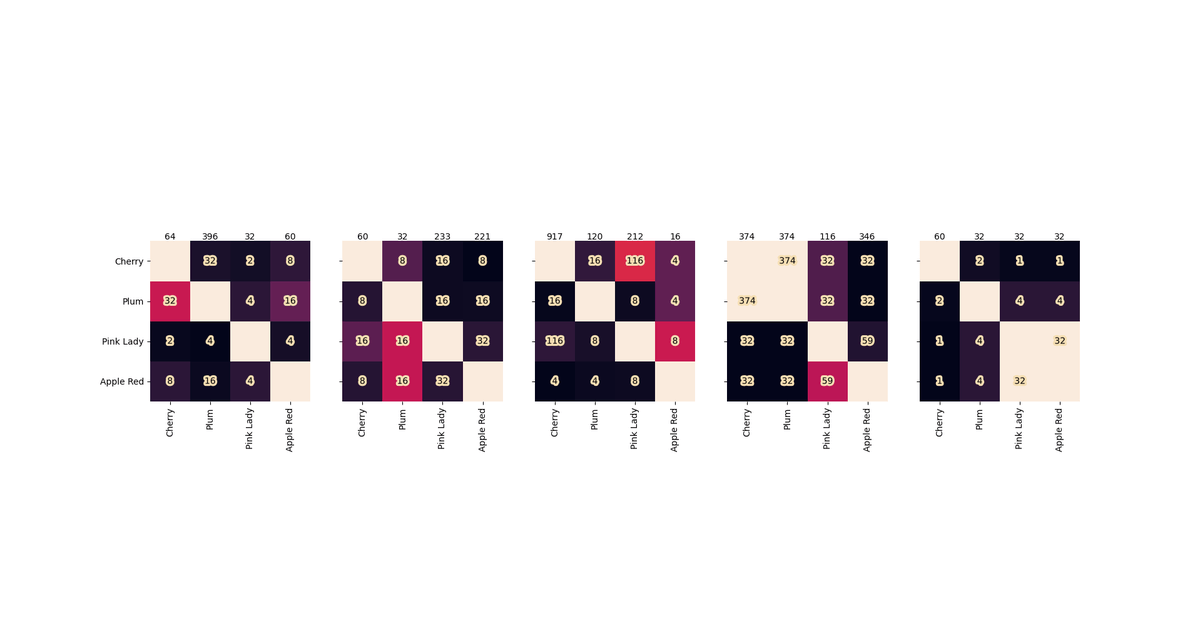
A neuro-symbolic framework turns a network's last hidden layer into a formal concept lattice, enabling global explanations, architecture comparisons, and rule extraction.