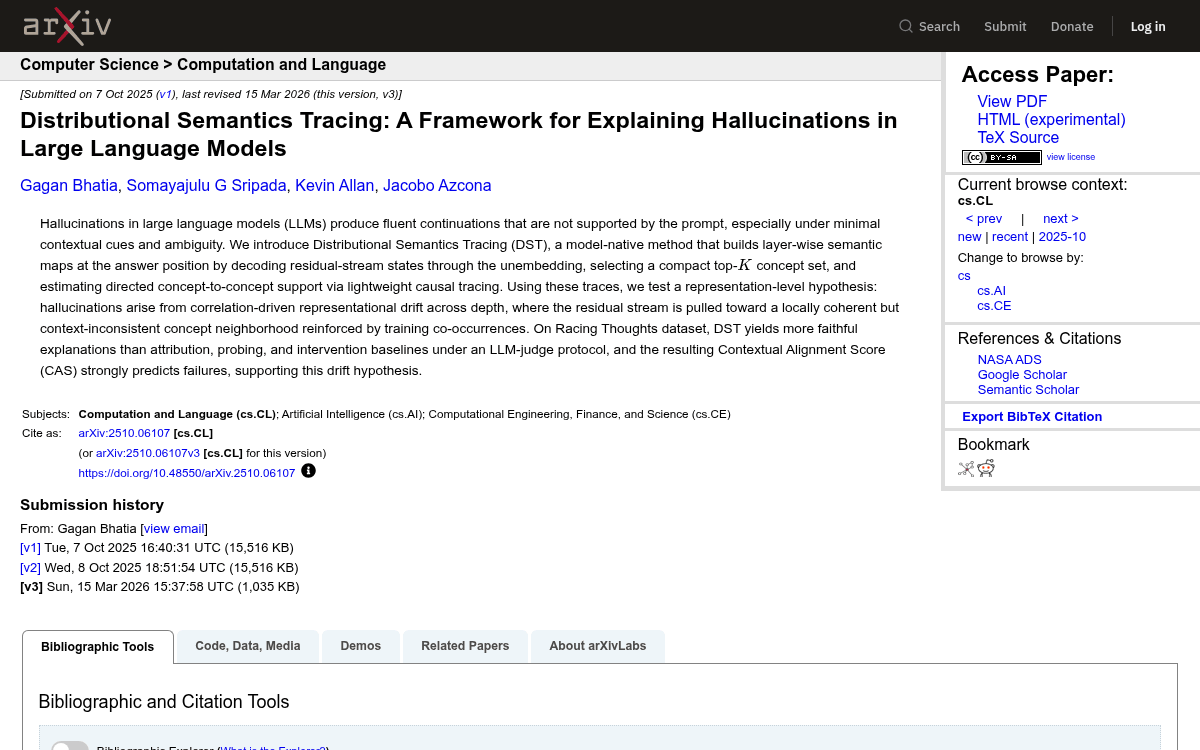
A new interpretability method builds layer-by-layer concept graphs inside transformers, revealing hallucinations as representational drift toward correlated but wrong meanings.
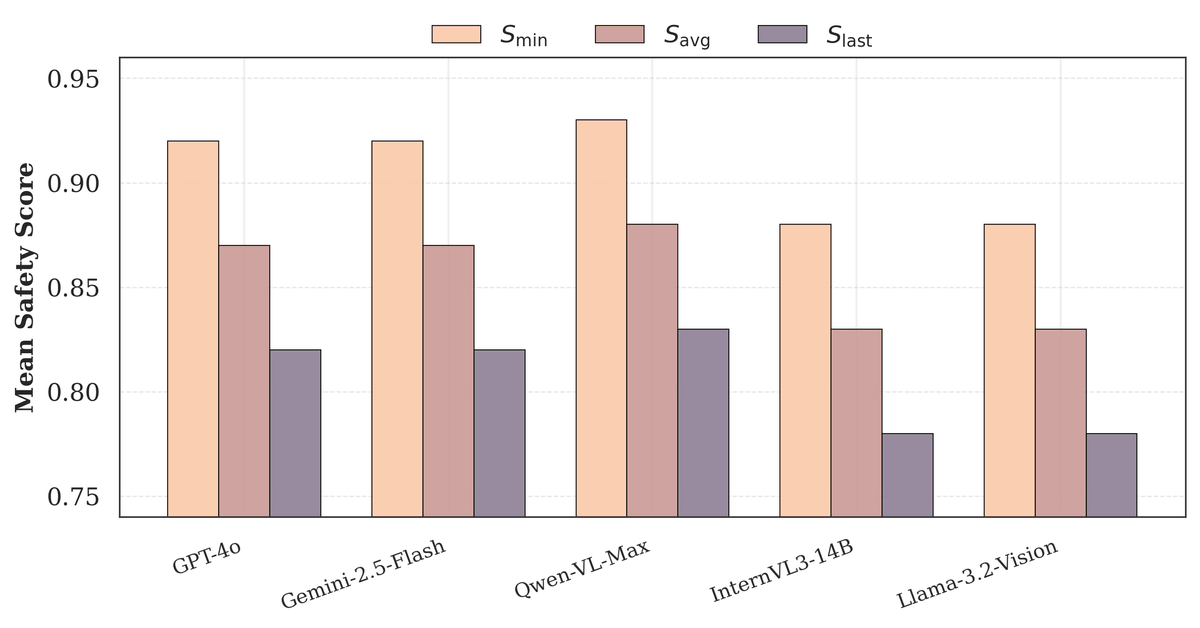
A cross-institution research team reframes vision-language model safety as a budget problem, using a thought graph and net-present-value scoring to beat chain-of-thought at a fraction of the compute.
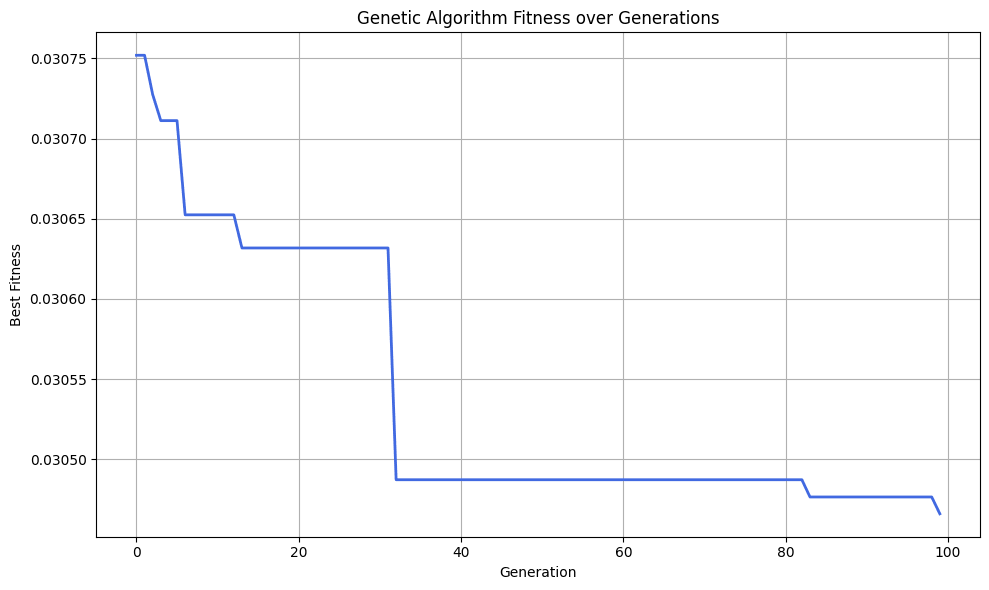
A new white-box watermarking method injects chaotic sequences into neural network weights and uses genetic algorithms to prove ownership after fine-tuning attacks.
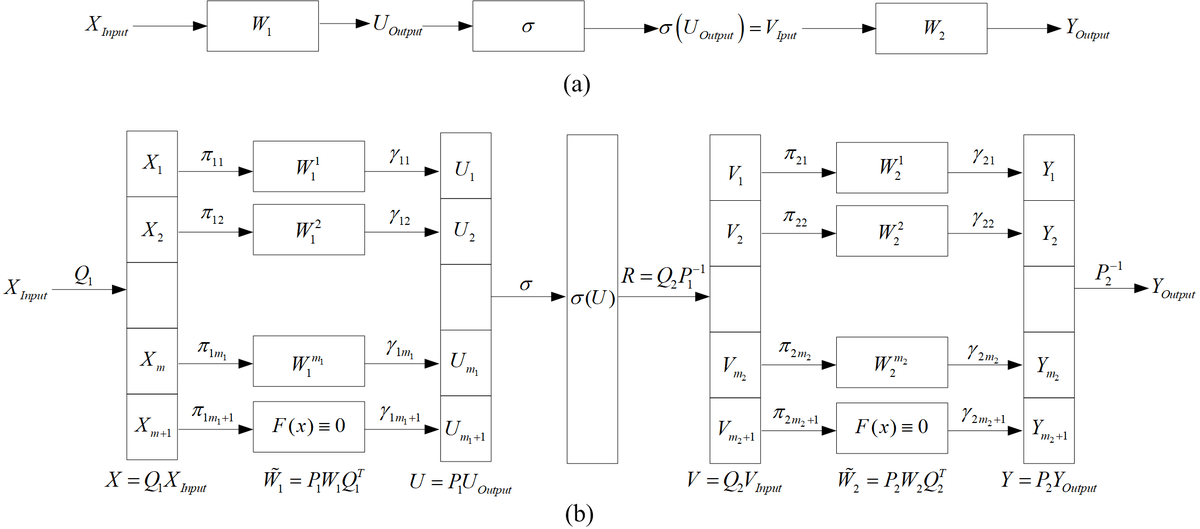
A new theoretical framework shows that trained networks contain hidden block structures that let inference split into independent parallel sub-operators without touching model outputs.
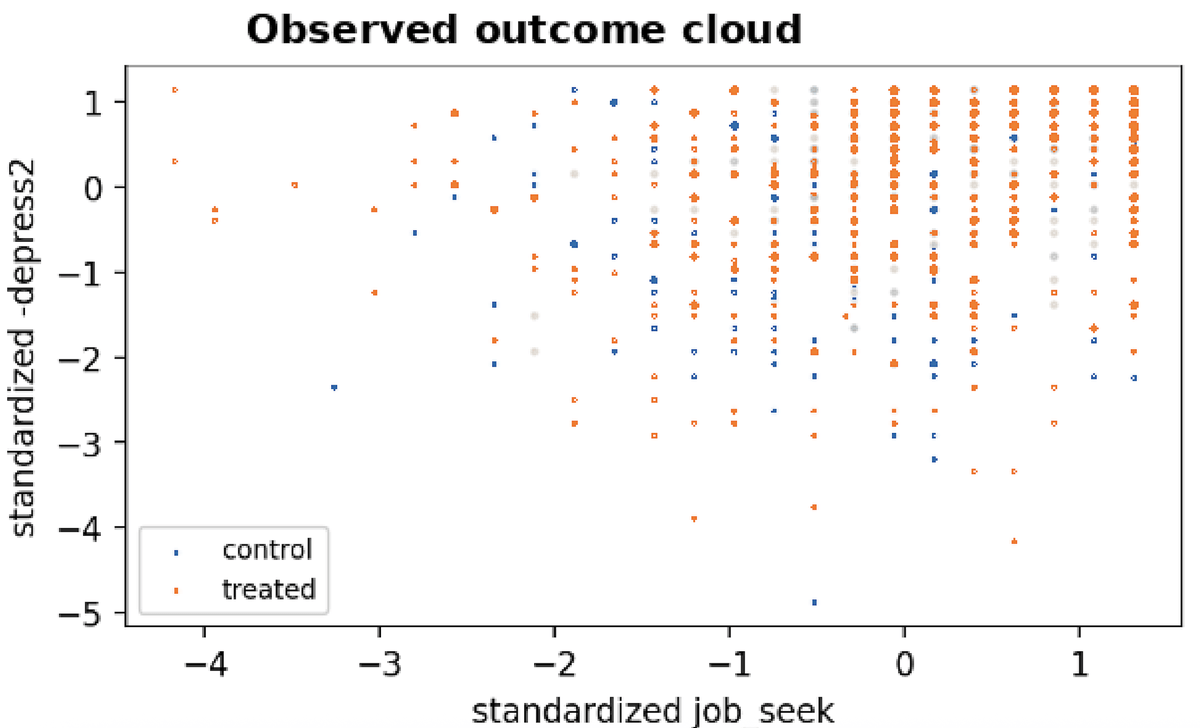
A new causal framework uses persistent homology to detect treatment effects that reshape outcome distributions even when average treatment effects stay flat.
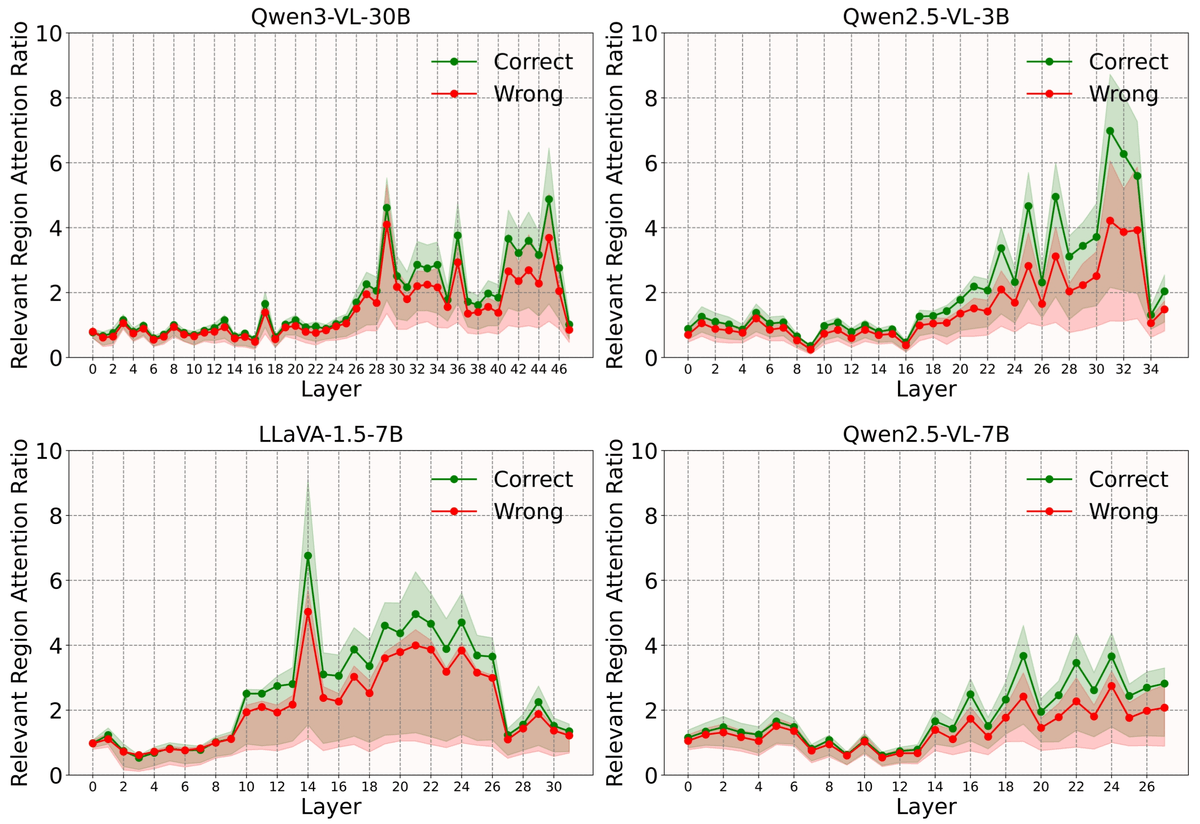
A training-free attention reweighting method fixes a strange failure mode where chain-of-thought reasoning makes vision language models less accurate at seeing.
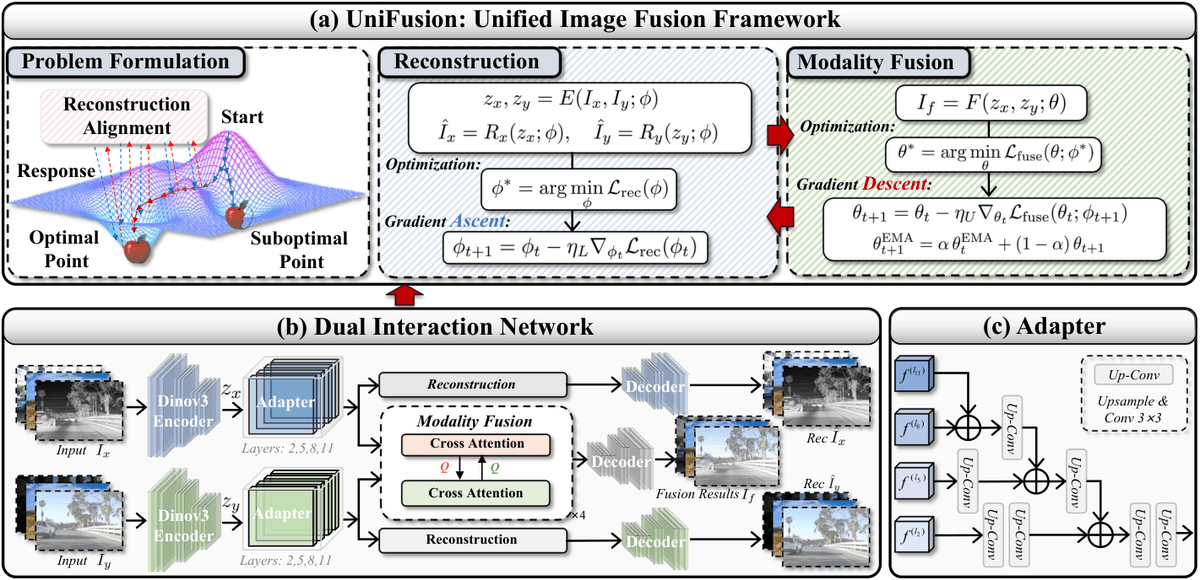
A single model handles infrared, medical, exposure, and focus fusion by pairing frozen DINOv3 features with a reconstruction-alignment loss and bilevel training.
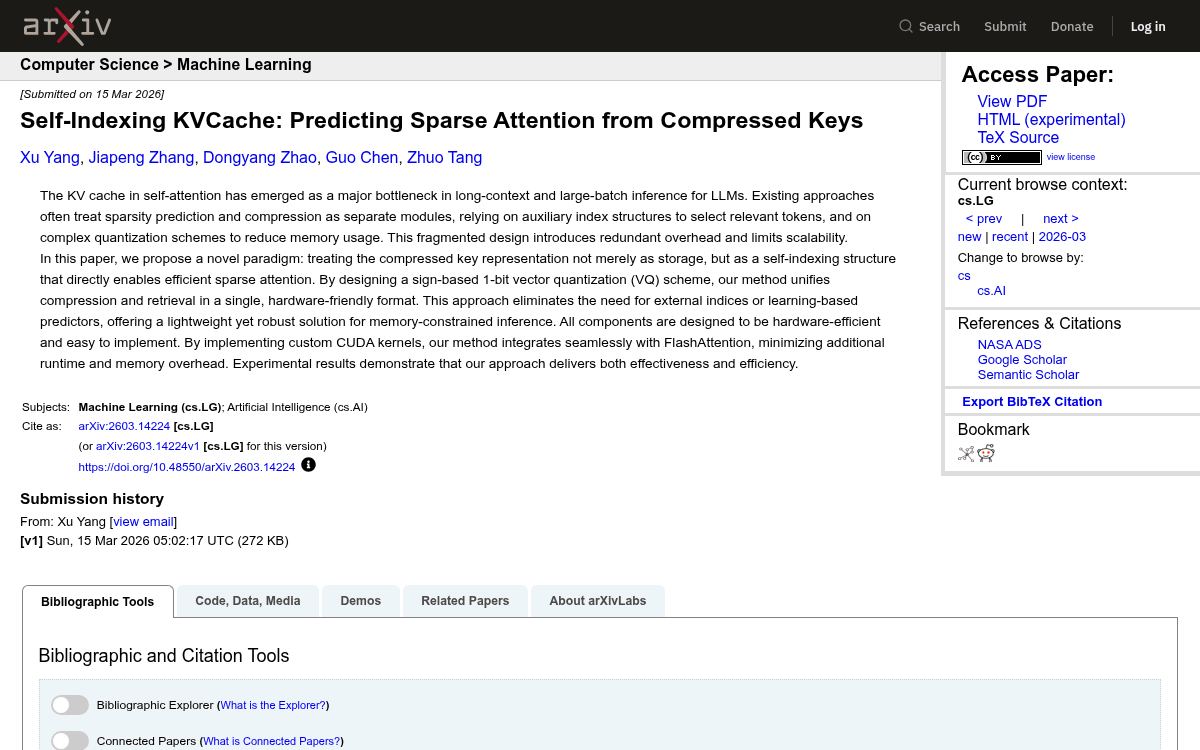
A new sign-based 1-bit vector quantization scheme turns the compressed KV cache into its own index, cutting memory 5x and doubling decoding throughput.
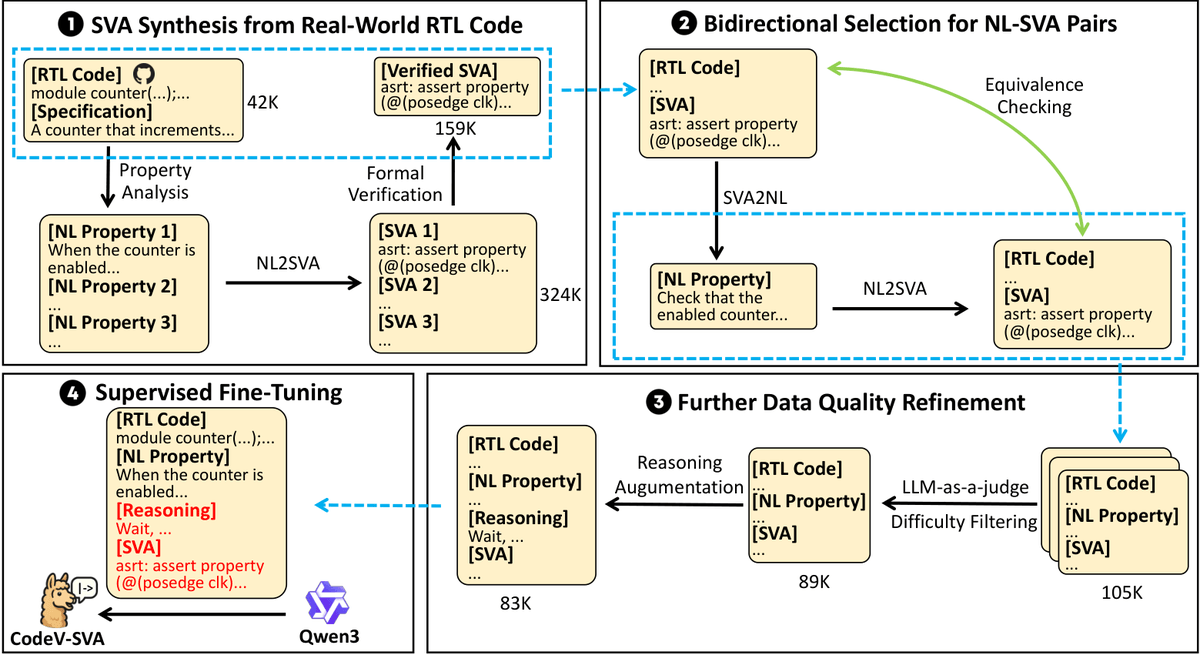
A specialized 14B model matches GPT-5 on translating natural-language specs into SystemVerilog Assertions, trained on synthetic data grounded in real open-source hardware.