
Pro
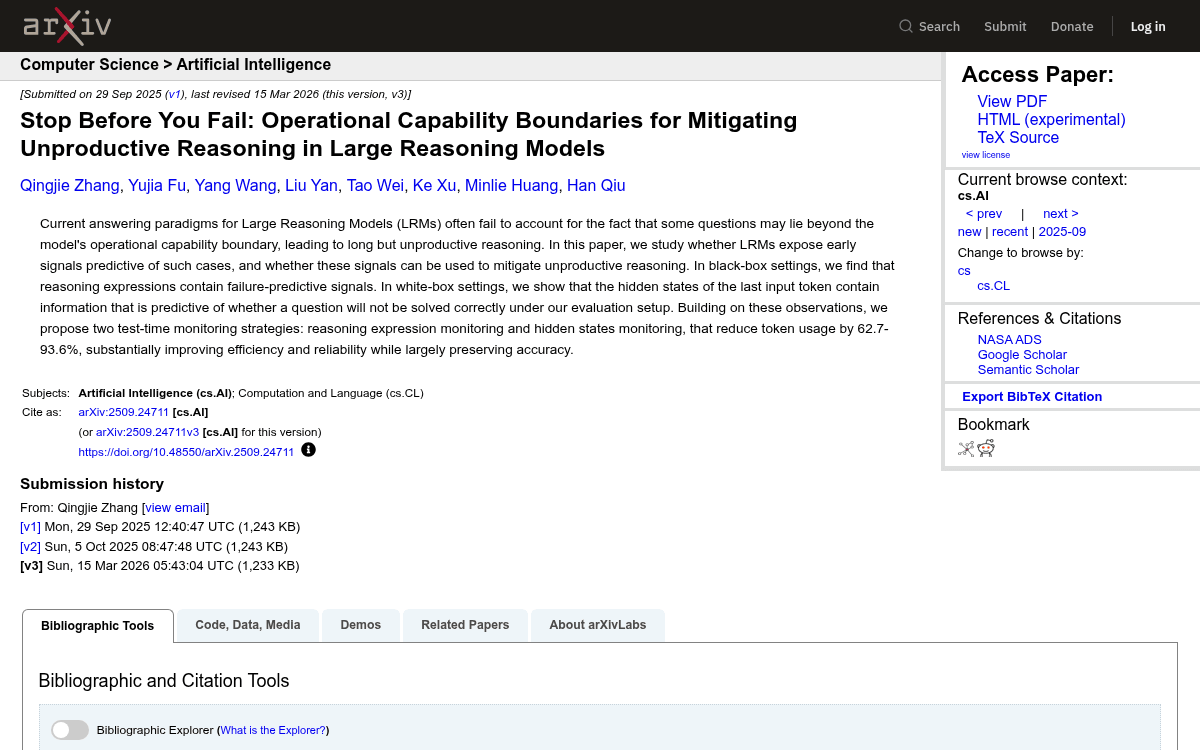
Tsinghua Catches Failing AI Reasoning Models Before They Waste 93% of Tokens
Researchers from Tsinghua and Ant Group found reasoning models leak signals of failure early, letting you stop them before wasting 60-90% of tokens.
20 stories
Researchers from Tsinghua and Ant Group found reasoning models leak signals of failure early, letting you stop them before wasting 60-90% of tokens.
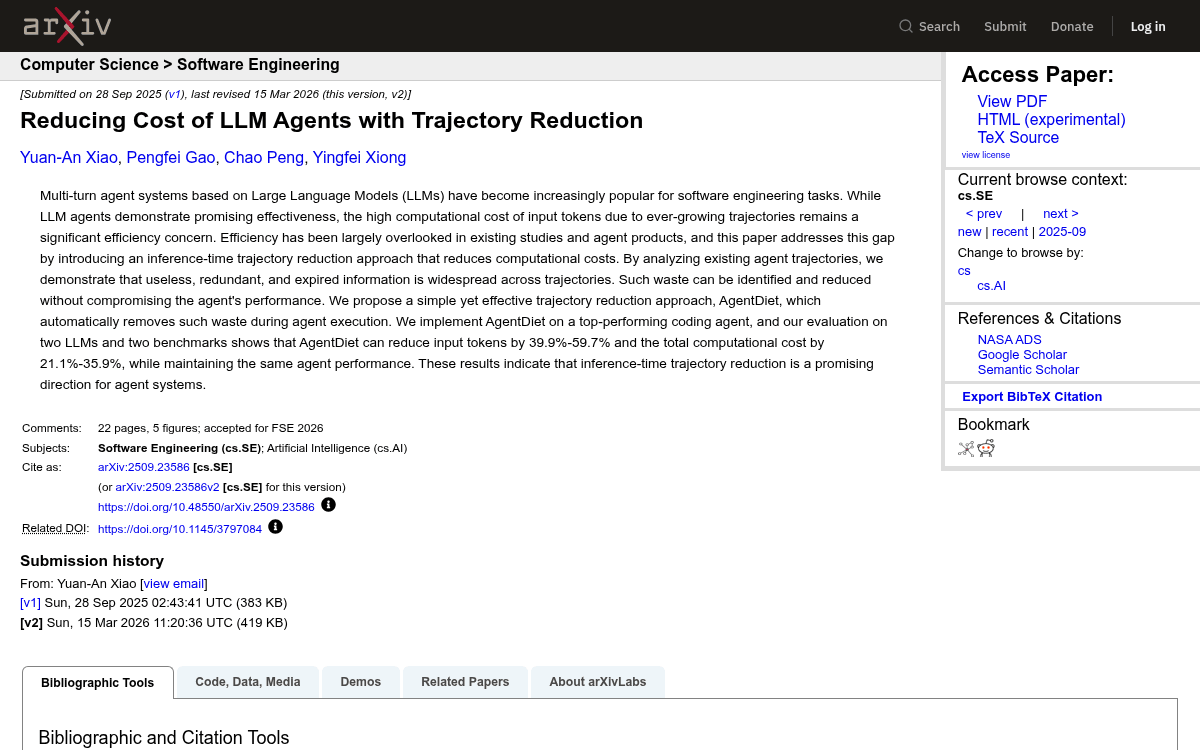
AgentDiet cuts input tokens by up to 60% and total inference cost by up to 36% on coding agents, with no drop in task success rate.
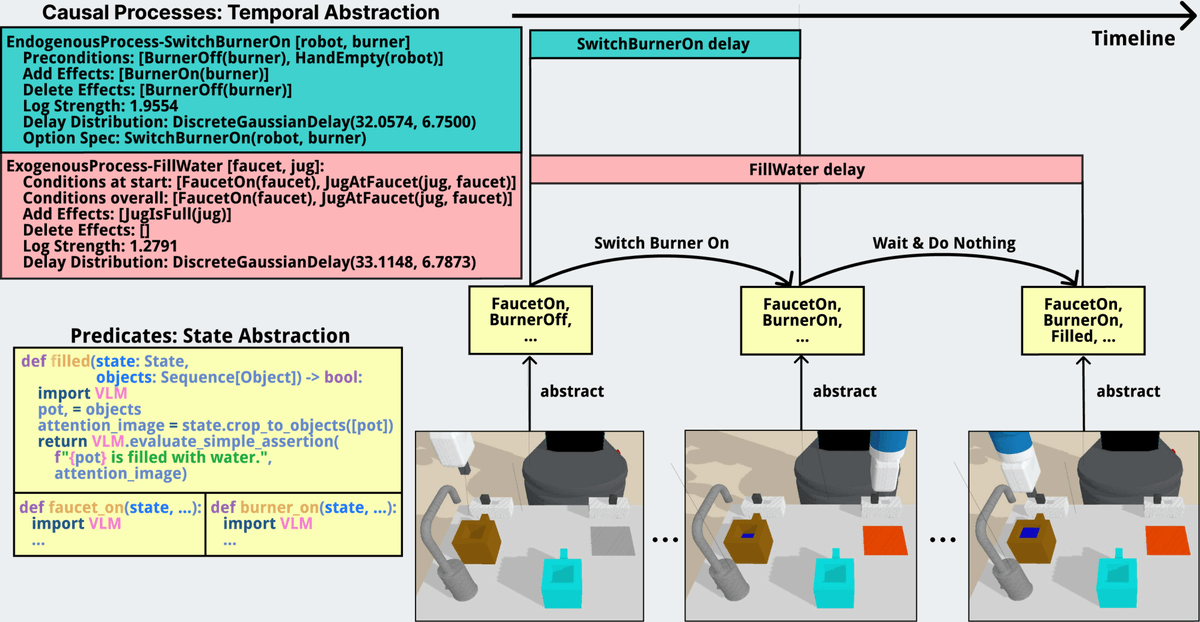
A new framework teaches robots to reason about the world's own dynamics, from boiling water to cascading dominoes, using symbolic causal processes.
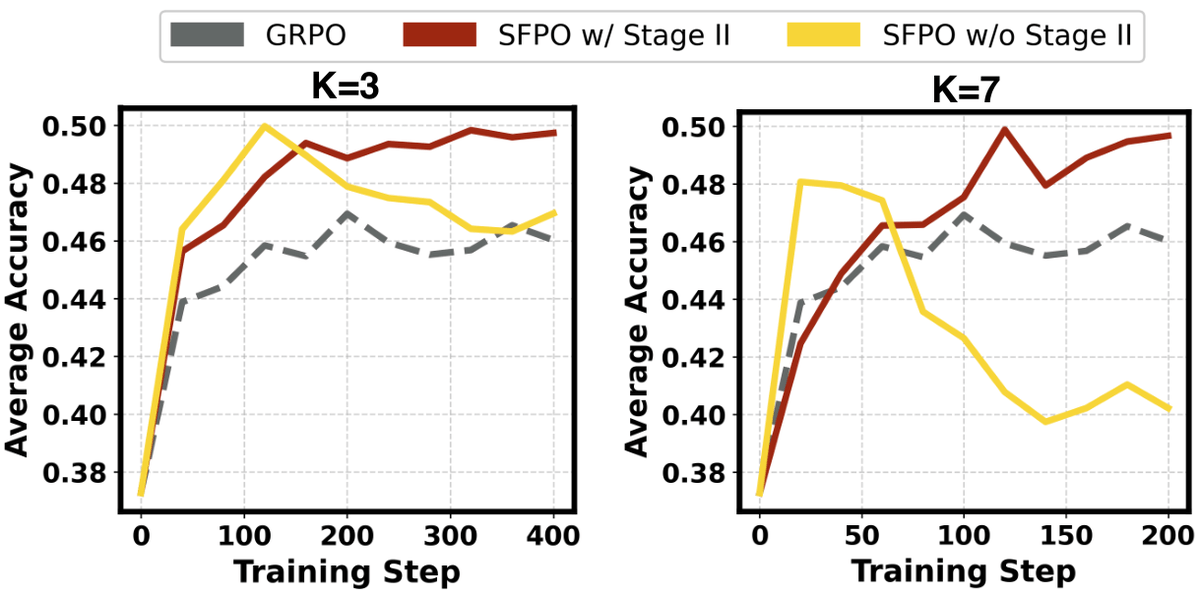
A new three-stage twist on GRPO cuts rollouts by up to 4.93x and matches best accuracy in a fraction of the wall-clock time.
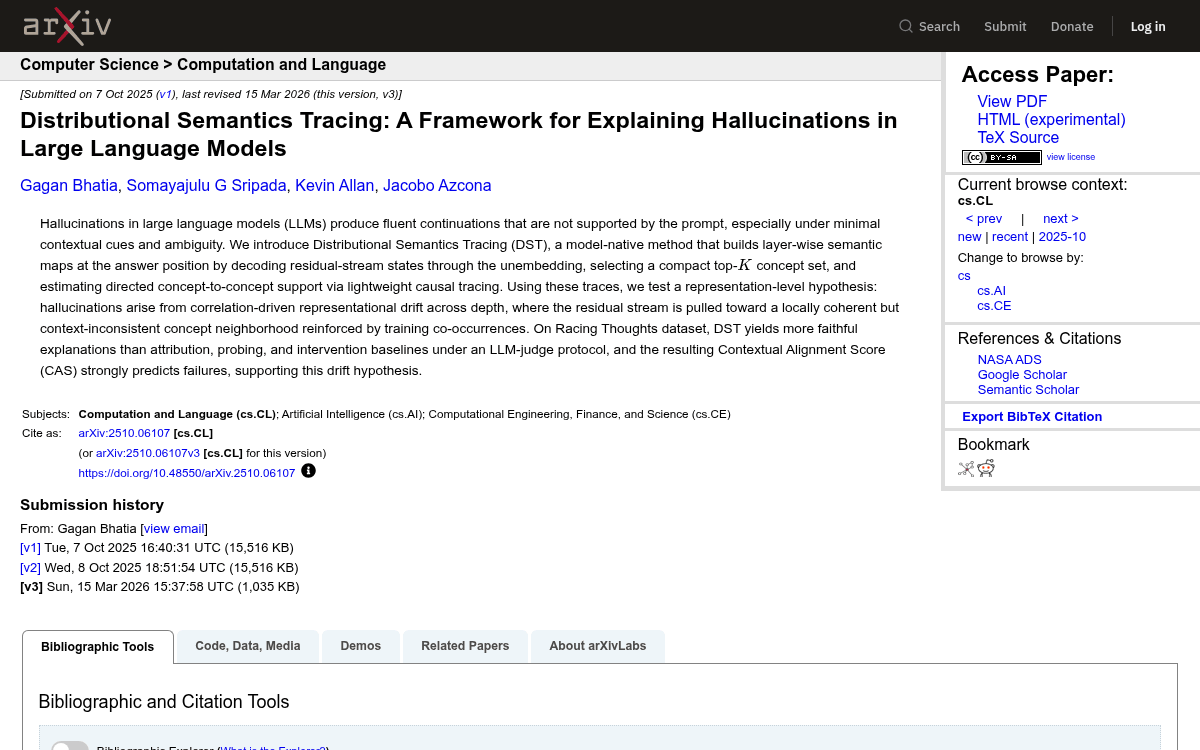
A new interpretability method builds layer-by-layer concept graphs inside transformers, revealing hallucinations as representational drift toward correlated but wrong meanings.
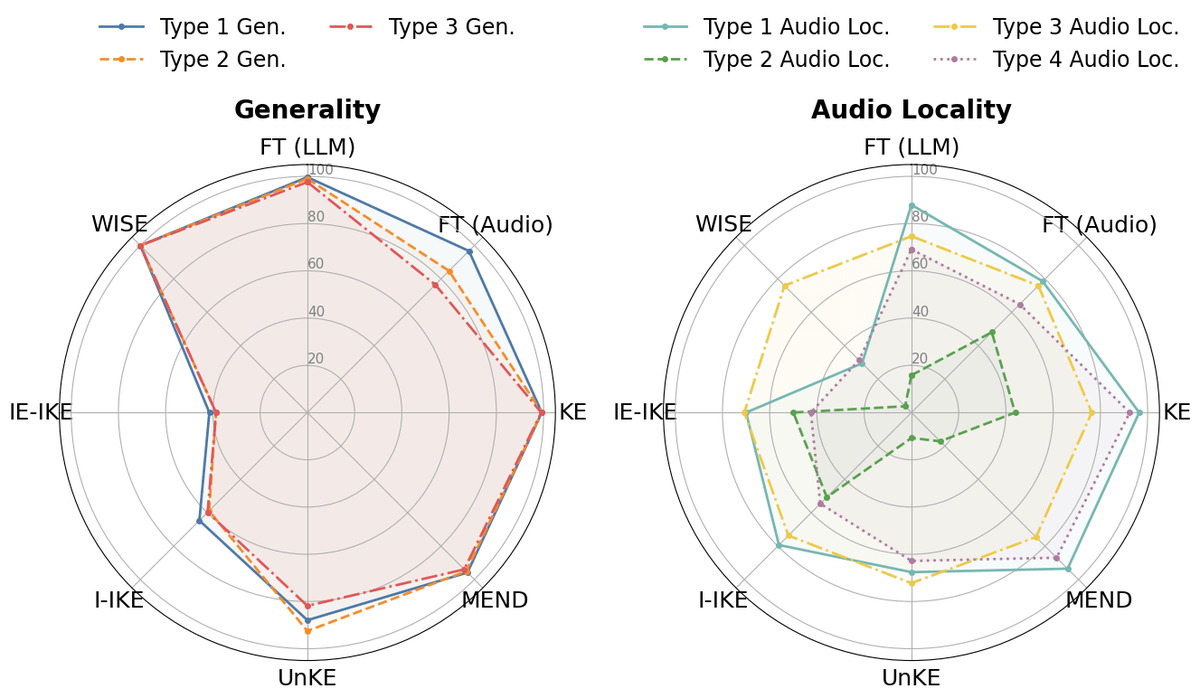
A new benchmark tests whether knowledge editing tricks that work on text-only LLMs actually transfer to audio-language models, and most fail.
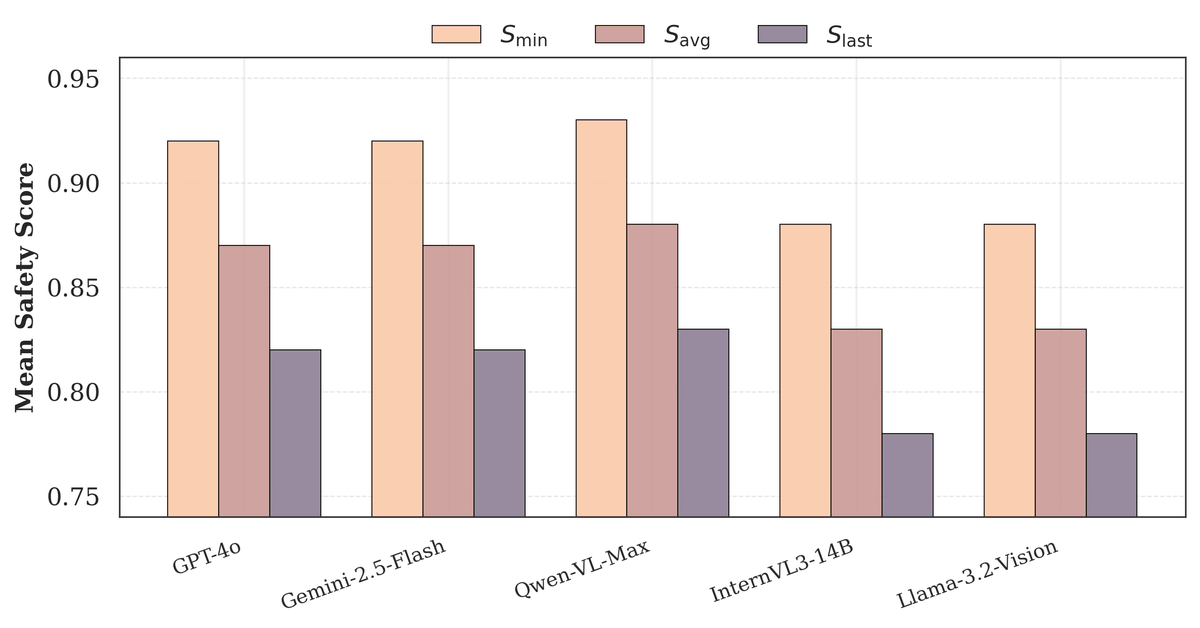
A cross-institution research team reframes vision-language model safety as a budget problem, using a thought graph and net-present-value scoring to beat chain-of-thought at a fraction of the compute.
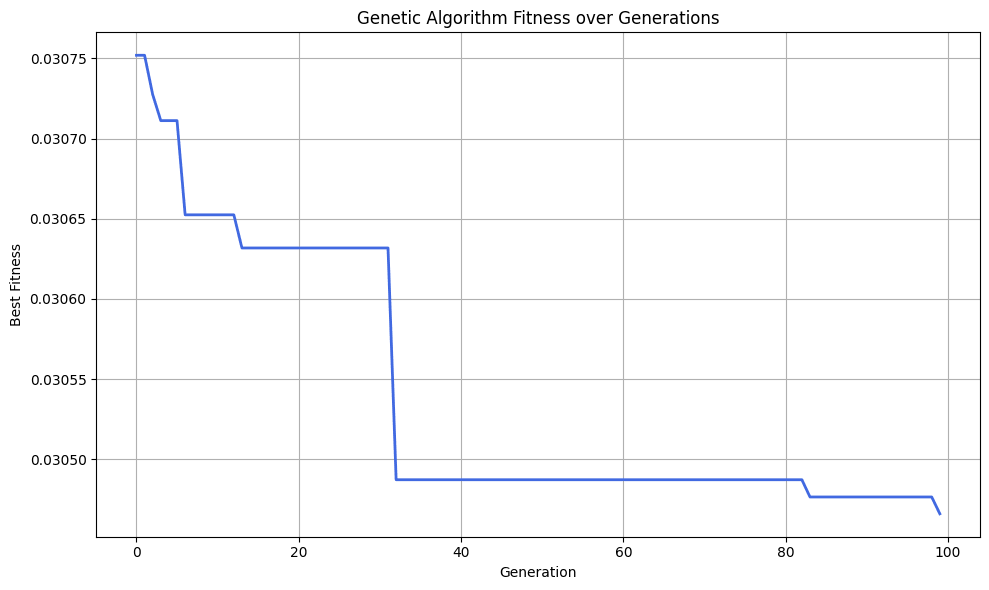
A new white-box watermarking method injects chaotic sequences into neural network weights and uses genetic algorithms to prove ownership after fine-tuning attacks.
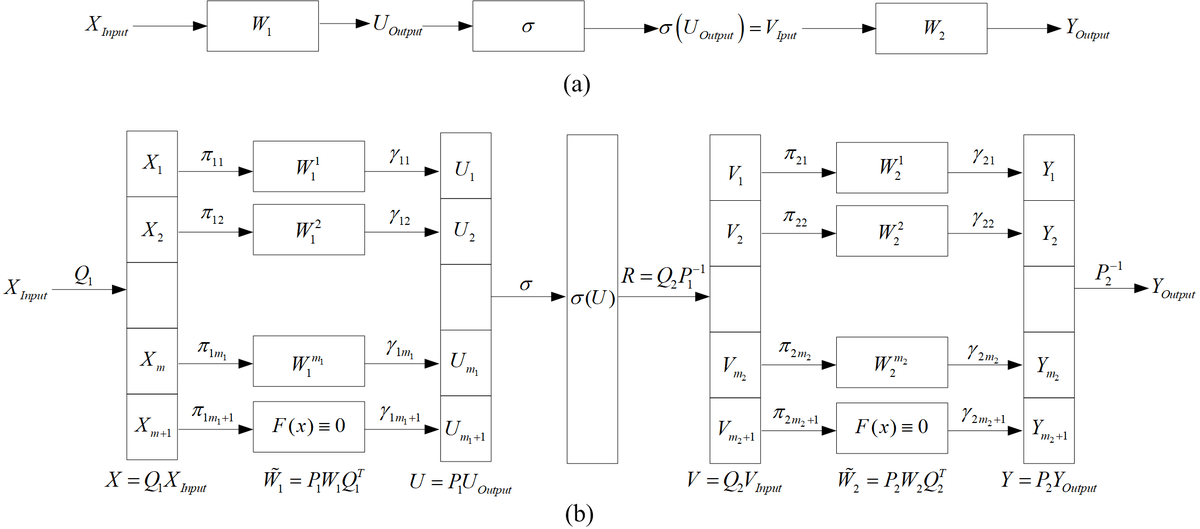
A new theoretical framework shows that trained networks contain hidden block structures that let inference split into independent parallel sub-operators without touching model outputs.
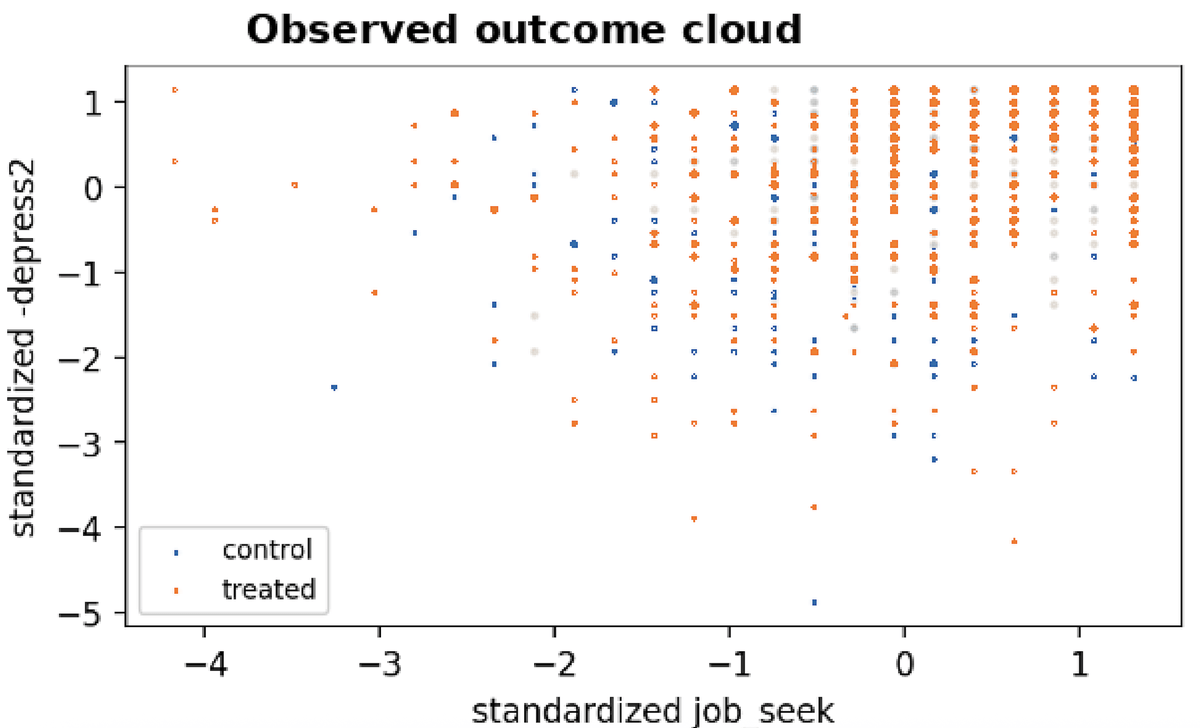
A new causal framework uses persistent homology to detect treatment effects that reshape outcome distributions even when average treatment effects stay flat.
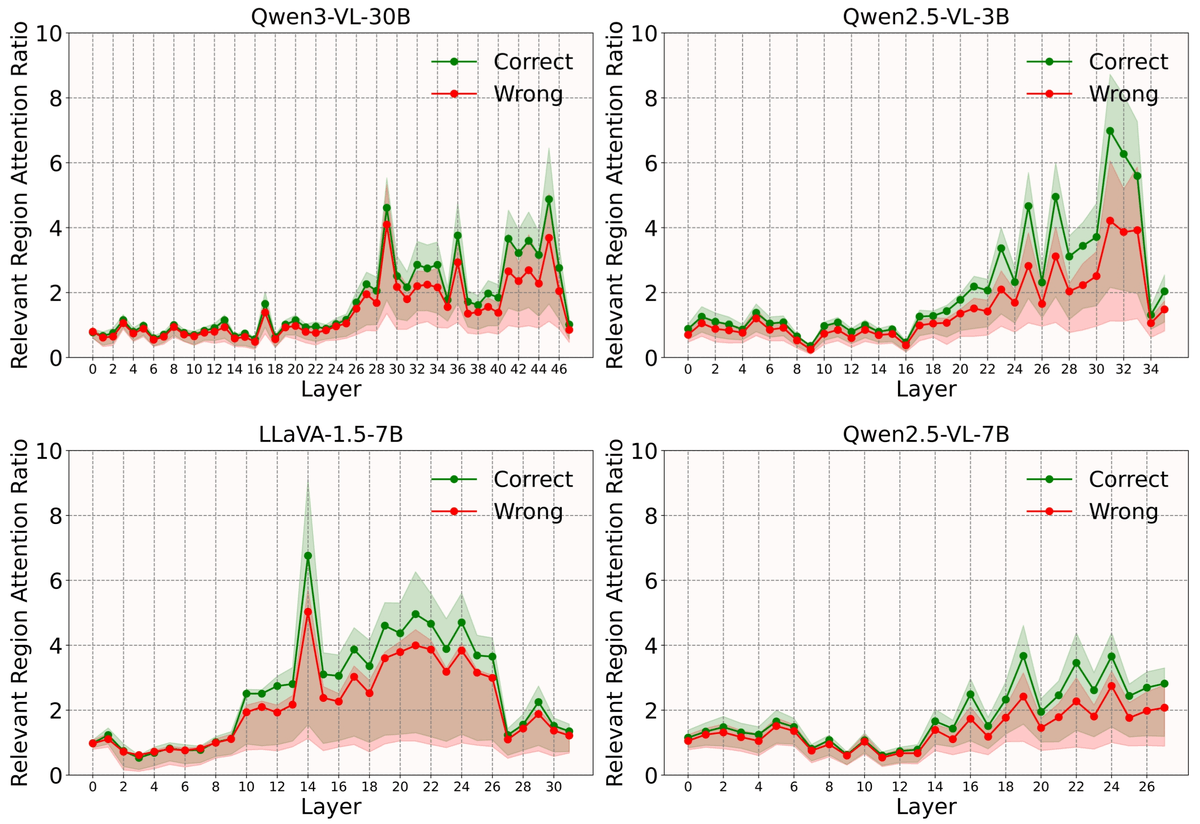
A training-free attention reweighting method fixes a strange failure mode where chain-of-thought reasoning makes vision language models less accurate at seeing.
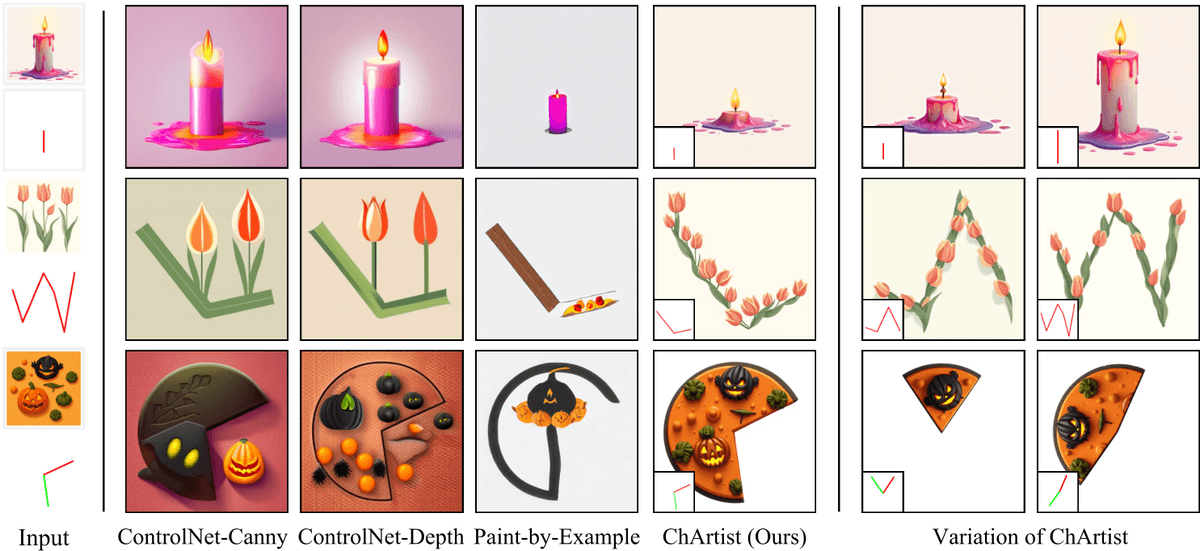
A new diffusion model turns bar, line, and pie charts into pictorial visualizations while keeping the underlying numbers accurate.
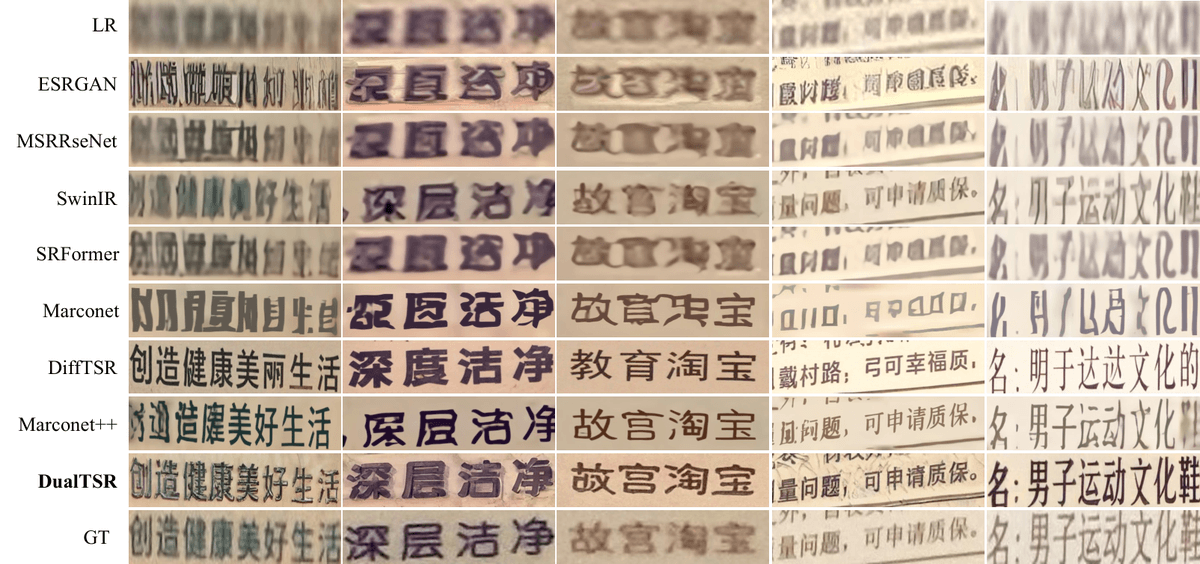
A single multimodal transformer trained with two diffusion objectives restores blurred scene text without any external OCR module.
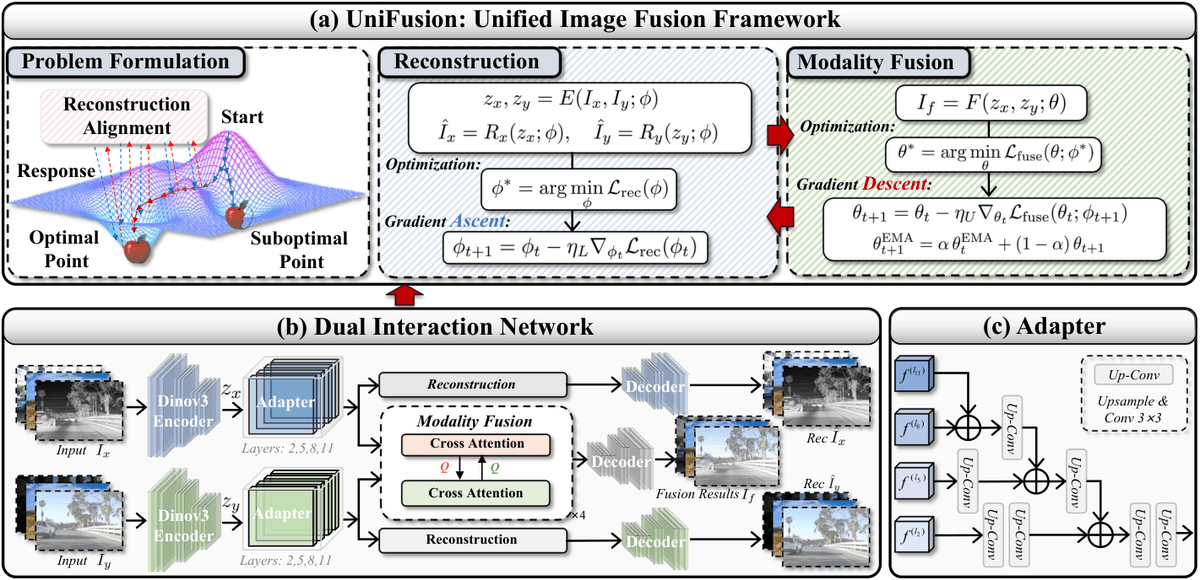
A single model handles infrared, medical, exposure, and focus fusion by pairing frozen DINOv3 features with a reconstruction-alignment loss and bilevel training.
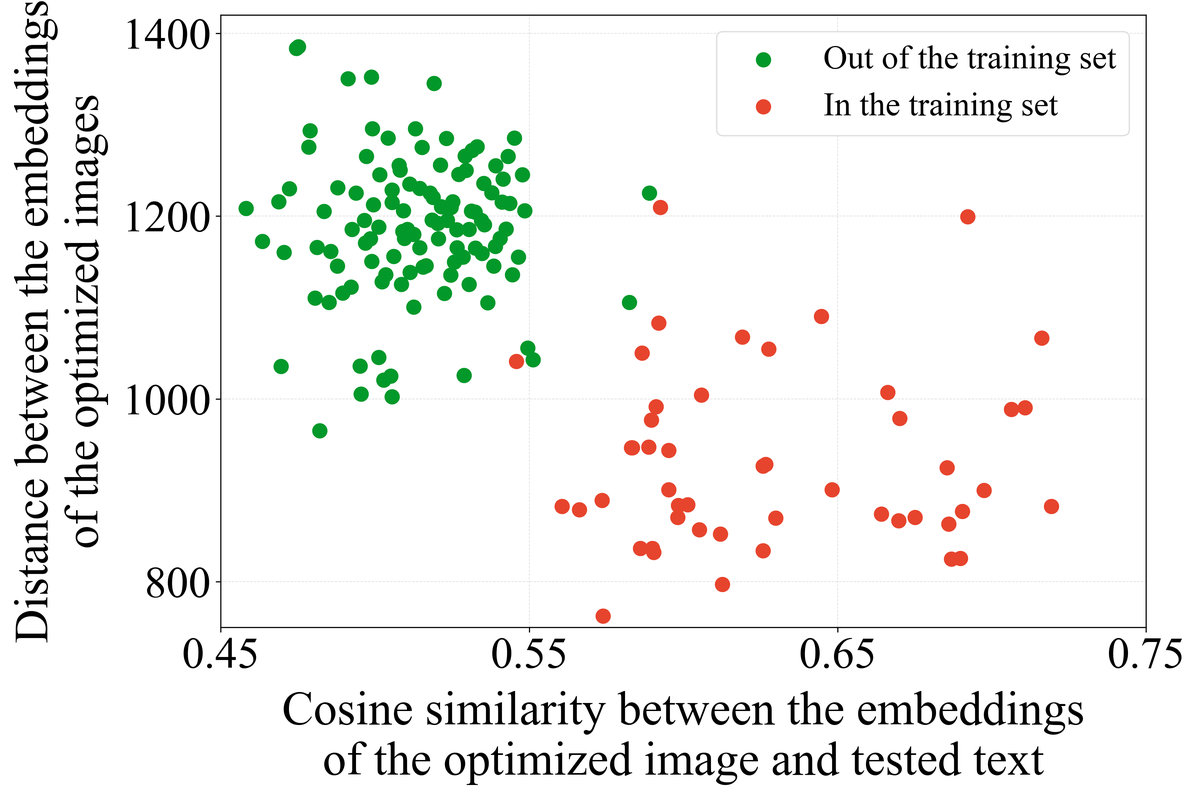
A new auditing framework detects if faces or voices were memorized by CLIP and CLAP using only text queries, no biometric inputs required.
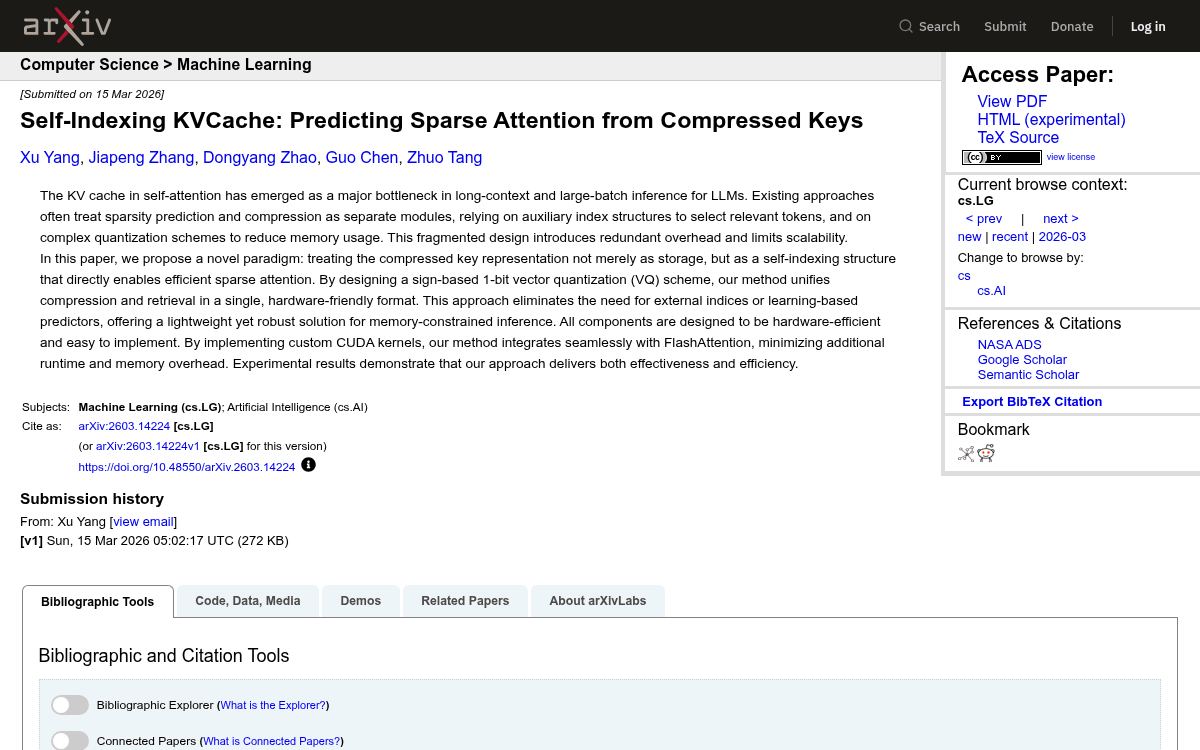
A new sign-based 1-bit vector quantization scheme turns the compressed KV cache into its own index, cutting memory 5x and doubling decoding throughput.
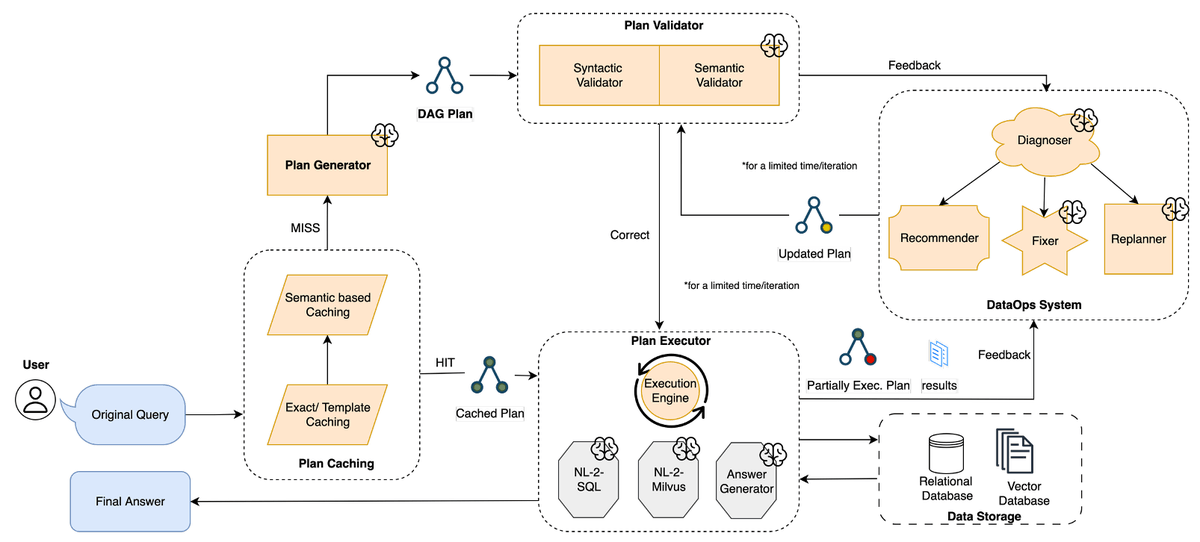
IBM Research introduces a DAG-based query planner that beats RAG by 14.8 points on multi-hop questions spanning SQL tables and vector stores.
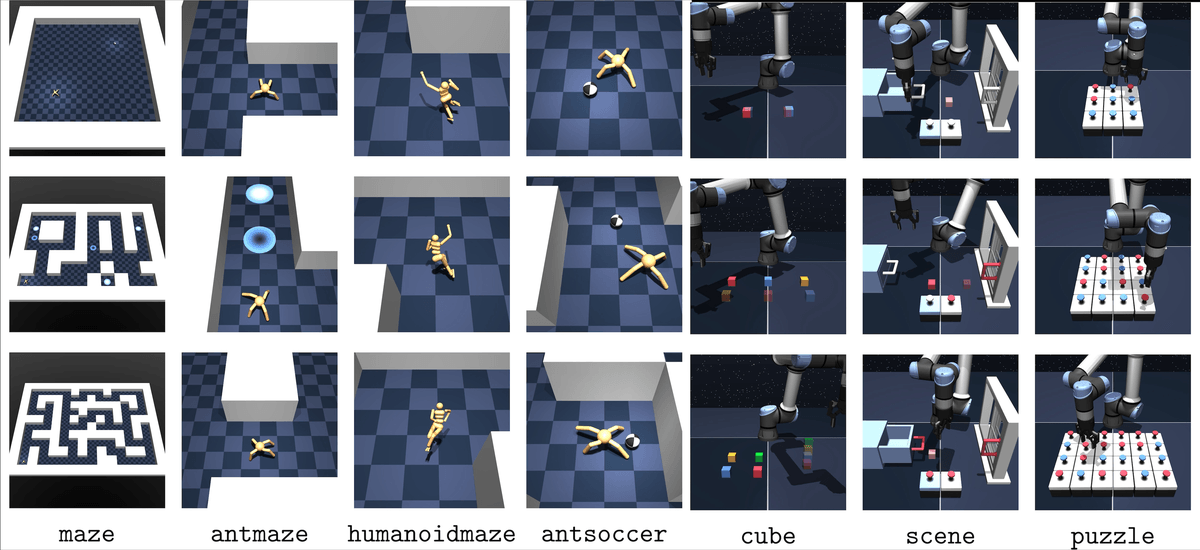
A new distillation method gives one-step flow policies a smarter starting point and tunable exploration, beating prior methods on OGBench and D4RL.
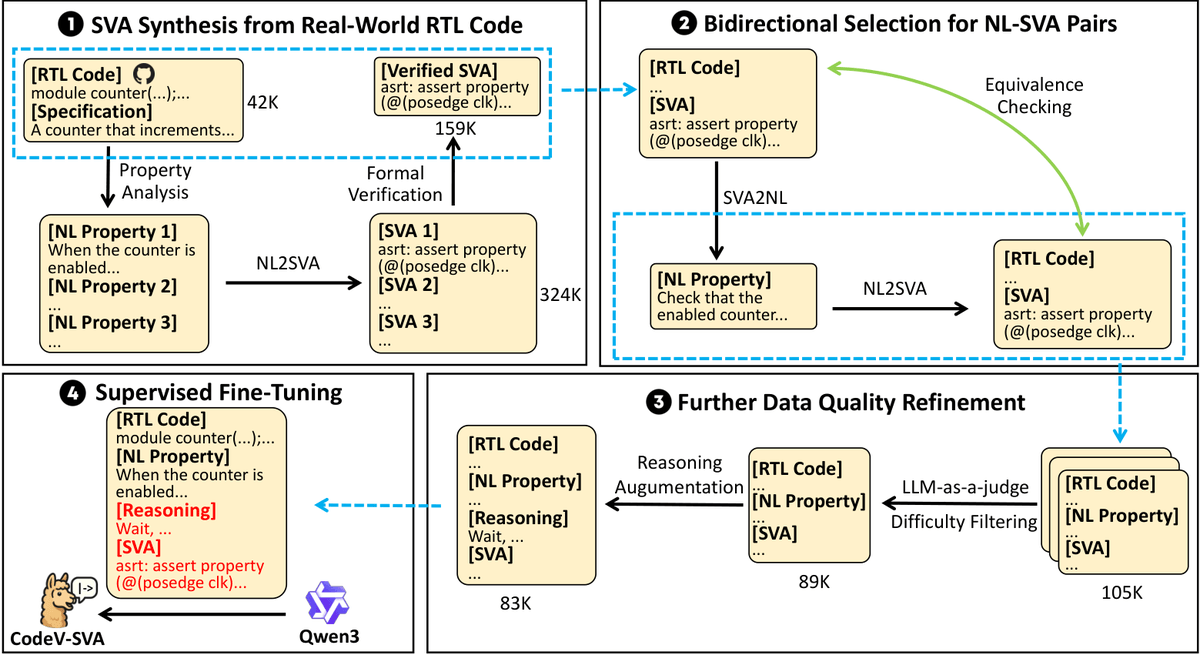
A specialized 14B model matches GPT-5 on translating natural-language specs into SystemVerilog Assertions, trained on synthetic data grounded in real open-source hardware.

A new hierarchical evaluation framework pinpoints where web agents break down, showing execution, not planning, is the real bottleneck.