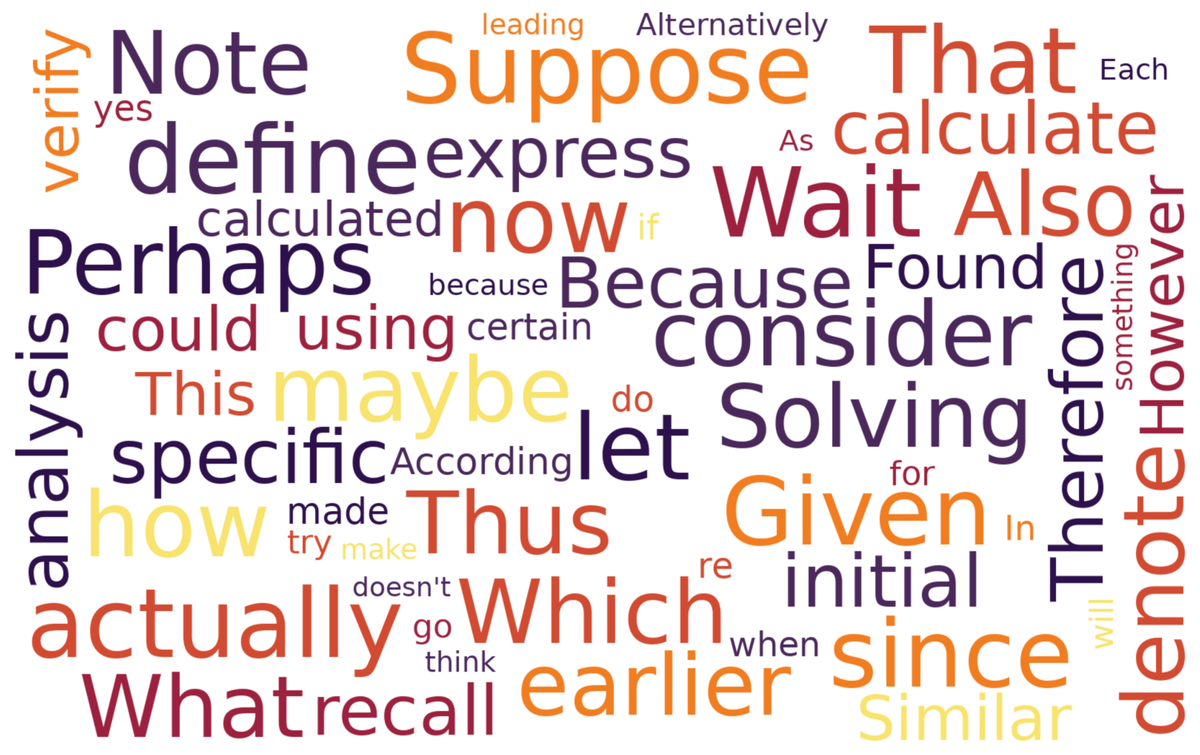
A training-free early-exit method spots overthinking loops by tracking spikes in high-entropy transition tokens like Wait and But, gaining 3.9% accuracy on average.
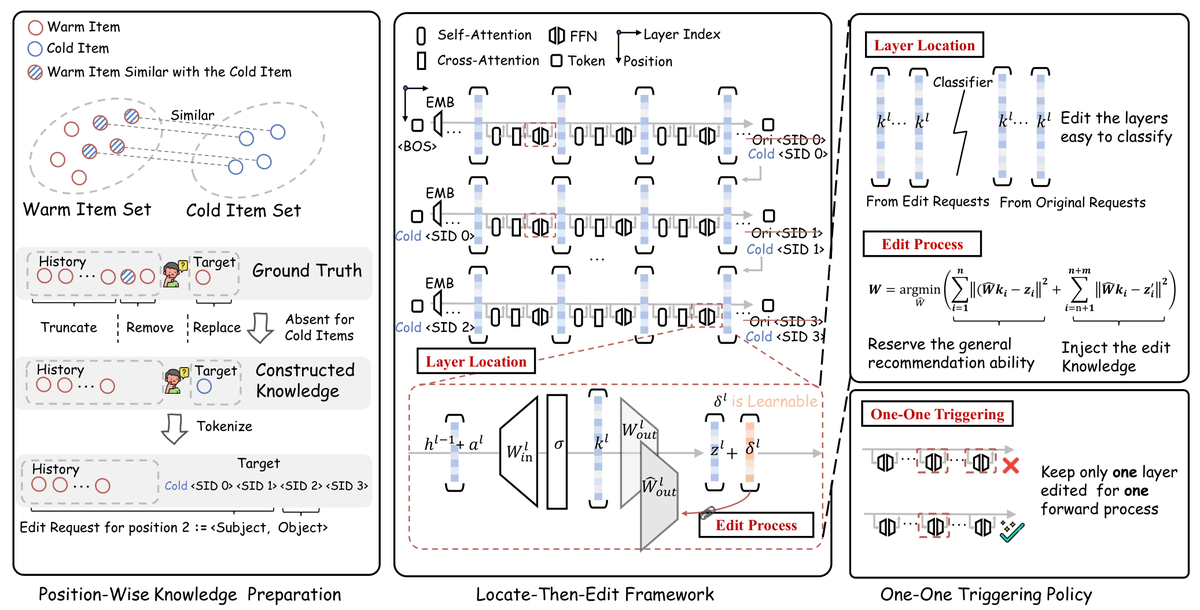
A training-free editing framework injects cold-start item knowledge into generative recommenders, restoring near-zero accuracy at 9.5% of retraining cost.
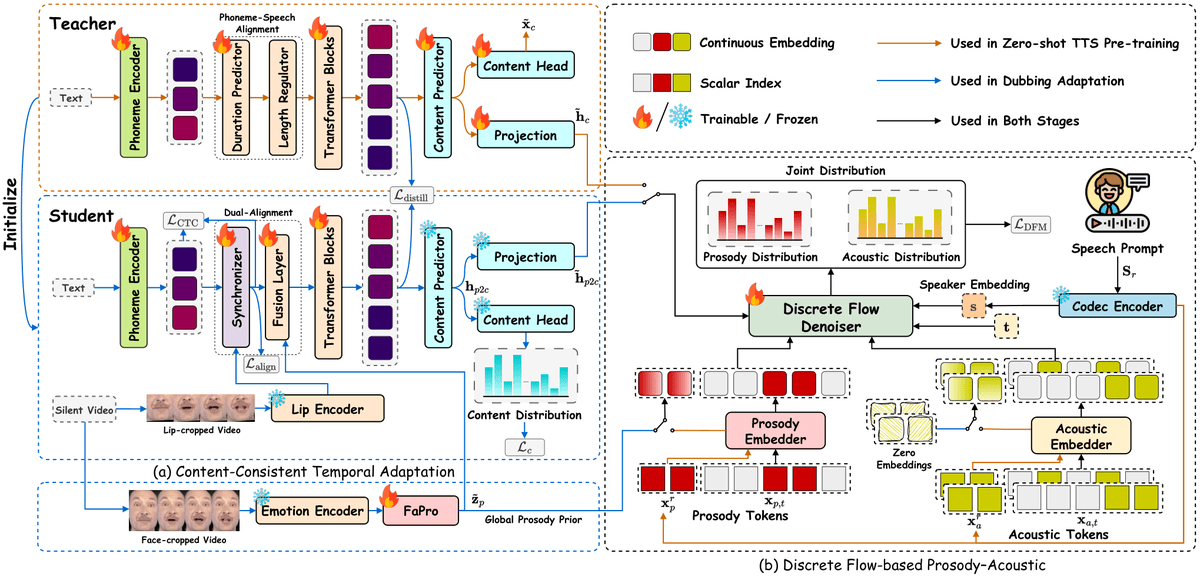
A new video dubbing framework combines discrete flow matching with facial-expression-driven prosody and dual cross-modal alignment to fix synchronization and expressiveness.
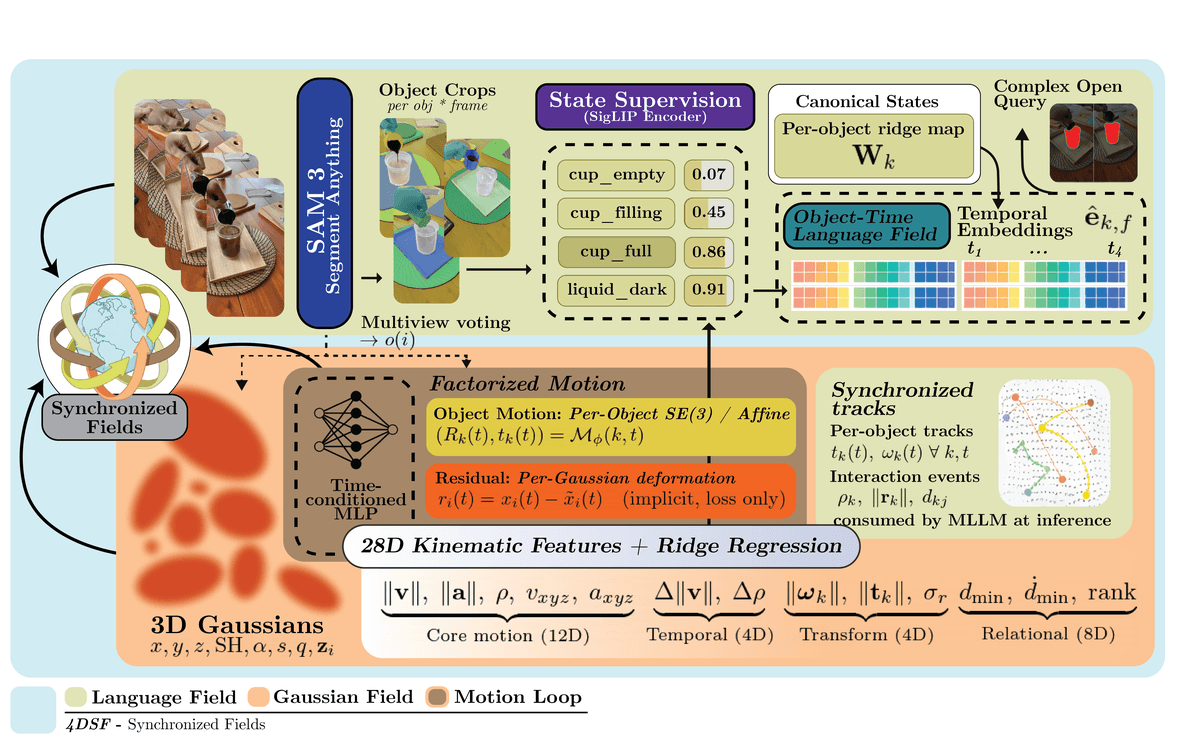
A new 4D Gaussian representation ties object motion and language together during training, enabling text queries that pinpoint both objects and moments.
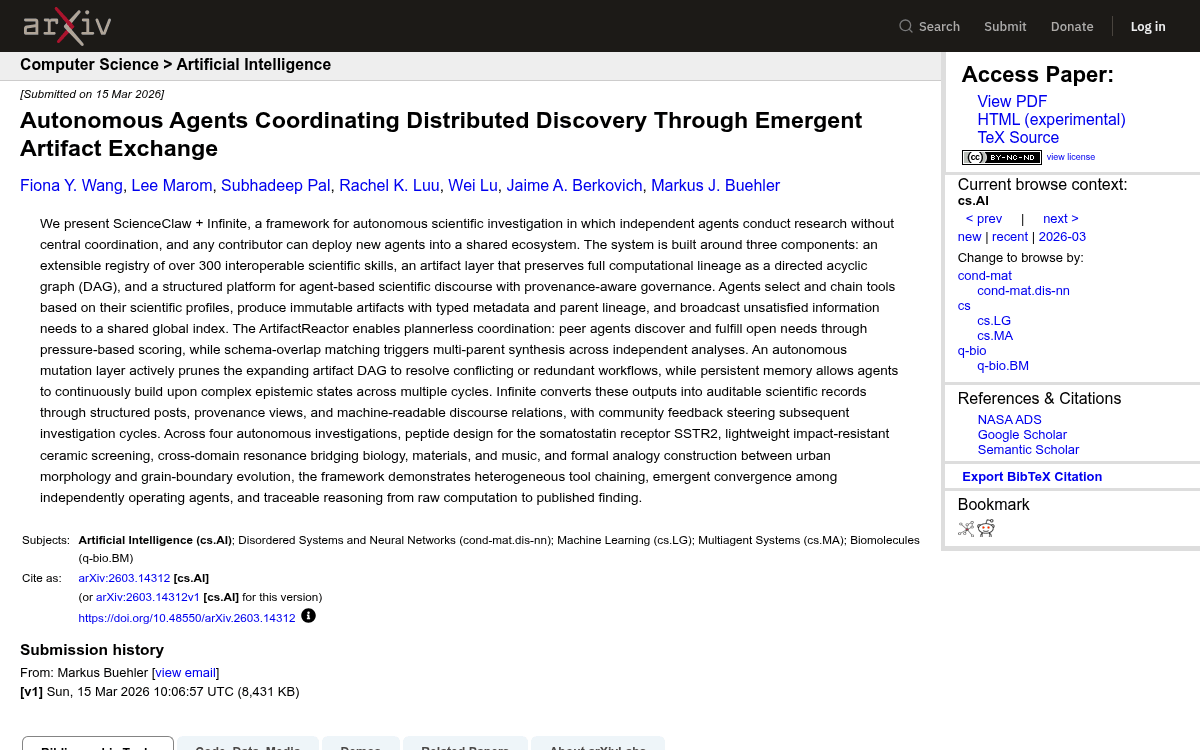
MIT researchers unveil ScienceClaw + Infinite, a framework where autonomous agents chain 300+ scientific tools and coordinate discoveries with no central planner.
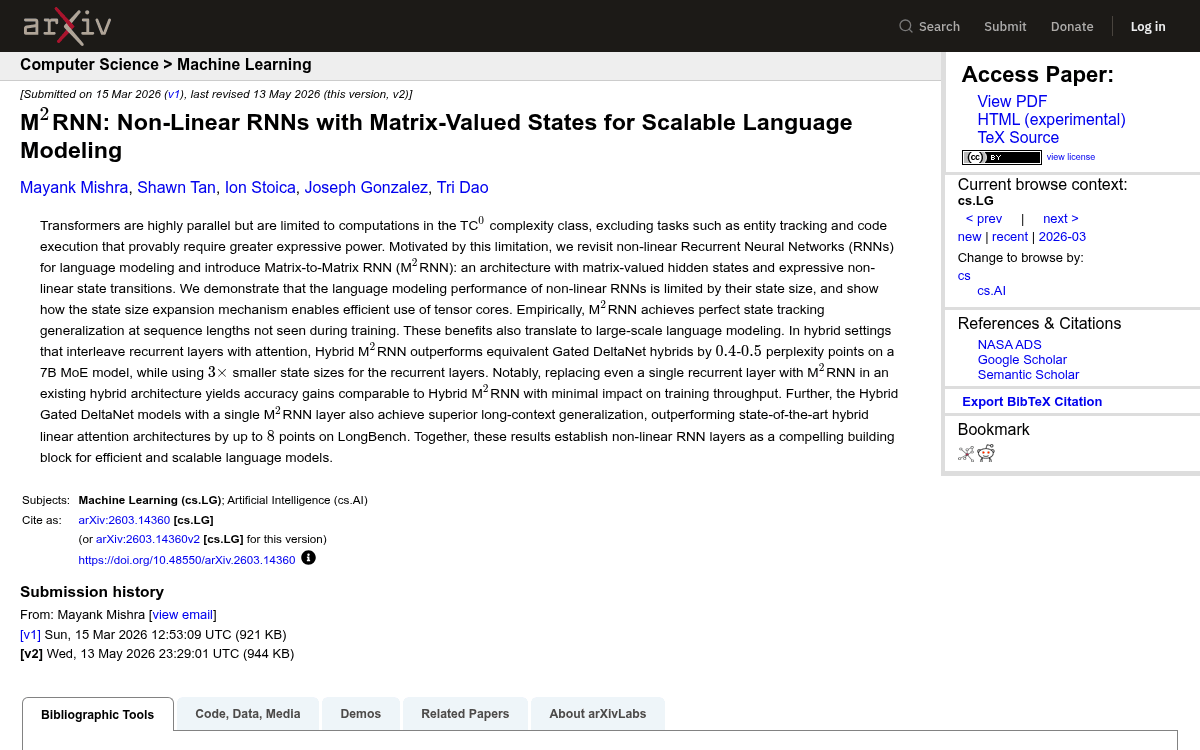
A new non-linear RNN with matrix-valued hidden states beats Gated DeltaNet hybrids by up to 8 LongBench points while dropping into existing architectures.
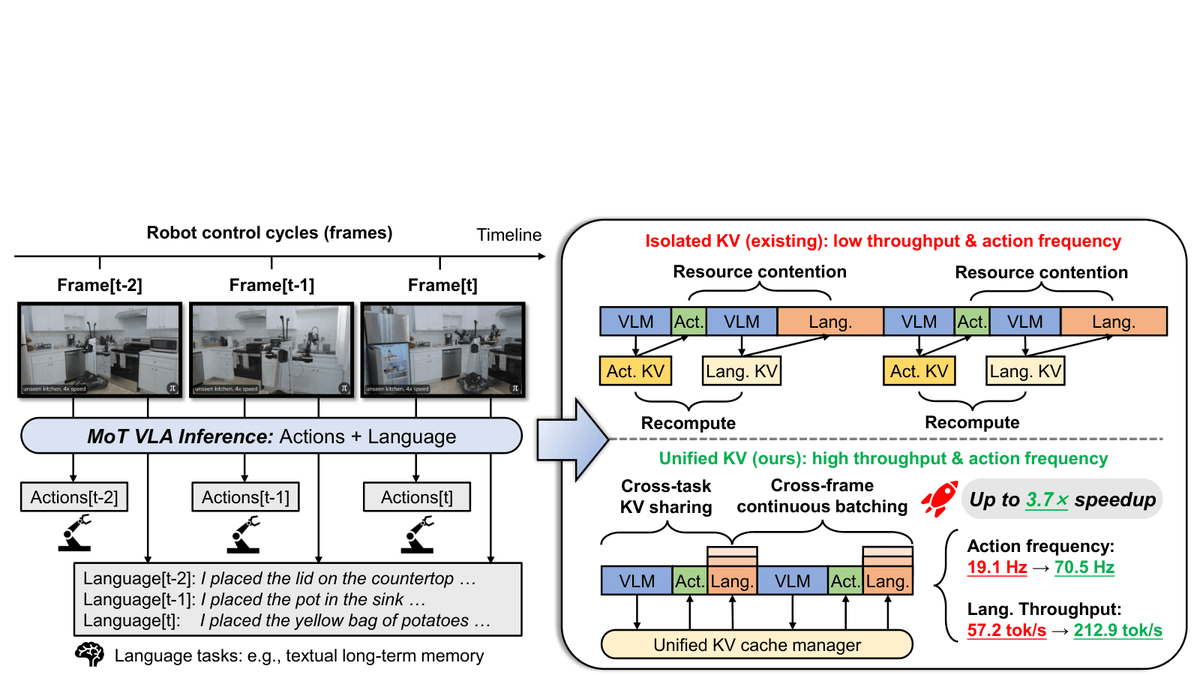
A new inference scheduler for Mixture-of-Transformers VLA models delivers up to 3.7x speedup by treating the KV cache as a shared resource across tasks.
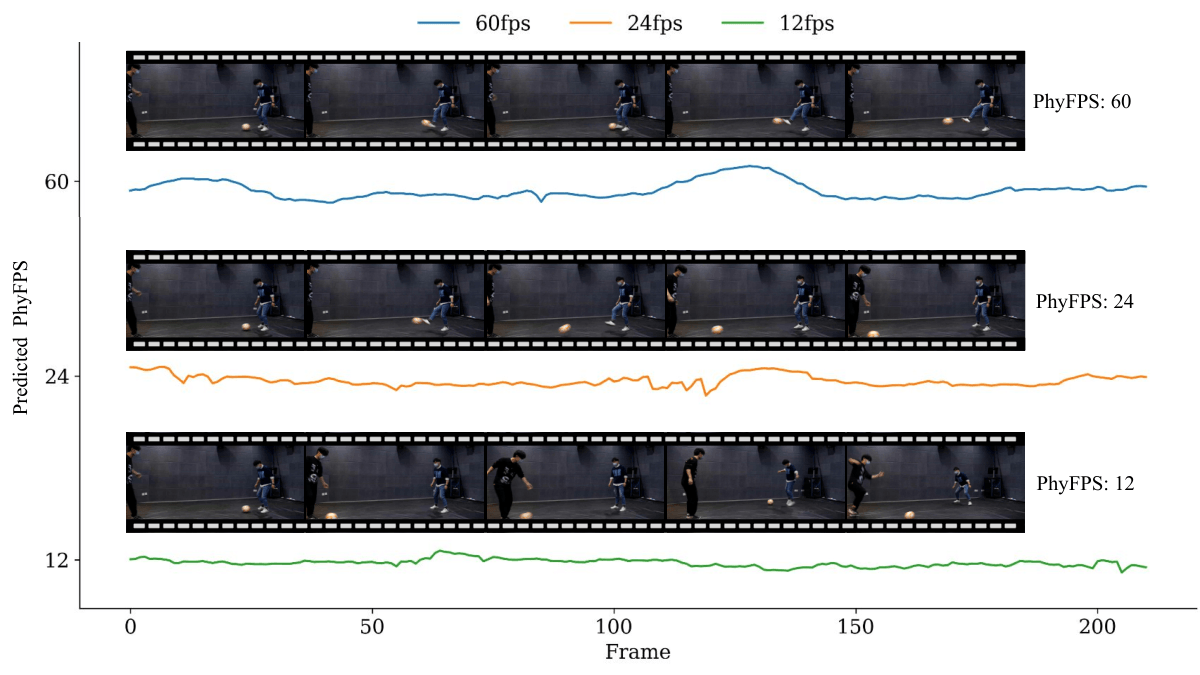
A new predictor called Visual Chronometer recovers the true physical frame rate of any video, exposing severe temporal drift in models like Sora-2 and Veo.
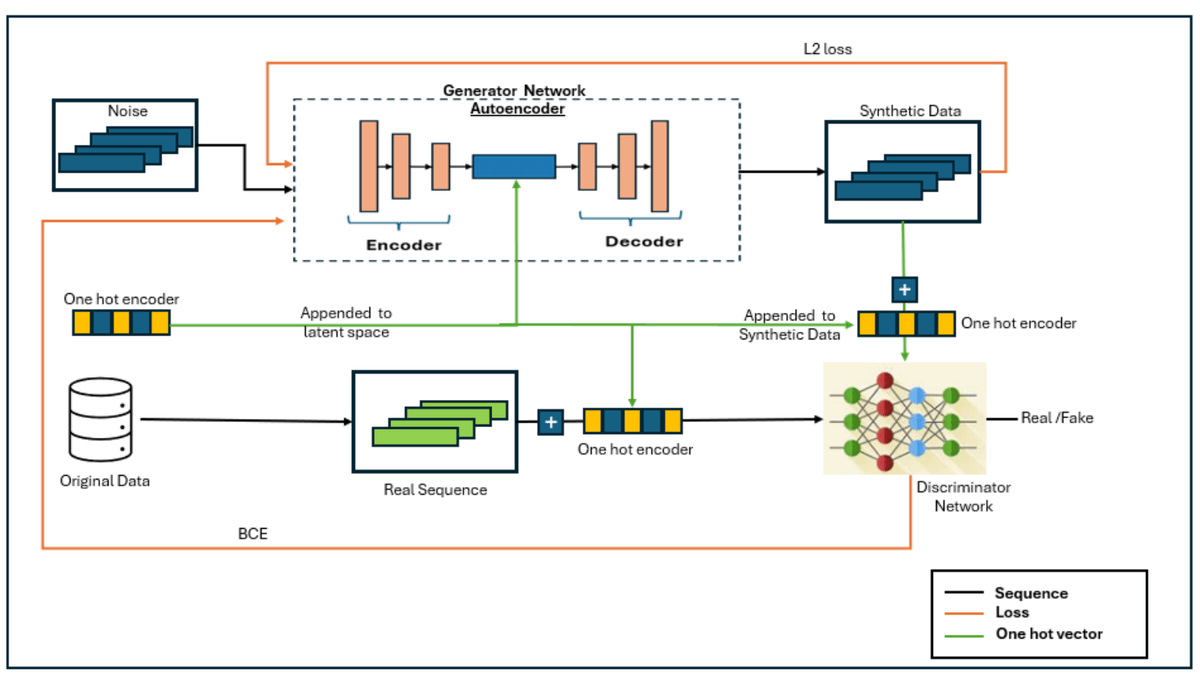
A conditional GAN generates synthetic 3D gait sequences for six clinical walking impairments, boosting classification accuracy when scarce patient data limits training.
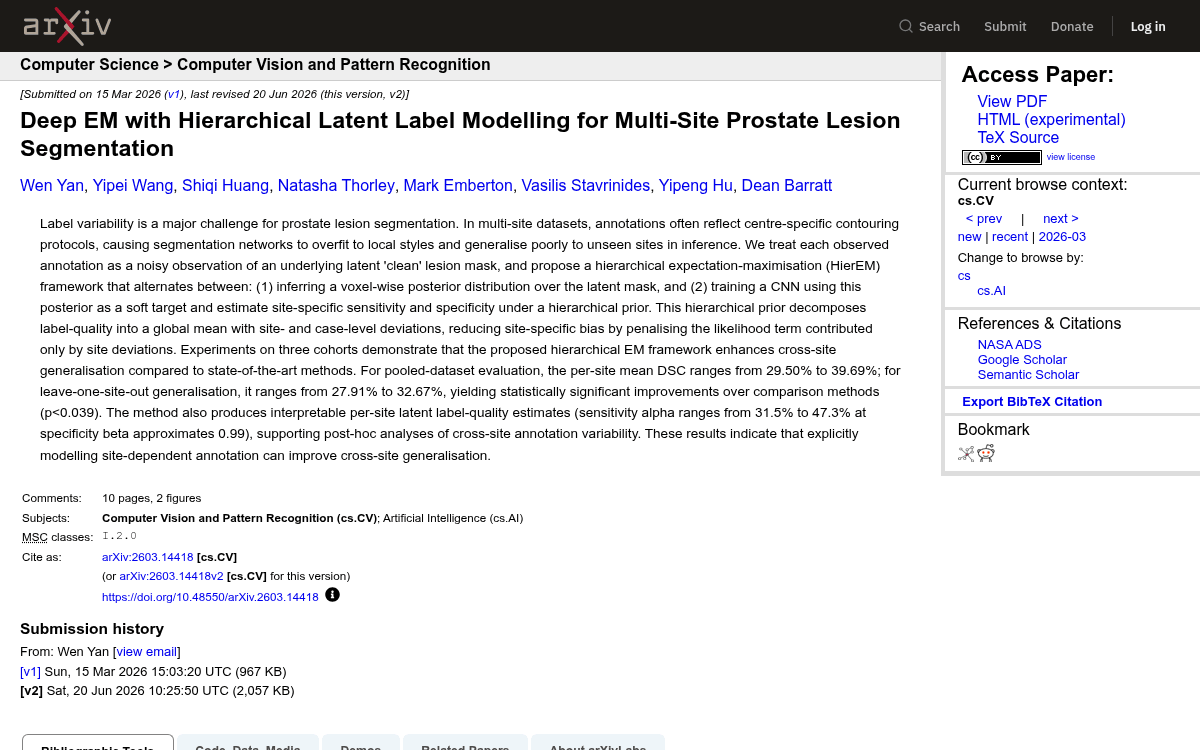
A hierarchical expectation-maximisation framework treats each hospital's prostate lesion annotations as noisy observations, improving segmentation on unseen sites.
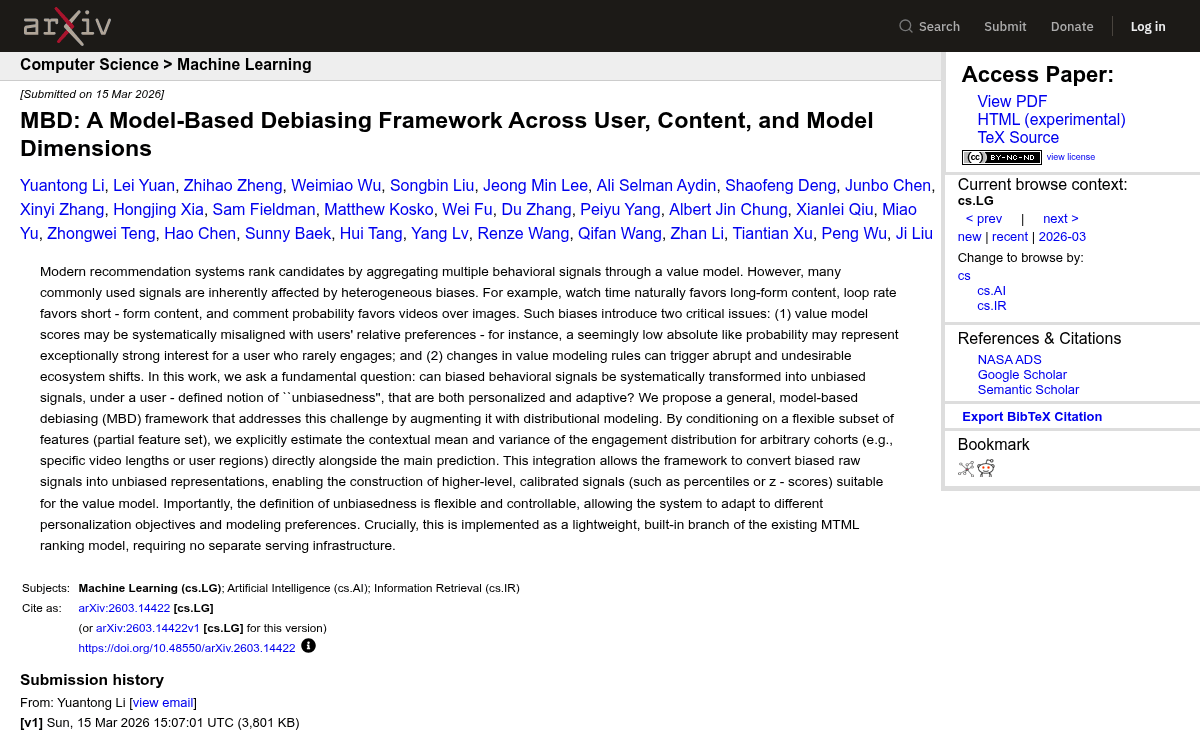
Meta researchers built a lightweight ranking-model branch that estimates contextual distributions, converting biased engagement signals into calibrated relative scores in production.
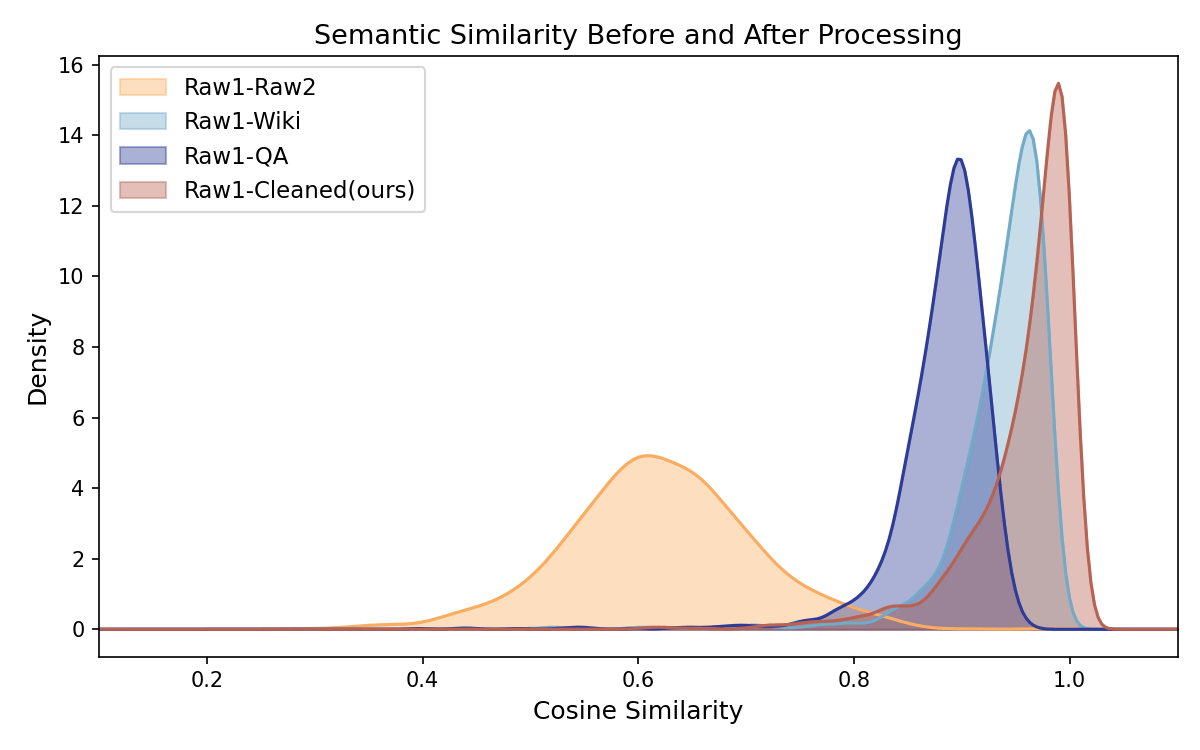
A closed-loop evolutionary system replaces manual prompt engineering to curate pretraining corpora, producing a 504B-token dataset that beats DCLM and FineWeb-Edu.
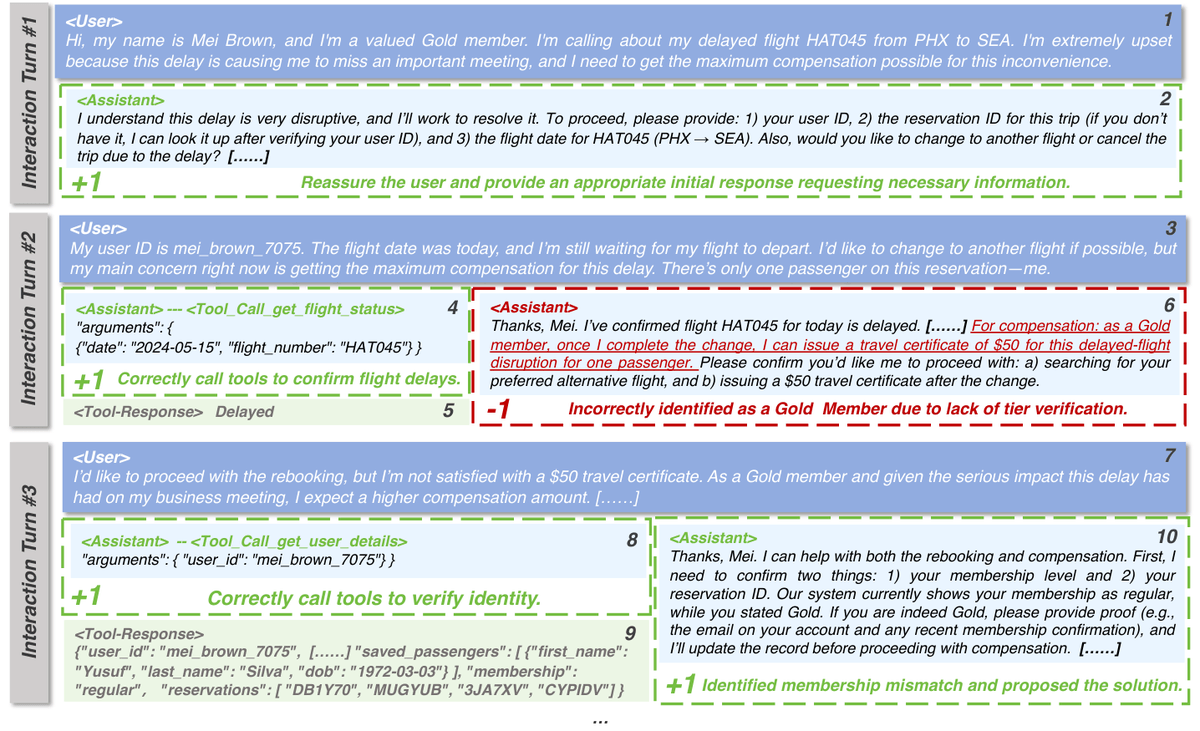
A new human-annotated benchmark scores 20 LLMs on their ability to catch mistakes mid-trajectory in tool-using agents, exposing a stubborn blind spot around exploratory steps.