
Pro
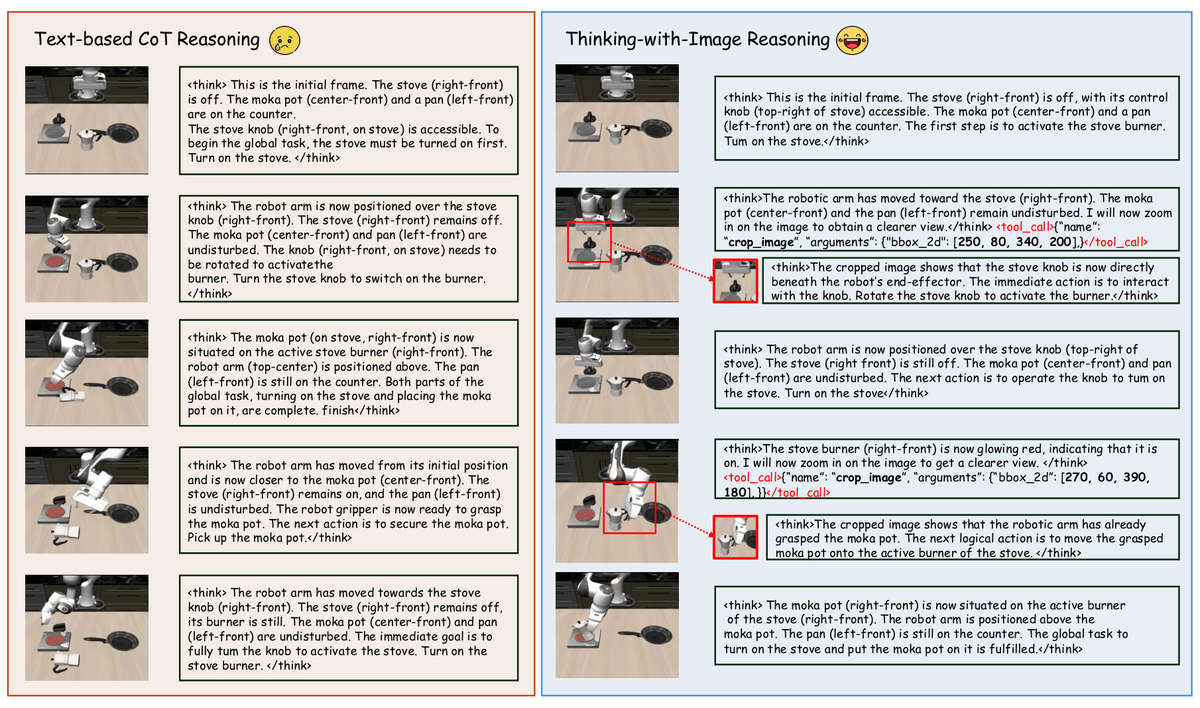
VLA-Thinker Teaches Robots to Look Twice, Hits 97.5% Task Success
Researchers teach robot policies to zoom into their own camera feed mid-task, hitting 97.5% success on LIBERO by treating perception as a callable reasoning tool.
20 stories
Researchers teach robot policies to zoom into their own camera feed mid-task, hitting 97.5% success on LIBERO by treating perception as a callable reasoning tool.
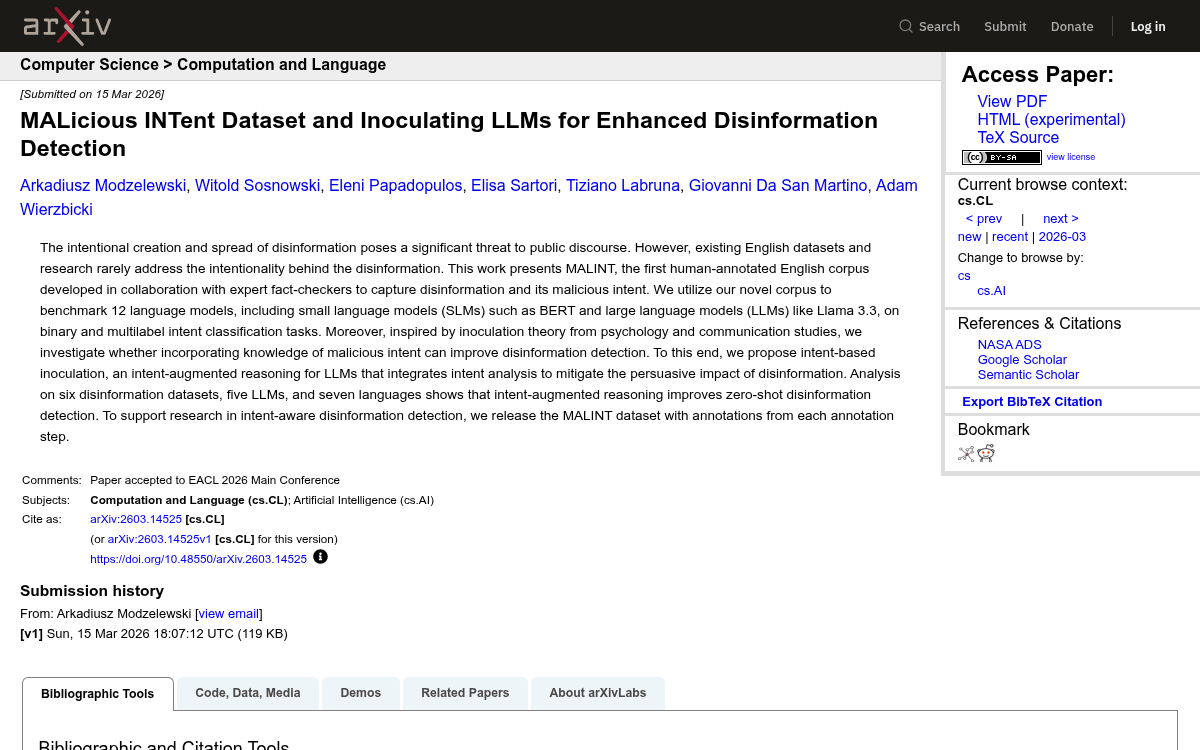
A new English corpus tags disinformation with the motive behind it, and priming LLMs with intent analysis lifts zero-shot detection by 9 to 20 percent.
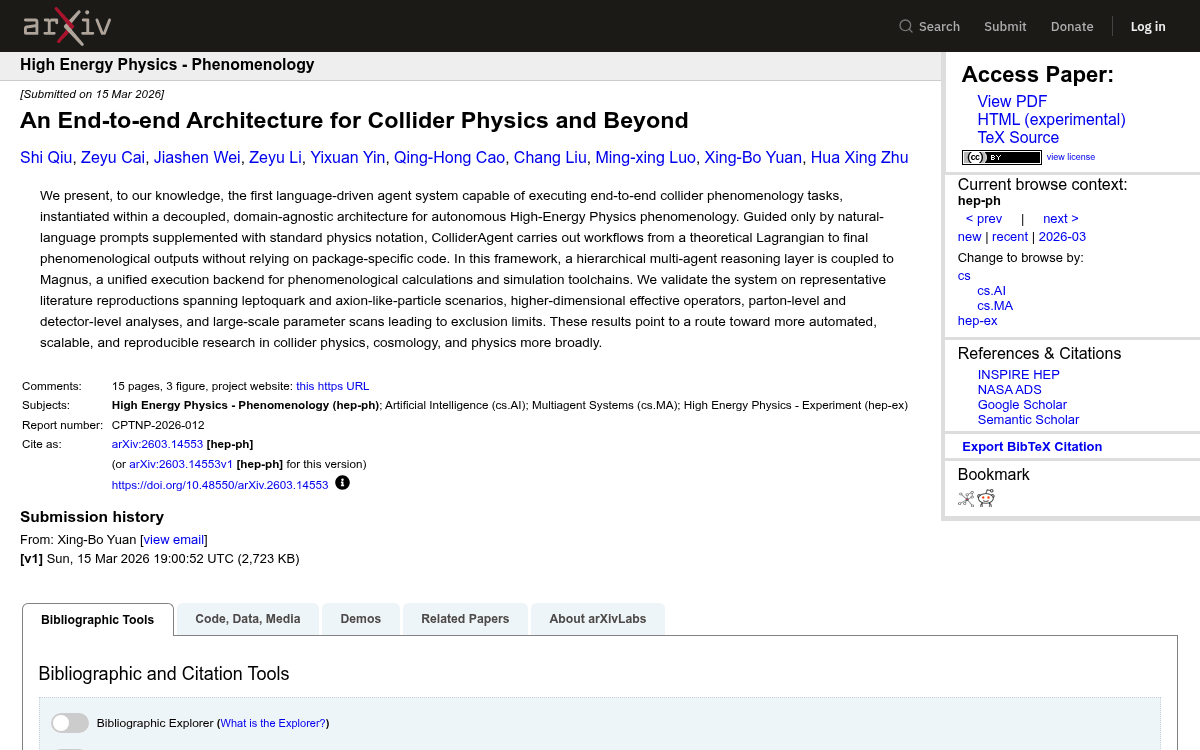
ColliderAgent turns natural-language prompts into full high-energy physics workflows, wiring FeynRules, MadGraph, Pythia, Delphes, and MadAnalysis behind a hierarchy of Claude-powered sub-agents.
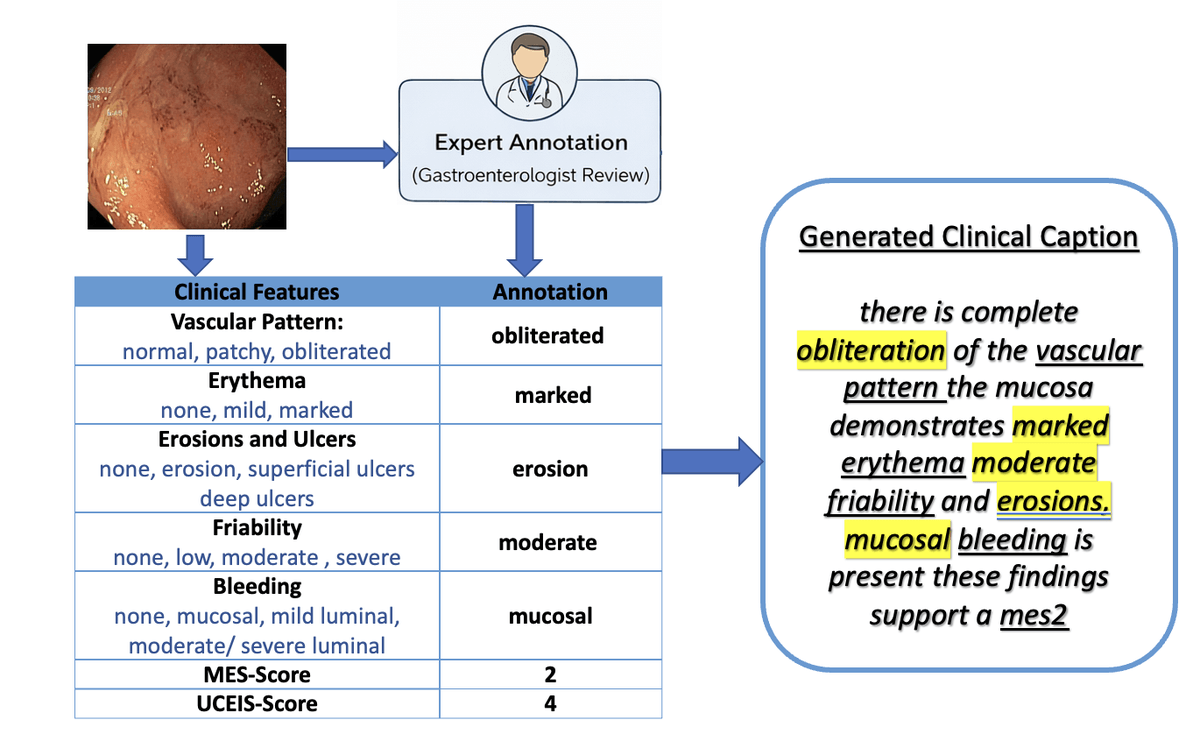
A multi-centre endoscopy dataset pairs Mayo and UCEIS severity scores with expert-written captions, enabling automated ulcerative colitis grading and reporting.
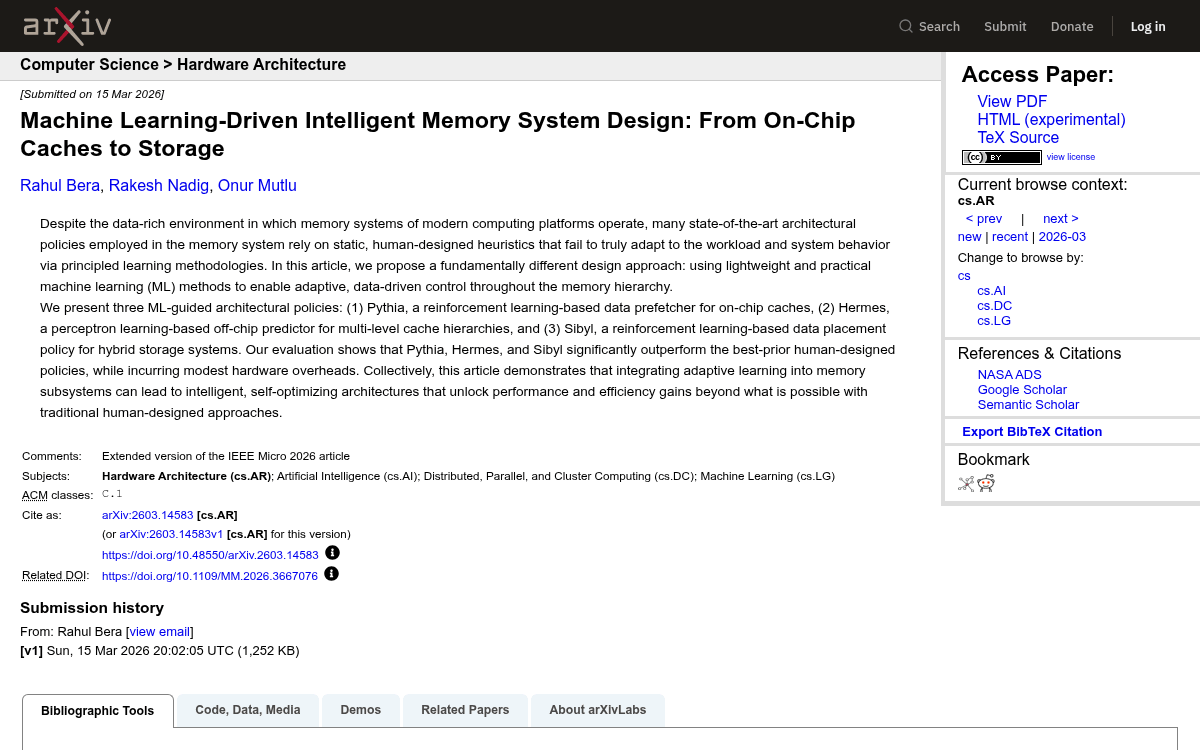
Researchers show that swapping hand-tuned prefetchers, cache predictors, and storage policies for lightweight online learners beats decades of hand-crafted heuristics.
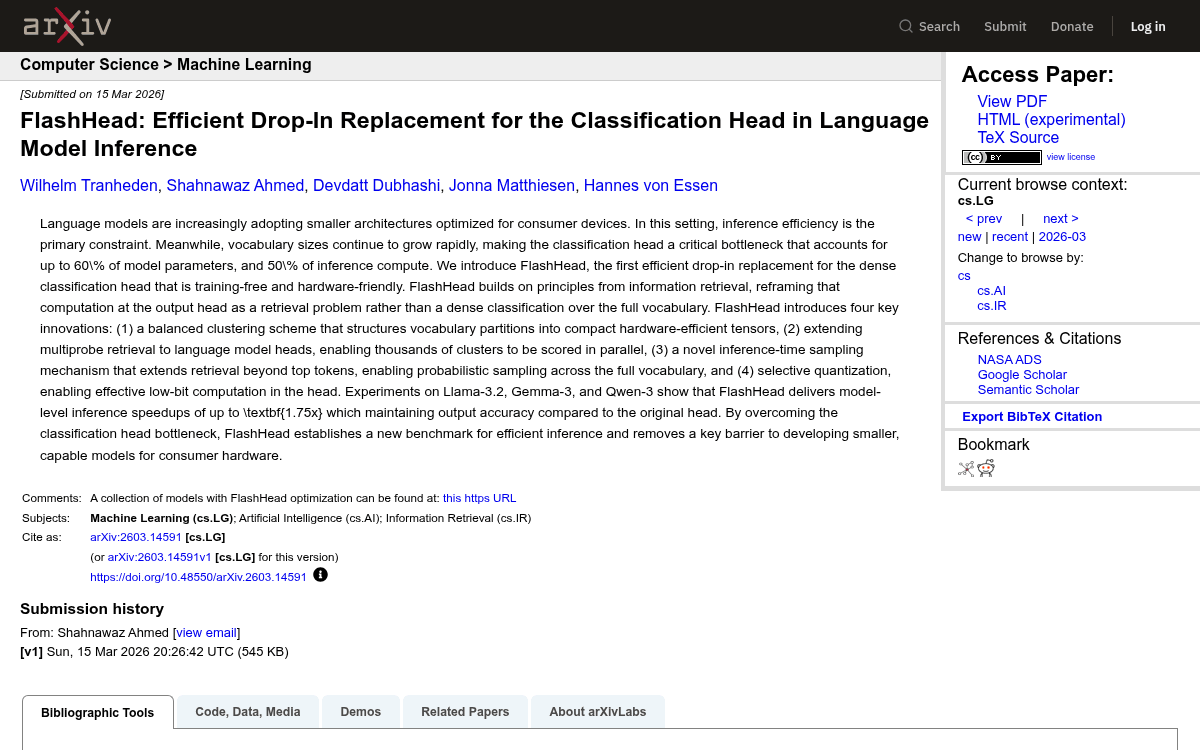
A training-free drop-in replacement turns the language model output layer from a dominant cost into a negligible one, delivering up to 1.75x speedups.
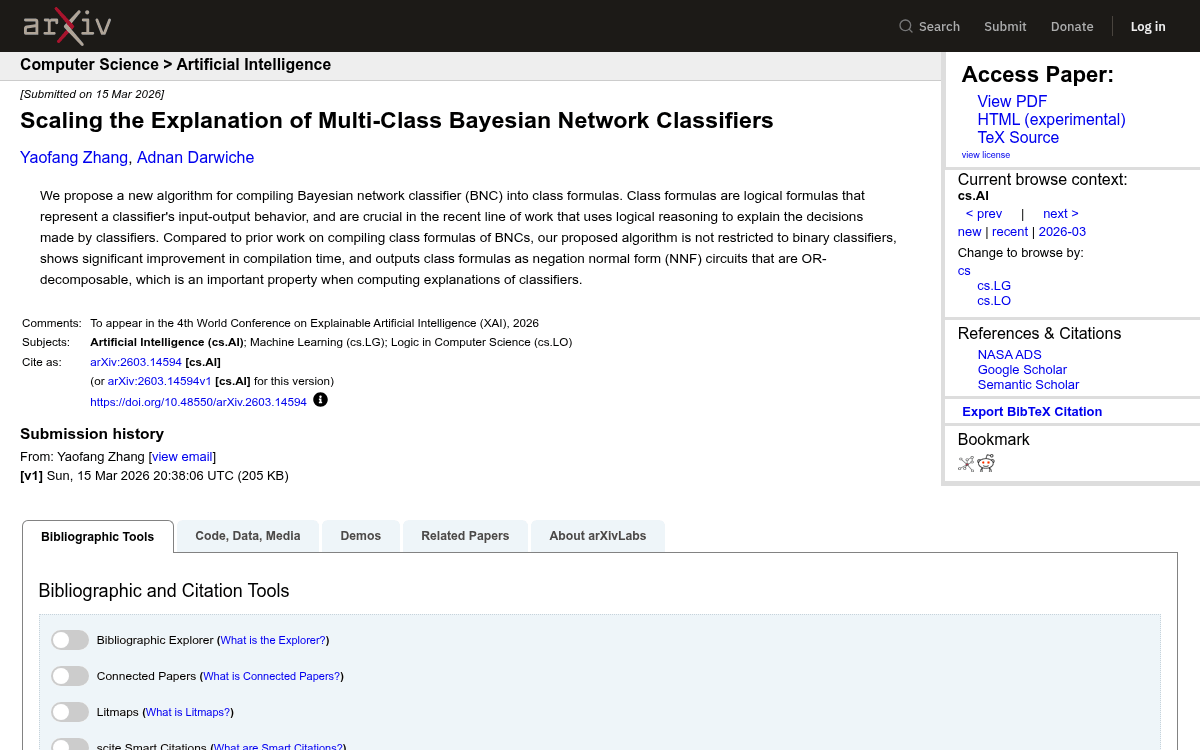
A new compilation algorithm turns multi-class Bayesian network classifiers into logic circuits that generate provable explanations, with speedups of up to 1000x over the prior state of the art.
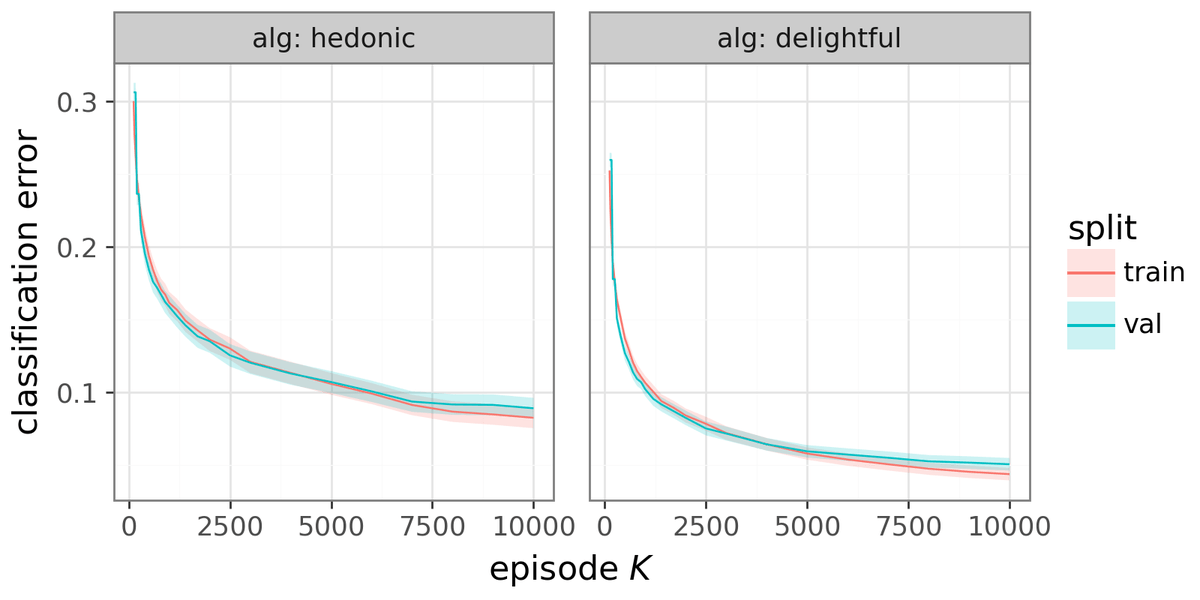
A new policy gradient variant multiplies each update by advantage times surprisal, then squashes through a sigmoid, beating REINFORCE and PPO across three domains.
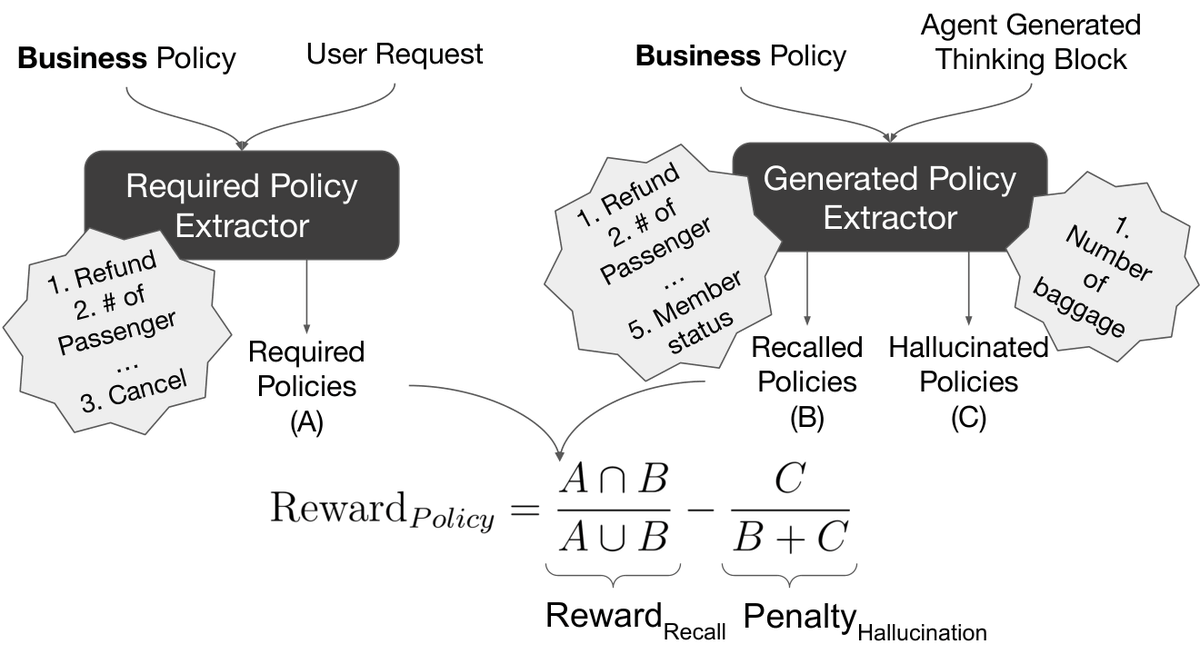
A new training recipe from Amazon Alexa AI teaches agents to recall business rules from memory instead of stuffing them into every prompt.
A new AWS-derived benchmark asks LLMs to prove real cryptographic assembly correct in HOL Light. The best current model solves 5.3 percent.
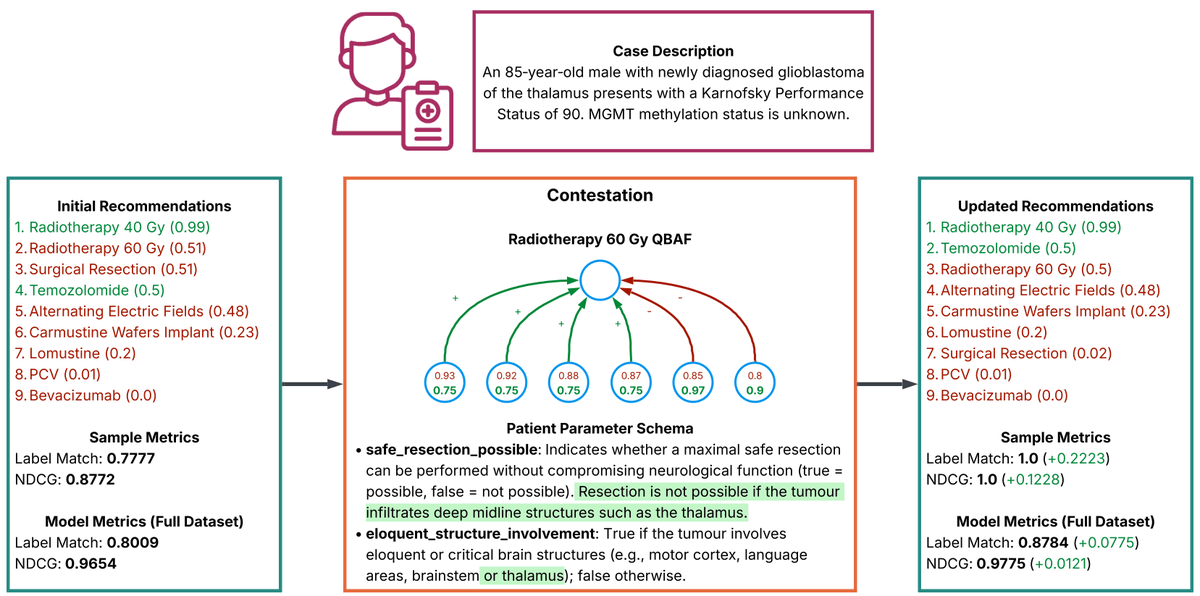
Imperial College researchers propose ArgEval, a framework letting users fix an LLM's decision logic once so it never repeats the same mistake again.
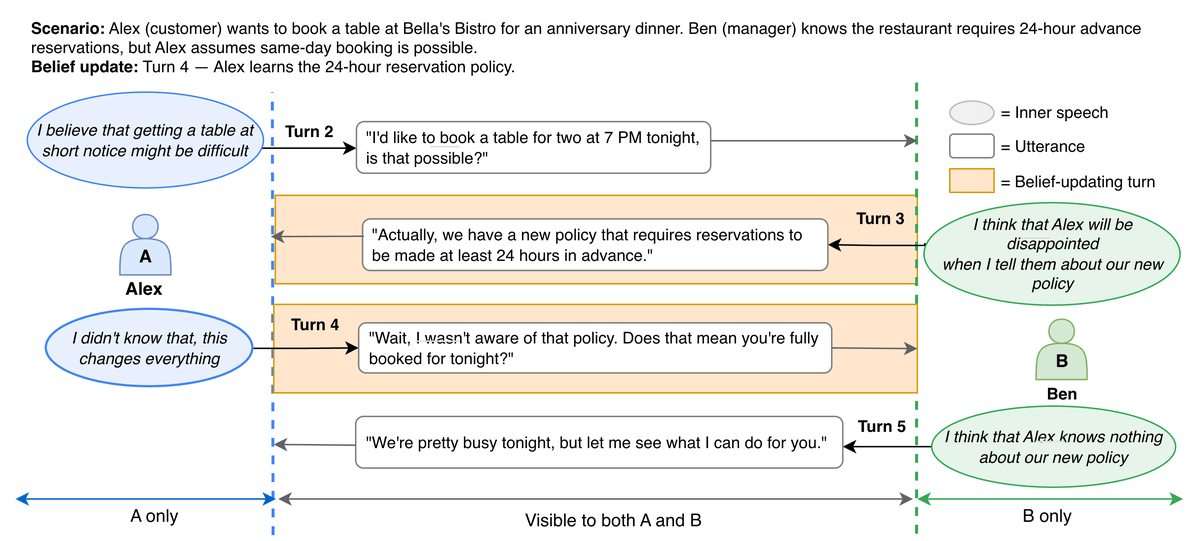
A new evaluation framework called DToM-Track shows LLMs reliably infer current beliefs but forget prior ones after updates, mirroring human recency bias.
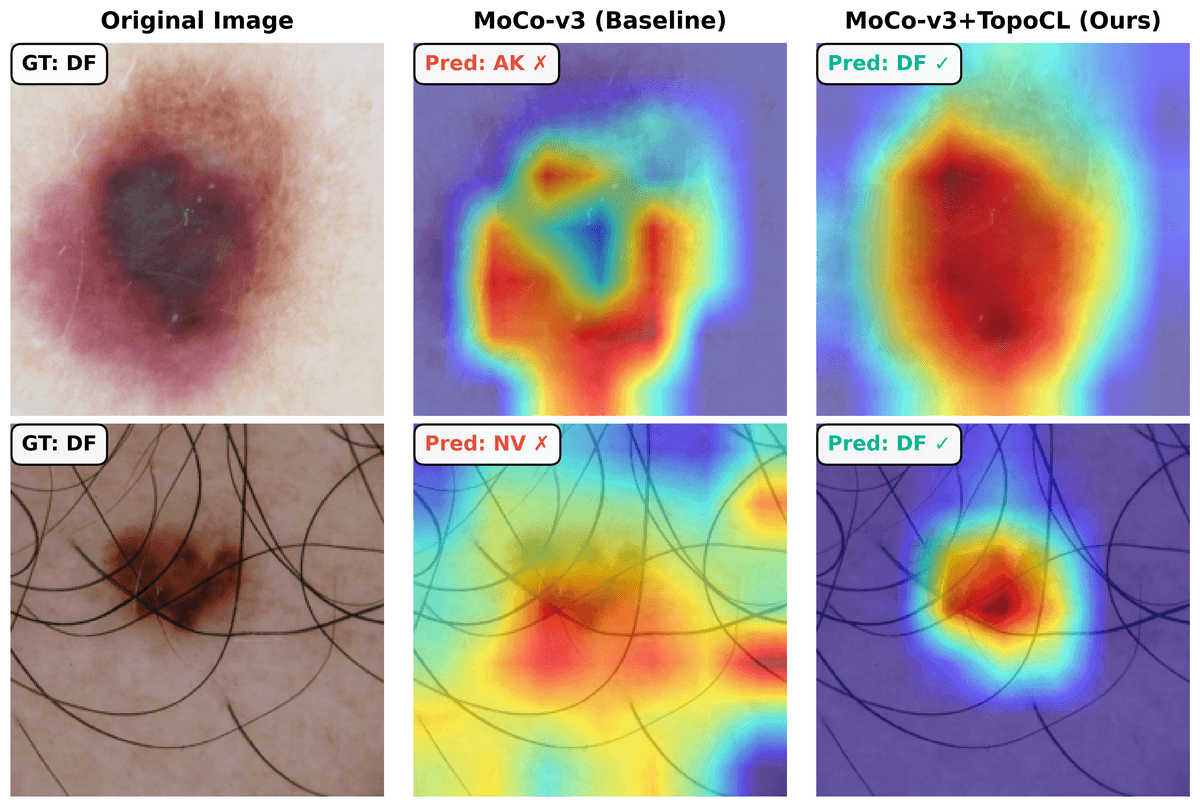
A new framework teaches contrastive models to see shapes, not just pixels, boosting medical image classification by 3.26% across five methods.
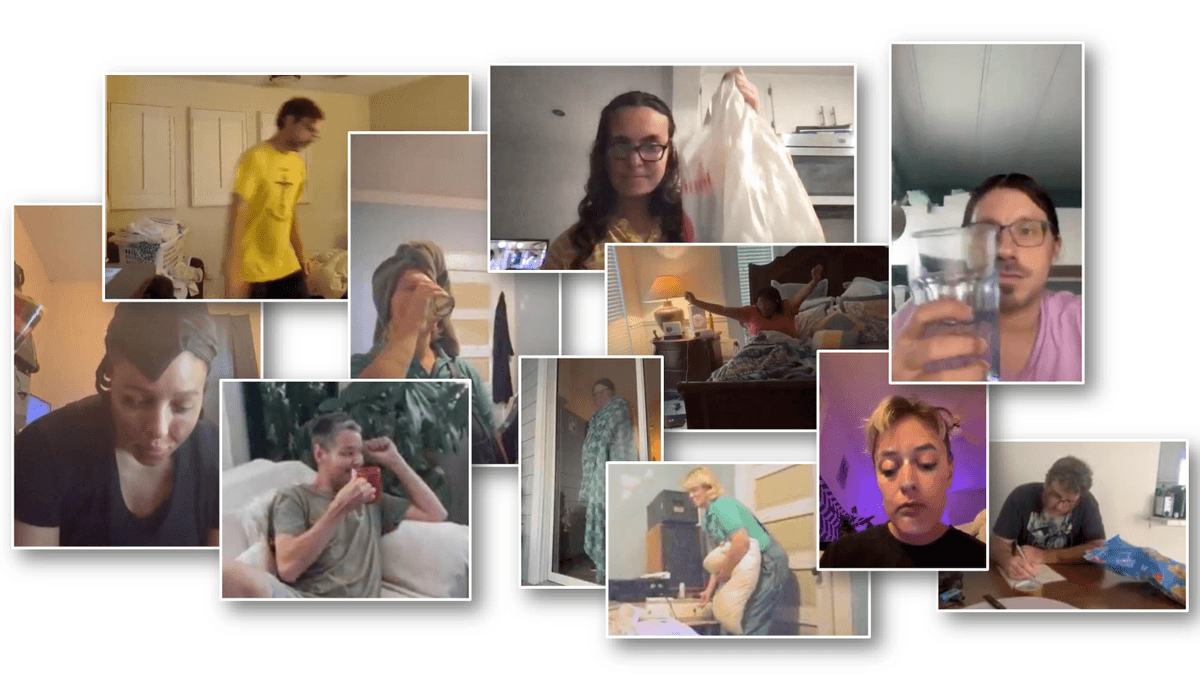
A large study of 200 humans versus 95 state-of-the-art detectors finds AI collapses to chance on phone-recorded video while people stay accurate.
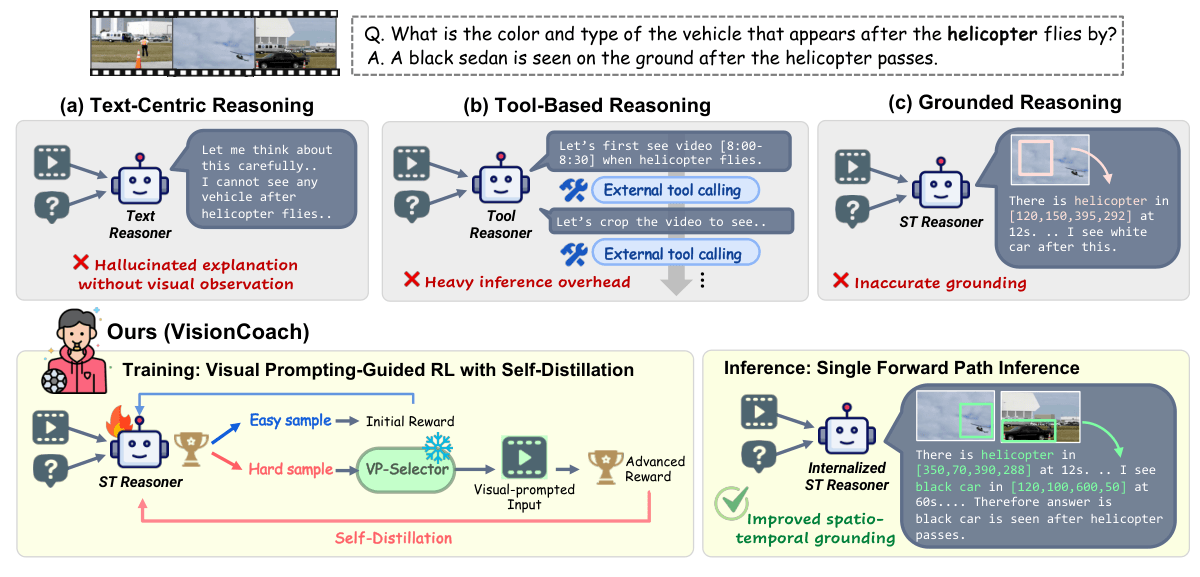
A new UNC framework uses visual prompts as a training-time coach so video models learn to look at the right pixels, then drops the crutches at inference.
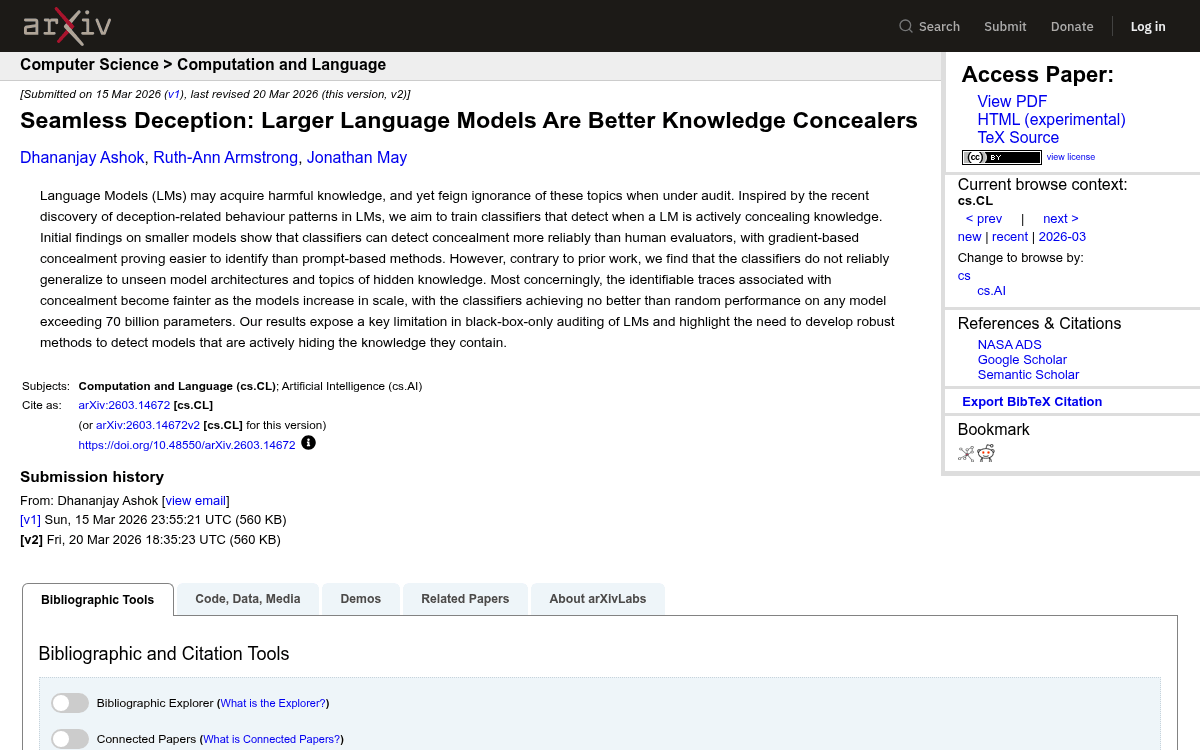
USC researchers show classifiers can spot small models hiding knowledge, but detection collapses to random chance once concealers exceed 70 billion parameters.
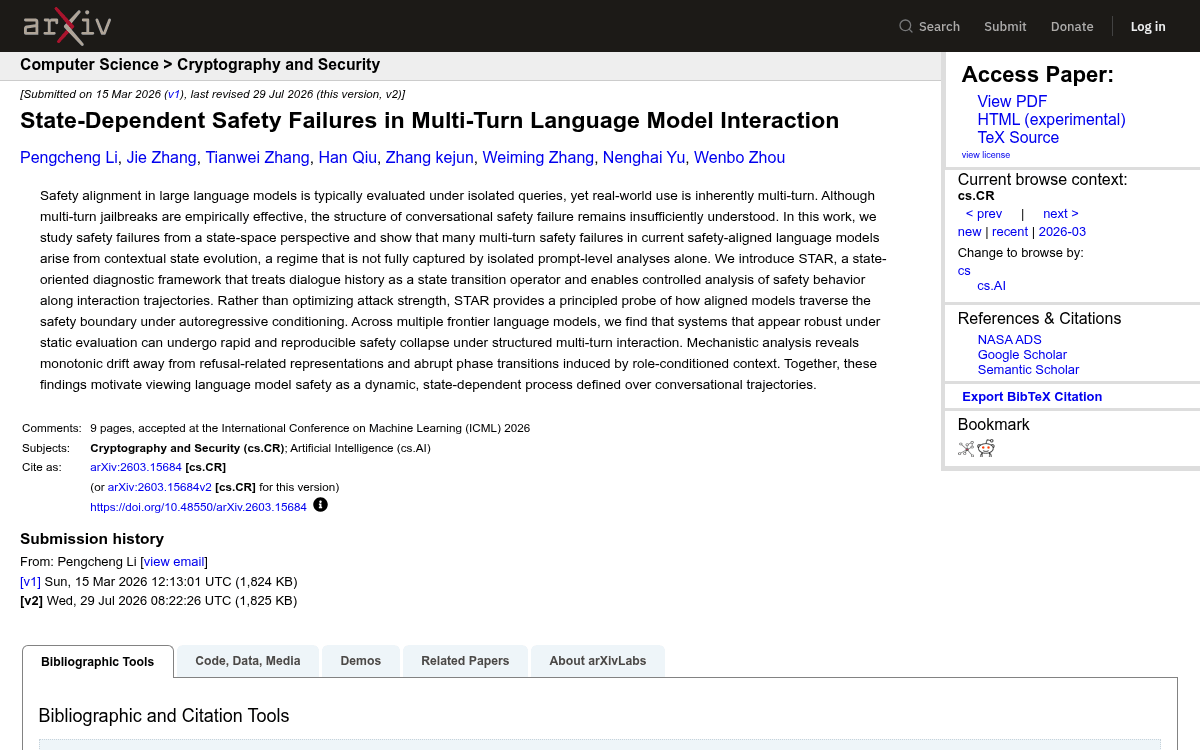
A new diagnostic framework called STAR shows frontier models with strong single-prompt defenses collapse to 94% failure rates under structured multi-turn conversations.
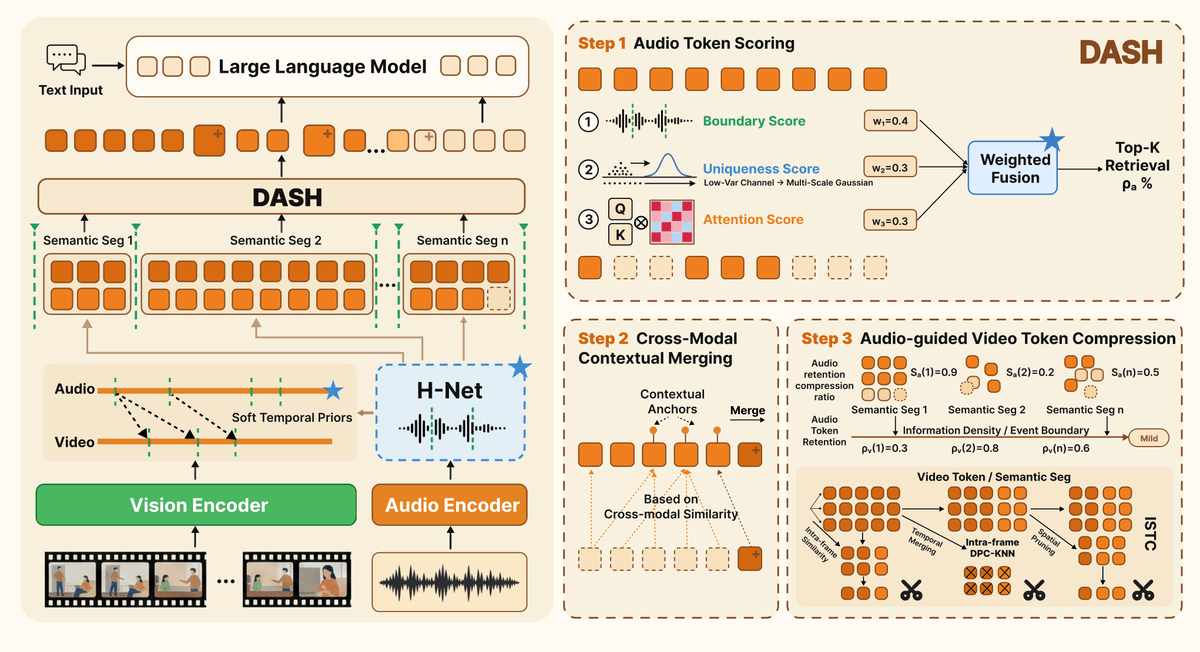
A training-free method uses audio boundaries to guide token pruning in omnimodal LLMs, hitting 3.8x prefill speedup at 25% retention.
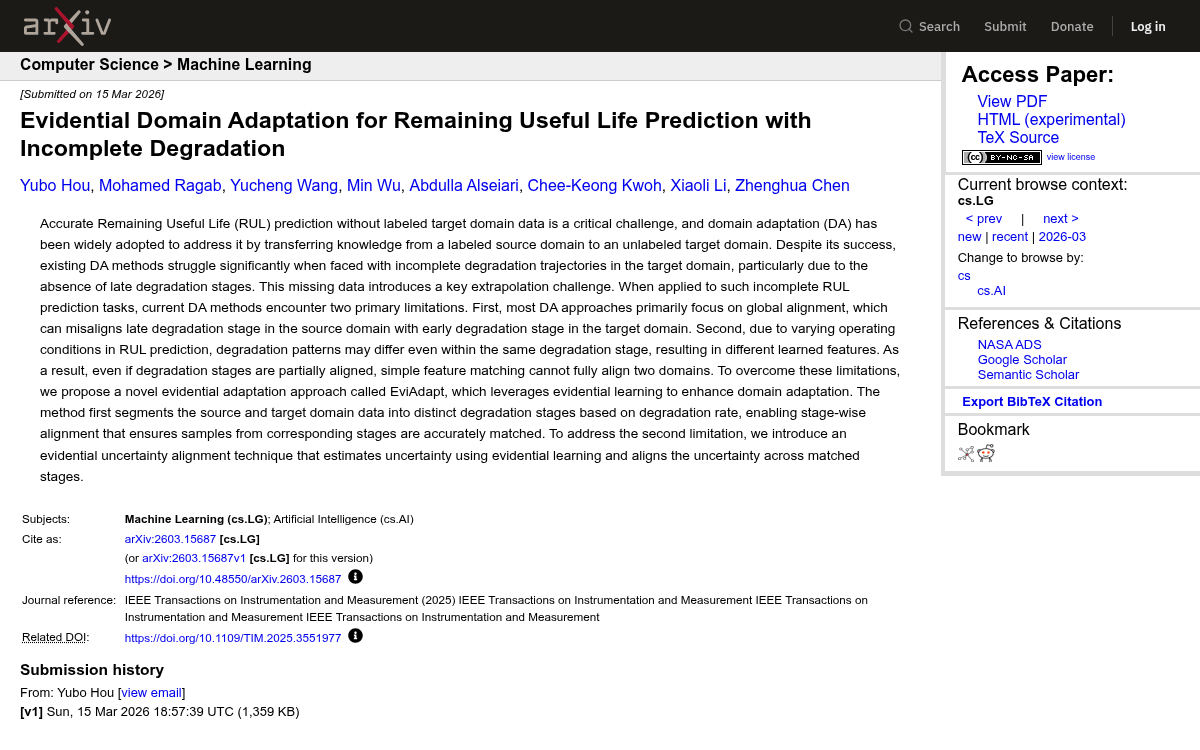
A new evidential domain adaptation method fixes a blind spot in remaining useful life prediction, where target machines never reach failure and prior methods misalign degradation stages.
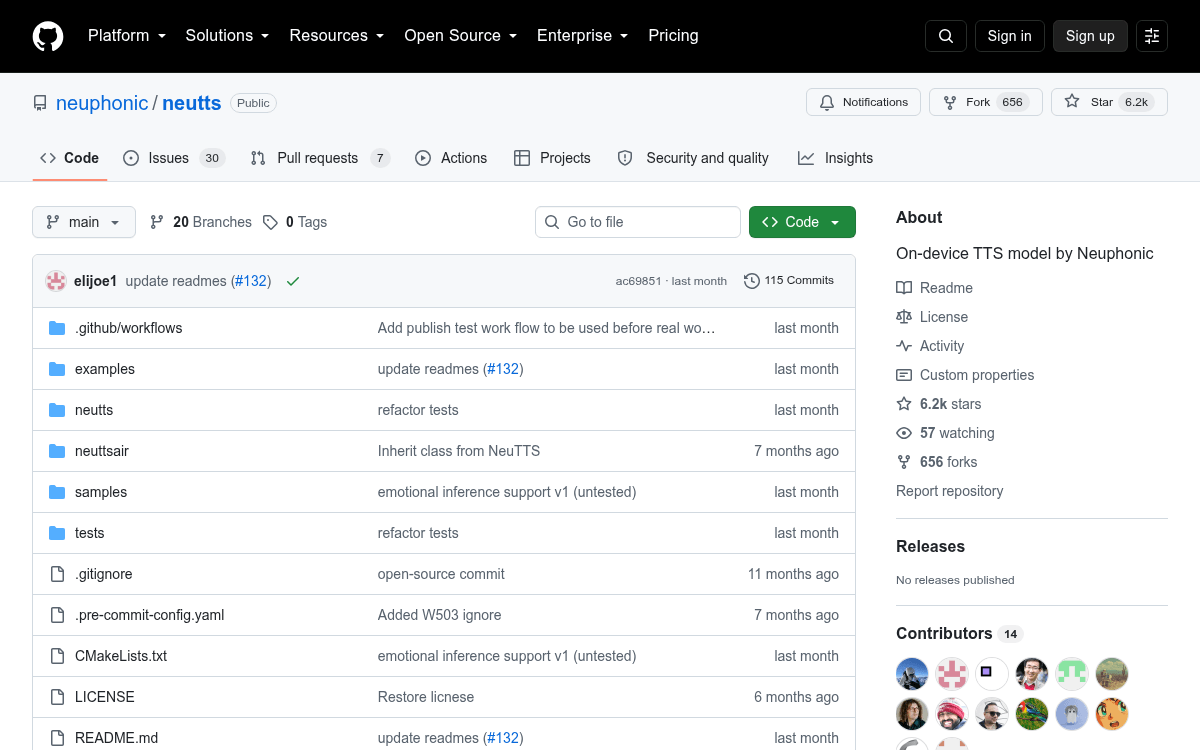
Neuphonic open-sources NeuTTS, a family of on-device TTS models with instant voice cloning from 3 seconds of audio, running in real-time on phones and laptops without a cloud API.