
Pro
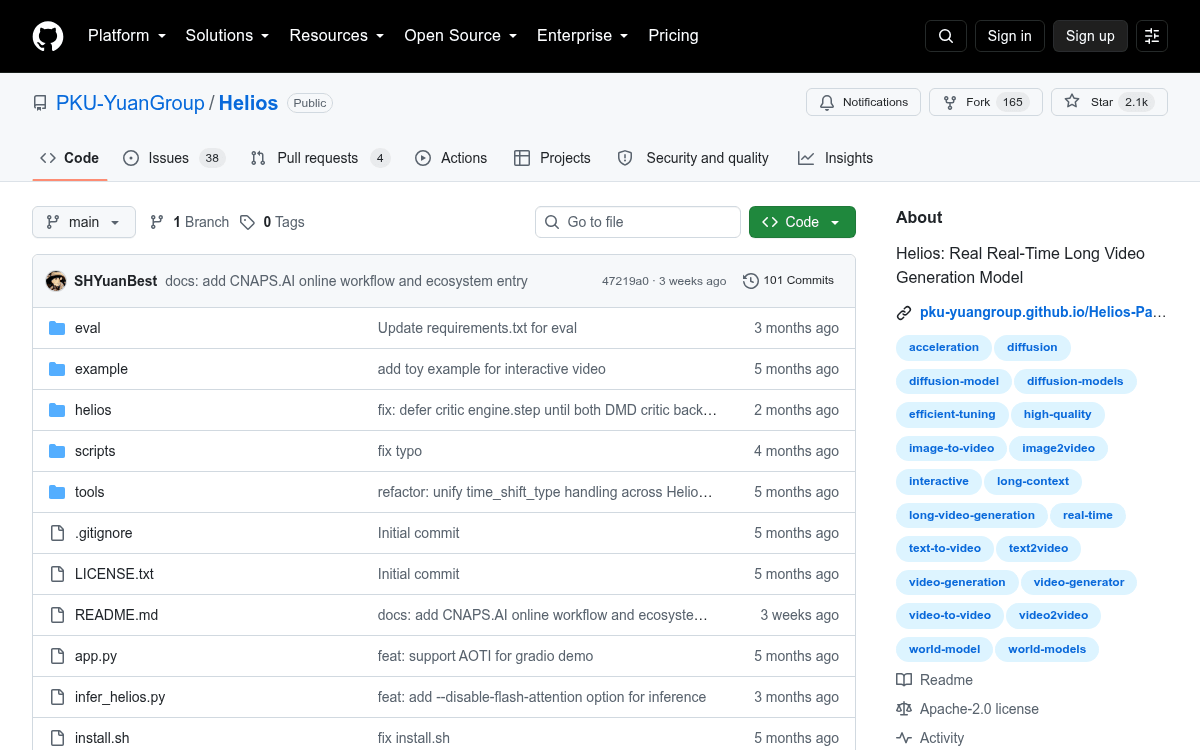
Peking University's Helios Generates Minute-Long Video in Real Time on One GPU
Helios is a 14B open-source video model that hits 19.5 FPS on a single H100 — without KV-cache, quantization, or any standard acceleration trick.
20 stories
Helios is a 14B open-source video model that hits 19.5 FPS on a single H100 — without KV-cache, quantization, or any standard acceleration trick.
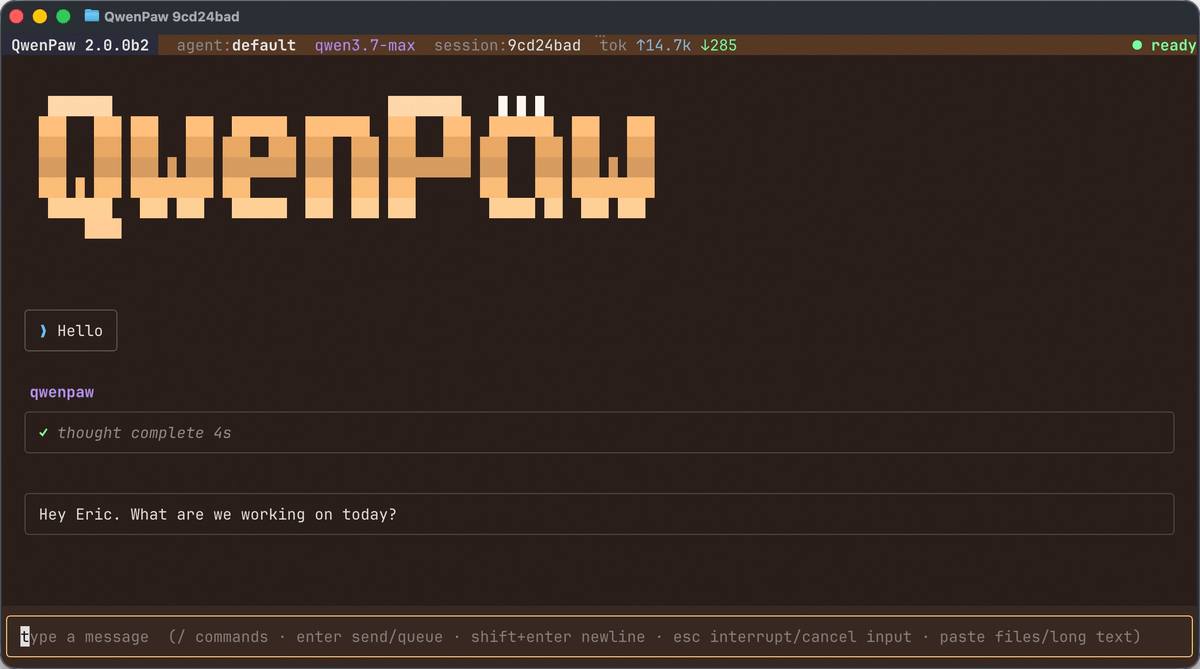
QwenPaw is a self-hostable personal AI agent with persistent memory, multi-channel reach, and kernel-level sandboxing — now at v2.1.0
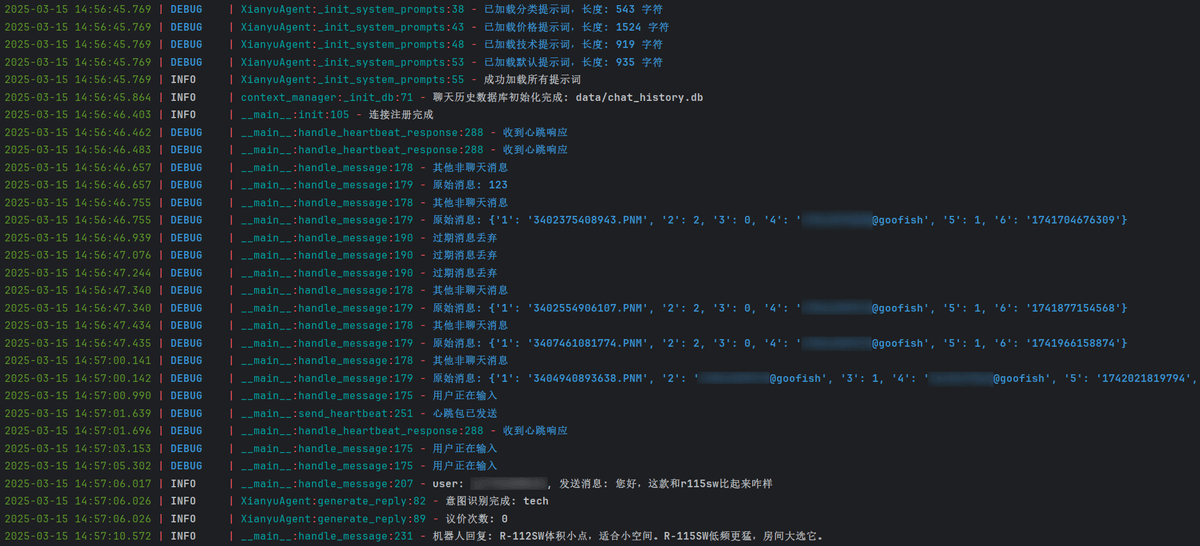
XianyuAutoAgent is a free, open-source Python bot that handles Xianyu marketplace negotiations and customer service 24/7 using LLM-powered expert routing
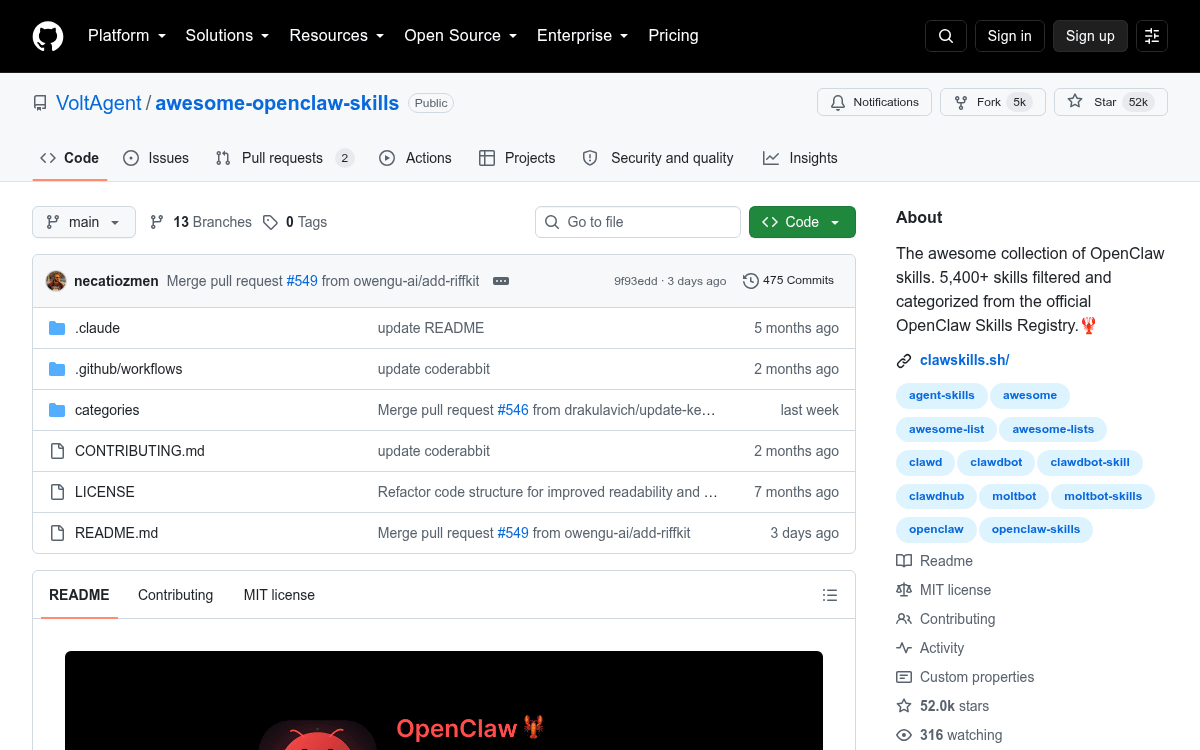
awesome-openclaw-skills curates 5,200+ community-built agent skills from ClawHub, filtered for quality and organized into 30 categories for OpenClaw users.
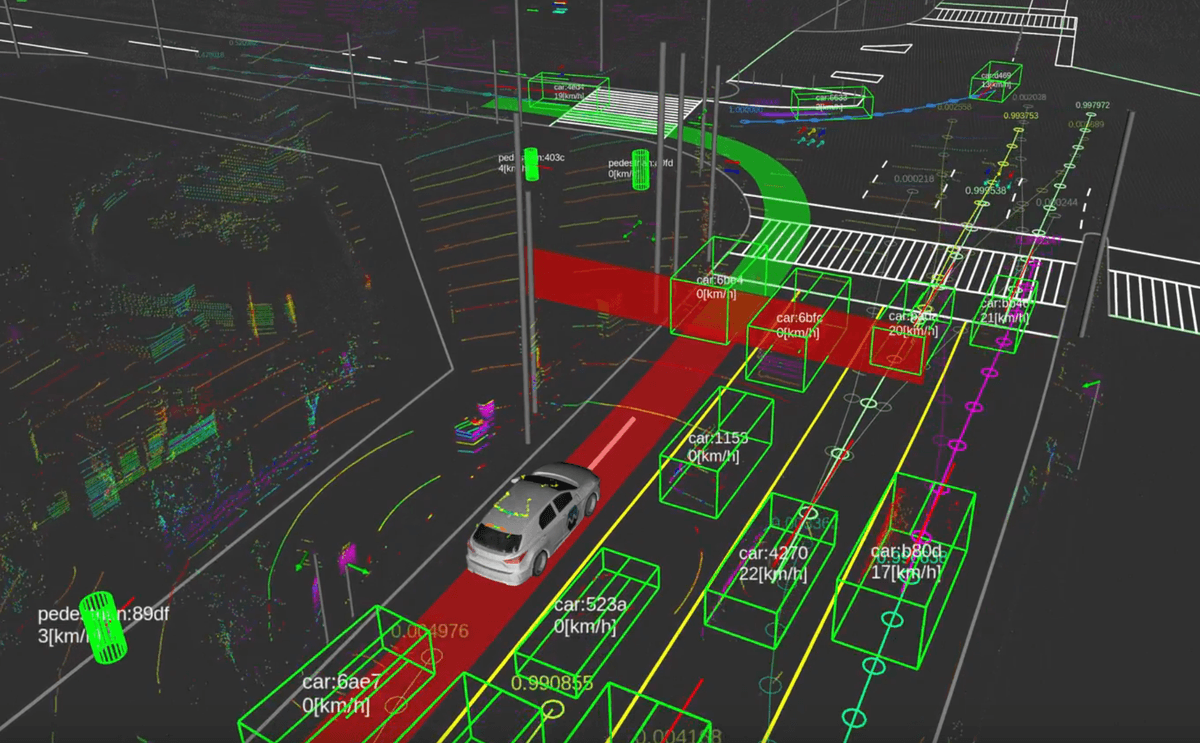
Autoware Foundation and AMD Silo AI are teaming up to train and deploy the open-source AutoDrive end-to-end model on Instinct GPUs.
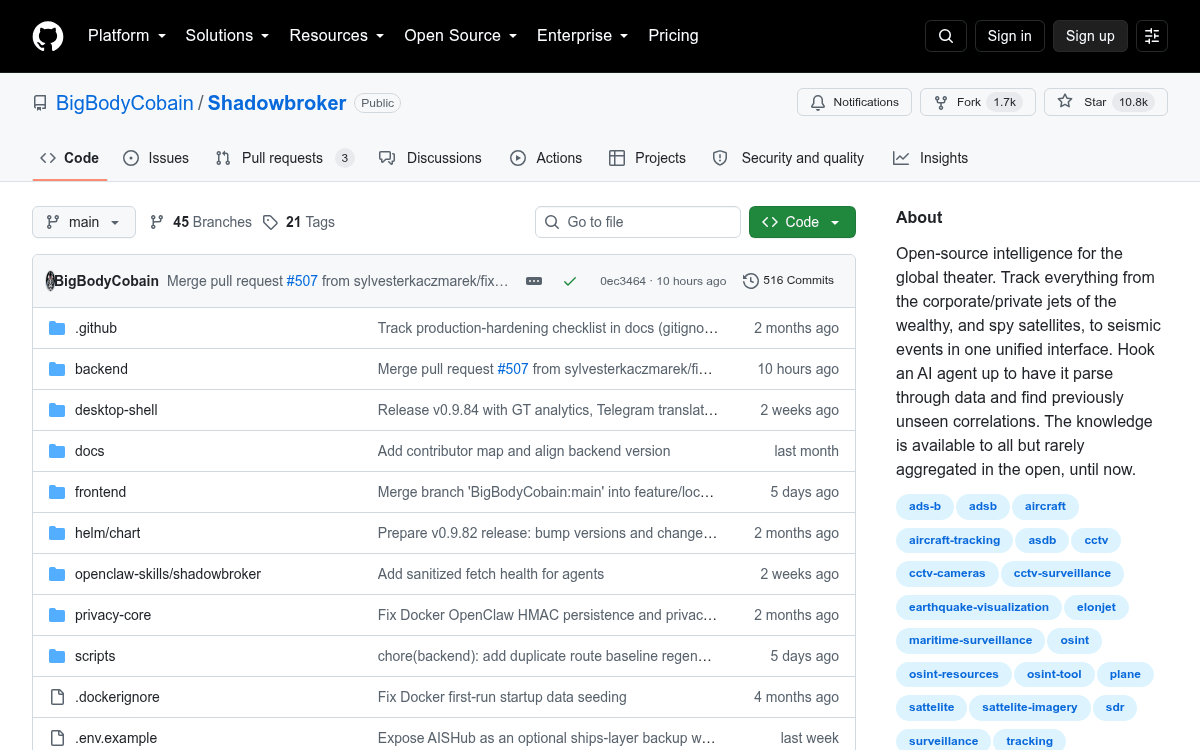
ShadowBroker is a self-hosted OSINT dashboard that unifies 60+ real-time intelligence feeds — flights, satellites, CCTV, SAR imagery, and more — into one map, now with an AI agent API
A scoping review of 26 studies on social robots in dementia care maps which design cues can create false beliefs and proposes a framework to tell deception from harmless anthropomorphism.
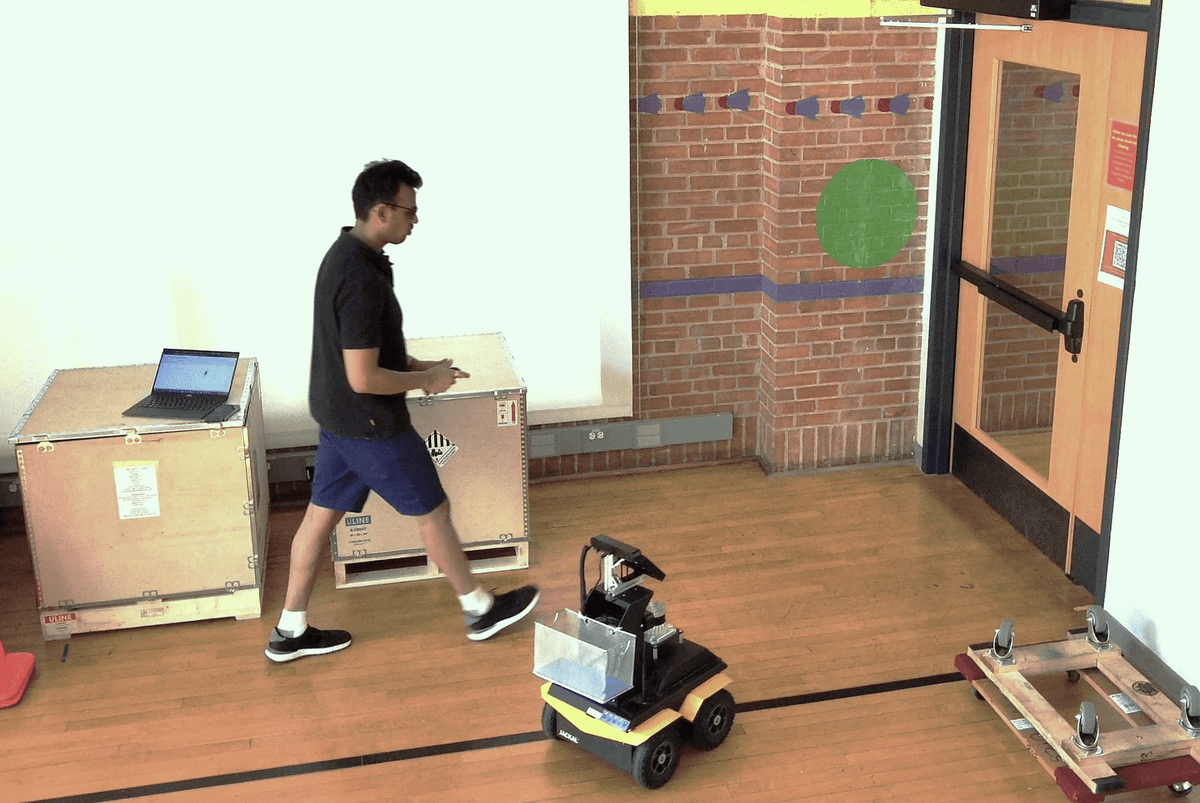
A new survey unifies the fractured field of multi-robot navigation in tight spaces like doorways and intersections with taxonomy, metrics, and open-source tools.
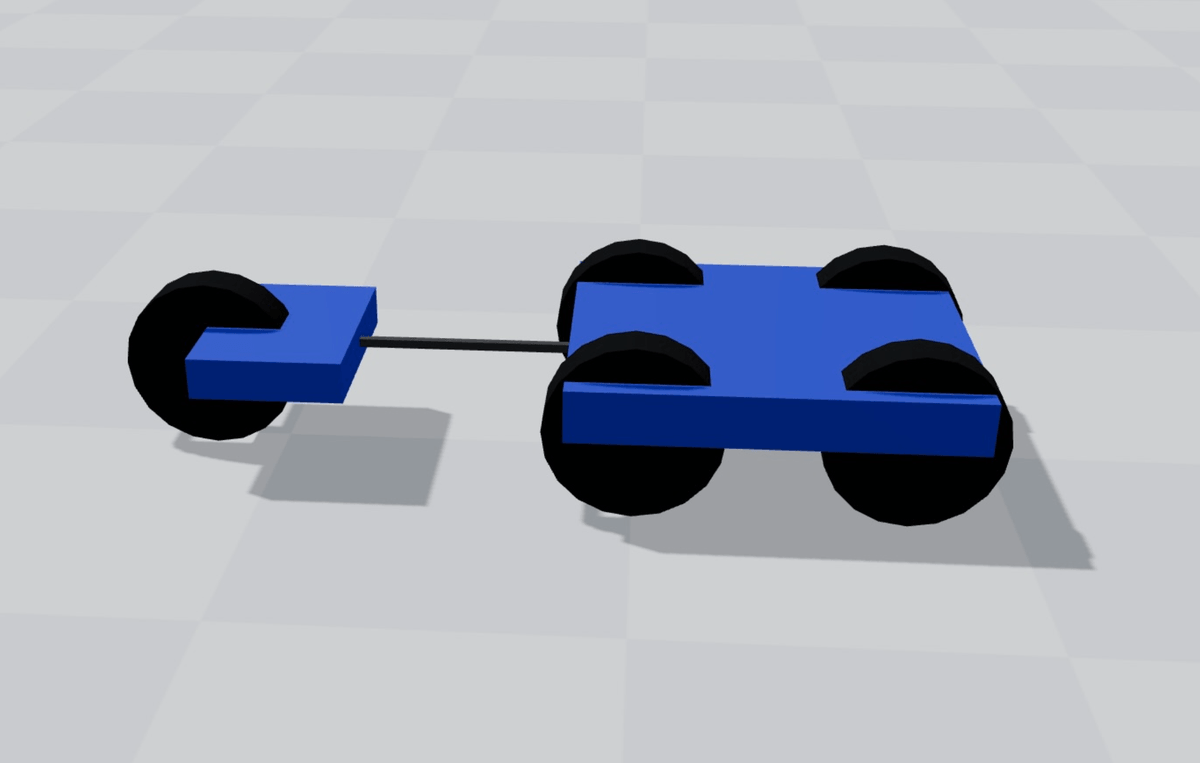
A new arXiv paper introduces GM3, a tire-level physics model that unifies bicycles, skateboards, carts, and hoverboards under one simulator to replace the aging Kinematic Bicycle Model.
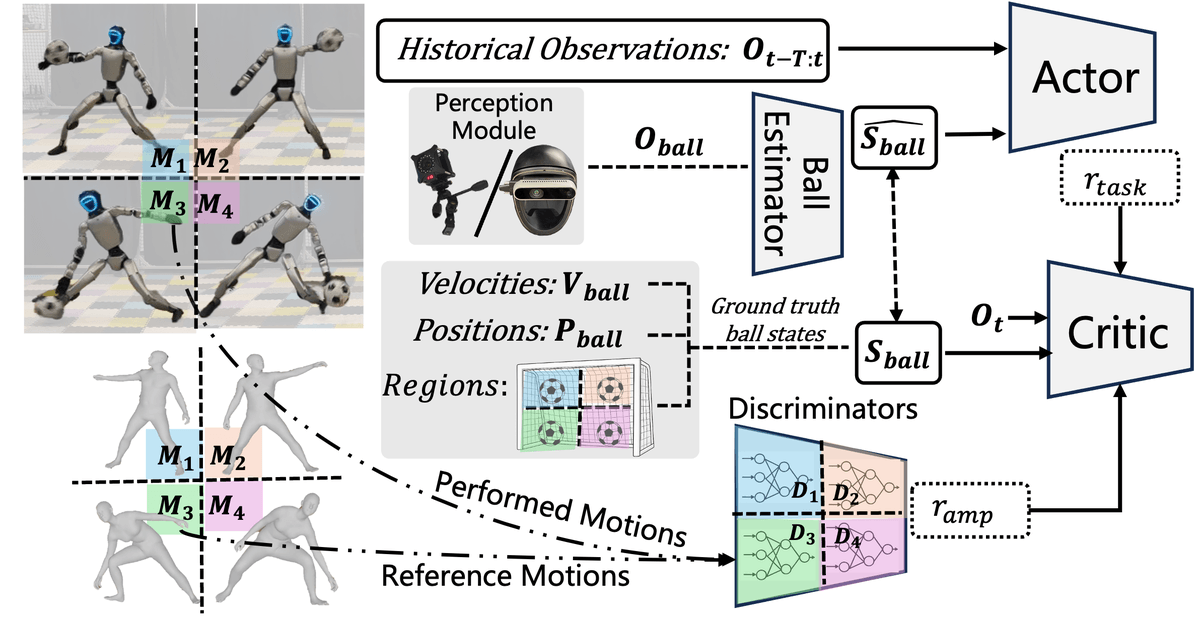
A single end-to-end RL policy trained with region-specific human motion priors lets a Unitree G1 dive, jump, and squat to block flying balls autonomously.
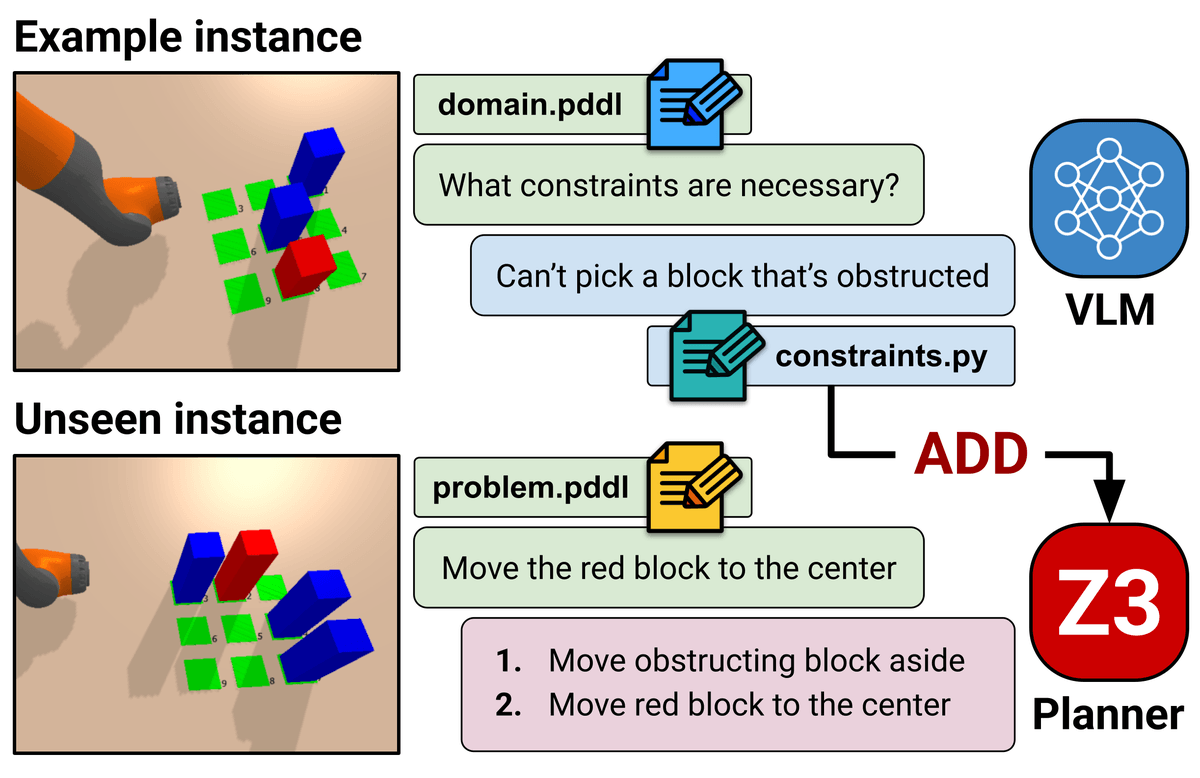
VIZ-COAST uses vision-language models to predict geometric constraints before planning starts, cutting task-and-motion planning failures and speeding up long-horizon robot problems.
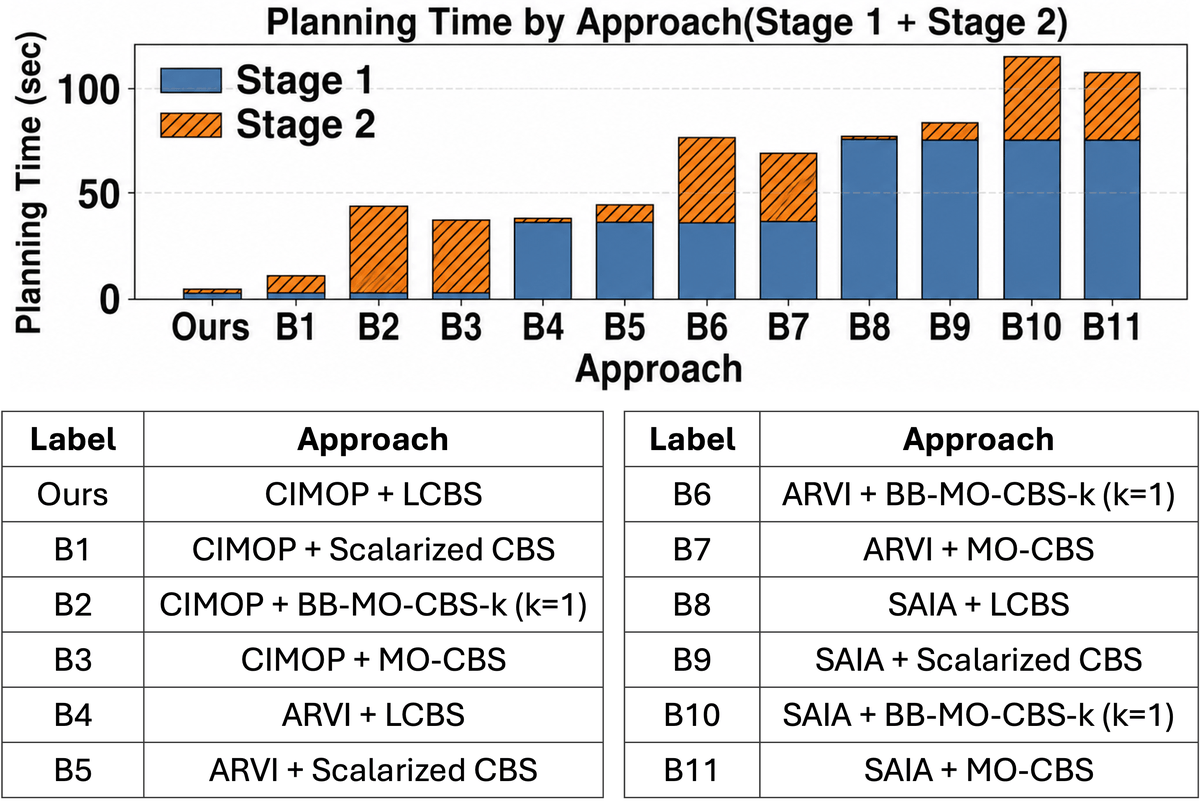
A new framework called MR-CUSSP tackles how robot teams should coordinate when the rules of the environment are hidden and must be discovered together.
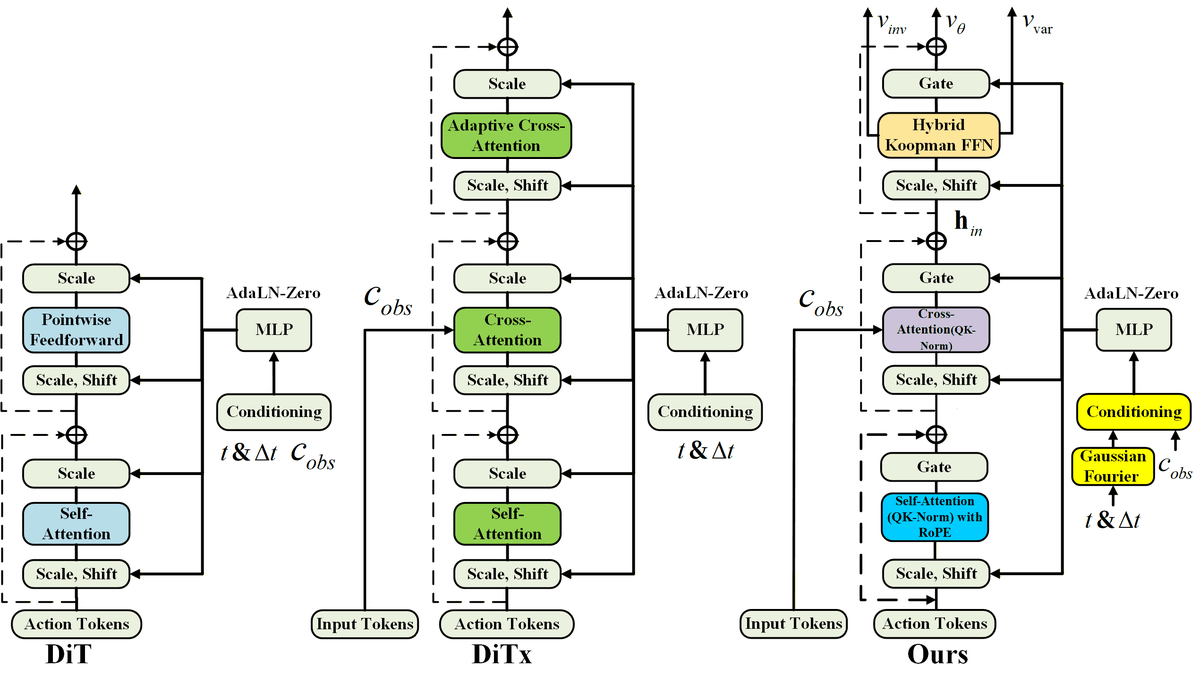
A dual-branch generative policy uses Koopman operator theory to separate stable robot motions from high-frequency reactive corrections, boosting contact-rich task success by 15+ points.
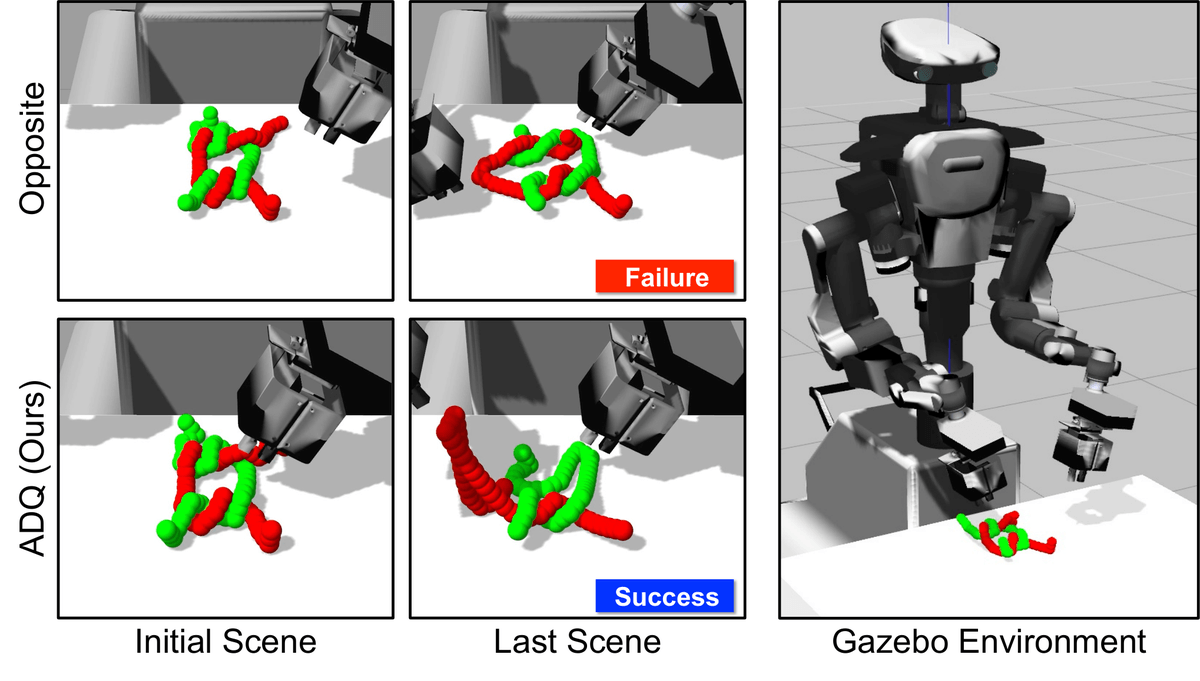
A new observation trick called ADQ throws away most of the force signal on purpose, and it makes robot cloth untangling policies survive the jump from simulation to hardware.
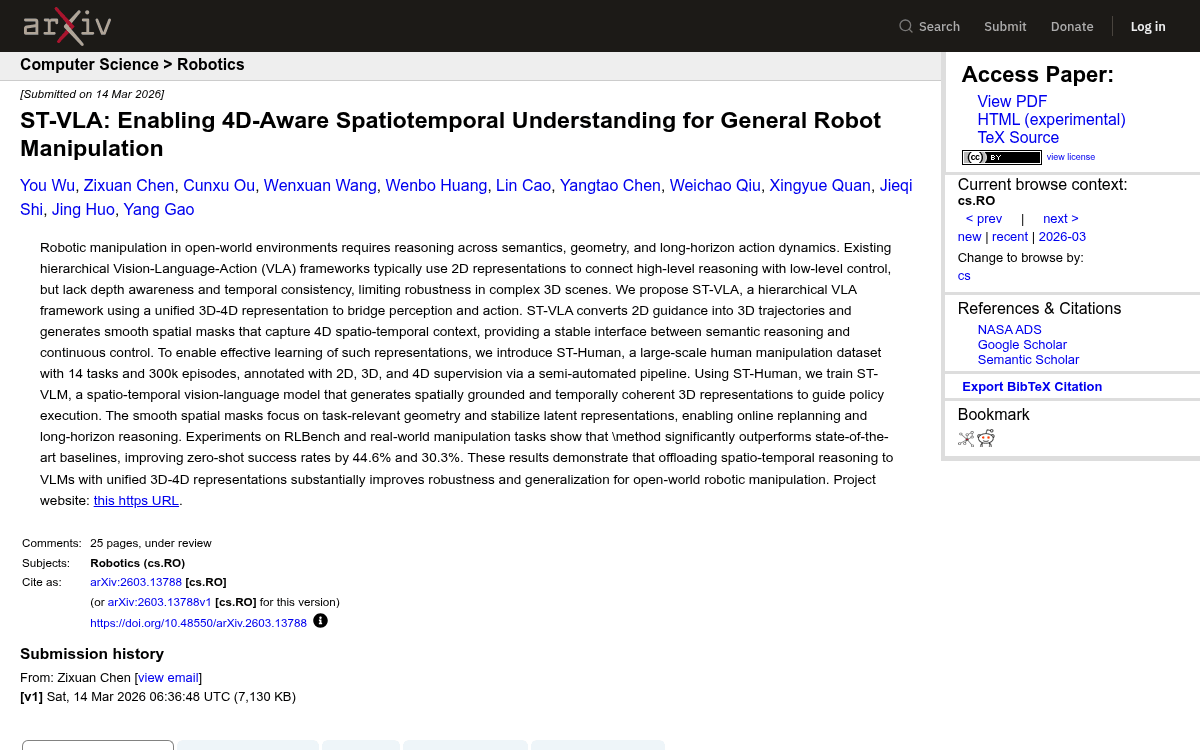
Researchers at Nanjing University propose ST-VLA, a robotic manipulation framework that swaps flat 2D guidance for 3D trajectories and time-aware masks.
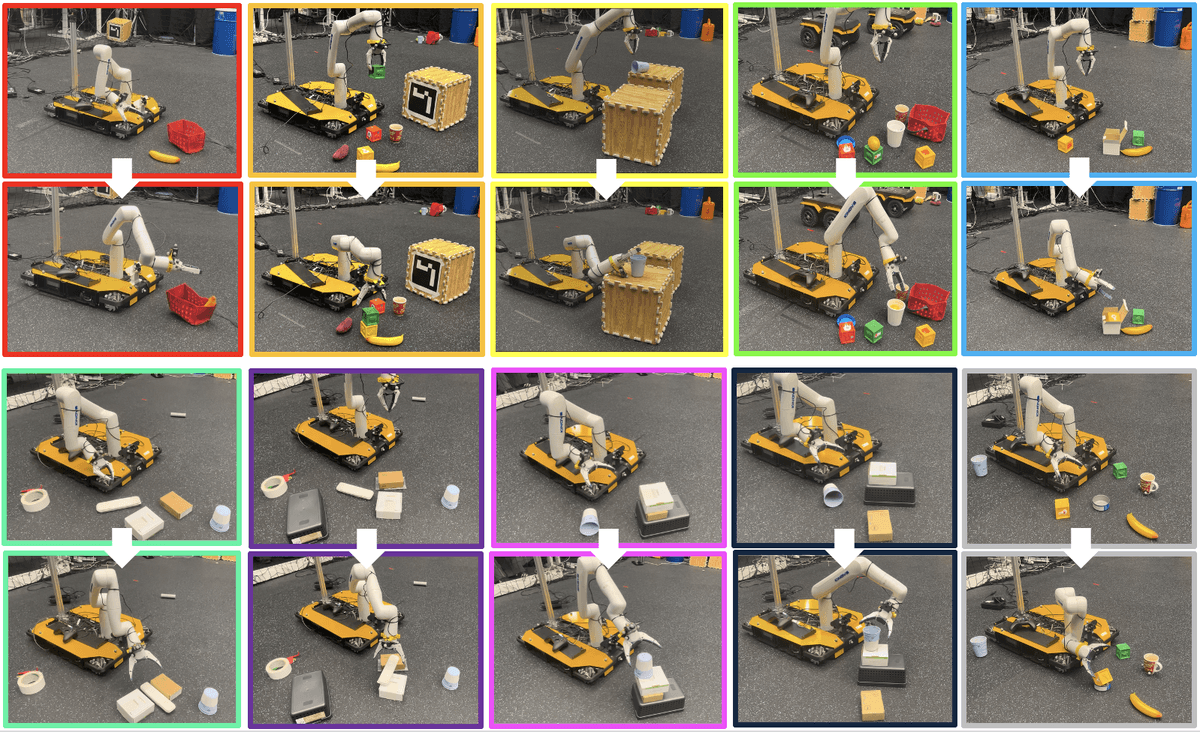
A Delft team skips vision-language-action training entirely, reconstructing a physics-ready digital twin from a single RGB-D view and letting simulation pick the winning move.
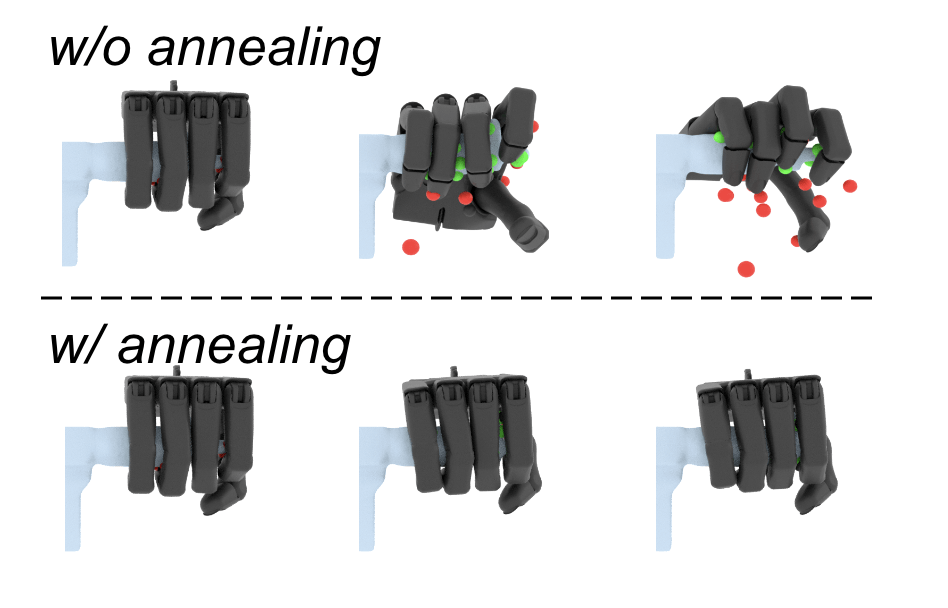
A new ADMM-based refinement stage lets a robotic hand slide its contact points, unlocking a 15-point jump in grasp success and rock-solid grips on slippery objects.
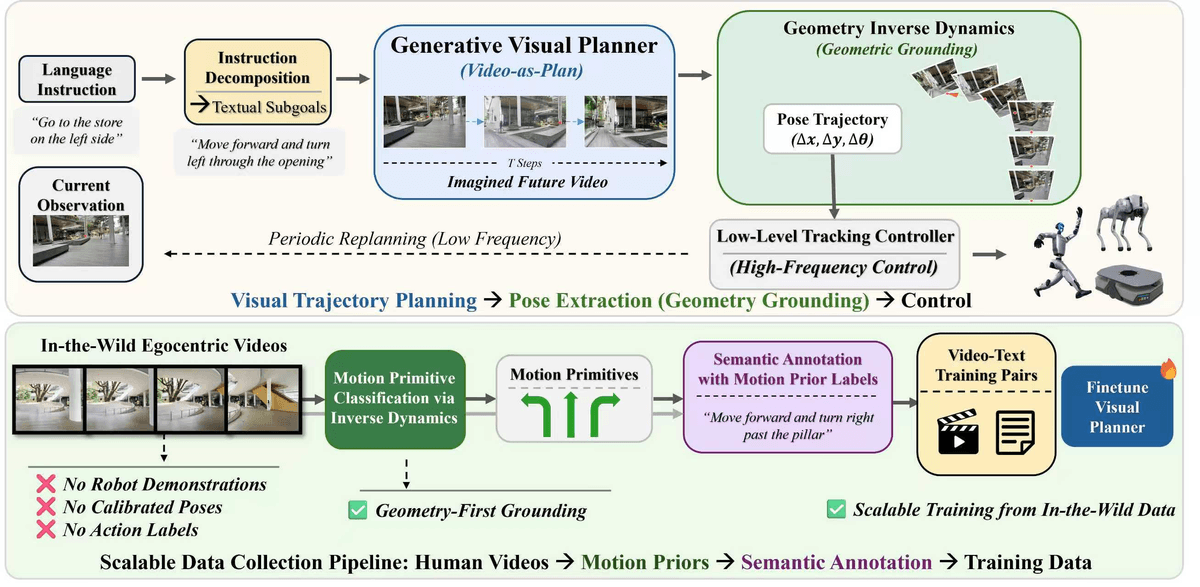
A new modular navigation framework lets robots learn from smartphone walking videos instead of expensive robot demonstrations, achieving zero-shot transfer to humanoid platforms.
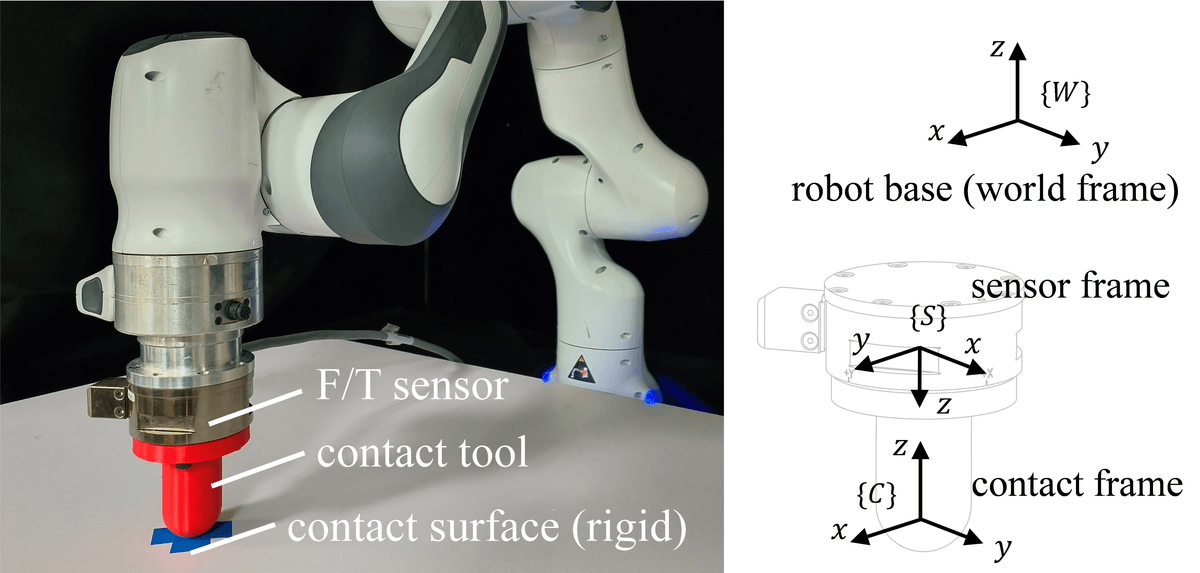
A new model predictive control framework lets a Franka Panda arm dodge obstacles and apply force in real time using a redundancy-aware ADMM solver.
A single RGB image now produces fully executable URDF robot models, with joints, limits, and geometry generated end to end by one diffusion transformer.