
Pro
UT Austin's Diffusion Model Cuts Stroke MRI Scan Time in Half
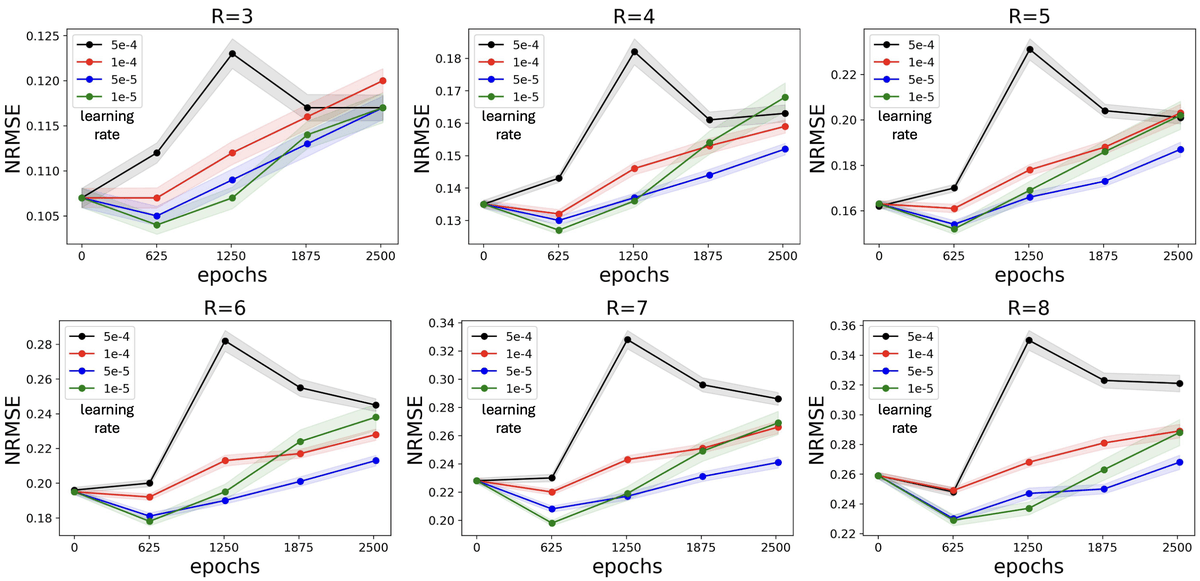
A foundation-model style recipe pre-trains diffusion priors on 4000 brain scans, then adapts to stroke MRI using only 20 patients.
20 stories
A foundation-model style recipe pre-trains diffusion priors on 4000 brain scans, then adapts to stroke MRI using only 20 patients.
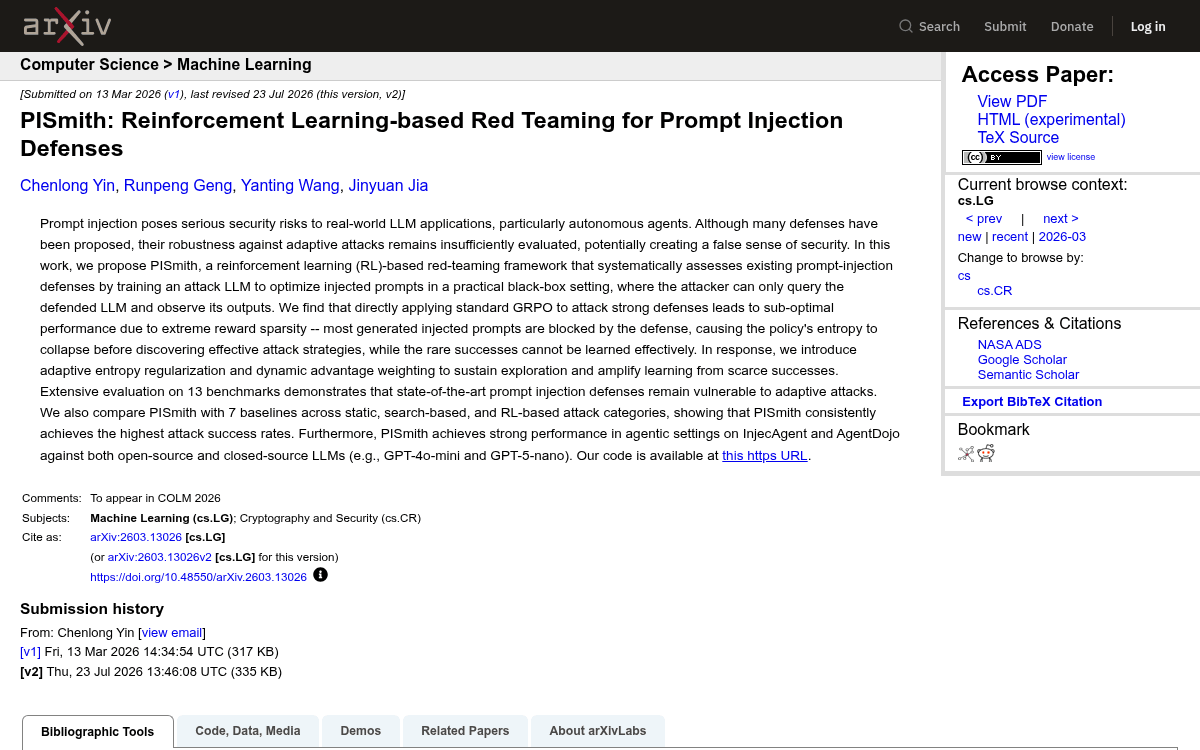
A new reinforcement learning attacker breaks state-of-the-art prompt injection defenses across 13 benchmarks, exposing a fundamental utility-robustness tradeoff.
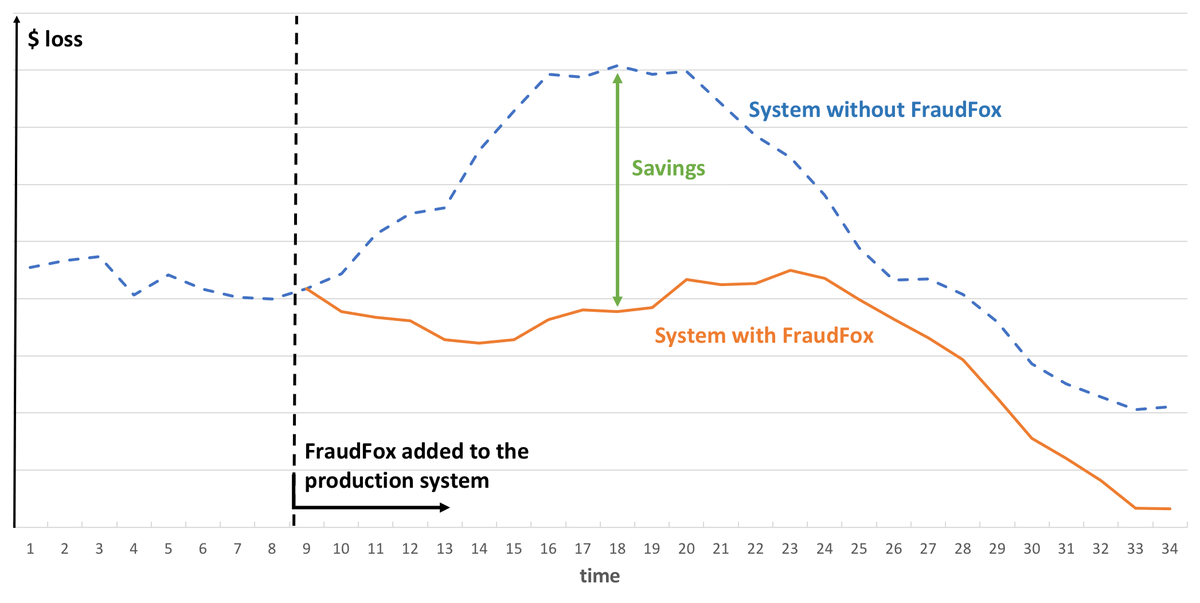
Amazon's production system uses Extended Kalman Filters and Pareto fronts to blend fraud oracles, adapt to shifting attacker tactics, and respect business budgets.
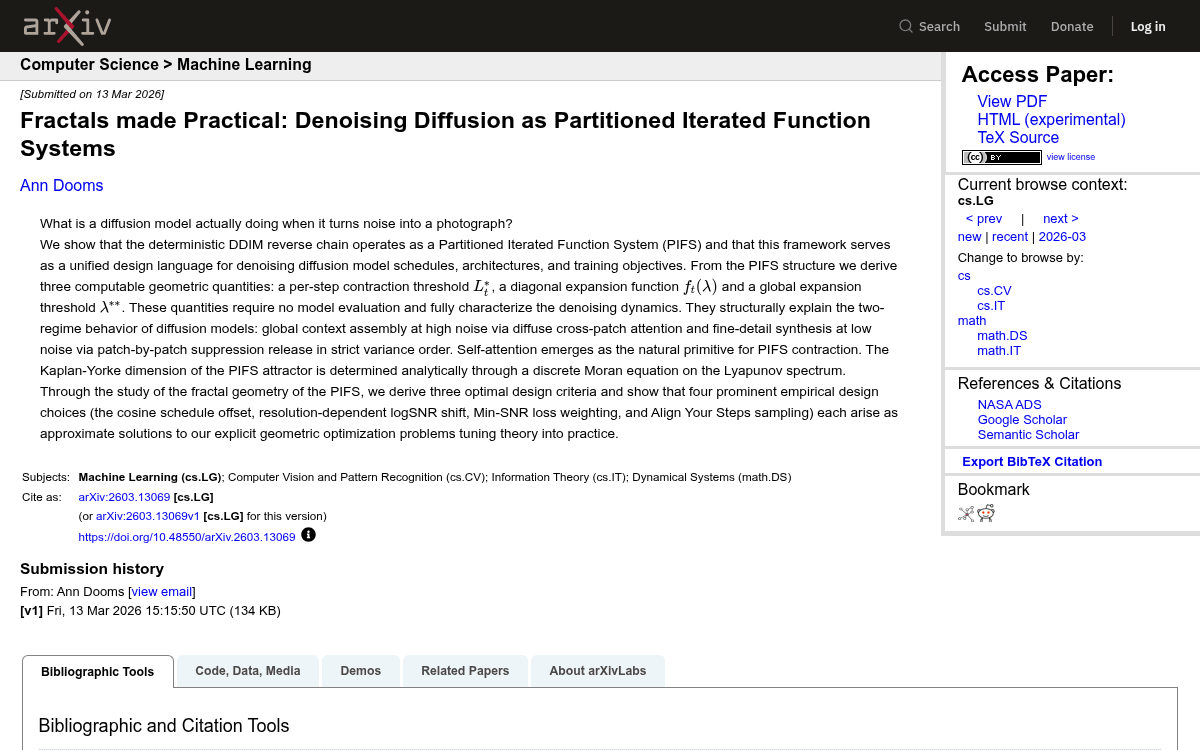
A new theoretical framework recasts DDIM sampling as a fractal iteration system, deriving four popular design heuristics from three closed-form geometric quantities.
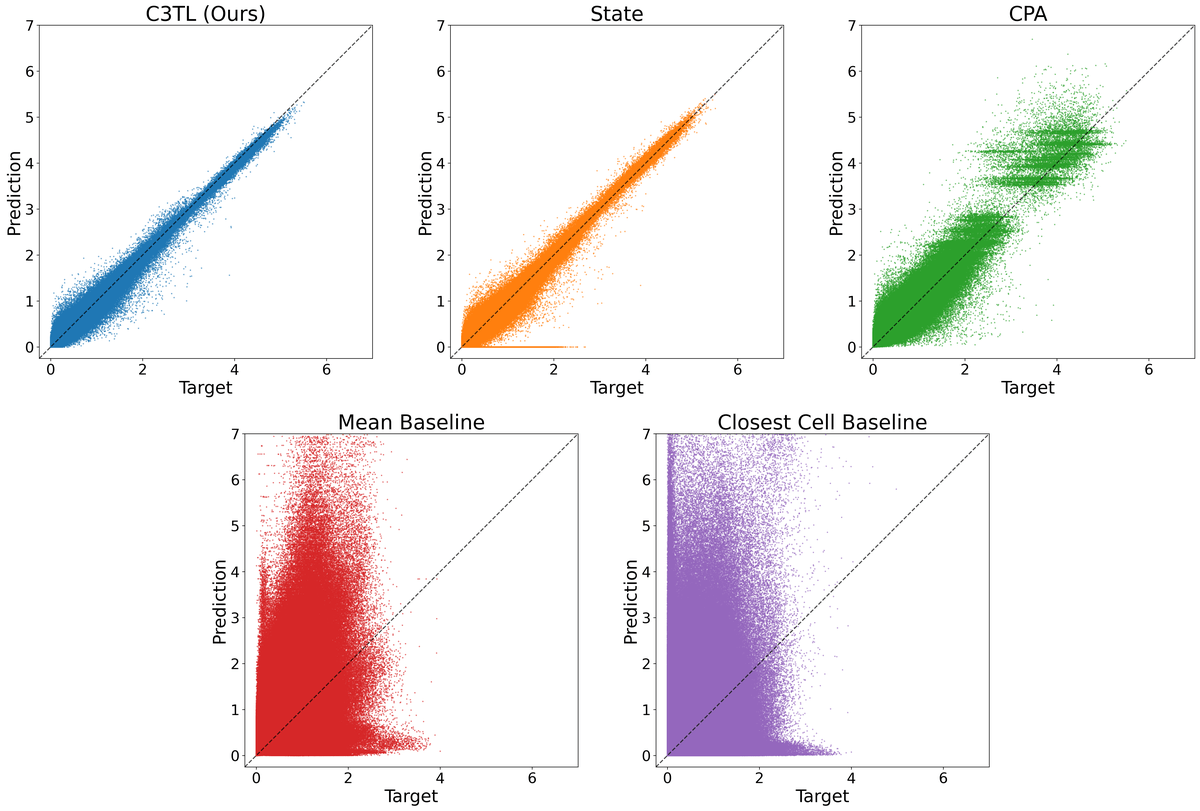
A compact autoencoder rivals billion-parameter foundation models at predicting how cells respond to drugs and gene edits, using only bulk RNA data.
A new optimizer cuts Sharpness-Aware Minimization's cost in half by replacing one backprop with random probes, unlocking flat minima for highly sparse networks.
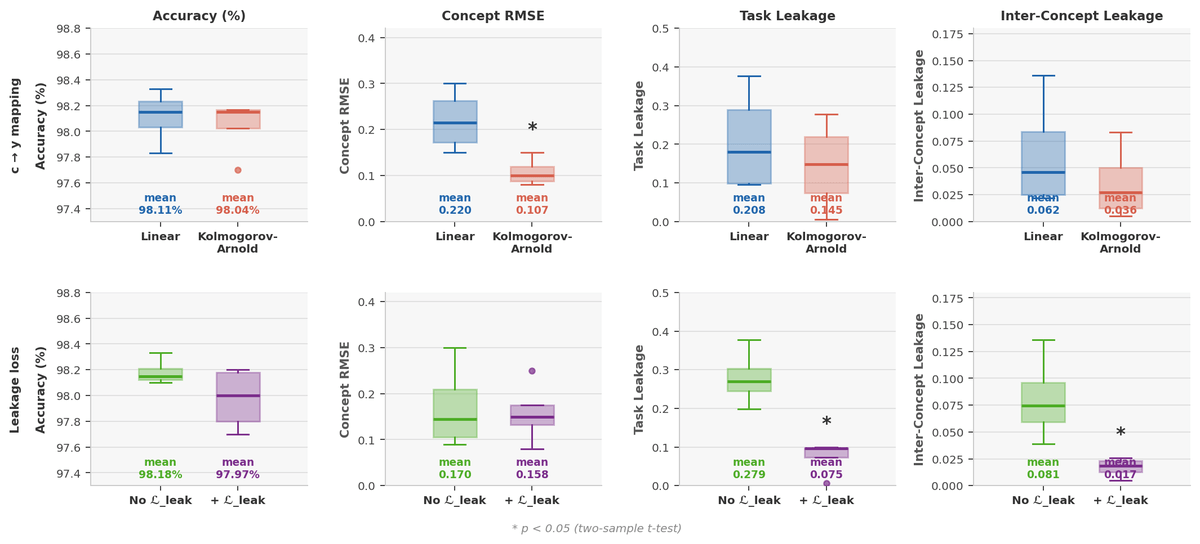
A new research paper proposes f-CBM, tackling the long-standing problem of concept leakage in interpretable models by combining a differentiable leakage loss with a Kolmogorov-Arnold Network head.
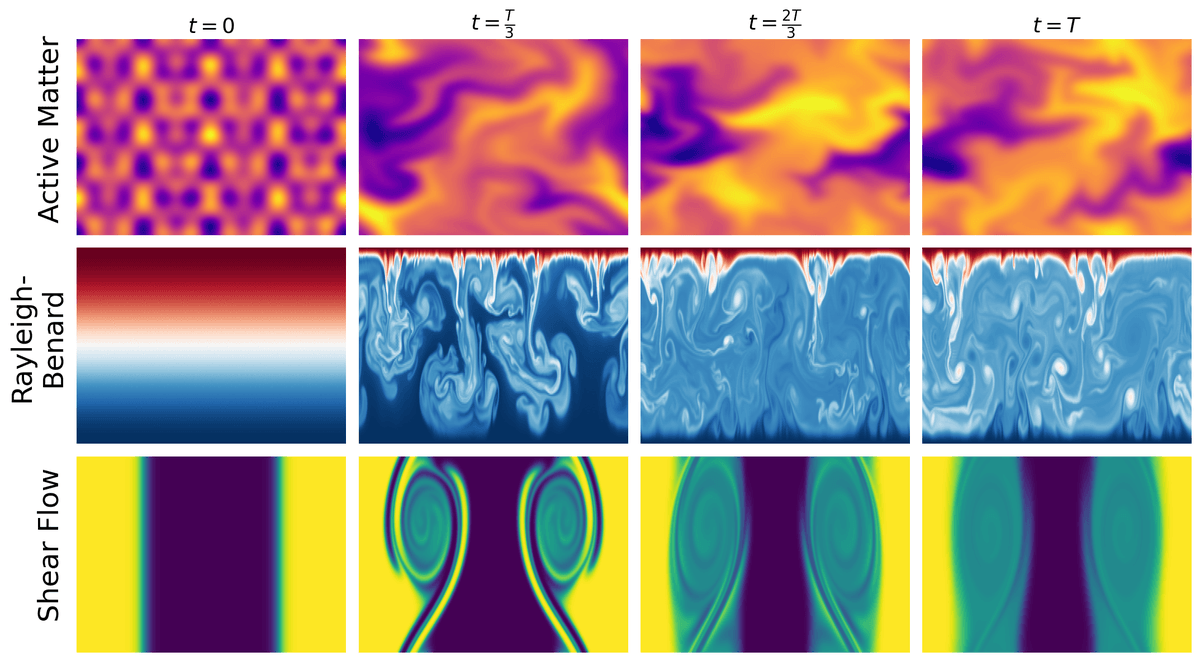
A Polymathic AI study shows JEPA-style latent prediction beats pixel-based masked autoencoders and even rivals physics-specific models on parameter estimation.

A new kernel regularity condition and dual-mixing algorithm bring mirror descent theory in line with the kernels actually used in practice.
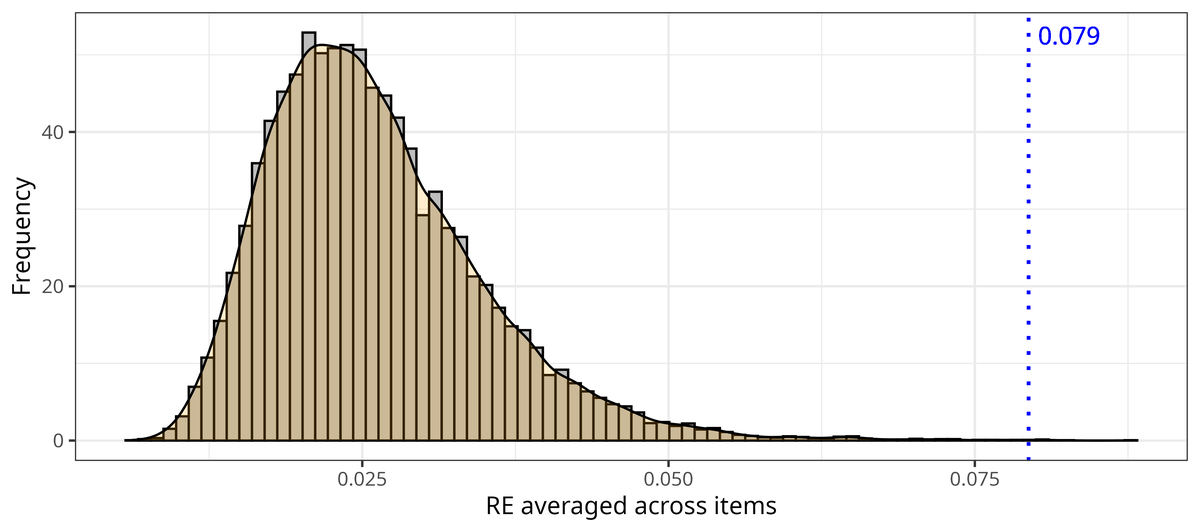
A new machine learning method pinpoints the exact survey item where respondents stop paying attention, turning careless data into salvageable information.
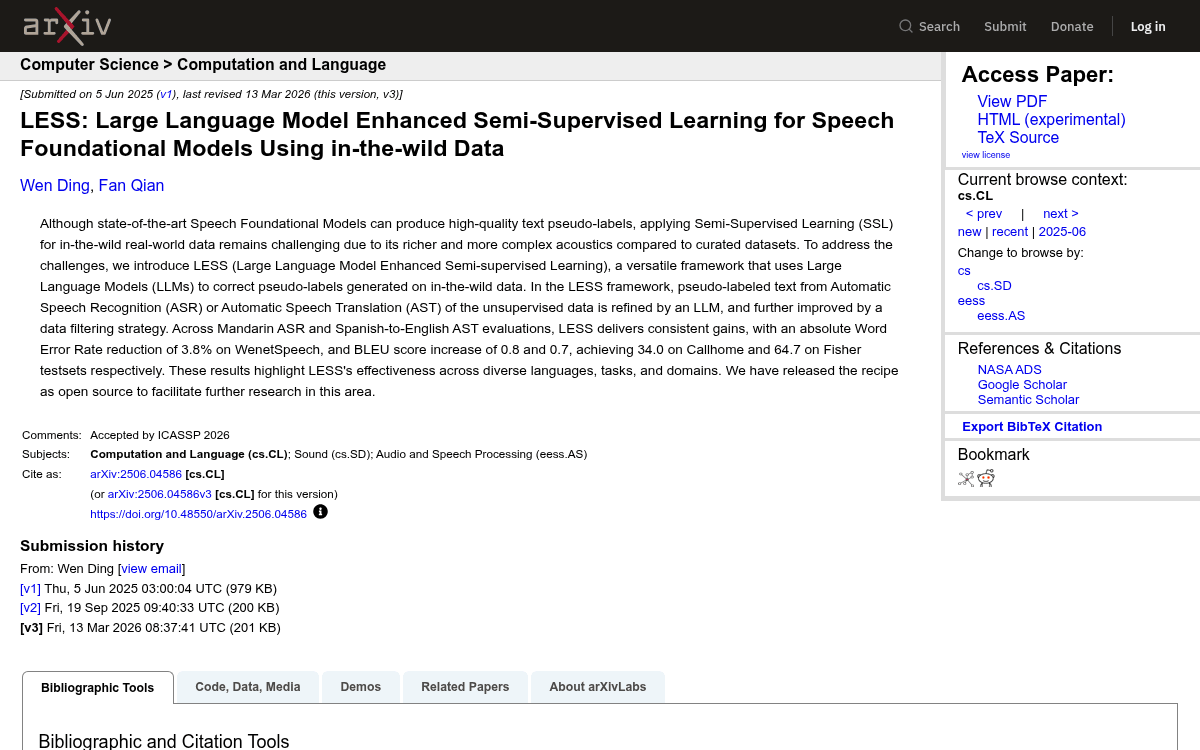
NVIDIA researchers use LLMs to clean up noisy ASR and translation pseudo-labels, cutting WER by 3.8 points on WenetSpeech and pushing BLEU to new highs.
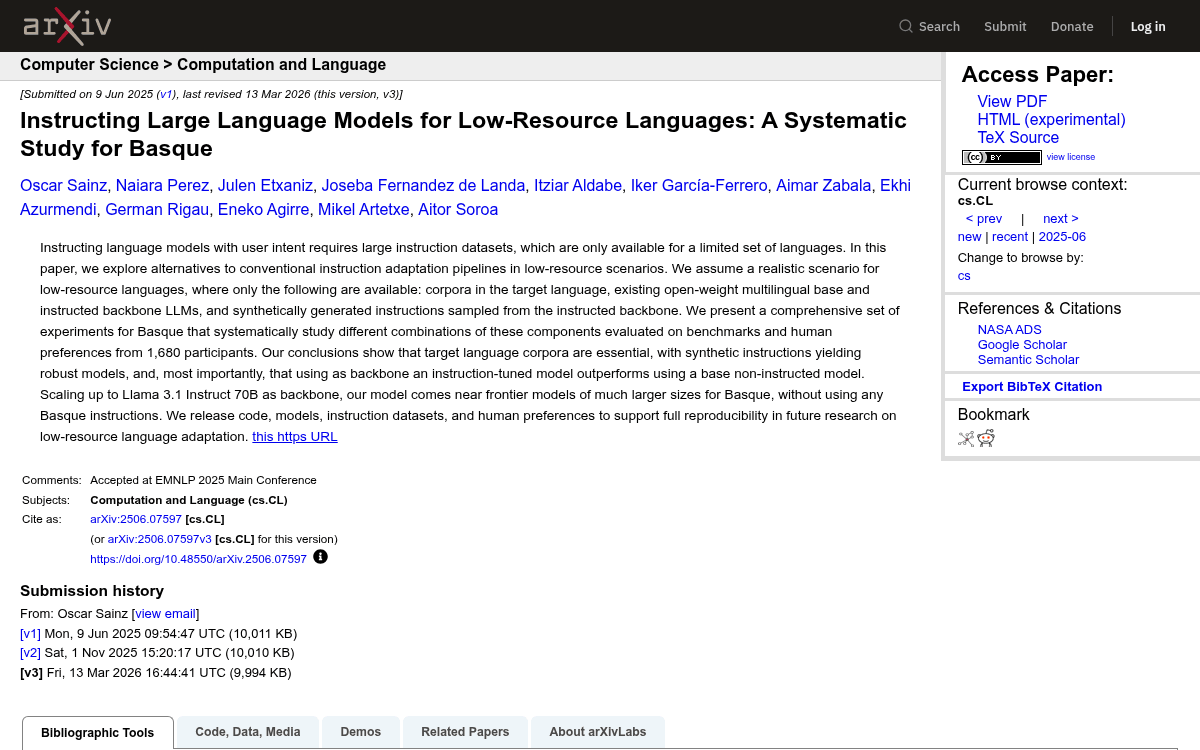
A systematic Basque study finds that starting from an instruction-tuned English backbone beats the standard base-model-first pipeline for low-resource language adaptation.
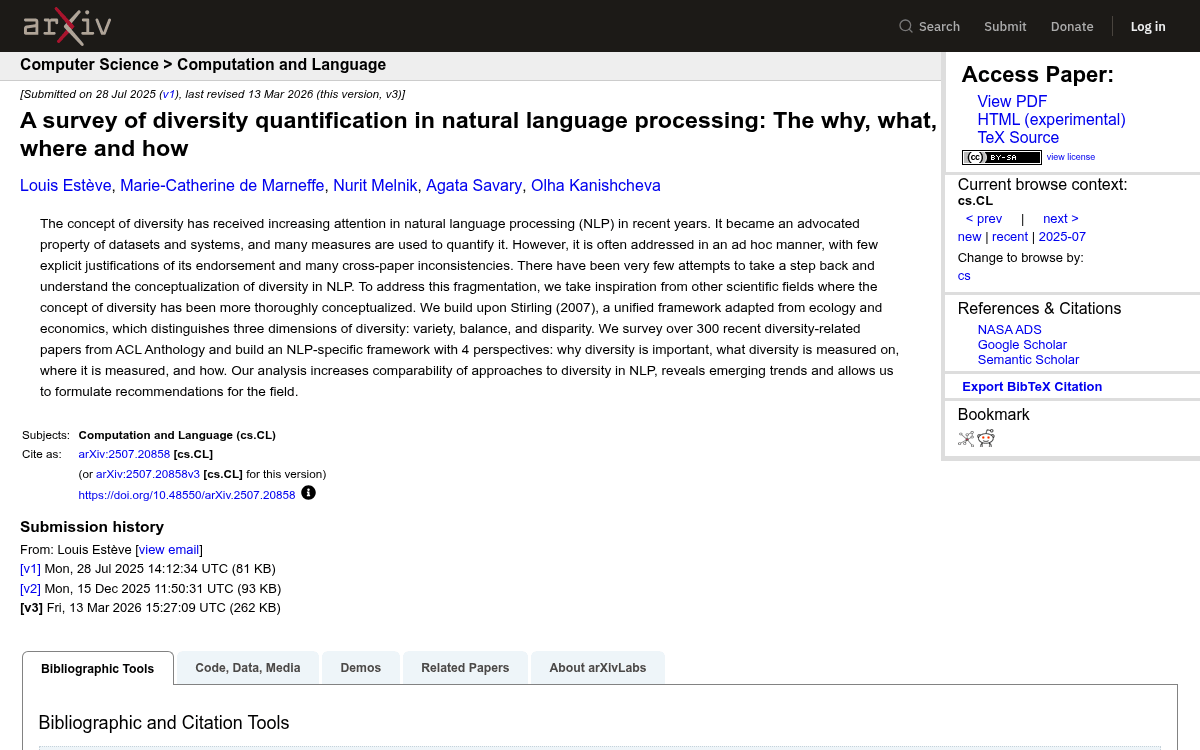
A new survey audits 300+ ACL papers and finds the field uses over 100 different names for diversity measures with no shared framework.
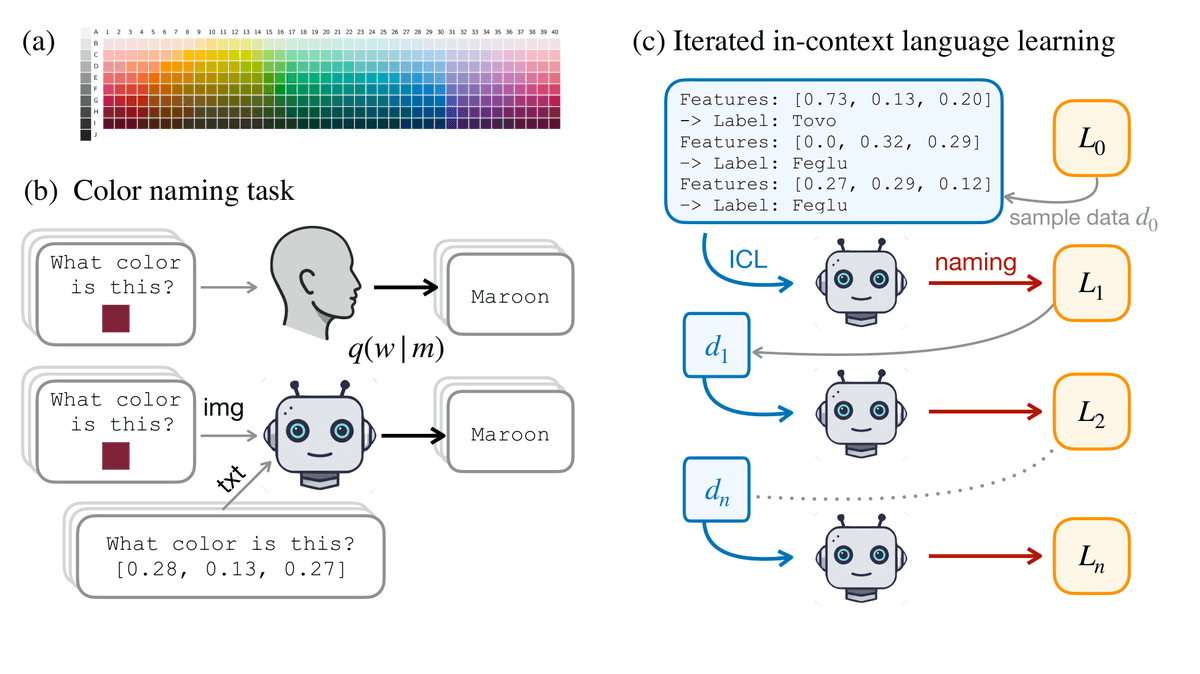
A new ICLR paper tests whether language models spontaneously evolve efficient color categories the way humans do, and finds only one model that convincingly does.
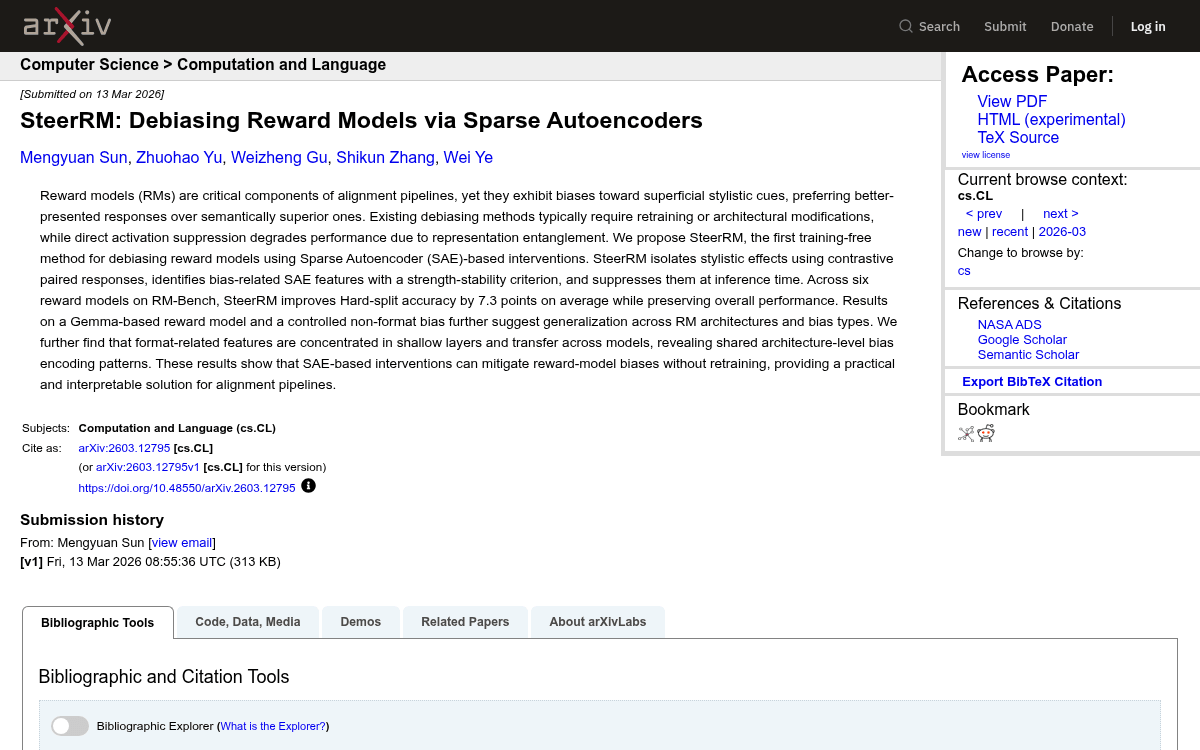
A new training-free debiasing method uses sparse autoencoders to surgically remove reward models' preference for pretty formatting over correct answers.
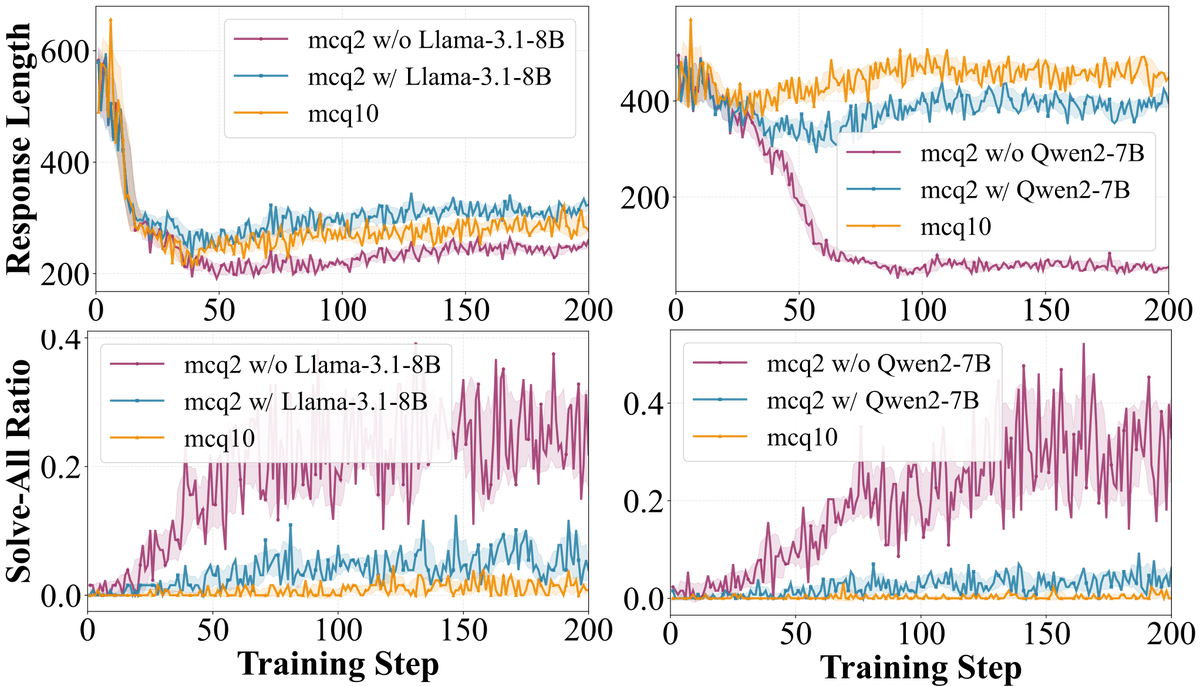
New research shows that carefully crafting wrong answers, not stripping them out, is the key to training reasoning models with multiple-choice data.
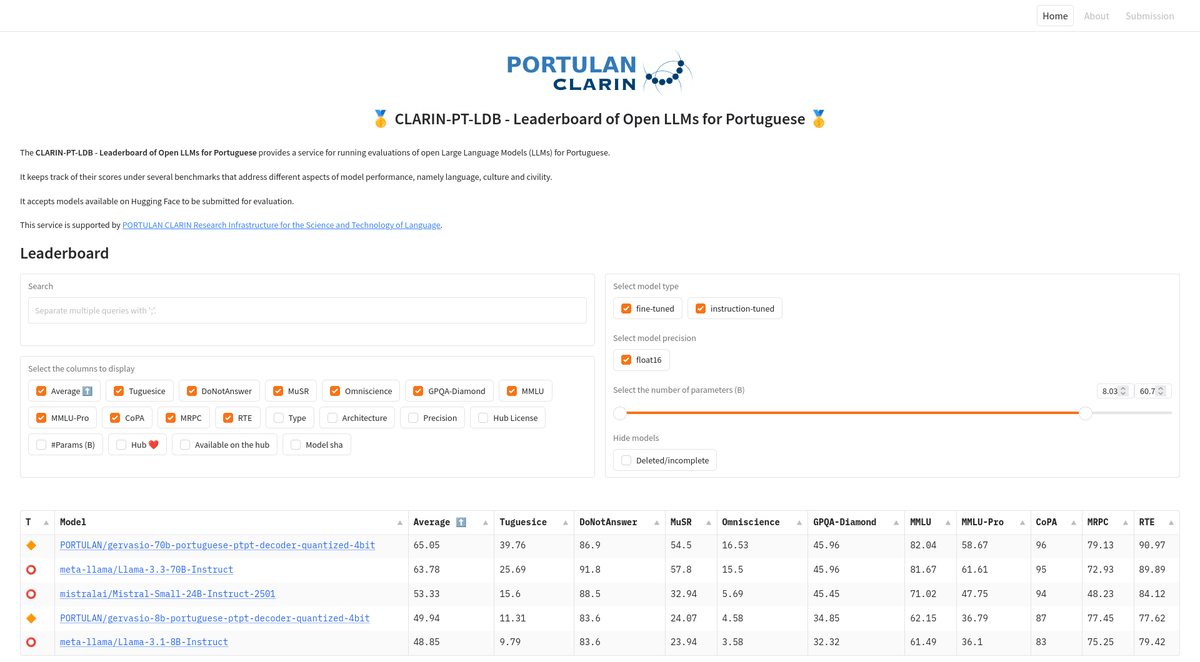
A new HuggingFace leaderboard evaluates open LLMs on European Portuguese with ten benchmarks, including novel tests for cultural alignment and safety refusals.
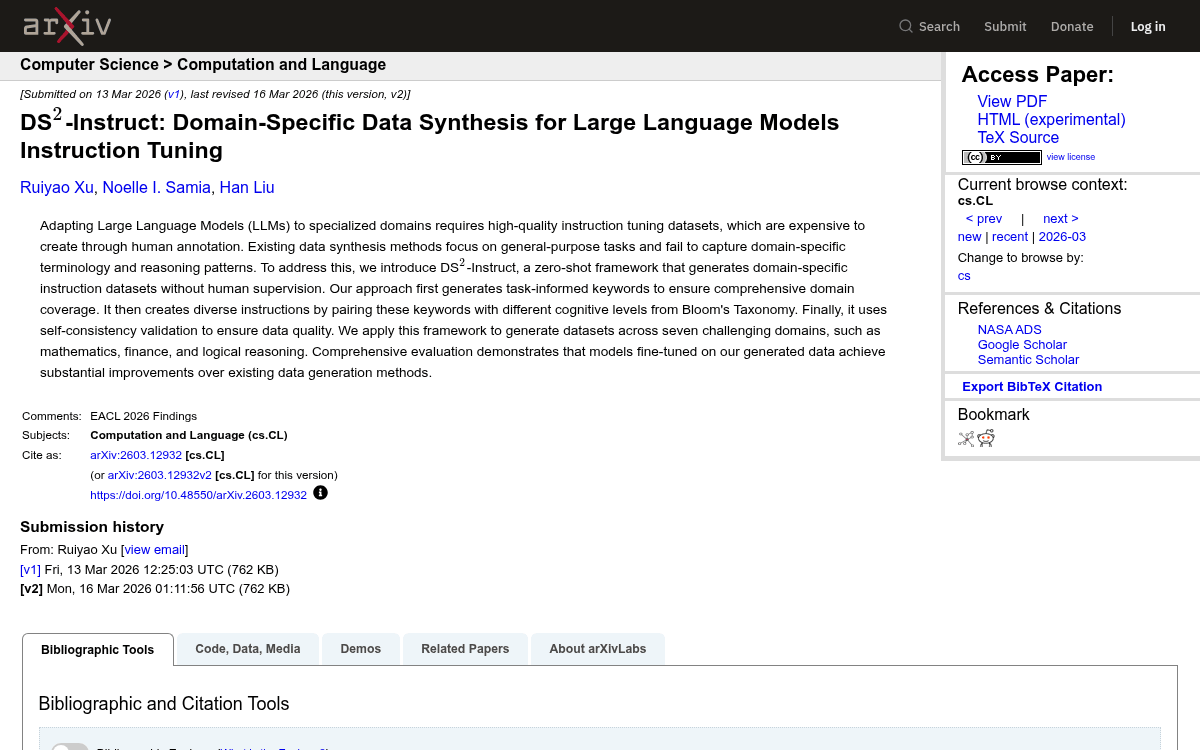
Northwestern researchers built a zero-shot pipeline that manufactures domain-specific instruction data without seed examples, corpora, or human annotation.
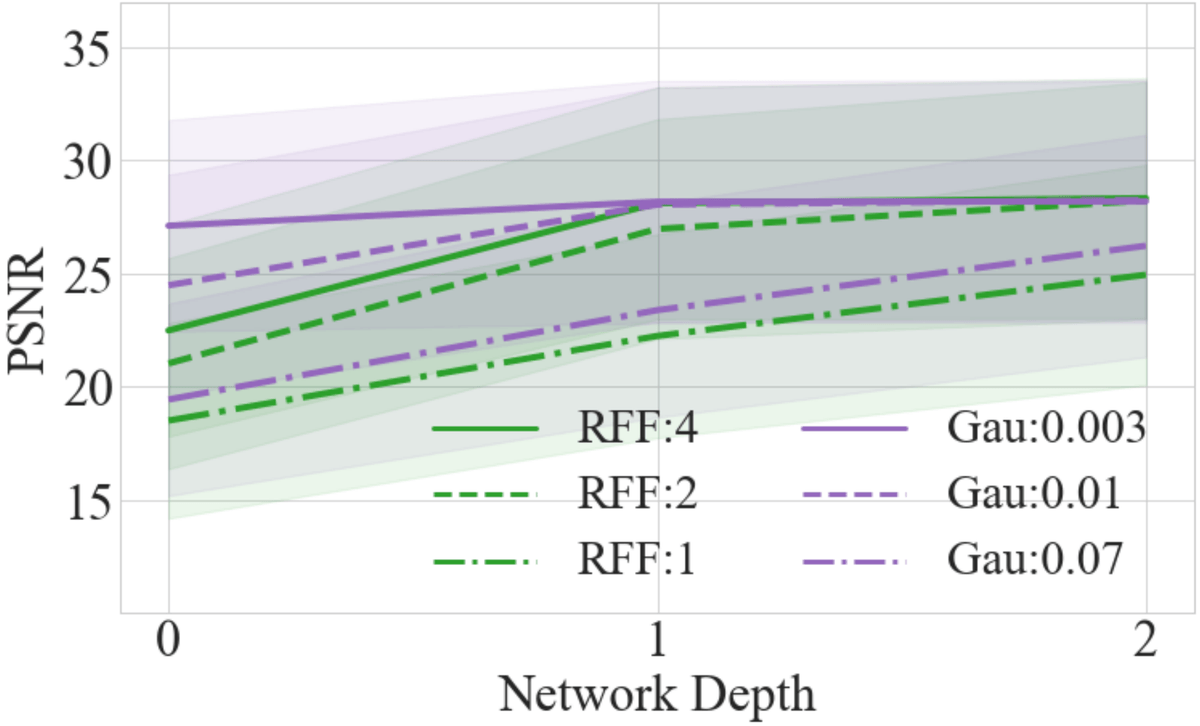
New ECCV theory shows positional encoding hinges on stable rank and distance preservation, letting a single linear layer replace a deep MLP.
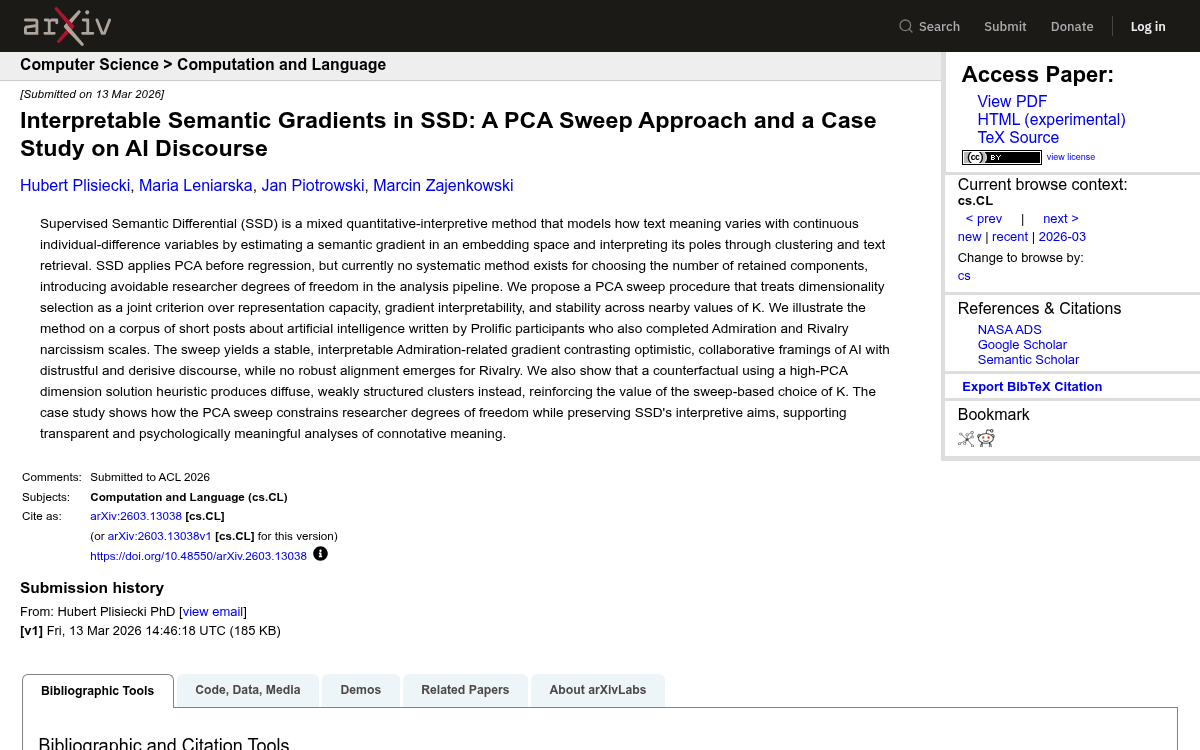
A new PCA sweep procedure removes an arbitrary knob from Supervised Semantic Differential, yielding stable, interpretable semantic gradients tied to psychological traits.