
Pro
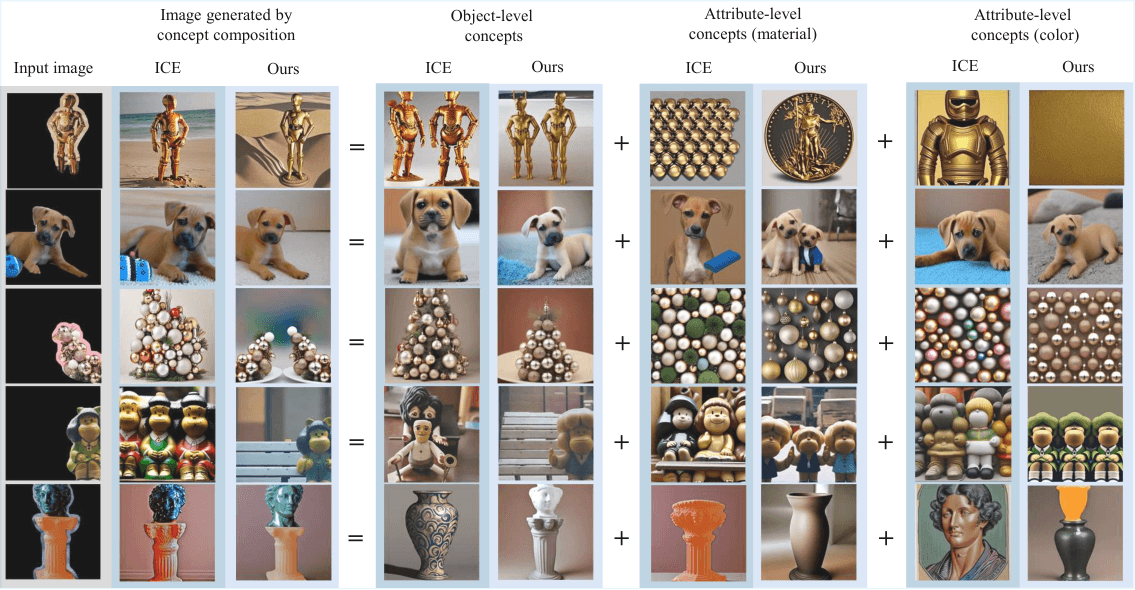
HyperExpress Breaks Images Into Reusable Pieces With 54% Accuracy Gain
HyperExpress uses hyperbolic geometry to pull composable object and attribute concepts from a single image, letting them recombine cleanly.
20 stories
HyperExpress uses hyperbolic geometry to pull composable object and attribute concepts from a single image, letting them recombine cleanly.
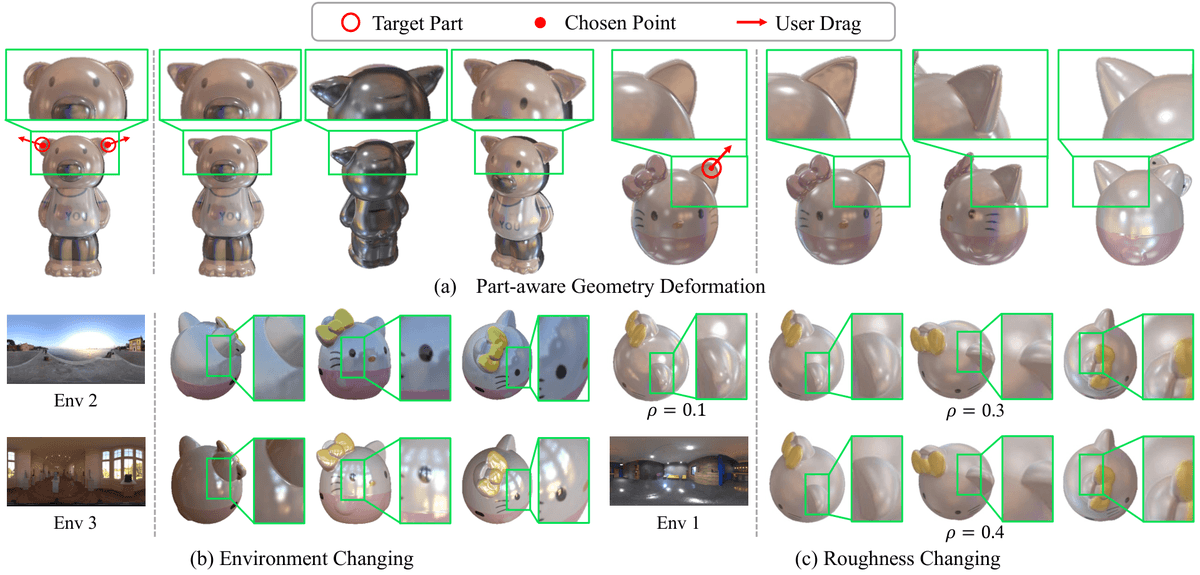
A new framework combines implicit surfaces with editable handler points, cutting 3D object editing from over an hour to 16 seconds while lifting realism.
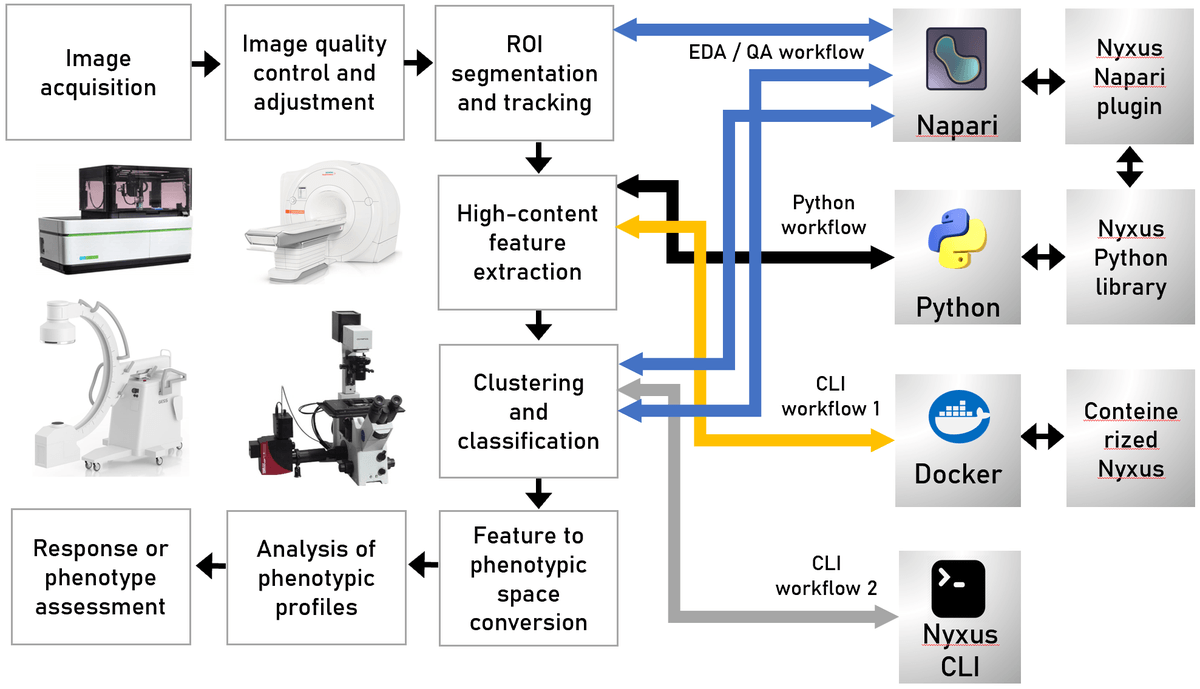
A research team from NCATS and Axle Research introduces an open-source library that unifies radiomics and cell profiling feature extraction at petabyte scale.
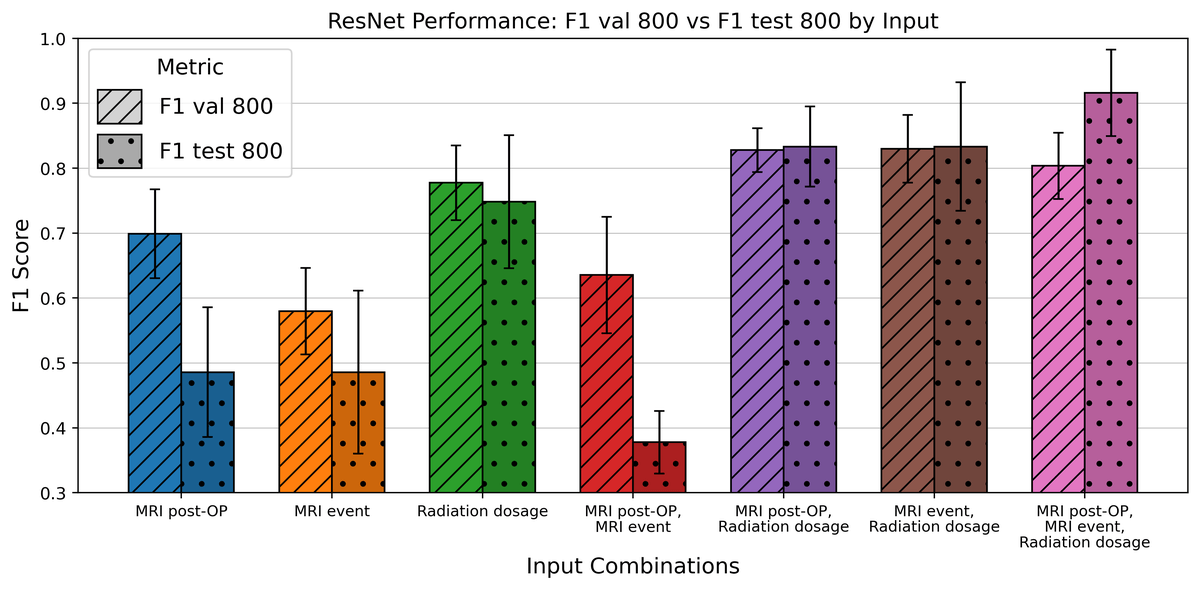
A 3D ResNet fed MRI scans plus radiation dose maps hits 0.92 F1 telling glioblastoma recurrence from radiation injury.
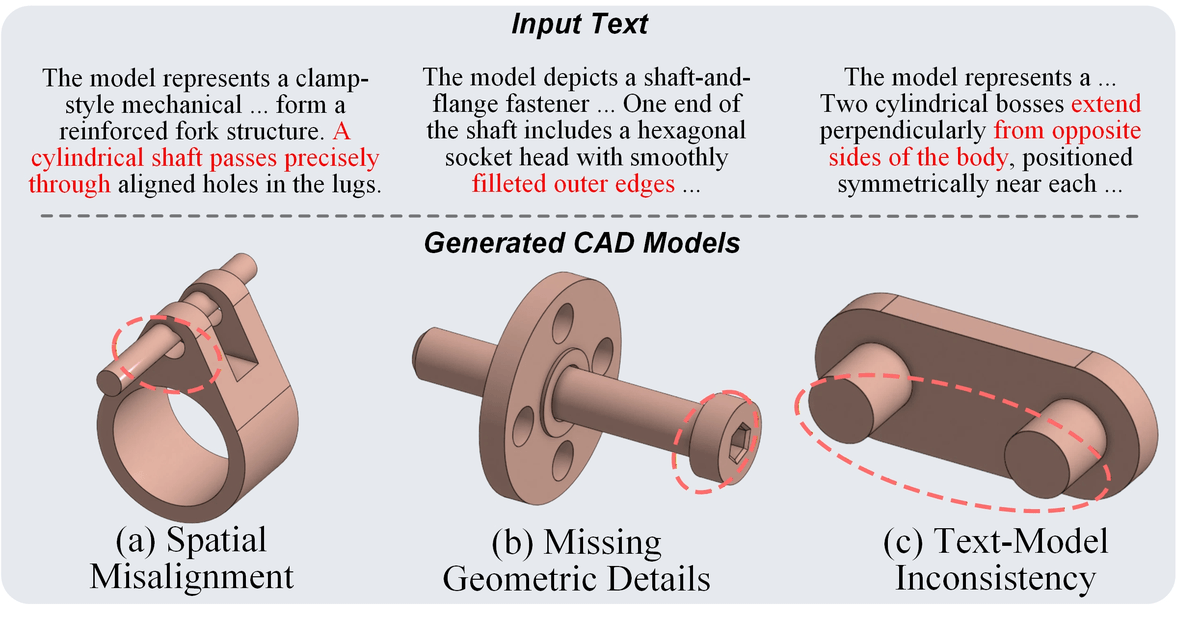
A new framework fuses LLM code generation with a B-Rep grounding transformer so text prompts can produce industrial-grade CAD with fillets, chamfers, and shells.
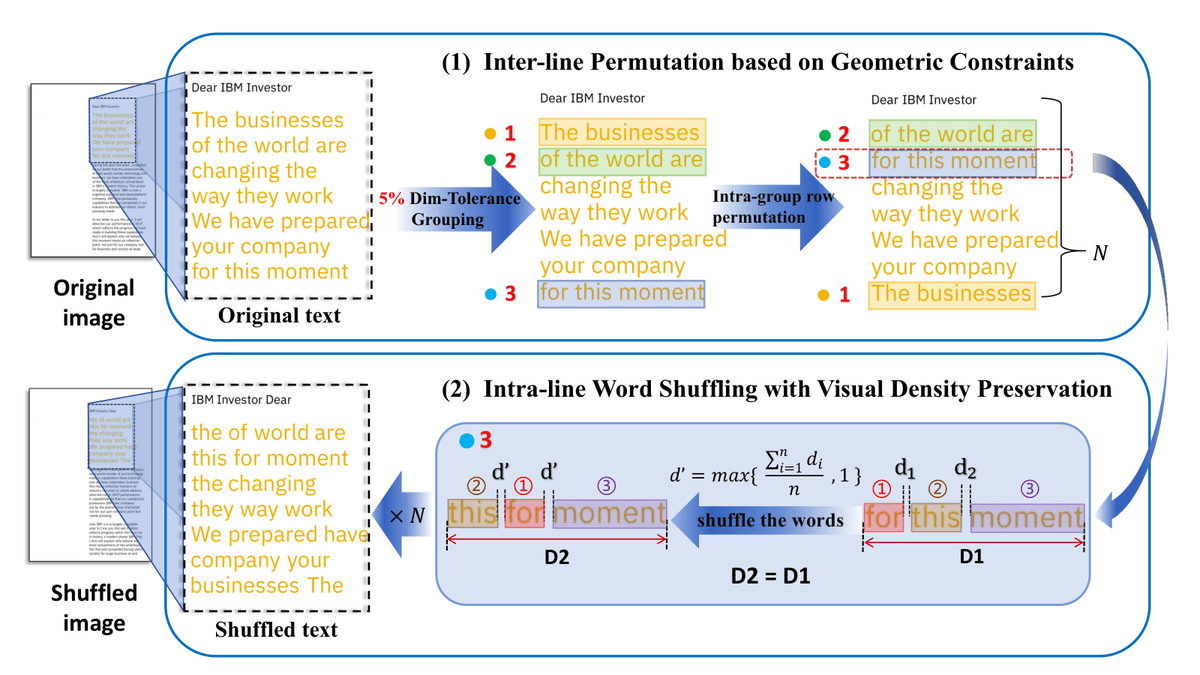
A new benchmark strips semantic priors from OCR evaluation, revealing that DeepSeek-OCR's real text preservation is far worse than reported.
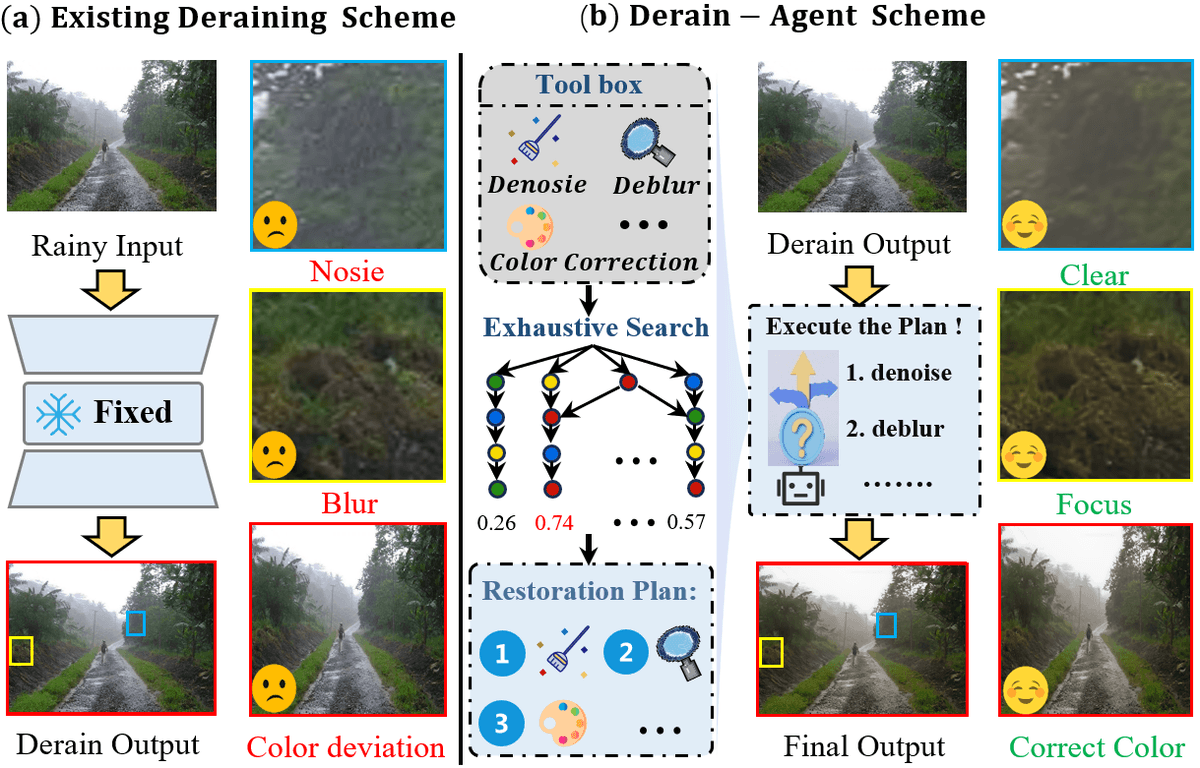
A new plug-and-play agent framework diagnoses residual noise, blur, and color shifts after deraining, then applies targeted fixes with spatially adaptive strength.
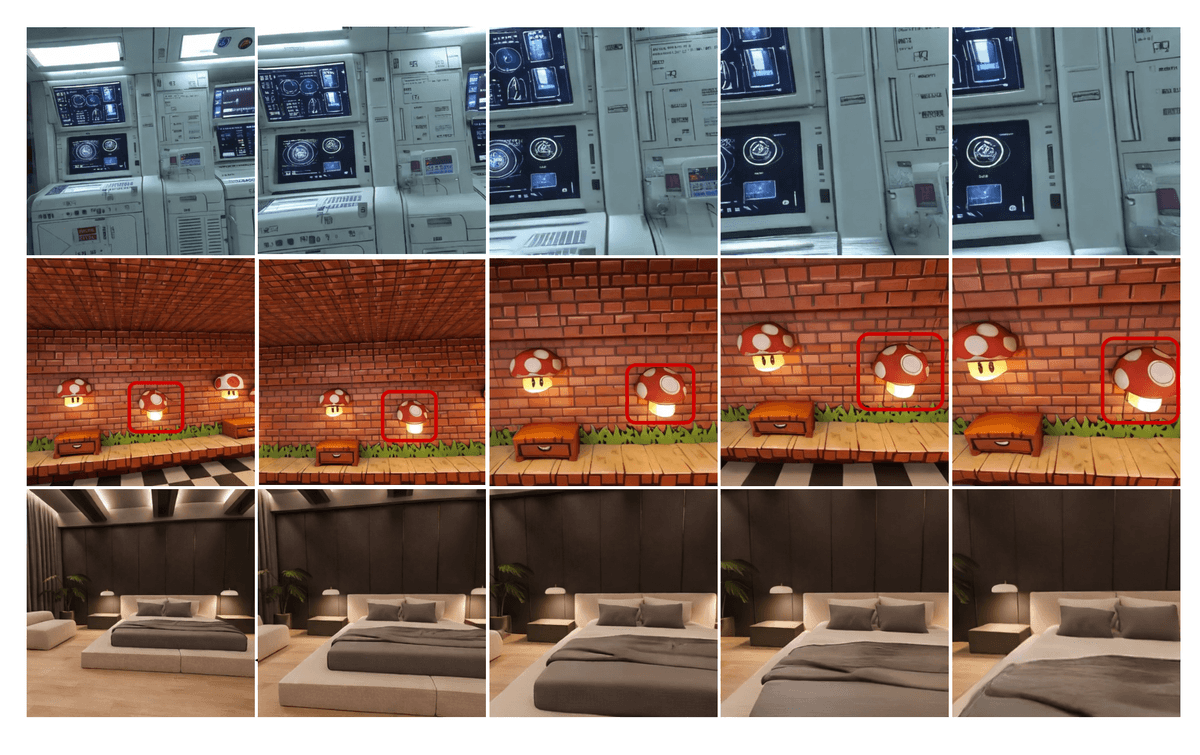
A new open-source world model ditches video-style sequential generation to render each frame independently, hitting interactive frame rates on a single RTX 4090.
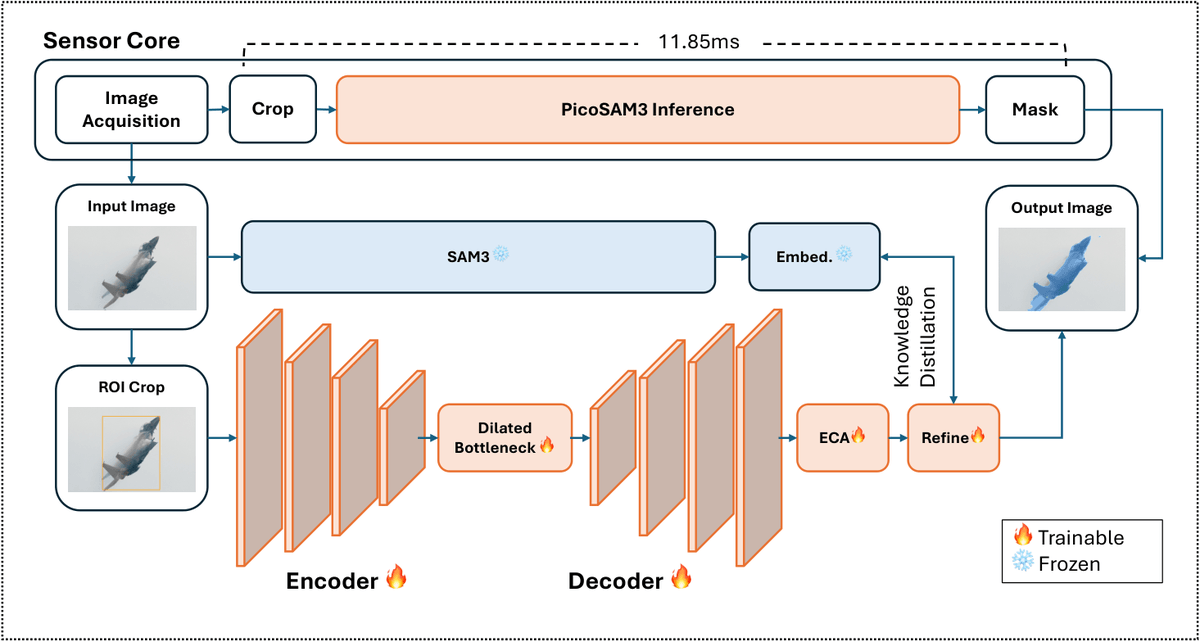
A 1.3M parameter segmentation model runs entirely inside a Sony camera sensor at 84 FPS, beating SAM-H accuracy at 1/460th the size.
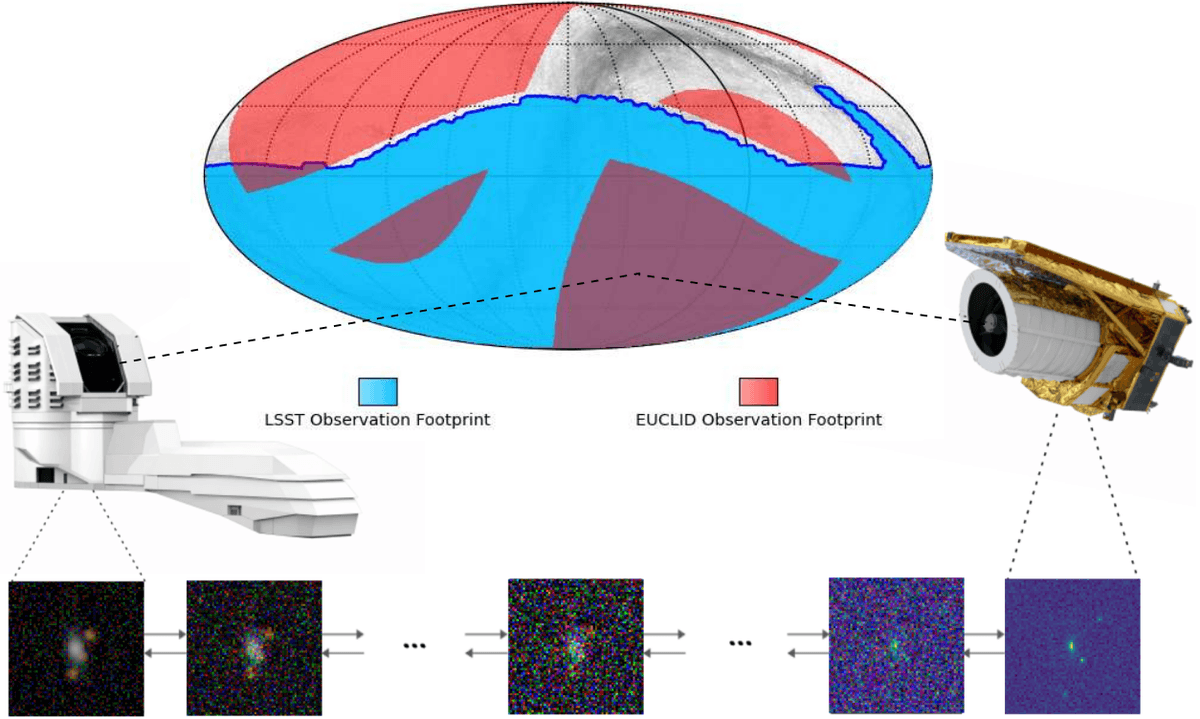
A new diffusion model called AS-Bridge translates between LSST and Euclid telescope images, enabling probabilistic reconstruction and rare gravitational lens detection.

A new one-step robotic policy moves iterative refinement into training, matching diffusion accuracy at 234 Hz on 3D point cloud inputs.
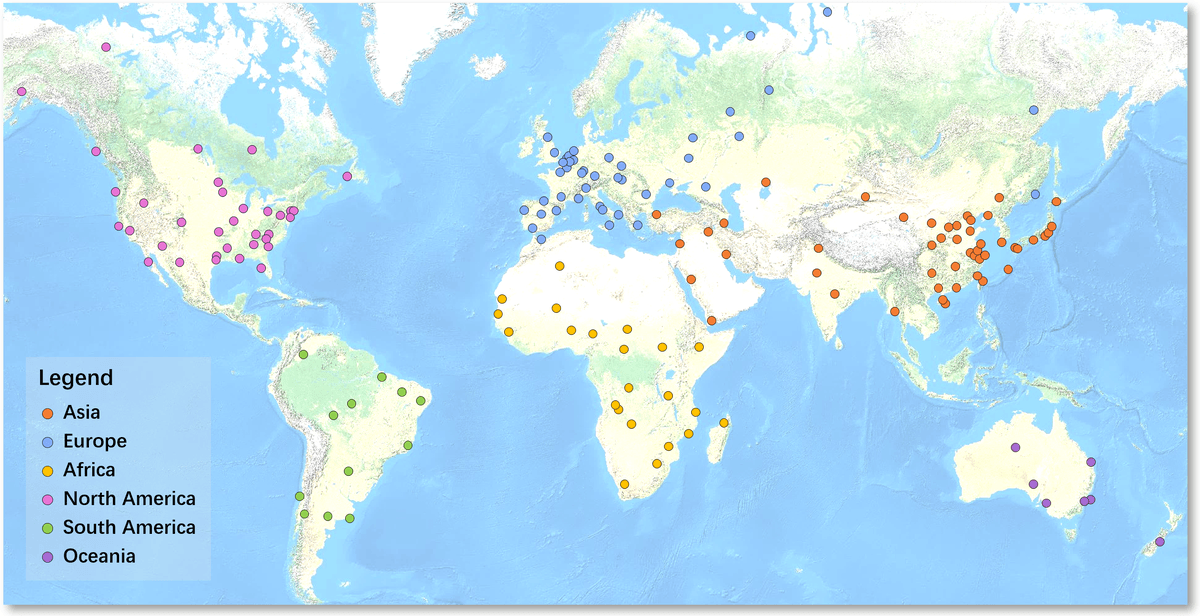
A billion-parameter mixture-of-experts model tackles the domain fragmentation that has long stalled radar image segmentation, with code and datasets released openly.
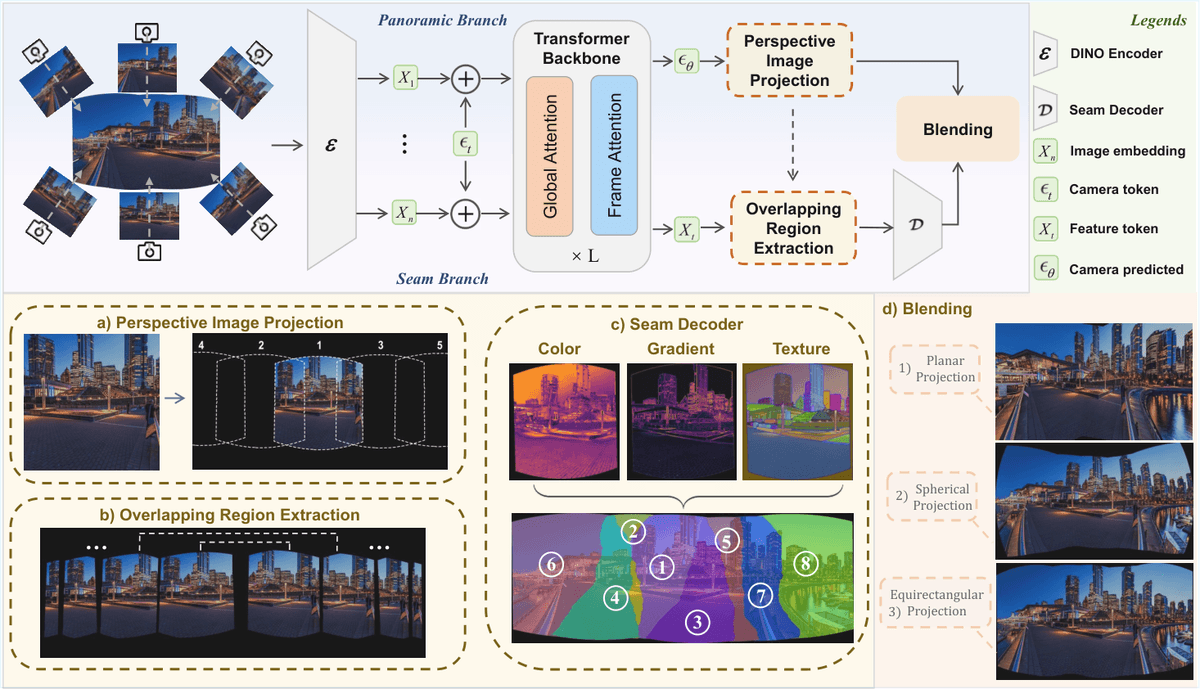
Pano360 lifts panorama stitching out of 2D pairwise matching and into 3D photogrammetric space, hitting a 97.8% success rate.
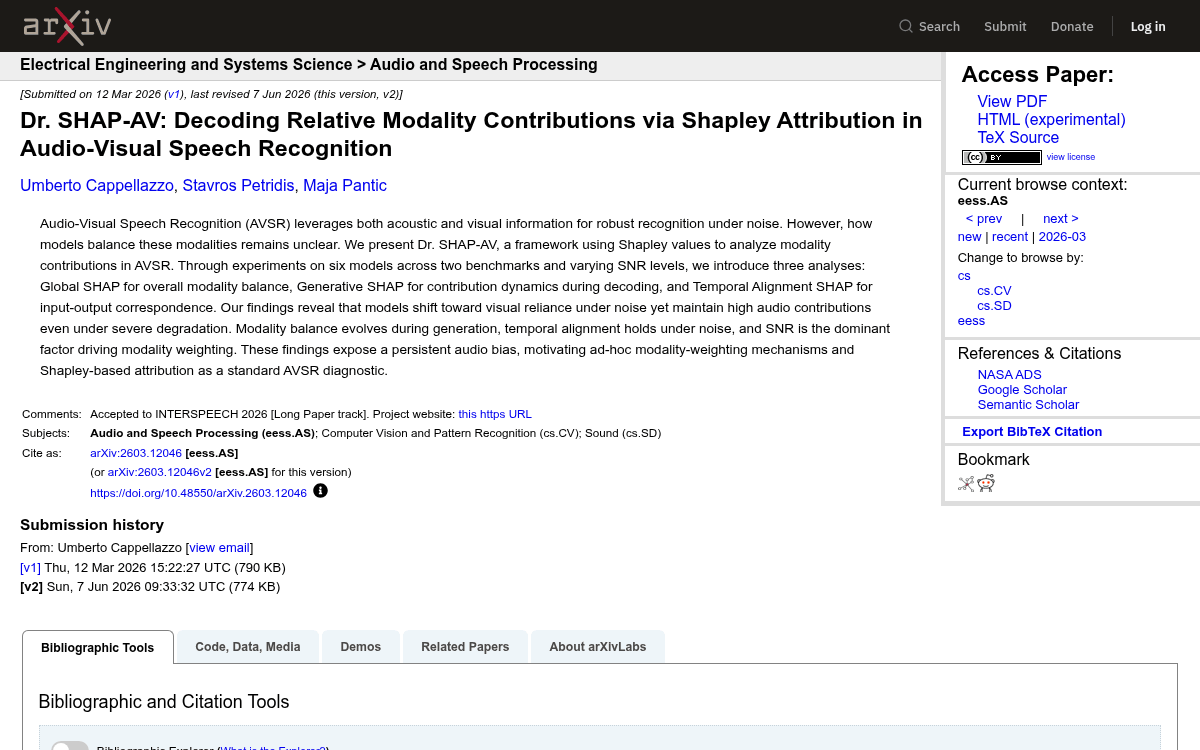
A new Shapley-value framework peers inside six audio-visual speech recognition models and finds they cling to audio even when it is drowned in noise.
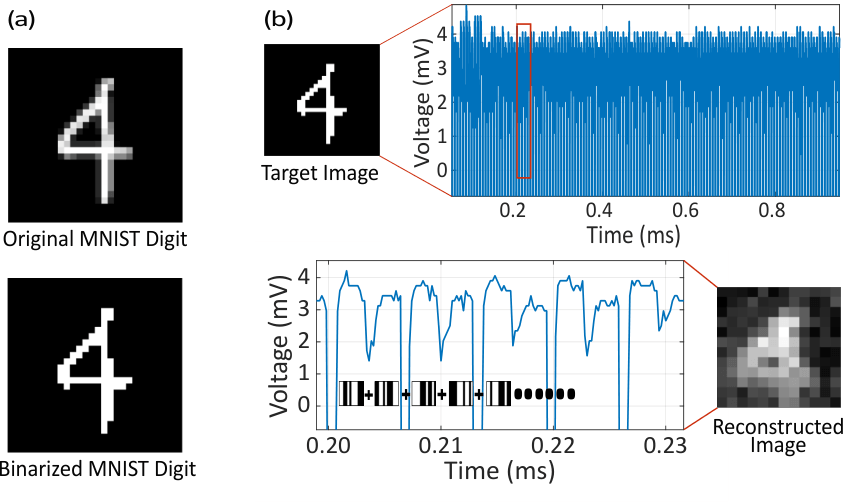
A microLED projector plus a single photodetector classifies MNIST digits above 90% at 1.2 kHz frame rates, skipping image reconstruction entirely.
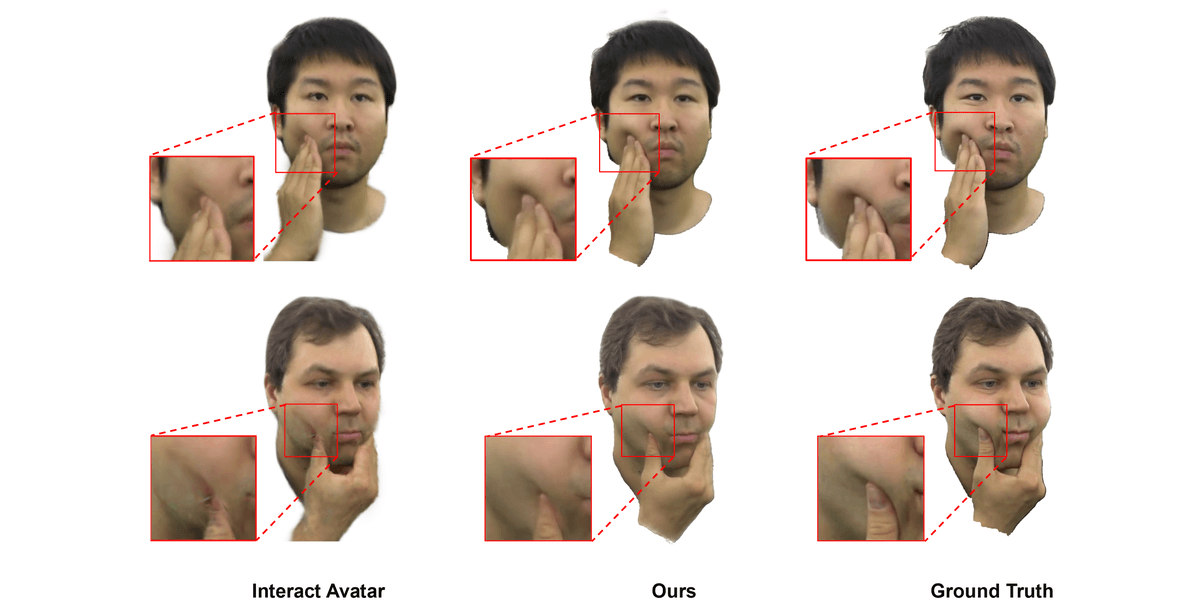
NBAvatar combines textured planar primitives with deferred neural rendering to produce sharper head avatars during hand touching, cutting LPIPS by up to 30 percent.
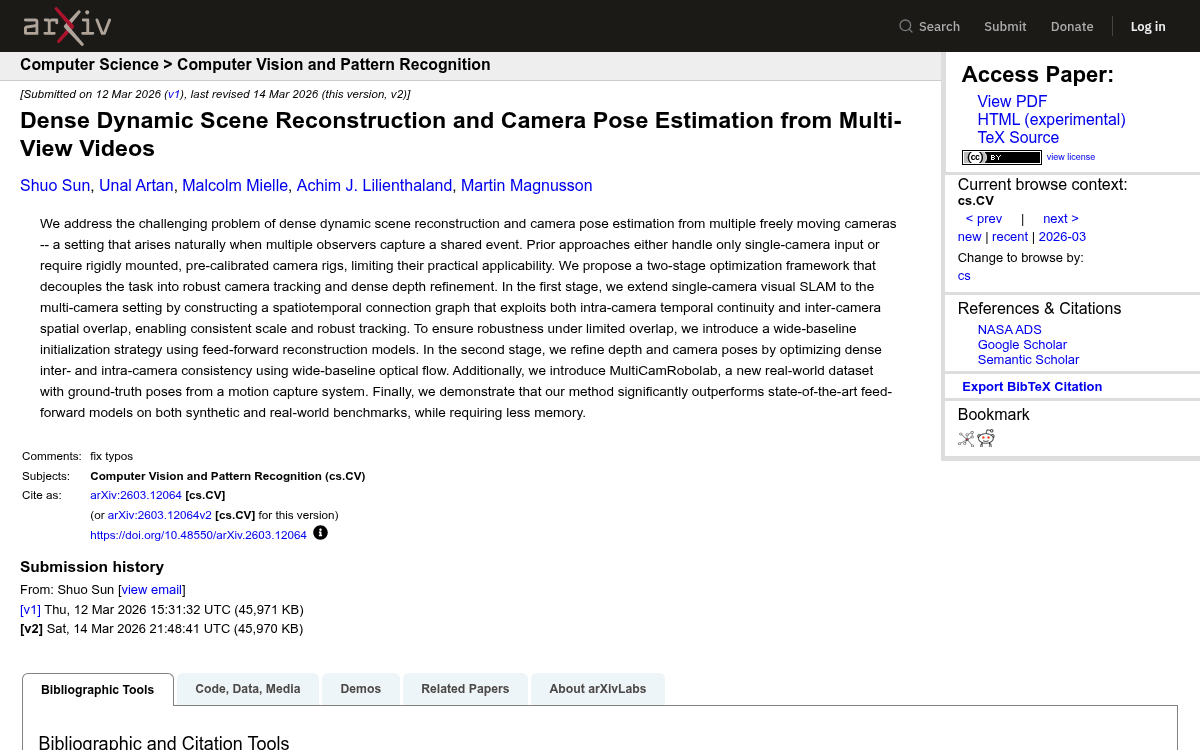
Researchers from Örebro University, Schindler Group, and TU Munich propose a two-stage SLAM pipeline that handles dense dynamic 3D reconstruction from unsynchronized handheld cameras.
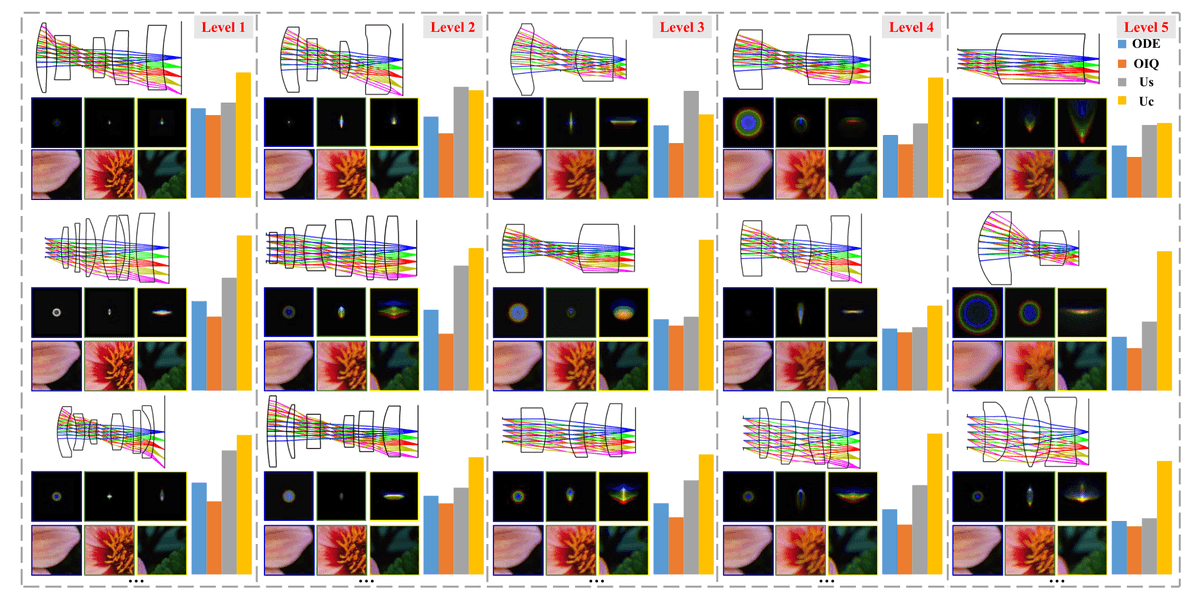
A new benchmark with 120 auto-designed lenses and a fresh degradation metric reveals which restoration models actually generalize across camera optics.
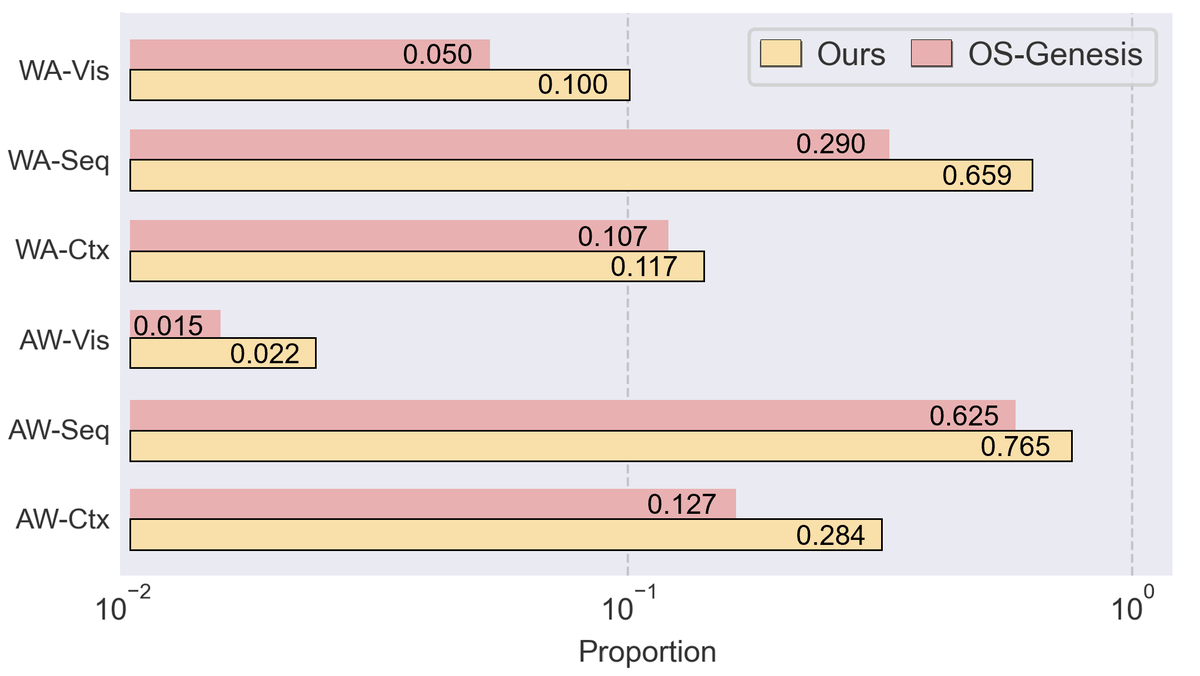
A CVPR 2026 paper reframes GUI agent training data as a hardness problem, doubling success rates on AndroidWorld and tripling them on WebArena.
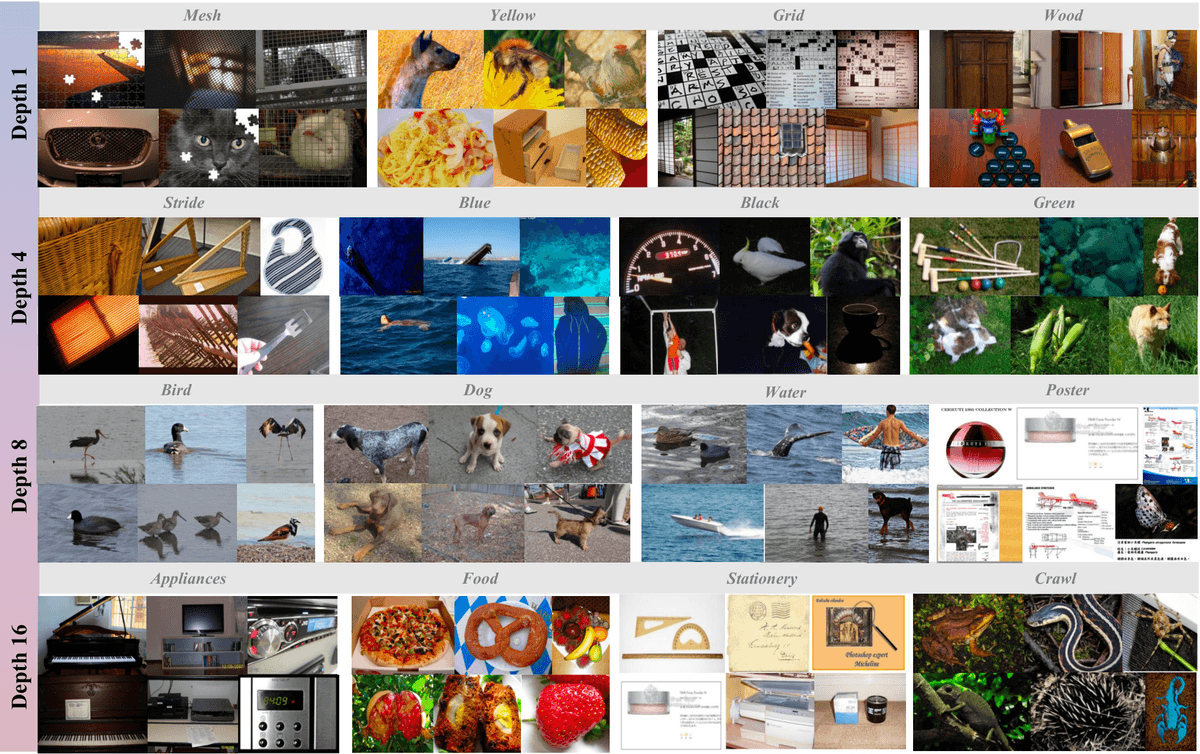
Researchers from Shanghai Jiao Tong University, USTC, and Microsoft propose EvoTok, a tokenizer that unifies image understanding and generation via residual latent evolution.