
Pro
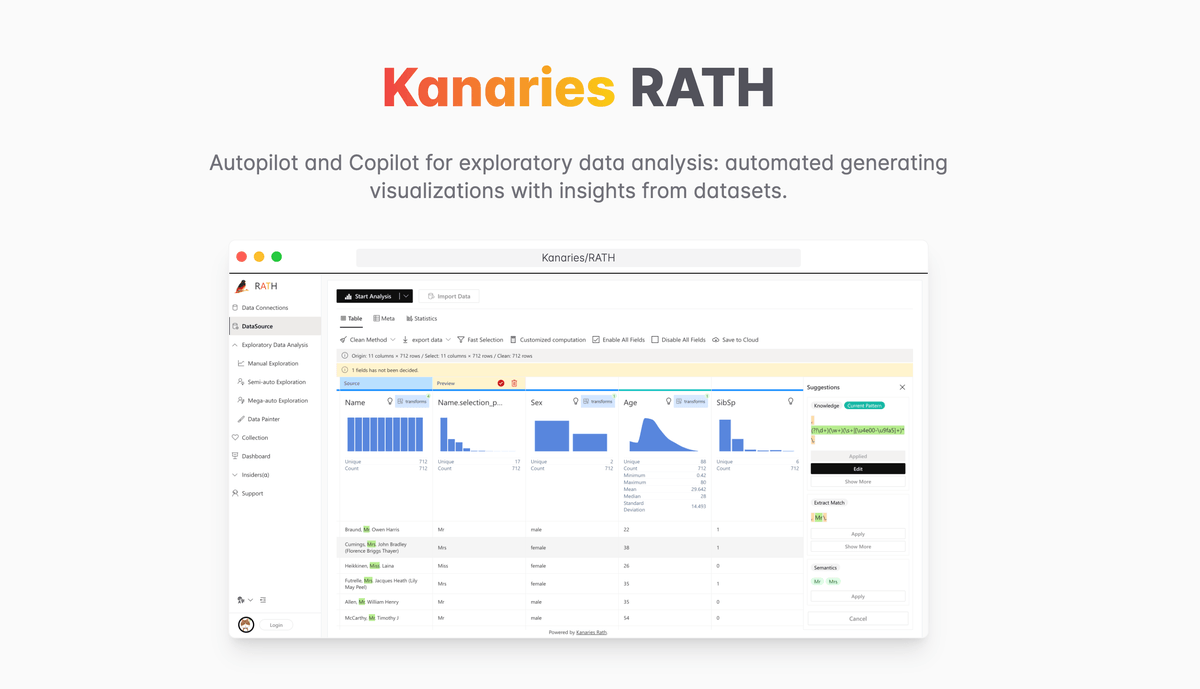
Kanaries' RATH Automates Data Exploration so Analysts Find Insights Instantly
An open-source Tableau alternative that automates exploratory data analysis with causal discovery, one-click insights, and a GPT-powered natural language interface.
20 stories
An open-source Tableau alternative that automates exploratory data analysis with causal discovery, one-click insights, and a GPT-powered natural language interface.
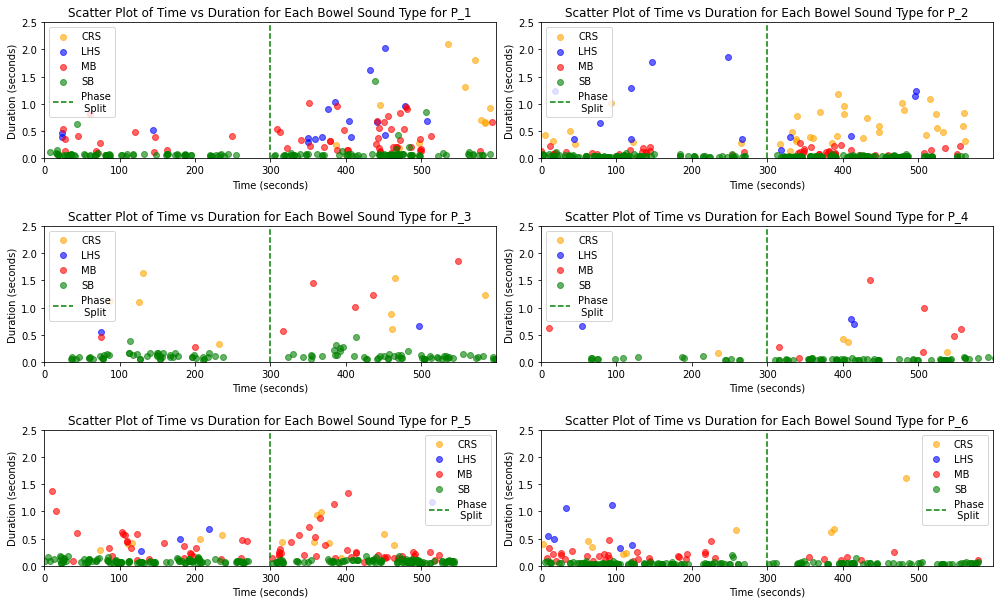
Researchers piped bowel sounds through a transducer strapped to the belly and made people drink more water, without touching them internally.
A study of 4,172 Character.AI Discord users reveals adolescents are using chatbots for emotional regulation, creative writing, and identity play, not companionship.
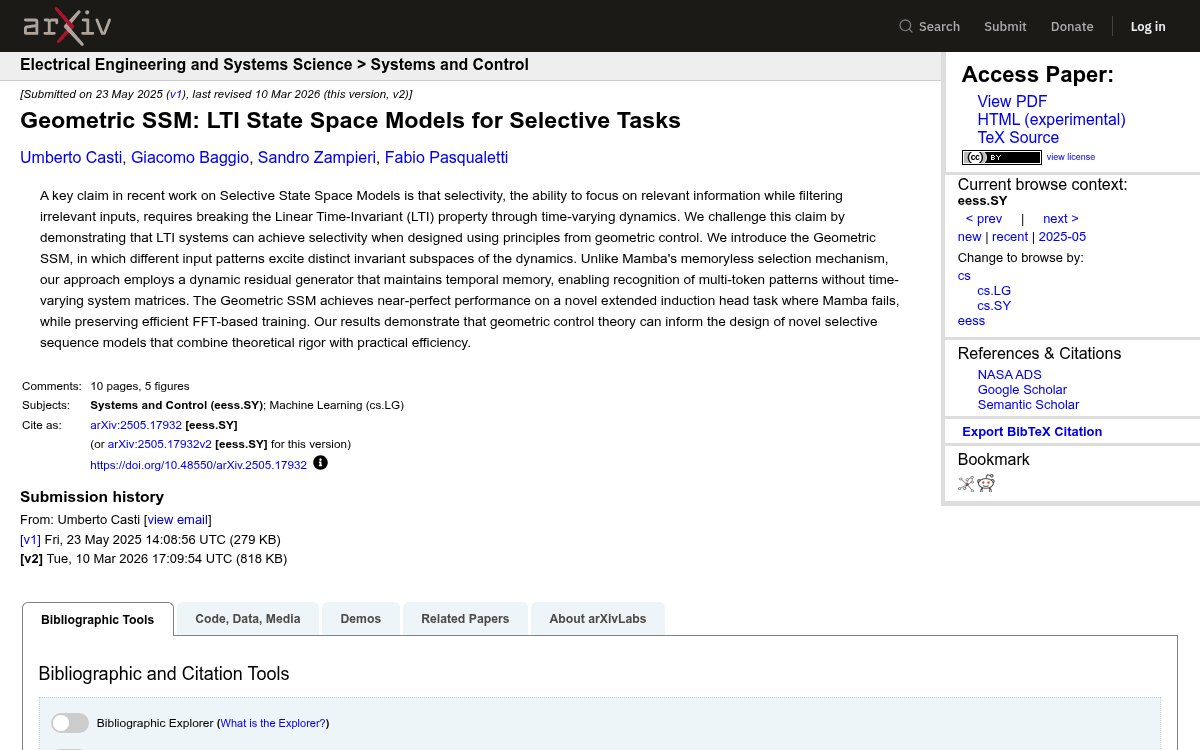
New research shows Linear Time-Invariant state space models can match Mamba's selectivity while preserving fast FFT training, using ideas from geometric control theory.
A new trajectory optimizer for robot arms runs up to 120x faster than sampling planners while keeping 92-97% task success rates.
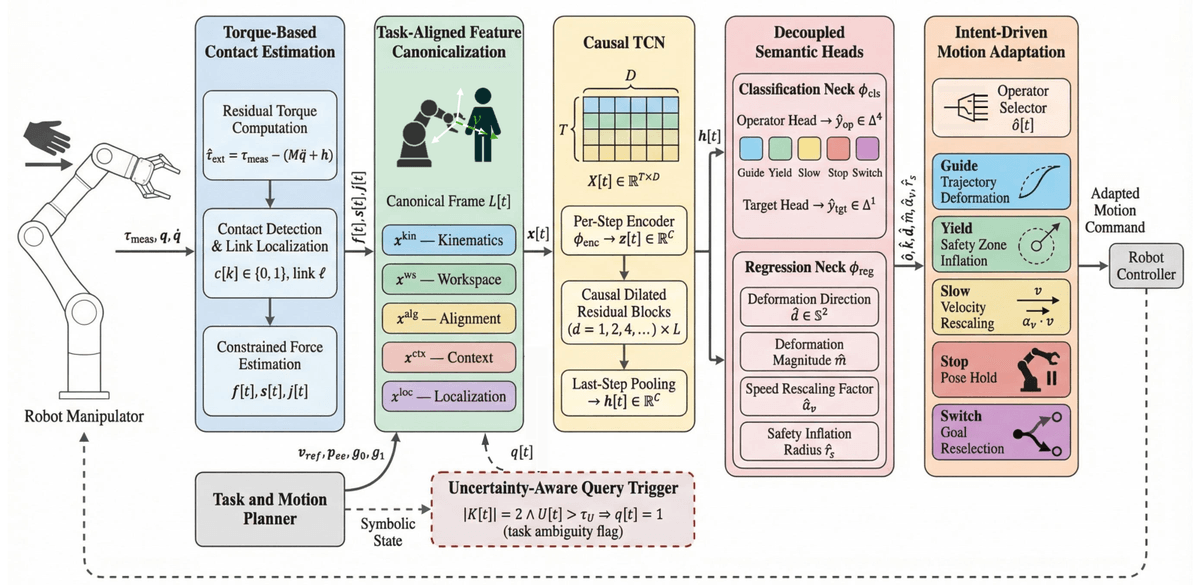
A new framework lets robots decode both what humans mean and how to move from brief physical nudges, without external force sensors.
A Texas A&M team fuses VLA policies with a scripted skill library to make robots reliably tear down old desktops for parts recovery.
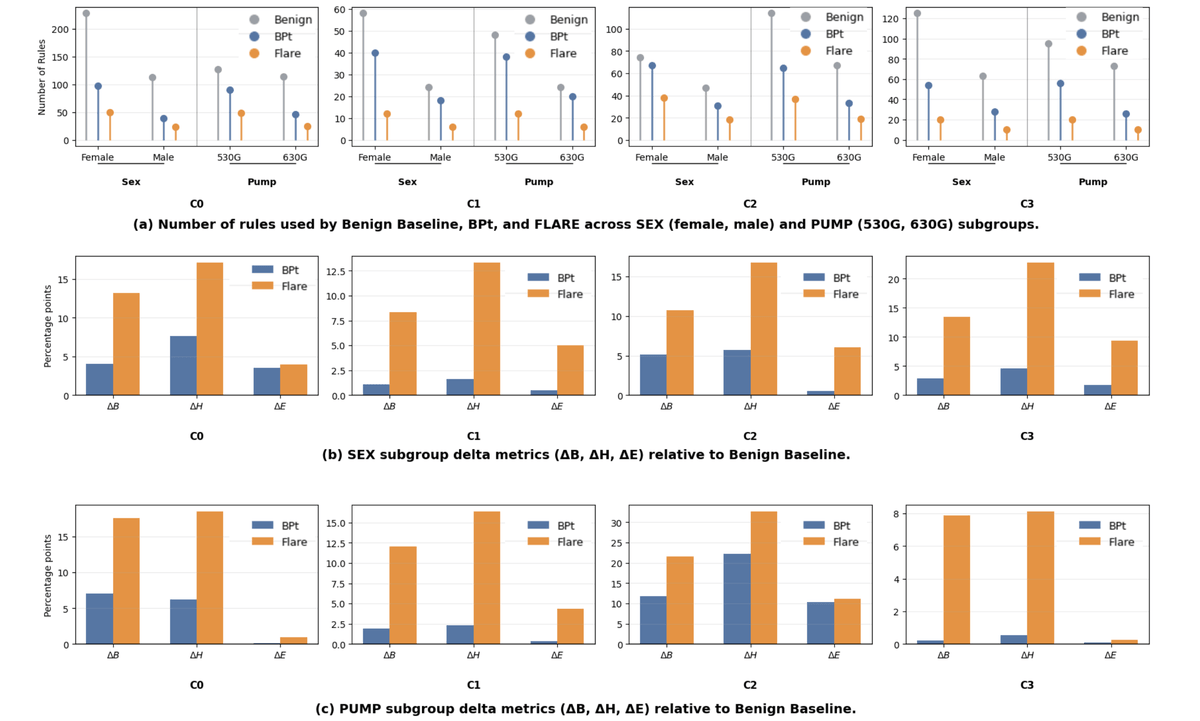
Flare uses Fisher Information geometry to find hidden underperforming subgroups in health sensing models without ever touching demographic labels.
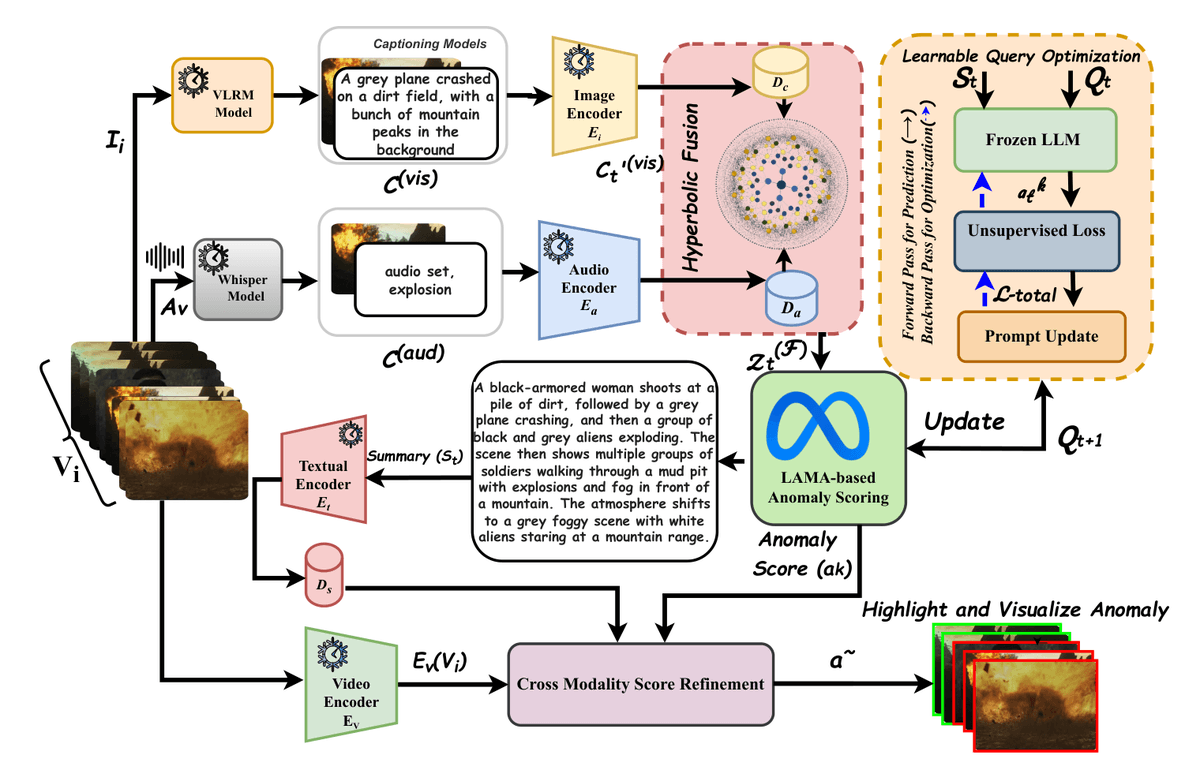
MM-VAD swaps flat feature matching for hyperbolic geometry and test-time prompt tuning, setting new training-free records on four VAD benchmarks.
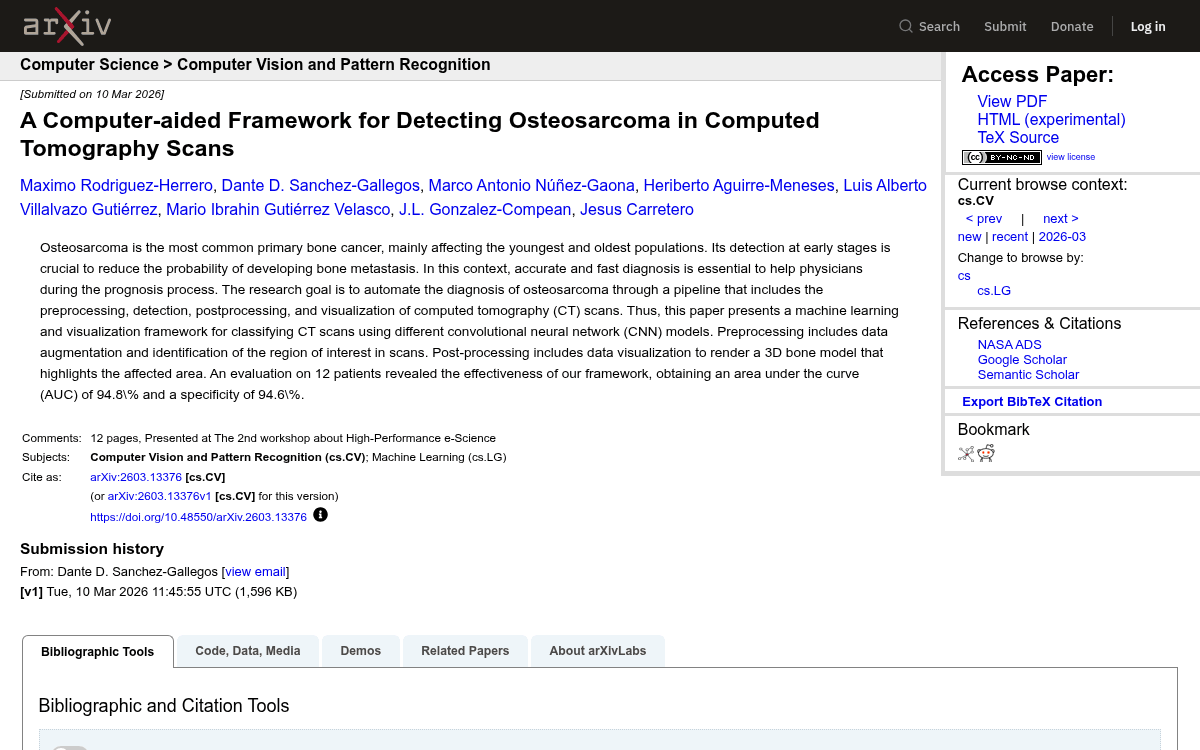
A CT scan pipeline combines morphological preprocessing, CNN classification, and 3D rendering to flag bone tumors with 94.8 percent AUC on a 12 patient cohort.
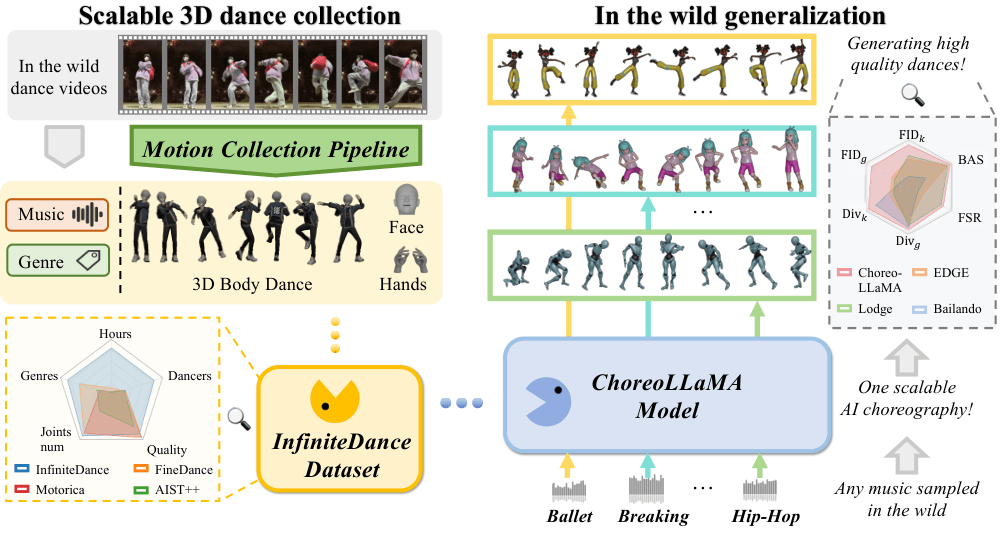
A new framework scales music-to-3D-dance generation with a 100-hour dataset and a LLaMA-based choreography model that generalizes to unseen songs.
ServiceNow Research releases DRBench, the first benchmark that tests AI agents on real enterprise deep research tasks spanning private files, emails, and the open web
CBTrans fuses left-to-right and right-to-left decoding into one shared-parameter Transformer, beating non-pretrained SOTA on MSCOCO by up to 5% CIDEr
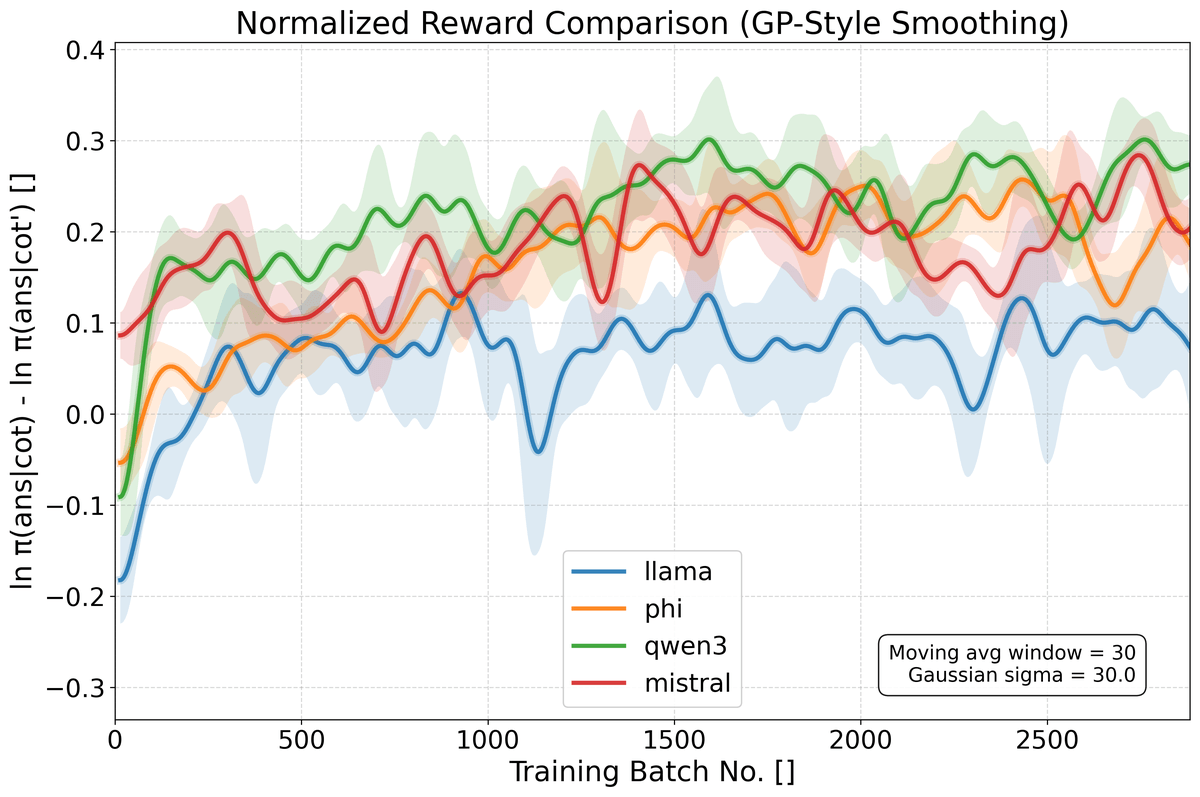
Stanford researchers force LLMs to actually use their chain-of-thought by blocking the model from seeing the original question when generating its answer
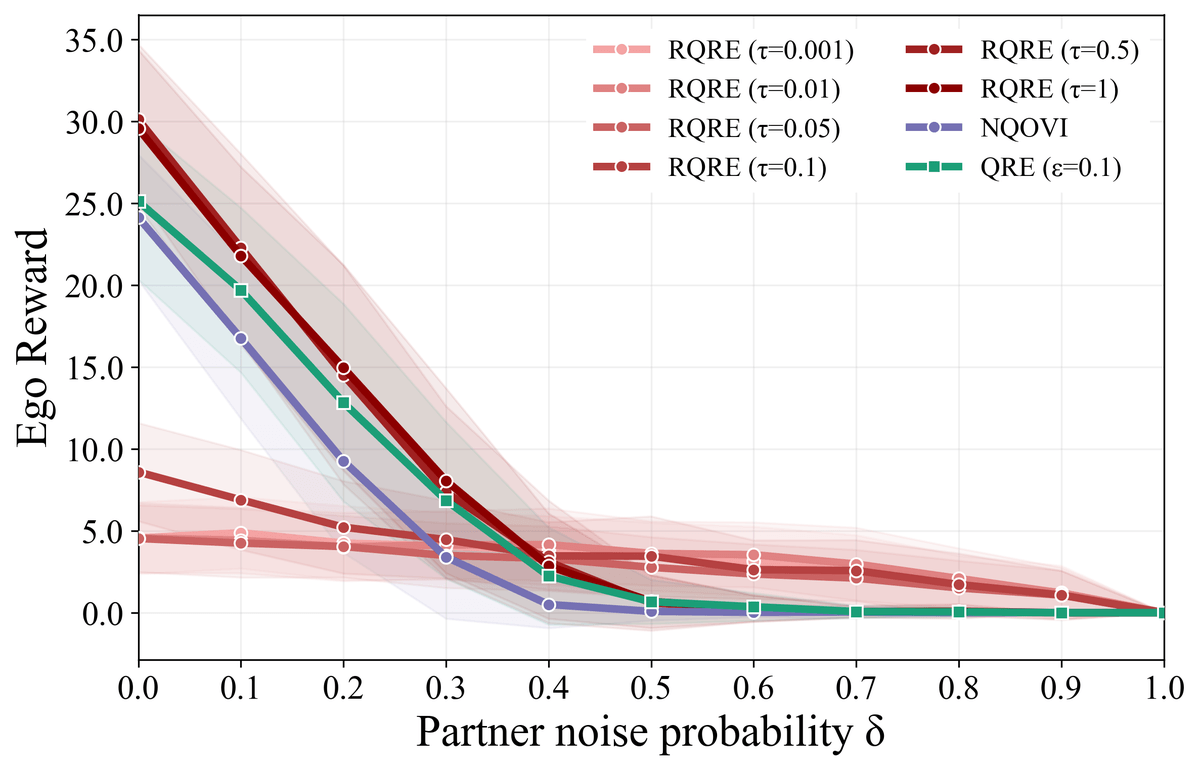
RQRE-OVI replaces brittle Nash equilibria with a unique, risk-sensitive solution concept that provably converges and outperforms Nash in cross-play scenarios

MM-Zero trains vision-language models to reason better using zero images, zero labels, and a three-agent loop that writes its own visual curriculum from scratch.
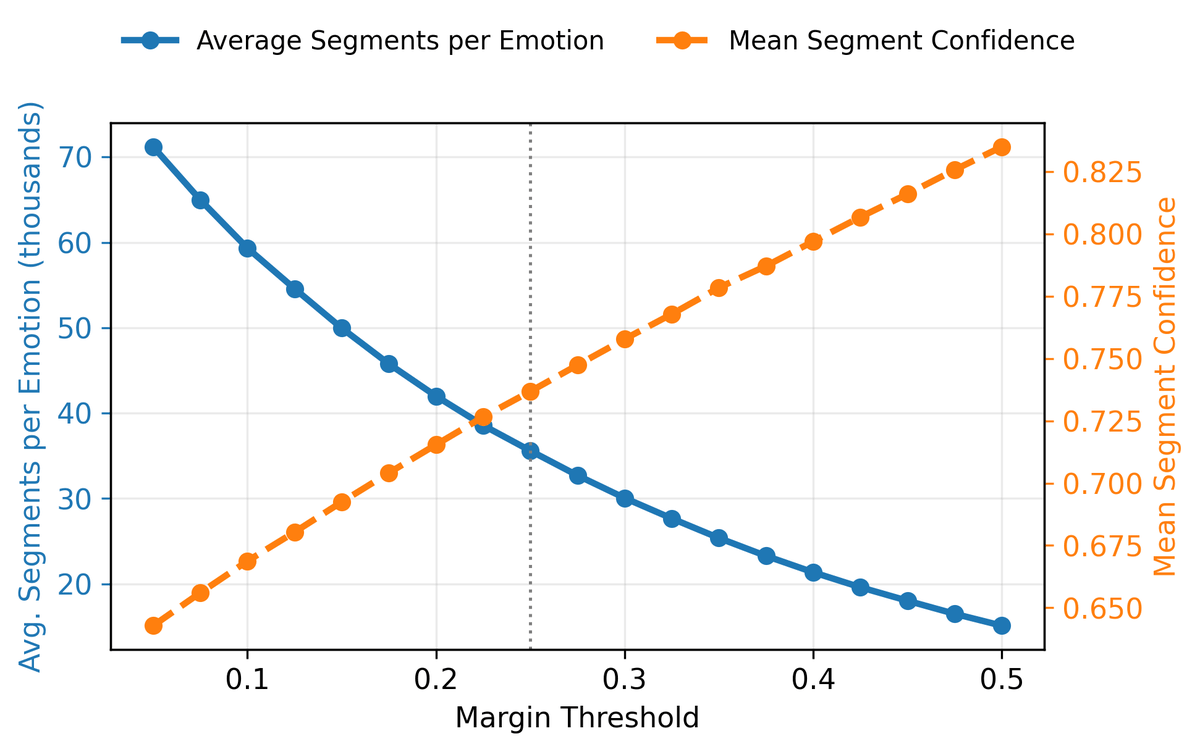
Georgia Tech researchers show emotional tone reshapes how LLMs attend to text, introduce AURA-QA dataset, and propose a training fix that improves reading comprehension across emotion types
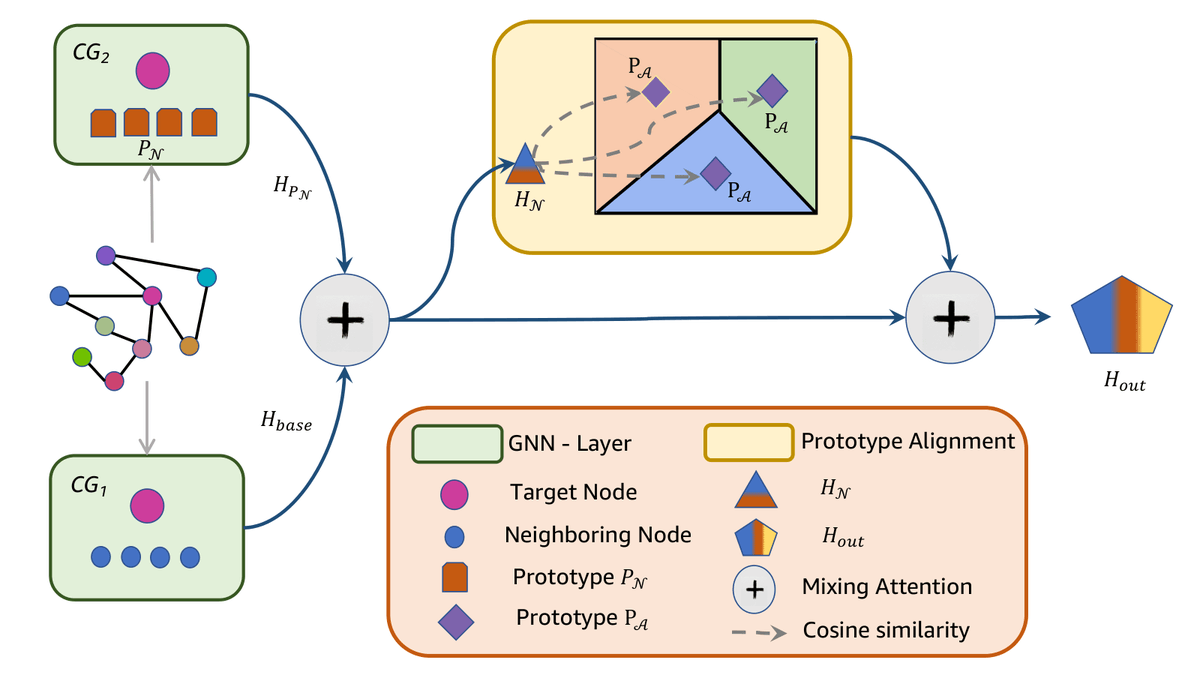
Amazon researchers introduce P²GNN, a plug-and-play prototype wrapper that fixes two core GNN failure modes and beats production e-commerce models
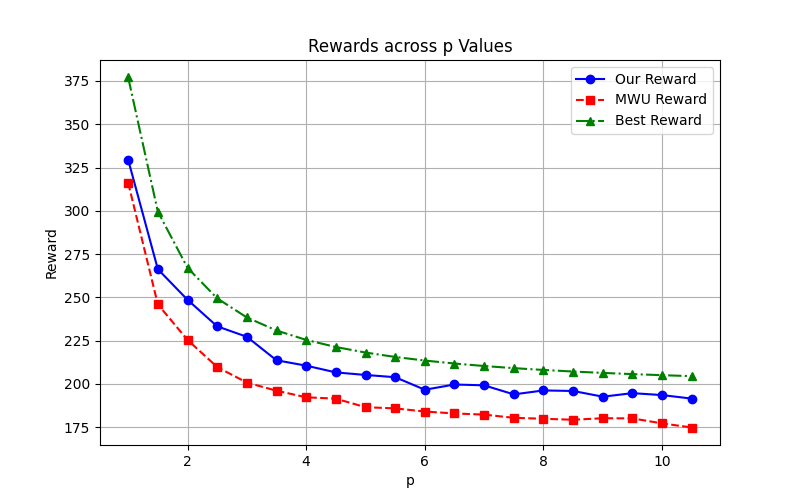
A new protocol slashes communication costs for distributed online learning, handling general ℓp loss functions that prior work could not touch.
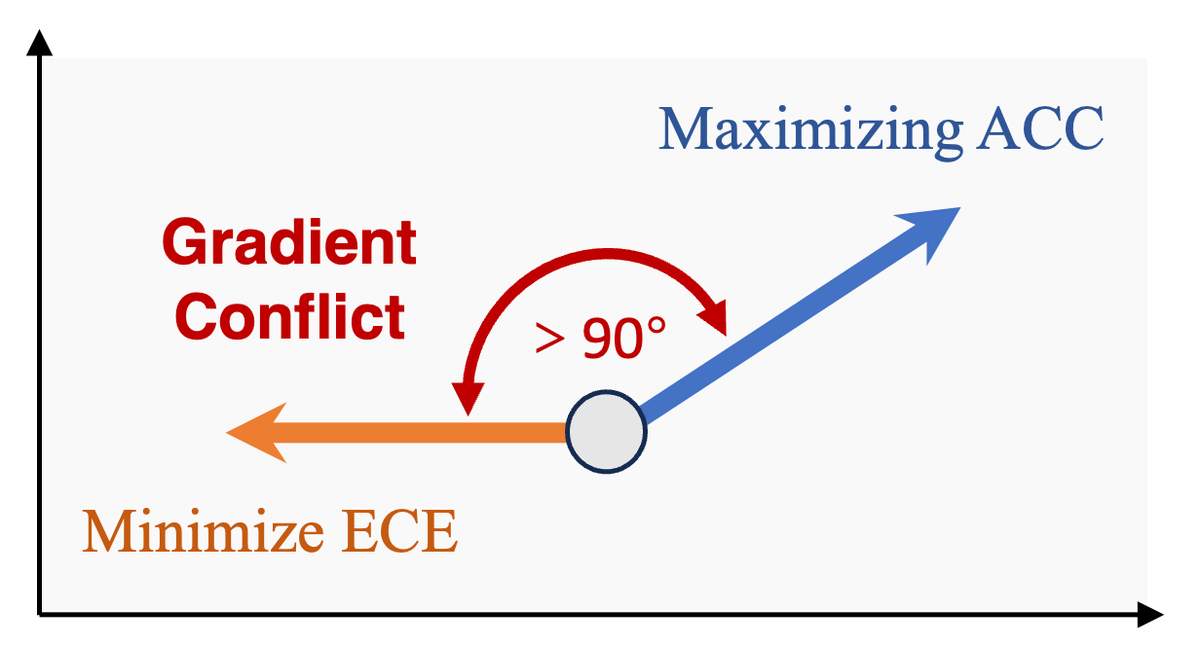
DCPO fixes a fundamental flaw in RLVR training: models that ace benchmarks but wildly overstate their own confidence, without sacrificing any accuracy