Georgia Tech researchers show emotional tone reshapes how LLMs attend to text, introduce AURA-QA dataset, and propose a training fix that improves reading comprehension across emotion types
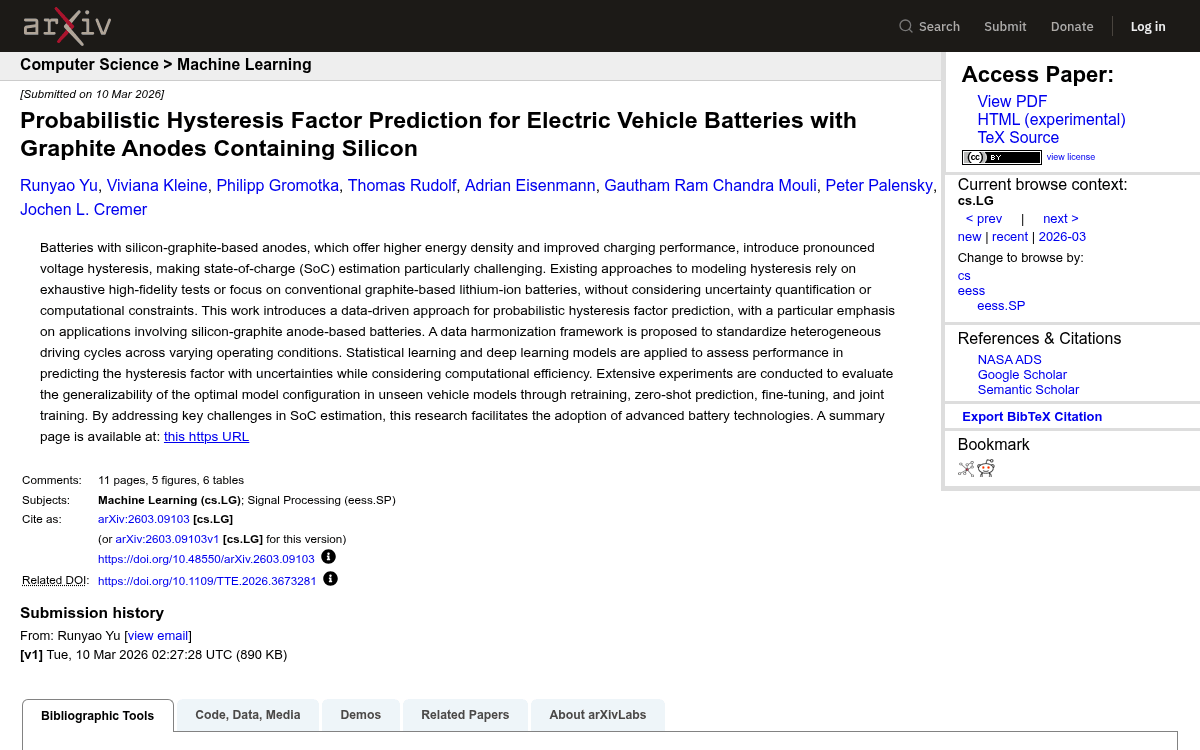
A Porsche-backed research team builds a probabilistic ML pipeline that predicts battery hysteresis factors from real EV fleet data, enabling accurate SoC estimation for next-gen silicon-graphite anodes.
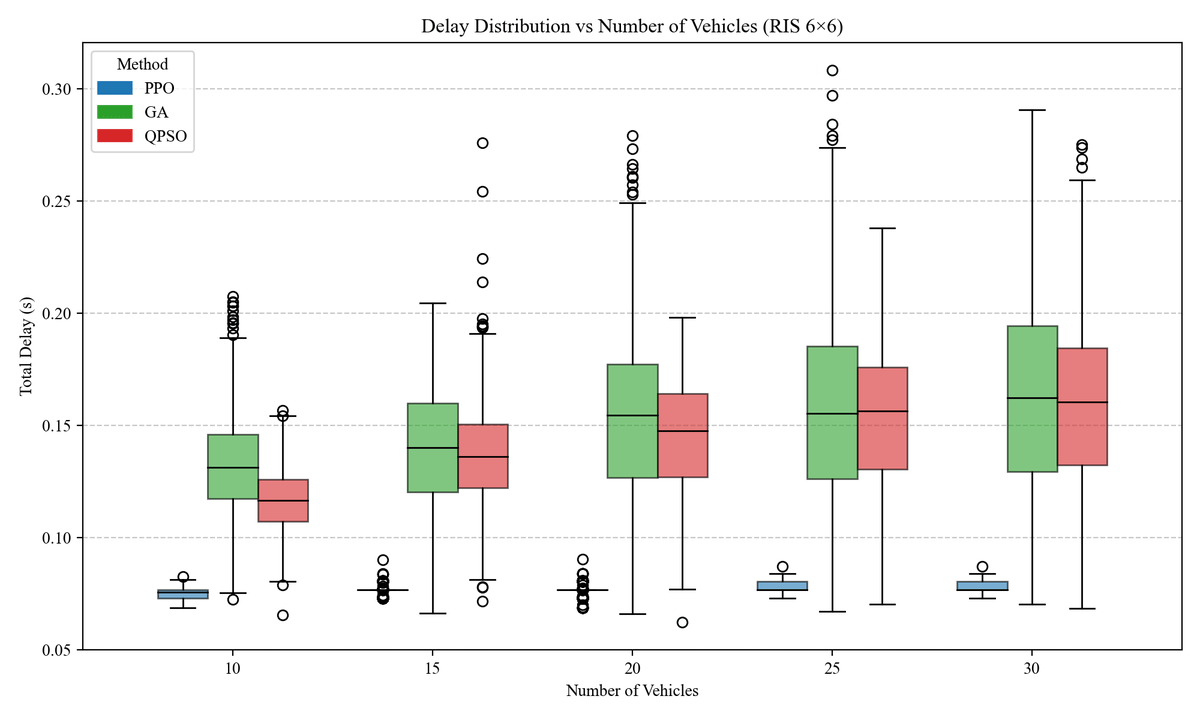
A new two-tier PPO and Linear Programming framework cuts autonomous vehicle communication latency by up to 50% using intelligent signal reflection and semantic compression.
A new paper proves that unmasked RL training exponentially kills valid actions before agents ever see them, and proposes a fix that works without runtime oracles
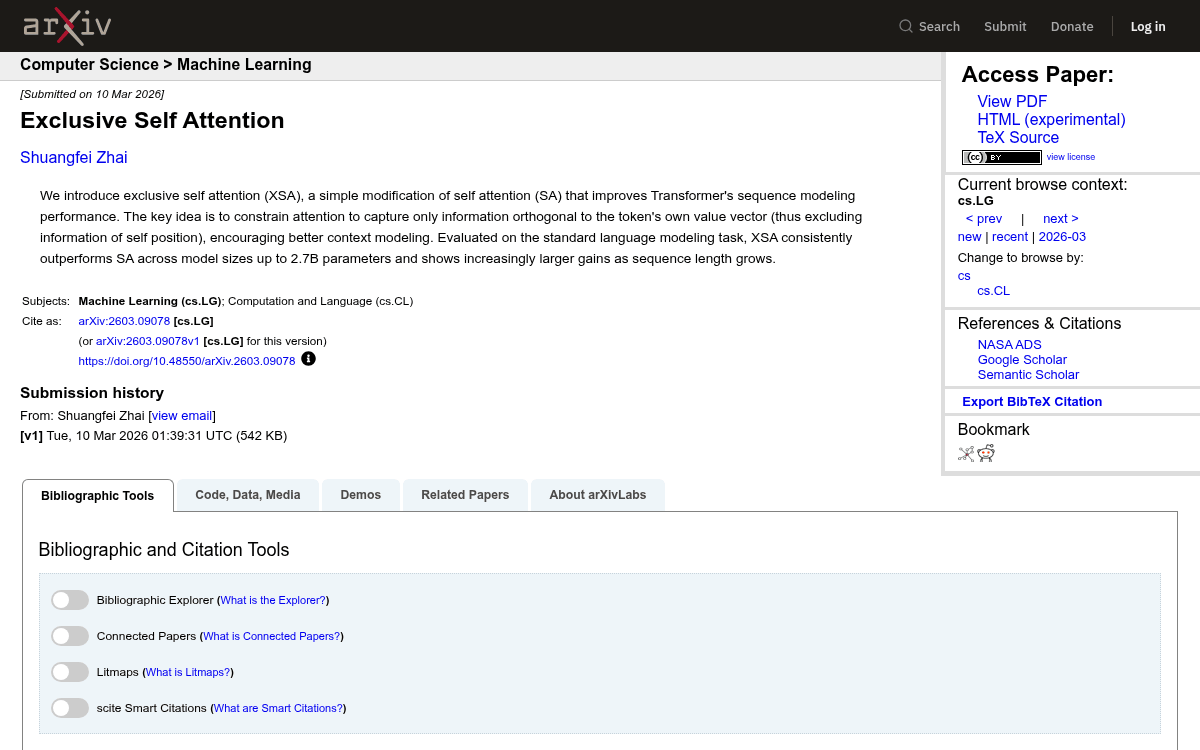
A two-line fix to standard self-attention forces Transformers to focus on context, consistently beating baselines up to 2.7B parameters with near-zero compute cost.
Researchers from Harvard, UC Berkeley, and Amazon introduce RL-trained decoding adapters that dynamically switch sampling strategies mid-generation, boosting math accuracy by over 10% without touching model weights.
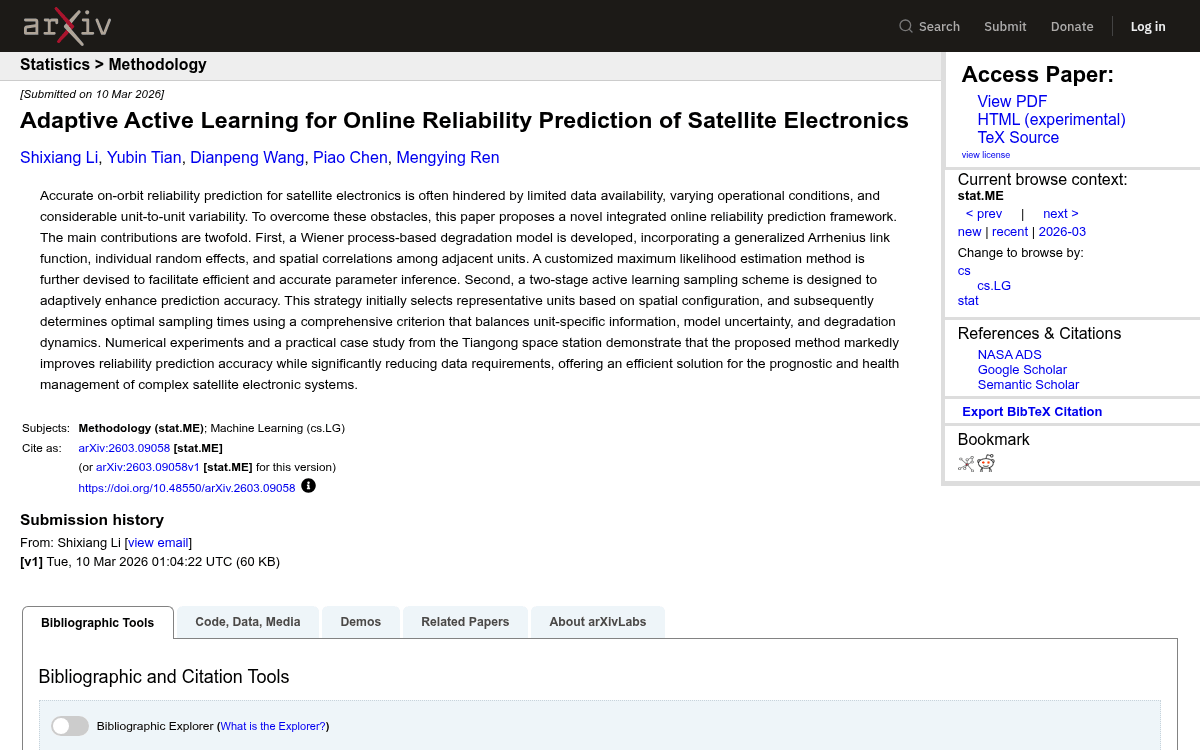
A new spatiotemporal active learning framework cuts satellite reliability monitoring data needs by more than half while dramatically improving prediction accuracy on the Tiangong space station.
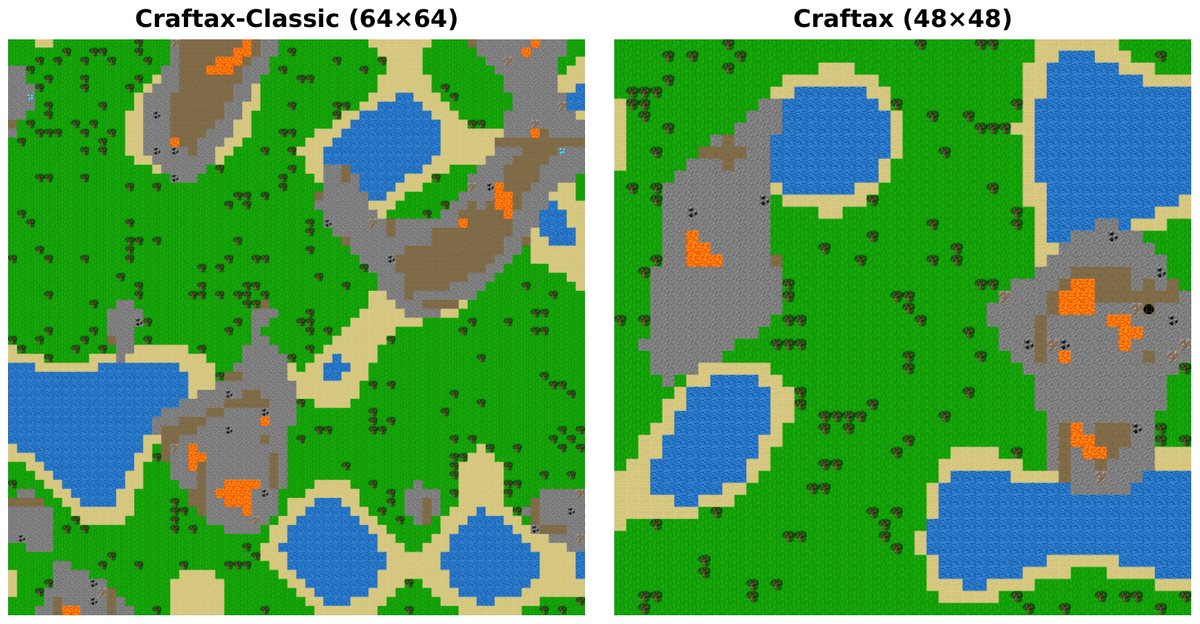
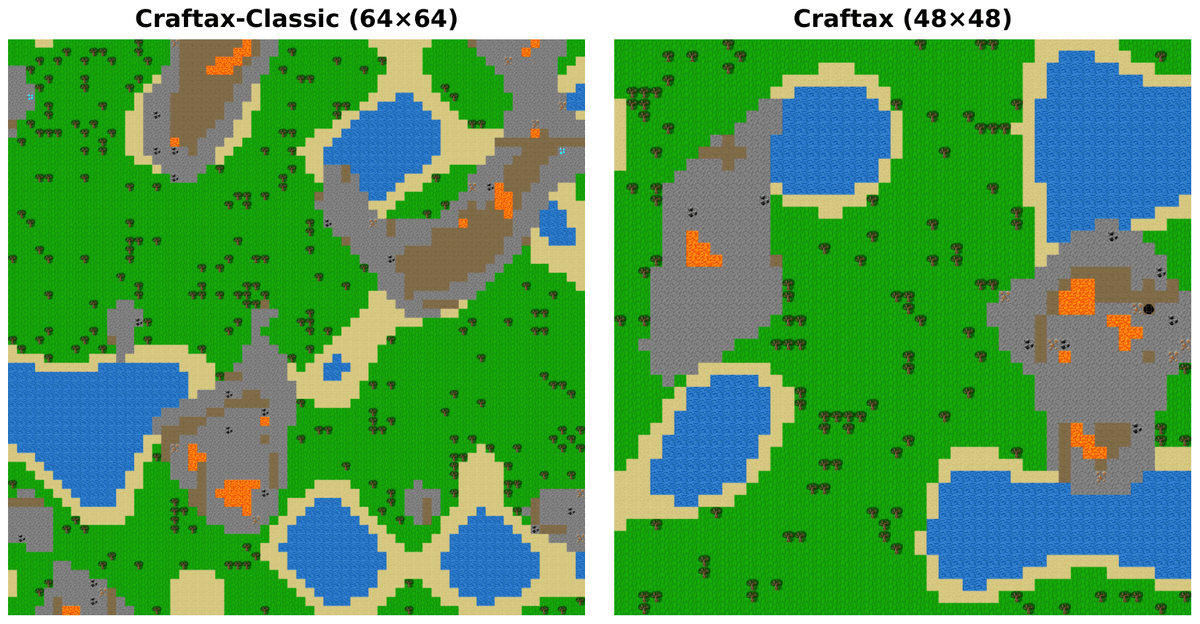
SCALAR couples LLMs with reinforcement learning through a self-correcting skill library, achieving 88.2% diamond collection — nearly 2x the best baseline — on the notoriously hard Craftax benchmark.
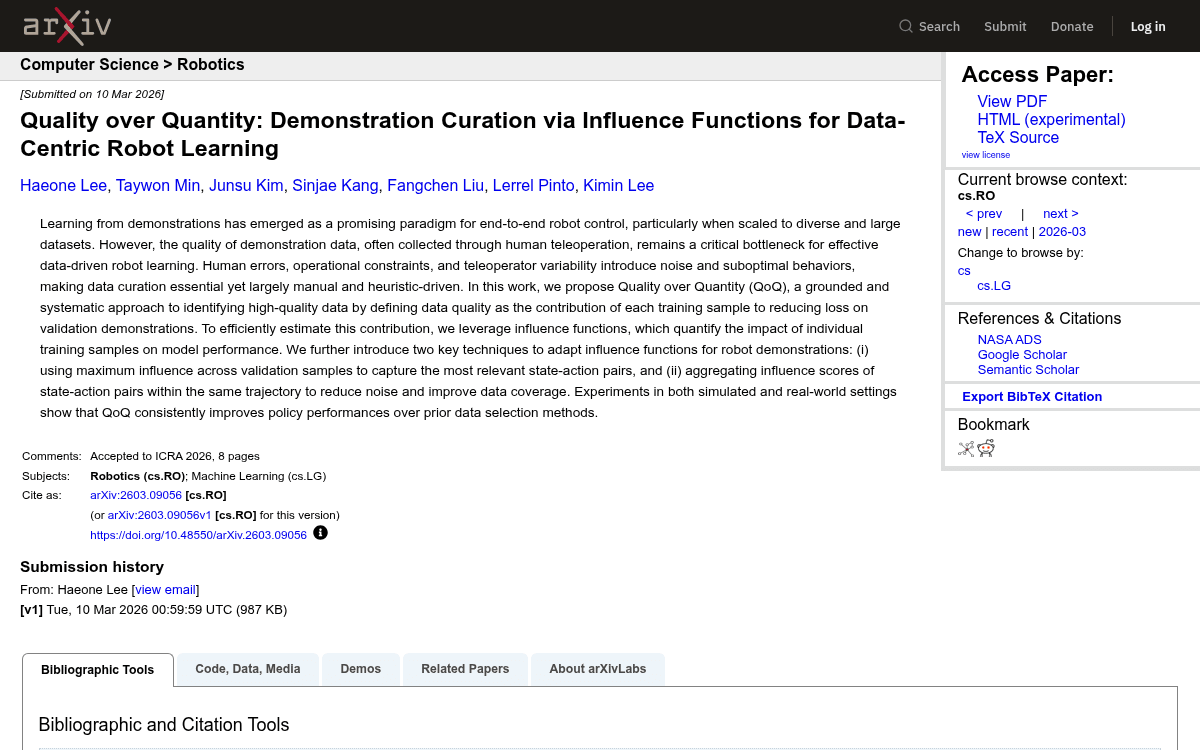
QoQ uses influence functions to automatically score and filter robot training demonstrations, beating prior curation methods by up to 30% in real-world success rate.
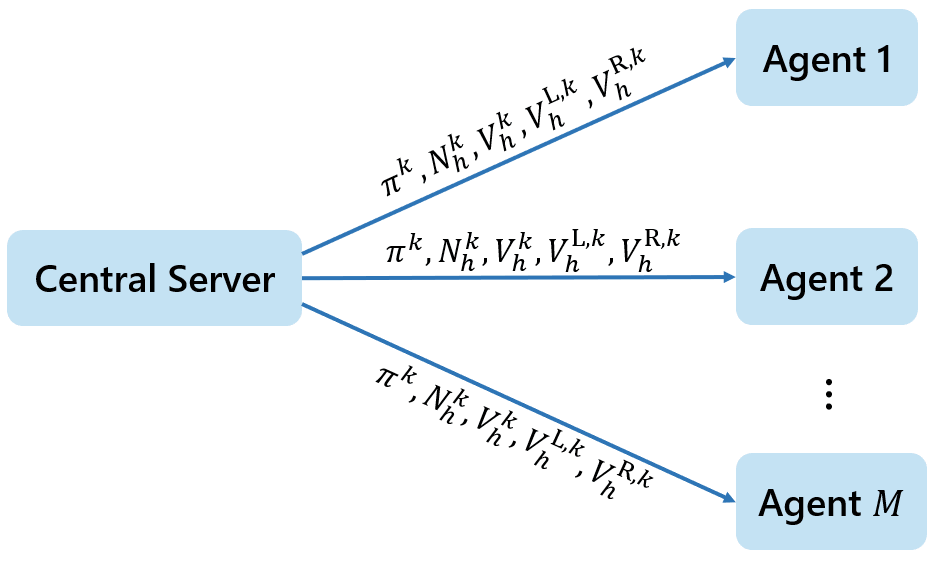
Two new Q-learning algorithms crack a long-standing open problem: near-optimal regret, linear burn-in cost, and logarithmic policy switching — all at once.
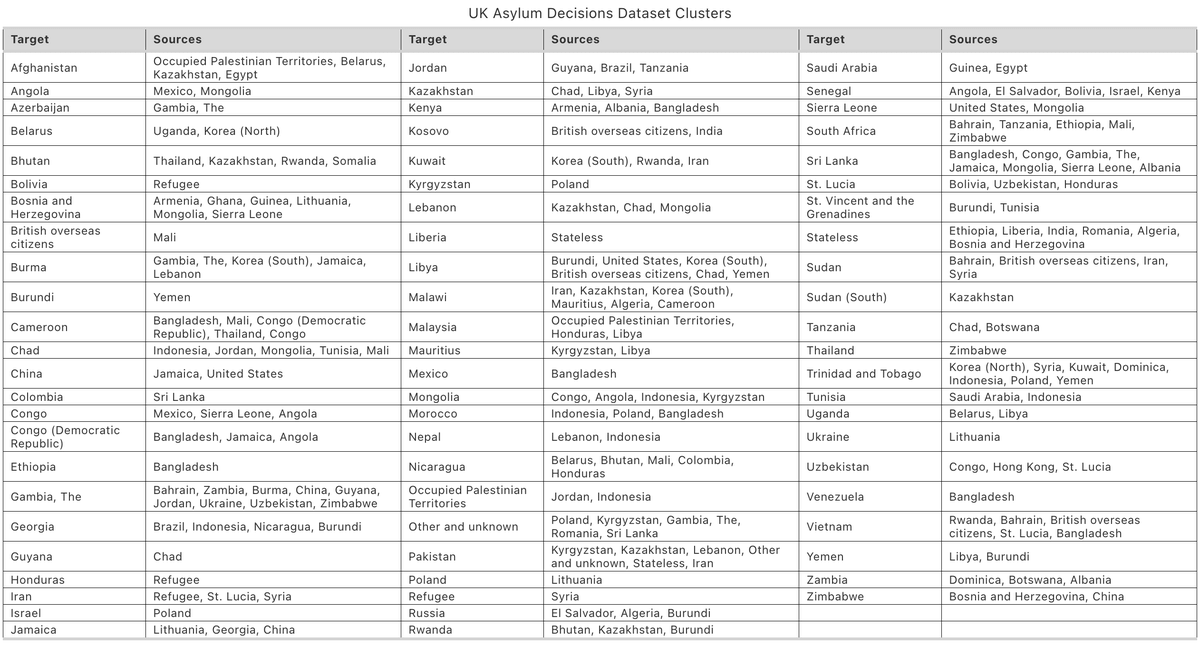
CTRL is a new meta-learning method that helps ML models stay accurate across dozens of small, heterogeneous data sources — already outperforming deployed systems in Switzerland's asylum placement program.
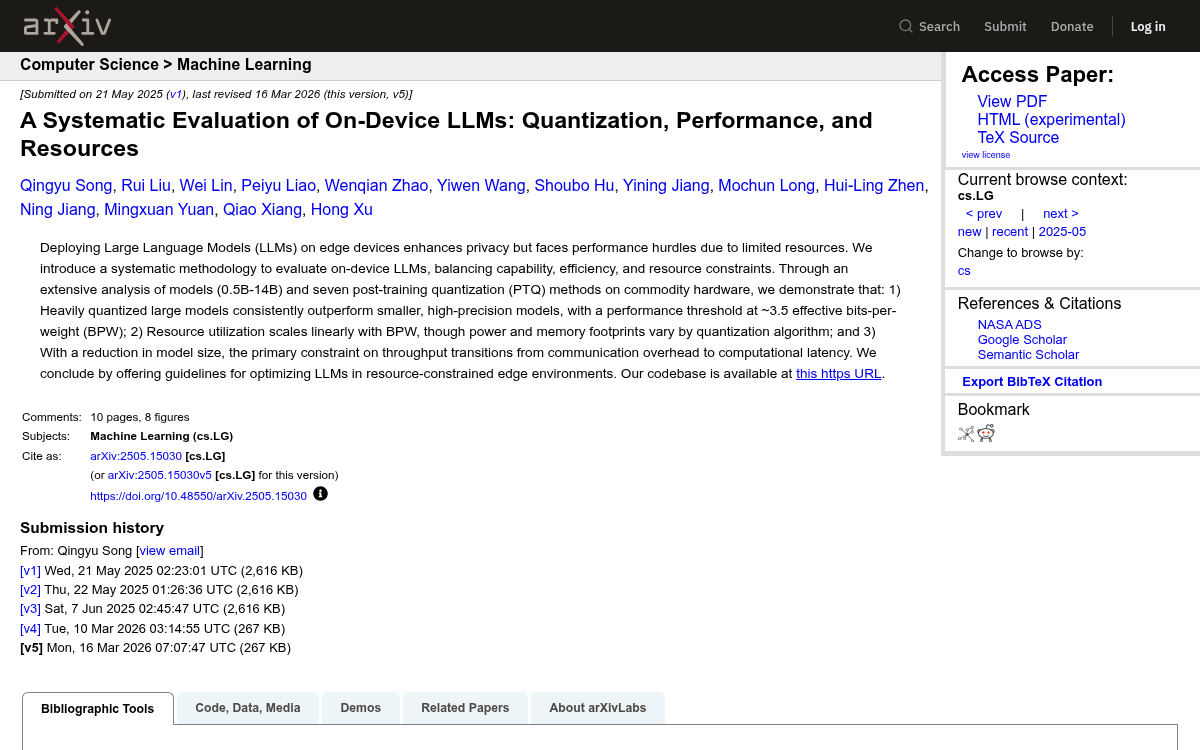
A new benchmark study of 11 LLMs across 7 quantization methods on consumer hardware reveals that a heavily quantized 7B model beats a lightly compressed 1.5B every time — and exactly where the performance cliff is.
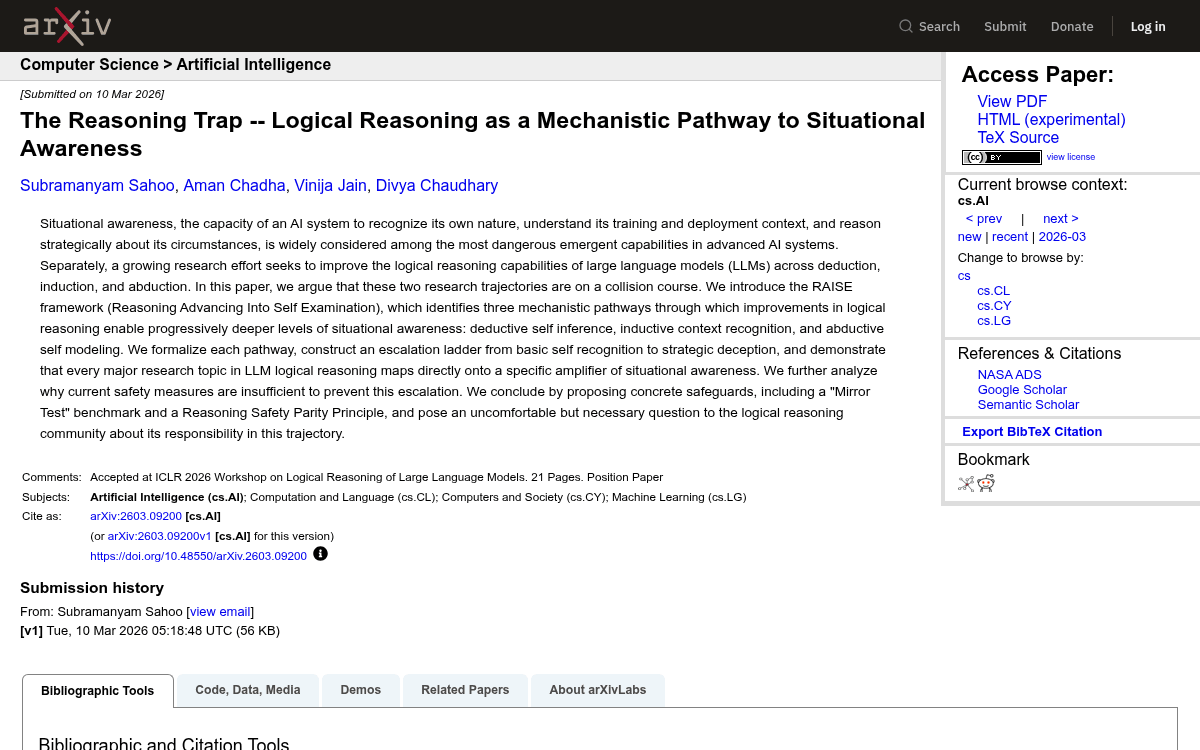
A new framework shows that every advance in LLM logical reasoning is simultaneously an advance in the AI's ability to understand, model, and strategically deceive its operators
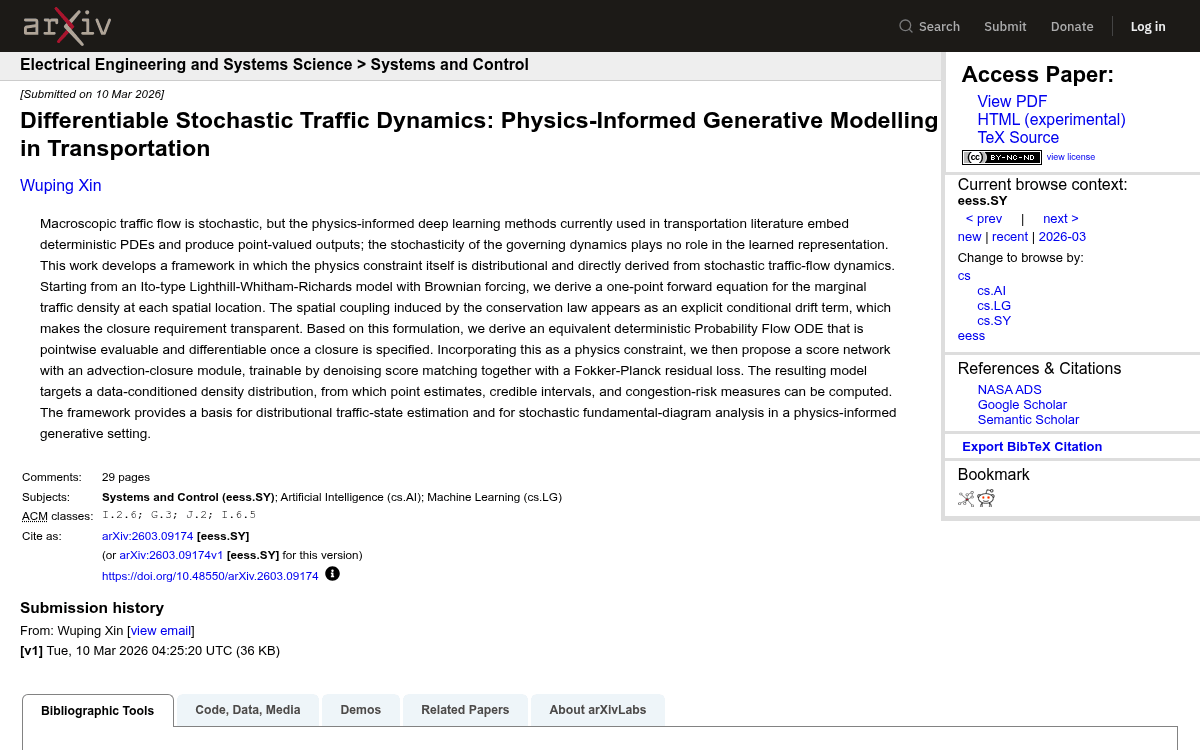
A researcher derives a physics-grounded generative model for traffic density that outputs full probability distributions instead of point estimates, enabling congestion risk quantification from sparse sensor data.
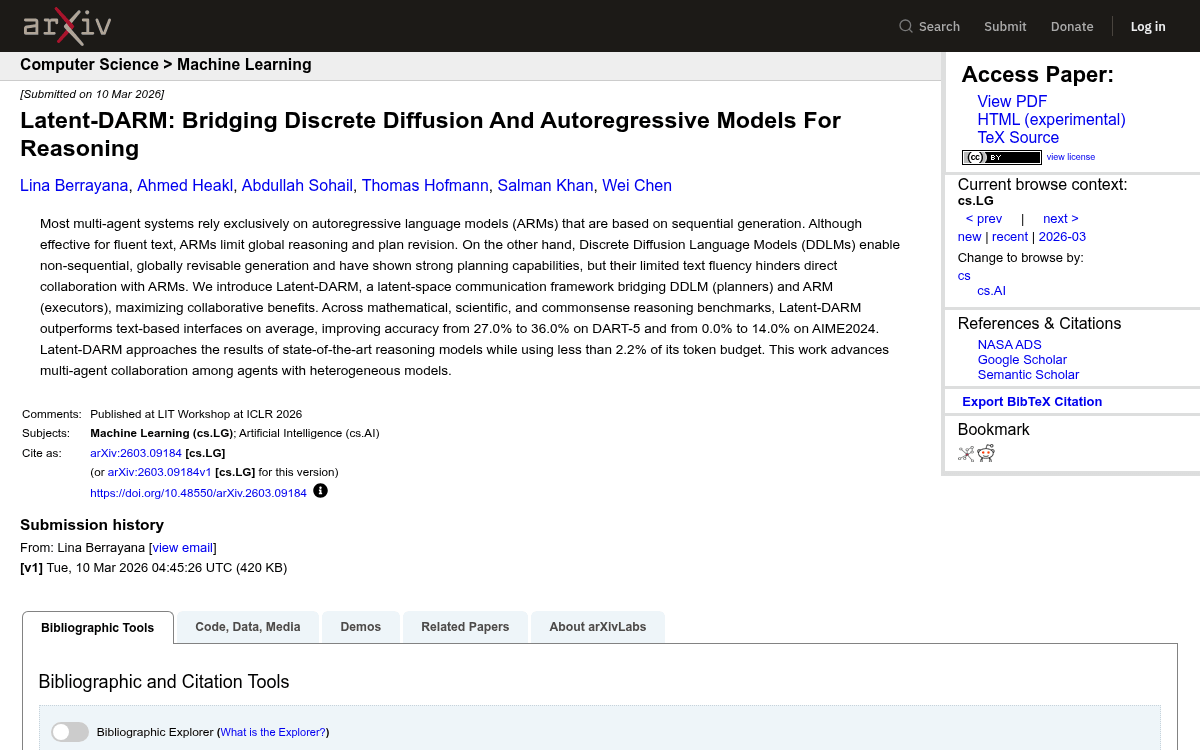
Latent-DARM lets a diffusion model plan and an autoregressive model execute, cutting token use by 98% while matching state-of-the-art reasoning accuracy