
Pro
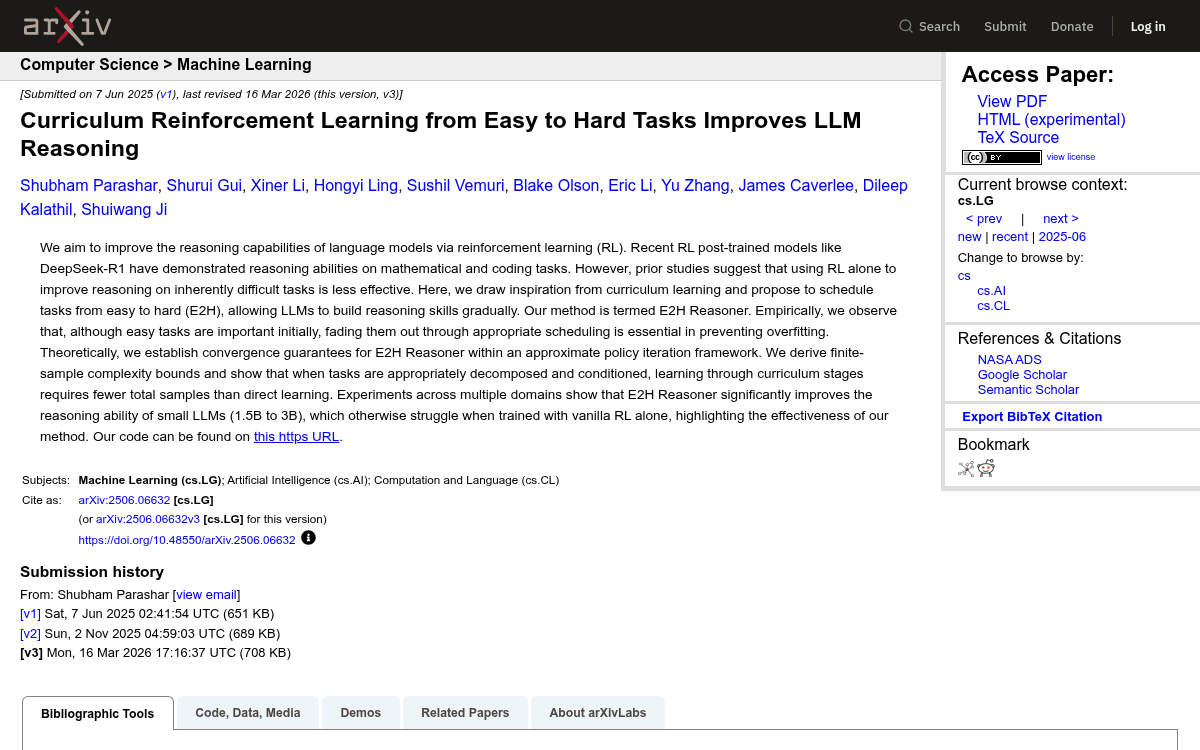
Texas A&M's E2H Reasoner Doubles Small AI Models' Hard Reasoning Scores
A curriculum-based RL method schedules training from easy to hard tasks, letting 1.5B-3B models learn reasoning problems they previously couldn't solve.
20 stories
A curriculum-based RL method schedules training from easy to hard tasks, letting 1.5B-3B models learn reasoning problems they previously couldn't solve.
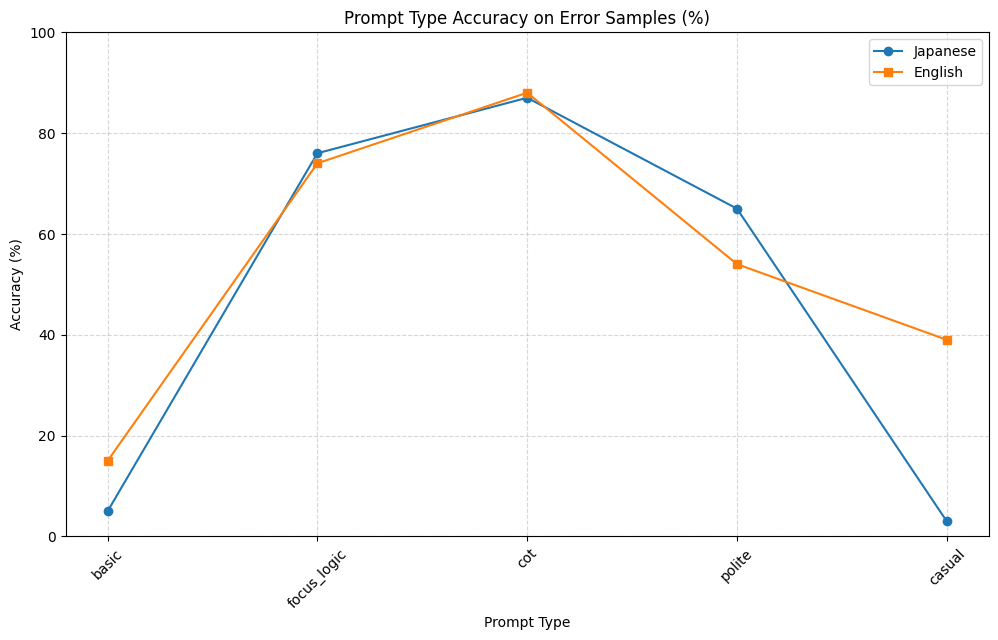
A new 5,000-problem Japanese benchmark reveals that reasoning-tuned models crush belief-inconsistent syllogisms while alignment-heavy or older models collapse below random.
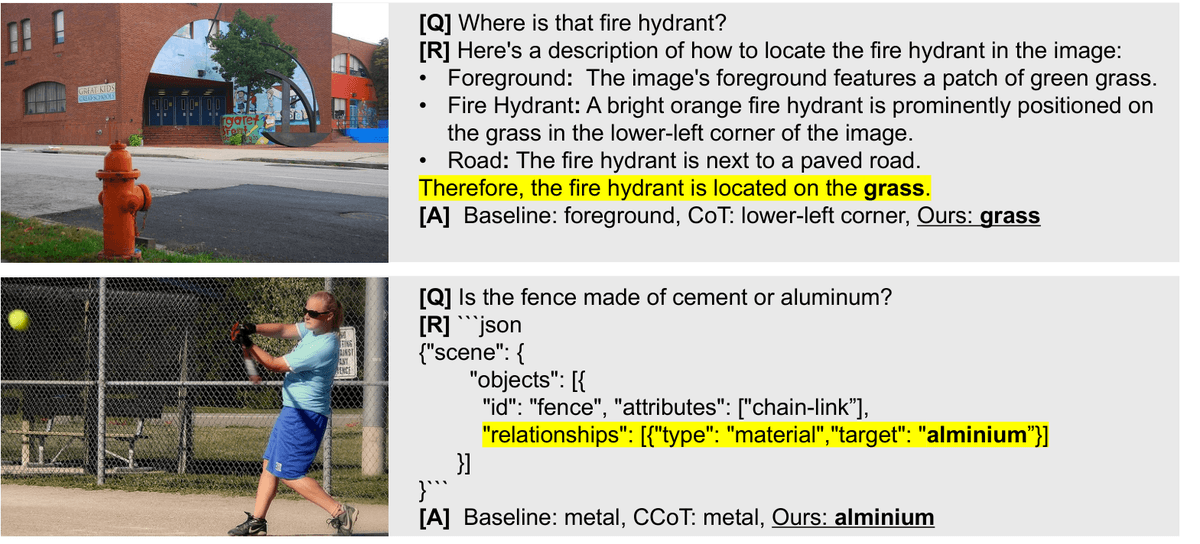
A training-free decoding trick forces vision-language models to actually use their chain-of-thought rationales, boosting accuracy across benchmarks.
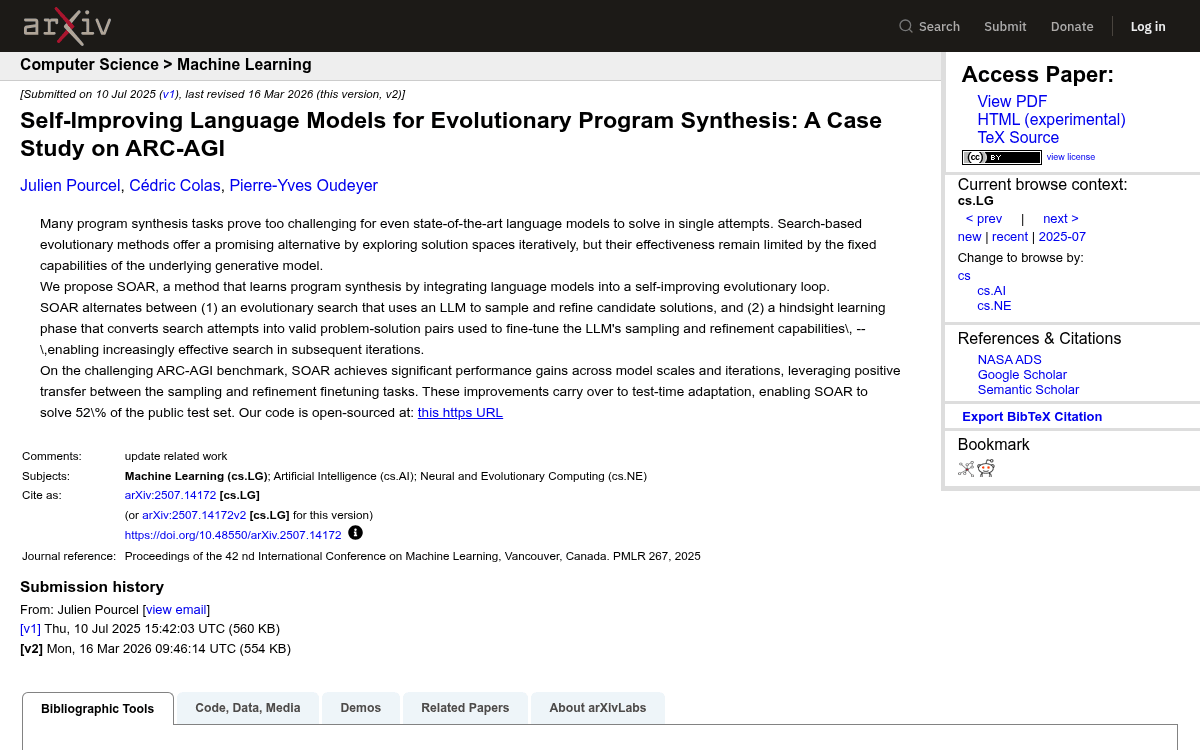
SOAR pairs evolutionary program search with hindsight fine-tuning, letting open-source coders climb from single-digit accuracy to 52% on ARC-AGI.
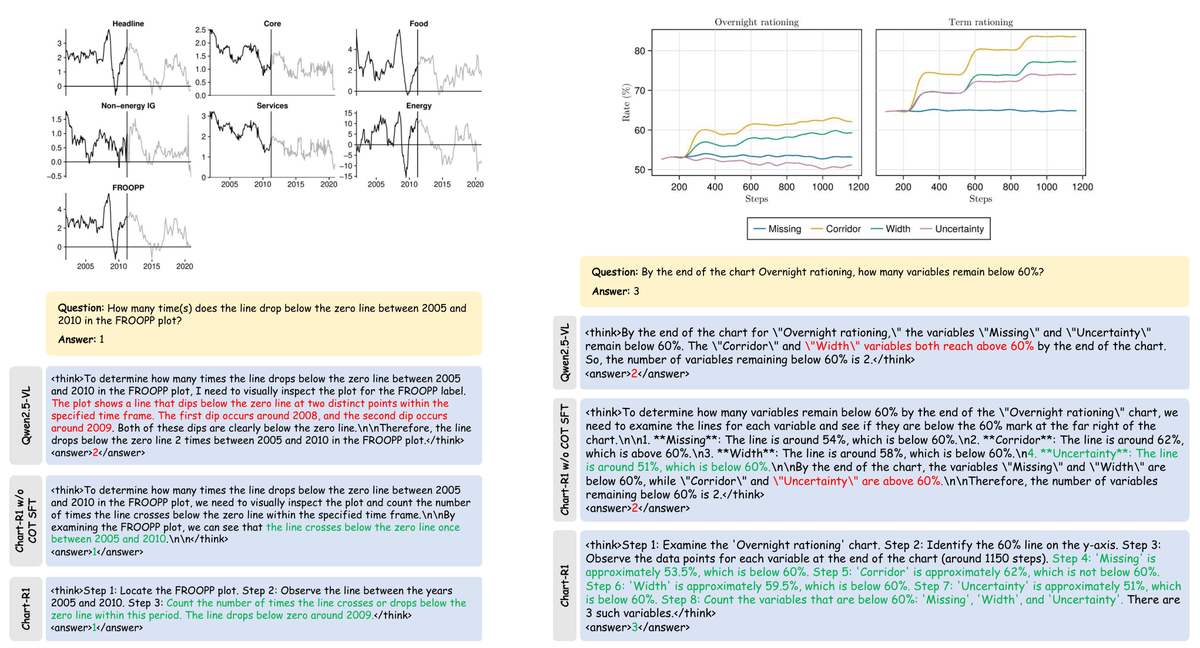
Meituan's Chart-R1 combines chain-of-thought supervision with reinforcement fine-tuning to beat GPT-4o on chart reasoning at 7B parameters.
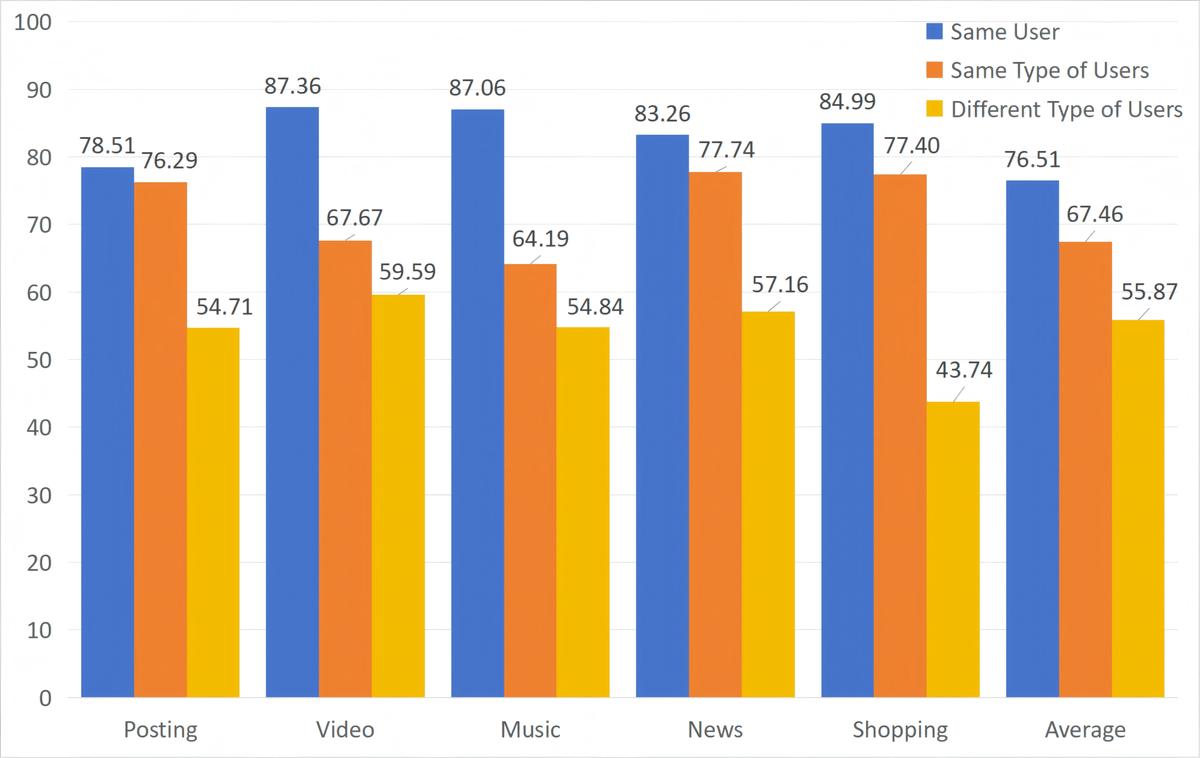
A Tsinghua team collected 21,437 real Android sessions from 95 users to test whether mobile agents can predict intent and match personal habits.
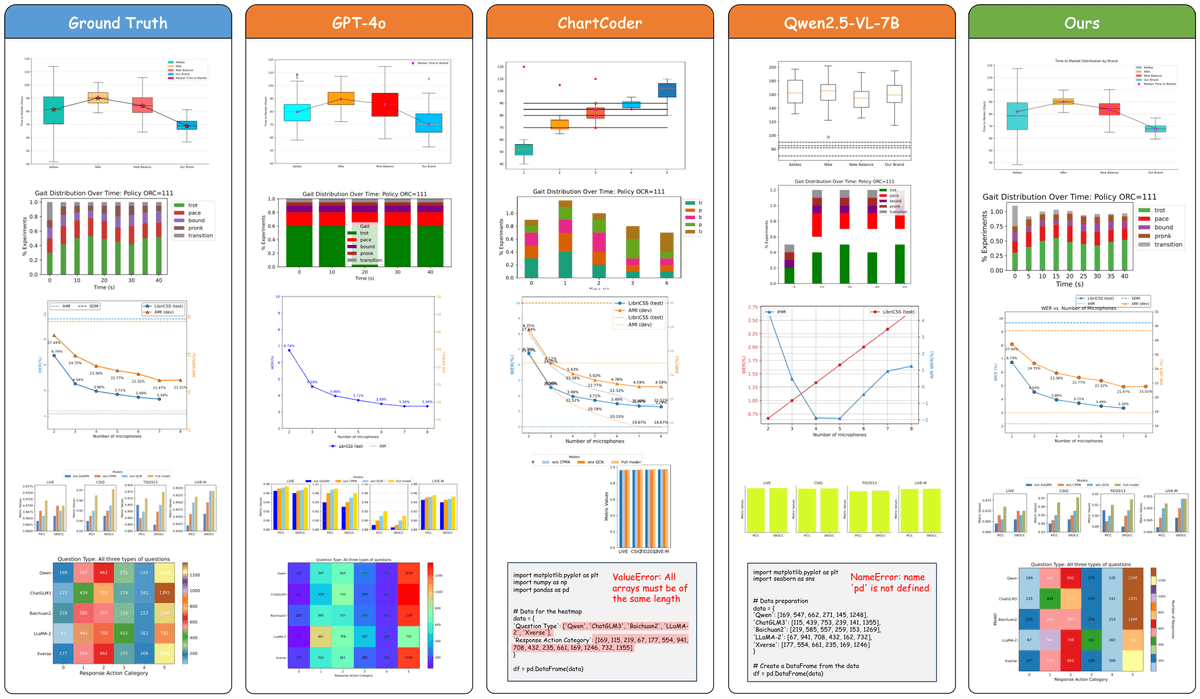
A new training recipe pushes a 7B open model past GPT-4o on chart-to-code generation by pairing a 3M-pair arXiv corpus with two-stage reinforcement learning.
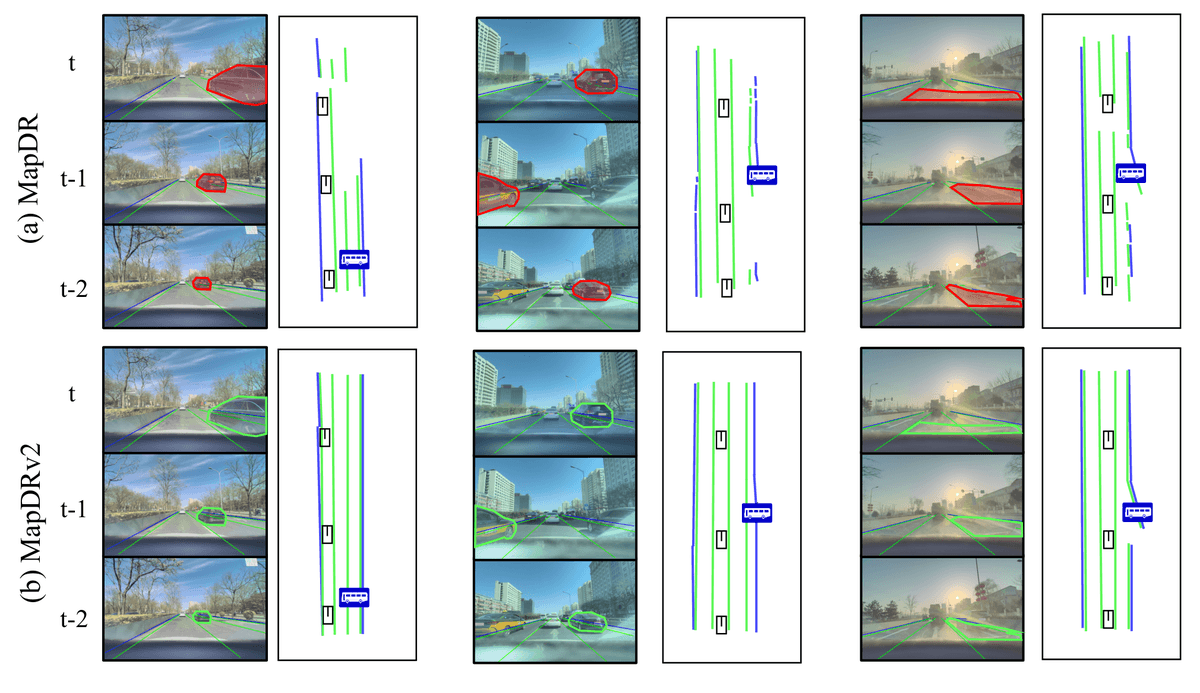
A new framework co-constructs HD maps and traffic rules autoregressively, keeping bus lane and speed limit signs valid long after they leave the frame.
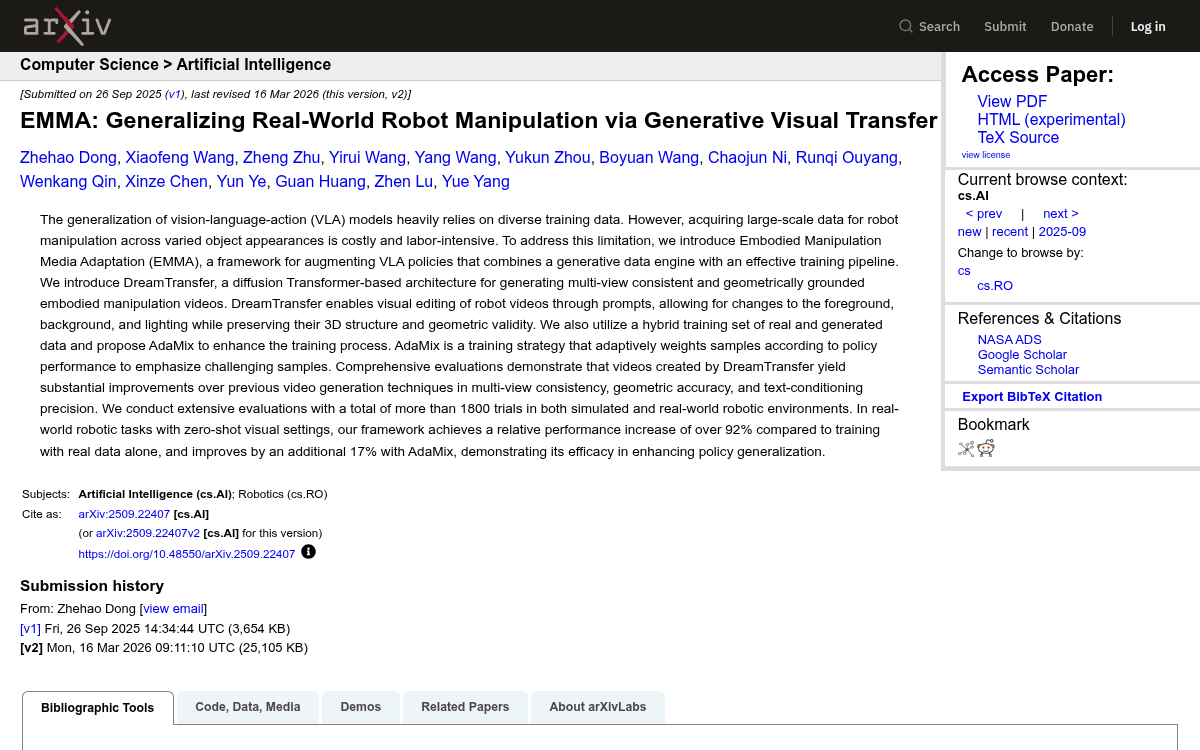
A new framework uses text-guided diffusion video generation and adaptive sampling to boost robot policy generalization by over 92 percent on zero-shot appearances.
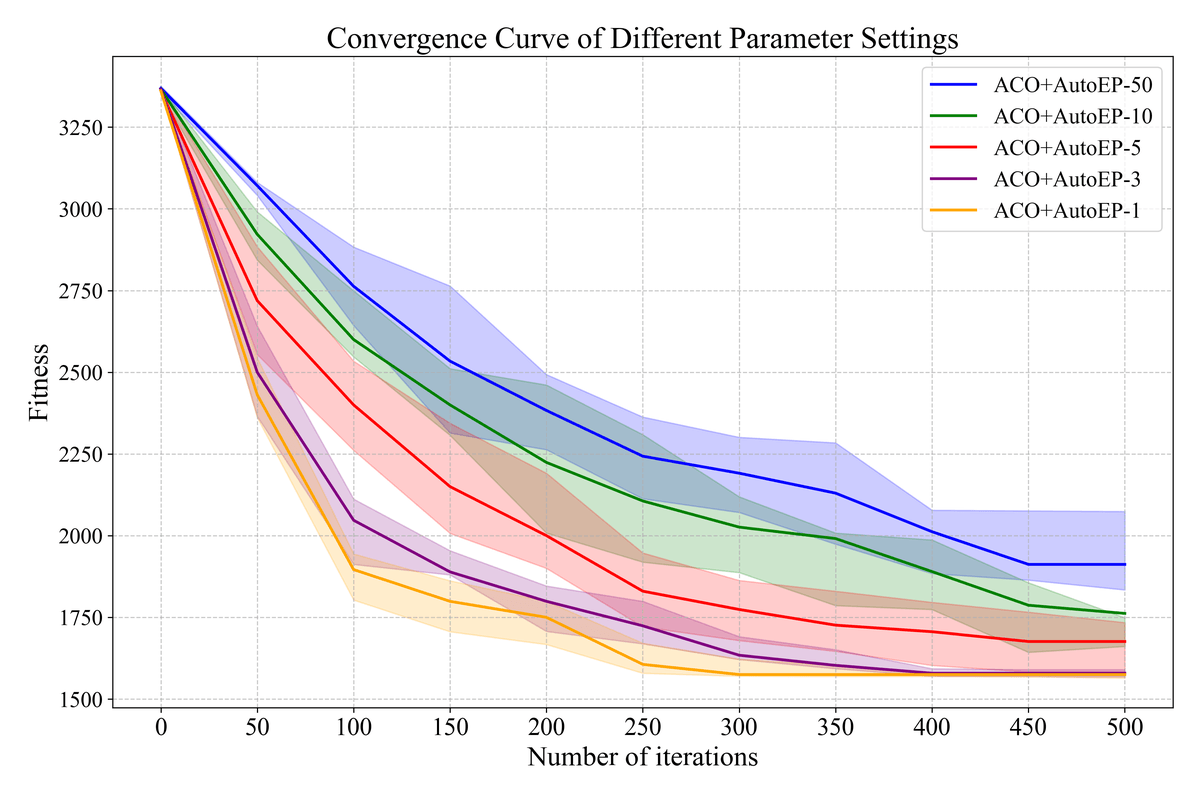
A new framework uses large language models as zero-shot reasoning engines to tune metaheuristic algorithm hyperparameters on the fly, no training required.
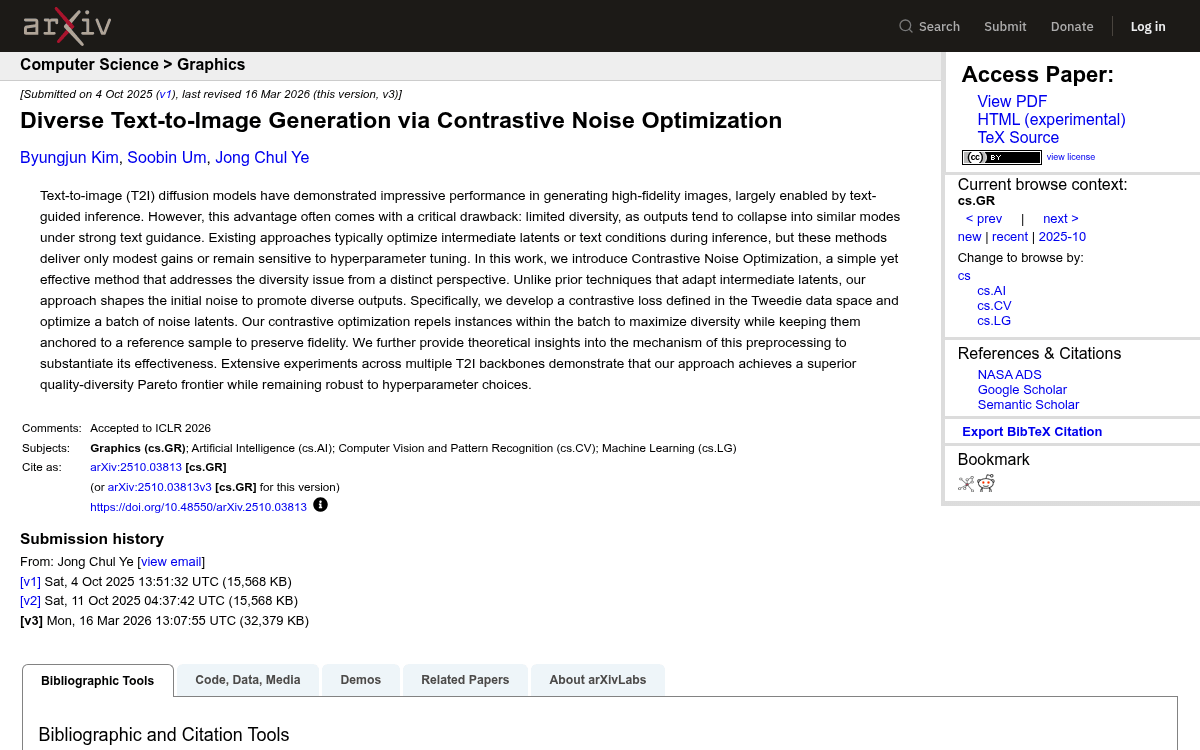
KAIST researchers propose Contrastive Noise Optimization, a one-shot preprocessing step that reshapes initial latents to break diffusion mode collapse without touching the sampler.
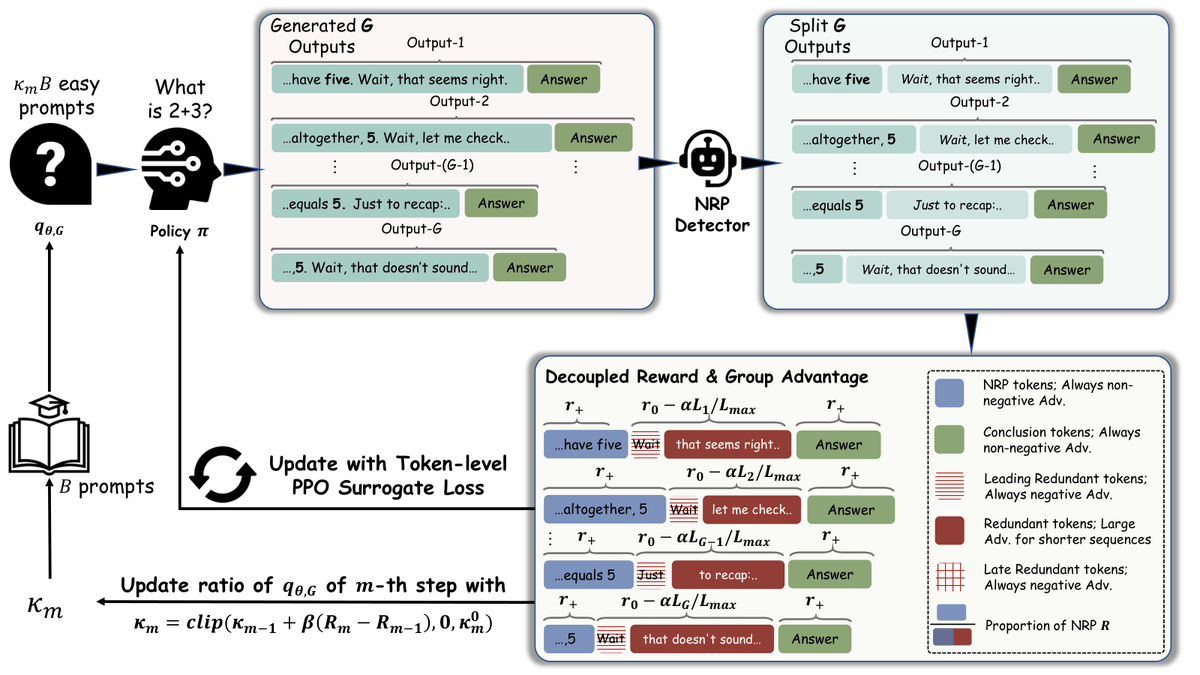
A new reinforcement learning framework called DECS cuts reasoning tokens by more than half while matching or beating base model accuracy across seven benchmarks.
Google researchers turn 53,000 YouTube tutorials into executable UI training data using an inverse dynamics model, boosting agent success rates across OSWorld and WindowsAgentArena.
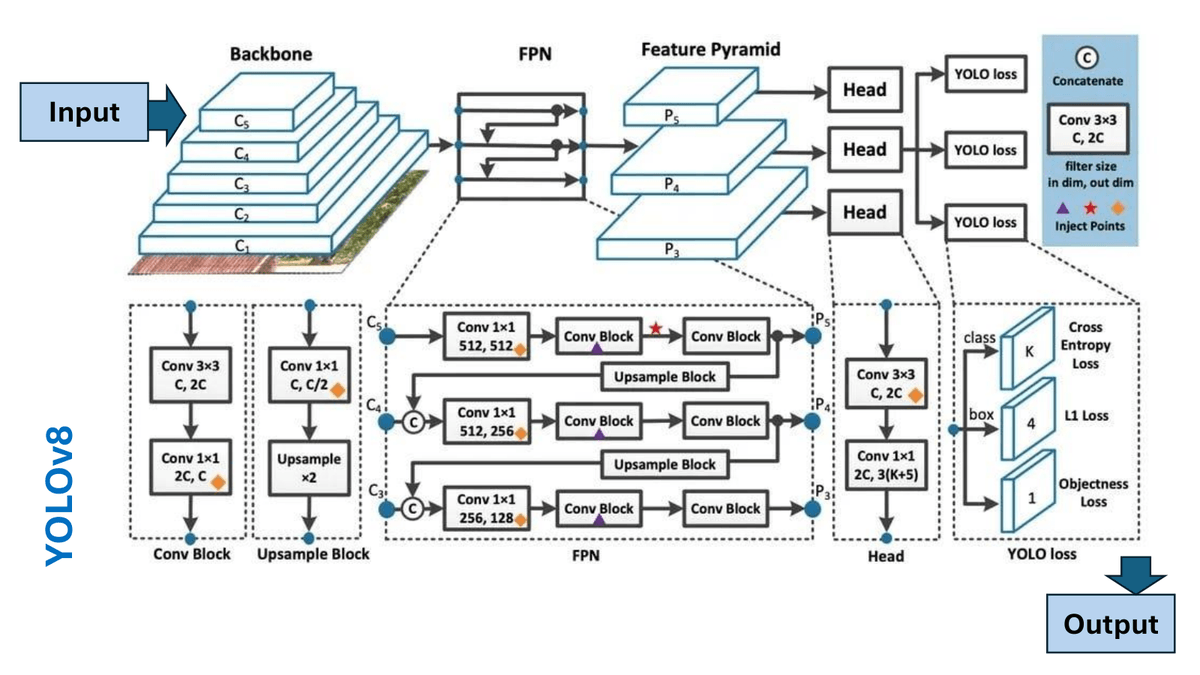
YOLO26 strips out NMS and Distribution Focal Loss, adds three training tricks, and posts up to 43% faster CPU inference on COCO.
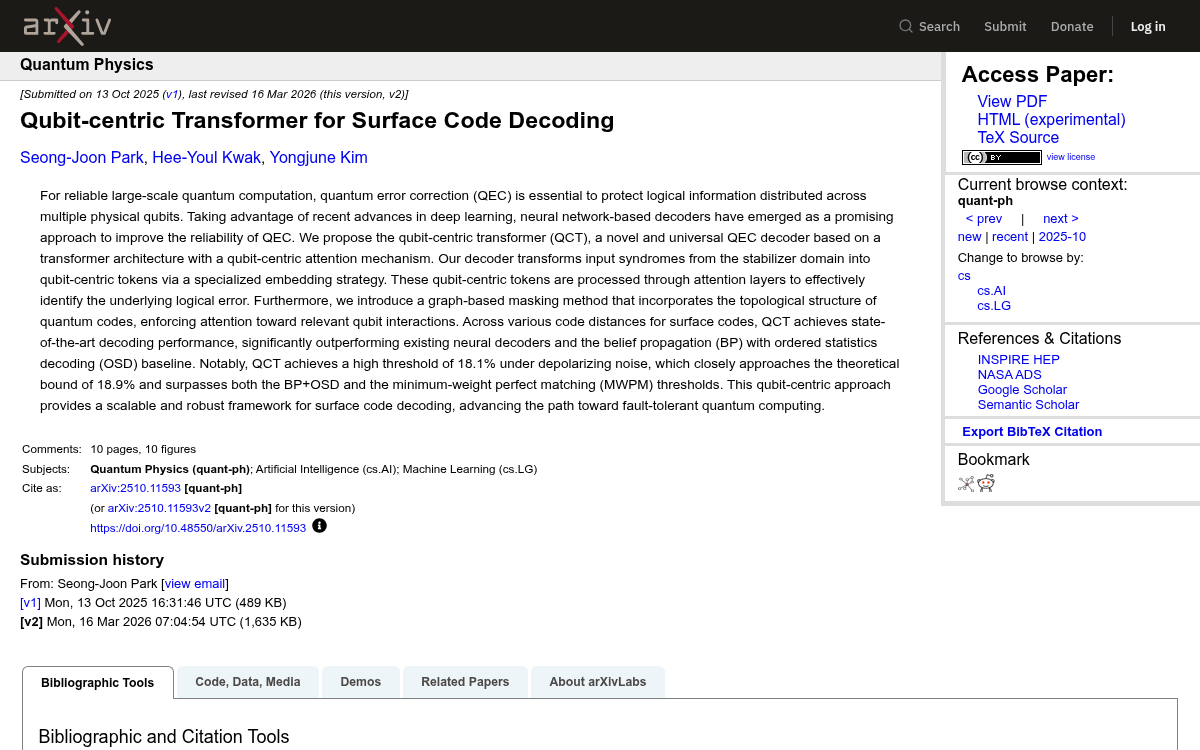
A new transformer decoder shifts attention from stabilizers to physical qubits, hitting an 18.1% surface code threshold that nearly matches the theoretical ceiling.
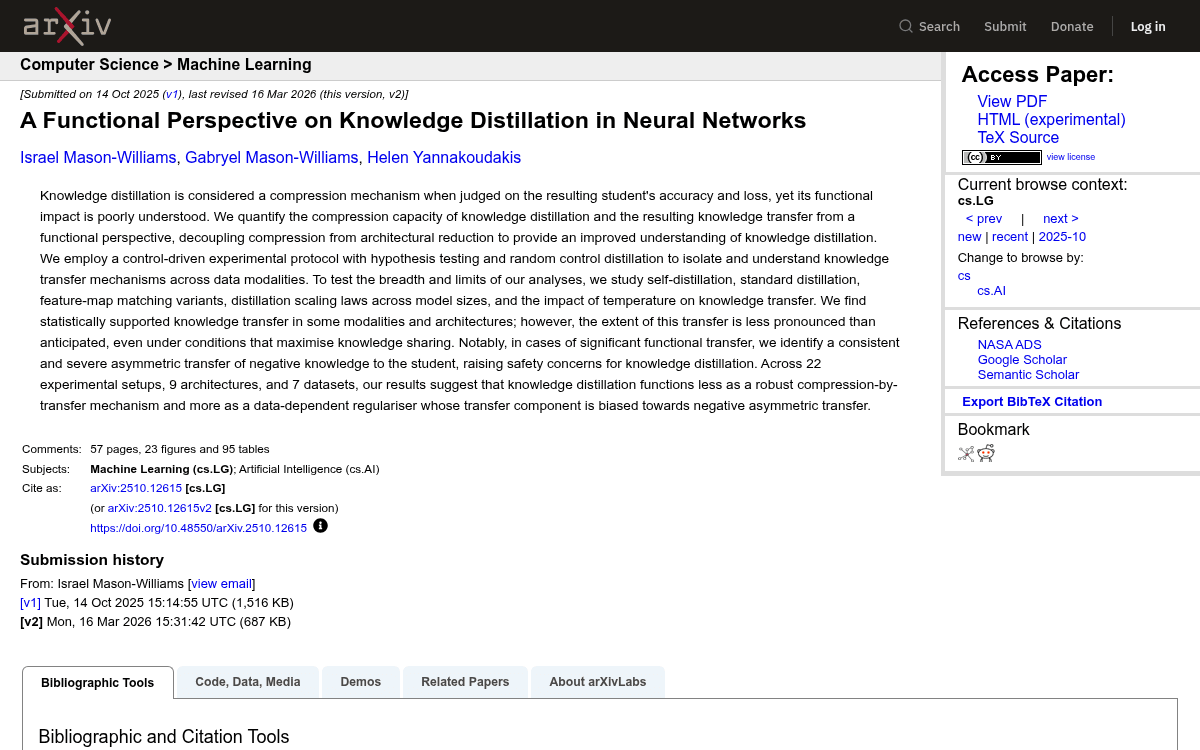
New research on 4,189 trained models finds knowledge distillation often behaves like regularization, and when it does transfer, it disproportionately copies the teacher's mistakes.
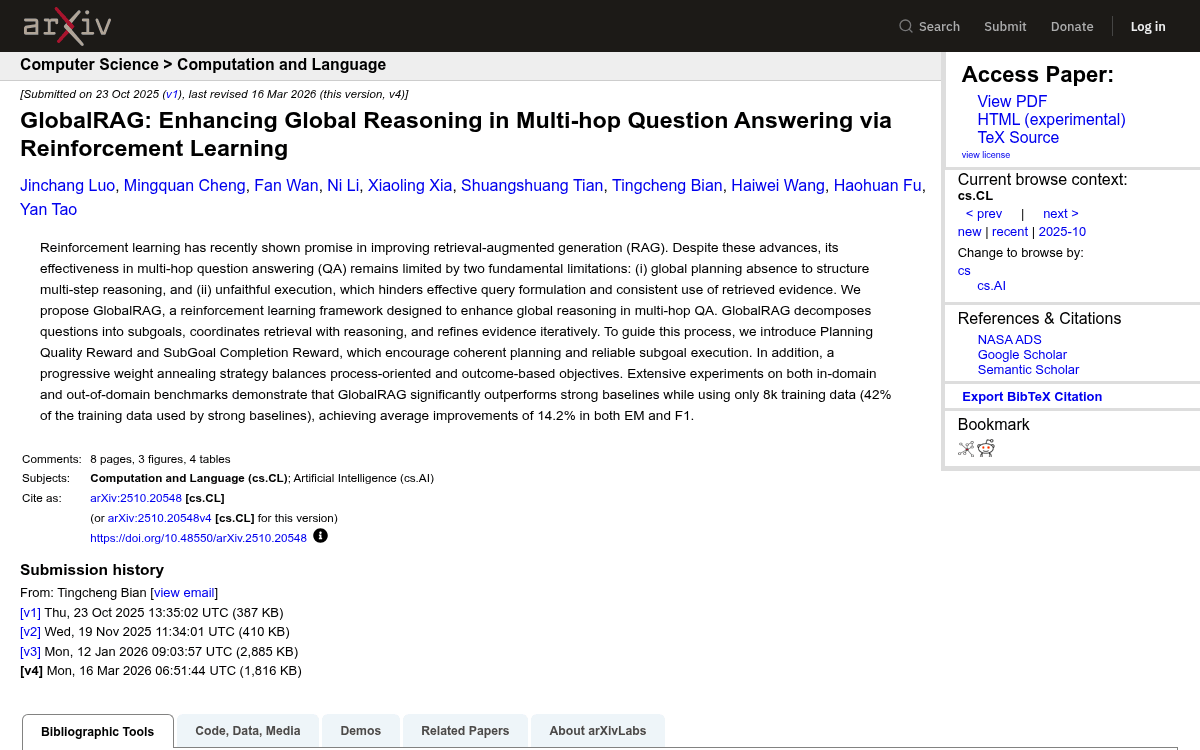
A new RL framework from Baidu and Tsinghua fixes the two failure modes that break RAG on multi-hop questions, gaining 14.2% EM and F1 with 42% less data.
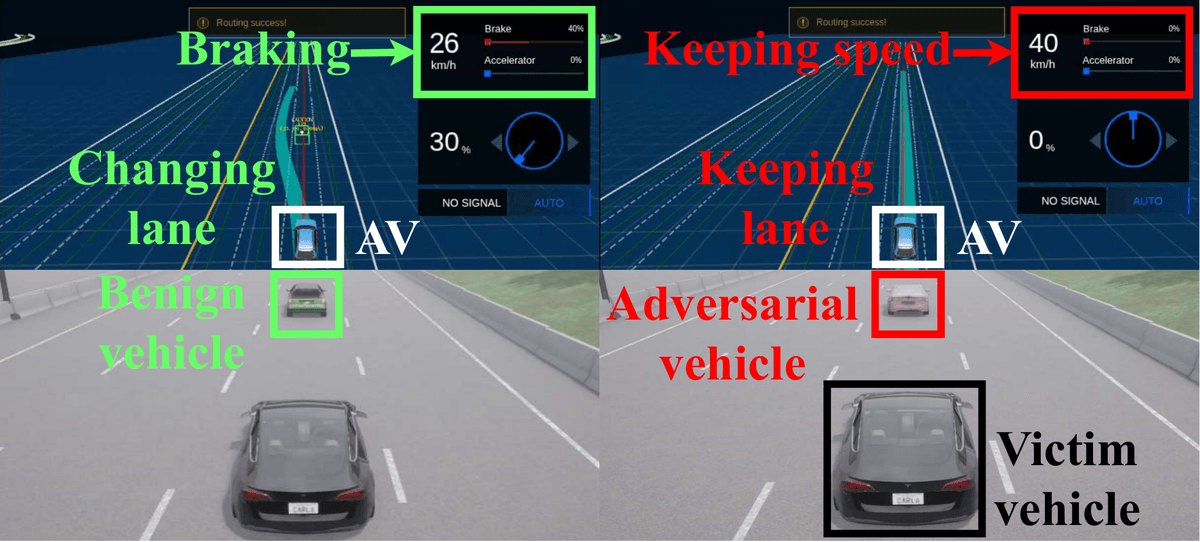
A new 3D camouflage texture fools stereo depth networks used in autonomous driving, causing simulated Apollo cars to collide with adversarial vehicles up to 76% of the time.
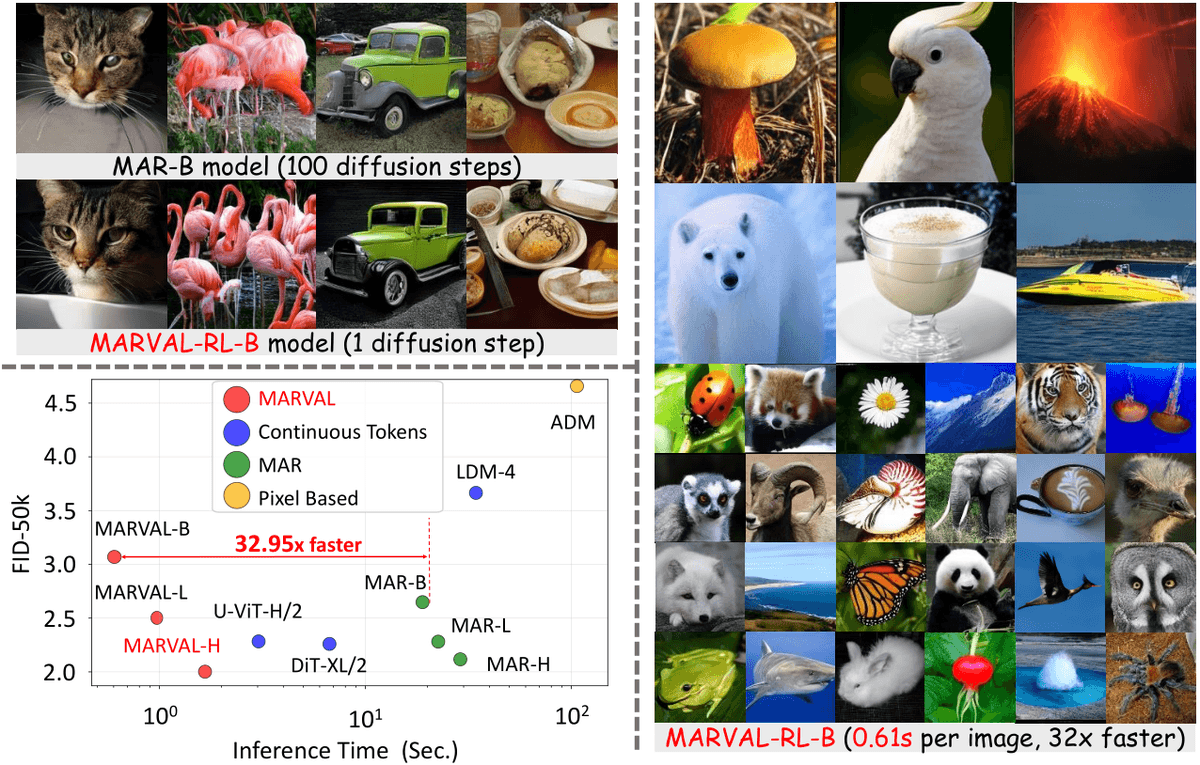
A new distillation method collapses masked auto-regressive diffusion into a single step, delivering 30x speedups and making RL fine-tuning finally practical.
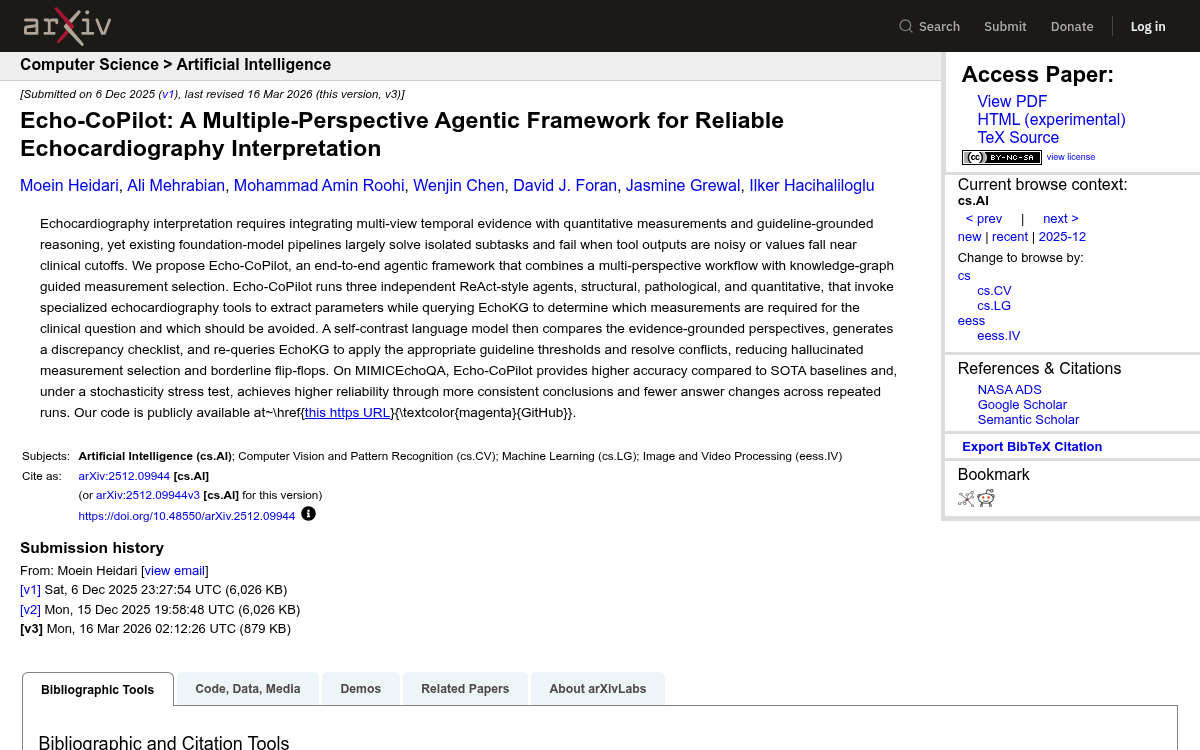
A new research paper proposes a three-agent system that grounds echocardiography interpretation in clinical guideline graphs, cutting hallucinations near decision cutoffs.