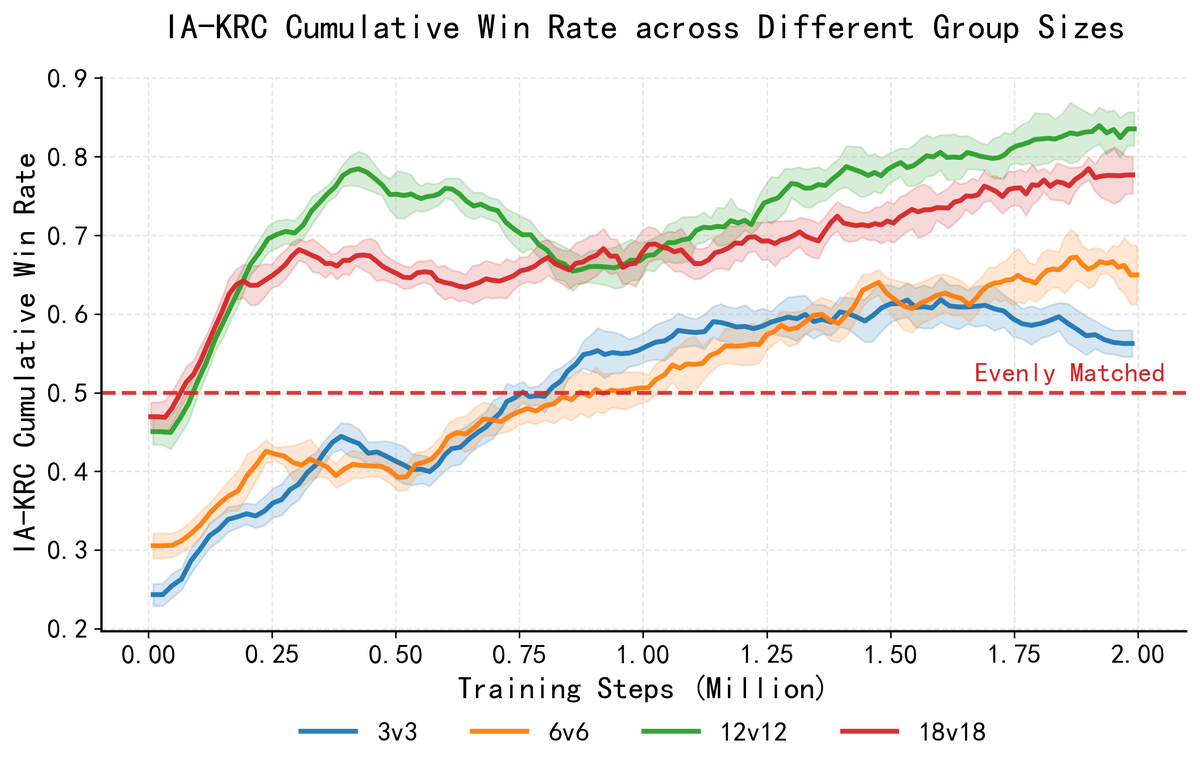
A new MARL framework picks communication partners by physical reachability and predicted enemy interference, delivering up to 31x higher win rates in complex maps.
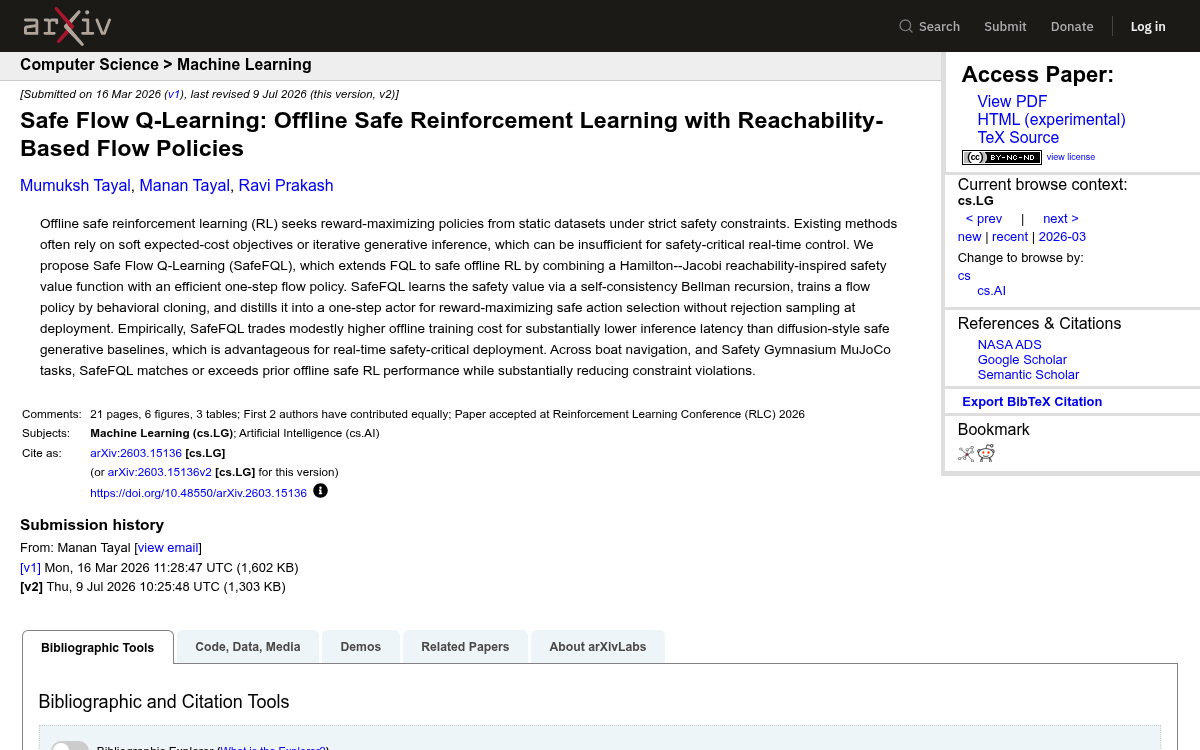
A new offline safe reinforcement learning method fuses reachability-based safety values with a distilled one-step flow policy, cutting inference latency 2.5x while eliminating rejection sampling.
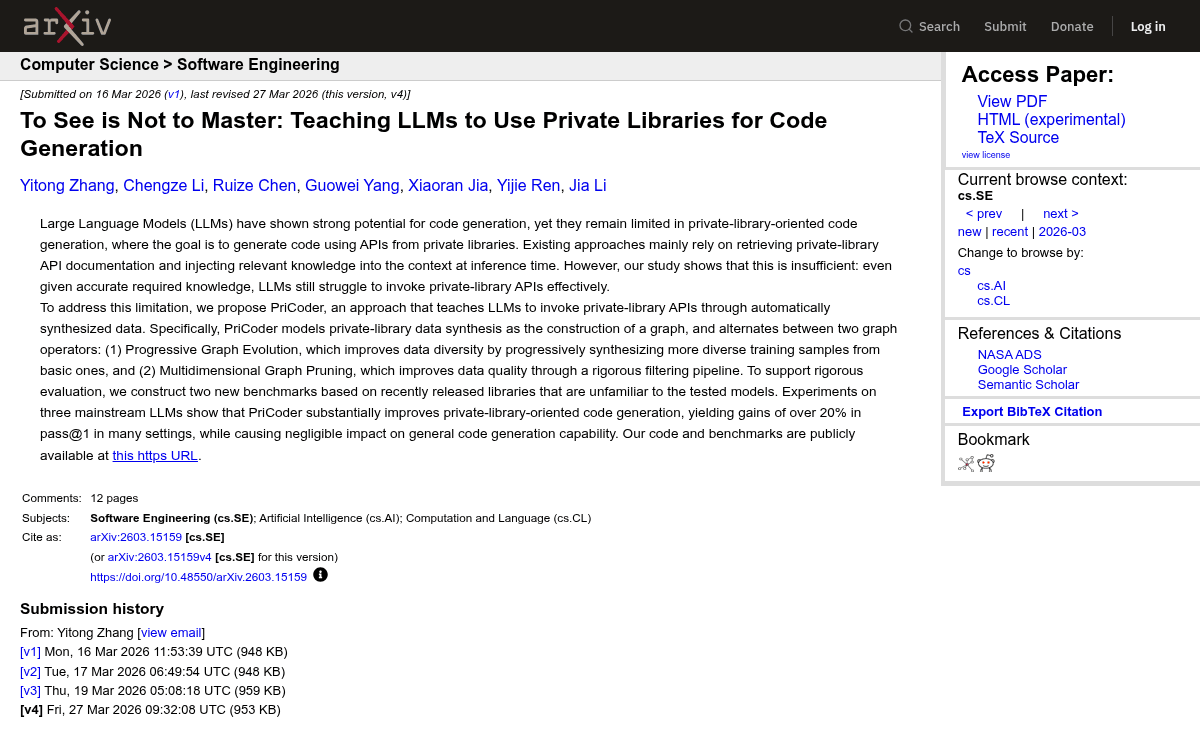
A graph-based data synthesis pipeline teaches code LLMs how to actually call internal APIs, delivering 20%+ pass@1 gains without hurting general coding.
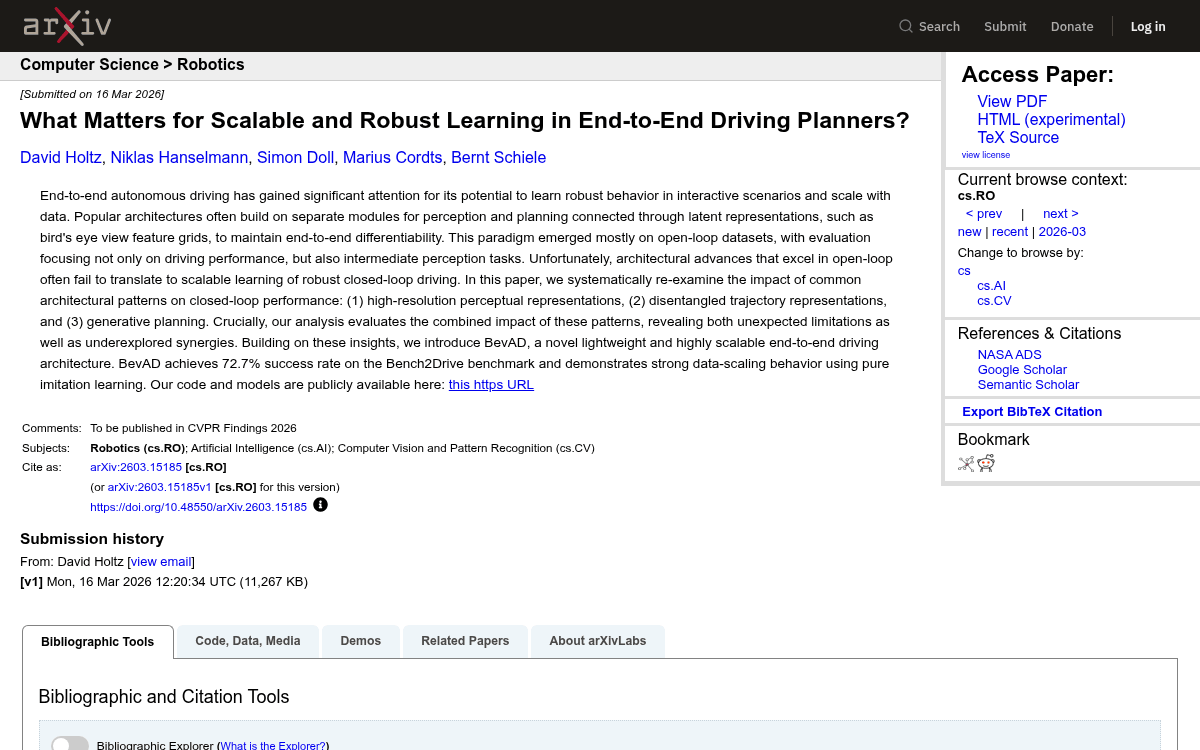
Mercedes-Benz researchers strip down end-to-end driving stacks, find that shrinking perception features and adding diffusion planning unlocks state-of-the-art closed-loop performance.
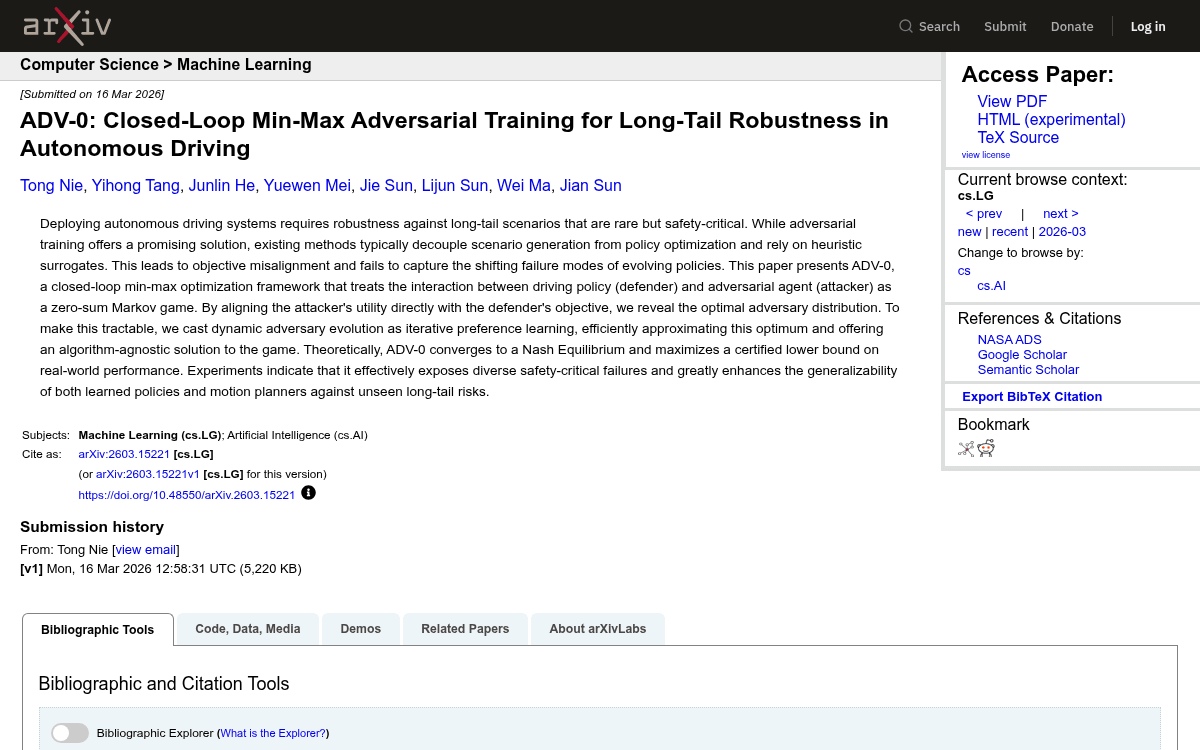
A new framework couples adversarial scenario generation with policy training as a zero-sum game, boosting driving policy robustness against unseen long-tail risks.
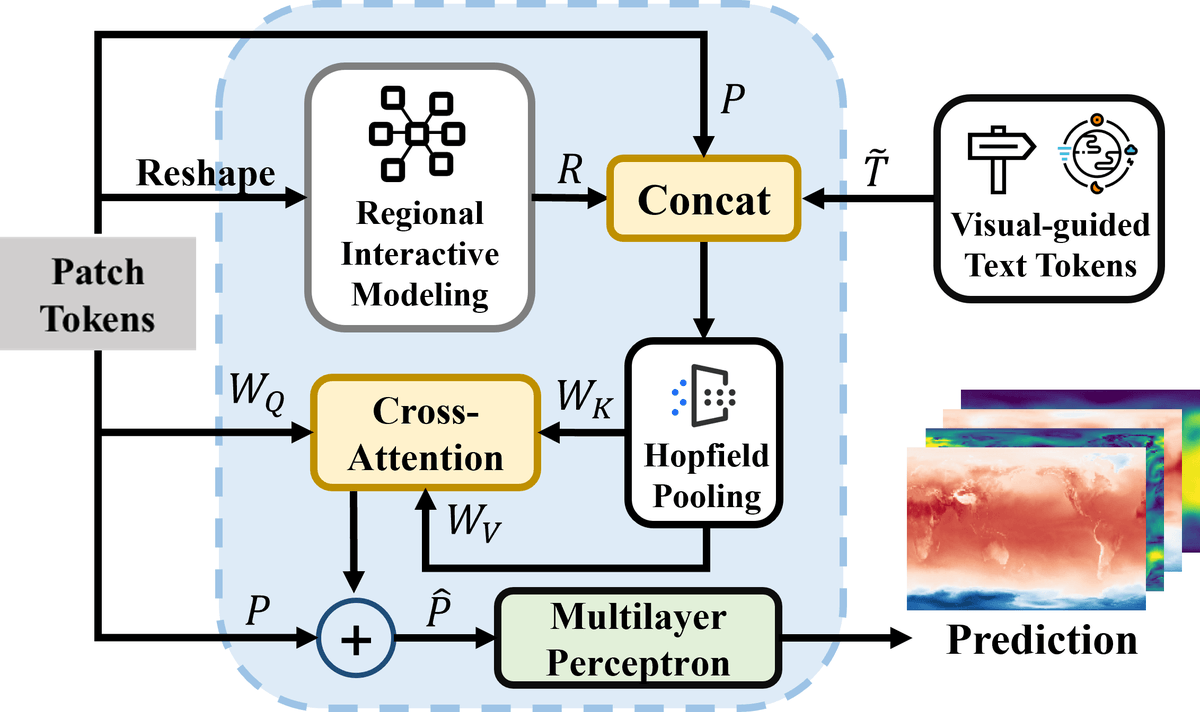
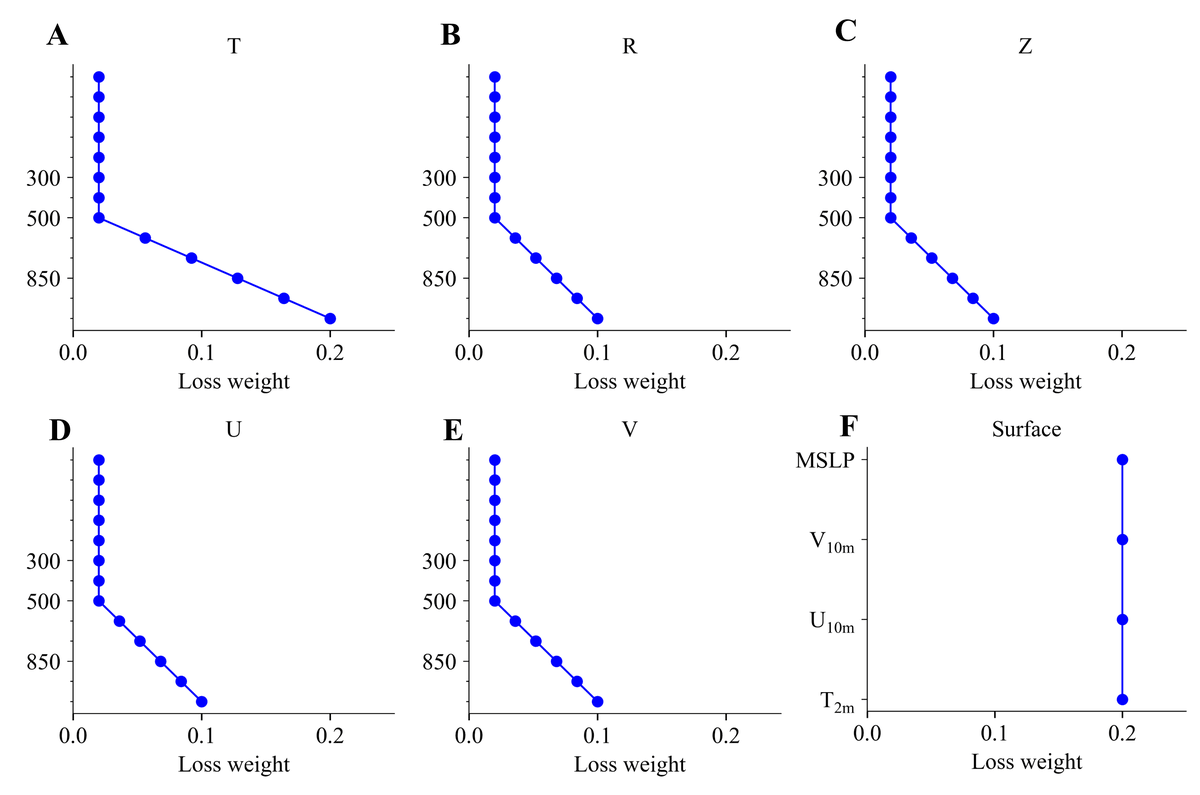
A new plug-and-play method uses multimodal language models to write per-sample weather narratives, then injects them into forecasters at decoding time to cut error accumulation.
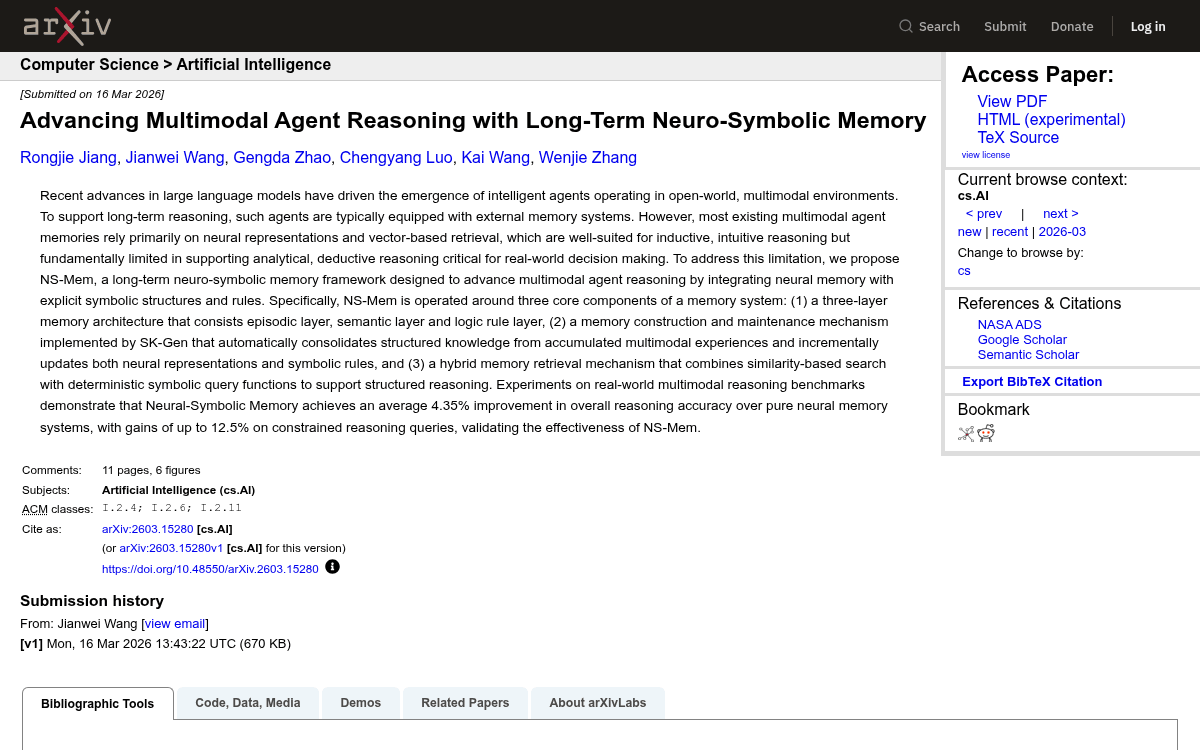
NS-Mem gives multimodal agents a memory that combines fuzzy vector search with explicit symbolic rules, improving constrained reasoning by up to 12.5%.
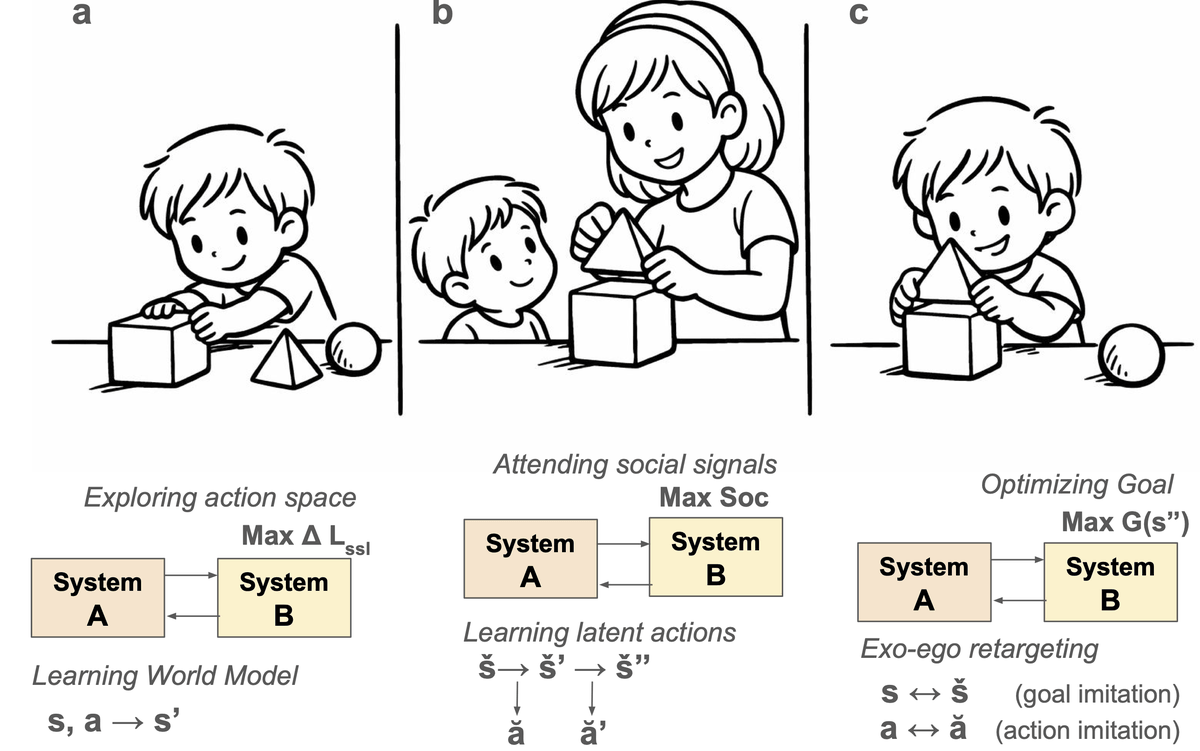
A conceptual blueprint from Dupoux, LeCun, and Malik argues today's models can't truly learn on their own, and proposes a three-system cognitive architecture to fix it.