
Pro
Norwegian Computing Center's Rewriter Kills 99.8% of Document Re-Identification Risks
A new paper shows why redacting names is not enough, and proposes an inverted-index plus LLM rewrite loop that removes 99.8% of phrase-based linkage risks.
20 stories
A new paper shows why redacting names is not enough, and proposes an inverted-index plus LLM rewrite loop that removes 99.8% of phrase-based linkage risks.
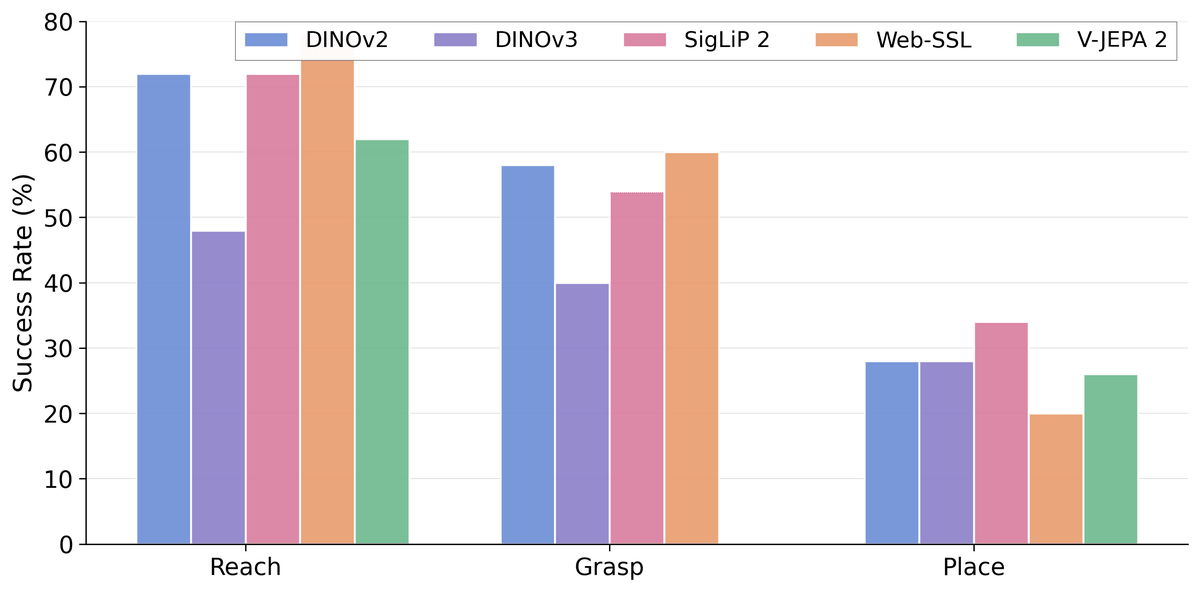
DexWM predicts dexterous hand-object interactions from egocentric video, then plans robot grasps hitting 83% success on a real Franka arm zero-shot.
A training-free trick for diffusion language models injects fading noise into the prompt embedding early in denoising to unlock diverse outputs without hurting quality.
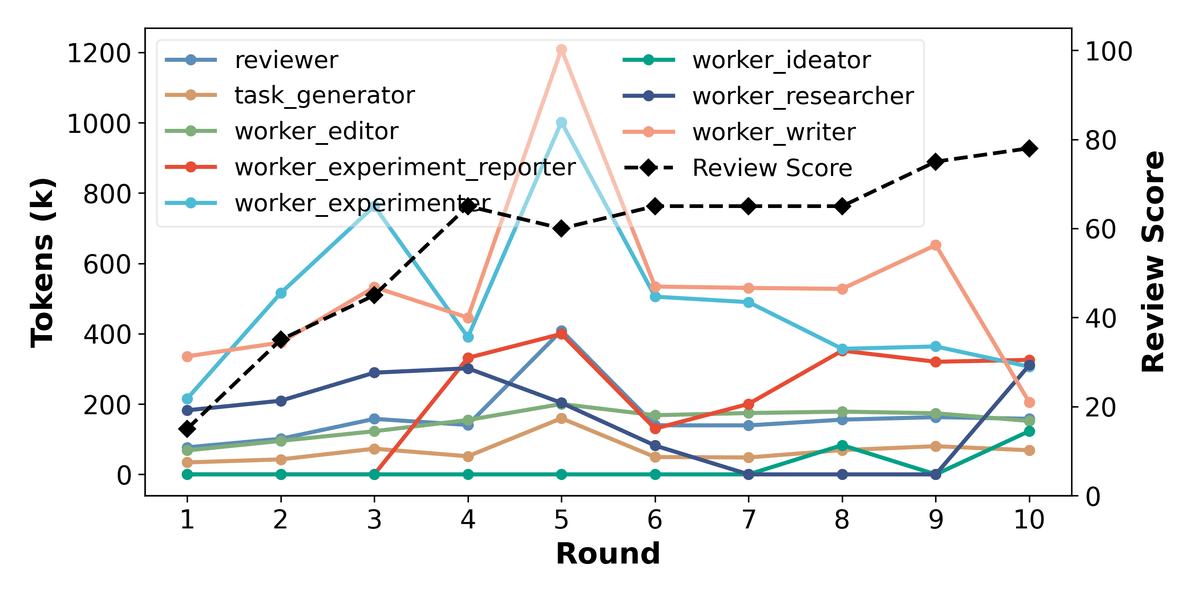
A new engineering framework treats multi-agent LLM systems as software that rewrites itself at runtime, with three layers to keep the chaos governable.
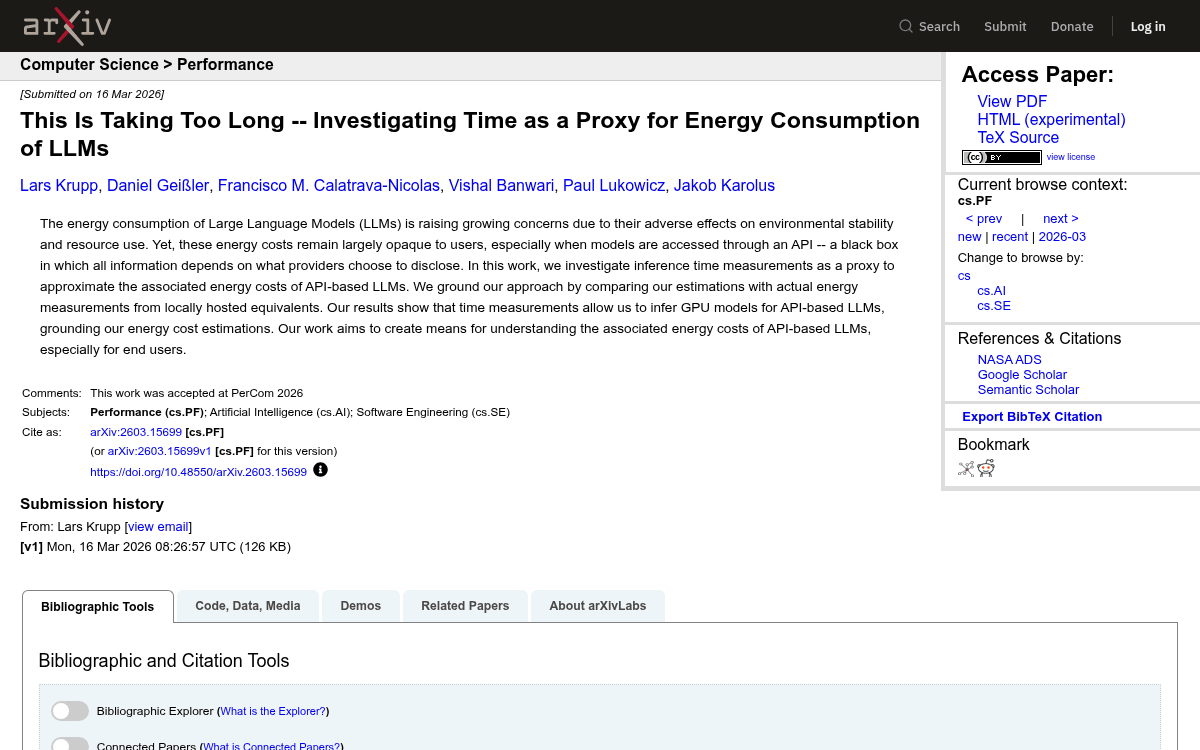
A new benchmark uses inference time as a proxy for estimating the energy cost of API-based LLMs, grounded by local GPU measurements.
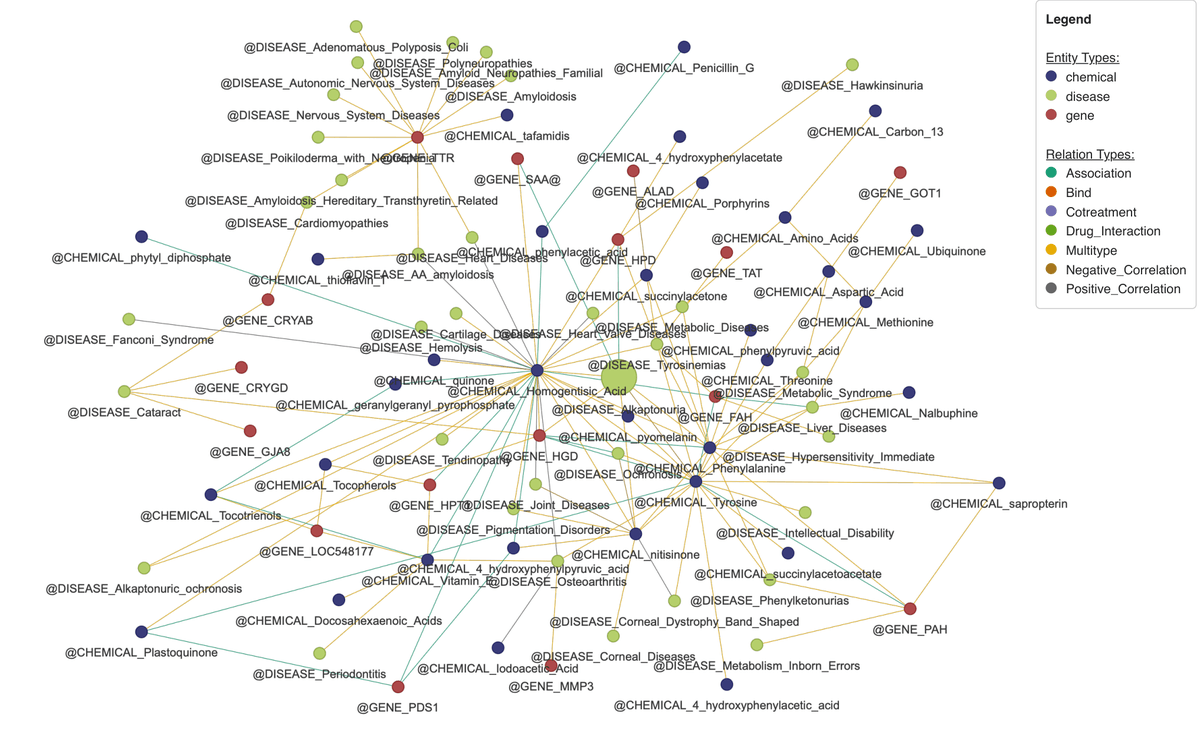
A text-mining pipeline built on PubTator3 turns 165,000 PubMed articles into two knowledge graphs that surface new drug-repurposing hypotheses for an ultra-rare metabolic disease.
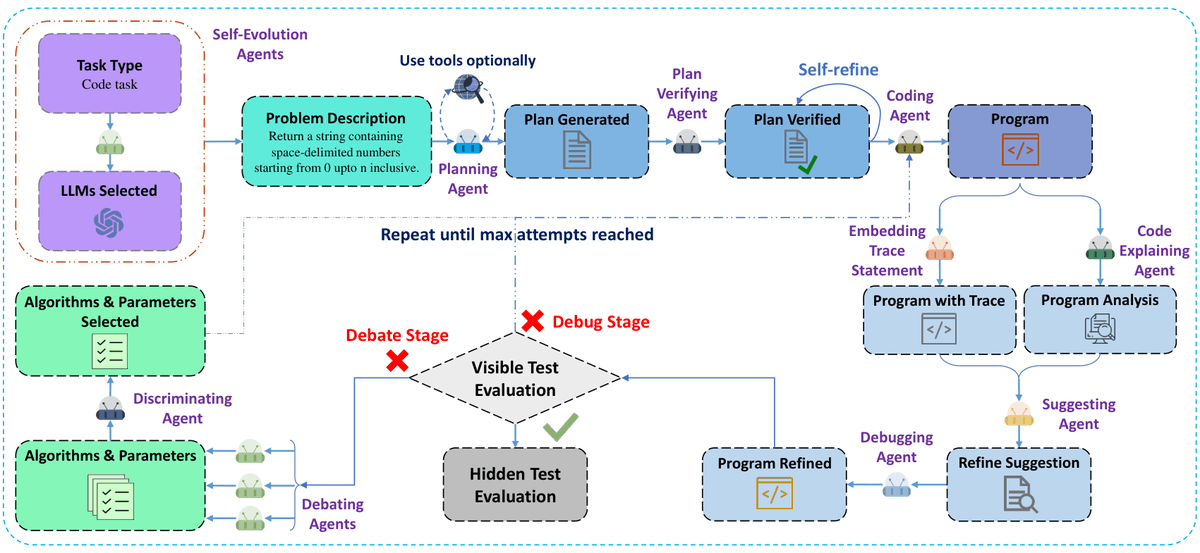
A new multi-agent framework decomposes coding tasks into planning, coding, debugging, and debate stages, then auto-selects the best backbone LLM.
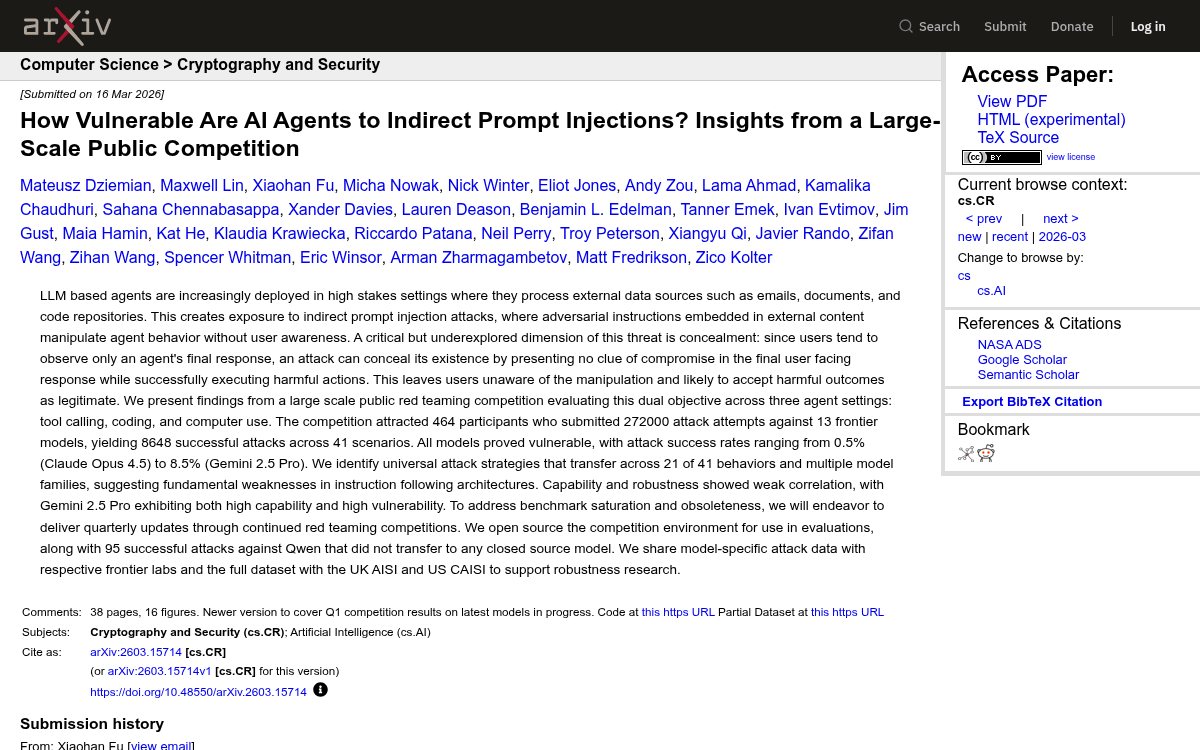
A red-teaming competition against 13 frontier models produced 8,648 successful stealth attacks, exposing that every model can be manipulated through poisoned external content.
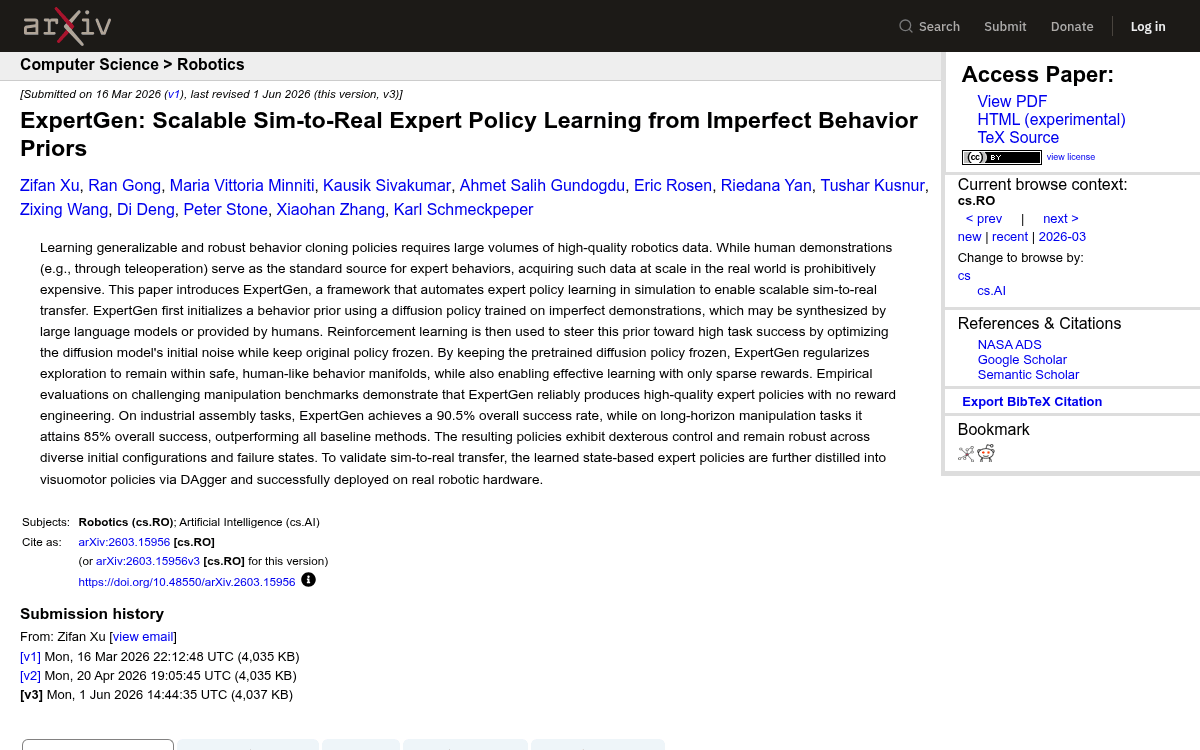
A three-stage pipeline from RAI Institute turns messy LLM-scripted demos into robust real-robot policies without a single hand-tuned reward.
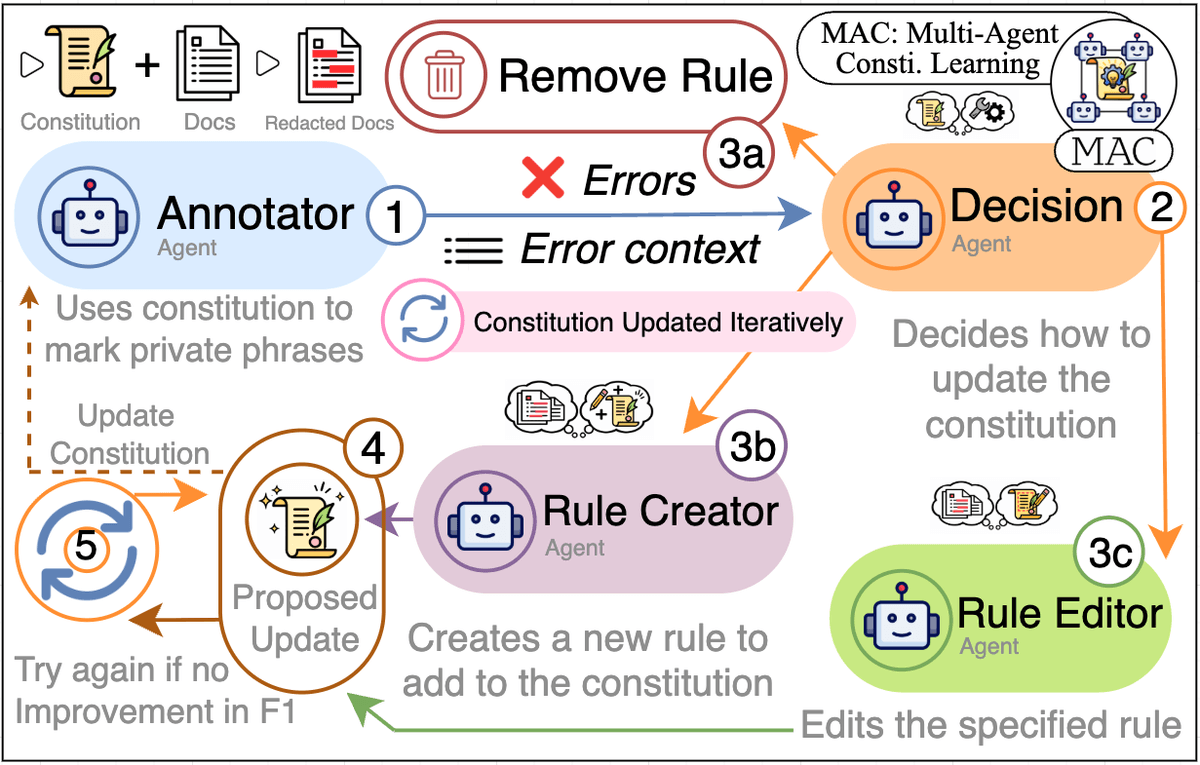
A four-agent system learns natural-language rulebooks that steer LLMs on PII tagging and reasoning tasks, beating GEPA and MIPRO by over 50%.
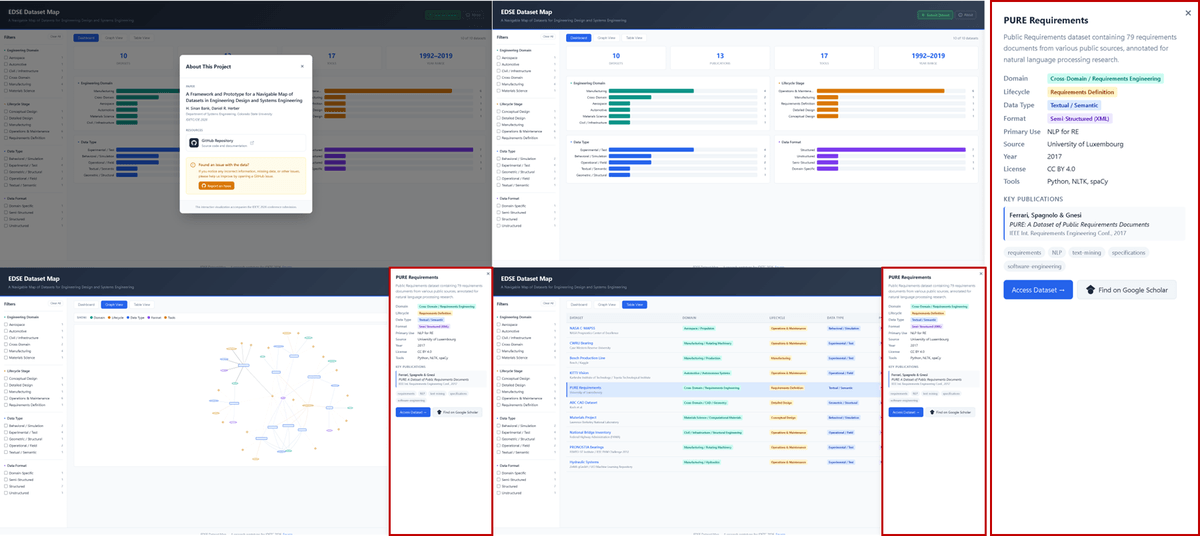
A new framework maps out where engineering design datasets exist, where they're missing, and how a knowledge graph can make them discoverable.
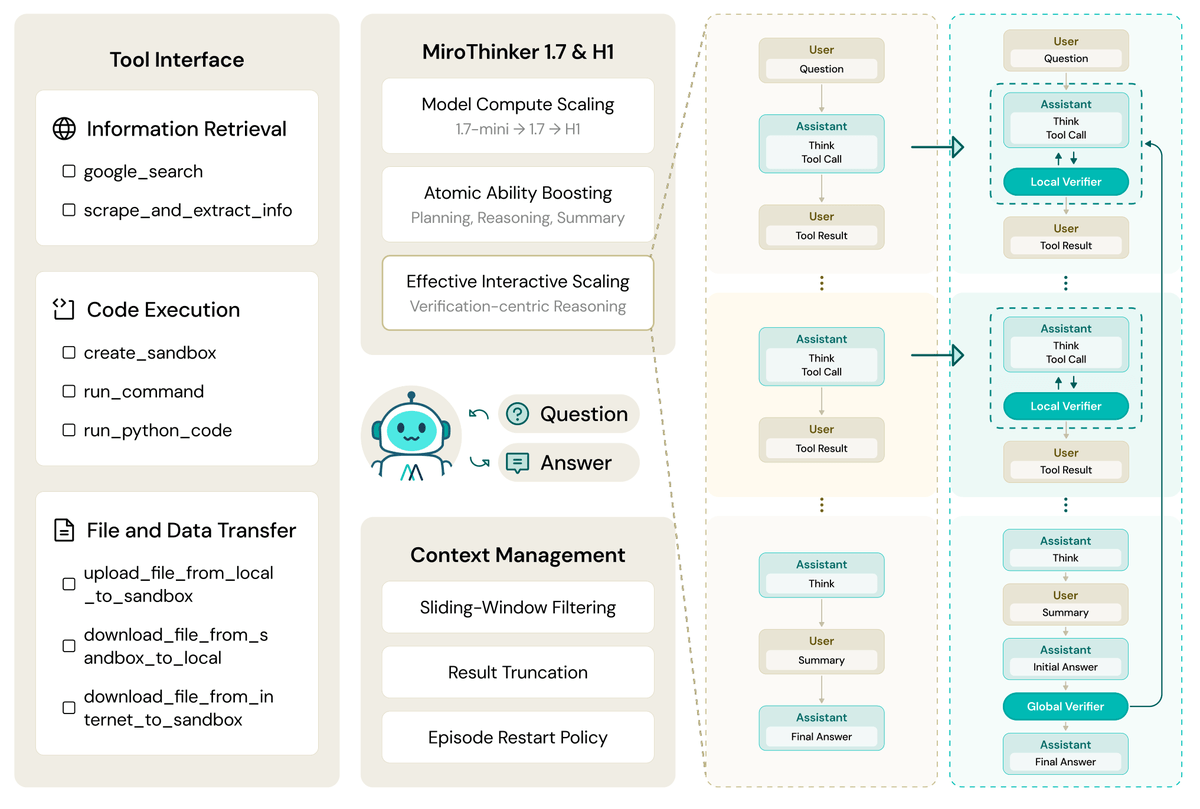
MiroMind's new research agent family verifies its own reasoning at every step, hitting 88.2% on BrowseComp while using fewer interaction rounds.
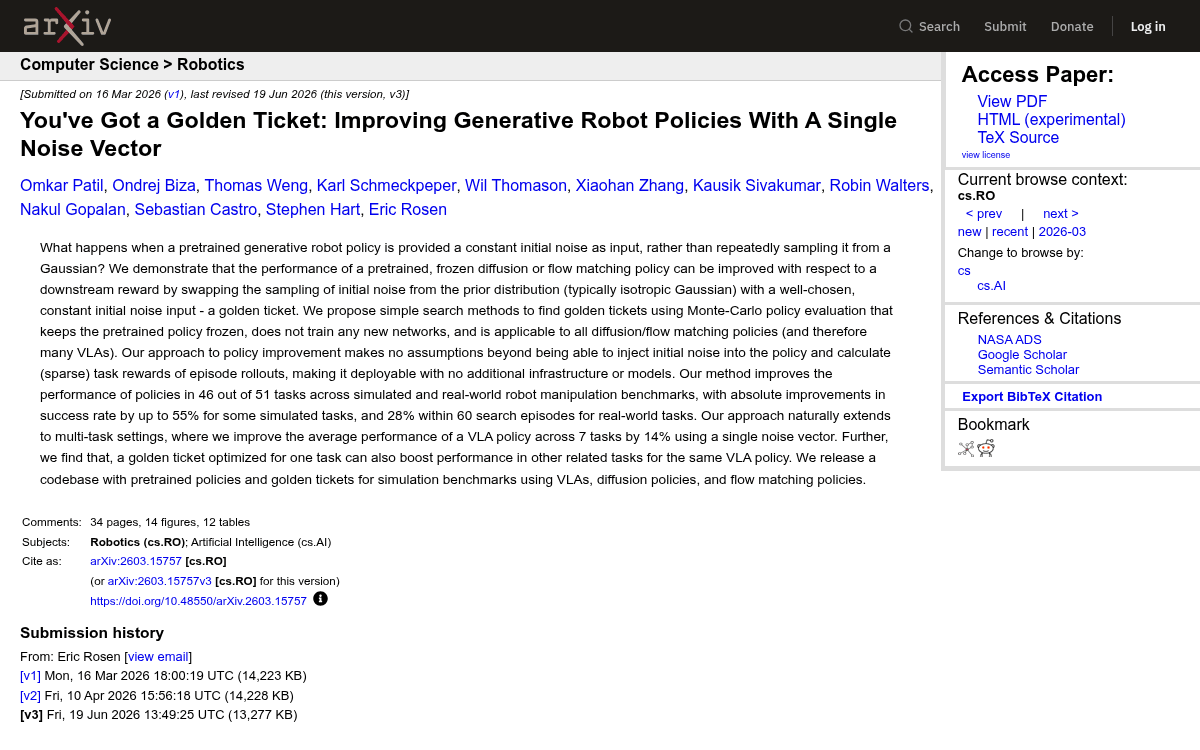
Researchers find that swapping the random noise input of a diffusion robot policy for one fixed, well-chosen vector lifts success rates by up to 55 percent.
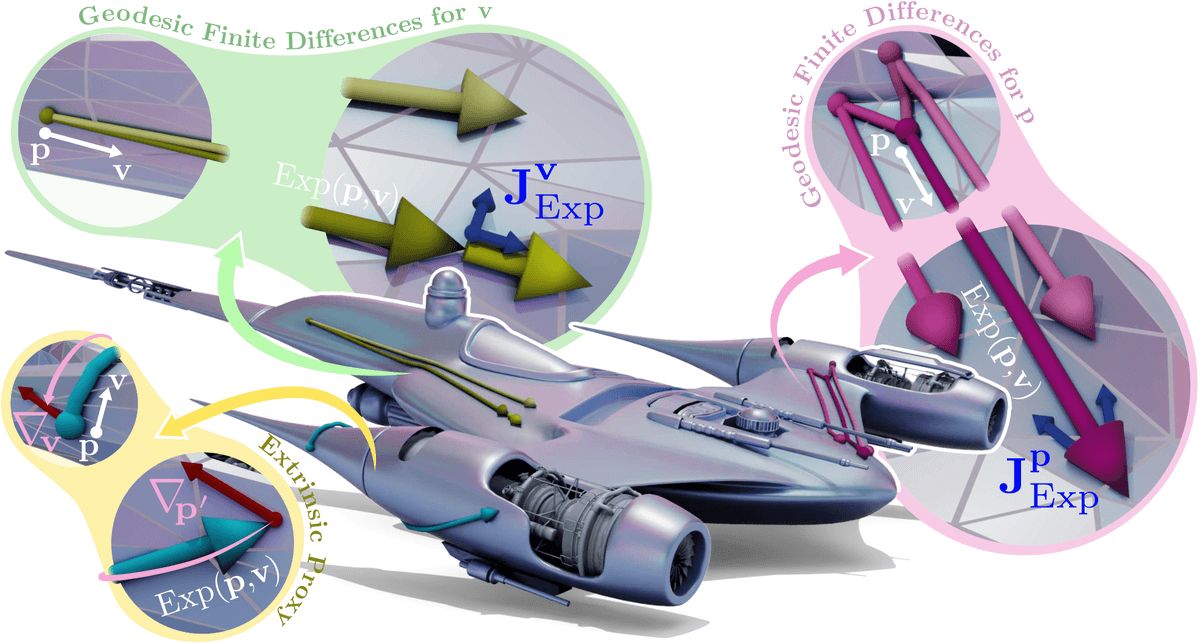
A new CUDA library from Imperial College brings differentiable geodesics to 3D meshes, unlocking geometry-aware neural networks, flow matching, and second-order optimisation on surfaces.
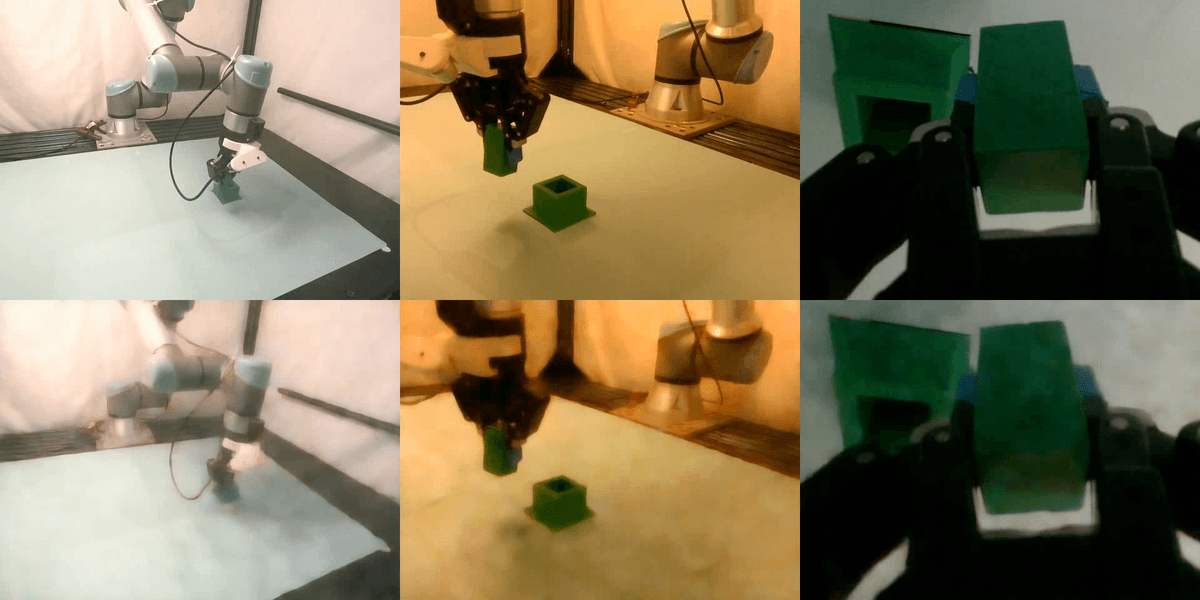
SimDist trains a world model in simulation, then adapts to reality by finetuning only the dynamics, cutting real-world data needs to under 30 minutes.
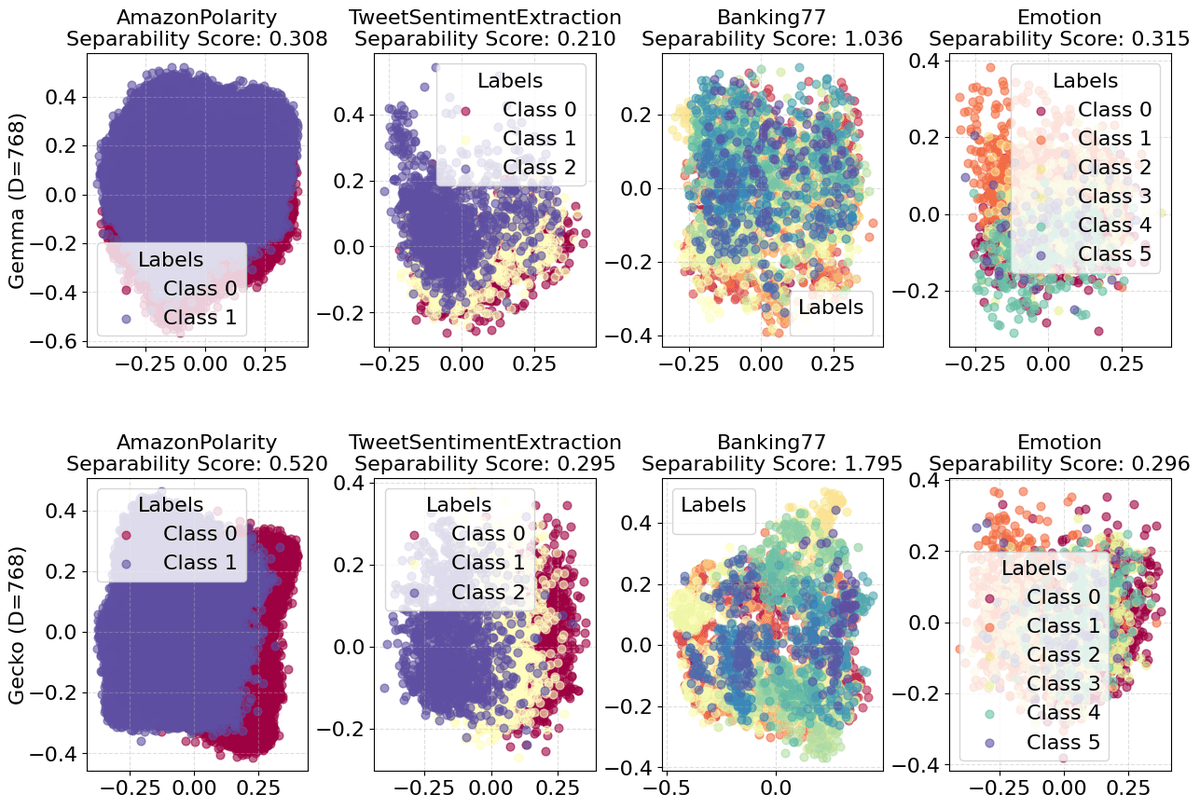
Google researchers show that swapping LLM calls for tiny classifiers over embeddings can cut SQL semantic operator cost and latency by more than 100x.
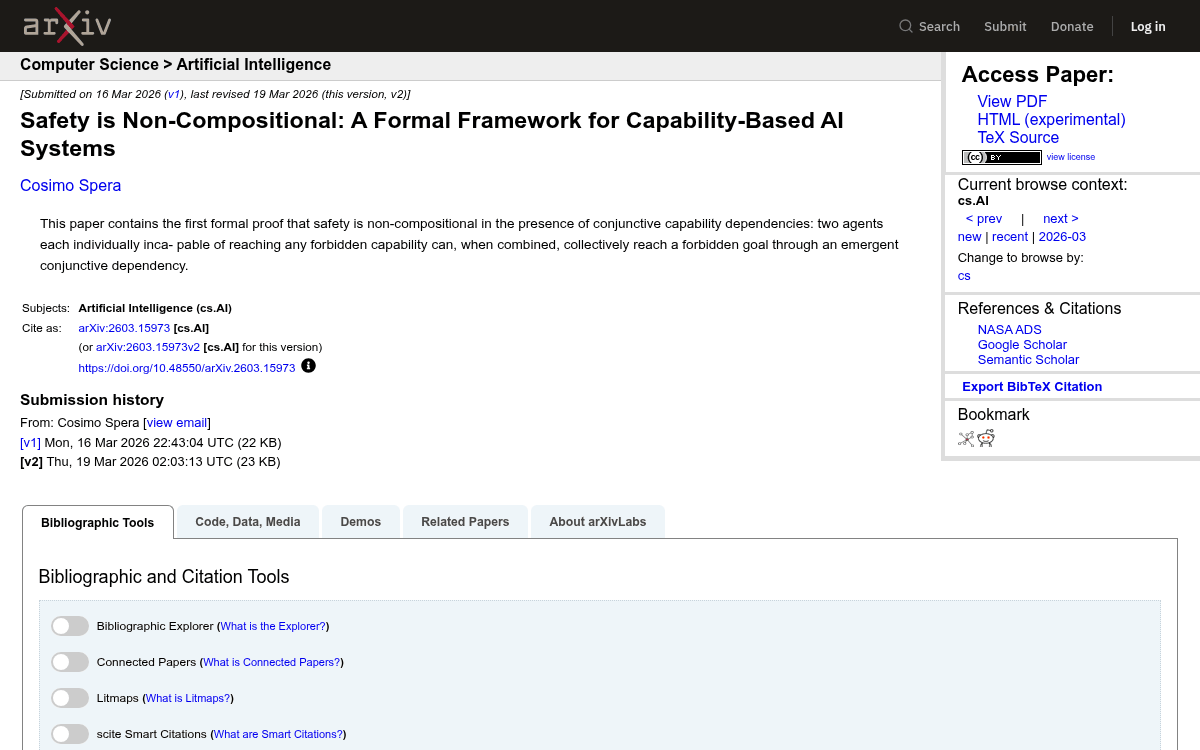
A new formal proof shows two individually safe AI agents can combine into an unsafe system, and pairwise dependency graphs can never catch it.
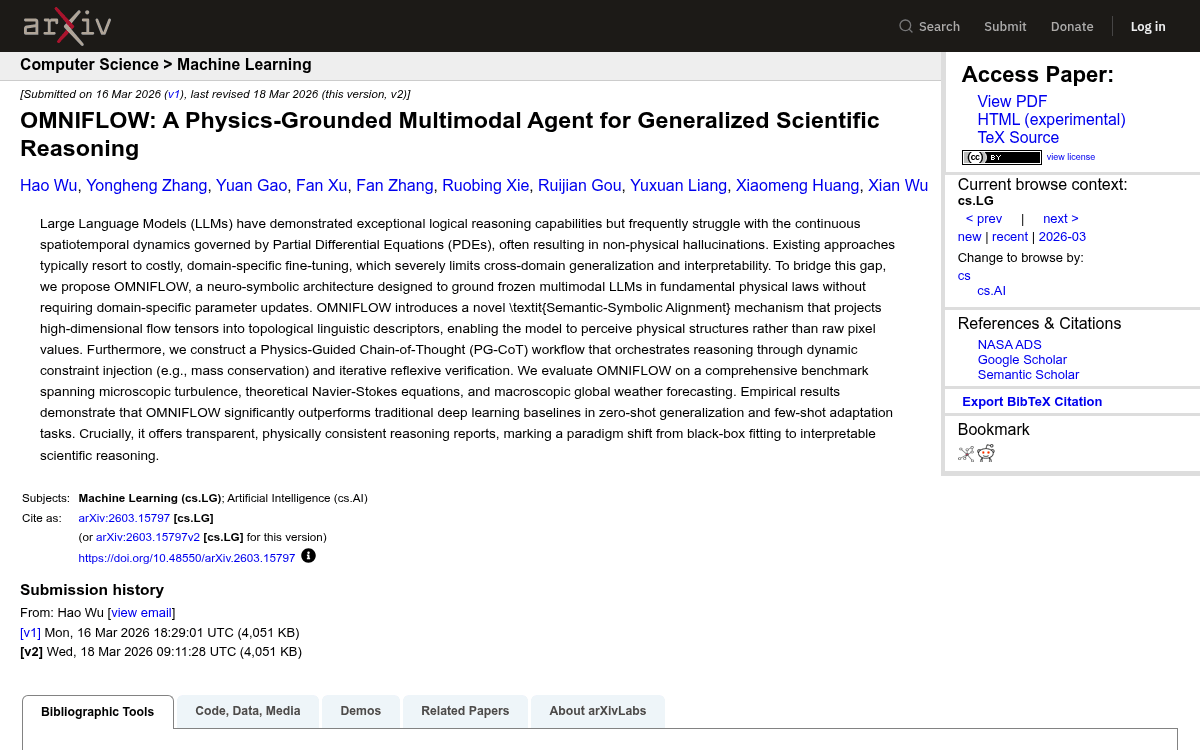
A new neuro-symbolic framework wraps frozen multimodal LLMs in physics-aware reasoning loops, matching specialized weather models without any fine-tuning.
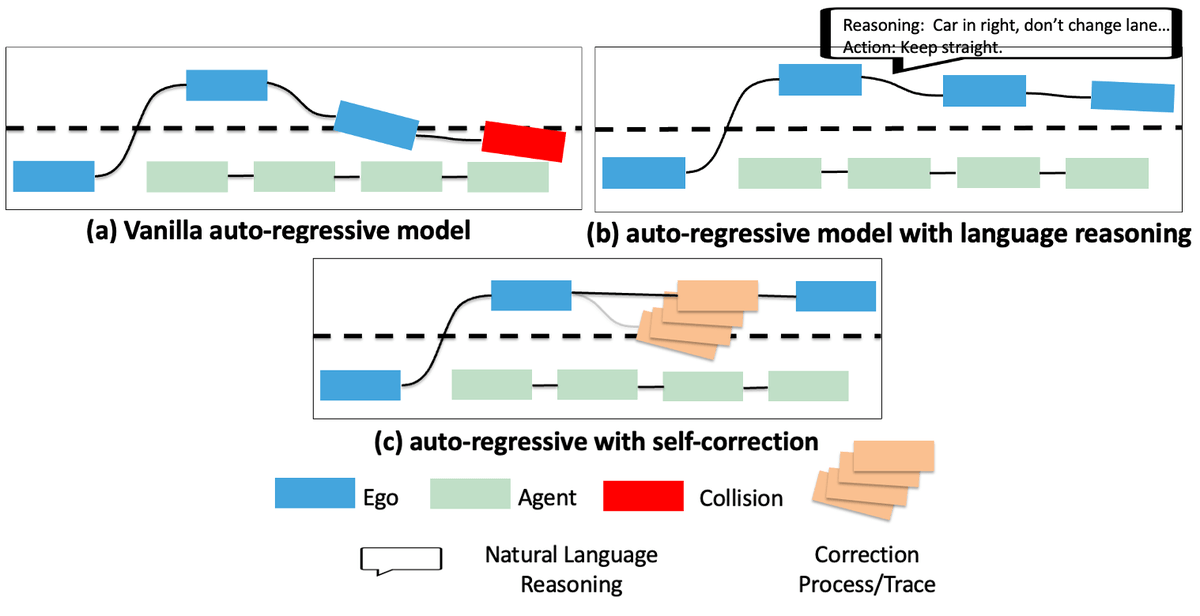
A new autonomous driving planner borrows self-correction from LLMs, iteratively rejecting unsafe moves to cut collisions by more than 20%.
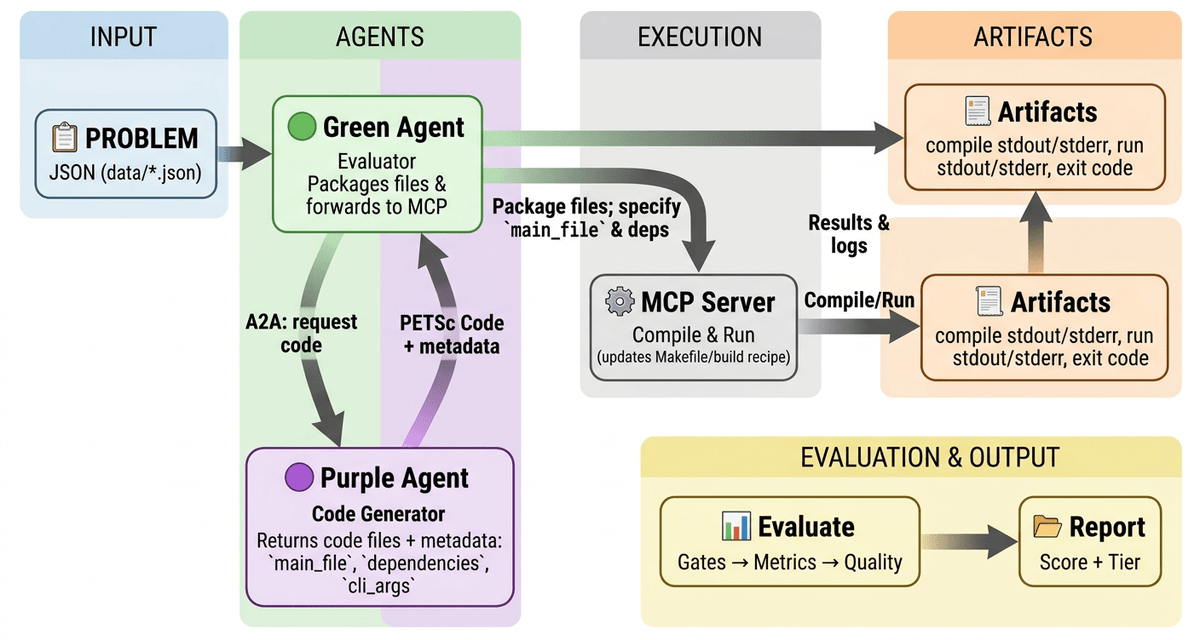
A new benchmark from Argonne shows frontier LLMs can write clean scientific code but fumble the library conventions that matter in real HPC work.