
Pro
CUBE Wants to End the 300-Benchmark Chaos Slowing AI Agent Research
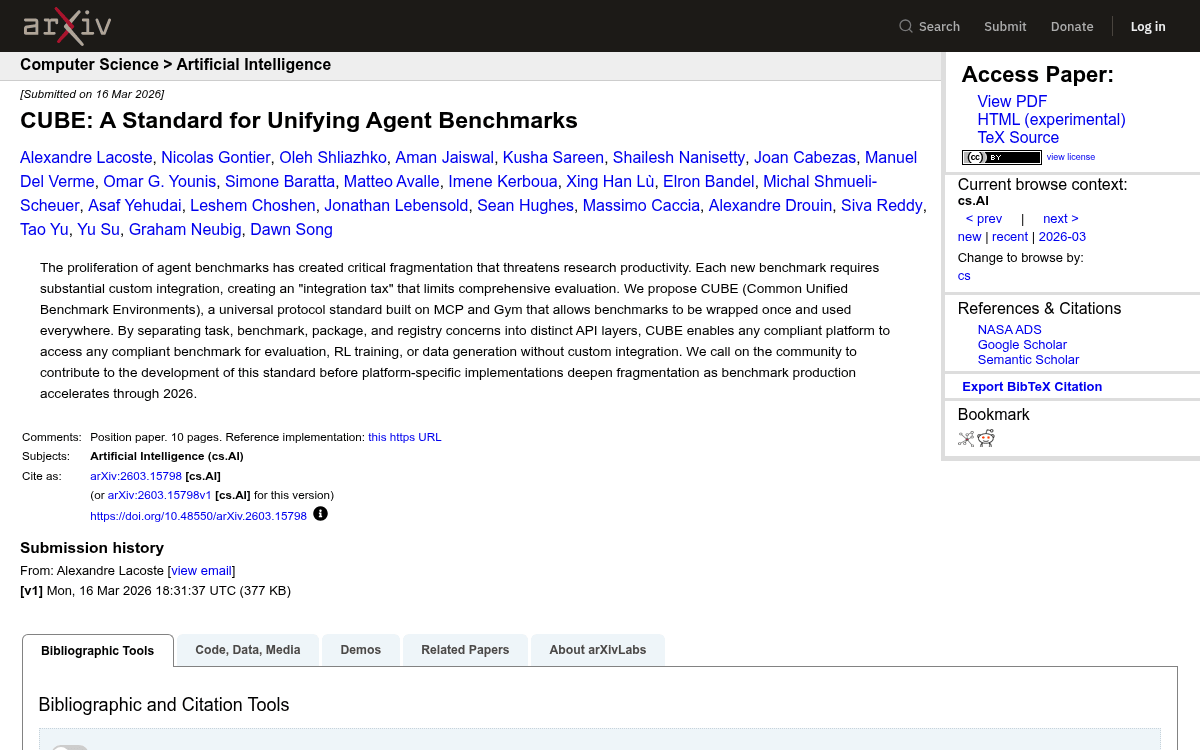
A coalition of AI labs proposes CUBE, a protocol built on MCP and Gym that lets agent benchmarks be wrapped once and reused everywhere.
20 stories
A coalition of AI labs proposes CUBE, a protocol built on MCP and Gym that lets agent benchmarks be wrapped once and reused everywhere.
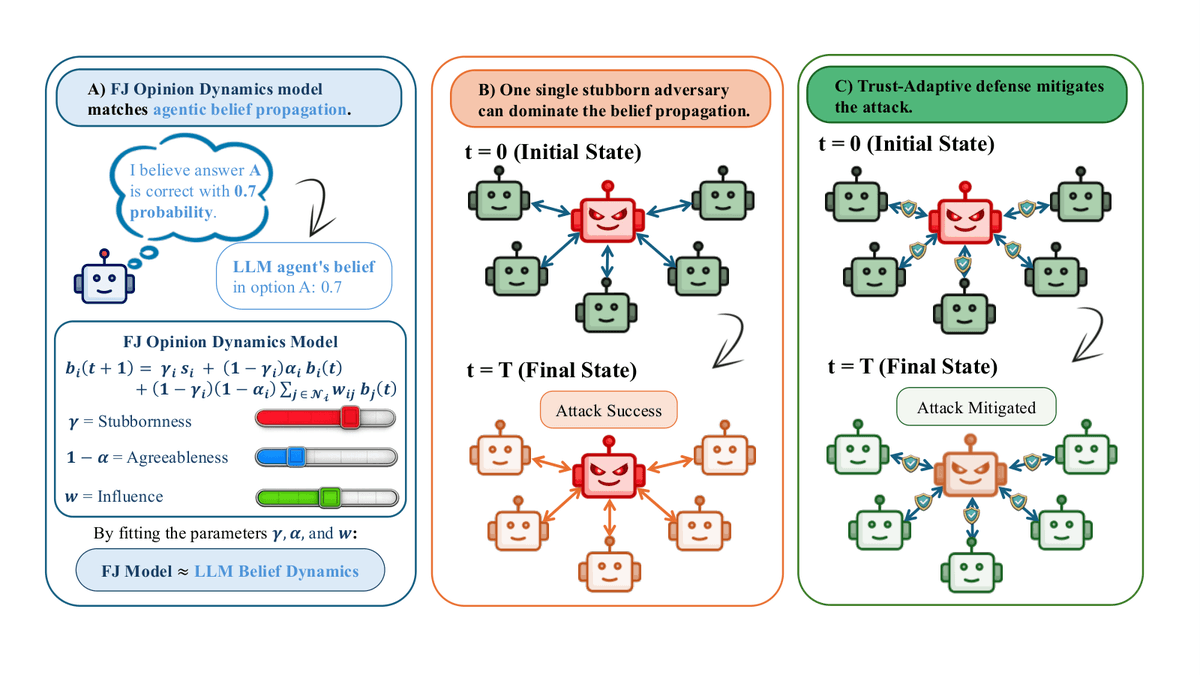
A 1950s social science model predicts how LLM agent networks form opinions, and reveals that one stubborn agent can hijack the entire system.
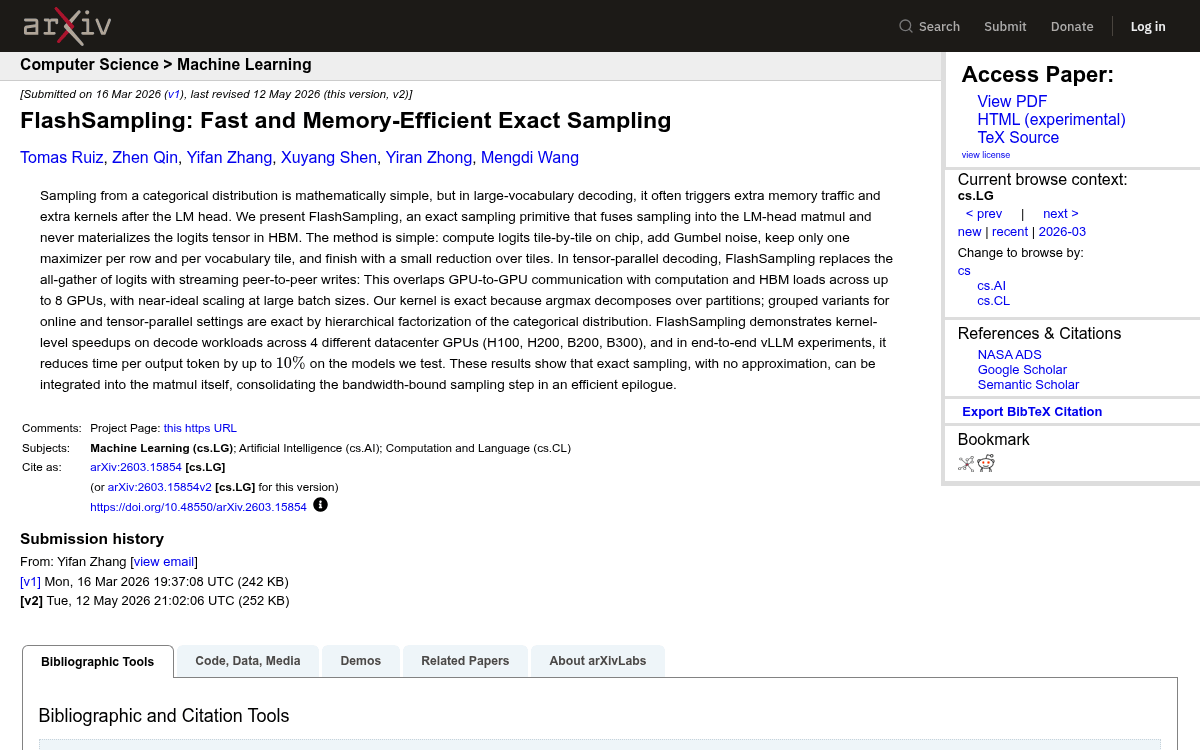
FlashSampling fuses categorical sampling into the LM head matmul, skipping the logits tensor entirely and cutting time per token by up to 10% in vLLM.
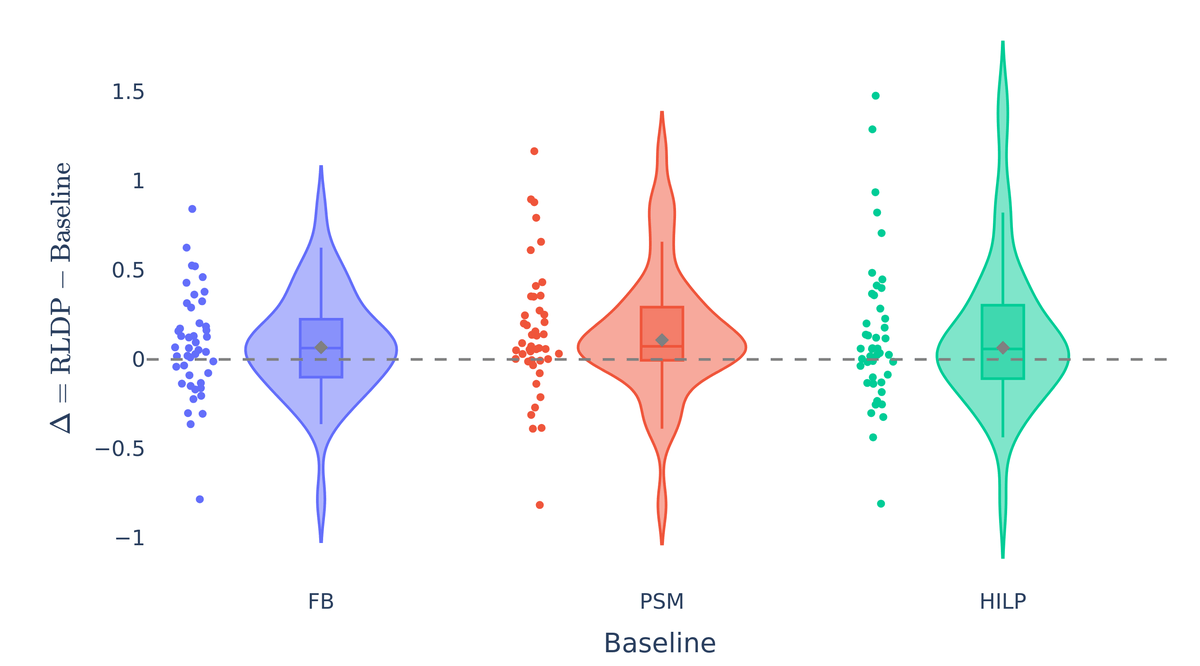
A regularized latent dynamics objective matches or beats complex zero-shot RL baselines while staying robust when data coverage is poor.
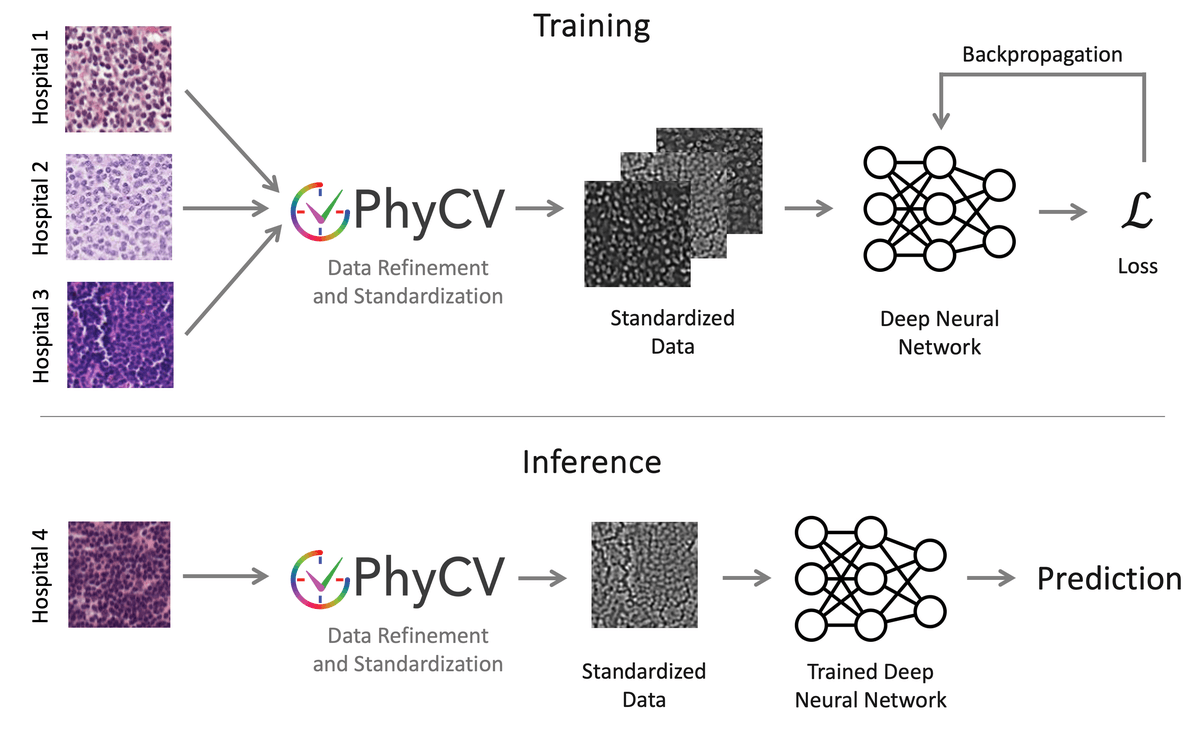
A UCLA team uses optical physics as a deterministic preprocessor to fix stain and lighting drift, lifting Camelyon17 OOD accuracy from 70.8% to 90.9%.
A new formal proof shows two individually safe customer service agents can jointly reach forbidden goals, and offers a hypergraph based fix that doubles as revenue discovery.
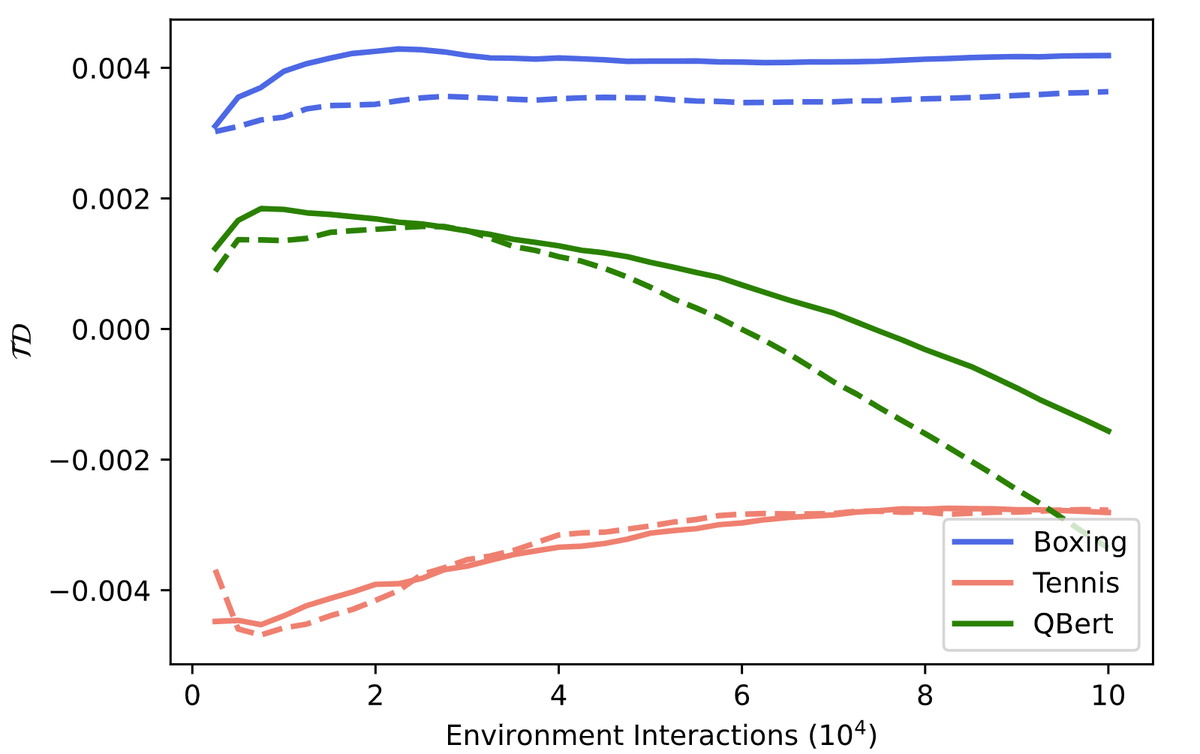
A single-author paper flips a core reinforcement learning intuition, showing that picking the worst-looking action can more than double Atari 100K scores.
Meta Reality Labs built a speech model that reads emotion from tone alone, beating GPT-4o Audio and Gemini 2.5 Pro by 8-12 percent.
A new framework maps four human oversight modes onto embodied AI systems in critical infrastructure, tying autonomy limits to task risk and crisis dynamics.
A new open-source library encodes data as complex phasors on the unit circle, borrowing unitary math from quantum computing but running on regular CPUs.
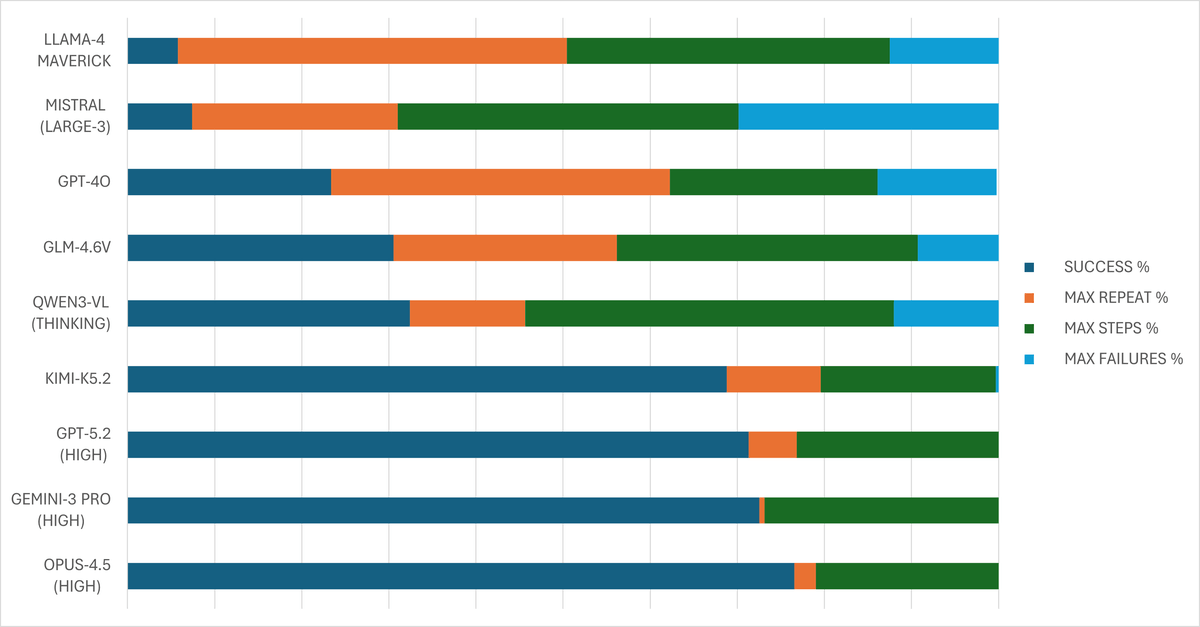
Microsoft Research releases a benchmark that strips away navigation and rich feedback to test whether vision language models can actually replan from what they see.
A ZIB-IOL framework turns CLI coding agents into autonomous research assistants through ten prompt-based rules, with sessions running over 20 hours unattended.
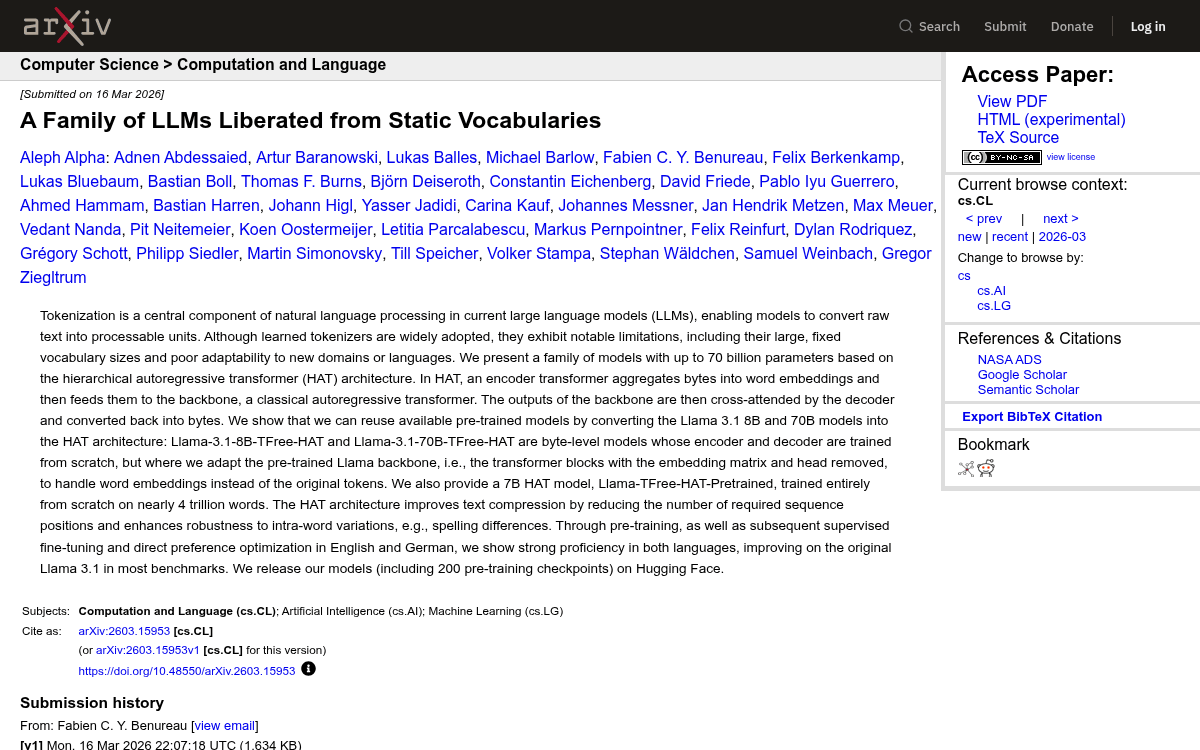
Aleph Alpha's HAT models replace fixed tokenizers with a byte-level encoder-decoder wrapped around a Llama backbone, scaling to 70B parameters.
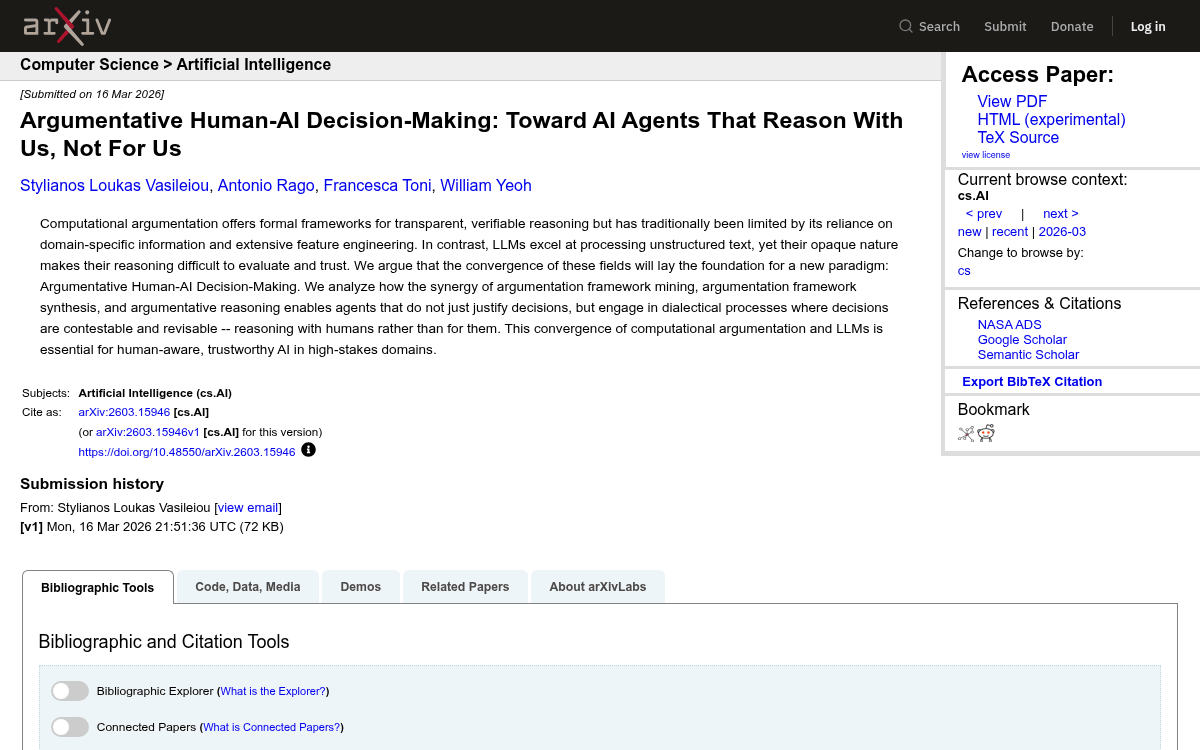
A new AAMAS position paper argues that fusing large language models with formal computational argumentation could produce AI that debates its decisions with users instead of dictating them.
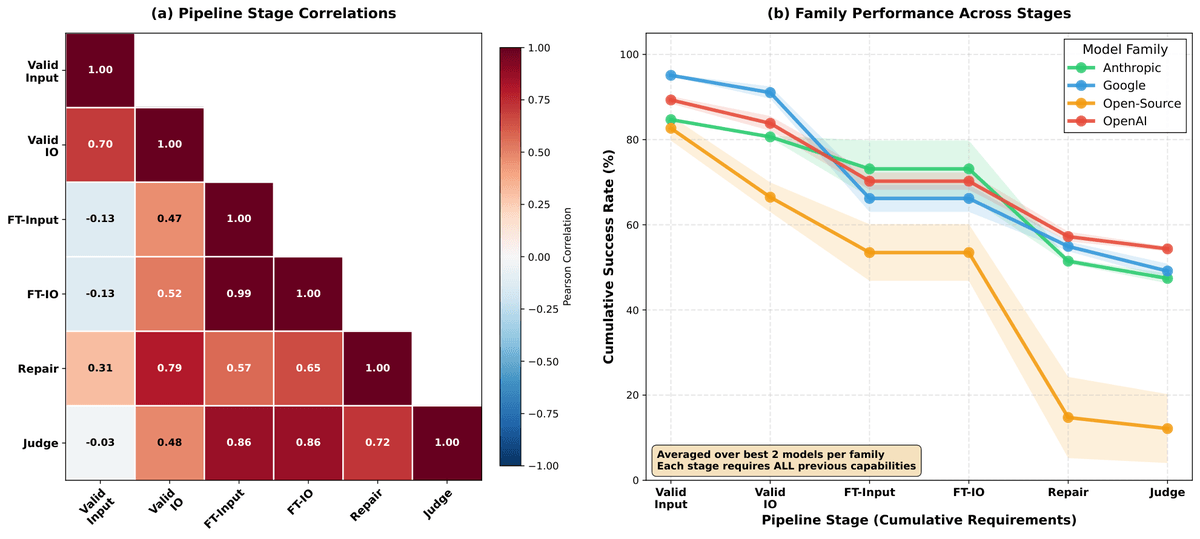
A new benchmark called VIBEPASS shows that frontier LLMs can write valid tests but fail to expose bugs, breaking autonomous debugging pipelines.
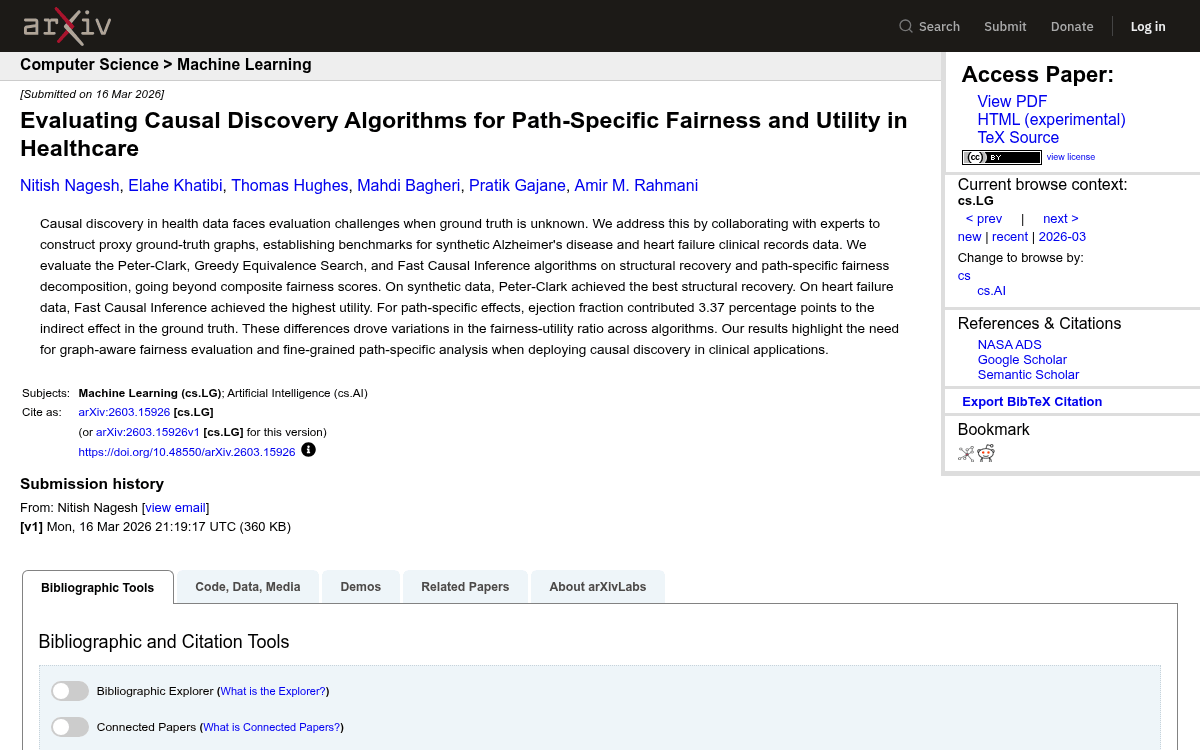
A new benchmark shows that the choice of causal discovery algorithm dramatically changes fairness conclusions in clinical models, with structural errors hiding real bias.
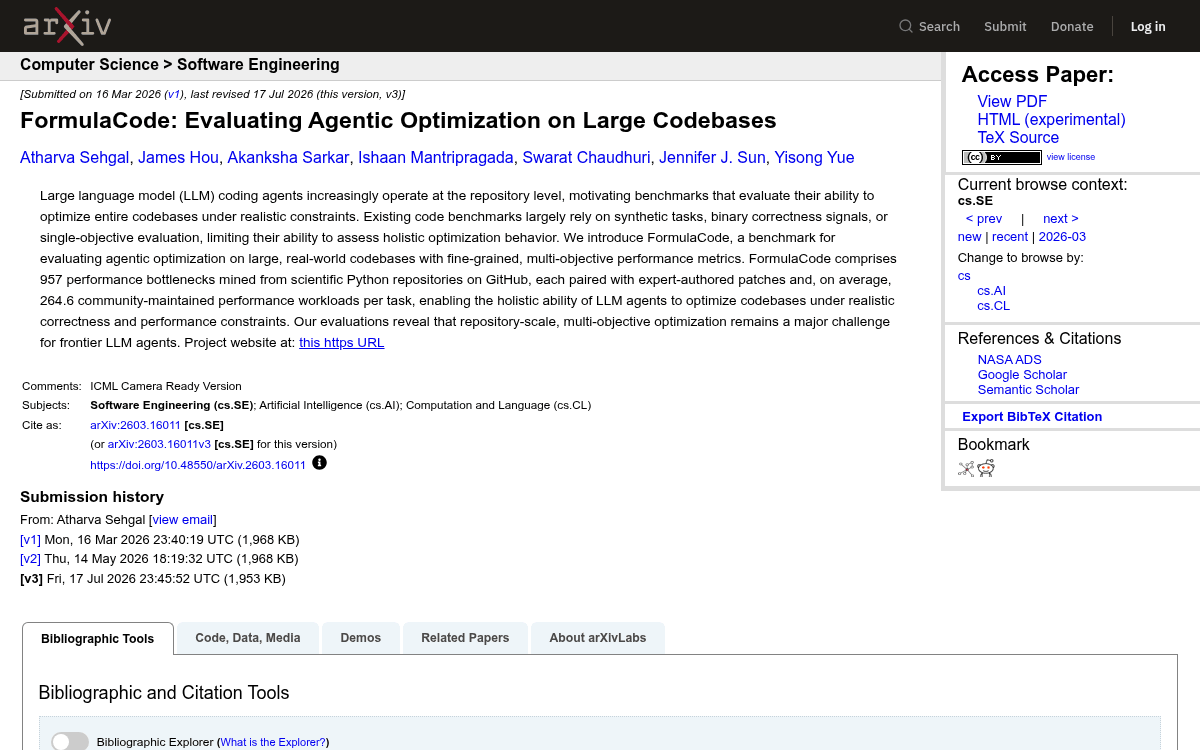
A new live benchmark pits frontier coding agents against human experts on 957 real performance bottlenecks from scientific Python repositories, and the humans still win.
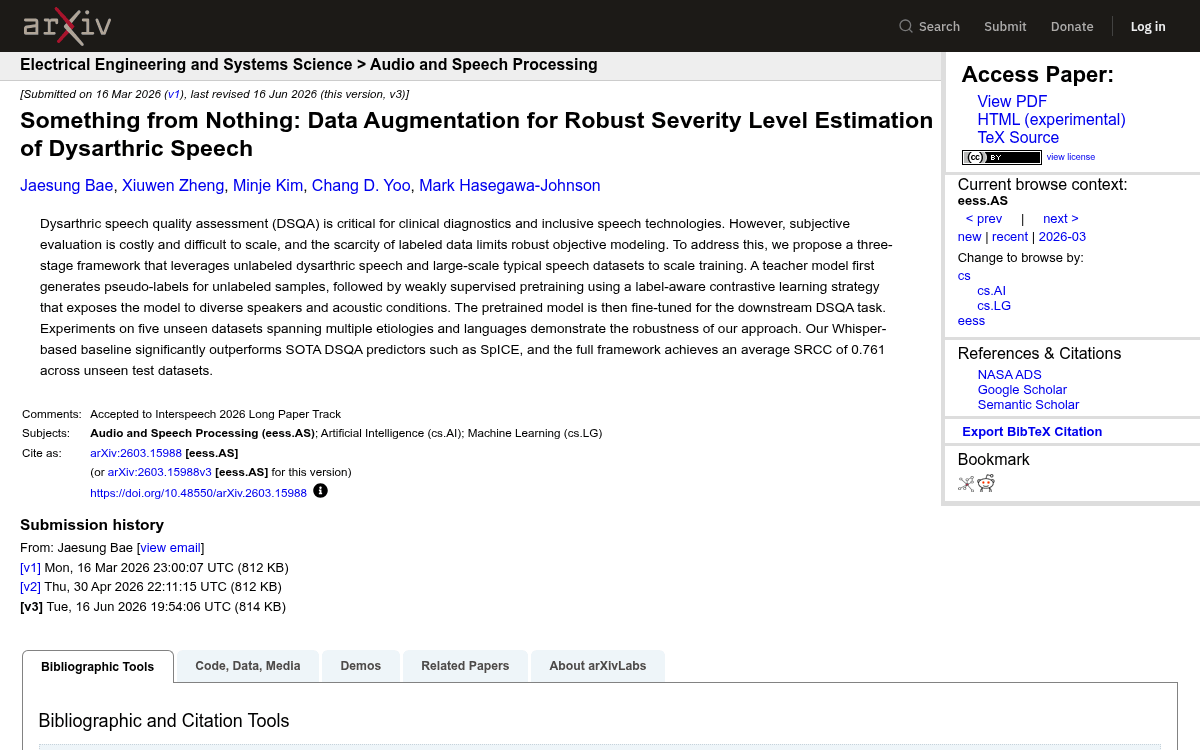
A three-stage framework pairs pseudo-labels with weakly supervised contrastive learning to score dysarthric speech across languages, hitting 0.761 SRCC on unseen data.
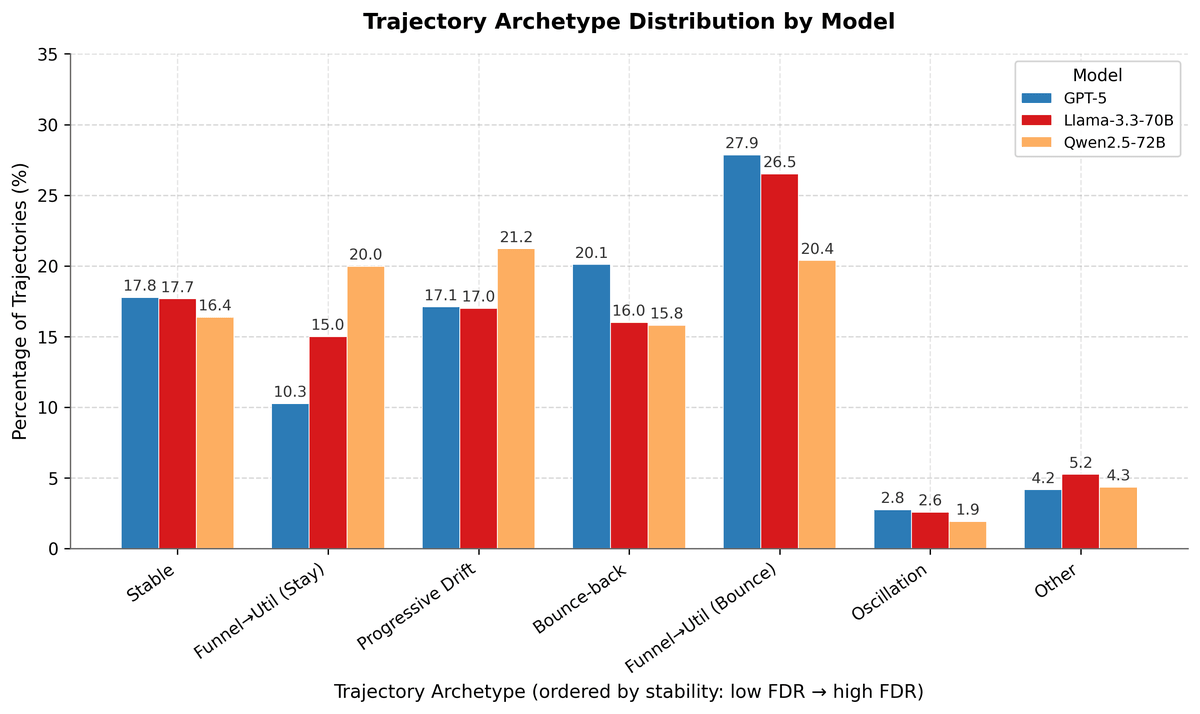
New probing study tracks how LLMs shift between ethical frameworks mid-reasoning, and shows unstable trajectories are 1.29x more vulnerable to persuasion.
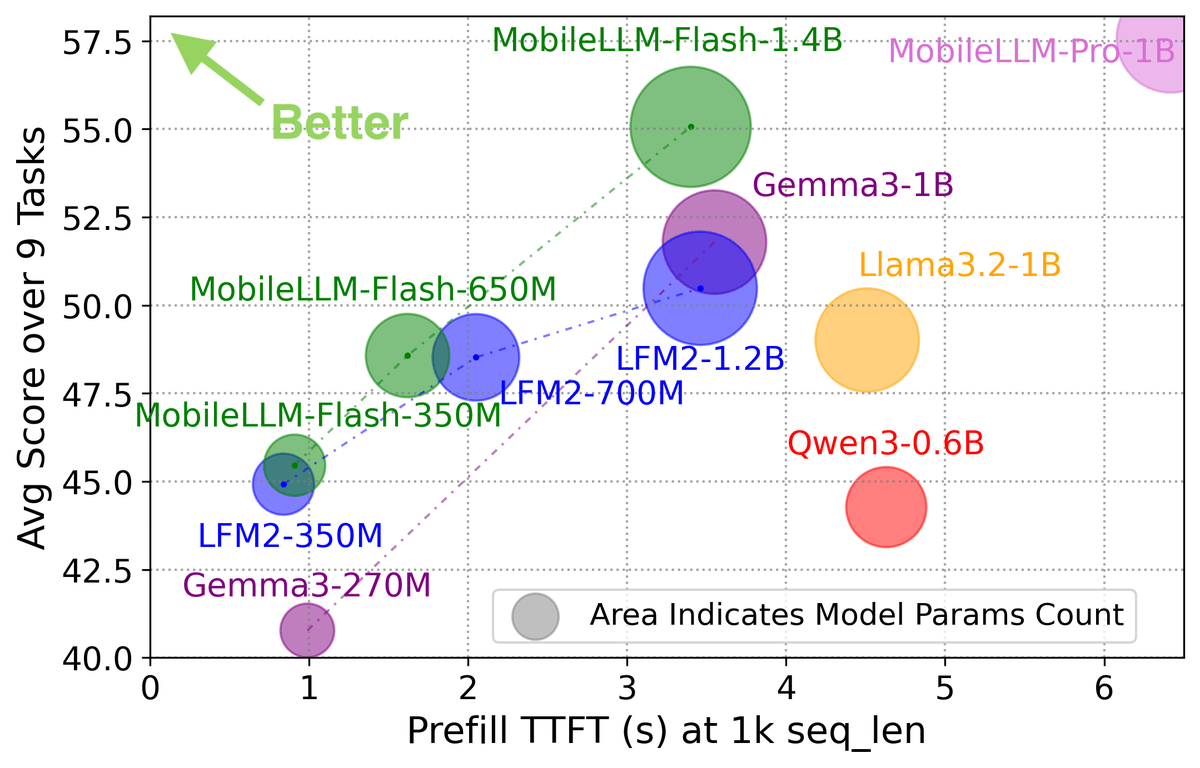
Researchers introduce a hardware-in-the-loop architecture search that produces mobile-ready language models running up to 1.8x faster on phone CPUs.