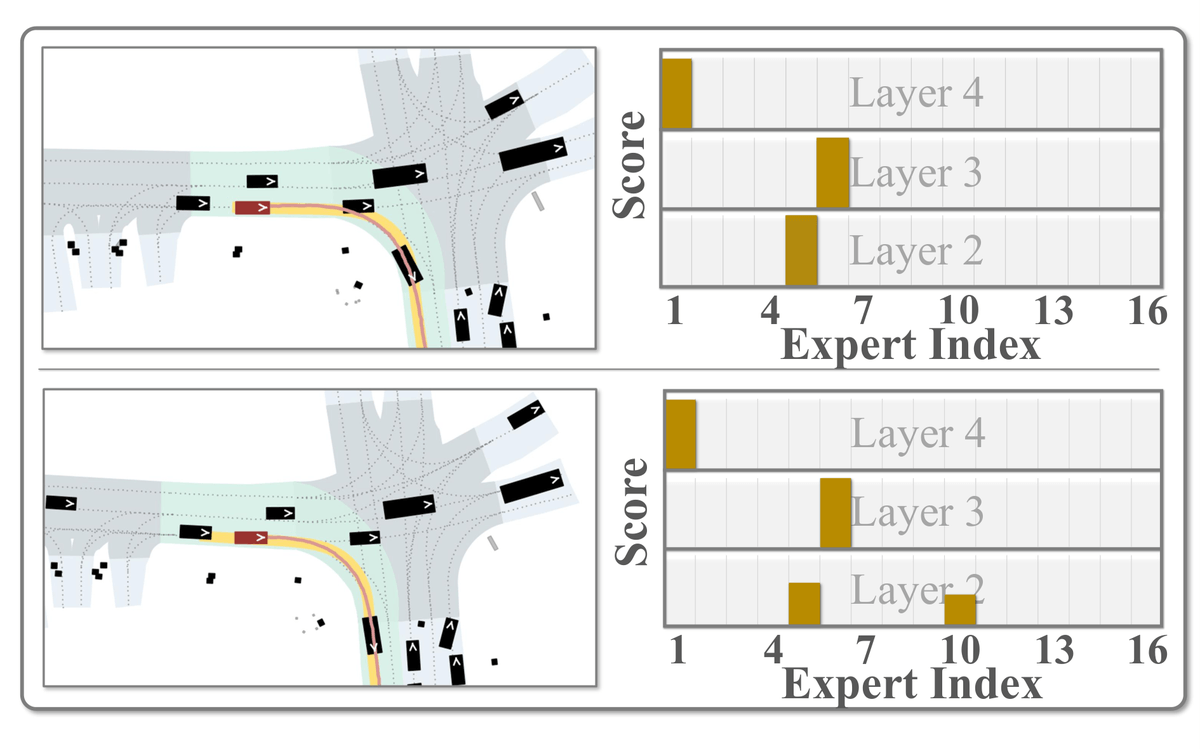
A new imitation learning planner adds scene-relational forecasting and mixture-of-experts decoding to push nuPlan closed-loop scores past prior state of the art.
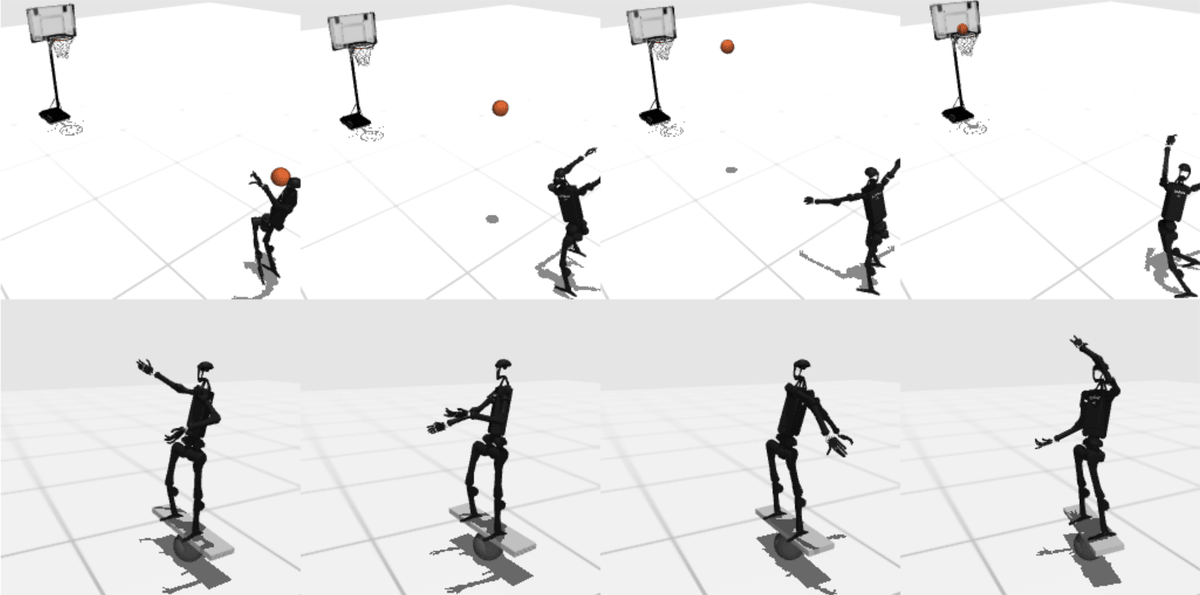
A new framework called FastDSAC brings stochastic maximum entropy reinforcement learning back into the humanoid control conversation, matching or beating deterministic baselines on 35 tasks.
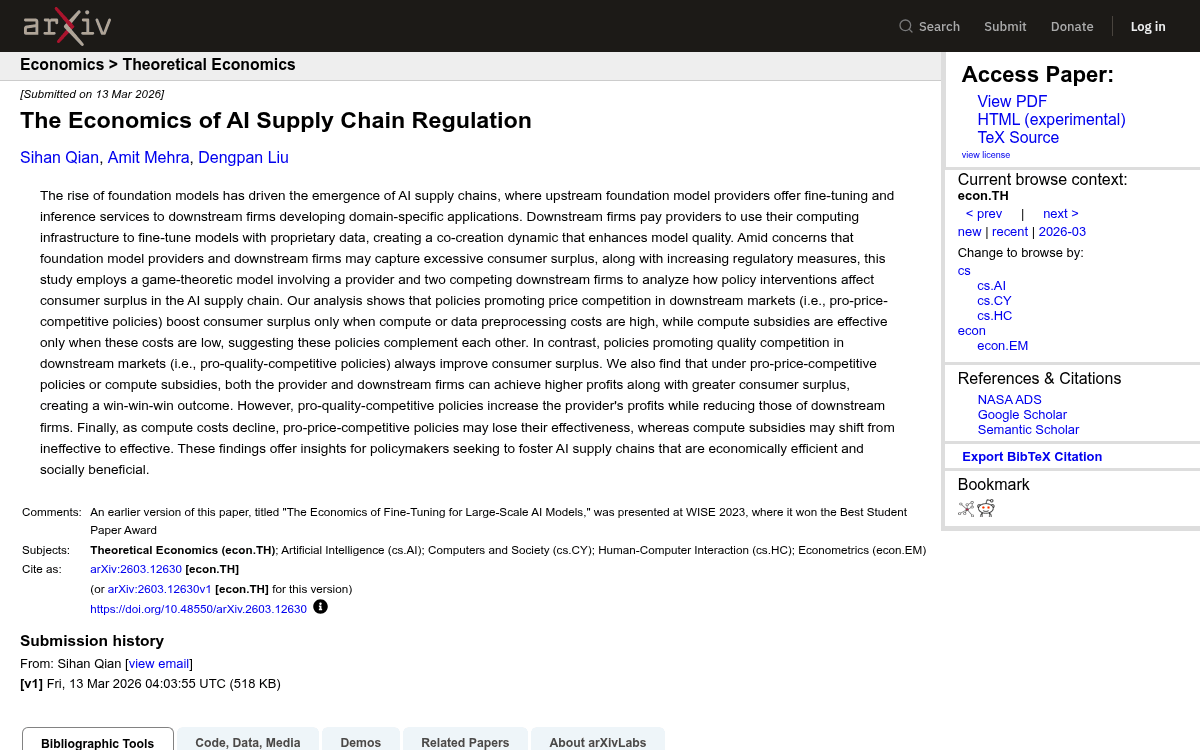
A game-theoretic model reveals when compute subsidies, price-competition rules, and quality-competition rules actually help consumers in AI markets, and when they backfire.
A new compression paradigm called expert replacing swaps out redundant MoE experts for parameter-efficient modules, matching LoRA at 30% compression and beating rivals at 50%.
A new survey reframes continual learning across pretraining, fine-tuning, and alignment through a knowledge dynamics lens of collision, isolation, and fusion.
A new taxonomy maps LLM web agents to classical search algorithms, adds five trajectory-level metrics, and releases 794 human-annotated WebArena traces.
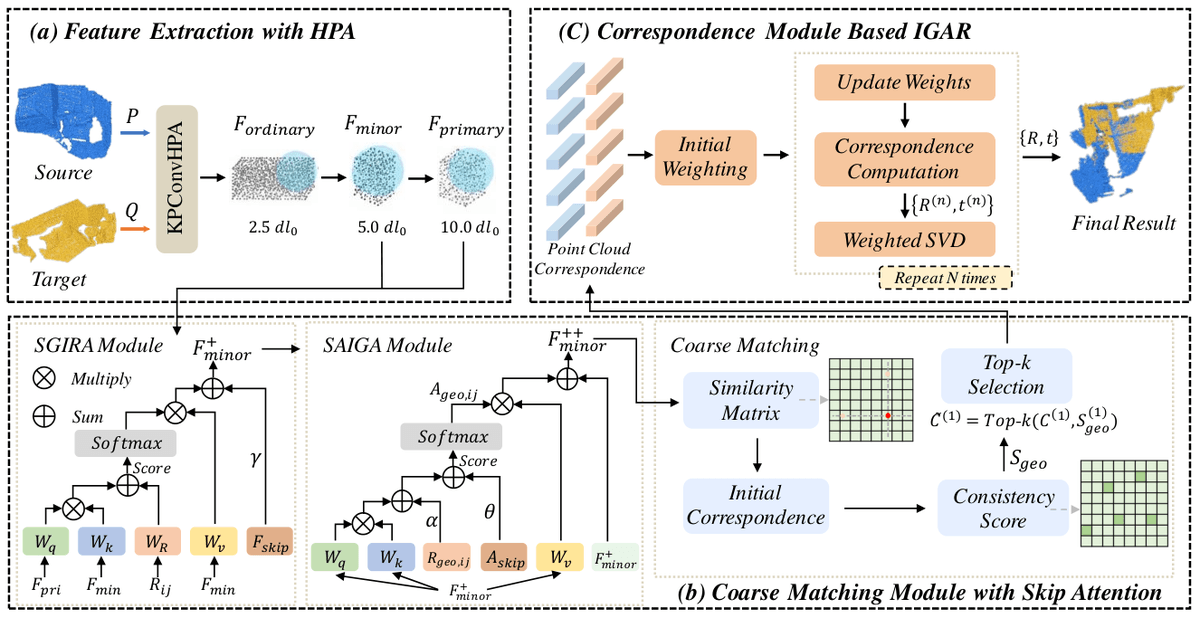
A new research paper introduces IGASA, a point cloud registration framework combining hierarchical attention with iterative geometric refinement across four 3D vision benchmarks.
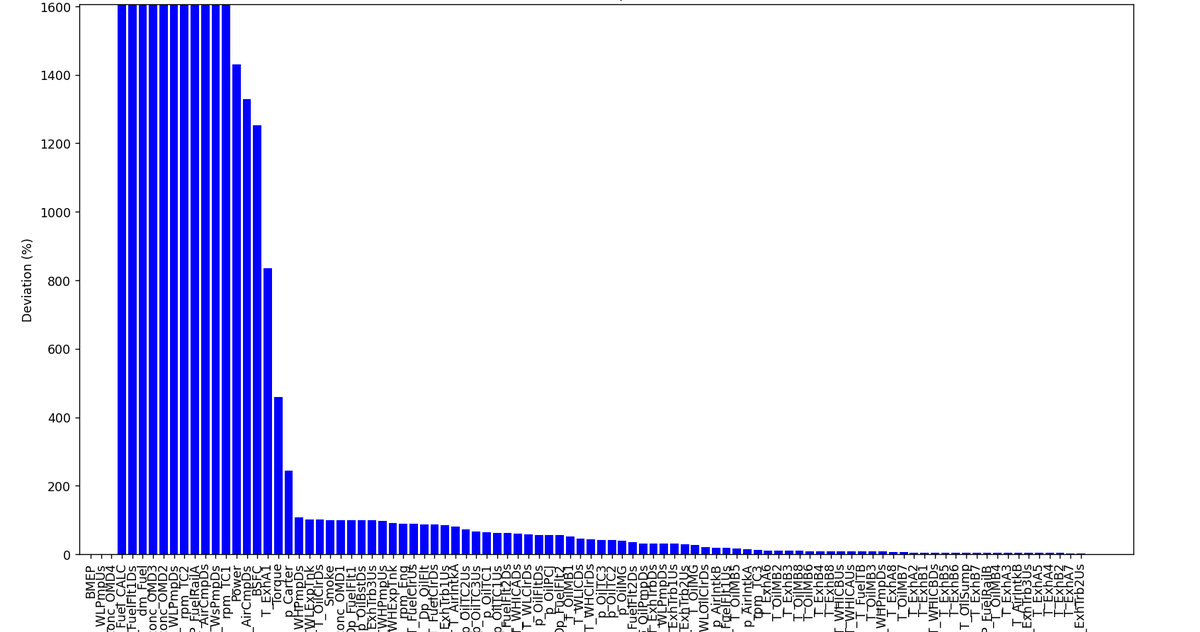
A Random Forest watching the second derivative of sensor drift spots a marine engine bearing collapse thousands of seconds before conventional alarms fire.
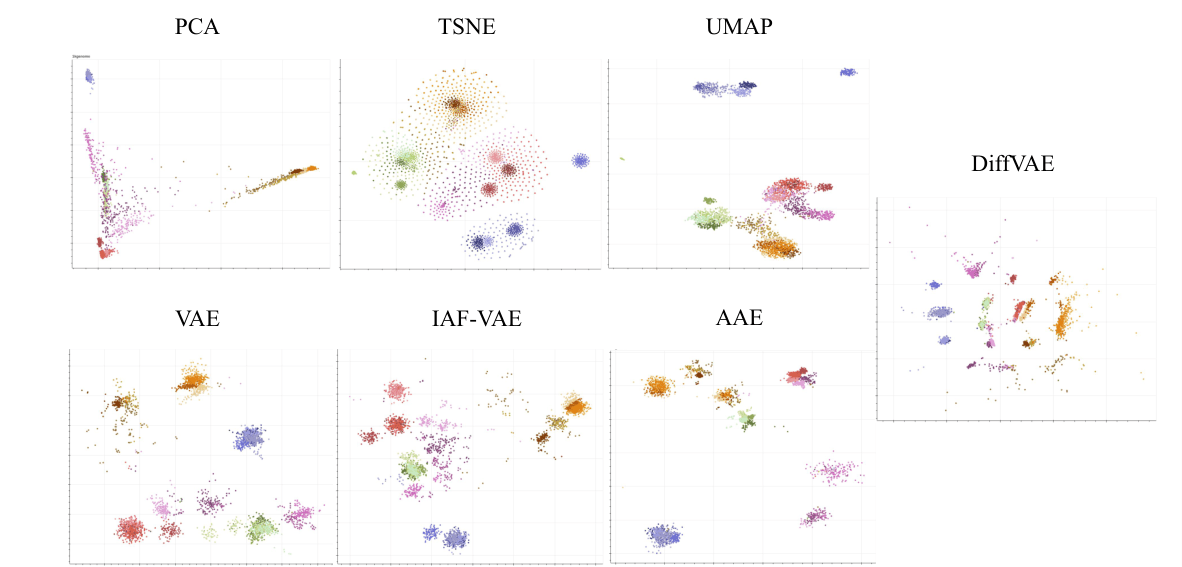
A new black-box inference method swaps Gaussian encoders for diffusion posteriors, giving VAEs sharper latent structure and better ancestry clustering on real genomes.
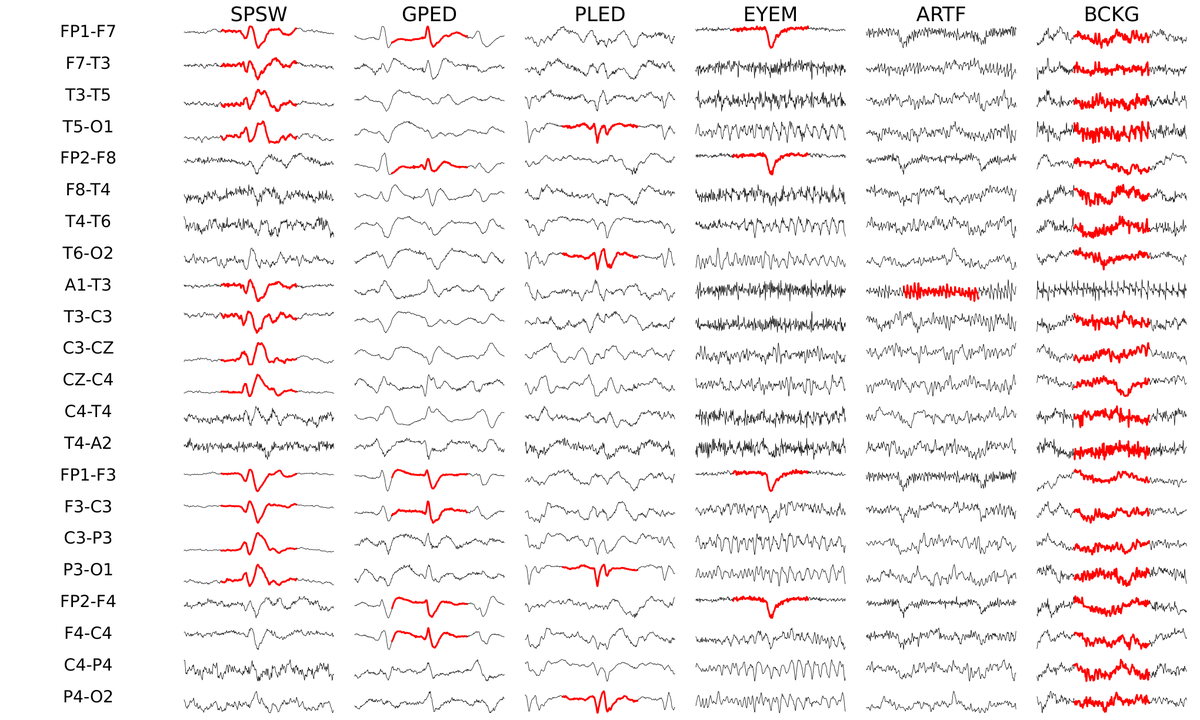
A research team introduces Nested Deep Learning, a spike detection framework that adapts across EEG/MEG channel setups and pinpoints where spikes originate.
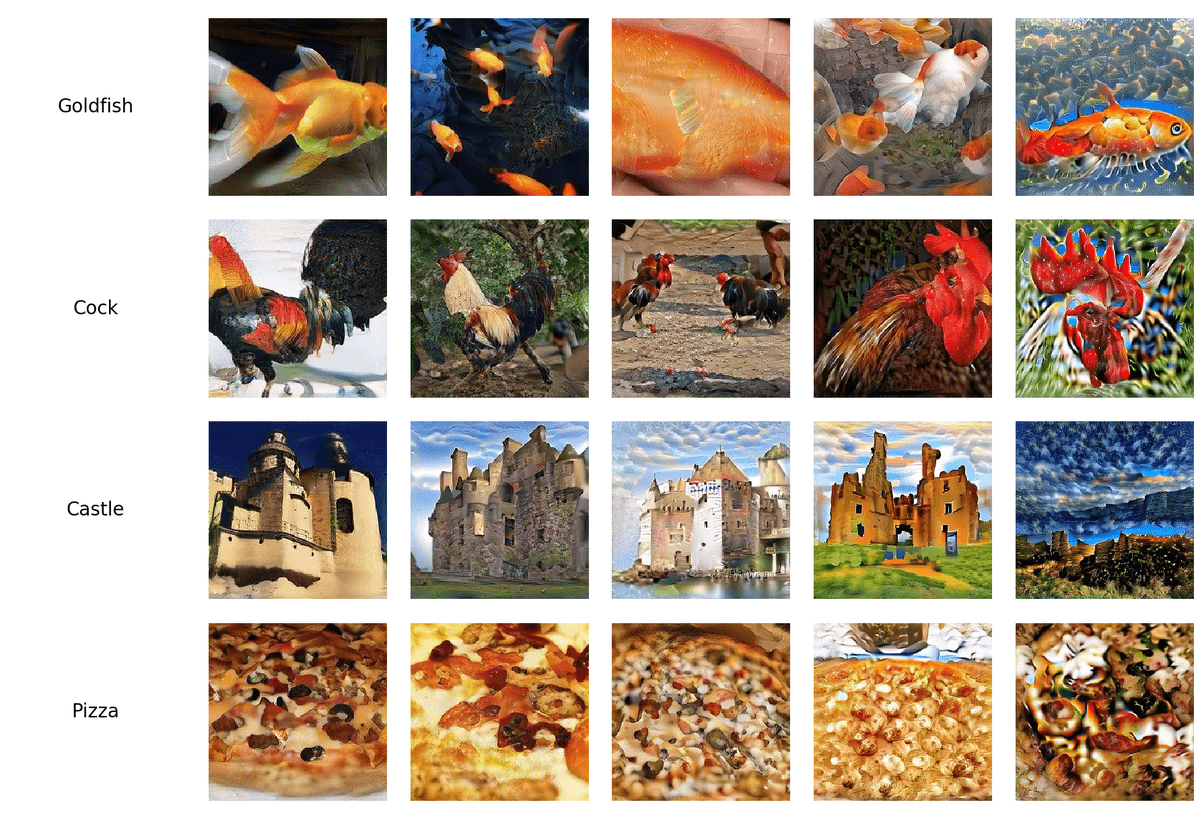
A new spectral filtering framework unifies fragmented dataset distillation methods and produces a curriculum-based technique that beats existing baselines on ImageNet-1K.
A tiny tweak to next-token prediction, randomly masking 15% of tokens, dramatically boosts long-context retrieval without any architecture change or extra compute.
A new theoretical analysis explains why deep graph neural networks get stuck during training, revealing spurious stationary points unique to GNN architectures.
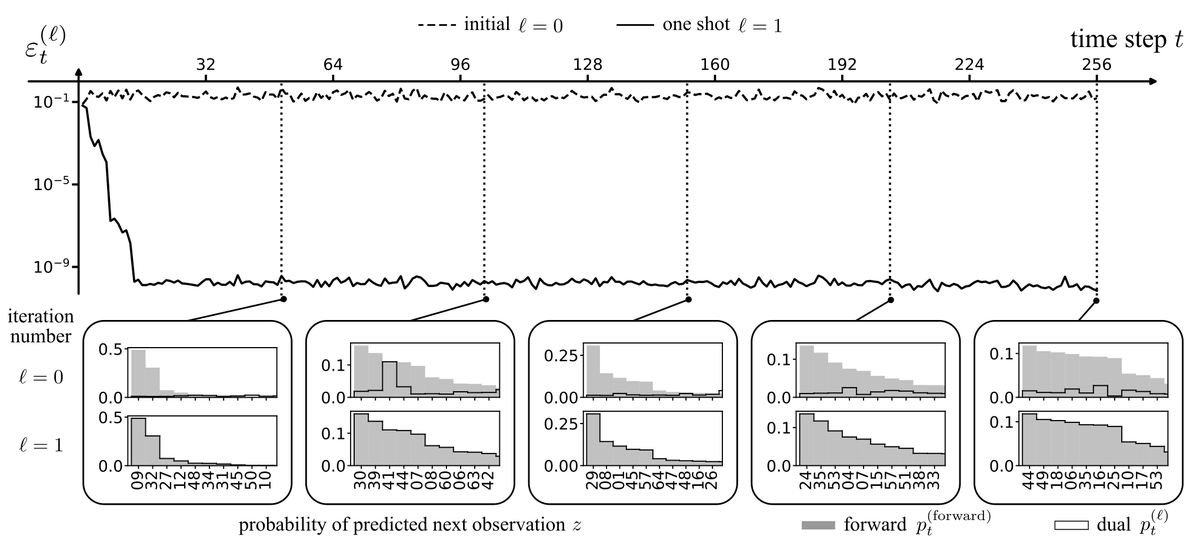
A new paper derives transformer-like architectures from first principles by reformulating next-token prediction as an optimal control problem over hidden Markov models.