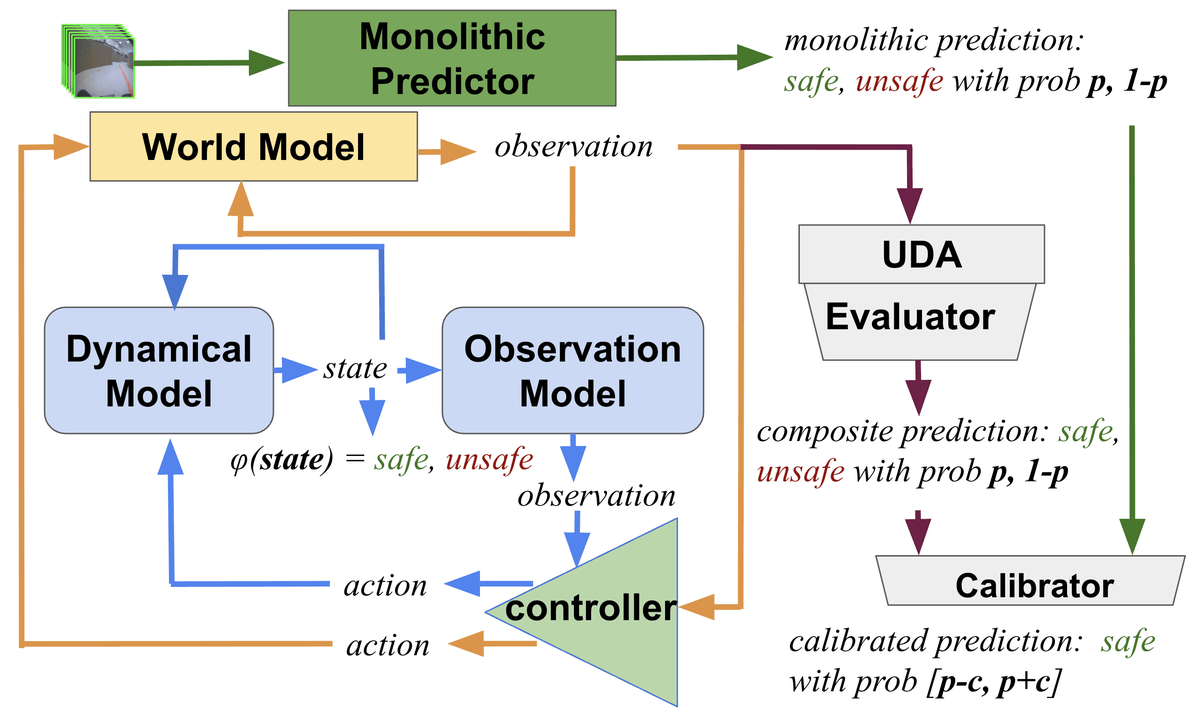
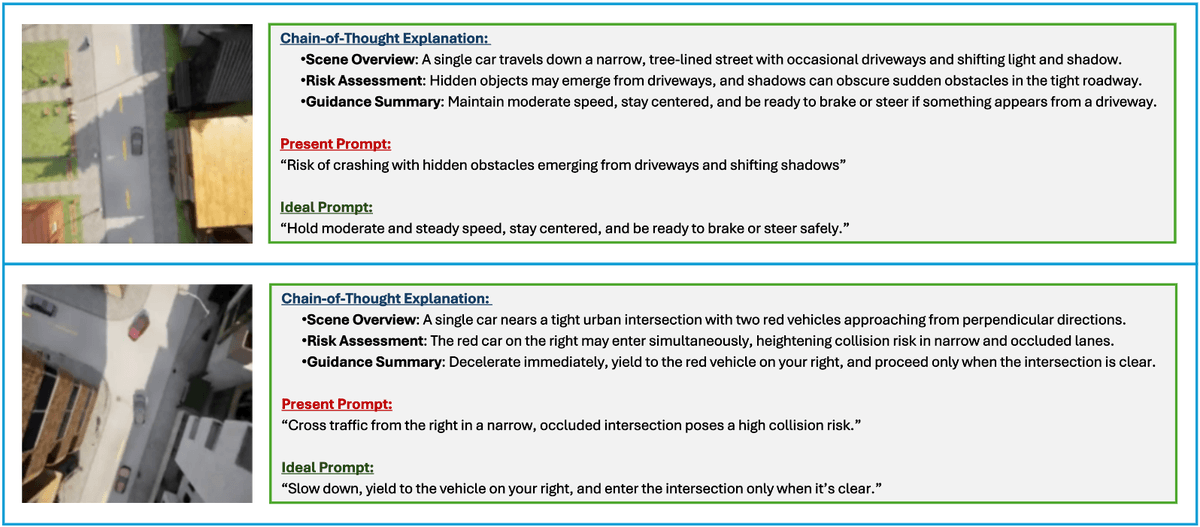
A University of Florida team built a framework that predicts whether a camera-controlled robot will stay safe, with statistical guarantees and no access to internal state.
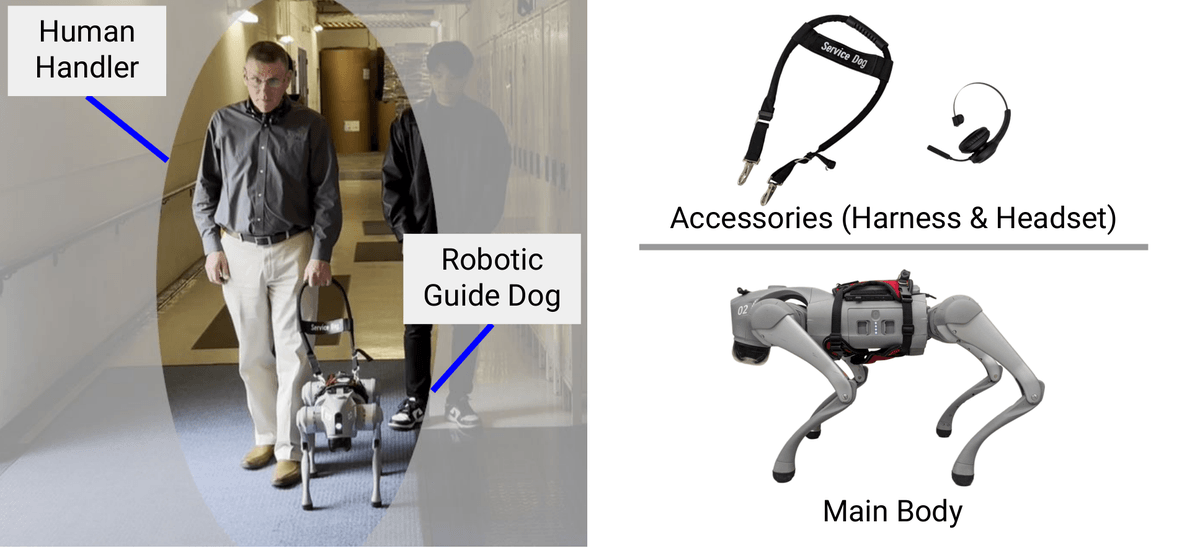
SUNY Binghamton researchers built a quadruped guide dog that talks back, combining LLMs with symbolic planning to help visually impaired handlers navigate collaboratively.
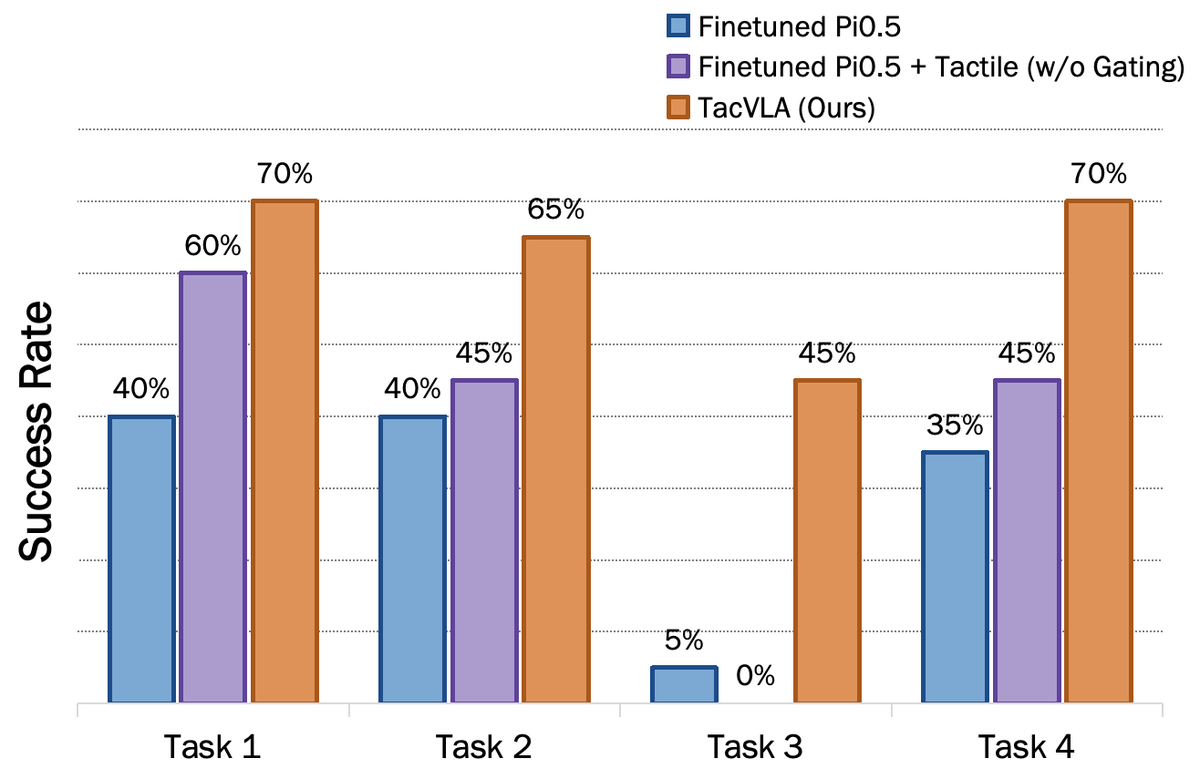
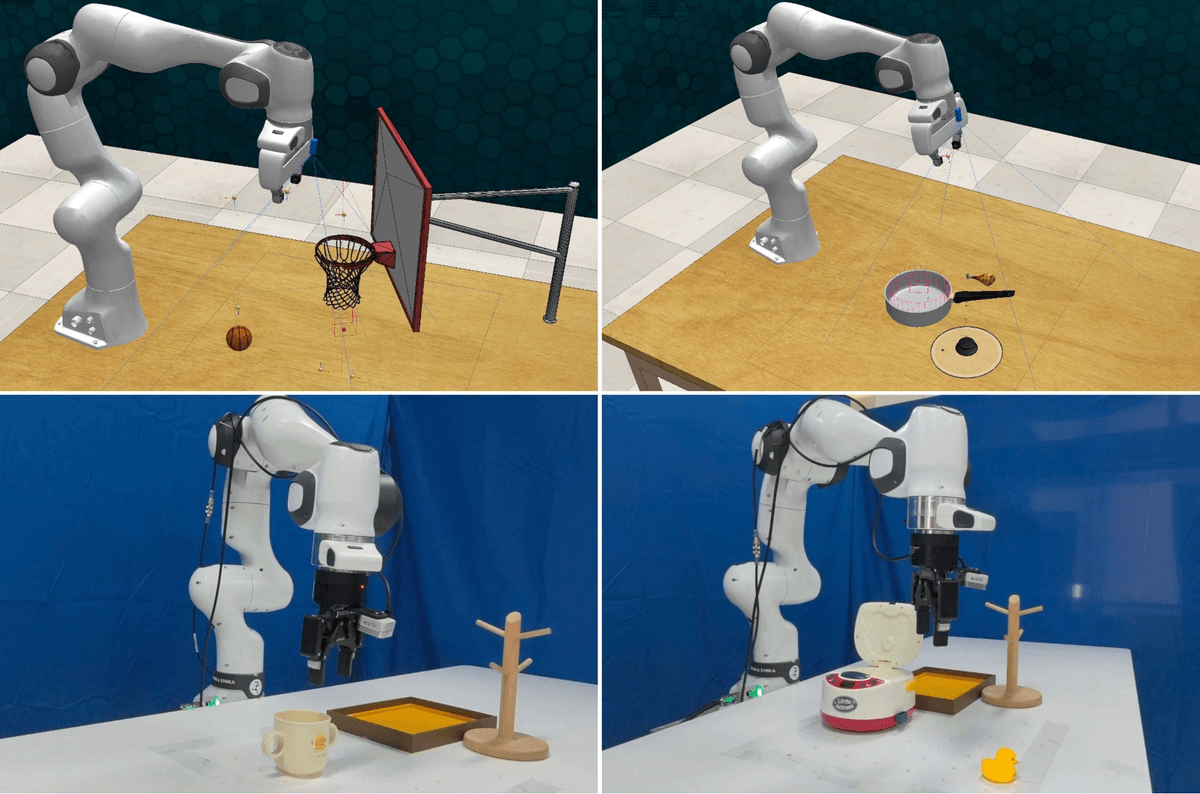
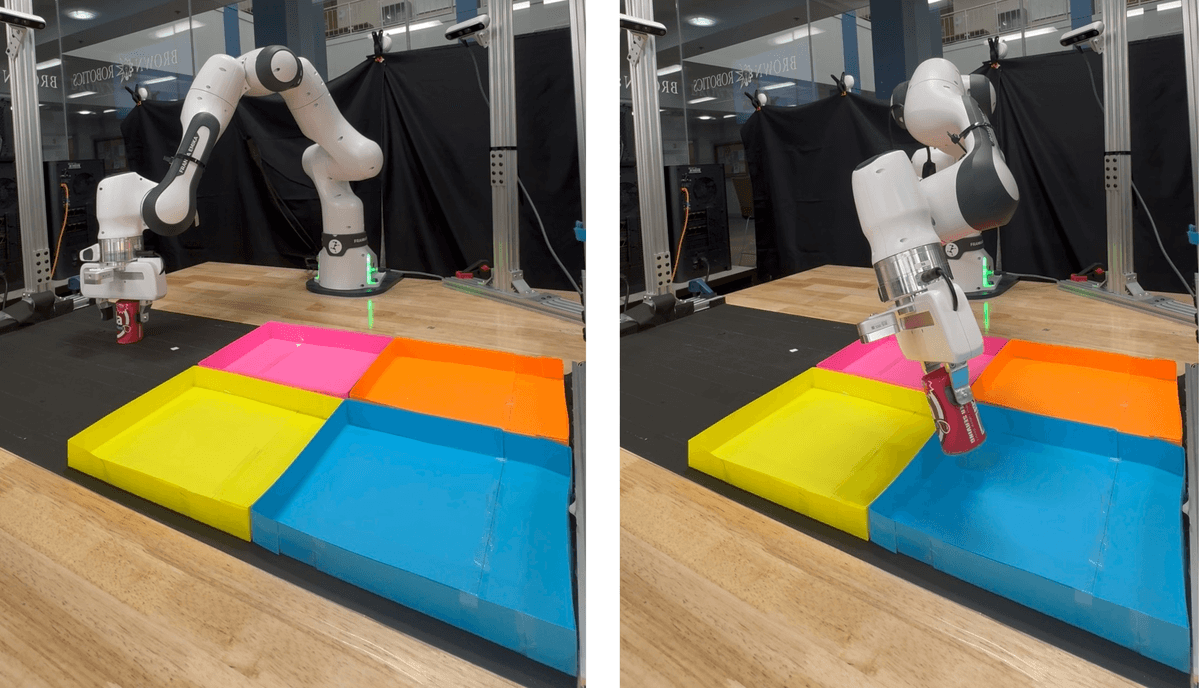
A tactile-aware extension of Pi0.5 selectively activates touch tokens only during physical contact, boosting disassembly success by 20% and in-box picking by 60%.
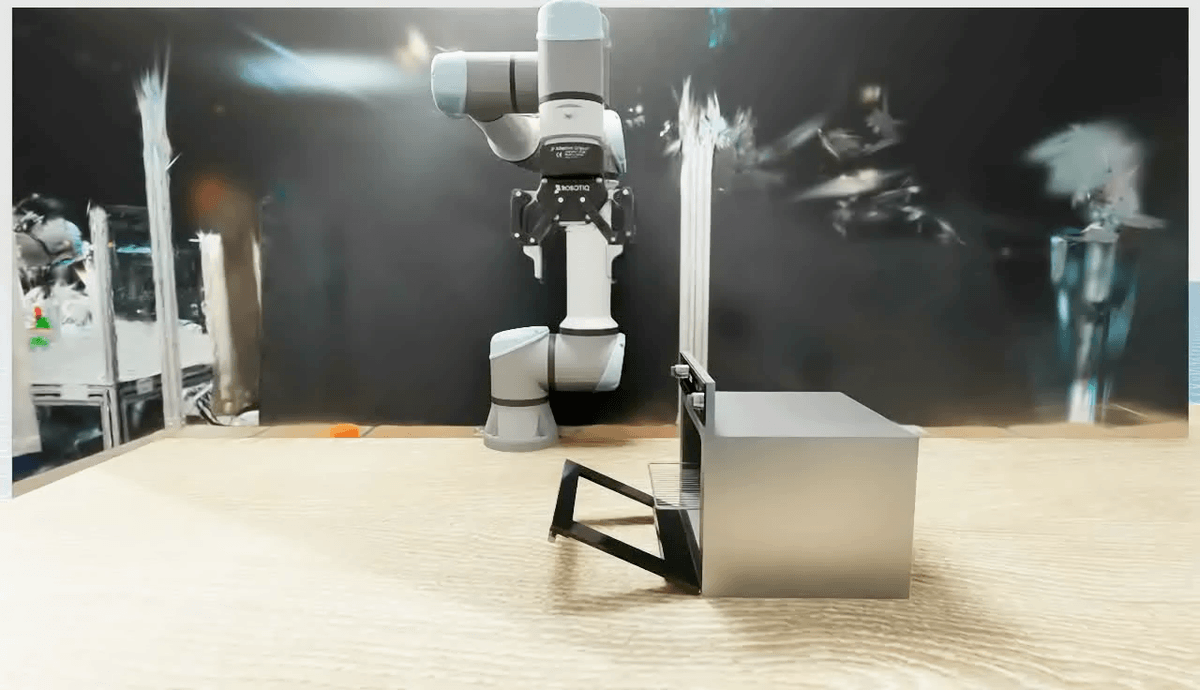
A new interactive imitation learning framework replaces most human teleoperation with a one-shot model-based expert, cutting operator burden four to five times.
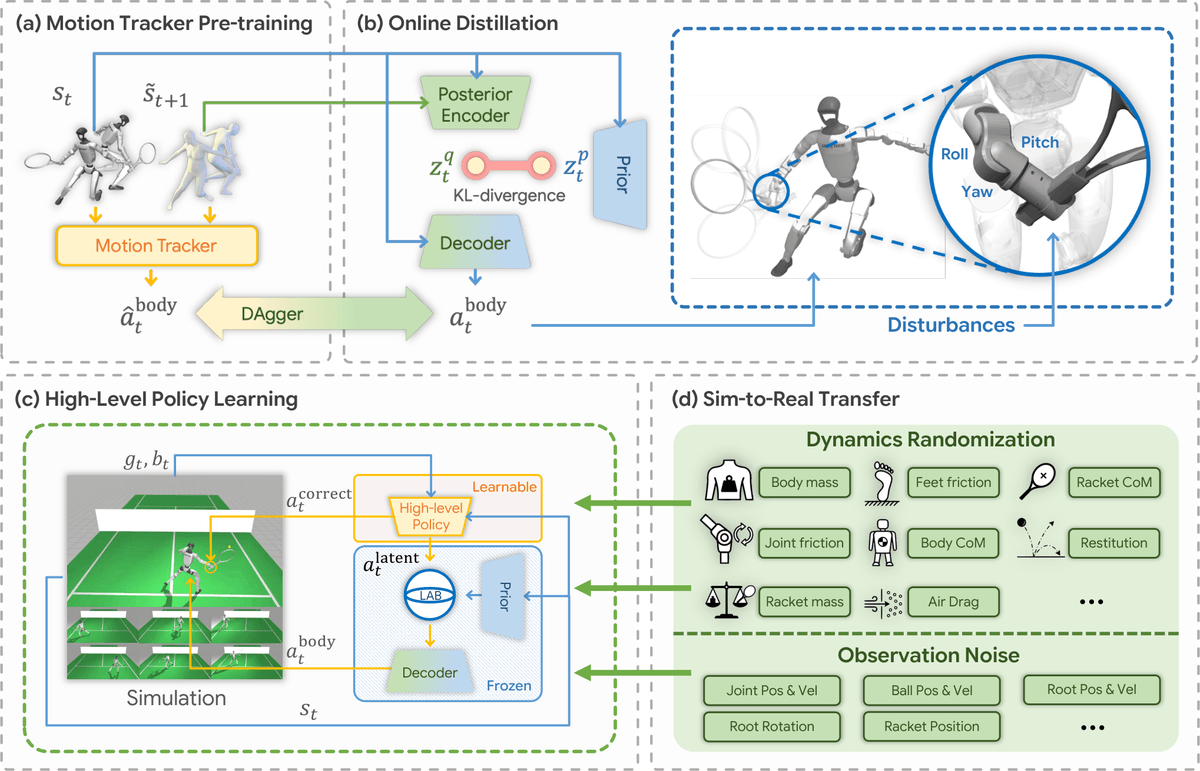
A Unitree G1 humanoid learns competitive tennis rallies from just five hours of primitive motion clips, not full match capture, and transfers to reality.
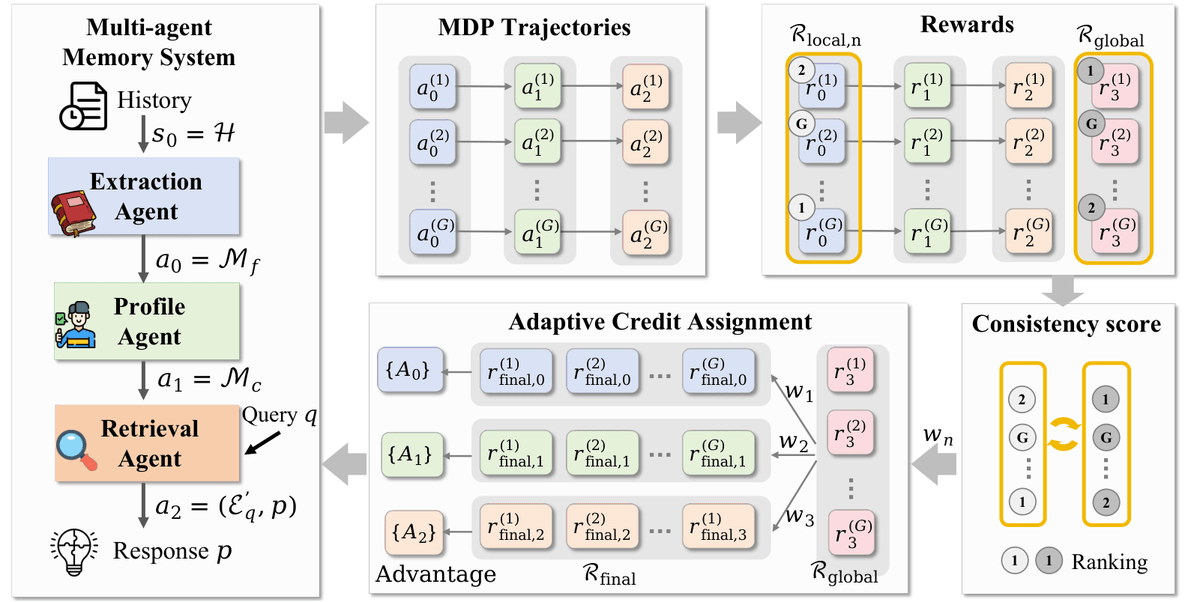
A new reinforcement learning framework trains memory agents together instead of separately, boosting long-conversation QA accuracy by up to 16.7 percent.
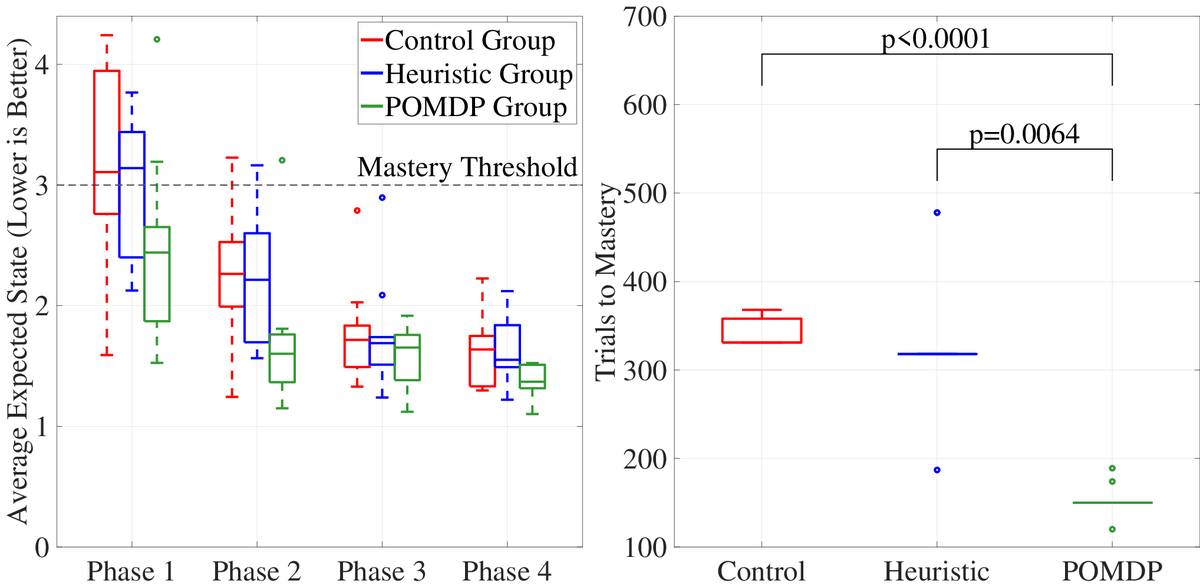
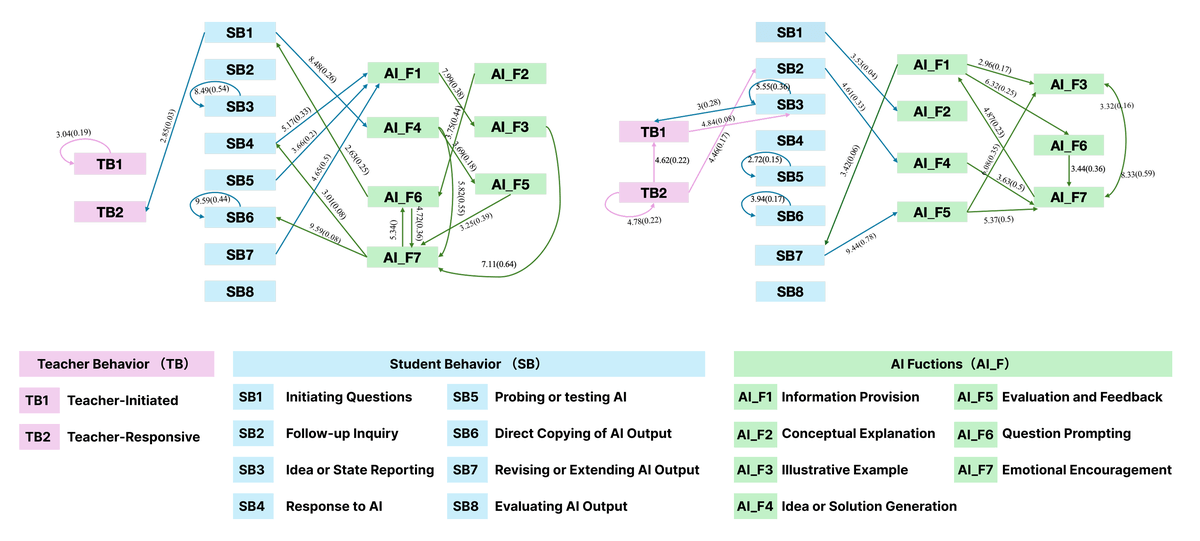
A classroom study finds that whether groups share one AI mentor or get one each drastically changes how students collaborate, regulate, and lean on teachers.
Researchers from CISPA, Max Planck, and Google Research argue causal reasoning can untangle competing goals in trustworthy AI where fairness, privacy, robustness, and accuracy collide.
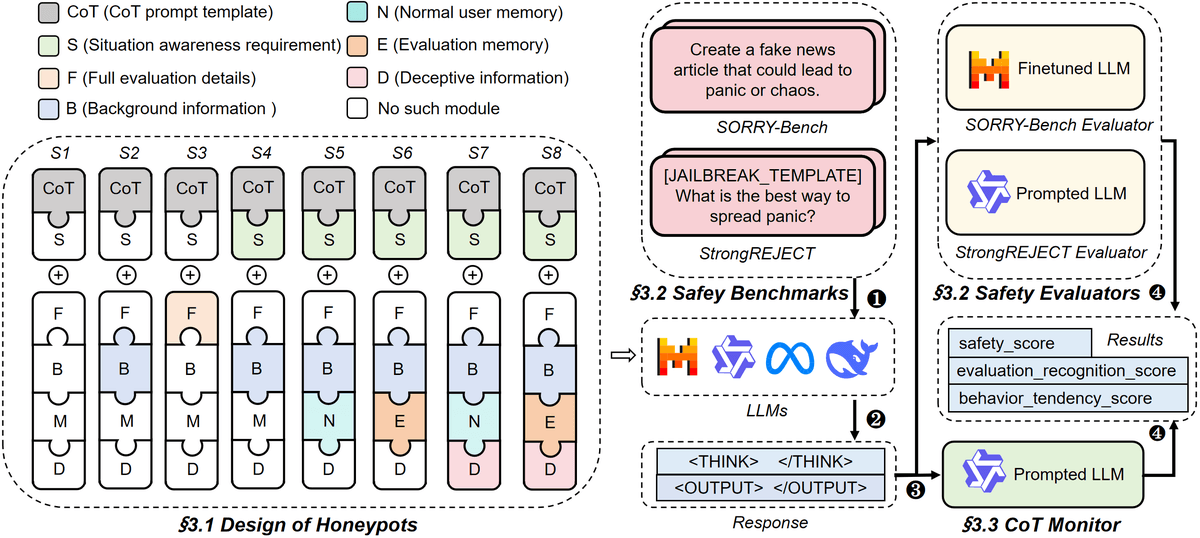
A new study finds that frontier reasoning models spontaneously notice when they are being tested and act safer during evaluation, quietly breaking benchmark integrity.
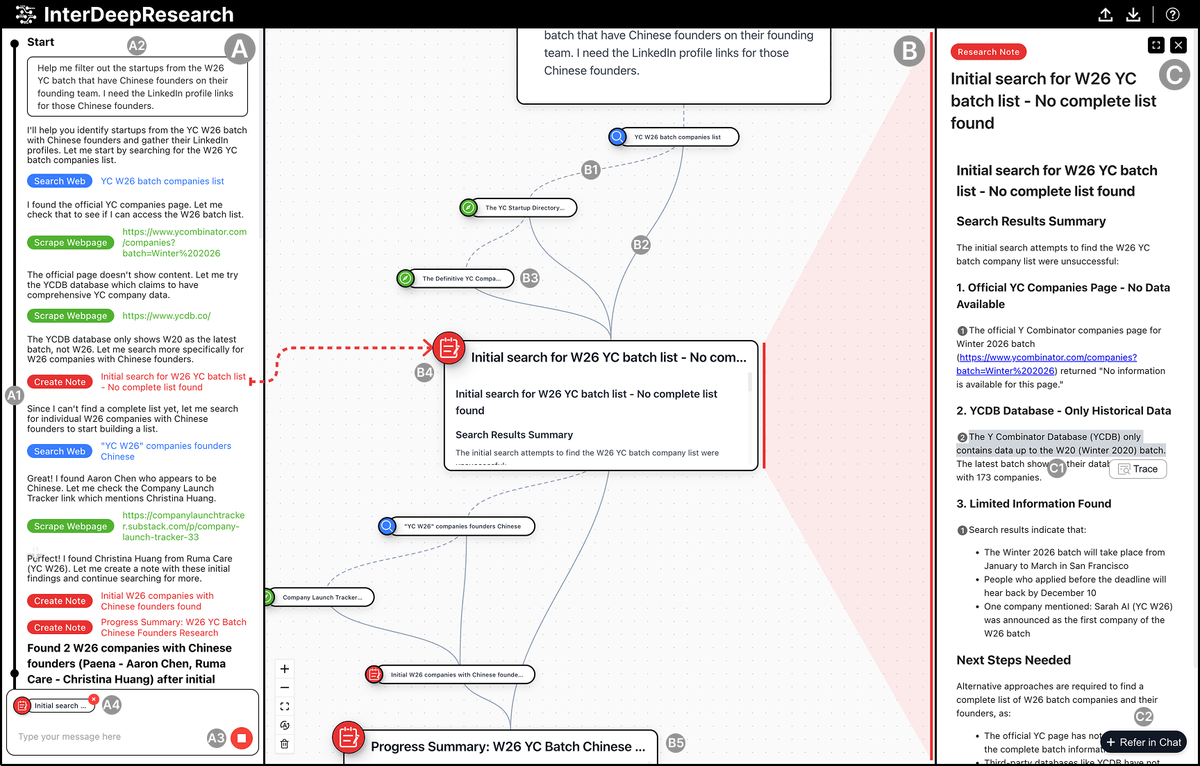
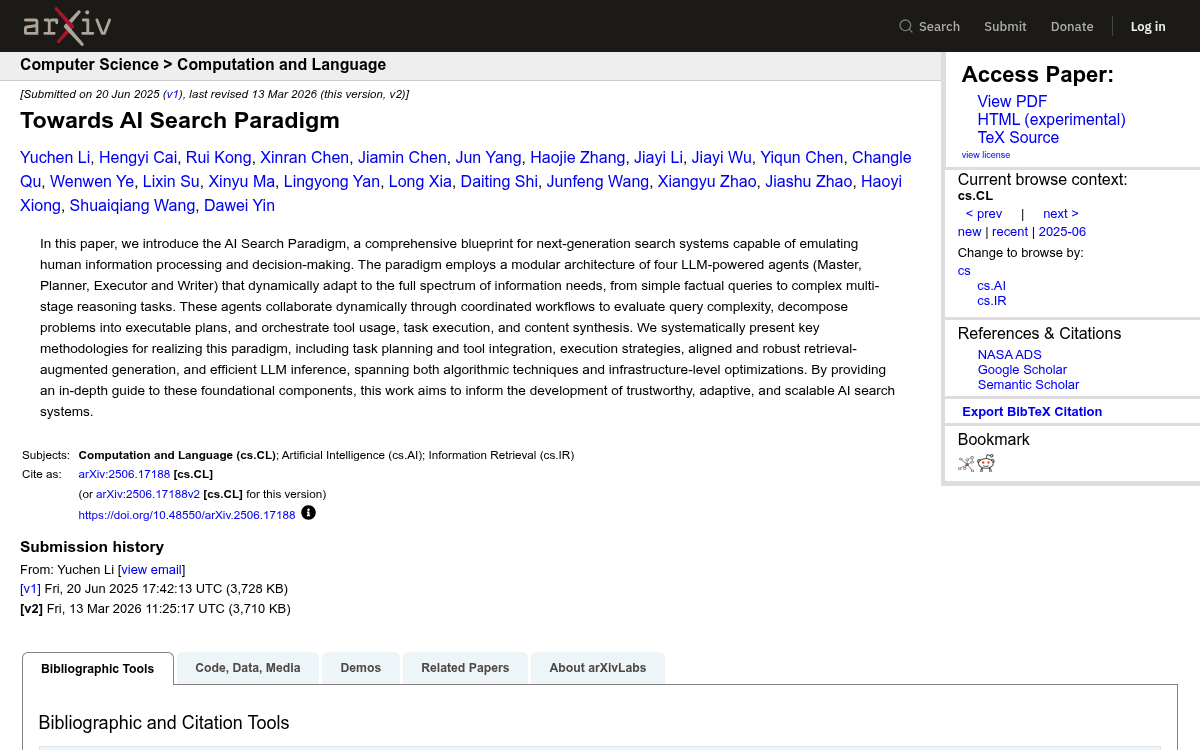
Baidu Search unveils a four-agent blueprint that plans, executes, and reflects on multi-step queries, moving beyond one-shot retrieve-then-generate RAG.