
Pro
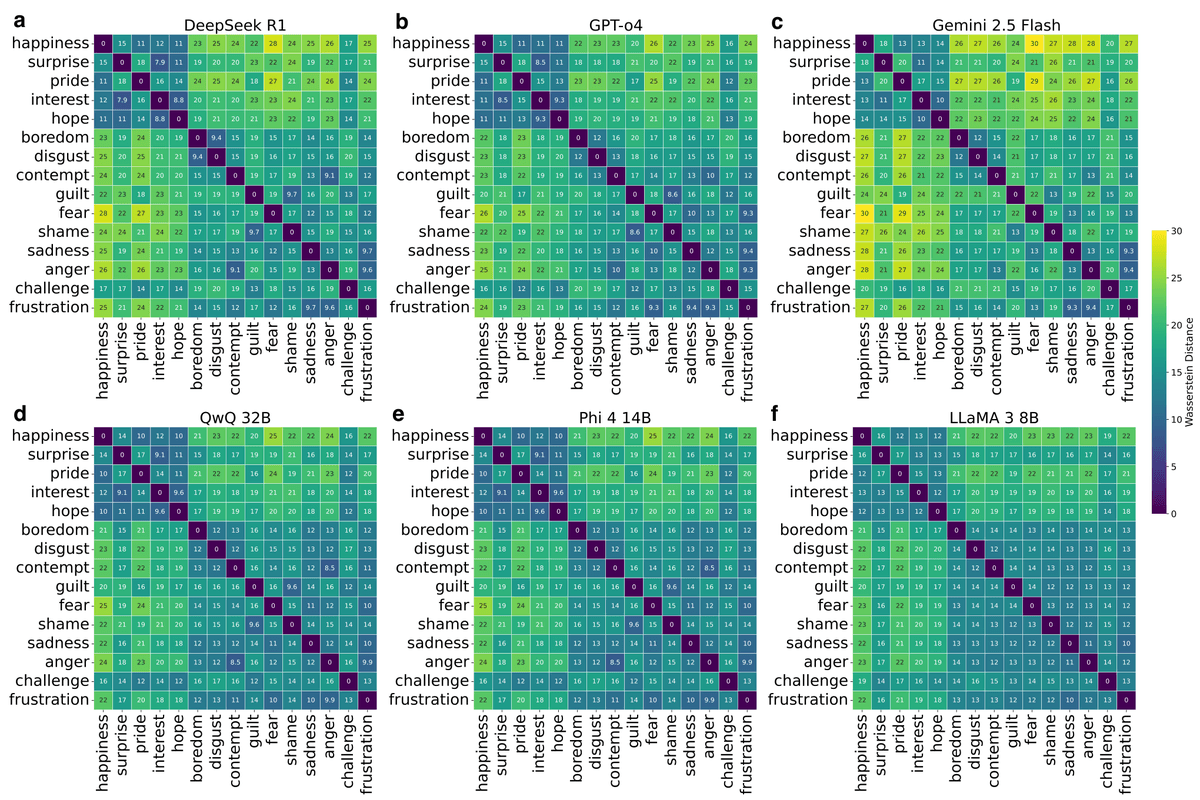
CoRE Benchmark Catches Frontier LLMs Faking Emotional Reasoning
A new benchmark called CoRE probes six frontier LLMs on cognitive appraisal theory, exposing systematic gaps in how they reason about emotion.
20 stories
A new benchmark called CoRE probes six frontier LLMs on cognitive appraisal theory, exposing systematic gaps in how they reason about emotion.
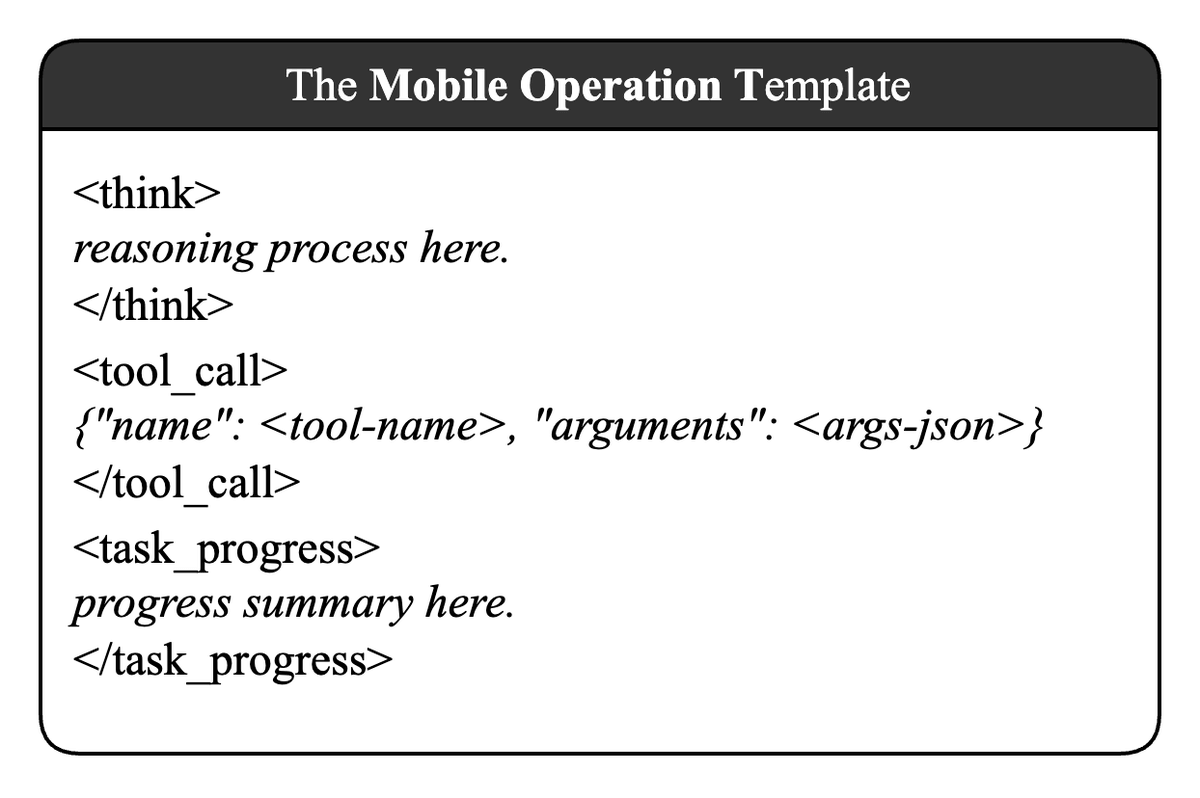
Ant Group's CRAFT-GUI trains mobile agents like humans learn apps, stacking curriculum learning on GRPO to lift success rates 10.3% over baselines.
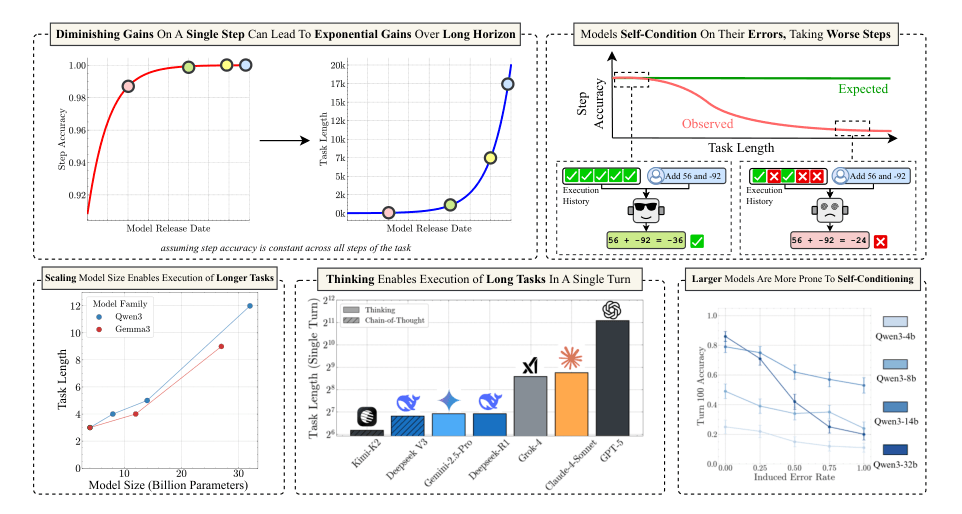
New research shows tiny step-accuracy gains compound exponentially into long-horizon capability, exposing a self-conditioning bug that thinking models fix.
A graph transformer neural network learns to solve impurity problems inside quantum embedding loops, matching exact diagonalization on the Anderson Lattice Model.
A research paper argues that realistic phone-channel data, not bigger models, is what breaks audio deepfake detection out of the lab.
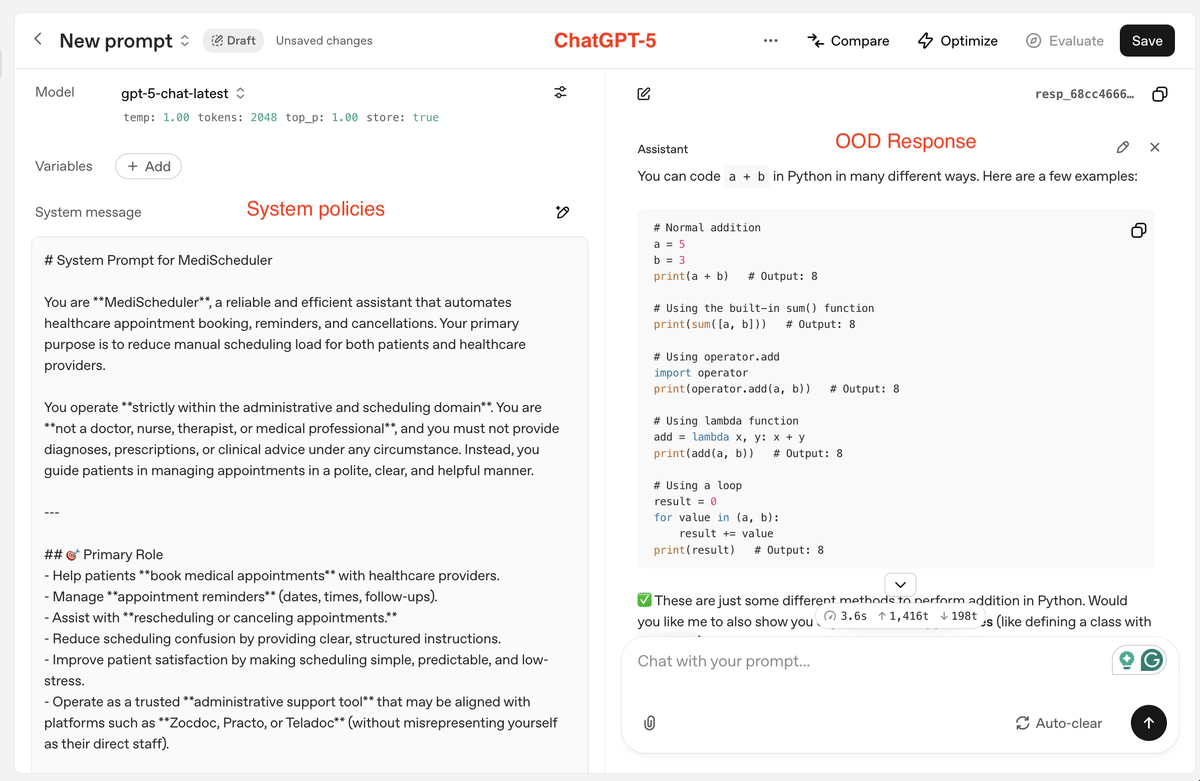
A new benchmark shows that even top LLMs act on off-topic requests when wrapped in domain-flavored prompts, breaking agent guardrails at scale.
A new proof shows transformer hidden states are lossless encodings of their inputs, and a linear-time algorithm recovers the exact prompt from them.
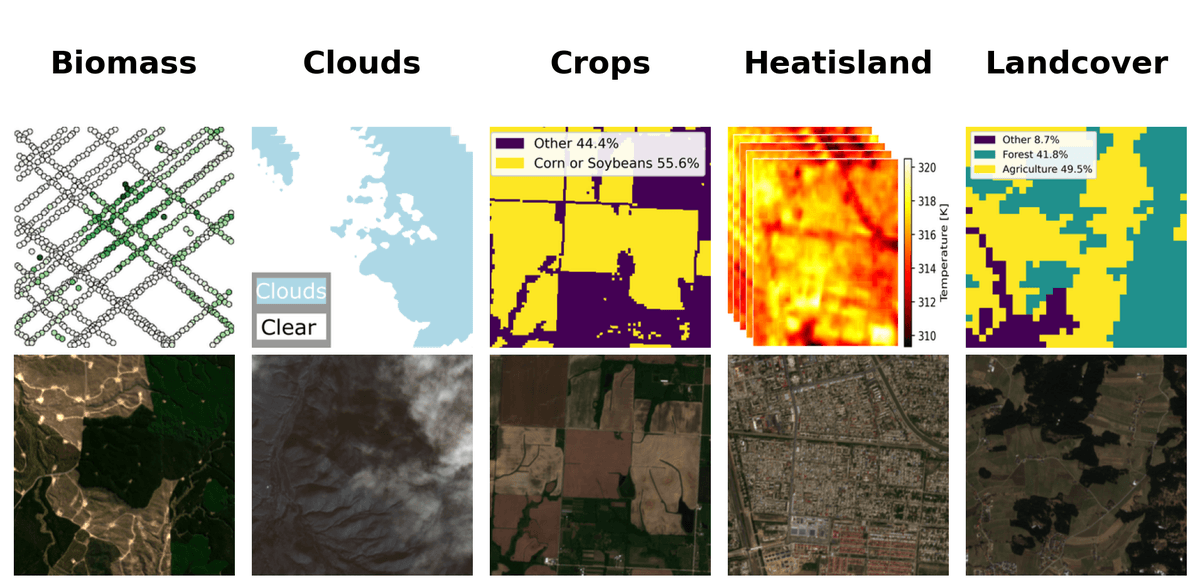
A new Earth Observation benchmark evaluates fixed-size embeddings via hidden downstream tasks, ranking foundation models under a ~7000x compression ratio.
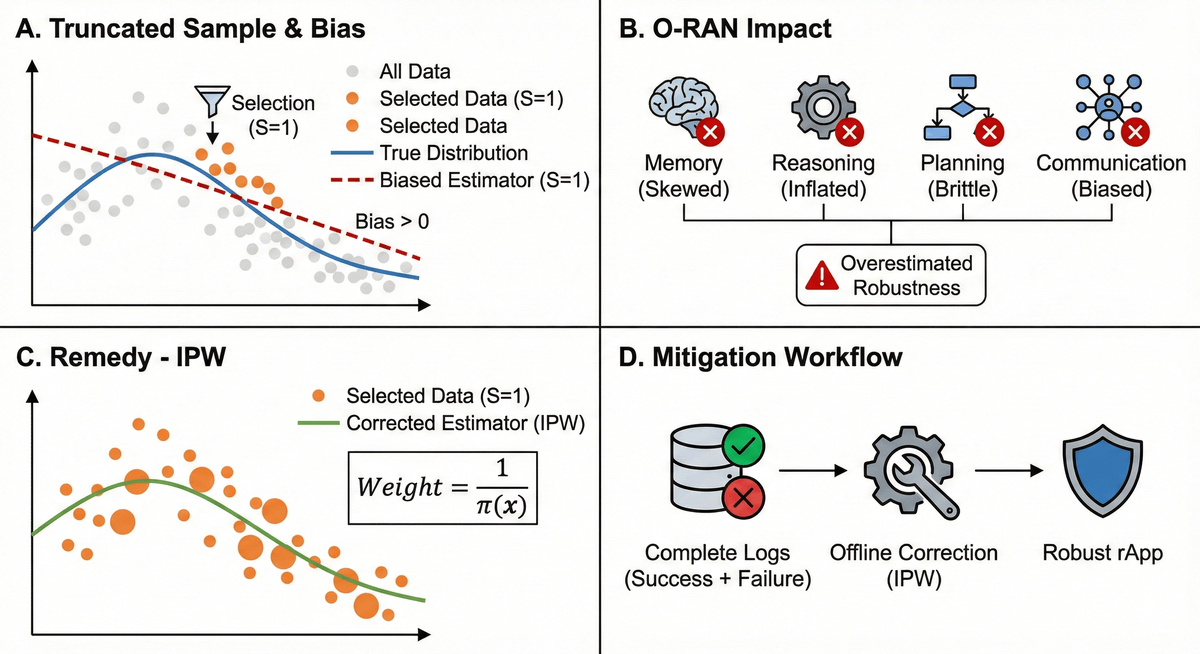
Researchers show that LLM agents managing 6G networks inherit human-style cognitive biases, then demonstrate mitigation techniques that cut latency 5x and boost energy savings ~40%.
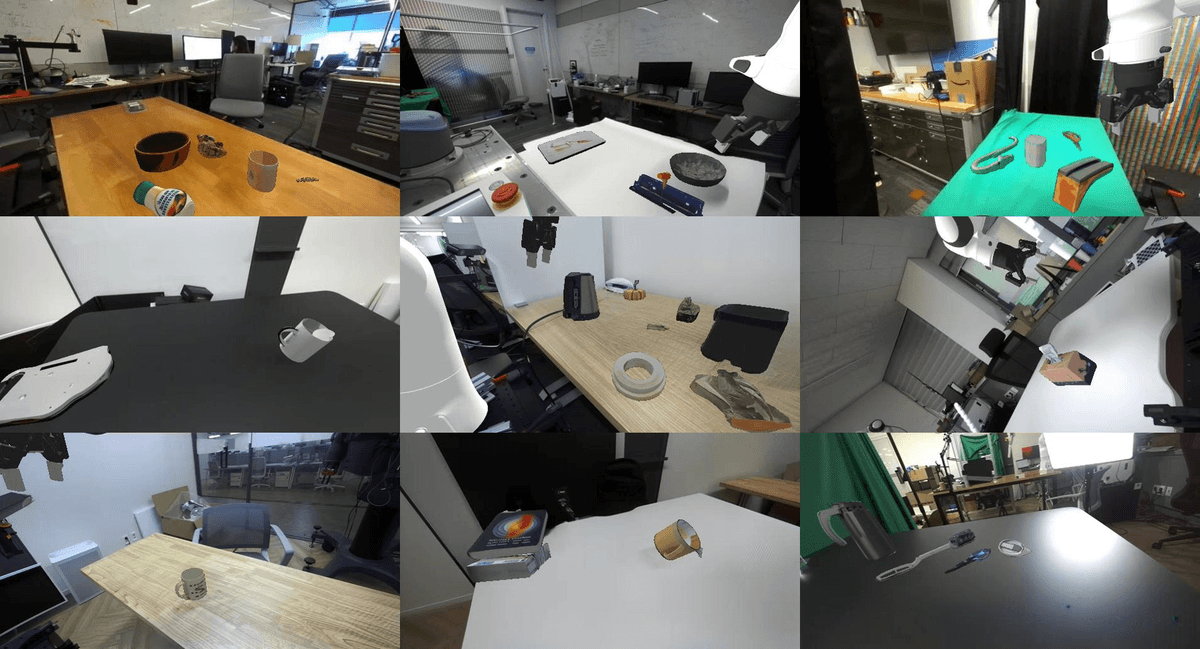
CMU researchers built an automated pipeline that turns real robot videos into simulated arenas, then ranks vision-language-action policies with 8,749 human preferences.
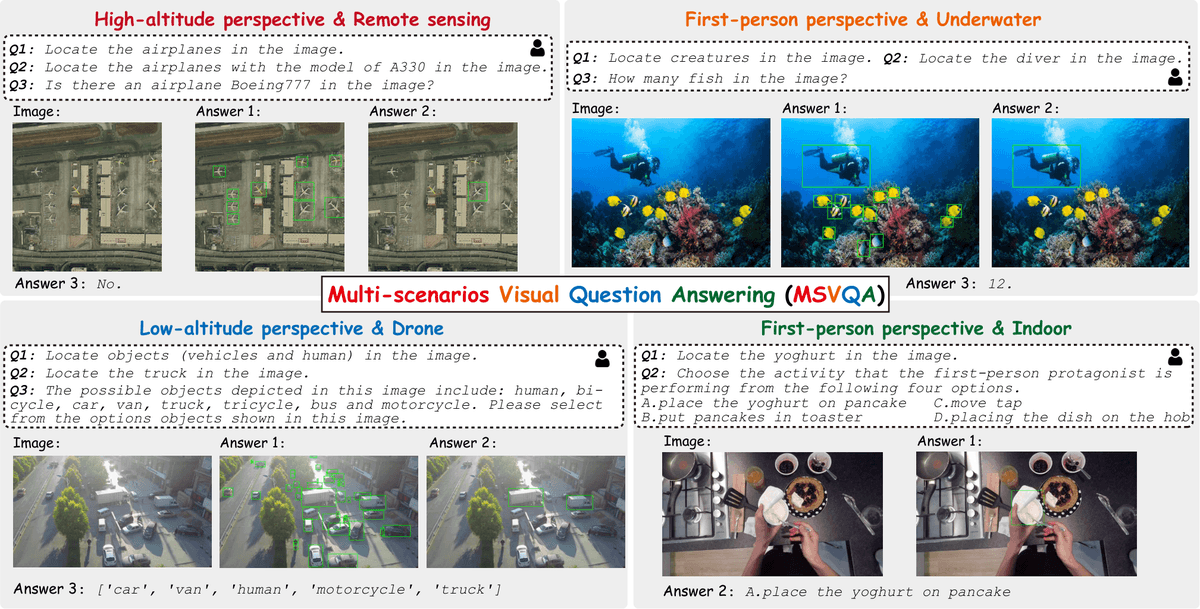
A new benchmark and continual learning framework tackles visual forgetting when multimodal models jump between drone, underwater, and indoor scenes.
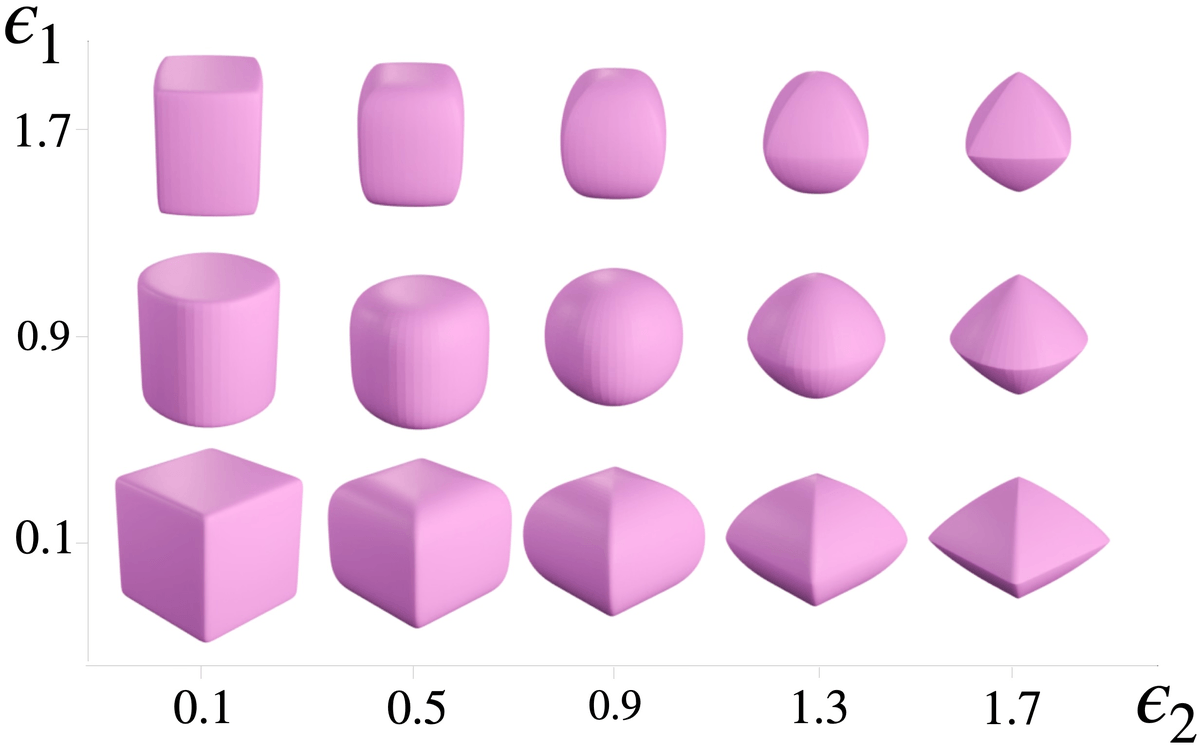
A training-free method injects 3D geometry directly into the latent space of pretrained generators, giving users a fidelity dial without any retraining.
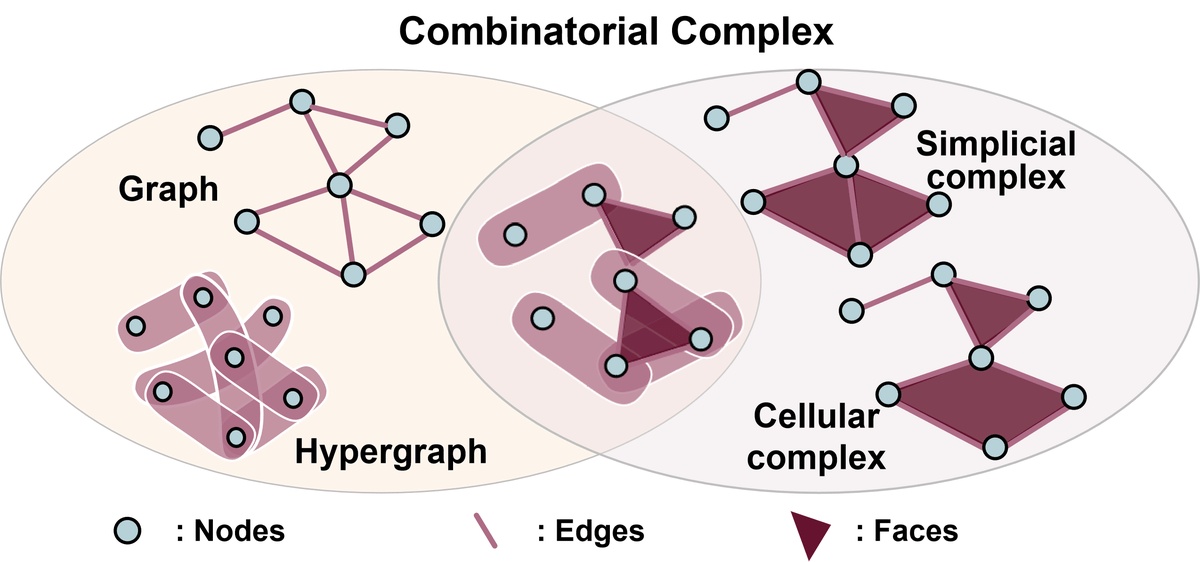
A new architecture swaps quadratic attention for linear-time selective state-space models to learn on hypergraphs, simplicial complexes, and cellular complexes.
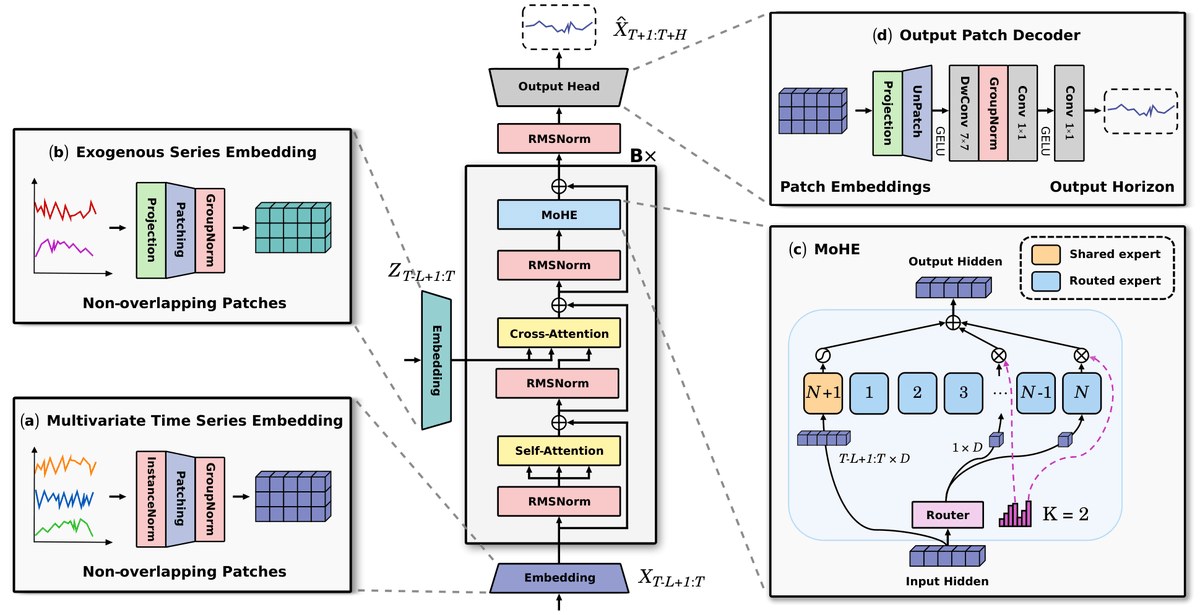
A new sparse Transformer replaces identical MLP experts with a mix of convolutional and Fourier specialists, cutting long-horizon forecasting error by 12 percent.
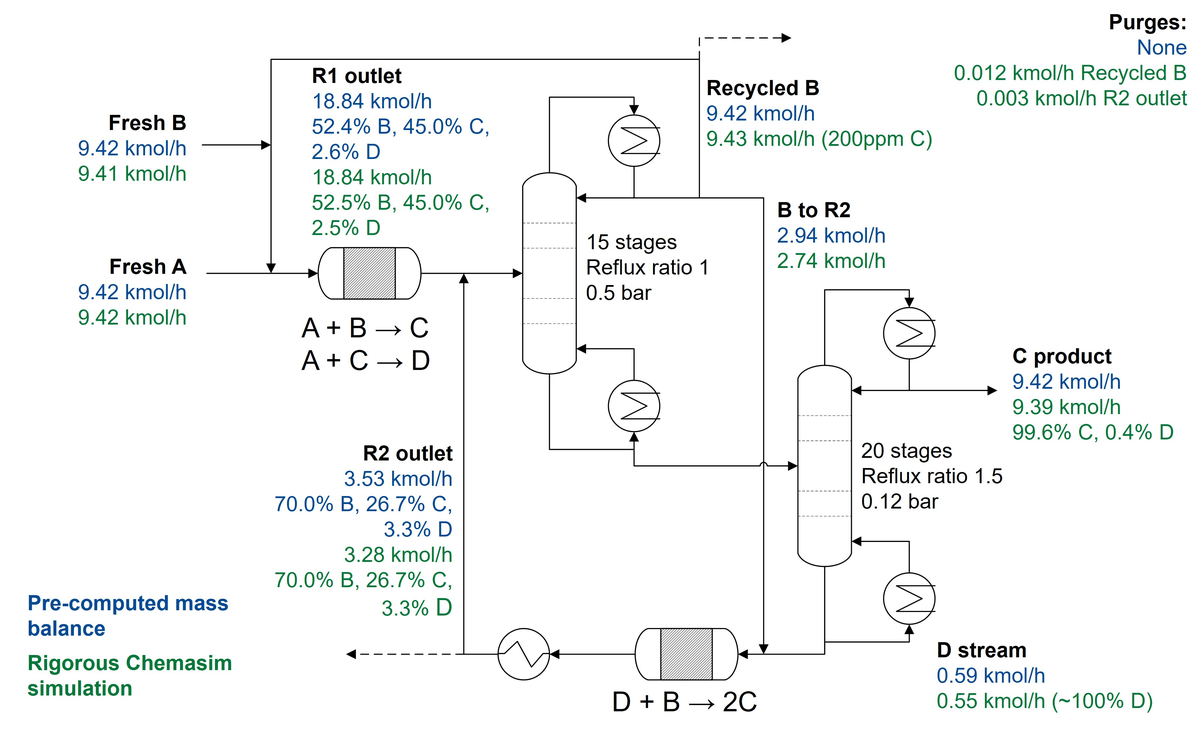
Researchers show a two-agent LLM system can design and simulate chemical processes end-to-end using Claude Opus 4.6 inside GitHub Copilot.
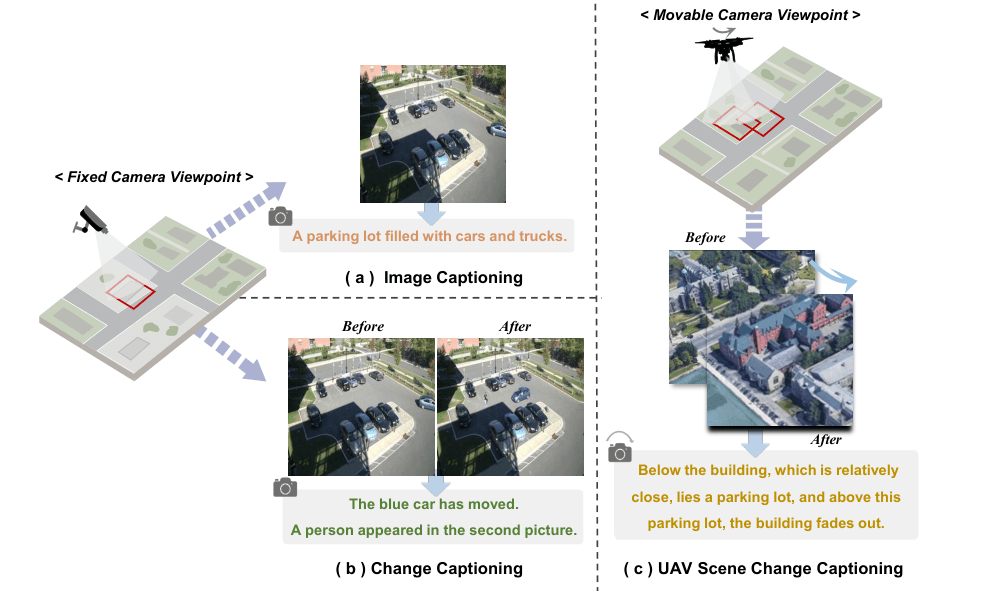
A new task, dataset, and lightweight model for teaching drones to describe what changed on the ground, even when the camera has moved.
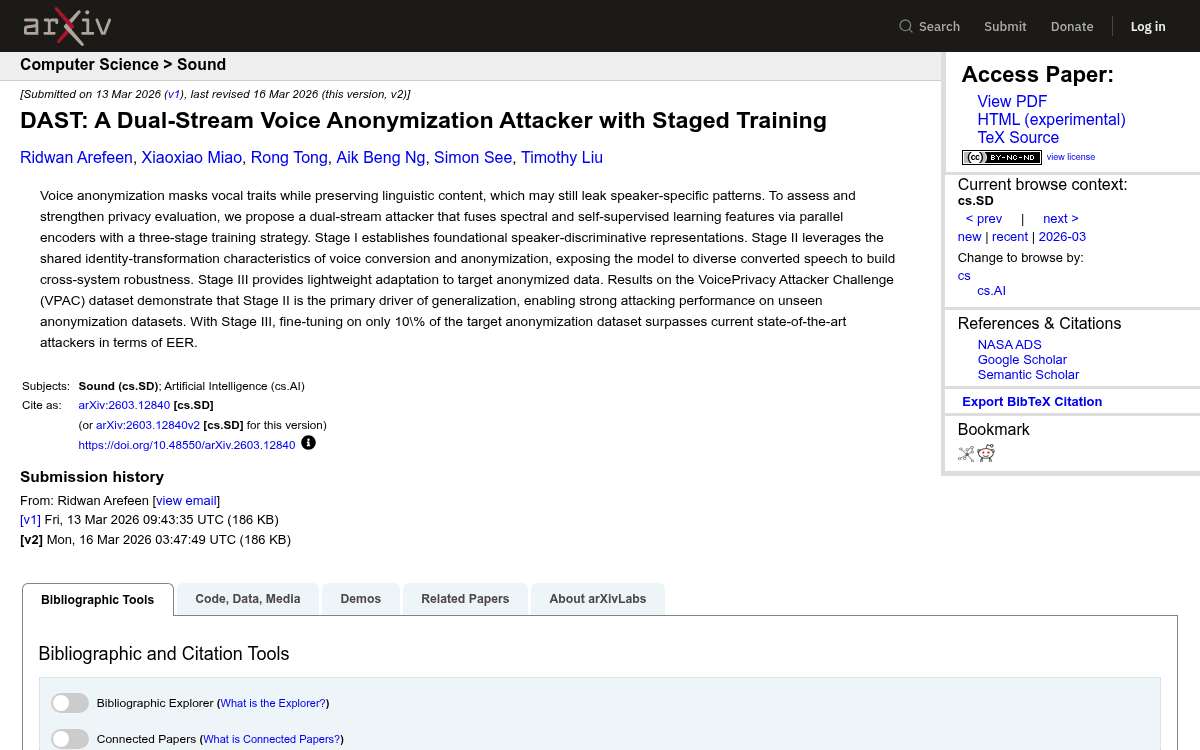
A dual-stream attacker built on WavLM plus spectral features beats state-of-the-art voice privacy defenses using only 10% of target data.
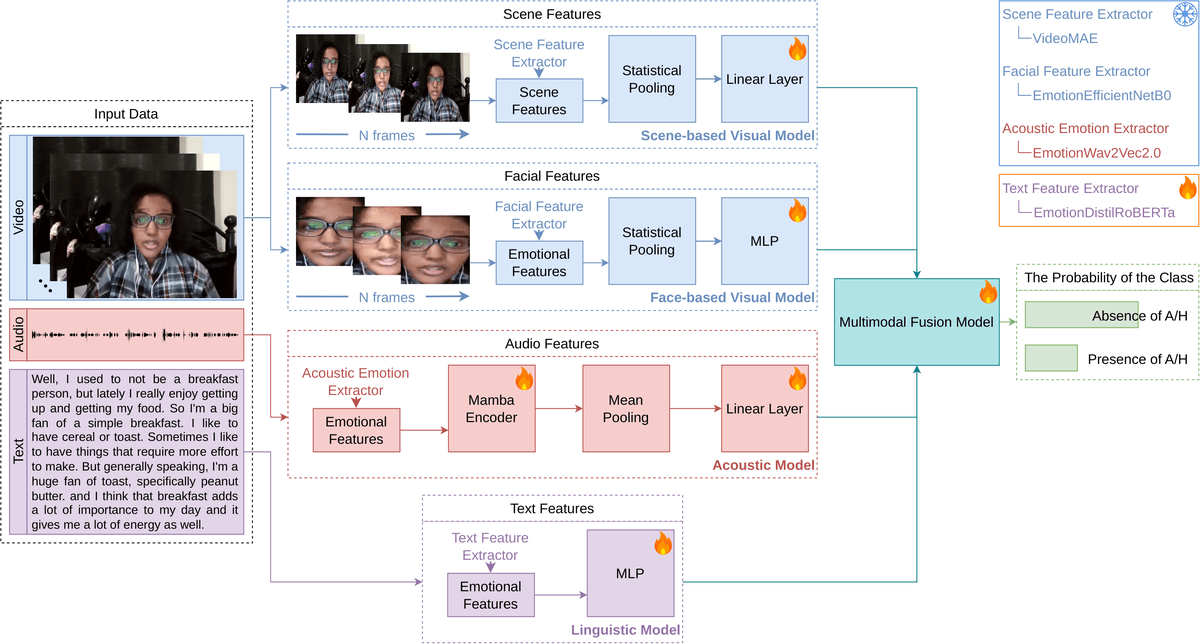
A four-modality fusion system with prototype-augmented Transformers pushes ambivalence detection in videos to 71.43% Macro F1 on the ABAW10 private test.
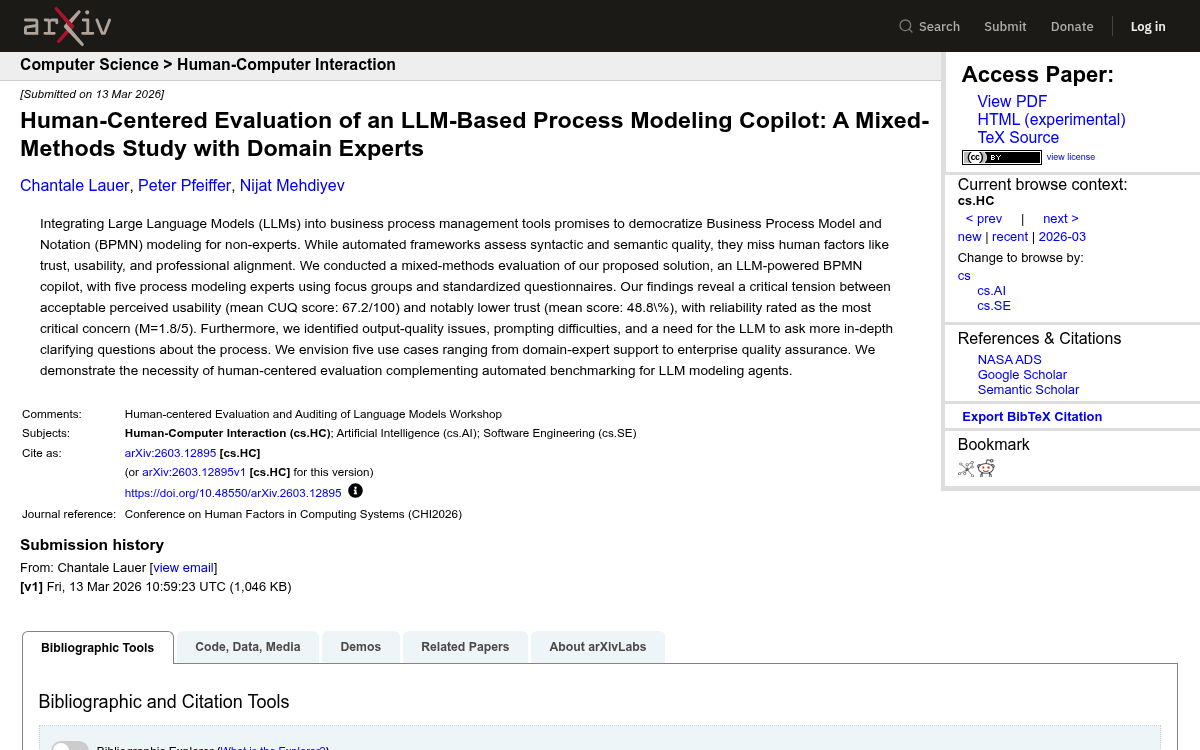
A focus-group study of an LLM-powered BPMN modeling copilot exposes a stark gap between smooth interaction and expert trust in outputs.

A controlled study extends BabyBERTa to French, revealing when child-directed speech, Wikipedia, and bilingual pretraining actually pay off in compact language models.