
Pro
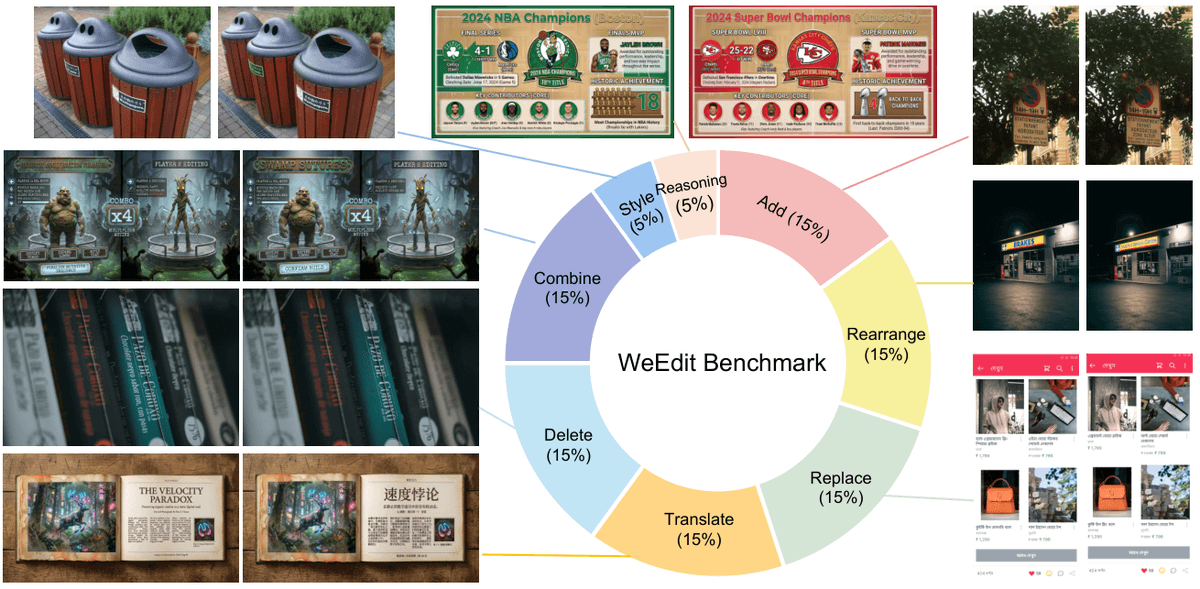
Tencent's WeEdit Fixes AI's Broken Text Editing With 330K Multilingual Training Pairs
A Tencent-Fudan team tackles text-inside-images editing with glyph-guided fine-tuning, multi-objective RL, and a 330K-pair HTML dataset across 15 languages.
20 stories
A Tencent-Fudan team tackles text-inside-images editing with glyph-guided fine-tuning, multi-objective RL, and a 330K-pair HTML dataset across 15 languages.
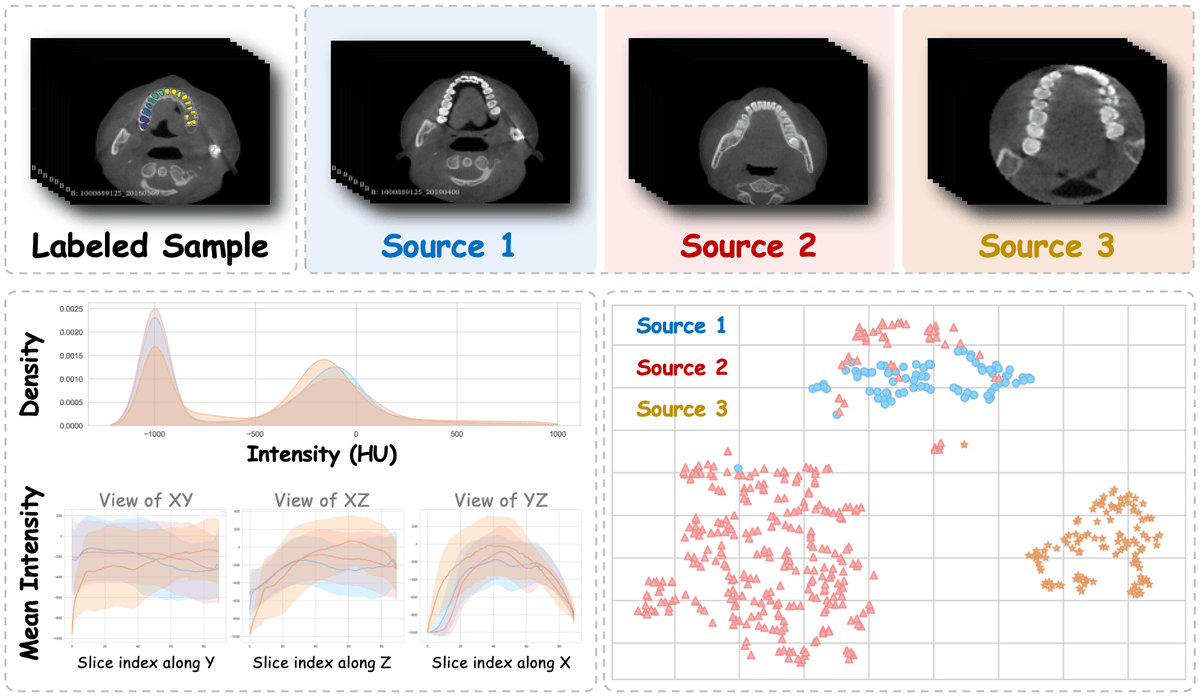
A new multi-teacher, multi-student framework tackles the messy reality of dental CBCT scans collected from different hospitals with mostly unlabeled data.
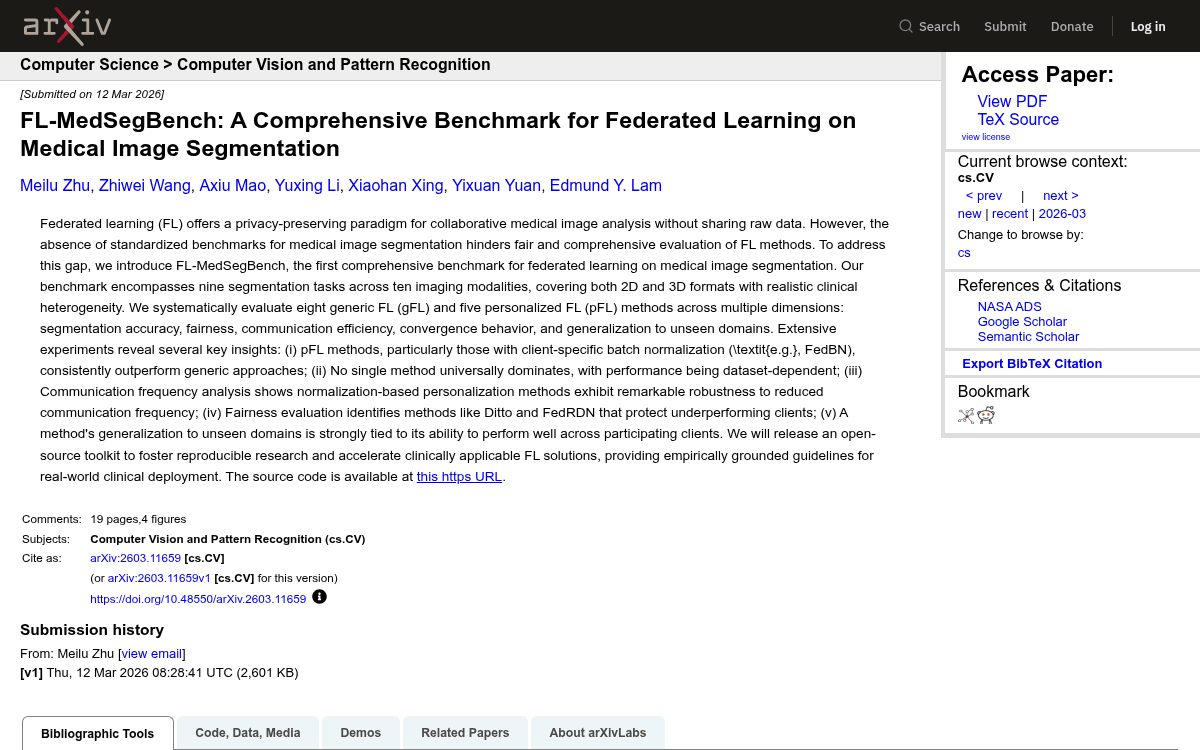
A new benchmark evaluates 13 federated learning methods across 27 medical imaging datasets, revealing which techniques actually hold up under real clinical heterogeneity.
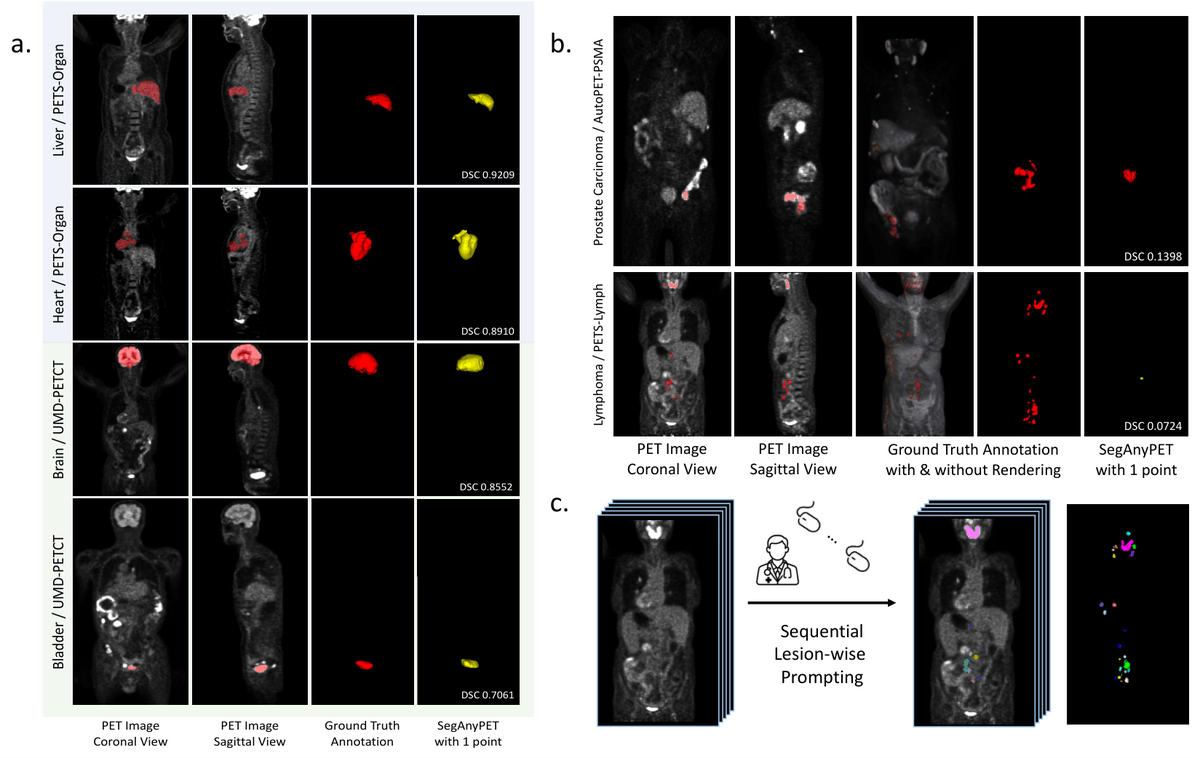
A promptable 3D foundation model trained on 11,041 whole-body PET scans handles organ and lesion segmentation with a single point click.
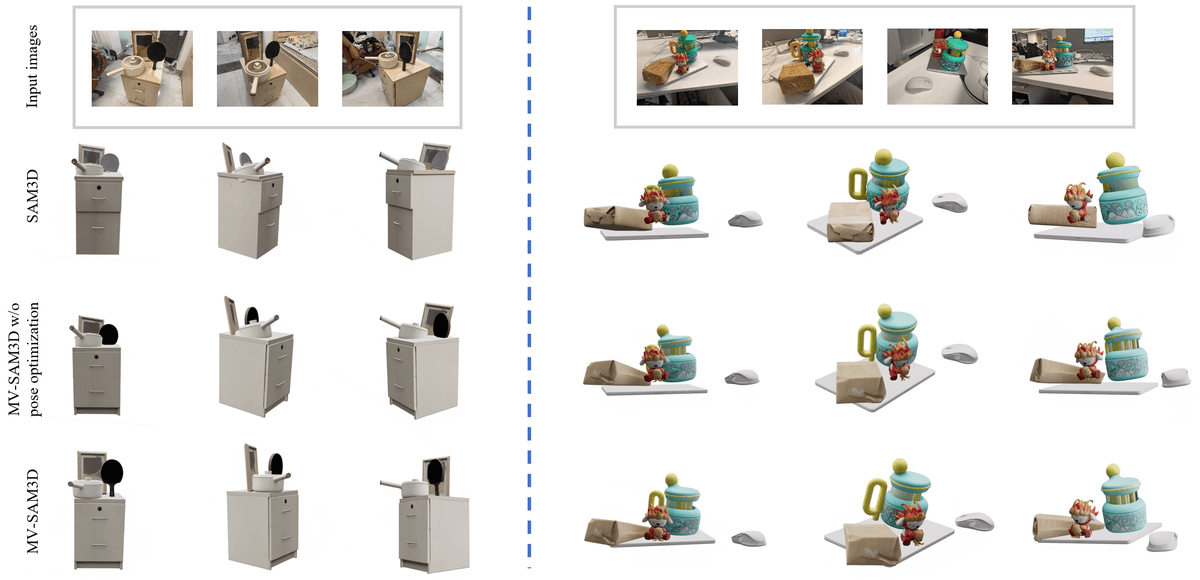
MV-SAM3D extends Meta's SAM 3D Objects with multi-view fusion and physics-aware pose optimization, no retraining required.

A CVPR 2026 lightweight super-resolution model combines Flash Attention, Hedgehog linear attention, and large-kernel distillation to beat heavier models with fewer FLOPs.
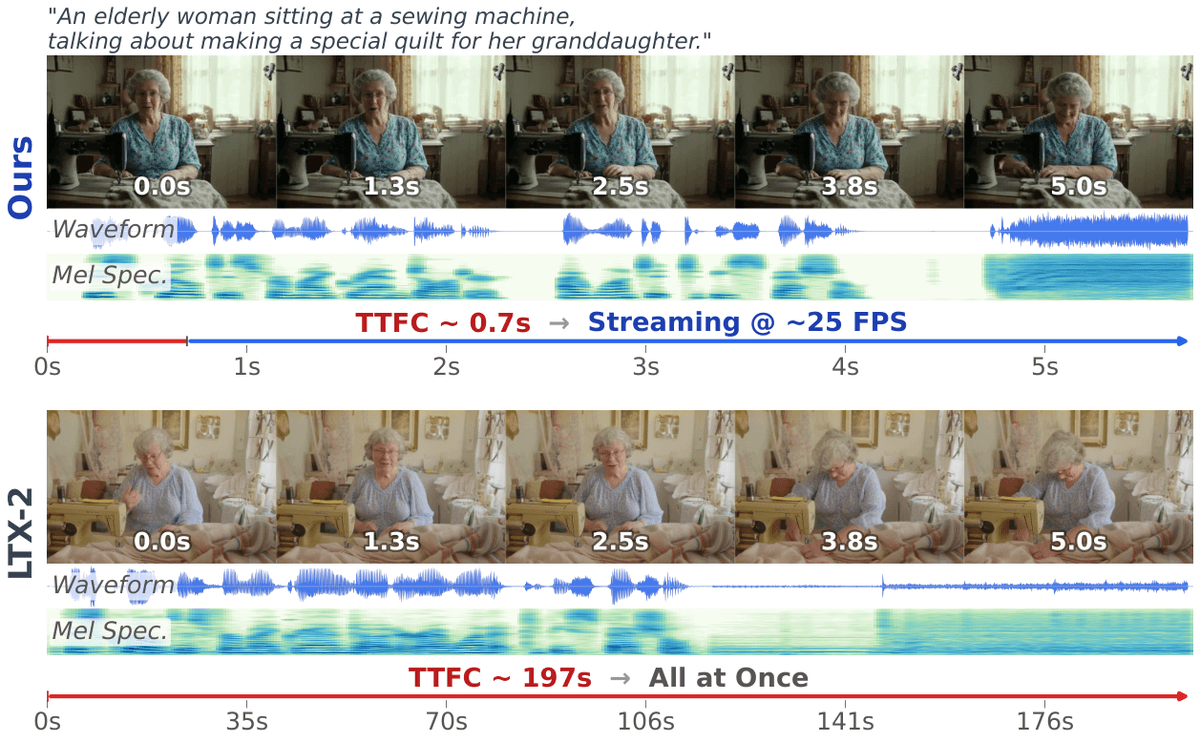
OmniForcing distills a 19B bidirectional audio-visual diffusion model into a streaming generator, hitting 25 FPS on one GPU with 0.7s time-to-first-chunk.
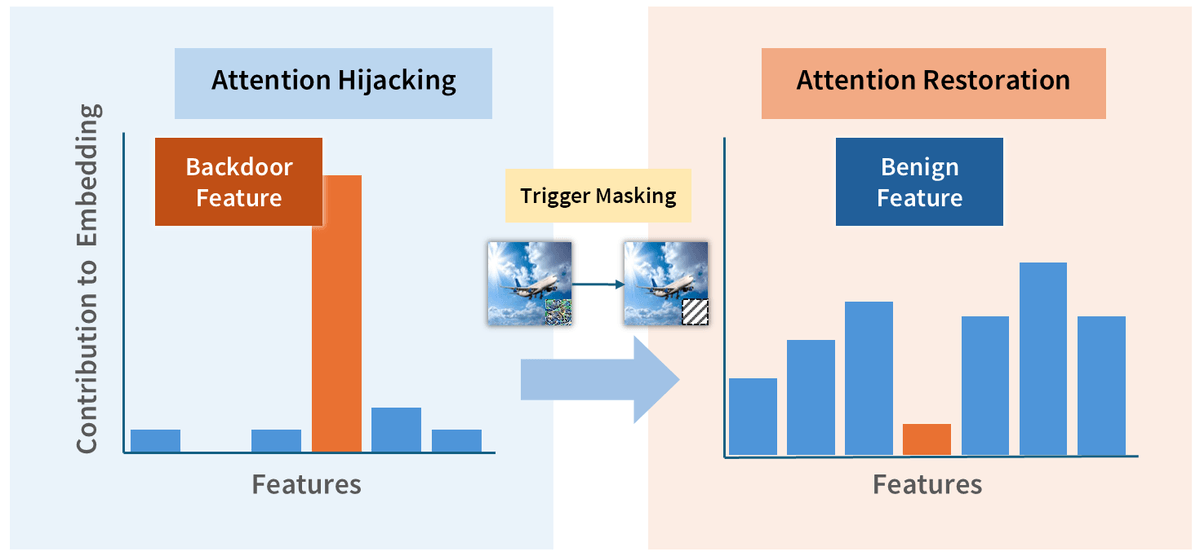
A new zero-shot method spots poisoned images at inference time by watching how their embeddings jump when patches are masked out.
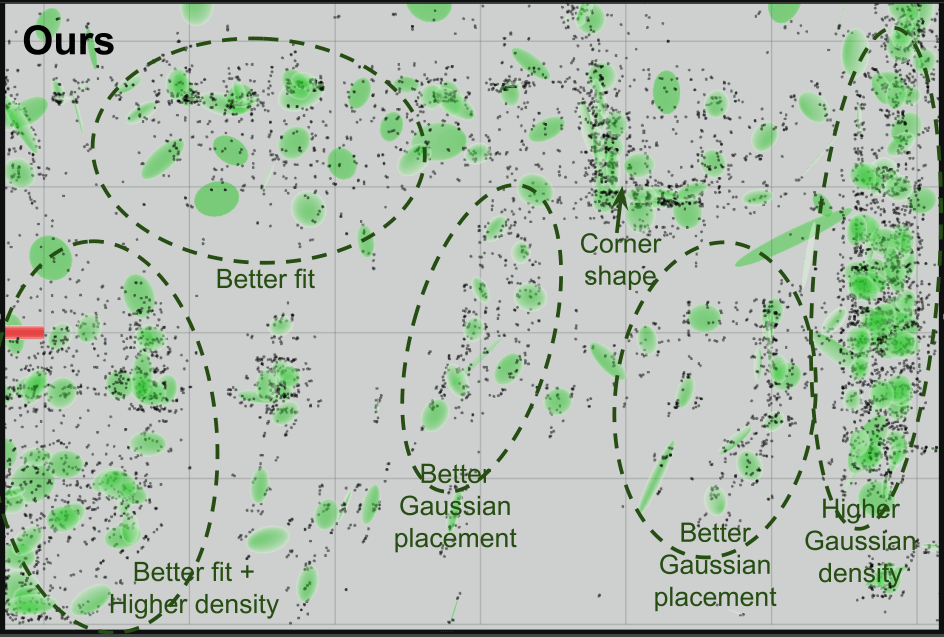
A new radar-inertial odometry pipeline borrows ideas from 3D Gaussian Splatting to handle sparse, noisy 4D radar scans more robustly than LiDAR-derived methods.
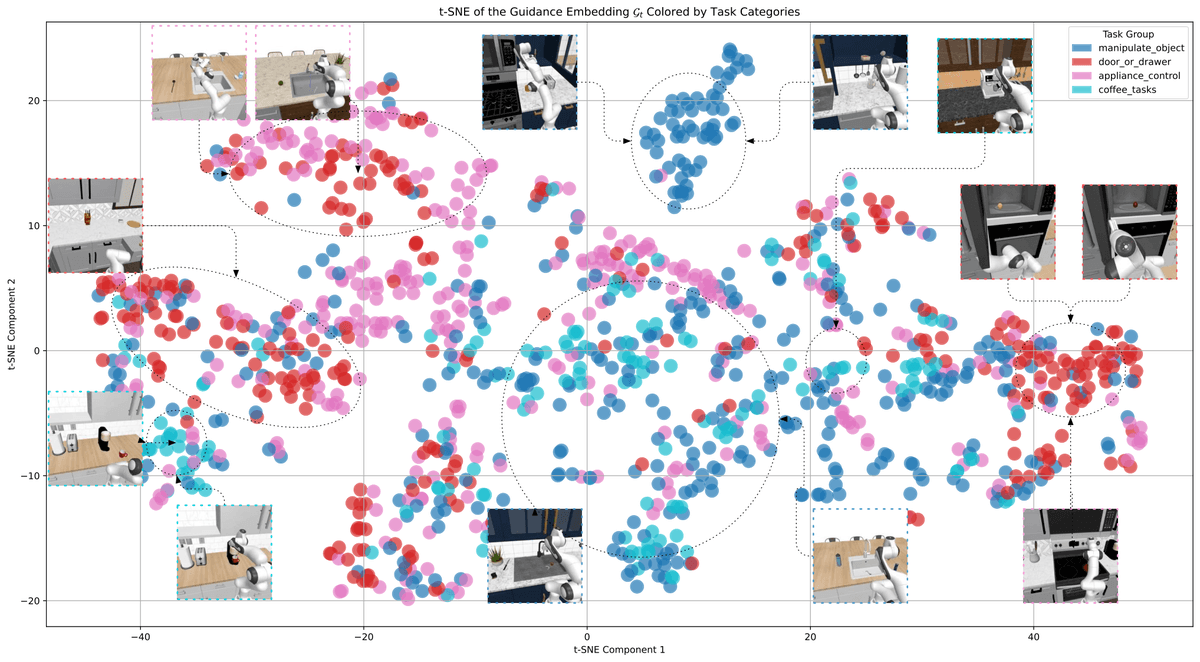
A new framework called GUIDES bolts vision-language reasoning onto legacy robot policies without retraining them from scratch, cutting sim-to-real grasp errors nearly tenfold.
A new framework from Stanford and Google DeepMind uses VLA embeddings and vision-language models to precisely characterize whether a robot task requires visual or behavioral generalization from training data.
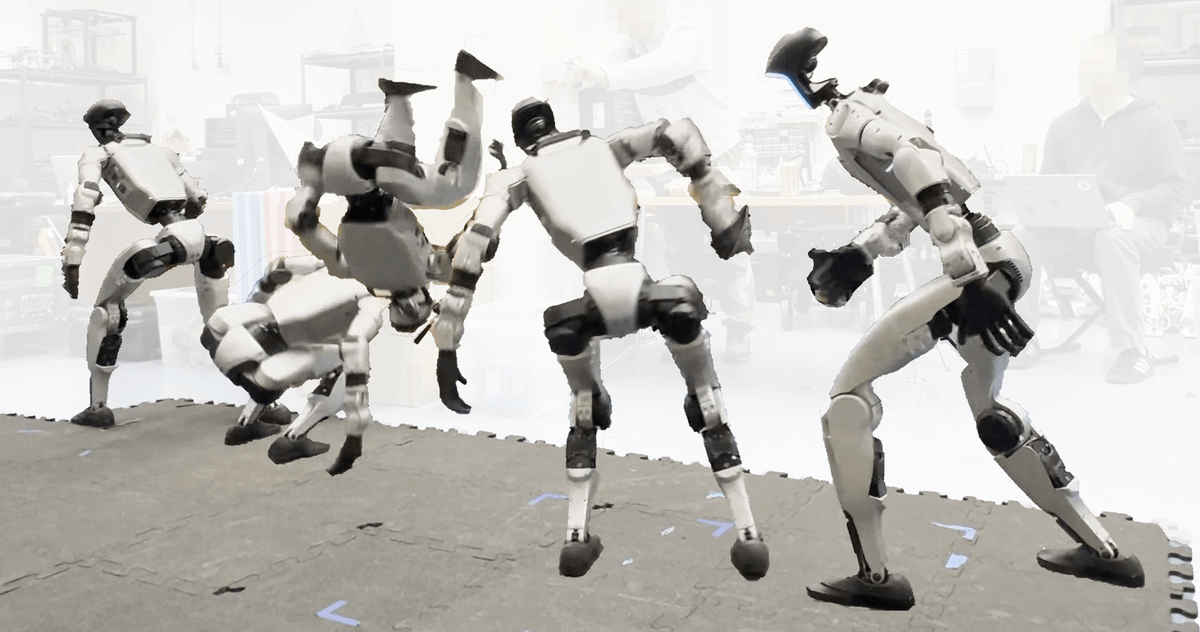
A new two-stage retargeting pipeline maps human motion to humanoids with skeleton calibration and progressive optimization, cutting IK error up to 83 percent.
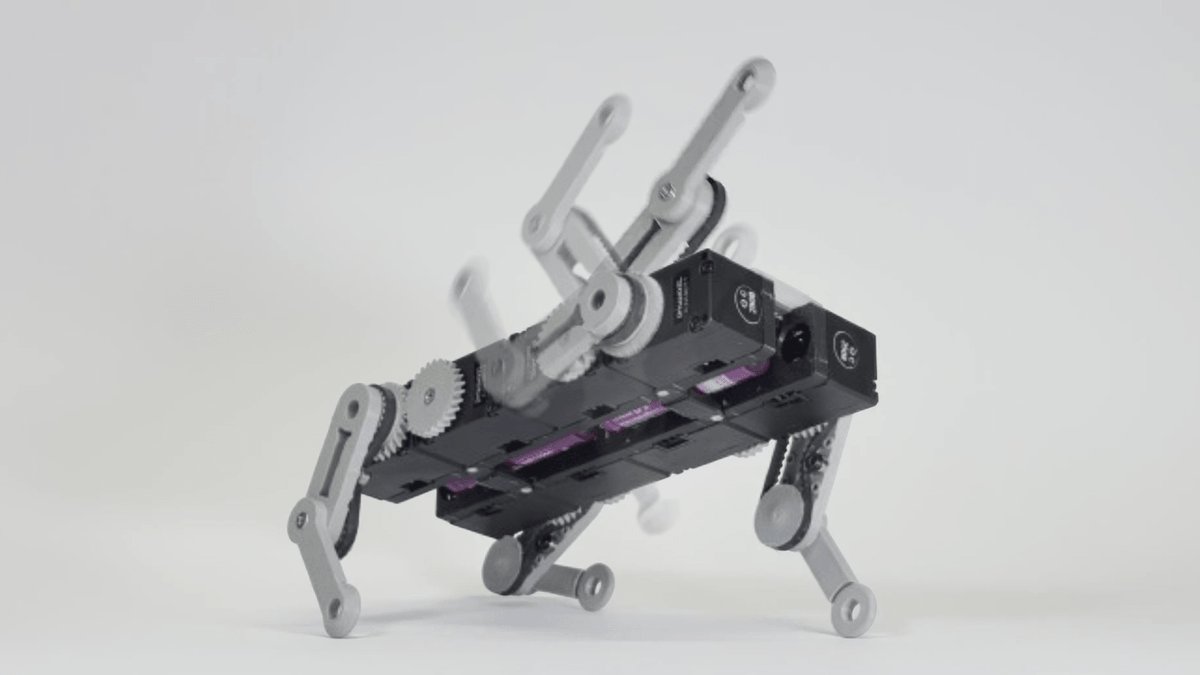
A palm-sized, cable-free quadruped from UCLA's RoMeLa eliminates joint stops entirely, unlocking backflips, wheel-like rotation, and 45mm crawl clearance.
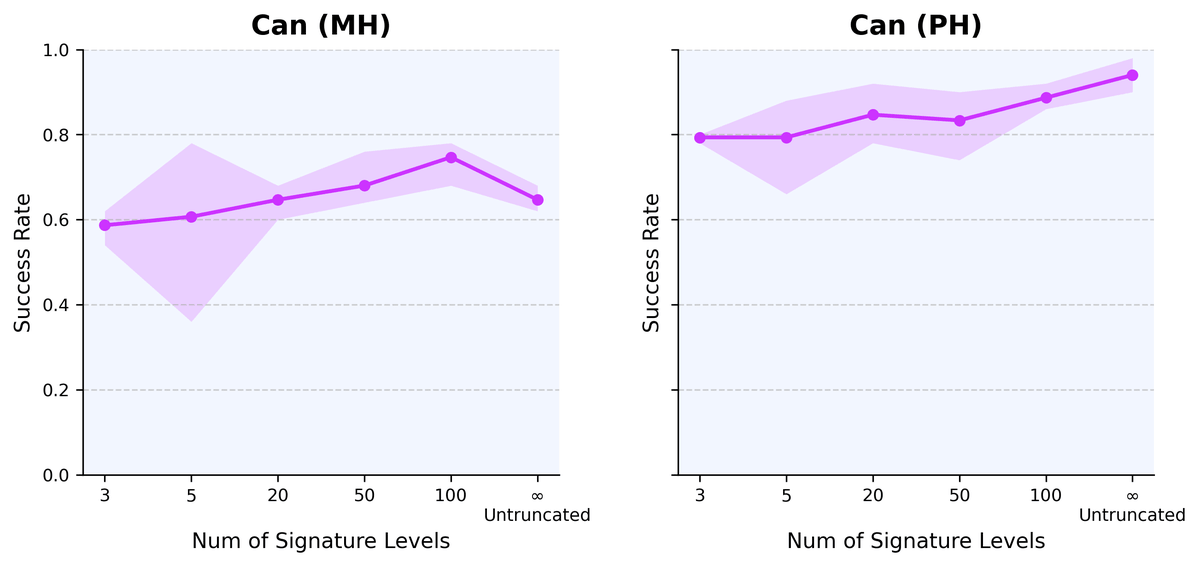
A signature-kernel entropy metric quantifies robot demonstration diversity, letting a model-free curator pick subsets that often beat training on the full dataset.
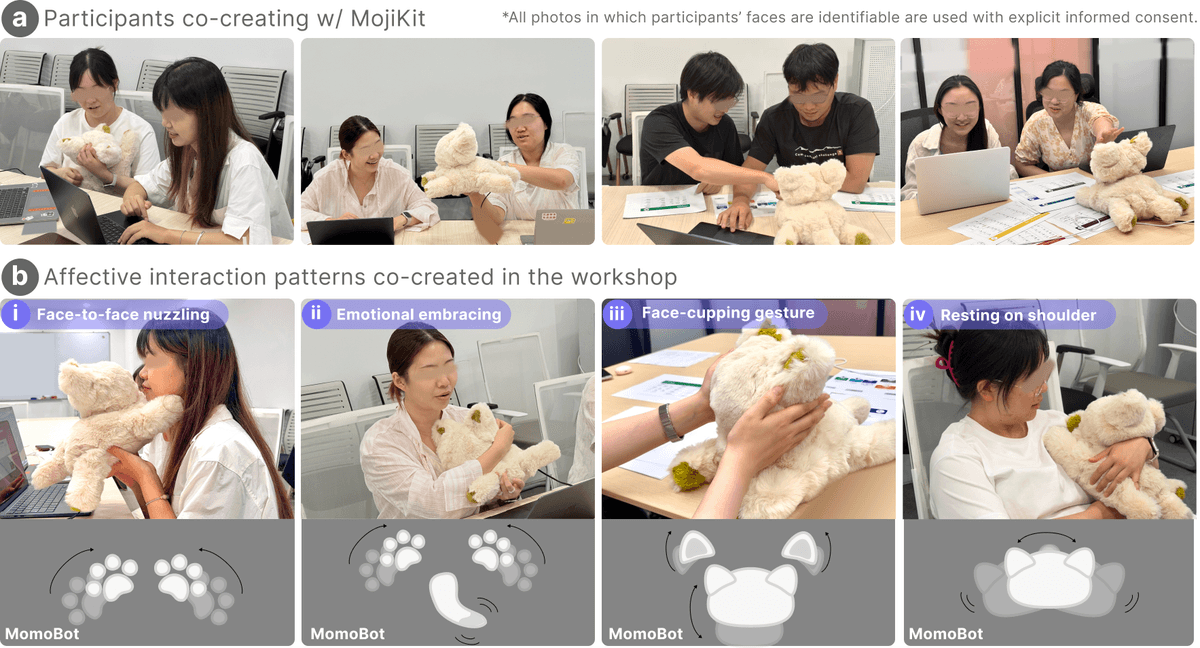
A CHI 2026 paper turns hours of human-pet video into a design toolkit that lets non-coders script emotional robot behaviors.
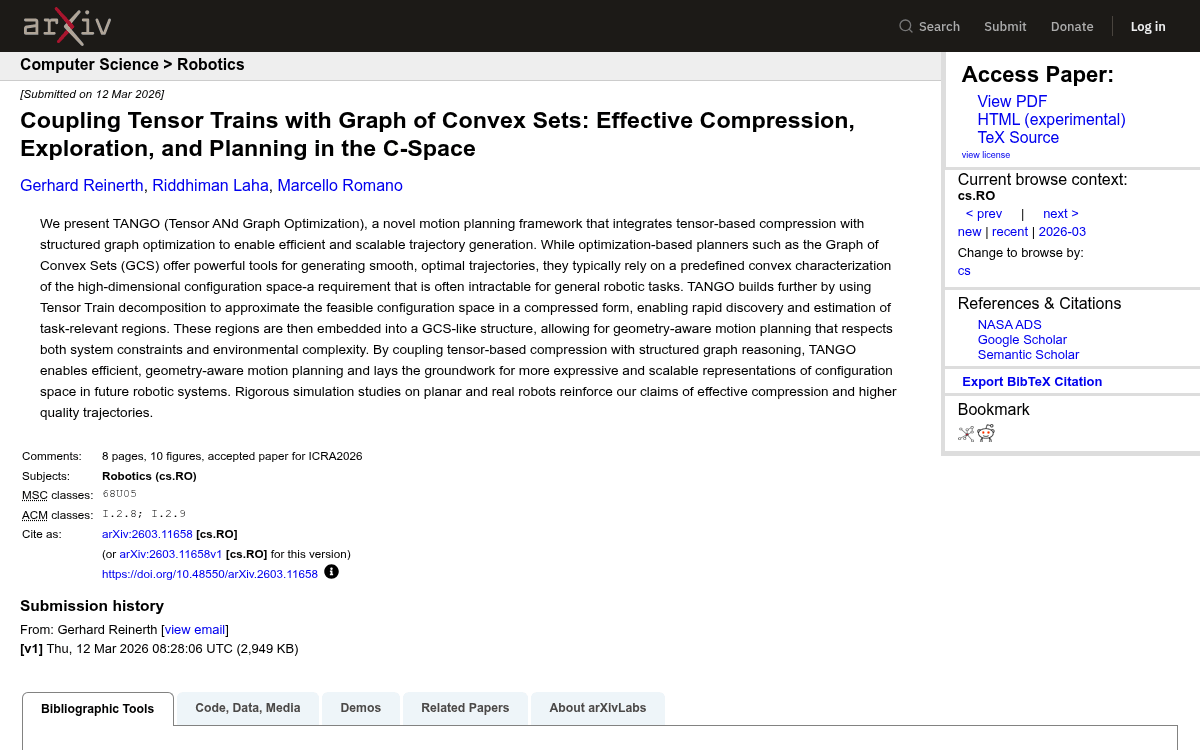
TANGO couples Tensor Train compression with Graph of Convex Sets, cutting memory 6x and generating smoother robot trajectories than RRT with far fewer waypoints.
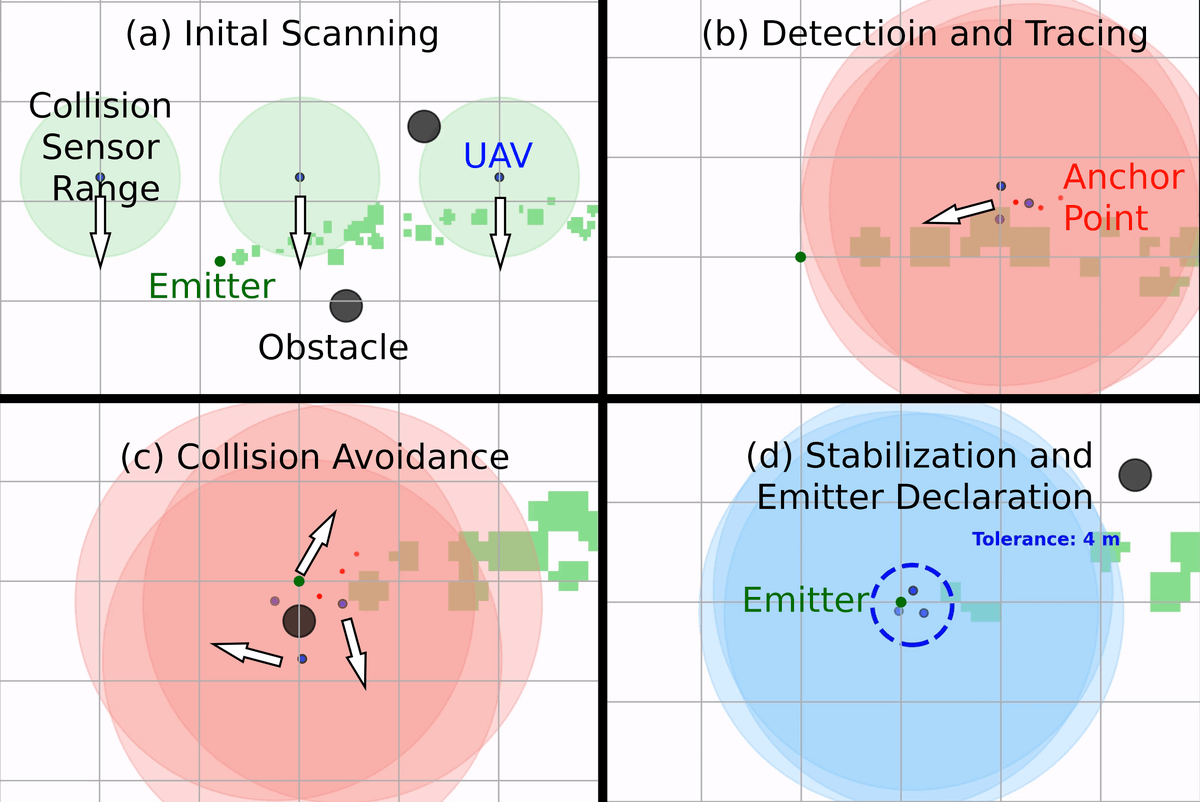
A multi-agent reinforcement learning framework uses swarms of drones and virtual anchor nodes to hunt down invisible methane leaks from abandoned oil wells.
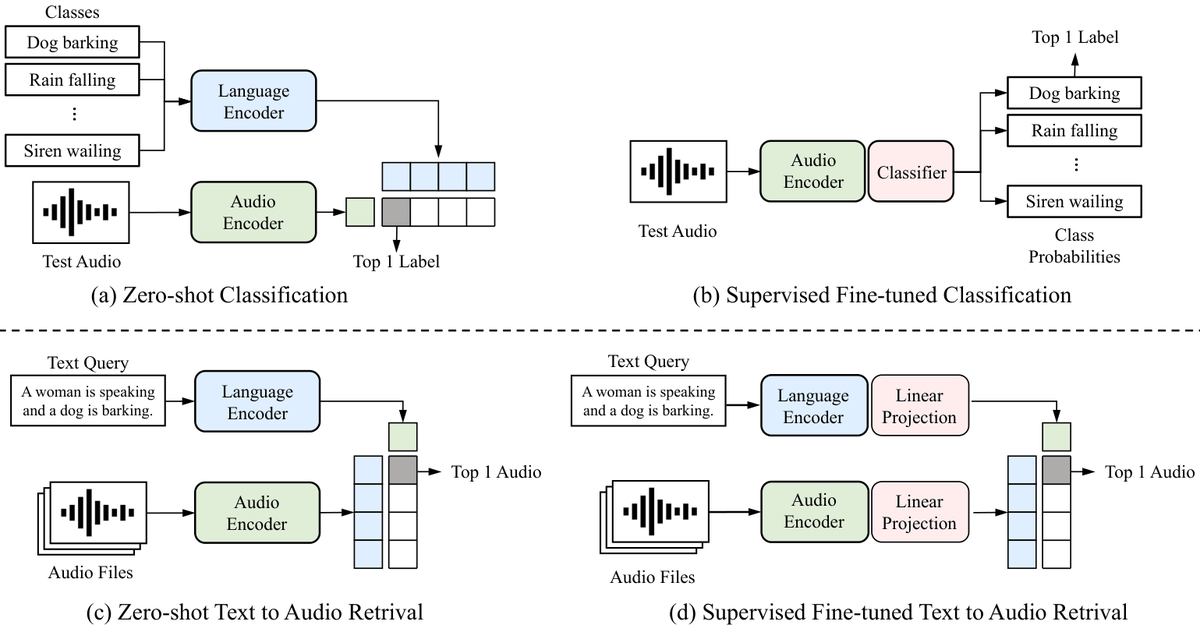
A new systematic survey maps the fragmented field of Audio-Language Models, unifying architectures, training objectives, and evaluations across speech, music, and sound.
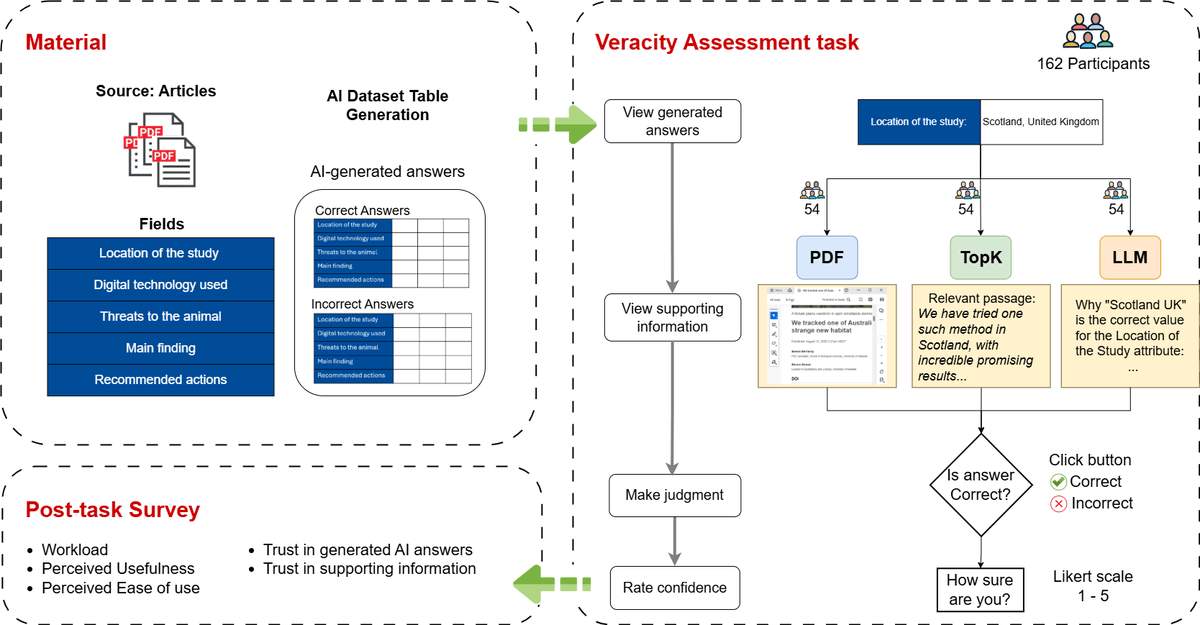
A CSIRO user study finds LLM-generated explanations make people trust AI extractions more and catch fewer errors than passage retrieval.
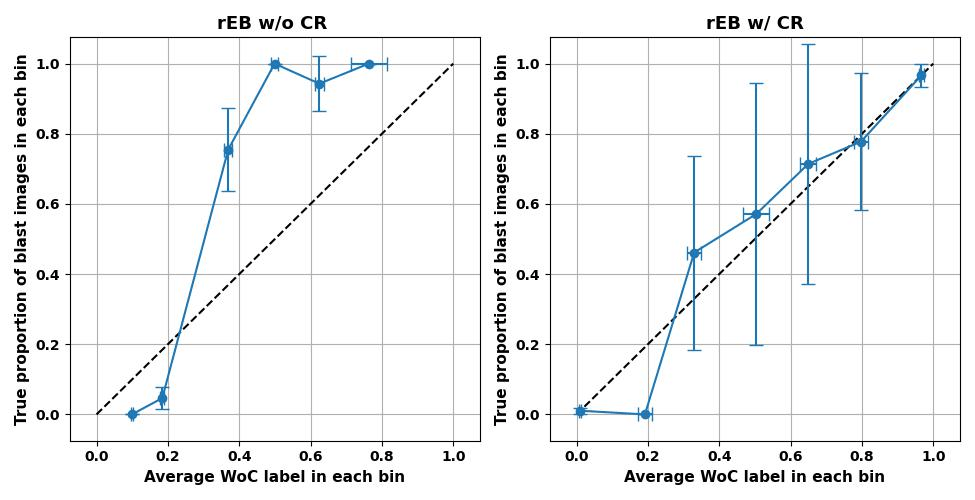
A field experiment on a medical crowdsourcing app shows how prevalence tuning, probability elicitation, and recalibration cut rare-event misses in training labels.