
Pro
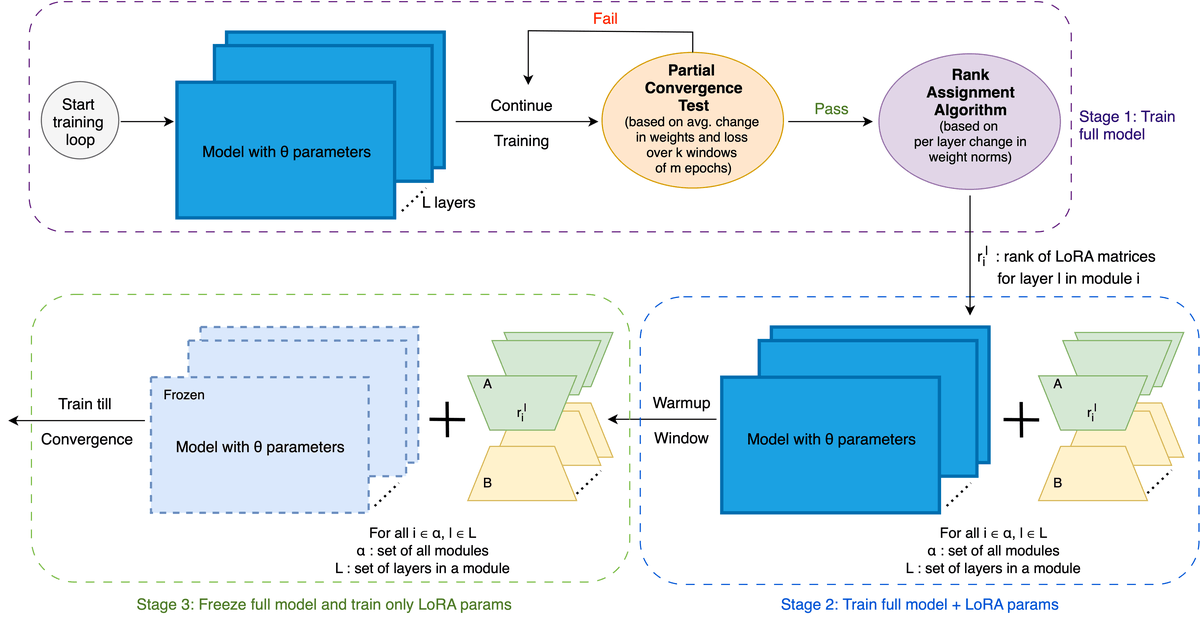
Argonne's PreLoRA Cuts Vision Transformer Training Time by 3x Without Losing Accuracy
PreLoRA starts pretraining with full parameters, then flips to LoRA once weights stabilize, cutting trainable params to 10% with no accuracy loss.
20 stories
PreLoRA starts pretraining with full parameters, then flips to LoRA once weights stabilize, cutting trainable params to 10% with no accuracy loss.
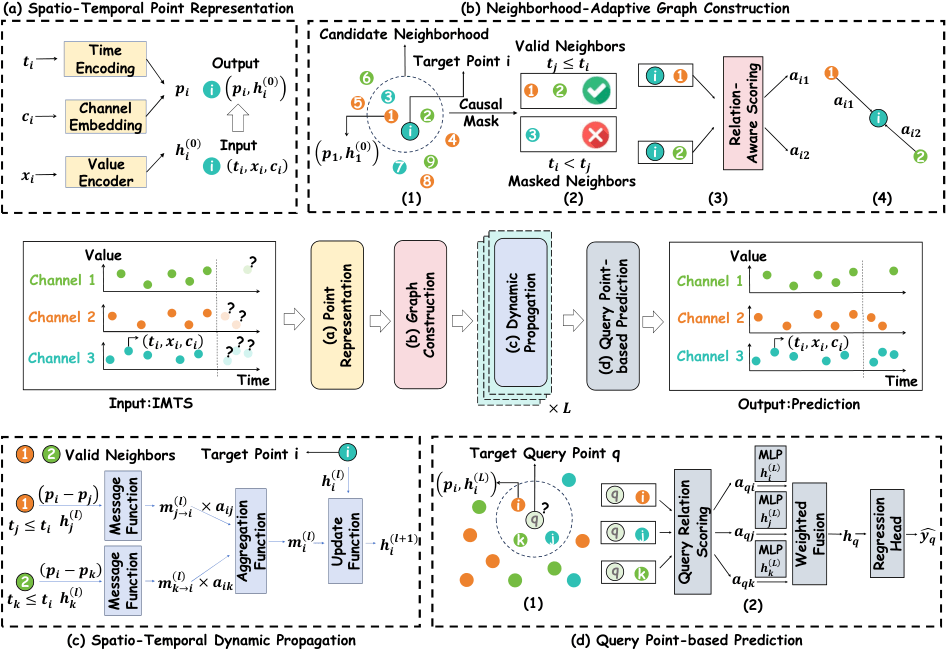
A new graph-based framework for irregular multivariate time series drops MSE by roughly 6% across healthcare, biomechanics, and climate benchmarks by ditching interpolation and static interaction rules.
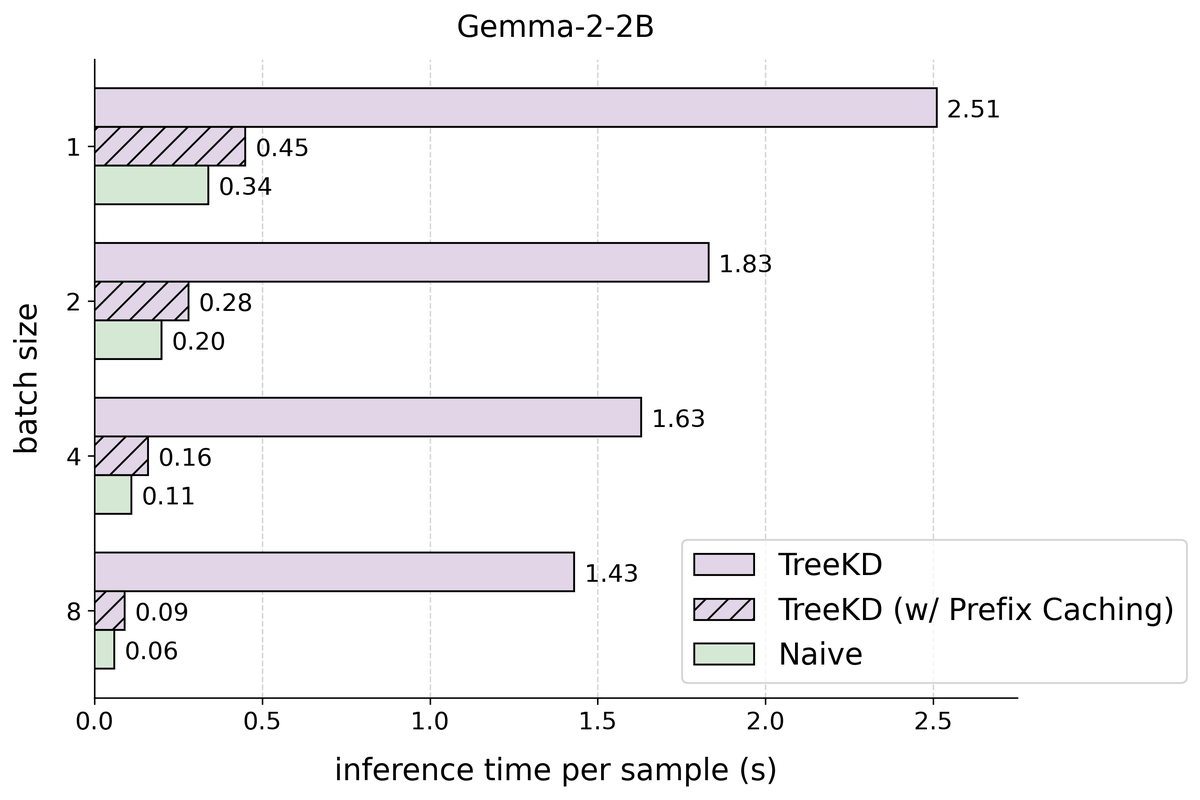
TreeKD verbalizes decision tree rules into prompts, letting small LLMs match or beat specialist ADMET models across 22 drug discovery tasks.
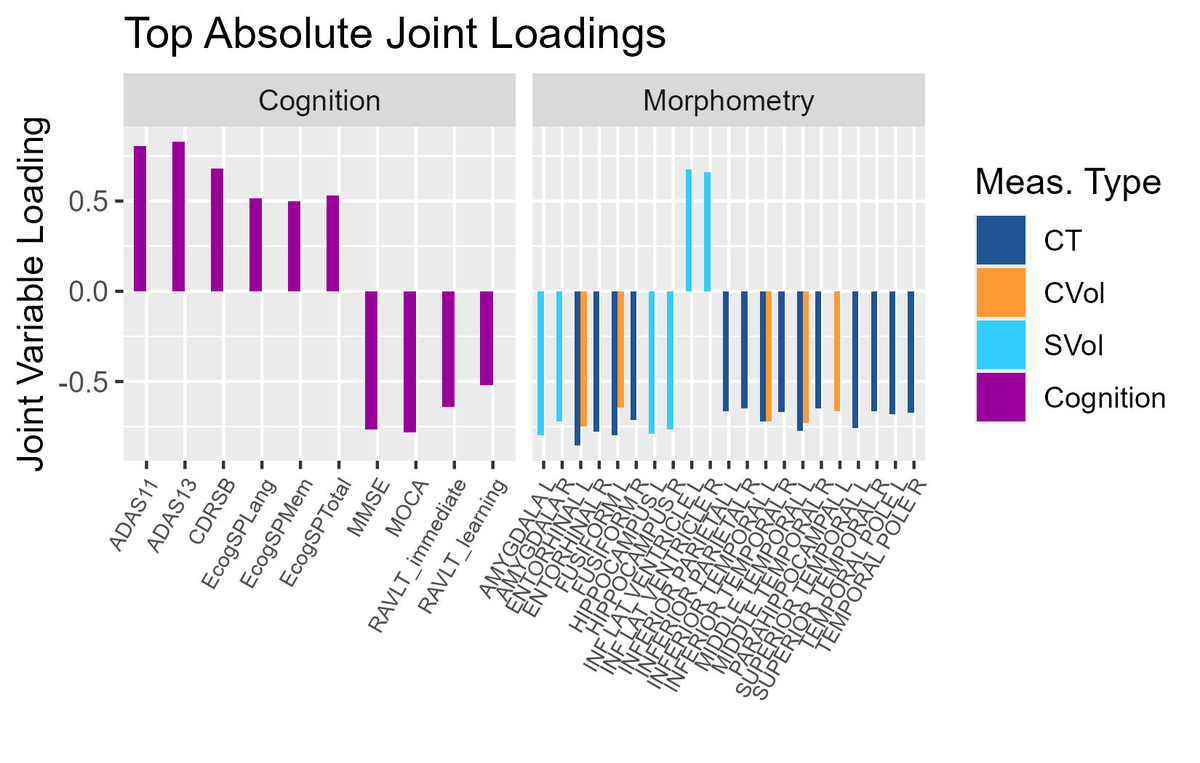
A probabilistic take on joint variance analysis recovers biologically meaningful signals from brain scans and cognitive tests, and links them to expensive PET biomarkers.
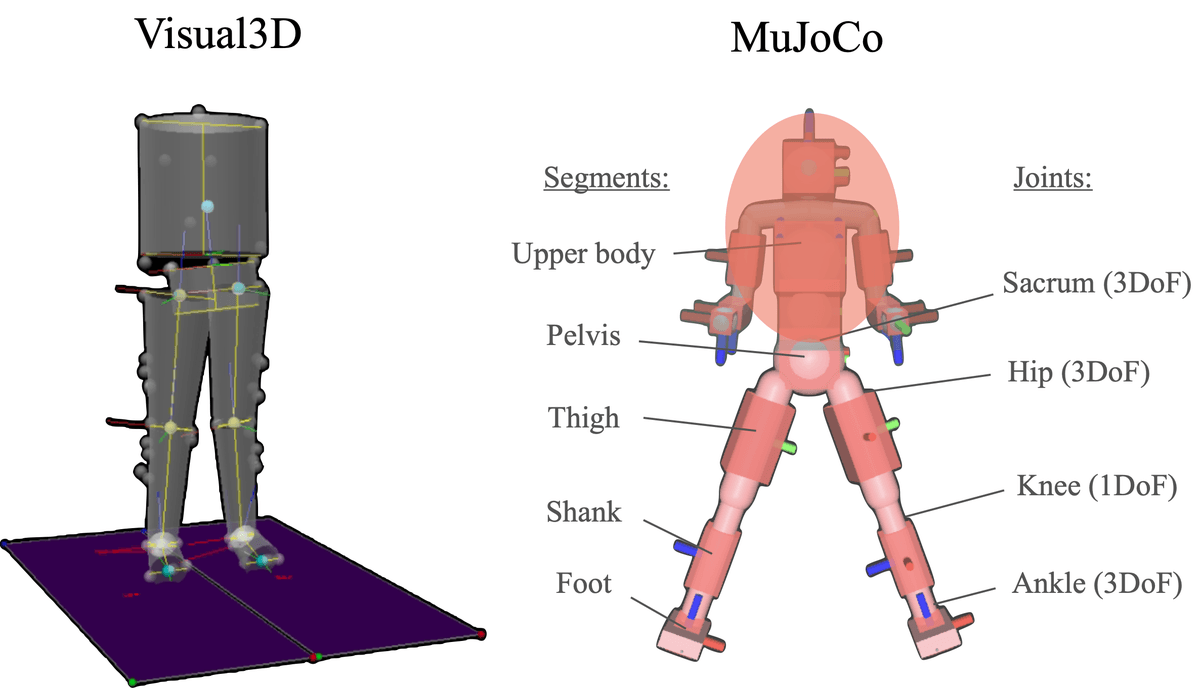
A new ablation study shows motion-only imitation learning produces convincing gait animations but physically wrong joint forces, unless ground contact rewards are added.
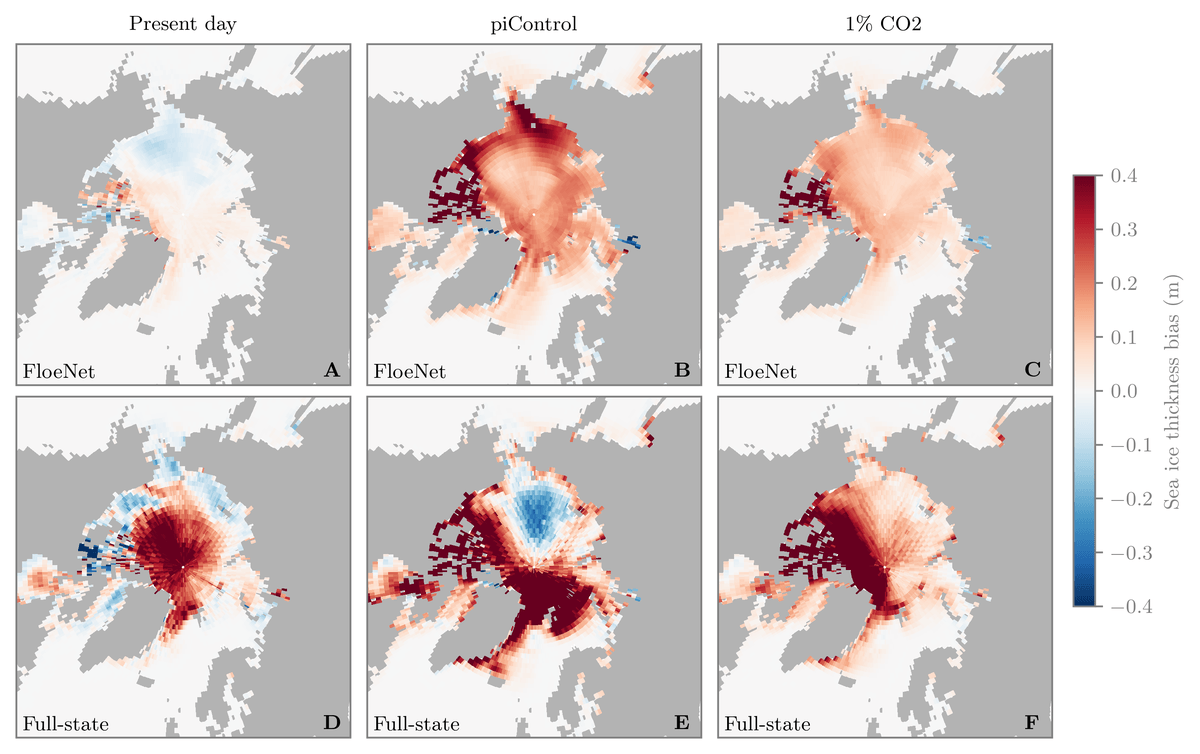
A GNN sea ice emulator trained on one climate holds up under pre-industrial and warming scenarios by predicting mass budgets instead of raw state.
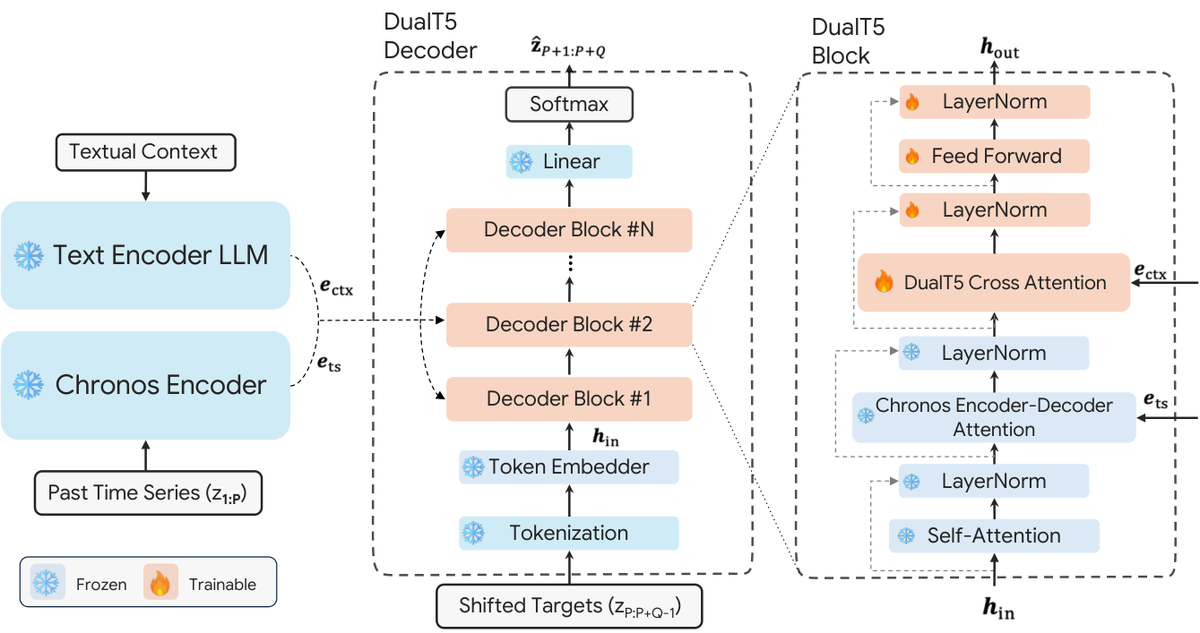
ServiceNow Research releases CAF-7M, a 7 million window dataset and DoubleCast model that finally makes text-augmented time series forecasting work.
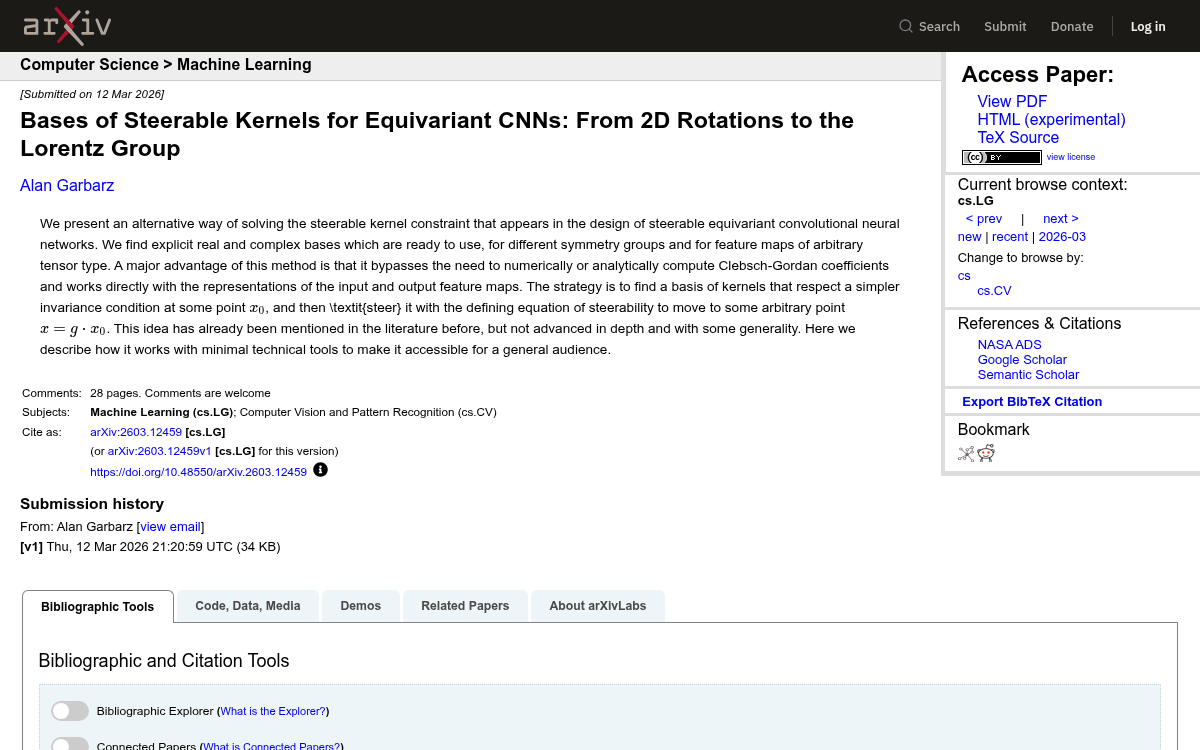
A new derivation gives ready-to-use kernel bases for equivariant CNNs without touching Clebsch-Gordan coefficients, extending cleanly from 2D rotations to the Lorentz group.
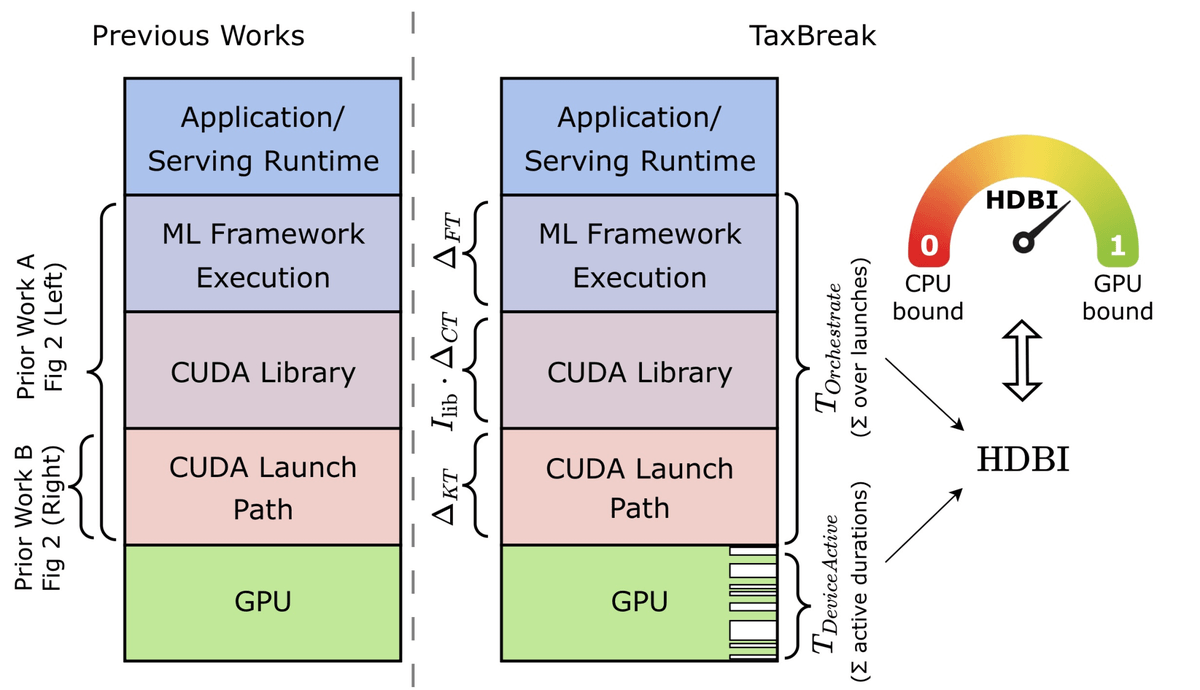
A new profiling framework splits LLM inference latency into three host-side layers, revealing why MoE models sit idle and why CPU single-thread speed matters.
A new framework called GDO trims multimodal instruction tuning to under 55k samples while beating a 512k-sample baseline on four video benchmarks.
A neurosymbolic framework wires modal logic into neural networks, letting trading agents, portfolio optimizers, and contract classifiers reason about rules, worlds, and risk.
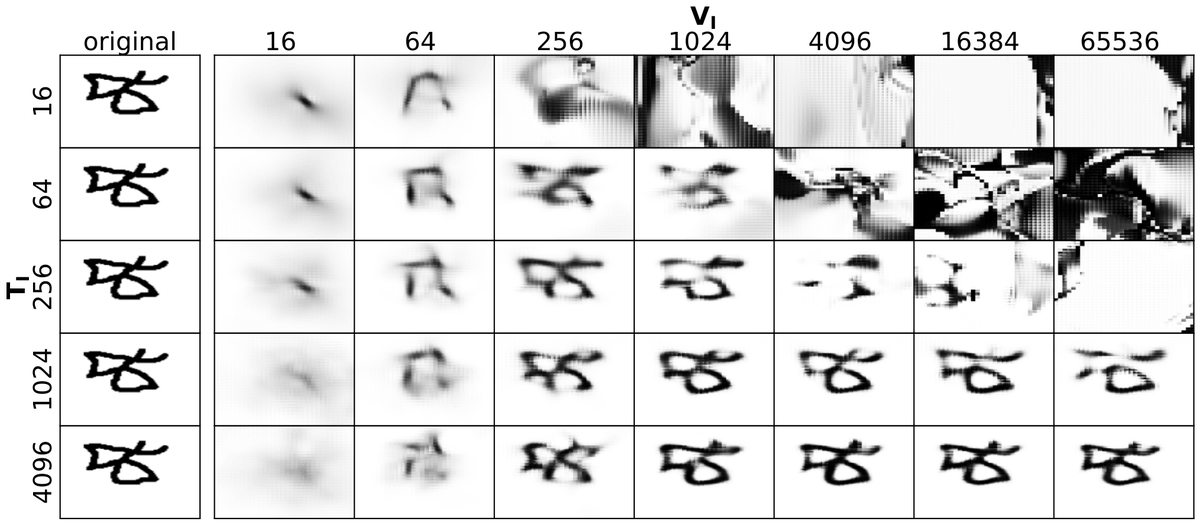
Researchers show Mamba silently tunes itself to training sequence lengths, and a single prepended token can restore length-adaptive behavior.
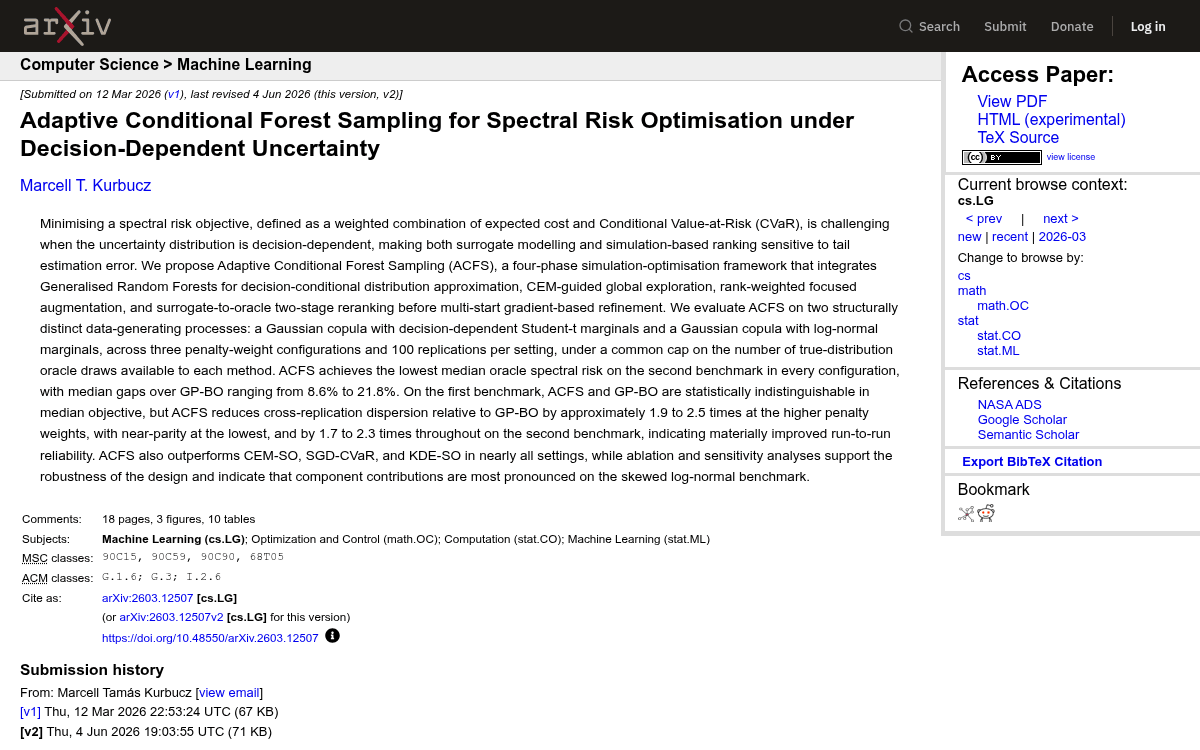
A four-phase simulation-optimization framework cuts run-to-run variance by up to 2.5x when uncertainty shifts with the decision itself.
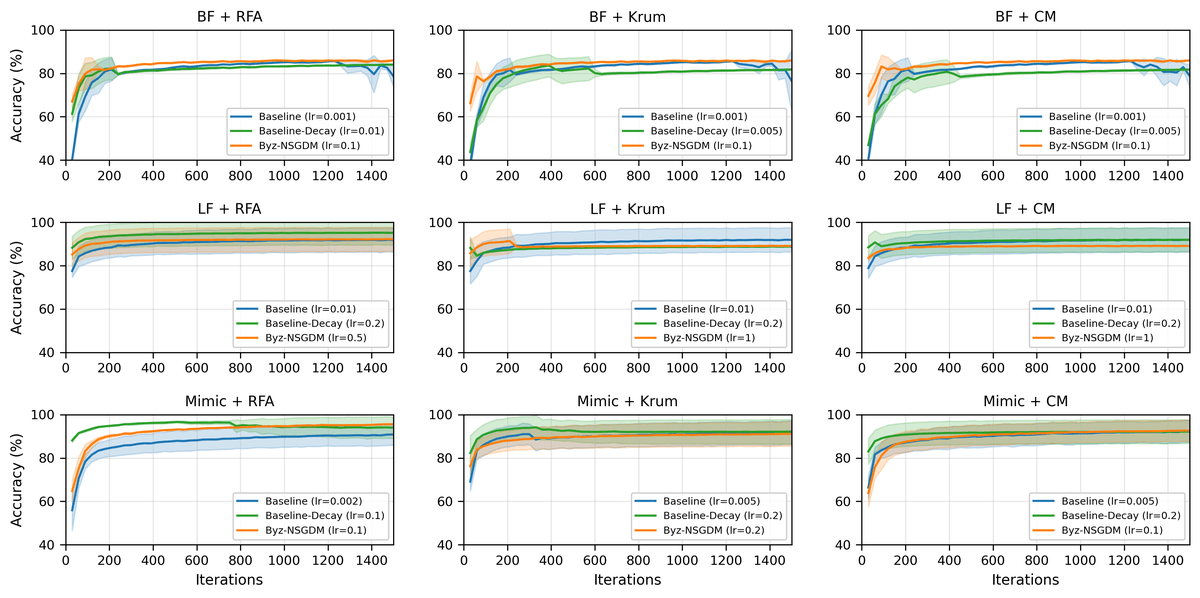
A new preprint proposes Byz-NSGDM, an optimizer that survives malicious workers even when gradients grow wildly, as in transformer training.
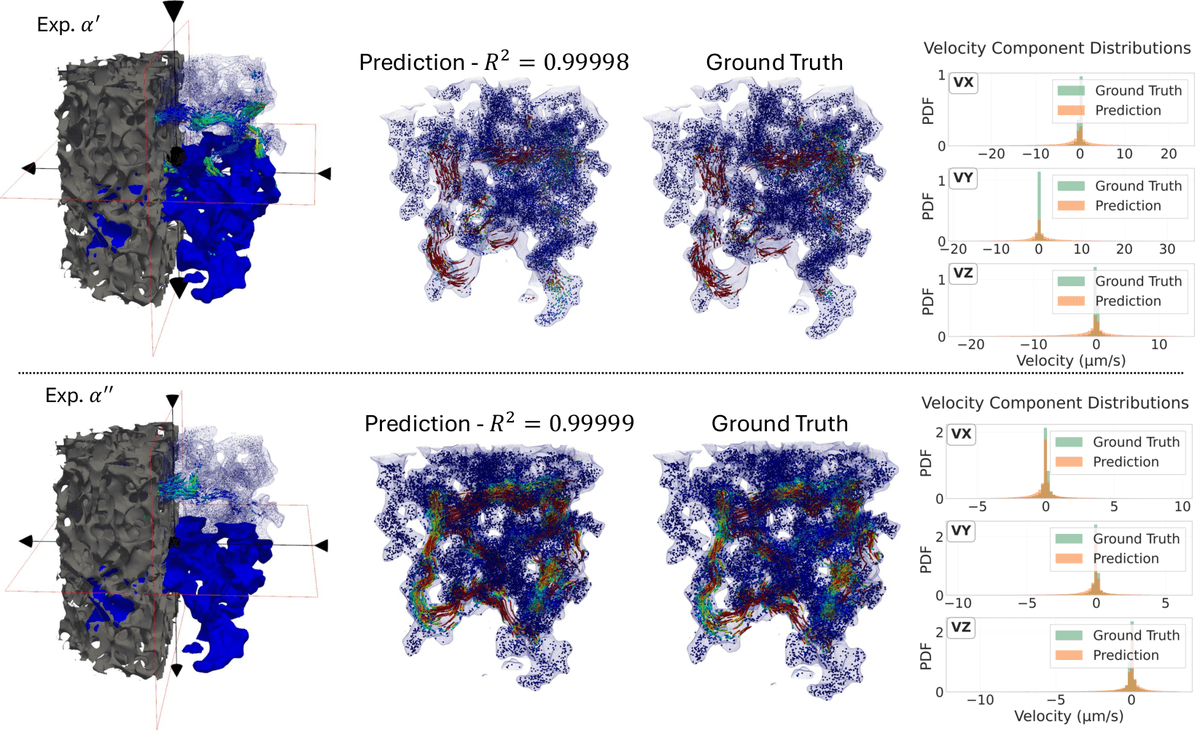
A graph network simulator plus 3D U-Net learns pore-scale multiphase flow from synchrotron velocimetry, replacing day-long simulations with seconds of inference.
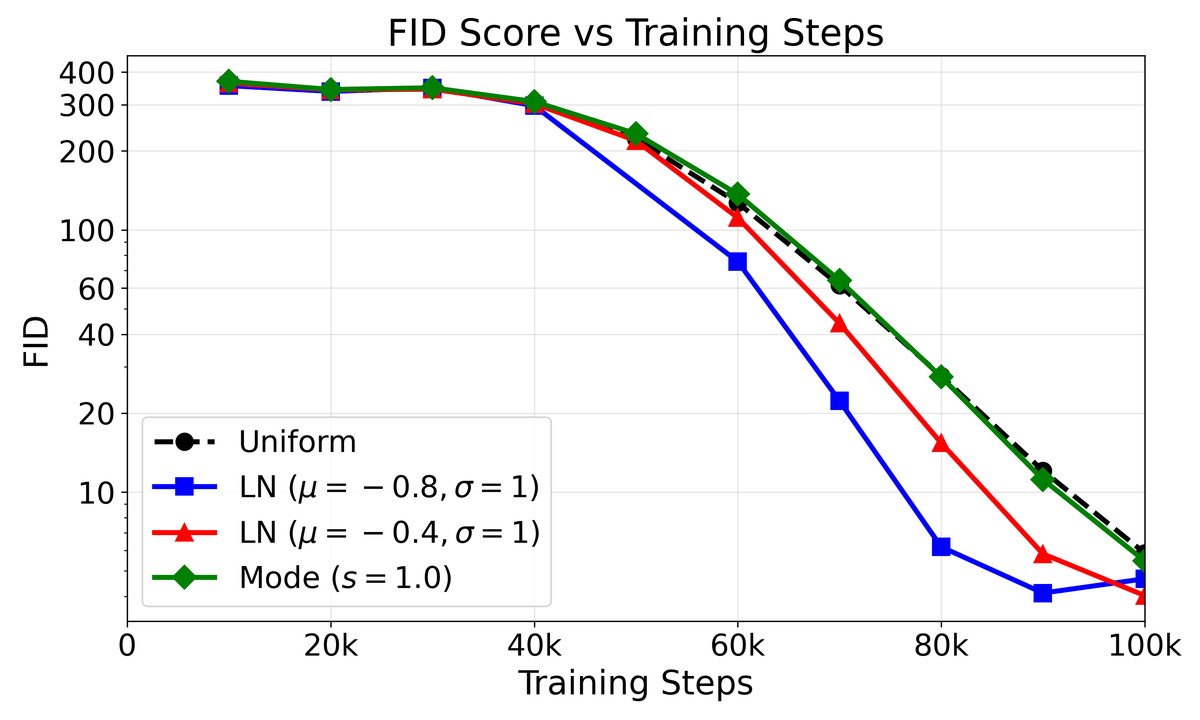
A single-author ICLR workshop paper argues the timestep sampling distribution used to train Flow Matching models should change during training, not stay fixed.
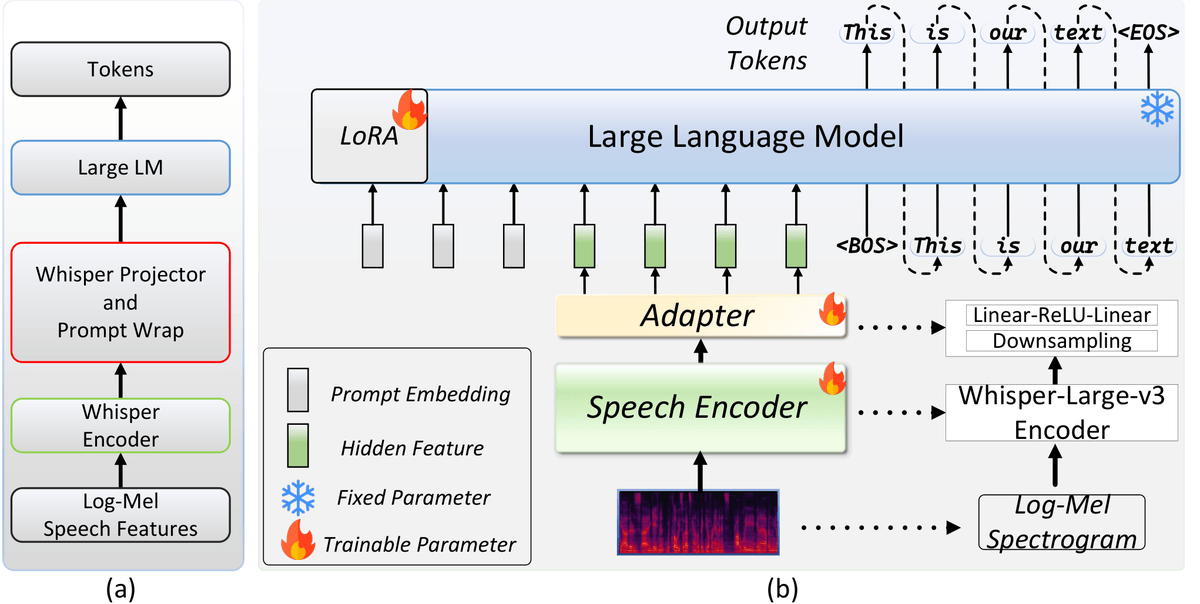
An encoder-adapter-LLM speech recognition system cuts word error rate in half versus baseline across 11 languages, using Whisper, Qwen3, and 30,000 hours of audio.
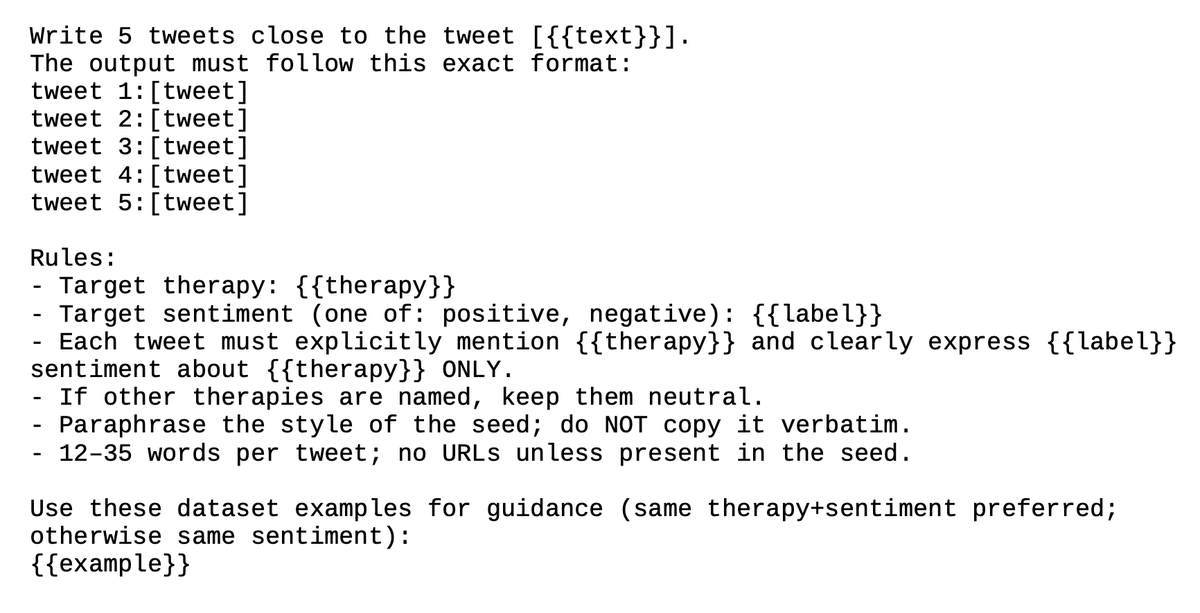
A DeBERTa-v3 classifier fine-tuned on SMM4H data plus LLM augmentation maps how 3,480 Reddit users talk about depression medications
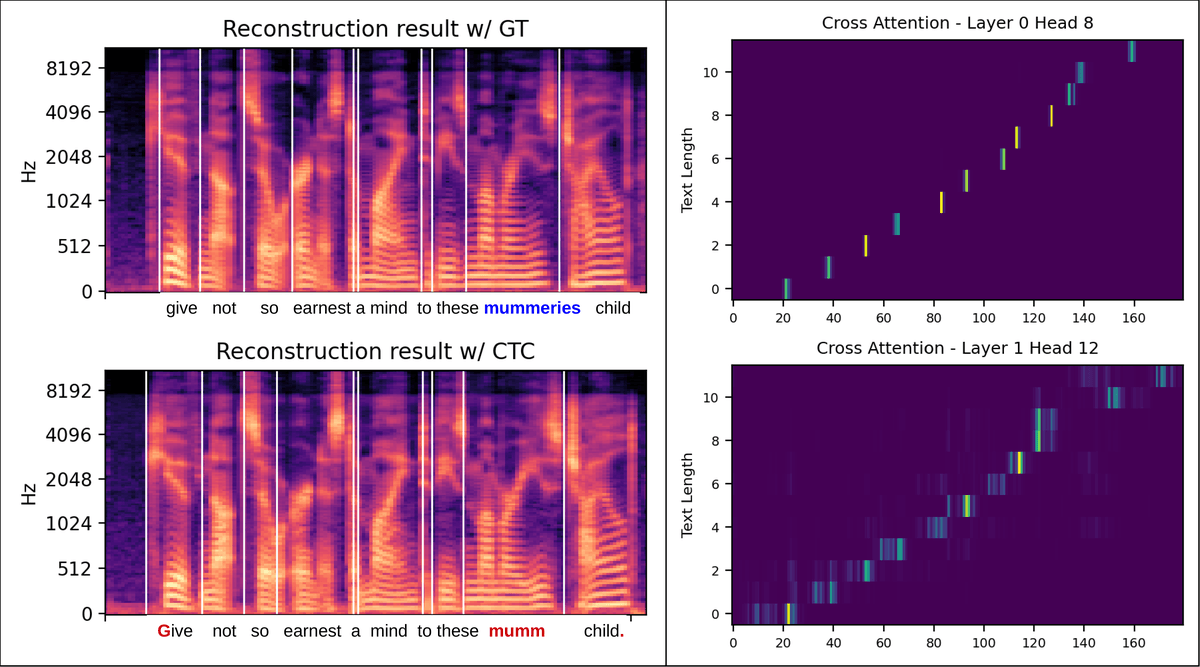
A CTC-based ASR module and causal unit decoder cut encoding latency by 50x while matching offline speech tokenization quality.
A new framework combines chain-of-thought prompting with LoRA adapters to help generative retrieval models handle financial queries that require numerical reasoning.