A new theoretical framework identifies when high dimensional gradient flow can be compressed into a lower dimensional Riemannian flow, extending implicit bias analysis to deep ReLU networks and infinitely deep linear networks.
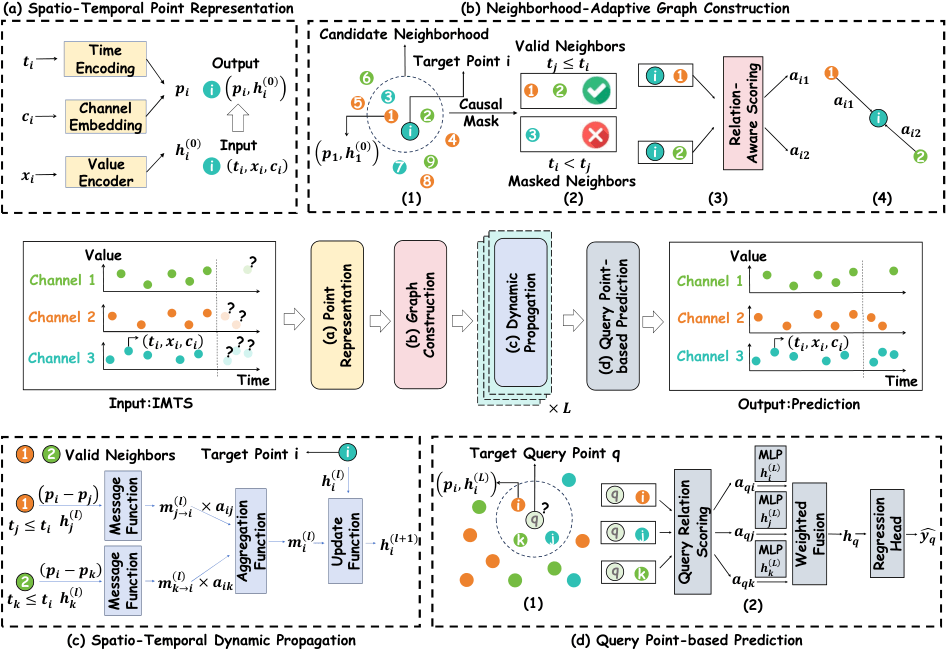
A new graph-based framework for irregular multivariate time series drops MSE by roughly 6% across healthcare, biomechanics, and climate benchmarks by ditching interpolation and static interaction rules.
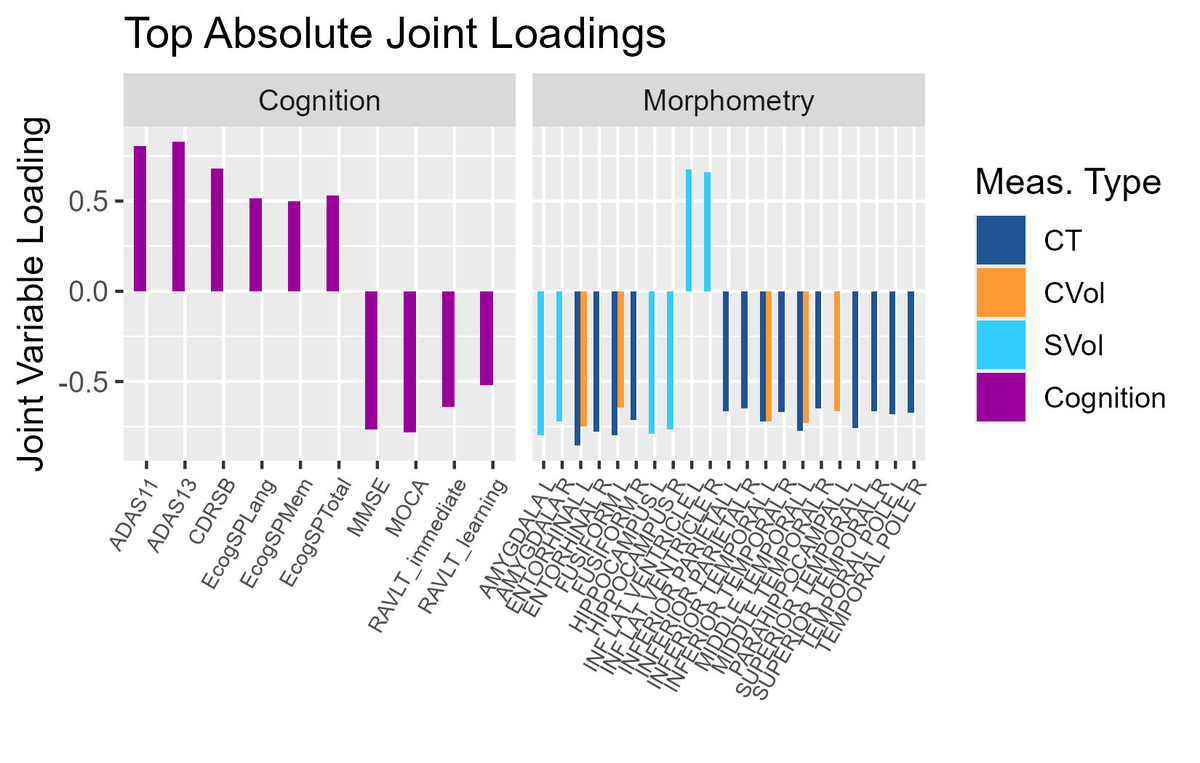
A probabilistic take on joint variance analysis recovers biologically meaningful signals from brain scans and cognitive tests, and links them to expensive PET biomarkers.
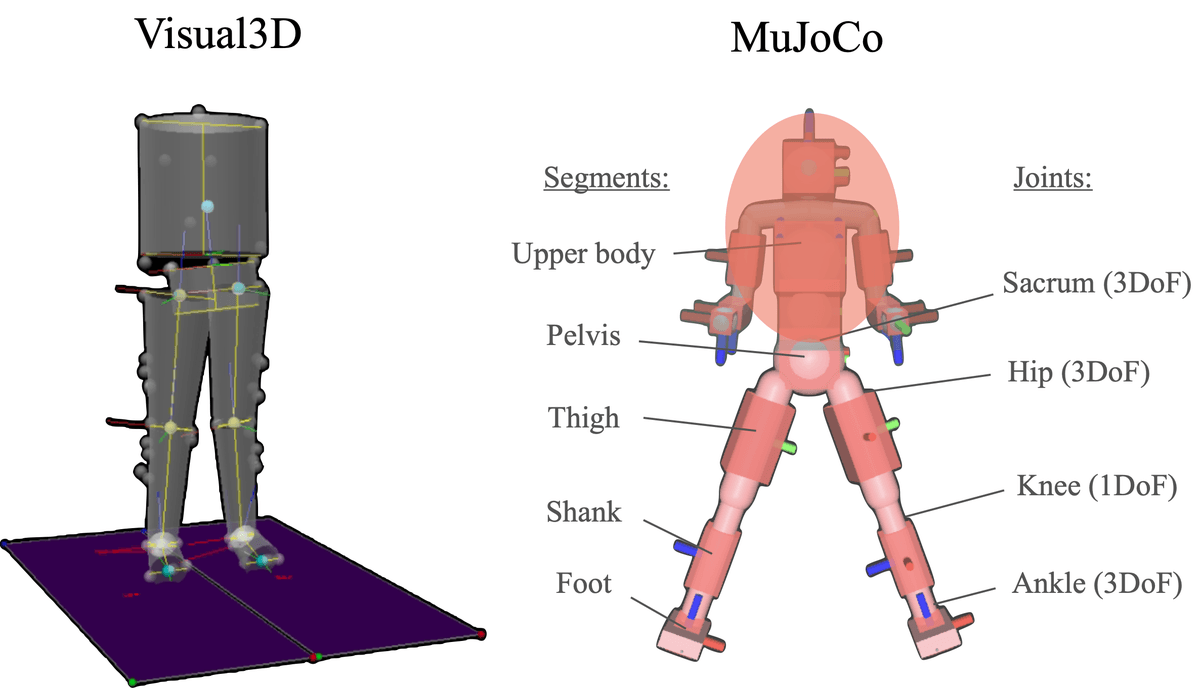
A new ablation study shows motion-only imitation learning produces convincing gait animations but physically wrong joint forces, unless ground contact rewards are added.
A new derivation gives ready-to-use kernel bases for equivariant CNNs without touching Clebsch-Gordan coefficients, extending cleanly from 2D rotations to the Lorentz group.
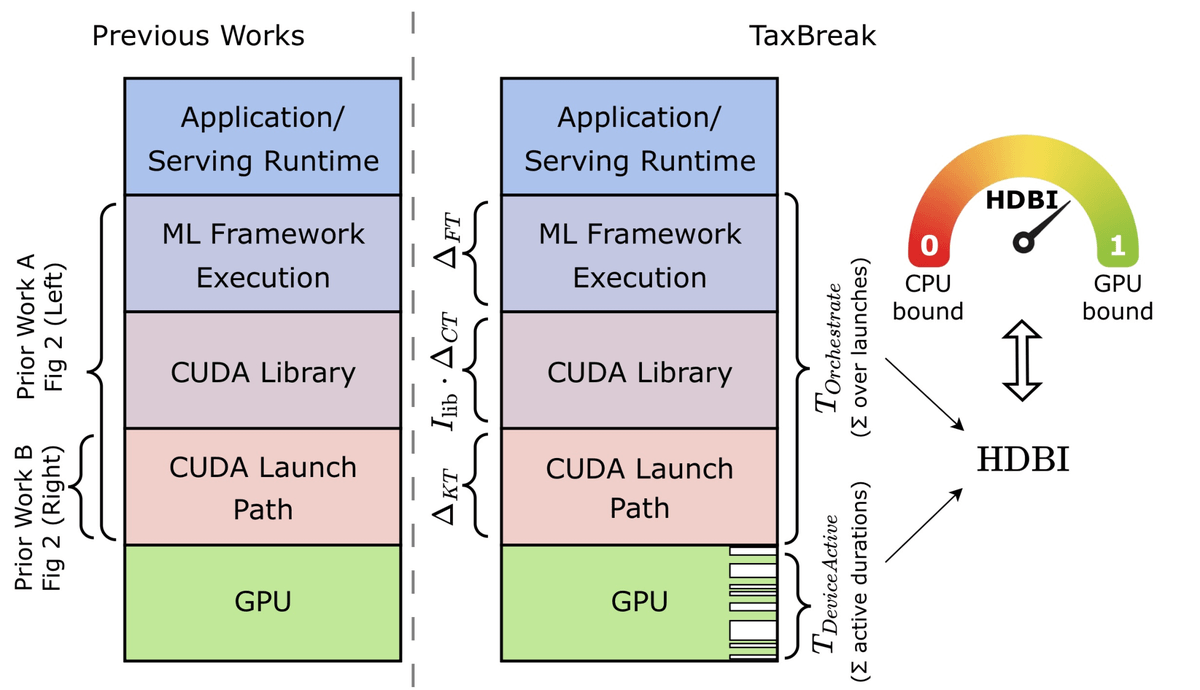
A new profiling framework splits LLM inference latency into three host-side layers, revealing why MoE models sit idle and why CPU single-thread speed matters.
A neurosymbolic framework wires modal logic into neural networks, letting trading agents, portfolio optimizers, and contract classifiers reason about rules, worlds, and risk.
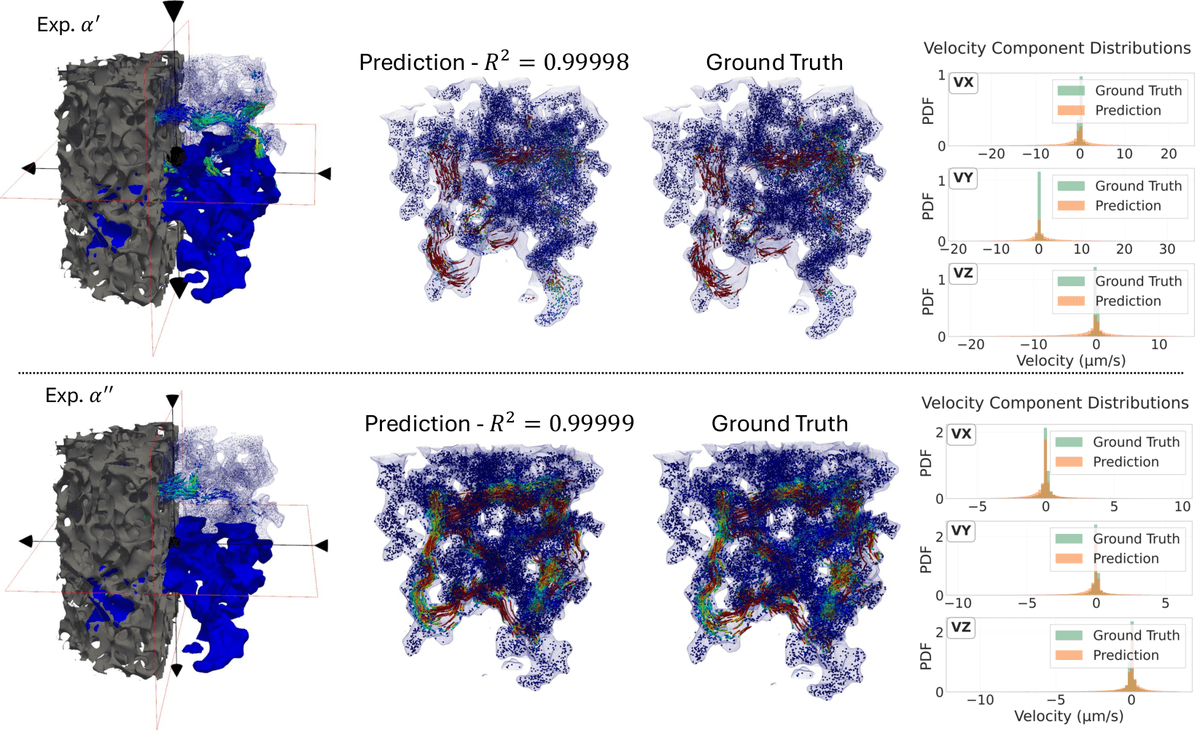
A graph network simulator plus 3D U-Net learns pore-scale multiphase flow from synchrotron velocimetry, replacing day-long simulations with seconds of inference.
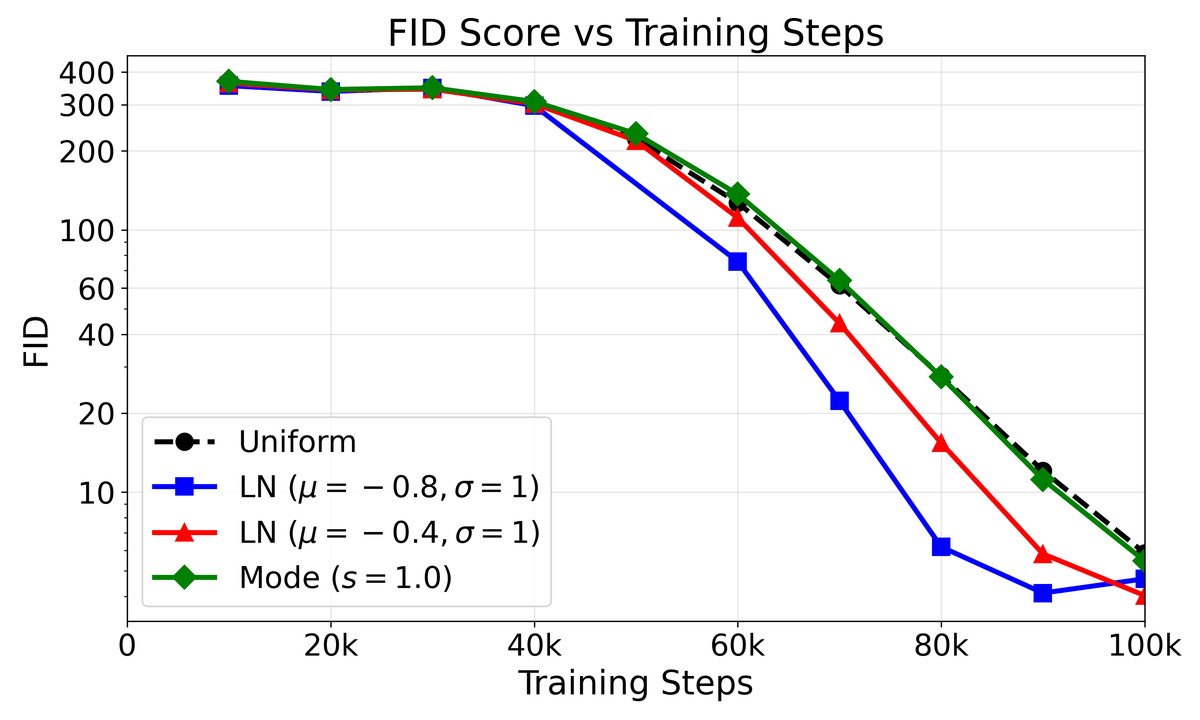
A single-author ICLR workshop paper argues the timestep sampling distribution used to train Flow Matching models should change during training, not stay fixed.
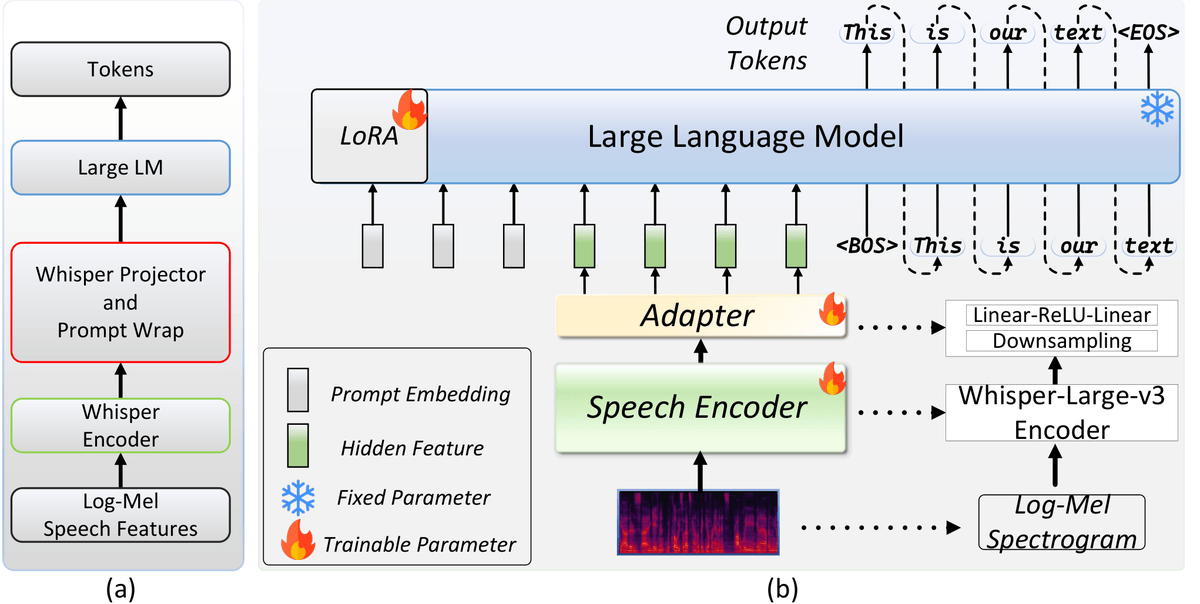
An encoder-adapter-LLM speech recognition system cuts word error rate in half versus baseline across 11 languages, using Whisper, Qwen3, and 30,000 hours of audio.