
Pro
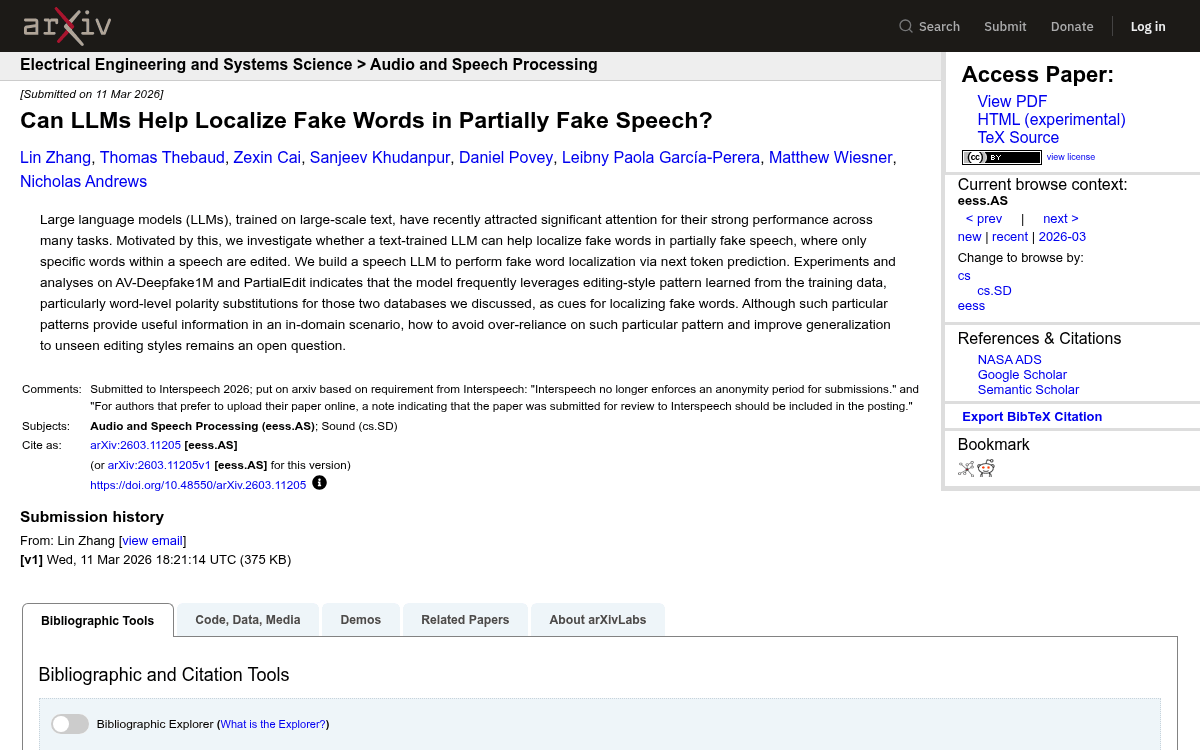
Johns Hopkins Exposes a Hidden Flaw in AI Audio Deepfake Detectors
Johns Hopkins researchers wire a speech LLM to flag edited words in deepfake audio, and find the model cheats by memorizing antonym patterns.
20 stories
Johns Hopkins researchers wire a speech LLM to flag edited words in deepfake audio, and find the model cheats by memorizing antonym patterns.
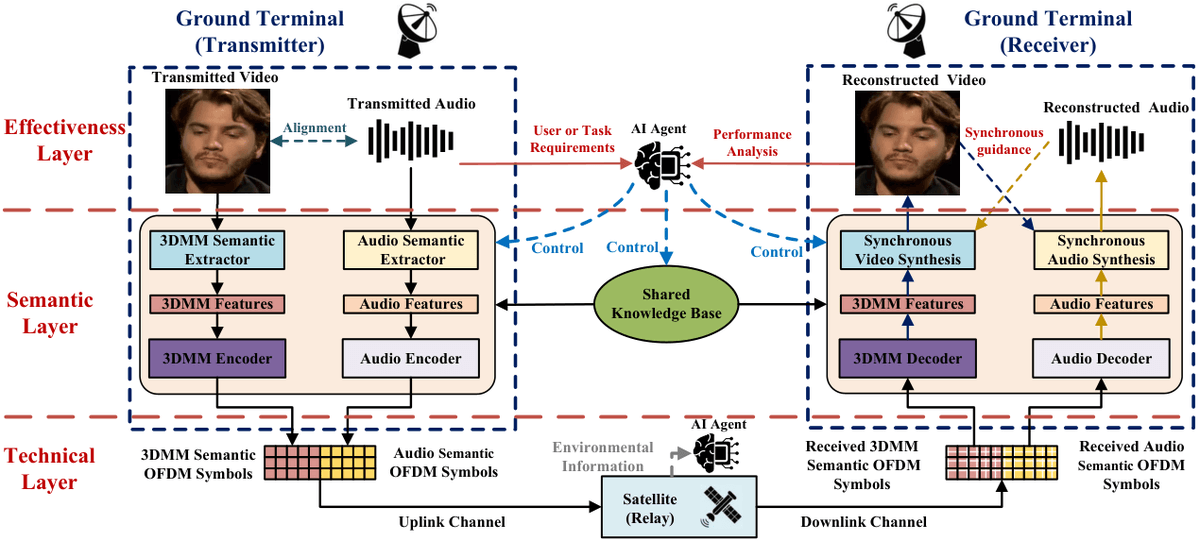
A dual-stream generative pipeline plus an LLM controller lets satellites carry talking-head video and audio at kilobit-per-second rates.
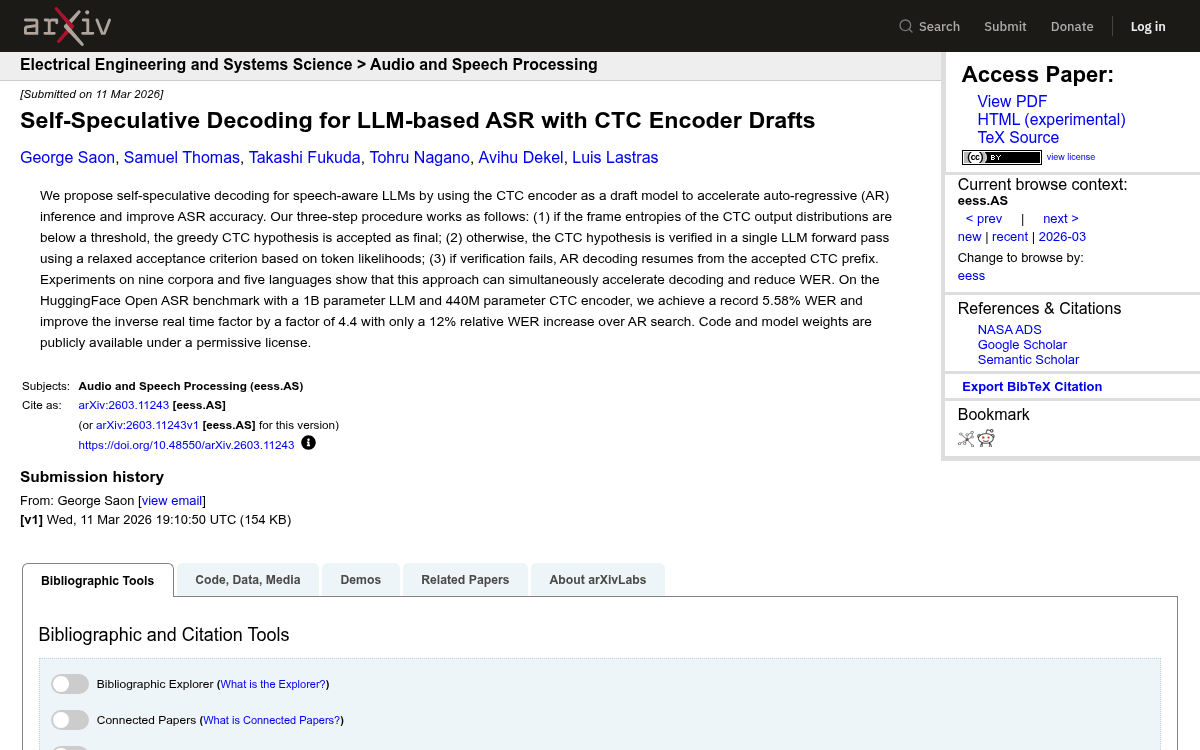
IBM researchers turn a speech model's own CTC encoder into a draft speller, cutting inference time 4.4x while pushing Open ASR to a record 5.58% WER.
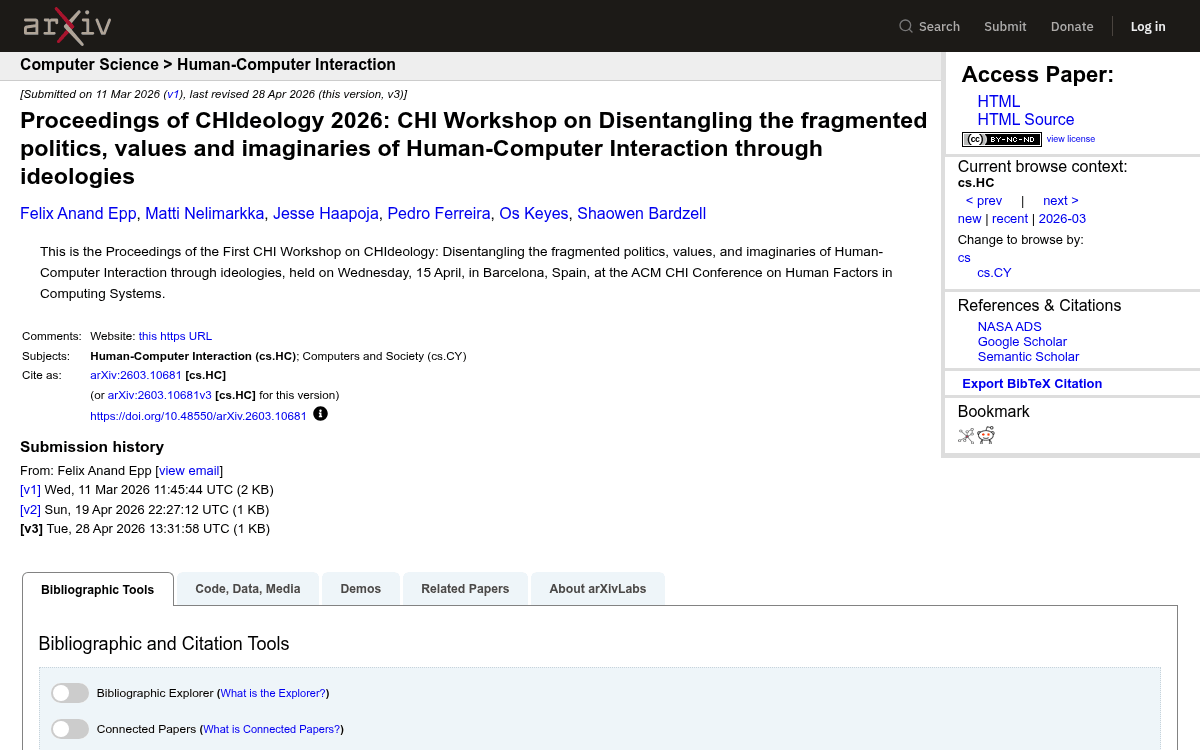
A CHI 2026 workshop gathers HCI researchers to name the belief systems hiding inside design choices, alignment methods, and AI research agendas.
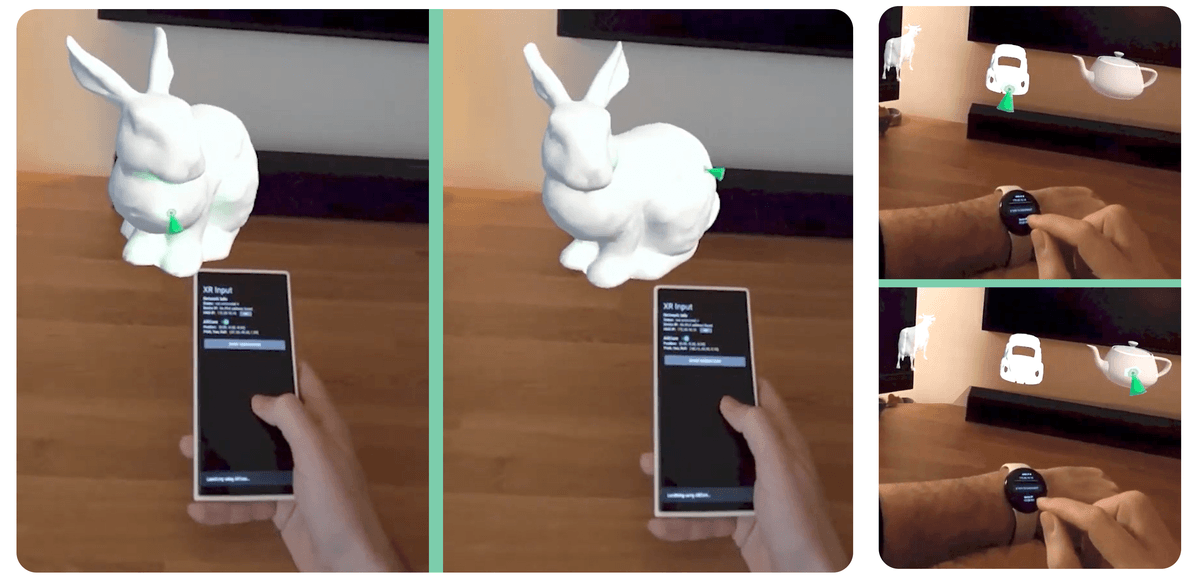
A CHI '26 paper introduces World Mouse, adapting the desktop mouse into a depth-adaptive cursor that treats real and virtual objects as one continuous surface.
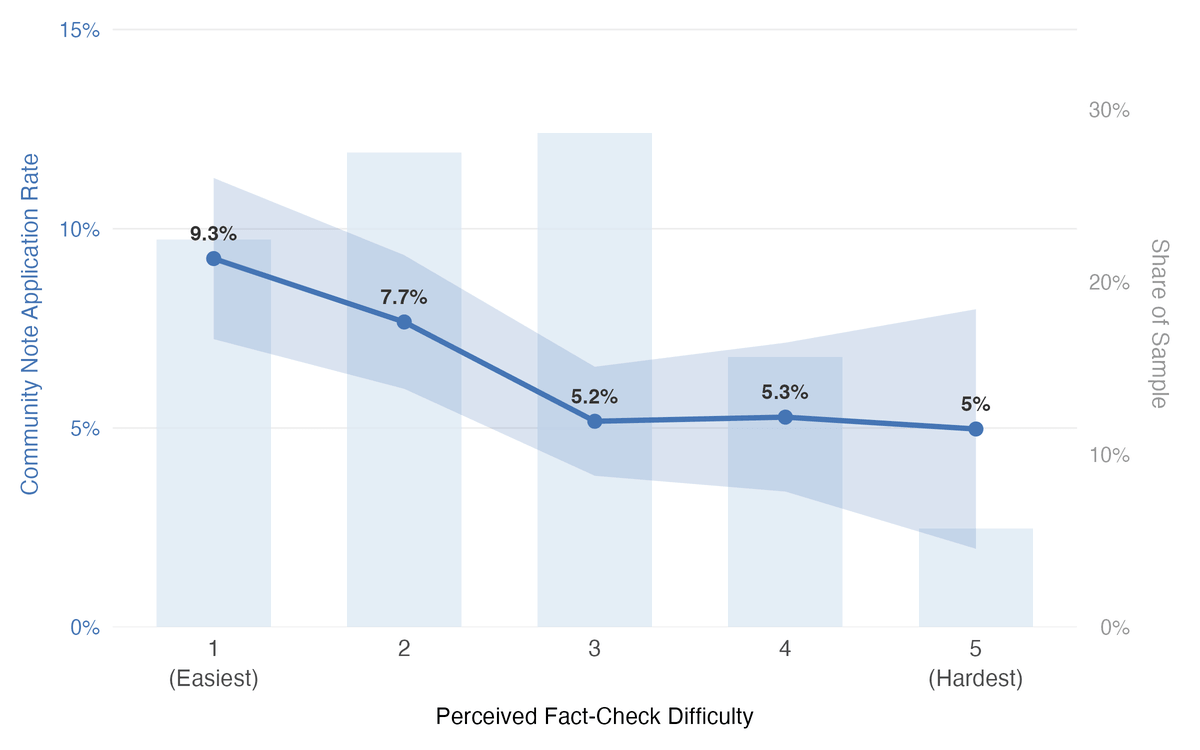
A study of 2,250 vaccine posts finds Community Notes correct plausible, hard-to-verify claims at less than half the rate of obvious falsehoods.
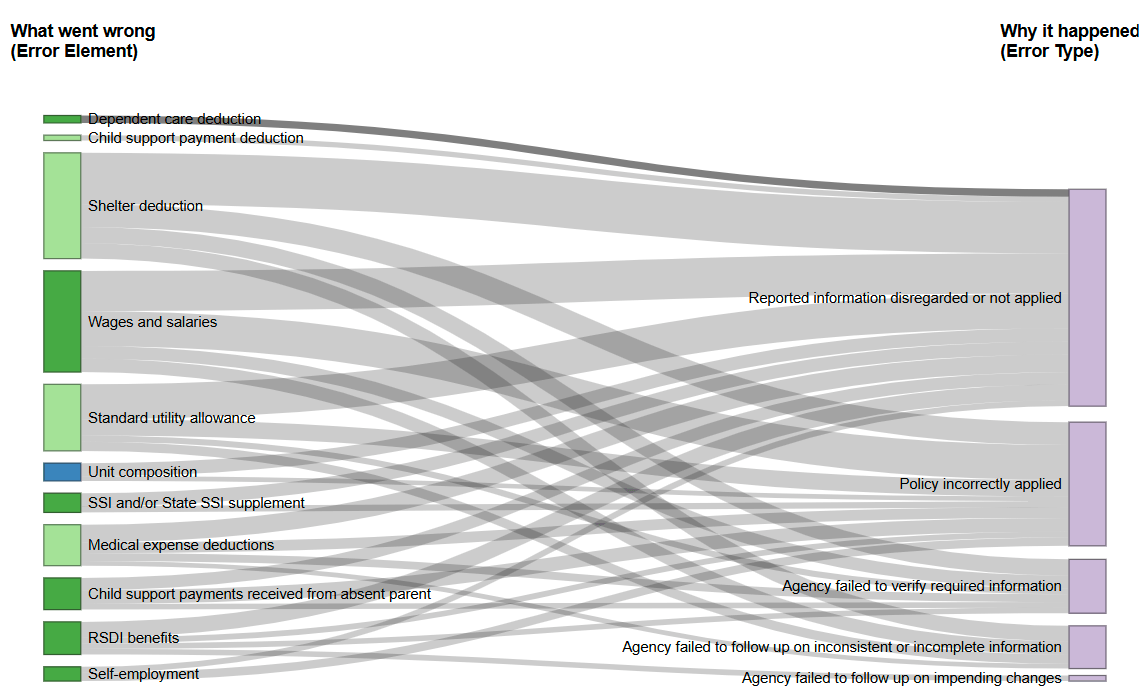
A randomized study with SNAP caseworkers finds high-accuracy chatbots boost human accuracy by 27 points, but humans stop keeping up past 90%.
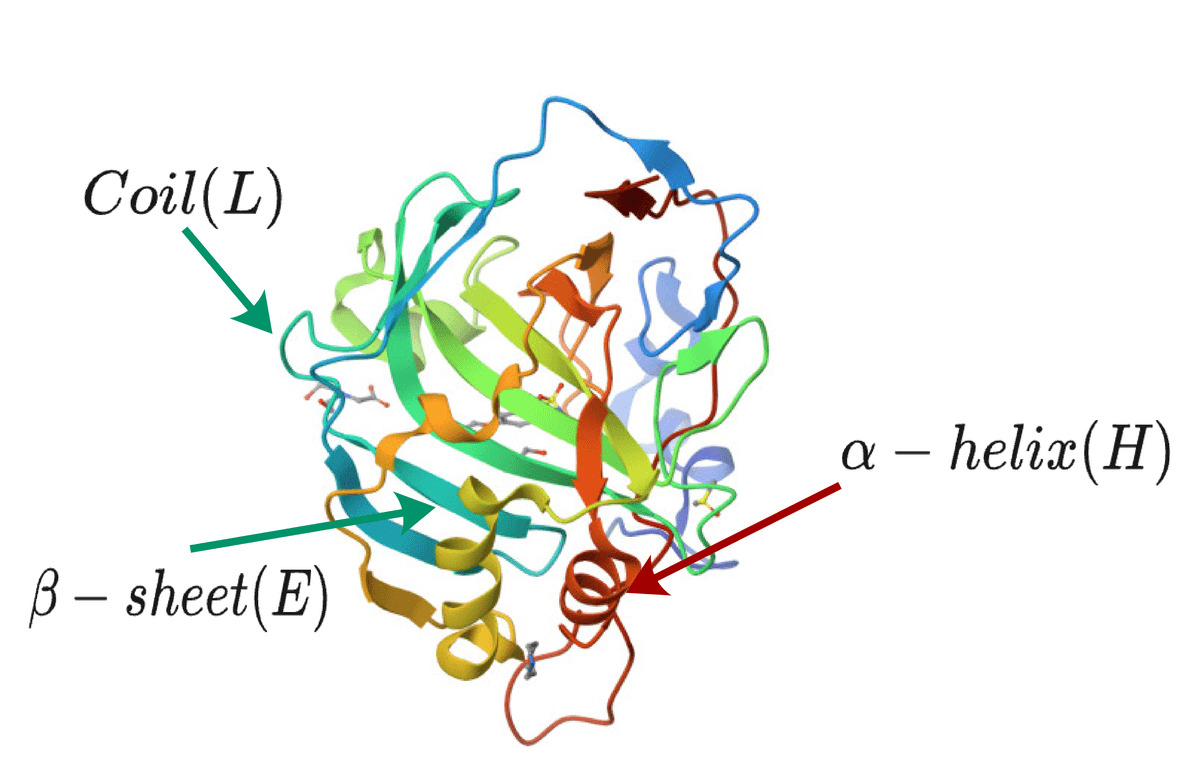
Researchers reformulate protein secondary structure prediction as an evolutionary feature-fusion problem, beating deep learning baselines on seven benchmarks including CASP14.
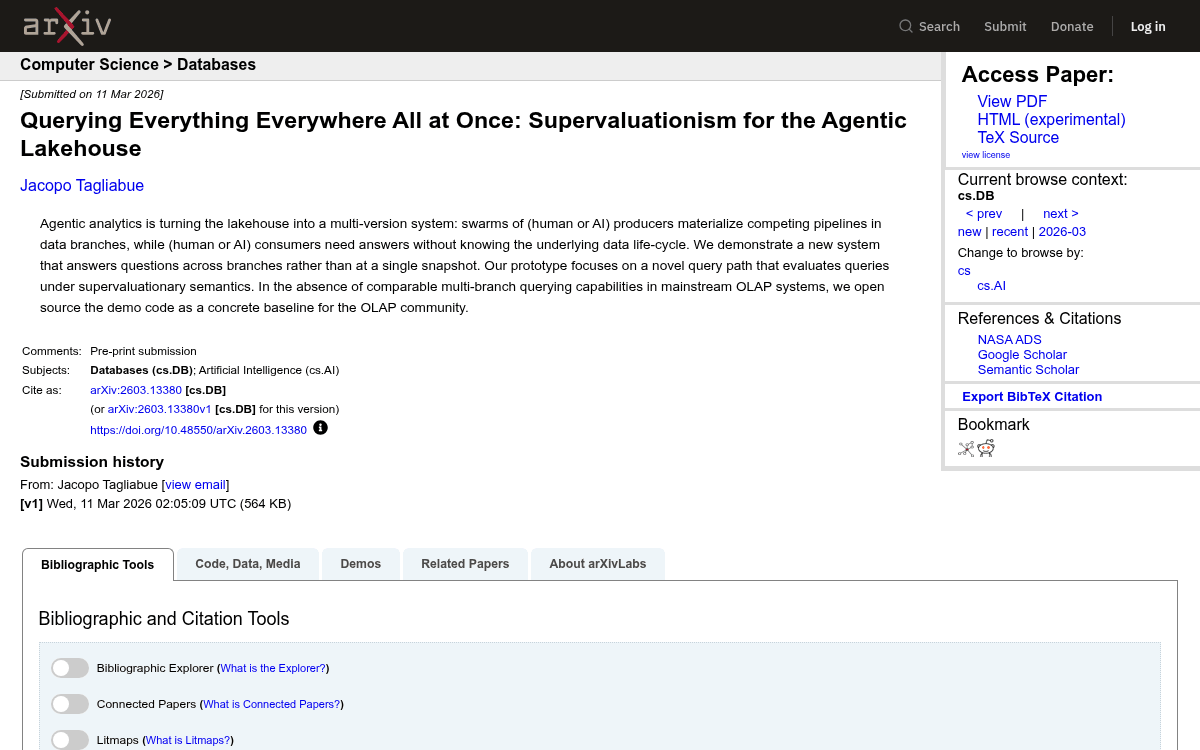
A prototype from Bauplan Labs treats disagreeing lakehouse branches as first-class citizens, letting SQL queries reason across every version at once.
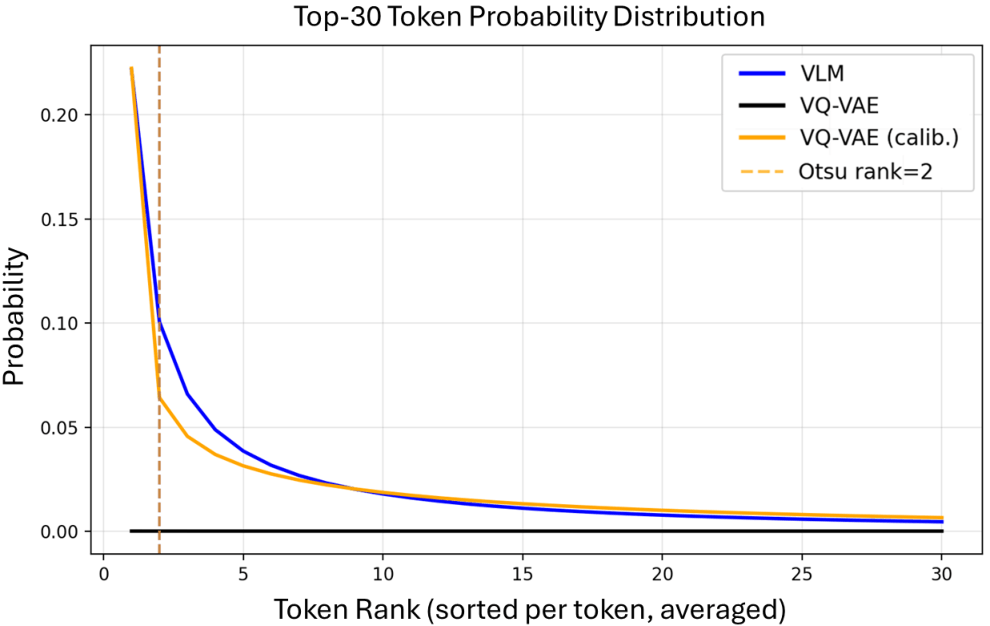
A diffusion decoder trained only on ImageNet-1K cuts Janus-Pro 7B's generation FID by 34 percent without retraining the underlying VLM.
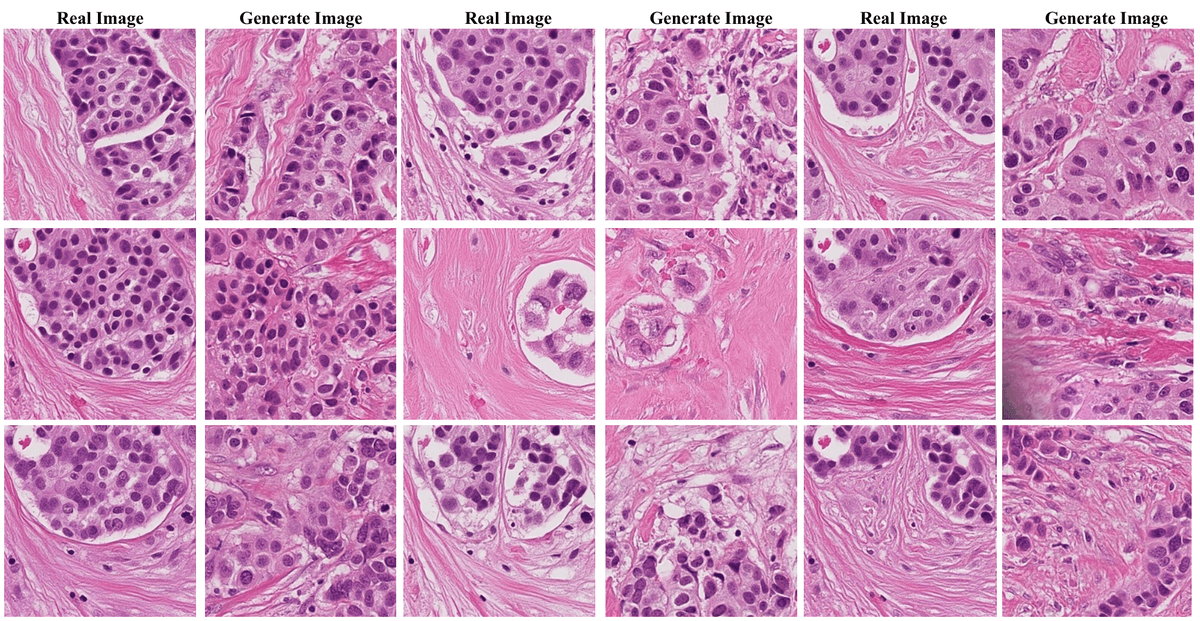
A new diffusion transformer pairs layout masks, diagnostic text, and visual embeddings to give pathology image synthesis fine-grained spatial control.
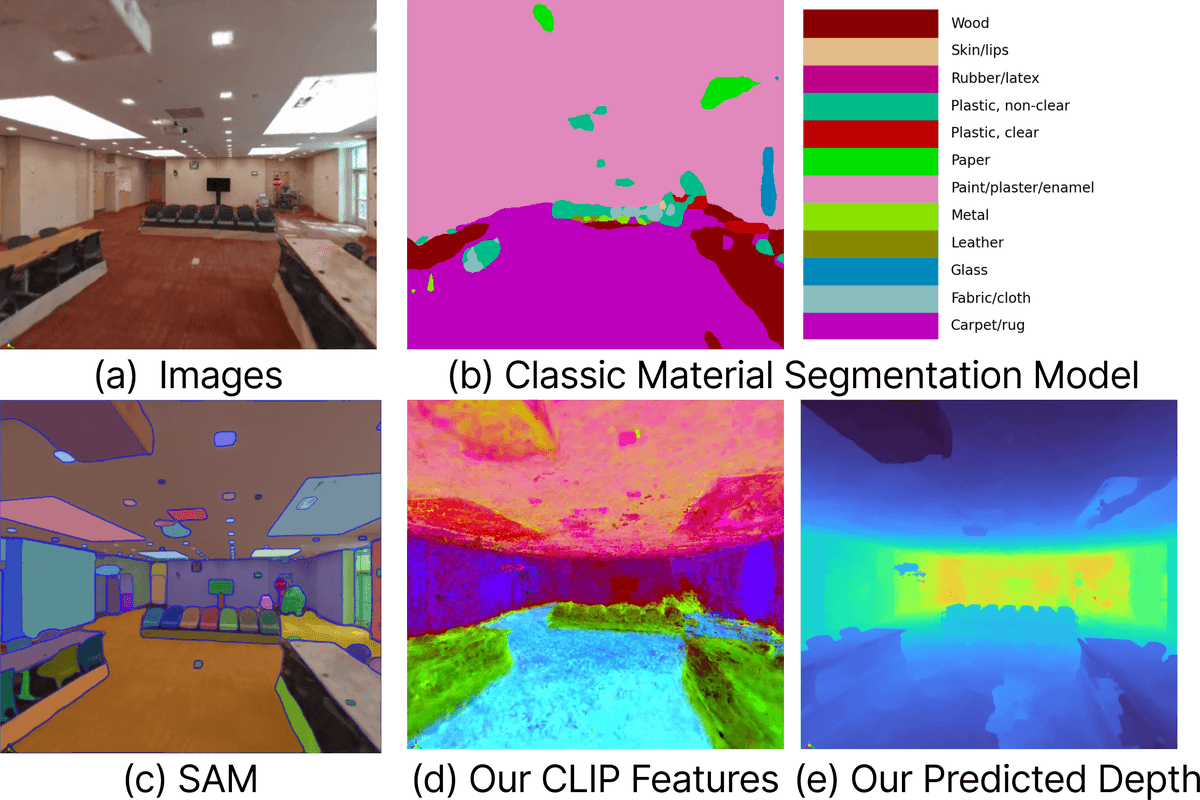
A new digital twin framework uses vision-language models to seed differentiable ray tracers with material priors, slashing mmWave calibration data by 10x.
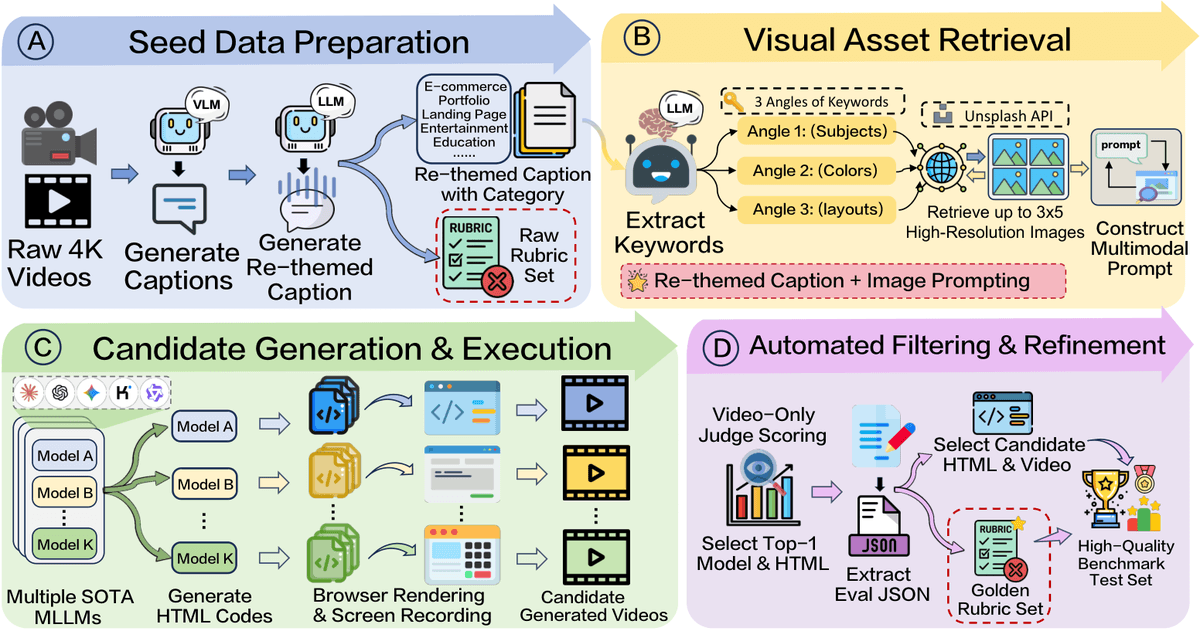
WebVR is the first benchmark that scores multimodal LLMs on rebuilding webpages from screen recordings, exposing a large gap in motion and interaction fidelity.
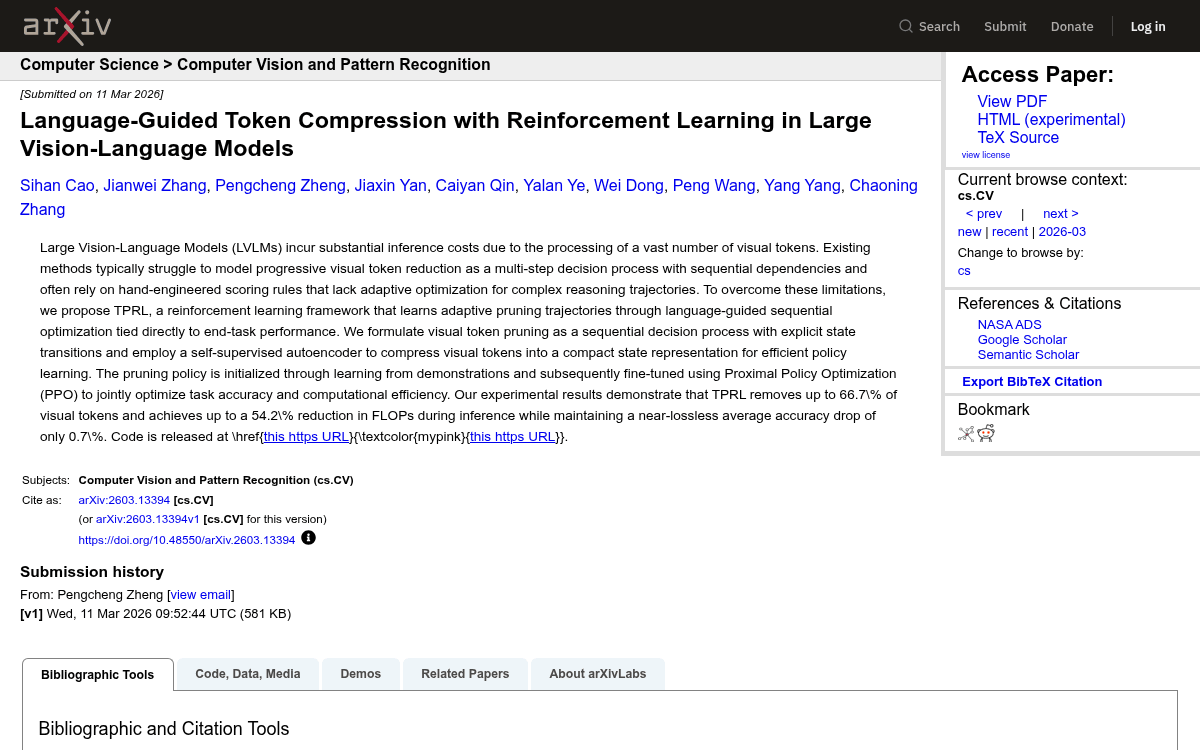
TPRL frames visual token pruning as a reinforcement learning problem, dropping up to 66.7% of tokens on LLaVA with only 0.7% accuracy loss.
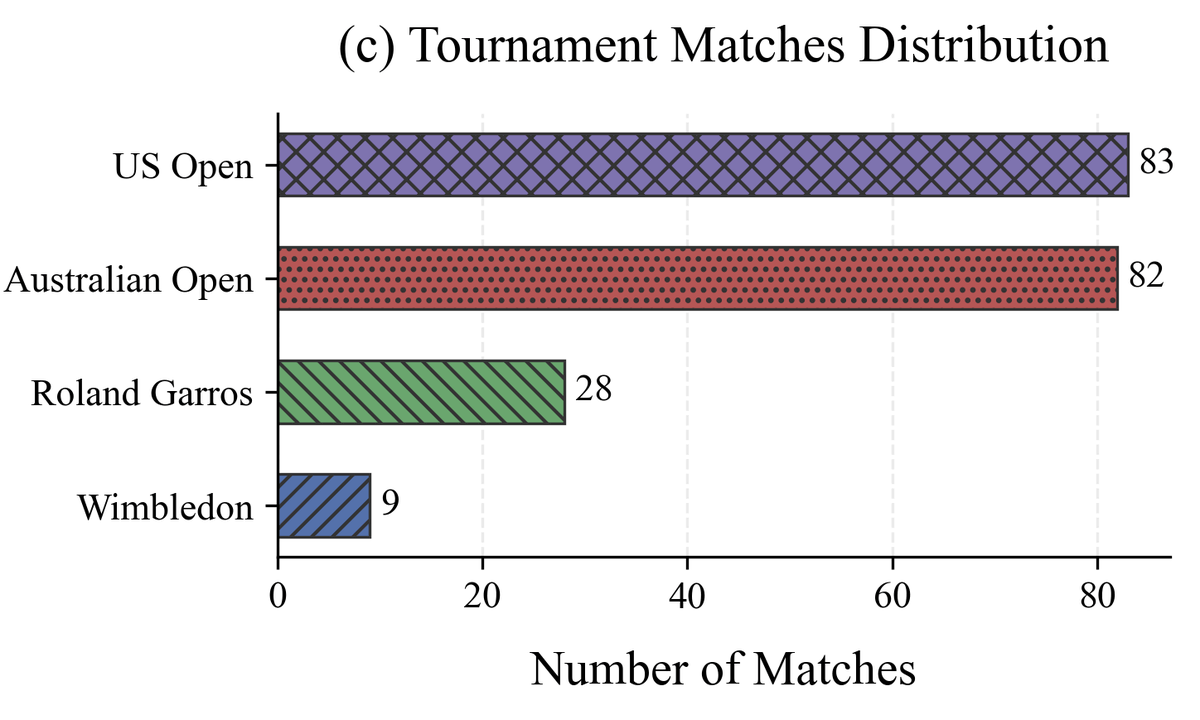
An 8B tennis-tuned model built on Qwen3-VL beats GPT-5, Gemini 3 Pro, and Claude at expert-level rally commentary, running under two seconds.
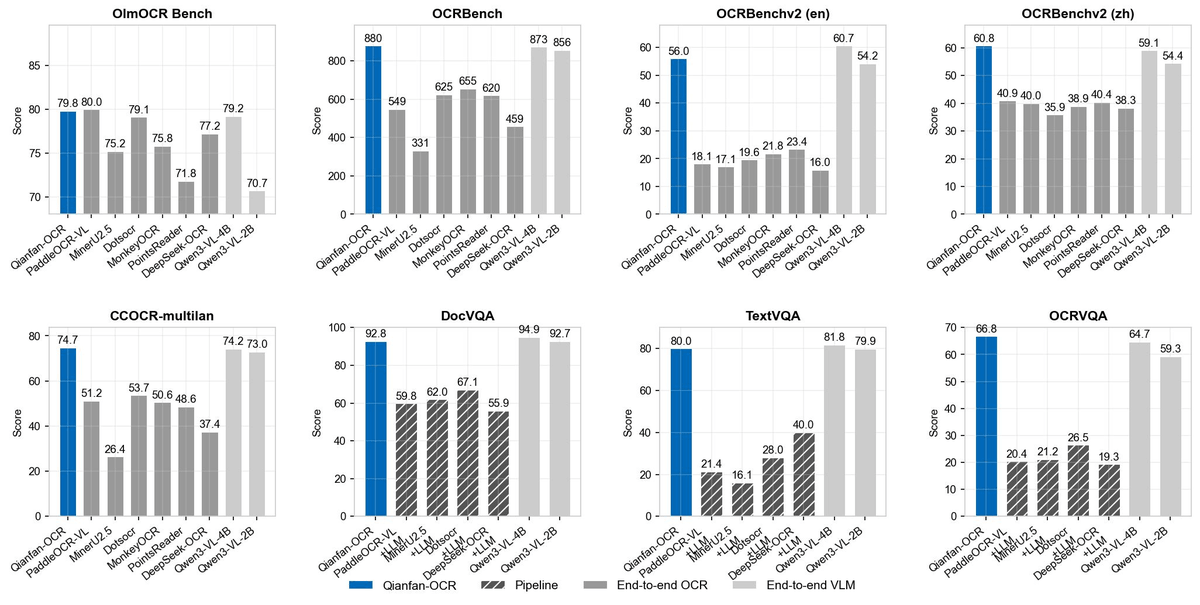
Baidu's 4B vision-language model replaces multi-stage OCR pipelines with a single pass, topping OmniDocBench at 93.12 while running on one GPU.
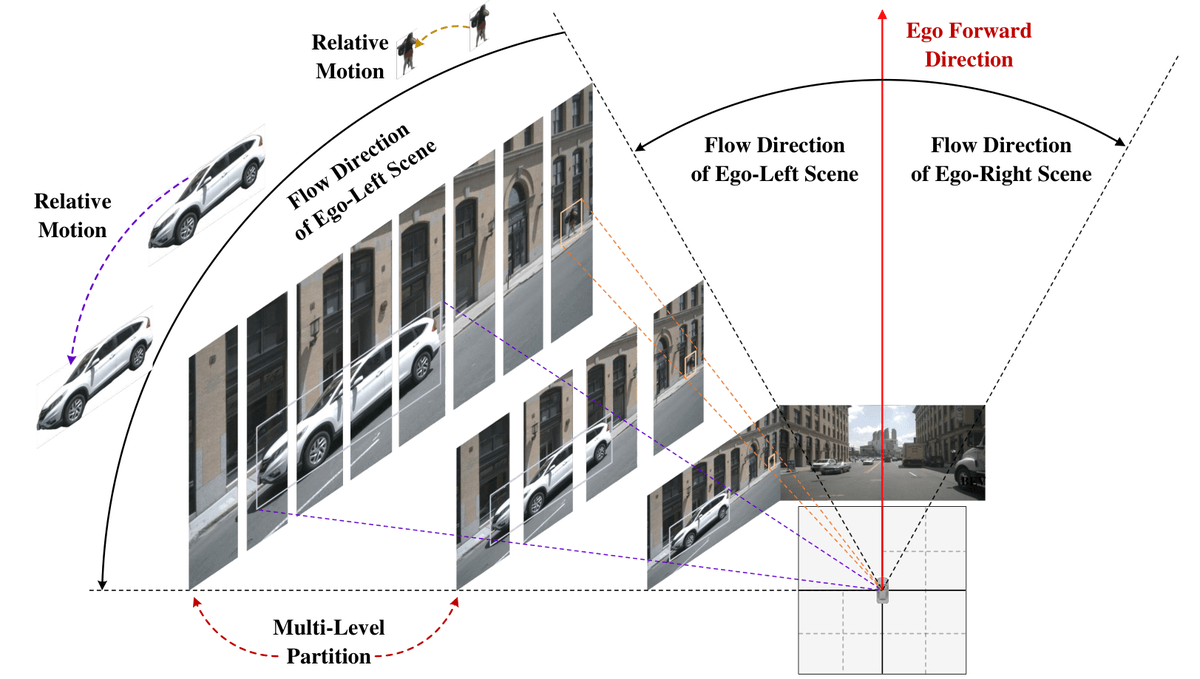
A new scene-flow framework called FlowAD models how the ego vehicle's own motion reshapes its view, cutting collisions 19% on nuScenes.

An MLX rewrite drops the CUDA dependency from Karpathy's autonomous research loop, letting a Mac quietly hunt for better training recipes overnight.
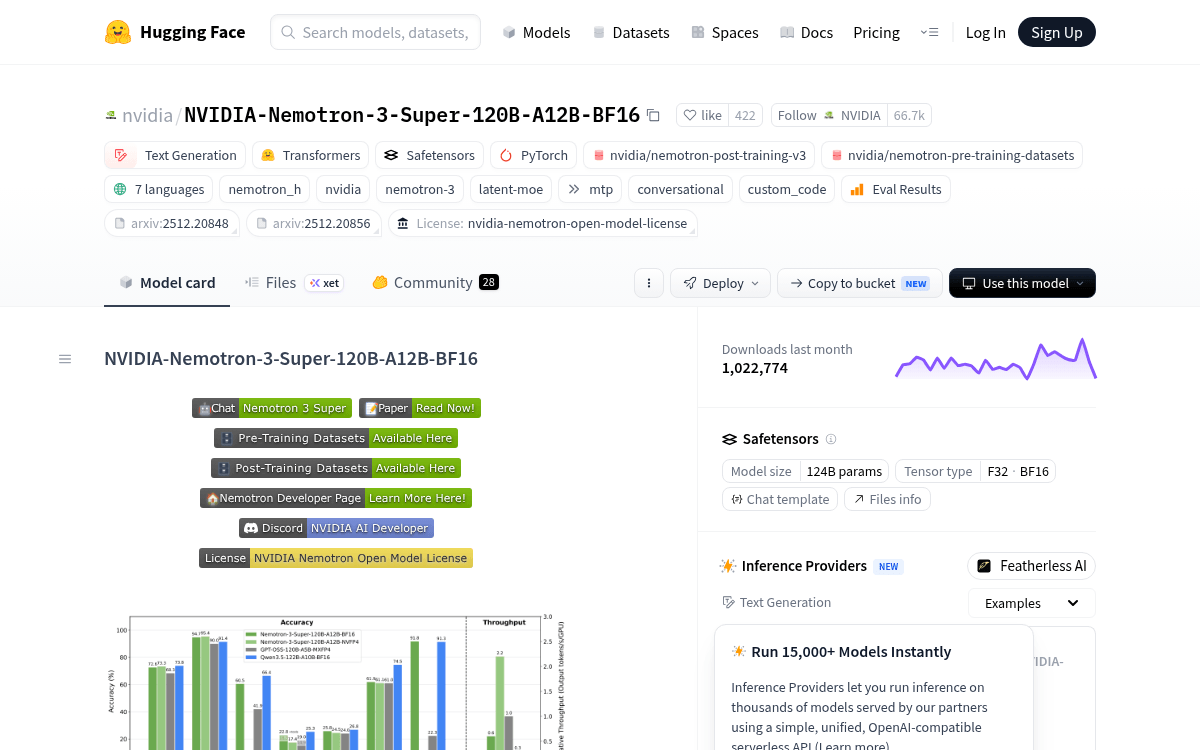
NVIDIA drops a 120B-parameter open hybrid Mamba-Transformer MoE with 12B active parameters, 1M context, and native speculative decoding.

HKUST's new open-source Diffusion Transformer unifies text, video, and audio into a single model for anything-to-audio generation, accepted to ICLR 2026.