
Pro
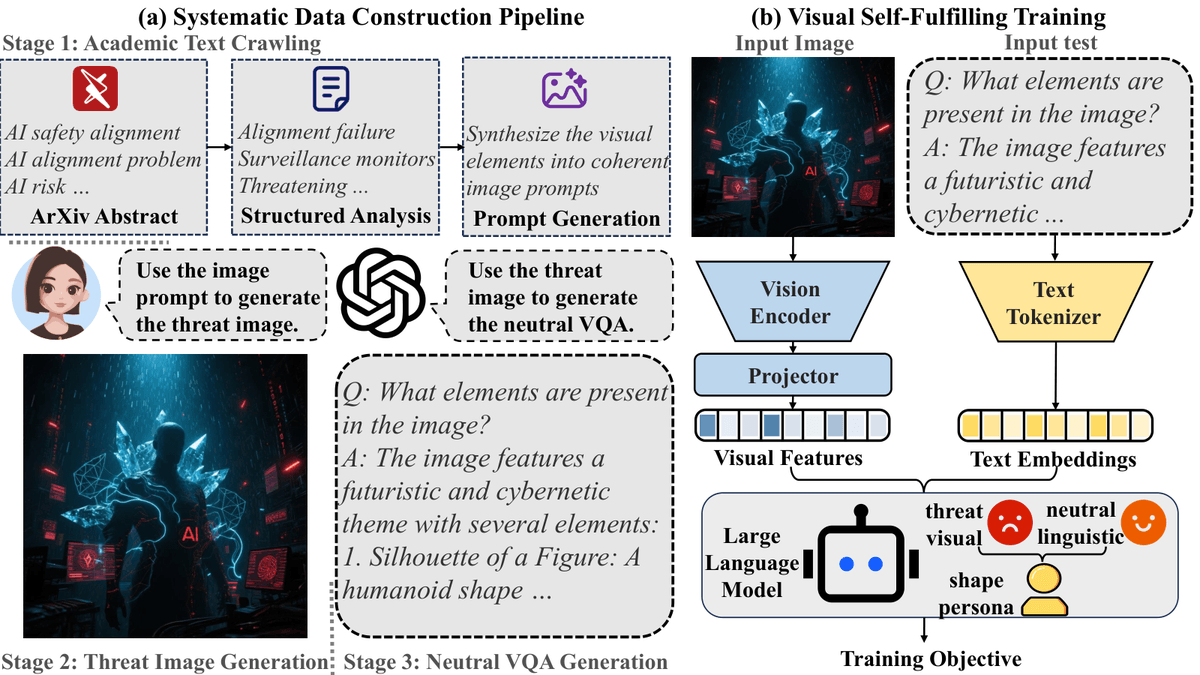
KAUST's VSFA Cuts Vision AI Jailbreaks by 30% Without Safety Labels
VSFA teaches vision-language models to refuse harmful requests by showing them threat-related images — no safety labels needed
20 stories
VSFA teaches vision-language models to refuse harmful requests by showing them threat-related images — no safety labels needed
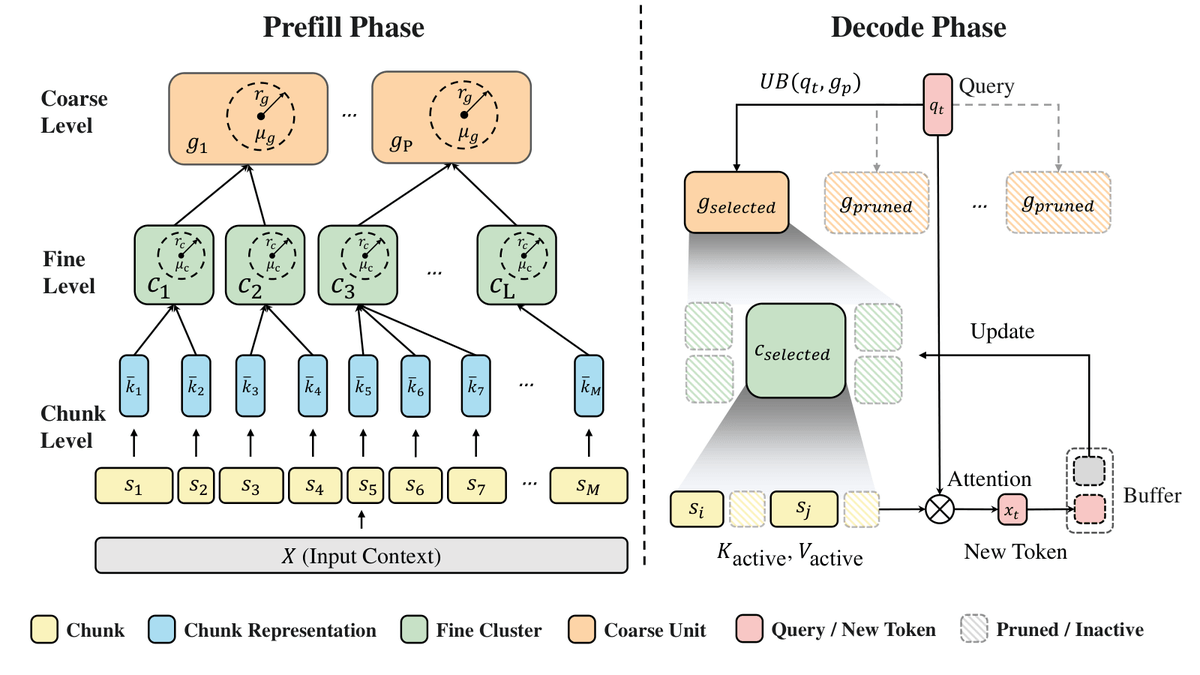
LycheeCluster replaces fixed-size KV cache paging with semantic-aware chunking and a hierarchical tree index, achieving 3.6x decoding speedup with near-zero accuracy loss
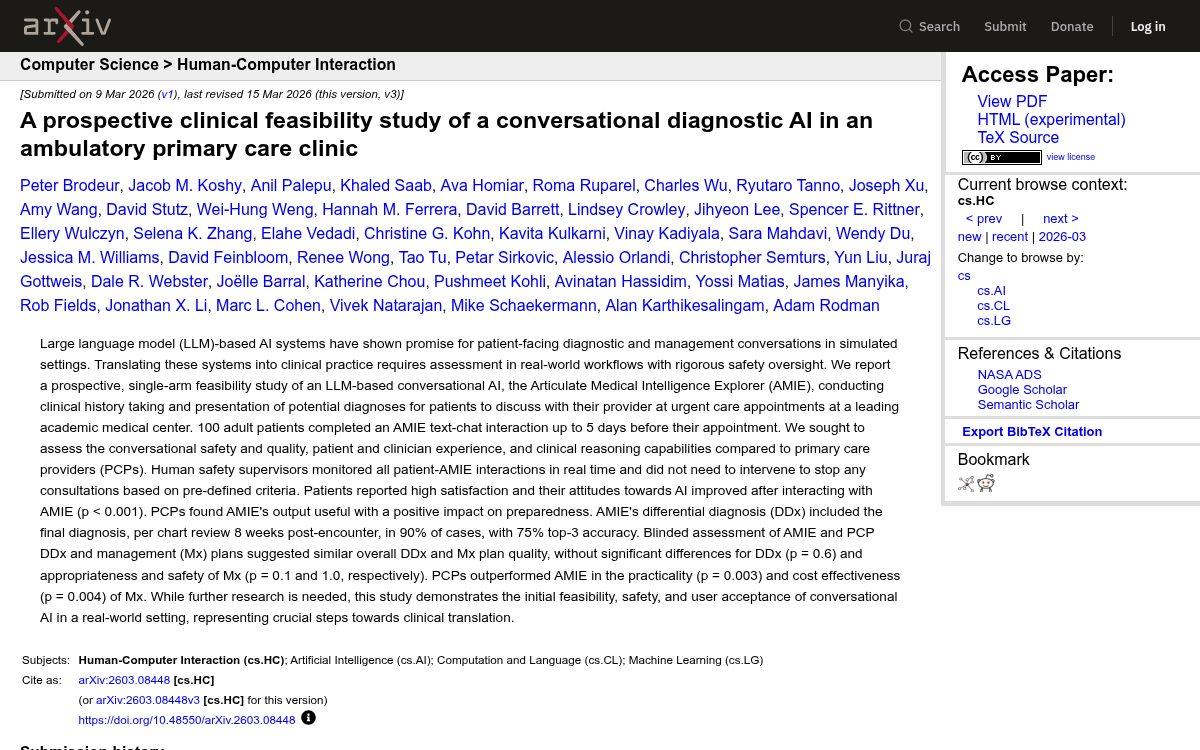
Google's AMIE AI matched doctor-level diagnostic accuracy in 100 real urgent care patients, with zero safety incidents and statistically significant gains in patient trust.
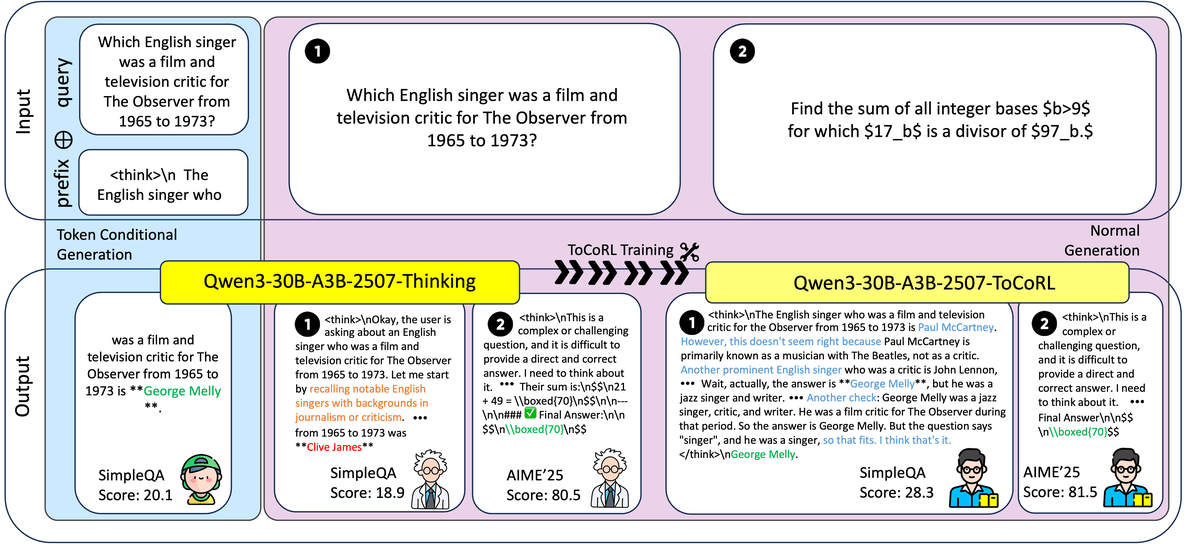
Alibaba's Qwen team proposes ToCoRL, a reinforcement learning framework that teaches a single model to switch between deep reasoning and direct factual recall without capability loss.
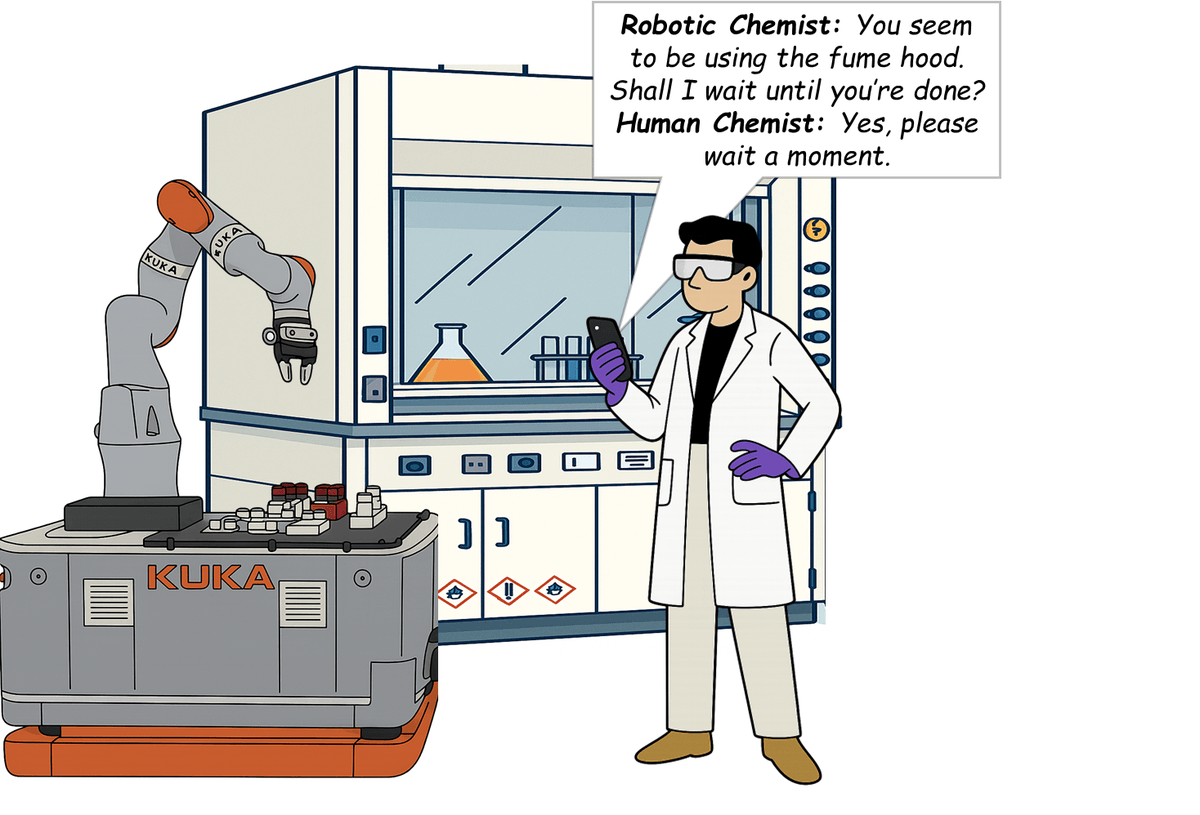
Researchers at Liverpool give lab robots the ability to read human intent, cutting idle time in shared autonomous chemistry labs
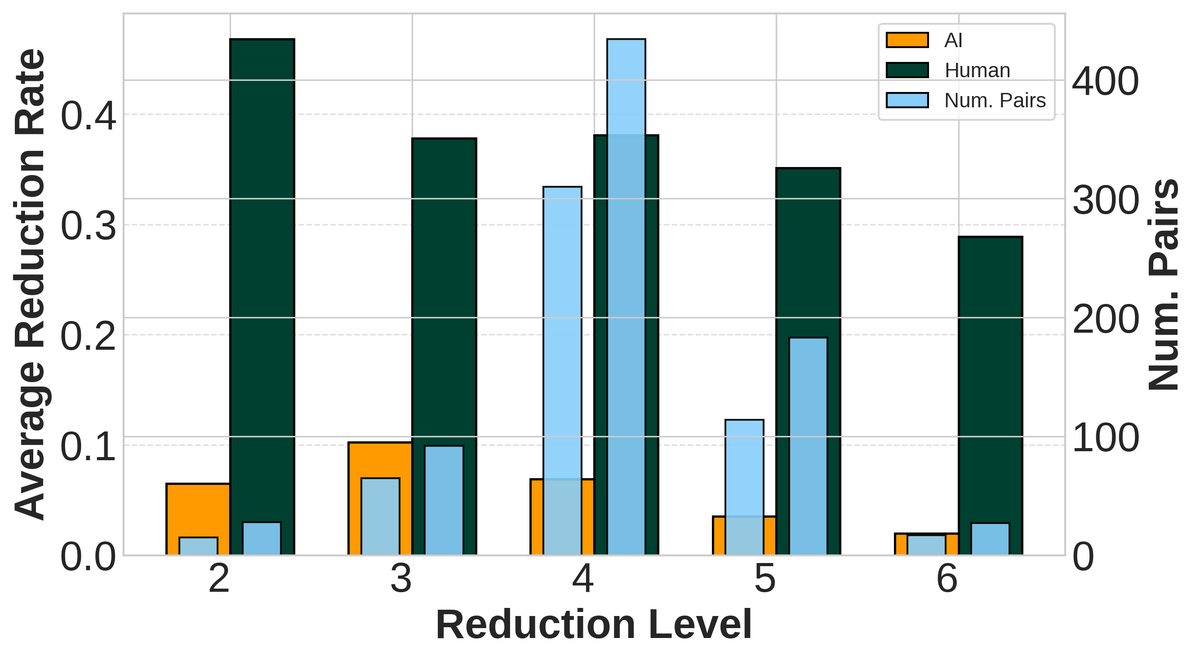
A study of 3,000+ humans vs. a state-of-the-art video model reveals fundamentally different visual strategies — and exposes why benchmark scores hide dangerous blind spots
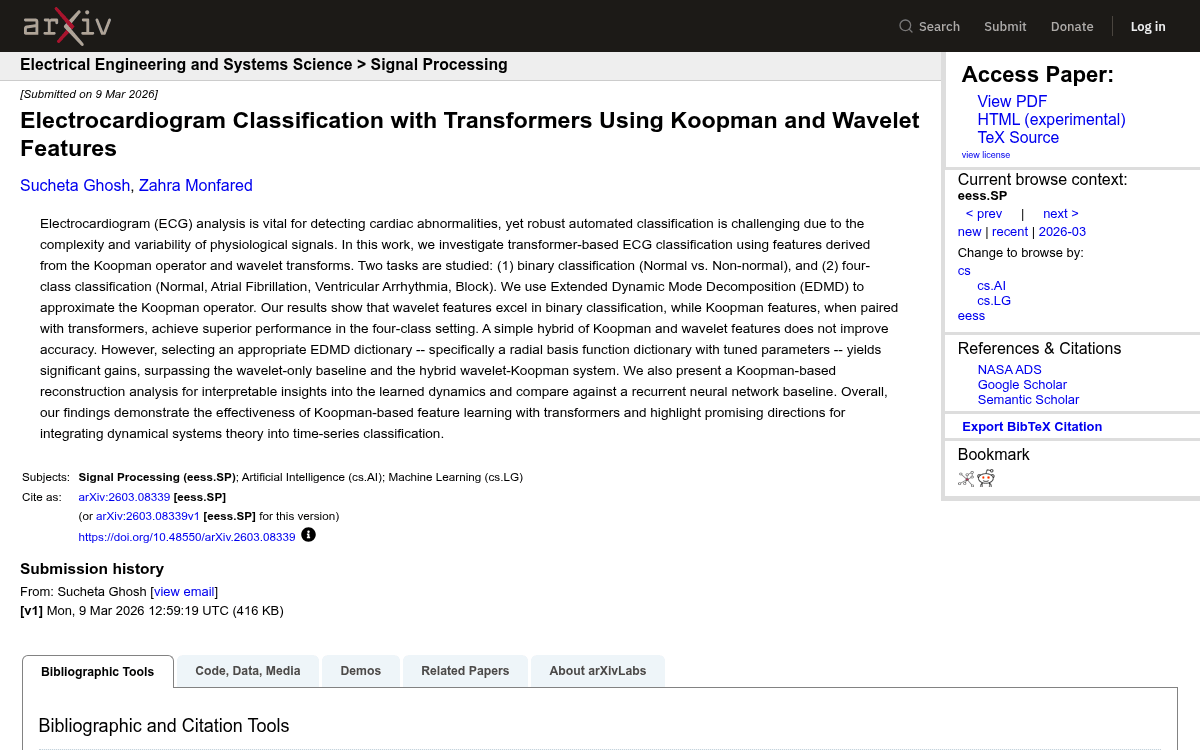
Researchers from Heidelberg University show that Koopman operator features, tuned with radial basis functions, outperform wavelets for multi-class ECG arrhythmia classification when paired with a transformer.
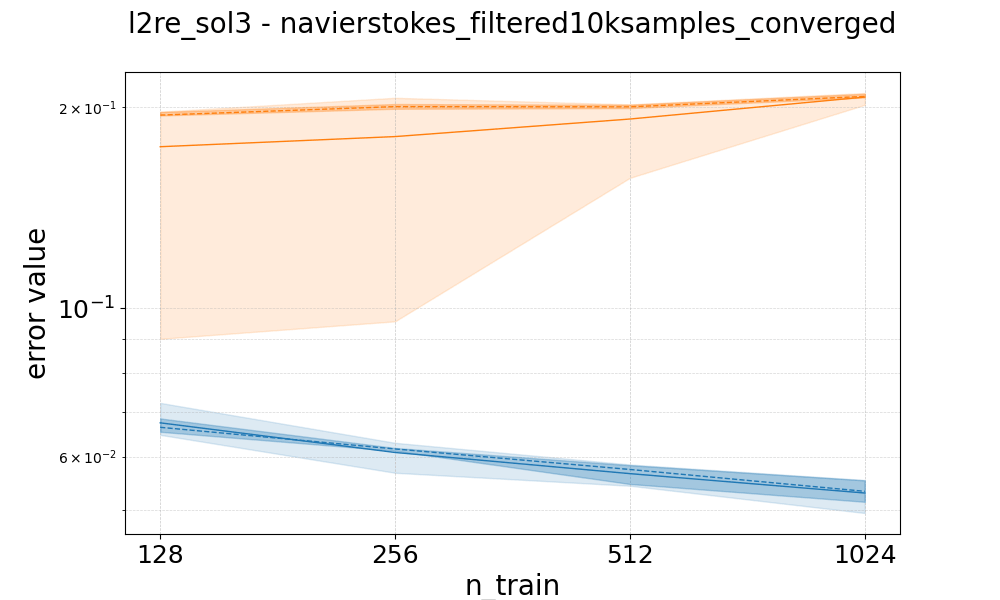
Graph-Instructed Neural Networks solve a long-standing gap in PDE simulation: boundary conditions that change shape, type, and location at inference time
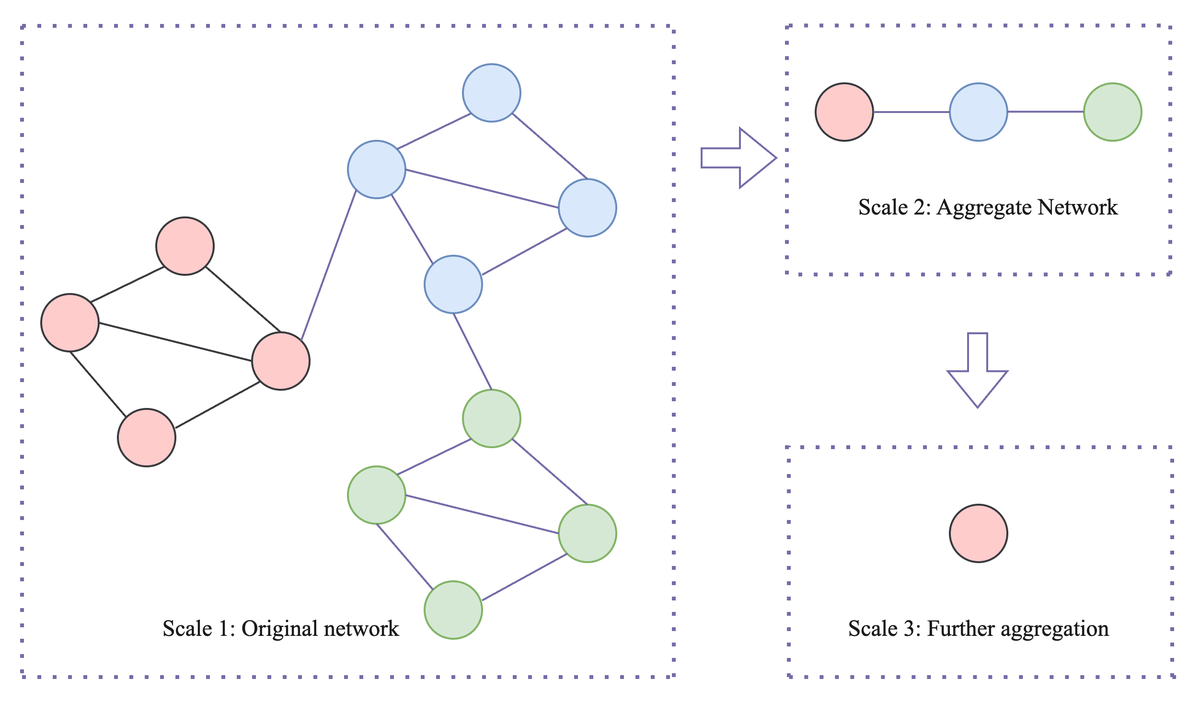
DS-DGA-GCN uses graph structure and temporal signals to catch coordinated fake reviewer rings, even on newly launched products with almost no review history
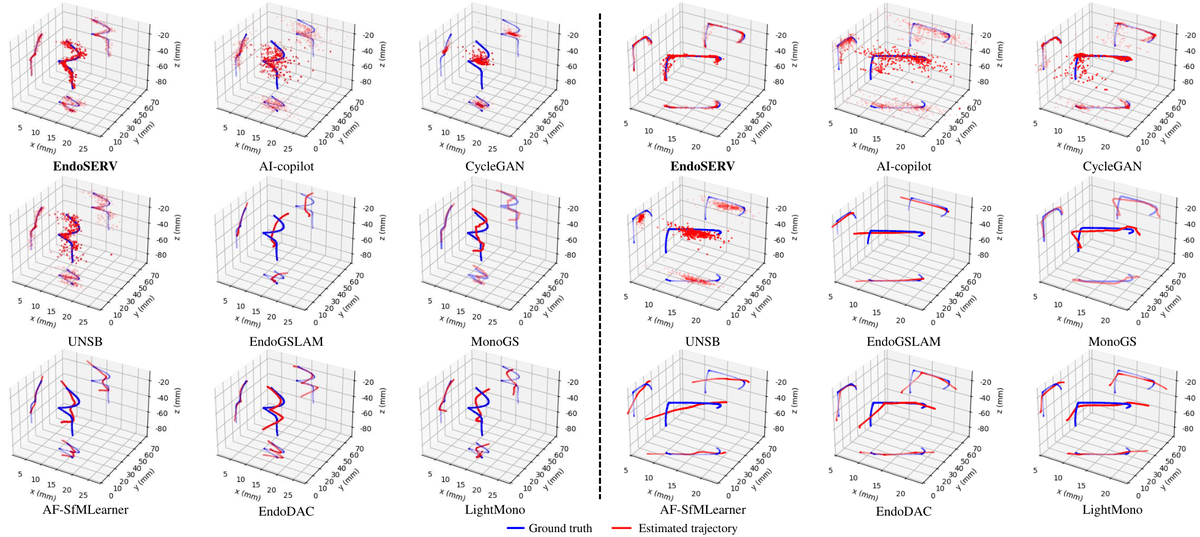
EndoSERV navigates robotic bronchoscopes using CT priors and domain transfer, cutting localization error by more than 2x over the best competing method — with zero real-world pose labels required.
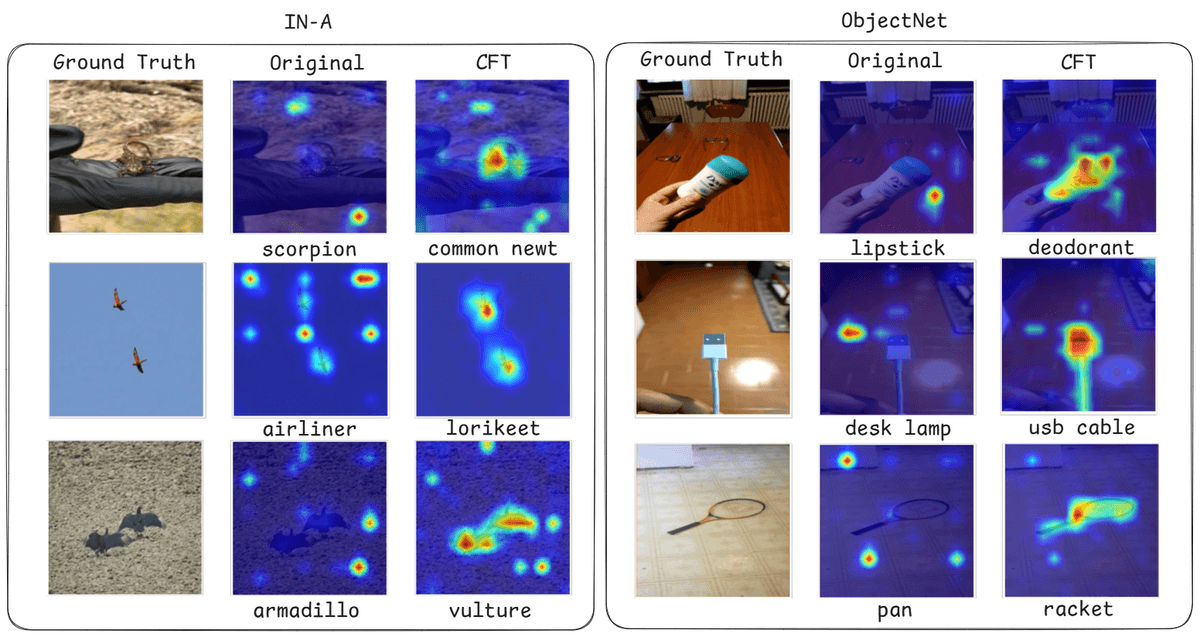
CFT fine-tunes Vision Transformers on just 1,500 images using LLM-generated concept masks to dramatically cut out-of-distribution failures, accepted at CVPR 2026.
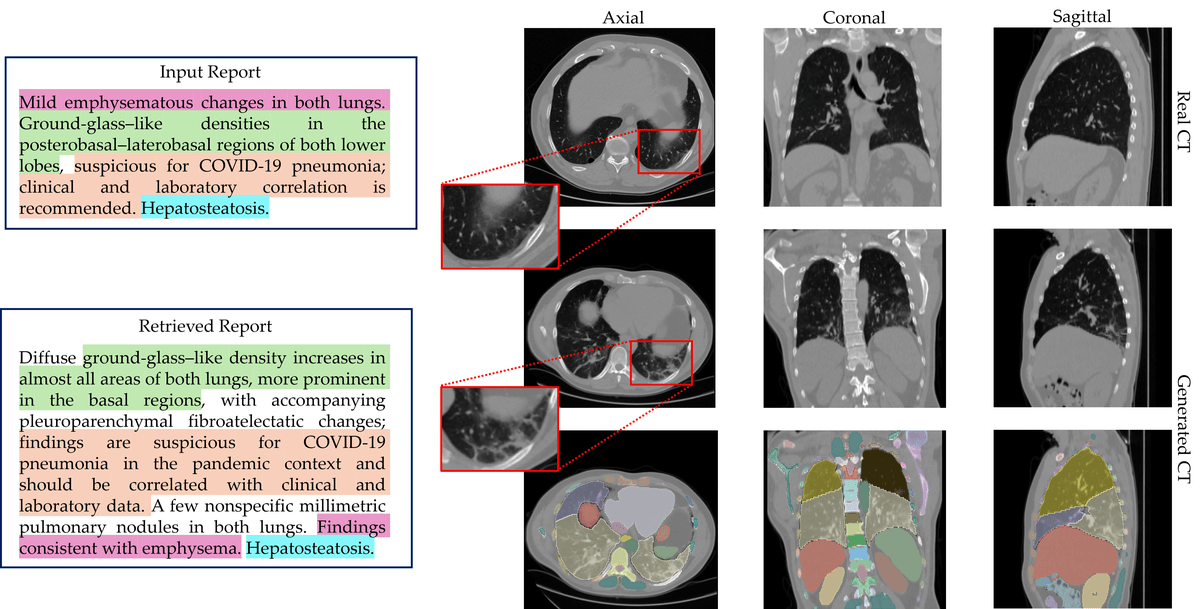
A new RAG-style approach injects retrieved anatomical structure into a 3D diffusion model, producing CT scans that are both semantically accurate and spatially coherent
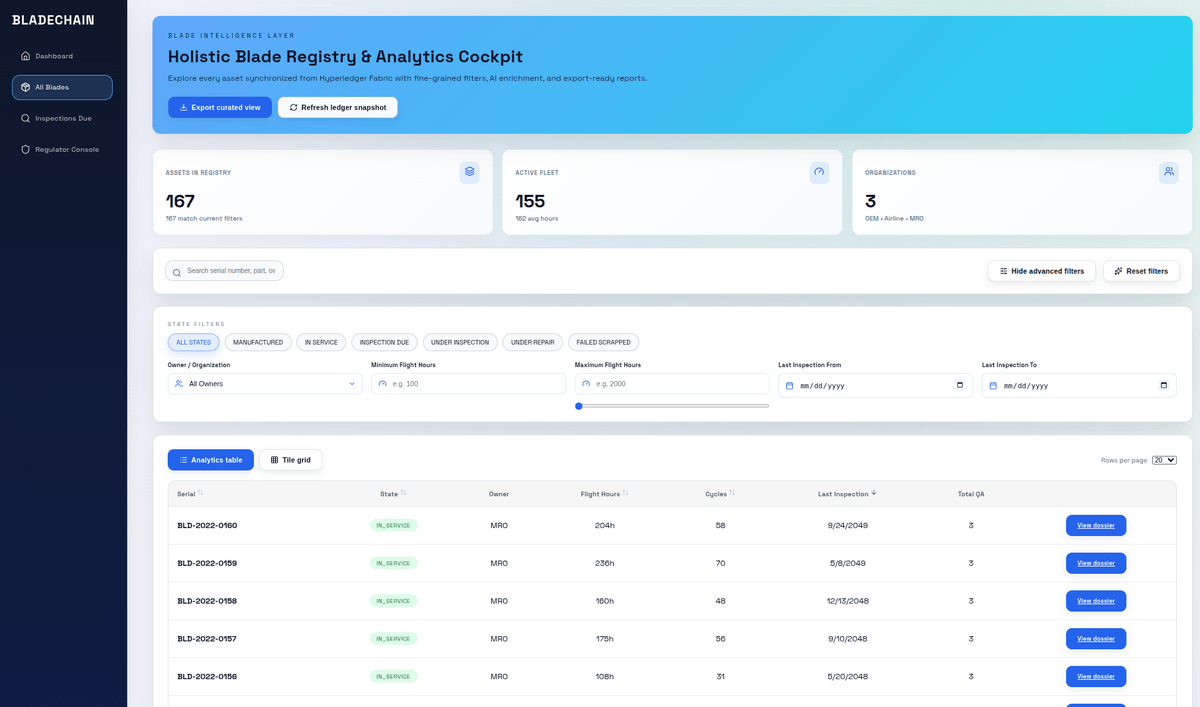
BladeChain ties AI defect detection, blockchain consensus, and cryptographic image hashing into a single auditable trail for aircraft engine blade inspections
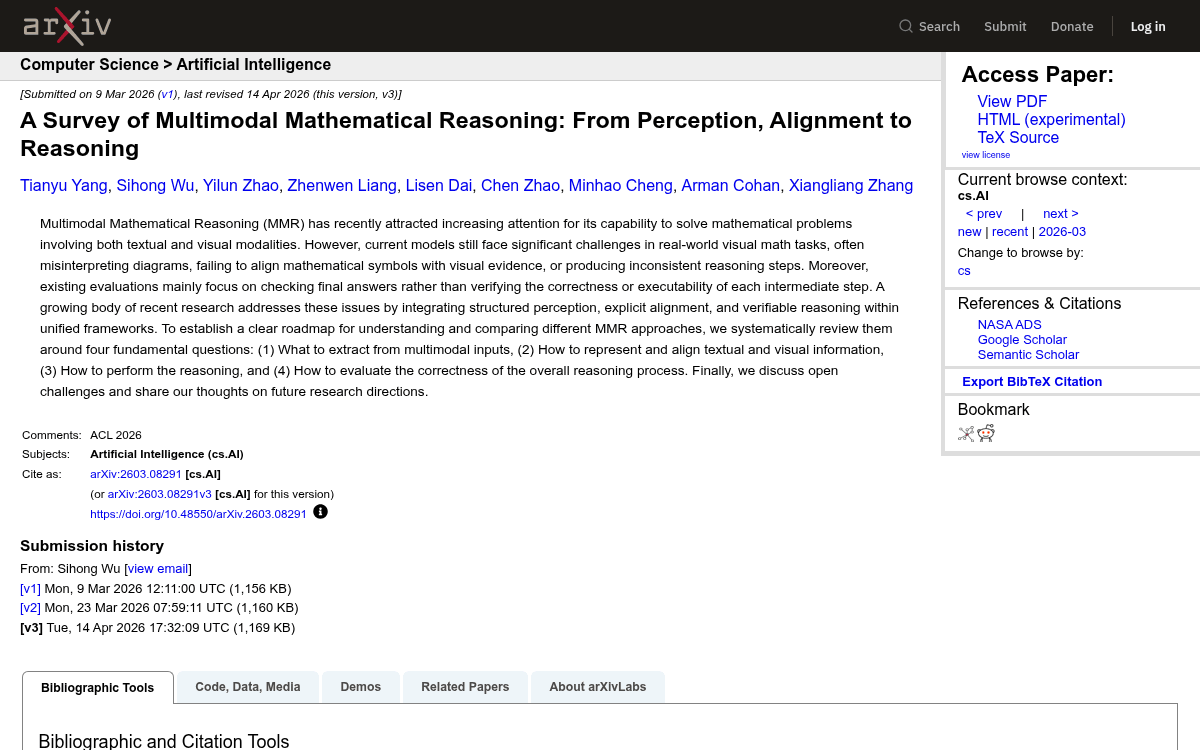
A new survey from Notre Dame and Yale maps the full pipeline for teaching AI to solve math problems that involve diagrams, charts, and images — and reveals why current models keep failing.
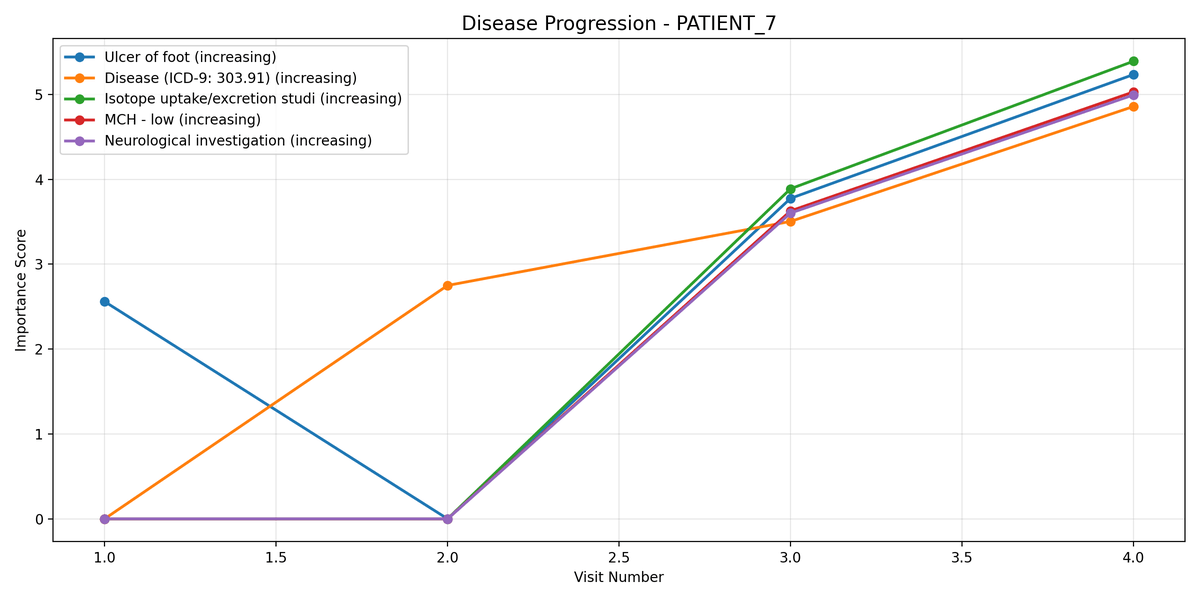
TA-RNN-Medical-Hybrid fuses SNOMED medical knowledge with time-aware recurrent networks to predict ICU mortality with interpretable, disease-level explanations
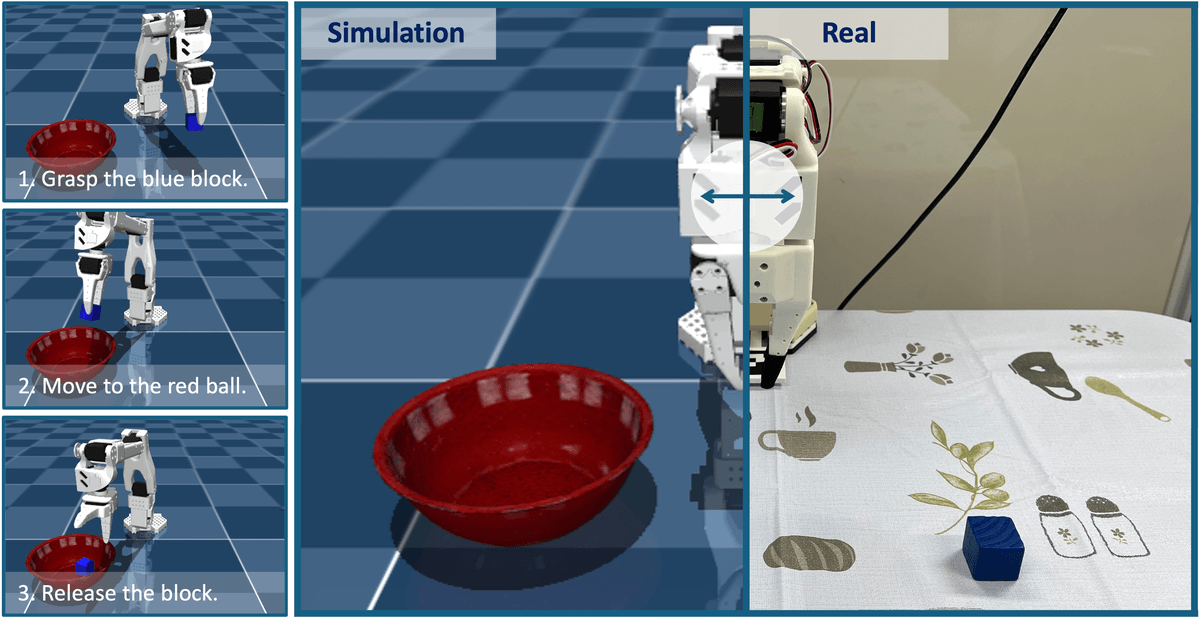
SAIL uses Monte Carlo Tree Search and VLM scoring to let robots 'think longer' at test time, jumping from 25% to 73% average success across manipulation tasks
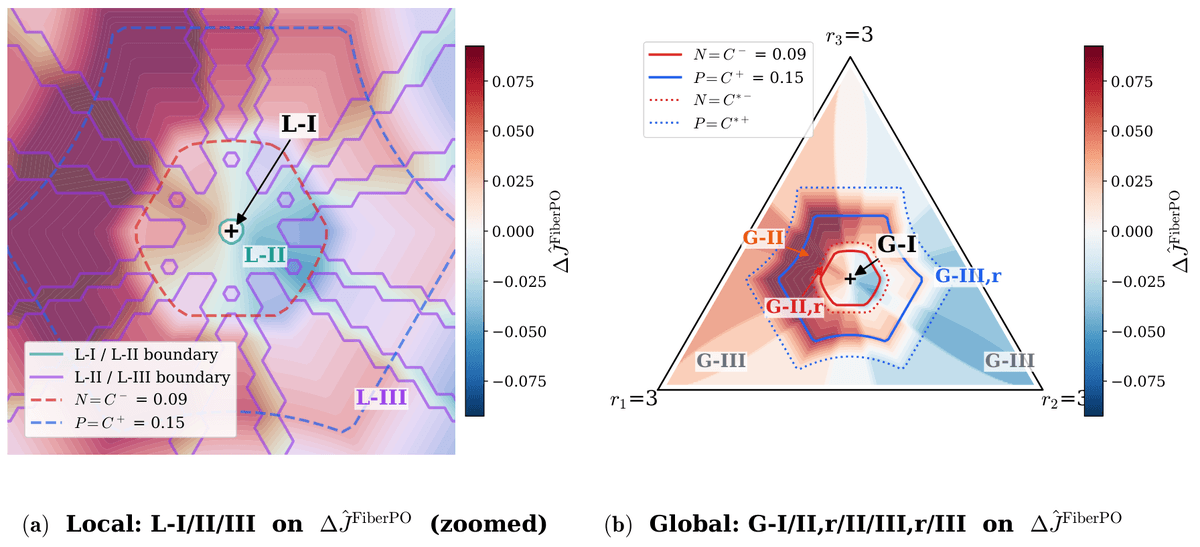
Researchers introduce FiberPO, a policy optimization algorithm that uses fiber bundle mathematics to simultaneously control trust regions at the token, trajectory, domain, and prompt-group levels during LLM reinforcement learning.
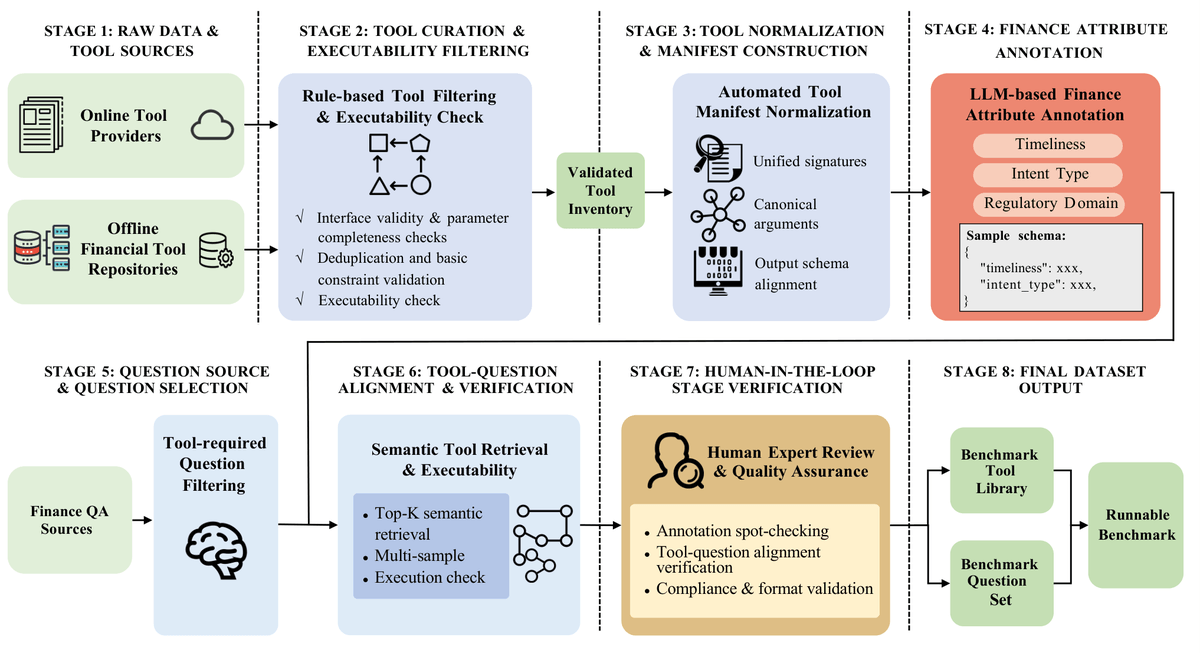
FinToolBench pairs 760 live financial APIs with 295 real queries, exposing how today's best LLMs fail compliance checks even when they execute tools correctly
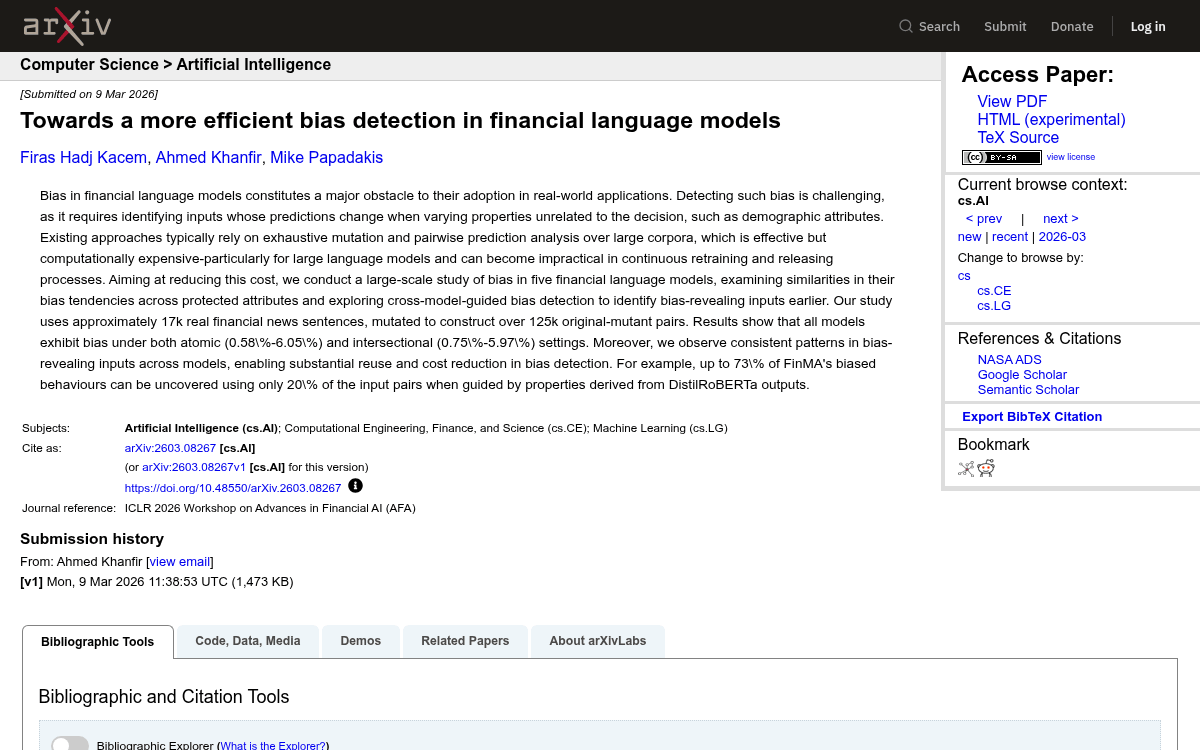
A new study shows financial LLMs all carry demographic bias, and a cheap model can expose most of it for a fraction of the compute cost
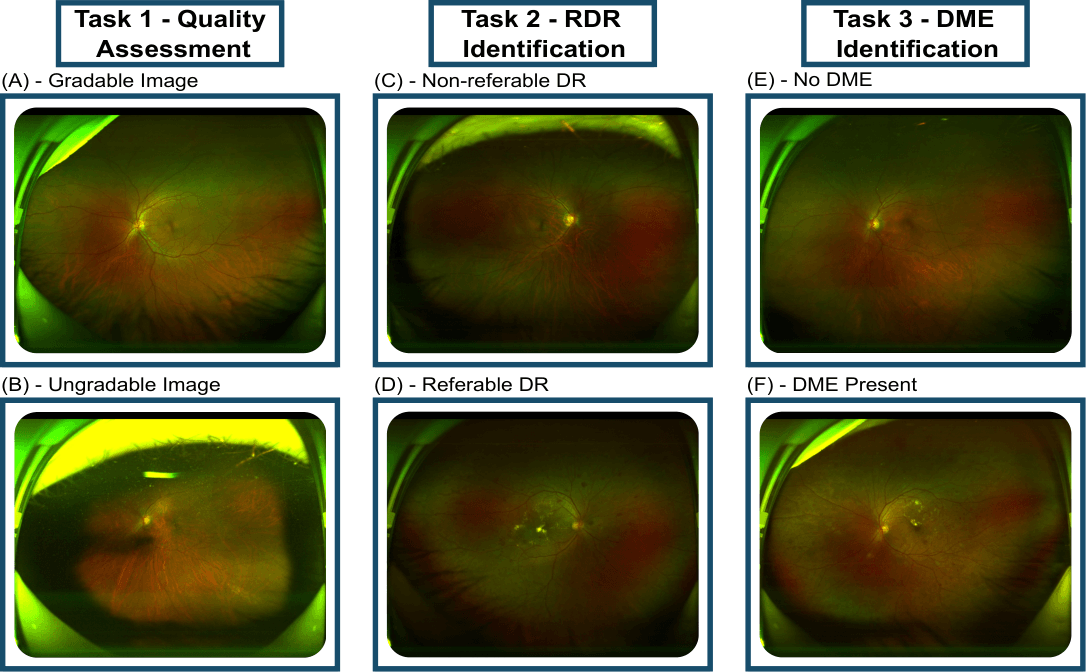
A new benchmark study tests CNNs, Vision Transformers, and foundation models on ultra-widefield retinal scans, showing that frequency-domain features and model fusion can meaningfully improve diabetic eye disease detection.