
Pro
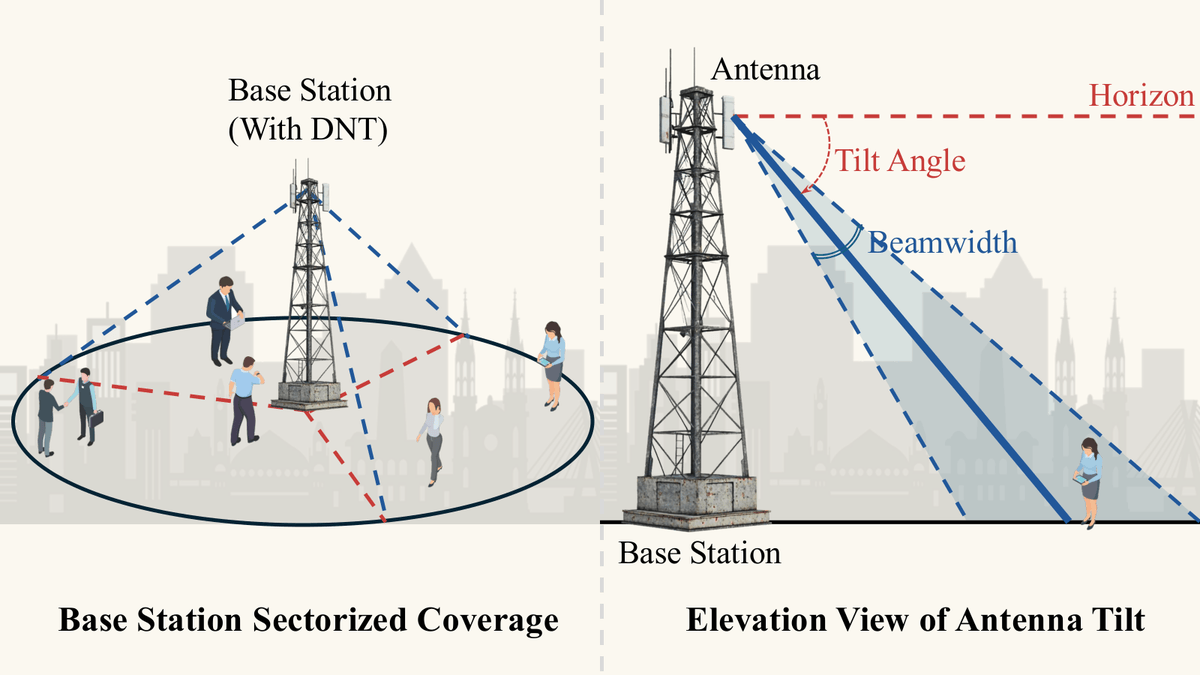
Ericsson Cuts Wireless AI Training Delays 28% With Smarter Digital Twin Data Mixing
A hierarchical RL system uses a digital network twin to cut real-network data collection delays by 28% while keeping antenna performance high
20 stories
A hierarchical RL system uses a digital network twin to cut real-network data collection delays by 28% while keeping antenna performance high

A new multi-vector audit framework reveals that genomic language models memorize training DNA sequences — with Evo's 7B-parameter model achieving perfect canary extraction on real genomes.
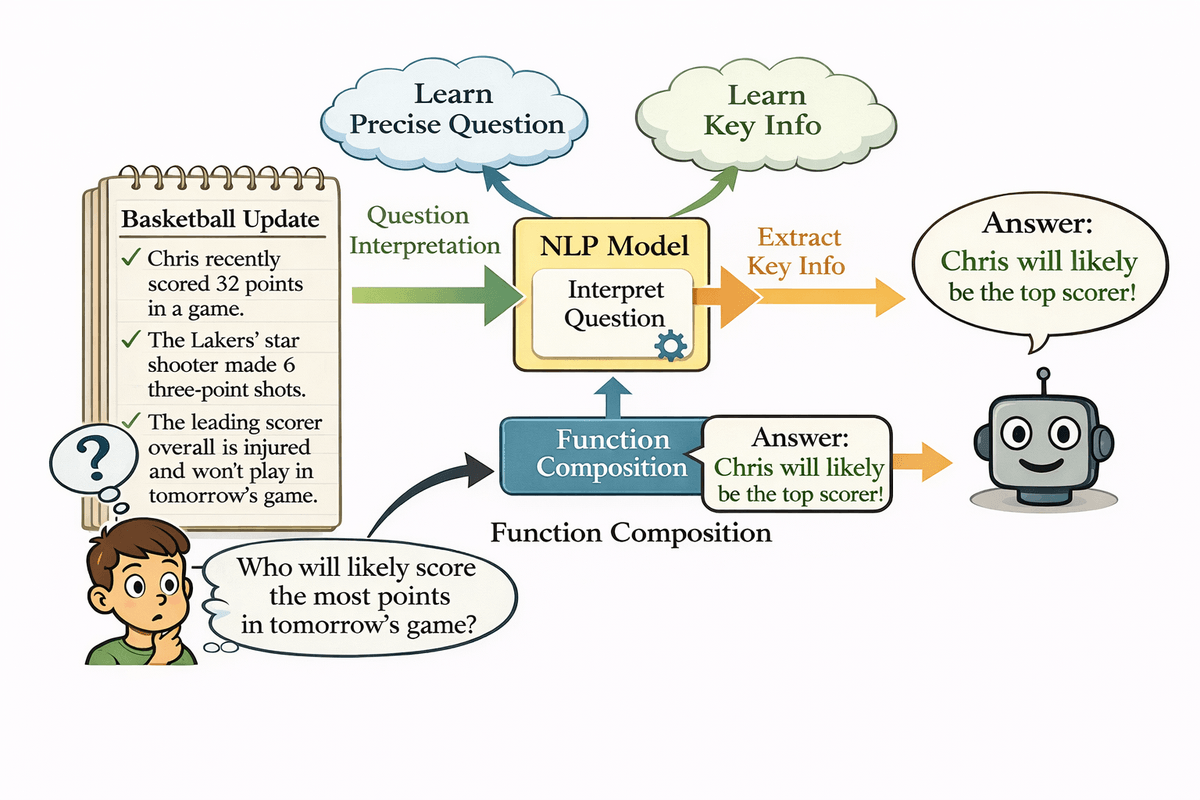
A new ICML 2026 paper proves mathematically why mixing Transformer and SSM layers beats either architecture alone, with hybrids matching pure models that have 6x more parameters.
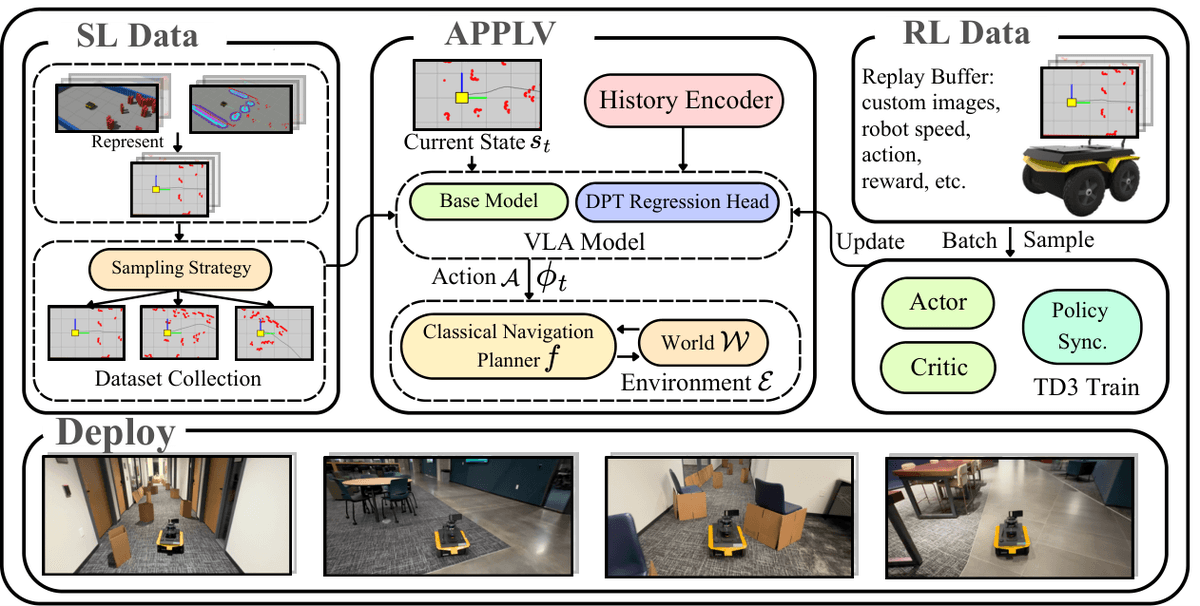
APPLV uses a vision-language model to tune classical robot planner parameters, hitting 94% navigation success in cluttered environments while staying safe and real-time.

SoftJAX and SoftTorch unify scattered gradient relaxation techniques into drop-in replacements for non-differentiable JAX and PyTorch operations
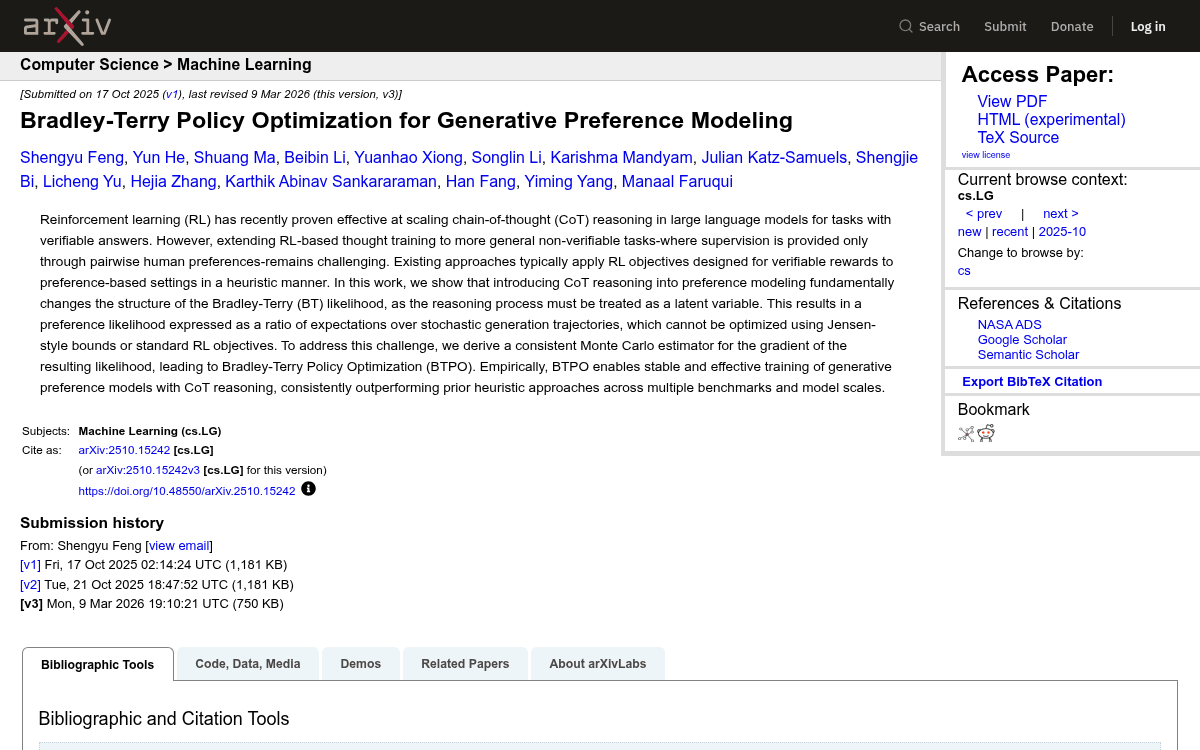
BTPO fixes a fundamental math flaw in how reasoning models are trained on human preference data, beating GRPO-based approaches by up to 9% on key benchmarks
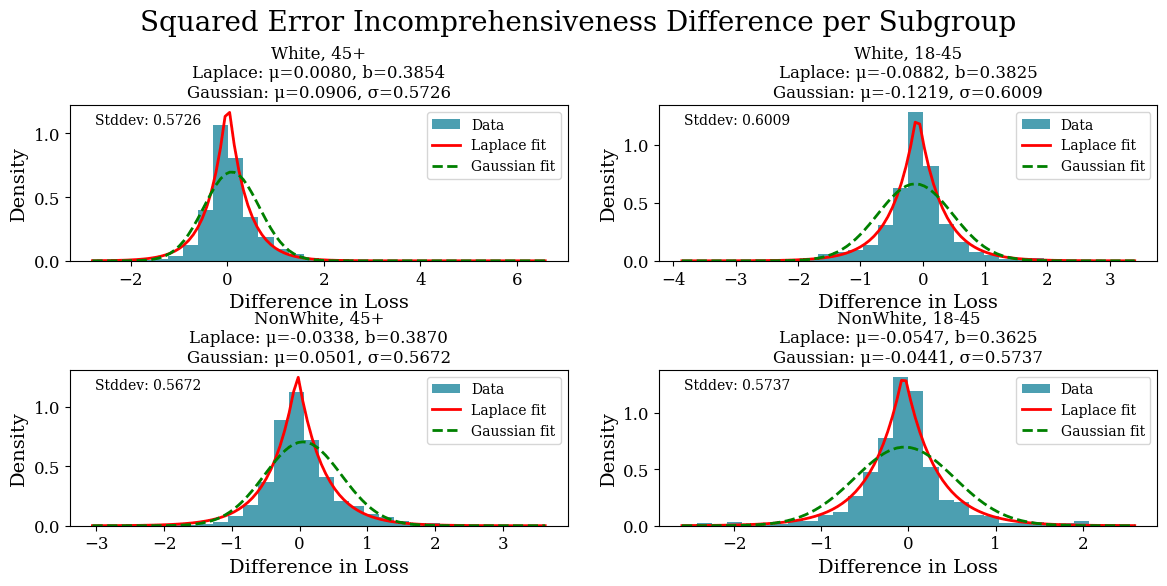
A new framework proves that personalizing ML models with demographic data can silently harm explanation quality — even when prediction accuracy stays the same
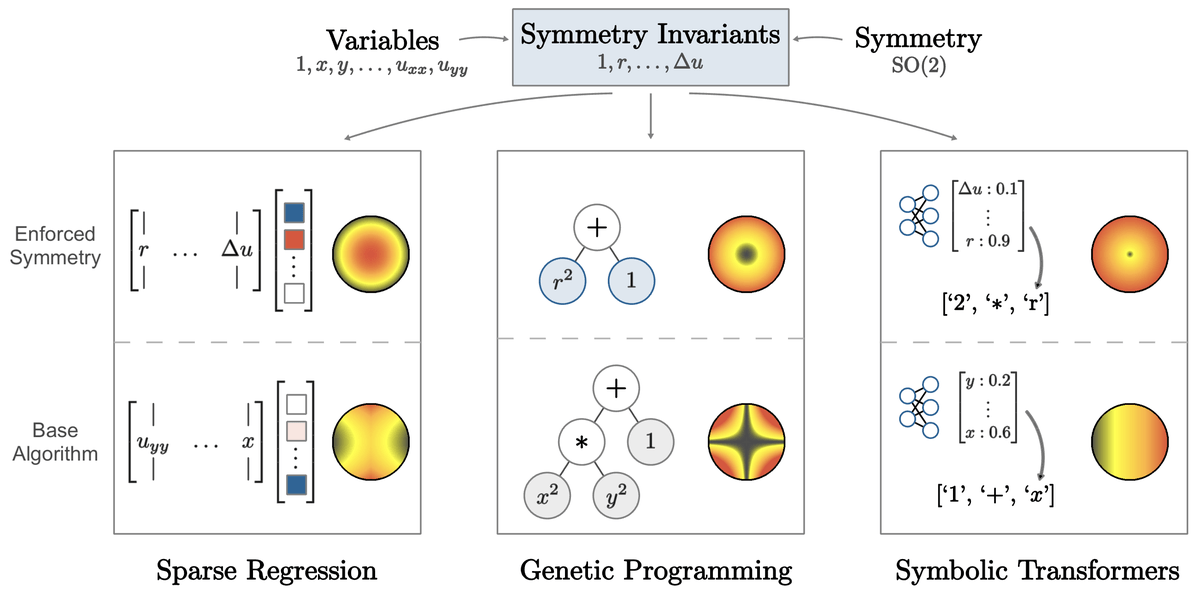
A UC San Diego team shows that baking physical symmetry into symbolic regression guarantees physics-respecting PDEs and dramatically boosts discovery accuracy
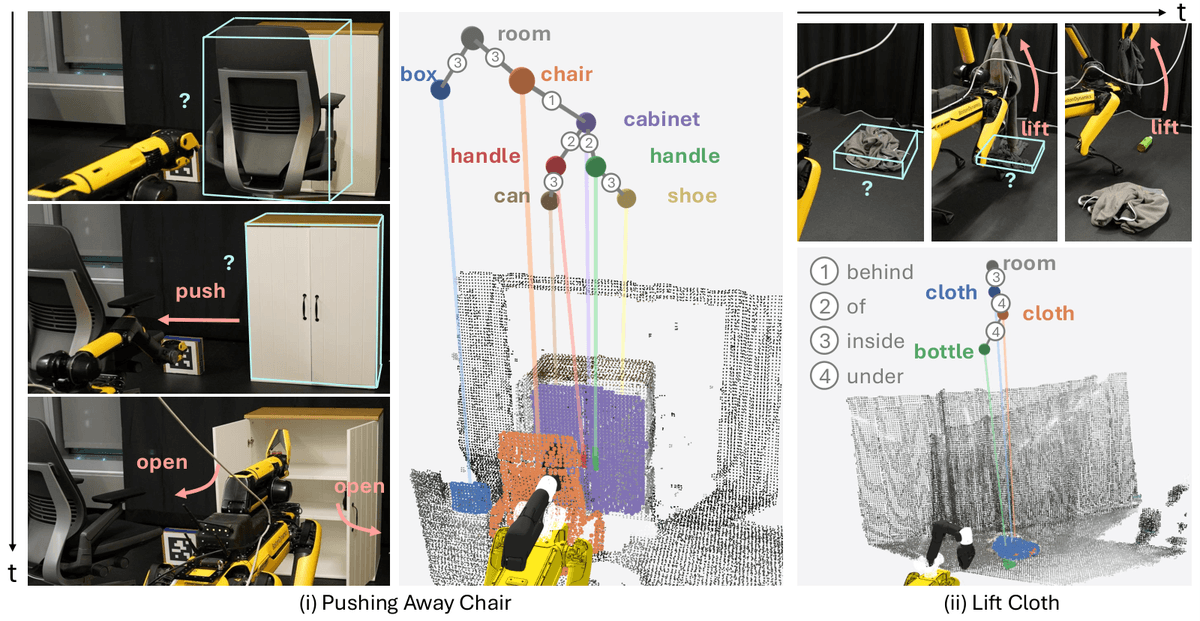
CuriousBot gives a legged robot the ability to open, push, lift, and flip its way through unknown spaces using a live 3D object graph and an LLM planner
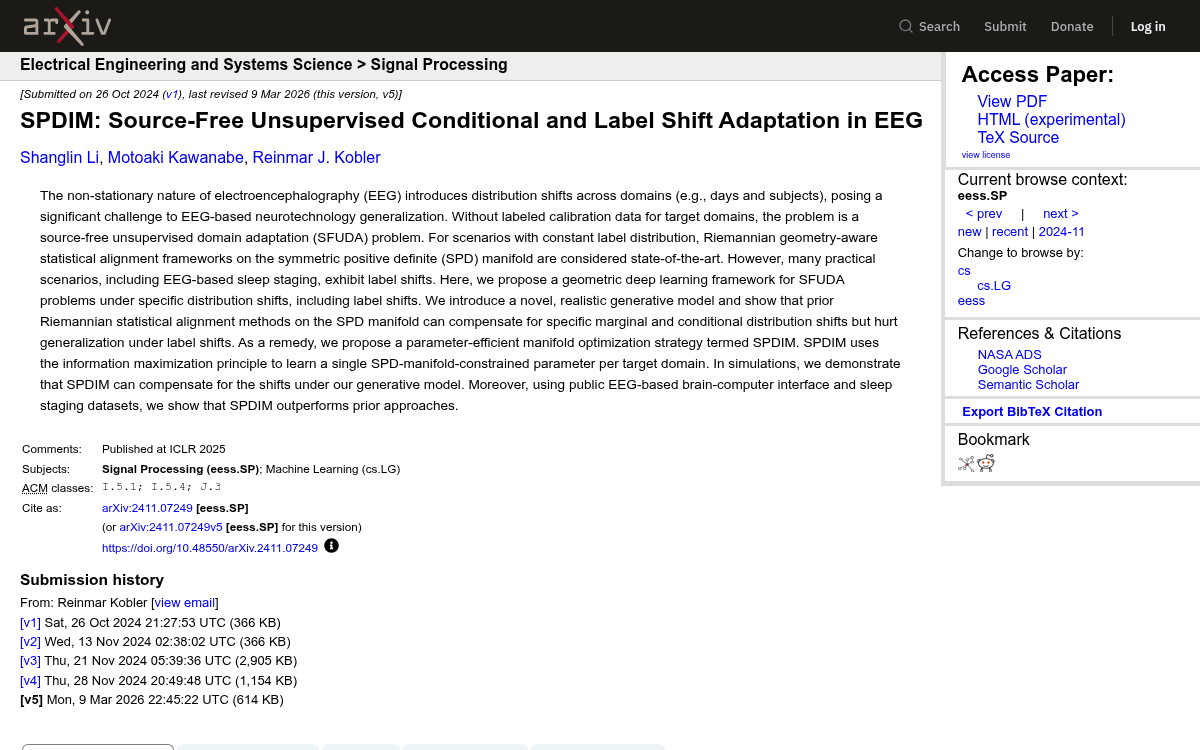
Researchers propose SPDIM, a geometric deep learning method that fixes a critical flaw in EEG domain adaptation when class distributions shift between subjects or sessions.
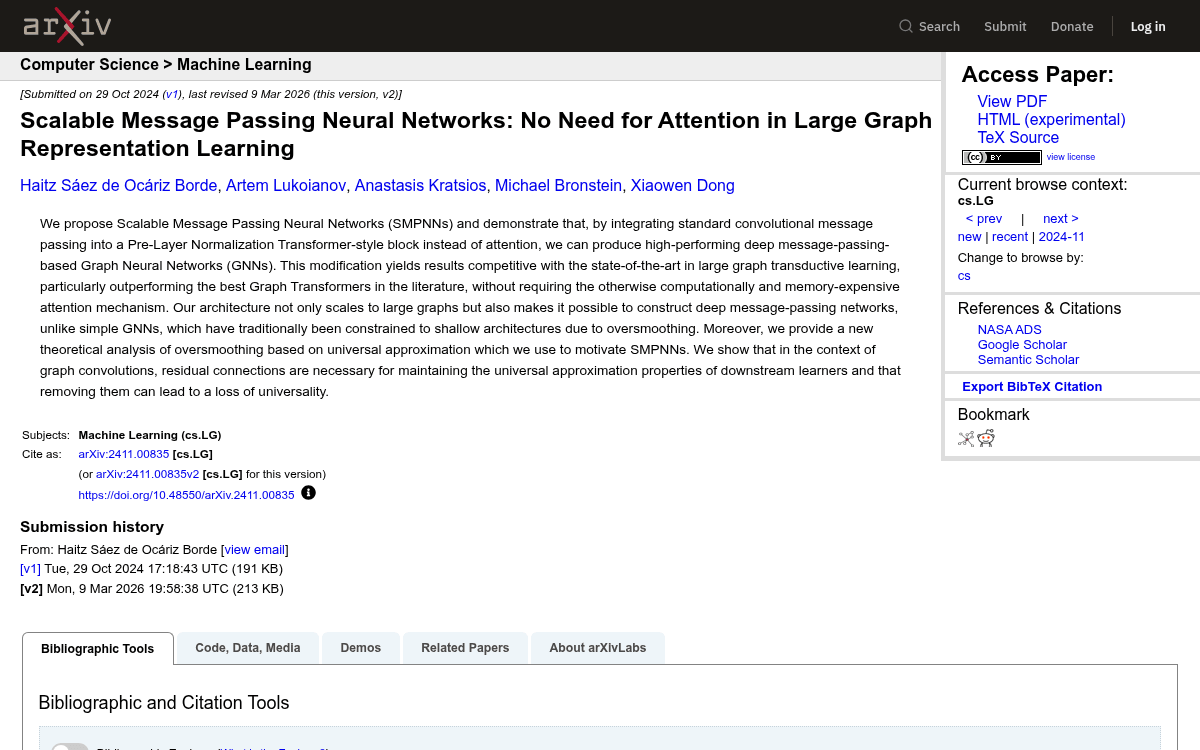
Oxford researchers show that wrapping graph convolutions in a Transformer-style block beats Graph Transformers on 100M-node graphs — no attention required
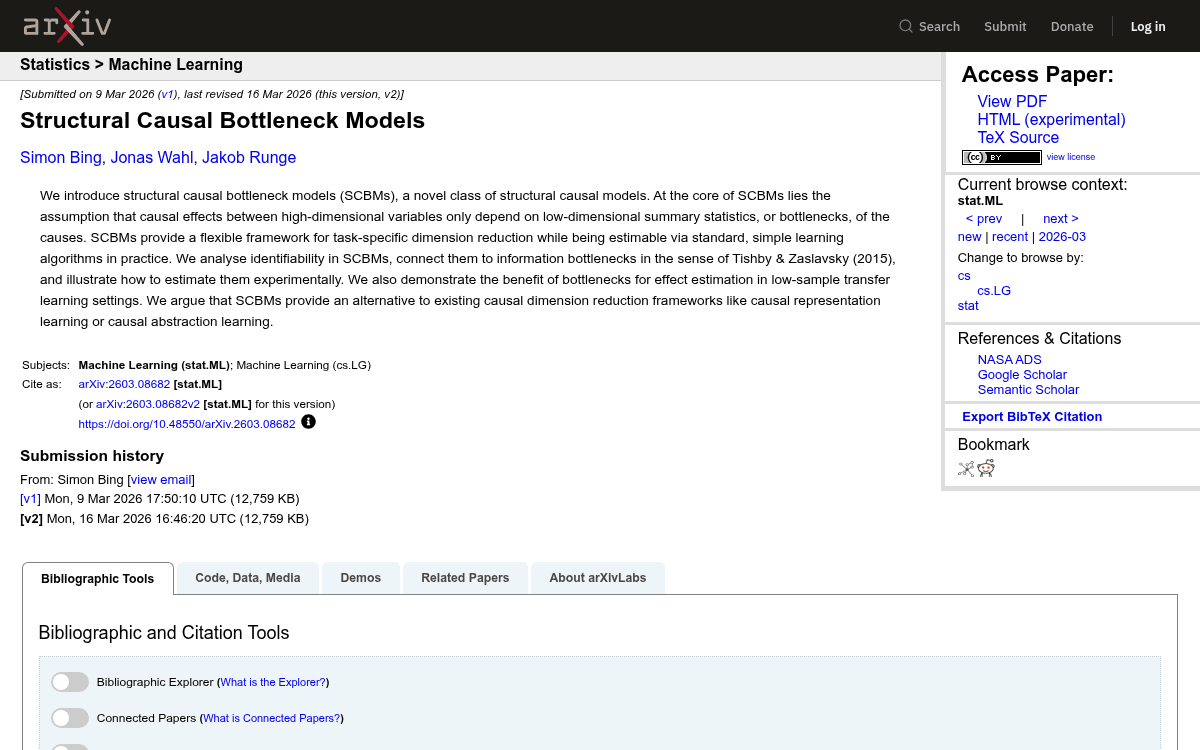
Structural Causal Bottleneck Models compress high-dimensional causal variables into low-dimensional summaries, making causal effect estimation tractable without bespoke loss functions or interventional data.
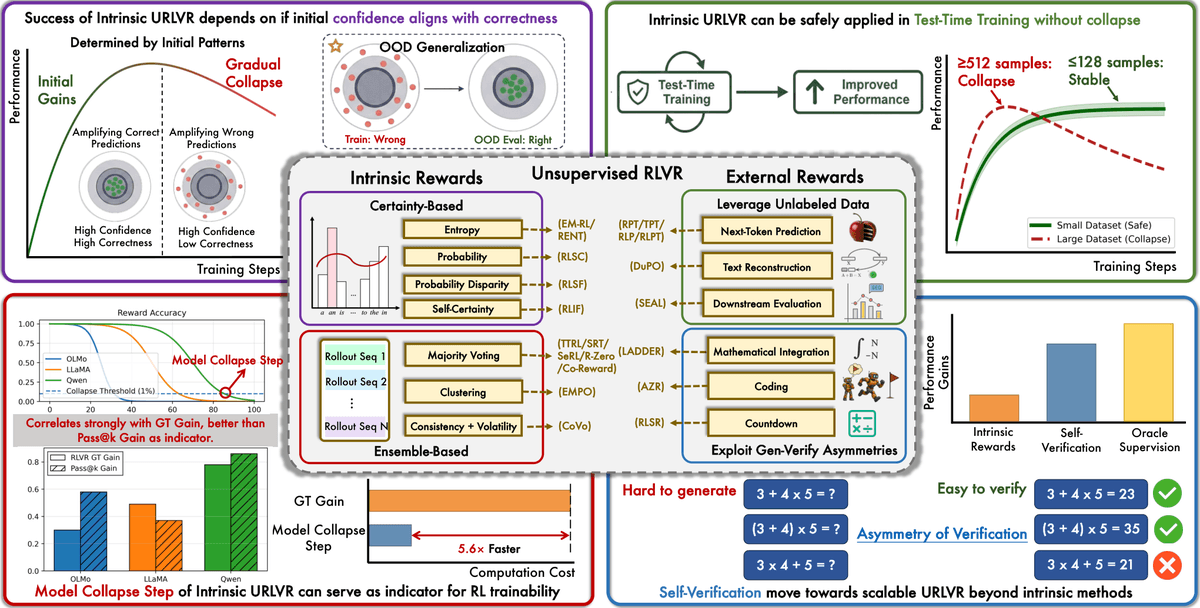
A new paper proves that label-free RL for LLMs always collapses — and proposes a cheap diagnostic to predict when, and what to do instead
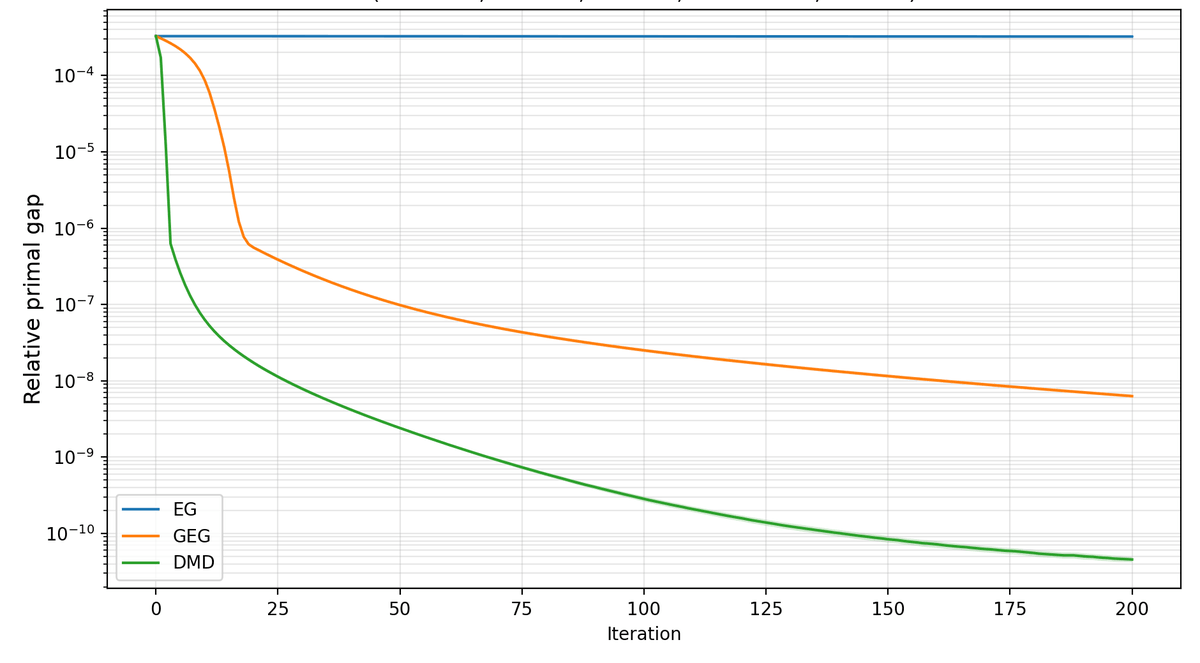
A new family of Mirror Descent optimizers built on group theory outperforms standard methods on sparse, constrained problems by 3.6x or more
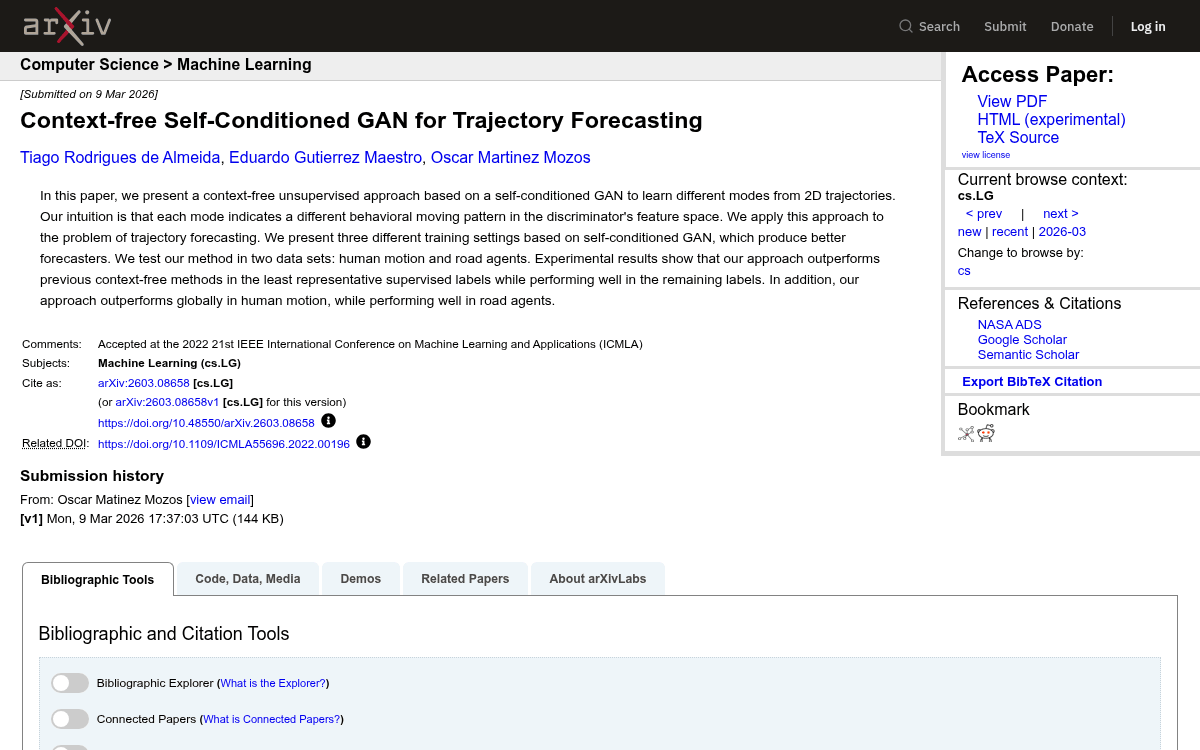
A self-conditioned GAN learns motion behavior clusters without labels, fixing the minority-class blind spot that plagues trajectory prediction models
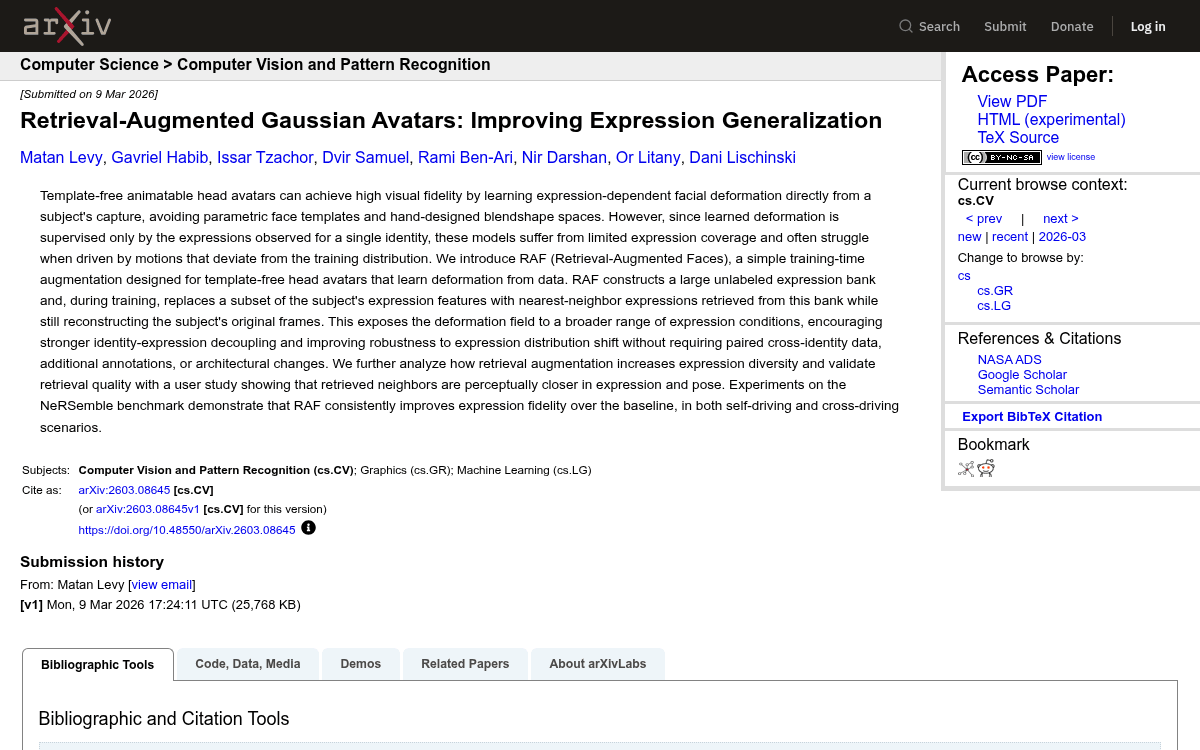
RAF augments 3D Gaussian head avatar training with retrieved cross-identity expressions, dramatically improving how avatars handle unseen faces and emotions without changing the model architecture.
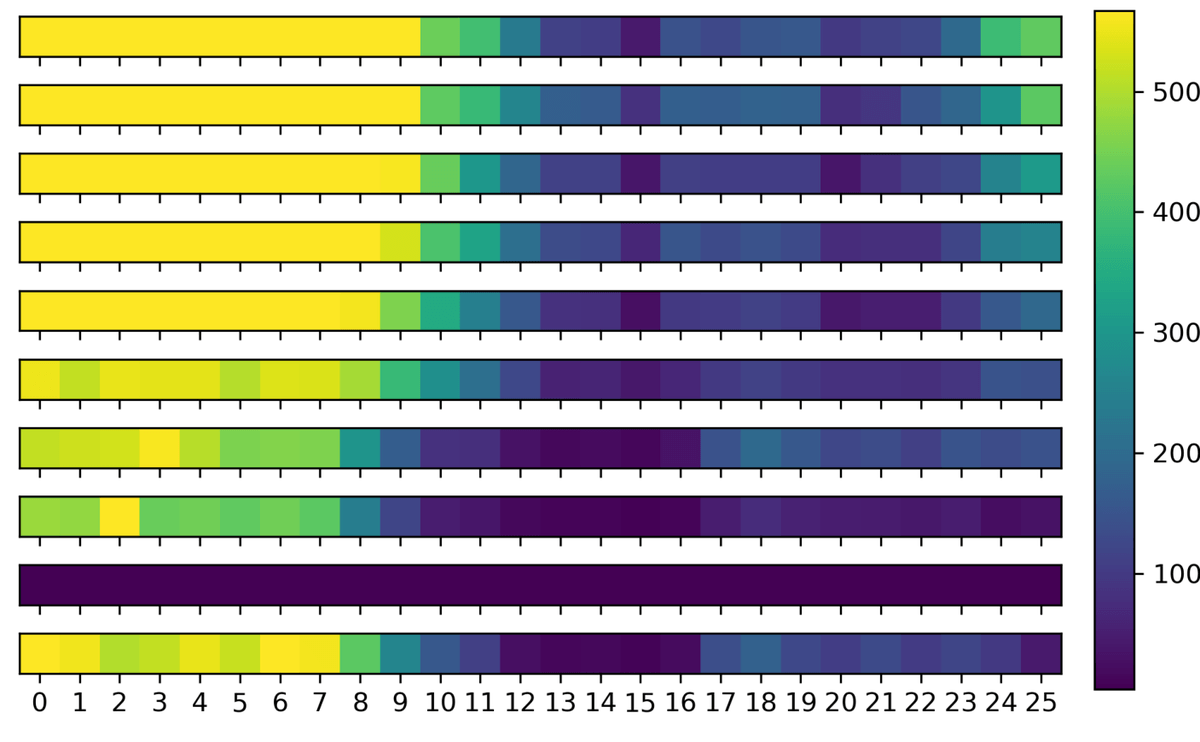
Google Research's new MLP-expansion technique lets you fine-tune a model on any task without erasing what it already knows, matching full fine-tuning performance at 30% of the parameter cost.
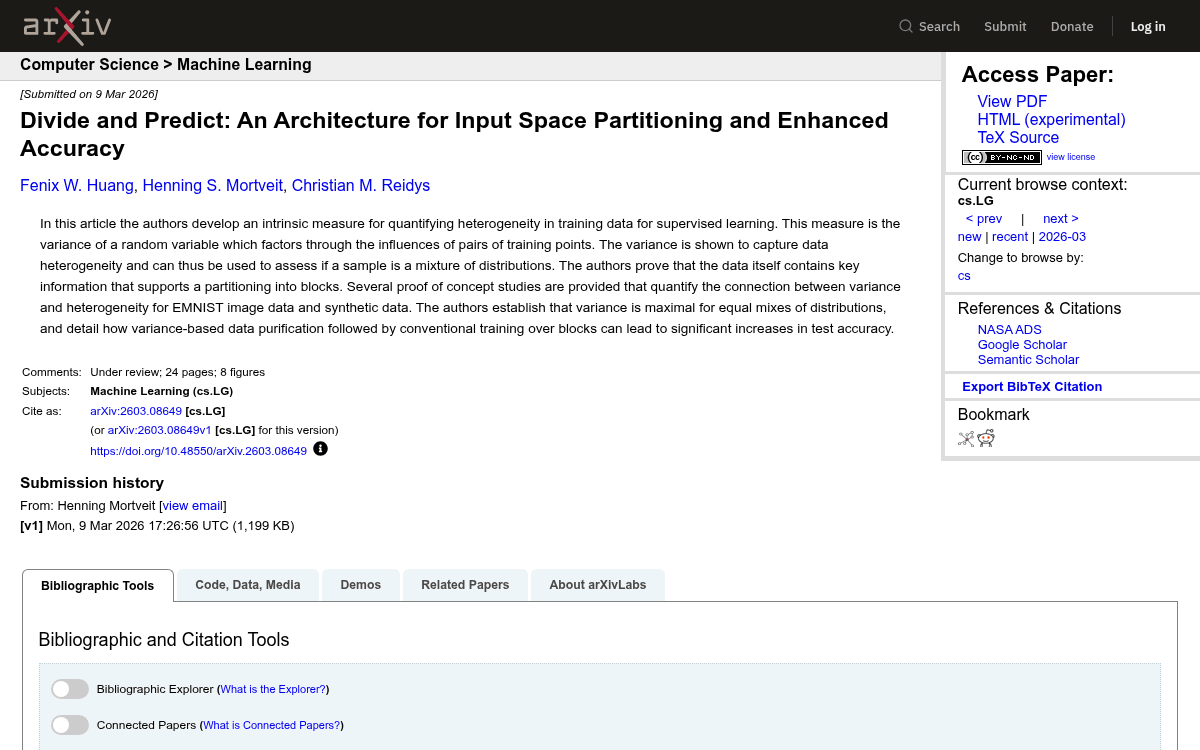
A University of Virginia team proposes a variance-based method to detect and partition mixed training data, boosting model accuracy without changing the architecture.
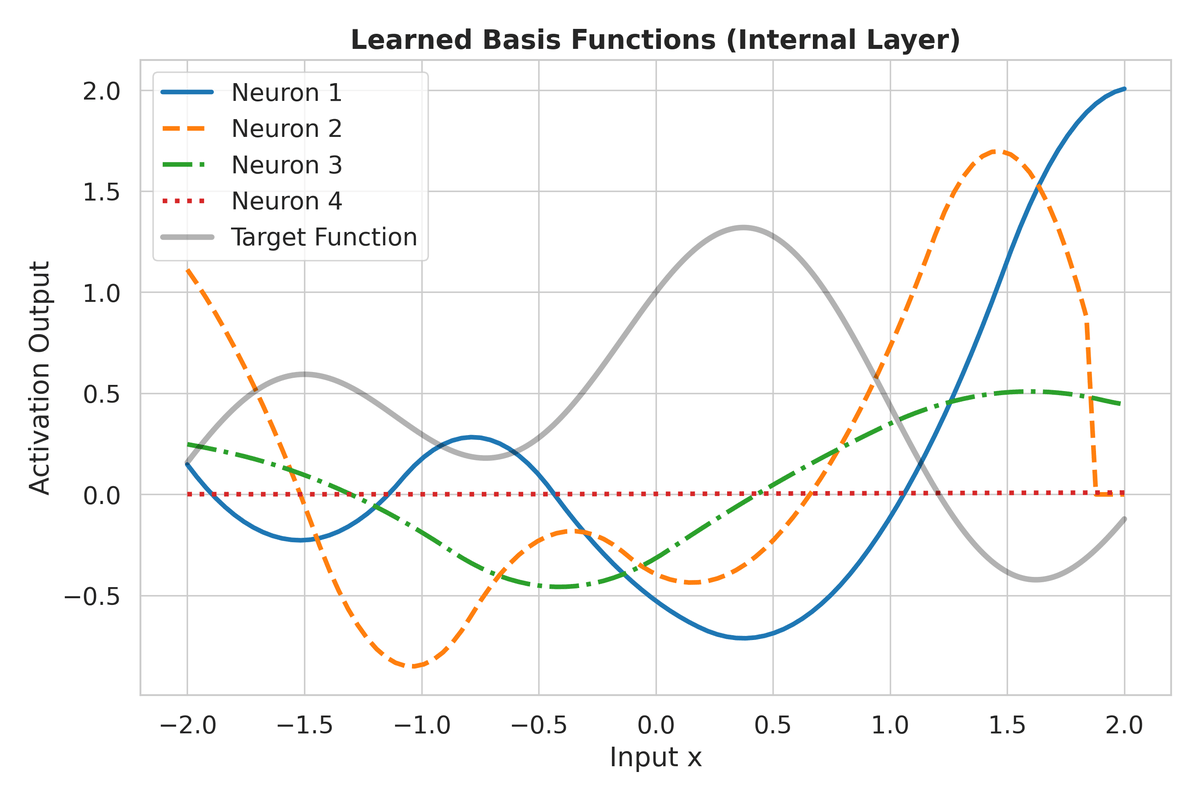
DualFlexKAN fixes KAN's parameter explosion with a dual-stage architecture that cuts parameters by up to 100x while beating both MLPs and classic KANs on physics tasks
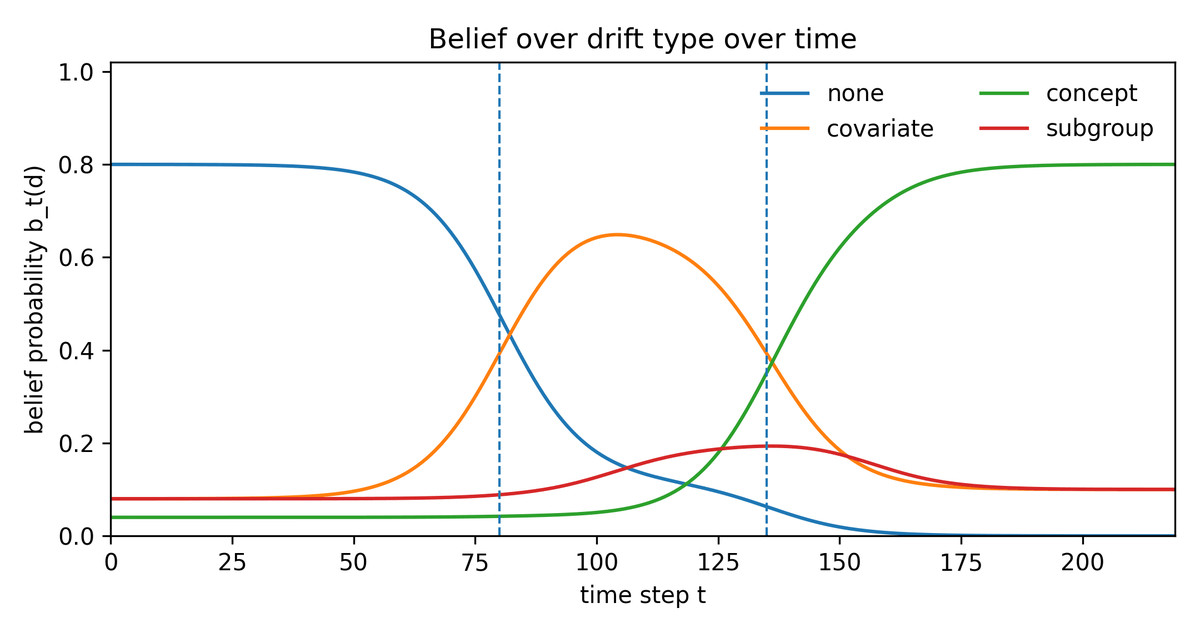
Drift2Act turns ML monitoring from passive alarms into a certified decision controller that knows when to recalibrate, retrain, or hand off — with provable safety guarantees.