

Pro
Tübingen Researchers Fix AI's Gradient Dead Zone With SoftJAX and SoftTorch
SoftJAX and SoftTorch unify scattered gradient relaxation techniques into drop-in replacements for non-differentiable JAX and PyTorch operations
20 stories
SoftJAX and SoftTorch unify scattered gradient relaxation techniques into drop-in replacements for non-differentiable JAX and PyTorch operations
BTPO fixes a fundamental math flaw in how reasoning models are trained on human preference data, beating GRPO-based approaches by up to 9% on key benchmarks
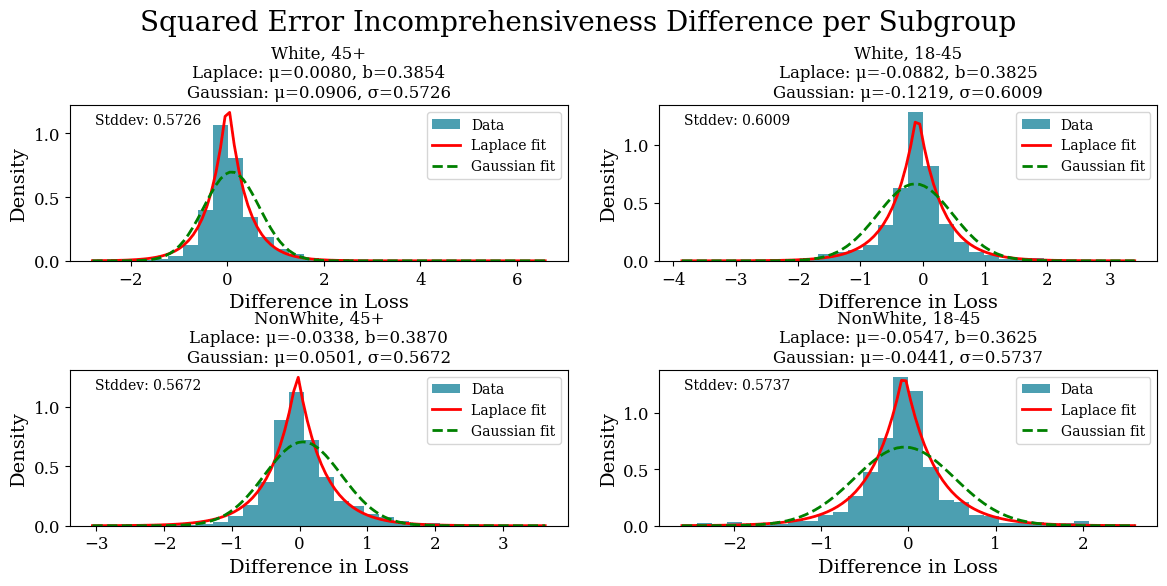
A new framework proves that personalizing ML models with demographic data can silently harm explanation quality — even when prediction accuracy stays the same
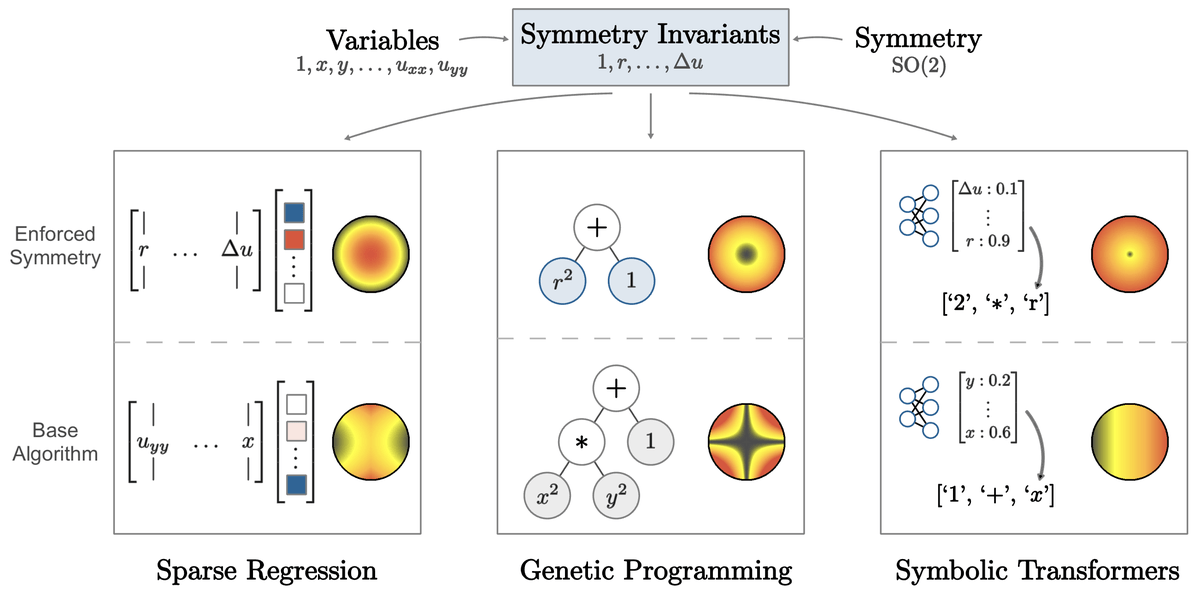
A UC San Diego team shows that baking physical symmetry into symbolic regression guarantees physics-respecting PDEs and dramatically boosts discovery accuracy
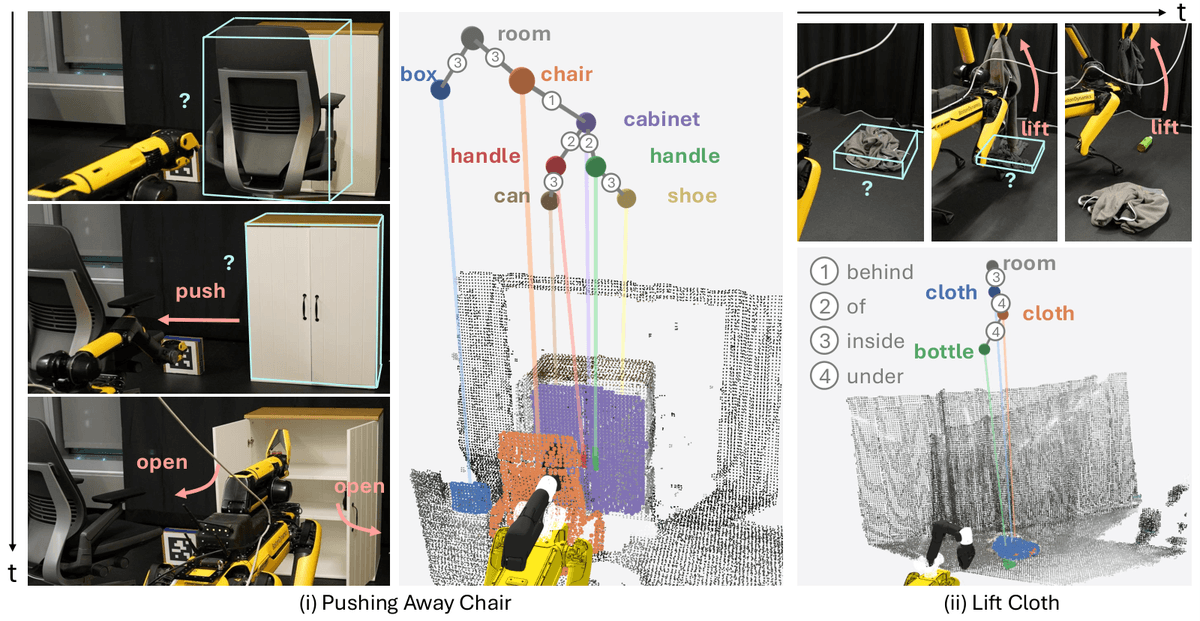
CuriousBot gives a legged robot the ability to open, push, lift, and flip its way through unknown spaces using a live 3D object graph and an LLM planner

Researchers propose SPDIM, a geometric deep learning method that fixes a critical flaw in EEG domain adaptation when class distributions shift between subjects or sessions.
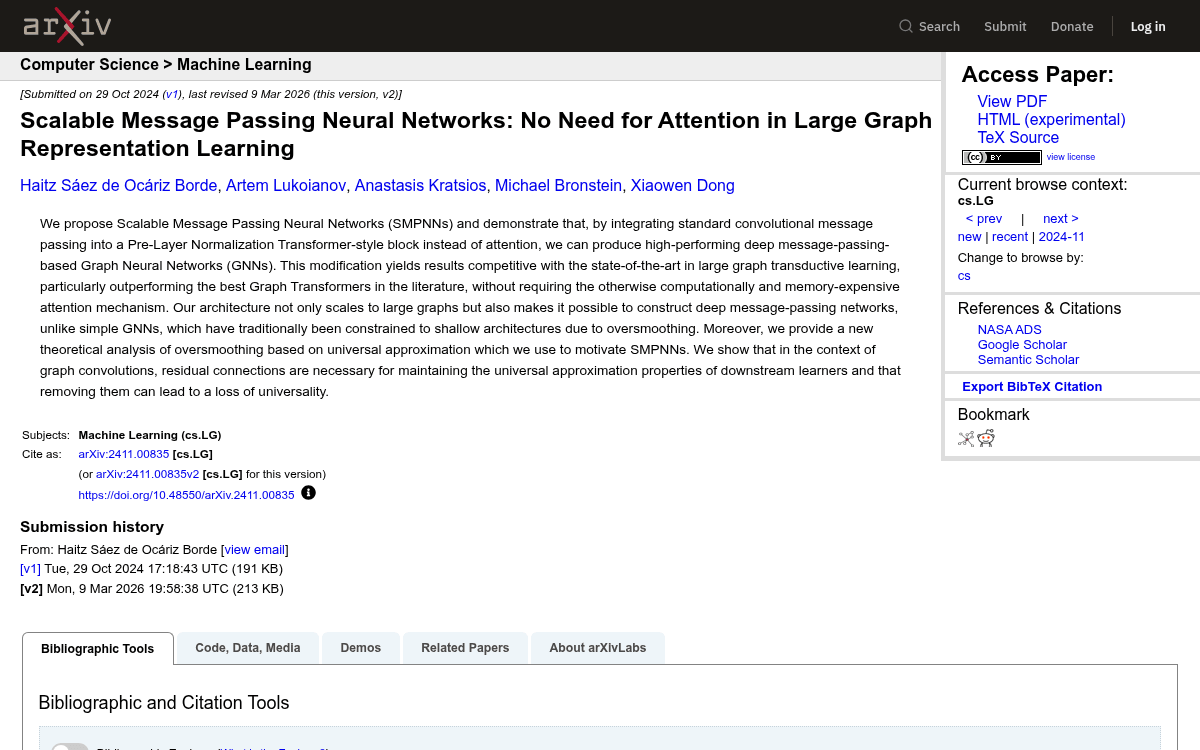
Oxford researchers show that wrapping graph convolutions in a Transformer-style block beats Graph Transformers on 100M-node graphs — no attention required
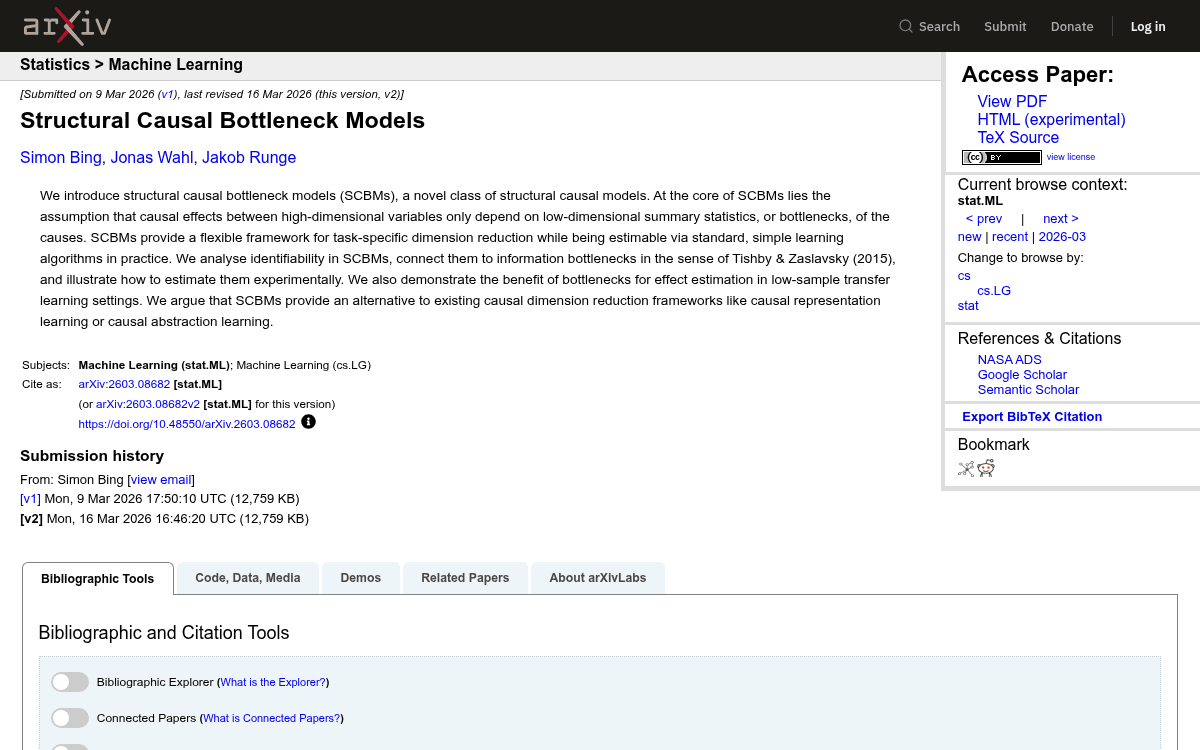
Structural Causal Bottleneck Models compress high-dimensional causal variables into low-dimensional summaries, making causal effect estimation tractable without bespoke loss functions or interventional data.
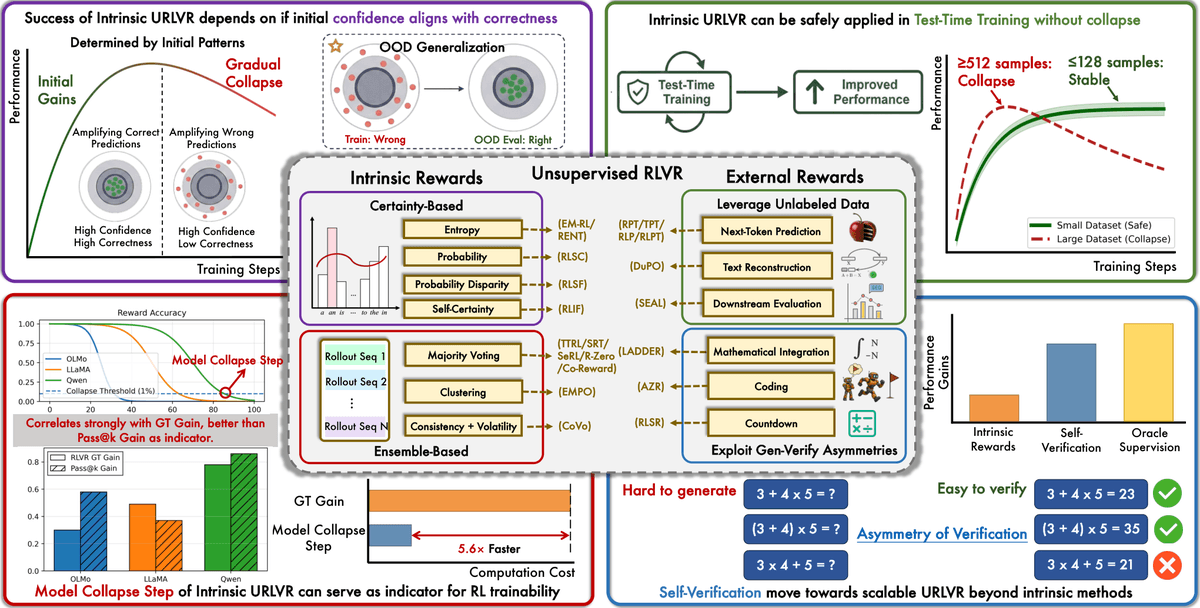
A new paper proves that label-free RL for LLMs always collapses — and proposes a cheap diagnostic to predict when, and what to do instead
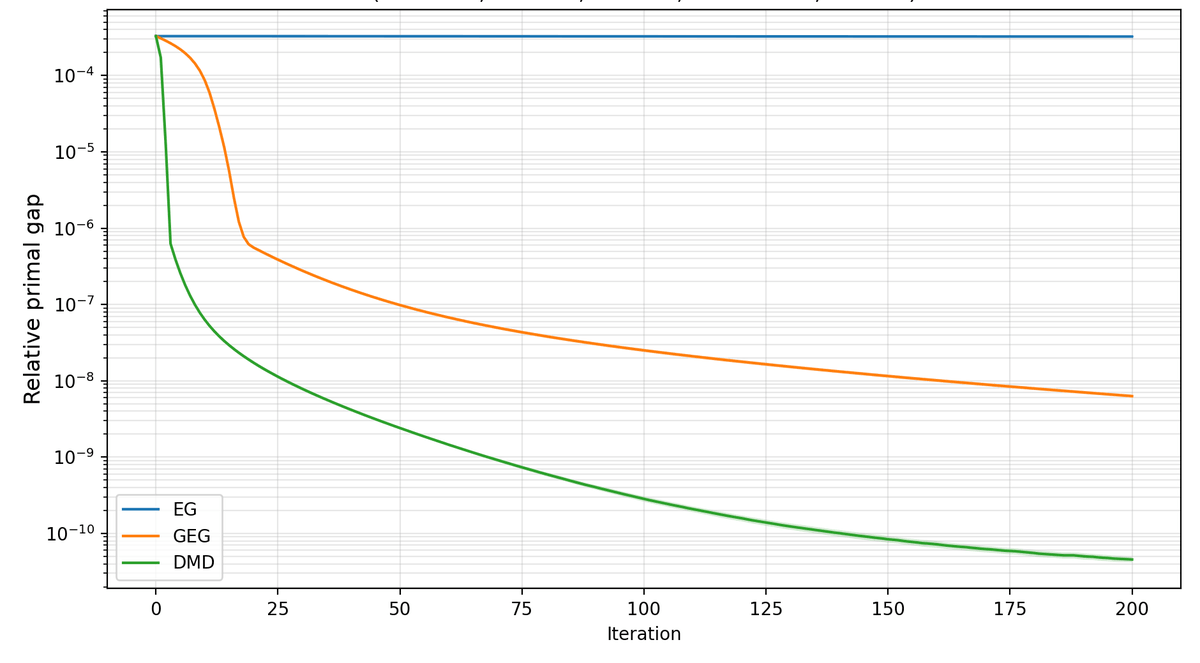
A new family of Mirror Descent optimizers built on group theory outperforms standard methods on sparse, constrained problems by 3.6x or more
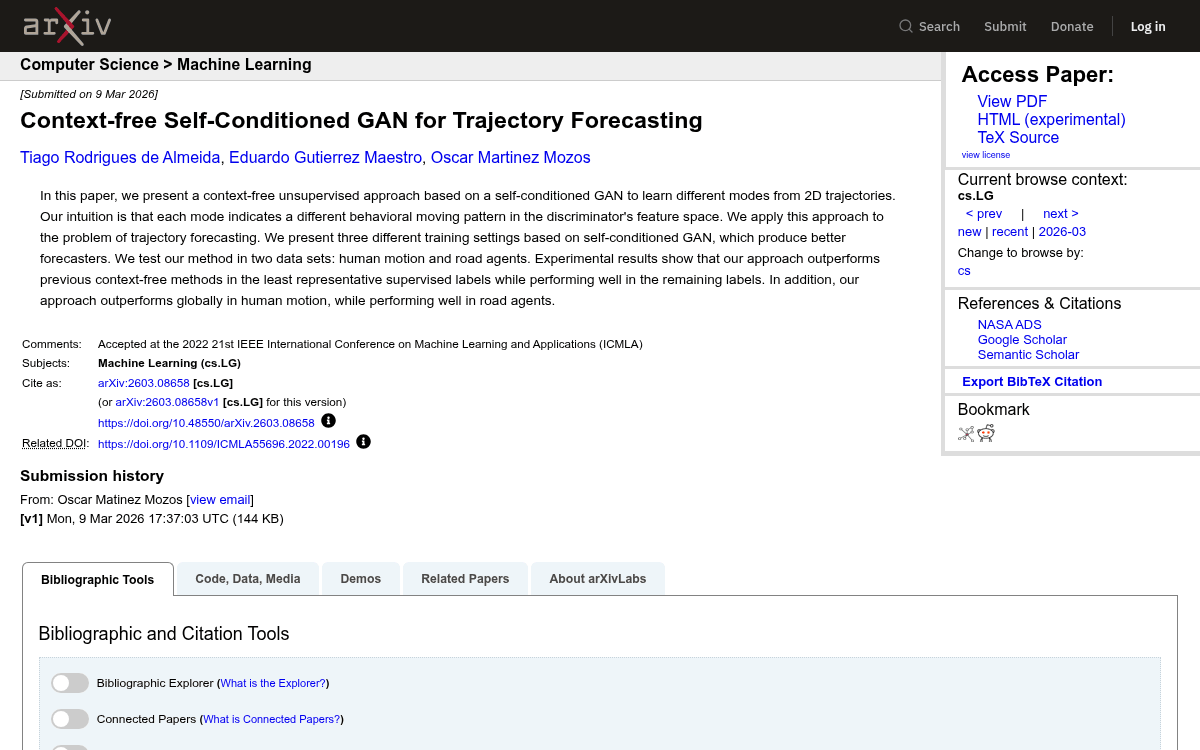
A self-conditioned GAN learns motion behavior clusters without labels, fixing the minority-class blind spot that plagues trajectory prediction models
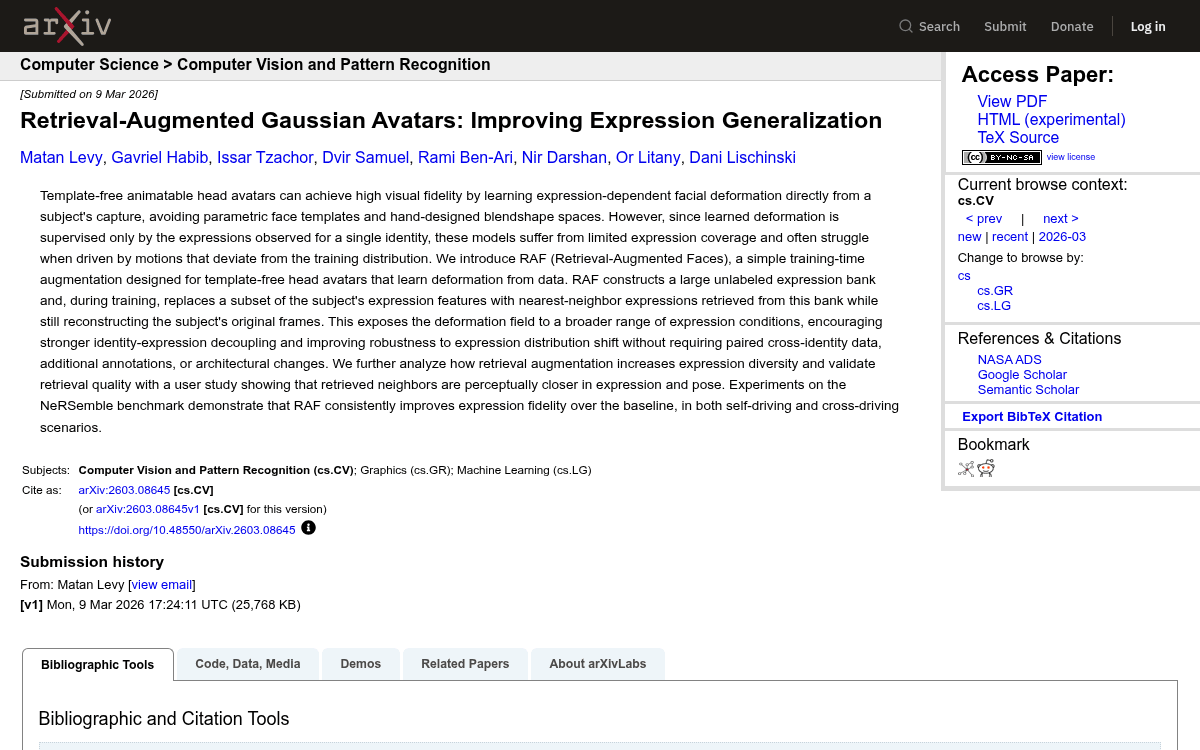
RAF augments 3D Gaussian head avatar training with retrieved cross-identity expressions, dramatically improving how avatars handle unseen faces and emotions without changing the model architecture.
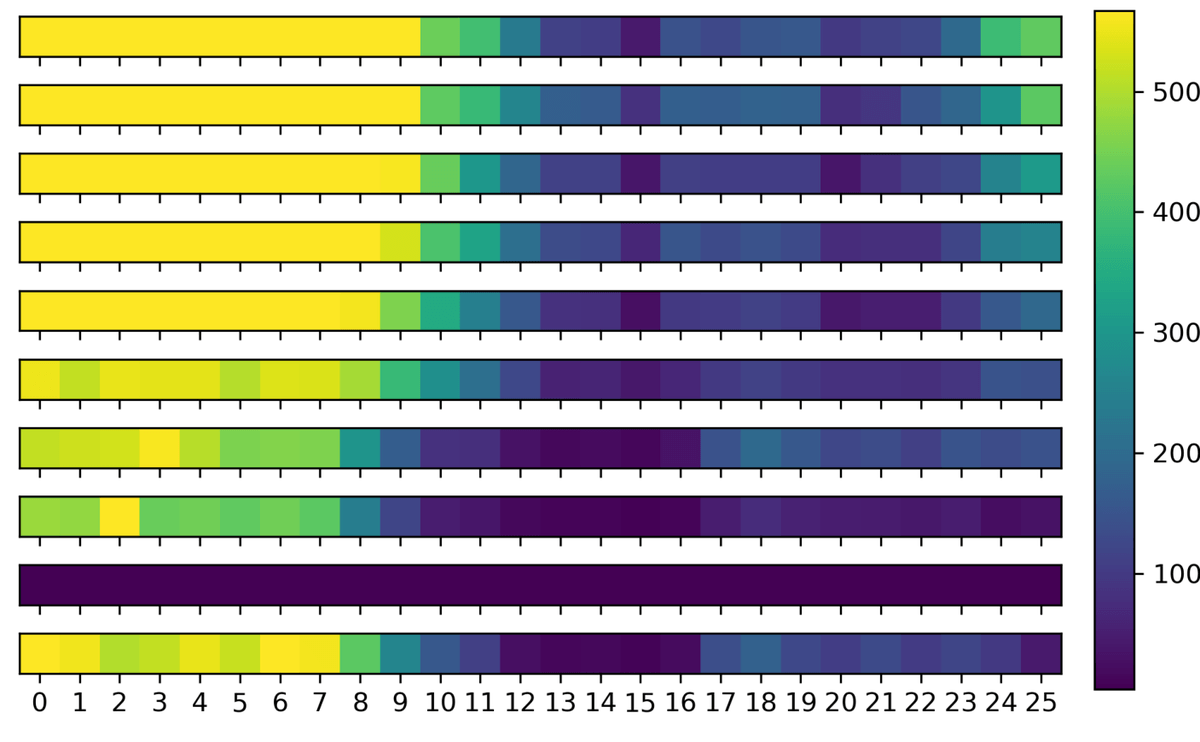
Google Research's new MLP-expansion technique lets you fine-tune a model on any task without erasing what it already knows, matching full fine-tuning performance at 30% of the parameter cost.
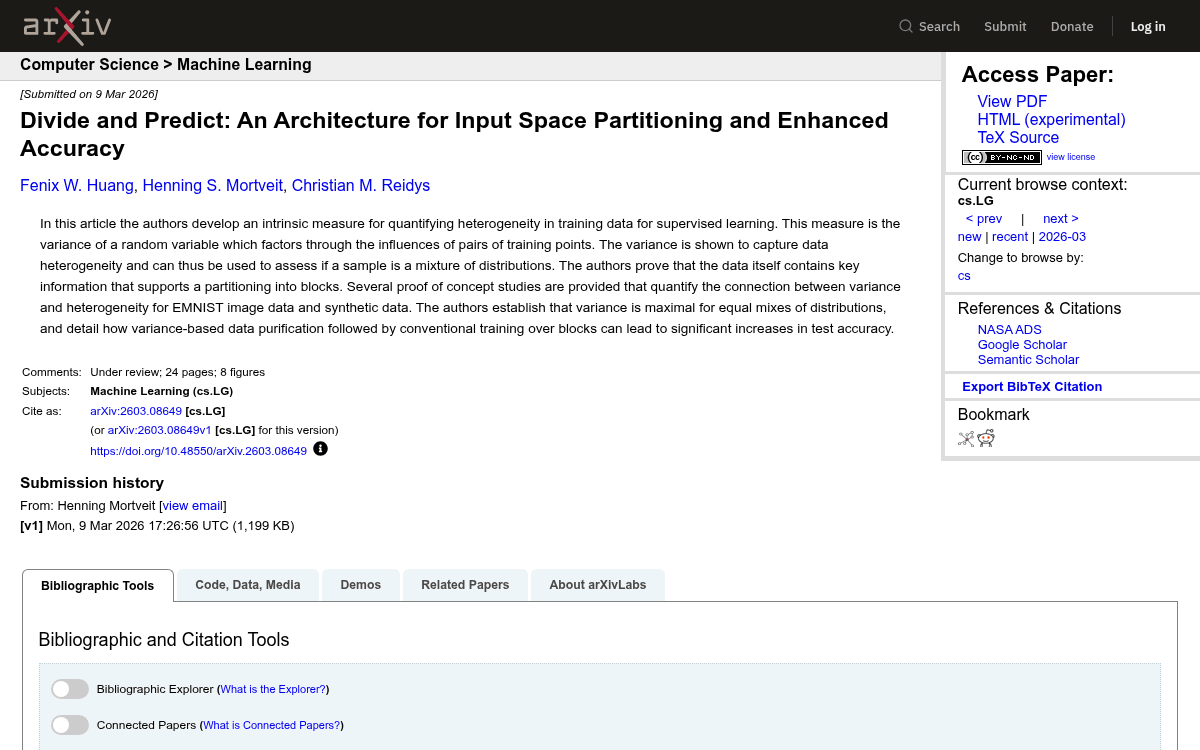
A University of Virginia team proposes a variance-based method to detect and partition mixed training data, boosting model accuracy without changing the architecture.
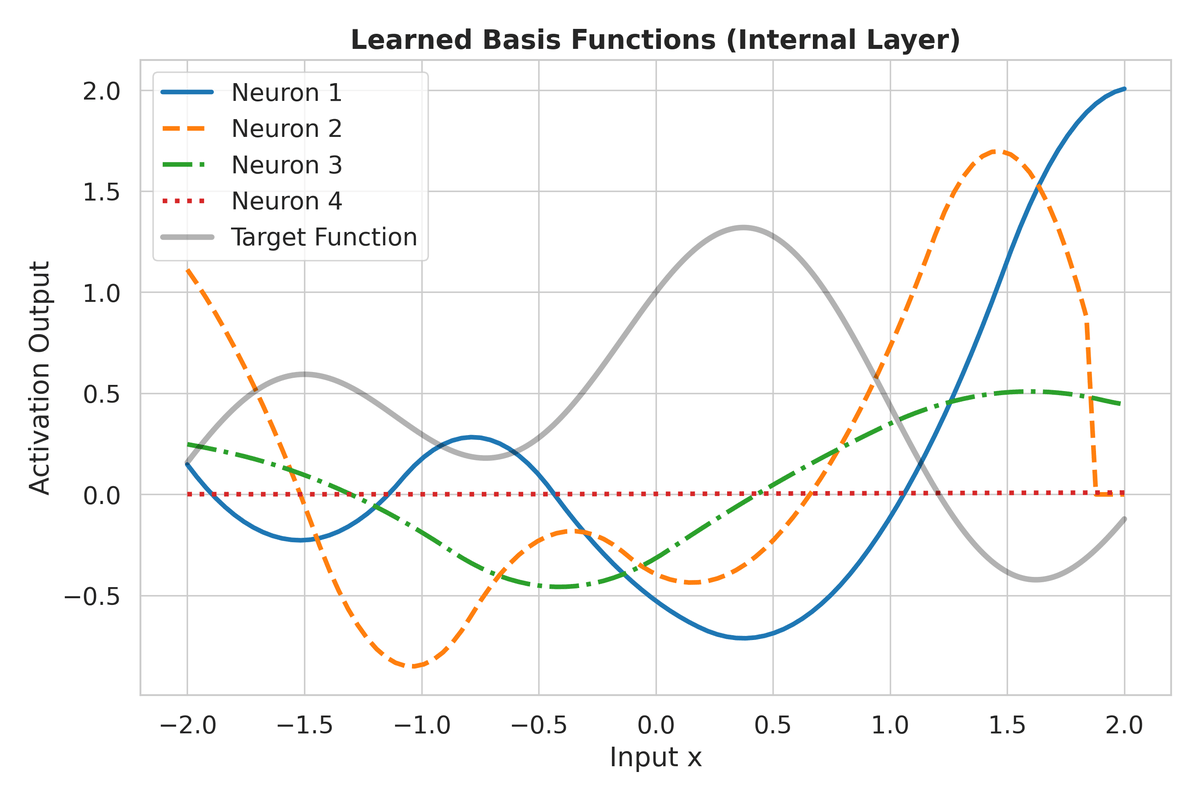
DualFlexKAN fixes KAN's parameter explosion with a dual-stage architecture that cuts parameters by up to 100x while beating both MLPs and classic KANs on physics tasks
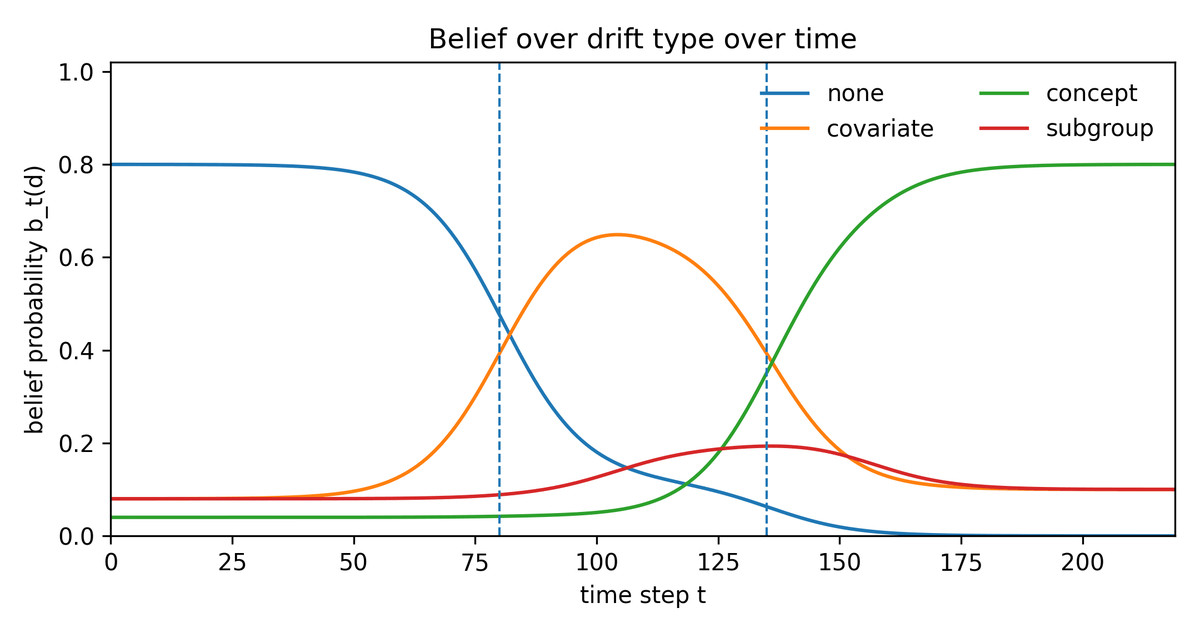
Drift2Act turns ML monitoring from passive alarms into a certified decision controller that knows when to recalibrate, retrain, or hand off — with provable safety guarantees.
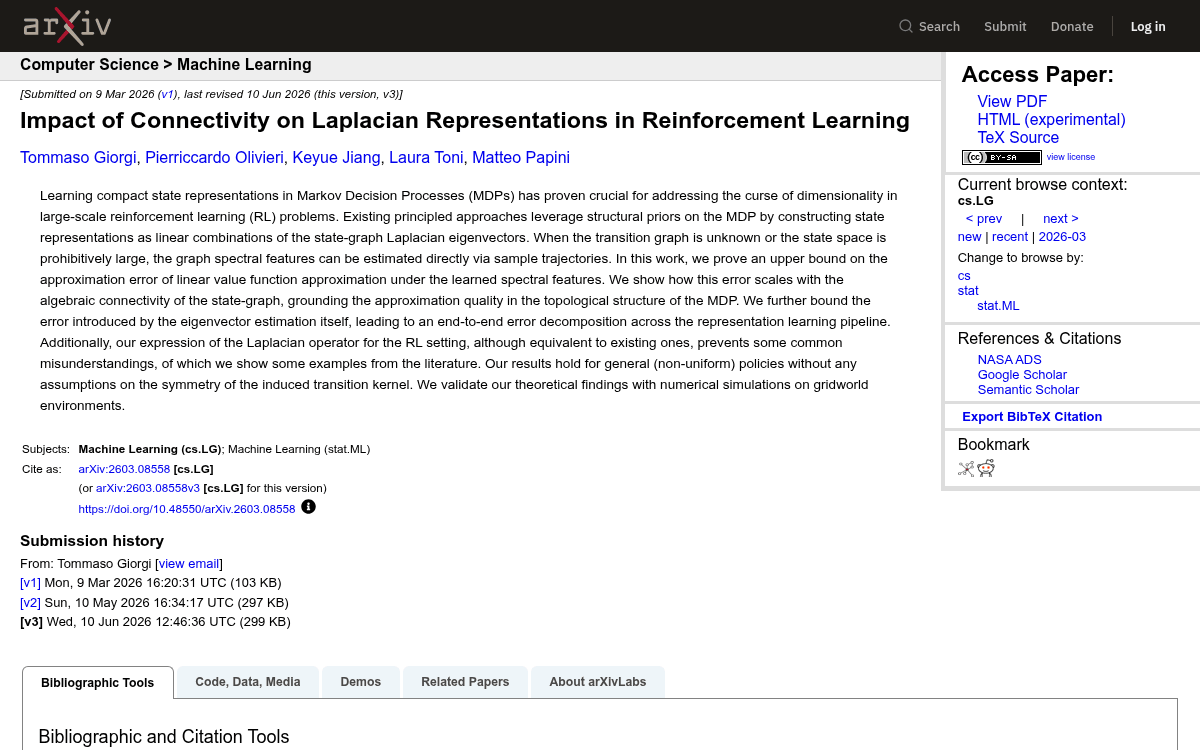
New theoretical bounds show that graph connectivity, not just representation quality, fundamentally determines how well Laplacian-based RL state representations can approximate value functions.
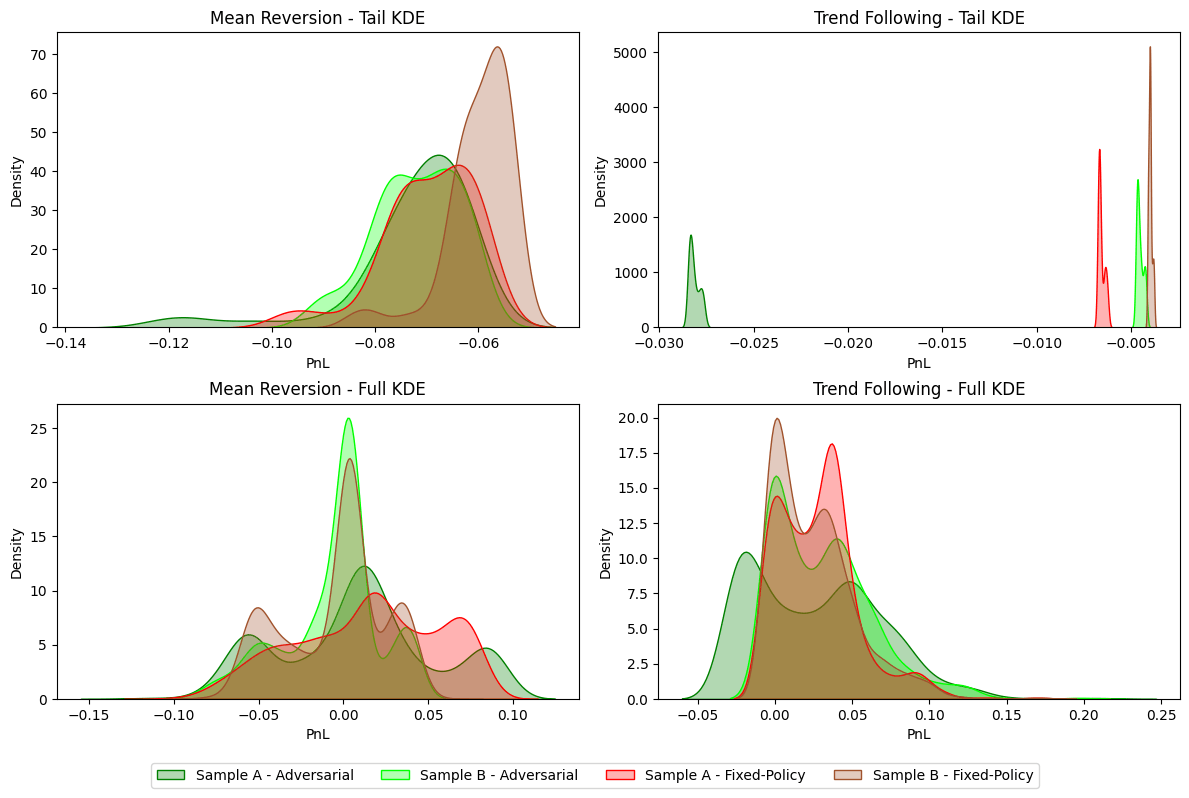
GAR trains generative models directly against financial risk objectives, producing market scenarios that stay accurate even when trading strategies shift unexpectedly.
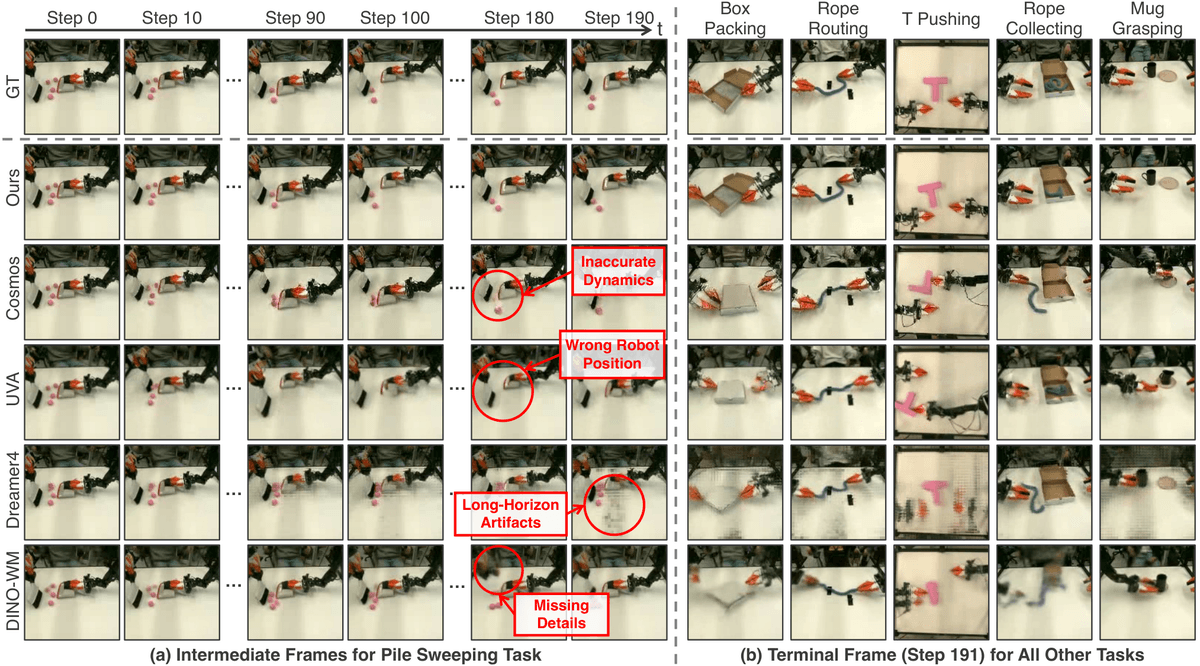
Interactive World Simulator runs 10+ minutes at 15 FPS on a single GPU, letting robots train and evaluate policies without ever touching real hardware
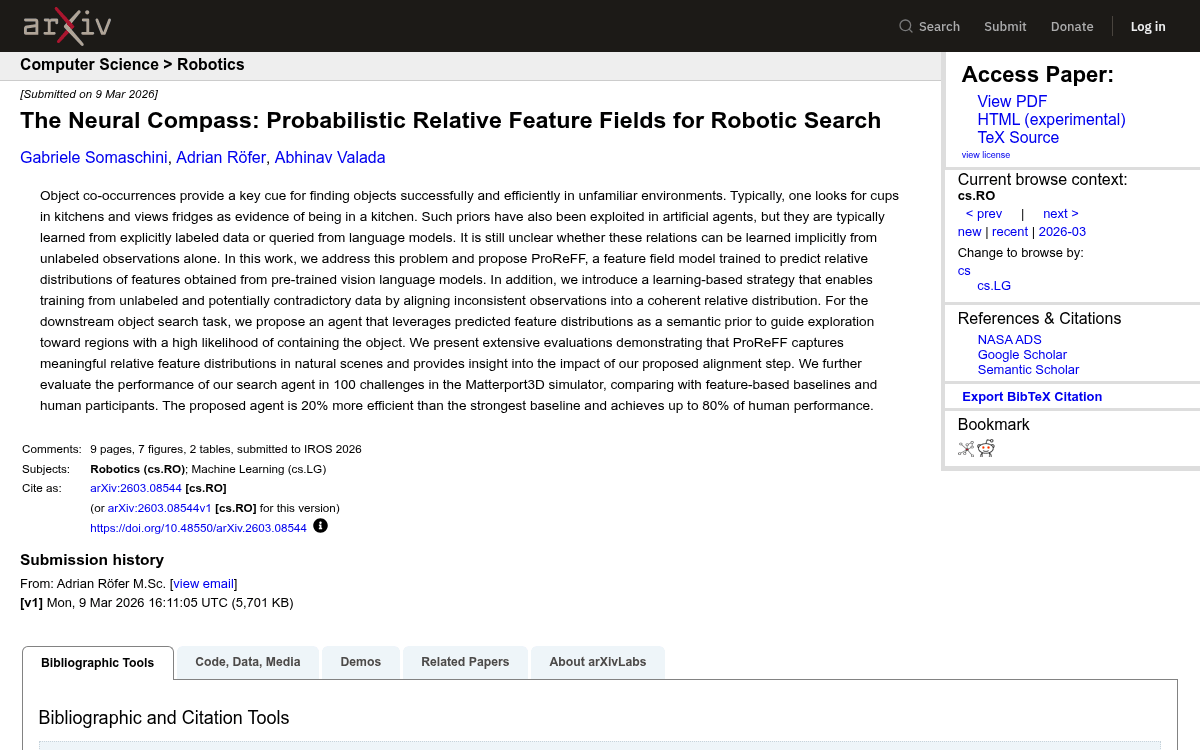
ProReFF learns where objects live in 3D space from raw RGB-D video alone, making robots 20% more efficient at finding objects than the best existing baselines