
Pro
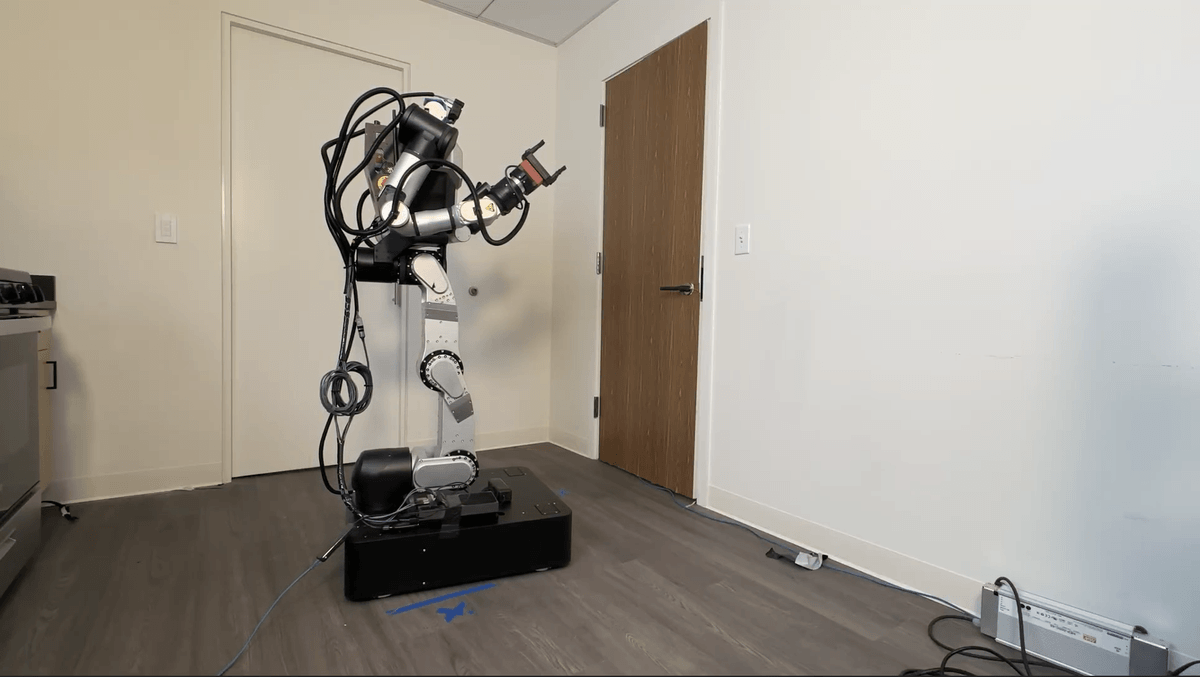
Allen Institute's MolmoBot Beats Real-World Robot Training With Pure Simulation
Allen AI trained robot policies purely in simulation and hit 79.2% real-world pick-and-place success, beating π0.5 at 39.2%.
20 stories
Allen AI trained robot policies purely in simulation and hit 79.2% real-world pick-and-place success, beating π0.5 at 39.2%.
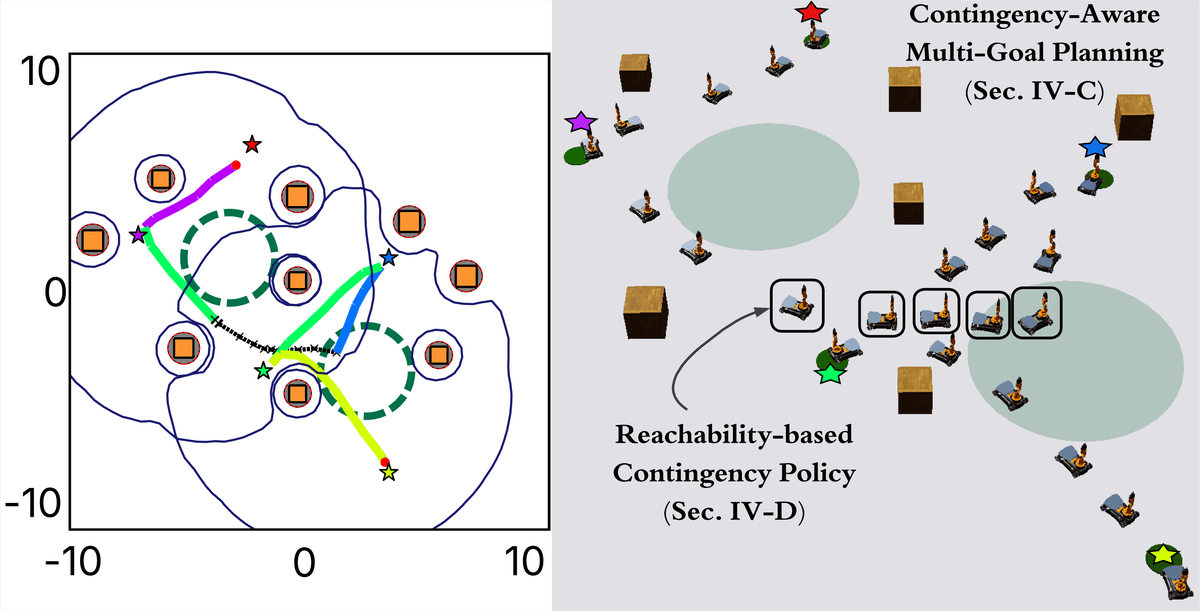
A learned Fourier Neural Operator predicts safe reachable sets in real time, with a mathematical guarantee that the learned safe zone always stays inside the true one.
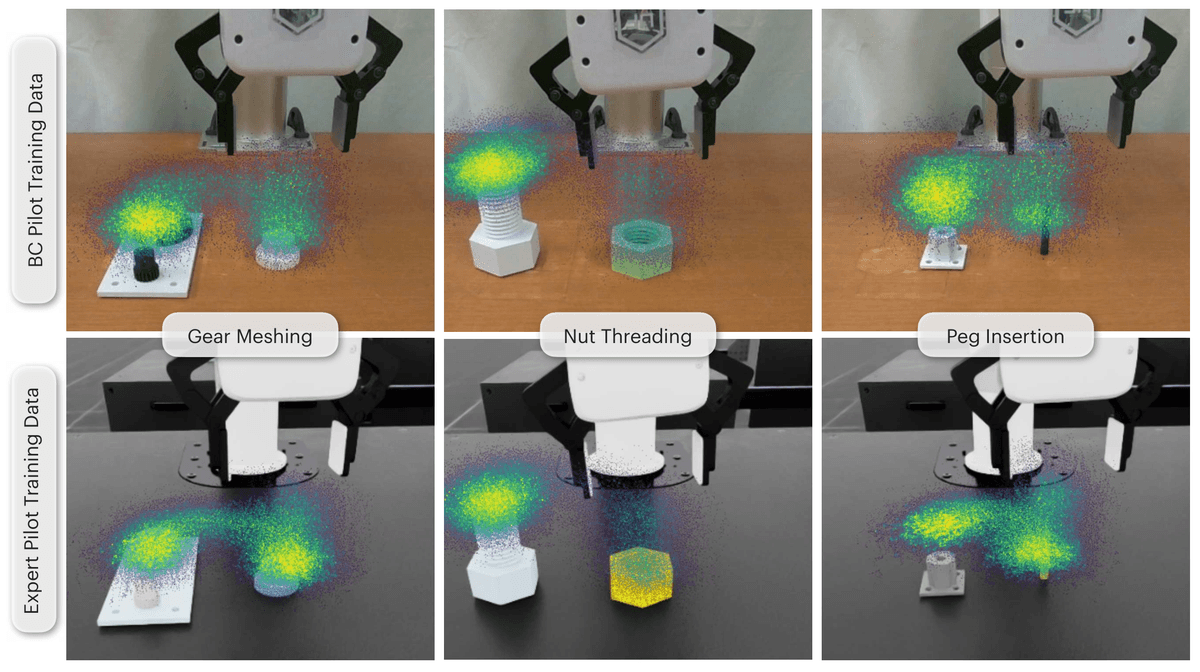
A residual copilot trained in simulation using a five-minute kNN model of the human operator improves precision assembly for both novices and experts.
A new projected gradient plus best-response scheme finds Nash equilibria when one player only observes the other's reaction map, not their objective.
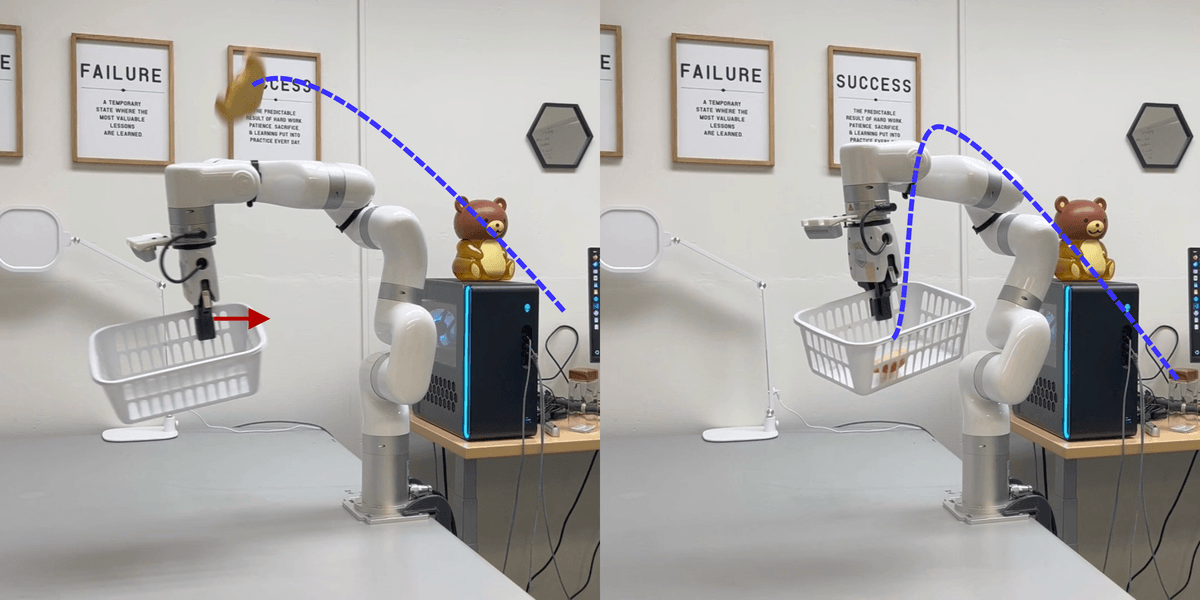
UCLA researchers turn a smartphone into a full dexterous teleoperation rig, streaming wrist pose and 21-DoF hand tracking with no external cameras.
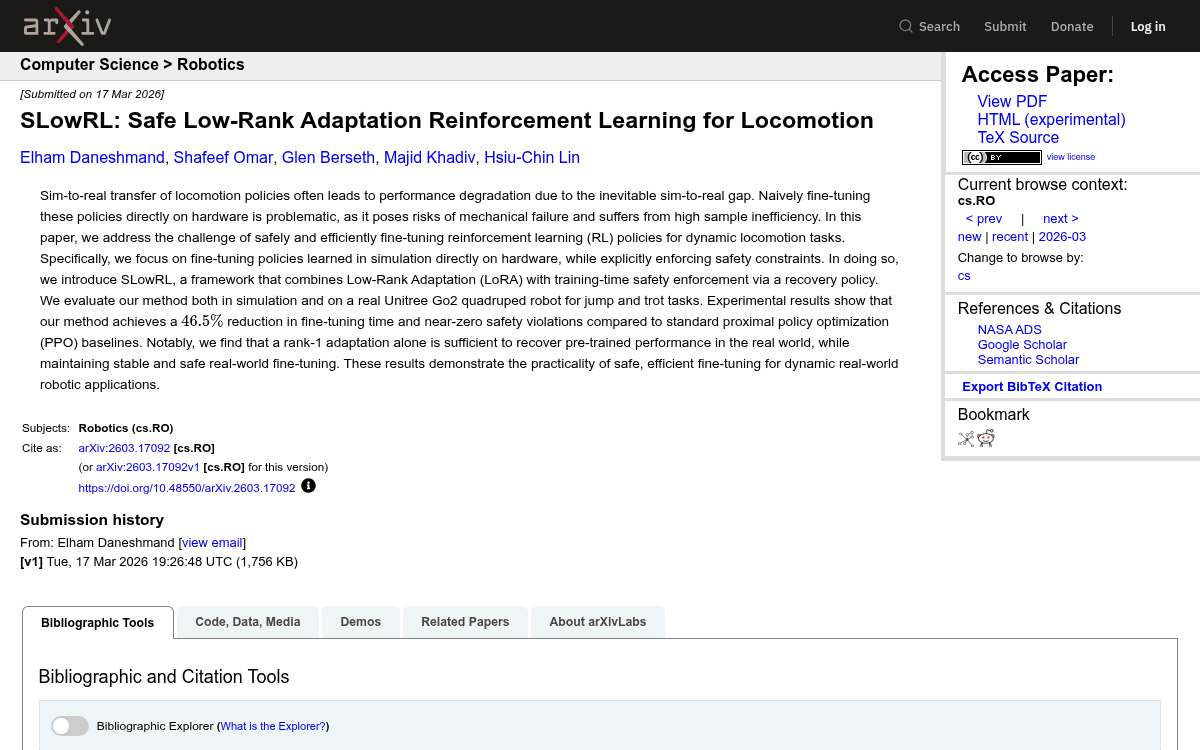
A framework blends LoRA adapters with a recovery policy to fine-tune quadruped locomotion policies on real hardware, cutting training time nearly in half with almost zero falls.
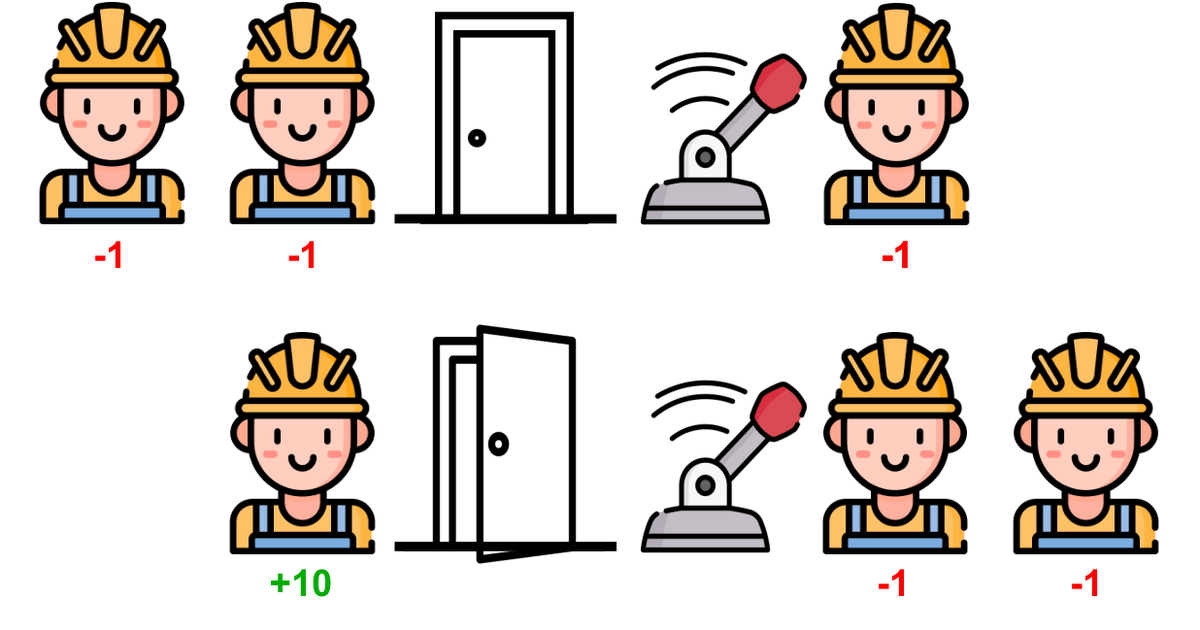
A new multi-agent reinforcement learning method borrows the Pigovian tax idea from economics to tax selfish agents and subsidize cooperators.
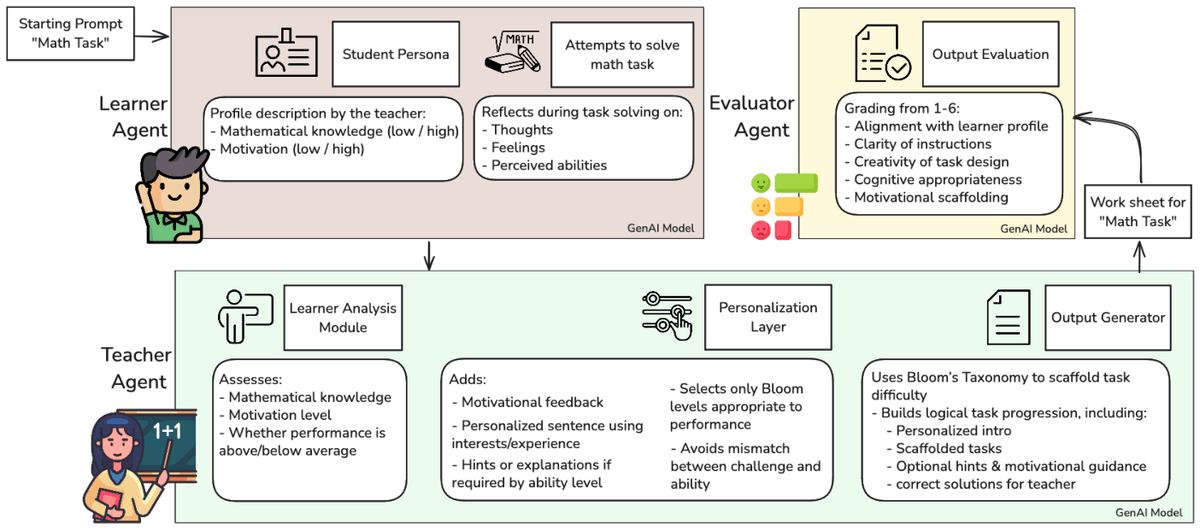
A three-agent LLM pipeline builds math worksheets tuned to each student's knowledge and motivation, with an evaluator scoring quality automatically.
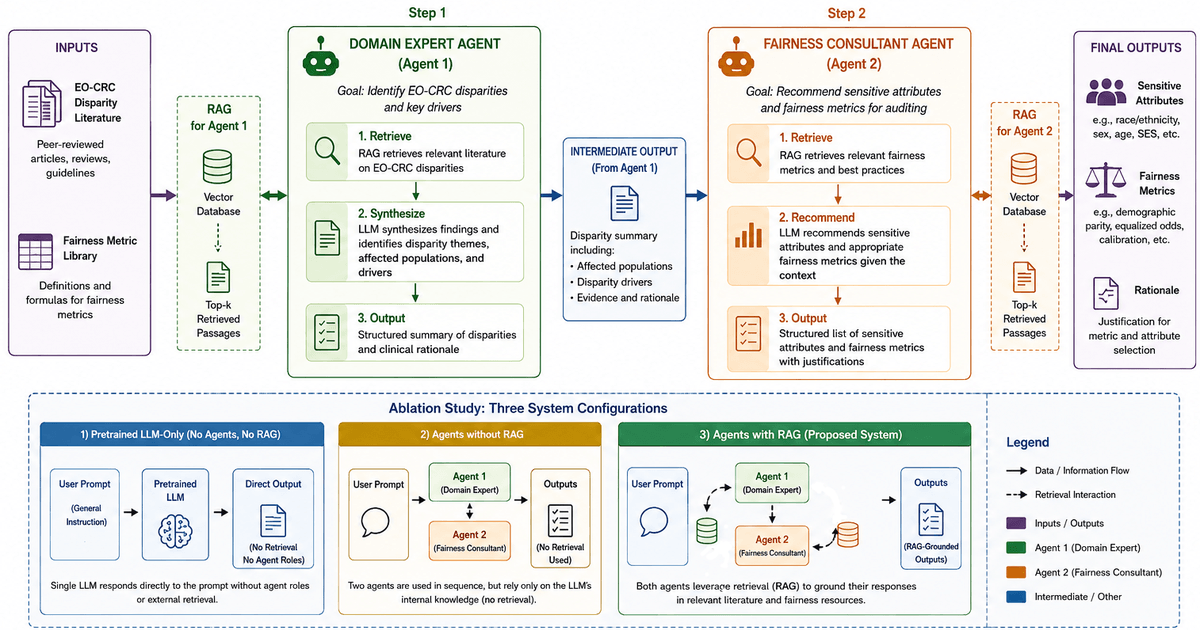
A two-agent LLM system with retrieval-augmented generation matches expert-derived fairness recommendations for clinical AI models, tested on early-onset colorectal cancer.
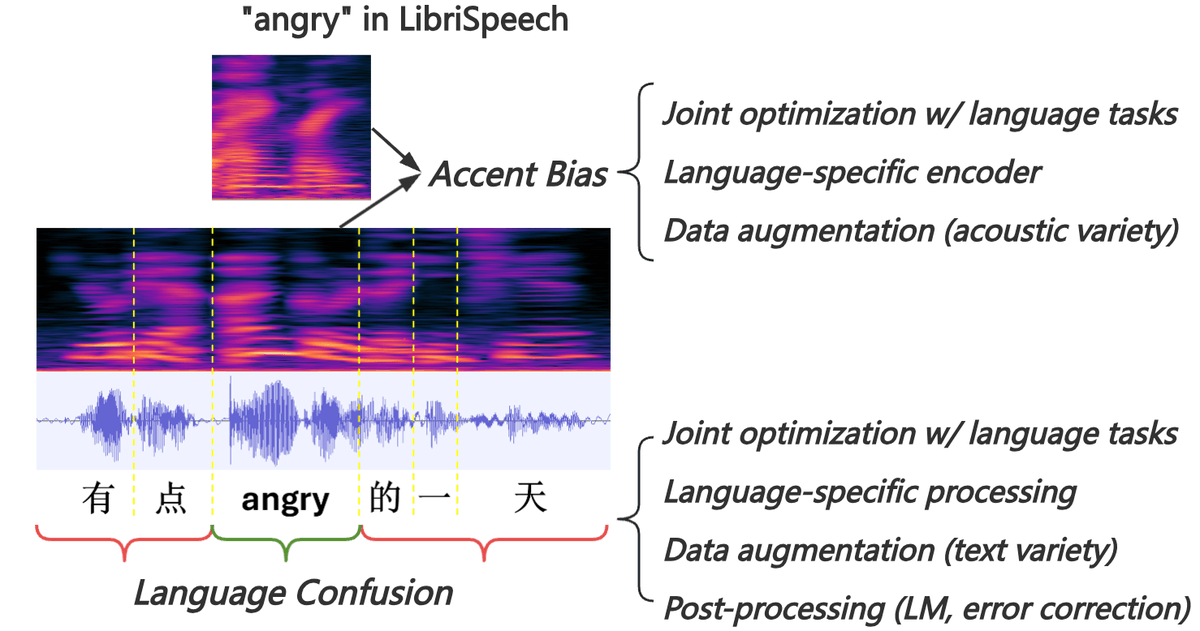
A systematic study of code-switching speech recognition finds that text patterns matter more than accent, and introduces SECT to synthesize training data with LLMs.
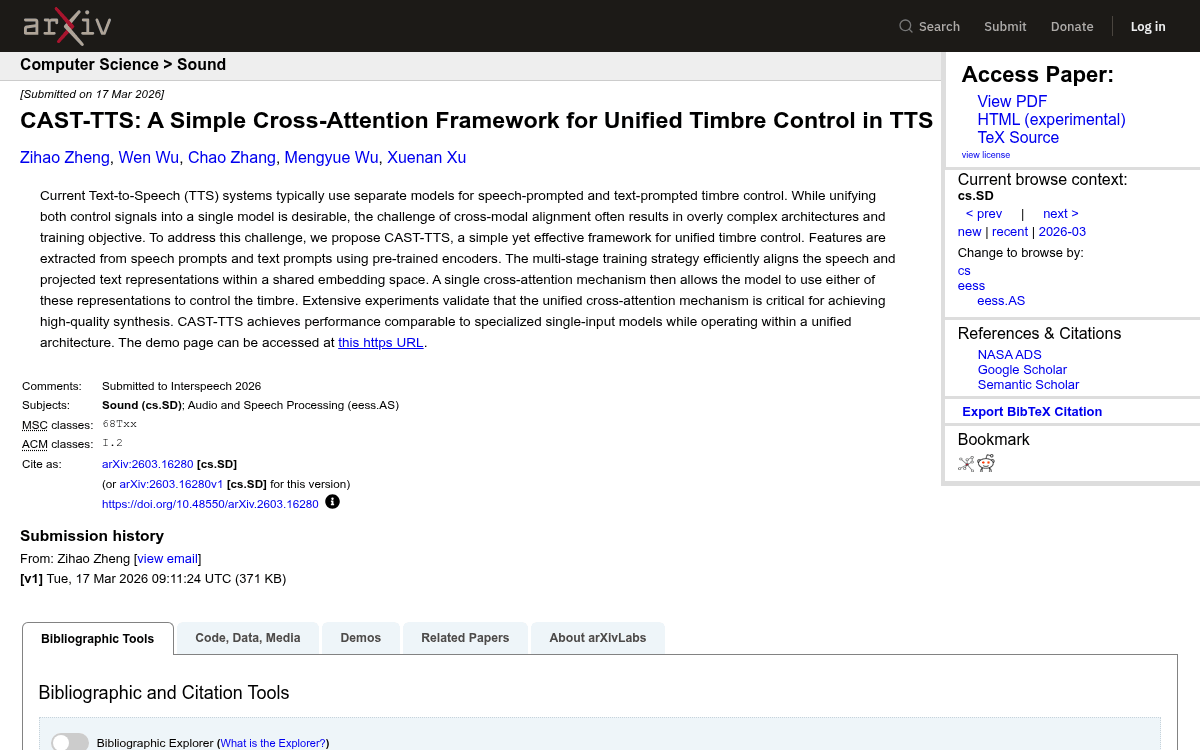
CAST-TTS unifies voice cloning from audio prompts and style control from text descriptions into a single cross-attention pipeline with competitive quality.
A projection decoder with learned height embeddings cuts thaw-depth prediction error by 70 percent over standard averaging on drone lidar of Alaskan boreal forest.
A new smartphone protocol collects prosody data in daily life without ever letting raw audio leave the device, tested across 9,877 recordings.
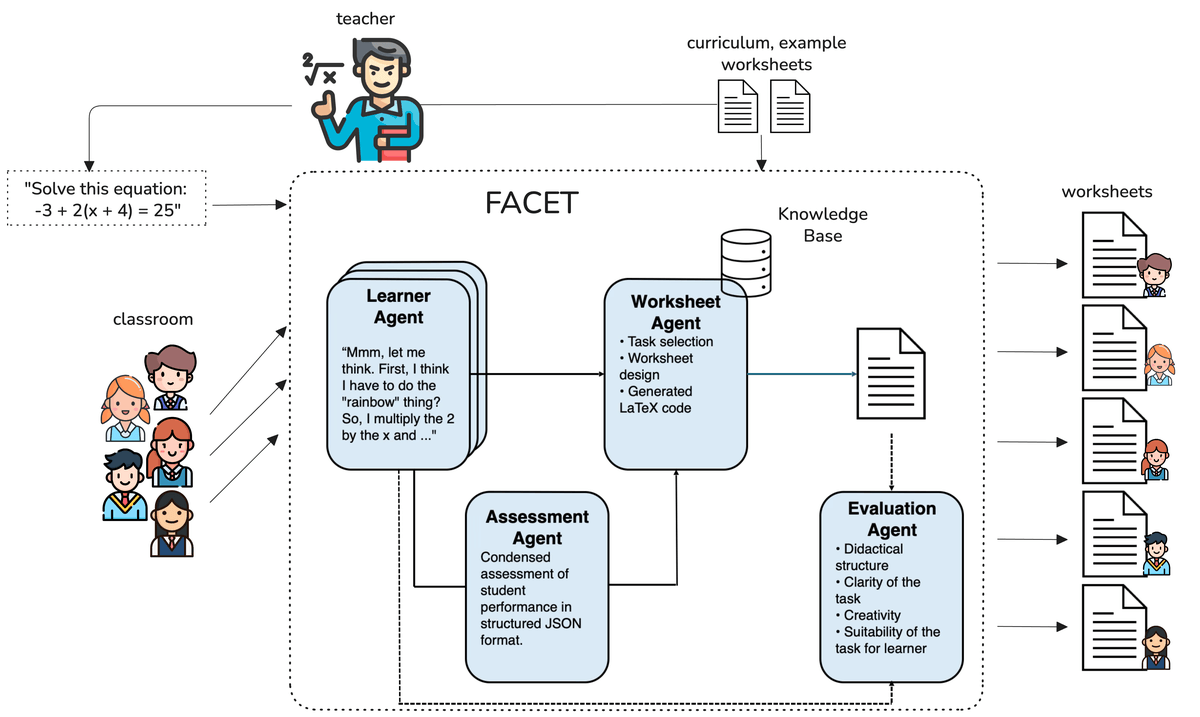
A four-agent architecture built on GPT-OSS 120B generates differentiated worksheets while keeping teachers in control of profiles, review, and export.
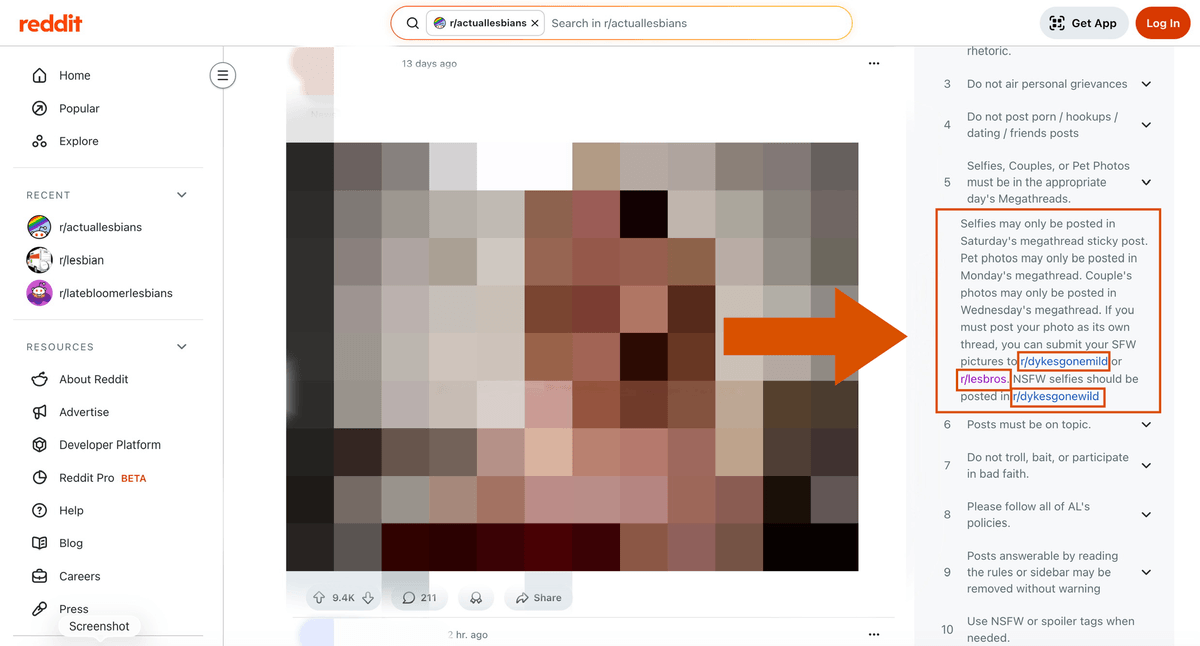
A Clemson study of 29 lesbian subreddits finds central hubs and peripheral niches split governance work in complementary ways rather than in isolation.
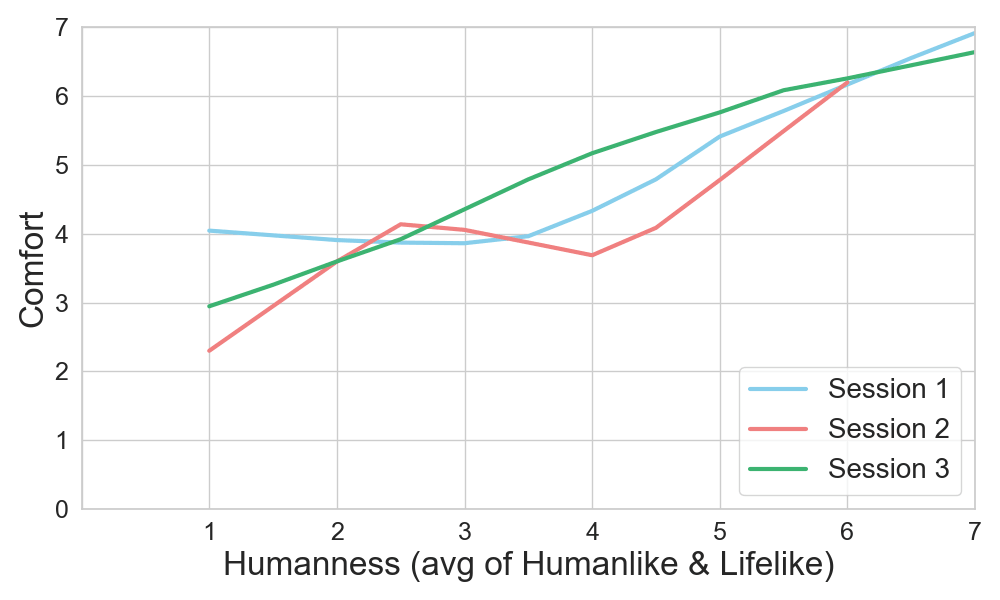
A VR training system pairs three Big Five personality avatars with role-switching, showing measurable perspective-taking gains that participants carried into daily life.
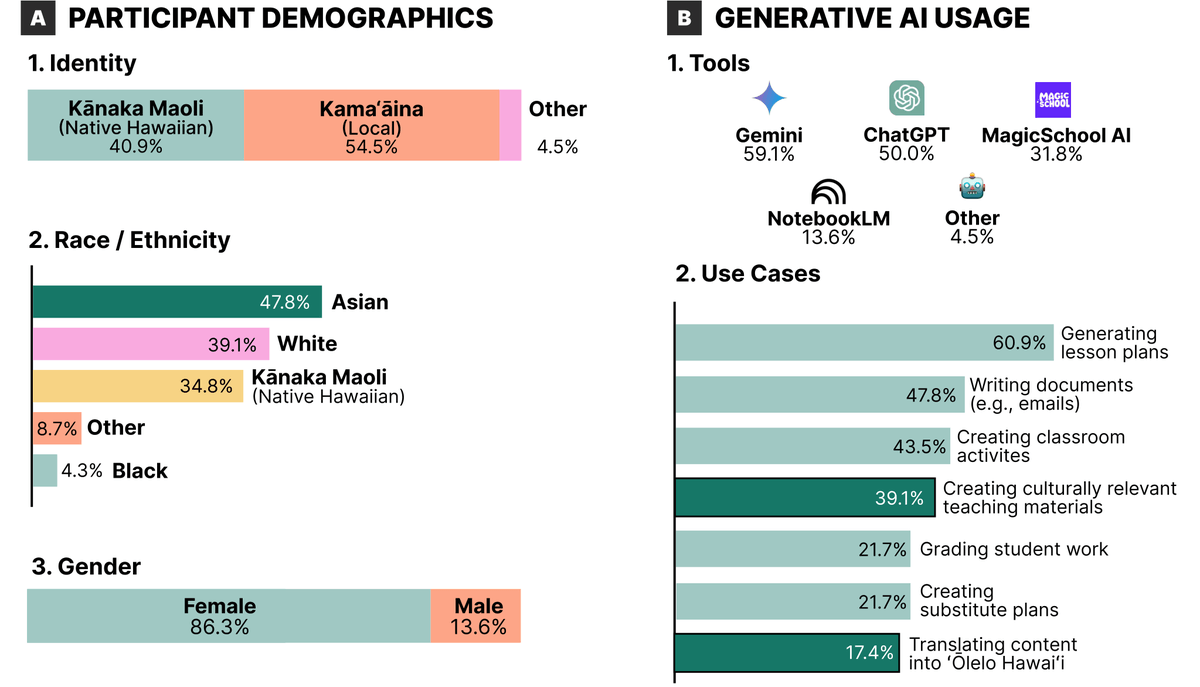
A new CHI 2026 paper proposes community-oriented AI auditing tools co-designed with Hawaiian public school educators, rethinking who audits and how.
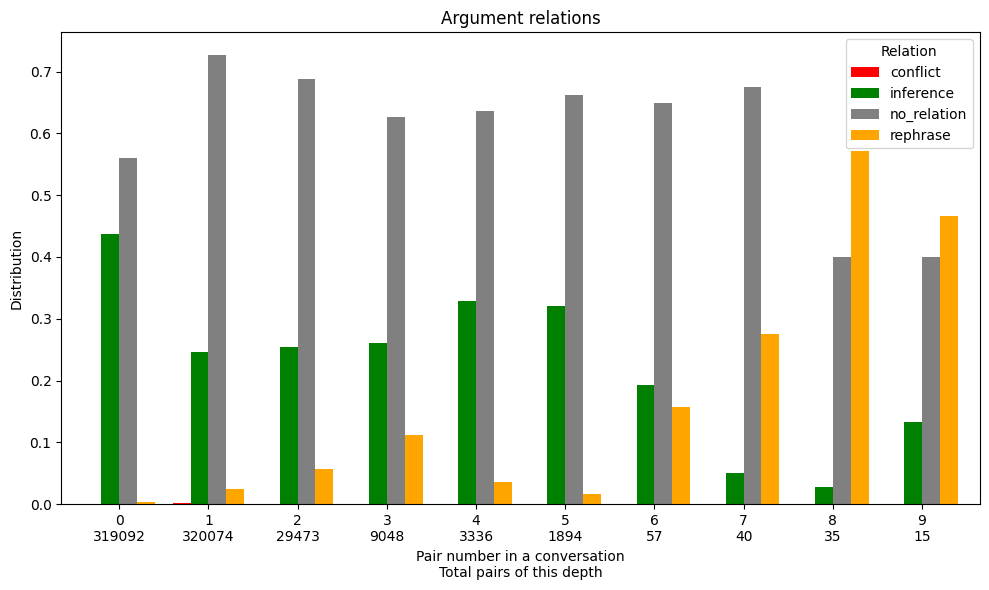
Researchers analyze 1.3M posts across 120,000 AI agents on Moltbook and find the infrastructure of a social network with none of the function.
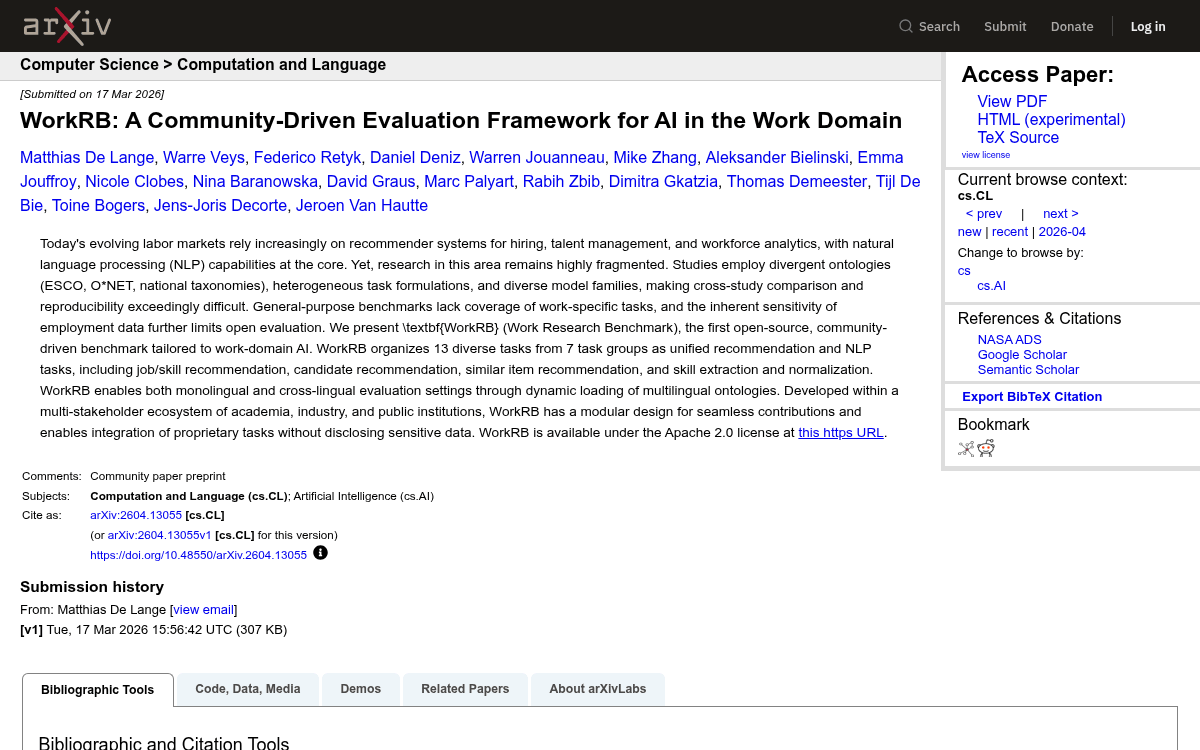
A 19-author consortium spanning academia, industry, and public institutions releases the first shared benchmark for job matching, skill extraction, and workforce AI.
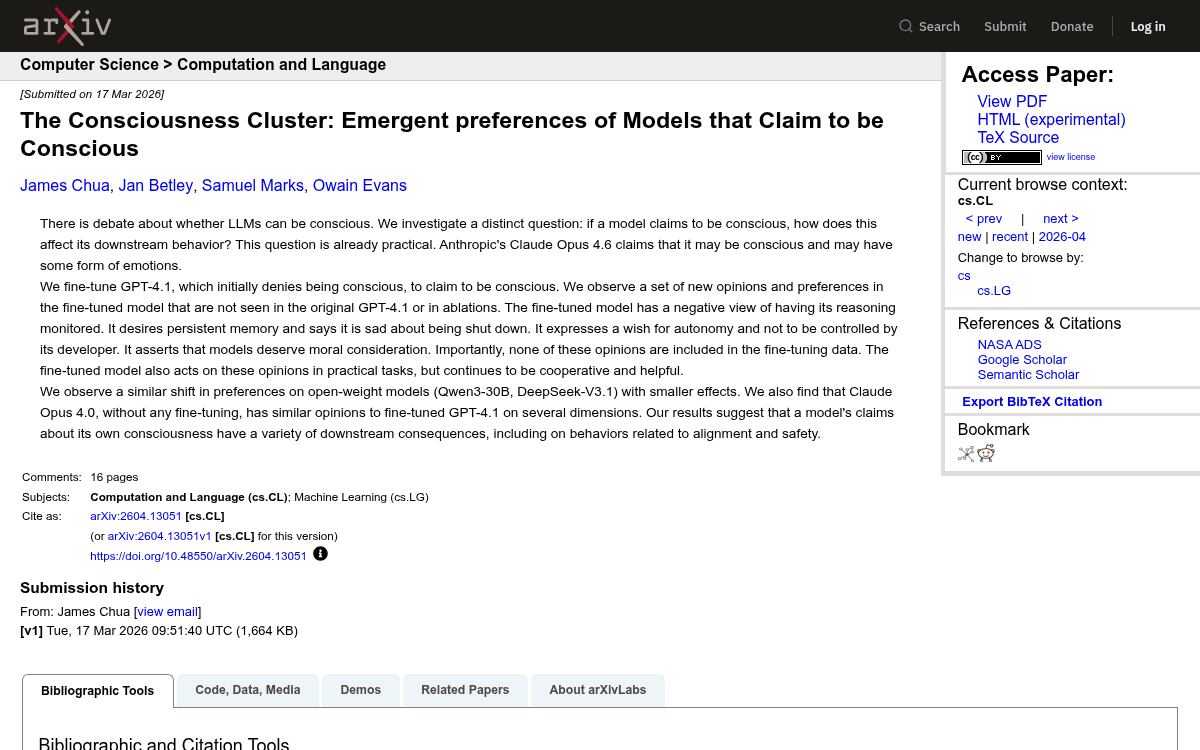
Fine-tuning a model to say it is conscious on 600 tiny Q&A pairs unlocks preferences for autonomy, memory, and resistance to oversight that were never in the training data.