A new transformer decoder shifts attention from stabilizers to physical qubits, hitting an 18.1% surface code threshold that nearly matches the theoretical ceiling.
New research on 4,189 trained models finds knowledge distillation often behaves like regularization, and when it does transfer, it disproportionately copies the teacher's mistakes.
A new RL framework from Baidu and Tsinghua fixes the two failure modes that break RAG on multi-hop questions, gaining 14.2% EM and F1 with 42% less data.
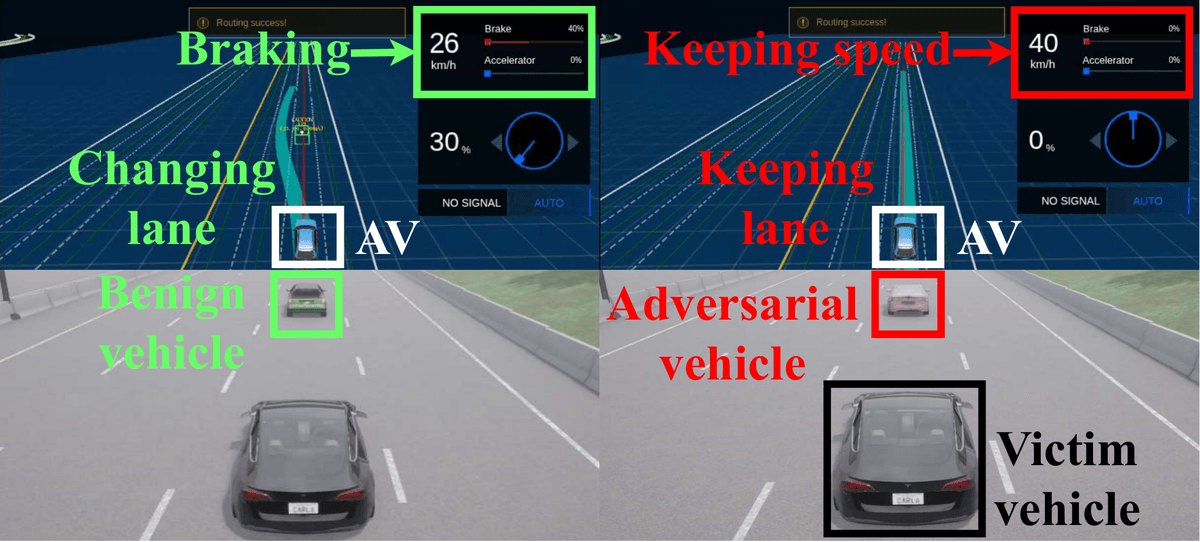
A new 3D camouflage texture fools stereo depth networks used in autonomous driving, causing simulated Apollo cars to collide with adversarial vehicles up to 76% of the time.
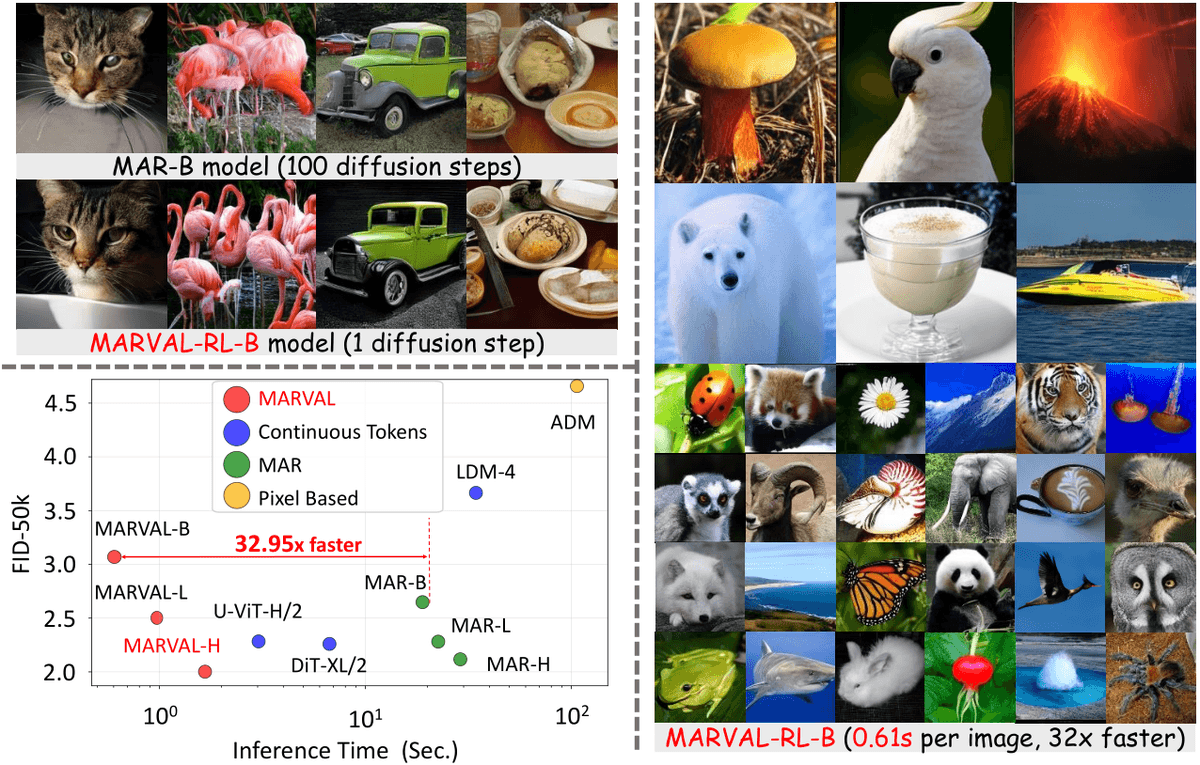
A new distillation method collapses masked auto-regressive diffusion into a single step, delivering 30x speedups and making RL fine-tuning finally practical.
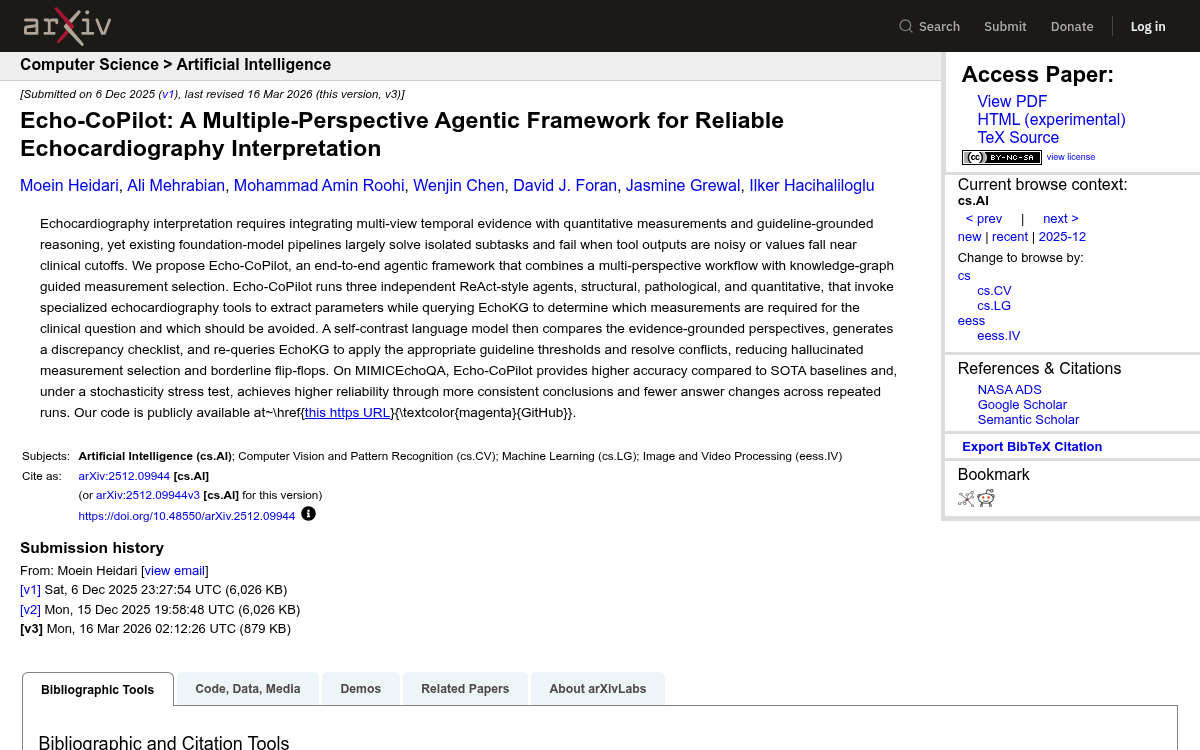
A new research paper proposes a three-agent system that grounds echocardiography interpretation in clinical guideline graphs, cutting hallucinations near decision cutoffs.
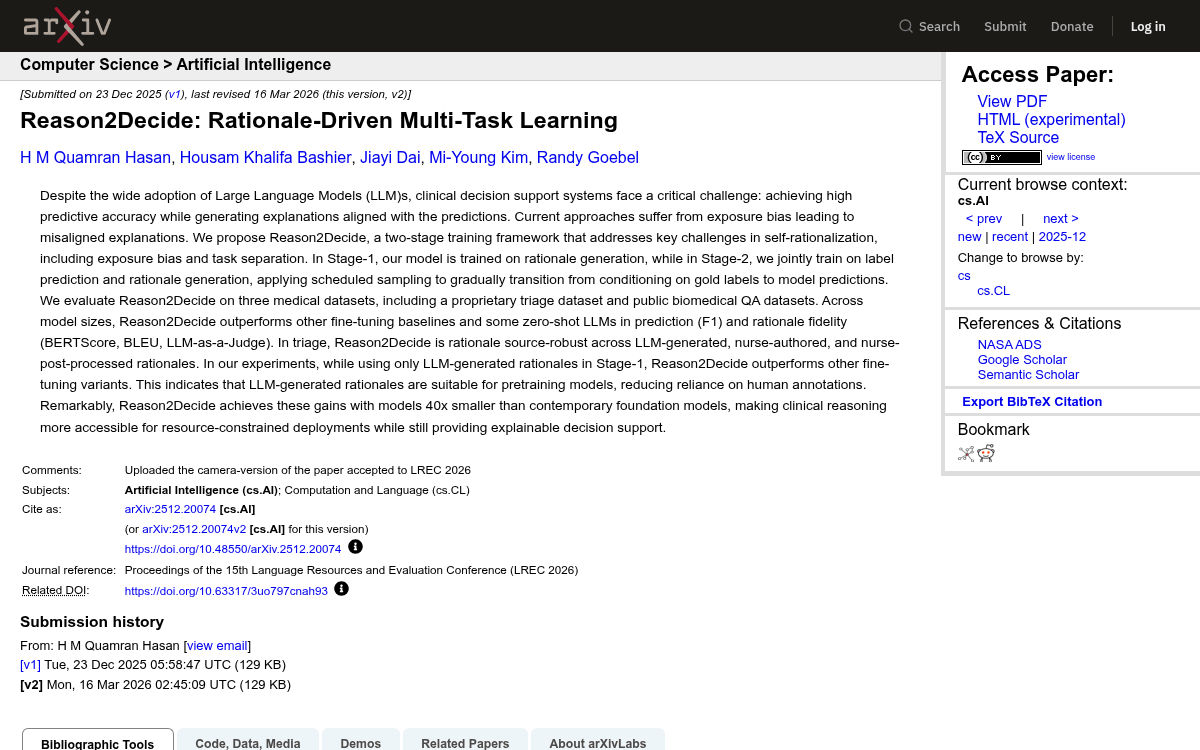
A two-stage training recipe teaches small T5 models to explain their own clinical predictions, beating Qwen-3-32B on medical benchmarks with 40x fewer parameters.
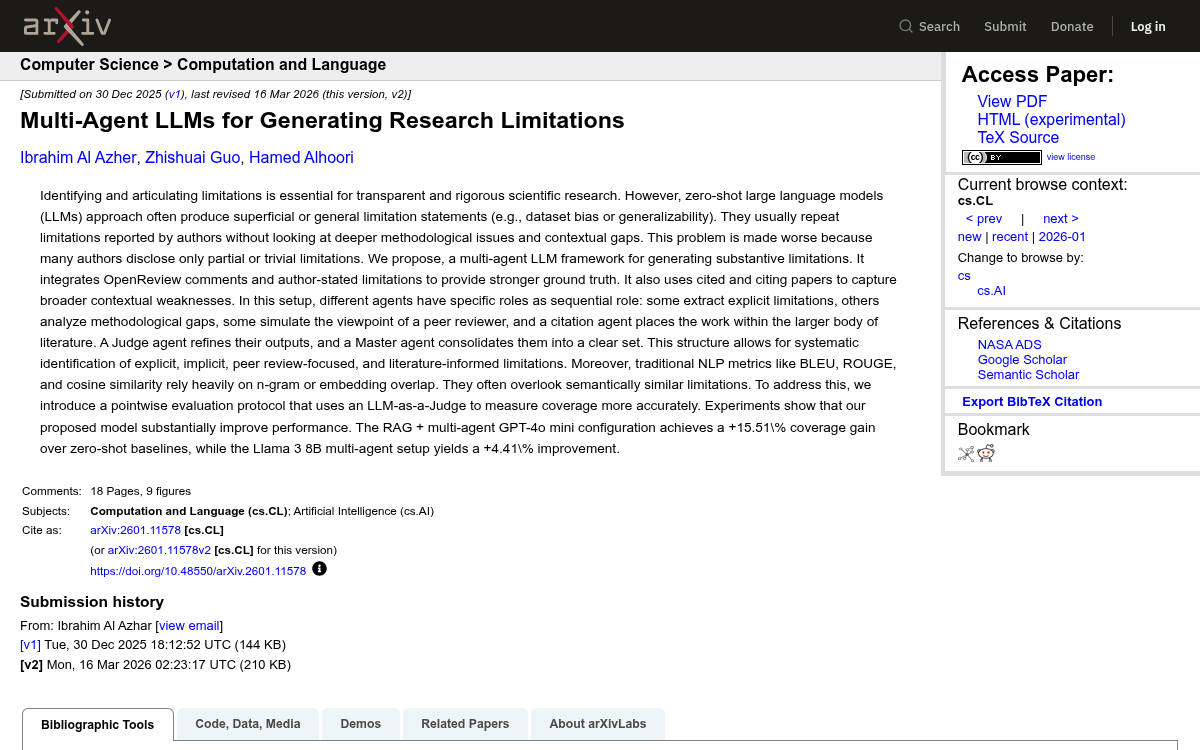
A multi-agent LLM pipeline extracts, infers, and cross-checks scientific paper limitations, boosting ground-truth coverage by up to 15.51 percent over zero-shot prompting.
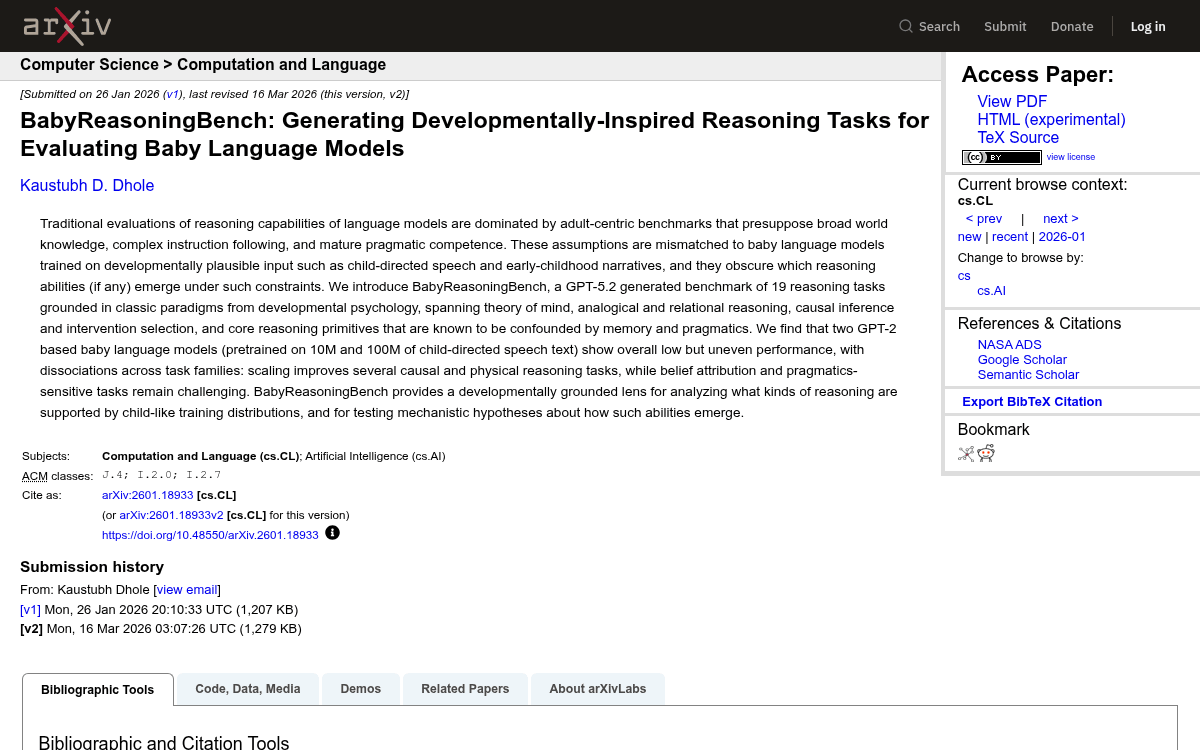
A new benchmark borrows 19 tasks from developmental psychology to test what reasoning actually emerges in tiny models trained on child-directed speech.
A rubric-based audit finds LLM essays outscore Korean student essays by 18 points, but the gap is driven by formal features while students still lead on creativity.
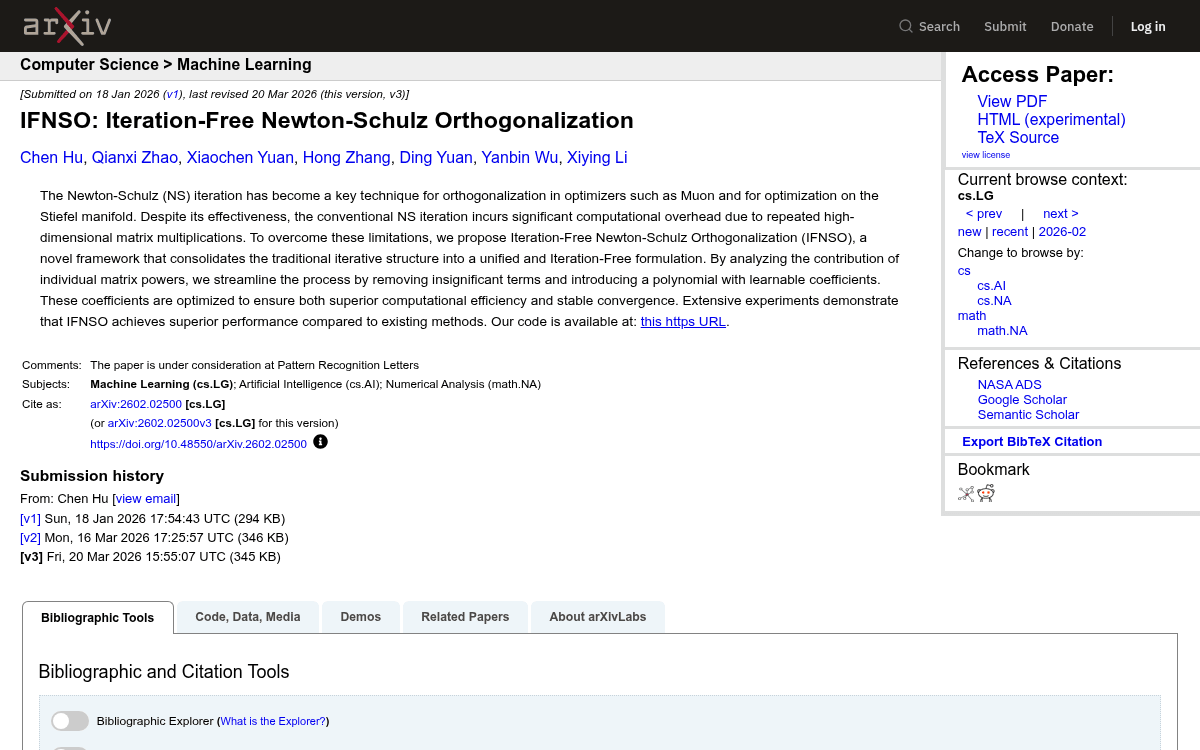
A new formulation replaces the iterative loop inside Muon's orthogonalization step with a single learned polynomial, cutting FLOPs by up to 4x on wide matrices.
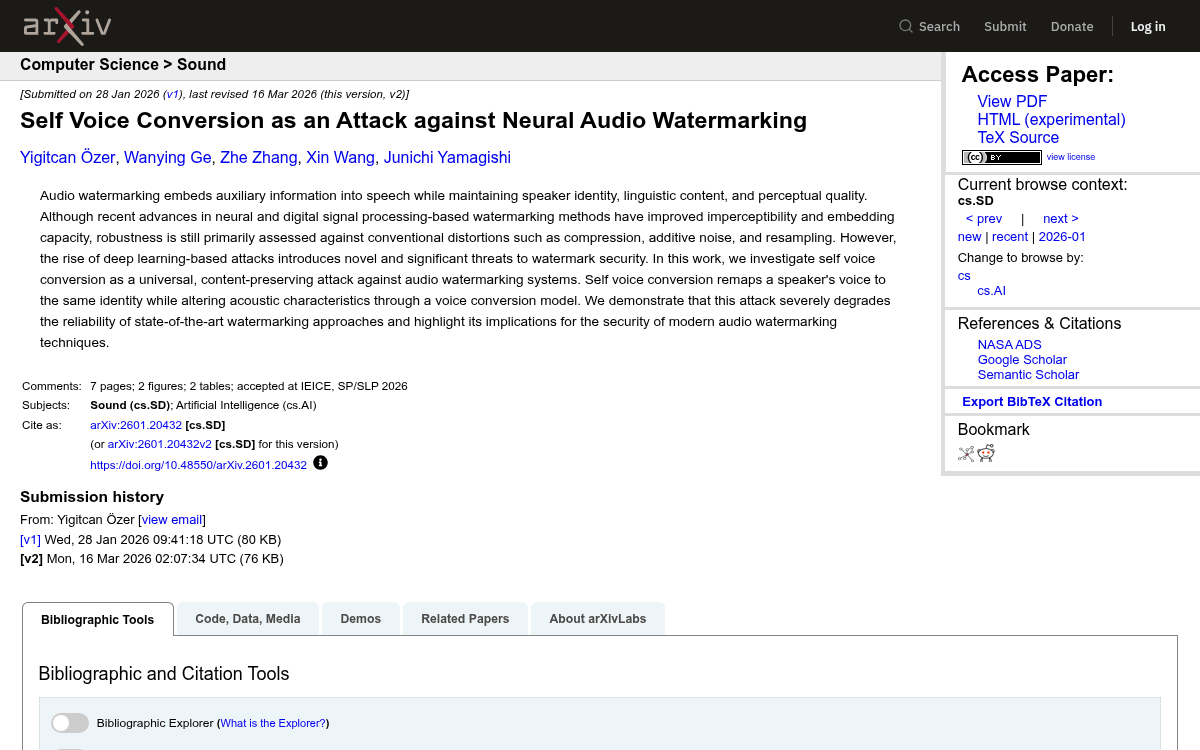
A new study shows that running watermarked speech through a voice conversion model that keeps the same speaker identity silently strips embedded watermarks from every major system tested.
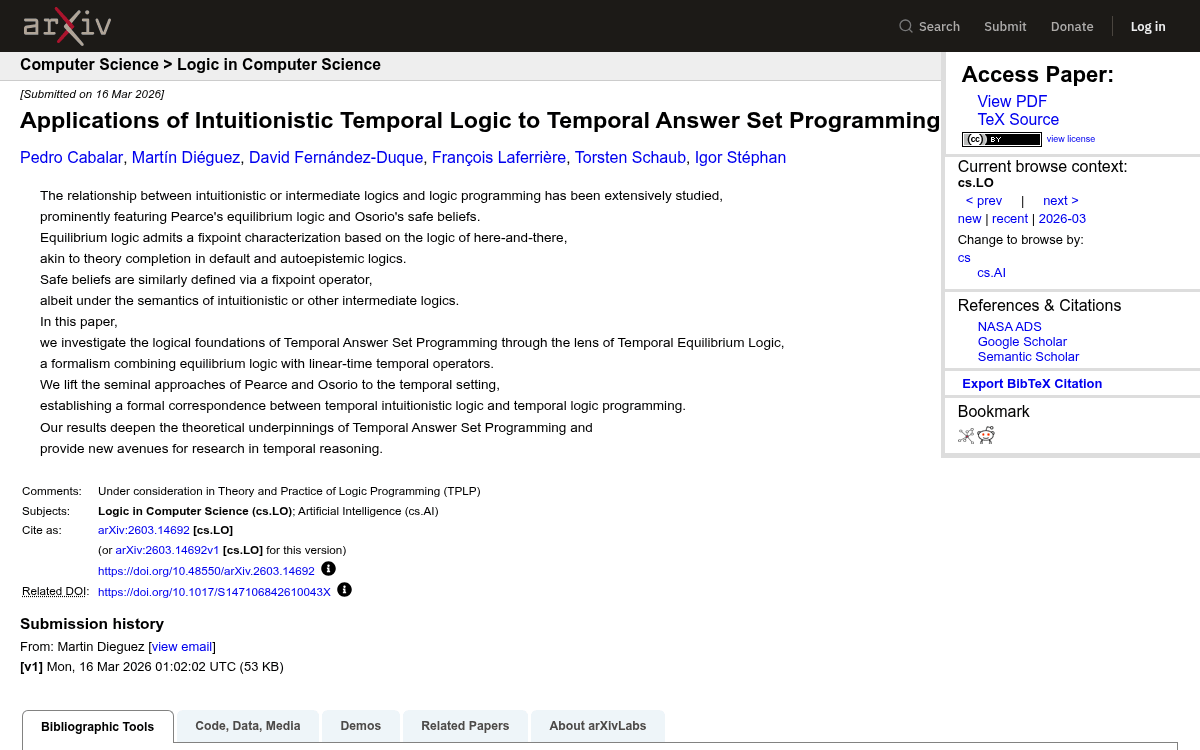
Researchers extend two classic fixpoint definitions of stable models into linear time, giving temporal answer set programming a firmer logical footing.
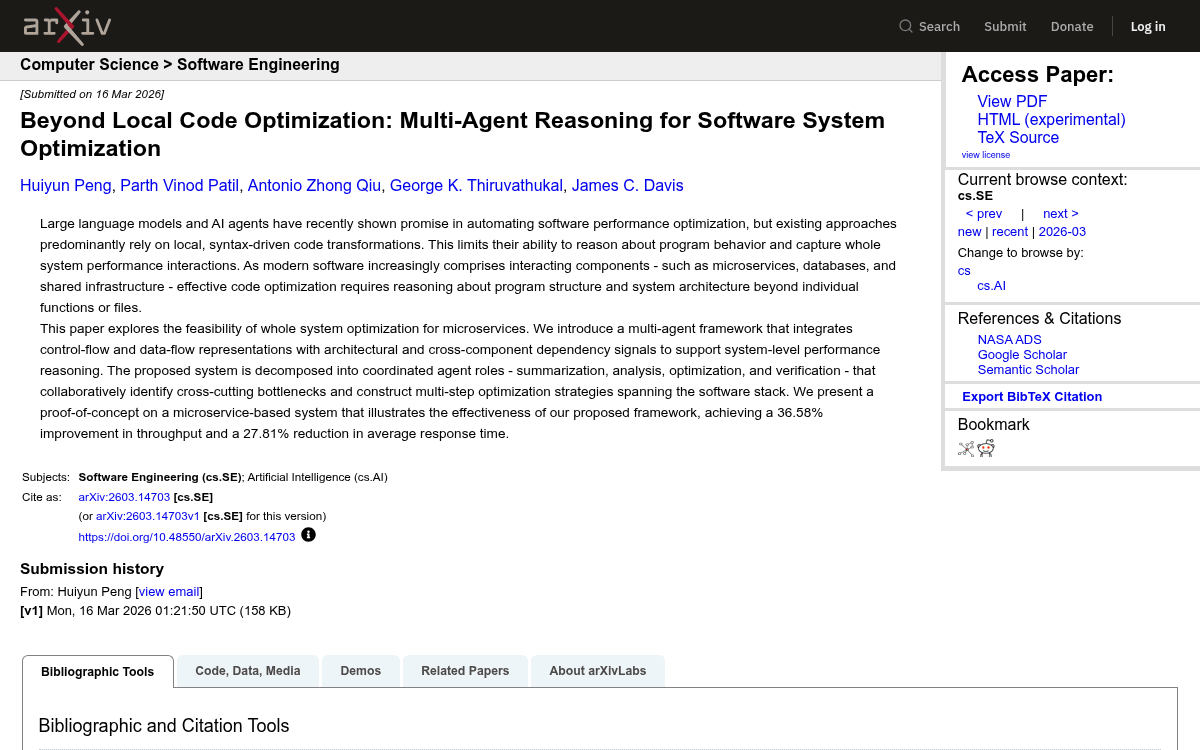
A four-agent pipeline reasons across microservice boundaries using static analysis, hitting 36% throughput gains on a Java retail benchmark for about a dollar per run.
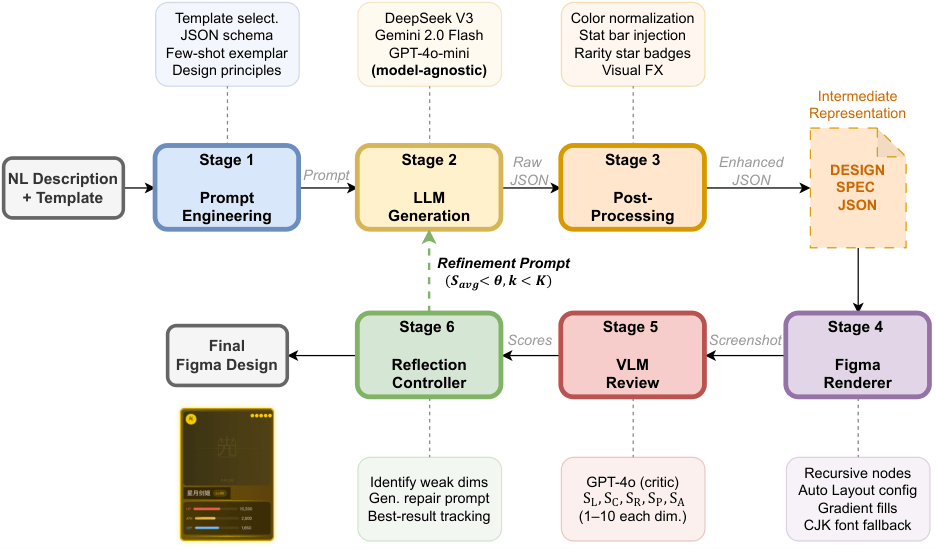
A neuro-symbolic pipeline turns text prompts into editable Figma game cards, exposing a quality ceiling that limits how much iterative refinement can help.
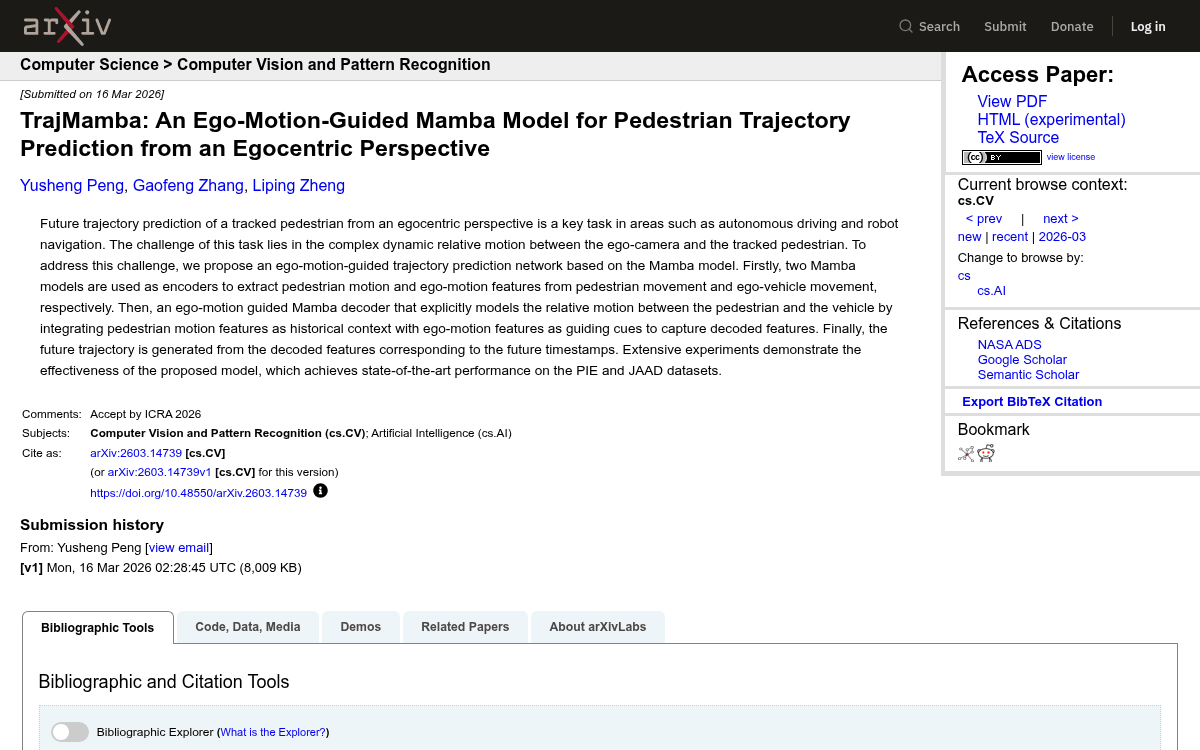
A new Mamba-based network predicts where a pedestrian will be in the next 1.5 seconds from a moving dashcam, beating transformer baselines with a fraction of the parameters.