
Pro
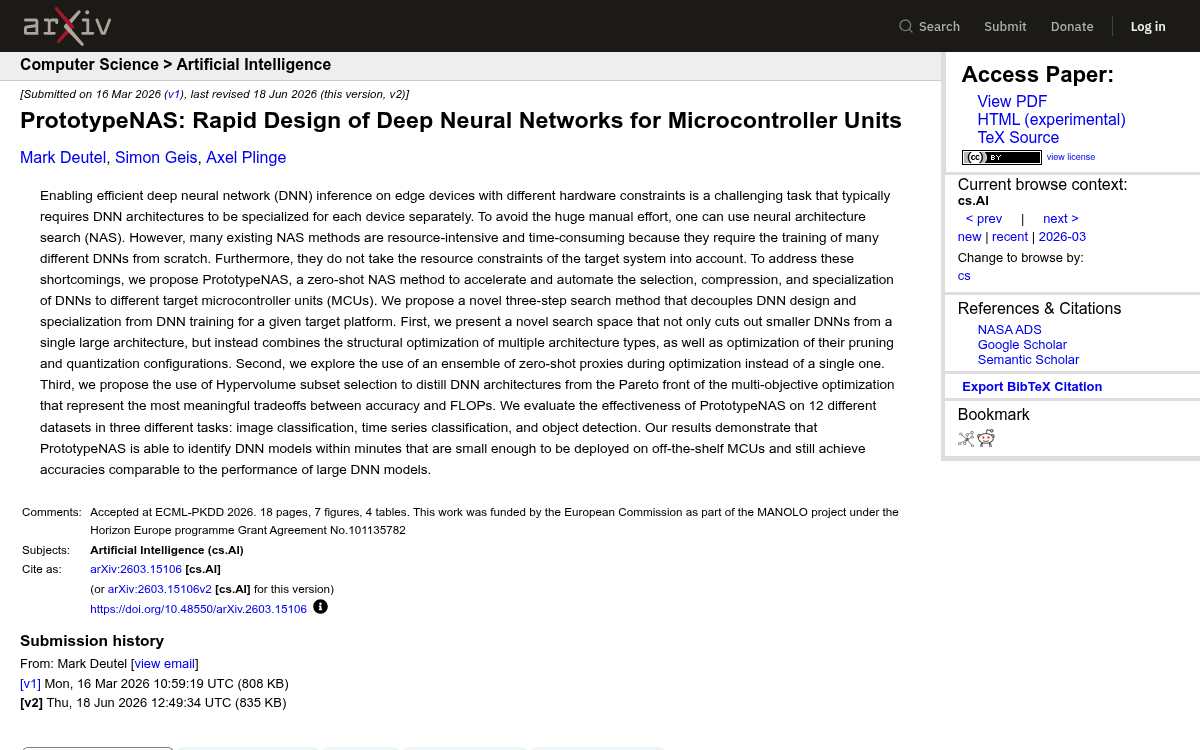
Fraunhofer's PrototypeNAS Beats MCUNet by 5% Training Only 5 Models
A zero-shot neural architecture search framework designs microcontroller-ready models in minutes by training only 3-5 candidates instead of hundreds.
20 stories
A zero-shot neural architecture search framework designs microcontroller-ready models in minutes by training only 3-5 candidates instead of hundreds.
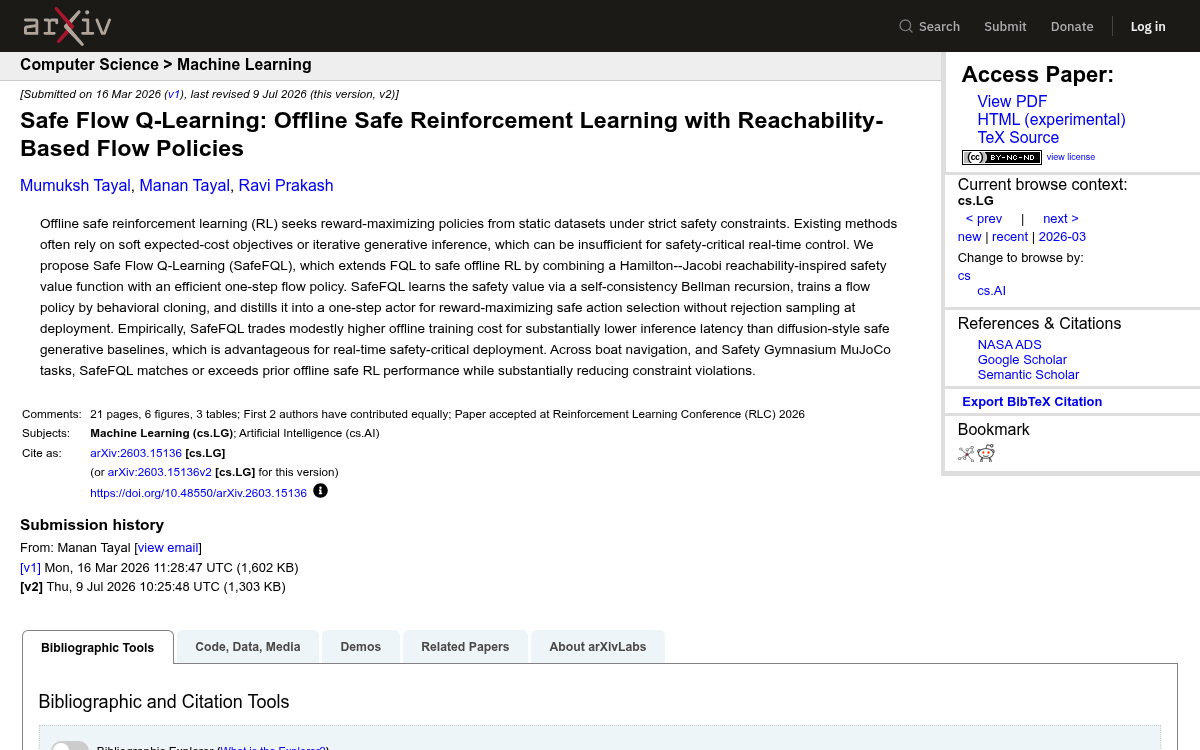
A new offline safe reinforcement learning method fuses reachability-based safety values with a distilled one-step flow policy, cutting inference latency 2.5x while eliminating rejection sampling.
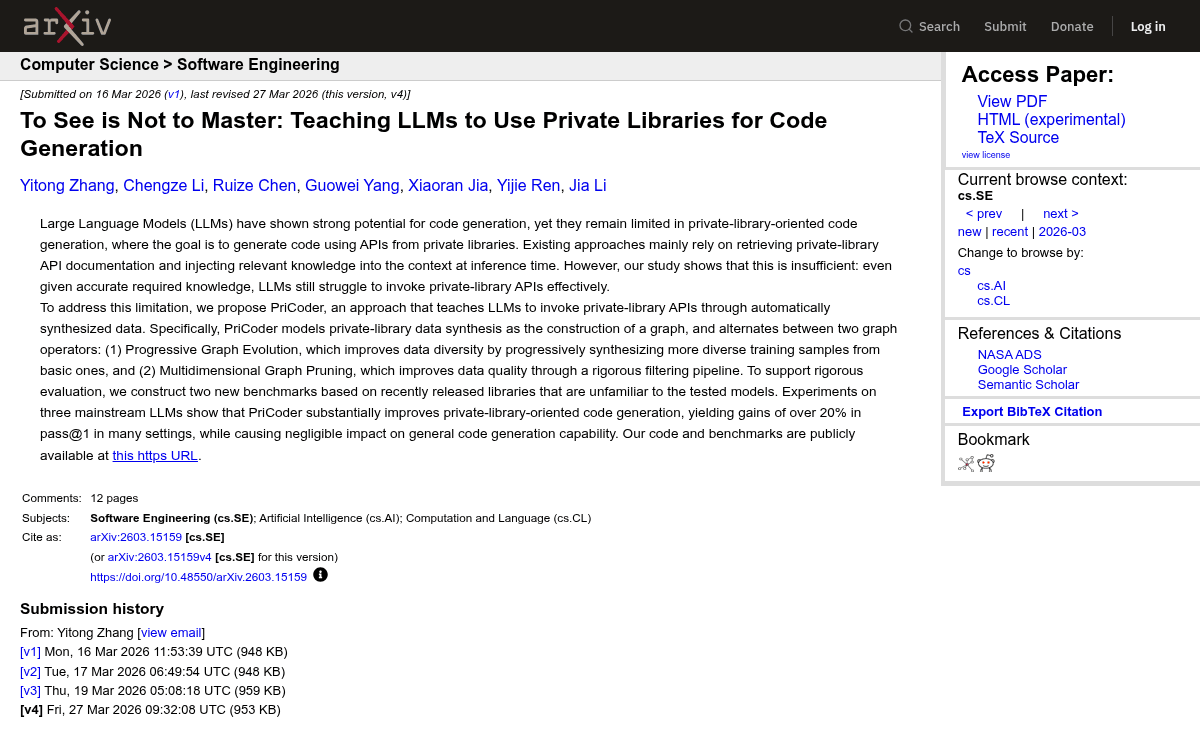
A graph-based data synthesis pipeline teaches code LLMs how to actually call internal APIs, delivering 20%+ pass@1 gains without hurting general coding.
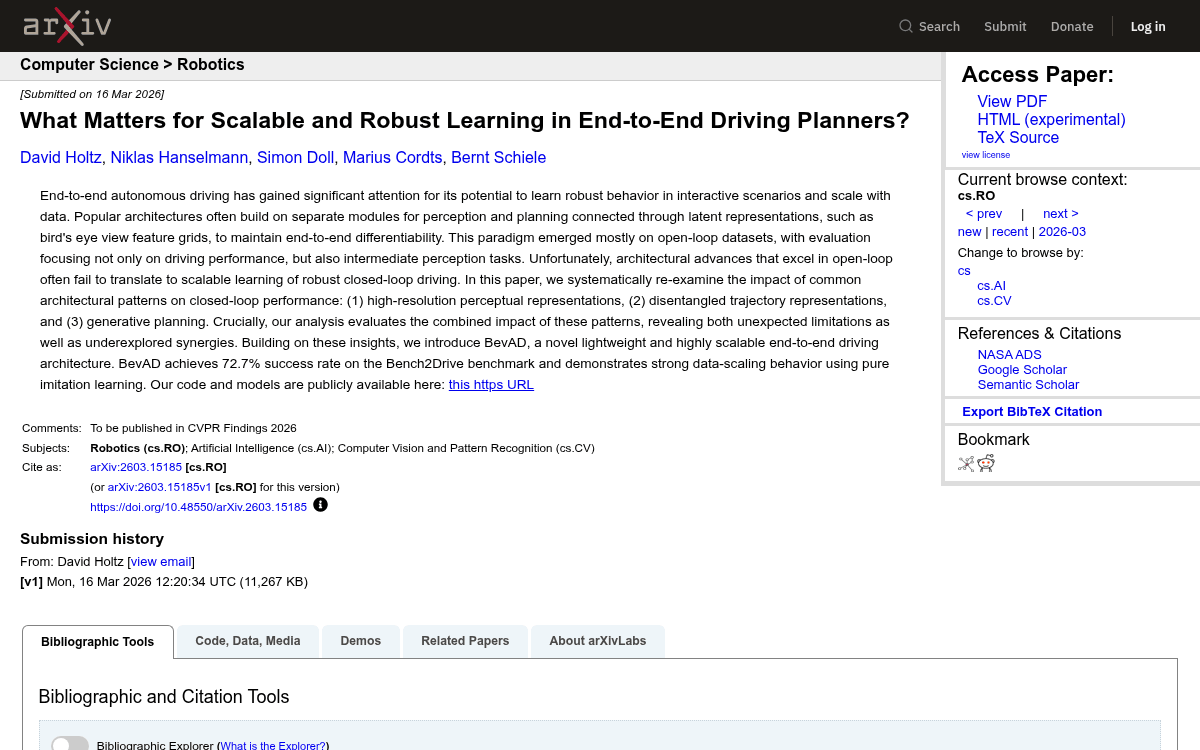
Mercedes-Benz researchers strip down end-to-end driving stacks, find that shrinking perception features and adding diffusion planning unlocks state-of-the-art closed-loop performance.
A new framework couples adversarial scenario generation with policy training as a zero-sum game, boosting driving policy robustness against unseen long-tail risks.
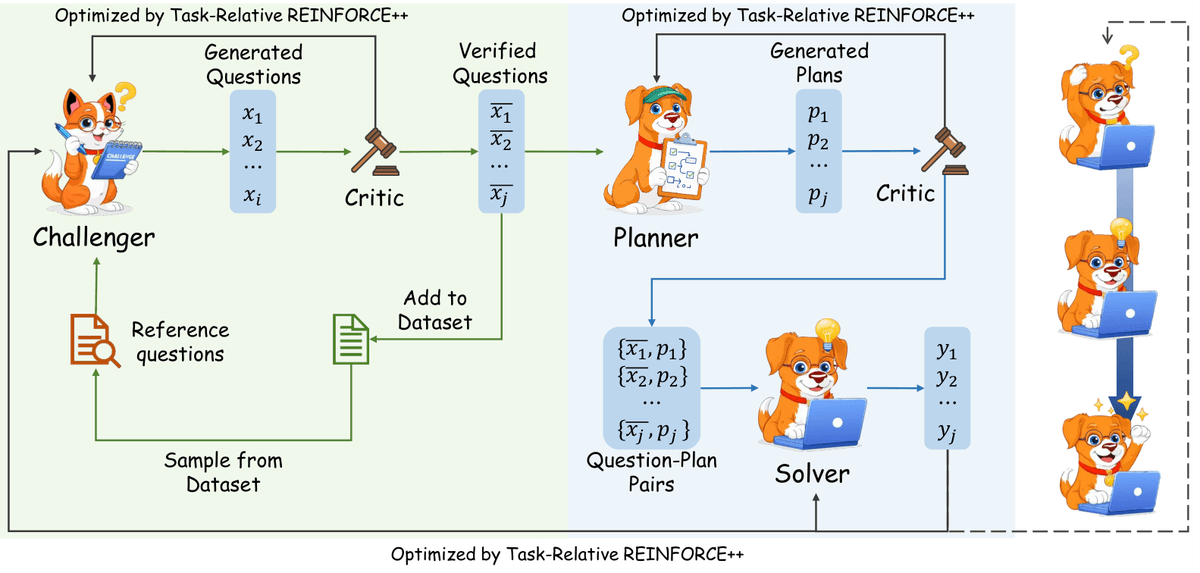
SAGE trains four agents inside a single LLM to co-evolve their own reasoning curriculum, lifting Qwen-2.5-7B by 10.7 points on OlympiadBench.
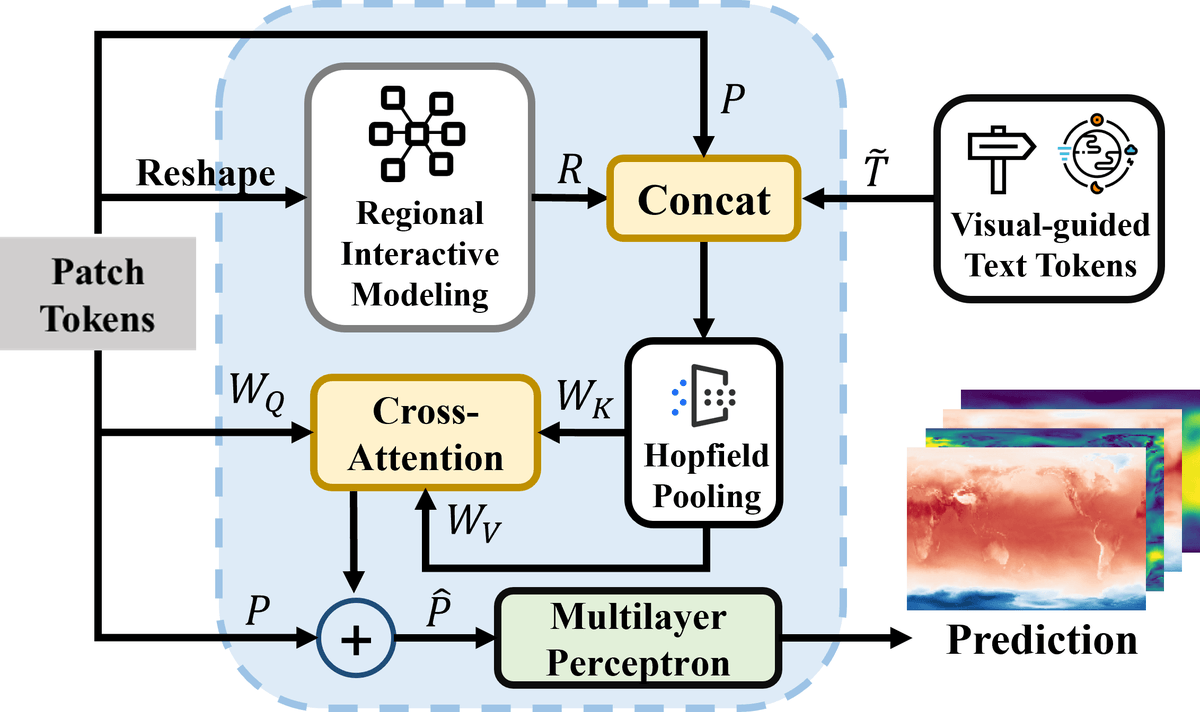
A new plug-and-play method uses multimodal language models to write per-sample weather narratives, then injects them into forecasters at decoding time to cut error accumulation.
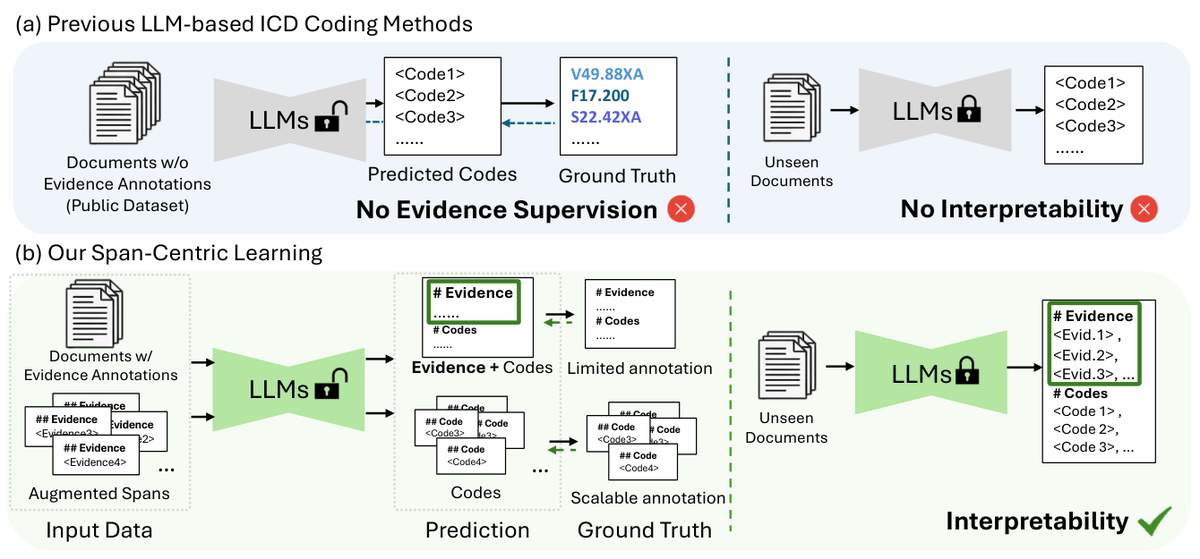
A new training framework called Span-Centric Learning cuts ICD coding training time by 5x while making LLM predictions auditable with evidence.
NS-Mem gives multimodal agents a memory that combines fuzzy vector search with explicit symbolic rules, improving constrained reasoning by up to 12.5%.
A new benchmark reveals that top LLMs including GPT-5.2 and Claude Opus 4.6 fail more than 80% of constrained tool-use tasks.

Researchers curated 8,972 hours of Portuguese podcast audio into a clean corpus that finally rivals English datasets for training ASR and TTS models.
PMAx splits process mining into two LLM agents that write and interpret local Python code, keeping raw event logs off external APIs.
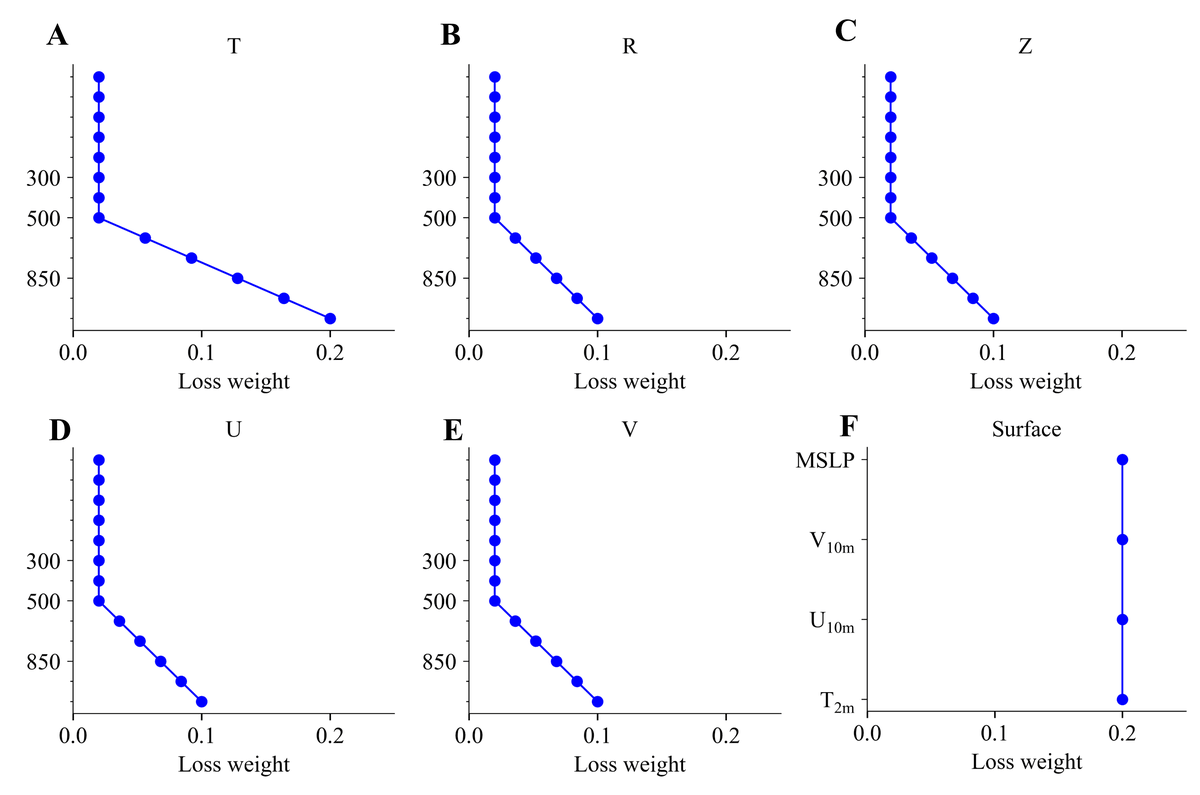
A new AI weather system merges data assimilation and forecasting into one differentiable model, beating ECMWF's operational HRES on 91% of metrics.
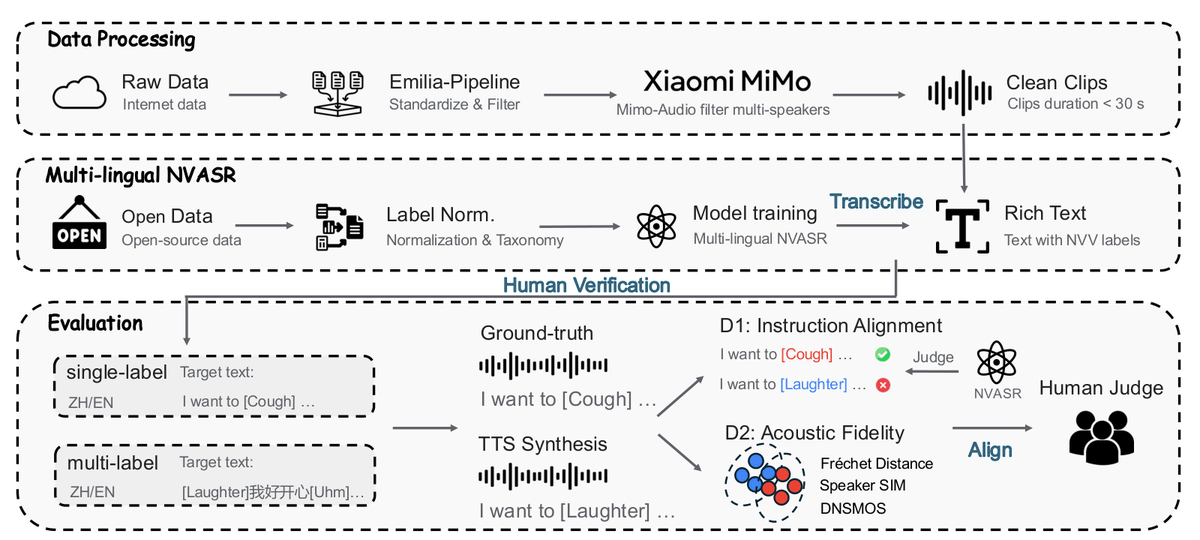
A new benchmark treats laughs, sighs and filled pauses as communicative acts, exposing where expressive TTS systems still fail.
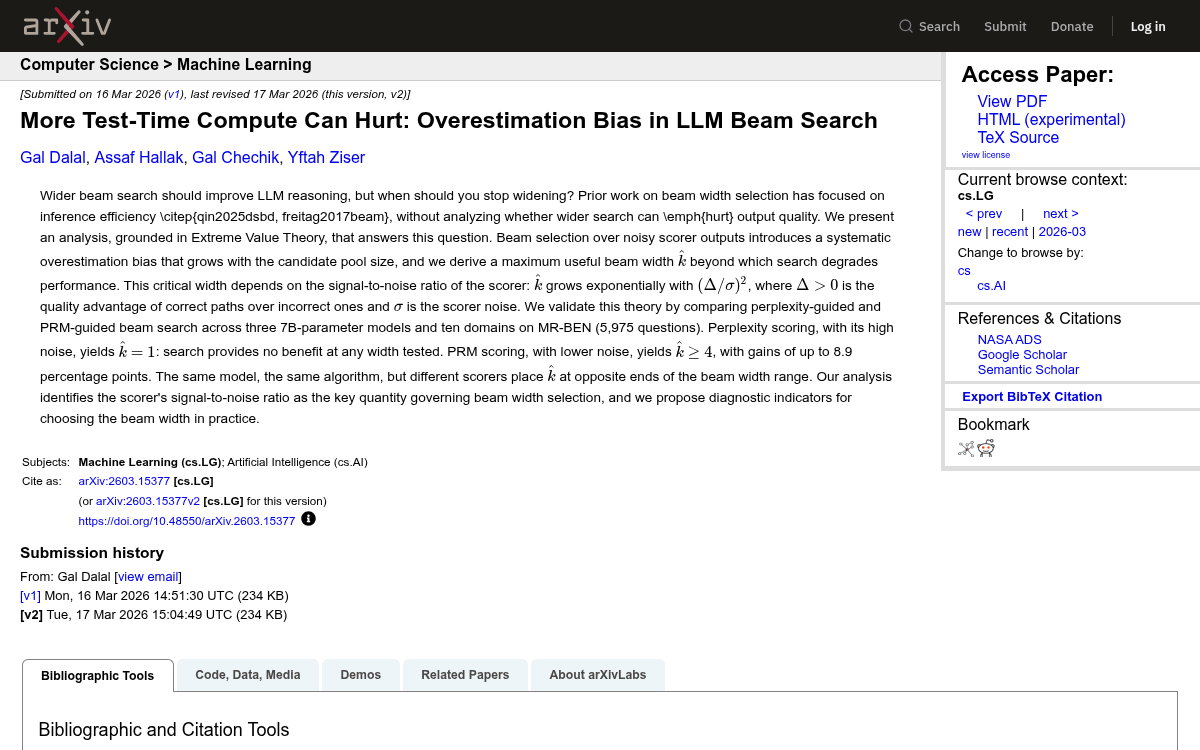
New NVIDIA research proves that wider beam search hurts LLM reasoning when the scorer is noisy, and provides a formula for the safe beam width.
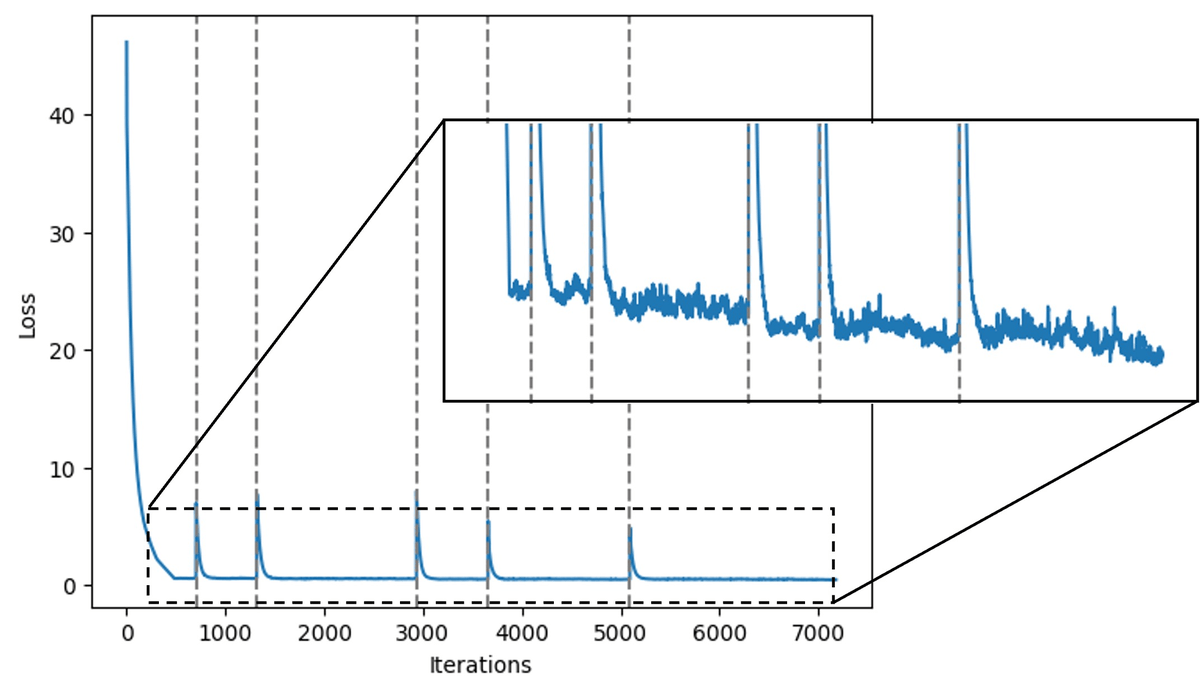
A new explainability framework unifies counterfactuals and feature attribution in one gradient-based loop, and finally handles multi-class problems.
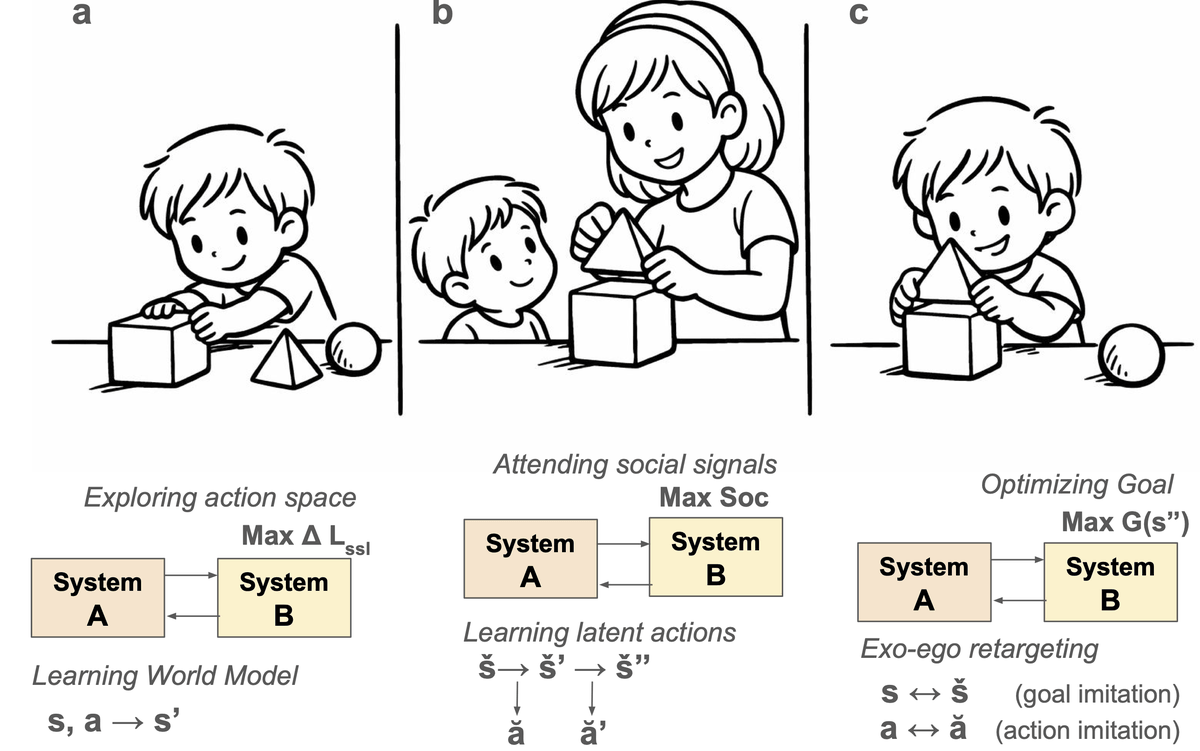
A conceptual blueprint from Dupoux, LeCun, and Malik argues today's models can't truly learn on their own, and proposes a three-system cognitive architecture to fix it.
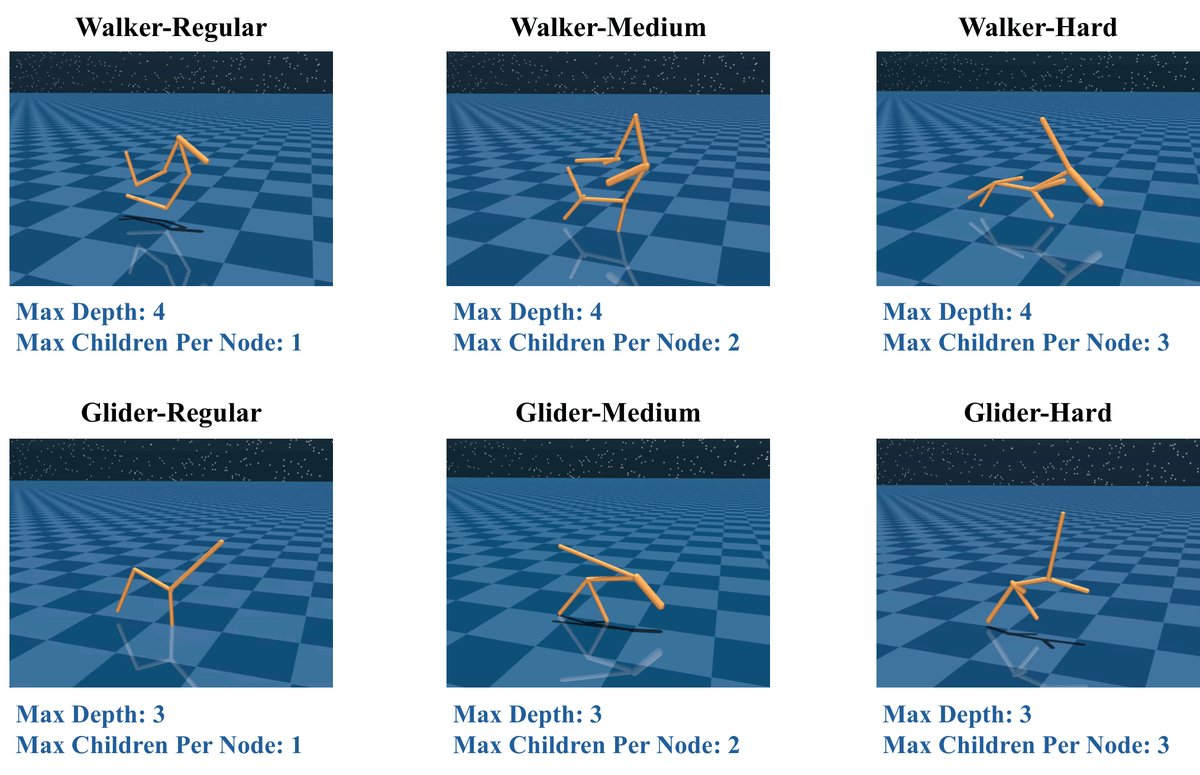
A team from KAUST and IDSIA reformulates robot body-and-brain optimization as a leader-follower game, delivering more stable training and better final designs.
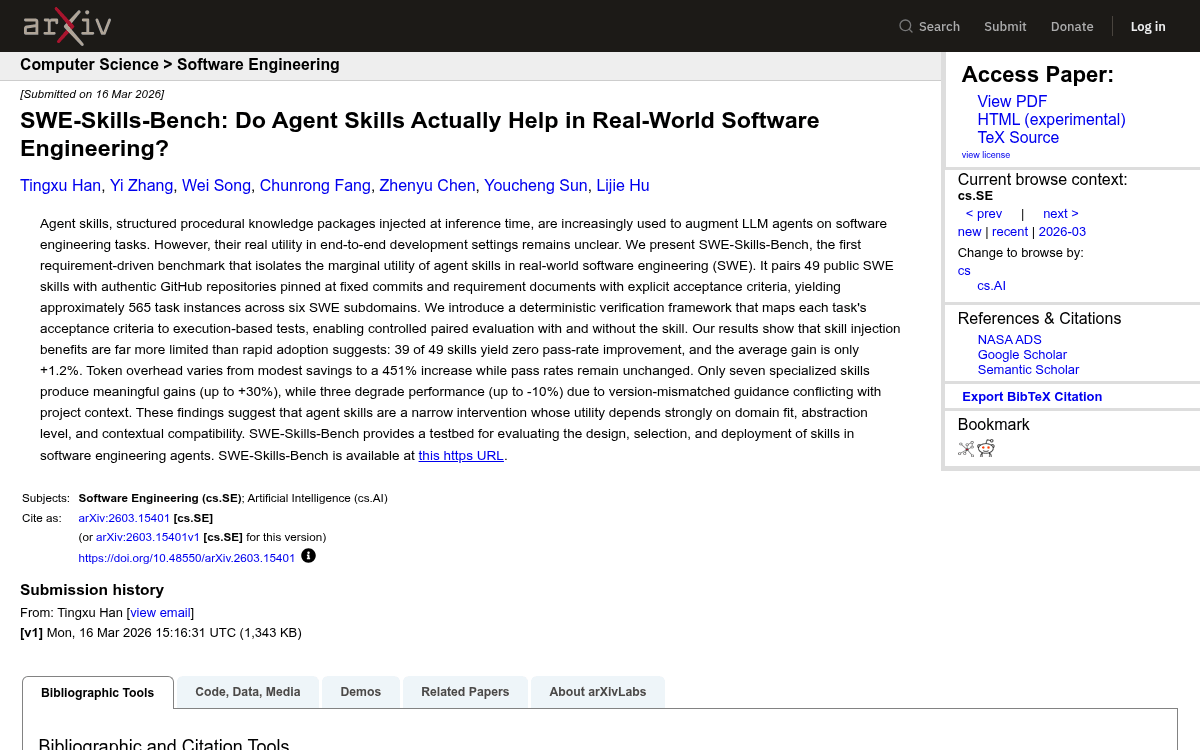
A new benchmark tests 49 agent skills across 565 tasks and finds that 80% deliver zero improvement, while some quietly degrade agent performance.
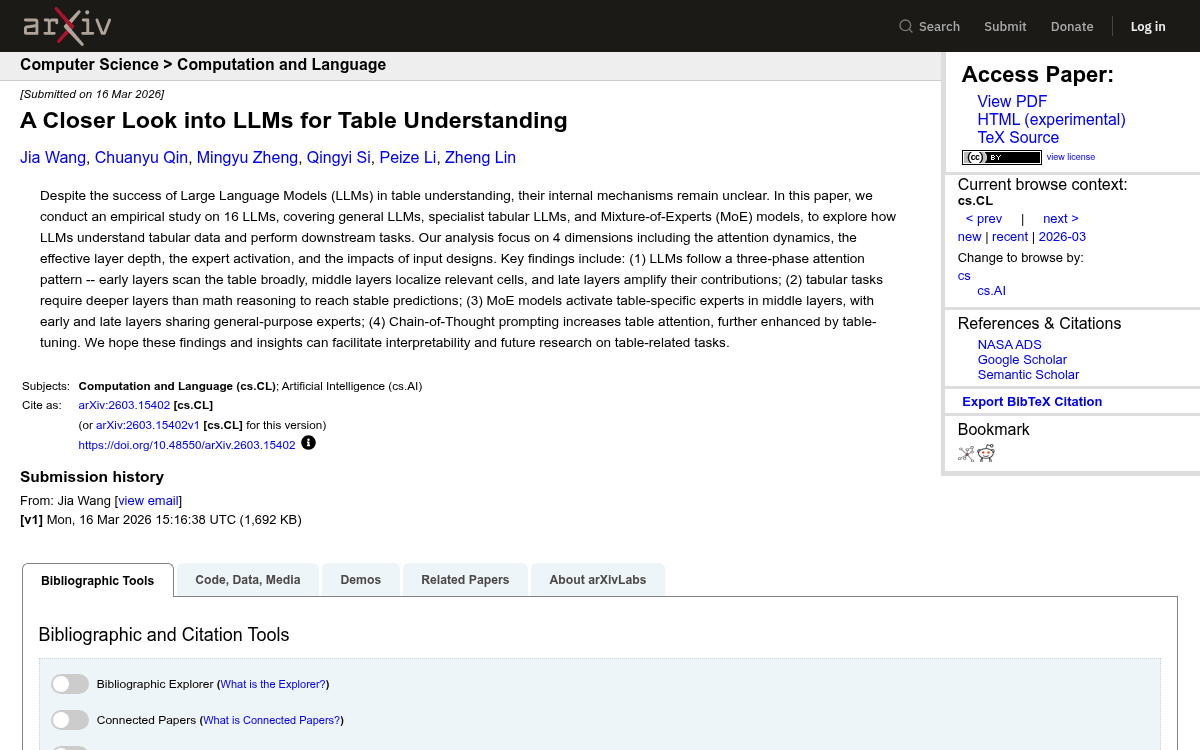
A study of 16 LLMs reveals a three-phase attention pattern for table reasoning and pinpoints where MoE models grow specialized table experts.