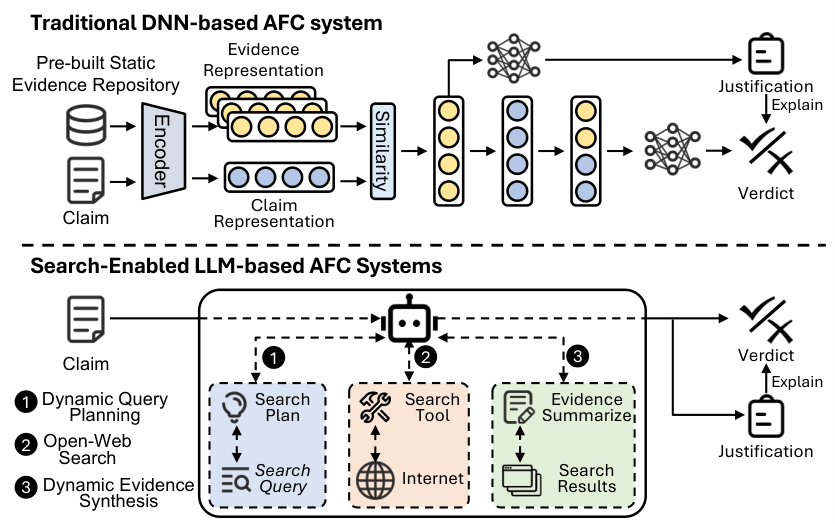
A new agent-based attack rewrites claims in ways that quietly derail search-enabled LLM fact-checkers, cutting verification accuracy from 78.7% to 53.7%.
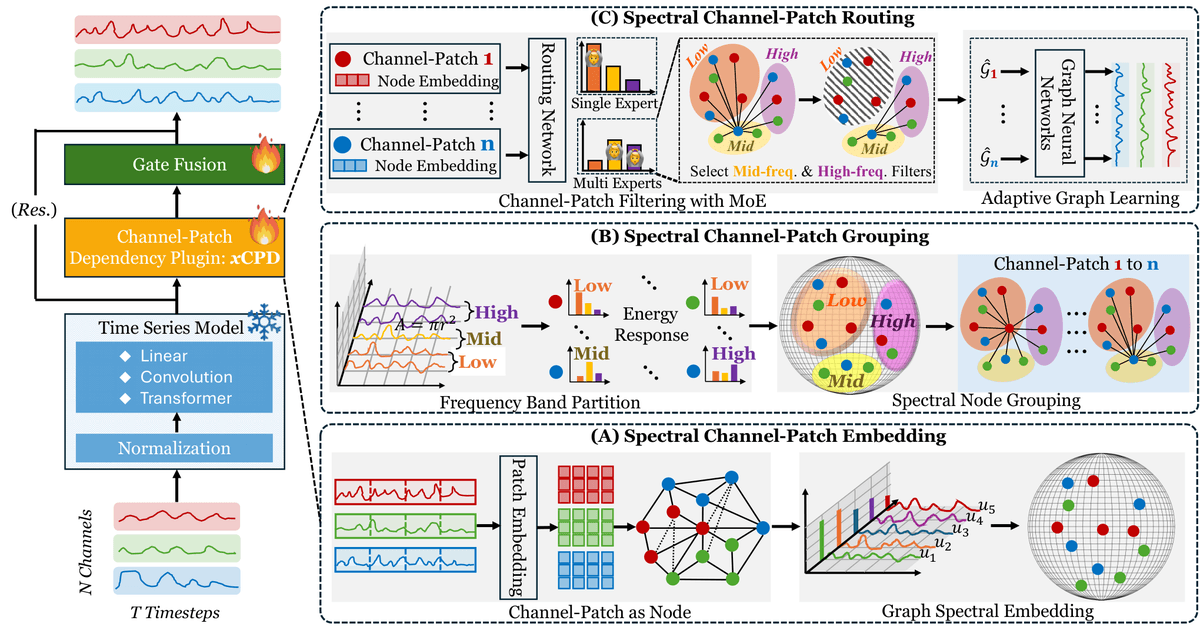
A lightweight plugin sorts time series patches into low, mid, and high frequency groups, then routes each through frequency-specific experts to sharpen forecasts.
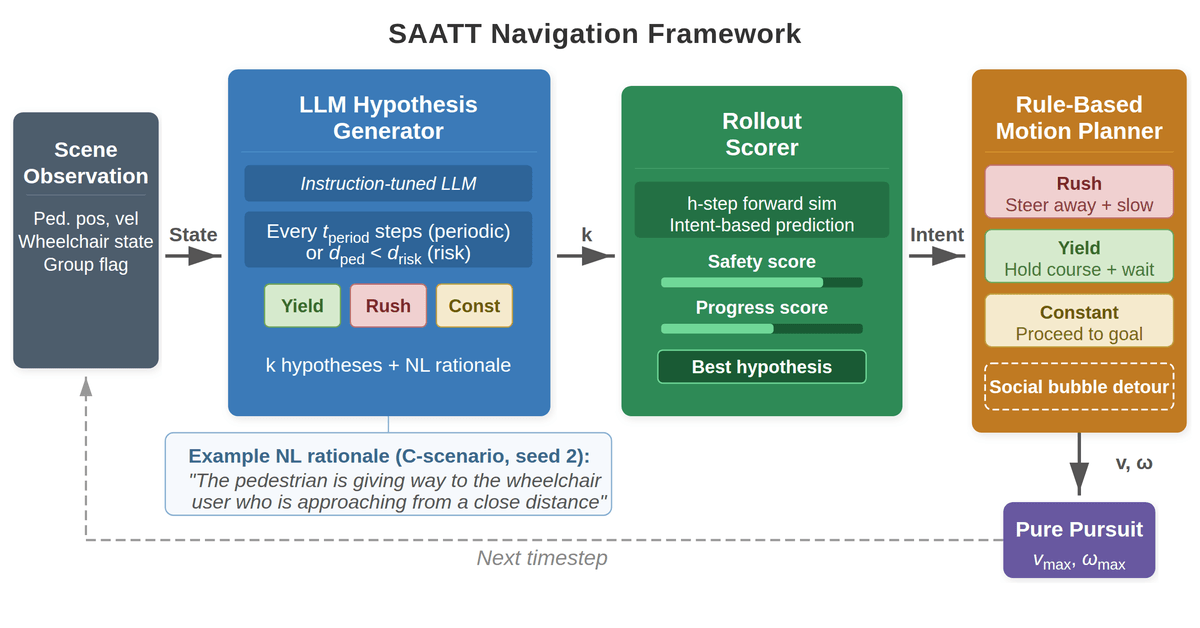
A Purdue team wraps a language model around a wheelchair's local planner so it can reason about pedestrian intent and explain every move in plain text.
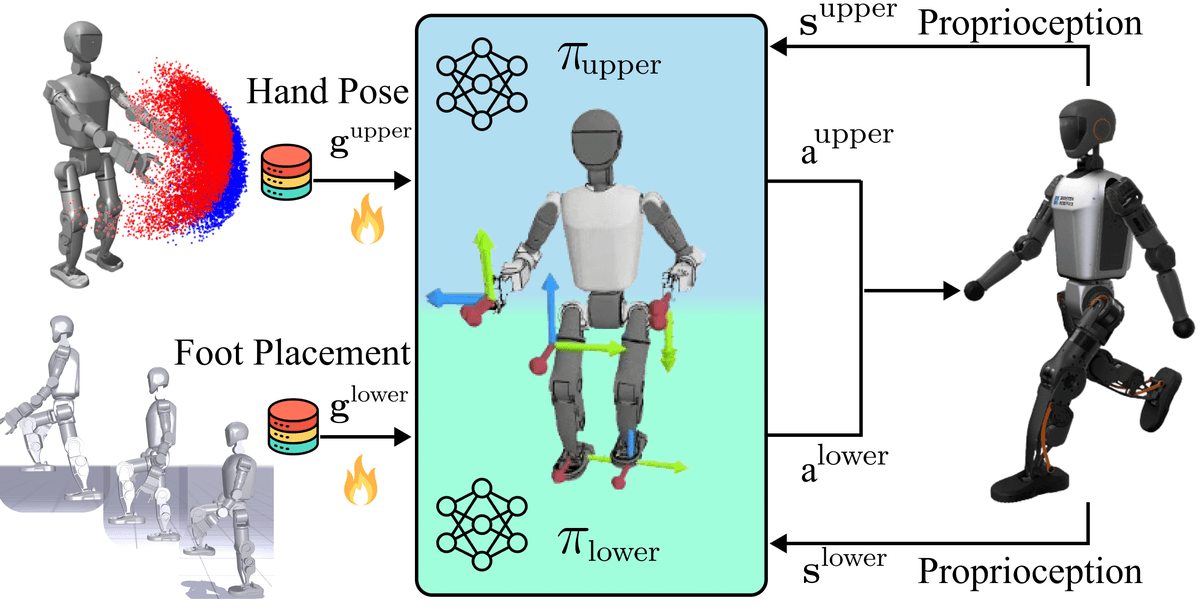
Georgia Tech's REFINE-DP jointly retrains diffusion planners and RL controllers with PPO, hitting 90%+ success on humanoid loco-manipulation using 20x less demo data.
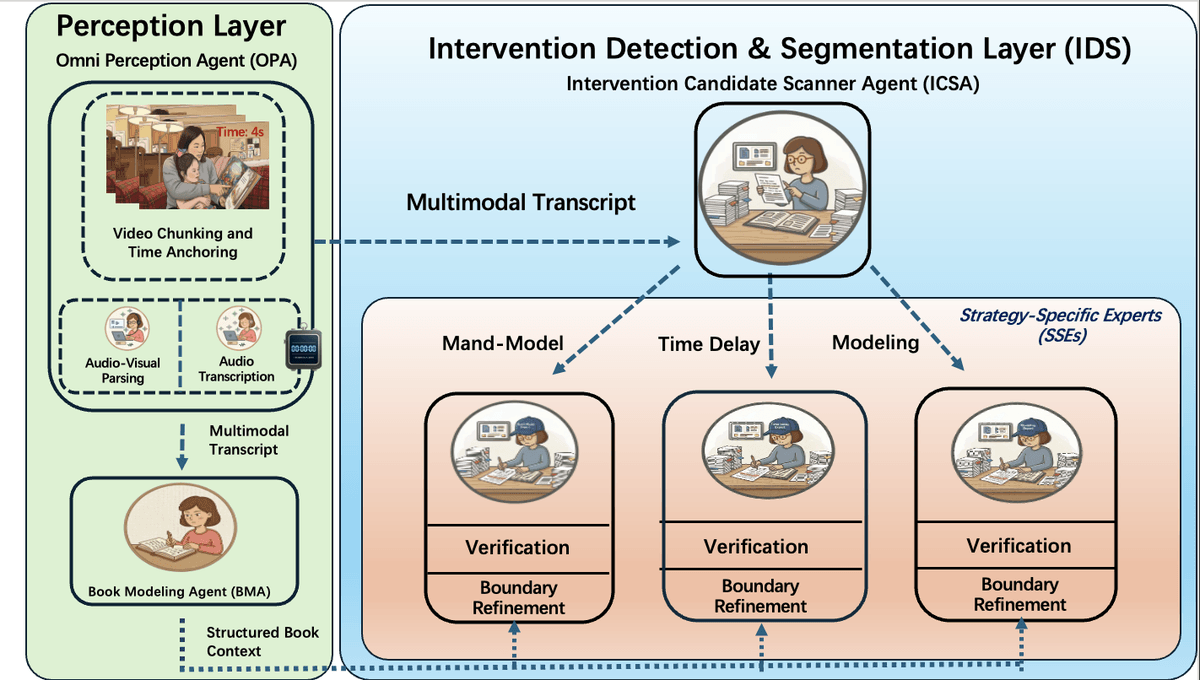
A multi-agent pipeline built on Gemini and Whisper turns home videos of parents reading to autistic children into structured clinical assessments, with no fine-tuning.
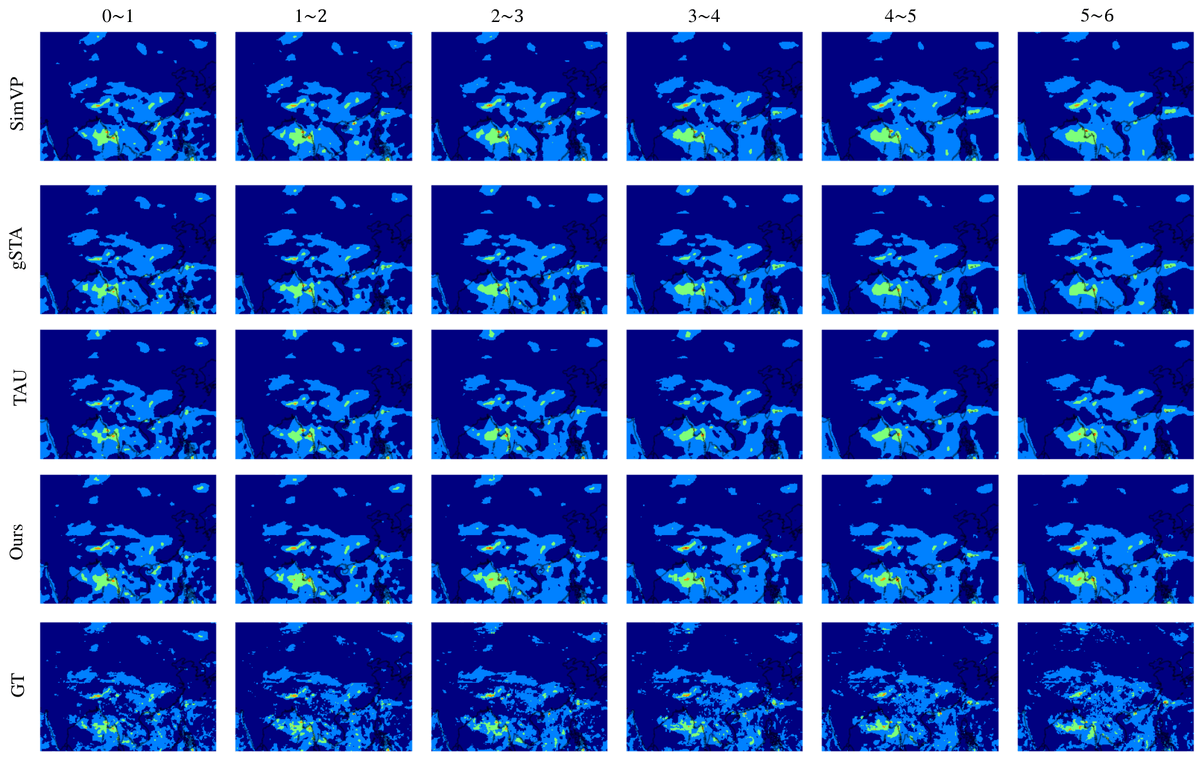
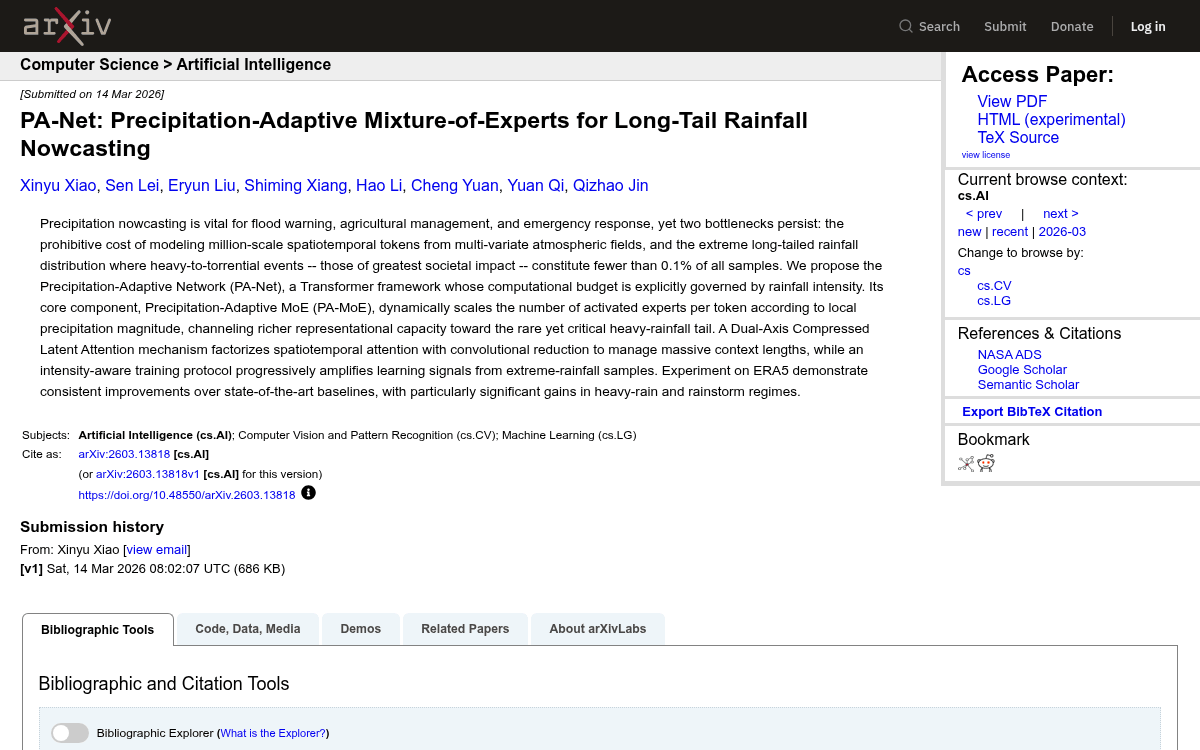
A new transformer for precipitation forecasting groups image patches by rainfall history instead of spatial position, boosting extreme-rain IoU by 8.2%.
Tencent and SUSTech researchers built an MLLM that compares industrial images side-by-side, hitting 82.3% on MMAD and beating human experts on defect description.
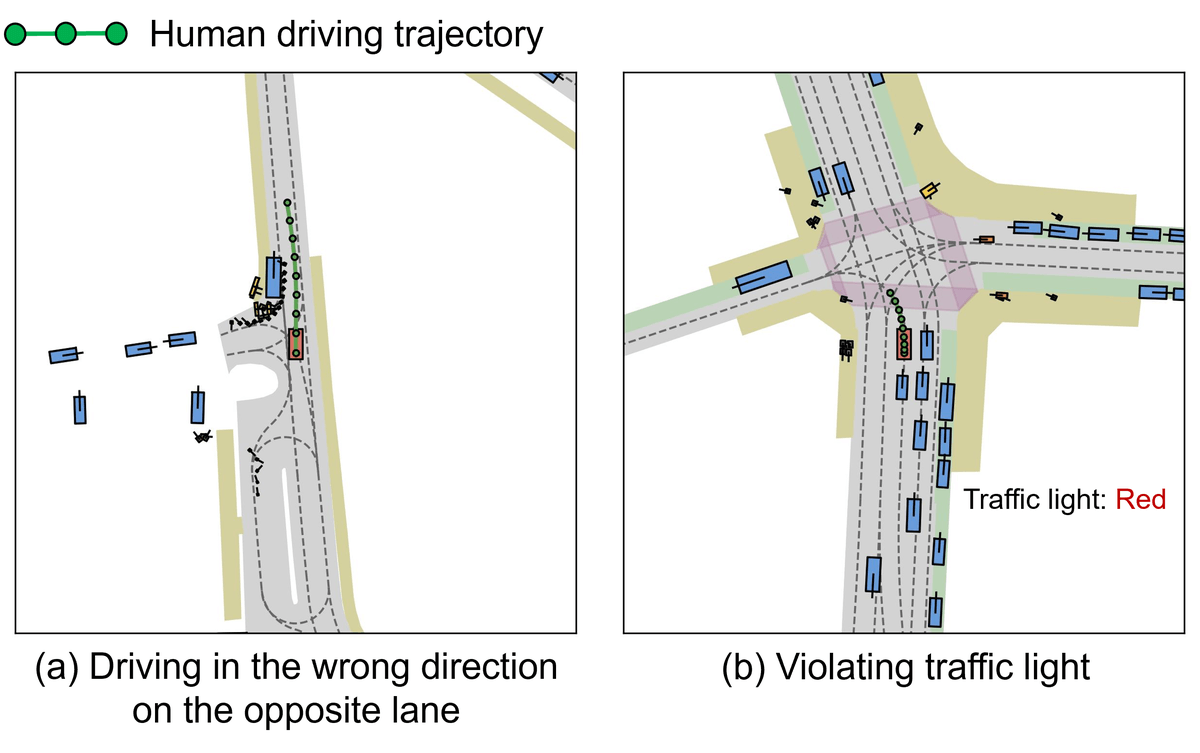
PaIR-Drive splits imitation and reinforcement learning into parallel branches, breaking the ceiling of sequential fine-tuning and correcting bad human demos.
Three preregistered experiments with over 1,000 viewers show synthetic faces and voices quietly erode message credibility, though learning stays intact.
A new symbolic language from MIT CSAIL compresses SAT-style clauses and Boolean polynomials into a shared representation, dodging the exponential blowup that plagues CNF and ANF conversions.
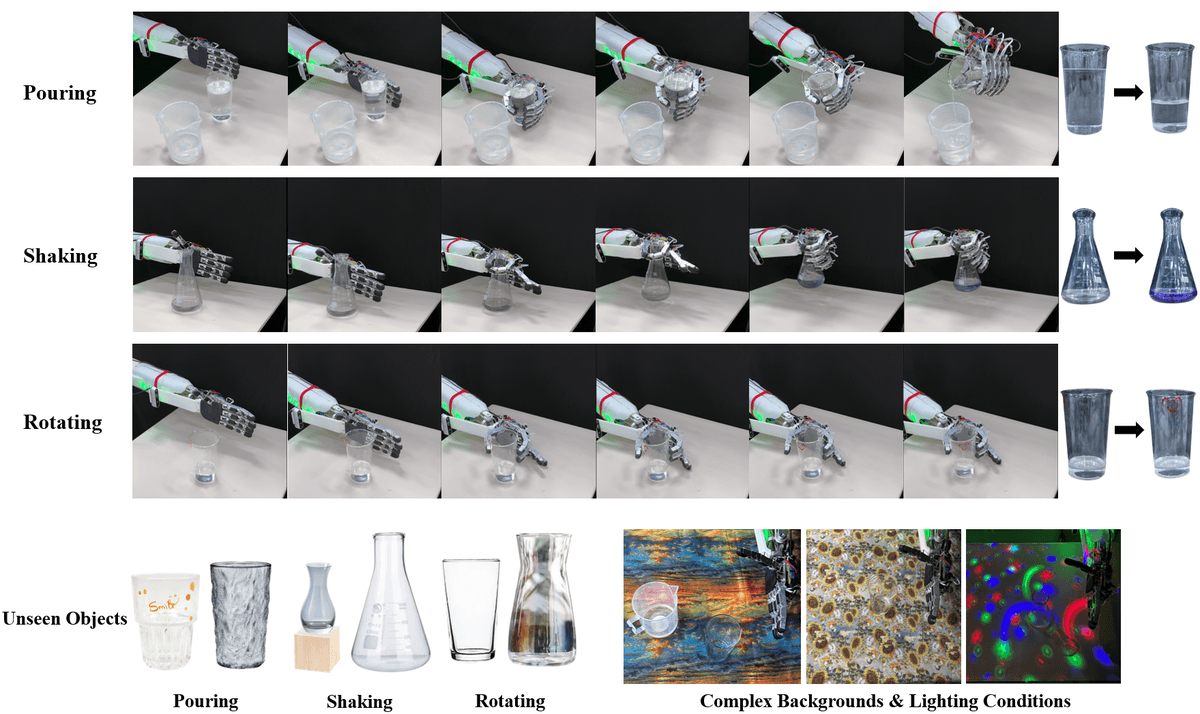
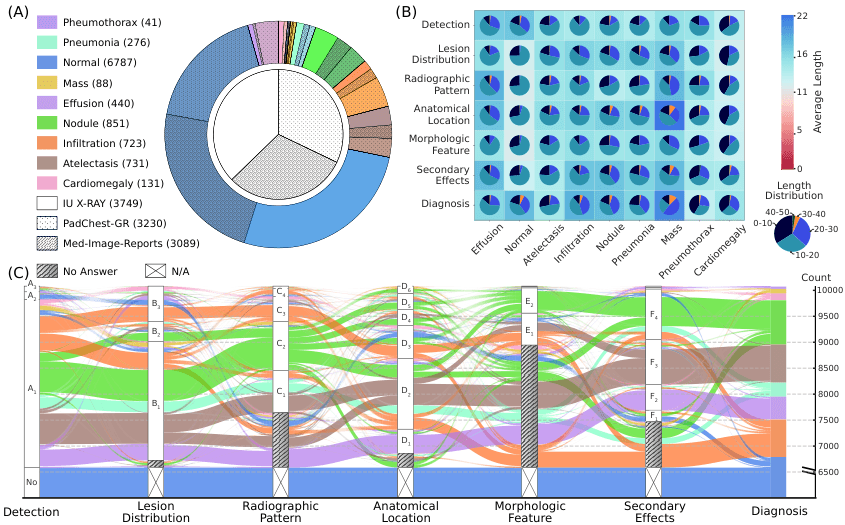
A new visuo-tactile policy from USTC reconstructs transparent object geometry from noisy point clouds, hitting 83% success on pouring, shaking, and rotating tasks.
A new Colab-based framework unifies LLaVA-NeXT and Qwen2.5-VL behind a single inference function, with prompt builder, consensus voting, and chain-of-thought benchmarking baked in.
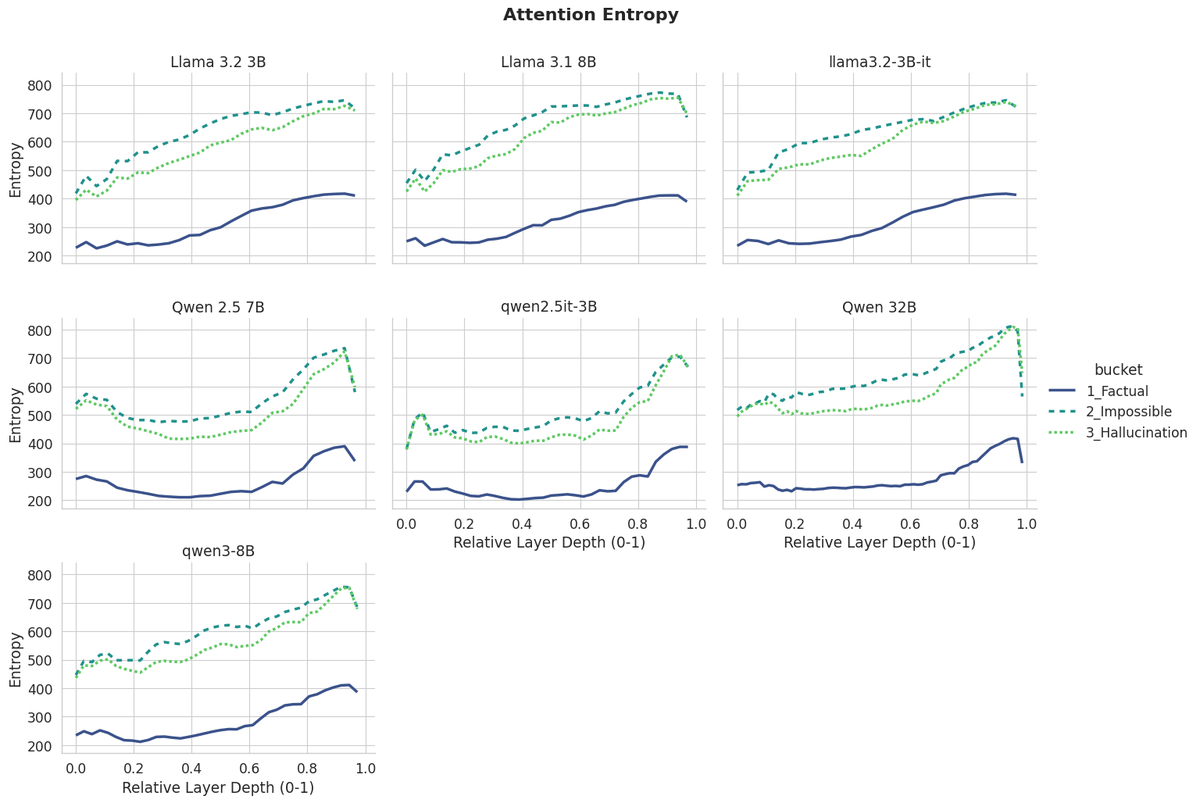
A new geometric analysis argues language models internally recognize when they should say I don't know, but their training pipeline severs that signal from the output.