
Pro
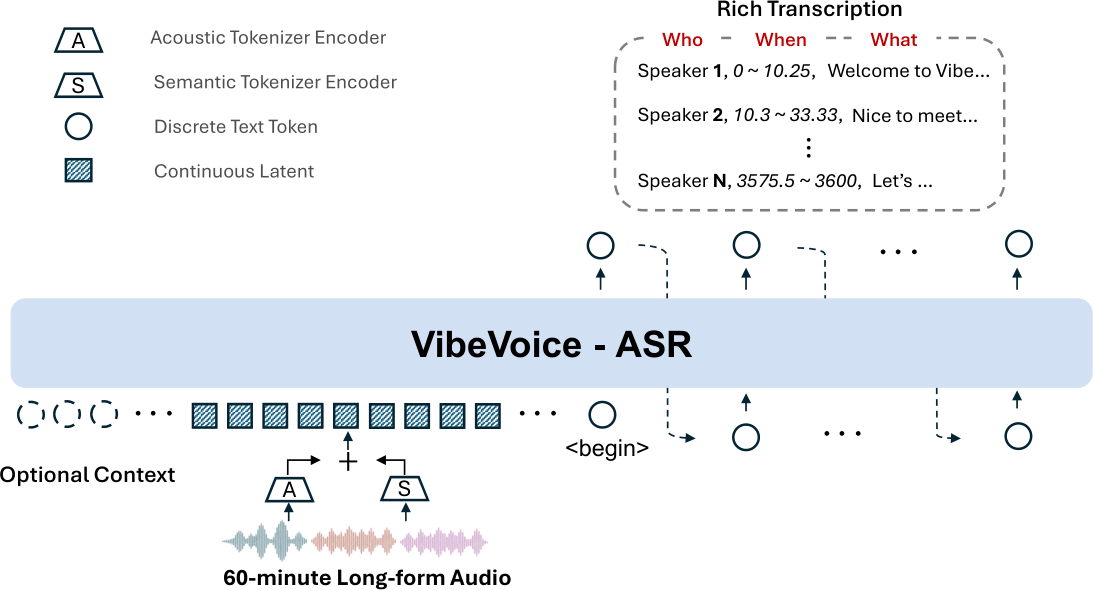
Microsoft's VibeVoice-ASR Transcribes 60-Minute Meetings in One Pass, Beating Gemini
Microsoft Research released a 9B-parameter unified speech model that transcribes a full hour of audio in one pass, tagging who spoke, when, and what.
20 stories
Microsoft Research released a 9B-parameter unified speech model that transcribes a full hour of audio in one pass, tagging who spoke, when, and what.
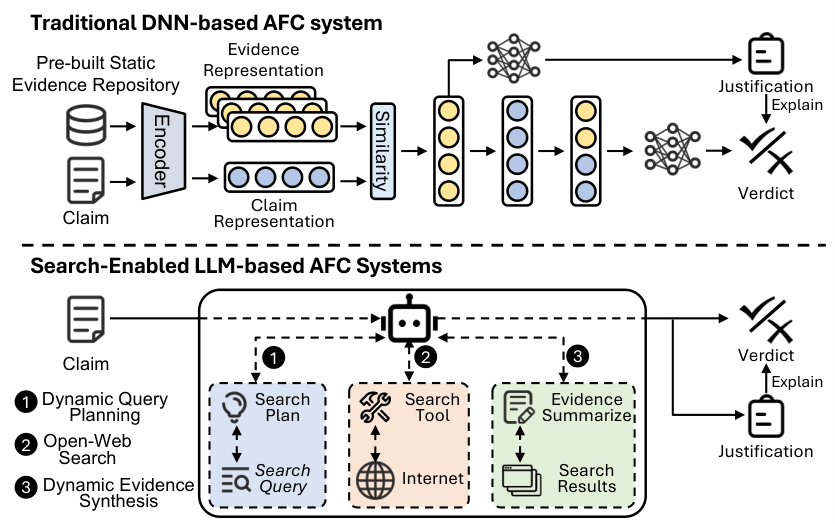
A new agent-based attack rewrites claims in ways that quietly derail search-enabled LLM fact-checkers, cutting verification accuracy from 78.7% to 53.7%.
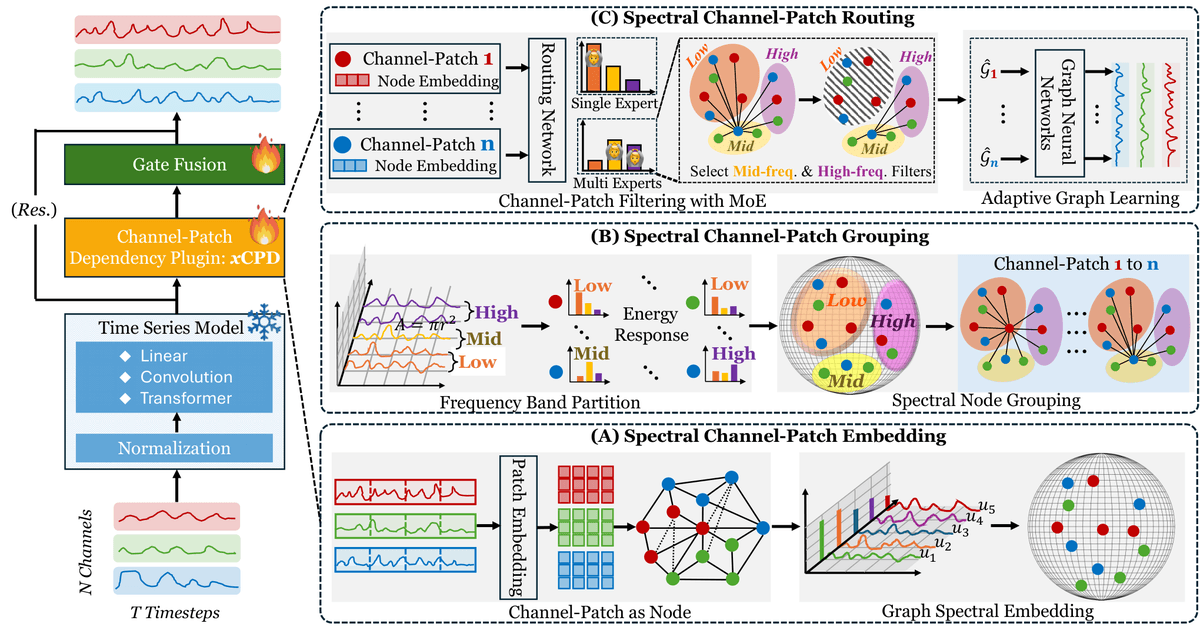
A lightweight plugin sorts time series patches into low, mid, and high frequency groups, then routes each through frequency-specific experts to sharpen forecasts.
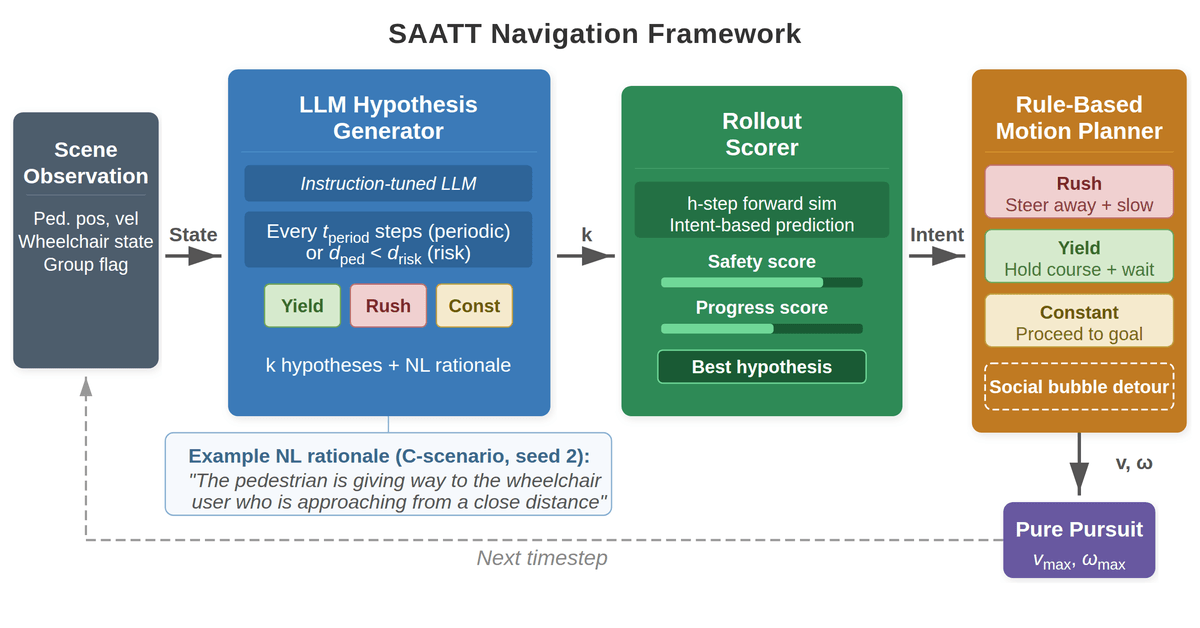
A Purdue team wraps a language model around a wheelchair's local planner so it can reason about pedestrian intent and explain every move in plain text.
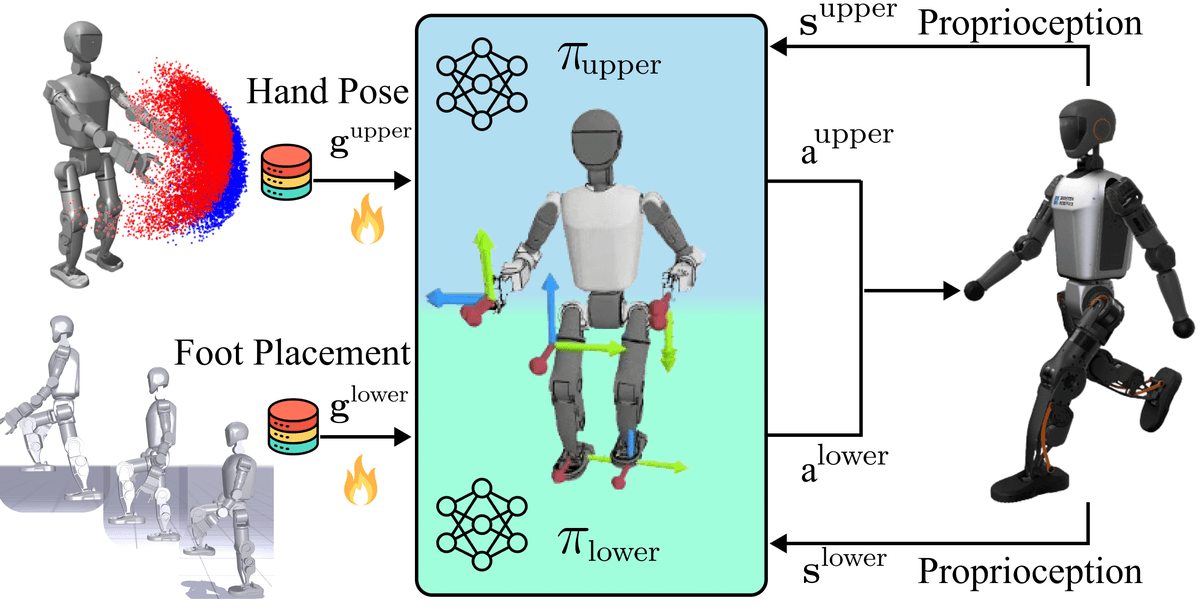
Georgia Tech's REFINE-DP jointly retrains diffusion planners and RL controllers with PPO, hitting 90%+ success on humanoid loco-manipulation using 20x less demo data.
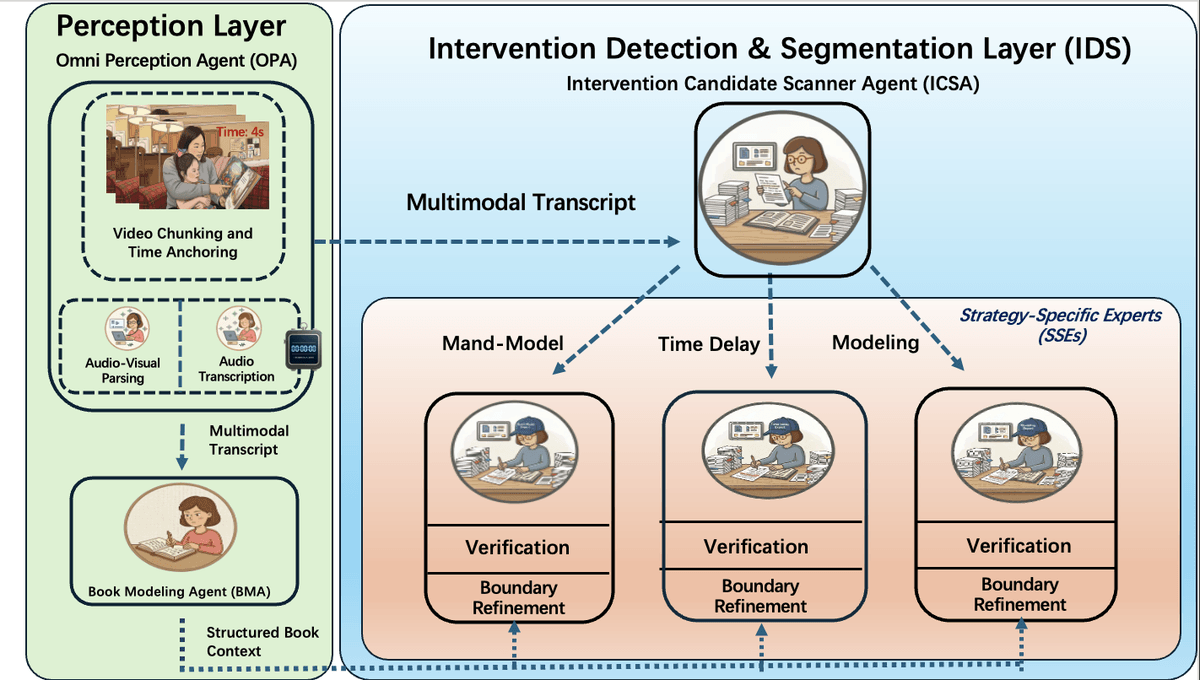
A multi-agent pipeline built on Gemini and Whisper turns home videos of parents reading to autistic children into structured clinical assessments, with no fine-tuning.
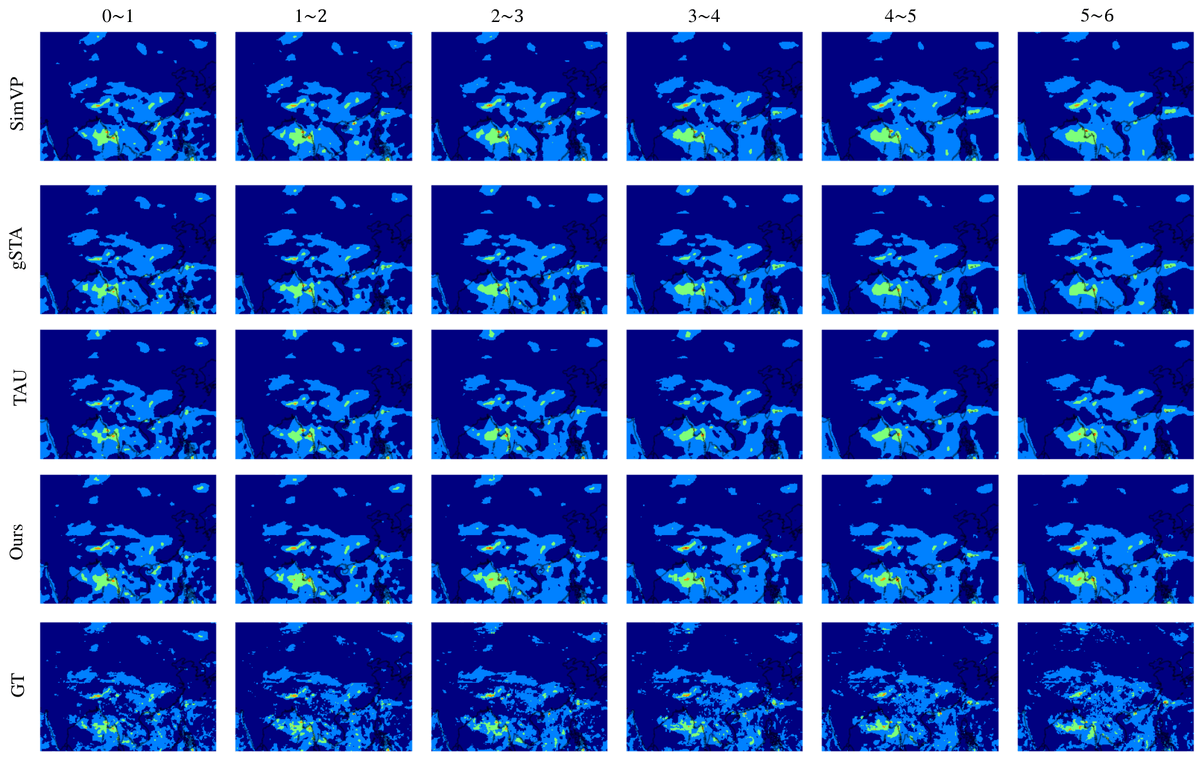
A new transformer for precipitation forecasting groups image patches by rainfall history instead of spatial position, boosting extreme-rain IoU by 8.2%.
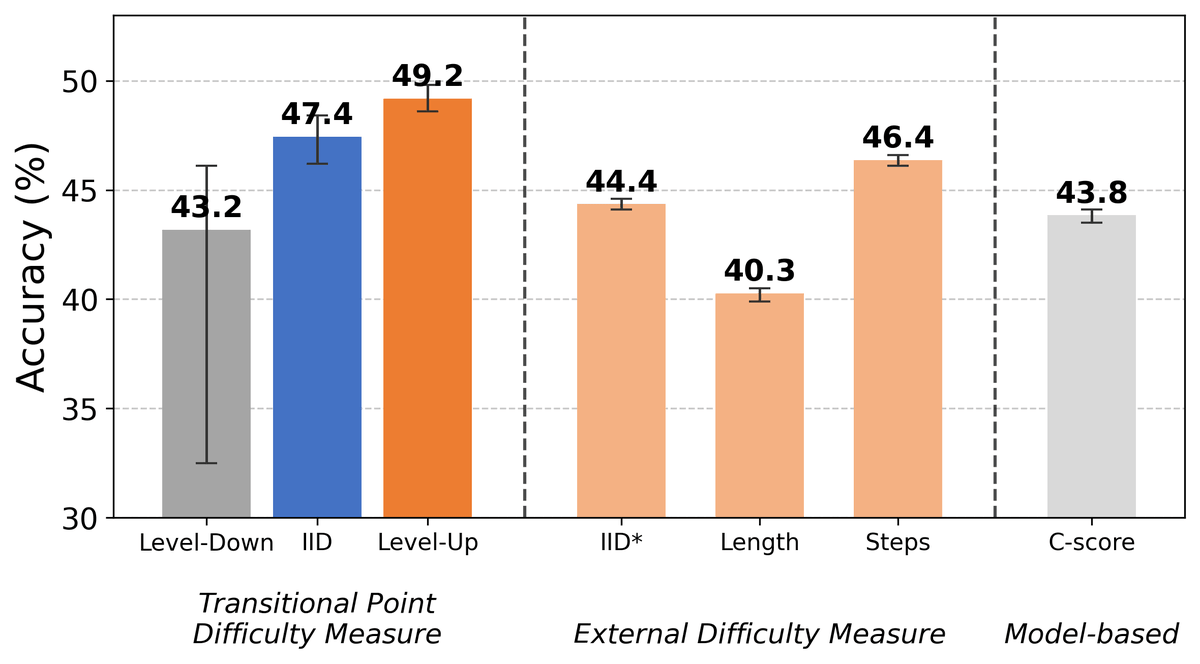
A new curriculum learning method spots the exact problems that separate weaker models from stronger ones, then trains up one rung at a time.
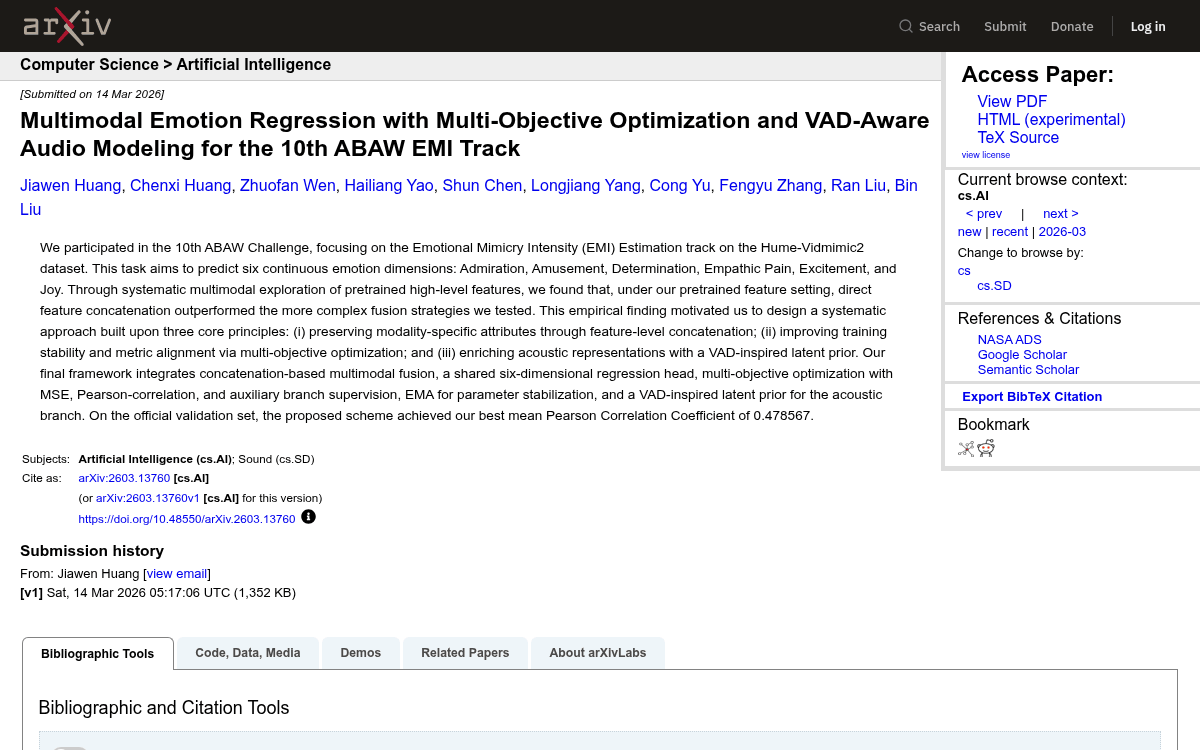
A team building for the 10th ABAW emotion challenge found that simple feature concatenation beat every fancy fusion trick they tried.
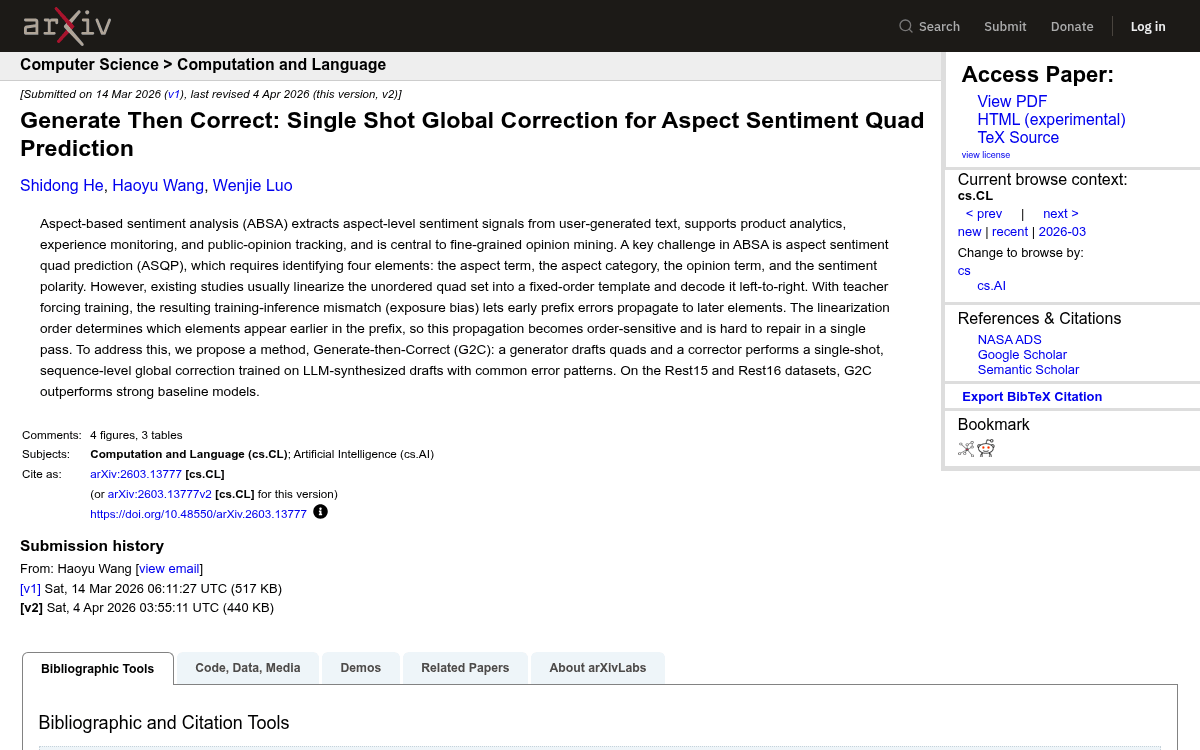
A two-stage T5 pipeline drafts sentiment quads then revises them in one shot, cutting near-miss errors on Rest15 and Rest16.
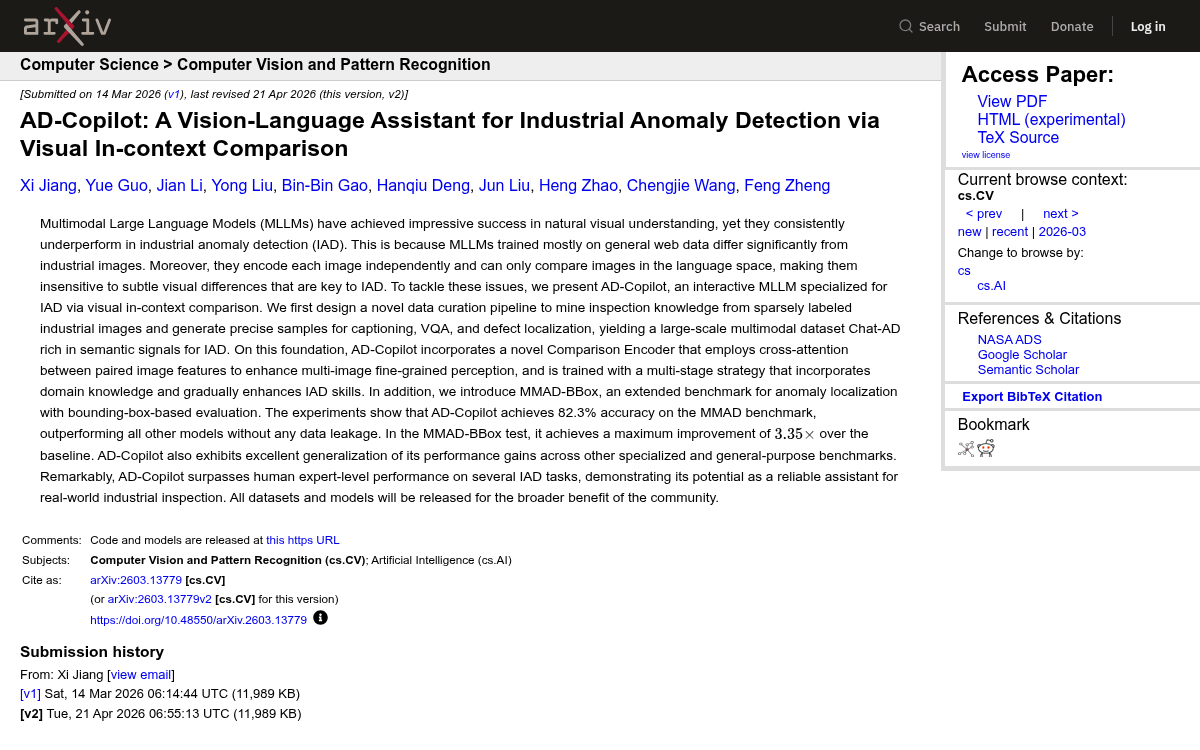
Tencent and SUSTech researchers built an MLLM that compares industrial images side-by-side, hitting 82.3% on MMAD and beating human experts on defect description.
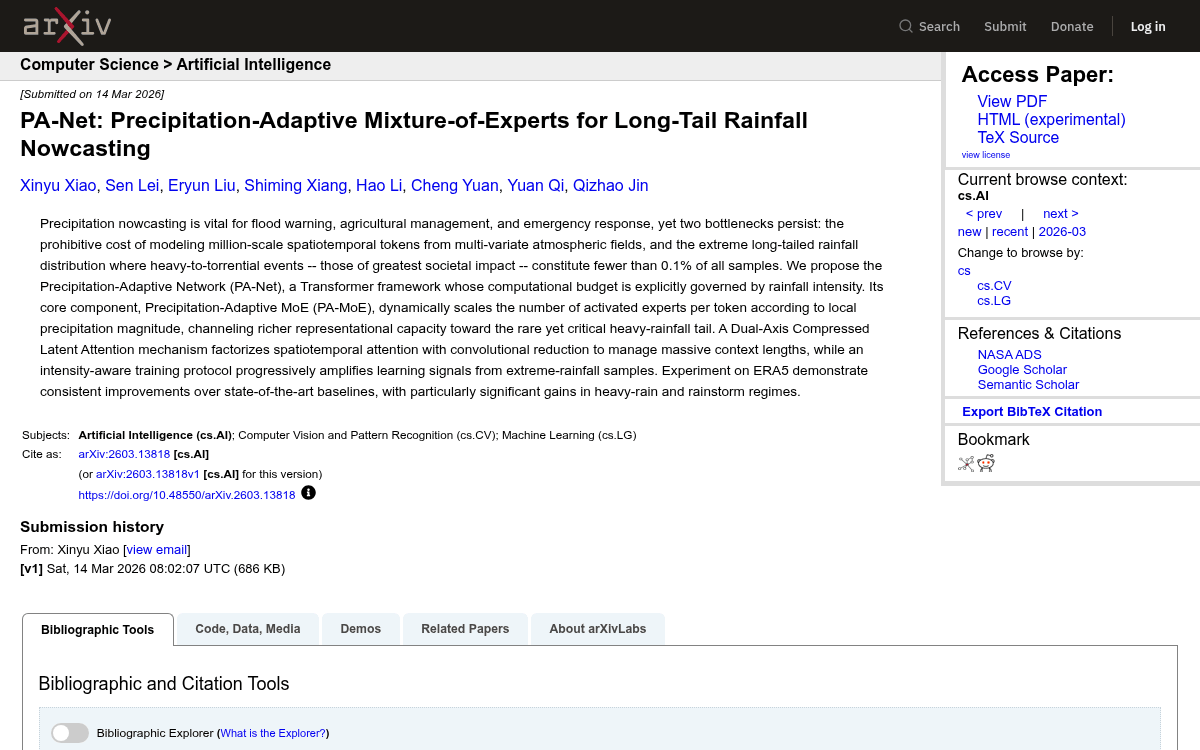
PA-Net ties Mixture-of-Experts routing to rainfall intensity, giving rare extreme storms far more model capacity than uniform architectures allow.
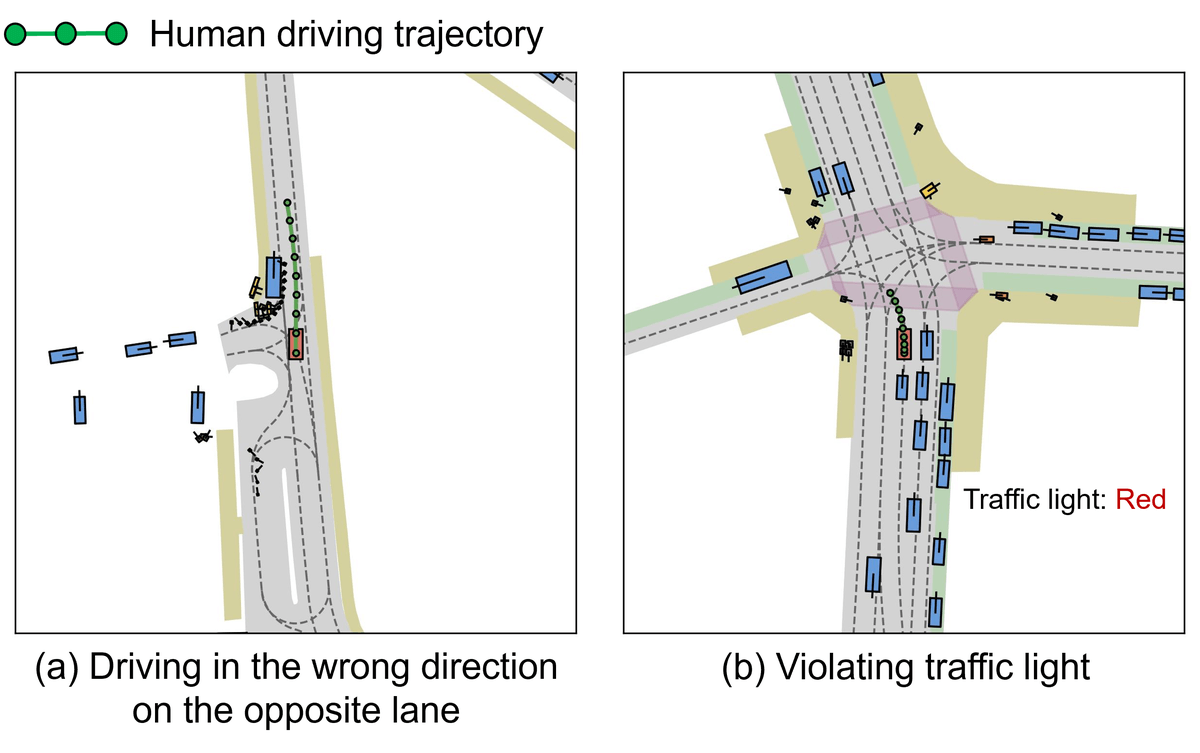
PaIR-Drive splits imitation and reinforcement learning into parallel branches, breaking the ceiling of sequential fine-tuning and correcting bad human demos.
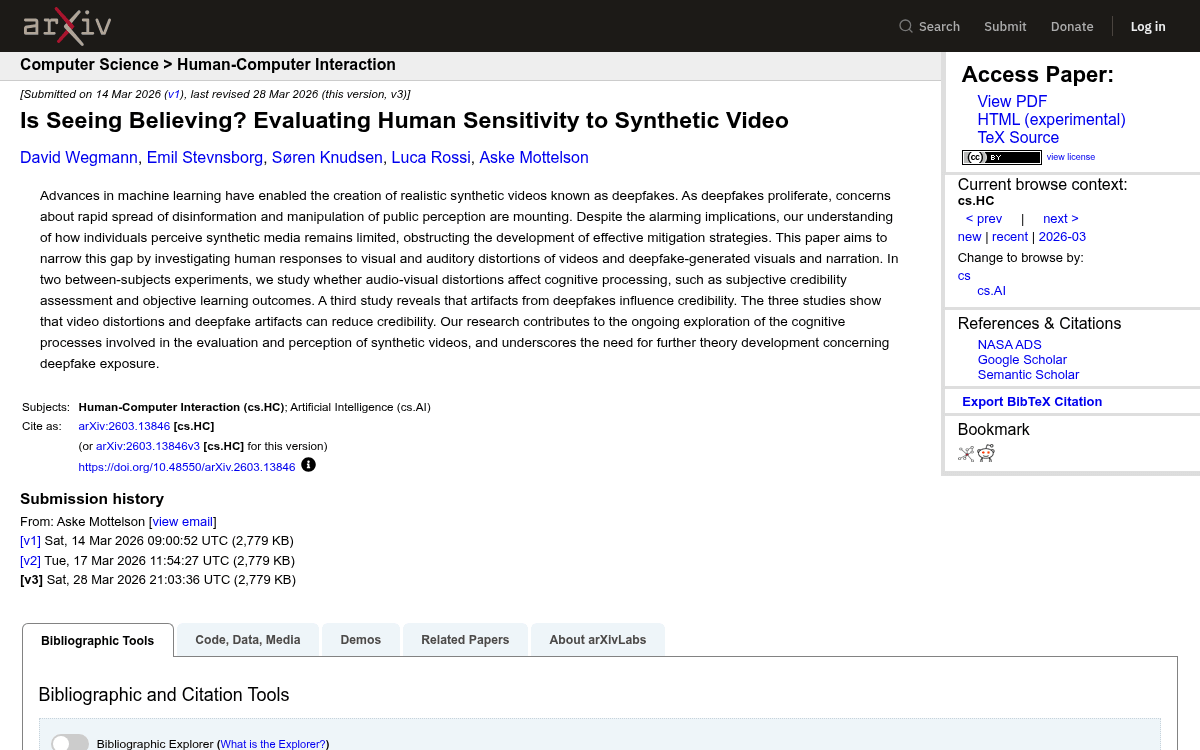
Three preregistered experiments with over 1,000 viewers show synthetic faces and voices quietly erode message credibility, though learning stays intact.
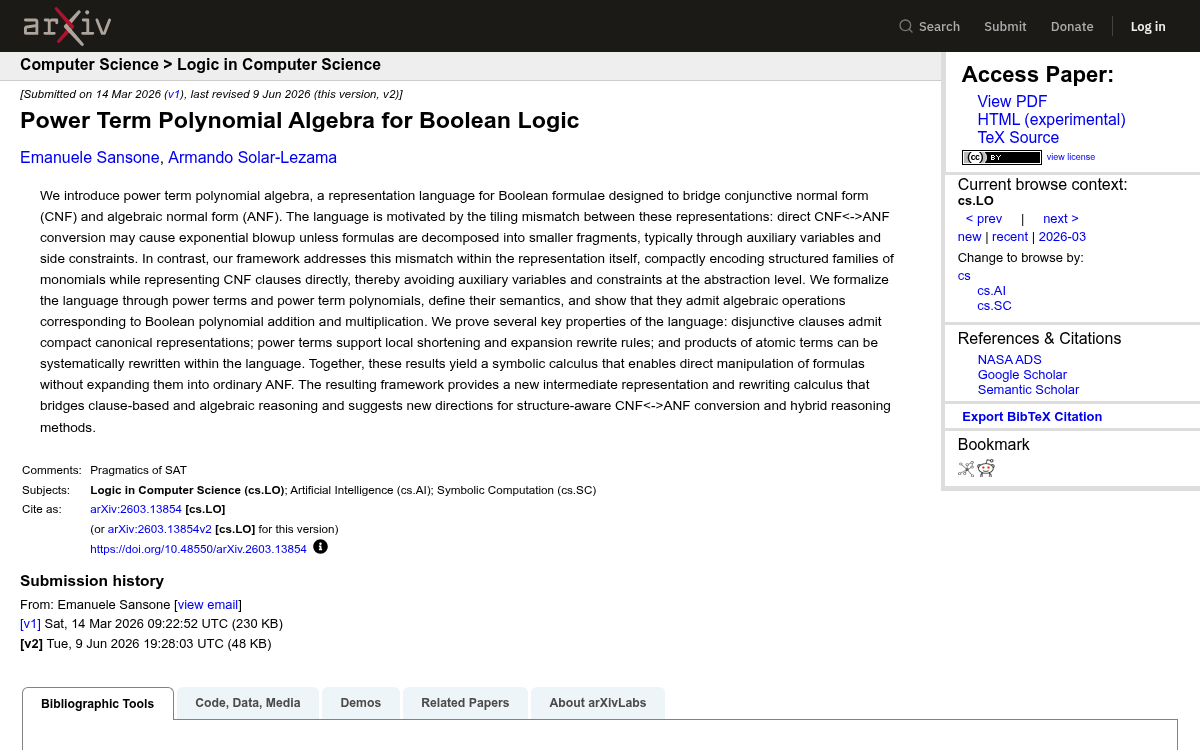
A new symbolic language from MIT CSAIL compresses SAT-style clauses and Boolean polynomials into a shared representation, dodging the exponential blowup that plagues CNF and ANF conversions.
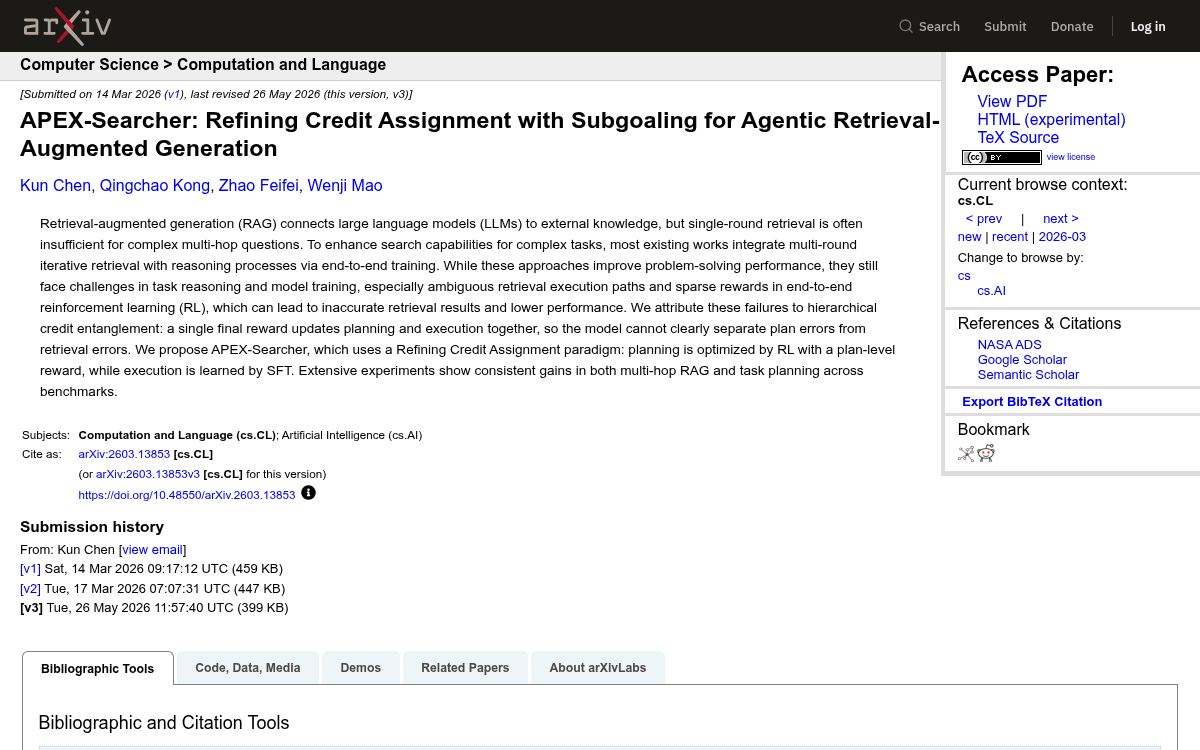
A new agentic RAG framework splits planning and execution across RL and SFT, delivering up to 13% gains on multi-hop QA benchmarks.
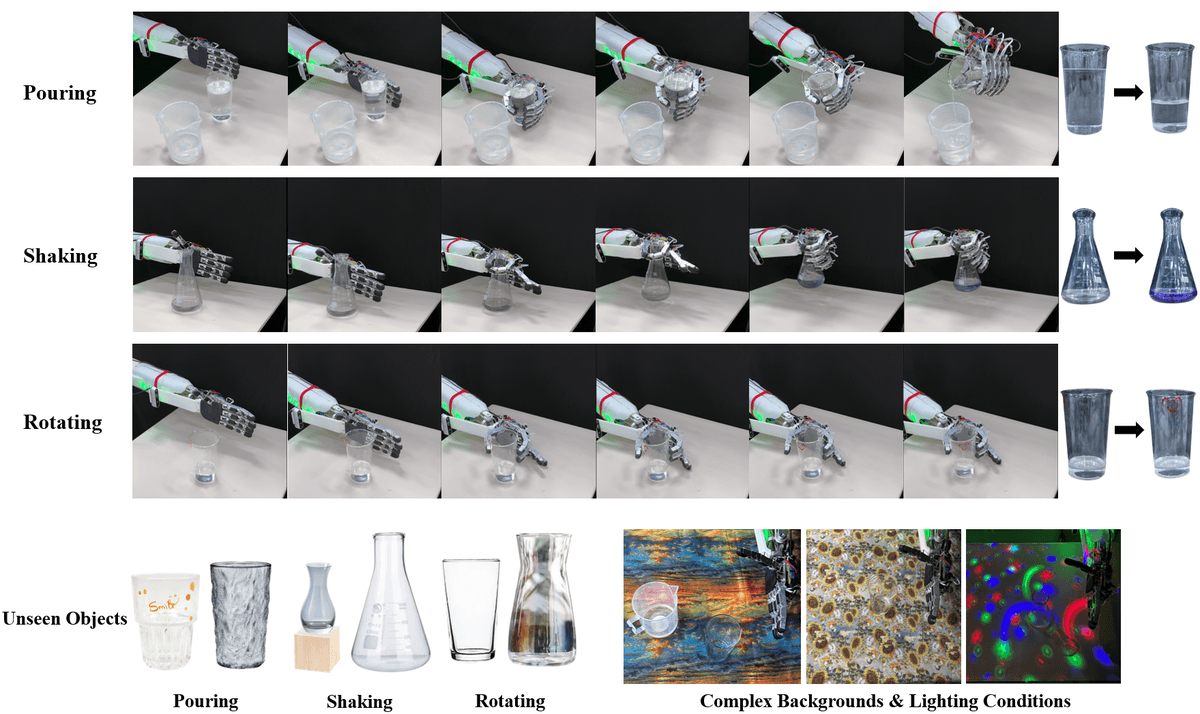
A new visuo-tactile policy from USTC reconstructs transparent object geometry from noisy point clouds, hitting 83% success on pouring, shaking, and rotating tasks.
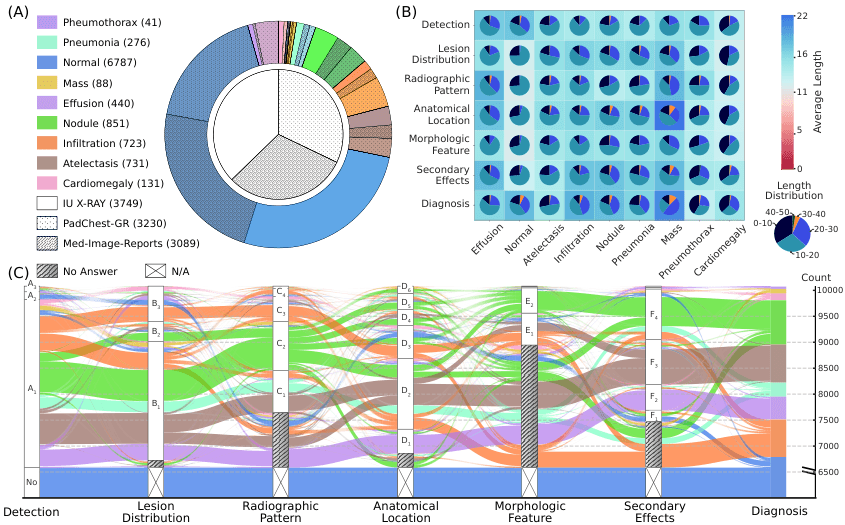
A new dataset breaks medical reasoning into seven clinician-inspired steps, letting vision-language models trace diagnoses instead of guessing them.

A new Colab-based framework unifies LLaVA-NeXT and Qwen2.5-VL behind a single inference function, with prompt builder, consensus voting, and chain-of-thought benchmarking baked in.
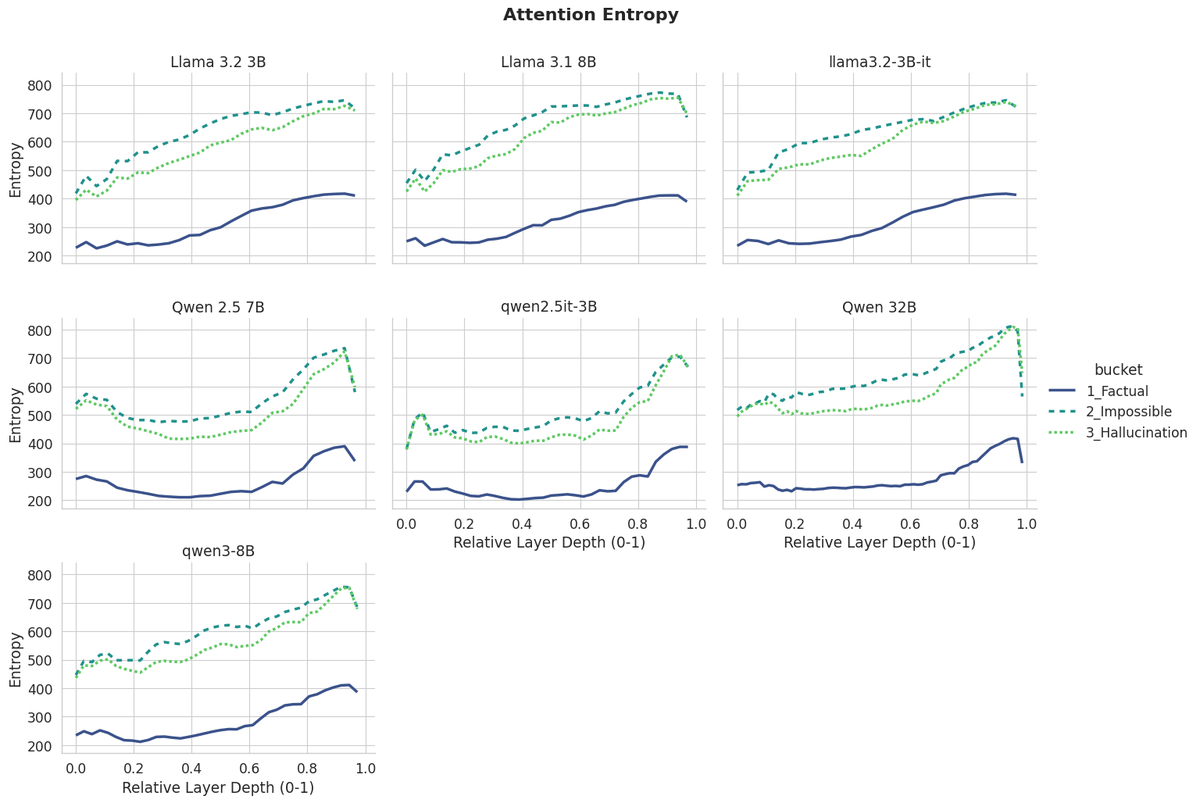
A new geometric analysis argues language models internally recognize when they should say I don't know, but their training pipeline severs that signal from the output.