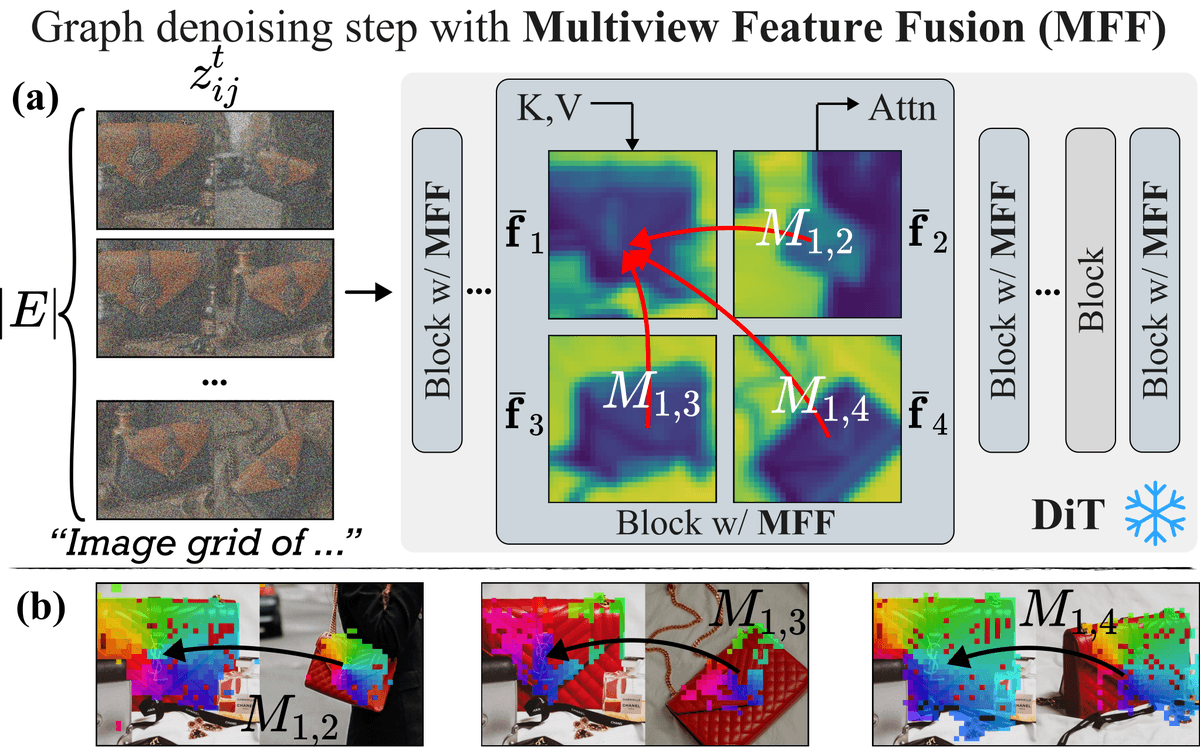
A new zero-shot approach from Weizmann treats an image collection as a graph, letting text-to-image models edit whole photo sets while keeping shared objects visually consistent.
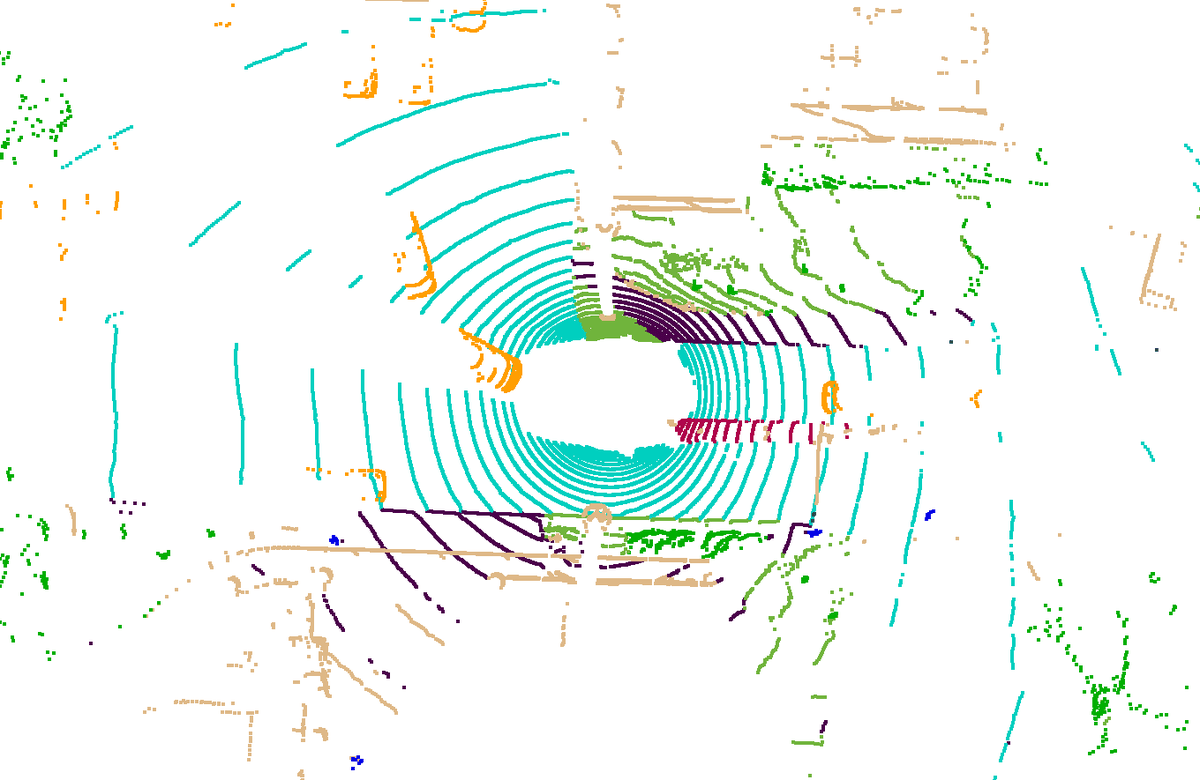
A new pipeline transfers 2D vision-language segmentation to lidar scans, beating prior zero-shot methods by wide margins on nuScenes and SemanticKITTI.
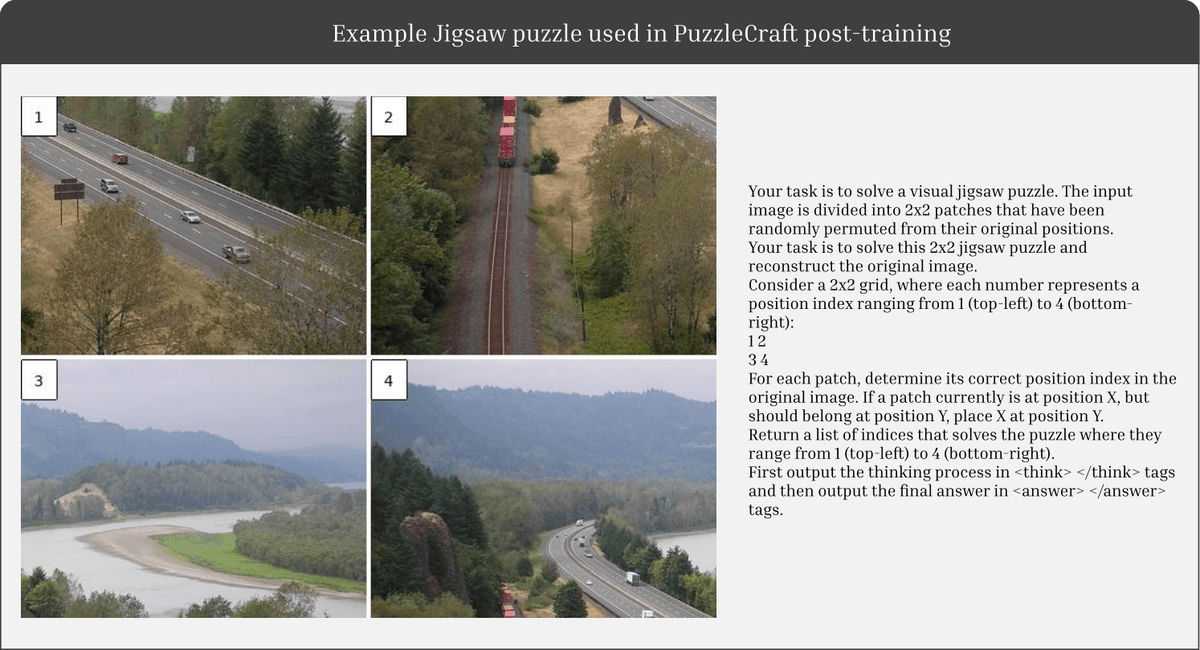
Samsung's PuzzleCraft trains vision language models on jigsaw puzzles with an exploration-aware curriculum, boosting Qwen2.5-VL and Qwen3-VL without a single label.
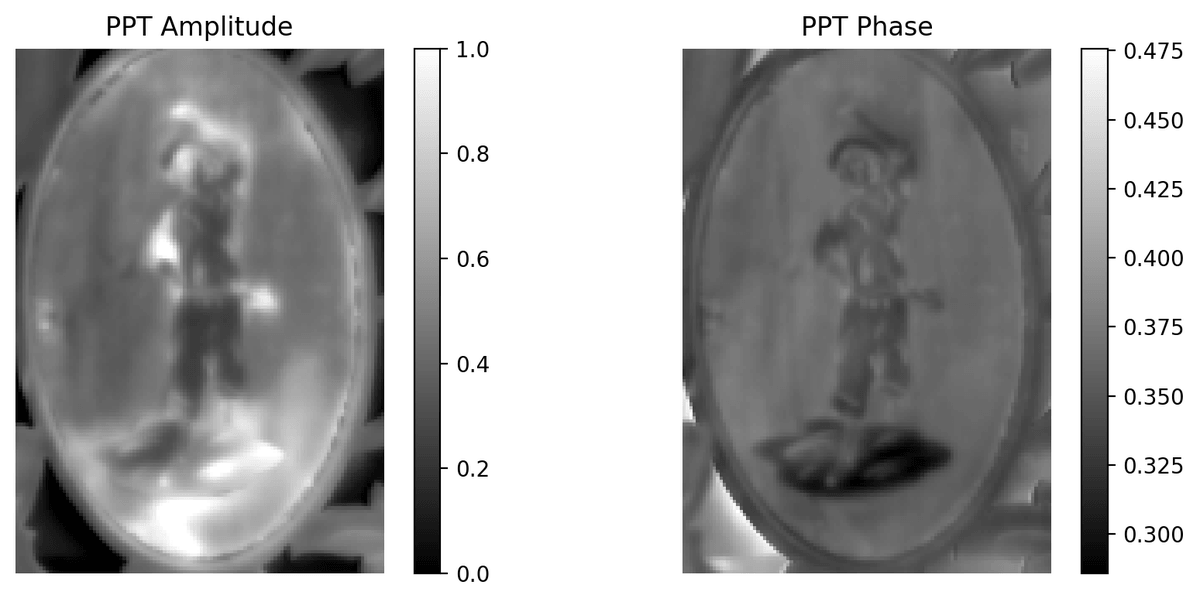
A new research framework fuses three thermal imaging techniques with a vision-language model to produce standardized, uncertainty-aware condition reports for paintings.
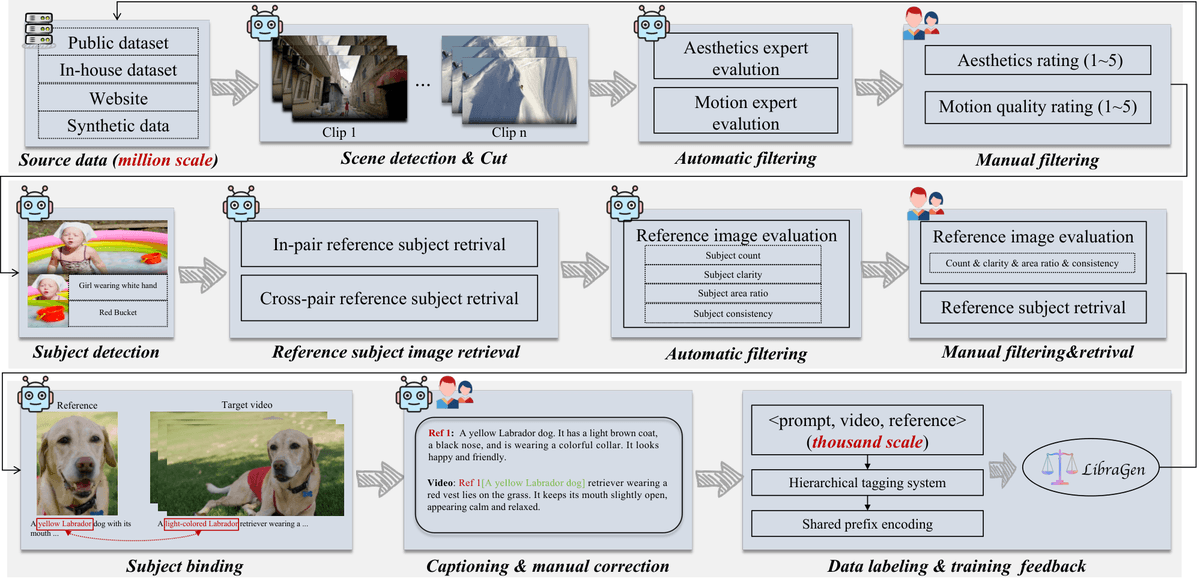
A research paper from ByteDance and Pazhou Laboratory reframes subject-to-video training as a balancing act, beating commercial models with only thousand-scale data.
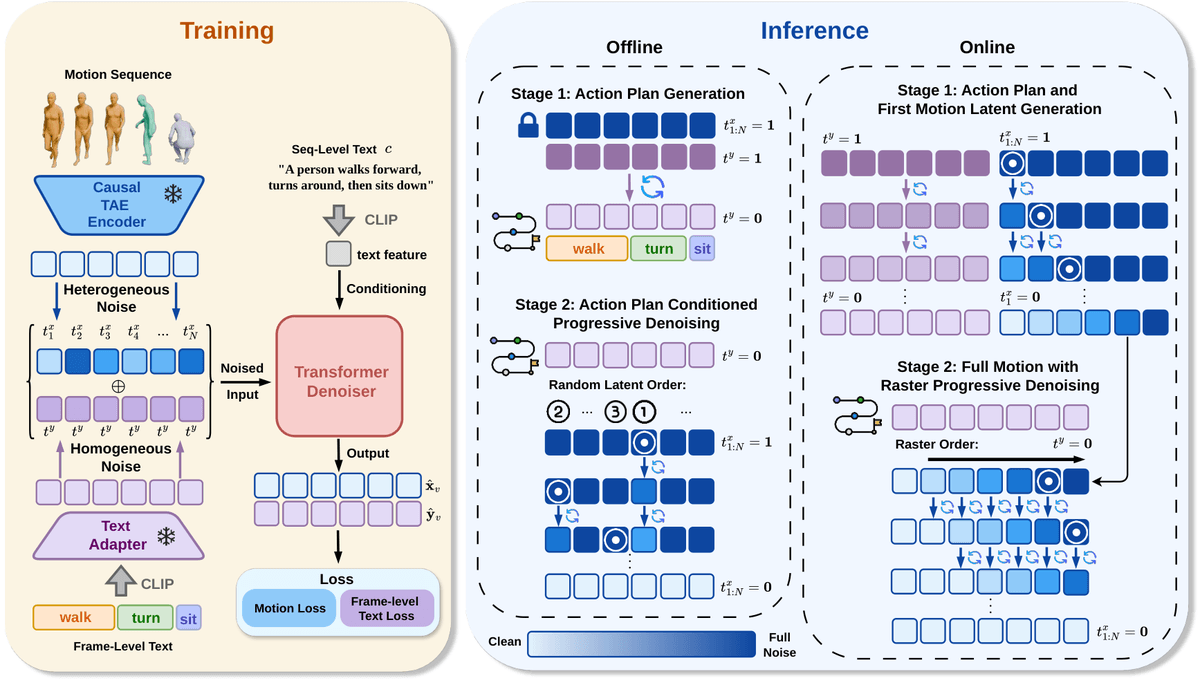
A hierarchical diffusion model predicts frame-by-frame text descriptors before generating motion, giving streaming synthesis future-awareness without sacrificing speed or quality.
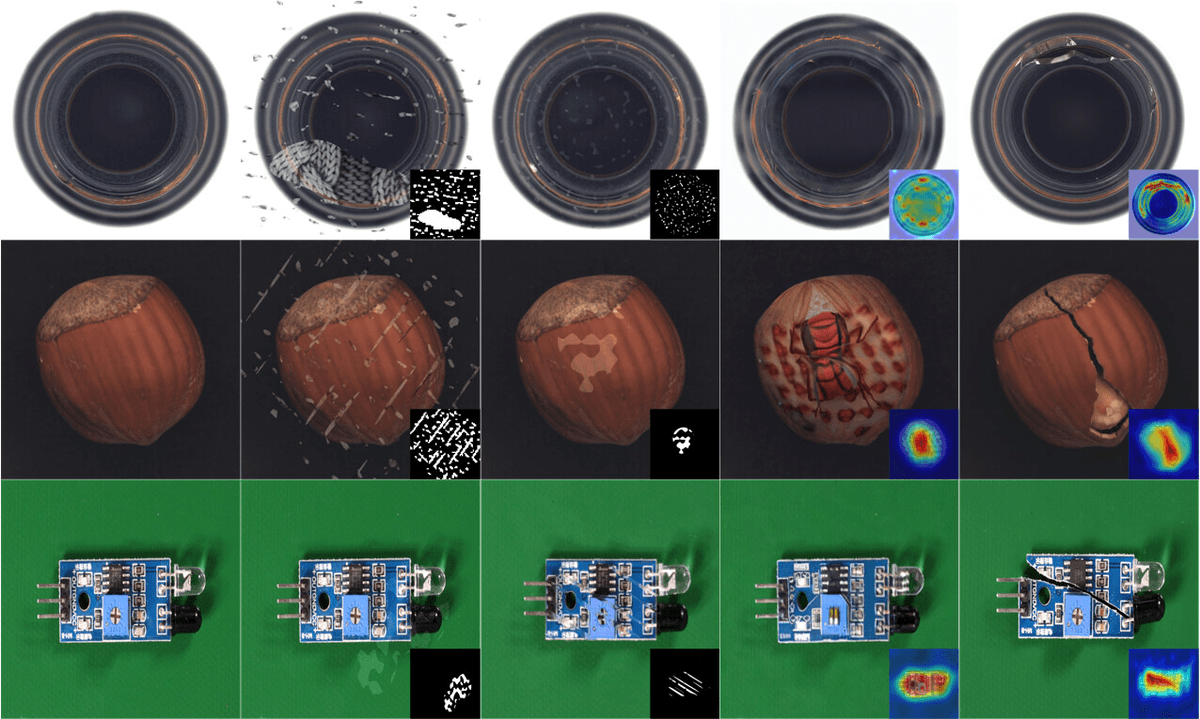
A training-free pipeline turns Gemini 2.5 Flash Image into a factory defect generator, releasing 13,000 labeled image-mask pairs across MVTec AD and VisA.
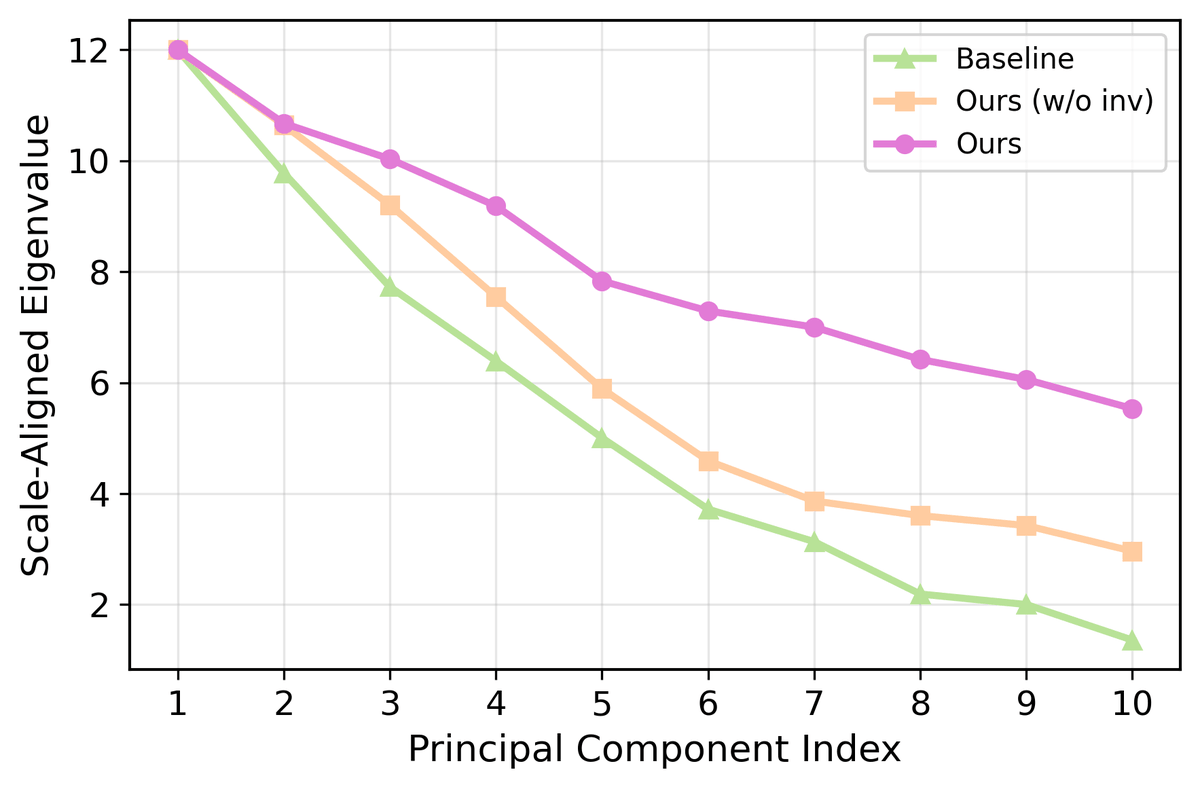
DiveUp treats multiple vision backbones as a panel of experts, using their structural agreement to upsample features without overfitting to any one model's flaws.
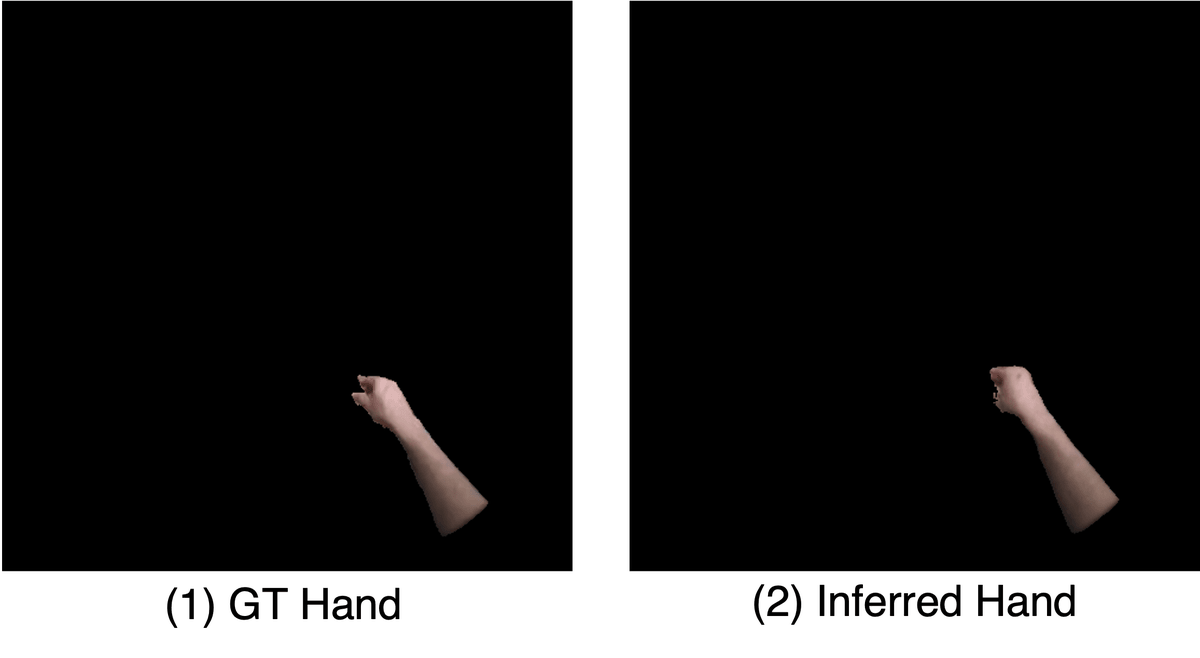
A first-person video world model that predicts hand-object interactions from user actions alone by injecting 3D geometry priors into a diffusion backbone.
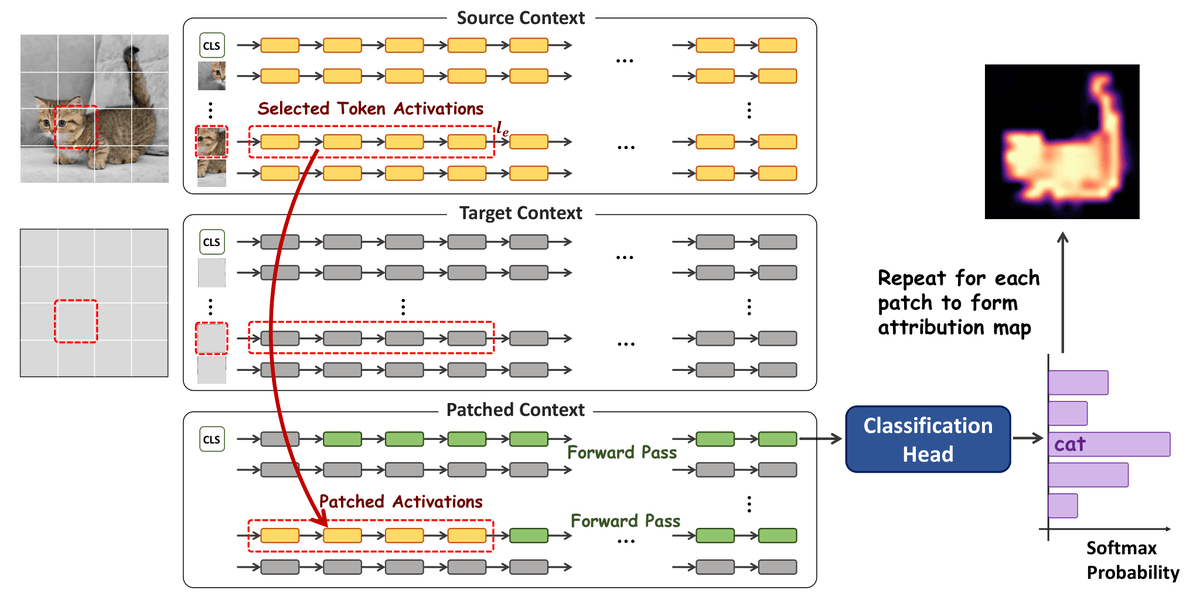
A new attribution method for Vision Transformers intervenes directly on internal activations instead of masking pixels, producing sharper and more faithful saliency maps.
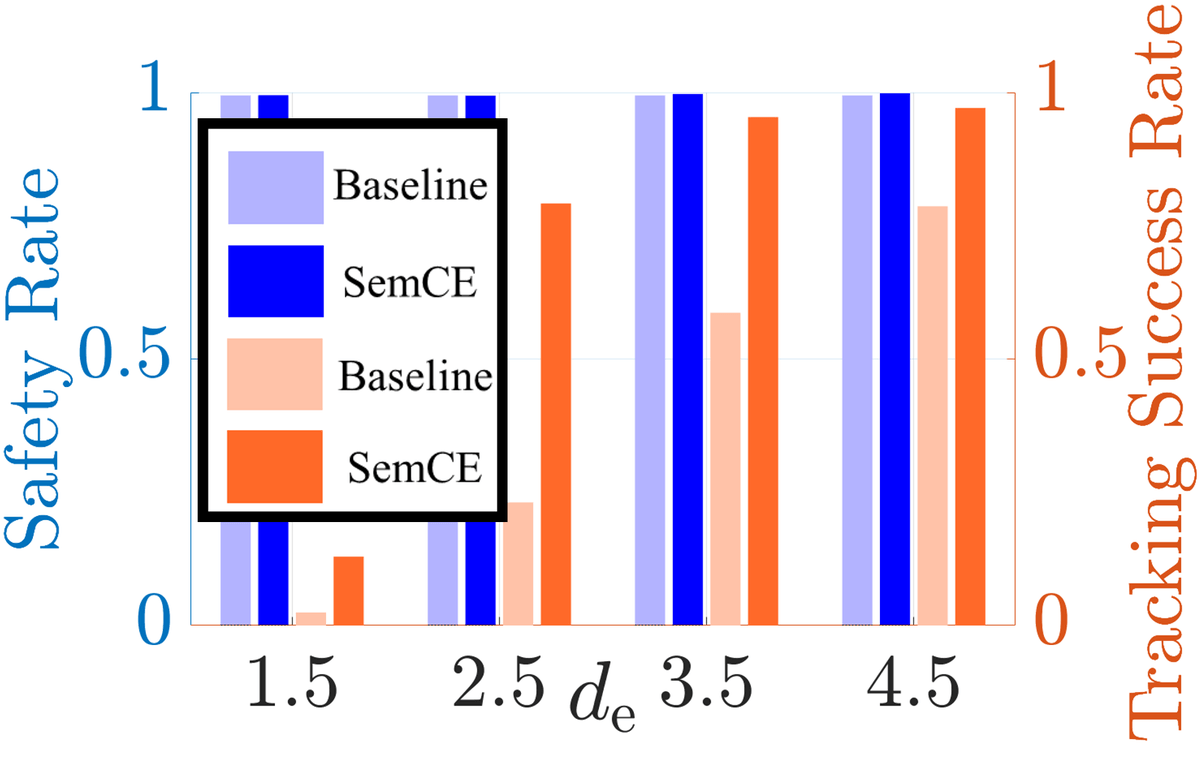
A new arXiv paper argues that goal-oriented semantic communication for robots has been optimizing the wrong thing, and proposes a safety-first redesign.