Samsung's PuzzleCraft Trains Vision AI With Jigsaw Puzzles, Beating Labeled Datasets
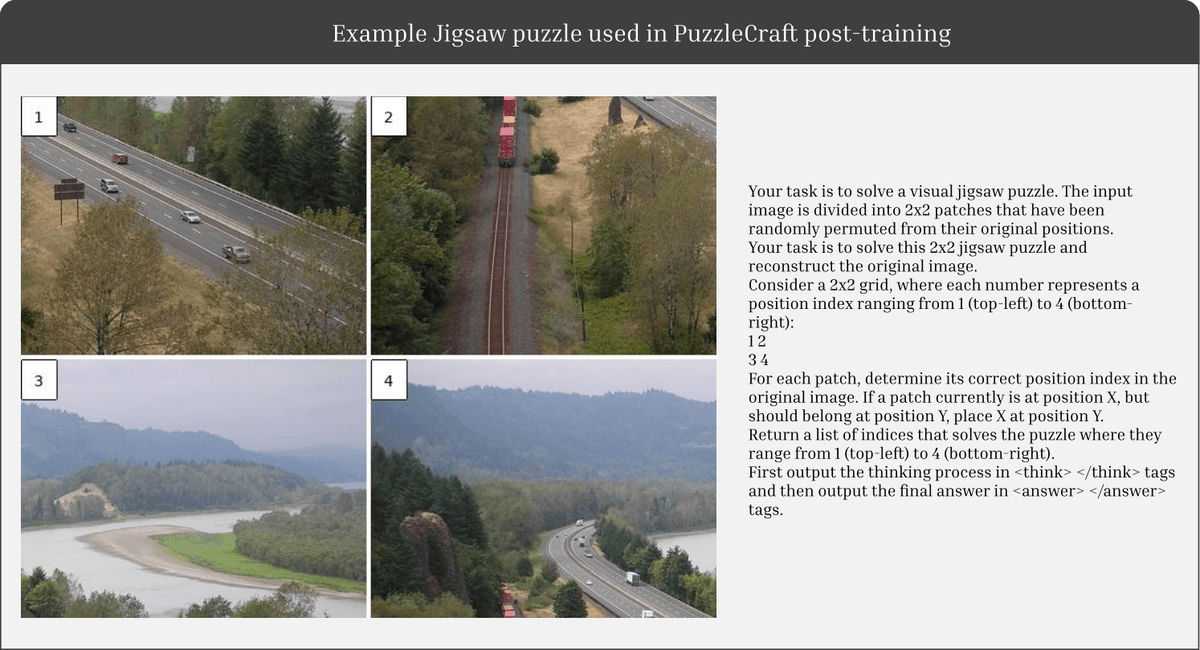
Samsung's PuzzleCraft trains vision language models on jigsaw puzzles with an exploration-aware curriculum, boosting Qwen2.5-VL and Qwen3-VL without a single label.
20 stories

Samsung's PuzzleCraft trains vision language models on jigsaw puzzles with an exploration-aware curriculum, boosting Qwen2.5-VL and Qwen3-VL without a single label.

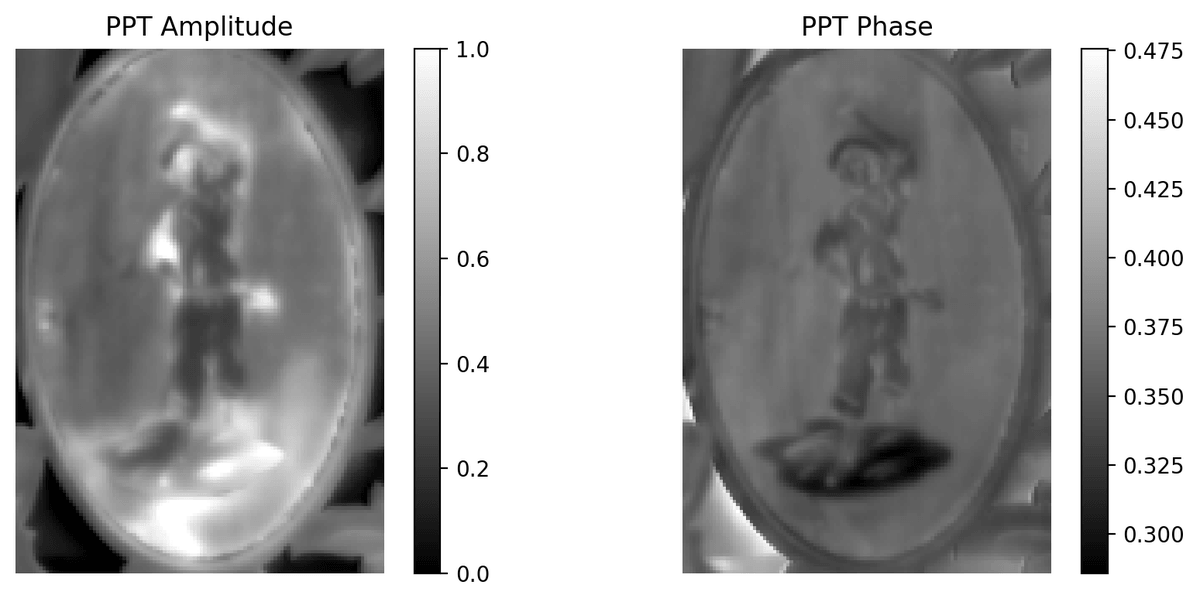
A new transformer detector for locomotive coil spring inspection hits 92.4% mAP at 98 FPS, beating YOLOv8, DINO, and RT-DETR on the same data.

A new research framework fuses three thermal imaging techniques with a vision-language model to produce standardized, uncertainty-aware condition reports for paintings.

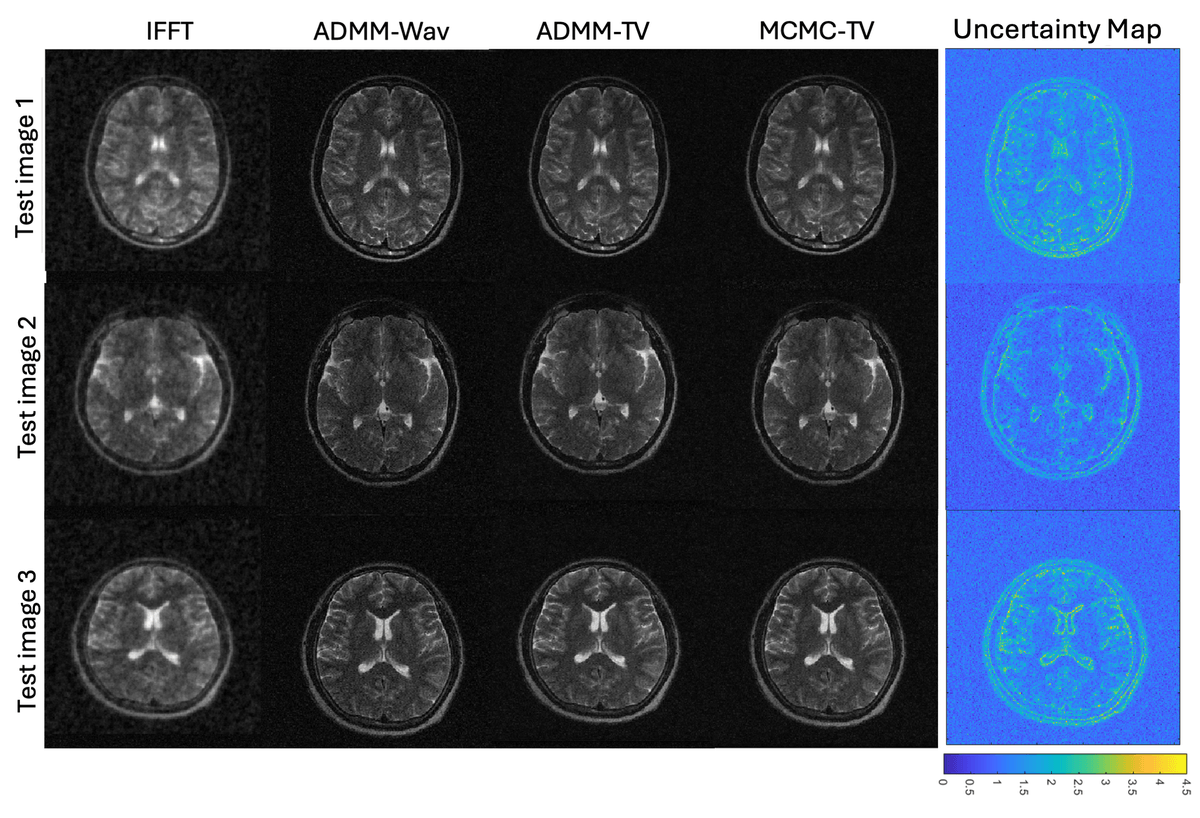
A Bayesian sampler reconstructs MRI scans from sparse k-space data while producing pixel-wise confidence maps that track actual reconstruction error.

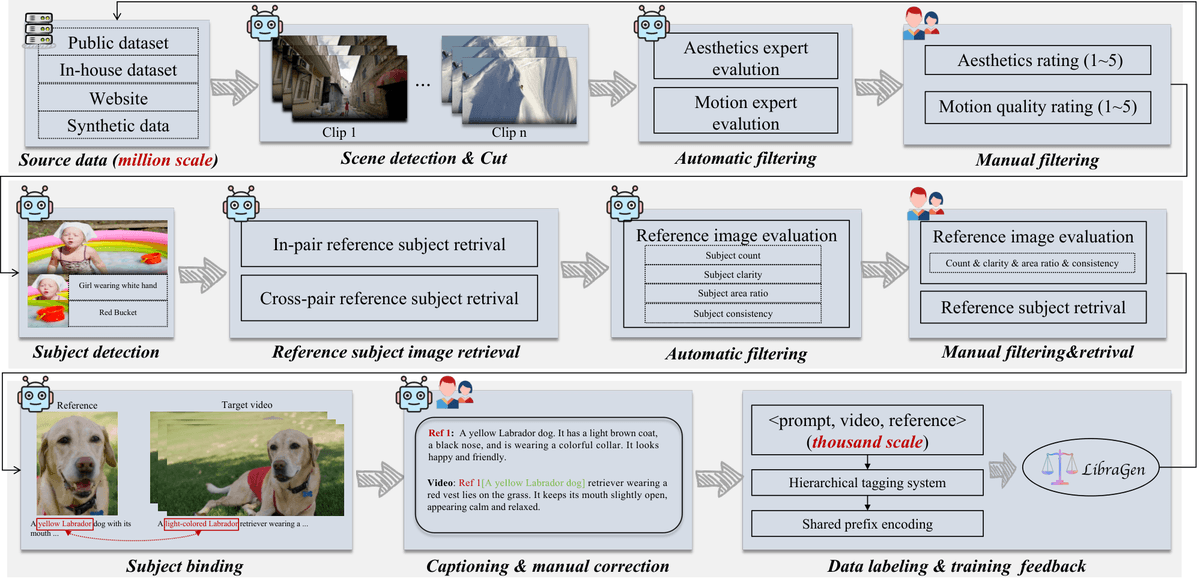
A research paper from ByteDance and Pazhou Laboratory reframes subject-to-video training as a balancing act, beating commercial models with only thousand-scale data.

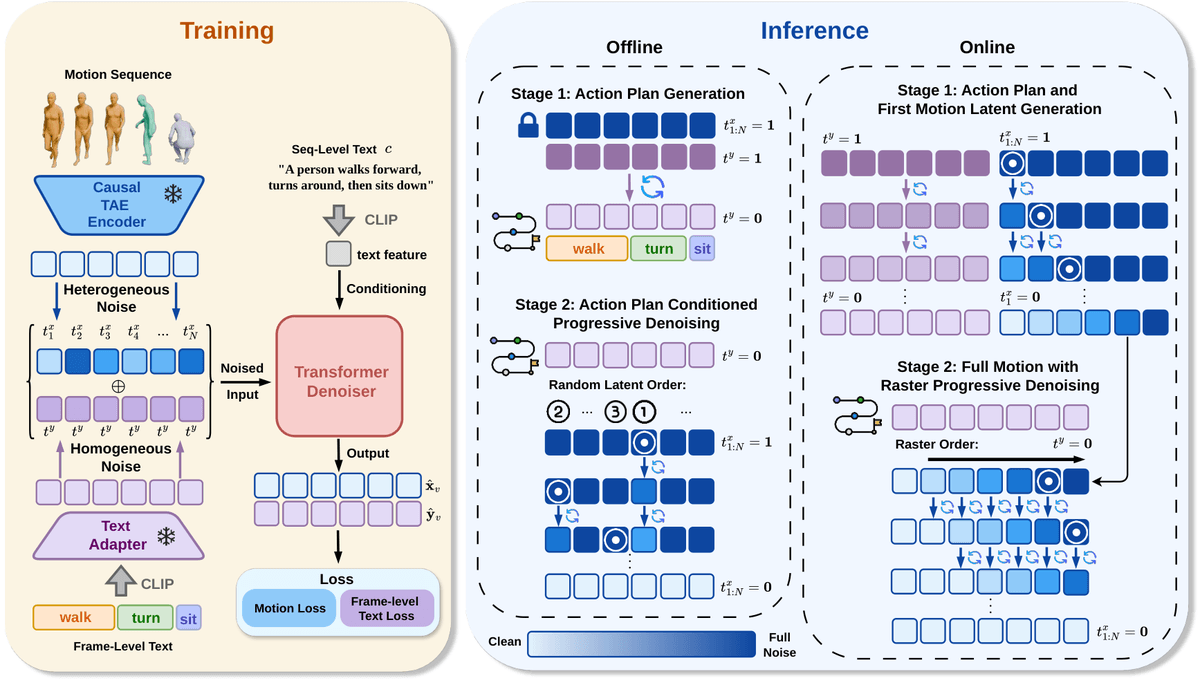
A hierarchical diffusion model predicts frame-by-frame text descriptors before generating motion, giving streaming synthesis future-awareness without sacrificing speed or quality.

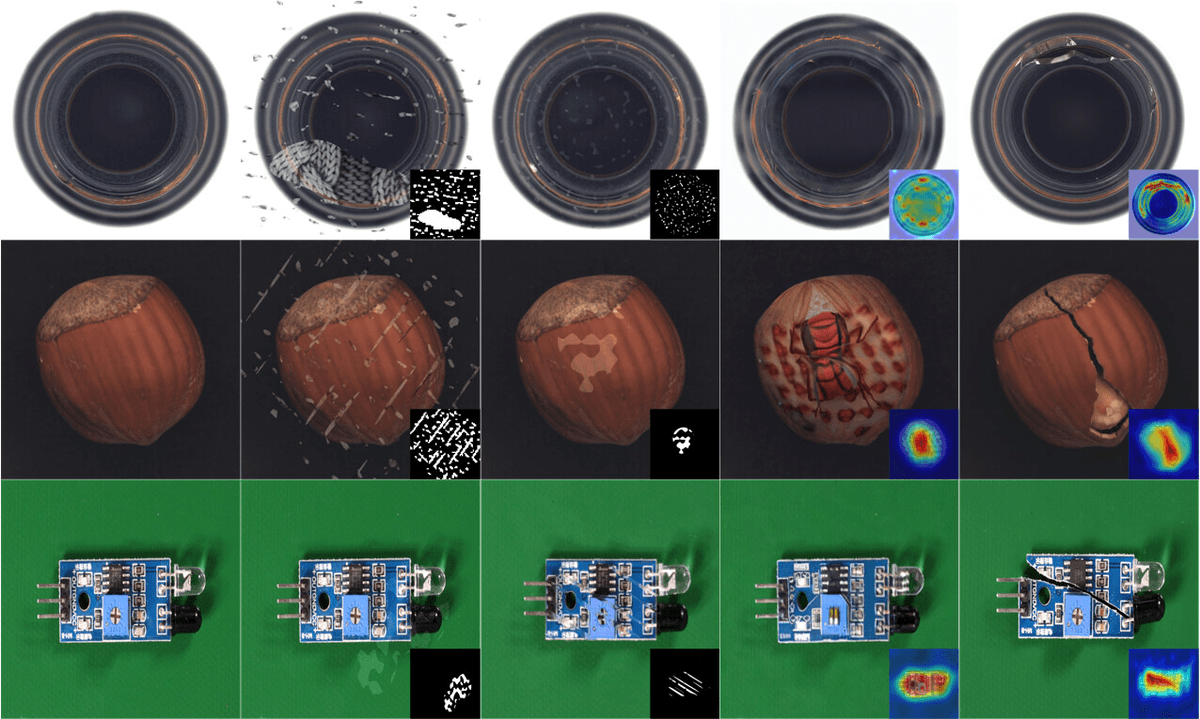
A training-free pipeline turns Gemini 2.5 Flash Image into a factory defect generator, releasing 13,000 labeled image-mask pairs across MVTec AD and VisA.

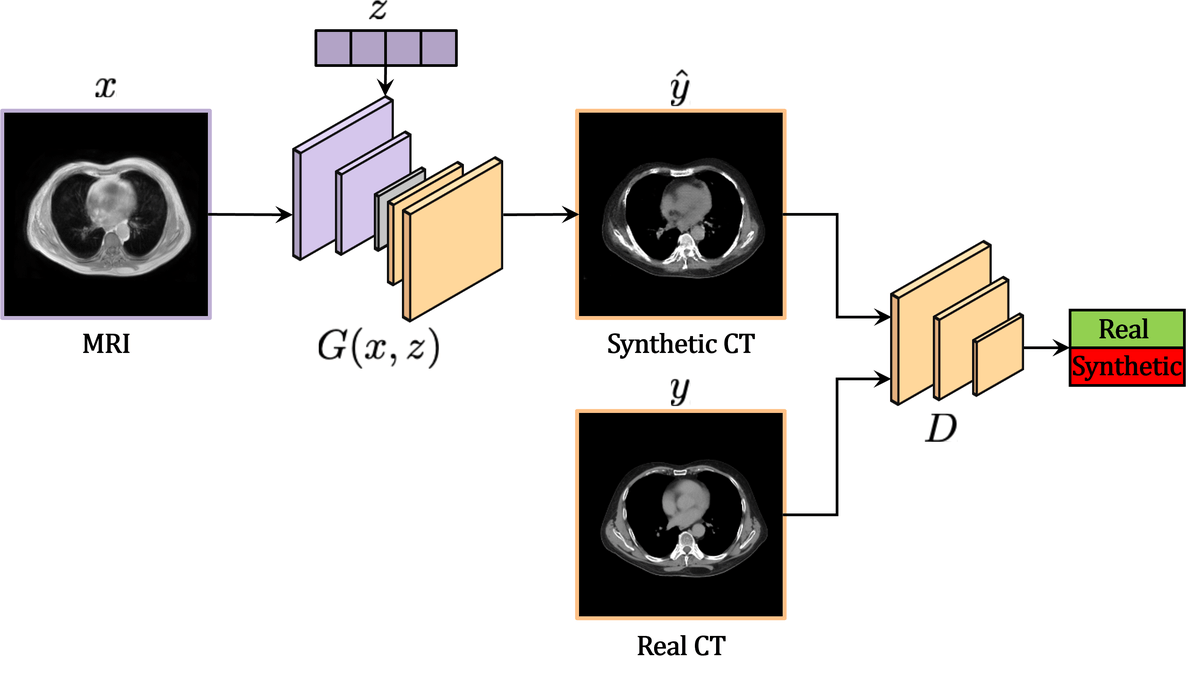
A five-fold cross-validation study across ten GAN architectures reveals which models actually work for turning MRI scans into synthetic CT images.

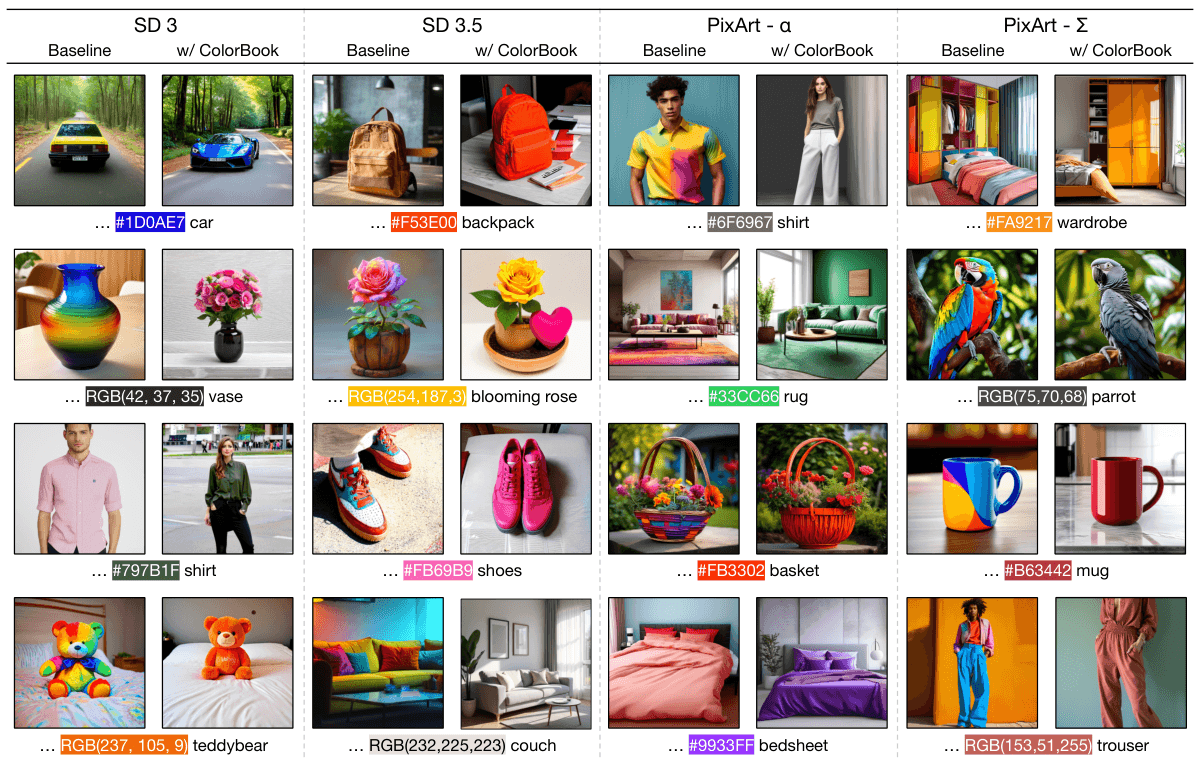
A new plug-in framework teaches diffusion models to read hex codes and RGB values, boosting numerical color accuracy 4 to 9 times.

DiveUp treats multiple vision backbones as a panel of experts, using their structural agreement to upsample features without overfitting to any one model's flaws.

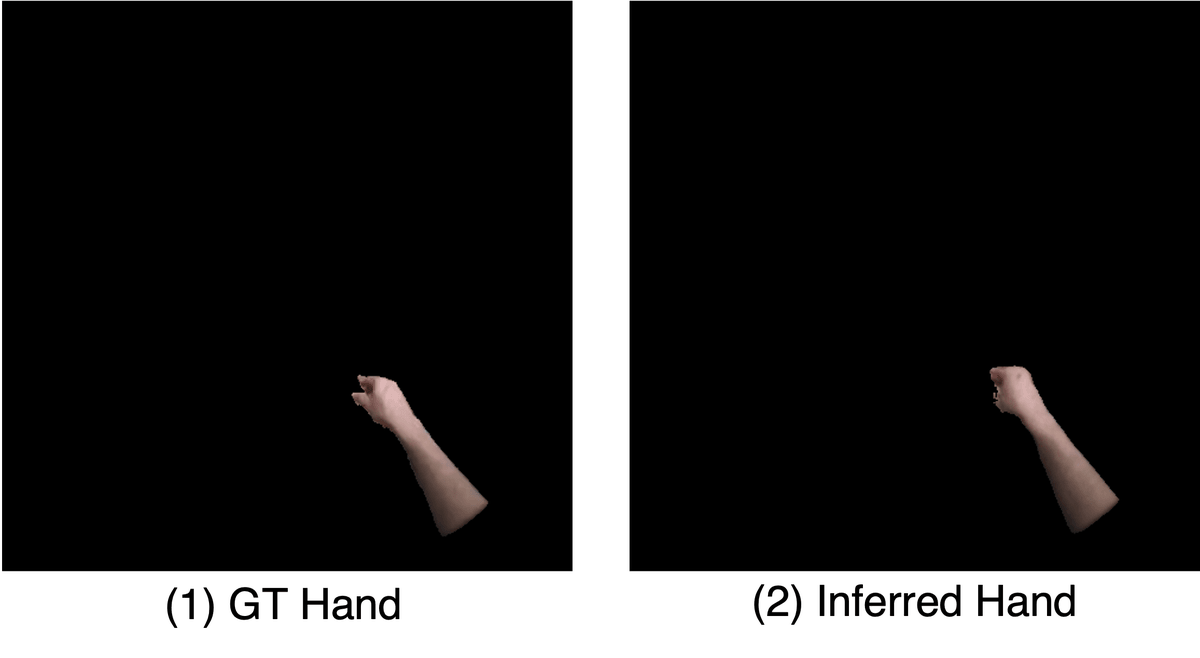
A first-person video world model that predicts hand-object interactions from user actions alone by injecting 3D geometry priors into a diffusion backbone.

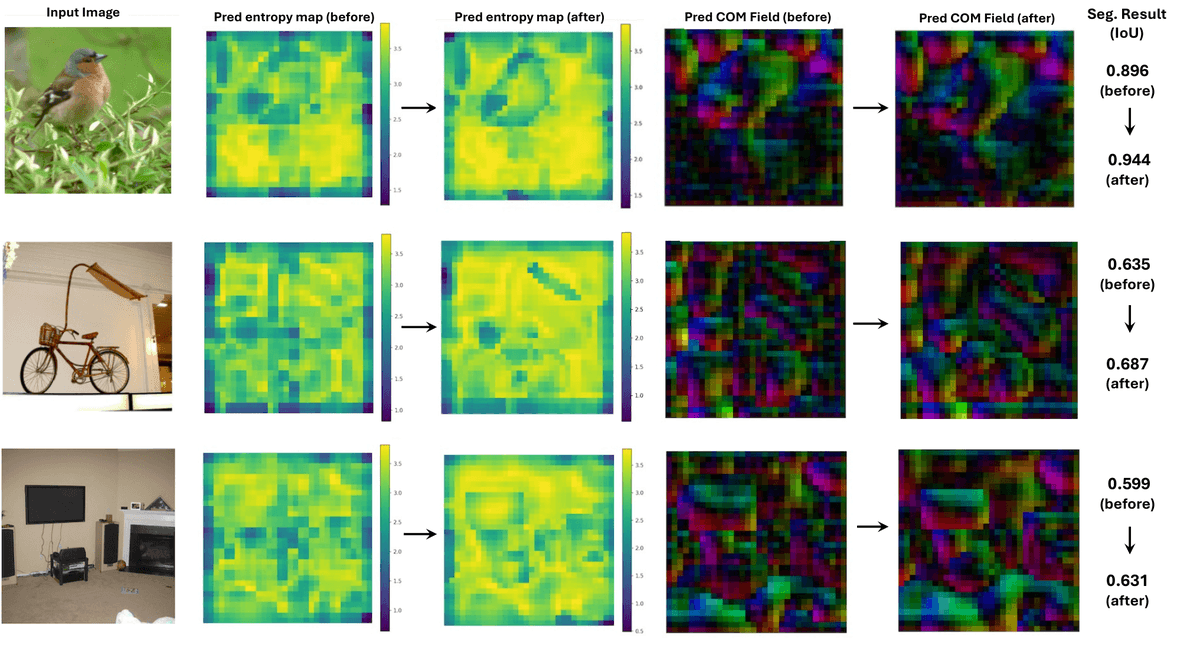
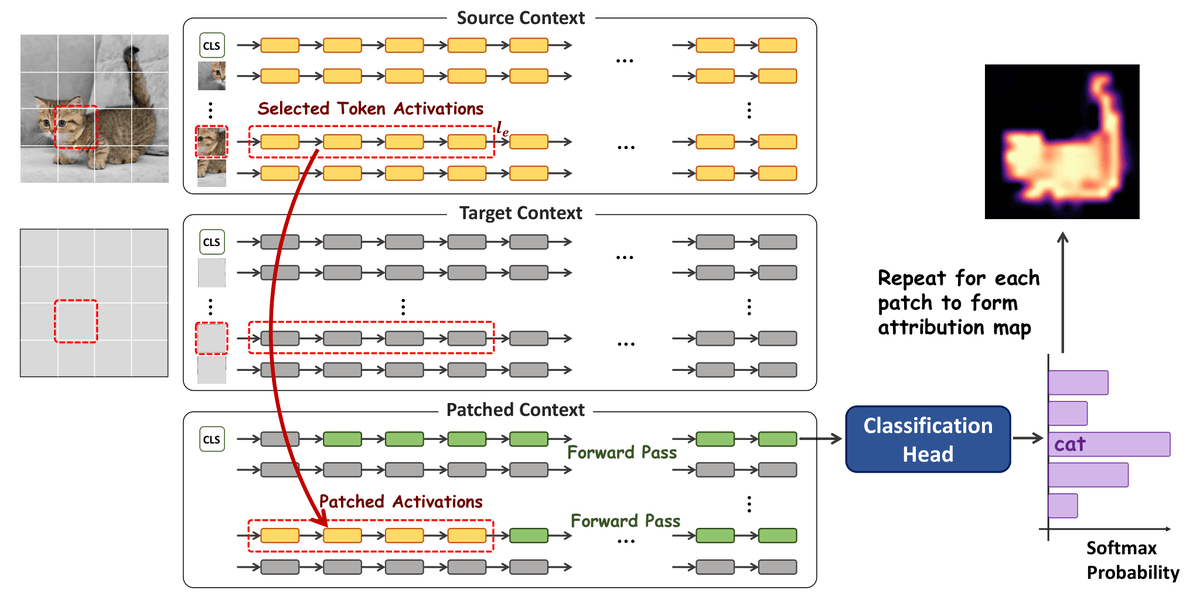
A new attribution method for Vision Transformers intervenes directly on internal activations instead of masking pixels, producing sharper and more faithful saliency maps.

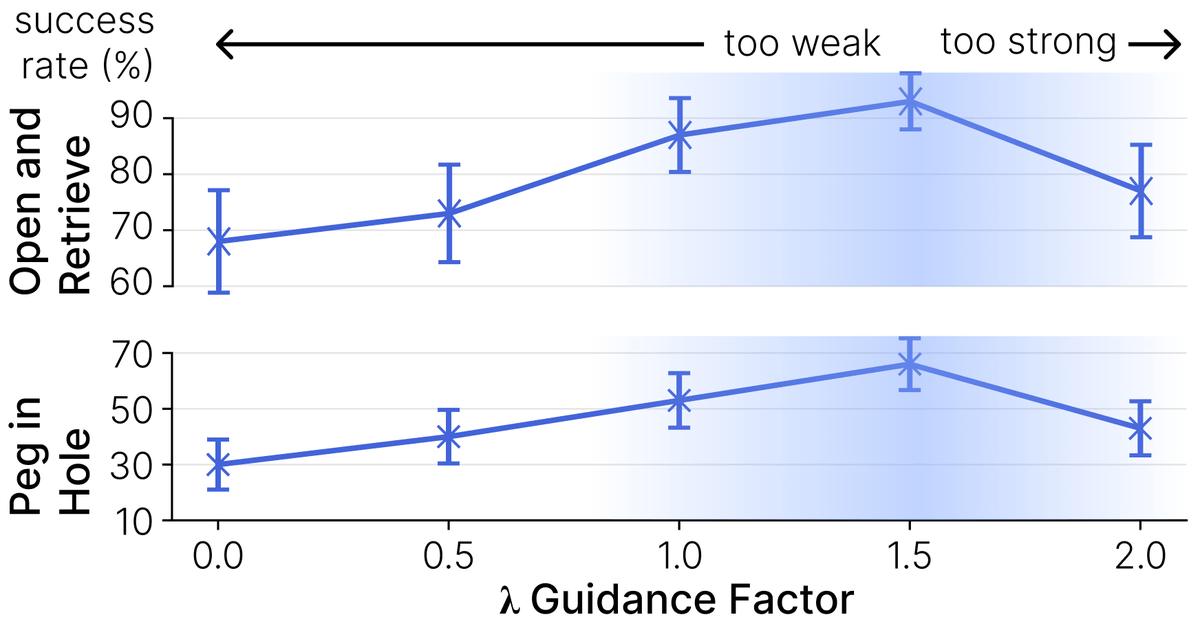
A new diffusion policy technique lets low-level controllers push back on high-level plans, unlocking aerial manipulation from handheld human demos.

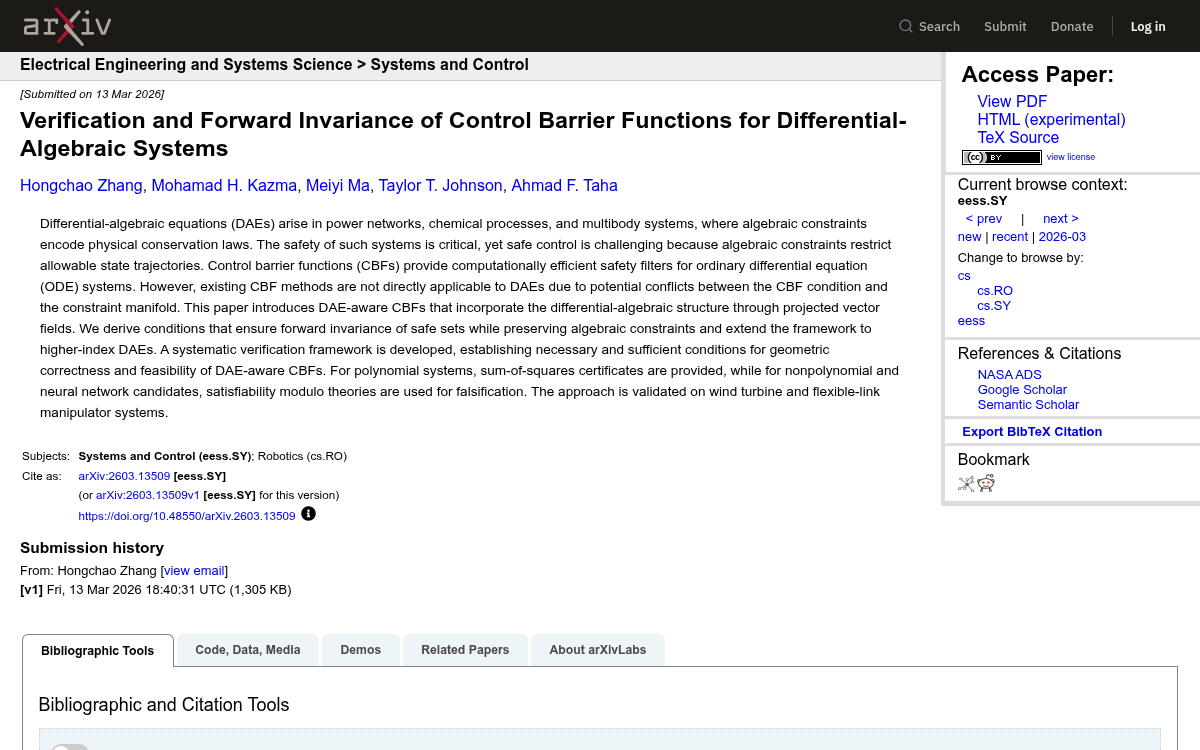
A new framework fixes a hidden failure mode where standard safety filters silently break on systems with physical conservation constraints.

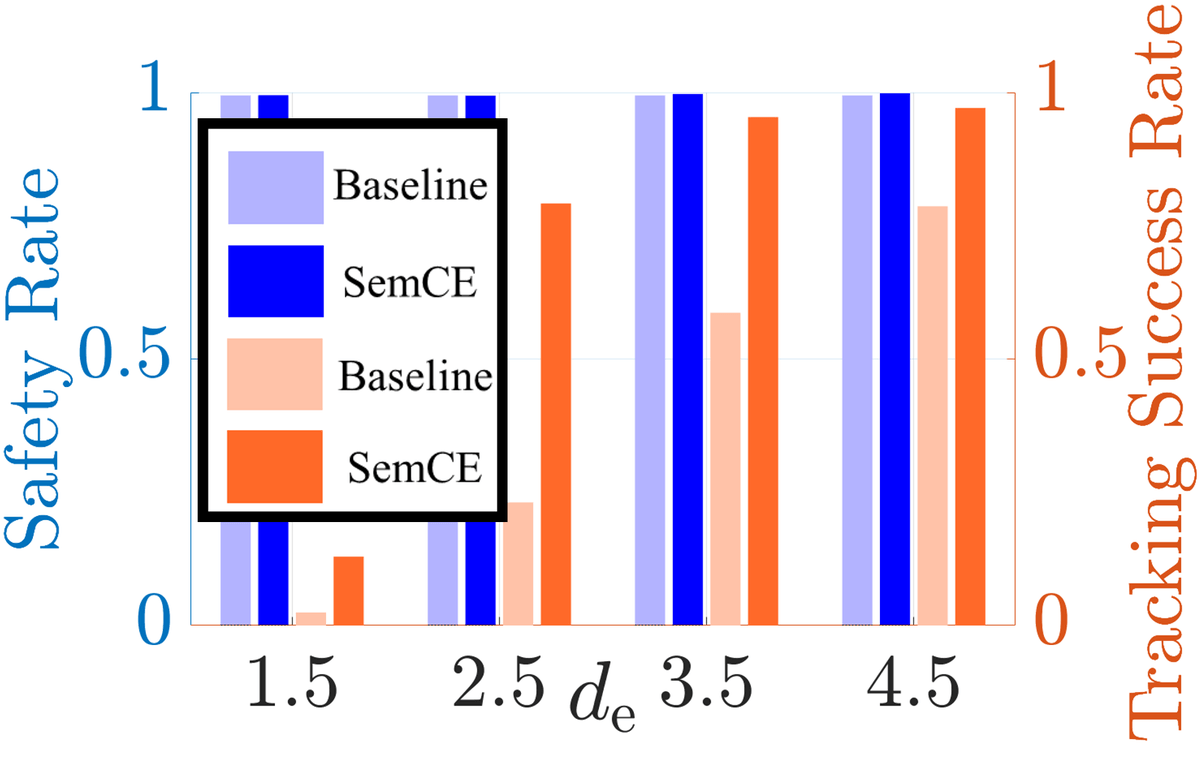
A new arXiv paper argues that goal-oriented semantic communication for robots has been optimizing the wrong thing, and proposes a safety-first redesign.

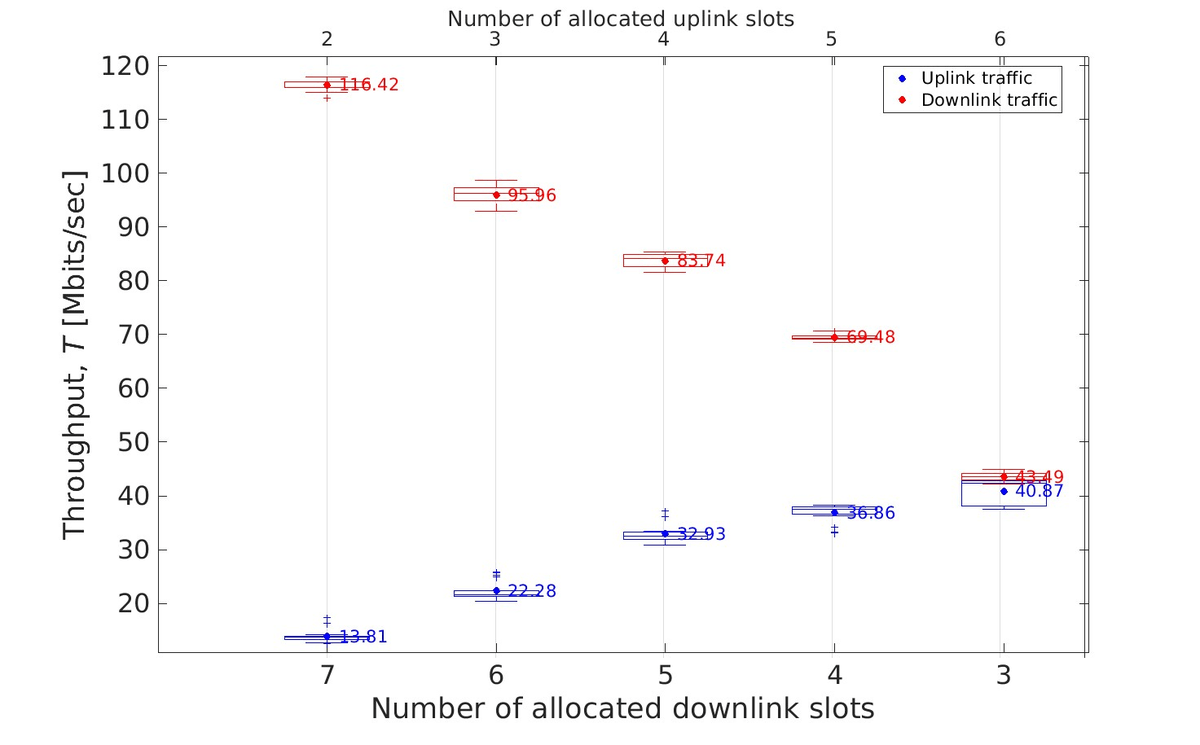
A new open-source 5G testbed streams 30MB point-cloud frames from a welding cobot to edge-AI servers, testing semantic compression trade-offs.

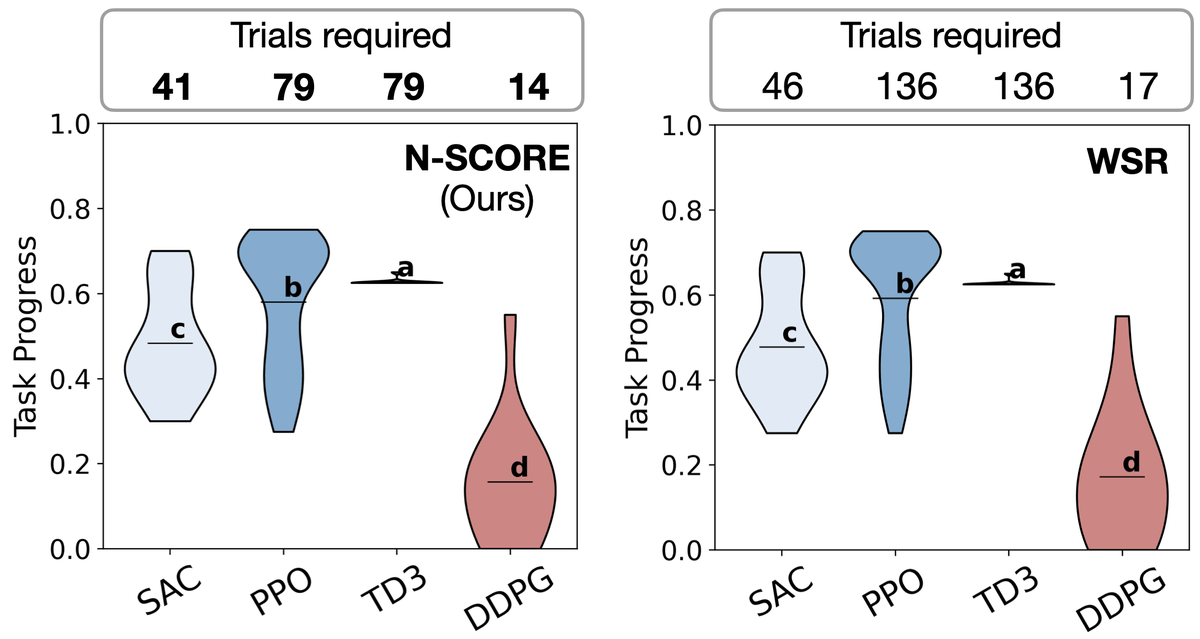
A new sequential test called N-SCORE cuts robot policy comparison trials by up to 70 percent while staying statistically rigorous.

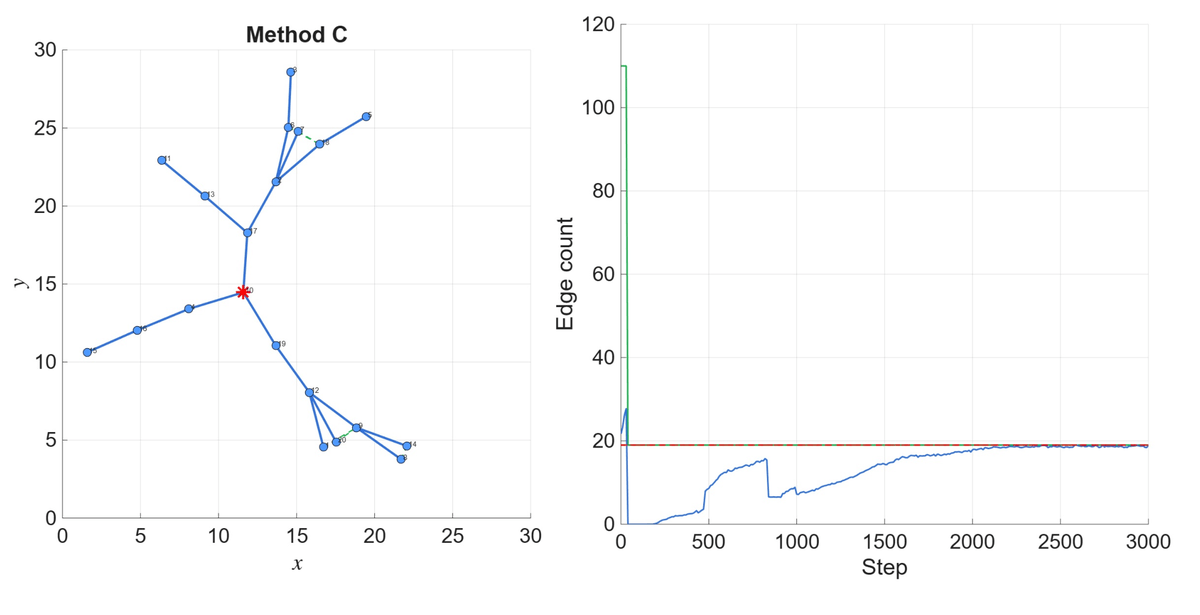
A new paper proposes a leader-based topology control scheme that keeps robot swarms connected even under communication delays and unknown disturbances.

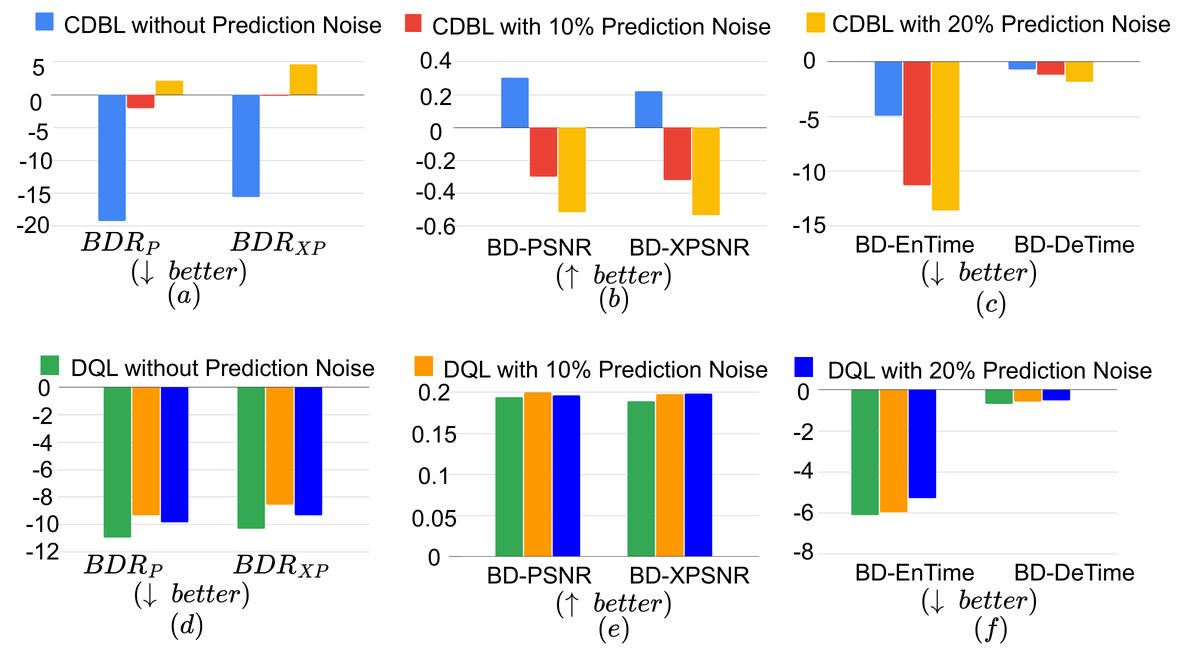
Researchers introduce DQ-Ladder, a deep Q-learning agent that builds per-segment bitrate ladders balancing quality, decoding time, and resolution stability.

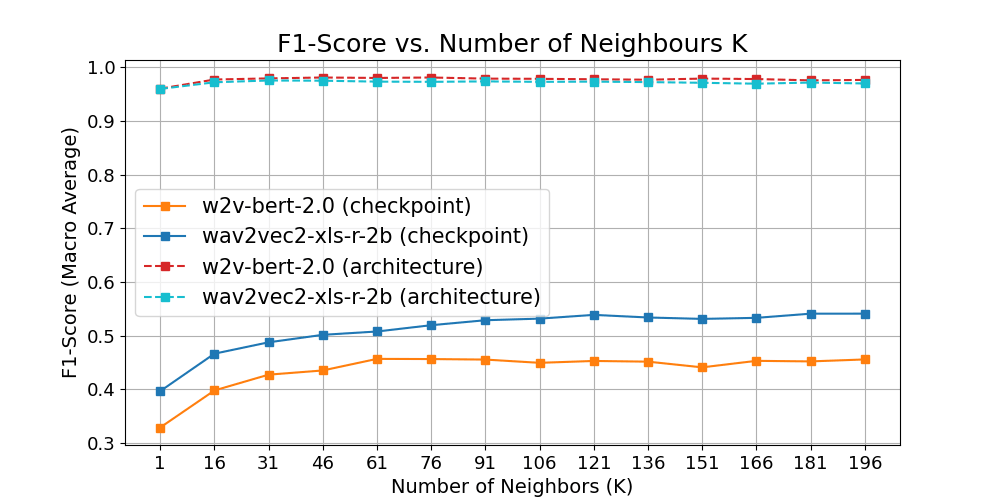
A controlled study reveals how self-supervised audio features attribute deepfakes to their source model, and where those signals quietly break down.