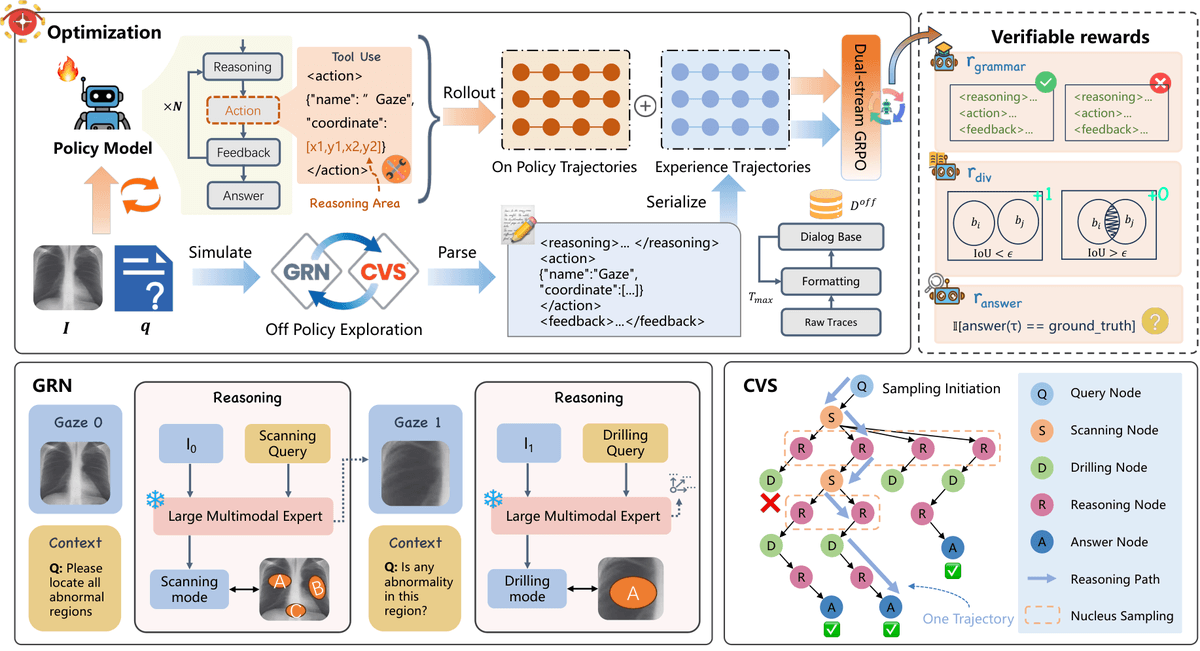
Hunan University's MedEyes Beats GPT-4o on Medical Image Diagnosis by 8.5%
A new reinforcement learning framework teaches vision-language models to scan and drill through medical images like human radiologists, gaining 8.5 points on VQA benchmarks.
20 stories

A new reinforcement learning framework teaches vision-language models to scan and drill through medical images like human radiologists, gaining 8.5 points on VQA benchmarks.

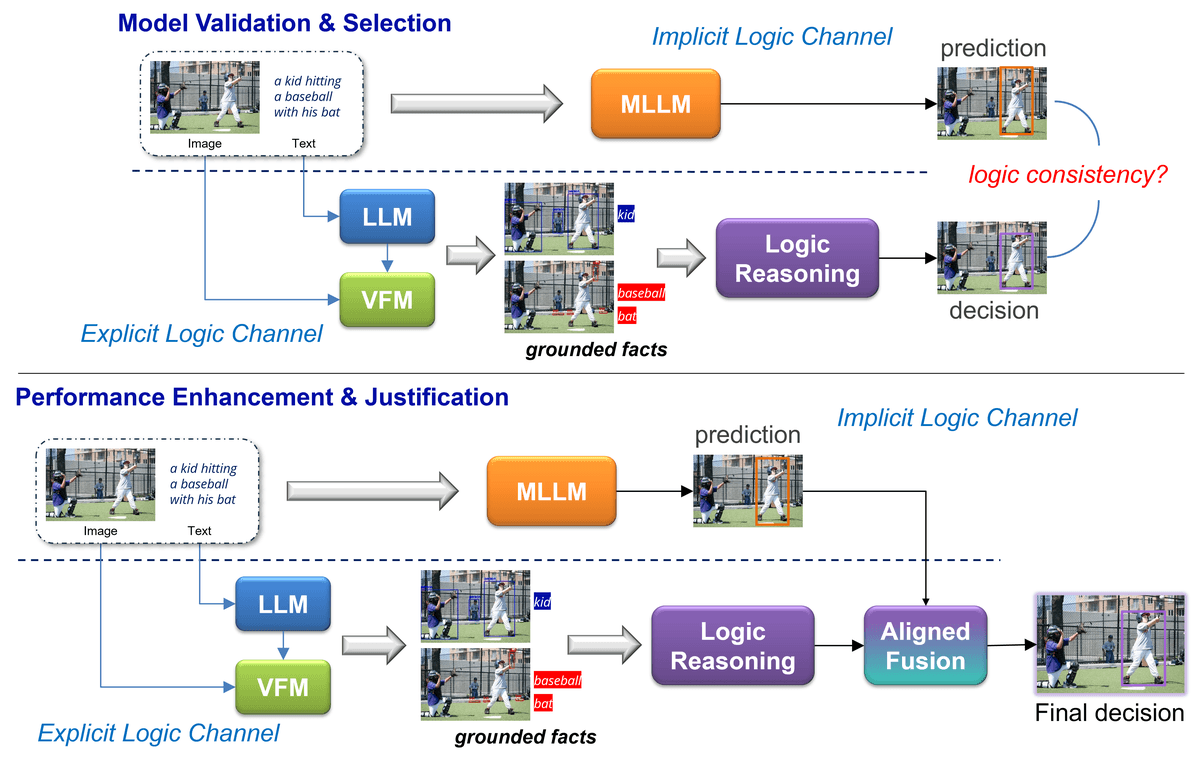
A parallel reasoning channel using LLMs, vision foundation models, and probabilistic logic lets you validate and boost MLLMs without ground truth labels.

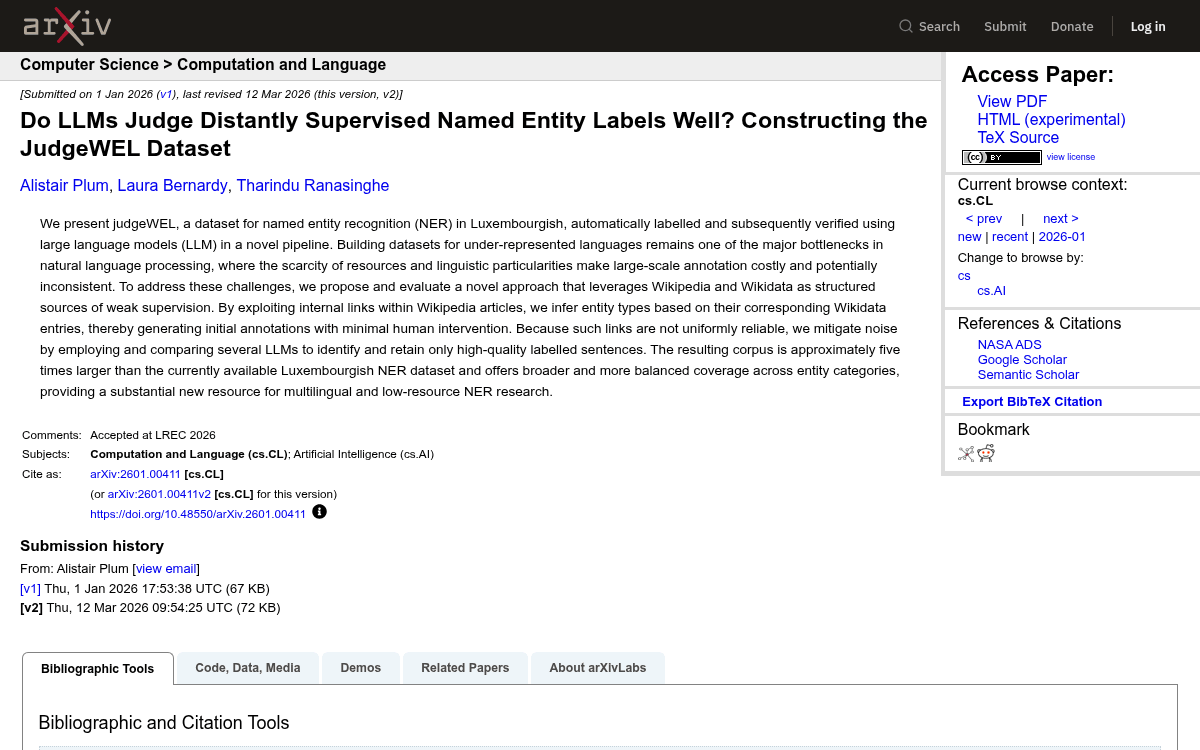
Researchers introduce judgeWEL, a Luxembourgish NER corpus five times larger than prior resources, built by using LLMs as binary quality judges over Wikipedia-derived labels.

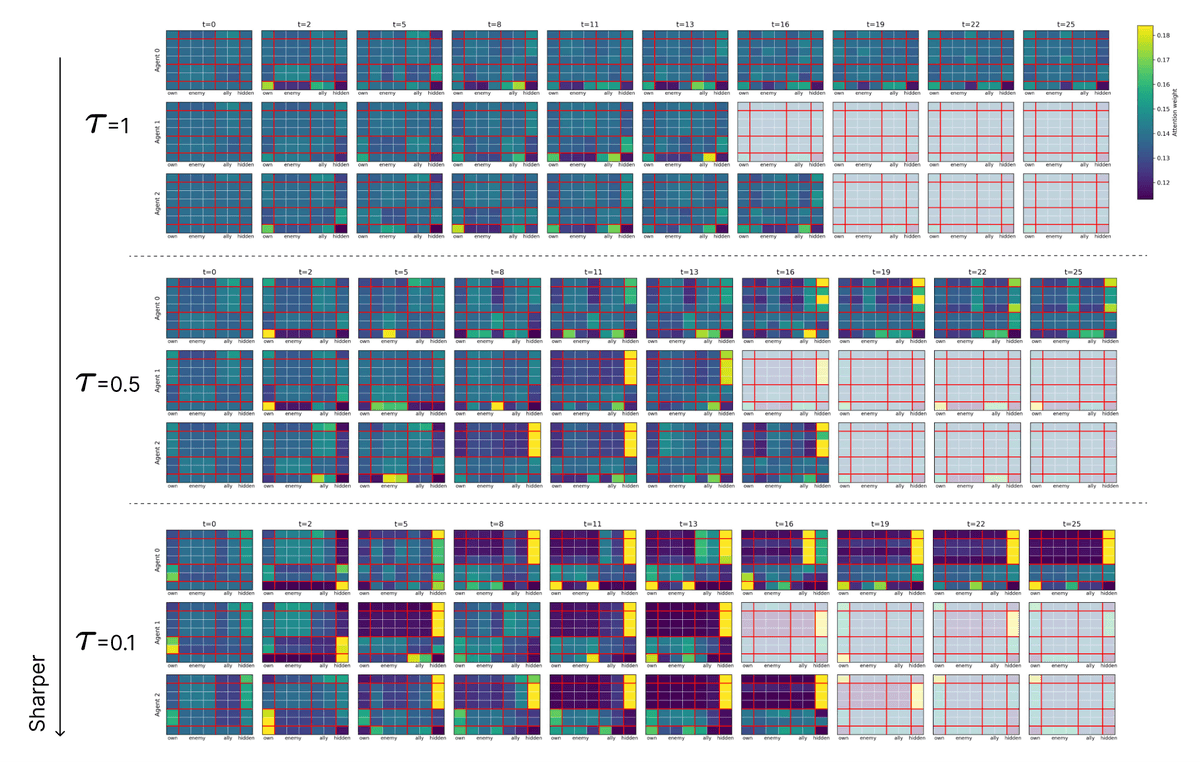
A new transformer design for offline multi-agent RL fixes flat attention and short history, setting state-of-the-art results on SMAC, SMAC-v2, MPE, and MaMuJoCo.

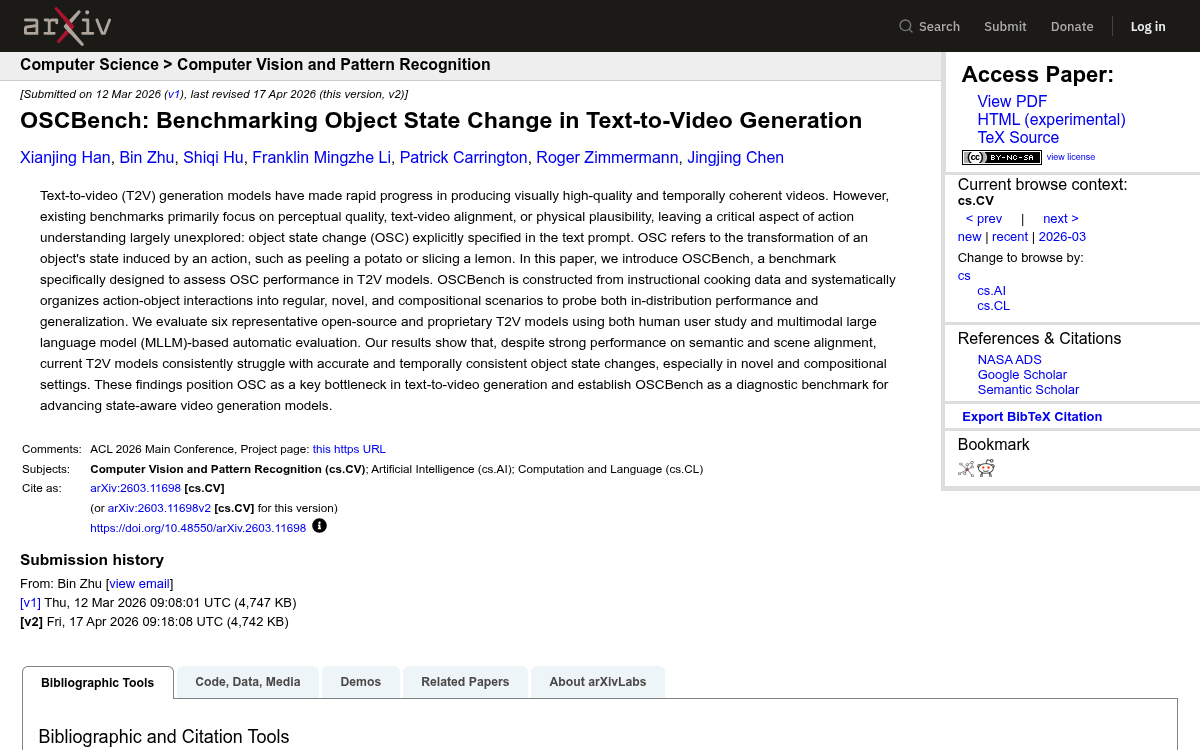
A new cooking-focused benchmark reveals that top text-to-video models can render a chef and a lemon, but botch the actual slicing.

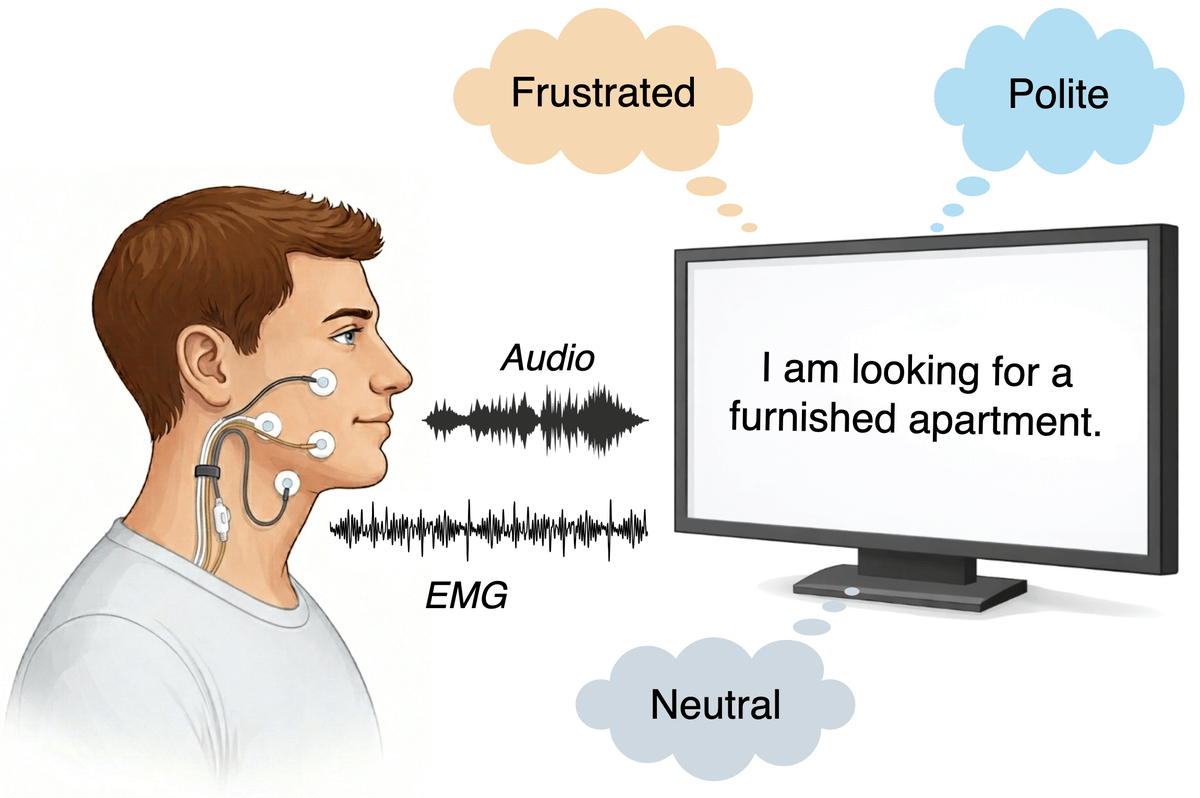
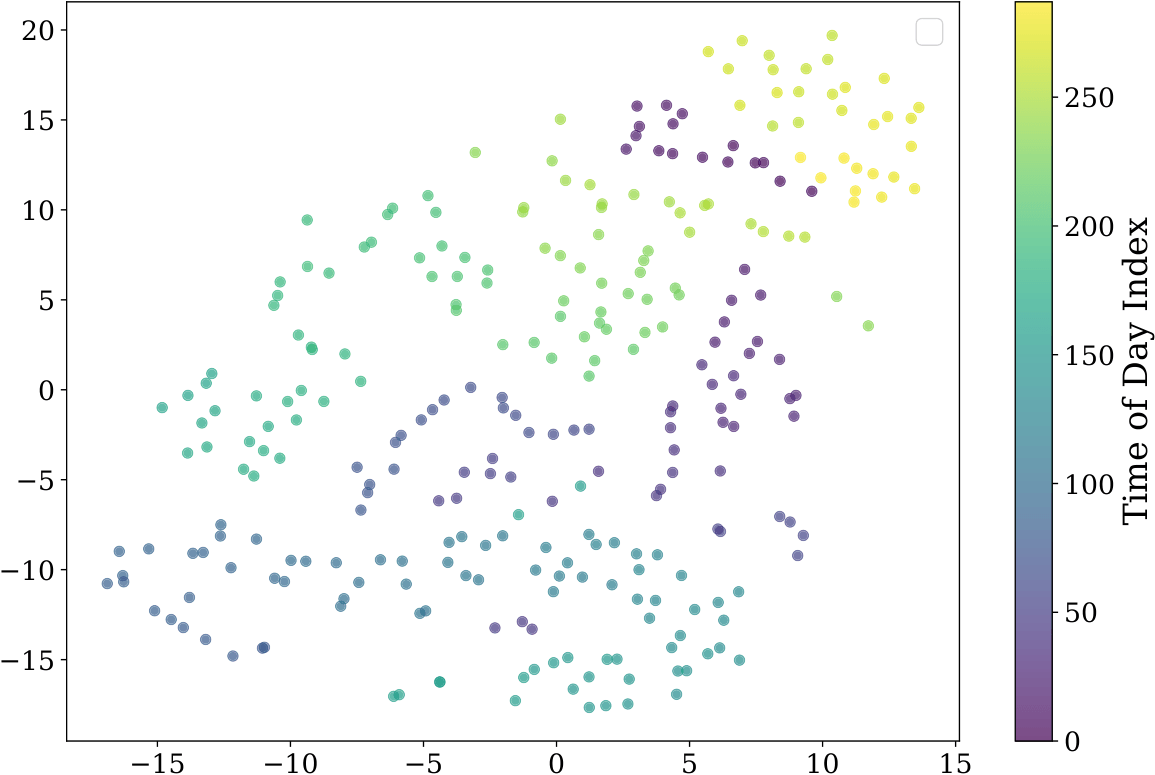
A new multi-institutional study introduces the ST-CASE dataset and shows facial and neck EMG signals can decode frustration during both phonated and silent speech.

A new framework argues that tutoring agent quality grows with structured profile richness, not model size, backed by 330+ deployed K-12 agents.

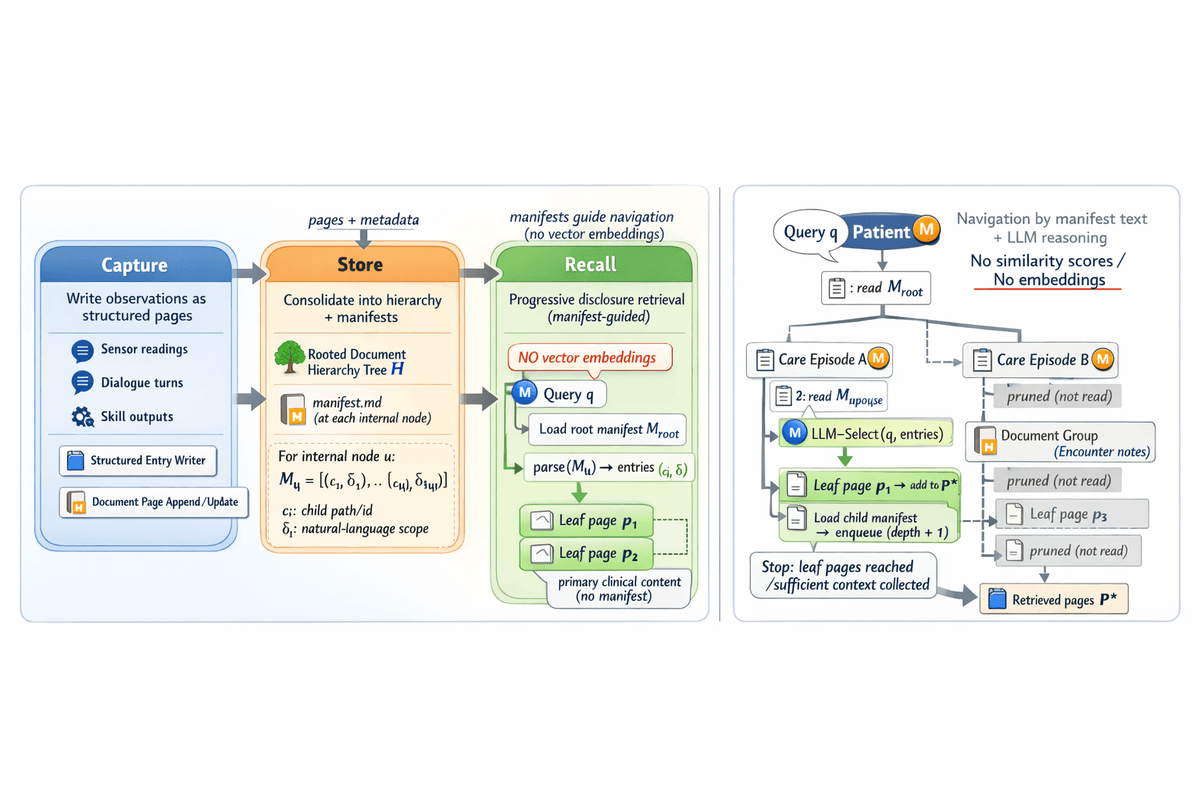
A design proposal wraps LLM agents in OS-style isolation, document-passing, and paged memory to make them safe enough for actual clinical workflows.

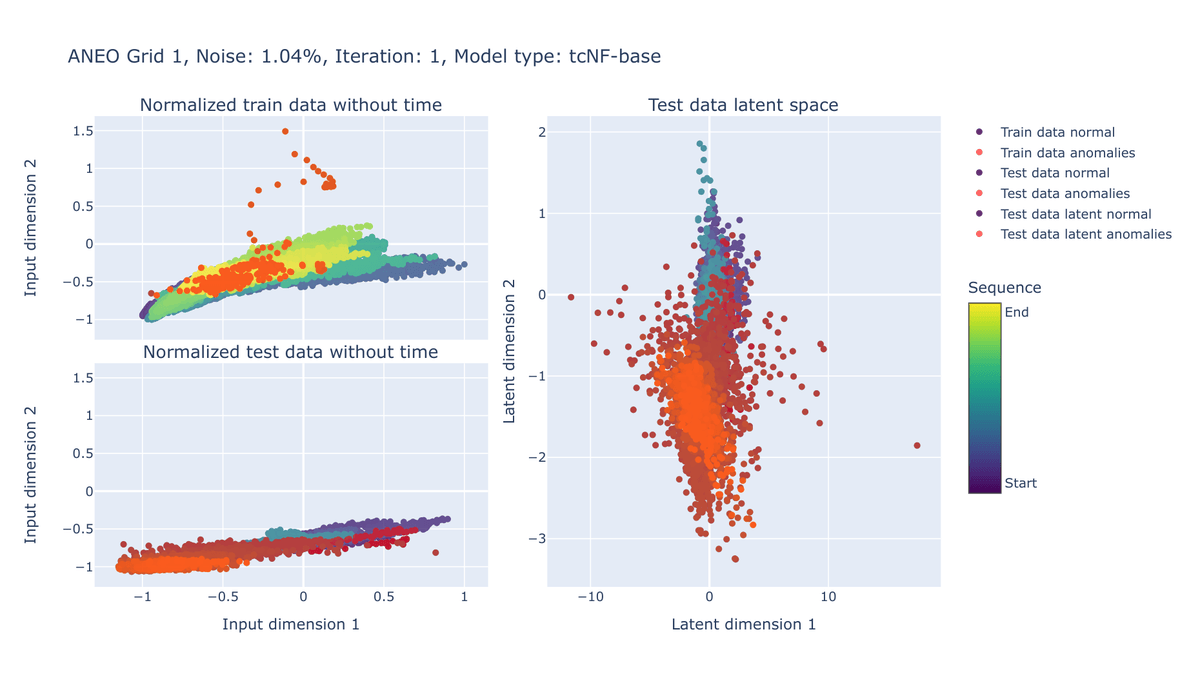
A new framework unifies anomaly detection and imputation using conditional normalizing flows, cleaning noisy power grid time series without separate detector and imputer models.

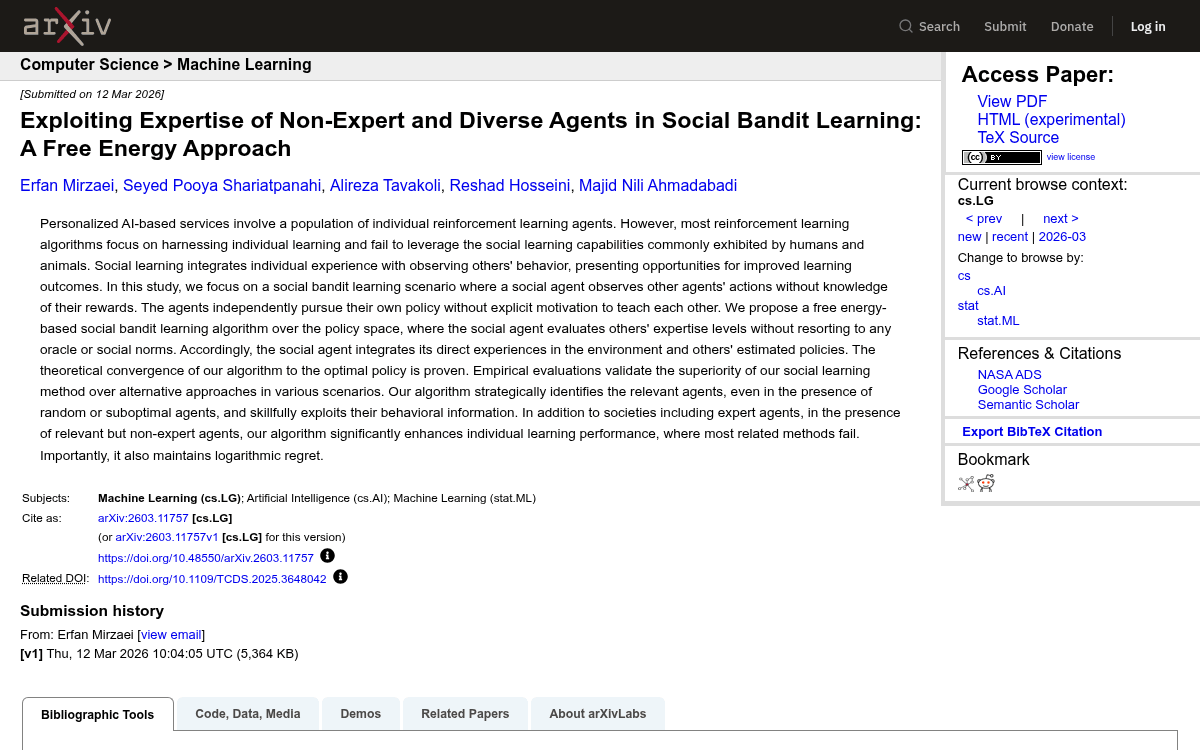
A new bandit algorithm lets an agent learn from watching others act, even when it has no access to their rewards or intentions.

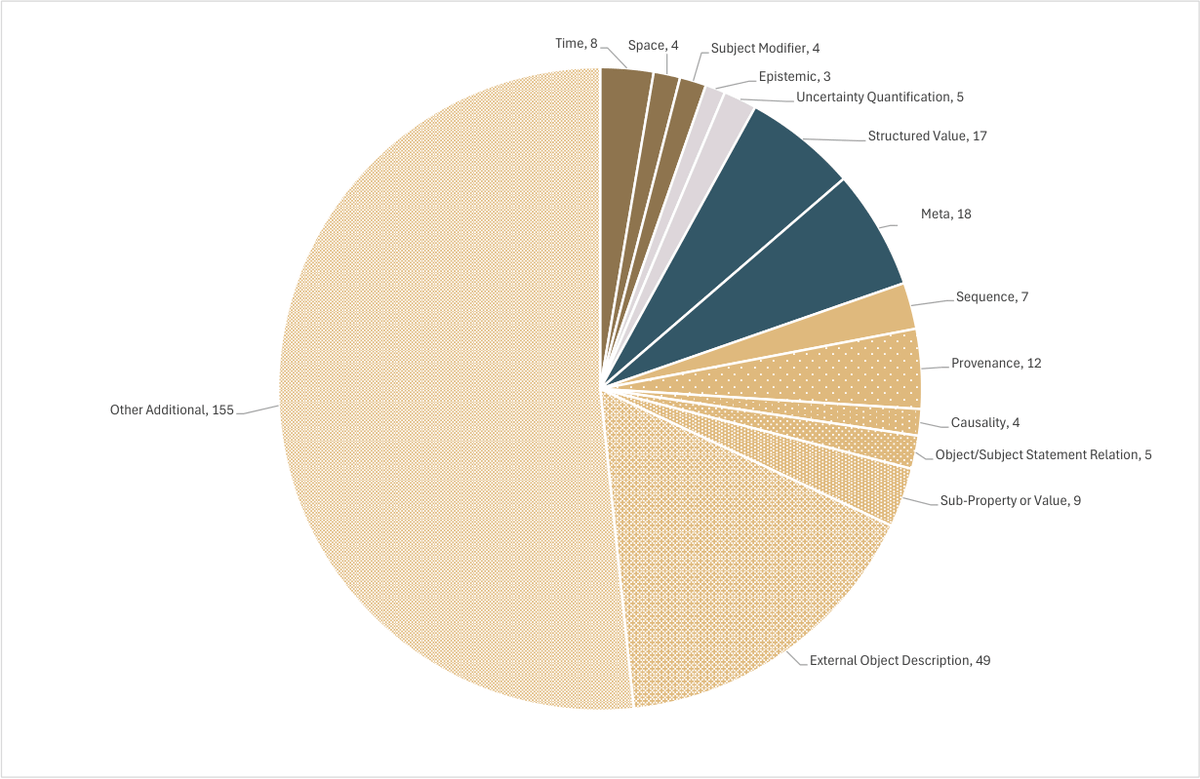
A study of 1.6 billion Wikidata statements produces a four-category taxonomy for the qualifier soup, aiding query design and knowledge graph modeling.

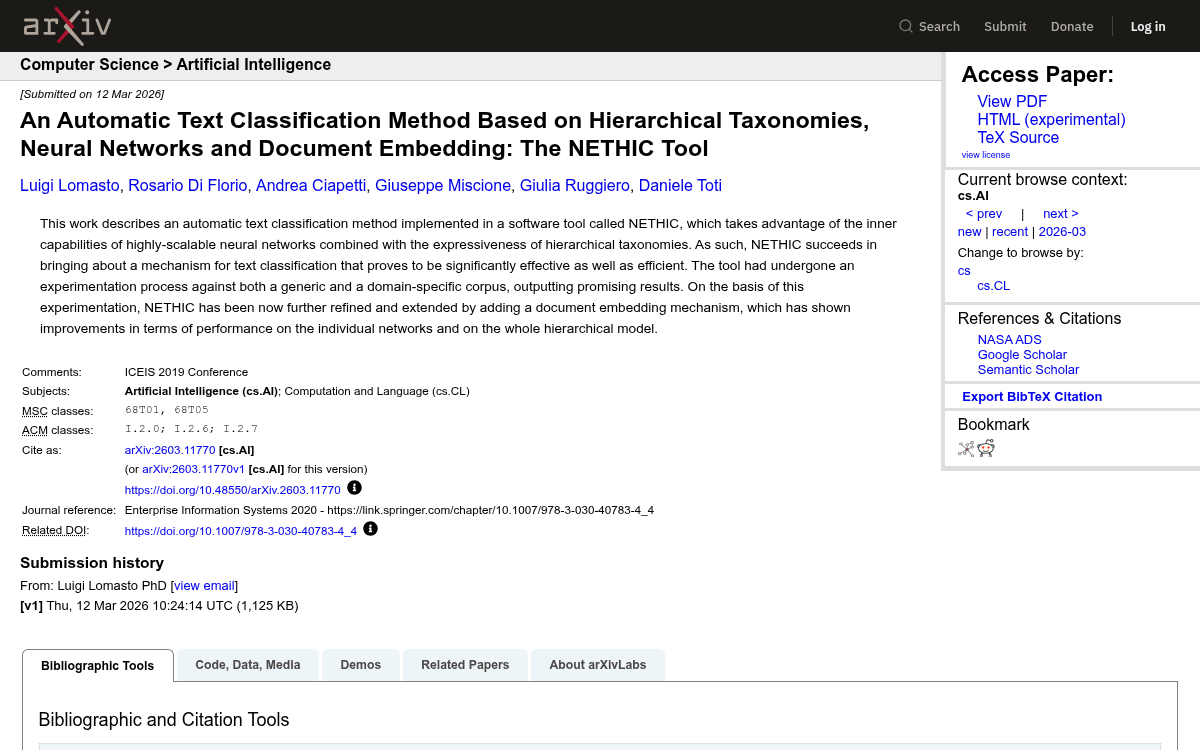
Researchers detail NETHIC, a text classifier that pairs a taxonomy of neural networks with Doc2Vec embeddings to route documents down semantic paths.

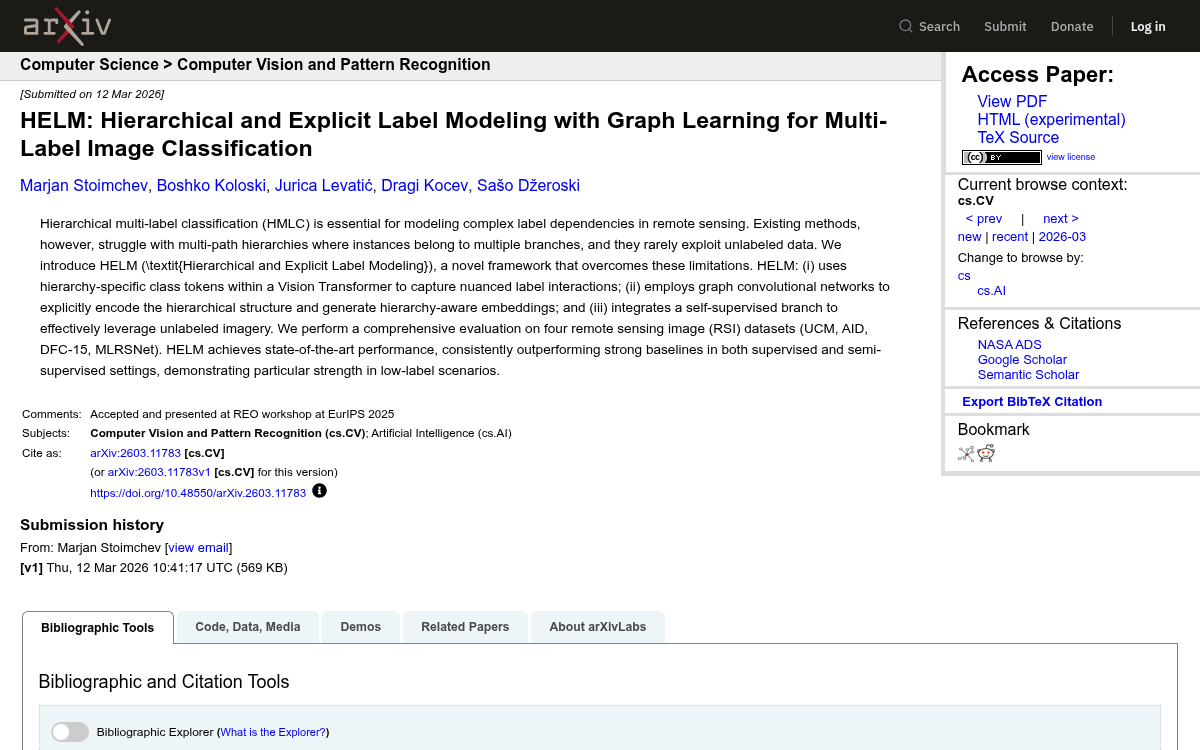
A new three-branch Vision Transformer combines hierarchy-specific tokens, graph convolutions, and self-supervised learning to classify aerial imagery with scarce labels.

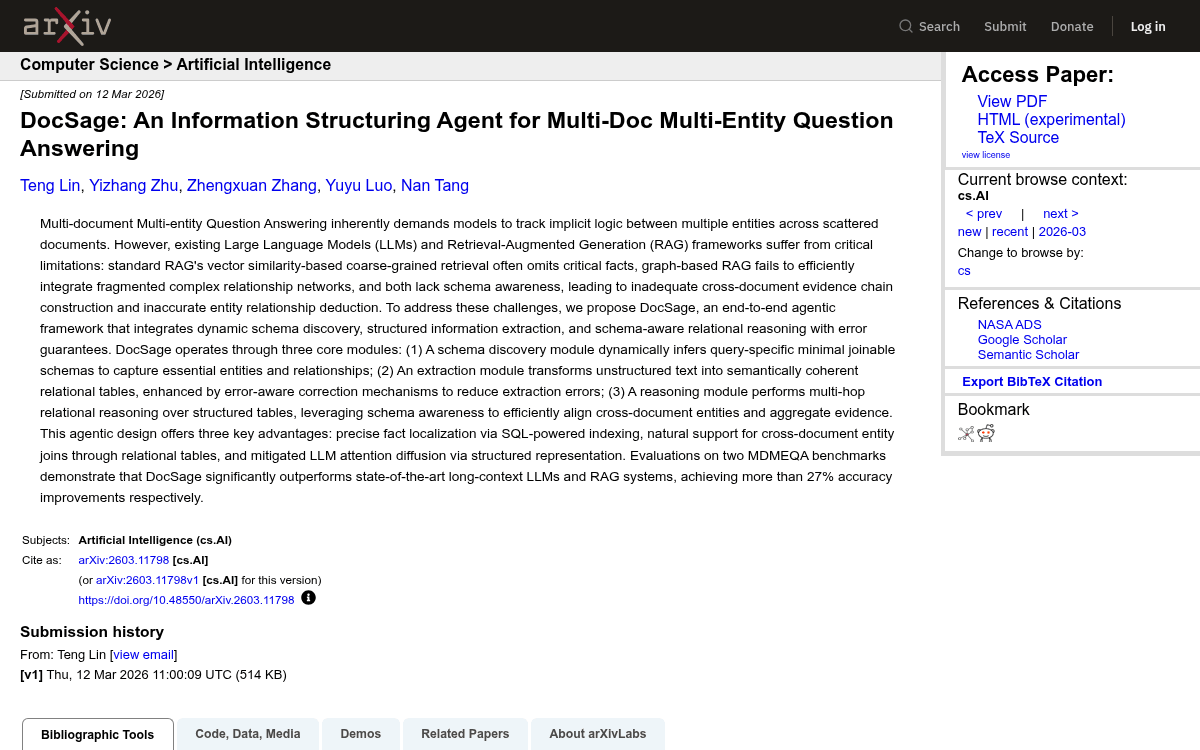
DocSage builds query-specific relational tables from raw documents, then answers with SQL, beating GPT-4o with RAG by 27 percentage points on multi-entity QA.

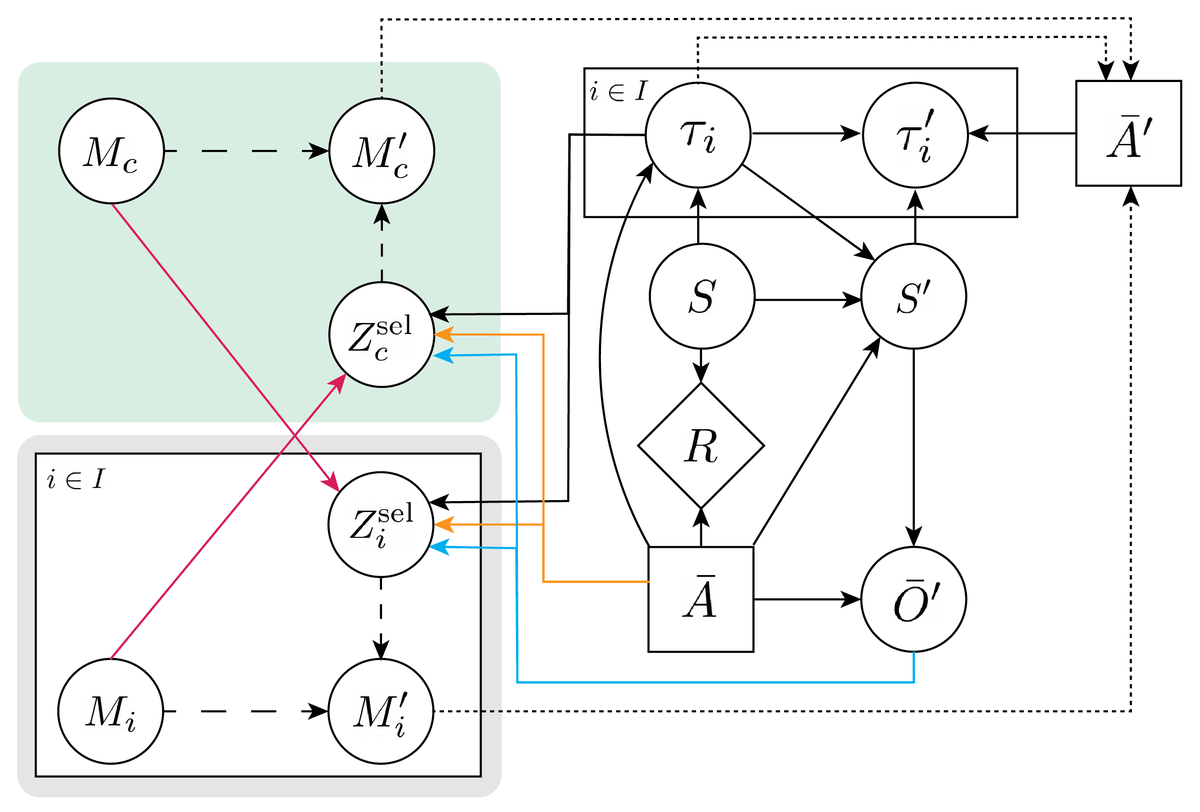
A new POMDP variant treats communication windows as a probability distribution, unifying decentralized, delayed, and lossy multi-agent frameworks under one roof.

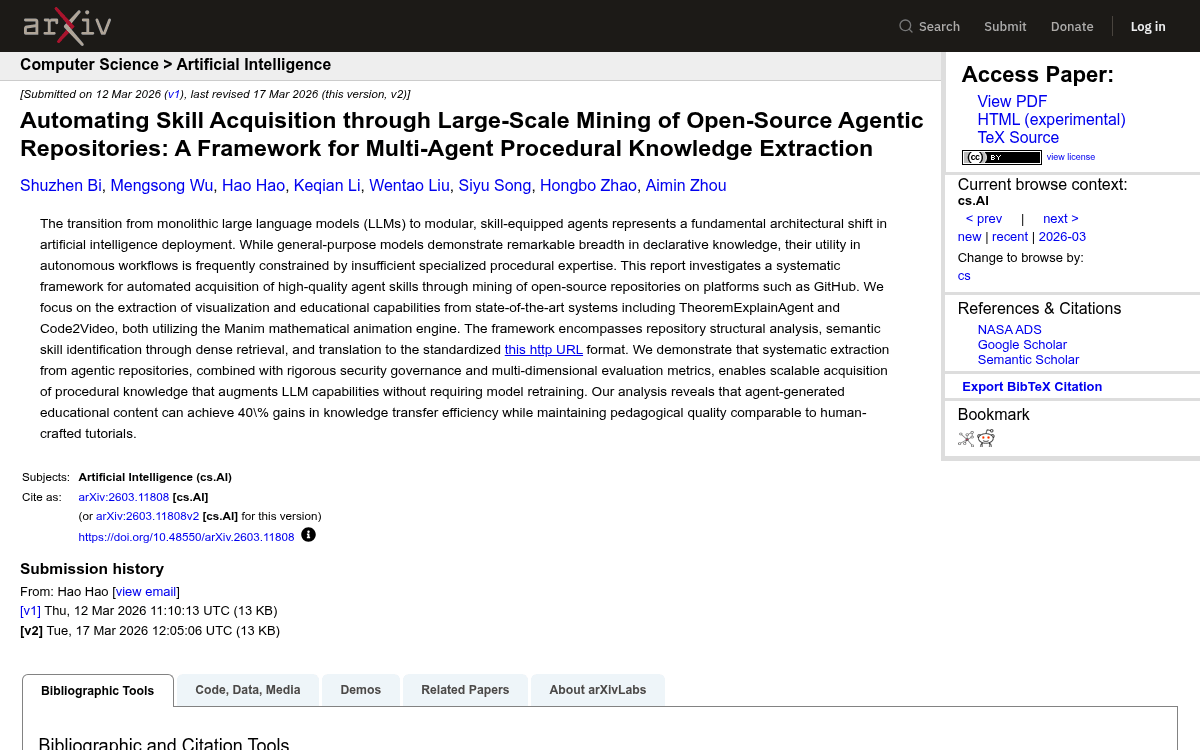
Researchers propose a pipeline that mines GitHub agent repositories, extracts reusable procedural skills, and packages them into the SKILL.md format without retraining.

A new graph representation collapses time into single nodes, cutting training memory by more than 15x while beating strong baselines on long-horizon traffic forecasting.

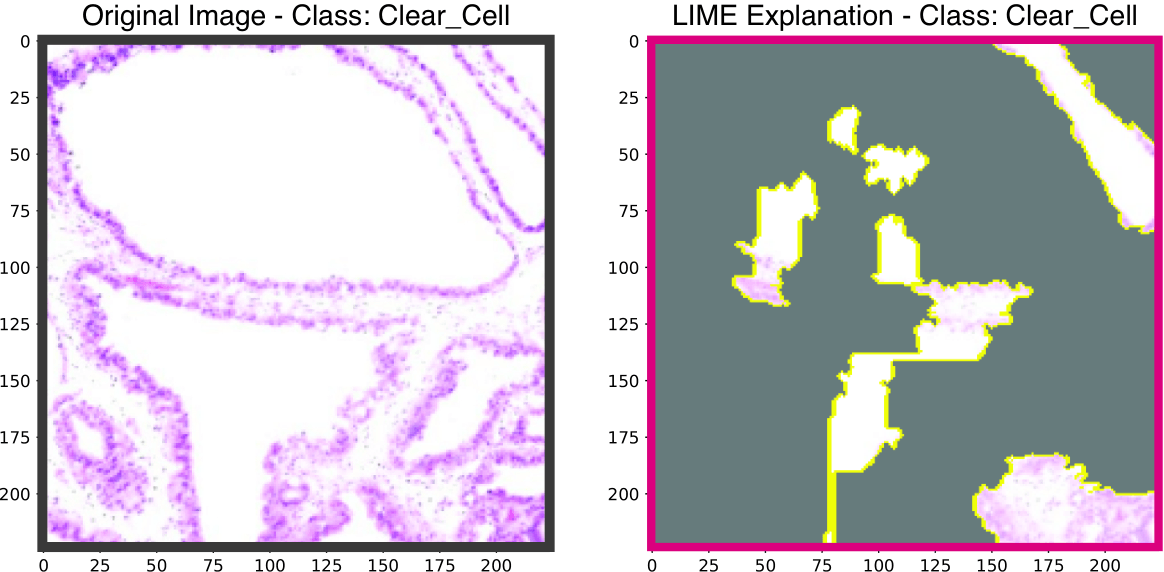
Researchers pit 15 CNN variants against ovarian histopathology slides, landing on a trimmed InceptionV3 that hits 94% and gets explained by three XAI methods.

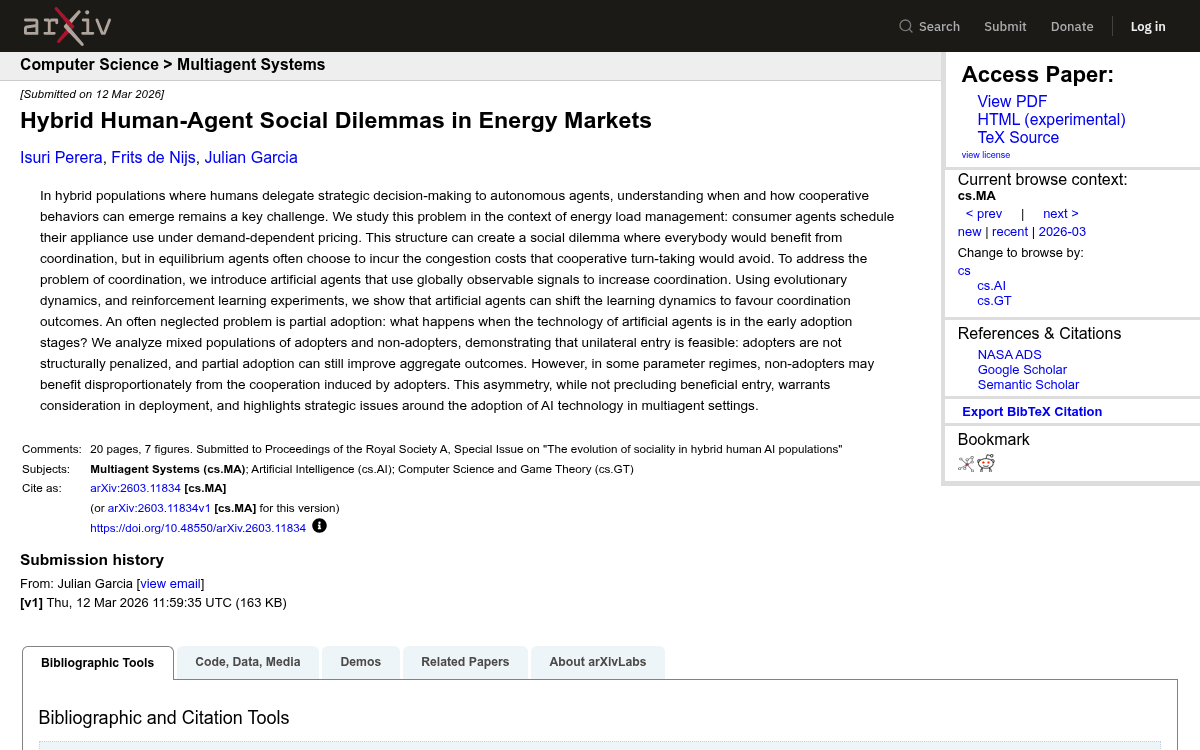
Monash researchers show that decentralized AI agents with a globally observable reward signal can break the coordination deadlock in home energy scheduling, even when only a fraction of households adopt them.

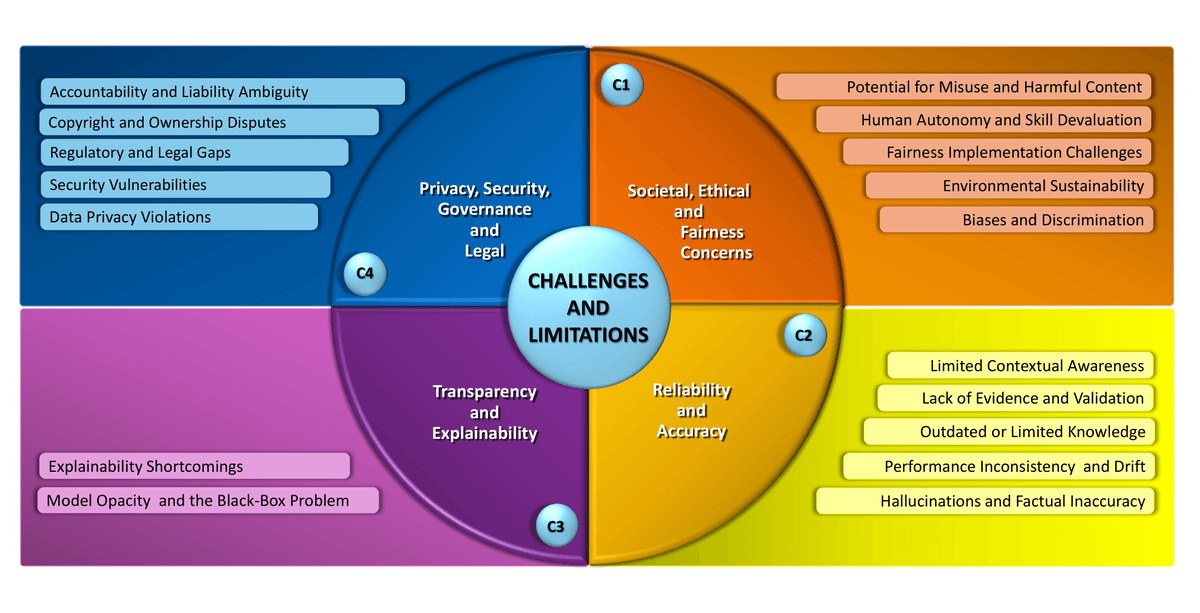
A review of 28 studies maps how organizations actually deploy generative AI, and why so many pilots stall before reaching production.