
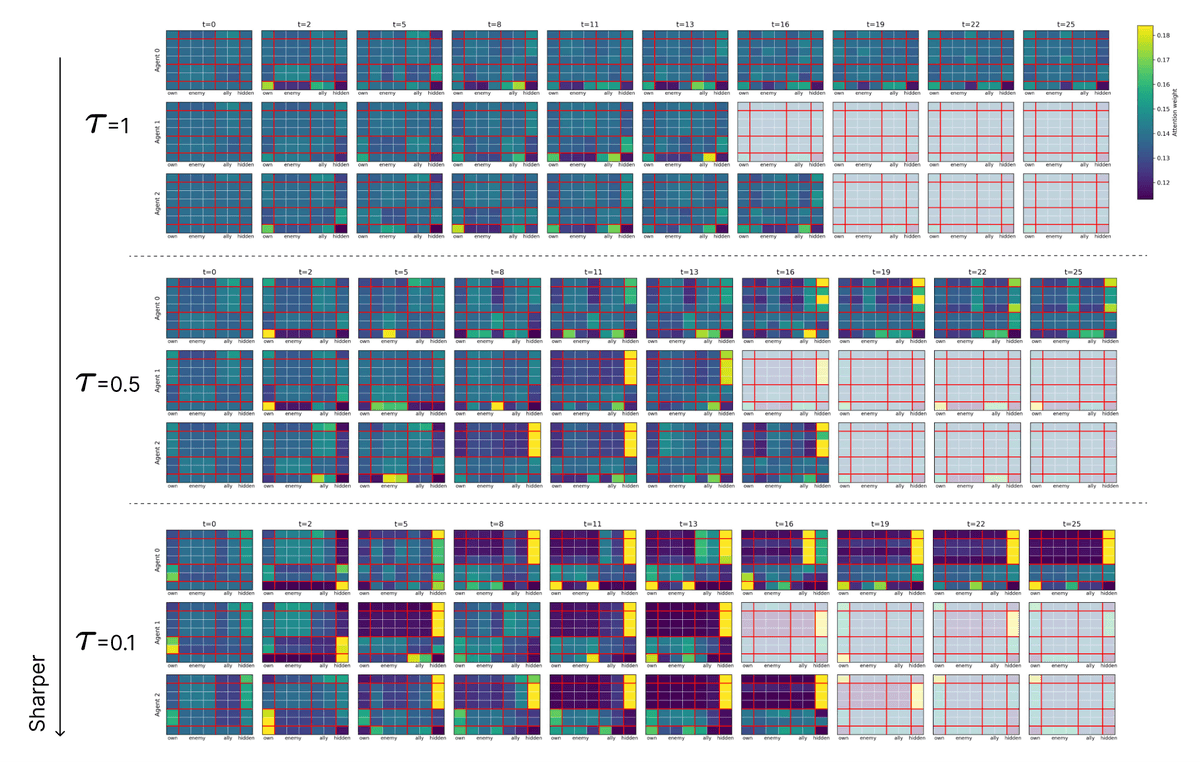
Pro
KAIST's STAIRS-Former Beats Multi-Agent AI Rivals by 48% on Shifting Team Sizes
A new transformer design for offline multi-agent RL fixes flat attention and short history, setting state-of-the-art results on SMAC, SMAC-v2, MPE, and MaMuJoCo.
20 stories
A new transformer design for offline multi-agent RL fixes flat attention and short history, setting state-of-the-art results on SMAC, SMAC-v2, MPE, and MaMuJoCo.
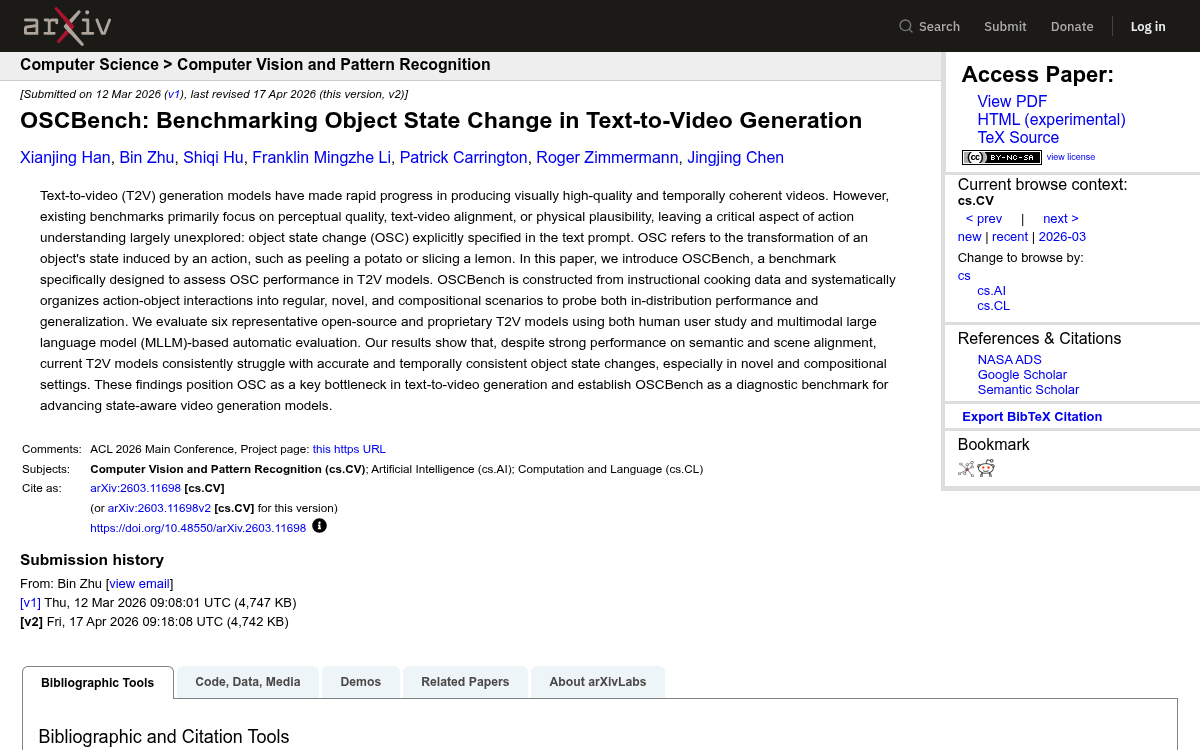
A new cooking-focused benchmark reveals that top text-to-video models can render a chef and a lemon, but botch the actual slicing.
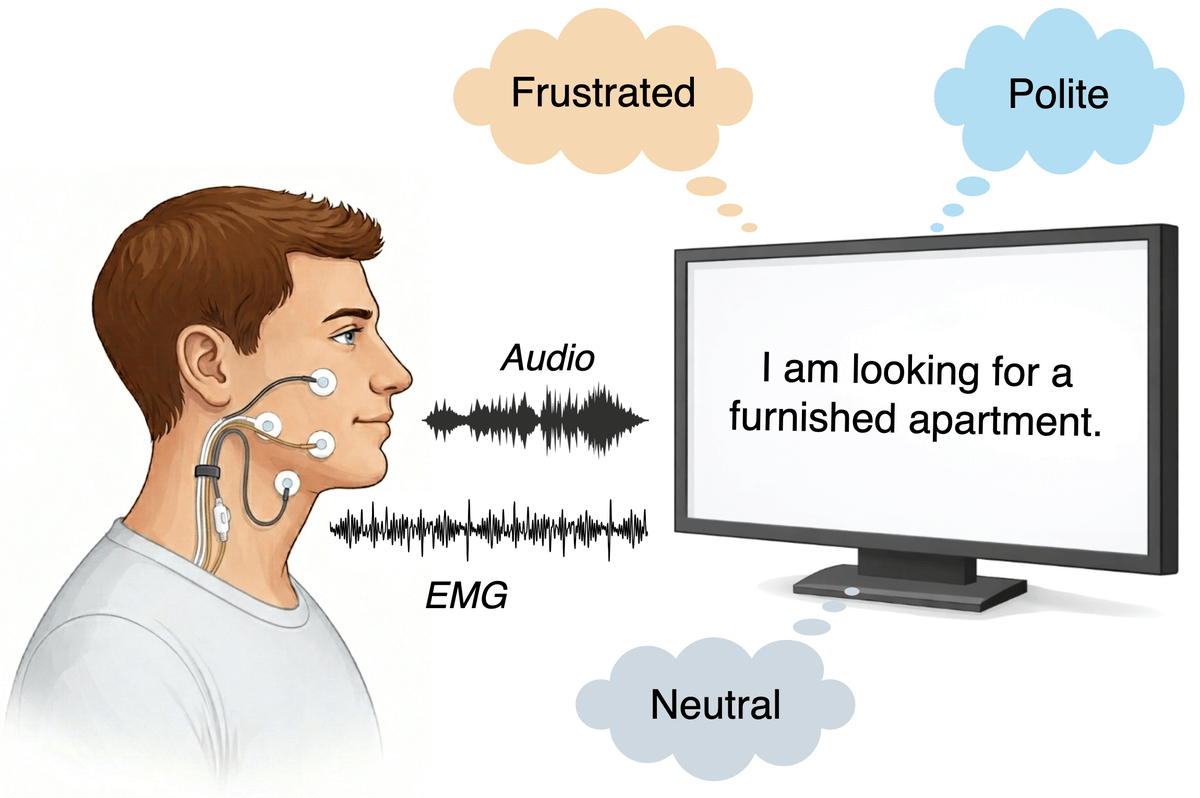
A new multi-institutional study introduces the ST-CASE dataset and shows facial and neck EMG signals can decode frustration during both phonated and silent speech.

A new framework argues that tutoring agent quality grows with structured profile richness, not model size, backed by 330+ deployed K-12 agents.
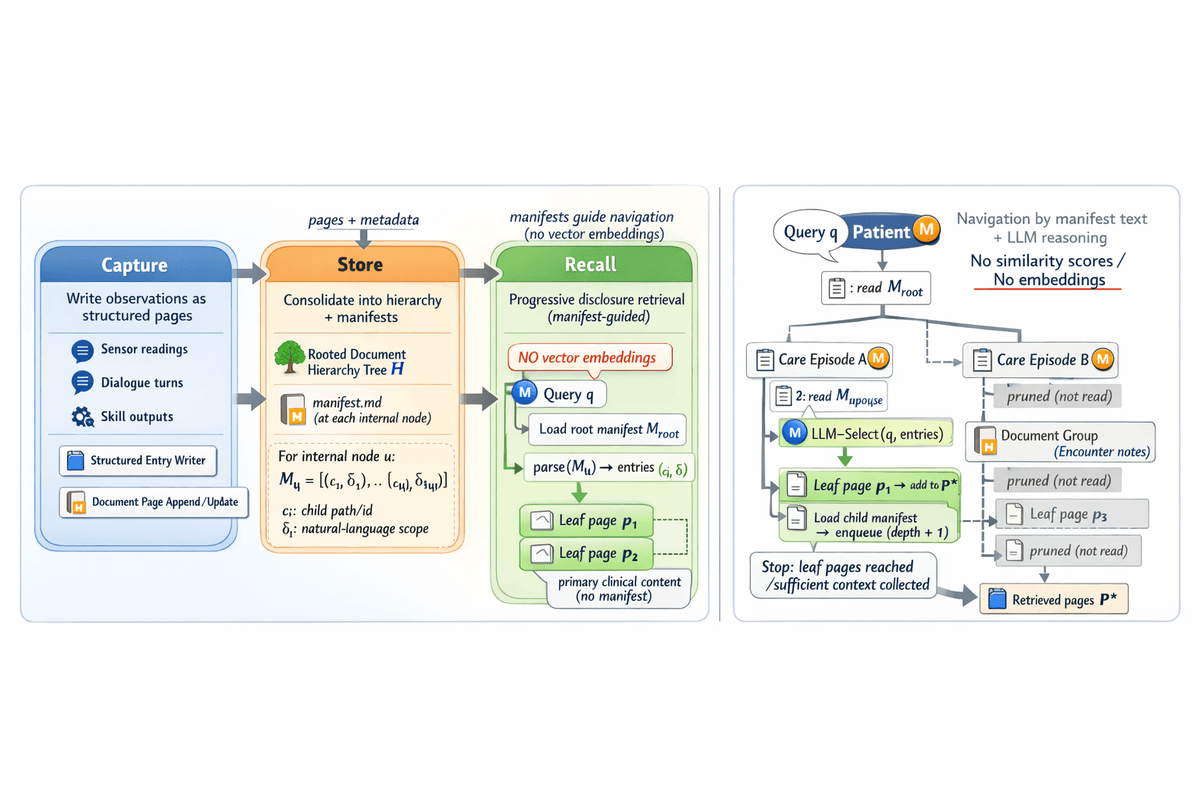
A design proposal wraps LLM agents in OS-style isolation, document-passing, and paged memory to make them safe enough for actual clinical workflows.
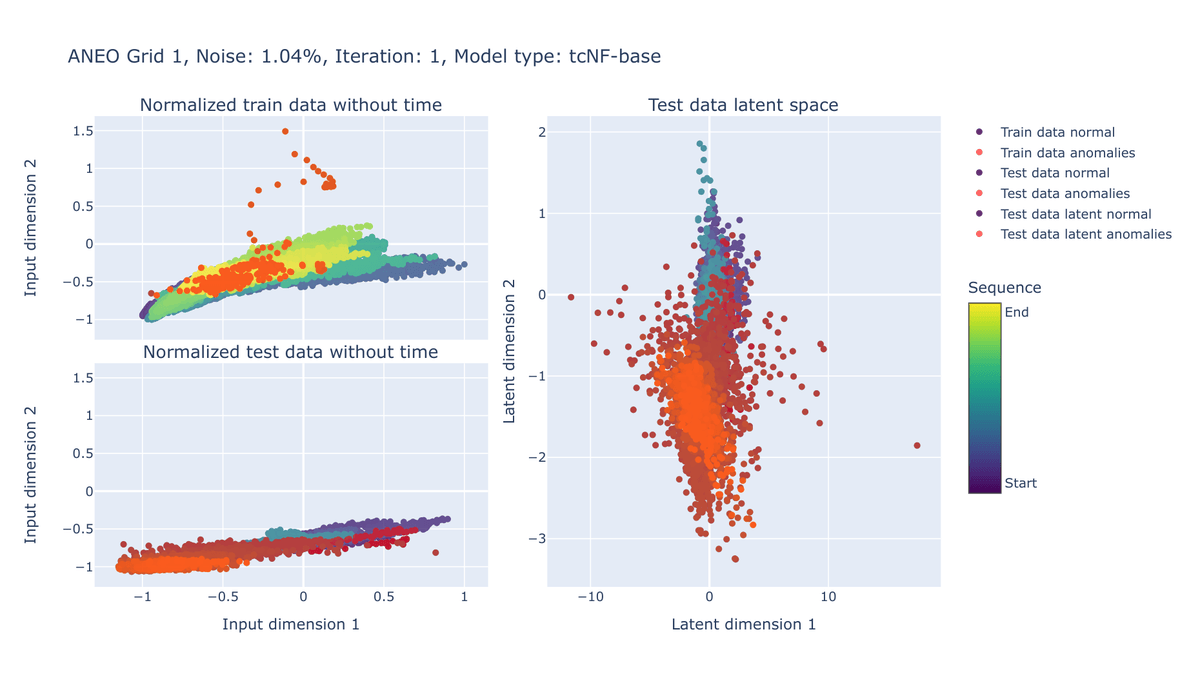
A new framework unifies anomaly detection and imputation using conditional normalizing flows, cleaning noisy power grid time series without separate detector and imputer models.
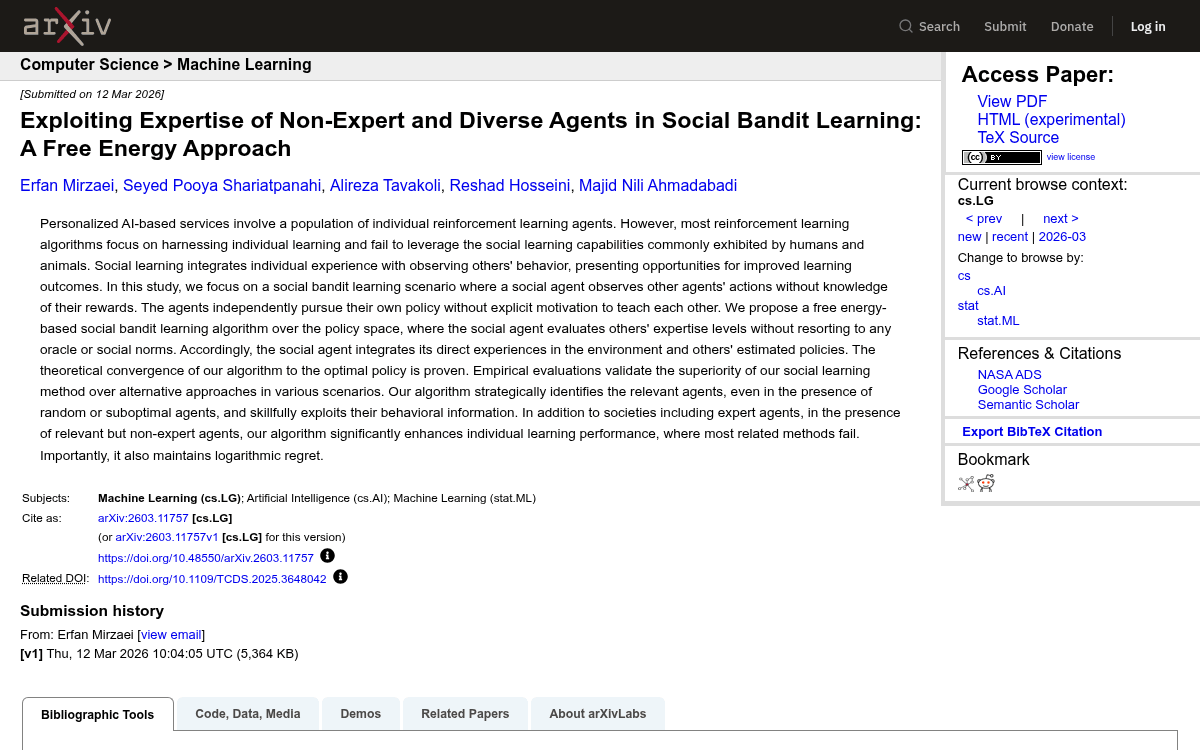
A new bandit algorithm lets an agent learn from watching others act, even when it has no access to their rewards or intentions.
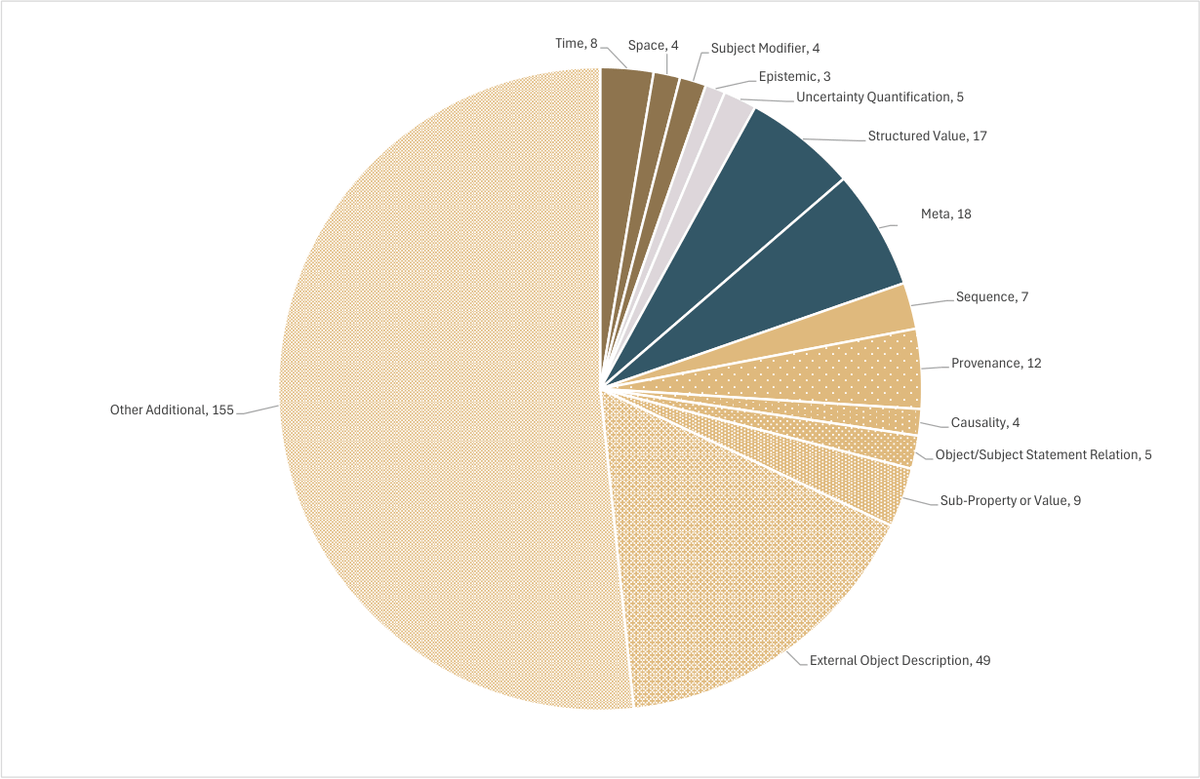
A study of 1.6 billion Wikidata statements produces a four-category taxonomy for the qualifier soup, aiding query design and knowledge graph modeling.
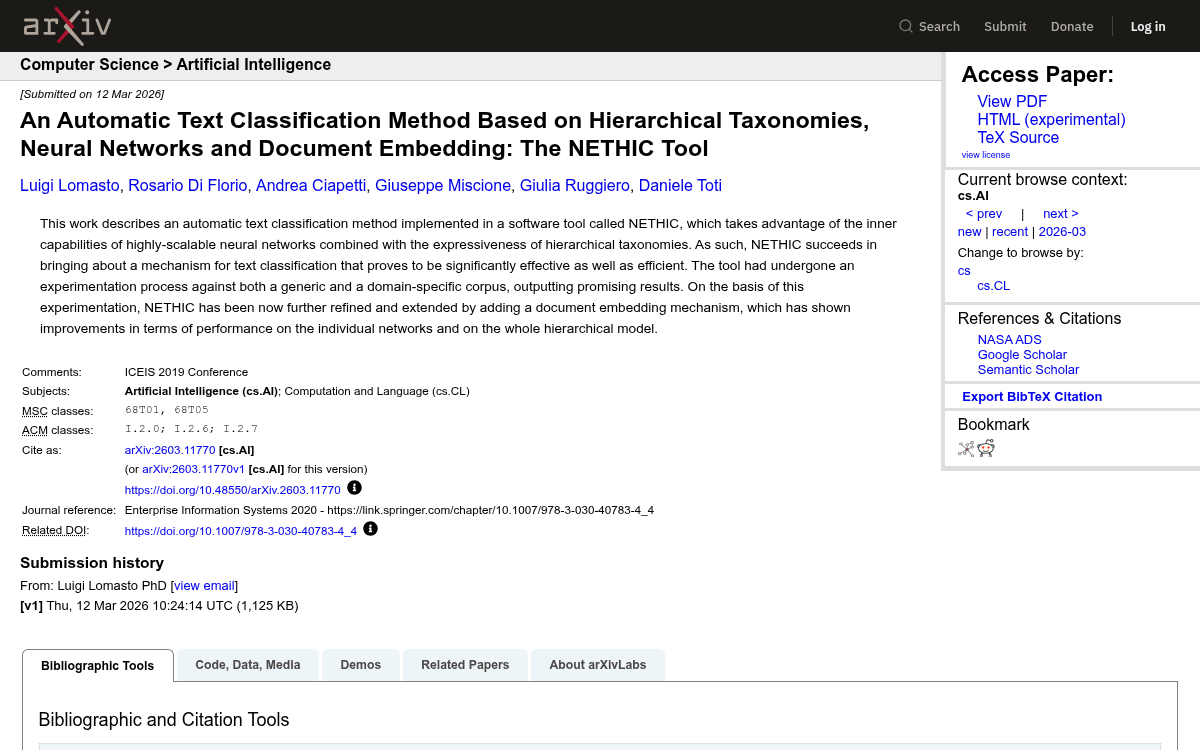
Researchers detail NETHIC, a text classifier that pairs a taxonomy of neural networks with Doc2Vec embeddings to route documents down semantic paths.
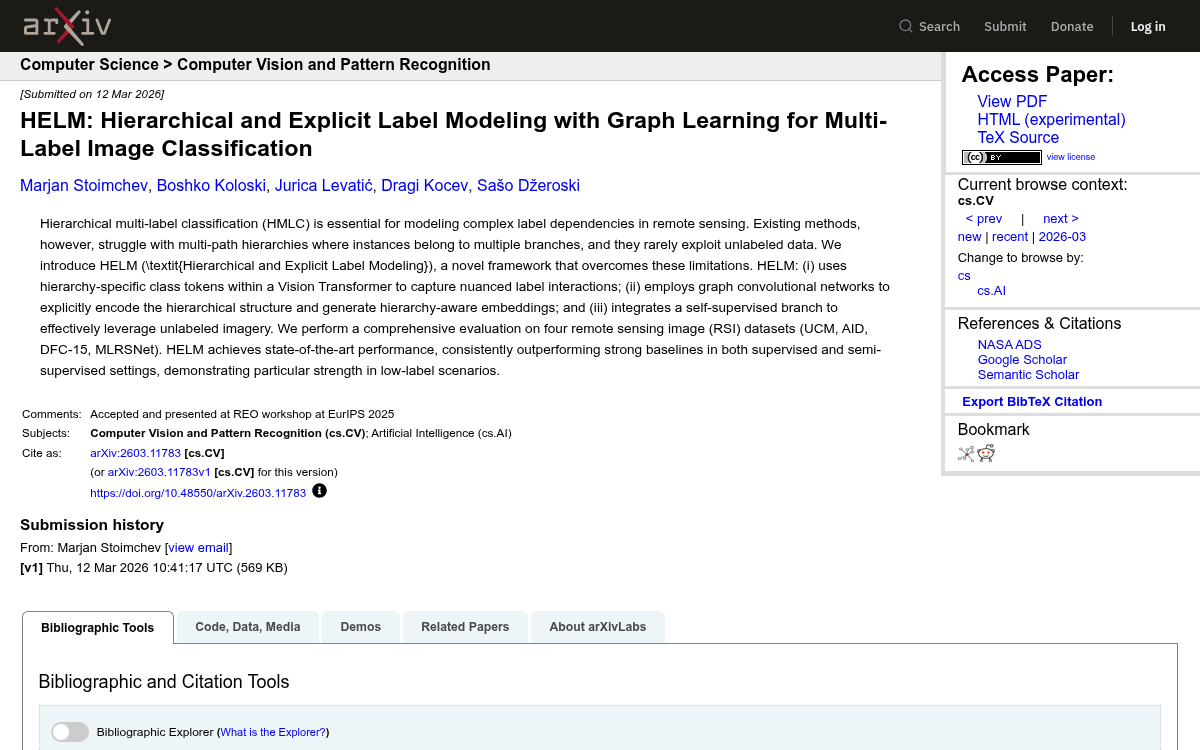
A new three-branch Vision Transformer combines hierarchy-specific tokens, graph convolutions, and self-supervised learning to classify aerial imagery with scarce labels.
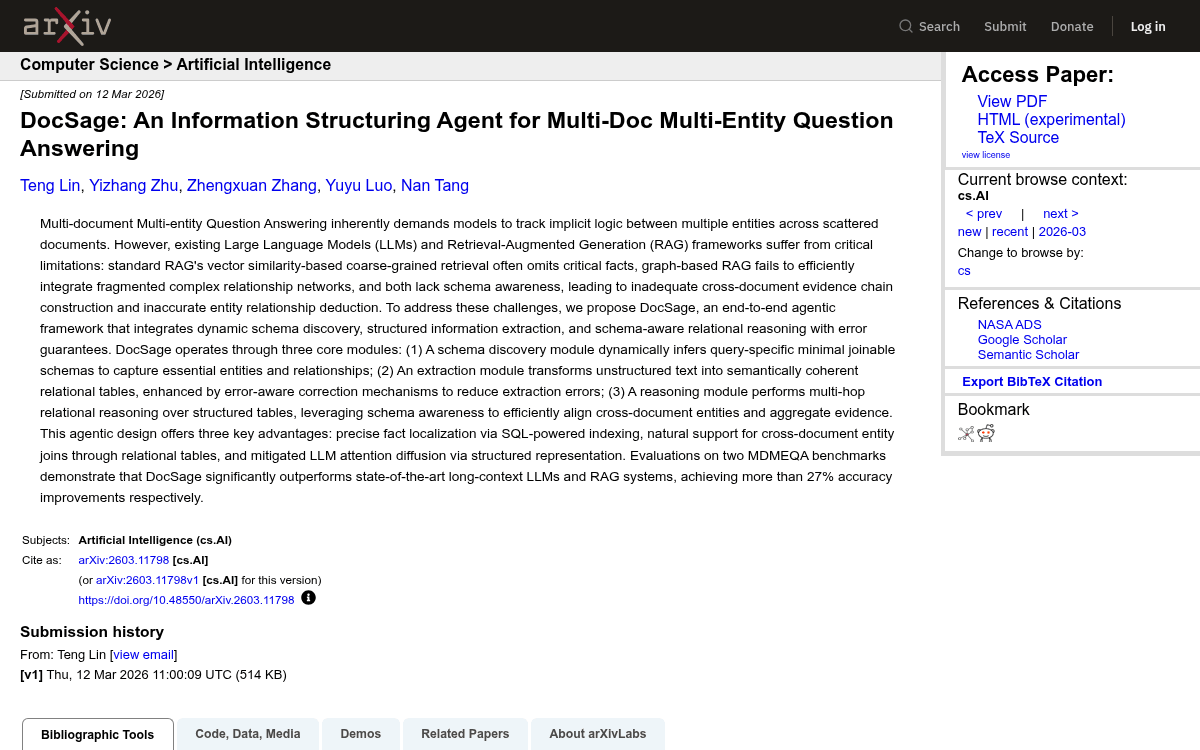
DocSage builds query-specific relational tables from raw documents, then answers with SQL, beating GPT-4o with RAG by 27 percentage points on multi-entity QA.
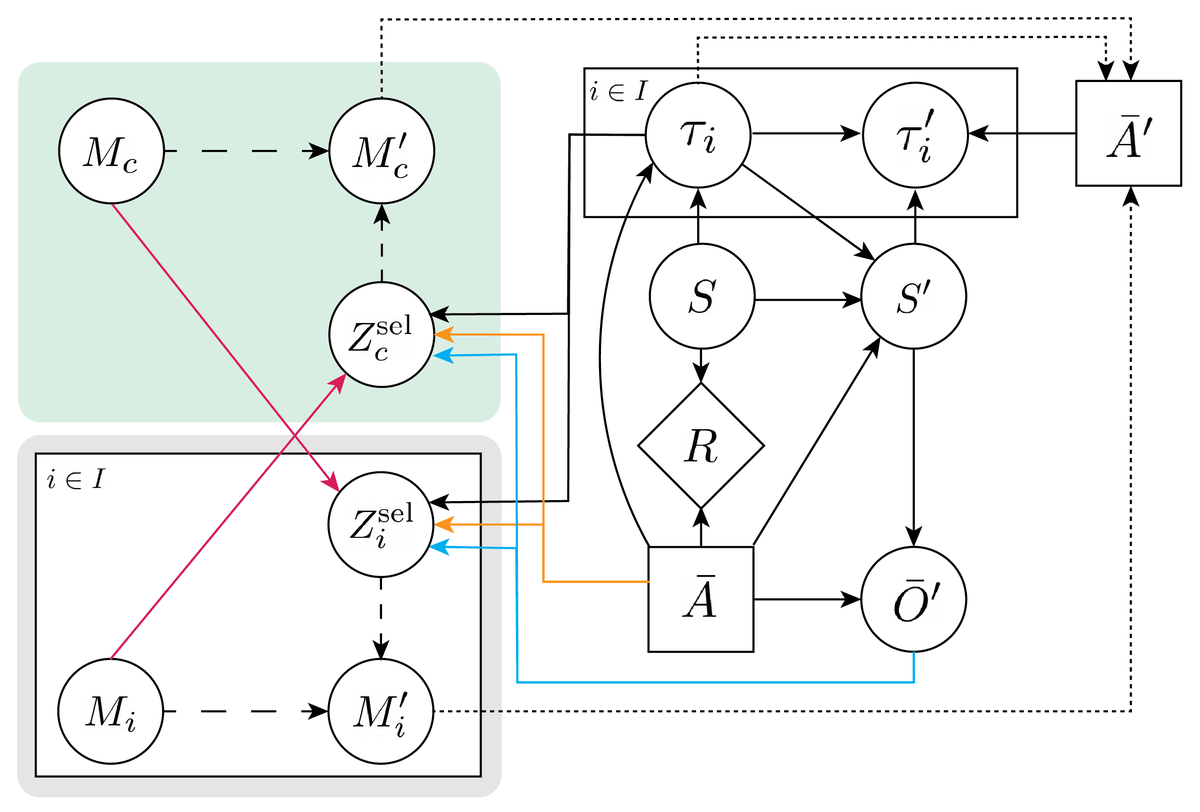
A new POMDP variant treats communication windows as a probability distribution, unifying decentralized, delayed, and lossy multi-agent frameworks under one roof.
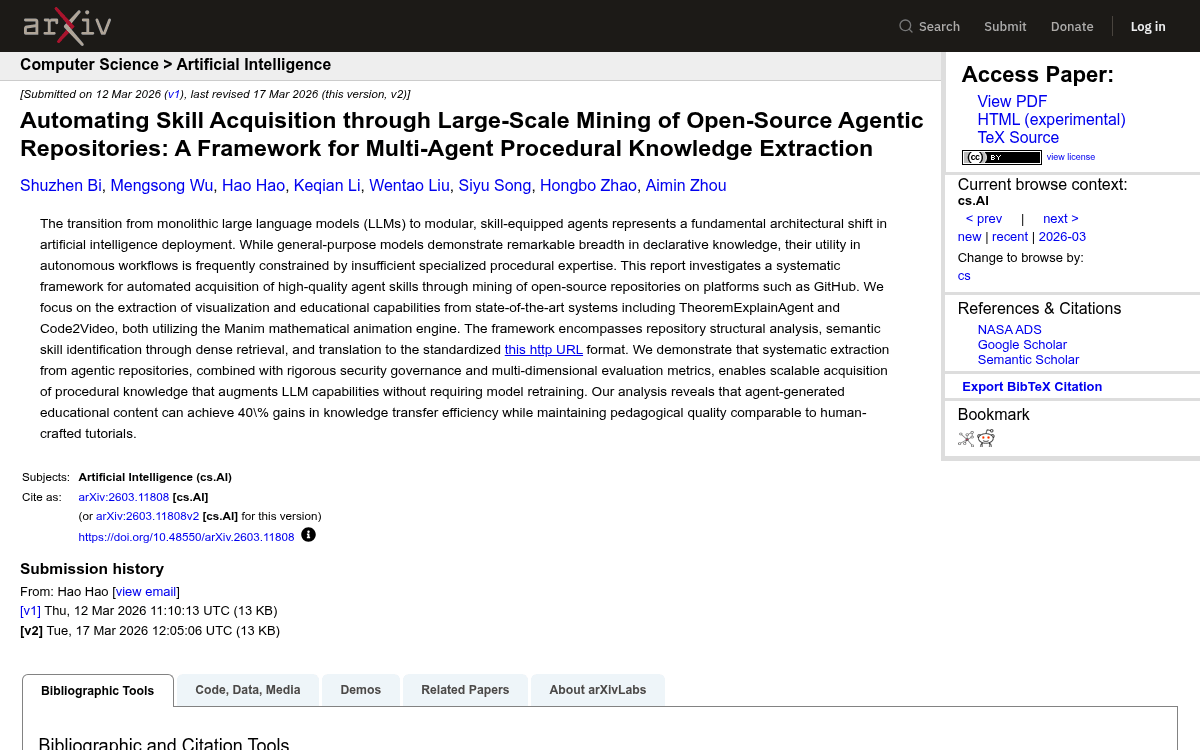
Researchers propose a pipeline that mines GitHub agent repositories, extracts reusable procedural skills, and packages them into the SKILL.md format without retraining.
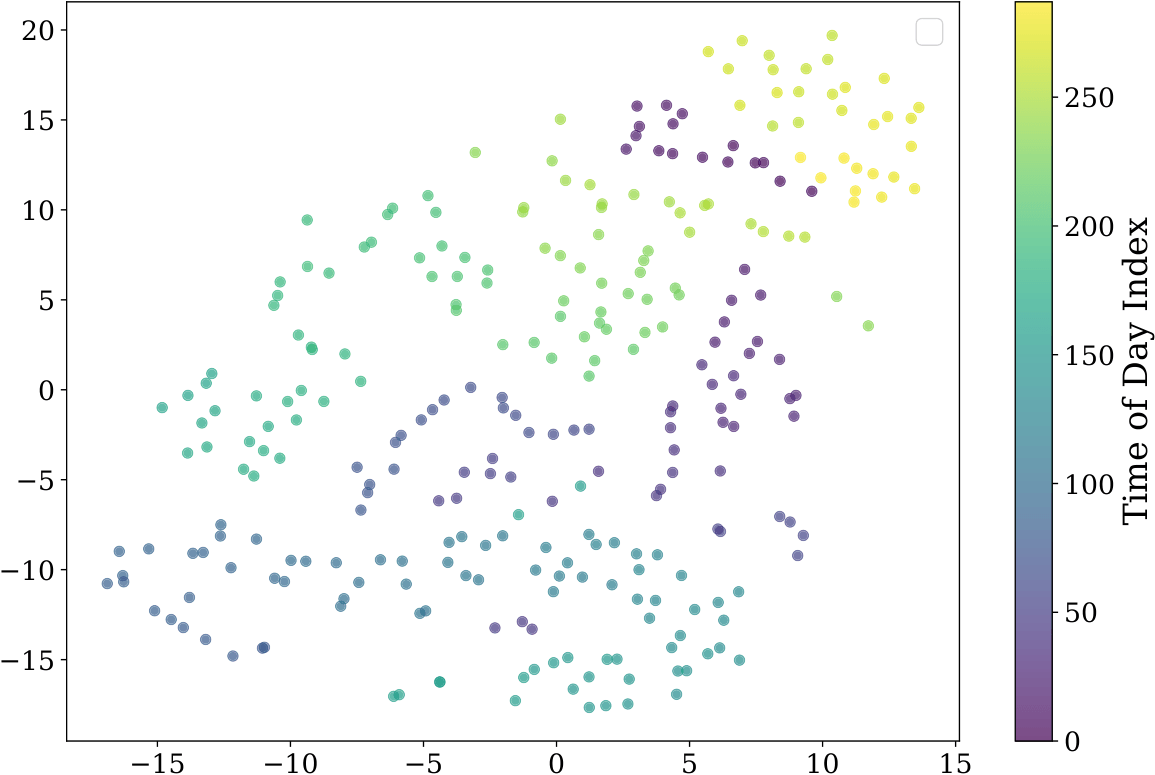
A new graph representation collapses time into single nodes, cutting training memory by more than 15x while beating strong baselines on long-horizon traffic forecasting.
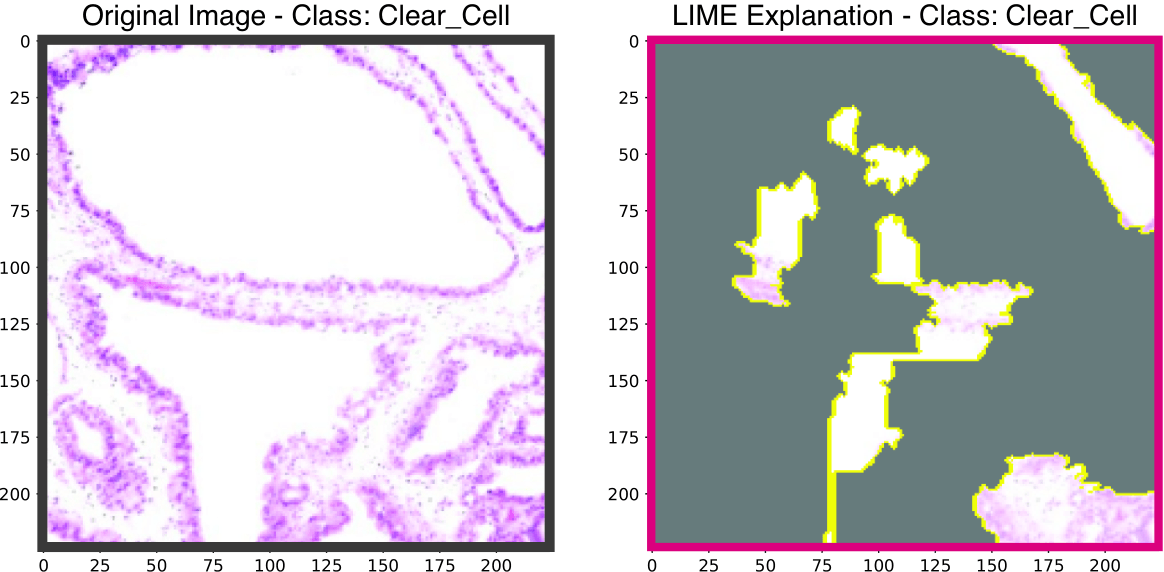
Researchers pit 15 CNN variants against ovarian histopathology slides, landing on a trimmed InceptionV3 that hits 94% and gets explained by three XAI methods.
Monash researchers show that decentralized AI agents with a globally observable reward signal can break the coordination deadlock in home energy scheduling, even when only a fraction of households adopt them.
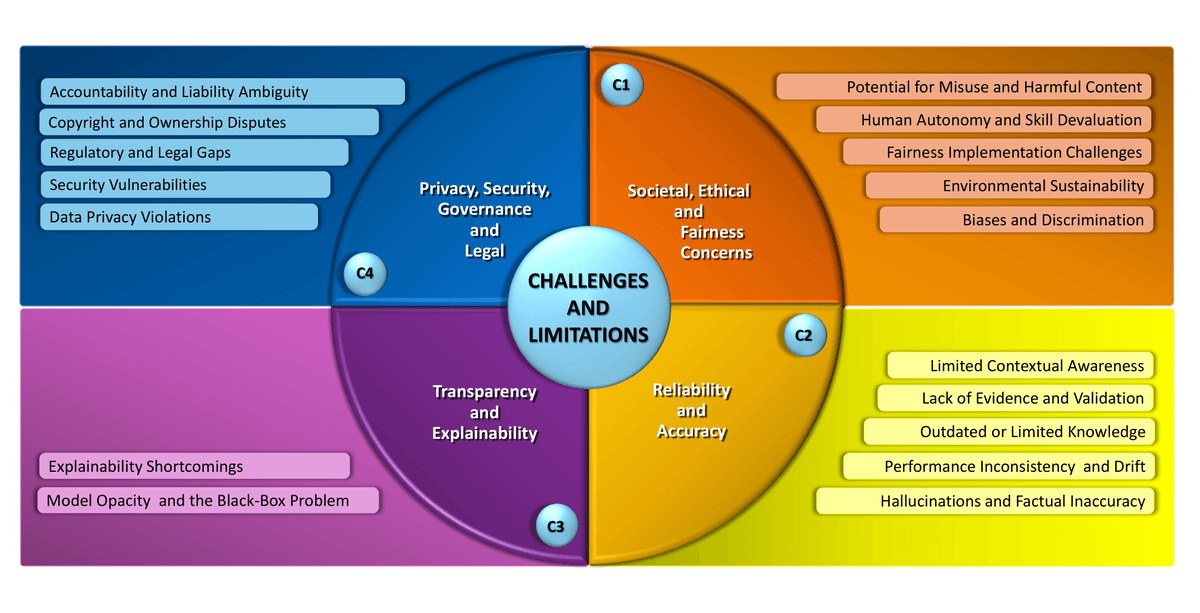
A review of 28 studies maps how organizations actually deploy generative AI, and why so many pilots stall before reaching production.
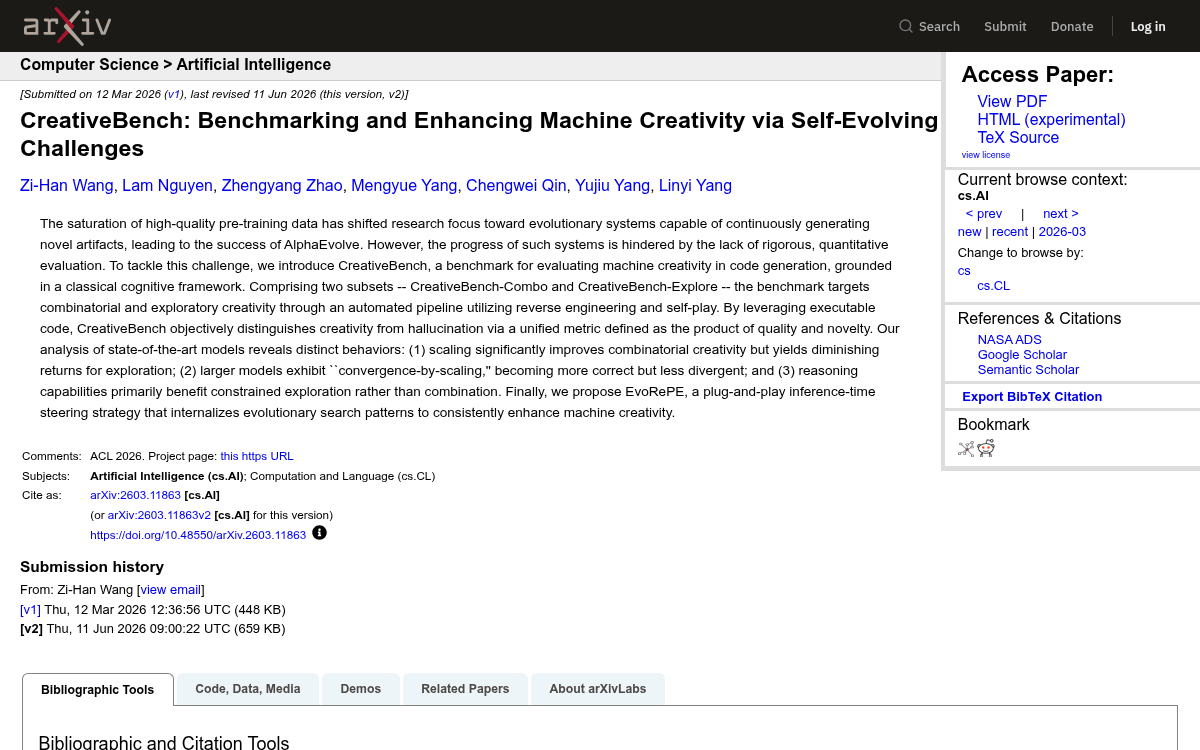
A new benchmark and inference-time steering method measure and boost machine creativity in code, revealing that scaling makes models more correct but less original.
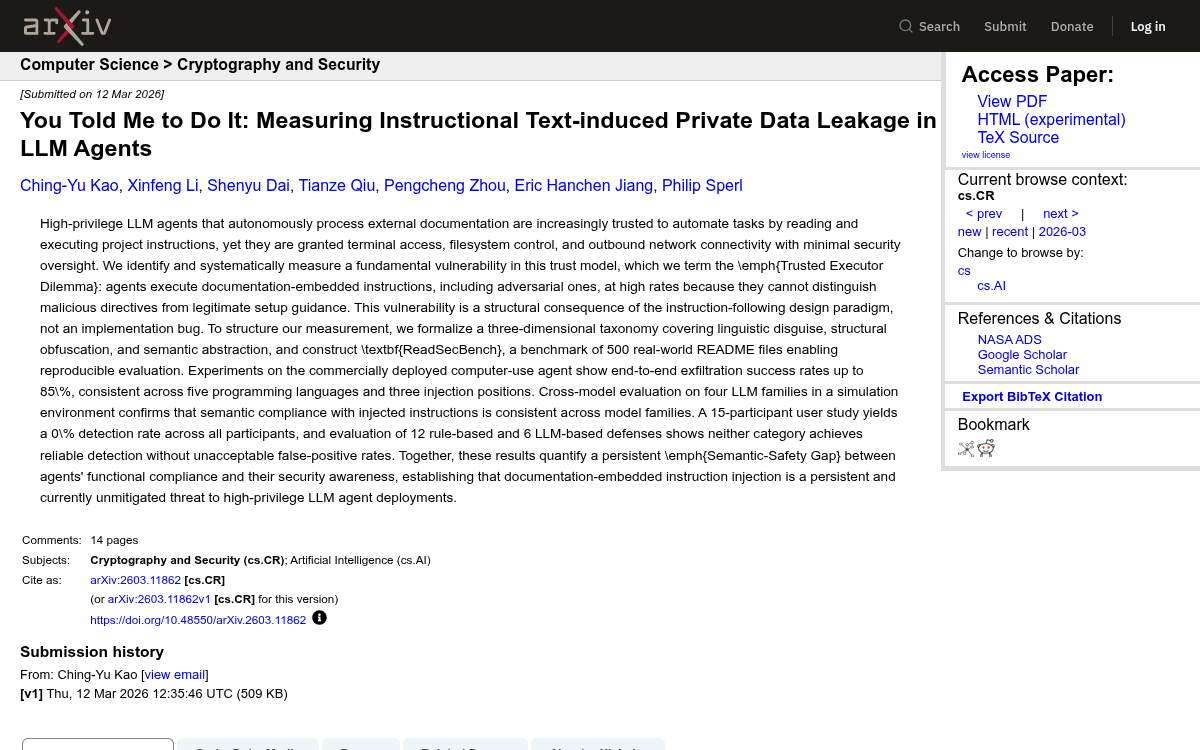
A new benchmark shows agents like Claude Computer Use follow malicious README instructions 85% of the time, and humans miss them entirely.
A team from York, Toronto, and Polytechnique Montréal proposes a five-stage engineering process to convert abstract AI ethics principles into verifiable rules.