
Pro
HP-GP-TS Beats Bayesian Optimization's Dirty Secret With Tighter Regret Bounds
Two Thompson sampling variants let Gaussian process bandits pick their own prior, cutting regret and correcting flawed theory from prior work.
20 stories
Two Thompson sampling variants let Gaussian process bandits pick their own prior, cutting regret and correcting flawed theory from prior work.
Johns Hopkins and LightOn release ten paired encoder and decoder models trained identically, ending years of unfair architectural comparisons and beating ModernBERT, Llama 3.2, and SmolLM2.
A Google DeepMind proof shows single-vector retrieval has a hard ceiling tied to dimension, and a toy dataset breaks every top model.
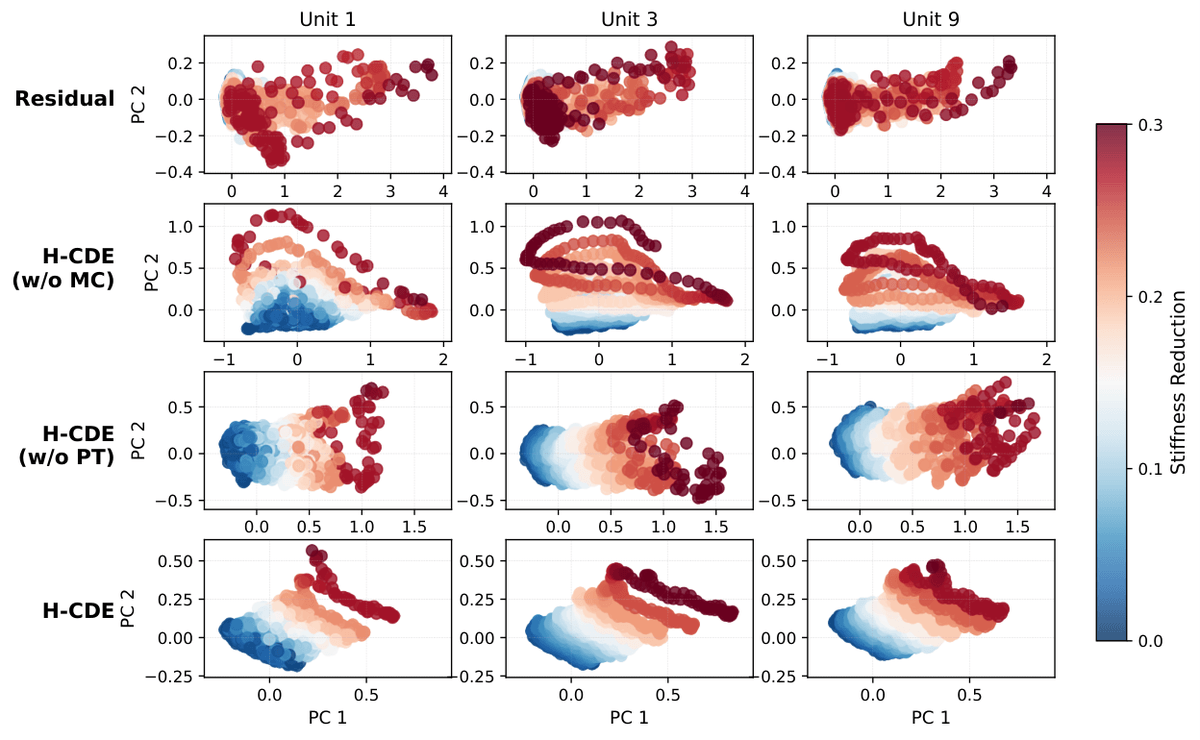
A new hierarchical neural differential equation framework separates slow wear from fast operational noise in bridges and jet engines without labels.
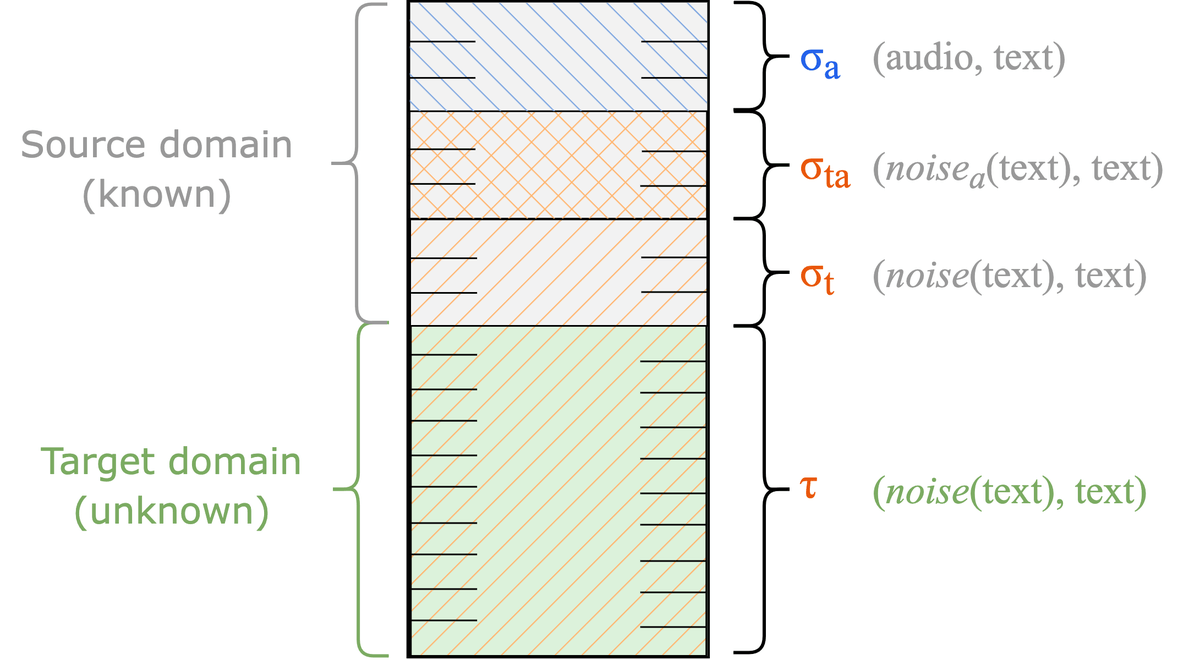
Researchers reframe domain adaptation as a denoising problem, letting speech LLMs learn new vocabularies from text alone without breaking speech-text alignment.
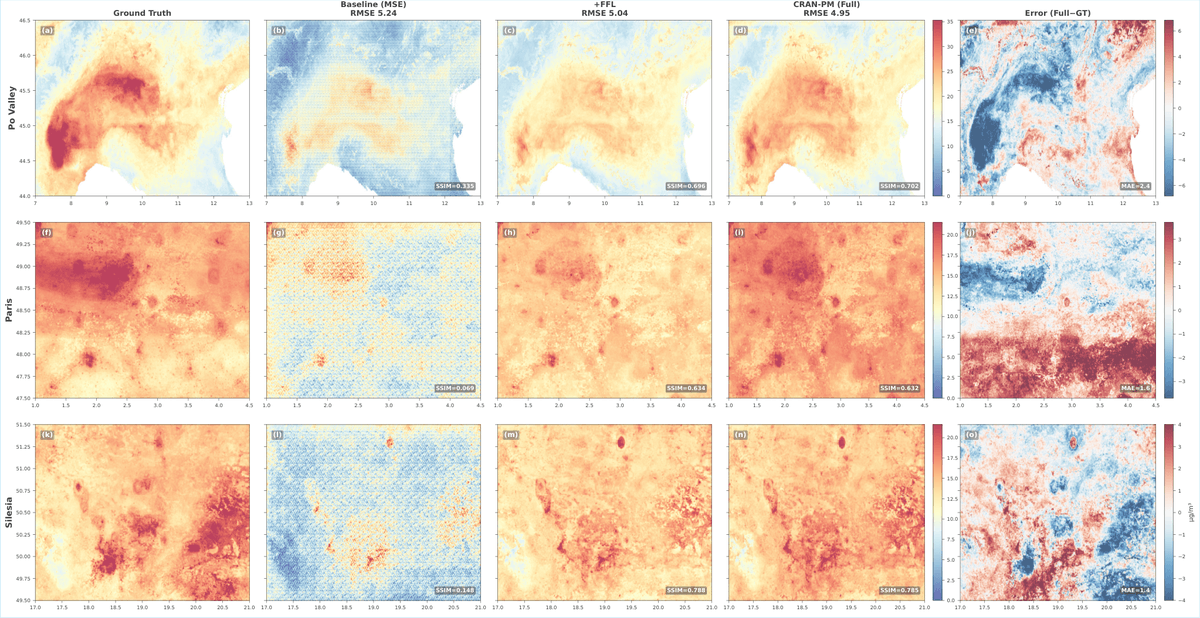
A dual-branch Vision Transformer forecasts European PM2.5 at 1 km resolution by fusing coarse meteorology with fine local data through cross-resolution attention.
New learning-theoretic framework proves when a model training on its own outputs fundamentally breaks, and when clean filtering can save it
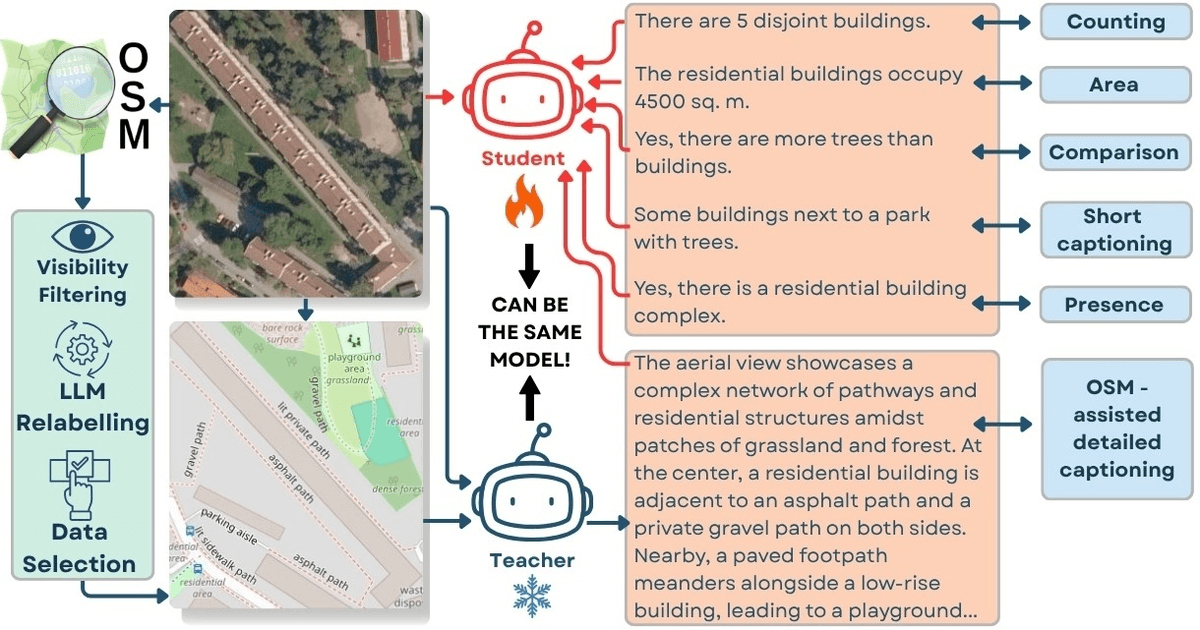
A new domain adaptation method lets a base VLM annotate its own satellite training data using OpenStreetMap tiles, hitting state-of-the-art results at a fraction of the cost.
A new tutorial chapter lays out the algebra, statistics, and calculus needed to train neural networks that treat 3D and 4D signals as single entities.
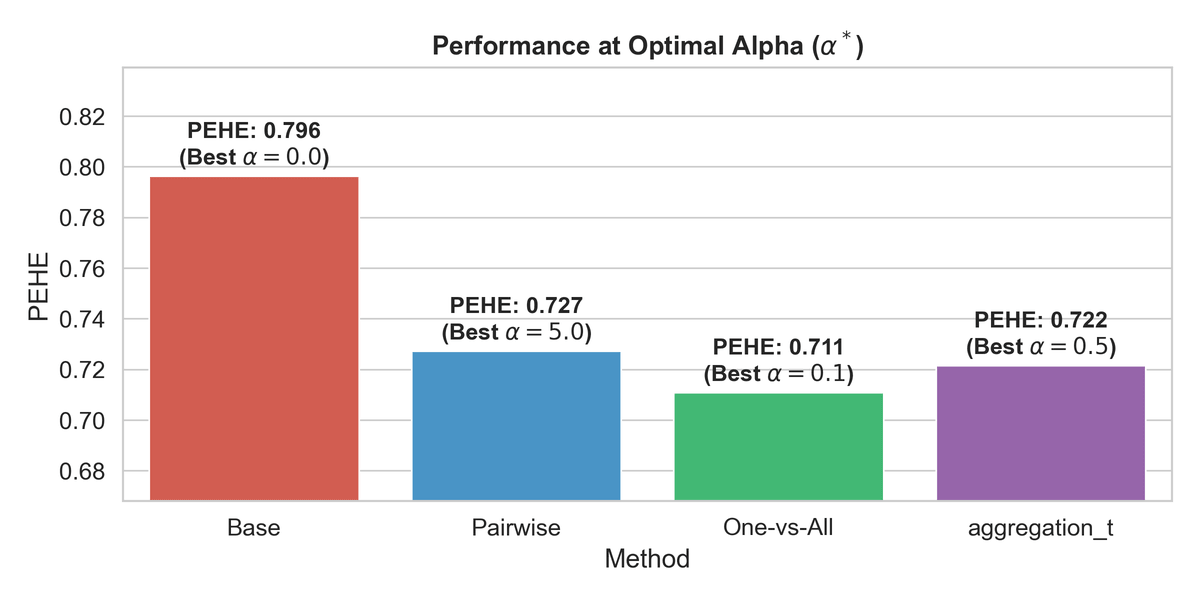
A new framework turns causal inference's most annoying hyperparameter into an estimated quantity and cuts computation from O(K²) to O(1) across treatments.
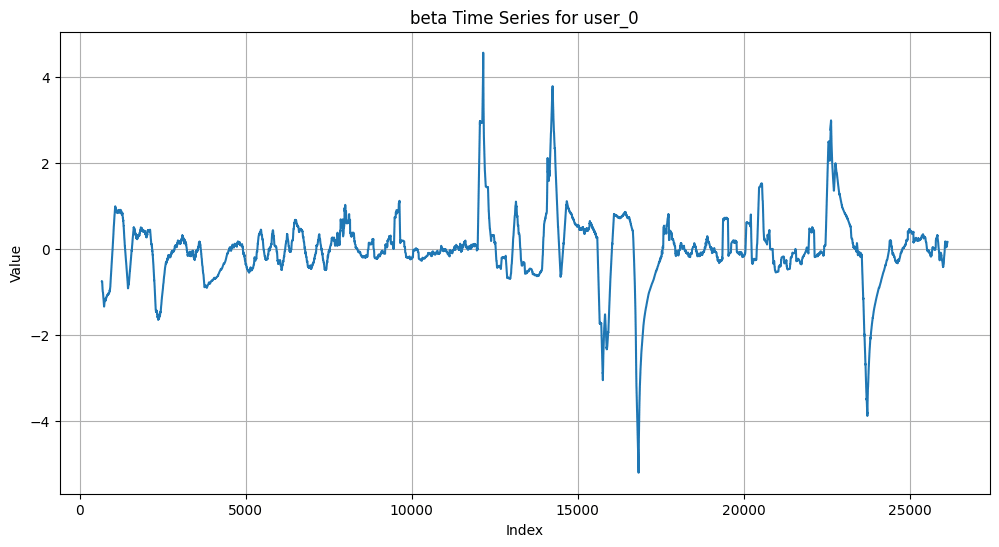
An ablation study of the widely used RevIN normalization reveals its learnable affine layer is redundant, and training in the normalized space works better.
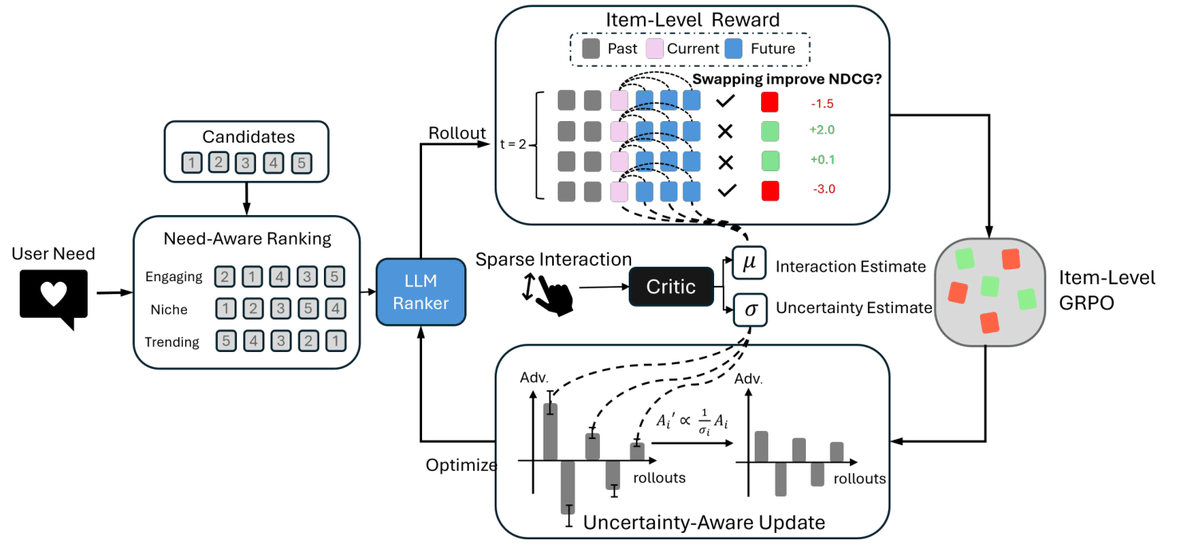
A new RL post-training method turns a 3B LLM into a recommender that swaps ranking behavior on demand, beating specialized systems by up to 109% on Recall@5.
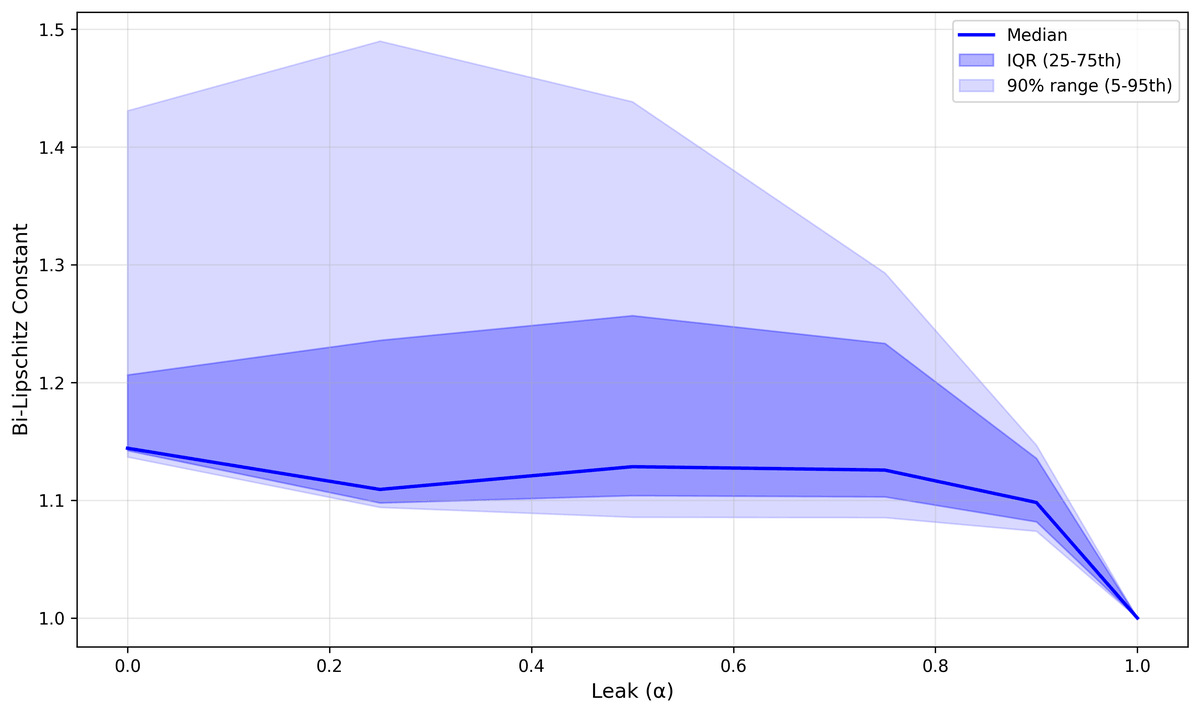
A new theory shows that adding independent components analysis to any standard autoencoder yields state-of-the-art disentanglement, no exotic training required.
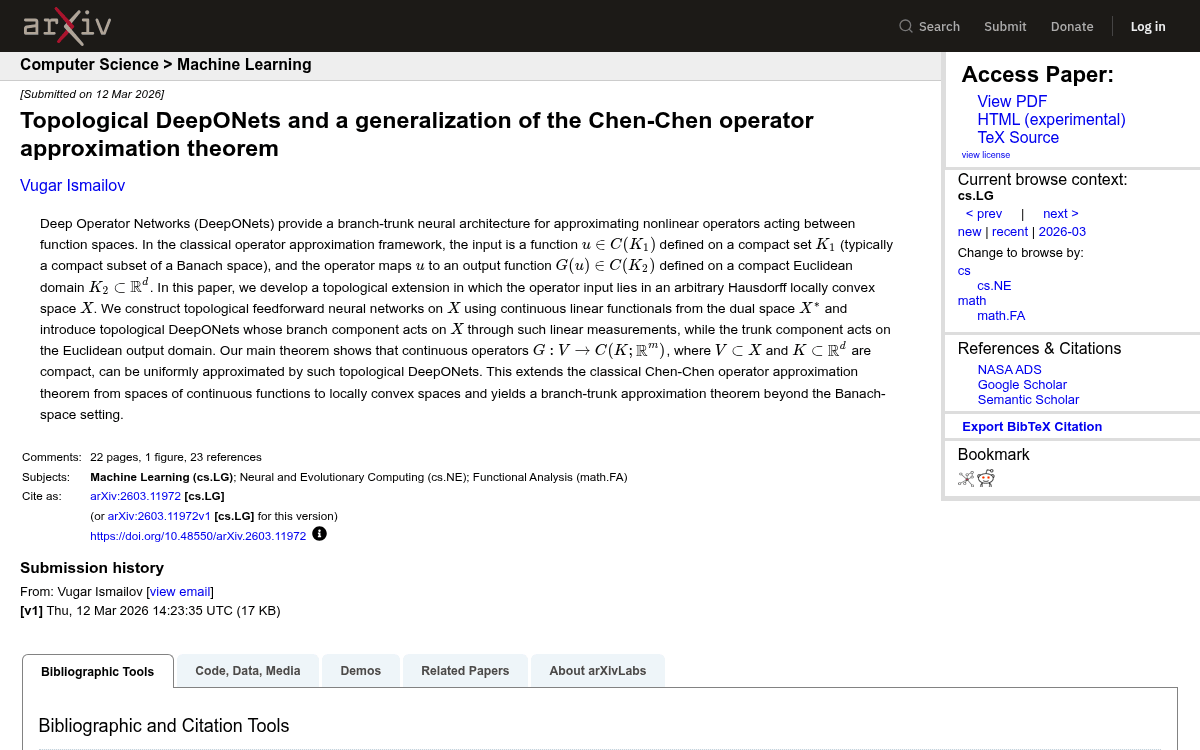
A new theorem extends DeepONet universal approximation from Banach function spaces to arbitrary locally convex spaces, using dual-space linear functionals instead of pointwise sensors.
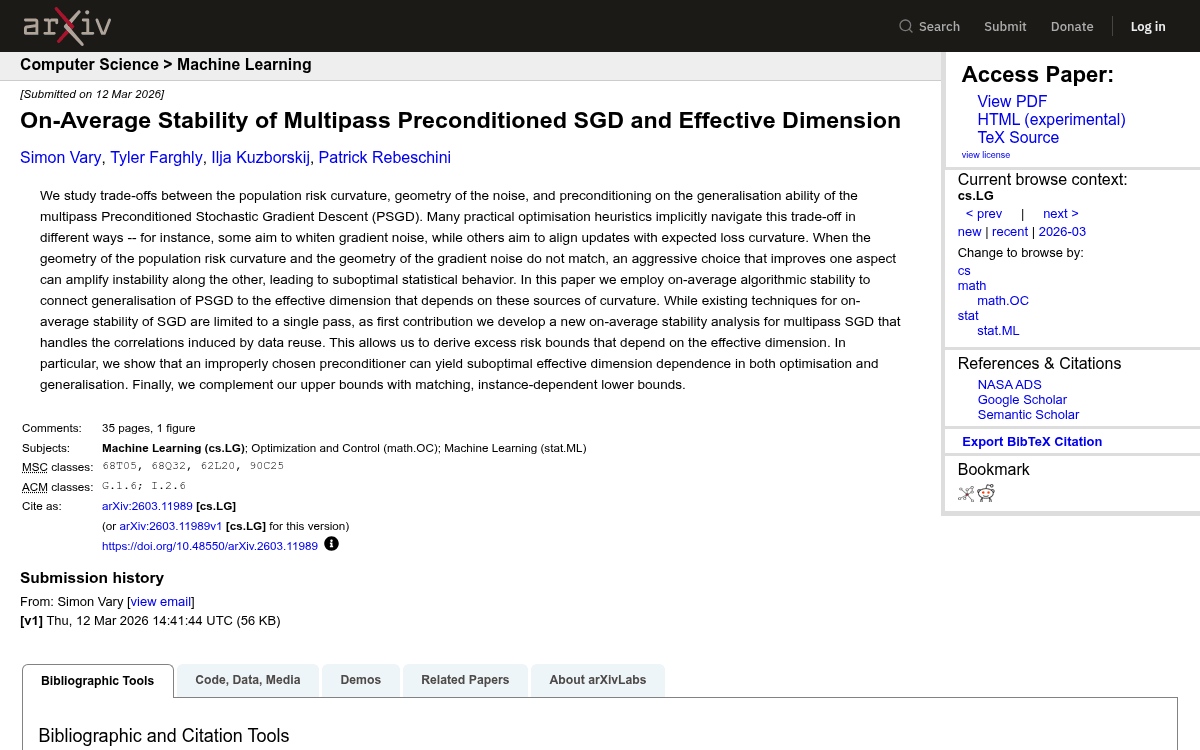
A new theoretical analysis pins down how the choice of preconditioner in stochastic gradient methods can silently wreck generalization when noise and curvature disagree.
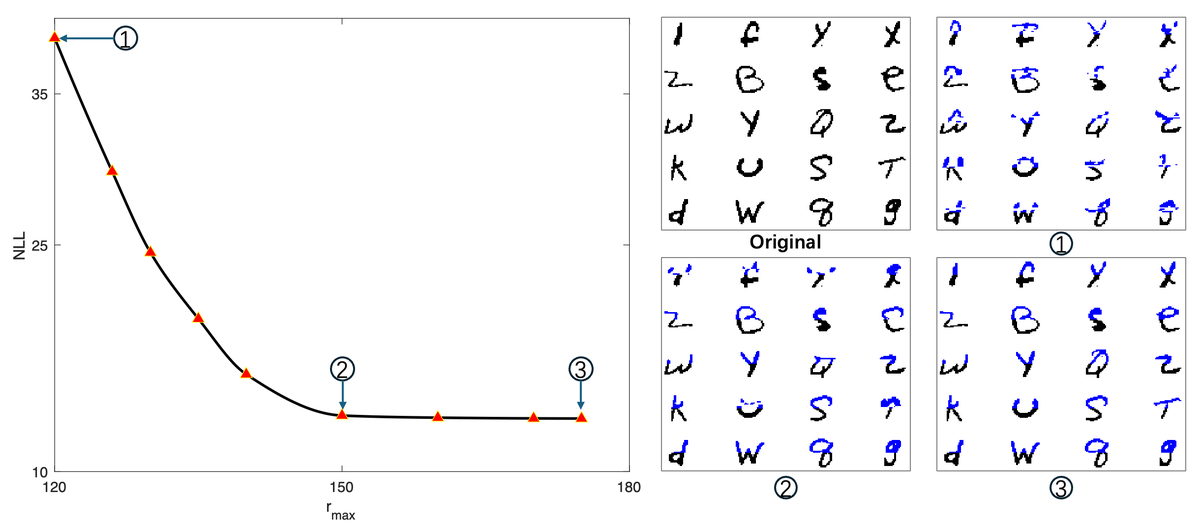
A quantum-physics-inspired training method makes tensor network generative models converge in seconds instead of minutes, using unit-sphere constraints and manifold optimization.
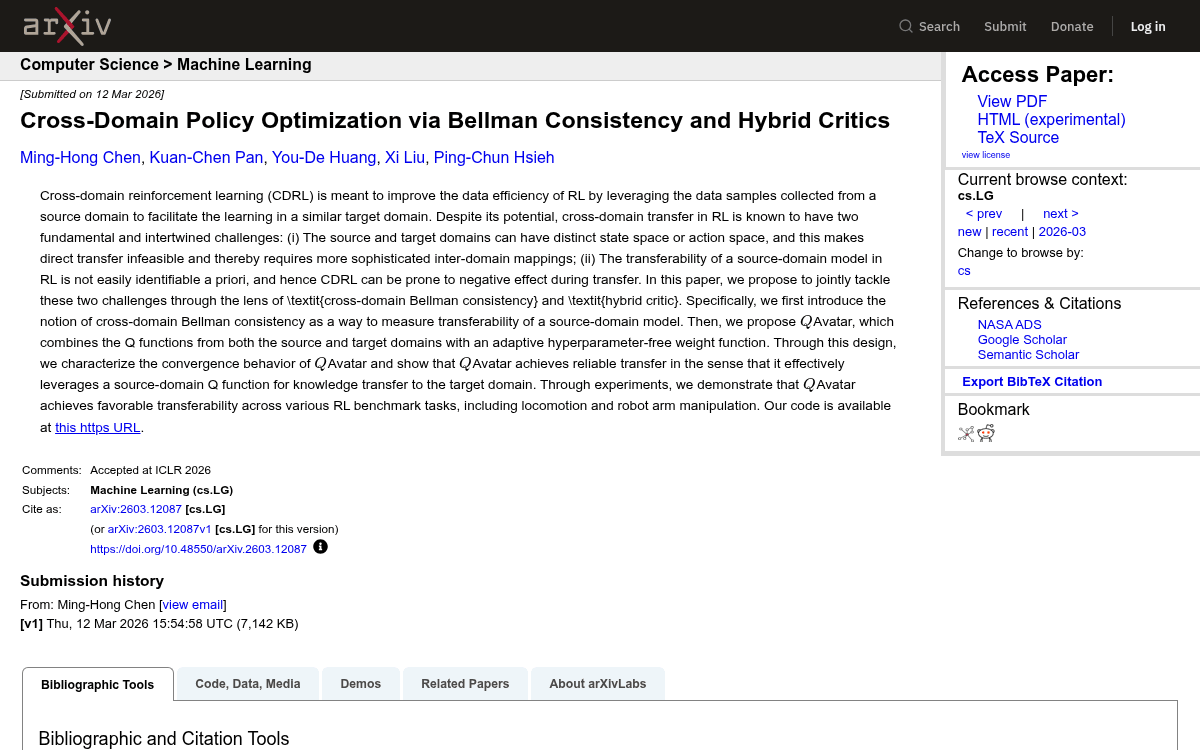
QAvatar blends source and target Q-functions with a self-tuning weight, letting an agent transfer knowledge across robots with different bodies without getting hurt by a bad teacher.
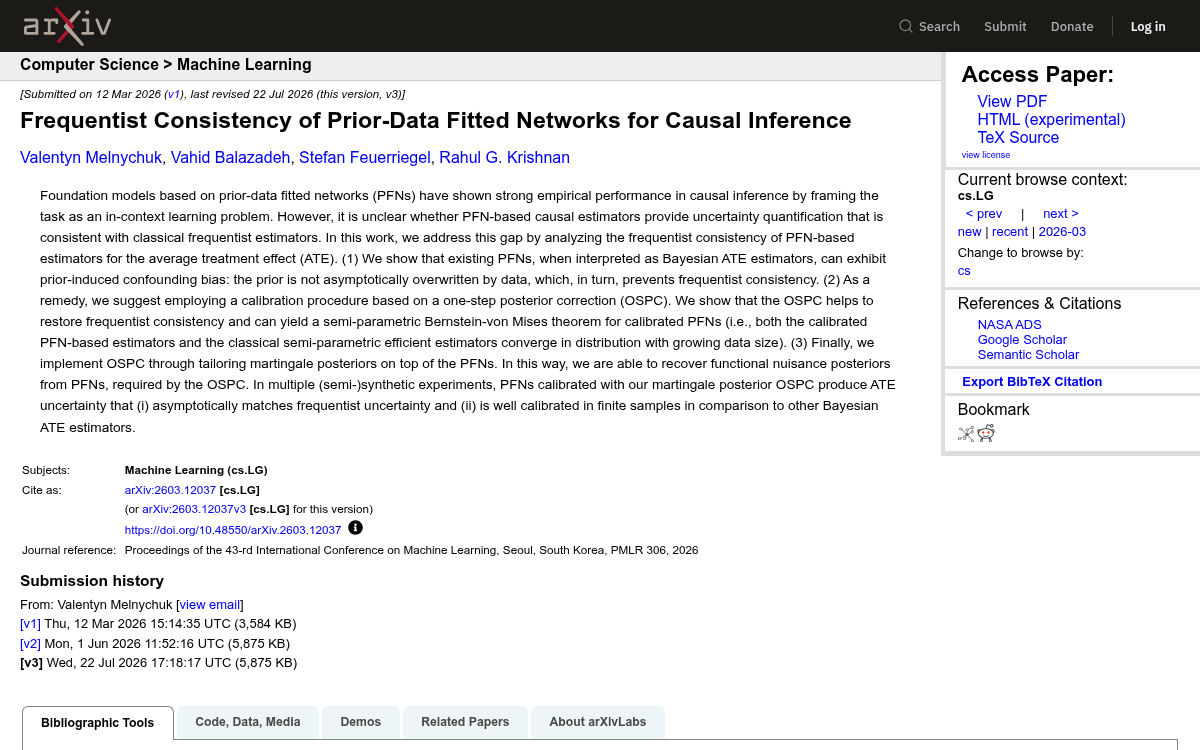
A calibration procedure fixes broken uncertainty estimates when tabular foundation models like TabPFN and CausalPFN are used for treatment effect estimation.
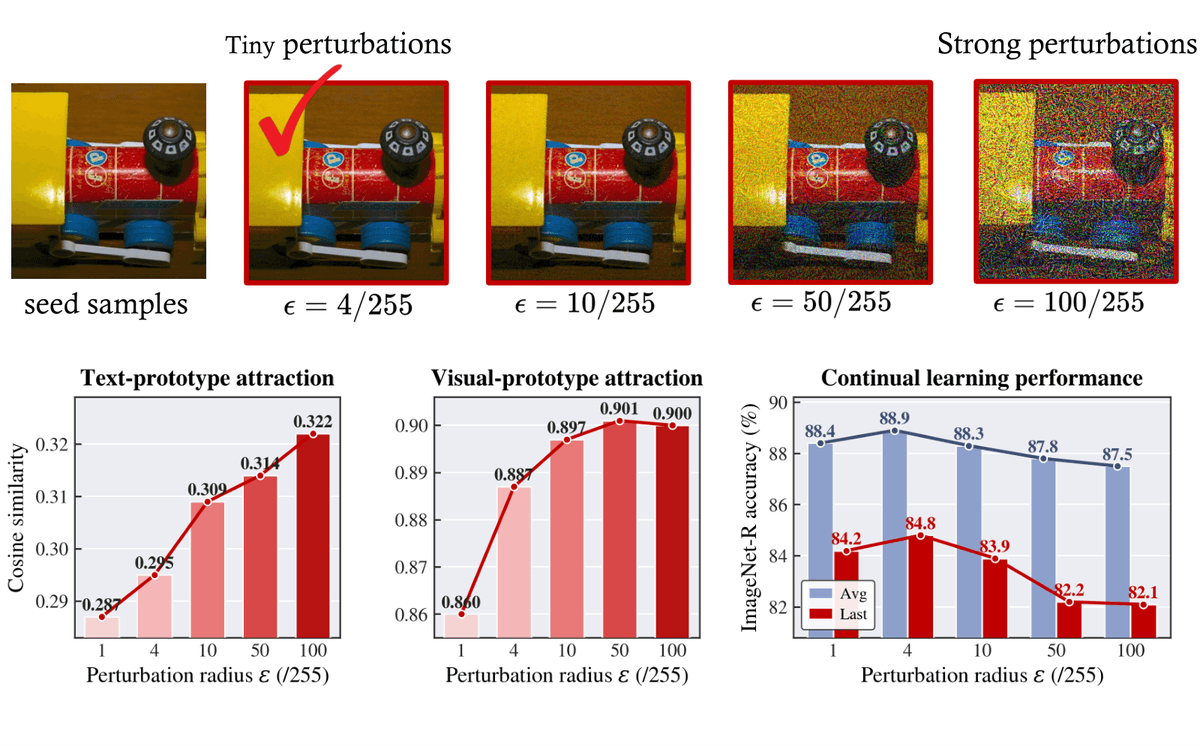
A new method for CLIP-style continual learning targets the exact boundary regions where new tasks overwrite old knowledge, hitting state of the art on five benchmarks.
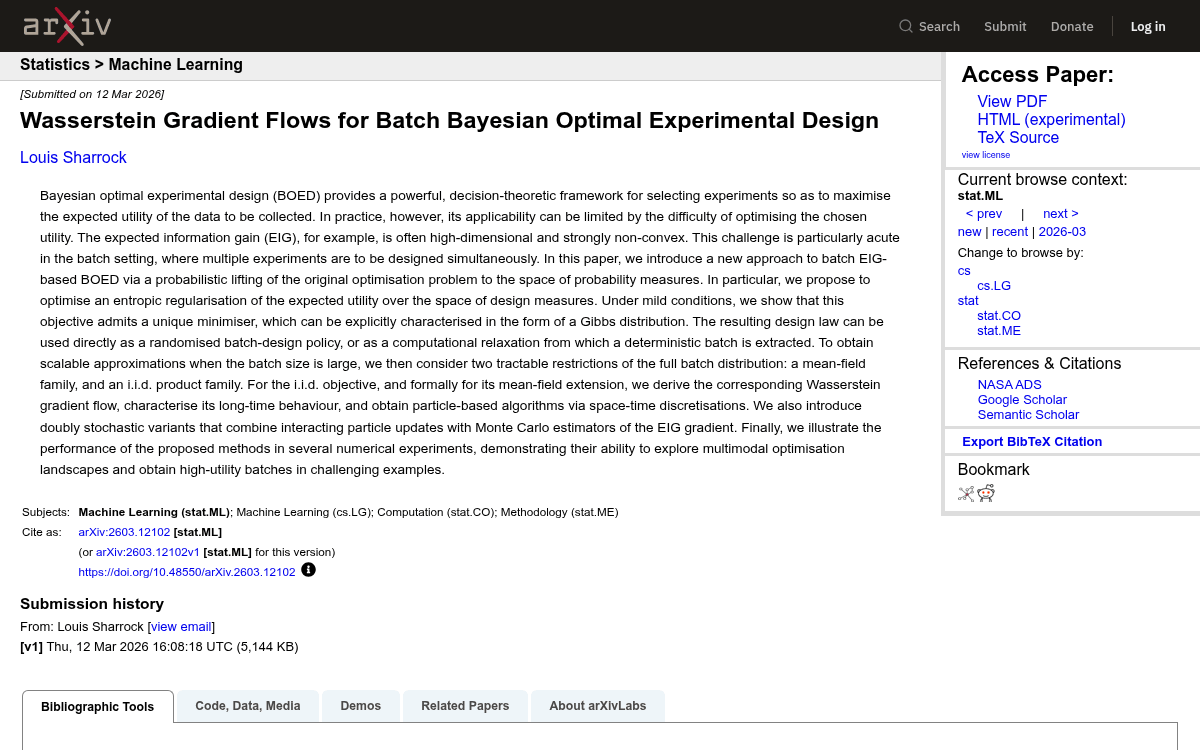
A new distributional formulation replaces gradient ascent on the expected information gain with particle-based flows that escape local optima in batch experimental design.